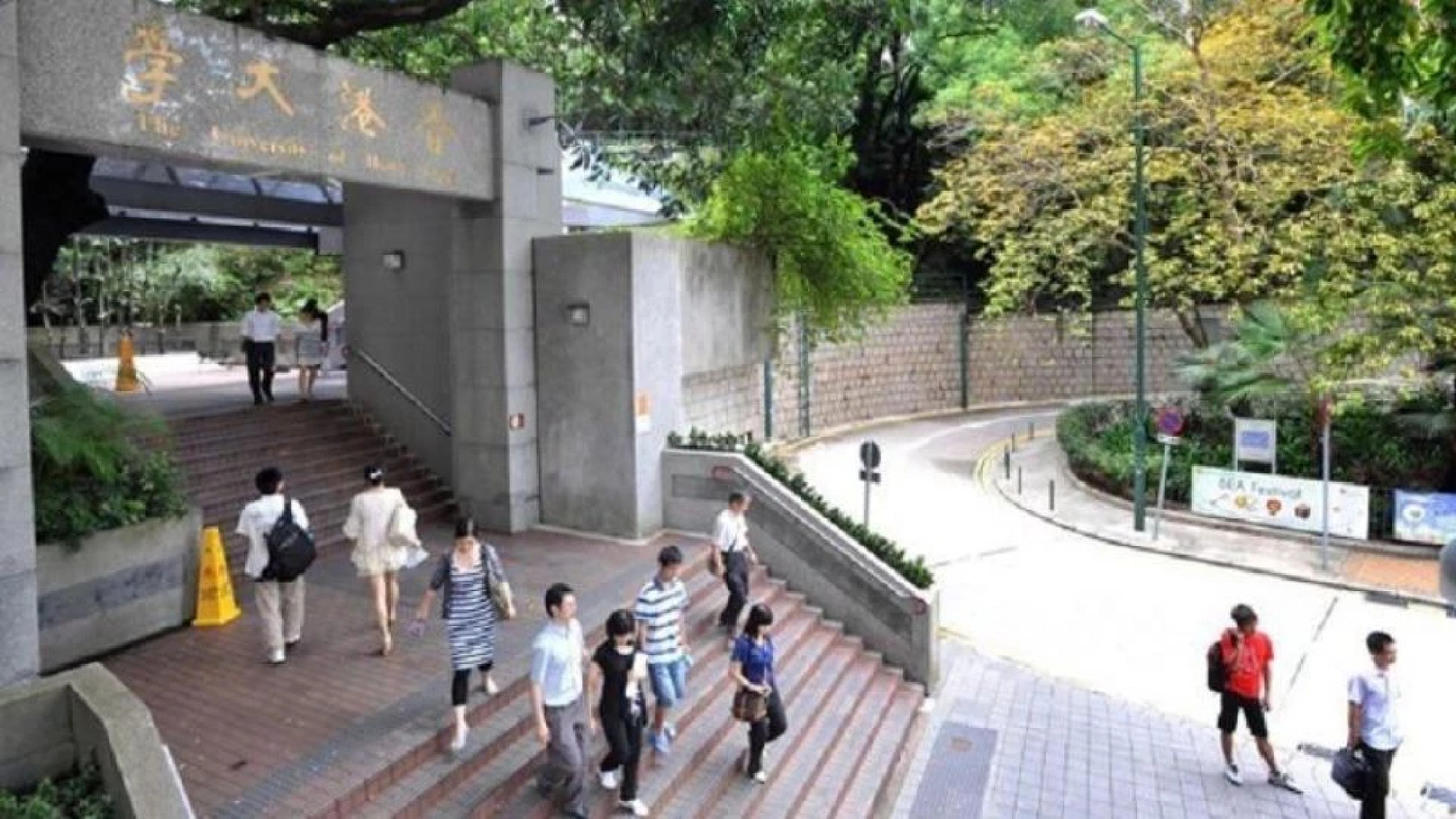
Tsinghua and Peking universities retained the top two spots, while the National University of Singapore came in at No 3 in the latest Times Higher Education Asia University Rankings.
Three Hong Kong universities were among the top 10 in Asia.
The University of Hong Kong held onto its No 4 spot for a fifth consecutive year, with an overall score of 80.2. It scored the highest in “international outlook” with 98.8 marks, followed by 85 marks for “citations”. It is ranked 30 in the Times World University Rankings 2022.
The Chinese University of Hong Kong stayed at No 7 for a second year running, while the Hong Kong University of Science and Technology dropped one spot to 9. The Polytechnic University was not too far behind, coming in at No 15.
The list comprising 616 universities from 31 countries and territories highlights the dynamism and strength of higher education institutions across Asia.
Other universities that round out the top 10 are Singapore’s Nanyang Technological University at No 5, followed by the University of Tokyo at No 6, Seoul National University at No 8 and Fudan University at 10.
China Daily
Asia News Network
Asia News Network: The Nation (Thailand), The Korea Herald, The Straits Times (Singapore), China Daily, Jakarta Post, The Star and Sin Chew Daily (Malaysia), The Statesman (India), Philippine Daily Inquirer, Yomiuri Shimbun and The Japan News, Gogo Mongolia, Dawn (Pakistan), The Island (Sri Lanka), Kuensel (Bhutan), Kathmandu Post (Nepal), Daily Star (Bangladesh), Eleven Media (Myanmar), the Phnom Penh Post and Rasmei Kampuchea (Cambodia), The Borneo Bulletin (Brunei), Vietnam News, and Vientiane Times (Laos).
A year after officially requesting Dhaka not to join the Quad alliance of India, US, Japan, and Australia, China has yet again warned Bangladesh to shun bloc politics.
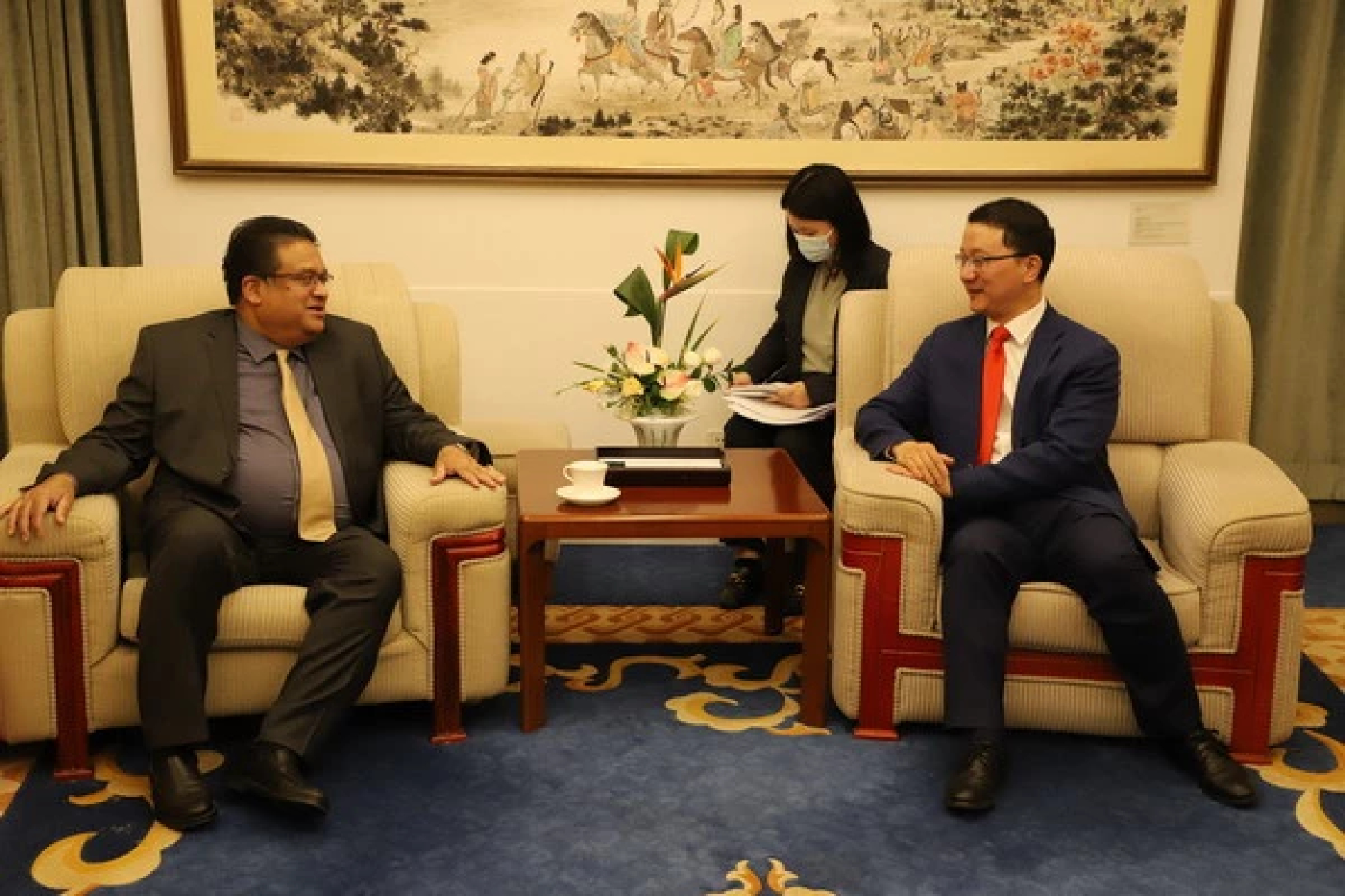
“China believes that countries in the region, including Bangladesh, will bear in mind the fundamental interests of their own countries and the region, uphold independence, reject the Cold War mentality and bloc politics,” Chinese Foreign Ministry’s Department of Asian Affairs Director-General Liu Jinsong told Bangladeshi Ambassador to China Mahbub Uz Zaman on Wednesday.
According to a press release issued by the Chinese Foreign Ministry, Liu told Zaman during their meeting that countries in the region should maintain true multilateralism and defend the region’s hard-won environment for peace and prosperity.
On May 10, last year, Chinese Ambassador to Bangladesh Li Jiming had said Bangladesh “should not join the Quad” — a US-led initiative — and that Bangladesh’s relations with China will “substantially be damaged” if it joins it.
He termed Quad “a military alliance aimed against China’s resurgence and its relationship with neighboring countries”.
Following that, Bangladesh’s Foreign Minister Dr. AK Abdul Momen the next day had said Bangladesh maintained a non-aligned and balanced foreign policy and would decide what to do according to those principles.
“We’re an independent and sovereign state. We decide our foreign policy. But yes, any country can uphold its position,” he had told reporters.
The Daily Star
Asia News Network
Asia News Network: The Nation (Thailand), The Korea Herald, The Straits Times (Singapore), China Daily, Jakarta Post, The Star and Sin Chew Daily (Malaysia), The Statesman (India), Philippine Daily Inquirer, Yomiuri Shimbun and The Japan News, Gogo Mongolia, Dawn (Pakistan), The Island (Sri Lanka), Kuensel (Bhutan), Kathmandu Post (Nepal), Daily Star (Bangladesh), Eleven Media (Myanmar), the Phnom Penh Post and Rasmei Kampuchea (Cambodia), The Borneo Bulletin (Brunei), Vietnam News, and Vientiane Times (Laos).
While India has still not recognised the regime in Kabul, a team from India has reached the Afghan capital to meet senior members of the Taliban government.
In a clear signal that New Delhi is willing to engage with the Taliban regime, it has dispatched a high-level delegation to Afghanistan to meet top leaders and oversee the delivery of India’s massive humanitarian aid to the war-torn country.
This is the first such visit by an official Indian delegation to Afghanistan since the Taliban took over in August last year.
Officials say the Indian delegation will also meet representatives of relevant international organisations involved in the distribution of humanitarian assistance.
The team is also expected to observe Indian programs and projects implemented in Afghanistan.
This development came amid reports that India is looking into reopening its embassy in Afghanistan, but without top-level diplomatic representation. Indian embassy staff were brought back to India soon after the Taliban took over the embattled country. A team of Indian security officials has already visited Kabul to assess the ground situation. The Taliban regime also wants India to reopen its embassy in Kabul and has thanked New Delhi for extending assistance in the form of wheat and Covid-19 vaccines in recent months.
New Delhi recently dispatched several shipments comprising 20,000 tonnes of wheat, 13 tonnes of medicines, 500,000 doses of Covid vaccine and winter clothing. India is in the process of shipping more medical assistance and food to Afghanistan.
India has also gifted 1 million doses of locally-made Covaxin to Iran for use on Afghan refugees.
India’s helping hand has been met with widespread appreciation across the spectrum of Afghan society.
Officials point out that India has historical ties with Afghan people and these longstanding links will continue to guide New Delhi’s approach.
The Statesman
Asia News Network
Asia News Network: The Nation (Thailand), The Korea Herald, The Straits Times (Singapore), China Daily, Jakarta Post, The Star and Sin Chew Daily (Malaysia), The Statesman (India), Philippine Daily Inquirer, Yomiuri Shimbun and The Japan News, Gogo Mongolia, Dawn (Pakistan), The Island (Sri Lanka), Kuensel (Bhutan), Kathmandu Post (Nepal), Daily Star (Bangladesh), Eleven Media (Myanmar), the Phnom Penh Post and Rasmei Kampuchea (Cambodia), The Borneo Bulletin (Brunei), Vietnam News, and Vientiane Times (Laos).
Japan will deploy its helicopter-carrying destroyer Izumo in the Indo-Pacific from June 13 as part of a self-defence exercise to counter China’s rising regional assertiveness. Izumo is currently being upgraded as a de-facto aircraft carrier.
The Maritime Self-Defence Force (MSDF) deployment – which also includes the destroyers Takanami and Kirisame, a submarine, and a P-1 maritime patrol aircraft – will run through October 28.
The fleet will make port calls at 12 countries and regions, including Fiji, the Solomon Islands, Tonga, and Vanuatu in the South Pacific, as well as fellow Quad members the United States, India and Australia. This will be the first port of call in Vanuatu by MSDF units.
The deployment is part of Tokyo’s efforts to deter China’s attempts to expand its influence in the region.
Beijing last week signed a security agreement with the Solomon Islands, in what is seen as a bid to vie with Washington for hegemony in the region. Japan, the United States, and Australia are among countries that have become increasingly wary of China’s moves.
Japan is seeking to promote trust with countries in the Indo-Pacific through joint exercises.
“It’s extremely unusual for MSDF vessels to tour intensively around Pacific-island nations,” a senior Japanese Defence Ministry official said.
A foreign affairs team in Japan’s ruling Liberal Democratic Party held its first meeting on Pacific-island nations on Wednesday. The team plans to compile a proposal this autumn, calling for the government to expand security cooperation with these island nations.
The Japan News
Asia News Network
Asia News Network: The Nation (Thailand), The Korea Herald, The Straits Times (Singapore), China Daily, Jakarta Post, The Star and Sin Chew Daily (Malaysia), The Statesman (India), Philippine Daily Inquirer, Yomiuri Shimbun and The Japan News, Gogo Mongolia, Dawn (Pakistan), The Island (Sri Lanka), Kuensel (Bhutan), Kathmandu Post (Nepal), Daily Star (Bangladesh), Eleven Media (Myanmar), the Phnom Penh Post and Rasmei Kampuchea (Cambodia), The Borneo Bulletin (Brunei), Vietnam News, and Vientiane Times (Laos).
State media in Myanmar on Wednesday blamed “terrorists” opposed to military rule for a deadly bomb blast at a bus stop in its biggest city of Yangon, an accusation denied by members of an exiled shadow government.
The blast in downtown Yangon occurred on Tuesday afternoon, killing one person and wounding nine, according to a charity group.
The Global New Light of Myanmar, which published photographs of some of the bloodied victims, said security forces were investigating.
No group has claimed responsibility for the blast but the state newspaper said it was caused by a bomb planted by “PDF (People’s Defence Force) terrorists”.
Since the military seized power from the elected government of Aung San Suu Kyi last year, lightly armed PDFs opposed to the military government have sprung up across Myanmar in a bid to take on the army.
In a statement, the defense ministry of the shadow National Unity Government (NUG) condemned the incident and said it would conduct its investigation.
Dr Sasa, a spokesman for the NUG, accused the military of being behind the attack.
We will do everything we can to get justice for those people,” Dr Sasa, who goes by one name, said in the statement on Twitter.
Neither state media nor the NUG provided evidence to back up their allegations and Reuters could not independently verify the claims.
A member of Lin Latt, a charity that helped the victims of the blast, said the wounded were taken to hospital where one died.
Myanmar has been in chaos since the military takeover, with conflict spreading across the Southeast Asian country after the army crushed mostly peaceful protests in cities.
The Assistance Association of Political Prisoners (AAPP), an activist group, says more than 1,800 people have been killed by the security forces.
Military authorities have said the AAPP figures are exaggerated and that soldiers have also been killed.
The true picture of the violence has become more difficult to assess since clashes have spread to more remote rural areas where ethnic minority insurgent groups are also fighting the military.
Eleven Media
Asia News Network
Asia News Network: The Nation (Thailand), The Korea Herald, The Straits Times (Singapore), China Daily, Jakarta Post, The Star and Sin Chew Daily (Malaysia), The Statesman (India), Philippine Daily Inquirer, Yomiuri Shimbun and The Japan News, Gogo Mongolia, Dawn (Pakistan), The Island (Sri Lanka), Kuensel (Bhutan), Kathmandu Post (Nepal), Daily Star (Bangladesh), Eleven Media (Myanmar), the Phnom Penh Post and Rasmei Kampuchea (Cambodia), The Borneo Bulletin (Brunei), Vietnam News, and Vientiane Times (Laos).
Asia News Network: The Nation (Thailand), The Korea Herald, The Straits Times (Singapore), China Daily, Jakarta Post, The Star and Sin Chew Daily (Malaysia), The Statesman (India), Philippine Daily Inquirer, Yomiuri Shimbun and The Japan News, Gogo Mongolia, Dawn (Pakistan), The Island (Sri Lanka), Kuensel (Bhutan), Kathmandu Post (Nepal), Daily Star (Bangladesh), Eleven Media (Myanmar), the Phnom Penh Post and Rasmei Kampuchea (Cambodia), The Borneo Bulletin (Brunei), Vietnam News, and Vientiane Times (Laos).
With zero death and physical attacks against journalists, Bhutan is one of the safest places to practice journalism in the region.
At the South Asia Regional Consultation on the 10th Anniversary of the UN Plan of Action on the Safety of Journalists (UNPA), which began yesterday in Nepal, six countries including Bhutan presented the status of the UNPA implementation in their respective countries.
UNPA was adopted in 2012 to create a free and safe environment for journalists and media workers. UNPA advocates, among other things, for the establishment of mechanisms to assist in the formulation and implementation of national legislation that enhances the safety of journalists, freedom of expression and access to information, in compliance with international rules and principles.
While practising journalism seemed most favourable in Bhutan, issues such as the recent usage of Bhutan Civil Service Rules and Regulations (BCSR) to discourage civil servants from talking to the media was also raised.
Except for three recent cases of journalists facing intimidation and other threats, Bhutan presented that there were no physical attacks, killings, or journalists imprisoned.
In neighbouring India, six journalists were killed last year; eight women faced arrest.
Times School of Media’s Senior Journalist, Jatin Gandhi, said that in India the Police Act dated back to 1860s. Similarly, the sedition law, he said, was a “British era relic.”
He also pointed out that defamation suits, which can be sough as a civil remedy and criminal action, could be used to trouble journalists. “The journalist’s rights, they do not exceed the rights of the ordinary citizen.”
In Bhutan too, defamation suits can be pursued as either criminal or civil offence.
In Pakistan, since 2001, more than 150 journalists lost their lives.
IMS Program Manager, Adnan Rehmat, said that in 2017, the country saw an emergence of a new legal regime with the Prevention of Electronic Crimes Act (PECA), which has changed the nature of threats to federal structure in Pakistan. “Previously, it used to be most of the time physical threat, abduction, harassment, killing murderers. But with the arrival of PECA this threat has now become legal and procedural.”
“Just two days ago, the high court issued a very detailed interim order to the government to take strict and real actions needed to make sure that missing persons and the journalists are back to the families.”
He also pointed out the various activities carried out in Pakistan with support from UNESCO in the implementation of the UNPA.
By convincing the government, Pakistan currently has a reporting mechanism and also a separate indicator of crime reporting against journalists at police station levels in all provinces.
“Now we have at the moment, five focal points a one at the federal level and for in the provincial governments to keep an eye on reporting of these crimes against journalists,” Adnan Rehmat said.
In Sri Lanka, while there has not been any incident of killing of journalists in recent times, journalists continue to receive threats.
Sri Lanka Press Institute’s CEO, Kumar Lopez, said that journalists, most times, were intimidated and also were also physically attacked. “There is a proposed Media Authority Act that has been planned to bring about all the organisations together, which includes looking at the safety issues and the concerns.”
In Bangladesh, in 2020 alone, two journalists were killed, 78 seriously injured, and 166 received threats for unveiling scams or rackets. All the attacks occurred with impunity.
In Bangladesh, editor and journalist Rifat Munim pointed out that the Digital Security Act (DSA) since its promulgation in October 2018 has become the most effective legal tool to silence and harass dissenting voices. Between January 2020 and February 2022, more than 200 journalists have been implicated under the DSA. He added that a strong coalition with local actors such as non-governmental organisations, journalists, activists, and CSOs, was a way forward for the UNPA implementation.
UNESCO New Delhi Office and UNESCO Kathamandu Office, in collaboration with the National Human Rights Commission, Nepal is organising the two-day consultation to assess the safety of journalists in the regional countries.
The regional consultation on the 10th anniversary of the UN Plan of Action on the Safety of Journalists and the Issue of Impunity (UNPA+10) is intended to focus discussions on the past and future of the UNPA.
According to UNESCO: “The outcomes of the regional consultation will inform a ministerial conference in Vienna, Austria, this November convened by the Austrian Minister of Foreign Affairs, in collaboration with UNESCO and the Office of the High Commissioner on Human Rights (OHCHR), back-to-back with the International Day to End Impunity on 2nd November.”
Phurpa Lhamo Kuensel
Asia News Network
Asia News Network: The Nation (Thailand), The Korea Herald, The Straits Times (Singapore), China Daily, Jakarta Post, The Star and Sin Chew Daily (Malaysia), The Statesman (India), Philippine Daily Inquirer, Yomiuri Shimbun and The Japan News, Gogo Mongolia, Dawn (Pakistan), The Island (Sri Lanka), Kuensel (Bhutan), Kathmandu Post (Nepal), Daily Star (Bangladesh), Eleven Media (Myanmar), the Phnom Penh Post and Rasmei Kampuchea (Cambodia), The Borneo Bulletin (Brunei), Vietnam News, and Vientiane Times (Laos).
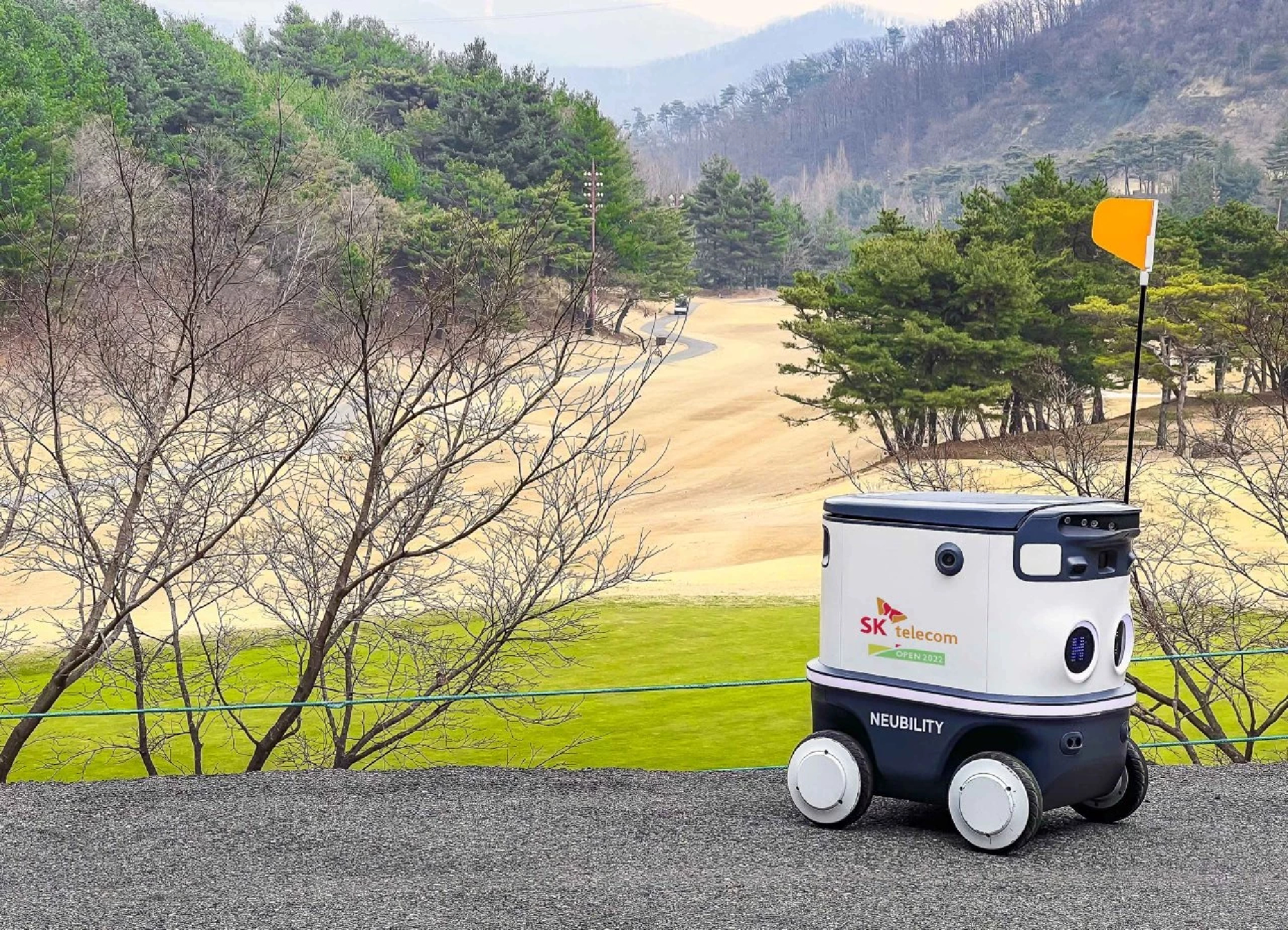
South Korea has seen a growing number of businesses deploying front-line service robots that have begun replacing humans in performing mundane and routine tasks.
The introduction of robots is the result of soaring labour costs, a reduced number of workers willing to take labour-intensive jobs and pandemic-triggered non-contact services.
Korea’s service robot market will grow to an accumulative 230,000 robots by 2025, worth 2.8 trillion won (THB77.1 billion) in value, according to market data compiled by the International Federation of Robotics. As of 2020, its size had grown 34.9 per cent on year to 857 billion won, surpassing that for industrial robots. The global market for service robots is expected to grow to $74 billion (THB2.53 trillion) by 2026.
To meet growing demand for automated services, South Korean tech and manufacturing giants are jumping into the sector of service robots, which is still at a nascent stage compared to the market for industrial robots.
A service robot contains an automated computer program built to perform customer-oriented tasks. Unlike industrial robots that are typically used at factories, service robots can be used in restaurants, for medical care and at homes.
Platform provider Naver opened its new headquarters last month with the aim of creating the world’s first robot-friendly building where robots roam the floors to serve coffee and deliver parcels. Artificially intelligent robots also automatically take notes during meetings.
LG Electronics has opted to focus on lifestyle-integrated service robots.
Its latest focus has been expanding into the business-to-business market, completing a line-up of six kinds of its flagship CLOi robot with different purposes such as delivery, docent and cleaning. The latest version can self-drive and sterilise surroundings with ultraviolet lamps.
Samsung Electronics is set to launch its first robot product in August – a wearable medical device called Gait Enhancing & Motivating System. It will be called Fitsam, according to a patent.
Samsung’s wearable robot can be attached to the ankle, knee or hips to enhance the muscle strength of users with walking difficulties.
Samsung completed FDA approval last month for its global launch. It has also patented a total of 25 robot products that assist humans in housekeeping, education and sports.
Not just targeting the local market, companies are seeking ways to take their robots abroad.
Hyundai Robotics signed an agreement with British telecom Vodafone to develop service robots targeting Europe. They will test-run quarantine robots at university hospitals in Germany before supplying 5G-based service robots to restaurants, hotels and nursing facilities.
But concerns remain over the leakage of data using robots, as the majority of them are assembled overseas, such as in China.
According to the industry, more than 70 per cent of service robots in South Korea, such as those developed by Baedal Minjok and SK Shieldus, are from major Chinese robotics firms Voodoo Manufacturing and Keenon Robotics.
“Using cameras, lidar and radars attached to them, robots take photos or save related data to the manufacturer’s big data server – this means local firms which just attach logos on imported robots are easily exposed to risks of data leakage,” said an industry insider.
Some who are concerned point to the need for the government to bolster related laws to actively protect and further nurture the local robotics industry.
The US applies a 25 per cent tariff on service robots imported from China, whereas Korea has no special regulation regarding robot imports.
Kim Da-sol
The Korea Herald
Asia News Network
Asia News Network: The Nation (Thailand), The Korea Herald, The Straits Times (Singapore), China Daily, Jakarta Post, The Star and Sin Chew Daily (Malaysia), The Statesman (India), Philippine Daily Inquirer, Yomiuri Shimbun and The Japan News, Gogo Mongolia, Dawn (Pakistan), The Island (Sri Lanka), Kuensel (Bhutan), Kathmandu Post (Nepal), Daily Star (Bangladesh), Eleven Media (Myanmar), the Phnom Penh Post and Rasmei Kampuchea (Cambodia), The Borneo Bulletin (Brunei), Vietnam News, and Vientiane Times (Laos).
Matters pertaining to digitisation appear to be at the top of the agenda of most Malaysian business owners especially as the economy begins to reopen in the endemic stage of the pandemic.
According to the Associated Chinese Chambers of Commerce and Industry of Malaysia’s (ACCCIM) business survey report by PwC Malaysia, 48 per cent of the 724 respondents said improving digital capabilities was a business priority over the next three years.
“Almost three-quarters of the respondents said investments would be made on digital transformation as well as new technologies and automation,” head of digital solutions and tax technology for PwC Malaysia Yap Sau Shiung told an ACCCIM press briefing.
He said digital capabilities have become a “must-have” element for businesses.
“A clear and documented road map is vital, otherwise the digital transformation journey can be complex and costly. What do you want to transform and why? Perhaps it could be on the sales side, operations or backroom operations,” Yap said.
The survey was conducted from December 2021 to January with more than half of the respondents being directors, managing directors or chairman. Some 63 per cent of respondents are from private companies.
The survey also revealed that 71 per cent of respondents said expanding into new markets and client segments was a priority for them, while for 47 per cent it was protecting their core business.
Meanwhile, the survey also found that 64 per cent of respondents have some form of family governance policies in place.
Family governance covers many aspects such as dividend policies, family membership, ownership and entitlement and employment policy.
This is basically setting the “rules of the game” for family members, as otherwise many things are left to the interpretation and the expectations of the various individuals running the business, according to PwC.
It said family conflict can be disruptive for businesses and setting proper family governance can address the situation if it arises.
The Star
Asia News Network
Asia News Network: The Nation (Thailand), The Korea Herald, The Straits Times (Singapore), China Daily, Jakarta Post, The Star and Sin Chew Daily (Malaysia), The Statesman (India), Philippine Daily Inquirer, Yomiuri Shimbun and The Japan News, Gogo Mongolia, Dawn (Pakistan), The Island (Sri Lanka), Kuensel (Bhutan), Kathmandu Post (Nepal), Daily Star (Bangladesh), Eleven Media (Myanmar), the Phnom Penh Post and Rasmei Kampuchea (Cambodia), The Borneo Bulletin (Brunei), Vietnam News, and Vientiane Times (Laos).
A number of male film directors have recently been accused of sexual violence by women. Actors are vulnerable to violence because of the strict hierarchical relationships in film productions and their unstable employment status.
Japanese version of #MeToo
In March, a weekly magazine carried an article with accusations from several women against director Hideo Sakaki, who directed the movie “Mitsugetsu” (Honeymoon). In the article, the women alleged that they were forced to have sexual relations with him when they appeared in his previous films or participated in his acting workshops. Sakaki apologized to those concerned but also said that some points in the article were not true.
Similar allegations were reported by a weekly magazine against another director, Shion Sono, known for films including “Ai no Mukidashi” (Love Exposure). While Sono issued a statement of apology, he later insisted that the information in the article was not true and filed an action against the publisher of the magazine, demanding compensation.
Such sexual abuse accusations have been made on blogs and Twitter as well, and one woman after another has come forward to testify that they were sexually assaulted or harassed by male directors and others in the industry. There have been many social media posts urging the film industry to address the situation, and the growing movement could be called the Japanese version of #MeToo, a social movement against sexual abuse and harassment that was started in the United States.
An open secret
“These accusations are just the tip of the iceberg,” an entertainment journalist said. Acts that violate the dignity of actors could be “the elephant in the room” that has been ignored for many years.
According to sources close to the film industry, production sites are male-dominated and have a pyramid-like structure with directors or producers at the top. They often have a tight budget and schedule, so new actors and staff on the lowest tier of the pyramid reportedly tend to shoulder heavy burdens during shooting. In addition to sexual assault, power harassment, such as physical attacks and yelling, is a daily occurrence. One film industry official said, “Everyone is so tense that anything goes.”
Hierarchical relationships are even more obvious in workshops where actors pay to take acting lessons from directors. While such workshops are a place to learn, directors often have the additional motive of using participants in their films, while actors hope that directors may give them a role. In these circumstances, harassment as the price of a role can happen easily.
Megumi Morisaki, an actor and president of the Arts Workers Japan Association, said that actors are vulnerable in this way because “many are freelancers undertaking jobs as individuals.” In February and March this year, the organization conducted a survey of freelancers in the entertainment industry and received answers from 267 respondents. Of these, 48.3% said that they had been subjected to power, sexual or other forms of harassment at work. More than 70% said that there had been harassment at their workplaces, including 23.8% who said they had seen or overheard the harassment of others.
Under the Equal Employment Opportunity Law, the revised Power Harassment Prevention Law and other regulations, companies are required to take measures to prevent violence and harassment at work. However, freelancers are outside the scope of these laws. “The film industry is less aware of the need to prevent harassment and there are no rules regarding prevention and other matters,” Morisaki said. Signs of change
There are moves inside and outside of the film industry to turn the accusations into reform. In April, 12 people including actors who are victims of harassment and film industry officials who support them launched the Association to End Sexual Abuse in the Film and Moving Image Industry. Asako Yuzuki and other female writers whose works have been made into films also delivered a message calling for the elimination of sexual violence and saying they wish to see reforms starting in the contract stage when making movies.
Film directors are also increasingly concerned about the situation. In March, a group of six film directors including director Hirokazu Koreeda submitted a written request for measures to prevent harassment to the Cultural Affairs Agency. In April, the group also submitted a proposal calling on the Motion Picture Producers Association of Japan, Inc., comprising four major motion picture companies, to take preventive steps.
Since 2019, the association has cooperated with the Economy, Trade and Industry Ministry and other organizations to promote measures to correct these issues during production and plans to create guidelines including a requirement that all contracts be in writing.
Yuichiro Mizumachi, a professor of labour law at the Institute of Social Science at the University of Tokyo, said: “Film companies and others should express a clear intention not to allow violence and harassment. They should create a rule to ban film production in places where such acts occur and make everyone involved aware of this.”
Emi Yamada / Yomiuri Shimbun Staff Writer
The Japan News
Asia News Network: The Nation (Thailand), The Korea Herald, The Straits Times (Singapore), China Daily, Jakarta Post, The Star and Sin Chew Daily (Malaysia), The Statesman (India), Philippine Daily Inquirer, Yomiuri Shimbun and The Japan News, Gogo Mongolia, Dawn (Pakistan), The Island (Sri Lanka), Kuensel (Bhutan), Kathmandu Post (Nepal), Daily Star (Bangladesh), Eleven Media (Myanmar), the Phnom Penh Post and Rasmei Kampuchea (Cambodia), The Borneo Bulletin (Brunei), Vietnam News, and Vientiane Times (Laos).







 SootinClaimon.Com