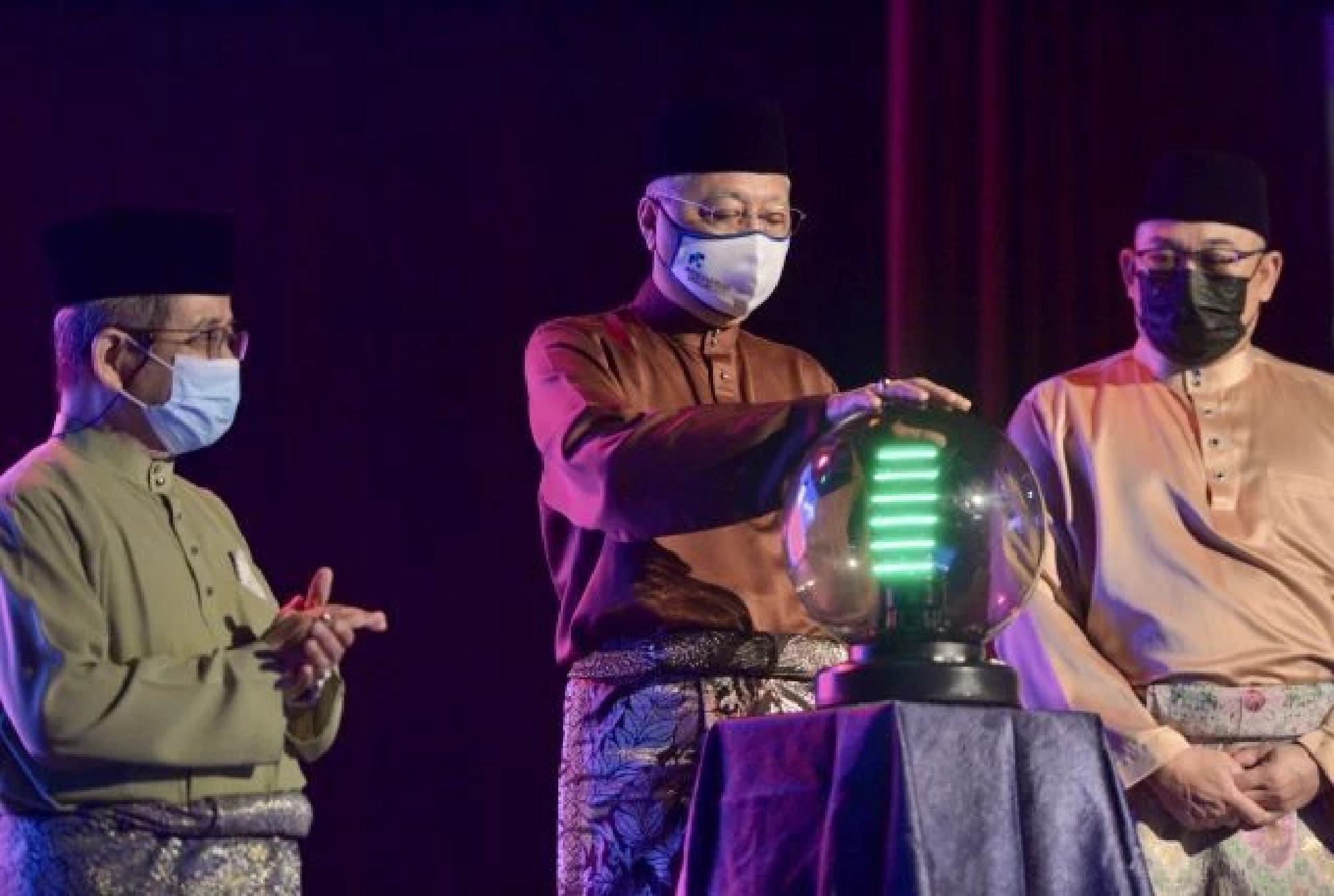
The International Symposium on Bahasa Melayu is the best platform to identify whatever obstacles in dignifying the Malay language thus making it one of the official languages of Asean, says Malaysia’s Prime Minister.
Datuk Seri Ismail Sabri Yaakob also took the opportunity to clarify that it is not “Bahasa Malaysia” that Malaysia wishes to promote as the language of Asean, but “Bahasa Melayu” (Malay language), which was also used in other countries in Asean.
“We use Bahasa Melayu as the primary language, it has its variations, we have Bahasa Melayu Indonesia, Bahasa Melayu Brunei, Bahasa Melayu Singapore, Bahasa Melayu Thailand.
“Some did not understand, they thought that we want to elevate Bahasa Malaysia as the Asean language, some of our friends from neighbouring countries criticised us but maybe because they have misunderstood.
“We wish to elevate Bahasa Melayu, which has other variations,” he explained in a press conference after officiating the International Symposium on Bahasa Melayu.
The two-day symposium, which was organised by Dewan Bahasa dan Pustaka (DBP) upon the Prime Minister’s suggestion, would discuss the use of Malay as a second language in Asean.
Ismail Sabri on March 23 said he would propose to Asean leaders the use of Malay as the second language in Asean to elevate the country’s official language at the international level.
It was reported that currently, only four out of the 10 Asean countries use English in official events at the international level, while others such as Cambodia, Indonesia, and Thailand use their national languages in their official affairs.
The Prime Minister had used Malay during his official visits to Indonesia, Brunei, Cambodia and Vietnam, as well as his recent visit to the United States.
Indonesian’s Education, Culture, Research and Technology Minister Nadiem Makarim, however, was reported to have rejected the idea saying that Bahasa Indonesia was a better option to be used as the main language for Asean, as it was the most used language in South-East Asia, with its usage spread across more than 47 countries.
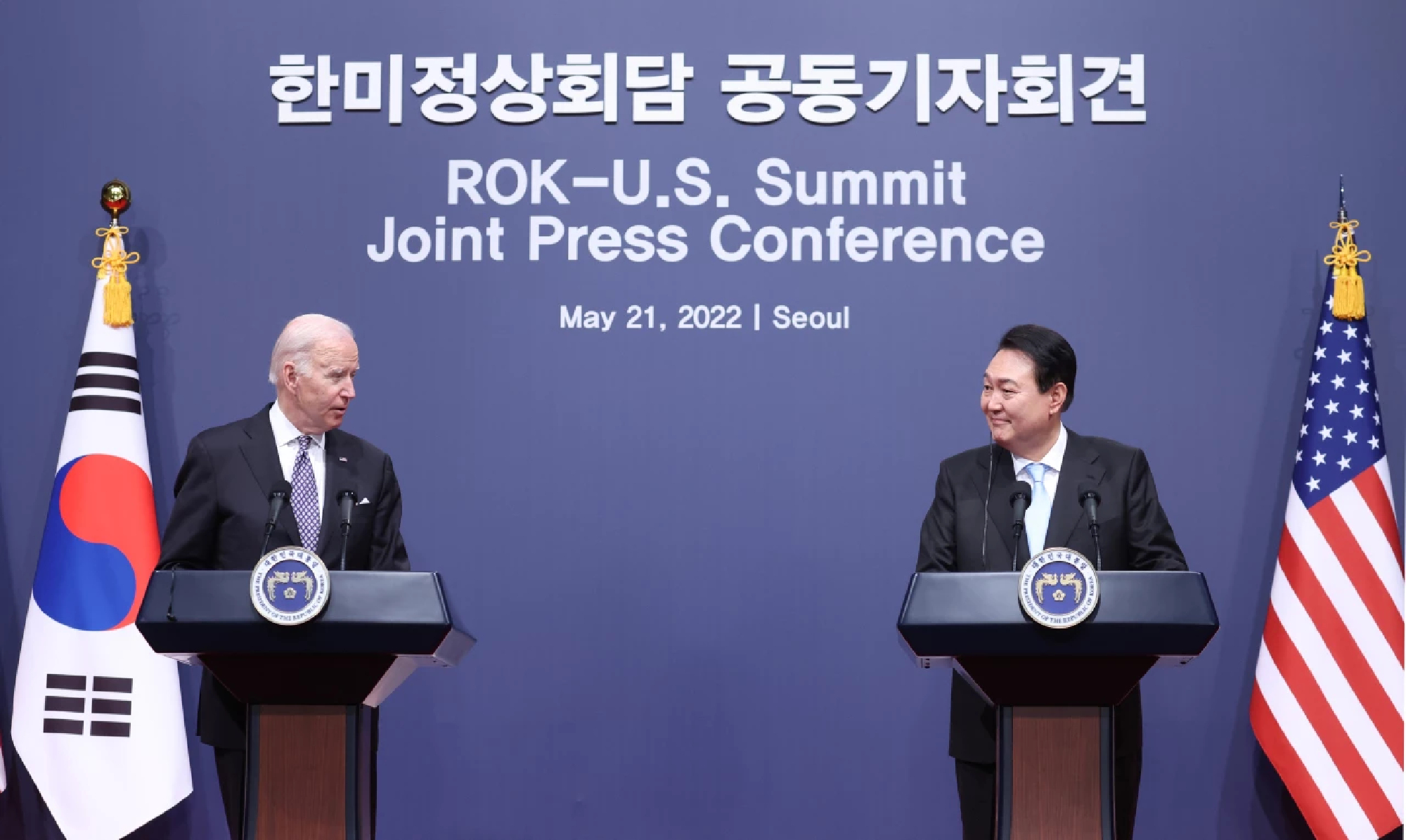
The leaders of South Korea and the US have agreed to develop the Korea-US relationship into a global comprehensive strategic alliance, during their first summit in Seoul on Saturday.
At a joint press conference after the summit that lasted more than 100 minutes, President Yoon Suk-yeol said, “At the summit, the two of us shared the goal of developing the Korea-US alliance into a global comprehensive strategic alliance and closely discussed implementation plans.”
“Today, I feel that President Biden and I agree in almost every way,” he said.
Yoon said the two nations’ alliance now faces long-standing challenges of denuclearizing North Korea, as well as new challenges such as the COVID-19 pandemic, trade order change, supply chain reorganization, climate change and a crisis of democracy.
“These challenges can only be overcome through solidarity among countries that share the universal values of liberal democracy and human rights,” he said. And the Korea-US alliance is “an example” of such solidarity.
The two leaders shared the view to cope with these challenges to “create a norm-based order” as a global comprehensive strategic alliance.
Shared goal for NK
Yoon and Biden agreed that solid deterrence against North Korea is “more important than anything else” under the common perception that “security can never be compromised.”
They plan to “open talks to expand the scope and scale of joint exercises and drills” on and around the Korean Peninsula, taking into account the evolving threat from North Korea.
“If North Korea begins substantial denuclearization, we will work with the international community to prepare a bold plan to dramatically improve the North Korean economy and the quality of life of its people,” Yoon said.
Biden said they committed to strengthening close engagement and collectively take on challenges of regional security. He said both countries will also address the threat posed by North Korea by “further strengthening our deterrence posture and working toward a complete denuclearization” of the Korean Peninsula.
When asked by a reporter whether there would be any preconditions for Biden’s meeting with North Korea’s Kim Jong-un, the US president said: “With regard to whether I would meet with the leader of North Korea, that’ll be depending on whether he was sincere.”
On the question of preconditions for the US to offer vaccines to North Korea, Biden said: “We’ve offered vaccines, not only to North Korea but to China as well. And we’re prepared to do that. Immediately. We’ve gotten no response.”
Economic alliance
The two sides also formalized South Korea’s participation in the Indo-Pacific Economic Framework, a US-led economic alliance, on the day.
‘“We are living in an era in which security is the economy, and the economy is security,” Yoon said.
“We decided to strengthen practical cooperation in new industries such as semiconductors and batteries, nuclear power, space development and cyber(security),” Yoon said.
Regarding the US’ Indo-Pacific Economic Framework, Yoon said the Indo-Pacific region is an important region for Korea and the US.
Korea and the US will work together to establish a norm-based order in the region, and “the first step is to participate in the IPEF,” he stated.
The two nations plan to elevate their strategic cooperation in economic and security fields to a higher level through cooperation in high-tech fields such as semiconductors, batteries, artificial intelligence and biotech.
Biden said that there is “room for a broader trade deal” to come out of the economic framework, and it is working on critical areas in the supply chain. He specified this would apply not only to semiconductors but to a range of other products.
Biden cited the digital economy, cybersecurity standards, data access, clean and renewable environment, global minimum tax and clean energy technology as other areas of focus in the framework.
Korea and the US decided to establish a strategic consultation channel called the Economic Security Dialogue. Through this, cooperation plans in key areas such as supply chains, advanced technology and energy will be materialized, and cooperation between the two countries will be strengthened for the advancement and visualization of IPEF performance.
The Korean presidential office kept its distance from some concerns that it might be used to contain China.
“There is not a single line in the full statement by the leaders of the two countries that excludes China from the supply chain,” said Wang Yun-jong, South Korea’s secretary of economic security, at a local press briefing after the joint press conference.
Regarding the IPEF, he said, “Rather than excluding specific countries, we are focusing on bringing supply chain stability among complementary countries,” adding, “There has not been a single discussion of excluding China from the supply chain at this summit.”
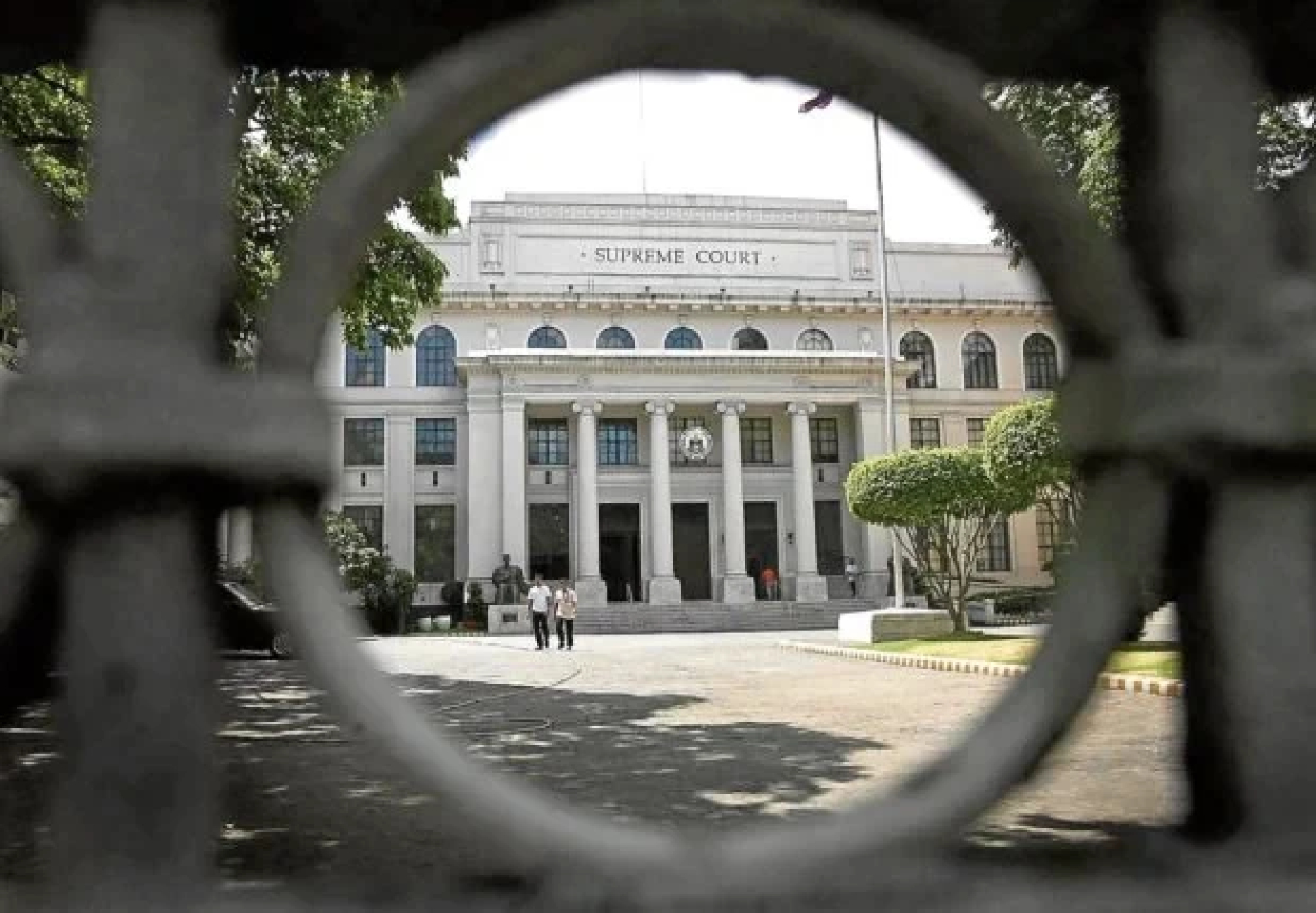
The camp of presumptive president Ferdinand Marcos Jr. will seek the dismissal of the petitions filed against him before the Supreme Court, his lawyer said on Friday.
Former Justice Minister Estelito Mendoza said that would be the content of the comment that the Supreme Court ordered Marcos, the Commission on Elections (Comelec) and Congress to submit within 15 days on a petition seeking a reversal of the poll body’s ruling that affirmed the former senator’s certificate of candidacy.
“A comment is required to be filed on the petition and therefore in the comment, you may expect that we will be asking for the dismissal of the petition,” Mendoza said in an interview with ABS-CBN News Channel.
“You must remember, this issue of disqualification was ruled upon by the Comelec division and, later on, it was ruled upon by the Comelec en banc, so you already have two rulings affirming the qualification of BBM (Marcos),” he added.
Stop canvassing
Two petitions filed before the Supreme Court also wanted the Senate and House of Representatives to stop canvassing the votes cast for Marcos.
But Mendoza reiterated that the high court has no jurisdiction to stop the canvassing and the proclamation of the newly elected president “because the terms of the Constitution are explicit and clear.”
He said the Constitution provides that the incumbent president should end his term six years after his assumption of office.
“That is, President Duterte, his term of office shall end in six years, that is provided in the Constitution and there is no way of stopping it and [Mr.Duterte] has explicitly acknowledged also that he will abide by the Constitution,” he said.
Constitutional crisis
He pointed out that the term of the new president “is explicitly also provided that it shall start on the 30th day of June following the elections.”
Senate President Vicente Sotto III and Senate Minority Leader Franklin Drilon have said there would be a constitutional crisis if the Supreme Court orders Congress to stop the canvassing of votes, but while the high court sought comments on the two pending petitions, it also explicitly said the orders did not necessarily mean it would take jurisdiction of the two cases.
But veteran election lawyer Romulo Macalintal said a constitutional crisis would happen only if Congress does not follow a temporary restraining order (TRO) issued by the Supreme Court.
“In the event that such TRO is issued by the Supreme Court, there will only be constitutional crisis if Congress will not honor the TRO,” he said in a text message to the Inquirer.
But Macalintal conceded that the 15-day period of the Supreme Court order is “not inextendible” and if the respondents received the order on May 20, they have until June 4 to file their comment.
He added that since the period is not inextendible, they could ask for a 30-day extension, or until July 4, to comment as usually done by some respondents and by that time Marcos would have already been proclaimed, taken his oath and assumed office.
“That’s why [lawyer Theodore] Te, counsel of complainants, is hoping that the 15-day period be inextendible,” he said.
Even before the election on May 9, both houses of Congress, which will jointly serve as the National Board of Canvassers for president and vice president, scheduled the canvassing to start on May 23.
By Nestor Corrales
Asia News Network: The Nation (Thailand), The Korea Herald, The Straits Times (Singapore), China Daily, Jakarta Post, The Star and Sin Chew Daily (Malaysia), The Statesman (India), Philippine Daily Inquirer, Yomiuri Shimbun and The Japan News, Gogo Mongolia, Dawn (Pakistan), The Island (Sri Lanka), Kuensel (Bhutan), Kathmandu Post (Nepal), Daily Star (Bangladesh), Eleven Media (Myanmar), the Phnom Penh Post and Rasmei Kampuchea (Cambodia), The Borneo Bulletin (Brunei), Vietnam News, and Vientiane Times (Laos).
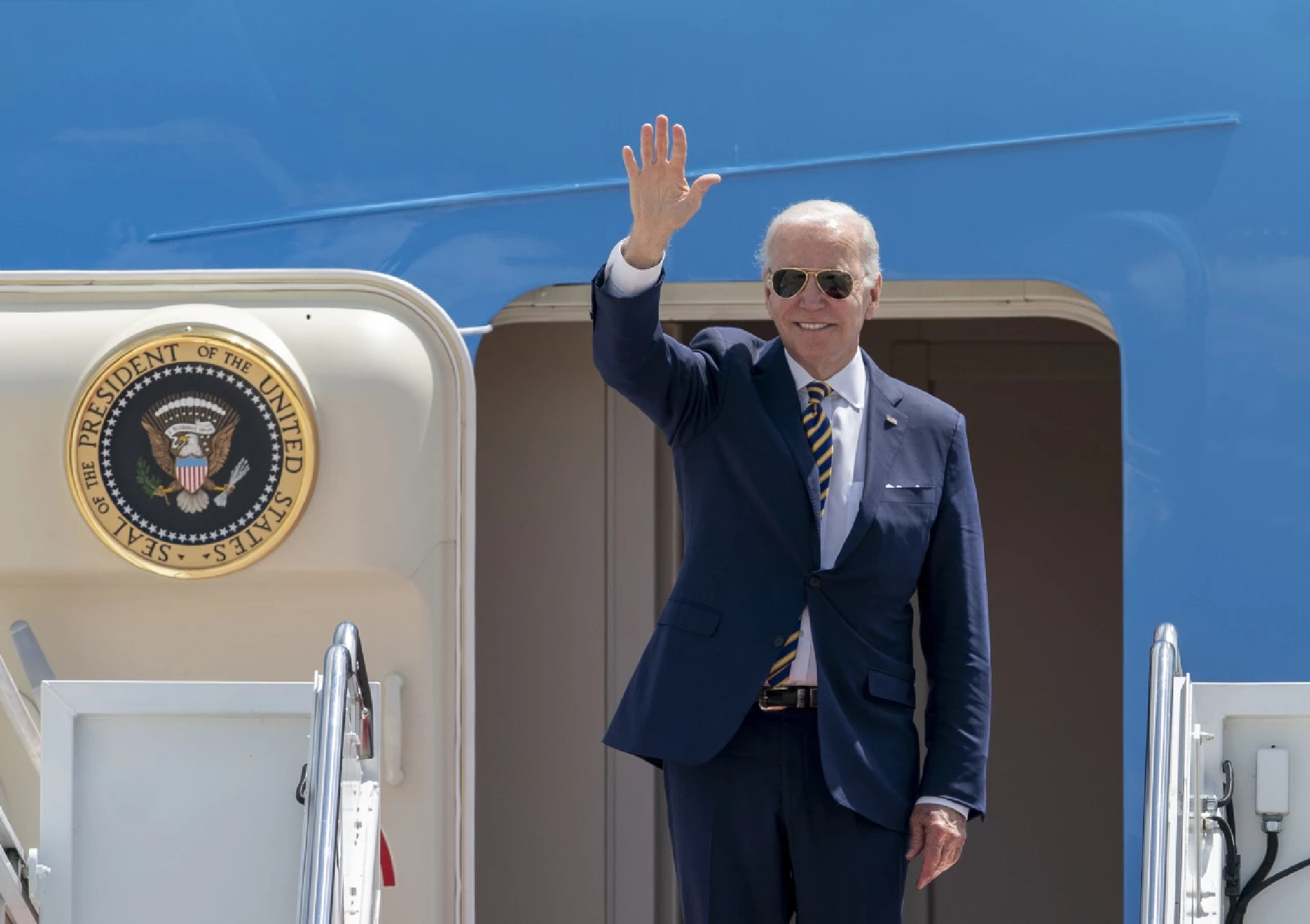
US President Joe Biden will arrive in South Korea on Friday afternoon to begin his three-day visit focused on strengthening the Korea-US alliance.
After President Biden arrives at Osan Air Base in Pyeongtaek, Gyeonggi Province, he will move to the Pyeongtaek campus of Samsung Electronics to tour the world’s largest semiconductor production base.
President Yoon Suk-yeol will accompany him and Samsung Electronics Vice Chairman Lee Jae-yong will guide them through the facility. It is the first time that leaders of the two nations will visit a Samsung factory together.
They are expected to discuss how to create synergy between US chip design technologies and Korean manufacturing technologies. After the tour, the two leaders are likely to deliver a speech declaring their technology alliance.
On Saturday, Biden will visit the Seoul National Cemetery to pay respects to those buried there. Then, he will move to the presidential office in Yongsan and hold talks with Yoon.
The two leaders will hold a summit with a small number of people in the morning, followed by an expanded summit in the presidential office. They will announce the results of the talks at a joint press conference later in the day.
The talks will focus on dealing with North Korea’s nuclear weapons program, economic security and regional cooperation. Both countries expect this to serve as an opportunity to advance the Korea-US alliance into a “comprehensive strategic alliance.”
As North Korea’s seventh nuclear test and intercontinental ballistic missile test launch are known to be imminent, measures to strengthen deterrence against the North are expected to come up during the summit meeting.
Biden will participate in an official dinner hosted by President Yoon, scheduled to start at 7 pm. The event will be attended by 80 people, including the heads of 10 major business groups.
The US president will visit Osan Air Base on Sunday to encourage US and Korean troops. He will also meet with Hyundai Motor Group Chairman Chung Euisun to thank him for his investment in the state of Georgia.
Yoon is expected to accompany Biden in Osan, before he leaves for Japan later in the day.
By Shin Ji-hye
Asia News Network: The Nation (Thailand), The Korea Herald, The Straits Times (Singapore), China Daily, Jakarta Post, The Star and Sin Chew Daily (Malaysia), The Statesman (India), Philippine Daily Inquirer, Yomiuri Shimbun and The Japan News, Gogo Mongolia, Dawn (Pakistan), The Island (Sri Lanka), Kuensel (Bhutan), Kathmandu Post (Nepal), Daily Star (Bangladesh), Eleven Media (Myanmar), the Phnom Penh Post and Rasmei Kampuchea (Cambodia), The Borneo Bulletin (Brunei), Vietnam News, and Vientiane Times (Laos).
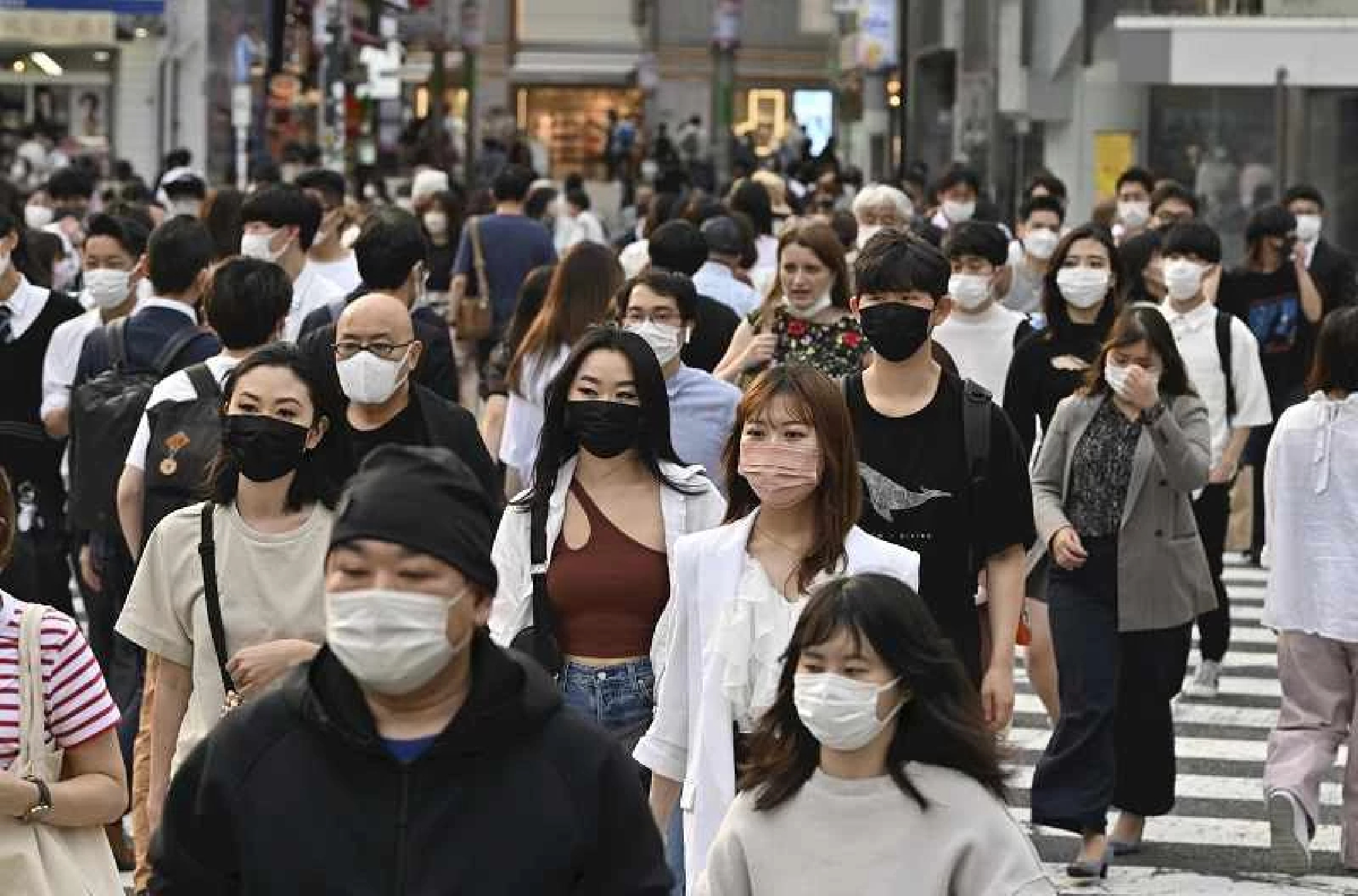
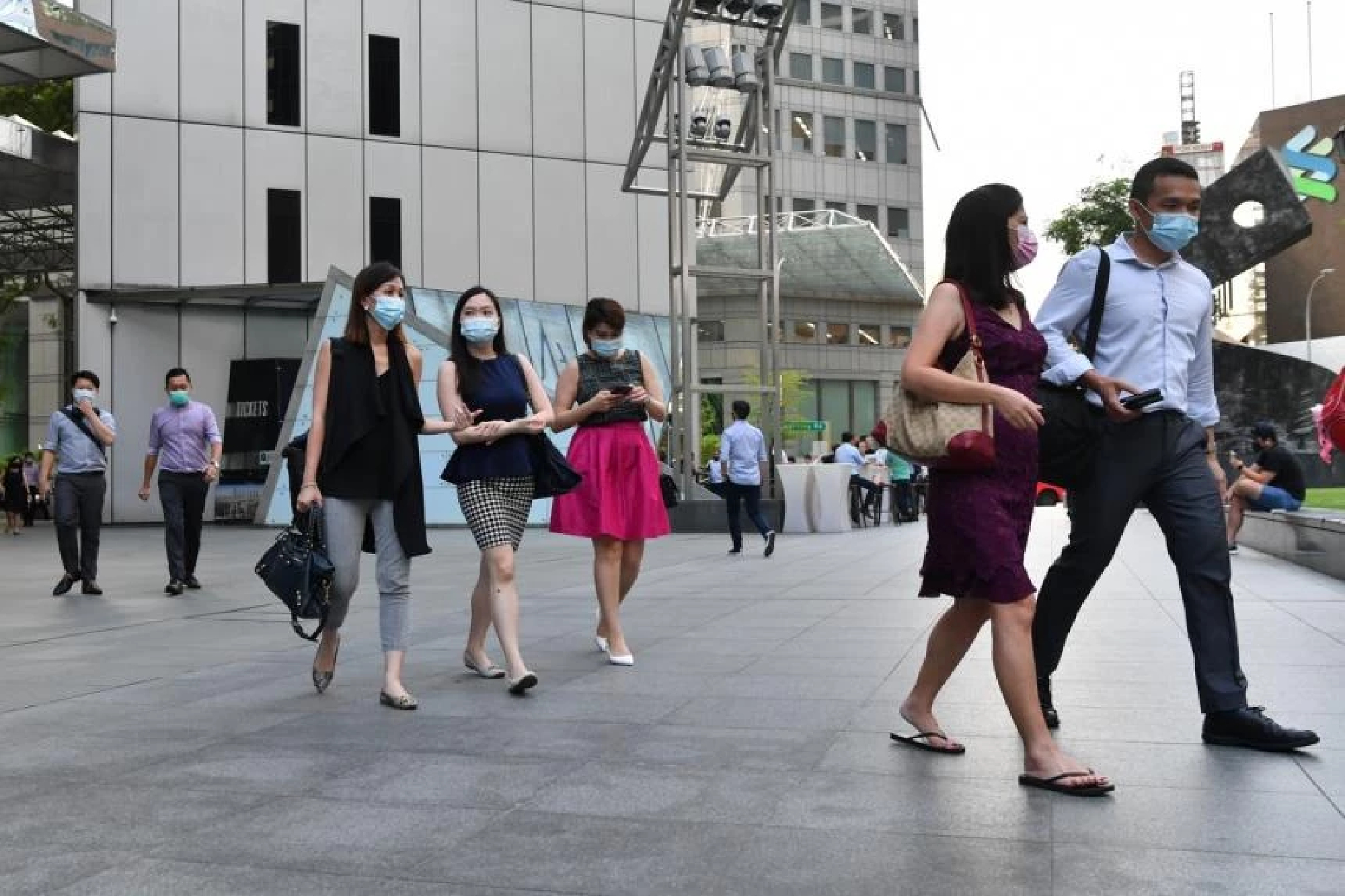
The government announced Friday evening it will now take the stance that wearing masks outdoors is unnecessary as long as one is not engaged in a conversation.
Health, Labor and Welfare Minister Shigeyuki Goto announced the government’s revised position on mask-wearing as a coronavirus countermeasure as a part of everyday life.
“Even if you pass by other people outdoors, such as while walking to work, it is not necessary to wear a mask as long as there is little or no conversation.”
Goto added that “even indoors, it is not necessary to wear a mask when distance from others can be maintained and there is little or no conversation.”
The government will continue to recommend wearing masks in crowded commuter trains, he said.
Goto said the government has backtracked on its recommendation for mask-wearing by preschool children aged 2 and older, issued in the wake of the spread of the highly contagious omicron variant. It is “not uniformly required,” he said.
The change was decided in light of the increased risk of heatstroke as temperatures and humidity rise heading into summer.
Asia News Network: The Nation (Thailand), The Korea Herald, The Straits Times (Singapore), China Daily, Jakarta Post, The Star and Sin Chew Daily (Malaysia), The Statesman (India), Philippine Daily Inquirer, Yomiuri Shimbun and The Japan News, Gogo Mongolia, Dawn (Pakistan), The Island (Sri Lanka), Kuensel (Bhutan), Kathmandu Post (Nepal), Daily Star (Bangladesh), Eleven Media (Myanmar), the Phnom Penh Post and Rasmei Kampuchea (Cambodia), The Borneo Bulletin (Brunei), Vietnam News, and Vientiane Times (Laos).
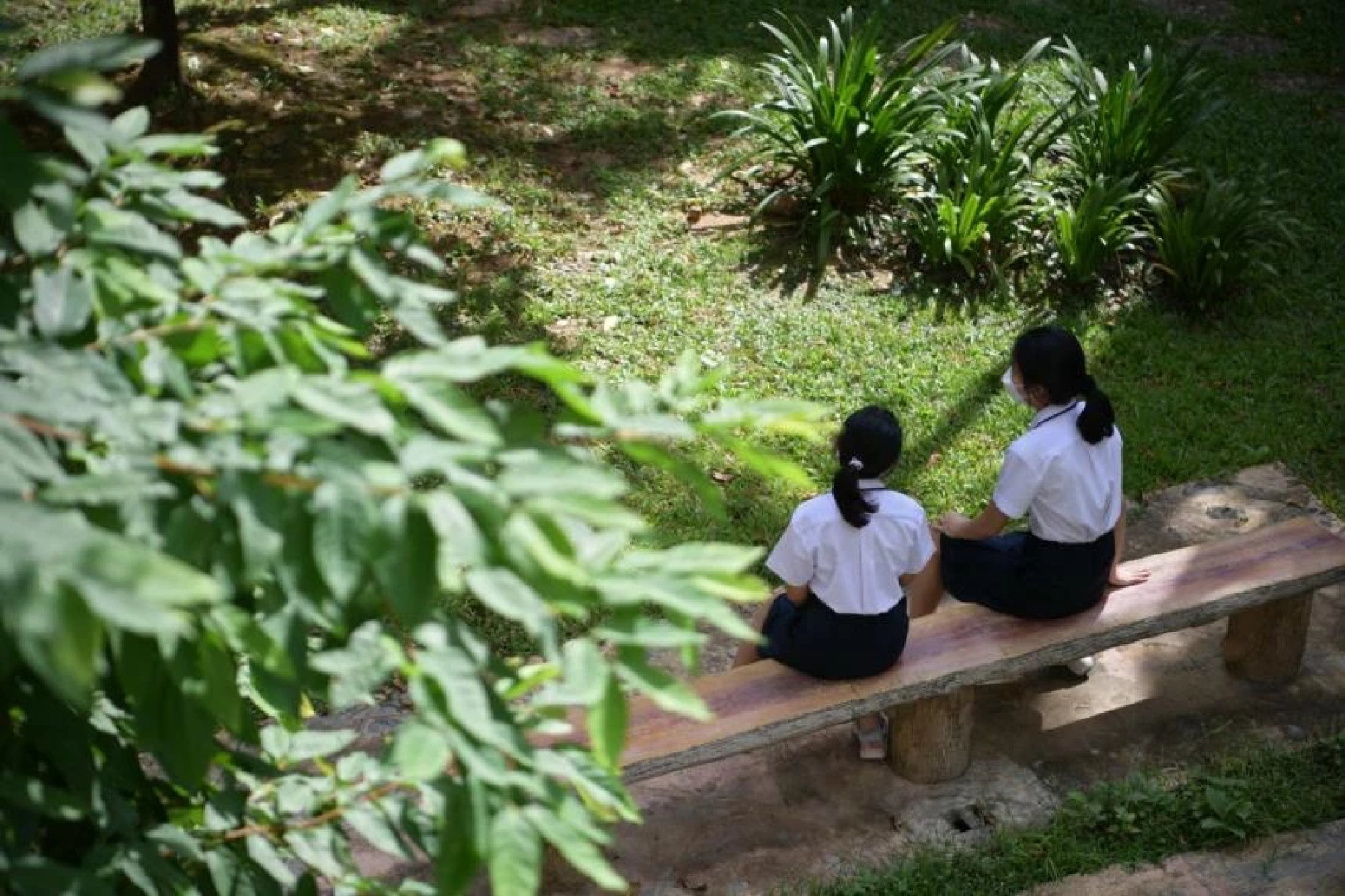
SINGAPORE – About one in three youth in Singapore has reported internalising mental health symptoms such as sadness, anxiety and loneliness, a national study has found.
Those aged 14 to 16 had more serious symptoms.
These were among preliminary findings from a survey that is part of the Singapore Youth Epidemiology and Resilience Study involving 3,336 young people aged 11 to 18 here.
The study by the National University of Singapore, in collaboration with the Education Ministry and the Institute of Mental Health, is the first national study to estimate the prevalence of mental health conditions of youth, as well as gauge their emotional resilience.
Meanwhile, roughly one in six young people said they experienced externalising mental health symptoms, such as hyperactivity, rule-breaking, aggression, said Associate Professor John Wong, who is the principal investigator of the study.
He was speaking at a panel on the state of youth mental health in Singapore at the Temasek Shophouse Conversations on Friday (May 20).
Other panellists were from the Institute of Mental Health, the Health Ministry’s Office for Healthcare Transformation and Duke-NUS Medical School.
Prof Wong noted that youth aged between 14 and 16 also scored lower in resilience, compared with other age groups, which suggests that more attention should be given to address their mental health needs.
The study also found that a positive self image and building relationships were important protective factors, among others, against self harm and suicidal thoughts for young people in Singapore.
“This suggests that the future mental health workforce should take on a multidisciplinary approach to include not just psychologists and psychiatrists, but also mental health social work specialists,” Prof Wong told The Straits Times.
Since the study was launched in April 2019, the research team had reached out to 16,000 students to get a representative sample across gender, ethnicity and socio-economic status.
More details about its findings will be shared in July, said Prof Wong.
By Ang Qing
Asia News Network: The Nation (Thailand), The Korea Herald, The Straits Times (Singapore), China Daily, Jakarta Post, The Star and Sin Chew Daily (Malaysia), The Statesman (India), Philippine Daily Inquirer, Yomiuri Shimbun and The Japan News, Gogo Mongolia, Dawn (Pakistan), The Island (Sri Lanka), Kuensel (Bhutan), Kathmandu Post (Nepal), Daily Star (Bangladesh), Eleven Media (Myanmar), the Phnom Penh Post and Rasmei Kampuchea (Cambodia), The Borneo Bulletin (Brunei), Vietnam News, and Vientiane Times (Laos).
After weeks of lockdown, East China metropolis begins to slowly reopen
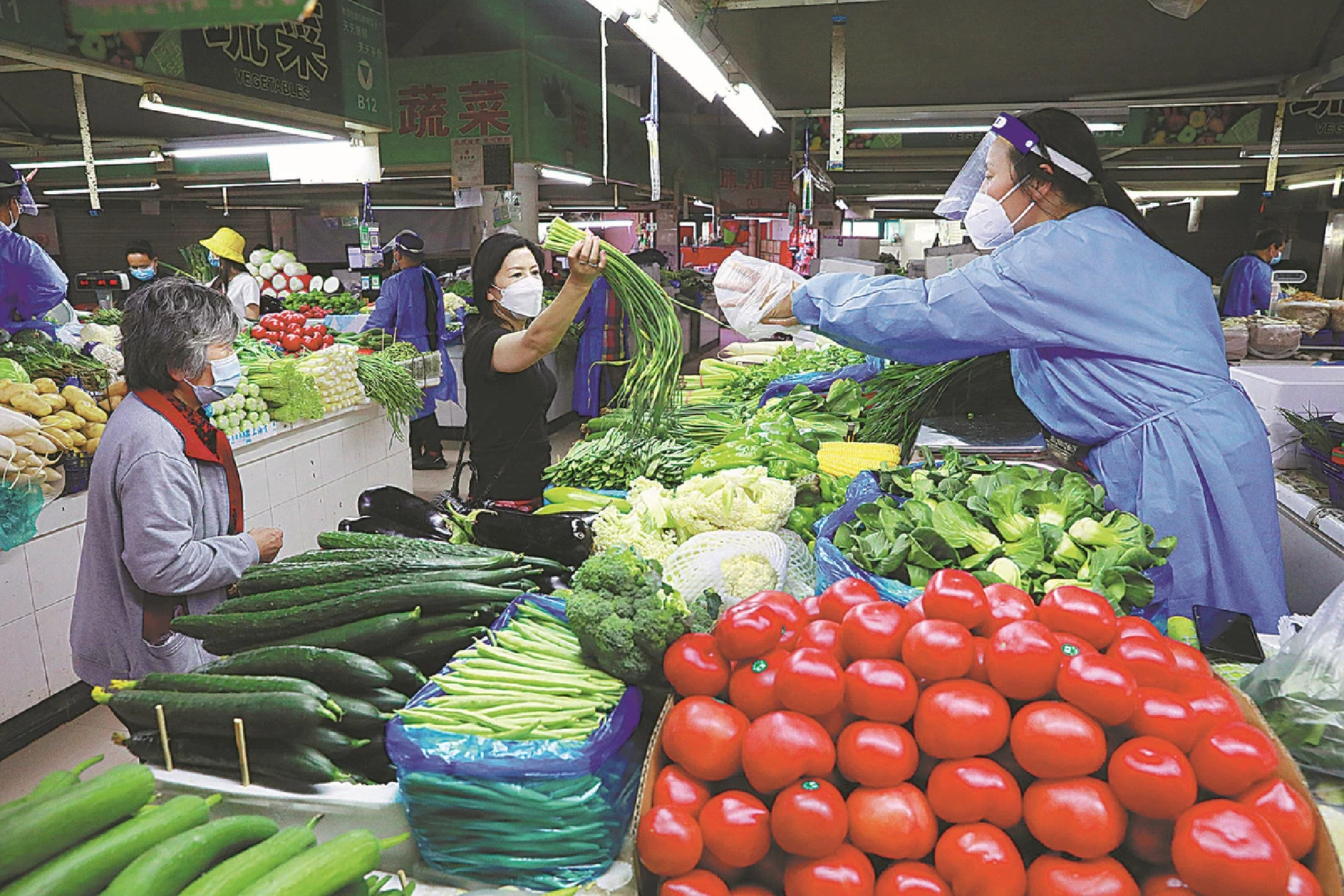
Shanghai will progressively resume public transportation services beginning on Sunday as the COVID-19 situation continues to stabilize, while the city’s postal and express delivery service is expected to resume full operation by mid-June, officials said at a news briefing on Thursday.
Zhang Wei, the city’s vice-mayor, said four of the city’s metro lines-Lines 3, 6, 10 and 16-and 273 bus routes that form a network covering the urban areas and provide access to the city’s airports, railway stations, major hospitals and commercial districts, will resume operations first.
“All passengers taking public transport must show a negative nucleic acid test result from within 48 hours. Venue QR codes and smart inspection devices will be deployed on the buses and in metro stations,” Zhang said.
“Also, a novel QR code system that integrates payment and health code verification will be established so that passengers only need to have one code scanned when getting on public transport,” he added.
Yu Fulin, director of the Shanghai Transport Commission, explained that apart from a valid nucleic acid test result, passengers taking public transport must also wear masks properly throughout the journey, have a green health code and their temperatures must be below 37.3 degrees.
The resumption plan for private cars and taxis is being mulled, according to the traffic authority.
The number of trains leaving from and arriving at Shanghai Hongqiao and Shanghai railway stations will be increased gradually as well.
All individuals leaving Shanghai must have a negative nucleic acid test result from within 48 hours as well as a negative antigen test result 24 hours prior to departure.
At the same time, the city is expected to have its postal and express delivery companies realize full resumption of personal delivery services next month, said Feng Lihu, director of Shanghai Postal Administration.
The daily average parcel collection and delivery volume in Shanghai has reached more than 4.6 million, one-fifth the city’s normal level before it adopted citywide epidemic control measures in April. Altogether 20 sorting centers of both domestic and foreign enterprises for postal and express delivery have resumed operations in the city, Feng said.
Another eight sorting centers will resume operations soon, meaning that one-third of the city’s sorting centers will be in service while abiding by strict epidemic prevention and control protocols.
Moreover, 580 of their branches and outlets have resumed business with the number of front-line couriers and workers returning to work rising to nearly 20,000.
“We forecast that by early and mid-June, all sorting and processing centers and branches of postal and express delivery companies will resume operations,” said Feng.
Shanghai registered 82 COVID-19 confirmed cases and 637 asymptomatic infections on Wednesday. All infections were found inside quarantine and locked-down populations.
The number of residents in locked-down zones in the city, which has a population of 25 million, has continued to shrink to 710,000.
As of Wednesday, there were 203 severe COVID-19 cases and another 60 in critical condition in Shanghai.
The city reported one COVID-19 fatality on Wednesday. The person who died was aged 64 and suffered from serious underlying diseases that contributed to his death, said Zhao Dandan, deputy director of the Shanghai Health Commission.
By ZHOU WENTING
Asia News Network: The Nation (Thailand), The Korea Herald, The Straits Times (Singapore), China Daily, Jakarta Post, The Star and Sin Chew Daily (Malaysia), The Statesman (India), Philippine Daily Inquirer, Yomiuri Shimbun and The Japan News, Gogo Mongolia, Dawn (Pakistan), The Island (Sri Lanka), Kuensel (Bhutan), Kathmandu Post (Nepal), Daily Star (Bangladesh), Eleven Media (Myanmar), the Phnom Penh Post and Rasmei Kampuchea (Cambodia), The Borneo Bulletin (Brunei), Vietnam News, and Vientiane Times (Laos).
Asia News Network: The Nation (Thailand), The Korea Herald, The Straits Times (Singapore), China Daily, Jakarta Post, The Star and Sin Chew Daily (Malaysia), The Statesman (India), Philippine Daily Inquirer, Yomiuri Shimbun and The Japan News, Gogo Mongolia, Dawn (Pakistan), The Island (Sri Lanka), Kuensel (Bhutan), Kathmandu Post (Nepal), Daily Star (Bangladesh), Eleven Media (Myanmar), the Phnom Penh Post and Rasmei Kampuchea (Cambodia), The Borneo Bulletin (Brunei), Vietnam News, and Vientiane Times (Laos).
The Republic’s central bank estimates that there will be more than 9,400 new jobs on offer in the financial sector this year, with about a third of them in technology.
Monetary Authority of Singapore (MAS) chief Ravi Menon on Thursday (May 19) said that of the more than 3,000 jobs in tech, 700 will be roles for software developers and engineers.
This hiring pool will support the design and development of digital financial services and trade finance, blockchain technology, and the use of artificial intelligence to detect fraud and money laundering.
Mr Menon said in his opening address at the inaugural Singapore Financial Forum that the Asian Development Bank estimates that strong exports and domestic demand will drive developing Asia’s growth at more than 5 per cent per annum in the coming years.
Singapore then needs to grow a strong local talent pool while attracting global talent.
About building a strong Singaporean core, Mr Menon stressed that it is “not a ‘Singaporeans-only’ strategy”.
Such a strategy would be fatal for Singapore as a global financial hub, as there are simply not enough locals to meet the fast-expanding specialist needs of financial institutions, he said.
Rather, the idea is to develop good skills and capabilities in Singapore’s local workforce and ensure fair hiring opportunities.
MAS estimates there were more than 3,000 Singapore citizens in senior roles in the financial sector last year, up by more than 80 per cent from 2016.
“The financial sector is growing rapidly and creating more jobs than our small local workforce can meet. Our labour market is tightening with unfilled vacancies and rising wages.
“If we do not remain open to global talent, our financial sector will lose its competitiveness and growth will be sub-par,” Mr Menon warned.
He stressed that Singapore continues to welcome foreigners despite changes in work pass policies.
The changes are not to cut the intake of Employment Pass holders but to enable entry of high-quality global talent more transparently and flexibly, he said.
From September next year, besides having to meet the Employment Pass qualifying salary, applicants will have to score at least 40 points under the Complementarity Assessment Framework (Compass), where an individual’s qualifications will be assessed along with the firm’s workforce diversity and support for local employment.
Mr Menon said an internal MAS study showed that there is generally “a high degree of complementarity between highly skilled Employment Pass holders and local professionals in the financial sector”.
A key initiative is a technology in finance programme, under which 90 per cent of the 2019 cohort from non-tech sectors found good tech jobs in financial institutions.
A further 530 mid-career professionals from the 2020 and 2021 cohorts are still going through the programme, said Mr Menon, adding that the Institute of Banking and Finance (IBF) is launching another round this year with close to 700 training places.
To strengthen the local talent pool, MAS together with Workforce Singapore (WSG) and the IBF have been more systematically supporting mid-career transitions to the financial sector.
IBF and WSG will also launch a three-month programme for those interested in transitioning to the wealth management sector.
Seven major retail banks will take part in this inaugural programme, which aims to fill close to 200 roles in the sector.
One of those who made a switch early in her career is Ms Edris Boey, 36, head of ESG Research at Singapore-based family office Maitri Asset Management.
She had started in KPMG’s financial audit division in 2008 and moved to the firm’s climate change and sustainability department in 2012 after finding her calling in this area.
“The biggest challenge would be keeping myself motivated and encouraging like-minded people that there is a need for this line of work, for people like us. Back then, the career opportunities were far and few between,” she said.
Ms Boey then headed to Hong Leong Asia to manage sustainability strategy, reporting, and compliance, before joining Maitri Asset Management, where she develops the firm’s proprietary ESG integrated investment framework and practice.
“There are sacrifices that will be needed and I think that sacrifice needs to be quite calculated,” she said in her tips for those looking to switch careers too.
In his speech, Mr Menon also urged overseas Singaporeans to return and consider being part of the city’s financial sector.
He noted that sustainable finance is the newest and possibly most promising area of growth in the finance world.
“In Singapore, we are developing strategies to build a comprehensive ecosystem for green and transition financing. We are aligning financing efforts with credible sectoral transition plans that provide clarity about transition pathways and carbon emission targets, and this, in turn, generates investor confidence and catalyses greater sustainable finance flows,” said the MAS chief.
Singapore is now home to more than 50 global and regional innovation labs and over 1,400 fintech firms.
Last year, the city clocked a record high of US$3.9 billion (S$5.4 billion) in fintech investments, up from US$2.5 billion in 2020.
For instance, JP Morgan has partnered with DBS Bank and Temasek to establish Partior, a multi-currency, cross-border settlement platform.
The two-day financial virtual forum aims to give finance professionals an idea of key opportunities in Singapore’s finance sector. It is organised by MAS, IBF and Singapore Global Network, a division of the Economic Development Board.
Attendees are Singaporeans based locally and overseas, international participants, and industry leaders in Singapore’s financial sector.
The Straits Times (Singapore)
Asia News Network
Asia News Network: The Nation (Thailand), The Korea Herald, The Straits Times (Singapore), China Daily, Jakarta Post, The Star and Sin Chew Daily (Malaysia), The Statesman (India), Philippine Daily Inquirer, Yomiuri Shimbun and The Japan News, Gogo Mongolia, Dawn (Pakistan), The Island (Sri Lanka), Kuensel (Bhutan), Kathmandu Post (Nepal), Daily Star (Bangladesh), Eleven Media (Myanmar), the Phnom Penh Post and Rasmei Kampuchea (Cambodia), The Borneo Bulletin (Brunei), Vietnam News, and Vientiane Times (Laos).
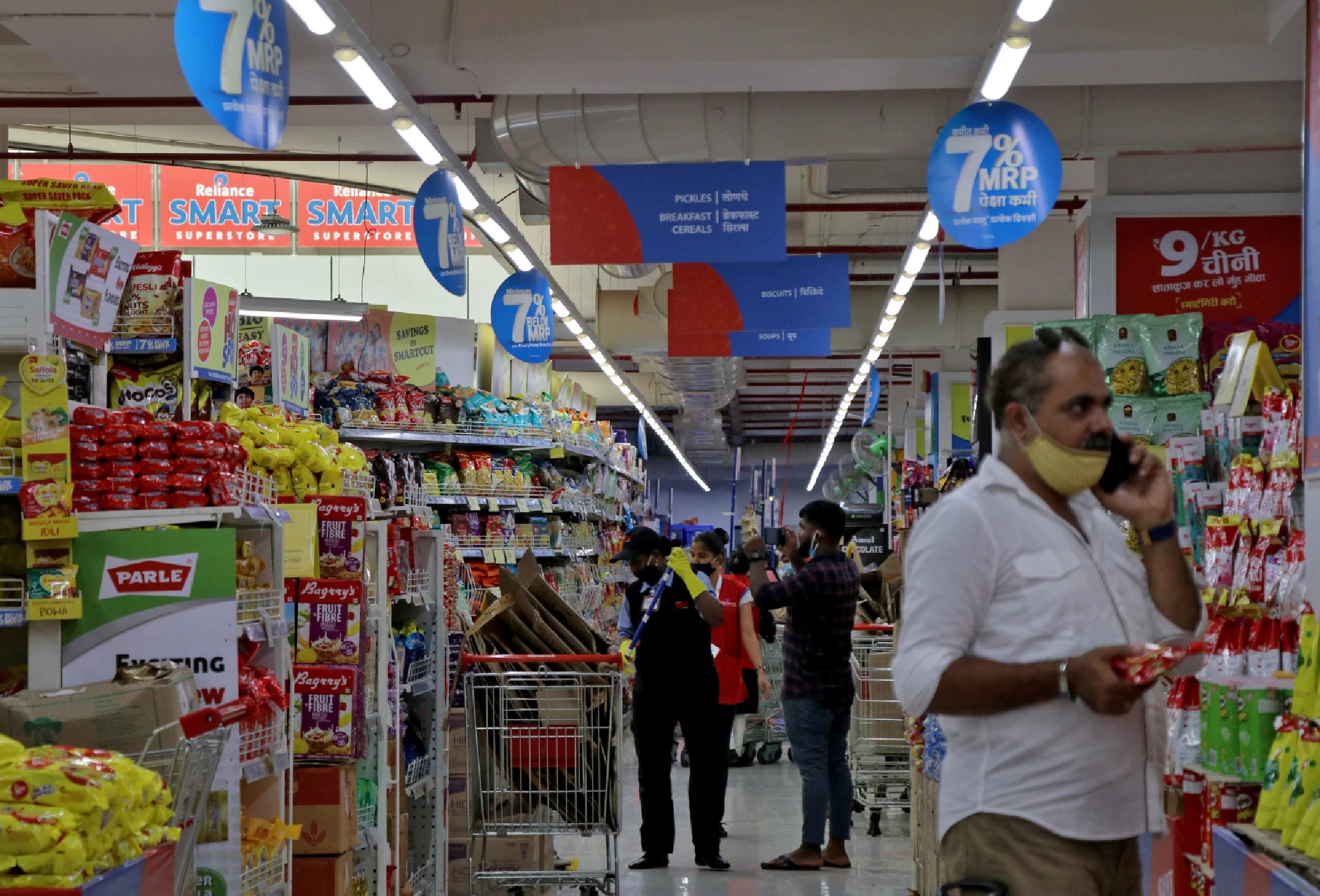
India, the largest economy in South Asia, is expected to grow by 6.4 per cent in 2022, well below the 8.8 per cent growth in 2021, as higher inflationary pressures and uneven recovery of the labour market will curb private consumption and investment, according to the United Nations.
In its report titled ”World Economic Situation and Prospects as of mid-2022”, the world body said the economic outlook in South Asia has deteriorated in recent months, against the backdrop of the ongoing conflict in Ukraine, higher commodity prices and potential negative spillover effects from monetary tightening in the United States.
”The regional economic output is projected to expand by 5.5 per cent in 2022, which is 0.4 percentage points lower than our forecast released in January,” it added.
Higher prices and shortages of farming inputs including fertilizers are likely to persist in the region, negatively impacting the agricultural sector in Bangladesh, India, Pakistan, and Sri Lanka. This will probably result in weaker harvests and exert further upward pressures on food prices in the near term, the report said.
It observed that along with higher energy prices, elevated prices of food will likely increase food insecurity across the region. Consumer price inflation in the region is expected to accelerate to 9.5 per cent in 2022, from 8.9 per cent in 2021.
”Tighter external financial conditions will adversely affect regional growth prospects, especially for countries with high exposure to global capital markets facing debt distress or risks of debt default,” it added.
The report said the Covid-19 pandemic left many countries with large fiscal deficits and higher and unsustainable levels of public debt and noted that Sri Lanka is currently facing a debt crisis and discussing a new IMF-supported program to bring its economy out of the crisis.
Regarding the economic prospects of East Asia, the report said the region’s growth is projected to subside from 7 per cent in 2021 to 4.4 per cent in 2022 and 5 per cent in 2023, as a projected slowdown in China will weigh on the regional average. The Chinese economy is forecast to grow by 4.5 per cent in 2022, down from 8.1 per cent in 2021.
It said the Government of China has implemented stringent control measures, including the introduction of rolling lockdowns in major cities, to contain the Omicron wave of the pandemic during the first quarter of 2022.
The resulting slowdown in economic activities contributed to prolonging supply chain disruptions, negatively affecting other developing countries through trade channels.
In addition, soaring commodity prices have contributed to higher manufacturing costs across the region, adversely affecting exports. The expected rebound of the Chinese economy by the end of 2022, and steadily recovering international tourism should bolster growth in the region in 2023.
The report predicted that fiscal policies in East Asia are expected to remain expansionary in 2022. However, an increasing number of countries are expected to pursue fiscal consolidation in 2023 to contain rising government debt.
While China has been actively easing its monetary stance, Indonesia, Malaysia, Mongolia, and Singapore have already entered or are expected to enter a tightening phase in 2022. Other central banks remain hesitant to tighten policy, taking into account that higher interest rates will likely negatively impact growth and recovery. With the exception of Lao PDR, Mongolia, and Myanmar, inflation in the region is projected to remain below 5 per cent, it added.
Regarding the Russia-Ukraine conflict, the report noted that as of late April 2022, over 5.3 million people, predominantly women and children, have left Ukraine. Poland, which has an approximately 2-million strong Ukrainian diaspora, became the primary destination for the refugees, accepting almost 3 million of them.
While the authorities of these countries had anticipated such developments and had even made certain logistical preparations, the magnitude of the refugee flow turned out to be much larger than expected. The refugee crisis will impose a considerable financial burden on European countries at a time when they were planning to consolidate their finances after the large stimulus spending to fight the Covid-19 pandemic.
The Ukrainian economy is projected to contract by 30 to 50 per cent in 2022 given the massive destruction of physical infrastructure, suspension of production and trade activities, and displacement of the population. The post-conflict reconstruction would require immense financial resources, estimated in some cases at €200-500 billion, the report added.
The Statesman (India)
Asia News Network
Asia News Network: The Nation (Thailand), The Korea Herald, The Straits Times (Singapore), China Daily, Jakarta Post, The Star and Sin Chew Daily (Malaysia), The Statesman (India), Philippine Daily Inquirer, Yomiuri Shimbun and The Japan News, Gogo Mongolia, Dawn (Pakistan), The Island (Sri Lanka), Kuensel (Bhutan), Kathmandu Post (Nepal), Daily Star (Bangladesh), Eleven Media (Myanmar), the Phnom Penh Post and Rasmei Kampuchea (Cambodia), The Borneo Bulletin (Brunei), Vietnam News, and Vientiane Times (Laos).


 SootinClaimon.Com