Foreign ministerial talks show no signs of improvement in Japan-China ties

#SootinClaimon.Com : ขอบคุณแหล่งข้อมูล : หนังสือพิมพ์ The Nation.

https://www.nationthailand.com/international/40015746


Japan and China are seeking to build a stable relationship on the occasion of the 50th anniversary of the normalization of their diplomatic ties, but the latest talks between their foreign ministers showed no signs of improvement.
Foreign ministerial talks show no signs of improvement in Japan-China ties

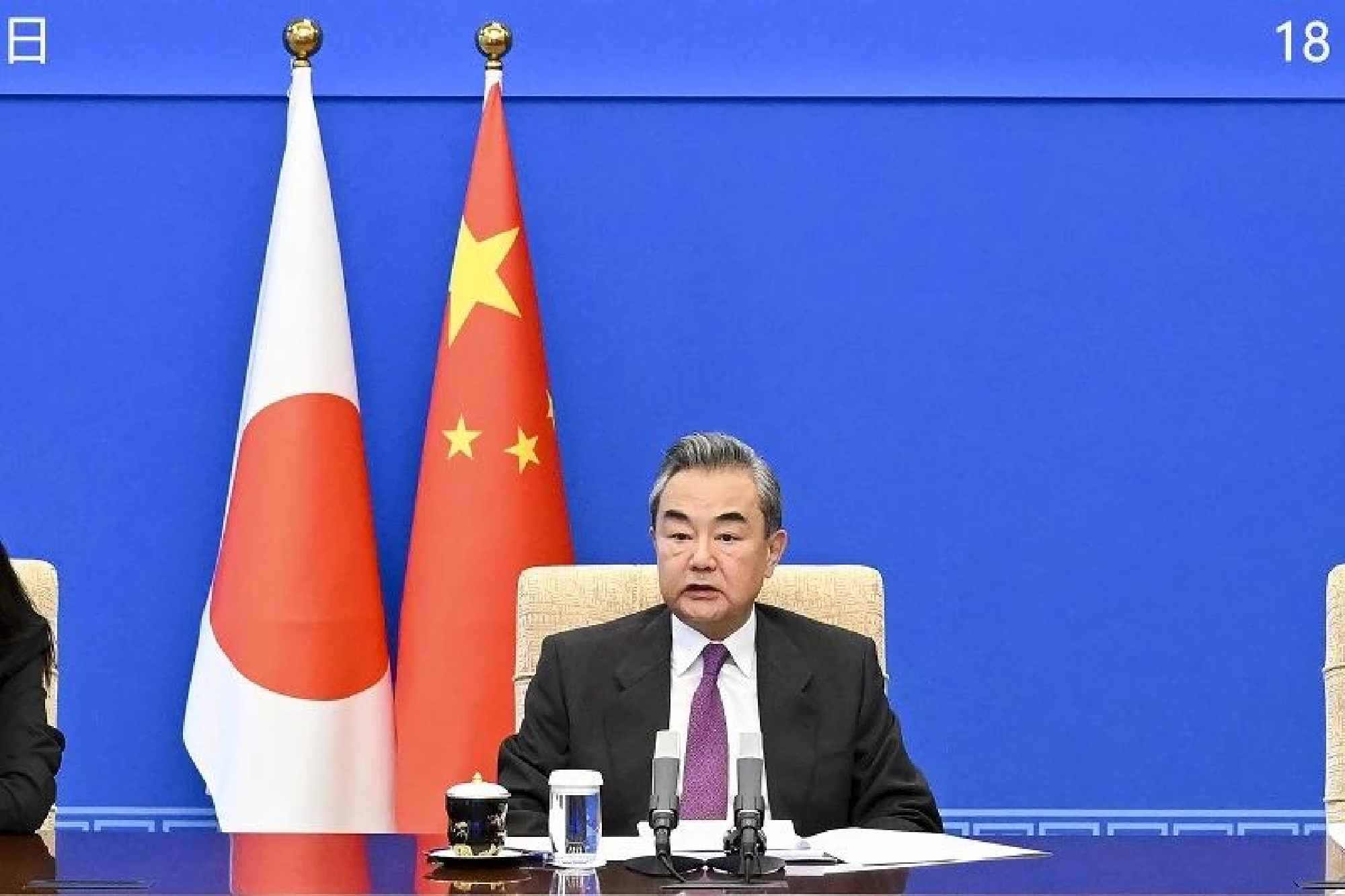
Foreign Minister Yoshimasa Hayashi expressed “serious concern” about issues such as the situation in the East China Sea and the South China Sea during a videoconference with Chinese State Councilor and Foreign Minister Wang Yi on Wednesday.

“Japan-China relations are facing various difficulties, and public opinion in Japan toward China is extremely severe,” Hayashi said during the talks. “Both sides should fulfil their responsibilities to the international society together.”

Chinese coast guard vessels have repeatedly intruded into territorial waters around the Senkaku Islands in Okinawa Prefecture. In the Pacific Ocean to the east of Taiwan, fighter jets take off from and land on the Chinese Navy aircraft carrier Liaoning almost daily, prompting Japan to increase its vigilance against the country.

Wang said at the talks, “Recently, Japan’s negative moves on Taiwan and other issues involving China’s core interests and major concerns have become prominent.” 

He went on to say, “The Japanese side should honour the commitments it has made so far, abide by the basic faith between the two countries [and] prevent the forces attempting to undermine China-Japan relations from gaining ground.”

According to the Japanese Foreign Ministry, this was the first time that a Japan-China foreign ministerial meeting was held by videoconference.

A person from the Japanese side who was present at the talks said Wang did not change his facial expression when Hayashi expressed concern about the issues, including the situation over the Senkaku Islands. However, when the two ministers confirmed the importance of moving forward with economic exchanges, Wang’s facial expression relaxed.

“It was significant that they could hold talks while watching each other’s reactions on the screen,” a senior Foreign Minister official said.

The two countries will mark the 50th anniversary of the normalization of their diplomatic relations on Sept. 29. A state visit to Japan by Chinese President Xi Jinping was considered in 2020 when former Prime Minister Shinzo Abe was in office. However, such a visit was not even on the agenda for the foreign ministers’ talks on Wednesday, due to persistent opposition from the Liberal Democratic Party in particular.

Wang reiterated a request for Hayashi to visit China. But a senior Japanese Foreign Ministry official said, “We are not considering the matter in detail.”

The Japan News

Asia News Network

Asia News Network: The Nation (Thailand), The Korea Herald, The Straits Times (Singapore), China Daily, Jakarta Post, The Star and Sin Chew Daily (Malaysia), The Statesman (India), Philippine Daily Inquirer, Yomiuri Shimbun and The Japan News, Gogo Mongolia, Dawn (Pakistan), The Island (Sri Lanka), Kuensel (Bhutan), Kathmandu Post (Nepal), Daily Star (Bangladesh), Eleven Media (Myanmar), the Phnom Penh Post and Rasmei Kampuchea (Cambodia), The Borneo Bulletin (Brunei), Vietnam News, and Vientiane Times (Laos).

Published : May 20, 2022

By : The Japan News
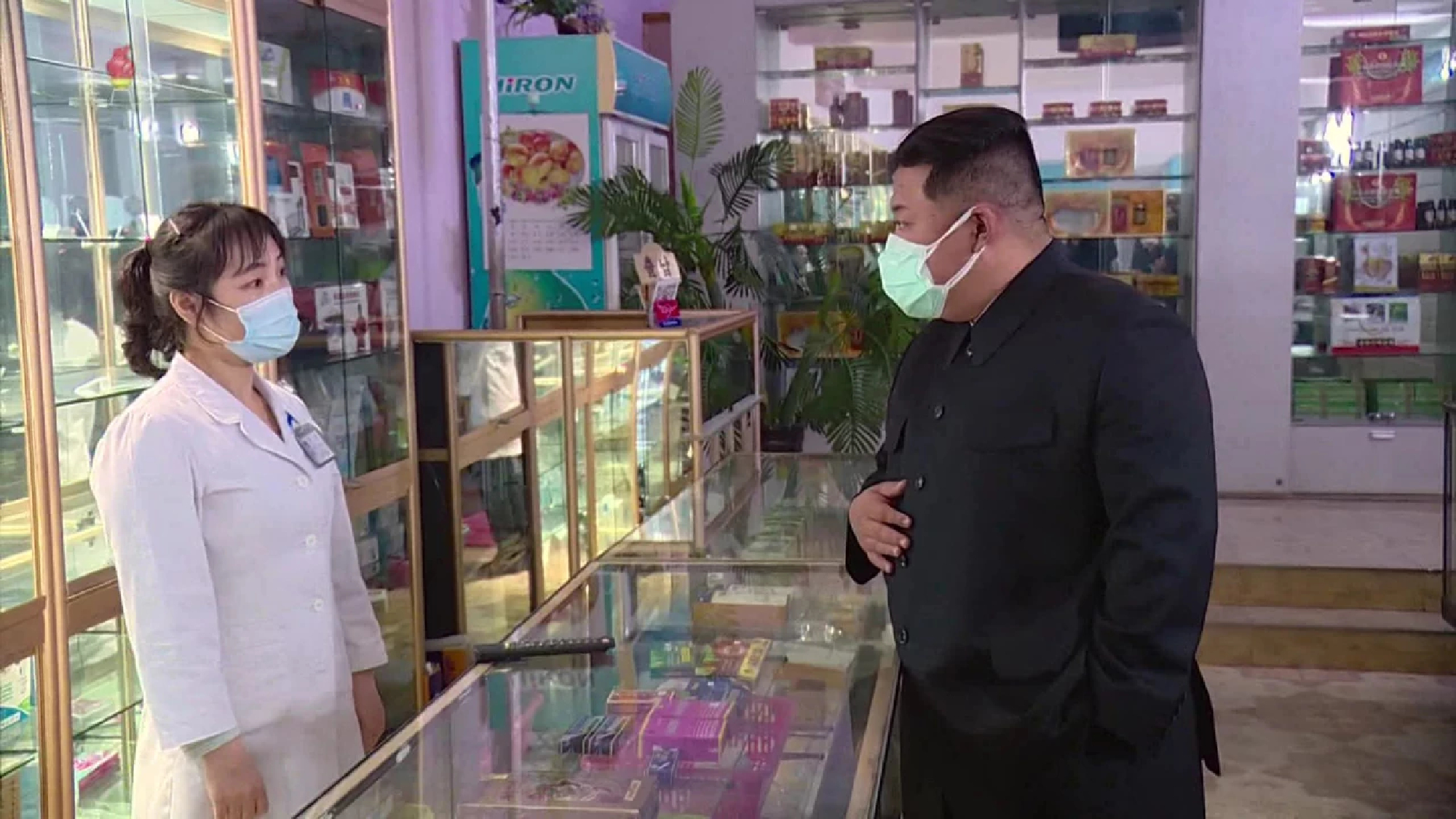
North Korea battles Omicron surge with unconventional treatments

#SootinClaimon.Com : ขอบคุณแหล่งข้อมูล : หนังสือพิมพ์ The Nation.

https://www.nationthailand.com/international/40015744


Lacking vaccines and treatment, North Korea is deploying unconventional methods to fight its growing Covid-19 crisis. In a mere week since “first” cases were acknowledged on May 12, the number of suspected cases there climbed to nearly 2 million.

North Korea battles Omicron surge with unconventional treatments

Kim Jong-un’s double-masking act

North Korean leader Kim Jong-un was spotted wearing two masks while visiting pharmacies in Pyongyang, according to footage released by the state broadcaster on May 16.

Back in February, the US Centres for Disease Control and Prevention backed “double-masking” for enhanced protection against Omicron, which is more transmissible than Delta was. The strain that was identified as circulating in North Korea is Omicron’s BA.2 subvariant, which is associated with even higher transmissibility than the original BA.1.

But double-masking, while more protective than a single layer of a cloth mask or a surgical mask, is only recommended as an alternative to N95 or KN95 masks that offer the best protection against the virus, and can be used alone.

It’s not just Kim who was seen donning suboptimal protective gear. In media appearances, North Korean health care workers are in thin surgical masks even as they carry out risky tasks such as disinfecting public places and consulting potential patients.

Disproportionately few deaths

Despite around 20,000 to 30,000 cases of “fever” each day, North Korea’s total associated death count is still in the double digits. Just one additional death was newly reported in the last 24 hours, according to the North’s state-run Korean Central News Agency on Thursday.

The 63 deaths attributed to Covid-19 out of 1,978,230 fever cases as of 6pm Wednesday translate to a case fatality rate of 0.00318 per cent – far lower than the 0.18 per cent seen in South Korea during the pre-peak stage of its Omicron wave in February.

The low number of deaths is “not proportional,” experts say.

Because of a population-wide immunological naivete to Covid-19 – meaning no immunity from natural infection or vaccination – as well as a high prevalence of malnutrition and a lack of therapies like antivirals, experts have warned North Korea could face a much higher mortality rate than that observed in other countries.

Dr Cha Ji-ho, a global health professor at the Korea Advanced Institute of Science and Technology researching North Korea’s pandemic developments, said the reported numbers “seem too out of proportion to be credible or derive any scientific interpretations from”.

“As deaths tend to lag cases by two to three weeks, increases are projected in the next three weeks,” said Dr Paik Soon-young, a virologist at the Catholic University of Korea.

The age distribution of deaths shows a higher proportion of children than in other countries.

The latest available statistics from the Korean Central Television show that 30 per cent of the 56 deaths accumulated up to 6pm on Monday were of those aged 20 or younger. In South Korea, deaths of those aged under 20 make up less than 1 per cent of all known deaths.

This may be partly attributable to North Korea’s relatively younger population. Slightly over 9 per cent of North Korea’s population is aged 65 and older, which is nearly half of South Korea’s 17 per cent.

“Fever”

North Korea, which is believed to have little or no testing capacity, is only counting people with a fever to measure the scale of its Omicron outbreak.

Omicron is known to primarily affect the upper respiratory tract, with the most commonly reported symptoms being sore throat, runny nose and sneezing.

The range of temperatures that North Korean authorities are counting as a fever is unknown.

Up to as recently as Wednesday, the country had still not reported any confirmed cases or deaths to the World Health Organization.

Unconventional remedies

North Korean authorities are promoting unproven approaches for people to treat themselves at home.

Willow tea leaf, honey and other home remedies were introduced in the Workers’ Party daily Rodong Sinmun on Sunday as possible ways to soothe symptoms. The Korean Central Television on Monday recommended paracetamol and ibuprofen, as well as injections of penicillin as treatments for people with fever.

“Antibiotics like penicillin and fever reducers cannot ‘treat’ Covid-19,” said infectious disease professor Dr Kim Woo-joo of Korea University. “The misinformation from state authorities could end up causing more harm.”

In fact, “adverse reaction to medication” is supposedly one of four causes of Covid-19-related deaths as categorized by North Korean authorities. The other three are “underlying illness”, “fever spasm” and “laryngospasm”.

Dr Choi Jung-hun, who worked at North Korea’s state epidemic control division before fleeing to the South in 2012, said essential medical equipment of all kinds would be in short supply there.

“When the swine flu hit North Korea in 2009, Tylenol doses donated from abroad were prescribed to the most urgent patients only, and even then they could not be given in the standard dosage because there was only a limited amount to go around. The rest were lucky to receive Tylenol,” he said.

After refusing offers of vaccine donations in favour of its zero-Covid strategy, North Korea is “believed to have changed its stance”, according to South Korea’s spy agency on Thursday.

Dr Oh Myoung-don, who heads the clinical committee for infectious diseases at South Korea’s top National Medical Centre, said in a virtual forum on Monday that the medical supplies North Korea needs more of at this stage would be treatments rather than vaccines.

The Korea Herald

Asia News Network

Asia News Network: The Nation (Thailand), The Korea Herald, The Straits Times (Singapore), China Daily, Jakarta Post, The Star and Sin Chew Daily (Malaysia), The Statesman (India), Philippine Daily Inquirer, Yomiuri Shimbun and The Japan News, Gogo Mongolia, Dawn (Pakistan), The Island (Sri Lanka), Kuensel (Bhutan), Kathmandu Post (Nepal), Daily Star (Bangladesh), Eleven Media (Myanmar), the Phnom Penh Post and Rasmei Kampuchea (Cambodia), The Borneo Bulletin (Brunei), Vietnam News, and Vientiane Times (Laos).

Published : May 20, 2022

By : The Korea Herald

Huge losses force Indonesia to lift ban on palm oil exports

#SootinClaimon.Com : ขอบคุณแหล่งข้อมูล : หนังสือพิมพ์ The Nation.

https://www.nationthailand.com/international/40015743


The Indonesian government finally decided on Thursday to revoke the total palm oil export ban which was imposed on April 28 apparently because the draconian measure caused more damage to the economy.

Huge losses force Indonesia to lift ban on palm oil exports

The government did not admit it but the policy by and large failed to stabilise the price of bulk cooking oil at the fixed price ceiling of 14,000 rupiah (96 US cents) per litre, which is half of the free market price.

The anti-market measure had instead inflicted devastating impacts on the palm oil industry, caused major losses in government revenues and export earnings and cut farmers’ income by 50 to 70 per cent as well as adversely affected millions of workers.

The problem is that Indonesia, as the world’s largest producer, only consumes about one-third of its crude palm oil production, which last year totalled over 47 million tons.

Most analysts and palm oil executives had expressed doubt that the export ban would be able to stabilise the cooking oil price unless it is supported by a market intervention mechanism tied to a well-managed subsidy programme.

True, standard economic thinking suggests that binding price ceilings will result in relative inefficiencies due to price distortions and shortages, as producers will not be willing to produce as large a quantity of the cooking oil at that price as consumers will demand. But even such multilateral agencies as the World Bank justifies a market intervention policy when the high price volatility is related to staple food.

Many analysts, oil palm farmers associations and even businesspeople agree that the government should intervene to stabilise the skyrocketing price of palm oil, which was caused by the global edible oil crisis. They even urged the government to reimpose the domestic market obligation (DMO) on palm oil producers, amounting to 30 per cent of their export volume, like the one imposed on coal producers.

The earlier DMO concept launched in February and March is actually appropriate. The missing link is that the policy was not run by a single agency experienced in managing logistics, which needs vast networks of warehouses and distribution. The most qualified institution for this job is the State Logistics Agency (Bulog).

Bulog could be directed to purchase 30 per cent of the cooking oil sold by palm oil companies under the DMO scheme at the international price and then sell it to the targeted household and small company consumers at a subsidised price to ensure that the final retail price would not exceed 14,000 rupiah per litre. Bulog can finance its operations and stock management with funds from the Oil Palm Plantation Support Fund Management Agency (BPDPKS), which has been collecting billions of dollars from the palm oil export surcharge (windfall tax).

But the verification of the DMO implementation by companies, as a prerequisite to obtaining an export licence, should be made through an electronic invoicing platform to ensure a seamless process to prevent excessive red tape that would disrupt export flows while shipment schedules have already been fixed in export contracts.

This single point of domestic sales from producers to Bulog would avoid the need of verifying hundreds of domestic sales invoices as there would only be one invoice to check.

The Jakarta Post

Asia News Network

Asia News Network: The Nation (Thailand), The Korea Herald, The Straits Times (Singapore), China Daily, Jakarta Post, The Star and Sin Chew Daily (Malaysia), The Statesman (India), Philippine Daily Inquirer, Yomiuri Shimbun and The Japan News, Gogo Mongolia, Dawn (Pakistan), The Island (Sri Lanka), Kuensel (Bhutan), Kathmandu Post (Nepal), Daily Star (Bangladesh), Eleven Media (Myanmar), the Phnom Penh Post and Rasmei Kampuchea (Cambodia), The Borneo Bulletin (Brunei), Vietnam News, and Vientiane Times (Laos).

Published : May 20, 2022

By : The Jakarta Post

The latest news on what’s happening in the region

#SootinClaimon.Com : ขอบคุณแหล่งข้อมูล : หนังสือพิมพ์ The Nation.

https://www.nationthailand.com/international/40015724


Check out what’s hot in the region on May 19 as The Nation puts together headlines from members of Asia News Network (ANN). Click to read more:

The latest news on what's happening in the region

Economic Indo-Pacific
South Korea to join US-led economic initiative: presidential office


Korea Herald
https://www.nationthailand.com/international/40015706

Crime India
Rajiv Gandhi assassination: India’s SC orders release of life term convict


The Daily Star  ( Bangladesh )
https://www.nationthailand.com/international/40015714


Aviation China
China continues in-depth investigation of Wuzhou aircraft crash; Flight data shows ‘deliberate’ crash 


China Daily
https://www.nationthailand.com/international/40015698

Diplomacy Philippines-China
Marcos Jr wants stronger China ties under his presidency 


Borneo Bulletin Online (  Brunei )
https://www.nationthailand.com/international/40015700


Politics Japan
Japan Innovation Party introduces policies in manga format


The Japan News
https://www.nationthailand.com/international/40015702


Asia News Network: The Nation (Thailand), The Korea Herald, The Straits Times (Singapore), China Daily, Jakarta Post, The Star and Sin Chew Daily (Malaysia), The Statesman (India), Philippine Daily Inquirer, Yomiuri Shimbun and The Japan News, Gogo Mongolia, Dawn (Pakistan), The Island (Sri Lanka), Kuensel (Bhutan), Kathmandu Post (Nepal), Daily Star (Bangladesh), Eleven Media (Myanmar), the Phnom Penh Post and Rasmei Kampuchea (Cambodia), The Borneo Bulletin (Brunei), Vietnam News, and Vientiane Times (Laos).

Published : May 19, 2022

Rajiv Gandhi assassination: India’s SC orders release of life term convict

#SootinClaimon.Com : ขอบคุณแหล่งข้อมูล : หนังสือพิมพ์ The Nation.

https://www.nationthailand.com/international/40015714


India’s Supreme Court on Wednesday ordered the release of AG Perarivalan, who has served over 30 years of a life term in former Prime Minister Rajiv Gandhi’s assassination case.

Rajiv Gandhi assassination: India’s SC orders release of life term convict

Abench headed by Justice L Nageswara Rao invoked its extraordinary power under Article 142 of the constitution to grant relief to Perarivalan, reports our New Delhi correspondent.

“The state (Tamil Nadu) Cabinet had taken its decision based on relevant considerations. In exercise of Article 142, it is appropriate to release the convict,” the bench said.

On March 9, the top court had granted bail to Perarivalan while taking note of his long incarceration and no history of complaints when out on parole.

Rajiv Gandhi was assassinated on the night of May 21, 1991, at Sriperumbudur in the southern Indian state of Tamil Nadu by a suicide bomber, identified as Dhanu, at a poll rally.

Perarivalan was accused of buying two nine-volt batteries which were used to set off the bomb in May 1991. He was charged with buying the batteries for Sivarasan, a member of Sri Lanka’s Tamil separatist group Liberation Tigers of Tamil Eelam (LTTE) who masterminded the assassination.

In the Supreme Court had in May 1999 upheld the death sentence of four convicts – Perarivalan, Murugan, Santham and Nalini.

But on February 18, 2014, the apex court commuted the death sentence of Perarivalan to life imprisonment, along with that of two other prisoners Santhan and Murugan, on grounds of an 11-year delay in deciding their mercy pleas by the Indian government.

The Daily Star

Asia News Network: The Nation (Thailand), The Korea Herald, The Straits Times (Singapore), China Daily, Jakarta Post, The Star and Sin Chew Daily (Malaysia), The Statesman (India), Philippine Daily Inquirer, Yomiuri Shimbun and The Japan News, Gogo Mongolia, Dawn (Pakistan), The Island (Sri Lanka), Kuensel (Bhutan), Kathmandu Post (Nepal), Daily Star (Bangladesh), Eleven Media (Myanmar), the Phnom Penh Post and Rasmei Kampuchea (Cambodia), The Borneo Bulletin (Brunei), Vietnam News, and Vientiane Times (Laos).
 

Published : May 19, 2022

By : The Daily Star

South Korea to join US-led economic initiative

#SootinClaimon.Com : ขอบคุณแหล่งข้อมูล : หนังสือพิมพ์ The Nation.

https://www.nationthailand.com/international/40015706


China keeping tabs on Seoul siding with the US, but joining Indo-Pacific Economic Framework (IPEF) is an “inevitable” choice for Korea, experts say

South Korea to join US-led economic initiative

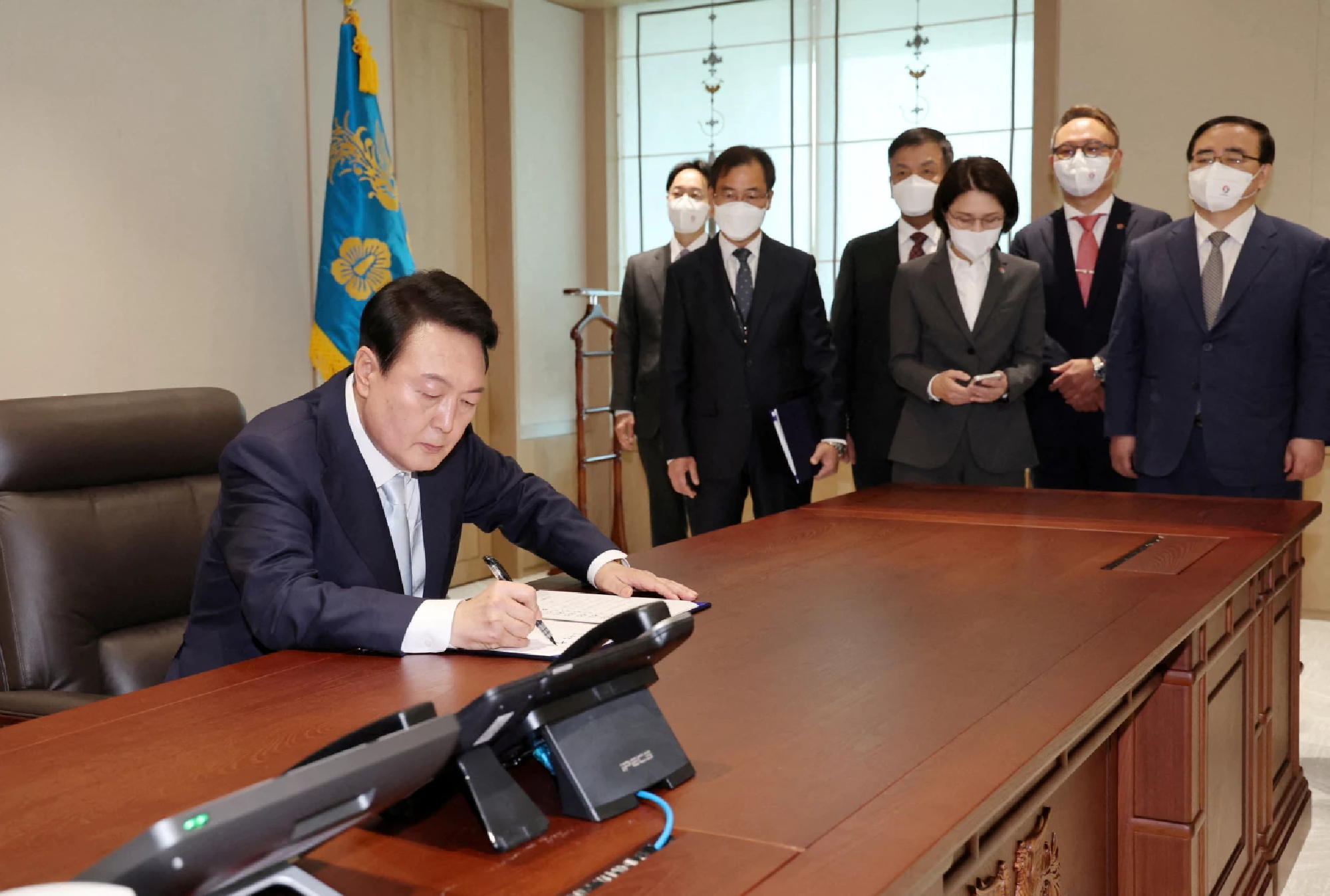
South Korea will join IPEF, a US-led economic initiative, as a founding member, the presidential office said on Wednesday.

The decision appears likely to put further pressure on Seoul to choose a side in the US-China rivalry, with Beijing already expressing opposition to South Korea’s entry.

President Yoon Suk-yeol will be participating in the launching ceremony of the initiative via video call, as the event is planned to take place in Tokyo on May 24, according to the presidential office.

Yoon is preparing to make an official announcement about Korea’s participation and openly endorse the initiative during his summit with US President Joe Biden, who is set to travel to Seoul and Tokyo this weekend.

The IPEF was first introduced when Biden proposed it at the East Asia Summit last October.

The initiative ostensibly aims for the US to improve partnerships with countries in the Indo-Pacific region in a wide range of areas such as digital trade, supply resilience and infrastructure. But it is widely seen as a regional coalition that excludes China from the global supply chain.

China has already baulked at the idea of Korea joining the US-led initiative when Yoon hinted at the decision on Monday.

In the first virtual meeting with South Korean Foreign Minister Park Jin, which took place after Yoon’s parliamentary address on Monday, Chinese Foreign Minister Wang Yi warned against Korea’s “decoupling” and possibly “cutting off [supply] chains” with China.

“We should proceed from our respective and common interests, oppose the negative tendency of ‘decoupling’ and ‘cutting off chains’, and maintain stability and smoothness of the global industrial and supply chains,” Wang said.

Highlighting the importance of a bilateral commitment to openness and inclusiveness, Wang also said it is of “fundamental interest” for the two countries to “guard against the risk of a new Cold War” and “oppose bloc confrontation”.

While Korea’s participation in the IPEF has brought concerned responses from China, the presidential office stated the grouping is not intended to exclude China. The office added it also plans to discuss establishing a follow-up pact regarding the free trade agreement with China.

Experts say South Korea’s decision to join the IPEF appears “inevitable”, as the country is now placed in a position to choose a side amid the escalating competition between the US and China.

“As the US-China competition is intensifying and developing into a zero-sum game, South Korea is put in a position to choose a side. Whether Korea joins the IPEF or not, it would come with following costs,” Park Won-gon, a professor of North Korean studies at Ewha Woman’s University, told The Korea Herald.

The government would have considered all the costs and benefits of joining the US-led initiative, but it would have been much harder to not join the grouping, Park noted.

“The initiative is surely aimed at building an anti-China coalition, to exclude China from a regional supply chain. The IPEF is also said to be a global standard index for the digital economy and technology,” Park said, adding that if Korea does not join, it will have a significant impact on its economy.

At least eight countries are widely expected to join the US-led group from its start, including Japan, Singapore, Australia and New Zealand.

Jo He-rim

The Korea Herald

Asia News Network: The Nation (Thailand), The Korea Herald, The Straits Times (Singapore), China Daily, Jakarta Post, The Star and Sin Chew Daily (Malaysia), The Statesman (India), Philippine Daily Inquirer, Yomiuri Shimbun and The Japan News, Gogo Mongolia, Dawn (Pakistan), The Island (Sri Lanka), Kuensel (Bhutan), Kathmandu Post (Nepal), Daily Star (Bangladesh), Eleven Media (Myanmar), the Phnom Penh Post and Rasmei Kampuchea (Cambodia), The Borneo Bulletin (Brunei), Vietnam News, and Vientiane Times (Laos).

Published : May 19, 2022

By : The Korea Herald

Japan Innovation Party introduces policies in manga format

#SootinClaimon.Com : ขอบคุณแหล่งข้อมูล : หนังสือพิมพ์ The Nation.

https://www.nationthailand.com/international/40015702


Nippon Ishin no Kai (Japan Innovation Party) has produced a booklet titled “Japan Grand Reform Plan” that introduces the party’s key policies in a manga format, aiming to promote them in an easy-to-understand manner with an eye on this summer’s House of Councillors election.

Japan Innovation Party introduces policies in manga format

The story is about “Reform Sentai: Ishin Jai”, a group of characters resembling sentai-costumed superheroes, confronting “Unfair Daron” and other monsters that represent problems with social security and taxation systems, and other issues. Ishin Jai’s goal is to defeat the monsters using their policies, which are explained in terms that are easily understood.

“We’d like to use this as a gateway [to introduce our policies],” said Nippon Ishin no Kai secretary-general Fumitake Fujita.

The manga will be used by Diet members to convey the party’s policies.

Japan Innovation Party introduces policies in manga format

Although Ishin advocates drastic reforms, the party aligns with the Liberal Democratic Party on constitutional reform and security policies. Therefore, Ishin has decided to differentiate itself by formulating the new Japan Grand Reform Plan that focuses on three areas: taxation, social security and growth strategies.

The Japan News

Asia News Network: The Nation (Thailand), The Korea Herald, The Straits Times (Singapore), China Daily, Jakarta Post, The Star and Sin Chew Daily (Malaysia), The Statesman (India), Philippine Daily Inquirer, Yomiuri Shimbun and The Japan News, Gogo Mongolia, Dawn (Pakistan), The Island (Sri Lanka), Kuensel (Bhutan), Kathmandu Post (Nepal), Daily Star (Bangladesh), Eleven Media (Myanmar), the Phnom Penh Post and Rasmei Kampuchea (Cambodia), The Borneo Bulletin (Brunei), Vietnam News, and Vientiane Times (Laos).

Published : May 19, 2022

By : The Japan News

Marcos Jr wants stronger China ties under his presidency

#SootinClaimon.Com : ขอบคุณแหล่งข้อมูล : หนังสือพิมพ์ The Nation.

https://www.nationthailand.com/international/40015700


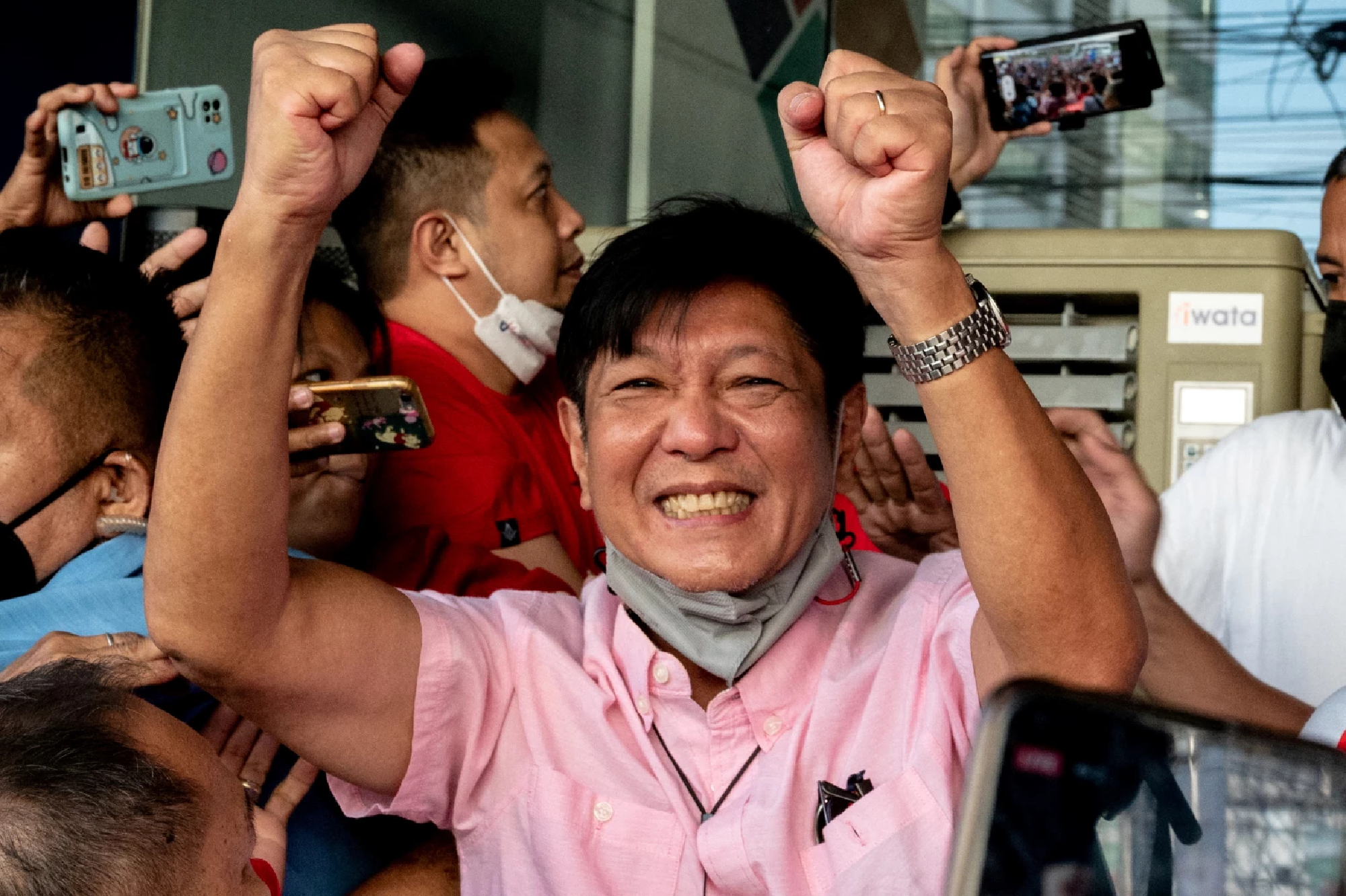
Philippines President-elect Ferdinand Marcos Jr said his country’s relations with China will expand and shift to a higher gear under his administration, while Beijing has assured him of its support for his “independent foreign policy”.

Marcos Jr wants stronger China ties under his presidency

Marcos, who won last week’s election by a landslide, said he held “very substantial” talks by phone with Chinese President Xi Jinping, who agreed to hold more comprehensive discussions on bilateral issues.

The 64-year-old son and namesake of the notorious former Philippines dictator said Xi also acknowledged his late father’s role in opening diplomatic relations between the two countries.

“The way forward is to expand our relationship not only diplomatically, not only in trade, but also in culture, even in education, even in knowledge, even in health to address whatever minor disagreements we have right now,” Marcos said in a statement.

“I told him [Xi] we must not allow what conflicts or difficulties we have now between our two countries to become historically important.”

Their phone conversation focused on bilateral ties and regional development, the Chinese Embassy in Manila said in a separate statement.

Marcos won the presidency with nearly 59 per cent of the votes last week.

He will take office late in June.

Many analysts expect him to seek stronger ties with Beijing, continuing outgoing President Rodrigo Duterte’s policy of rapprochement, while maintaining close relations with defence ally and former colonial power the United States.

Borneo Bulletin Online

Asia News Network: The Nation (Thailand), The Korea Herald, The Straits Times (Singapore), China Daily, Jakarta Post, The Star and Sin Chew Daily (Malaysia), The Statesman (India), Philippine Daily Inquirer, Yomiuri Shimbun and The Japan News, Gogo Mongolia, Dawn (Pakistan), The Island (Sri Lanka), Kuensel (Bhutan), Kathmandu Post (Nepal), Daily Star (Bangladesh), Eleven Media (Myanmar), the Phnom Penh Post and Rasmei Kampuchea (Cambodia), The Borneo Bulletin (Brunei), Vietnam News, and Vientiane Times (Laos).

Published : May 19, 2022

By : Borneo Bulletin Online

China continues in-depth investigation of Wuzhou aircraft crash

#SootinClaimon.Com : ขอบคุณแหล่งข้อมูล : หนังสือพิมพ์ The Nation.

https://www.nationthailand.com/international/40015698


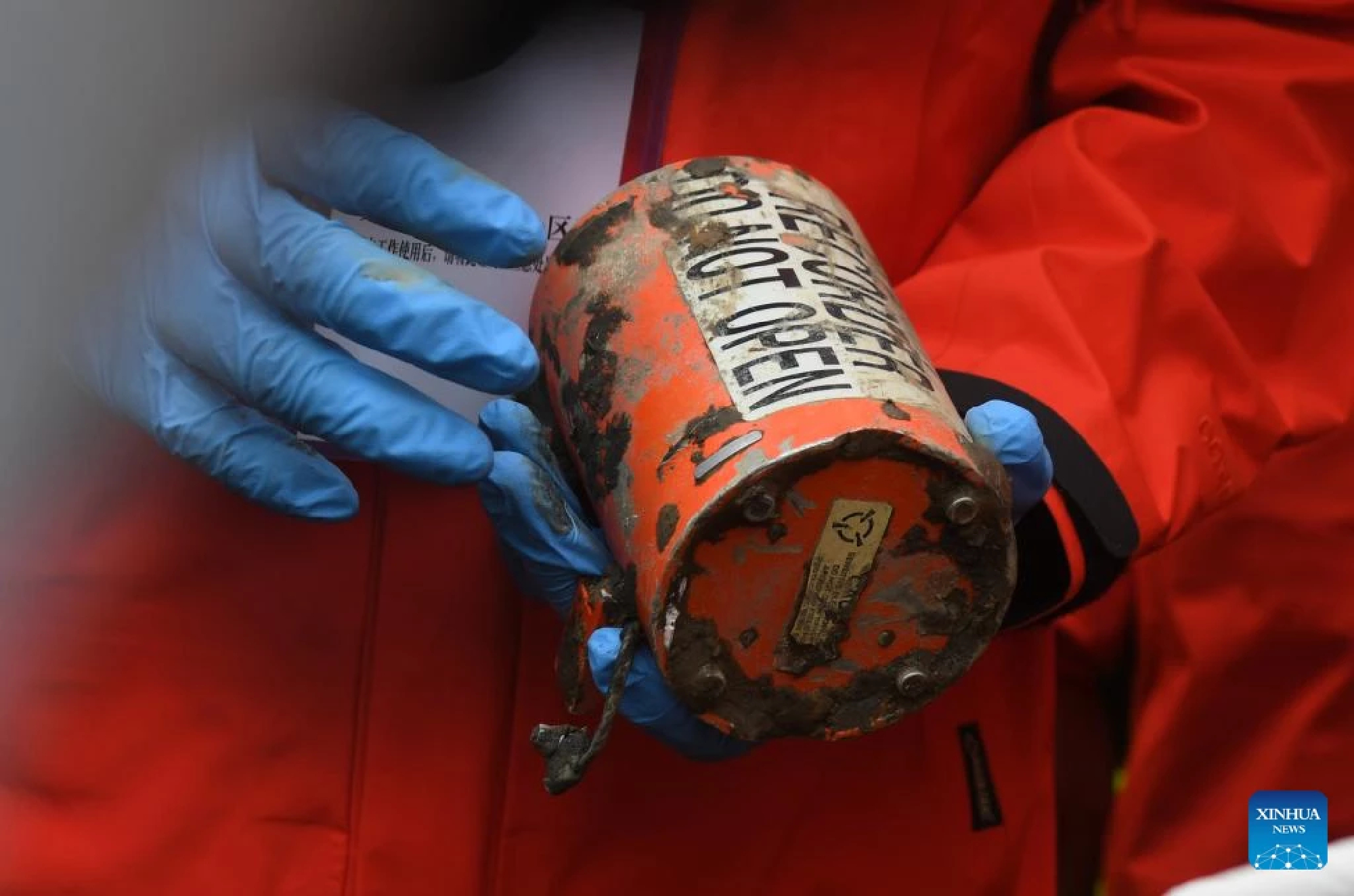
The United States National Transportation Safety Board has confirmed with China’s civil aviation authority, saying that no investigation information regarding a crashed Eastern China Airline was provided to media, the Civil Aviation Administration of China told Global Times on Wednesday.

China continues in-depth investigation of Wuzhou aircraft crash

It was in response to recent news reports that claimed flight data indicated someone in the cockpit intentionally crashed the jet. According to a report by the Wall Street Journal, the source was people familiar with the US officials’ preliminary assessment.

According to Global Times, China’s civil aviation administration quoted its US partner as saying that they strictly adhere to the Convention on International Civil Aviation, and will continue to provide professional technical support to identify the cause of the accident.

The Civil Aviation Administration of China, which is leading the investigation, said the investigation team is carrying out an in-depth investigation, including identification, classification and inspection of wreckage, flight data analysis and experimental verification in accordance with the investigation procedures.

According to the Convention on International Civil Aviation, the U.S. National Transportation Safety Board—the country of the aircraft design and manufacturing—has been invited to the investigation.

Flight MU5735 was bound from Kunming, Yunnan province to Guangzhou, Guangdong province on March 21 when it crashed in a mountainous region in Wuzhou, Guangxi Zhuang autonomous region, claiming the lives of all 132 people on board.

Asia News Network: The Nation (Thailand), The Korea Herald, The Straits Times (Singapore), China Daily, Jakarta Post, The Star and Sin Chew Daily (Malaysia), The Statesman (India), Philippine Daily Inquirer, Yomiuri Shimbun and The Japan News, Gogo Mongolia, Dawn (Pakistan), The Island (Sri Lanka), Kuensel (Bhutan), Kathmandu Post (Nepal), Daily Star (Bangladesh), Eleven Media (Myanmar), the Phnom Penh Post and Rasmei Kampuchea (Cambodia), The Borneo Bulletin (Brunei), Vietnam News, and Vientiane Times (Laos).

China continues in-depth investigation of Wuzhou aircraft crash

Published : May 19, 2022

By : China Daily

The latest news on what’s happening in the region

#SootinClaimon.Com : ขอบคุณแหล่งข้อมูล : หนังสือพิมพ์ The Nation.

https://www.nationthailand.com/international/40015690


Check out what’s hot in the region on May 18 as The Nation puts together headlines from members of Asia News Network (ANN). Click to read more:

The latest news on what's happening in the region

Covid-19 N Korea
‘Too late for vaccines to save North Korea’


Korea Herald
https://www.nationthailand.com/international/40015666


Gold Laos
Newly discovered gold mine to bolster productivity in Sepon


Vientiane Times
https://www.nationthailand.com/international/40015685


Tech Malaysia
DNeX, Foxconn unit to build and operate wafer fabrication plant in Malaysia 


The Star ( Malaysia )
https://www.nationthailand.com/international/40015678


Tech Vietnam
Vietnam Blockchain Association makes debut


Vietnam News
https://www.nationthailand.com/international/40015680

Business India 
Reliance to acquire dozens of brands in $6.5 billion consumer goods play 


The Statesman ( India ) https://www.nationthailand.com/international/40015670

Asia News Network: The Nation (Thailand), The Korea Herald, The Straits Times (Singapore), China Daily, Jakarta Post, The Star and Sin Chew Daily (Malaysia), The Statesman (India), Philippine Daily Inquirer, Yomiuri Shimbun and The Japan News, Gogo Mongolia, Dawn (Pakistan), The Island (Sri Lanka), Kuensel (Bhutan), Kathmandu Post (Nepal), Daily Star (Bangladesh), Eleven Media (Myanmar), the Phnom Penh Post and Rasmei Kampuchea (Cambodia), The Borneo Bulletin (Brunei), Vietnam News, and Vientiane Times (Laos).

Published : May 18, 2022