Asia News Network: The Nation (Thailand), The Korea Herald, The Straits Times (Singapore), China Daily, Jakarta Post, The Star and Sin Chew Daily (Malaysia), The Statesman (India), Philippine Daily Inquirer, Yomiuri Shimbun and The Japan News, Gogo Mongolia, Dawn (Pakistan), The Island (Sri Lanka), Kuensel (Bhutan), Kathmandu Post (Nepal), Daily Star (Bangladesh), Eleven Media (Myanmar), the Phnom Penh Post and Rasmei Kampuchea (Cambodia), The Borneo Bulletin (Brunei), Vietnam News, and Vientiane Times (Laos).
South Korea’s No. 1 mobile carrier SK Telecom said Sunday it has inked a strategic alliance with German counterpart Deutsche Telekom to bring its metaverse platform to European market.
SK Telecom said in a statement the two companies will carry out a field test for metaverse operation in Europe before the end of 2022, create contents that work on the virtual world and implement a marketing for metaverse migration in Europe. SK Telecom premiered an international version of its own ifland metaverse platform in March during the Mobile World Congress 2022.
As part of the long-term plan, SK Telecom said the company and Deutsche Telekom are considering establishing a joint venture in Germany, in order to find more European telecommunication partners. Also, Deutsche Telekom is likely to design a virtual space on ifland platform, emulating a German city, under the strategic partnership.
Alongside metaverse, Deutsche Telekom will collaborate with SK Telecom’s sister company SK Square in the field of cybersecurity and mobile app marketplace.
SK Square owns a stake in cybersecurity firm SK Shieldus and app marketplace operator One Store. The companies are looking to join forces with couterparts under the umbrella of Deutsche Telekom for their respective expansion to Europe, according to the company.
These ideas were discussed during a meeting of representatives from SK Telecom and Deutsche Telekom, which took place on Thursday at Deutsche Telekom headquarters in Bonn, western Germany. Attending the meeting were SK Square Vice Chairman Park Jung-ho, SK Telecom Chief Executive Officer Ryu Young-sang, Deutsche Telekom CEO Timotheus Hottges and Claudia Nemat, board member for technology and innovation at Deutsche Telekom.
This is the latest development of the strategic partnership between the two companies. In January 2021, SK Telecom and Deutsche Telekom founded a 50:50 joint venture Techmaker dedicated to 5G indoor wireless technology. SK Telecom in June 2019 committed $30 million to Deutsche Telekom Capital Partners, an investment arm of the German firm.
By Son Ji-hyoung
Asia News Network: The Nation (Thailand), The Korea Herald, The Straits Times (Singapore), China Daily, Jakarta Post, The Star and Sin Chew Daily (Malaysia), The Statesman (India), Philippine Daily Inquirer, Yomiuri Shimbun and The Japan News, Gogo Mongolia, Dawn (Pakistan), The Island (Sri Lanka), Kuensel (Bhutan), Kathmandu Post (Nepal), Daily Star (Bangladesh), Eleven Media (Myanmar), the Phnom Penh Post and Rasmei Kampuchea (Cambodia), The Borneo Bulletin (Brunei), Vietnam News, and Vientiane Times (Laos).
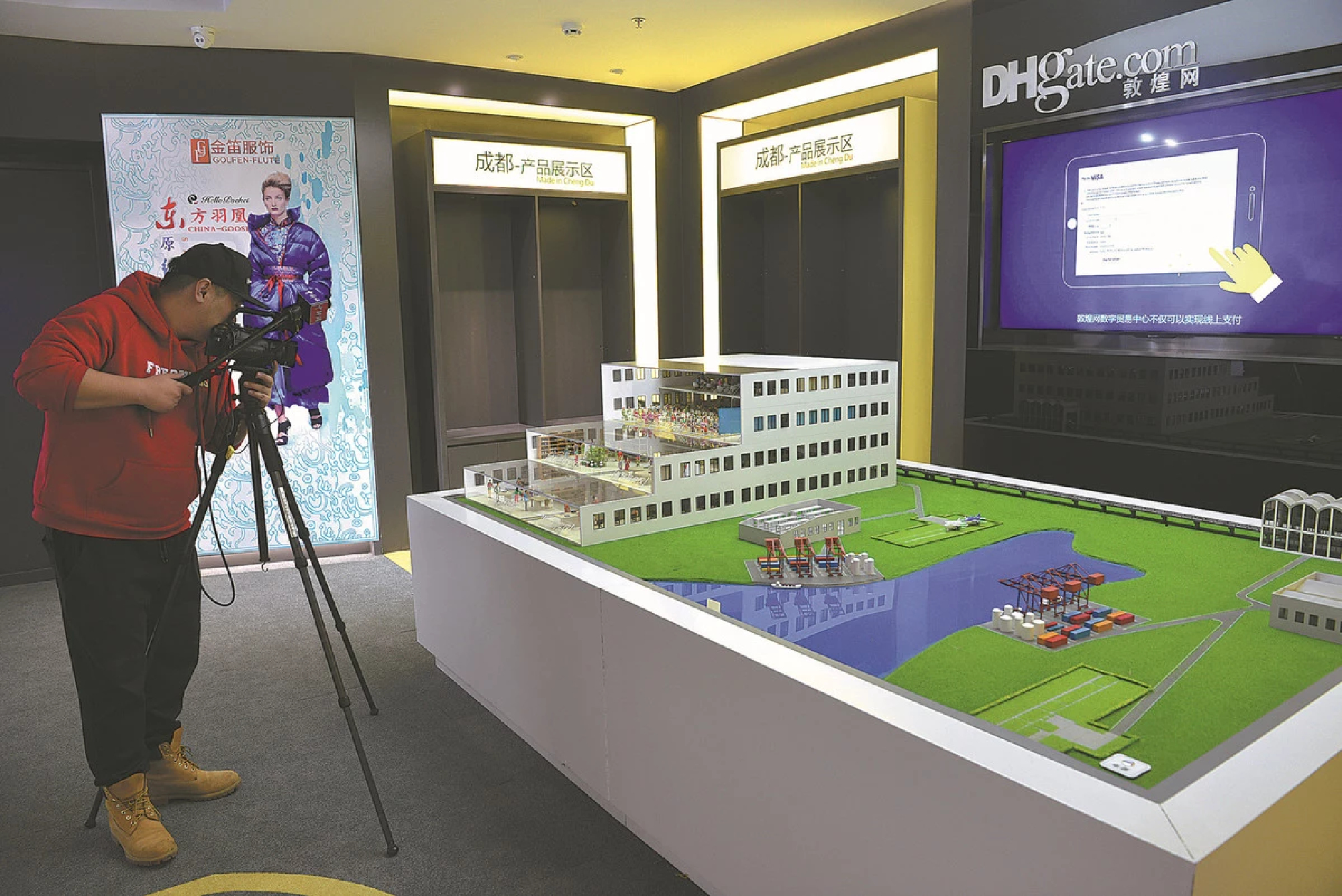
DHgate, a Chinese cross-border business-to-business e-commerce platform, is doubling down on the fast-growing social commerce sector, which means a person’s entire shopping experience-from product discovery to the check-out process-takes place on a social media platform, as part of its broader push to accelerate the digital transformation of traditional global trade.
China’s Generation Z consumers, those born between the mid-1990s and the early 2010s, have shown a rising demand for personalized, niche and intelligent products, said Diane Wang, founder, chairperson and CEO of DHgate, adding the company attaches great importance to the purchasing power of the younger generation.
According to her, the sales of intelligent equipment, such as robot vacuum cleaners, scooters and wearable devices via the online platform of DHgate surged more than 200 percent year-on-year in 2021.
Gen Z accounts for one-third of the global population, becoming the largest generation group in the world, said a survey conducted by data.ai, a US-based mobile analytics company. Their strong willingness to consume is leading the global consumption trend and bringing great changes to global trade.
“As for the booming social commerce segment, we aim to help Chinese manufacturers, brands, and small and medium-sized enterprises access global private domain channels, as well as empower Gen-Zers and content creators, including internet celebrities, key opinion consumers and brand owners,”Wang said.
The global social commerce industry is expected to grow three times as fast as traditional e-commerce to $1.2 trillion by 2025, said global consultancy Accenture. The growth is predicted to be driven primarily by Gen Z and millennial social media users, accounting for 62 percent of global social commerce spending by 2025.
DHgate is exploring new possibilities in the cross-border e-commerce industry driven by social media. It launched MyyShop, a social commerce software-as-a-service or SaaS platform in 2020, which connects Chinese supply chains with people owning substantial private domain traffic or influencers on social networking platforms worldwide.
Myyshop also provides social media-based services, such as artificial intelligence-powered smart product selection and smart logistics services, and helps micro, small and medium-sized enterprises, especially entry-level merchants and individuals with social influence, run their online stores as direct sellers.
Wang said the relationship between production and consumption in the global trade and the global supply chain is being reshaped in the social commerce era. “Everyone can participate with a much lower entrance level, including small and micro-entrepreneurs and social media creators.”
She added the number of active users on MyyShop increased 76.3 percent year-on-year in the first quarter of this year, while the number of paying users rose 65.6 percent year-on-year, with the gross merchandise value, or GMV, skyrocketing by 845.5 percent on a yearly basis.
“Currently, MyyShop works with more than 50, 000 influencers and content creators worldwide. Our goal is to reach 500,000 influencers and content creators across the globe this year,” Wang said.
Social commerce empowers smaller brands and individuals and makes big brands reevaluate their relevance for a marketplace of millions of individuals, said Oliver Wright, global consumer goods and services lead at Accenture.
Being engaged in the social commerce sector means working together within a dynamic ecosystem of platforms, marketplaces, social media and influencers to share data, insights and capabilities to deliver the right incentives and best consumer experience across an integrated digital marketplace, Wright added.
Founded in 2004, DHgate serves more than 2.4 million registered suppliers and over 46.6 million registered buyers, covering 223 countries and regions around the world, with more than 100 international logistics routes and over 10 overseas warehouses.
“China’s young generation is emerging as mainstream consumers and becoming the driving force in the growth of homegrown brands due to their higher disposable income, as well as personalized and diversified demand,” said Bai Ming, deputy director of the international market research department at the Chinese Academy of International Trade and Economic Cooperation.
By FAN FEIFEI
Asia News Network: The Nation (Thailand), The Korea Herald, The Straits Times (Singapore), China Daily, Jakarta Post, The Star and Sin Chew Daily (Malaysia), The Statesman (India), Philippine Daily Inquirer, Yomiuri Shimbun and The Japan News, Gogo Mongolia, Dawn (Pakistan), The Island (Sri Lanka), Kuensel (Bhutan), Kathmandu Post (Nepal), Daily Star (Bangladesh), Eleven Media (Myanmar), the Phnom Penh Post and Rasmei Kampuchea (Cambodia), The Borneo Bulletin (Brunei), Vietnam News, and Vientiane Times (Laos).
The Covid-19 vaccine named Myancopharm produced in Myanmar is now available for everyone including children aged 5 and pregnant women.
The vaccine is being produced by the Ministry of Industry in collaboration with Sinopharm China National Biotec Group (Sinopharm CNBG) of the People’s Republic of China.
It is safe for vaccinating children aged 5 and above as well as expectant mothers.
The Myancopharm vaccine started administering at Zabuthiri Hospital (50-bed) in Nay Pyi Taw on May 4 morning, according to the Ministry of Health.
The Ministry of Health received 600,000 doses of Myancopharm vaccine on April 29 and 400,000 more on April 30 from the Ministry of Industry under a ready to fill (RTF) system.
It can also be administered to those aged 18 and above as booster doses.
Myanmar has vaccinated 30.78 million of people against Covid-19.
Asia News Network: The Nation (Thailand), The Korea Herald, The Straits Times (Singapore), China Daily, Jakarta Post, The Star and Sin Chew Daily (Malaysia), The Statesman (India), Philippine Daily Inquirer, Yomiuri Shimbun and The Japan News, Gogo Mongolia, Dawn (Pakistan), The Island (Sri Lanka), Kuensel (Bhutan), Kathmandu Post (Nepal), Daily Star (Bangladesh), Eleven Media (Myanmar), the Phnom Penh Post and Rasmei Kampuchea (Cambodia), The Borneo Bulletin (Brunei), Vietnam News, and Vientiane Times (Laos).
The opening ceremony of the biggest sports event in Southeast Asia, the SEA Games, which will officially take place on May 12-23, is expected to present beautiful images of Vietnamese culture and tradition through the performances of thousands of Vietnamese artists.
It will also spread the spirit and message of the SEA Games 31 “For a Stronger Southeast Asia”.
In addition to performances of the artists, the event is also expected to impress the audience with light and sound effects created by modern technology.
Promoting Vietnamese culture
According to Trần Đức Cường, a consultant on the history and culture of the 31st SEA Games and President of the Việt Nam Association of Historical Sciences, the organisation board specifically defined the targets of the opening ceremony before staging it.
“As the host of the event, Việt Nam needs to introduce the ASEAN community and the world to the culture and traditions of the country, and at the same time convey the message of the SEA Games 31: For a stronger Southeast Asia,” he said.
The opening ceremony of the 31st SEA Games will be divided into three parts. The first will showcase Việt Nam, with its own culture and identity, as a friendly nation to all countries. The second will demonstrate the strength of the ASEAN community on the world map, and the third will present the solidarity and friendship between Việt Nam and other ASEAN members in an effort to unite and build a strong regional community.
Cường said he strongly believed in the talent of the programme’s director-general artist Trần Ly Ly and the staging crew.
“They are all young but talented and extremely enthusiastic. I believe that the opening and closing ceremony of the 31st SEA Games will create remarkable performances, leaving a strong impression on audiences,” he said.
Currently, over 1,000 artists and art students are divided into two groups for training under the guidance of two top Vietnamese dancers, Kiều Lê and Hồng Phong, and 15 other experienced choreographers. Dozens of other specialists and technicians will be engaged in setting up the stages and making costumes and props.
Phong’s group now has 250 artists practising the bamboo and lotus dance to illustrate songs performed at the event.
“Bamboo symbolises strong vitality, solidarity, sustainability and toughness while the lotus is a symbol of purity, innocence and the tolerance of the Vietnamese people, which are the spirit of the SEA Games. They are the selected images through which the Vietnamese people will be introduced,” said Phạm Thanh Tùng, group leader and choreographer.
Dancer Linh Nga will perform the lotus flower dance solo, and violinist Bùi Công Duy and artist Liễu Giang will showcase their talents in the song Đường Đến Việt Nam (The Road to Việt Nam), which will also include the images of áo dài (Vietnamese traditional dress) and conical hats, representing a friendly Việt Nam.
Modern technology
The stage director for the opening ceremony of the 31st SEA Games, Hoàng Công Cường, said: “The power of graphic image projection technology (Mapping) and Augmented Reality – AR, and Extended Reality technology, which are the latest technologies, will be adopted for the performances showcasing the cultural identity of Việt Nam and Southeast Asia in general. There will be a display with the symbols of 40 sports from different countries represented by Vietnamese folk paintings on a graphics slide show.”
Artist Trần Ly Ly, general director of the opening and closing ceremony, revealed that music producer Huy Tuấn, the writer of the theme song of the sports event – Let’s Shine – is also the music director of the show. Conveying strong sports solidarity, the song will close the opening ceremony of SEA Game 31 with the performance of many famous performers in the Vietnamese music industry.
“Let’s Shine is expected to be a great performance in which famed artists will perform together with the mascot, the symbols of 54 Vietnamese ethnic groups, representatives of 11 Southeast Asian countries, 110 dancers and 250 athletes competing in the Games. With this ending, the production crew hopes to leave a deep impression in the hearts of our international friends,” Ly said.
The SEA Games 31 will officially kick off on May 12 at Mỹ Đình National Stadium and run until May 23.
It will feature 40 sports and 526 events, attracting around 10,000 participants from 11 Southeast Asian countries: Brunei, Cambodia, East Timor, Indonesia, Laos, Malaysia, Myanmar, the Philippines, Singapore, Thailand, and Việt Nam. VNS
Asia News Network: The Nation (Thailand), The Korea Herald, The Straits Times (Singapore), China Daily, Jakarta Post, The Star and Sin Chew Daily (Malaysia), The Statesman (India), Philippine Daily Inquirer, Yomiuri Shimbun and The Japan News, Gogo Mongolia, Dawn (Pakistan), The Island (Sri Lanka), Kuensel (Bhutan), Kathmandu Post (Nepal), Daily Star (Bangladesh), Eleven Media (Myanmar), the Phnom Penh Post and Rasmei Kampuchea (Cambodia), The Borneo Bulletin (Brunei), Vietnam News, and Vientiane Times (Laos).
MANILA, Philippines — The country is at a crossroads as some 65 million Filipinos cast their ballots today to decide on the successor to President Rodrigo Duterte after six years in power.
Thousands of other posts, from lawmakers and governors to city and municipal mayors and councilors, are also at stake.
Between “Never Again” and “Babangon Muli,” what path the voters tread in the most crucial elections since the restoration of democracy in 1986 will shape the future of the nation, Senate Minority Leader Franklin Drilon told the Inquirer on Sunday.
Most pollsters predict a landslide victory for Ferdinand Marcos Jr., son and namesake of the late dictator who ruled the country for 20 years, but the elections may yet be decided by the undecided, a political analyst said.
Speaking on ABS-CBN’s Teleradyo on Sunday, Dindo Manhit, managing director of the think tank Stratbase ADR Institute, said about 20 percent of the electorate might still change their minds on Election Day, representing the so-called “soft voters.”
This may be enough to offset Marcos’ current lead, as only 35 percent of his voting base is considered strong or committed, as against Vice President Leni Robredo’s 20 percent, Manhit said.
The analyst said the results would show whether Marcos’ “command vote” based on local endorsements and machinery is more effective than Robredo’s “retail vote” based on her volunteer-driven campaign—or the other way around.
In separate interviews with the Inquirer, political analysts agree that this is the most crucial election of this generation, comparable only to the 1986 snap elections when the country booted the late dictator out of power.
Like in 1986, the country is also “facing a serious national economic crisis brought about by the pandemic,” said Tony La Viña, a constitutional law expert. “We will have a different Philippines whoever wins on Monday.”
Like several other analysts, La Viña said that the May 9 elections will be a two-way race between Marcos Jr. and Robredo, who are “opposites in background, in vision, and in platform, and what the result would mean for governance and human rights.”
Stakes are high
It is also why the stakes for this year’s elections are “not only high, but also many and deep and long-lasting,” said Aries Arugay of the University of the Philippines (UP) Diliman. “The elections will decide the fate of what’s left of Philippine democracy that has eroded under (President Duterte).”
La Viña, Arugay, and Jean Encinas Franco, also from UP, all agree that a Marcos win will determine whether Philippine democracy remains strong in the face of massive disinformation about the real legacy of their family’s 21-year rule, which saw thousands dead, arrested and disappeared.
Up to the end, Robredo did not see improved ratings in preelection surveys, but a Robredo upset in the May 9 polls remains possible because of the vigorous house-to-house campaigns done by her volunteers as well as the celebrity and Church clergy endorsements in favor of Robredo, Franco said.
In particular, Arugay said that a Robredo win is highly possible if her supporters, particularly young people, show up at the poll booths. He said only 30 percent of them voted in past elections.
“This May 2022 election is in fact an eerie repetition of that historic election in January 1986. It has revived people power—hopefully a much better version of it,” Caloocan Bishop and Catholic Bishops’ Conference of the Philippines president Pablo Virgilio David told the Inquirer on Sunday.
“Since the whole world watched us closely in 1986 and drew inspiration from us for our shining example of standing courageously but peacefully for freedom and democracy, now they are also watching us closely in this election,” he added.
“Yes, I think it is the most crucial election since 1986. It is made even more crucial by the crisis caused by the pandemic and the present global geopolitical conflict as well as the Chinese encroachments in the WPS (West Philippine Sea),’’ he continued.
If opinion surveys are accurate, Robredo, 57, will need a late surge or low turnout to win the presidency, with Marcos, a former congressman and senator, leading her by more than 30 percentage points, having topped every poll this year.
The two embody a political chasm that has existed more than four decades, with Robredo’s roots in the movement that led a 1986 “people power” uprising that toppled the elder Marcos, and Marcos Jr. on the cusp of an almost unthinkable return for the once disgraced first family.
Marcos cast his campaign as a chance to bridge that divide.
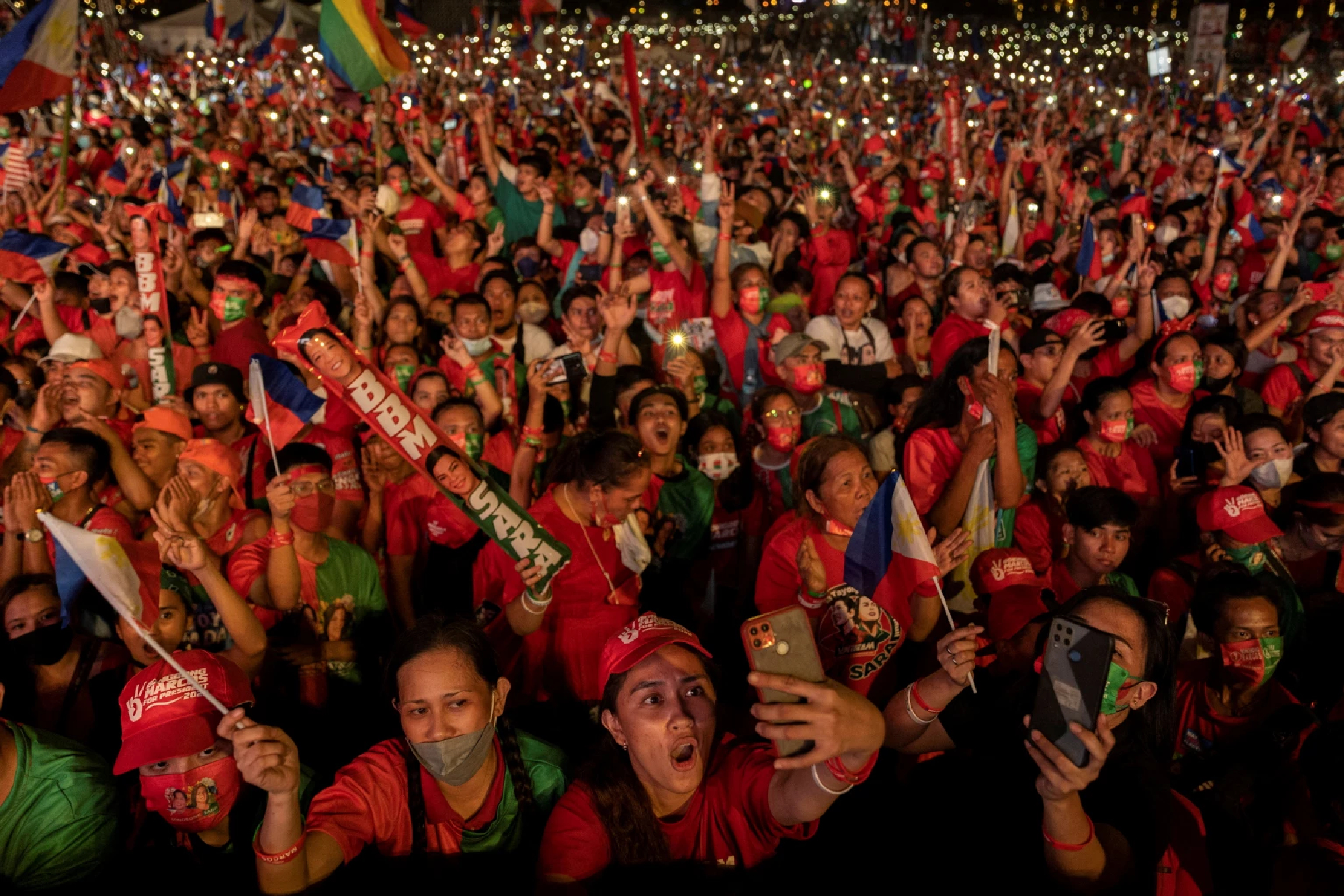
“We will reach the day that when we join forces, when we again face the world and shout to our friends and wave our flag, we will be proud to say we are Filipinos,” Marcos told a roaring red-shirted crowd that waved national flags.
Criticisms
Opponents of Marcos say the presidency is the endgame in a years-long effort to change historical narratives of authoritarianism and plunder that have dogged his family, which despite its fall from grace remains one of the wealthiest and most influential in Philippine politics.
Marcos Jr. has been criticized for his lack of a policy platform and for dodging debates and media appearances, a strategy that has minimized scrutiny and allowed him to generate support on social media among voters born long after his father’s rule.
Today will be a rematch of the 2016 vice-presidential election which Marcos looked set to win, before losing by just 200,000 votes to Robredo. He alleged cheating and fought hard to overturn the result, which the Supreme Court upheld.
“This fight is not about one person or candidate. I am just a vehicle of the love that engulfs Filipinos,” Robredo told hundreds of thousands of supporters at a rally on the last day of the official campaign period on Saturday that turned swaths of the Makati financial district pink, her campaign color.
If the election reflects the opinion polls, Marcos, 64, could be the first Philippine president to be elected with a majority vote since the end of his father’s rule.
By: DJ Yap, Krixia Subingsubing
—WITH REPORTS FROM KATHLEEN DE VILLA AND REUTERS
Asia News Network: The Nation (Thailand), The Korea Herald, The Straits Times (Singapore), China Daily, Jakarta Post, The Star and Sin Chew Daily (Malaysia), The Statesman (India), Philippine Daily Inquirer, Yomiuri Shimbun and The Japan News, Gogo Mongolia, Dawn (Pakistan), The Island (Sri Lanka), Kuensel (Bhutan), Kathmandu Post (Nepal), Daily Star (Bangladesh), Eleven Media (Myanmar), the Phnom Penh Post and Rasmei Kampuchea (Cambodia), The Borneo Bulletin (Brunei), Vietnam News, and Vientiane Times (Laos).
The government has announced that all international border crossings will reopen, so that Lao and foreign nationals, well as stateless people, can enter and exit Laos freely.
The Prime Minister’s Office on Saturday (May 7) issued a notice declaring that borders would reopen.
The reopening of Laos and the lifting of restrictions under Notice No. 627 will come into effect on May 9, Head of the Secretariat of the National Taskforce for Covid-19 Prevention and Control, Mrs Thipphakone Chanthavongsa, told a press conference on Saturday.
Citizens of countries that have signed a bilateral or unilateral visa waiver agreement with Laos can enter without applying for a visa.
Citizens of countries that have not signed visa waiver agreements with Laos can apply for a visa at Lao embassies or consulates in foreign countries. Visitors can also apply for a visa online or on arrival at border crossings where such service is available.
Lao and foreign nationals and stateless people aged 12 and older who have not been fully vaccinated are required to take a Covid-19 ATK test within 48 hours of their departure for Laos. However, they are no longer required to have a Covid test upon arrival.
People who have a certificate indicating full Covid vaccination can enter Laos without needing to have a Covid test in either their departing country or upon arrival in Laos.
Visitors who contract Covid-19 during their stay in Laos are responsible for all expenses involved if treatment is needed. Treatment can be obtained at state and private hospitals, while self-isolation and self-care are other options.
Vehicles will be allowed to enter and exit as normal, the same as before the pandemic was declared. The Ministry of Public Works and Transport will issue instructions concerning the changes in this regard.
The government has called on state departments, business operators and all sectors of society to be ready to welcome and offer warm hospitality to tourists.
In addition, the government will allow entertainment venues including karaoke clubs to reopen, on the condition that staff and customers comply with standard Covid control measures.
The task force will monitor the situation closely and revise virus control measures as needed, Mrs Thipphakone said.
“In the case of any changes (to measures), the government will inform the public,” she said.
Deputy Minister of Health Dr Sanong Thongsana told reporters the decision to fully reopen Laos was made in light of the declining number of Covid cases, both worldwide and Laos.
The average number of new infections reported in Laos each day has plummeted tenfold, from almost 2,000 a day in February and March this year to less than 200 a day at present.
“The rate of infection is declining daily,” Dr Sanong said.
The Omicron variant is the dominant form of Covid currently circulating in Laos, with a few cases of the Delta variant also being recorded.
As of May 7, a total of 208,715 infections had been reported, including 746 Covid-related deaths.
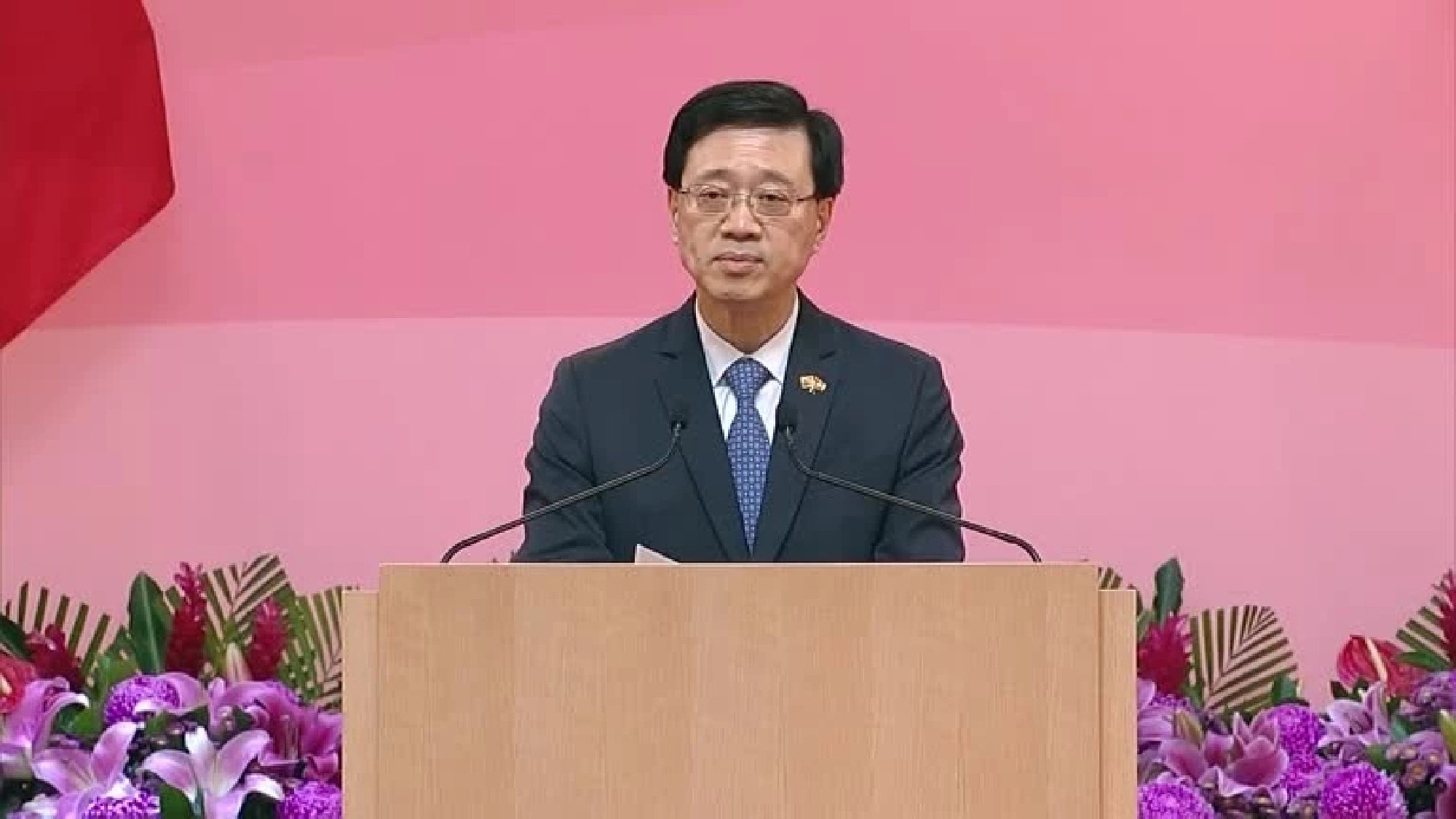
John Lee Ka-Chiu won the Hong Kong Special Administrative Region’s chief executive election on Sunday, becoming the sixth-term chief executive-elect after securing 1,416 votes from Election Committee members.
Committee members cast their ballots between 9 and 11:30 am on Sunday at the Hong Kong Convention and Exhibition Centre in Wan Chai.
Lee, 64, is expected to assume office on July 1 after his appointment by the central government and will serve a five-year term.
In his political platform, Lee said he will prioritize housing and youth-development issues, vowing to create a competent government and further enhance the city’s competitiveness.
Lee announced his bid for the city’s top job on April 9, eventually securing 786 nominations from Election Committee members.
He has actively exchanged opinions with various sectors since joining the race. Besides holding numerous meetings with industry leaders, he also invited members of the general public to leave comments online and reached out to communities to listen to the demands of grassroots residents.
The former chief secretary has been in public service for about 45 years. He was appointed secretary for security in 2017 and promoted to chief secretary in June 2021.
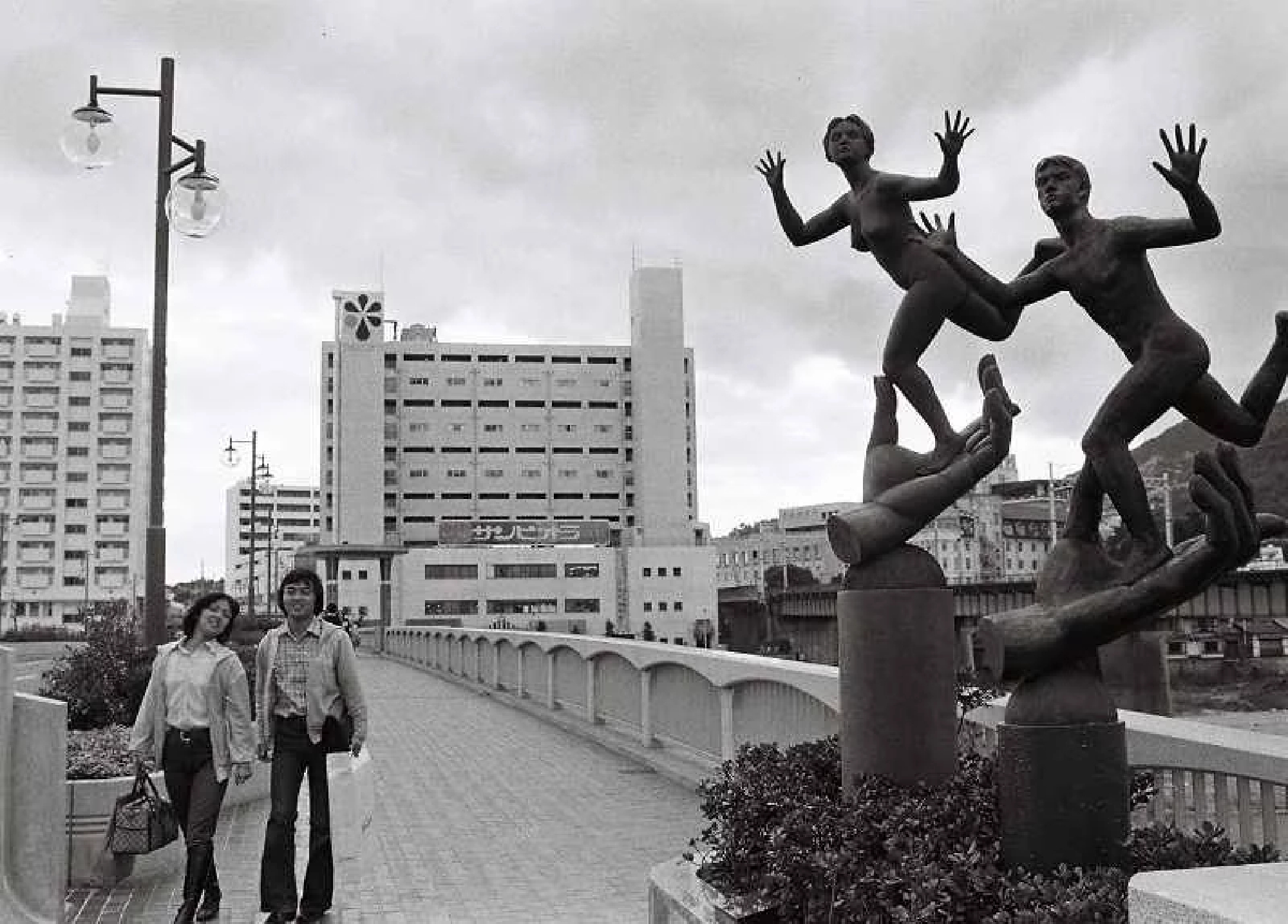
The possible reinstallation of a pair of nude female statues in Takarazuka, Hyogo Prefecture, is reigniting a decades-old debate on whether the sculptures discriminate against women.
The work, “Mano d’Amore” (Hand of love), was created by Yuki Shintani (1937-2006), a sculptor from Kobe who also made a memorial monument, located in the Sannomiya district in Kobe, for the victims of the 1995 Great Hanshin Earthquake.
Shintani’s love-themed female statues are found all around Kobe, but the debate revolves around a pair of 3-meter-high bronze statues depicting naked women dancing in the palm of a hand. The statues were temporarily removed from the foot of Takarazuka Ohashi bridge last year when the bridge underwent heavy renovation. The question now is whether they should be reinstated.
Over 40 years ago, a local group asked Shintani to create the work in time for the bridge’s opening in March 1979. However, in February 1978, when production was still underway, an introductory text about the statues written in a public-relations magazine ignited criticism.
The text described the statues as “women standing on the palms of men’s hands while holding out hands full of love for humankind toward the sky.”
This led citizens’ groups to launch a campaign against the installation of the statues, claiming they were “misogynistic” and “contrary to the spirit of the Constitution, which stipulates the equality of the sexes.”
The groups distributed leaflets with messages from famous female politicians of the time who were against the installation, with some people going on hunger strike.
When interviewed by The Yomiuri Shimbun at the time, Shintani denied that the hands were male.
“They could be the hands of a man, a woman, a child or even God,” he said. “They can be the hands of anyone, depending on one’s point of view.”
The then-mayor of Takarazuka said, “It’s a work of art expressing love for humanity, and there’s no reason to assume that it discriminates against women.”
A women’s group also formed in favour of the installation. Eventually, the statues were installed in time for the bridge’s opening ceremony in October 1978, with a statue on either side of the bridge’s northern sidewalks.
The Takarazuka municipal and Hyogo prefectural governments surveyed from December to January, after the statues were temporarily removed last year, to decide on a new design for the bridge’s sidewalk space.
Opinions from the public included more than a dozen negative comments on the statues, with one saying, “I don’t want them placed where many people pass by.”
But some said the statues should return to their original spot, with another commenting: “We should concentrate on how to design the landscape of the city centre. The focus shouldn’t be placed solely on the statues, which will cause disputes among citizens.”
Many students say ‘no’
Asia University Prof. Yoko Takayama surveyed her class last academic year regarding nude statues in public spaces. According to the cultural anthropology professor’s survey, 42 out of 67 students were averse to such statues.
Of the 42 respondents who did not approve, some said that nude statues should not be placed in public places if people find them offensive, and others said it was inappropriate from an educational standpoint. Sixteen students responded with ambivalence and nine had no issue with such installations, saying nudity can be “a work of art with intentions and messages” and “can be considered a symbol of peace, as nudity means they are unarmed, implying the absence of hostility.”
“I was surprised to find such strong sentiments of aversion from the students,” Takayama said. “I’d thought the number of people opposed [to such statues] would at least be the same as those who supported [such works], as students have a good understanding of art. Statues of naked women have been installed around the nation without explanation as to why they symbolize peace.
“It’s understandable that some people feel sad when a familiar sight changes, but one solution could be displaying such statues in galleries, so they won’t be in the public eye.”
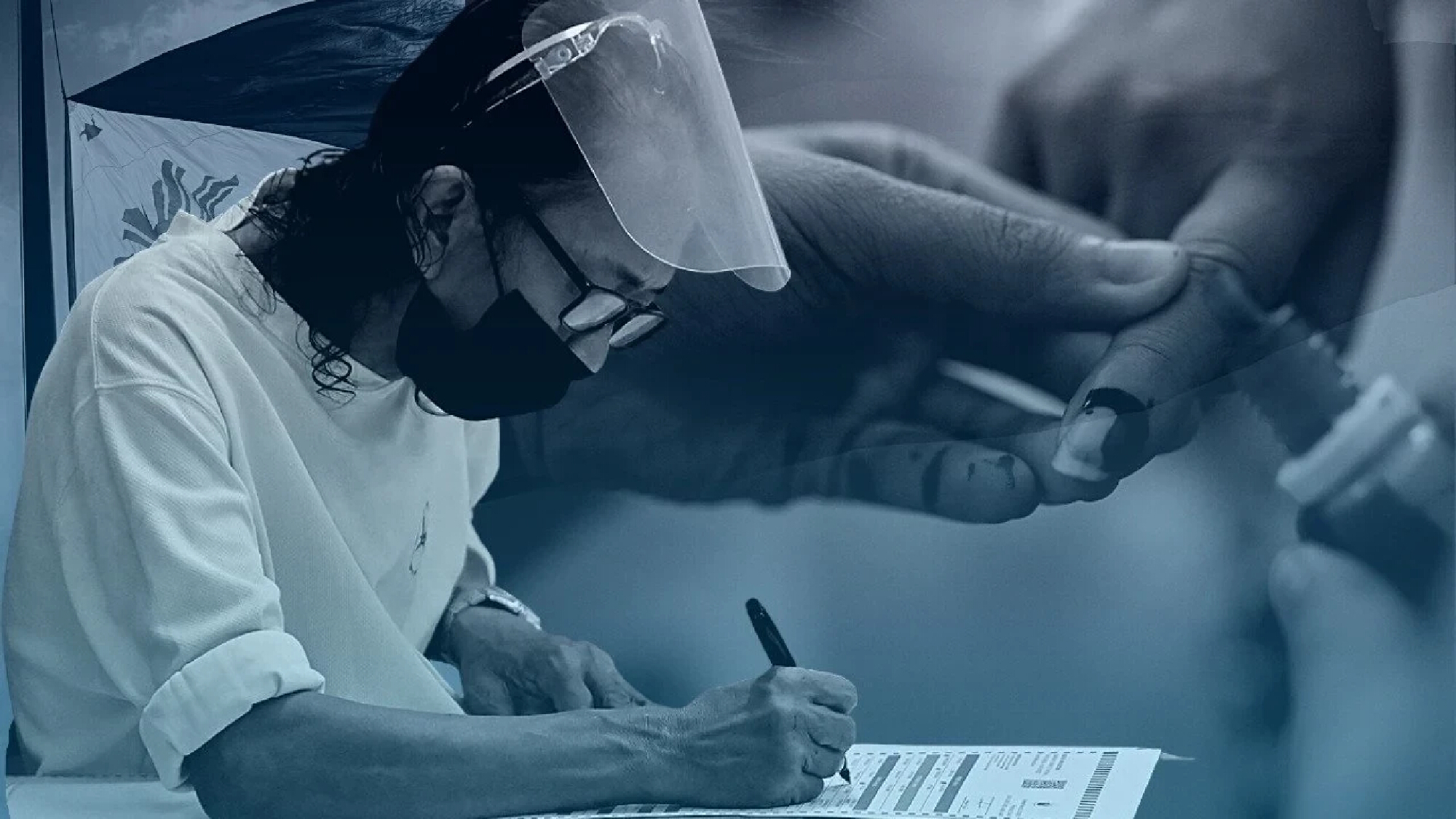
For almost a week now, a 30-year-old grade-school guidance counsellor said she has been losing sleep over the possible outcome of the elections on Monday.
She told the Inquirer in a recent interview that she had trouble sleeping at night, often waking up after a few hours of shuteye just to check the news.
“I always think about what would happen after the elections because this does not end after May 9. The results of the poll will dictate our lives for six years and beyond,” she said, requesting not to be identified by name so she could speak more freely about what’s troubling her.
She already knows that “the main source” of this anxiety is the possibility that “incompetents” might be elected.
“I think it started hitting me at the start of this month. [I had] a realization that in a few days, the country’s decision will make or break us,” she said. “We will have senators who know nothing about the job and local politicians who just pass government positions to their families.”
She said she is also bothered by widespread disinformation on social media. Videos on TikTok and Facebook are spliced to create false and misleading information while facts are merely dismissed as “biased,” she said.
“As an educator, I feel miserable because it shows how much the education system in the country has failed. And this failure is being milked by politicians to their advantage,” she said.
But she has found comfort in her fiancé and friends who share her anxiety about the elections. Sharing and talking about this experience seem to ease the feelings of restlessness and frustration over the polls.
Psychologist AJ Sunglao said this was “election anxiety,” which was recognized as a “circumstantial or situational” form of anxiety during the 2020 US elections when Republican billionaire Donald Trump defeated Democrat former US first lady Hillary Clinton.
“[It is] not a disorder or condition,” Sunglao said in a phone interview.
Individuals with election anxiety may feel restless, drained, easily on edge or have difficulty concentrating and develop physical symptoms like headache, stomachache and muscle pain, he said.
Sunglao, a mental health advocate, said it would more likely affect individuals who “are very much engaged” in the news and in the election itself.
Filipinos have been feeling this kind of anxiety because many have been “very involved [in social media] and very much emotionally invested in the election,” he said.
“Now we’re feeling it, too, because this election feels very much like a heavy and important discussion for people,” Sunglao said.
The results of the most recent Pulse Asia survey with only a few days left before the polls caused anxiety among some of his friends.
The survey showed that the son and namesake of the late ousted dictator were still way ahead of his main challenger, the widow who defeated him in the vice presidential race six years ago.
“That signified that we just have this much time left to be able to change [the results]. So, there’s that level of ‘we’re running out of time’ … and so it feels more real,” he said.
Because of this, some people are having trouble concentrating on work or have been putting off deadlines.
According to the Philippine Mental Health Association (PMHA), “concerns about how the election results will affect our lives have the potential to hurt our well-being.”
“Research has also shown that ruminating, or repetitive and excessive thinking, can impair our critical skills and problem-solving,” it said on its Facebook page.
PMHA suggests four ways to manage election anxiety: control social media consumption; have a “voting plan,” which involves engaging in “purposeful activities” like volunteering; avoid dwelling on worst-case scenarios and stay connected with friends and family for emotional support.
On Twitter, netizens have been sharing ways to put their minds off things that trigger their election anxiety and others are posting hopeful messages to cope.
Sunglao’s series of tweets on how to manage election anxiety generated more than 9,000 likes and almost 3,000 retweets as of Saturday.
He also listed tips on how to cope with the stress during an election season. The first thing to do is to “engage more consciously and not waste time on random trolls,” he said.
Sunglao advised scheduling social media consumption and prioritizing discussions about feelings of anxiety with someone or even a community as “it is normal to feel scared and worried.”
“A good way to engage is to volunteer … and it’s good for your mental health,” Sunglao said.
He suggested turning “this anxiety, this kind of energy, into doing clear actions with people who are also doing it. This is why community is important.”
Sunglao said Filipinos had become “more attuned to mental health language” mainly from sharing their anxiety over the COVID-19 pandemic and talking about it over the past two years.
“Not just for the elections, but for climate change, COVID, or other similarly heightened situations or highly emotional situations, [holding on to] hope is a good way to move you forward,” he said.






 SootinClaimon.Com