Experts, businesses discuss building new reality, opportunity in metaverse

#SootinClaimon.Com : ขอบคุณแหล่งข้อมูล : หนังสือพิมพ์ The Nation.

https://www.nationthailand.com/international/40015165


Experts and entrepreneurs got together in Seoul Monday to discuss the ways industries in South Korea and the US are enthusiastically embracing emerging technologies required for the metaverse, and the legal framework that is adapting to the new ecosystem in Korea.

Experts, businesses discuss building new reality, opportunity in metaverse

Taglined “The Rise of Metaverse and What It Holds for the Future,” the Metaverse Forum 2022, co-hosted by The Korea Herald, the nation’s largest English-language newspaper, and the American Chamber of Commerce in Korea, showed that metaverse technologies are boosting connection between people regardless of whatever physical barriers there may be.

Rather, the need to overcome such barriers became abundantly clear in the wake of the pandemic.

“Now in the post-COVID era, we are seeing new business models emerge,” James Kim, chairman and chief executive officer of AmCham Korea, told the audience at the event held at Four Seasons Hotel Seoul. Kim represents some 800 member companies based out of Korea.

“With the advancement of technology, the concept of the metaverse no longer remains an elusive dream.”

As more companies adopt cloud services and virtual meetings, the world is seeing more room where the metaverse could play a role in transforming how people work, study, play, chat with friends, attend events and even buy items.

“Many prominent corporations profess metaverse as a future growth engine, but most are at too early a developmental phase to be introduced publicly,” The Korea Herald Chief Executive Officer Choi Jin-young said in an opening remark.

“More research and experimentation is needed concerning the metaverse’s true nature and potential. However, there is no doubt that it will become the main trend in industry.”
 

‘New’ internet

Speakers at the Metaverse Forum 2022 stressed that the interoperability of devices on a single metaverse platform, as well as the ubiquity of a self in many different dimensions of the world is a main goal that all metaverse-related companies have to pursue.

In that regard, collaboration of different companies on a metaverse value chain is important, given that no single company is able to create a complete metaverse alone.

“(VR, AR and XR) are the roads that we are taking on this journey to the metaverse,” said Steve Park, director of public policy for Meta Korea and Japan, in his presentation at Metaverse Forum 2022.

Defining the metaverse as the successor of the mobile internet, the Meta official underlined that users must feel like they are present with other people in the virtual world.

“If you are stuck on one platform or service, that‘s not going to be the metaverse,” he said, referring to the importance of interoperability in the metaverse.

SK Telecom, a telecommunication company that operates its own metaverse platform ifland for 80 countries, also plans to launch a PC version of ifland in the second half of this year, as well as Oculus Quest version in the year-end.

“We expect it will take another five years to offer a fully immersive environment for users when it comes to metaverse experience. We hope to see more contents providers collaborating with service platforms,” said Lee Mi-yeon, Metaverse CO partnership team leader at SK Telecom.

Also, the rise of “Web 3.0,” a new decentralized internet backed by blockchain technology that is responsible for cryptocurrencies, nonfungible tokens and metaverse, is highlighting the need of the hyper-connective ecosystem.

“The shift to Web 3.0 will create basis for the new digital economy based on cryptocurrency and NFTs –and digital lives represented by metaverse,” said Patrick Yoon, managing director of Korea at Crypto.com.

Embodying your hidden self

The metaverse could be a means of expressing the many side of self, a panel discussion showed at the event.

Meta’s Steve Park said people already have multiple personas and the metaverse is a platform to express these multi-persona. Regarding side-effects, such as online crimes using anonymity, Park said platform providers and related authorities should be able to regulate that.

SK Telecom‘s Lee echoed the view, saying the multiple avatars a person holds in the virtual world open up chances to unleash a single person’s full potential.

“I don’t define a person’s identity as one, as individuals have different positions at home or at their office. Many say one’s identity is something that does not change,” Lee said.

“But is it really? People find it to be more free on the metaverse as relationships do not get defined there. People can create more than one identity, and a recent buzzword ‘secondary character’ has gone viral as well.”

But there could be possible side effects of allowing a single person to have multiple avatars and hiding his or her real identity.

This leads to a discussion over the current lack of regulations in place to avoid any crimes that could take place in the metaverse. Lee of SK Telecom said she anticipates discussions among lawmakers to build a new legal framework, but there are still constraints to what they can do until actual issues in the metaverse come up.

“We are preparing a system internally to prevent any abnormal actions on the metaverse, as the law cannot be based on the predictions of what could happen on the metaverse,” Lee said.

She added another legal difficulty that the metaverse brings up would be the definition of a citizen, which becomes obscure in the digital world.

Asia News Network: The Nation (Thailand), The Korea Herald, The Straits Times (Singapore), China Daily, Jakarta Post, The Star and Sin Chew Daily (Malaysia), The Statesman (India), Philippine Daily Inquirer, Yomiuri Shimbun and The Japan News, Gogo Mongolia, Dawn (Pakistan), The Island (Sri Lanka), Kuensel (Bhutan), Kathmandu Post (Nepal), Daily Star (Bangladesh), Eleven Media (Myanmar), the Phnom Penh Post and Rasmei Kampuchea (Cambodia), The Borneo Bulletin (Brunei), Vietnam News, and Vientiane Times (Laos).

Published : May 03, 2022

By : The Korea Herald

Above-normal rains could come as a boon, but fertiliser crisis may dampen farmers’ hopes

#SootinClaimon.Com : ขอบคุณแหล่งข้อมูล : หนังสือพิมพ์ The Nation.

https://www.nationthailand.com/blogs/international/40015164


Nepal is likely to receive above-normal monsoon rains this year, according to meteorologists from South Asia. Ideally, this raises prospects for growth in the economy battered by the Covid pandemic.

Above-normal rains could come as a boon, but fertiliser crisis may dampen farmers’ hopes

Abountiful rainfall will not only boost farm output but also help replenish groundwater and reservoirs critical for drinking and power generation.

But there are concerns.

Officials say Nepal may not be able to reap the gains this year. The crunch of one crucial item—chemical fertilisers—is set to make the economy suffer and could even lead to a full-blown food crisis.

Time is running out, and it seems that the government may not be able to import enough chemical fertilisers for the key monsoon crop, mainly paddy.

Paddy harvest is a major contributor to the economy and planting season is set to start next month.

As of May 1, fertiliser stock in two state suppliers—Salt Trading Corporation and Agriculture Inputs Company—are almost exhausted. And import prospects are also diminishing, according to multiple sources privy to the matter.

At least three officials from the state-owned fertiliser suppliers the Post spoke to said that shortage in Nepal during the key paddy transplantation period has been a perennial problem and this year, the crisis may deepen further.

If the monsoon is above normal, and fertiliser supply is below normal, there is no gain at all, they said, adding that the farm sector will suffer and farmers will lose income.

While there is an immediate concern about the impact of high food prices on food security, especially in low- and middle-income countries, fertiliser prices spike and concerns about availability cast a shadow on future harvests, and thus risk keeping food prices high for a longer period, according to Washington-based International Food Policy Research Institute.

Rising prices of coal in China, the main feedstock for ammonia production there, along with a phasing out of inefficient production capacities, have also led to reduced production, contributing to rising global fertiliser prices as well.

High energy prices, strong demand, and limited supply also drove up spot prices of potash in 2021 and into 2022. China has restricted urea imports since October 2021.

According to a consensus statement released by the 22nd Session of South Asian Climate Outlook Forum last week, normal to above normal rainfall is most likely during the 2022 southwest monsoon season [June–September] over most parts of South Asia.

Geographically, above-normal rainfall is most likely along the foothills of the Himalayas, many areas of northwestern and central parts of the region, and some areas in, east, and southern parts of the region, said the statement.

Nepal plans to unveil the country’s outlook on Friday.

“The encouraging forecast of an above-normal monsoon augurs well for a timely onset of summer crop sowing, particularly paddy,” said Indira Kandel, senior divisional meteorologist and chief of the climate analysis section at the Department of Hydrology and Meteorology. “The monsoon obviously benefits the country’s economy, mostly the production of crops. But there should be good preparations to reap the benefits.”

The climate outlook means the region should prepare well.

“There is a good rains forecast and along with that, farmers should be provided with enough fertiliser and seeds on time so that the country can benefit from the above normal monsoon,” said Kandel.

Apart from the agriculture perspective, an above-normal monsoon could prove to be a disaster if the response is not timely, Kandel stressed.

“It’s a sensitive issue. You need proper planning so that risks are minimised,” said Kandel.

The monsoon is crucial for the Rs4.85-trillion economy, as it brings nearly 80 percent of the rain needed by farms, besides replenishing reservoirs and aquifers.

Nearly two thirds of Nepal’s farmlands are rain-fed and are dependent on the annual rains from June to September. Farming accounts for 23.95 percent of the economy but sustains more than 60 percent of the population.

Summer crops, mainly paddy, alone contribute over 11 percent to the national gross domestic product and are the major income sources for more than half of the population.

Paddy, which is transplanted in June and harvested in October, contributes around 7 percent to the gross domestic product.

But paddy needs fertilisers.

Chemical fertiliser in Nepal is a political commodity. Experts say it could stoke unrest among the country’s politically important farmers ahead of the general elections.

The government has gambled.

“We are in a difficult situation,” said Pankaj Joshi, deputy general manager of the Salt Trading Corporation, a public-private supply venture that sells subsidised chemical fertilisers. “The problem started when China restricted exports. Then the Russia-Ukraine war compounded the situation.”

Moscow invaded Ukraine on February 24 and the war has continued, affecting shipments and impacting the world economy.

“Russia is offering a 30 percent discount on fertiliser prices but no one is willing to take the risk to import from the war zone,” said Joshi.

During the paddy planting season, Nepal will require 210,000 tonnes of chemical fertilisers. And the country must secure between 150,000-170,000 tonnes to avoid havoc.

“So far, Salt Trading Corporation has been able to secure 42,000 tonnes over the next four months,” said Joshi. “This consignment will start entering the country after 20 days… if things go as planned.”

In past months, according to state-owned fertiliser suppliers, many tenders were cancelled by global suppliers [who supply to the two state-owned companies] owing to higher international prices.

The Agriculture Inputs Company, the state-owned fertiliser supplier, had planned to import 50,000 tonnes of chemical fertiliser but “a technical error” occurred in the documentation process and it was cancelled, according to an official familiar with the development.

“It has re-tendered and will take at least 30 days to open the letter of credit and another 90 days to bring the consignment, if things go as planned,” said the official. “This means it will take at least four months to import fertiliser meant for June.”

World market prices for both food and fertiliser have increased significantly over the past year and a half and have climbed to even higher levels following Russia’s invasion of Ukraine in February, hitting their highest levels yet in March, according to the International Food Policy Research Institute.

According to Joshi, urea used to cost $390 per tonne in November 2020, but it costs $1,100 per tonne now. In Nepal, urea currently costs Rs134 per kg, while the state-owned suppliers are selling it at Rs15 per kg.

Di-ammonium phosphate (DAP) was priced at $375 per tonne two years ago, and it now costs $1,307 per tonne. The DAP price has gone up to Rs160 per kg but it is priced Rs43 per kg at a subsidised rate.

“The price is extraordinarily high,” said Joshi.

For example, buying 100,000 tonnes of chemical fertiliser, which used to cost Rs3 billion two years ago, now costs Rs12 billion.

Normally, the country plans to supply 500,000 tonnes of chemical fertiliser annually by spending around Rs15 billion. “Importing the same amount of fertiliser will now cost Rs75 billion,” said Joshi.

Officials say that during the time of election, the government cannot take an unpopular decision to increase the prices. On the other hand, it cannot fund fertiliser purchases either giving the high prices.

This puts Nepal’s economy in a quandary.

Even Nepal’s neighbour India, with whom Nepal had recently signed a government-to-government deal to import fertiliser, is one of the worst affected by the worldwide fertiliser crisis. India imports up to a third of its fertilisers and is the world’s biggest buyer of urea and di-ammonium phosphate.

Persistent shortages of chemical fertilisers in Nepal stem from multiple factors—from lean inventories to poor supply mechanisms and from faulty policies to international pricing factors.

This causes chronic distress to tens of thousands of farmers annually who also have to worry about other threats like droughts, floods and crop failure.

A comprehensive audit report of the Office of the Auditor General has pointed out major policy lapses in the supply and distribution mechanism of chemical fertilisers and said the government itself does not know the country’s actual fertiliser requirement.

“Farmers are compelled to make long queues at the depots where fertiliser is distributed every year. This year, the queues will be much longer but only few will get the vital farm input,” according to a government official who wished not to be named. “The situation has slipped out of our hands. The only glimmer of hope is India if it sends some fertiliser.”

Prakash Kumar Sanjel, spokesperson for the Ministry of Agriculture and Livestock Development, said that the government-to-government deal to import 150,000 tonnes of chemical fertilisers from India is a work in progress.

India has appointed its Rashtriya Chemicals and Fertilisers and from Nepal’s side, the government has designated Agriculture Inputs Company to sign a commercial agreement to import fertiliser following the initial agreement that was concluded on February 28 between the two neighbours, he said.

The chief of Agriculture Inputs Company left for Delhi last Friday to hold discussion for a commercial agreement with the Rashtriya Chemicals and Fertilisers Ltd.

“The joint steering committee of Nepal and India is close to finalising the rates as per the import parity price,” said Sanjel. The import parity price is the price at the border of a good that is imported, which includes international transport costs and tariffs.

But, if that didn’t happen, the country’s economy as well as food availability situation could unfold differently in the next fiscal year, according to an official of one of the state-owned fertiliser suppliers.

“We are hopeful and expecting that the negotiations will end soon and fertiliser will arrive by the end of May,” said Sanjel.

Asia News Network: The Nation (Thailand), The Korea Herald, The Straits Times (Singapore), China Daily, Jakarta Post, The Star and Sin Chew Daily (Malaysia), The Statesman (India), Philippine Daily Inquirer, Yomiuri Shimbun and The Japan News, Gogo Mongolia, Dawn (Pakistan), The Island (Sri Lanka), Kuensel (Bhutan), Kathmandu Post (Nepal), Daily Star (Bangladesh), Eleven Media (Myanmar), the Phnom Penh Post and Rasmei Kampuchea (Cambodia), The Borneo Bulletin (Brunei), Vietnam News, and Vientiane Times (Laos).

Published : May 03, 2022

By : The Kathmandu Post

Good news from Nasrul Hamid: Gas discovered in Sylhet’s Kailashtila

#SootinClaimon.Com : ขอบคุณแหล่งข้อมูล : หนังสือพิมพ์ The Nation.

https://www.nationthailand.com/blogs/international/40015163


State Minister for Power, Energy and Mineral Resources, Nasrul Hamid, today (May 2, 2022) said gas has been discovered in the Kailashtila field in Sylhet.

Good news from Nasrul Hamid: Gas discovered in Sylhet's Kailashtila

“In the Kailashtila Field, about 20 million cubic feet of gas per day has been found,” he posted on his verified Facebook page around 11:30 am today.

“Just before Eid, I want to give you all good news regarding gas,” he wrote in the post. “Well number 7 of Kailashtila, of our state-run Sylhet Gas Fields Limited, has been producing about 20 million cubic feet of gas per day.”

Seven wells have been drilled at the Kailashtila Gas Field so far. The two running wells produce 29 million cubic feet of gas per day, which is delivered to the national grid, he also said.

“By May 10, 2022, we hope to finish the remaining work on well-7 and supply 19 million cubic feet of gas per day to the national grid from it,” Nasrul added.

Asia News Network: The Nation (Thailand), The Korea Herald, The Straits Times (Singapore), China Daily, Jakarta Post, The Star and Sin Chew Daily (Malaysia), The Statesman (India), Philippine Daily Inquirer, Yomiuri Shimbun and The Japan News, Gogo Mongolia, Dawn (Pakistan), The Island (Sri Lanka), Kuensel (Bhutan), Kathmandu Post (Nepal), Daily Star (Bangladesh), Eleven Media (Myanmar), the Phnom Penh Post and Rasmei Kampuchea (Cambodia), The Borneo Bulletin (Brunei), Vietnam News, and Vientiane Times (Laos).

Published : May 03, 2022

By : The Daily Star

More Shanghai residents permitted outdoors

#SootinClaimon.Com : ขอบคุณแหล่งข้อมูล : หนังสือพิมพ์ The Nation.

https://www.nationthailand.com/international/40015162


More Shanghai residents living in areas where zero COVID-19 community transmission has been achieved have been permitted limited outdoor activities during the five-day Labor Day holiday after declines in the city’s daily tally of new infections.

More Shanghai residents permitted outdoors

New infections in Shanghai continued to drop slightly on Sunday with 727 new confirmed local cases and 6,606 asymptomatic infections, according to the Shanghai municipal health commission.

As of Sunday, over 15.1 million residents, or around 60 percent of the city’s permanent population, were living in precautionary zones with no report of infections over the past two weeks, according to Zhao Dandan, deputy director of the health commission.

Among the rest, 2.76 million residents are in lockdown zones and 5.51 million in controlled zones, where strict epidemic control measures are still being implemented based on the latest round of mass nucleic acid and antigen test results.

Many compounds that belong to precautionary zones have since May 1 allowed one person per family to leave the community for no more than four hours every day.

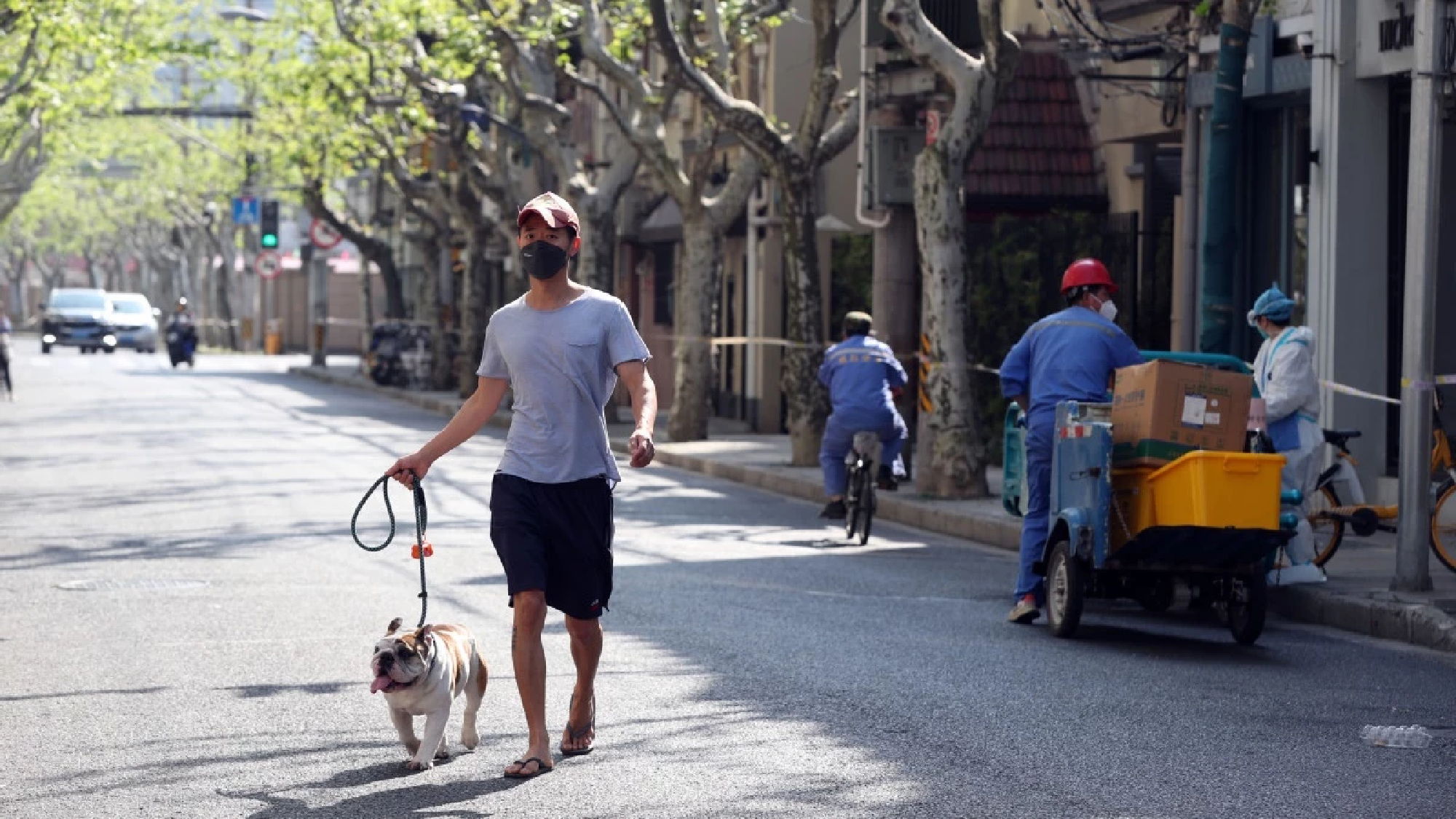
In Vanke Baima Garden Community, Songjiang district, a precautionary zone since May 1, residents were excited to get out and about again within Xinqiao town after a month-long lockdown. Still wearing masks on streets, some rode bikes, some walked their dogs, while others headed out for shopping, according to Shanghai Morning Post.

Few public places have restarted operations in the area so far, according to a resident surnamed Zheng from the community. Only some supermarkets, convenience stores and pharmacies have resumed business to meet essential needs of residents.

Staff members have ensured social distancing among customers and the implementation of strict prevention and control measures such as wearing masks.

Zheng, however, didn’t rush to stores on Sunday, but first took a free nucleic acid test near the residence, due to sufficient daily necessities at home and the fact that stores require negative nucleic acid reports within 48 hours to enter.

“The test result could be used the next day. Some neighbors went to nearby pharmacies for medications. It feels great with no need to bother others,” Zheng said.

To ensure efficiency in the fight against the epidemic, the city has developed guidelines on the disinfection of public settings and trained over 4 million professionals to enhance capabilities of environmental disinfection.

Over 1,200 local firefighters have joined forces for city-wide disinfection, along with neighborhood committee members, volunteers and organizations from sister cities, including Hubei province’s Wuhan, Gansu province’s Lanzhou and Jiangsu province’s Nantong.

“We focus on environmental cleaning in quarantine facilities housing people infected with or exposed to COVID-19, as well as in major public places, including construction sites, office buildings and supermarkets,” Liu Duo, the city’s vice-mayor, said at a news briefing on Monday.

The briefing also covered government support for technology firms to manage work permits for international staff through remote services of video verification and green channels, as offline services have been temporarily suspended.

Other preferential policies include increasing the amount of each innovation voucher from 300,000 yuan to 500,000 yuan ($45,300 to $75,500) for small-to-medium science and technology enterprises to purchase scientific research services.

Since April 2, when the preferential policies became effective, local technology firms have applied for 43.5 million yuan in total. The first batch of innovation vouchers worth over 10 million yuan has been provided for nearly 200 enterprises and service institutions.

“Priority support will be given to technology companies contributing to epidemic prevention and control,” Liu said.

Asia News Network: The Nation (Thailand), The Korea Herald, The Straits Times (Singapore), China Daily, Jakarta Post, The Star and Sin Chew Daily (Malaysia), The Statesman (India), Philippine Daily Inquirer, Yomiuri Shimbun and The Japan News, Gogo Mongolia, Dawn (Pakistan), The Island (Sri Lanka), Kuensel (Bhutan), Kathmandu Post (Nepal), Daily Star (Bangladesh), Eleven Media (Myanmar), the Phnom Penh Post and Rasmei Kampuchea (Cambodia), The Borneo Bulletin (Brunei), Vietnam News, and Vientiane Times (Laos).

Published : May 03, 2022

By : China Daily

Almost no movement in Pulse Asia’s latest survey; Marcos still leads

#SootinClaimon.Com : ขอบคุณแหล่งข้อมูล : หนังสือพิมพ์ The Nation.

https://www.nationthailand.com/international/40015161


MANILA, Philippines — There was almost zero movement in the latest Pulse Asia presidential survey held from April 16 to 21, as former senator Ferdinand “Bongbong” Marcos Jr. still leads with 56 percent of the respondents choosing him.

Almost no movement in Pulse Asia’s latest survey; Marcos still leads

The 56 percent that Marcos got for the April edition of the survey is similar to what he got in March.

Vice President Leni Robredo is still in second place according to the Pulse Asia survey released on Monday, although she lost one percentage point, from 24 percent last March to 23 percent this April.

Marcos still leads across all locales, getting 57 percent in the National Capital Region, 54 percent in Balance Luzon, 47 percent in Visayas, and 67 percent in Mindanao.

Robredo meanwhile only got 26 percent in NCR, 24 percent in Balance Luzon, 34 percent in Visayas, and 11 percent in Mindanao.

MANILA, Philippines — There was almost zero movement in the latest Pulse Asia presidential survey held from April 16 to 21, as former senator Ferdinand “Bongbong” Marcos Jr. still leads with 56 percent of the respondents choosing him.

The 56 percent that Marcos got for the April edition of the survey is similar to what he got in March.

ADVERTISEMENT

Vice President Leni Robredo is still in second place according to the Pulse Asia survey released on Monday, although she lost one percentage point, from 24 percent last March to 23 percent this April.

Marcos still leads across all locales, getting 57 percent in the National Capital Region, 54 percent in Balance Luzon, 47 percent in Visayas, and 67 percent in Mindanao.

Robredo meanwhile only got 26 percent in NCR, 24 percent in Balance Luzon, 34 percent in Visayas, and 11 percent in Mindanao.

Unmute

Duration 0:45

/

Current Time 0:32

Advanced SettingsFullscreenPauseUp Next

The story is similar across social classes, with Marcos getting 57 percent of votes from respondents in the Classes A, B, and C; 56 percent from Class D; 58 percent from Class D1; 50 percent from Class D2; and 57 percent from Class E.

Robredo on the other hand got these numbers:

29 percent from A, B, and C

23 percent from D1

21 percent from D2

28 percent from D3

24 percent from D4

Marcos meanwhile scored big in the 18-24 year old age bracket, with 72 percent of the respondents in that classification picking him. Robredo’s strength was in the ages 65 and up with 30 percent — which happens to be Marcos’ weakest area at 47 percent.

Still, Marcos holds a 17 percentage-point lead in that category over Robredo.

The lack of movement in Robredo’s numbers comes despite huge rallies from the month of March to April, and even with huge groups who supported other candidates shifting to her side.

Meanwhile, below Marcos and Robredo, there were some changes: Manila Mayor Isko Moreno is no longer at the third spot, as Senator Manny Pacquiao’s numbers rose.

Pacquiao got seven percent of the respondents’ votes, while Moreno only got four percent.

Lacson is still at the fifth spot with two percent. At least five percent outrightly refused to fill up their ballot while one percent did not put any name as an answer.

Pulse Asia said that the survey results were obtained by interviewing 2,400 respondents aged 18 and above, who are either registered voters and who are likely to vote in the upcoming polls.

Asia News Network: The Nation (Thailand), The Korea Herald, The Straits Times (Singapore), China Daily, Jakarta Post, The Star and Sin Chew Daily (Malaysia), The Statesman (India), Philippine Daily Inquirer, Yomiuri Shimbun and The Japan News, Gogo Mongolia, Dawn (Pakistan), The Island (Sri Lanka), Kuensel (Bhutan), Kathmandu Post (Nepal), Daily Star (Bangladesh), Eleven Media (Myanmar), the Phnom Penh Post and Rasmei Kampuchea (Cambodia), The Borneo Bulletin (Brunei), Vietnam News, and Vientiane Times (Laos).

Published : May 03, 2022

By : Philippine Daily Inquirer

The latest news on what’s happening in the region

#SootinClaimon.Com : ขอบคุณแหล่งข้อมูล : หนังสือพิมพ์ The Nation.

https://www.nationthailand.com/international/40015145


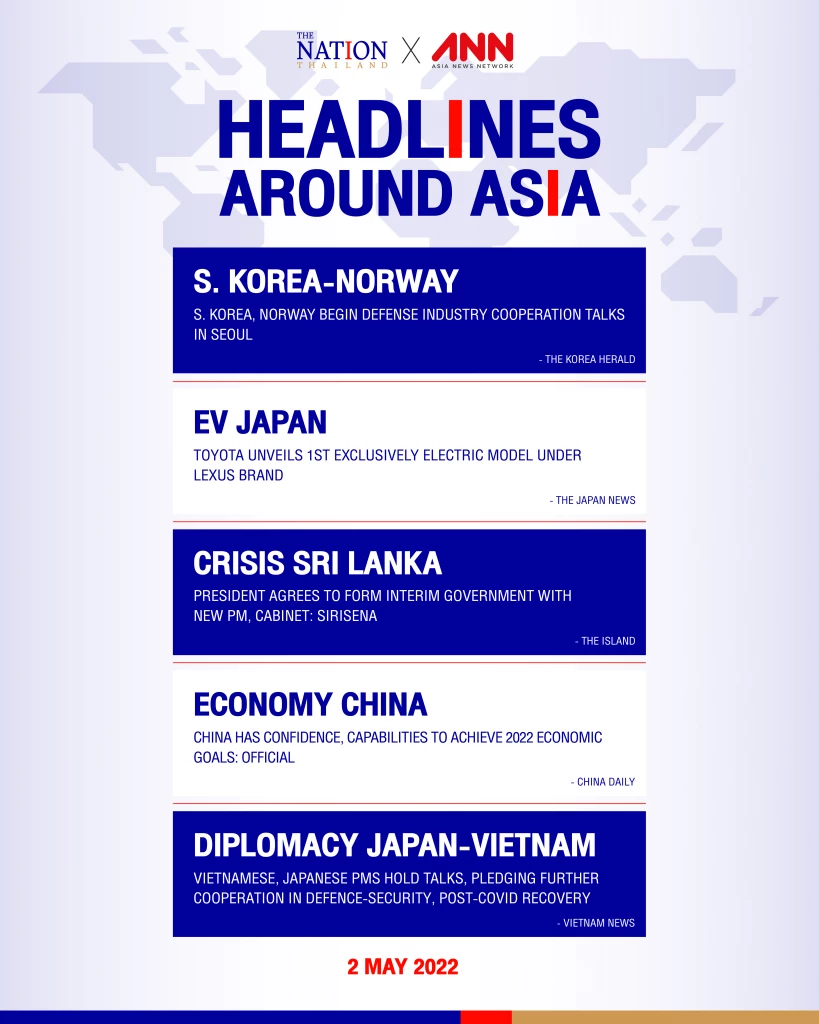
Check out what’s hot in the region on May 2 as The Nation puts together headlines from members of Asia News Network (ANN). Click to read more:

The latest news on what's happening in the region

S. Korea-Norway
S. Korea, Norway begin defense industry cooperation talks in Seoul 

The Korea Herald
https://www.nationthailand.com/international/40015137

EV Japan
Toyota unveils 1st exclusively electric model under Lexus brand 

The Japan News
https://www.nationthailand.com/international/40015138

Crisis Sri Lanka
President agrees to form interim government with new PM, cabinet: Sirisena 

The Island ( Sri Lanka )
https://www.nationthailand.com/international/40015134

Economy China
China has confidence, capabilities to achieve 2022 economic goals: Official 

China Daily
https://www.nationthailand.com/international/40015136
 
Diplomacy Japan-Vietnam
Vietnamese, Japanese PMs hold talks, pledging further cooperation in defence-security, post-COVID recovery

Vietnam News
https://www.nationthailand.com/international/40015135
 

Asia News Network: The Nation (Thailand), The Korea Herald, The Straits Times (Singapore), China Daily, Jakarta Post, The Star and Sin Chew Daily (Malaysia), The Statesman (India), Philippine Daily Inquirer, Yomiuri Shimbun and The Japan News, Gogo Mongolia, Dawn (Pakistan), The Island (Sri Lanka), Kuensel (Bhutan), Kathmandu Post (Nepal), Daily Star (Bangladesh), Eleven Media (Myanmar), the Phnom Penh Post and Rasmei Kampuchea (Cambodia), The Borneo Bulletin (Brunei), Vietnam News, and Vientiane Times (Laos).

Published : May 02, 2022

Toyota unveils 1st exclusively electric model under Lexus brand

#SootinClaimon.Com : ขอบคุณแหล่งข้อมูล : หนังสือพิมพ์ The Nation.

https://www.nationthailand.com/international/40015138


Toyota Motor Corp. has unveiled details of the RZ, the first exclusively electric vehicle model under its Lexus brand, hoping to make its presence felt in the luxury EV market.

Toyota unveils 1st exclusively electric model under Lexus brand

Electric vehicles are more expensive than gasoline-powered cars, and thus luxurious cars are expected to take a leading position in the EV market, and there is hope that the new Lexus RZ will become Japanese carmakers’ global frontrunner in that arena.

The automaker intends to strengthen its presence in the high-end market, in which Japanese makers lag behind their U.S., European and Chinese competitors.

Takashi Watanabe, chief engineer at Lexus, said at the RZ’s online launch on April 20: “We have advanced Lexus design and driving performance even further with electrification technology. This model embodies the future of the electrification of Lexus.”

The RZ is the luxury brand’s second entry into the electric vehicle market following the UX300e, a compact sport-utility vehicle launched in 2020.

While the UX came in gasoline, hybrid and EV models, the RZ is designed exclusively as an electric vehicle. The carmaker aims to promote its advanced technology and quality to establish the Lexus brand in the electric vehicle field.

Toyota plans to launch the RZ in Japan, North America, Europe, China and other markets starting in winter of this year.

While EVs are more expensive than gasoline-powered and hybrid vehicles, their profit margins are said to be lower than those of gasoline-powered vehicles due to the higher cost of batteries and other components. Once sales of luxury brands like Lexus get on track, the company is more likely to secure profits.

Many rivals

In Europe and the United States, major manufacturers are already focusing on high-end electric cars. Germany’s Mercedes-Benz AG’s EQC and BMW AG’s iX have been launched in Japan, and Tesla Inc.’s Model Y is scheduled to go on sale. All are strong rivals for the RZ.

The transition to electric vehicles for luxury cars will continue to accelerate in Europe.

Mercedes-Benz plans to convert all of its new cars to electric vehicles by 2030, and Audi AG of Germany plans for all new models launched after 2026 to be EVs. Sweden’s Volvo Car Corp. has also announced a plan to make all its models EVs by 2030.

New models in summer

In December last year, Toyota set a target of selling 3.5 million electric vehicles globally, including 1 million Lexus units, by 2030. It plans to make the Lexus lineup fully electric across the globe by 2035.

Toyota Operating Officer Koji Sato announced April 20 that Toyota will unveil a new Lexus electric vehicle as early as this summer.

“We will deploy the electrification technology we have acquired through the development of the RZ to all Lexus electric vehicles.” The RZ will be a touchstone for Lexus to determine whether it can compete with the world’s leading brands in the EV field.

Joint development with Subaru

The RZ is a five-seat SUV that can travel approximately 450 kilometers in WLTC (worldwide-harmonized light vehicles test cycle) mode on a single charge

Following the planned launch of Toyota’s first mass-produced EV, the bZ4X, in May, the new model will be built on an EV-specific chassis that was jointly developed with Subaru Corp.

A new four-wheel drive system utilizing electrification technology is being adopted for the first time in a Lexus vehicle. The system automatically controls the front and rear driving forces according to driving and road surface conditions.

The vehicle’s design was modified to reduce aerodynamic drag, thereby extending the vehicle’s cruising range.

The battery control technology cultivated in the development of hybrid vehicles has been improved to achieve a battery capacity retention rate of 90% or more after 10 years.

Asia News Network: The Nation (Thailand), The Korea Herald, The Straits Times (Singapore), China Daily,  Jakarta Post, The Star and Sin Chew Daily (Malaysia), The Statesman (India), Philippine Daily Inquirer, Yomiuri Shimbun and The Japan News, Gogo Mongolia,  Dawn (Pakistan),  The Island (Sri Lanka), Kuensel (Bhutan), Kathmandu Post (Nepal), Daily Star (Bangladesh), Eleven Media (Myanmar), the Phnom Penh Post and Rasmei Kampuchea (Cambodia), The Borneo Bulletin (Brunei), Vietnam News, and Vientiane Times (Laos).

Published : May 02, 2022

By : The Japan News

S. Korea, Norway begin defense industry cooperation talks in Seoul

#SootinClaimon.Com : ขอบคุณแหล่งข้อมูล : หนังสือพิมพ์ The Nation.

https://www.nationthailand.com/international/40015137


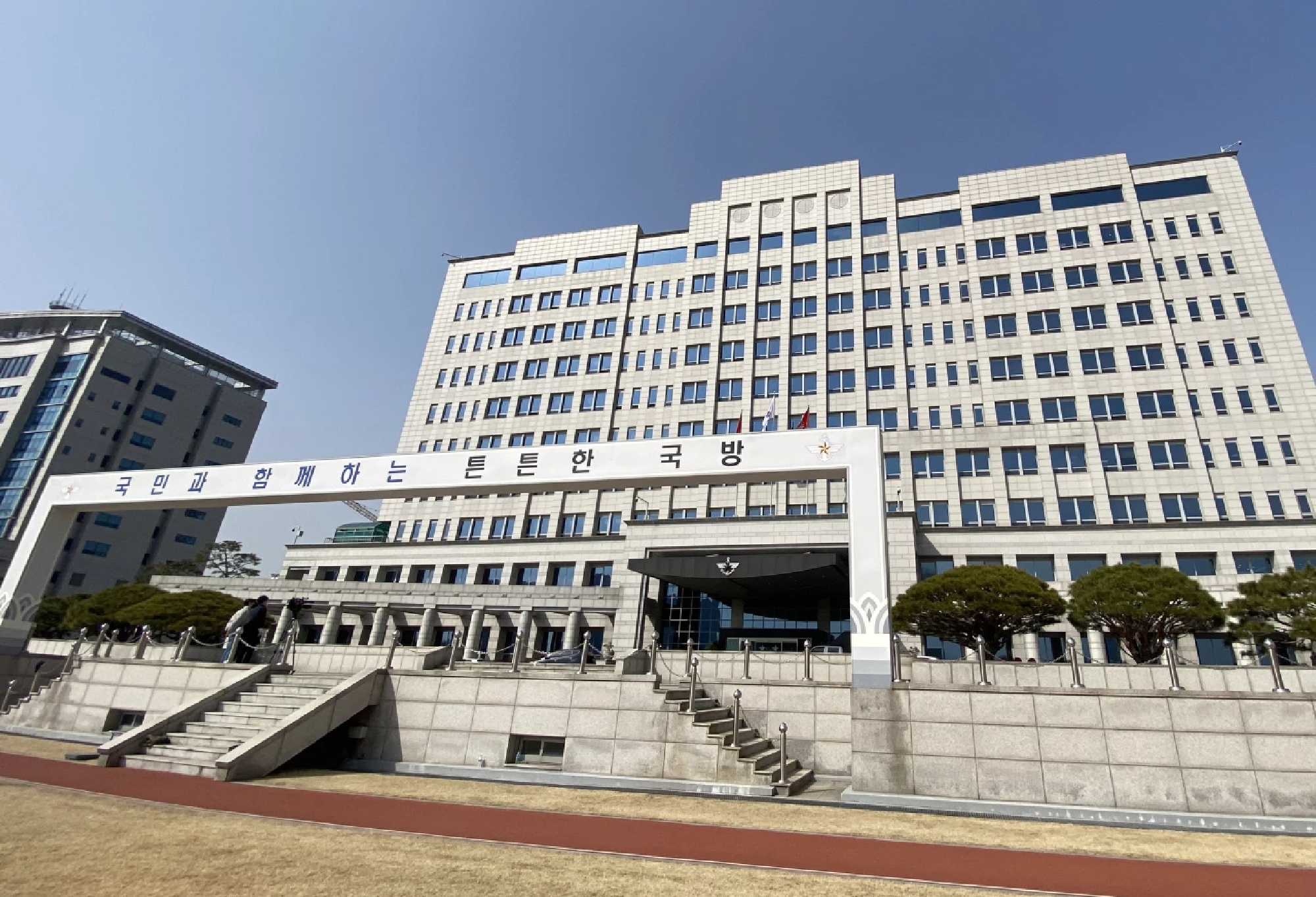
South Korea and Norway kicked off annual three-day talks on defense industry cooperation in Seoul on Monday, the state arms procurement agency here said, as Seoul seeks to support local companies’ efforts to tap into the European country’s market.

S. Korea, Norway begin defense industry cooperation talks in Seoul

The two sides began the ninth session of their joint committee on arms industry cooperation, with their agenda including South Korea’s bid to export K-2 tanks to Norway, according to the Defense Acquisition Program Administration (DAPA).

Kim Saeng, chief of DAPA’s international cooperation bureau, and Morten Tiller, national armaments director at the Norwegian defense ministry, led the session.

During the talks, participants will discuss the possibility of South Korea’s participation in Norway’s tank acquisition project as well as ways to deepen bilateral cooperation through their joint development of key weapons systems or technologies, DAPA said.

In February, Seoul’s Defense Minister Suh Wook visited Norway and held talks with his Norwegian counterpart, Odd Roger Enoksen. The talks raised cautious optimism for South Korea’s bid to export K-2 tanks.

On the sidelines of the committee session, the two sides plan to sign a memorandum of understanding on joint defense research and development, which DAPA says is expected to boost bilateral efforts to find more areas of cooperation. (Yonhap)

Asia News Network: The Nation (Thailand), The Korea Herald, The Straits Times (Singapore), China Daily,  Jakarta Post, The Star and Sin Chew Daily (Malaysia), The Statesman (India), Philippine Daily Inquirer, Yomiuri Shimbun and The Japan News, Gogo Mongolia,  Dawn (Pakistan),  The Island (Sri Lanka), Kuensel (Bhutan), Kathmandu Post (Nepal), Daily Star (Bangladesh), Eleven Media (Myanmar), the Phnom Penh Post and Rasmei Kampuchea (Cambodia), The Borneo Bulletin (Brunei), Vietnam News, and Vientiane Times (Laos).

Published : May 02, 2022

By : The Korea Herald

China has confidence, capabilities to achieve 2022 economic goals: Official

#SootinClaimon.Com : ขอบคุณแหล่งข้อมูล : หนังสือพิมพ์ The Nation.

https://www.nationthailand.com/international/40015136


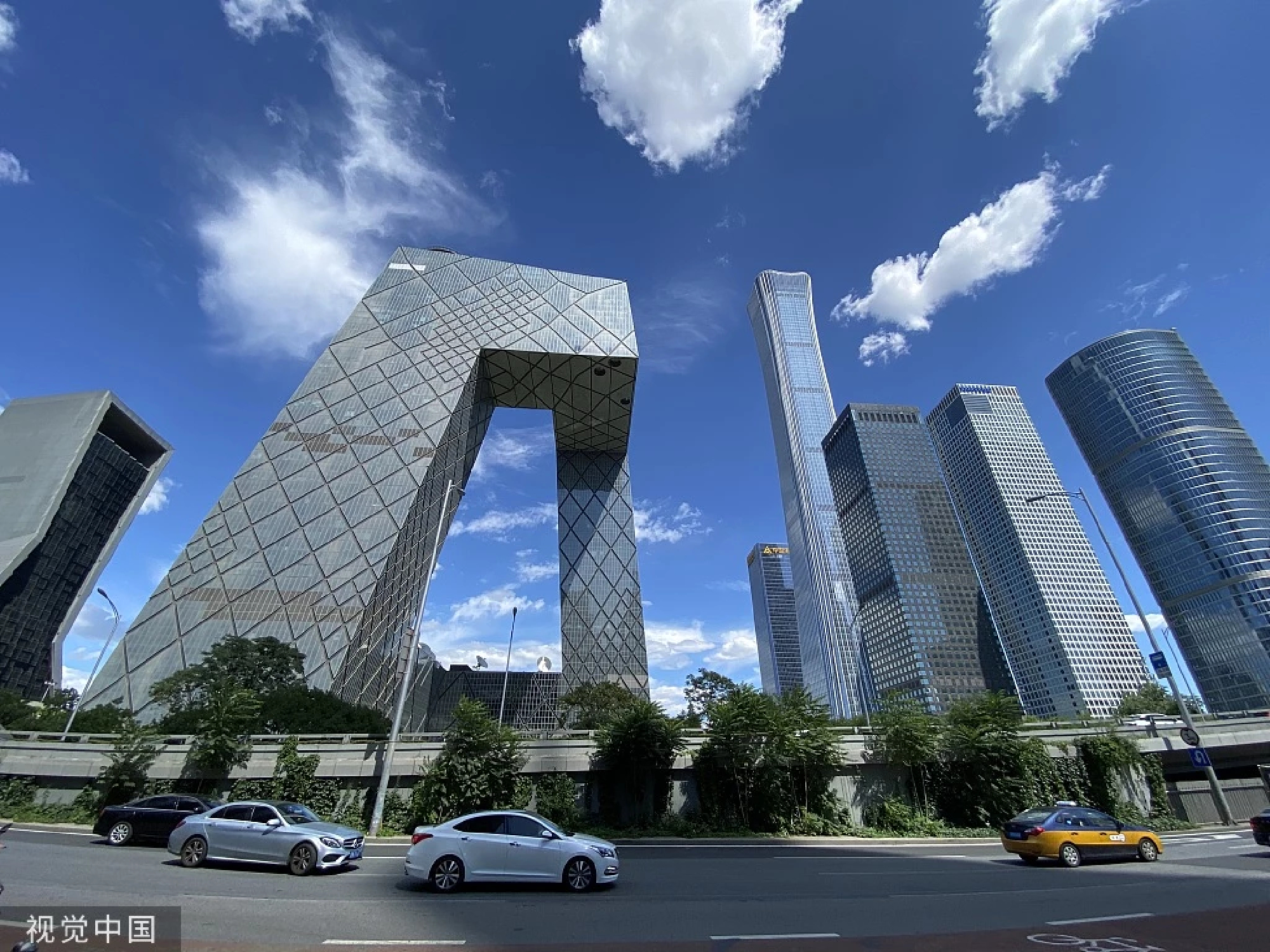
BEIJING — China has the confidence, capabilities and conditions to achieve this year’s economic and social development goals, said an official with the country’s top economic planner.

China has confidence, capabilities to achieve 2022 economic goals: Official

The impact of the COVID-19 pandemic is temporary, said Zhao Chenxin, secretary-general of the National Development and Reform Commission.

Zhao expected that the Chinese economy will soon return to a normal track with the policy effect of coordinating COVID-19 control and economic development gradually emerging.

The official called for accelerating the implementation of established policies.

Efforts should be made to actively address changes exceeding expectations, plan additional policy tools, and enhance policy adjustments, to stabilize China’s economic fundamentals, Zhao said.

Asia News Network: The Nation (Thailand), The Korea Herald, The Straits Times (Singapore), China Daily,  Jakarta Post, The Star and Sin Chew Daily (Malaysia), The Statesman (India), Philippine Daily Inquirer, Yomiuri Shimbun and The Japan News, Gogo Mongolia,  Dawn (Pakistan),  The Island (Sri Lanka), Kuensel (Bhutan), Kathmandu Post (Nepal), Daily Star (Bangladesh), Eleven Media (Myanmar), the Phnom Penh Post and Rasmei Kampuchea (Cambodia), The Borneo Bulletin (Brunei), Vietnam News, and Vientiane Times (Laos).

Published : May 02, 2022

By : China Daily

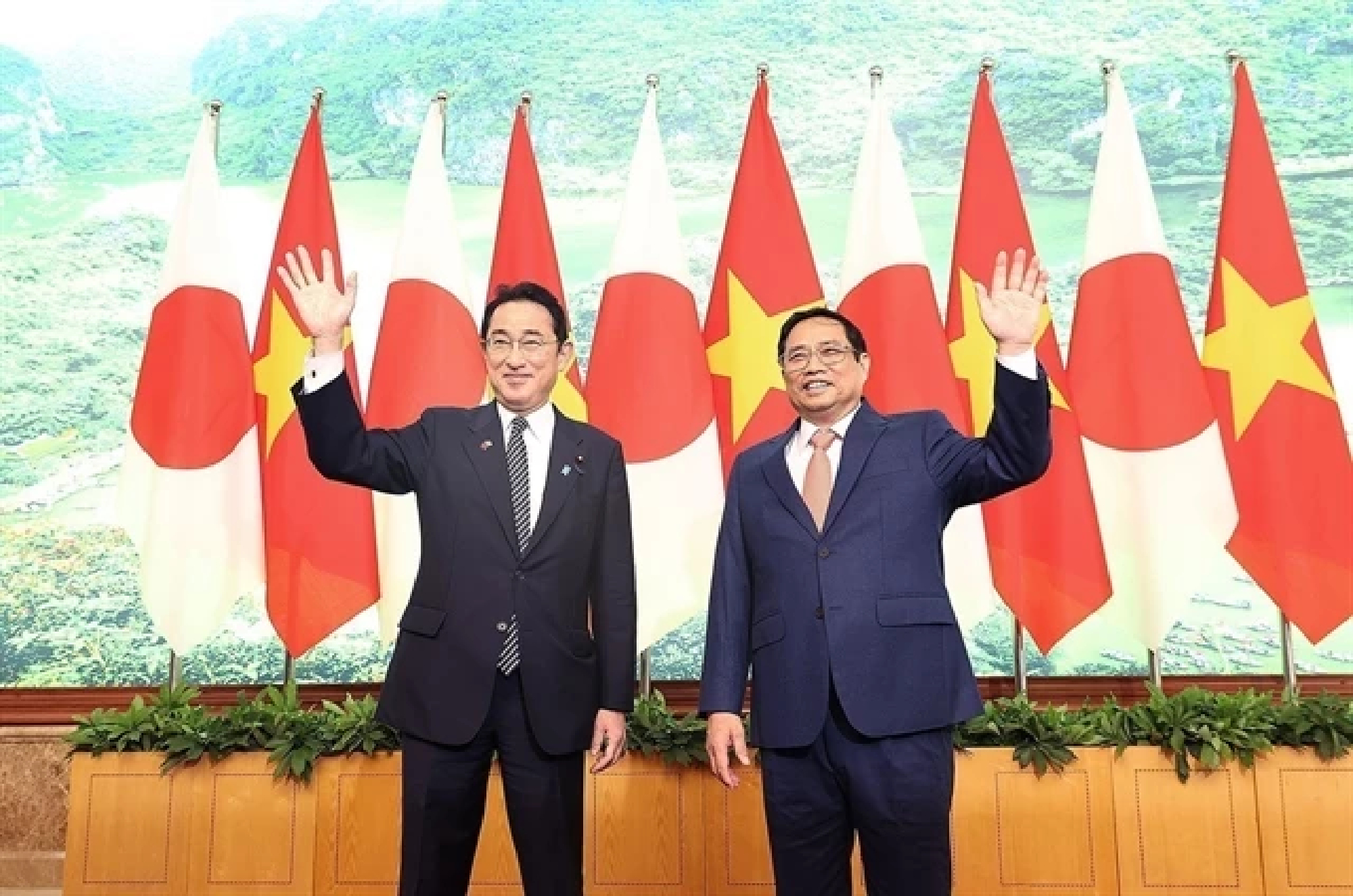
Vietnamese, Japanese PMs hold talks, pledging further cooperation in defence-security, post-COVID recovery

#SootinClaimon.Com : ขอบคุณแหล่งข้อมูล : หนังสือพิมพ์ The Nation.

https://www.nationthailand.com/international/40015135


HÀ NỘI — Prime Minister Phạm Minh Chính and his Japanese counterpart Kishida Fumio discussed in-depth Việt Nam and Japan’s bilateral relations, as well as international and regional issues of mutual concern, during their talks in Hà Nội on Sunday (May 1).

Vietnamese, Japanese PMs hold talks, pledging further cooperation in defence-security, post-COVID recovery

The two government leaders expressed their joy at the great strides in the Việt Nam-Japan relationship and reached an overall agreement on the major orientations, as well as measures to deepen cooperation in all aspects, opening up a new development stage in the extensive strategic partnership between the two countries.

They reached a consensus on continuing to enhance political trust through maintaining high-level visits and contact and the effectiveness of cooperative and dialogue mechanisms.

PM Chính appreciated the visit of PM Kishida, which he said reflects the importance that the Japanese government attaches to the relations with Việt Nam. He reiterated Việt Nam’s consistent policy of considering Japan a leading important and reliable strategic partner.

The Japanese PM re-affirmed that Japan treasures its relations with Việt Nam and values Việt Nam’s increasingly elevated role and position both in the region and the world. He also said that Japan will continue to work with and support Việt Nam in socio-economic development, including in key infrastructure like urban railways and North-South hi-speed rail line, receiving Vietnamese trainees and students and assisting the Vietnamese community in Japan.

The two leaders welcomed the outstanding progress in implementing the outcomes of PM Chính’s official visit to Japan last November, with the completion of an updated document on the progress of cooperation in eight aspects, namely; health care (including COVID-19 prevention and control), investment-trade, official development assistance (ODA) infrastructure; people-to-people exchange; environment-climate change; judicial affairs; defence-security; and culture-education. 

According to the document, most agreements and projects reached during PM Chính’s visit to Japan are making good progress, such as the observation satellite, the metro line No 1 in HCM City, Việt Nam-Laos connectivity enhancement, the initiatives on digital transformation, technology renovation and supply chain promotion, support of COVID-19 prevention and control, defence-security, settlement of copyright violations and the resumption of commercial flights.  

They agreed to promote collaboration in post-pandemic economic recovery, including in trade, investment, agriculture, energy and the environment.

The two countries will work to effectively implement a programme on new-generation ODA loans with flexible and preferential conditions along with streamlined procedures for strategic infrastructure building, transport infrastructure, digital transformation, response to climate change and health care.

They will speed up procedures so that Japan can declare the opening up of its market for Vietnamese longan in September this year while continuing to facilitate the export to Japan of Vietnamese pomelo, avocado and rambutan.

The PMs also agreed to increase cooperation to help Việt Nam participate deeper in regional and global supply chains, accelerate digital transformation and the building of digital government, digital economy and digital society and realise its commitment to net zero emissions by 2050.

The two sides will push ahead with collaboration in security and defence, UN peacekeeping operations and war consequence settlements in Việt Nam.  

PM Chính asked Japan to support Việt Nam in successfully achieving economic self-reliance and independence, and extensive international integration, and at the same time, study and establish a common mechanism to assist Việt Nam’s industrialisation and modernisation efforts in service of the 5-year socio-economic development plan and the 10-year socio-economic development strategy.

The two PMs also vowed to promote cultural and people-to-people exchanges and tourism and coordinate to organise activities to mark the 50th anniversary of the two countries’ diplomatic relations in 2023.

Exchanging views on regional and international issues, they agreed to coordinate closely at international and regional forums such as ASEAN, Mekong and the UN, and in responding to global challenges like climate change and epidemics, as well as in implementing the Comprehensive and Progressive Agreement for Trans-Pacific Partnership (CPTPP) and the Regional Comprehensive Economic Partnership (RCEP).

Regarding the Ukraine issue, PM Chính said Việt Nam attaches special importance to the humanitarian issue and announced that Việt Nam will provide US$500,000 in aid to Ukraine through international humanitarian organisations. The decision was welcomed by PM Kishida.

On the South China Sea (called East Sea by Việt Nam) issue, the two government leaders underlined the importance of ensuring security, safety and freedom of aviation and maritime activities, and of settling disputes and differences by peaceful means, including full respect for diplomatic and legal processes, no use of force and no threat of the use of force, on the basis of international law, especially the 1082 UN Convention on the Law of the Sea. They also pointed to the significance of the full, comprehensive and effective implementation of the Declaration on the Conduct of Parties in the South China Sea (DOC) and the early completion of an effective and substantial Code of Conduct of Parties in the South China Sea (COC) that is legally binding and in accordance with international law.

Following the talks, the two PMs witnessed the exchange of 22 cooperation documents between ministries, agencies, localities and enterprises of the two countries.

They jointly chaired a press conference on the main outcomes of their talks.

PM Kishida is making an official visit to Hà Nội from April 30 to May 1. — VNS

Asia News Network: The Nation (Thailand), The Korea Herald, The Straits Times (Singapore), China Daily,  Jakarta Post, The Star and Sin Chew Daily (Malaysia), The Statesman (India), Philippine Daily Inquirer, Yomiuri Shimbun and The Japan News, Gogo Mongolia,  Dawn (Pakistan),  The Island (Sri Lanka), Kuensel (Bhutan), Kathmandu Post (Nepal), Daily Star (Bangladesh), Eleven Media (Myanmar), the Phnom Penh Post and Rasmei Kampuchea (Cambodia), The Borneo Bulletin (Brunei), Vietnam News, and Vientiane Times (Laos).

Published : May 02, 2022

By : Vietnam News