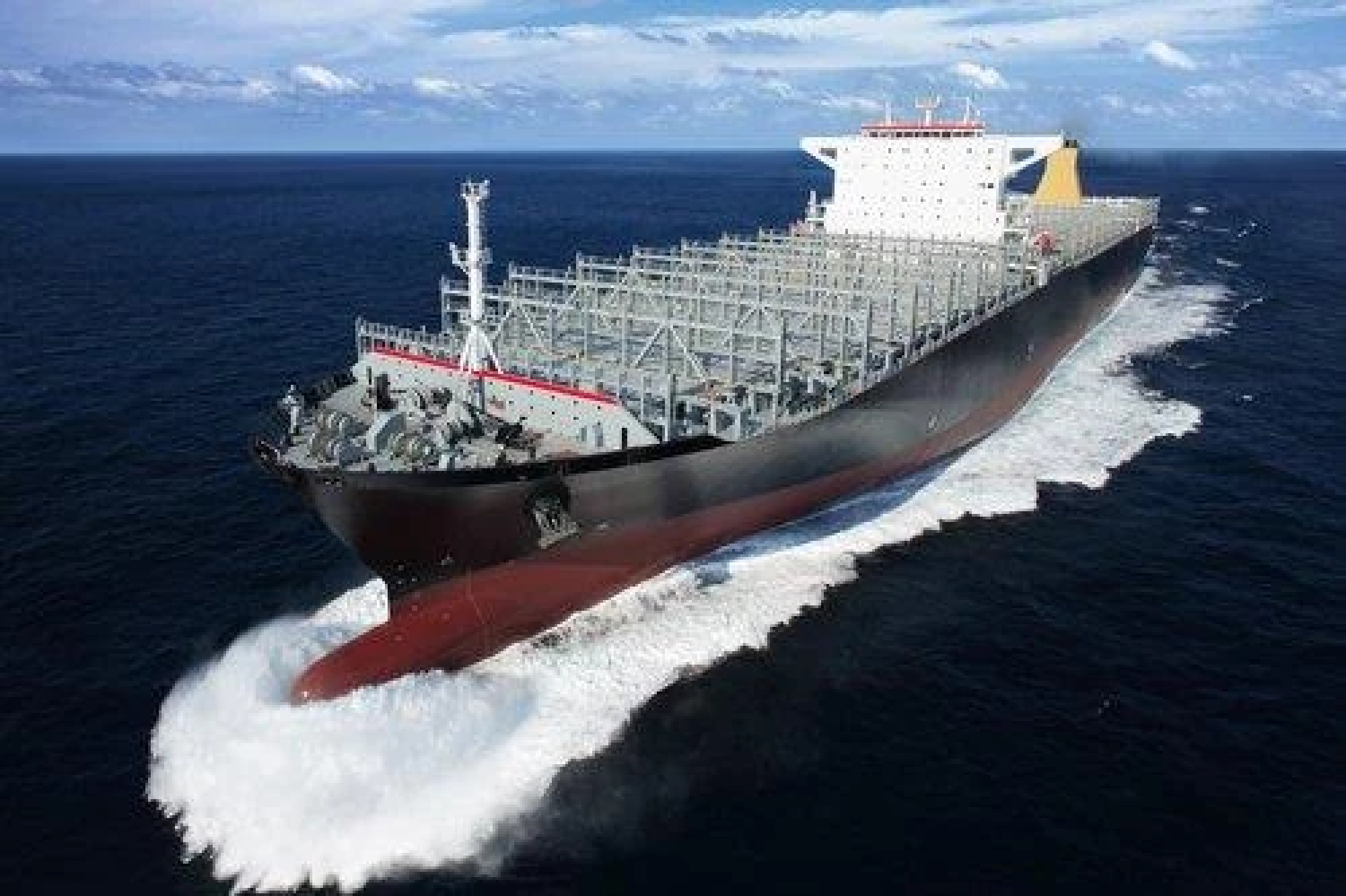
South Korea plans to send part of its liquefied natural gas (LNG) supplies to Europe to help ease an energy crisis over Russia’s invasion of Ukraine, officials said Thursday.
Concerns have grown over natural gas supply disruptions in Europe amid the ongoing crisis surrounding Ukraine, as Russia is the biggest provider of gas to Europe.
On Wednesday, Russia’s state-owned gas producer Gazprom said it had cut off natural gas supplies to Poland and Bulgaria after the nations refused to pay for shipments in rubles.
South Korea has decided to divert some of its LNG gas cargo to Europe, as Seoul has “some room” for such support in spring time, an industry ministry official said.
He refused to give details about when and how much South Korea will offer, but the envisioned shipment would be sent to Europe before summer though the volume would “not be that much” as Seoul usually manages the gas supplies tightly.
The decision appears to have been made upon a request from the United States or European nations, another official said.
In February, Washington asked for South Korea’s gas support for Europe, but the Seoul government turned down the request at that time, according to media reports.
The import price of natural gas for South Korea stood at $1,013.35 per ton as of end-March, up 20.08 percent from the previous month. The comparable figure for March 2021 was $438.42, according to government data. (Yonhap)
Asia News Network: The Nation (Thailand), The Korea Herald, The Straits Times (Singapore), China Daily, Jakarta Post, The Star and Sin Chew Daily (Malaysia), The Statesman (India), Philippine Daily Inquirer, Yomiuri Shimbun and The Japan News, Gogo Mongolia, Dawn (Pakistan), The Island (Sri Lanka), Kuensel (Bhutan), Kathmandu Post (Nepal), Daily Star (Bangladesh), Eleven Media (Myanmar), the Phnom Penh Post and Rasmei Kampuchea (Cambodia), The Borneo Bulletin (Brunei), Vietnam News, and Vientiane Times (Laos).
SINGAPORE – Singapore has the dubious honour of ranking No. 6 in the world for having the most databases exposed to the Web last year which hackers could easily breach and exploit.
The number of such susceptible databases here was also found to have grown steadily throughout the year with increased digitalisation during the pandemic, according to the study released on Wednesday (April 27) by cyber-security firm Group-IB.
This suggests that while many organisations went digital during Covid-19, database security might not have kept up.
The United States took top spot with close to 93,700 exposed databases found, followed by China with nearly 54,800. Germany was a distant third with almost 11,200 databases. Sixth-placed Singapore had almost 5,900.
Globally, 308,000 databases detected last year were potentially open to hackers.
This comes at a time when cyber threats here have grown. A Cyber Security Agency of Singapore report last July showed that “zombie” devices linked to the Internet and infected with malware that allows hackers to control them and launch cyber attacks, trebled in numbers here during the pandemic.
Under Singapore’s Personal Data Protection Act, a company can be fined up to $1 million for a data breach. But from Oct 1, this will be raised to a maximum of 10 per cent of the company’s annual turnover in Singapore or $1 million, whichever is higher.
Databases opened to hackers are a concern.
“When an exposed database gets accessed by an unauthorised malicious party, the consequences can range from a data breach to a subsequent follow-up attack on the employees or customers whose information was left unsecured,” said Mr Tim Bobak, Group-IB’s attack surface management product lead. Group-IB is one of Interpol’s official partners and has worked with its cybercrime team.
Mr Bobak said that Singapore’s number of databases is found to be higher than other territories and this might simply reflect the fact that it is a highly developed area that hosts a larger number of information technology assets.
“Another reason might be the high level of digitalisation in Singapore,” he said.
Mr Freddy Tan, an executive committee member of the Association of Information Security Professionals (AiSP), said that a lack of awareness of data protection and security among organisations here could be a contributing factor as well.
“If you look at economies like Australia, they have a longstanding culture around data privacy. But we don’t have such a long history on data protection,” said Mr Tan, who is also managing director of cyber-security firm Epic Cybersecurity.
He added that the focus of cyber-security professionals and management in many organisations here is on infrastructure security – such as having firewalls and anti-virus software – but not data security.
Group-IB had scanned the four most popular and commonly used database management systems globally between the first quarter of last year and the second quarter of this year. The scan did not collect and analyse the content of any exposed databases found and it was not clear which organisations the databases belonged to.
Some of the databases found could be publicly accessed without even needing a username and password.
In other cases, the databases might be protected by passwords. But Mr Bobak said passwords alone are not enough as they can be breached using lists of stolen passwords or simply “brute forced” – using software to guess the passwords by trial and error.
In Singapore, the number of exposed databases discovered grew fairly regularly, at around 1,500 databases every three months after the first quarter of last year.
There were 1,239 exposed databases discovered in the first quarter of last year. By the fourth quarter of 2021, the figure had grown to 5,882. The number jumped by almost 2,000 to hit 7,873 in the first quarter of this year.
Mr Bobak said that as more organisations go ahead with their digital transformation plans, there are more and more Internet-facing services and devices every day.
“Corporate networks keep getting more complex and extended. This leads to an increase in the total number of misconfigured databases,” he said.
The main cause of not configuring databases properly here is likely human error and a failure to follow cyber-security practices.
“Information technology infrastructure is growing in both size and complexity for businesses in virtually all industries, so it’s challenging to make sure everything is properly configured and secured,” said Mr Bobak, noting that simple errors can lead to misconfigurations and thus exposed databases.
In Singapore, the average time it took to patch an exposed database in the first quarter of 2021 was 160 days, compared with 170.2 days globally.
It then hovered between 125 and 135 days for the next three quarters, compared with between 112 and 147 days globally.
Mr Bobak said a number of factors could contribute to the variations in the time needed to fix databases here.
The accelerating pace of digitalisation could mean firms had more assets to manage. Cyber-security teams may also be facing skill shortages and limited budgets, even as their workloads increase, with the pandemic disrupting workplaces and business processes, he said.
Group-IB said discovering issues with high-risk digital assets like databases in a timely manner is key because cyber criminals are quick in spotting opportunities to steal sensitive information or creep further into a network they have infiltrated.
The talent shortage here might not be as great as in other countries. AiSP’s Mr Tan said that there is one certified information security professional for every 2,000 people in Singapore.
Compared with another advanced digital economy like Australia, there is one such professional for every 8,000 people.
To help prevent database exposure while organisations’ networks grow, Mr Bobak said it was important for them to have a complete and updated list of their digital assets, as well as use tools to help manage them.
They should also use internal virtual private networks so that servers with databases can be hidden from the Internet.
Workers should not be allowed to use a system’s original log-in details, or use “admin” as the username and password. They should use strong passwords, like those at least 12 characters long. Additional ways to verify a user’s identity should be in place too.
By Kenny Chee
Asia News Network: The Nation (Thailand), The Korea Herald, The Straits Times (Singapore), China Daily, Jakarta Post, The Star and Sin Chew Daily (Malaysia), The Statesman (India), Philippine Daily Inquirer, Yomiuri Shimbun and The Japan News, Gogo Mongolia, Dawn (Pakistan), The Island (Sri Lanka), Kuensel (Bhutan), Kathmandu Post (Nepal), Daily Star (Bangladesh), Eleven Media (Myanmar), the Phnom Penh Post and Rasmei Kampuchea (Cambodia), The Borneo Bulletin (Brunei), Vietnam News, and Vientiane Times (Laos).
Global companies in Shanghai work to ensure production amid lockdown
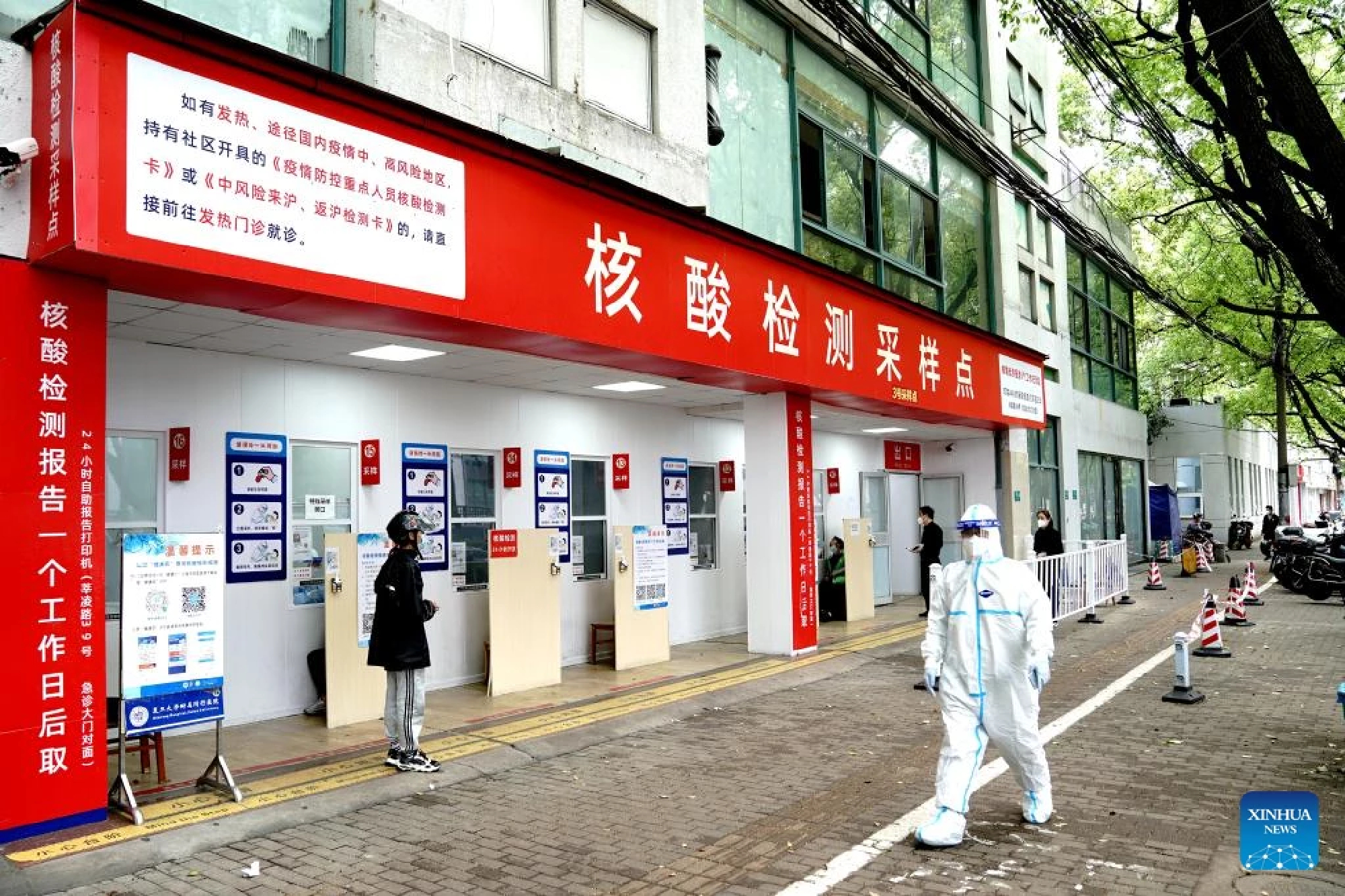
Multinational corporations in Shanghai have implemented contingency plans to maintain production as the city’s authorities have introduced measures to help businesses in the city return to normal operations.
While supply chain challenges remain, most executives of multinationals said that their long-term confidence in China remains intact.
A number of global manufacturers have entered into “closed-loop management” in Shanghai since late March, prior to the city’s lockdown, when staff members were mobilized to stay on site and their health was closely monitored.
Chemical giants such as AkzoNobel, Evonik, Suez and Clariant have adjusted their production portfolios and personnel arrangements in a bid to ensure that deliveries to clients would be minimally interrupted by the lockdown.
For German company Covestro, this translates into nearly 900 employees and contractors staying at its Caojing plant in Shanghai Chemical Industry Park and strictly following the government’s anti-epidemic rules.
As of today, the company’s largest site worldwide is running at a high capacity and is gradually recovering from recent weeks when logistics constraints hampered production, according to Holly Lei, Covestro senior vice-president and president of Covestro China.
“As the city began to prioritize the resumption of industrial production, we also witnessed a rebound in outbound logistics, including exports, as well as the improved availability of materials as road logistics improves and work recovers at our suppliers,” she said.
Since the middle of April, governments at the central and local levels have been striving to restore business operations, identifying key industries to resume operations first and outlining directives to balance out economic growth and epidemic prevention and control.
Tesla CEO Elon Musk said its Gigafactory in Shanghai has resumed production “at fairly high levels”, boosting hopes that the electric carmaker could produce 1.5 million vehicles this year, more than 50 percent higher than its output in 2021.
“Giga Shanghai is coming back with a vengeance,” he told analysts during a call on April 20, following the release of Tesla’s first-quarter earnings. “I think we will see record output per week from Giga Shanghai this quarter, albeit missing a couple of weeks.”
He predicted that second-quarter production would be roughly on par with the first three months.
Musk also forecast that production had started to resume among Tesla’s suppliers, and predicted a substantially higher output in the third and fourth quarters.
Many multinationals playing the long game relish the vast market potential in China.
For instance, industrial conglomerate Honeywell said that it believed in “the strong resilience of the Chinese economy and the government’s unwavering pledge to high-level opening-up”.
“The COVID-19 pandemic will not affect our commitment to long-term development in China,” said William Yu, president of Honeywell China.
“With our core business perfectly aligned with China’s market demand, including digitalization and sustainability, we pay close attention to developing key verticals and continue to invest in growth industries.”
Meanwhile, French cosmetics group L’Oreal said that its plant in Hubei province was unaffected while its site in Suzhou, near Shanghai, was only partially impacted.
“At this critical stage of the Shanghai COVID-19 epidemic and the upcoming work resumption, L’Oreal will spare no effort to overcome all difficulties together with the market,” said Fabrice Megarbane, president of L’Oreal North Asia and CEO of L’Oreal China.
The company registered double-digit growth in the Chinese mainland in the first three months, achieving a growth rate far exceeding the average of the beauty market, said Megarbane, calling the achievement “a delight”.
“L’Oreal’s work resumption has received lots of help from the government and the local community. Their timely response has fully reflected China’s friendliness and care for foreign enterprises, and the increasingly optimized business environment of the Chinese market,” he added.
Other consumer enterprises such as Skechers are also unequivocal about the long-term prospects in China. The footwear-and-apparel maker is betting on the growing interest in a healthy lifestyle among consumers as a result of the pandemic and national policies bolstering the development of sports and well-being.
“We are still very confident about the Chinese market,” said Willie Tan, CEO of Skechers China, South Korea and Southeast Asia. He pointed to China as the cradle fostering “numerous new consumption scenarios, products, and services regarding the sports and health industry”.
Zheng Xin and Zhong Nan in Beijing contributed to this story.
Asia News Network: The Nation (Thailand), The Korea Herald, The Straits Times (Singapore), China Daily, Jakarta Post, The Star and Sin Chew Daily (Malaysia), The Statesman (India), Philippine Daily Inquirer, Yomiuri Shimbun and The Japan News, Gogo Mongolia, Dawn (Pakistan), The Island (Sri Lanka), Kuensel (Bhutan), Kathmandu Post (Nepal), Daily Star (Bangladesh), Eleven Media (Myanmar), the Phnom Penh Post and Rasmei Kampuchea (Cambodia), The Borneo Bulletin (Brunei), Vietnam News, and Vientiane Times (Laos).
Asia News Network: The Nation (Thailand), The Korea Herald, The Straits Times (Singapore), China Daily, Jakarta Post, The Star and Sin Chew Daily (Malaysia), The Statesman (India), Philippine Daily Inquirer, Yomiuri Shimbun and The Japan News, Gogo Mongolia, Dawn (Pakistan), The Island (Sri Lanka), Kuensel (Bhutan), Kathmandu Post (Nepal), Daily Star (Bangladesh), Eleven Media (Myanmar), the Phnom Penh Post and Rasmei Kampuchea (Cambodia), The Borneo Bulletin (Brunei), Vietnam News, and Vientiane Times (Laos).
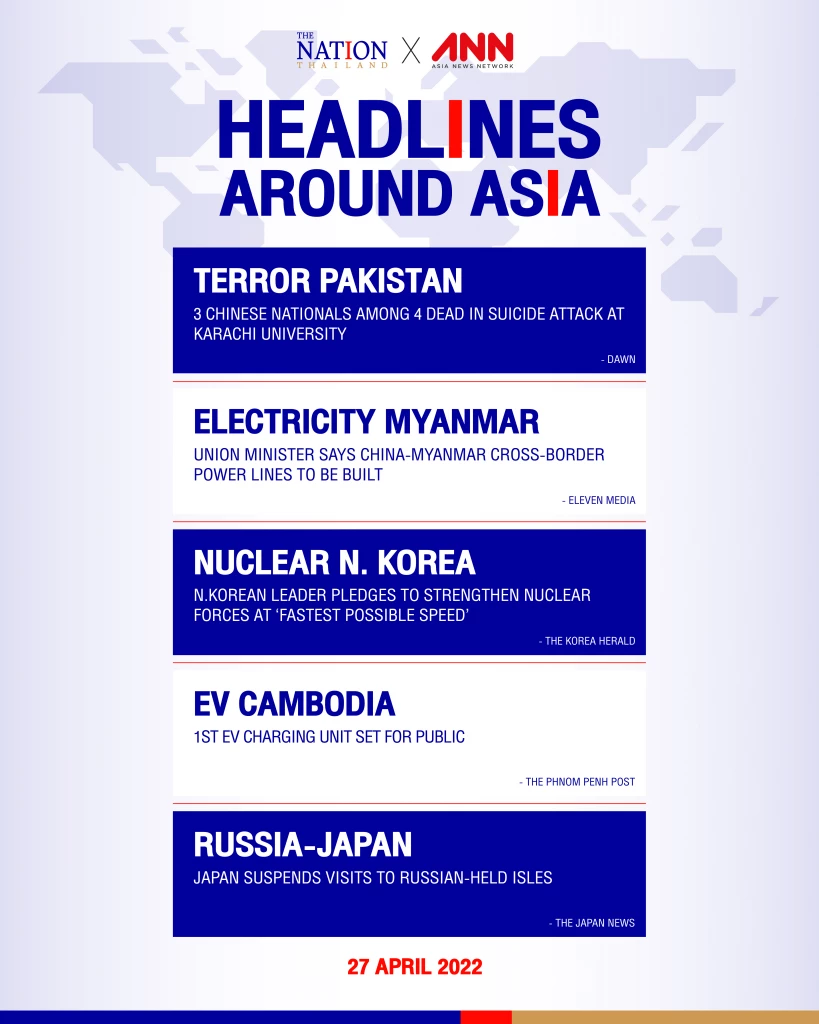
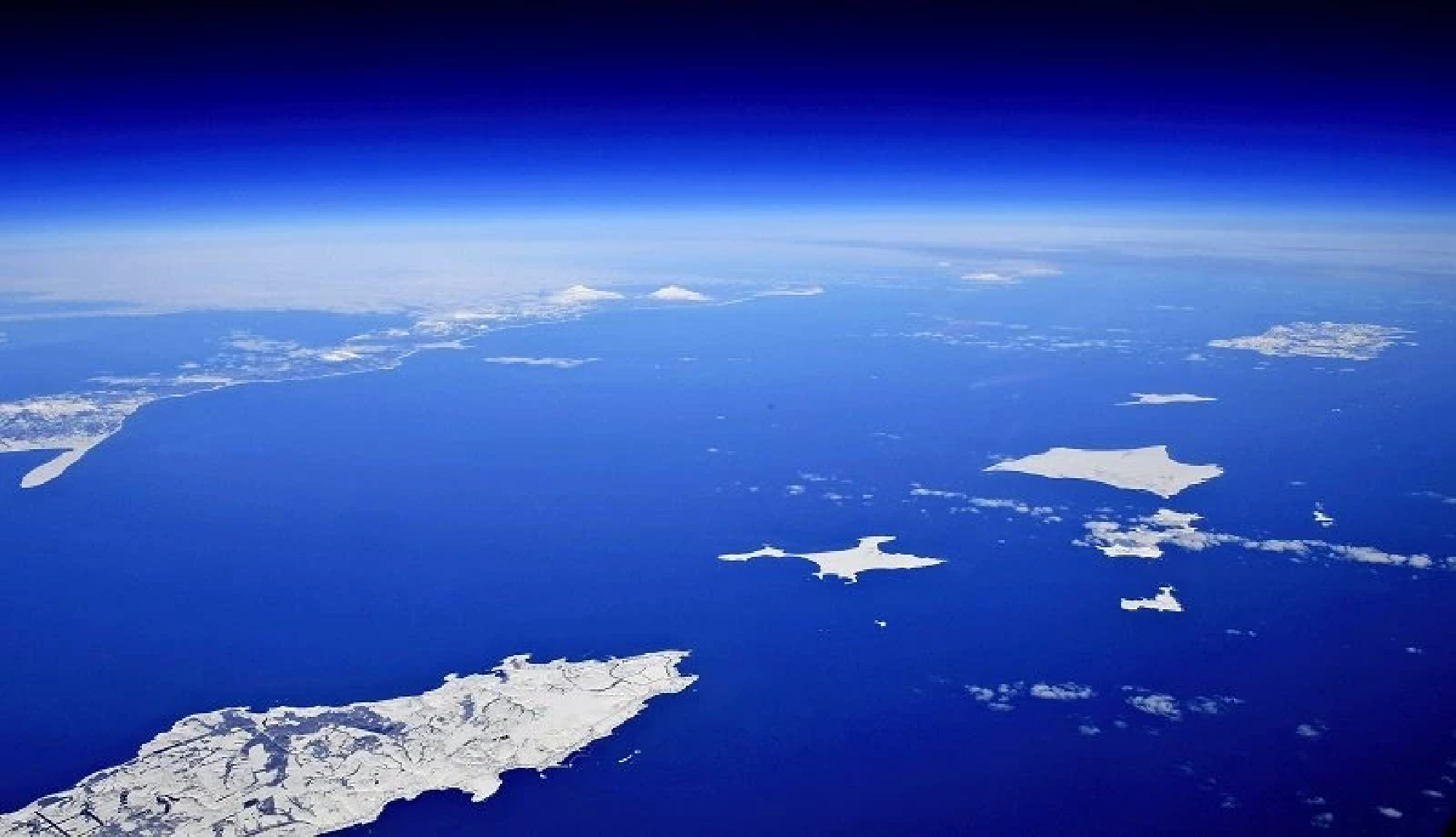
TOKYO (Jiji Press) — The Japanese government said Tuesday that it suspends an exchange program allowing visa-free visits by Japanese citizens to the four disputed Russian-held islands in the northwestern Pacific for fiscal 2022.
“Against our will, we have decided to suspend the program for the time being,” the Foreign Ministry said, given Russia’s invasion of Ukraine.
The Japanese-claimed islands were seized by the former Soviet Union toward the end of World War II. The dispute prevents Tokyo and Moscow from concluding a World War II peace treaty.
The program allows Japanese citizens to make visa-free travel to the islands and former residents of the islands to visit the graves of their ancestors there.
However, exchanges under the program have not been conducted since fiscal 2020 because of the spread of the novel coronavirus.
Last month, the Russian government announced a suspension of the program in retaliation for Tokyo’s sanctions against Moscow.
Asia News Network: The Nation (Thailand), The Korea Herald, The Straits Times (Singapore), China Daily, Jakarta Post, The Star and Sin Chew Daily (Malaysia), The Statesman (India), Philippine Daily Inquirer, Yomiuri Shimbun and The Japan News, Gogo Mongolia, Dawn (Pakistan), The Island (Sri Lanka), Kuensel (Bhutan), Kathmandu Post (Nepal), Daily Star (Bangladesh), Eleven Media (Myanmar), the Phnom Penh Post and Rasmei Kampuchea (Cambodia), The Borneo Bulletin (Brunei), Vietnam News, and Vientiane Times (Laos).
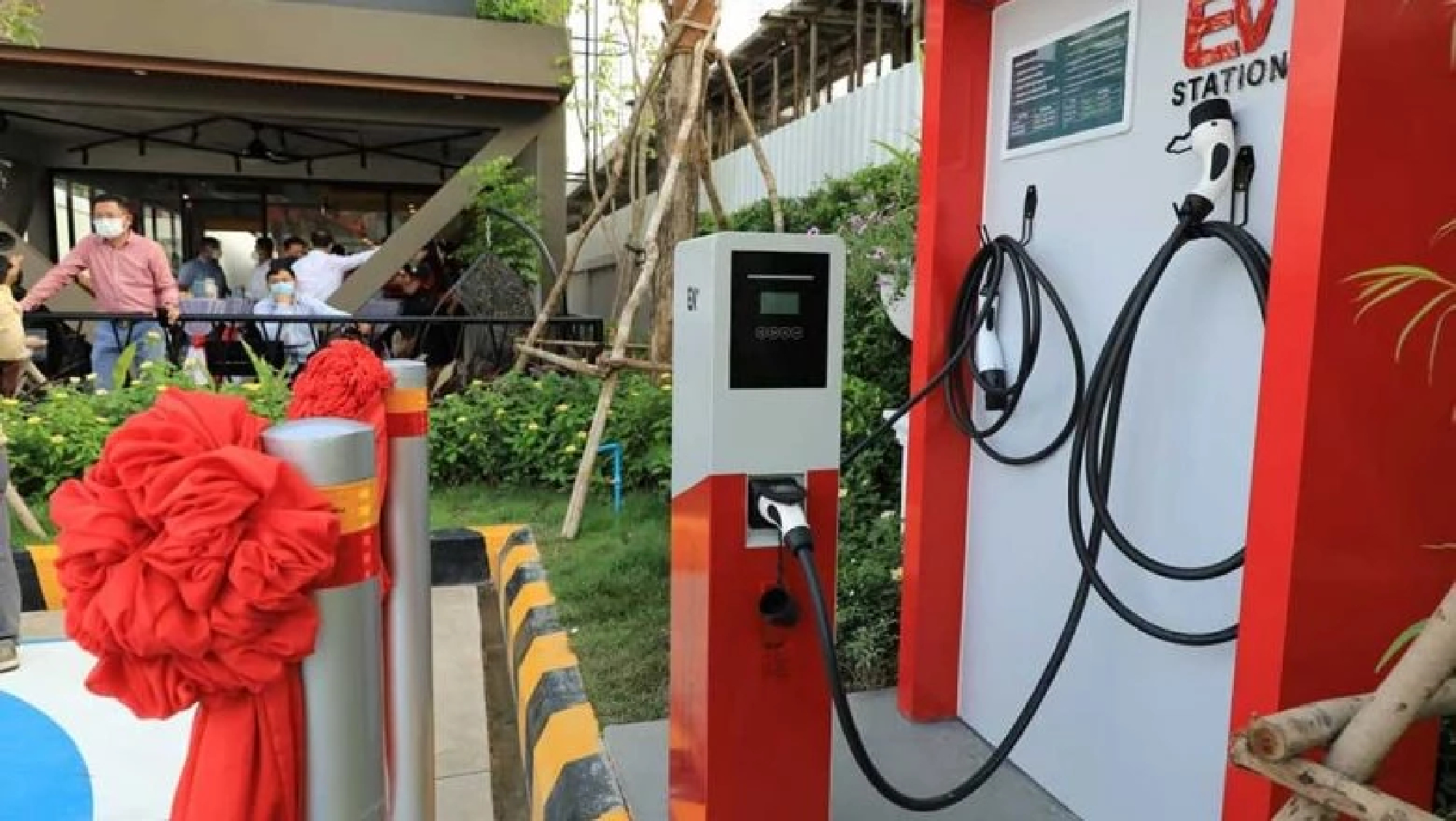
Chevron (Cambodia) Ltd, the local manager of the Caltex petroleum brand, on April 26 launched the Kingdom’s first publicly-available electric vehicle (EV) charging point, along with the southern Phnom Penh filling station where it is located.
The Caltex station – the 50th in Cambodia – is located on Prey Sar Road in Prakar village of Dangkor district’s Prey Sar commune, and comes amid the Kingdom’s increasing adoption of cars and EVs.
A spokesman for the Ministry of Public Works and Transport in mid-March affirmed the Kingdom’s commitment to boosting the use of electric cars and buses to 40 per cent, and motorcycle analogues to 70 per cent, by 2050, in accordance with the government’s long-term carbon-neutral development strategy.
Chevron Cambodia chairman Pongtorn Tangmanuswong said that April 26’s dual inauguration marked a “new phase of development” in the company’s services in the Kingdom, and that the filling station and singular EV charging point would aid the government in stimulating economic growth now and in the future.
Speaking at the inauguration ceremony, Minister of Public Works and Transport Sun Chanthol revealed that Caltex aims to open 50 additional filling stations “over the next three years”.
Chanthol lauded Chevron Cambodia for its investments in the Kingdom, which he said have aided socio-economic development over the past 20 years of doing business in the country.
The Ministry of Commerce’s business registry shows that Chevron Cambodia was incorporated on August 3, 1995, and lists an eastern Bangkok address for Pongtorn.
Chanthol stressed that Cambodians would be quicker to embrace electric motorcycles, auto-rickshaws and other vehicles as the infrastructure network expands nationwide and the benefits of EVs become better known.
“Using EVs wouldn’t pollute the environment, neither in Cambodia nor around the world, and of note, [fuel] costs would be three times cheaper than petrol. In addition, EV adoption is in line with Cambodia’s commitment to reducing CO2 pollution to 27 per cent by 2030 and to zero by 2050,” he said.
The minister contended that EV adoption and associated investments in Cambodia would be further fuelled by import prices that he said are “about 50 per cent” of the corresponding rates for petrol vehicles. He noted that 47 EVs were registered nationally in the first quarter of this year, compared to just seven during the same period in 2021.
To promote the use of EVs, the public works ministry worked with EnergyLab and Germany’s Deutsche Gesellschaft fur Internationale Zusammenarbeit GmbH (GIZ) to set up a display of electric cars and motorcycles at the ministry’s car park, Chanthol said.
Additionally, the first EV charging point, provided by the UN Development Programme (UNDP) was inaugurated at the ministry on March 26, he said, adding that the ministry is set to inaugurate a second kiosk in Sihanoukville on April 27 – also provided by the UN agency.
US ambassador to Cambodia Patrick Murphy through an interpreter said the launch of the charging point was “a good sign” for the Kingdom to move towards more widespread EV usage.
He lauded Cambodia for its “great market and economic growth potential” and sizeable population, particularly of young people, all of which he said have prompted the US and its companies to bring “good quality, good services and standards” to the Kingdom.
“Cambodia is a country with a good investment climate that hosts importing companies such as Coca-Cola, Ford – which has a factory in Pursat province – Starbucks and others,” Murphy said, according to the interpreter.
“All of these represent progress.”
By Nov Sivutha
Asia News Network: The Nation (Thailand), The Korea Herald, The Straits Times (Singapore), China Daily, Jakarta Post, The Star and Sin Chew Daily (Malaysia), The Statesman (India), Philippine Daily Inquirer, Yomiuri Shimbun and The Japan News, Gogo Mongolia, Dawn (Pakistan), The Island (Sri Lanka), Kuensel (Bhutan), Kathmandu Post (Nepal), Daily Star (Bangladesh), Eleven Media (Myanmar), the Phnom Penh Post and Rasmei Kampuchea (Cambodia), The Borneo Bulletin (Brunei), Vietnam News, and Vientiane Times (Laos).
Union Minister U Aung Naing Oo said that power lines will be built across the China-Myanmar border.
Union Ministers U Maung Maung Ohn and U Aung Naing Oo told reporters from the AP, Reuters, South China Morning Post and Straits Times, China Central Television (CCTV), People’s Daily and Xinhua on the morning of April 21 during a video conference in the lobbies of the Union Minister’s Offices.
During a meeting between Chinese and Myanmar foreign ministers, Chinese Foreign Minister Wang Yi said it would be possible to share power if China and Myanmar had a cross-border power line.
Asked by the People’s Daily for comment, Union Minister U Aung Naing Oo said that the desire of neighboring China to share electricity across the border with Myanmar was a very good solution to the power outage problem. The China-Myanmar cross-border power line project is part of the China-Myanmar Economic Corridor Cooperation. It is learned that the Ministry of Electricity and Energy have plans to build power lines across the border with neighboring countries especially with China and Laos. Negotiations are underway for a power line project between Myanmar and India. The ministry was working on a project with China and would receive electricity from a cross-border transmission line.
In addition, the resumption of construction work related to China-Economic Cooperation Corridor will provide more employment opportunities for local people. In particular, there are joint ventures between China and Myanmar. For example, in the oil and gas sector, Myanmar will receive a lot of qualified assistance from China. Cross-border power lines will soon be built, added U Aung Naing Oo.
Asia News Network: The Nation (Thailand), The Korea Herald, The Straits Times (Singapore), China Daily, Jakarta Post, The Star and Sin Chew Daily (Malaysia), The Statesman (India), Philippine Daily Inquirer, Yomiuri Shimbun and The Japan News, Gogo Mongolia, Dawn (Pakistan), The Island (Sri Lanka), Kuensel (Bhutan), Kathmandu Post (Nepal), Daily Star (Bangladesh), Eleven Media (Myanmar), the Phnom Penh Post and Rasmei Kampuchea (Cambodia), The Borneo Bulletin (Brunei), Vietnam News, and Vientiane Times (Laos).
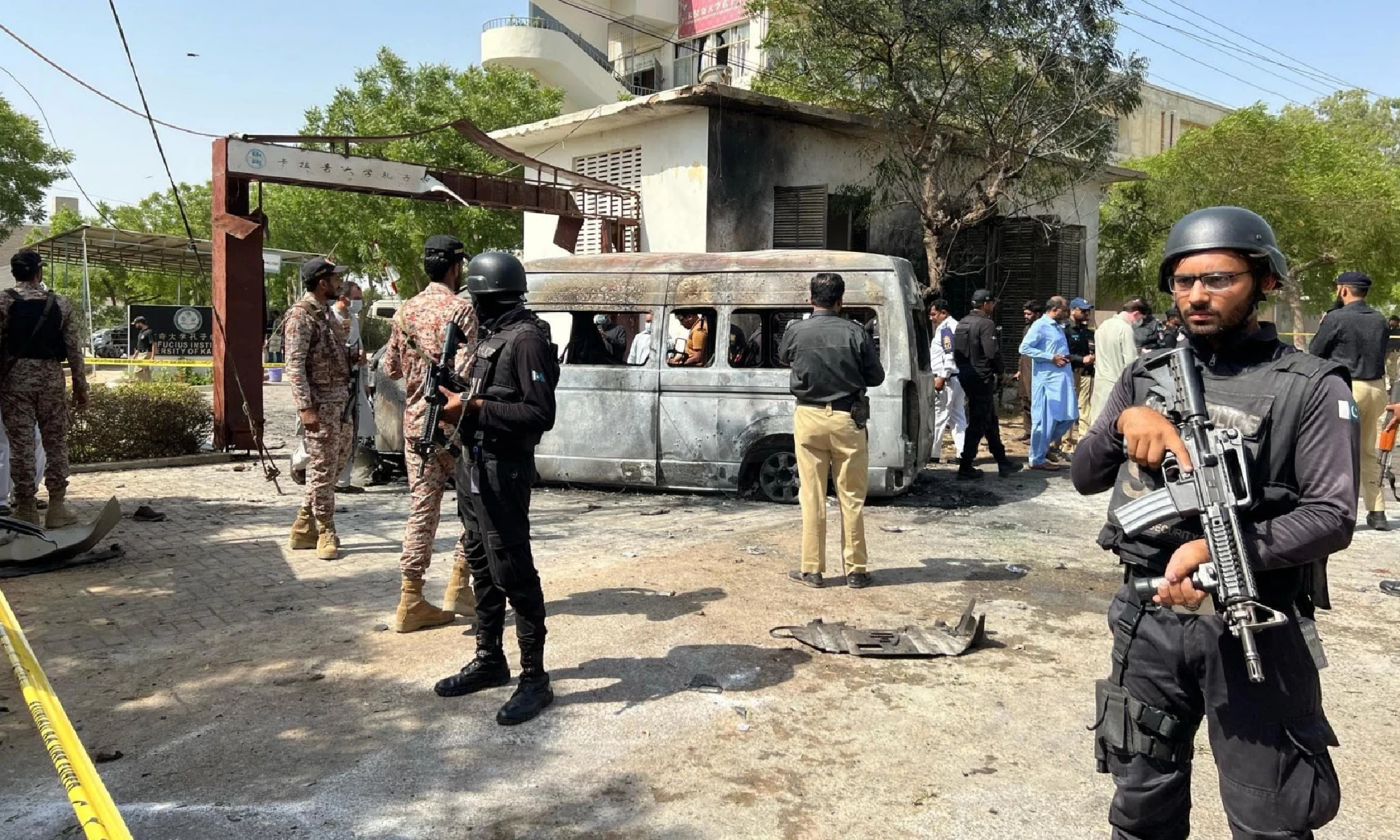
At least four people, including three Chinese nationals, were killed while four others were injured in a suicide attack outside the University of Karachi’s (KU) Confucius Institute, officials said on Tuesday.
The incident happened as a van, carrying staff members, was about to enter the Confucius Institute, located next to the commerce department.
Television footage showed a white van in flames with plumes of smoke rising from its remains. The windows of nearby buildings were also seen shattered from the impact of the explosion.
CCTV footage of the attack showed a burqa-clad woman standing outside the entrance of the Confucius Institute. The woman detonated herself just as the van neared the institute’s entrance.
Sindh Inspector General of Police (IGP) Mushtaq Ahmed Mahar confirmed that four people had died. A handout from Sindh Chief Minister Murad Ali Shah’s office quoted the IGP as saying that the blast took place at approximately 2:30pm.
The banned Baloch Liberation Army (BLA) claimed responsibility for the attack.
A spokesperson for the university confirmed that three of the victims were Chinese nationals. They were identified as Confucius Institute Director Huang Guiping, Ding Mupeng and Chen Sai. The fourth victim was the van’s driver, Khalid.
The spokesperson also identified two of the injured as Wang Yuqing, a Chinese faculty member, and Hamid.
“Academic activities and public dealings will remain suspended at KU on Wednesday (tomorrow) to mourn the loss of the Confucius Institute’s faculty members,” the spokesperson said.
Earlier in the day, SSP East Syed Abdul Rahim Sherazi had hinted that a “couple” of Chinese nationals, who were part of KU faculty, were among the deceased.
Ball bearings found
Counter-Terrorism Department (CTD) official Raja Umar Khattab said that the suicide attack was carried out by a woman, adding that ball bearings were found at the site of the blast.
He said the van was properly guarded as a Rangers team was escorting it which was why an improvised explosive device (IED) was not used.
Responding to a question, the CTD official said he did not believe a security lapse was the reason behind the attack since thousands of students were coming and going out of the university and checking each of them was a problem.
Karachi police chief Ghulam Nabi Memon said that it was unfortunate that teachers had been targeted. Speaking to the media, he said that four others had been injured, including a Chinese national, a private security guard and a Rangers personnel.
Memon said that a Rangers team was accompanying the Chinese nationals. Asked whether a threat had been issued prior to the attack, the senior officer said that there was “always a threat”.
He said tight security arrangements were already in place at the varsity, adding that any lapses would be “revisited”. “Give us time to look at the CCTV footage and interview witnesses,” he said.
Speaking to the media earlier, DIG East Muqaddas Haider said initial information showed the van was headed to the institute after leaving the hostel.
“The explosion took place at the van’s right side at the [institute’s] entrance,” Haider said, confirming that four people had been killed.
‘Cowardly incident direct attack on Pak-China ties’
Later in the day, the Foreign Office (FO) issued a statement condemning the “reprehensible terrorist attack”.
In a statement, FO spokesperson Asim Iftikhar said the government and the people of Pakistan extend their deepest condolences and sympathies to the families of the victims.
“The law enforcement agencies are investigating the incident to apprehend the culprits and bring them to justice. Local authorities are also providing all possible assistance to the injured,” he said.
The FO spokesperson termed the incident a “direct attack on the Pakistan-China friendship and ongoing cooperation”.
Calling the two countries “close friends” and “iron brothers”, he said Pakistan attached great importance to the safety and security of Chinese nationals, projects and institutions in the country.
‘Amazing teacher’
Mustajab Hussain, a 25-year-old student hailing from Gilgit-Baltistan, was heartbroken over the death of one of his teachers.
Hussain, who has been studying at the Confucius Institute for the past three years, said that two female faculty members were among the deceased while the third one was the director, based on the identities shared by the KU spokesperson. The director had just come around a month ago.
“Chen Sai was my teacher. Her class was at 2:30pm. She was an amazing teacher and very friendly. Whatever we found difficult, she would always explain very nicely. She was very young, in her early 20s,” he said.
According to Hussain, the Chinese faculty members used to live at a guest house inside the KU premises. They were coming from the guest house to the institute when the explosion occurred at the gate.
Sindh CM visits Chinese consulate
Meanwhile, the Sindh chief minister paid a visit to the Chinese Consulate where he briefed Consul General Li Bijian about the blast.
Shah expressed grief over the death of the Chinese nationals, a statement issued by the CM’s office said. The chief minister also assured the Chinese official that the incident would be fully investigated, the statement added.
“Those involved in the incident will be brought to justice. We value the services rendered by Chinese experts in the country and the province,” Shah said.
“Some elements do not like the partnership between the two countries,” he said, adding that the miscreants behind the incident would be dealt with an iron hand.
Separately, Prime Minister Shehbaz Sharif expressed grief over the blast in a telephone call with the Sindh chief minister. The premier assured Shah of the Centre’s full help and cooperation in dealing with such incidents.
Condemnations
According to the Prime Minister’s Office (PMO), PM Shehbaz called Shah to collect information about the “terrorist incident”.
“The prime minister said that terrorists are [the] enemies of Pakistan. He vowed to eliminate the remainder of terrorists through collective efforts and unity. He directed for the provision of the best medical facilities to the injured,” the PMO said.
By Imtiaz Ali, Shahzeb Ahmed
Asia News Network: The Nation (Thailand), The Korea Herald, The Straits Times (Singapore), China Daily, Jakarta Post, The Star and Sin Chew Daily (Malaysia), The Statesman (India), Philippine Daily Inquirer, Yomiuri Shimbun and The Japan News, Gogo Mongolia, Dawn (Pakistan), The Island (Sri Lanka), Kuensel (Bhutan), Kathmandu Post (Nepal), Daily Star (Bangladesh), Eleven Media (Myanmar), the Phnom Penh Post and Rasmei Kampuchea (Cambodia), The Borneo Bulletin (Brunei), Vietnam News, and Vientiane Times (Laos).
Kim Jong-un confirms shift in N. Korea’s nuclear doctrine, say analysts
The North Korean leader pledged to further reinforce and develop nuclear-armed forces “at the fastest possible speed,” suggesting that North Korea can launch a preemptive nuclear strike if adversaries violate the country’s “fundamental interests.”
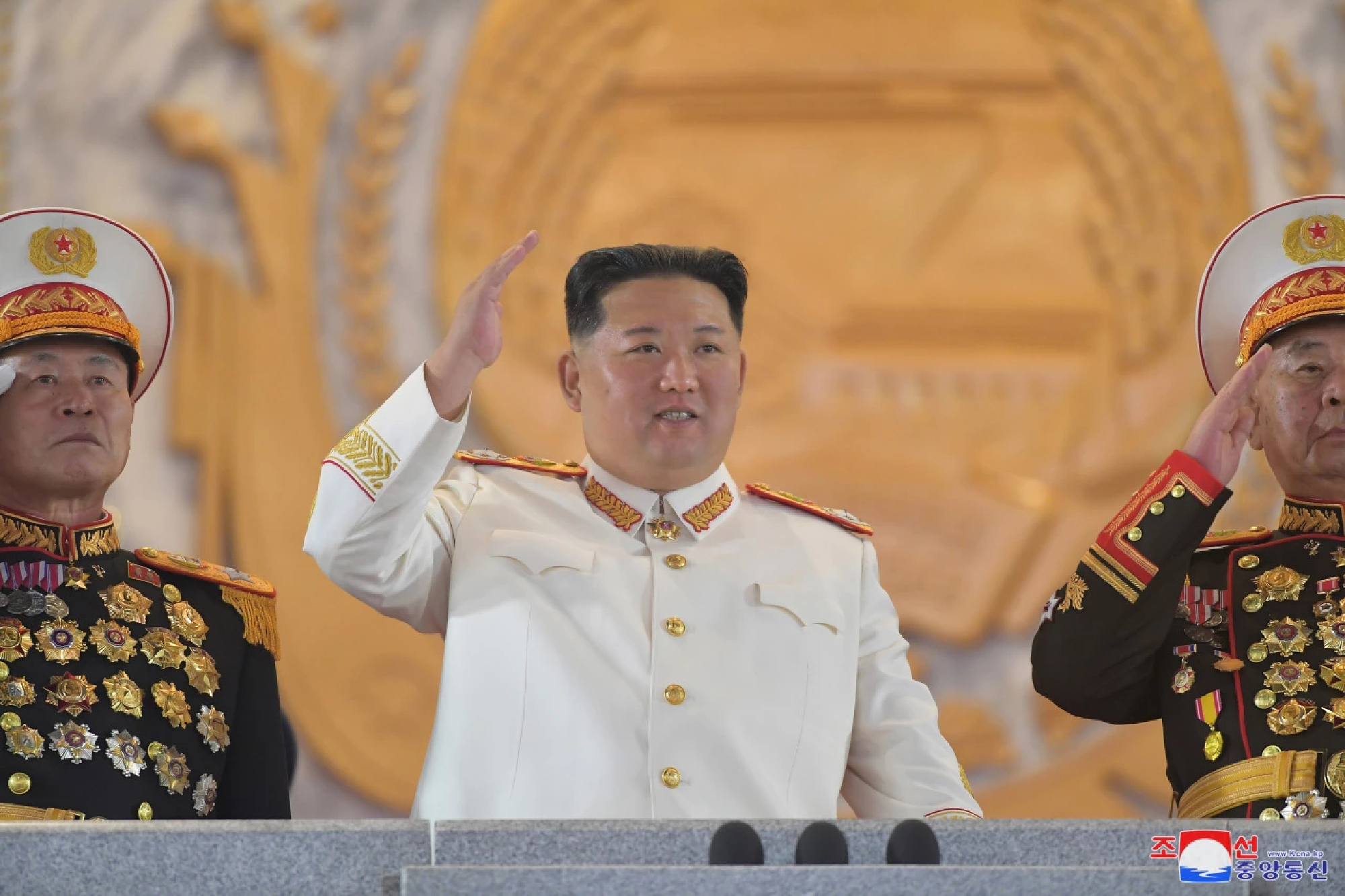
General Secretary Kim Jong-un on Monday delivered a speech during a nighttime massive military parade held at the Kim Il-sung Square in the capital Pyongyang, North Korea state-run Korean Central News Agency reported Tuesday.
The military parade, which displayed intercontinental ballistic missiles and strategic weapons, was held to commemorate the 90th anniversary of the founding of the Korean People’s Revolutionary Army on April 25.
Kim, in military uniform, said the current situation calls for North Korea to “take more proactive measures to permanently and firmly guarantee the modernity and military and technological strength of the armed forces of the DPRK.”
The North Korean leader underscored that his country “must strengthen nuclear-armed forces, which is a symbol of national power and the basis of the country’s military power, in quality and quantity.”
“We will step toward the path to build self-defense and modern armed forces faster and more steadily, which we have walked along relentlessly, in preparation for the turbulent political and military situation and all kinds of crises in the future,” Kim said.
“In particular, we will continue to take measures to further strengthen and develop nuclear-armed forces, which our country possesses, at the fastest possible speed.”
Kim underlined that the reinforcement aims to “demonstrate the country’s nuclear combat capabilities by different means” in any war situation, depending on the purpose of military operations and the mission of nuclear-armed forces.
The North Korean leader conspicuously suggested that the country could aggressively and preemptively use nuclear weapons if needed. North Korea had focused on ensuring nuclear retaliatory or second-strike capability as a deterrence.
“The basic mission of our nuclear-armed forces is to deter war, but our nuclear weapons can no longer be bound by one mission of preventing war until a situation we never want is created on our territory,” Kim said in the public speech.
“Our nuclear-armed forces will have no choice but to carry out its unlooked-for, second mission if any force attempts to infringe upon the fundamental interests of our country.”
The North Korean leader underlined that the nuclear-armed forces must be “thoroughly prepared” to perform its mission and demonstrate deterrence capability at any time. But Kim said the North Korean armed forces “are confidently ready for any fight,” warning of retaliation against enemies.
“If any forces attempt a military confrontation against the Democratic People’s Republic of Korea, they will be destroyed.”
Major shift in nuclear doctrine
Park Won-gon, professor of North Korea studies at Ewha Womans University, pointed out that the North Korean leader “clarified a very aggressive nuclear strategy,” pointing to Kim’s remarks that the country could use nuclear weapons when a third country seeks to impinge on “fundamental interests.”
“What Kim Jong-un has publicly stated is the highest level (pronouncement) and final position due to the nature of the North Korean regime,” Park said. “But national interest is a nebulous concept that North Korea can arbitrarily expand.”
Park also took note that the concept is not limited to the scenario of military confrontation or armed conflict, adding North Korea tends to view the term such as fundamental interests in a broad sense.
“Therefore, in fact, North Korea has clarified that it can preemptively use nuclear weapons even in a nonmilitary (conflict) based on its own judgment.”
Kim Jong-un’s declaration
Hong Min, a director of the North Korean Research Division at the Korea Institute for National Unification, said Kim’s speech is significant in the sense that the North Korean leader himself confirmed a shift in nuclear use doctrine from assured retaliation to first use.
Hong pointed out the speech is in line with Kim Yo-jong’s press statement which indicates the possibility of the shift in nuclear doctrine and other related signals that have been sent by Pyongyang since last year.
Kim Yo-jong, the North Korean leader’s powerful sister, earlier this month openly warned that it will inevitably and preemptively use nuclear weapons to “annihilate” South Korean conventional forces if South Korea chooses a military confrontation.
“North Korea has shifted its nuclear doctrine toward preemptively launching nuclear attacks,” Hong said. “But this time, the North Korean leader by himself clearly confirmed the change in nuclear doctrine going far beyond his repeated pledge to reinforce nuclear capabilities.”
But Hong assessed North Korea’s public statement on the nuclear declaratory policy as a response to multifaceted external factors such as the US Nuclear Posture Review, whose summary was released in March.
The Biden administration has decided not to adopt a no first use of nuclear weapons policy, which manifests the US commitment to never use nuclear weapons first in any circumstances and rules out the option of a first nuclear strike.
Hong also said several factors affected North Korea’s calculus, including the inauguration of the Yoon Suk-yeol government, its endorsement of the preemptive strike as well as the expected move to strengthen the US extended deterrence on the Korean Peninsula and the trilateral cooperation among South Korea, the US, and Japan.
“My view is North Korea’s recent move to publicly disclose and pronounce an aggressive nuclear posture also seeks to counteract the coordination between South Korea and the US over the North Korean nuclear issue and their move to reinforce the US extended deterrence.”
Military cooperation with China, Russia
Cha Du-hyeogn, a principal fellow at the Asan Institute for Policy Studies, took note that North Korea’s aggressive nuclear posture is analogous to Russian President Vladimir Putin’s order to put Moscow’s nuclear forces on a higher state of alert in the face of Western reprisals for his armed invasion of Ukraine.
Against such a backdrop, Cha pointed out there are two major implications despite lingering questions over whether Kim and Putin consulted on the issue.
“First, North Korea states that it can preemptively launch nuclear attacks if its overriding national interests are violated, which is a very extended concept of nuclear threats,” Cha told The Korea Herald. “North Korea clarifies that it will not adhere to the existing unwritten rule that countries possess nuclear weapons to defend themselves and deter (aggression), saying that it will pose a nuclear threat at any time if necessary.”
Cha also underscored that the date of the military parade also has “great significance” as the massive military parade was held on the 90th anniversary of the founding of the Korean People’s Revolutionary Army.
Given that the Korean People’s Revolutionary Army had essentially pursued anti-imperialist and capitalist solidarity, the history matches the current battle between democracy and autocracy.
Cha explained that North Korea sought to “emphasize the traditional relationship between North Korea, China, and Russia, which was engaged in the socialist movement,” in light of the date of the military parade.
“The symbolic significance is that North Korea shows its intent to inherit and develop the socialist solidarity in the 1930s into the current authoritarian solidarity,” Cha said.
“North Korea also signals that it will further strengthen the trilateral military cooperation with China and Russia while ramping up its nuclear threat.”
By Ji Da-gyum
Asia News Network: The Nation (Thailand), The Korea Herald, The Straits Times (Singapore), China Daily, Jakarta Post, The Star and Sin Chew Daily (Malaysia), The Statesman (India), Philippine Daily Inquirer, Yomiuri Shimbun and The Japan News, Gogo Mongolia, Dawn (Pakistan), The Island (Sri Lanka), Kuensel (Bhutan), Kathmandu Post (Nepal), Daily Star (Bangladesh), Eleven Media (Myanmar), the Phnom Penh Post and Rasmei Kampuchea (Cambodia), The Borneo Bulletin (Brunei), Vietnam News, and Vientiane Times (Laos).
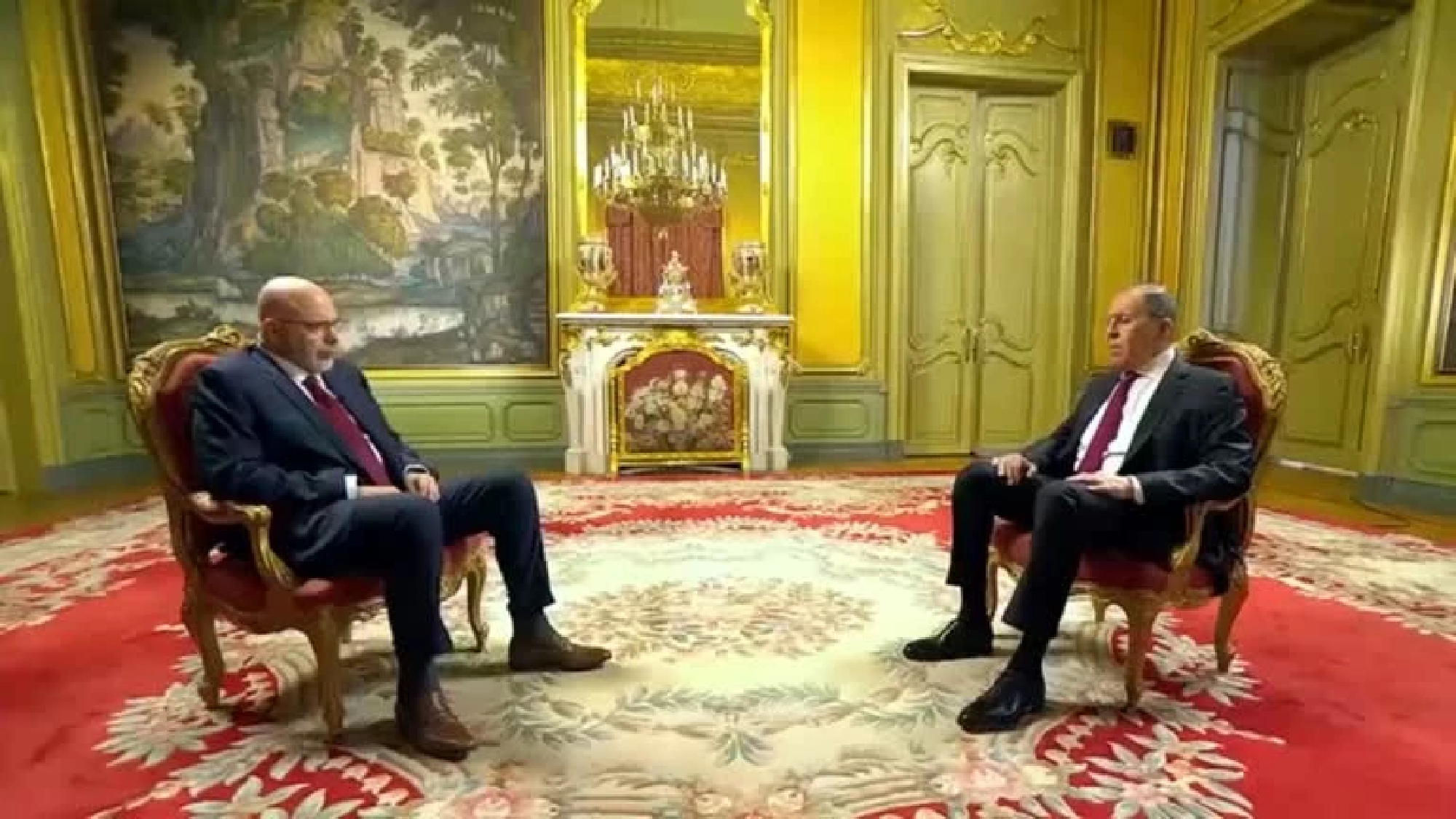
Russian Foreign Minister Sergei Lavrov said on Monday (April 25) that the Ukrainian conflict will end with an agreement but its content will depend on the military situation.
Lavrov, during an interview with Russian State Television, also said that Kyiv was only imitating negotiations, according to a transcript published on the foreign ministry’s website.
“As in any situation where armed forces are used, everything will end with a treaty. But its parameters will be determined by the stage of hostilities at which this treaty becomes a reality.” Lavrov told Russia’s state television.
Dmitry Polyanskiy, Russia’s first deputy permanent representative to the United Nations said that there was no point in having a ceasefire in Ukraine at this stage because Kyiv was likely to use it as an opportunity to try to discredit Russia after Kyiv denied reaching an agreement with Moscow over a humanitarian corridor.
“Ukraine is compromising our efforts to open these corridors, so we don’t think a ceasefire is a good option right now,” He said.
Ukraine earlier denied reaching a deal with Russia on evacuating civilians from a steel plant in the southern city of Mariupol and said the United Nations should be the “initiator and guarantor” of any such deal.
Polyanskiy said a ceasefire would only “be an opportunity for Ukrainian forces to regroup and stage more provocations.”
He said Russia had not struck any residential areas in Ukraine’s Black Sea port city of Odesa. Ukraine’s southern air command on Saturday said that two missiles struck a military facility and two residential buildings in Odesa.
Russia had said earlier on Monday that it would open a humanitarian corridor for civilians to leave Mariupol’s huge Azovstal steel plant, where they are holed up with Ukrainian fighters and are under Russian fire.



 SootinClaimon.Com