Asia News Network: The Nation (Thailand), The Korea Herald, The Straits Times (Singapore), China Daily, Jakarta Post, The Star and Sin Chew Daily (Malaysia), The Statesman (India), Philippine Daily Inquirer, Yomiuri Shimbun and The Japan News, Gogo Mongolia, Dawn (Pakistan), The Island (Sri Lanka), Kuensel (Bhutan), Kathmandu Post (Nepal), Daily Star (Bangladesh), Eleven Media (Myanmar), the Phnom Penh Post and Rasmei Kampuchea (Cambodia), The Borneo Bulletin (Brunei), Vietnam News, and Vientiane Times (Laos).
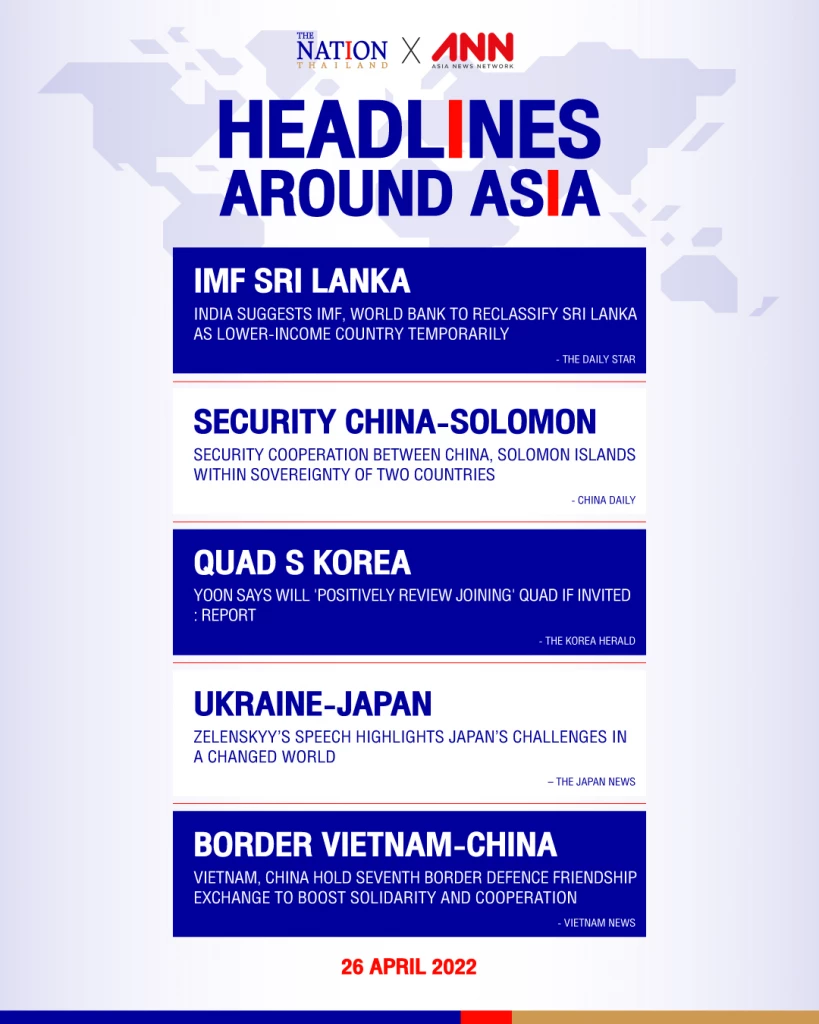
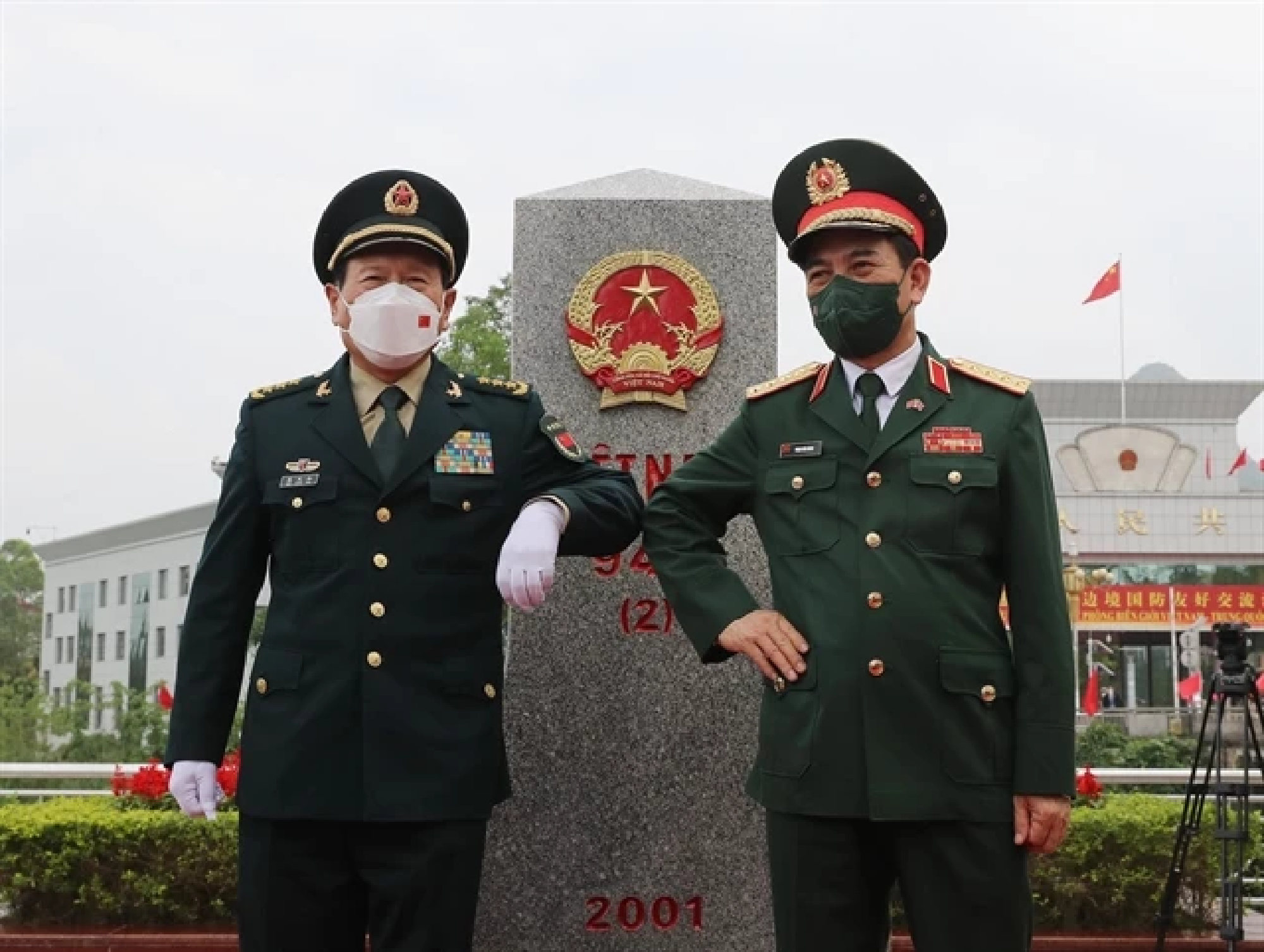
CAO BẰNG — Minister of National Defence General Phan Văn Giang and his Chinese counterpart Sen. Lieut. Gen. Wei Fenghe on Saturday co-chaired the seventh Việt Nam-China Border Defence Friendship Exchange in Quảng Hoà District of Việt Nam’s Cao Bằng Province and Longzhou County of China’s Guangxi Province.
In the morning, the Việt Nam People’s Army delegation led by General Giang began exchange activities in Longzhou, with the welcome ceremony for the delegation chaired by Sen. Lieut. Gen. Wei at Shuikou International Border Gate.
The delegation painted a milestone and planted a friendship tree at the border gate before talks at the county’s Convention Centre.
Gen. Giang affirmed that the Party, State, Government and People’s Army of Việt Nam always attach great importance to consolidating its traditional friendship and promoting its Comprehensive Strategic Cooperative Partnership with China, considering this as one of the top priorities in Việt Nam’s foreign policy.
Giang also thanked the Chinese Government for the donations of COVID-19 vaccines and medical supplies to Việt Nam.
The Chinese Defence Minister said that the seventh friendship exchange, taking place amid the complex developments of the COVID-19 pandemic, demonstrates the important common perception between the two Parties, States and armies; and shows the high respect to each other.
He expressed his belief that these activities will further strengthen the China-Việt Nam friendship and solidarity, political trust and practical cooperation, and make them work together in building a peaceful and stable border, so as to bring happiness to both peoples.
Regarding cooperation orientations in the future, the two sides agreed to continue promoting the exchange of delegations at all levels, especially high-level ones; effectively implementing existing exchange and cooperation mechanisms, such as the Defence Strategy Dialogue at the deputy ministerial level and the Border Defence Friendship Exchange; as well as cooperation between armies, armed forces, academies and schools; and continue to coordinate with and support each other at multilateral military and defence forums.
It is also necessary to closely coordinate and strictly implement the three legal documents on the land border, strictly protect the border, prevent crimes and illegal entry and exit activities, and prevent the coronavirus from spreading across the border, they stressed.
For existing problems between the two countries, they frankly discussed and agreed to solve them from a strategic height, for the common interests of the two countries, by peaceful means and on the basis of international law.
Earlier, the Vietnamese military medical force conducted free medical examination and treatment and delivered medicines to residents in Trà Lĩnh and Tà Lùng towns of Cao Bằng Province.
Within the framework of the exchange, in the afternoon of Saturday, a welcome ceremony for the Chinese People’s Liberation Army delegation led by Senior Lieutenant General Wei Fenghe took place at the Tà Lùng International Border Gate in Việt Nam.
After the ceremony, the two ministers painted Milestone No. 943 and planted a friendship tree at the Tà Lùng Friendship Cultural Centre.
Then, they visited and presented gifts to Tà Lùng township’s Primary School.
Talking to the school’s teachers and students, Minister Wei expressed his hope that they will become the successors of the friendship between the two countries so as to develop it strongly and sustainably.
He also stressed that the border defence friendship exchange is one of the activities demonstrating the bilateral friendship and collaboration.
Sharing the view, Giang said that each exchange has its own meaning, colour and way of organisation, but all have the same purpose: towards solidarity and friendship, for a border of peace and mutual development.
According to the Vietnamese minister, the current policy and stance is Việt Nam and China twin between villages and hamlets, provinces, and at all levels. He expressed his belief that through these activities, the bilateral friendship will continue to be multiplied and become a beautiful symbol of the spirit of solidarity and friendship between the two nations. — VNS
Asia News Network: The Nation (Thailand), The Korea Herald, The Straits Times (Singapore), China Daily, Jakarta Post, The Star and Sin Chew Daily (Malaysia), The Statesman (India), Philippine Daily Inquirer, Yomiuri Shimbun and The Japan News, Gogo Mongolia, Dawn (Pakistan), The Island (Sri Lanka), Kuensel (Bhutan), Kathmandu Post (Nepal), Daily Star (Bangladesh), Eleven Media (Myanmar), the Phnom Penh Post and Rasmei Kampuchea (Cambodia), The Borneo Bulletin (Brunei), Vietnam News, and Vientiane Times (Laos).
On Dec. 2, 1958, in Tokyo, Philippine President Carlos P. Garcia delivered the first speech by a foreign leader to the Diet after World War II. A guerilla fighter active in the resistance movement during the 1942-45 Japanese occupation of the Philippines, Garcia played an instrumental role in concluding reparations negotiations with Japan. In his speech, Garcia stated bluntly that “the lapse of 12 years has not completely healed the wounds” of the war, but he expressed hope for future developments between the two countries.
Specifically, he noted Japan’s “renunciation of war as an instrument of national policy” with Article 9 of its postwar Constitution, and that “the policy of waging wars of aggression has become a thing of the past.” Garcia’s speech illustrated how memories of World War II were still very much alive a dozen or so years after the war, and that Japan at that time was still not fully trusted by international society.
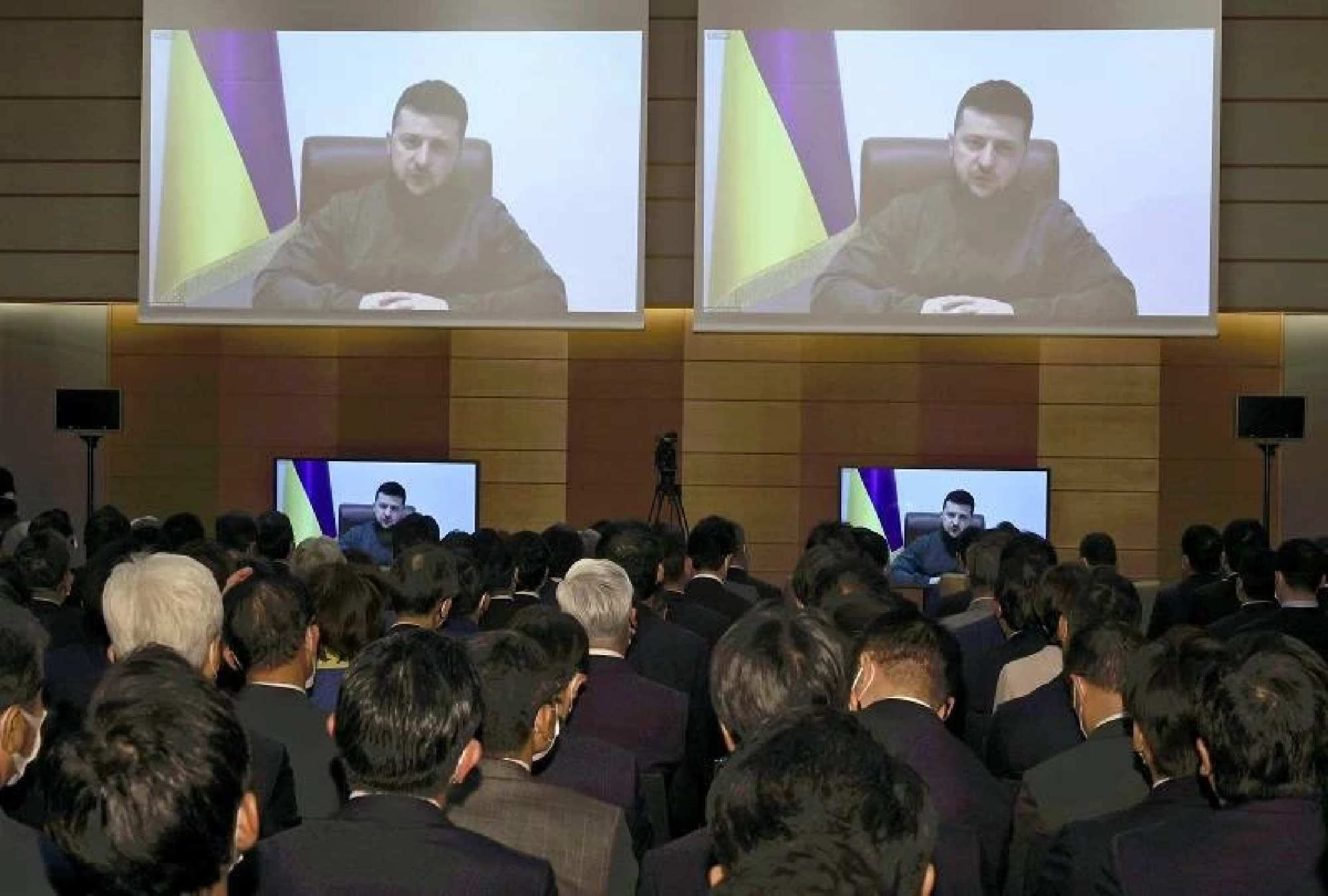
More than 60 years after Garcia’s speech, Ukrainian President Volodymyr Zelenskyy delivered a virtual address to the Diet on March 23, amid the Russian invasion of his country. Zelenskyy expressed his gratitude, saying that Japan was “the first in Asia to put real pressure on Russia,” and he called for Tokyo to maintain sanctions against Moscow. He argued that for the U.N. Security Council “to become effective” it needs reform — a perception shared by Japan. Zelenskyy also stated that Japan’s leadership can play a major role in this development. He also described Japan as the leader in Asia in urging Tokyo to exert its influence on other Asian countries.
Prior to his address to the Diet, Zelenskyy also addressed the legislatures of various countries, including the United States, Britain and Germany. In those speeches, the wartime leader called for military assistance and tighter sanctions against Russia. Japan, which belongs to the Group of Seven advanced nations like the three nations above, was the first country in Asia that Zelenskyy contacted.
Because of the Ukrainian president’s high expectations for other countries, such as military assistance, and his likening the Russian invasion to the attack on Pearl Harbor in his U.S. speech, there was initial reluctance among Japanese parliamentarians to let him speak before the Diet. A member of the Diet Affairs Committee of the ruling Liberal Democratic Party tried to refuse, saying that the administration of Prime Minister Fumio Kishida should talk to Ukraine first. Kenta Izumi, leader of the largest opposition party, the Constitutional Democratic Party of Japan, insisted on social media that a summit and joint statement are absolute prerequisites before a direct speech to the Diet and that the content of the speech should be kept solely within the scope of the agreement between the two countries. Both must have forgotten the fact that Ukraine is in a war for its very survival. Although these opinions do not represent the mainstream of Japanese public opinion, some conservative members of the LDP also raised concerns about Zelenskyy’s “Remember Pearl Harbor” comment, and the Diet member who coordinated the speech asked the Ukrainian side in advance not to mention Pearl Harbor and to keep the speech within the bounds of “common decency.”
The reason for such concerns can be explained by Japan’s political culture of “nemawashi” (making necessary preparations to build a consensus) in which unpredictable events are best avoided. It is believed that if you are suddenly confronted with a request and are unable to meet it, you and the other party could both be shamed. As U.S. anthropologist Ruth Benedict explained in her 1946 book “The Chrysanthemum and the Sword,” there is a “culture of shame” in Japan.
In actuality, Zelenskyy’s speech did not contain any requests that would be difficult for the Japanese government to implement. Kishida immediately followed Zelenskyy’s speech with an announcement of additional humanitarian assistance to Ukraine. One Cabinet member expressed relief, stating, “I thought we would be embarrassed if they made demands that Japan could not comply with, such as providing weapons.” A senior Foreign Ministry official also said, “I am glad that Ukraine did not make a request for aid in arms.” This is indeed the reality in Japanese politics.
During a press conference at the Japan National Press Club on April 1, Ukrainian Ambassador Sergiy Korsunsky explained why Ukraine threw a softball when it came to Japan. The words in the speech were “very carefully chosen,” he said. He added that Ukraine of course knows about Article 9. Zelenskyy’s speech had given consideration to the Japanese political situation indeed, embodying the world’s expectations of Japan today and highlighting its limitations.
The fact of the matter is that Japan’s security policy is constrained. Article 9 of the Constitution — the one Garcia said gave him hope for the future development of ties between Japan and the Philippines — prescribes the “renunciation of war,” the prohibition of “war potential,” and the denial of “the right of belligerency of the state.” The current Constitution does not give legal grounds for the type of military assistance requested by Ukraine of Western countries. Following the crisis in Ukraine, the Japanese government hastily revised the operational guidelines of the Three Principles on Transfer of Defense Equipment and Technology and provided bulletproof vests to Ukraine — but full-scale arms transfers are still not legally permissible. The reality is that “this is the limit of what Japan can do at this point,” according to Japanese government officials and politicians.
In lieu of full-scale military assistance, the Japanese government has joined other G7 nations in imposing economic sanctions on Russia. Japan has also provided humanitarian assistance, including dispatching Foreign Minister Yoshimasa Hayashi to Poland to bring 20 evacuees from Ukraine to Japan on a government plane. This should be commended.
Yet the question remains whether Japan should stay as it is. In post-World War II Japan, the argument in support of maintaining Article 9 of the Constitution as a means to protect the country has been made, mainly by liberals. However, Russia’s invasion of Ukraine has brought home to many in Japan the reality that, even with the establishment of the current international order supported by international laws, a country can unilaterally attempt to challenge the status quo by using its military force.
The Far East has many red lines. China is a neighbor that exerts military pressure on others in the Taiwan Strait, the East China Sea and the South China Sea through its military power. North Korea has been extending the range of its ballistic missiles with the aim of acquiring the capability to break through the Japanese and U.S. missile defense systems. Japan arguably faces its most severe security environment since World War II.
The state of national defense should be a focus of the House of Councillors elections coming in July. We must debate how to strengthen deterrence amid growing security concerns. In this era of massive change, it is important to return to the Constitution to tackle fundamental issues. Public debate must be deepened from a broad perspective because the world will never go back to the way it was before the Ukraine war.
By Yuko Mukai
Asia News Network: The Nation (Thailand), The Korea Herald, The Straits Times (Singapore), China Daily, Jakarta Post, The Star and Sin Chew Daily (Malaysia), The Statesman (India), Philippine Daily Inquirer, Yomiuri Shimbun and The Japan News, Gogo Mongolia, Dawn (Pakistan), The Island (Sri Lanka), Kuensel (Bhutan), Kathmandu Post (Nepal), Daily Star (Bangladesh), Eleven Media (Myanmar), the Phnom Penh Post and Rasmei Kampuchea (Cambodia), The Borneo Bulletin (Brunei), Vietnam News, and Vientiane Times (Laos).
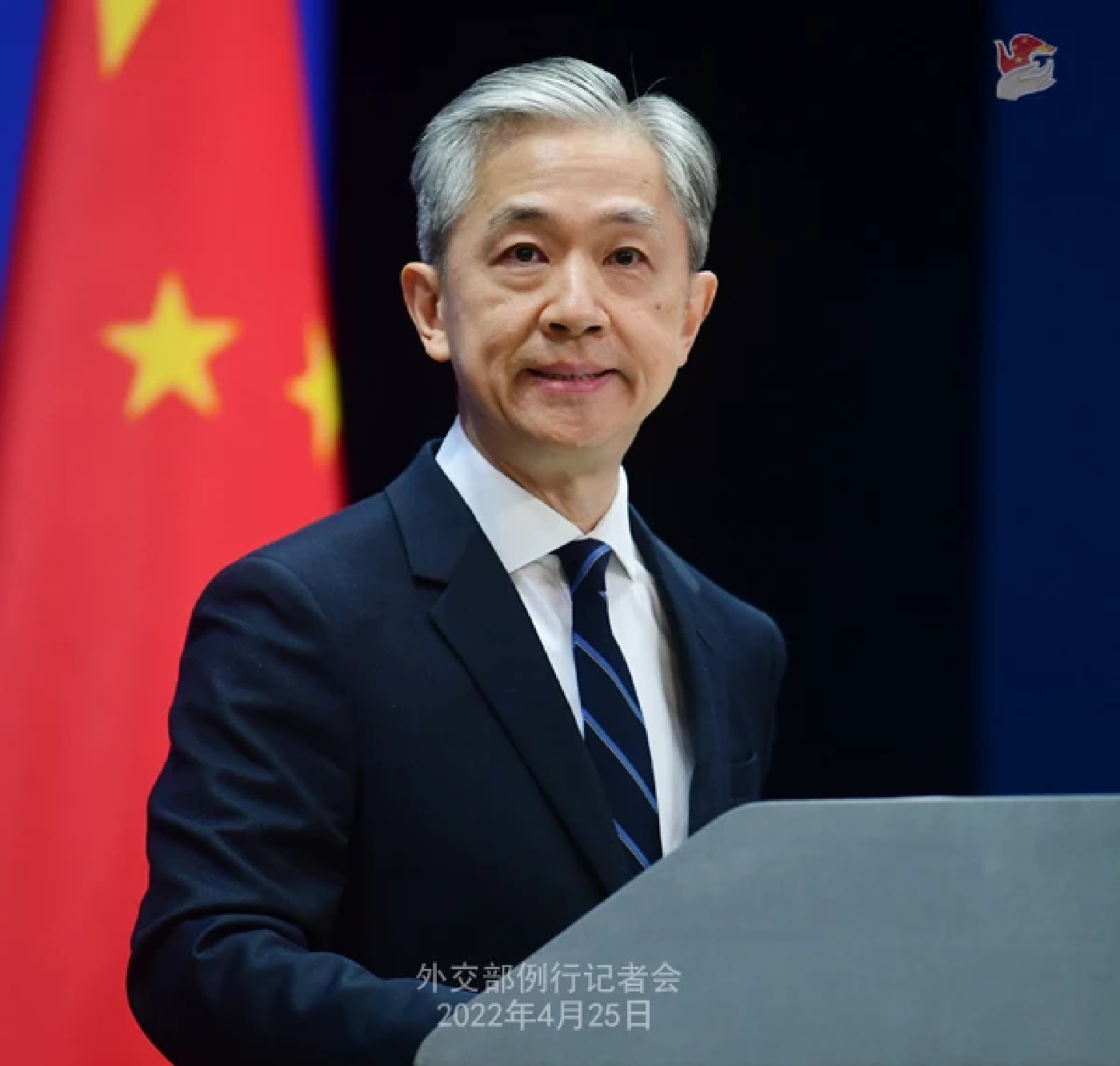
BEIJING – The security cooperation between China and Solomon Islands is based on equality and mutual benefits. It is within the sovereignty of the two countries and consistent with the international law and international customary practice, a Chinese foreign ministry spokesperson said on Monday.
Spokesperson Wang Wenbin made the comment at a press briefing after Australian Prime Minister Scott Morrison said a Chinese military base in the Solomon Islands would be a red line for his government.
Wang pointed out that the cooperation is open, transparent, legitimate, lawful and irreproachable. “The speculation that China will build a military base in the Solomon Islands is pure disinformation fabricated by a handful of people who harbor ulterior motives.”
The United States and Australian accuse the framework agreement on security cooperation between China and Solomon Islands of not being transparent. However, it is the AUKUS security partnership that is neither open nor transparent, Wang said.
“When will the United States and Australia invite South Pacific island countries and other regional countries to review AUKUS cooperation? The United States claims that China’s military presence will cause grave concerns. If we follow this logic, the nearly 800 military bases in 80 countries and regions across the world run by the United States have long been of major concern for the world. When will the United States shut down those bases?” The spokesperson asked.
Island countries in the South Pacific are independent and sovereign states, not a backyard of the United States or Australia, said Wang, adding that their attempt to revive the Monroe Doctrine in the South Pacific region will get no support and lead to nowhere.
Asia News Network: The Nation (Thailand), The Korea Herald, The Straits Times (Singapore), China Daily, Jakarta Post, The Star and Sin Chew Daily (Malaysia), The Statesman (India), Philippine Daily Inquirer, Yomiuri Shimbun and The Japan News, Gogo Mongolia, Dawn (Pakistan), The Island (Sri Lanka), Kuensel (Bhutan), Kathmandu Post (Nepal), Daily Star (Bangladesh), Eleven Media (Myanmar), the Phnom Penh Post and Rasmei Kampuchea (Cambodia), The Borneo Bulletin (Brunei), Vietnam News, and Vientiane Times (Laos).
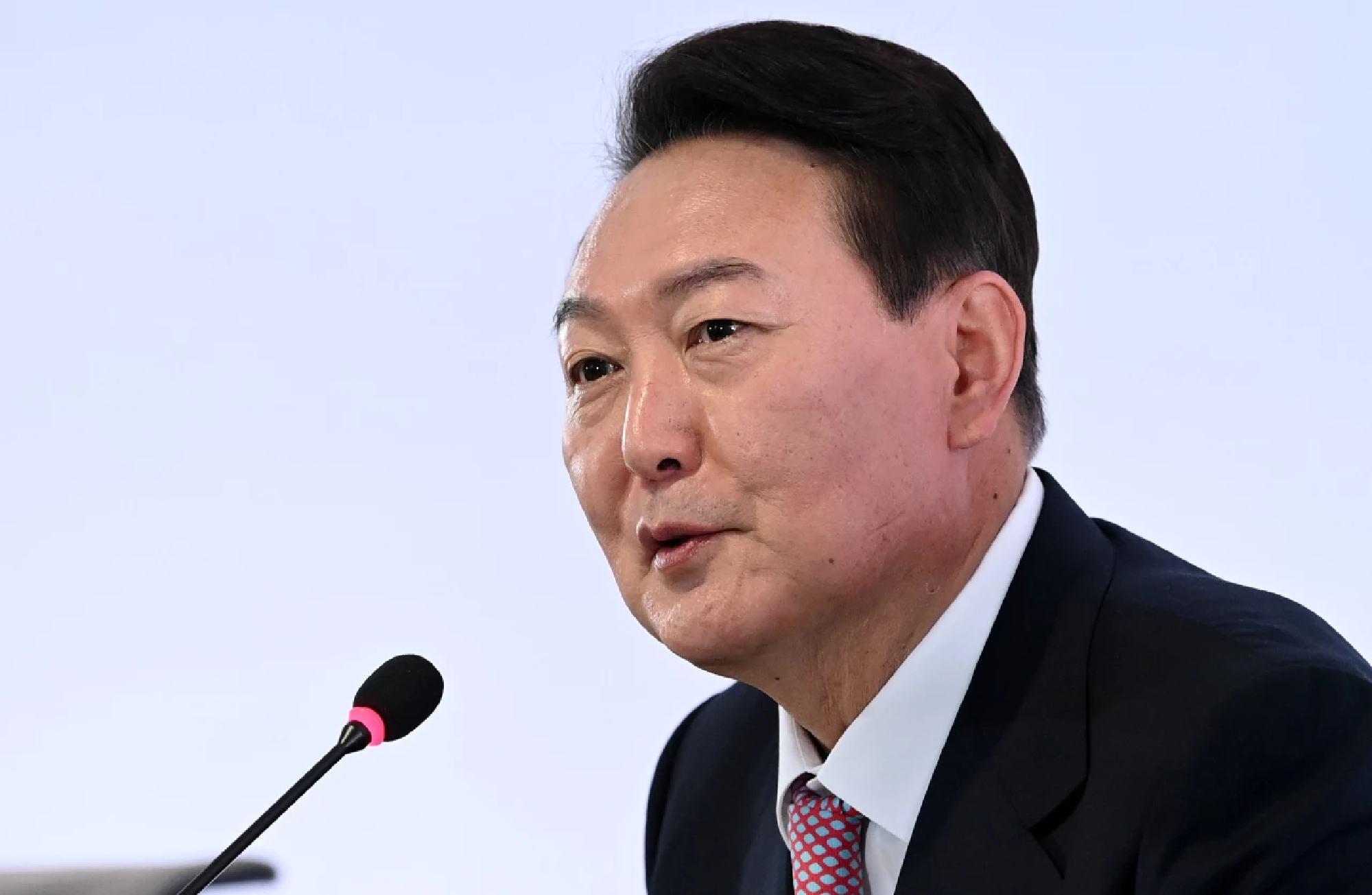
President-elect Yoon Suk-yeol has said he will “positively review” South Korea’s joining of Quad, a US-led anti-China security partnership, if invited, according to a report.
Yoon made the remark in a recent interview with The Wall Street Journal on Monday (US time), saying he does not expect South Korea to receive an invitation any time soon, but if approached, “will positively review joining.”
The Quadrilateral Security Dialogue (Quad) is made up of the United States, Australia, India and Japan, and is seen as a partnership aimed at countering China.
During the campaign, Yoon had pledged to increase South Korea’s participation in its working groups.
Yoon also told the paper that he has come up with the name “People’s House” for the new presidential office being set up on the defense ministry compound.
The actual name will be chosen through a public contest.
The new office is in line with Yoon’s campaign promise to move the presidential office out of Cheong Wa Dae to help him connect better with the people.
As part of that promise, Cheong Wa Dae will fully open to the public immediately after his inauguration ceremony May 10. (Yonhap)
Asia News Network: The Nation (Thailand), The Korea Herald, The Straits Times (Singapore), China Daily, Jakarta Post, The Star and Sin Chew Daily (Malaysia), The Statesman (India), Philippine Daily Inquirer, Yomiuri Shimbun and The Japan News, Gogo Mongolia, Dawn (Pakistan), The Island (Sri Lanka), Kuensel (Bhutan), Kathmandu Post (Nepal), Daily Star (Bangladesh), Eleven Media (Myanmar), the Phnom Penh Post and Rasmei Kampuchea (Cambodia), The Borneo Bulletin (Brunei), Vietnam News, and Vientiane Times (Laos).
India has suggested to the IMF and World Bank to temporarily give Sri Lanka – grappling with its worst financial crisis – the tag of a lower-income country to help the island nation restructure its debt.
Sri Lanka is currently classified as a middle-income country.
India also proposed that Sri Lanka be given emergency funding similar to the one granted to conflict-hit Ukraine in March this year, reports our New Delhi correspondent.
The suggestions were made by Indian Finance Minister Nirmala Sitharaman to the International Monetary Fund (IMF) and World Bank at a meeting in Washington last week, officials in New Delhi said.
They said Sitharaman had contended that although Sri Lanka was classified as a middle-income country at the start of the Covid-19 pandemic, the nature of the country’s economy, its dependence on income from the tourism sector, and the resultant dip in national revenues due to the pandemic, has meant that the country might possibly be categorised as a lower-income country as a temporary measure.
The reclassification of Sri Lanka as a lower-income country could help it restructure its debt under the ‘Common Framework for debt treatment beyond DSSI’.
Debt Service Suspension Initiative (DSSI) is set up by the IMF and World Bank after the pandemic and its tenure ended in December last year.
In November last year, the IMF and World Bank had set up the common framework and the countries eligible for these initiatives are low-income nations with unsustainable debt.
On March 9 this year, the IMF executive board okayed a US$ 1.4 billion in additional financing for Ukraine under an emergency support programme known as the Rapid Financing Instrument (RFI). Sitharaman is understood to have favoured the same for Sri Lanka.
Asia News Network: The Nation (Thailand), The Korea Herald, The Straits Times (Singapore), China Daily, Jakarta Post, The Star and Sin Chew Daily (Malaysia), The Statesman (India), Philippine Daily Inquirer, Yomiuri Shimbun and The Japan News, Gogo Mongolia, Dawn (Pakistan), The Island (Sri Lanka), Kuensel (Bhutan), Kathmandu Post (Nepal), Daily Star (Bangladesh), Eleven Media (Myanmar), the Phnom Penh Post and Rasmei Kampuchea (Cambodia), The Borneo Bulletin (Brunei), Vietnam News, and Vientiane Times (Laos).
Diplomacy S Korea-Japan President-elect Yoon’s delegation departs for Tokyo, seeks to revive long-strained relationship – Korea Herald www.nationthailand.com/international/40014883
Asia News Network: The Nation (Thailand), The Korea Herald, The Straits Times (Singapore), China Daily, Jakarta Post, The Star and Sin Chew Daily (Malaysia), The Statesman (India), Philippine Daily Inquirer, Yomiuri Shimbun and The Japan News, Gogo Mongolia, Dawn (Pakistan), The Island (Sri Lanka), Kuensel (Bhutan), Kathmandu Post (Nepal), Daily Star (Bangladesh), Eleven Media (Myanmar), the Phnom Penh Post and Rasmei Kampuchea (Cambodia), The Borneo Bulletin (Brunei), Vietnam News, and Vientiane Times (Laos).
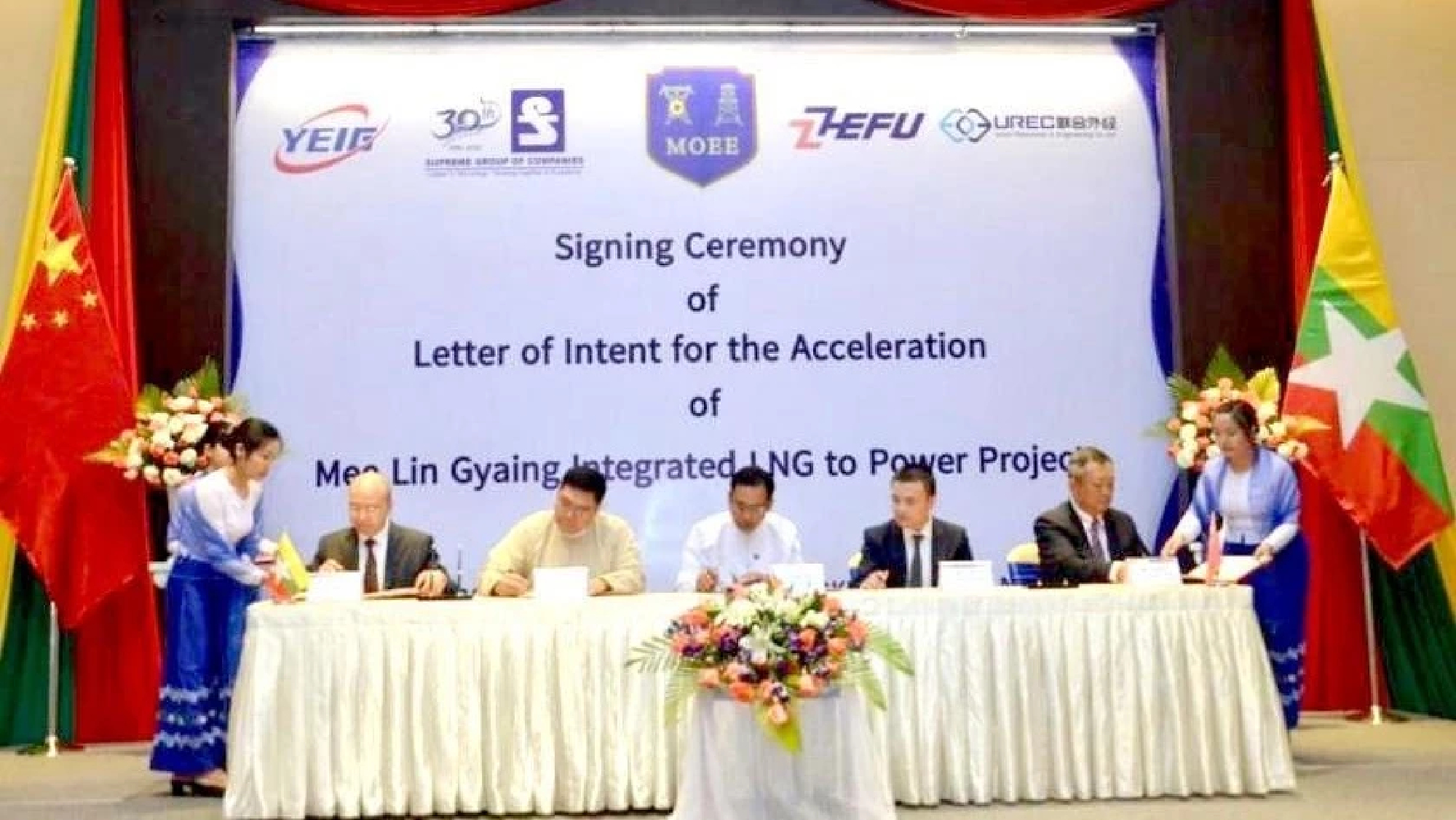
Myanmar is proposing to include the Mee Lin Gyaing Project including a LNG power plant and gas pipelines connecting with Yangon with an estimated investment value of US$2.5 billion in the list of early harvest projects of the China-Myanmar Economic Corridor (CMEC), state-run newspapers reported.
Three Chinese companies – Union Resources and Engineering Company (41%), Yunnan Energy Investment (39%) and Zhefu Holding Group (1%) – are partnering with Myanmar’s Supreme Group (19%) to develop the 1,390 MW Mee Lin Gyaing Project.
The facility located in Ayeyawady region involves an LNG-fired power plant, an LNG terminal, a high voltage transmission line and gas pipelines to Yangon. It has been approved by the Myanmar Investment Commission. Currently, in the early stages of design and construction, it is expected to start commercial operation in 2027.
Conversion of some fertilizer plants (which use gas as feedstock) for immediate generation of 30 MW of electricity and accelerating works on other gas-fired power generators or waste-heat projects. A total of about 100 MW of electricity has been generated in Kyaukphyu using 20 million cubic feet of gas currently. After pipeline maintenance, this will expand to 30 million cubic feet per day and generate 195 MW.
The Myanmar Government will accelerate the development of hydrocarbon and renewable energy even as it repairs power lines damaged by terrorists while seeking to increase foreign investments despite the threat of fresh economic sanctions, the Ministry of Information and Ministry of Investment and Foreign Economic Relations have announced
Union Minister for Information Maung Maung Ohn and Union Minister for Investment and Foreign Economic Relations issued a join-statement in response to the media reports about recent fuel shortages, foreign energy companies leaving Myanmar and the sanctions against the country.
Asia News Network: The Nation (Thailand), The Korea Herald, The Straits Times (Singapore), China Daily, Jakarta Post, The Star and Sin Chew Daily (Malaysia), The Statesman (India), Philippine Daily Inquirer, Yomiuri Shimbun and The Japan News, Gogo Mongolia, Dawn (Pakistan), The Island (Sri Lanka), Kuensel (Bhutan), Kathmandu Post (Nepal), Daily Star (Bangladesh), Eleven Media (Myanmar), the Phnom Penh Post and Rasmei Kampuchea (Cambodia), The Borneo Bulletin (Brunei), Vietnam News, and Vientiane Times (Laos).
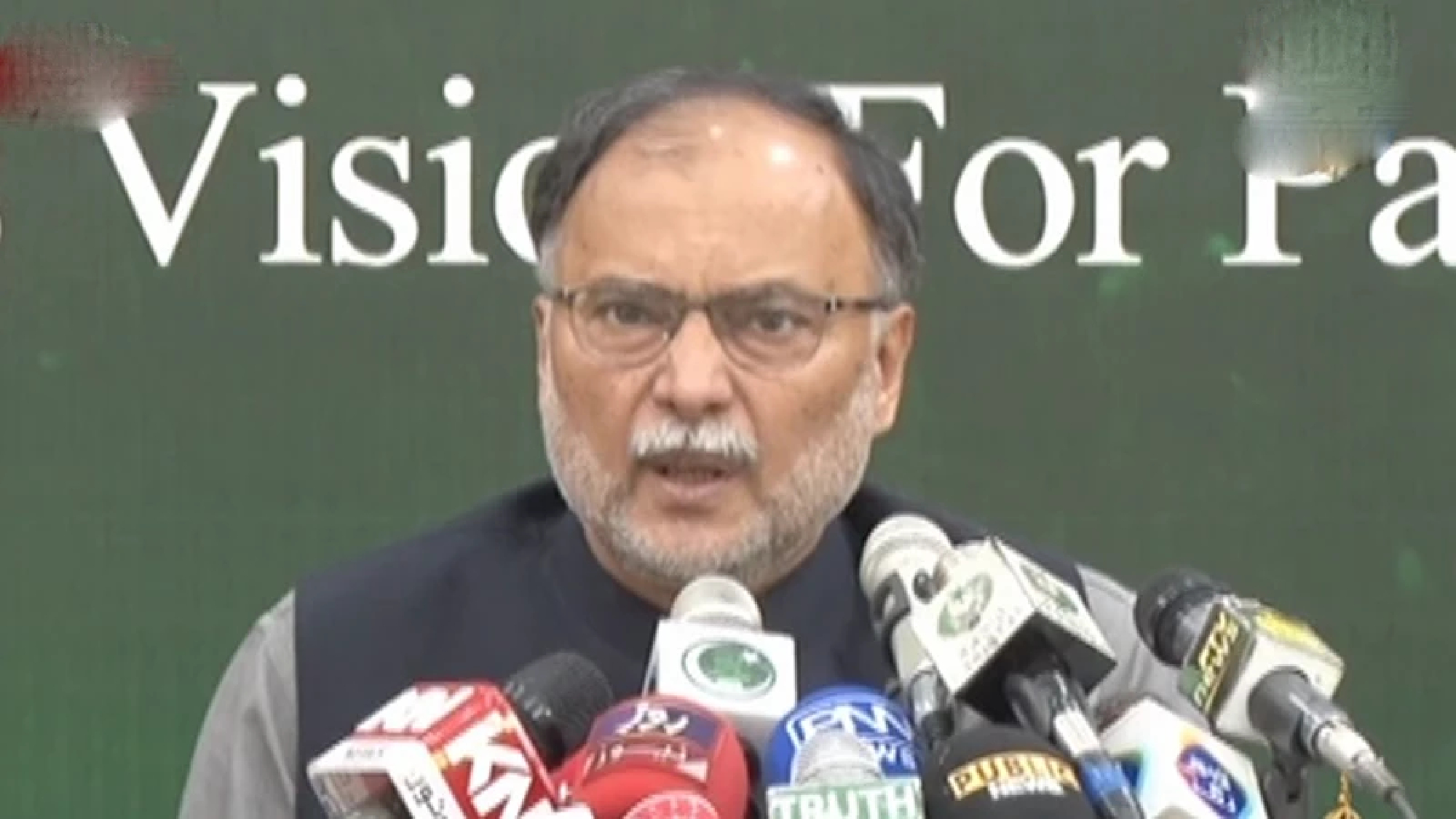
Minister for Planning and Development Ahsan Iqbal on Sunday accused former prime minister Imran Khan of “playing with Pakistan’s interests” to keep his “failed politics” alive.
Addressing a press conference in Lahore, the minister said the National Security Committee (NSC) twice dismissed the possibility of any foreign conspiracy, however, “Imran Niazi is playing with national interests to keep his politics alive.”
“If Pakistan wants to be a strong country, we need to have a strong economy,” he said. “That can only happen when we align ourselves with the global economy.”
Iqbal’s media talk comes as the PTI chairman continues to insist he was ousted as a result of a foreign-backed conspiracy.
In his presser, Iqbal alleged that when the PTI was in power, it had hampered the CPEC’s progress and soured ties with the European Union, the United States and even brotherly Muslim countries, risking the isolation of the country.
He said he does not want Pakistan to turn into Cuba or North Korea. “We have to set Pakistan on the path of [development, like] Malaysia, Turkey, China and South Korea.”
“When a no-confidence move was brought against him, he encouraged the deputy speaker (Qasim Suri) to violate the constitution and then portrayed him as a hero,” the minister said, referring to Imran. “Such people are no heroes, they’re criminals. And there will be action against them,” Iqbal asserted.
The minister defended the Supreme Court for its order that saw Imran ousted through a parliament vote after his move to dissolve the National Assembly was reversed by the top court.
“The apex court fulfilled its duty and no one has the right to point fingers at the institution,” he said.
The PML-N leader also accused the PTI of trying to pressurise the Election Commission of Pakistan in an alleged attempt to influence the foreign funding case. Just a day earlier, Imran called on Chief Election Commissioner Sikandar Sultan Raja to resign, accusing him of bias. Raja subsequently said there was no valid reason to do so and would remain in his position in the best interests of the country.
Iqbal, in his presser, termed the frequent mentions of “conspiracy” by the ex-PM the “rona-virus”, vowing the country would move forward and the coalition government would fix all issues facing the country.
Iqbal also alleged that Imran sold Toshakhana gifts abroad, thus bringing disrepute to Pakistan. He said the masses would be given relief in “some time”, adding the first priority of the government was to overhaul the economy.
He rejected notions that the government was worried with Imran’s expected march to Islamabad, saying the ousted premier had been doing all of that before and it would likely continue in the future as well.
The minister vowed there would be no “false cases” against Imran and only “genuine cases” would be lodged. “Evidence will guide all our actions,” he said.
Asia News Network: The Nation (Thailand), The Korea Herald, The Straits Times (Singapore), China Daily, Jakarta Post, The Star and Sin Chew Daily (Malaysia), The Statesman (India), Philippine Daily Inquirer, Yomiuri Shimbun and The Japan News, Gogo Mongolia, Dawn (Pakistan), The Island (Sri Lanka), Kuensel (Bhutan), Kathmandu Post (Nepal), Daily Star (Bangladesh), Eleven Media (Myanmar), the Phnom Penh Post and Rasmei Kampuchea (Cambodia), The Borneo Bulletin (Brunei), Vietnam News, and Vientiane Times (Laos).
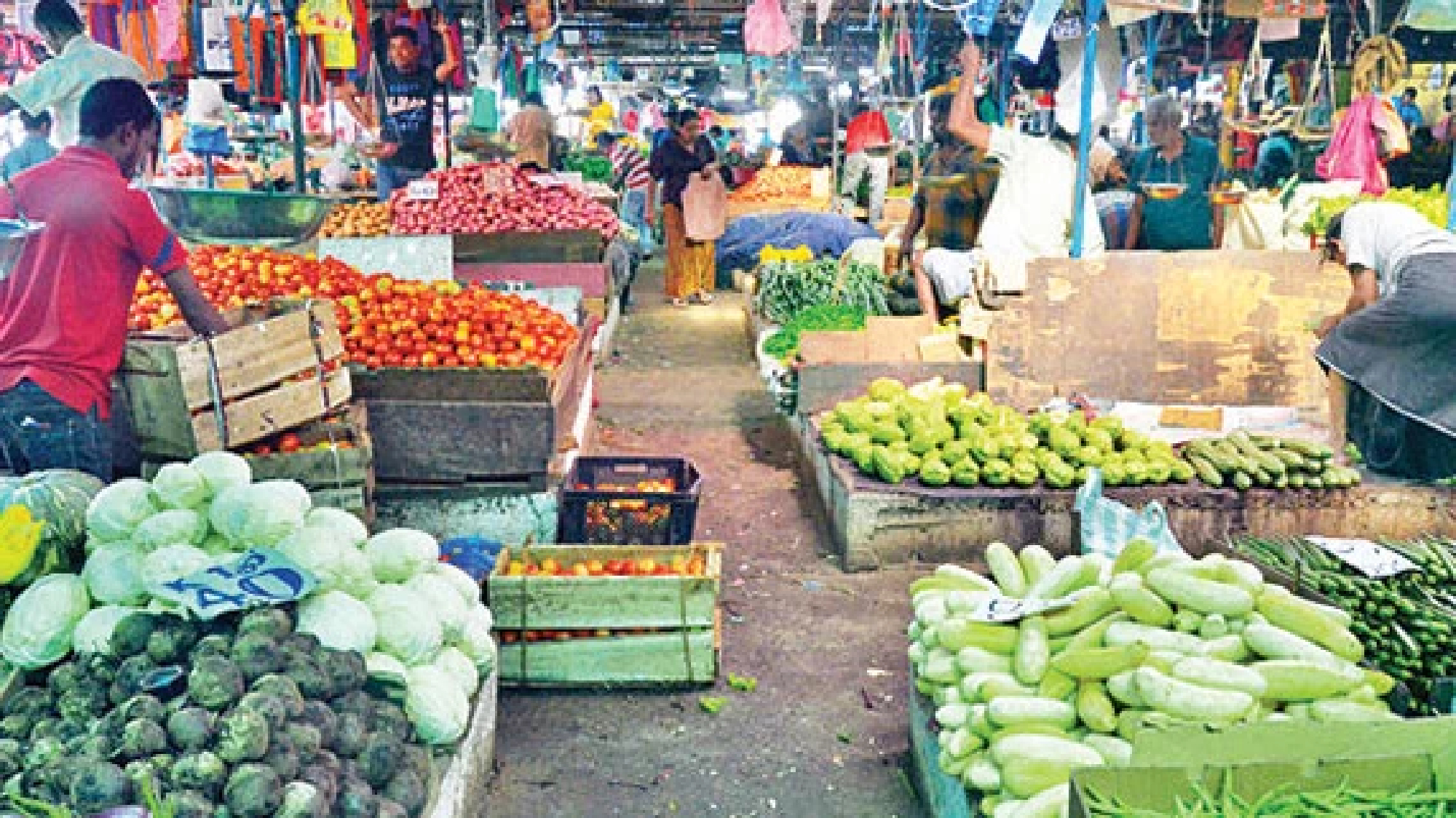
NCPI based headline inflation (Y-o-Y) increased to 21.5 per cent in March 2022 from 17.5 per cent in February 2022 due to increases of prices of items in both Food and Non-food categories.
Meanwhile, Food inflation (Y-o-Y) and Non-food inflation (Y-o-Y) recorded at 29.5 per cent and 14.5 per cent, respectively, in March 2022.
Furthermore, the NCPI measured on an annual average basis, increased to 10.6 per cent in March 2022 from 9.3 per cent in February 2022.
During the period under review (18.04.2022 to 22.04.2022), crude oil prices largely showed a declining trend. Crude oil prices declined mainly due to the reduced global growth forecast by the International Monetary Fund and potential rate hikes by the US Federal Reserve. Overall, Brent and WTI prices decreased by US dollars 5.44 per barrel and US dollars 5.00 per barrel, respectively, during the period.
IIP in February 2022 increased by 2.3 per cent to 101.4 compared to February 2021. Among the major sub divisions of the manufacturing industries, “coke and refined petroleum products” (62.5 per cent) and “chemicals and chemical products” (40.4 per cent) have mainly contributed to this overall increase.
The Purchasing Managers’ Indices for both Manufacturing and Services activities increased on a month-on-month basis in March 2022, recording 57.8 and 51.3 index values, respectively.
Weekly AWPR for the week ending 22nd April 2022 increased by 314 bps to 14.20 per cent compared to the previous week.
The reserve money decreased, compared to the previous week mainly due to decrease in deposits held by the commercial banks with the Central Bank.
The total outstanding market liquidity was a deficit of Rs. 624.109 bn by the end of this week, compared to a deficit of Rs. 735.459 bn by the end of last week.
During the year up to 22nd April 2022, the Sri Lankan rupee depreciated against the US dollar by 40.1 per cent. Given the cross currency exchange rate movements, the Sri Lankan rupee depreciated against the Japanese yen by 33.1 per cent,
The Euro by 37.5 per cent, the pound sterling by 37.9 per cent and the Indian rupee by 38.6 per cent during this period.
Asia News Network: The Nation (Thailand), The Korea Herald, The Straits Times (Singapore), China Daily, Jakarta Post, The Star and Sin Chew Daily (Malaysia), The Statesman (India), Philippine Daily Inquirer, Yomiuri Shimbun and The Japan News, Gogo Mongolia, Dawn (Pakistan), The Island (Sri Lanka), Kuensel (Bhutan), Kathmandu Post (Nepal), Daily Star (Bangladesh), Eleven Media (Myanmar), the Phnom Penh Post and Rasmei Kampuchea (Cambodia), The Borneo Bulletin (Brunei), Vietnam News, and Vientiane Times (Laos).




 SootinClaimon.Com