[Laos] Price of imported goods soars to record high

#SootinClaimon.Com : ขอบคุณแหล่งข้อมูล : หนังสือพิมพ์ The Nation.

https://www.nationthailand.com/international/40014761


The cost of imported household goods surged by 15-50 percent in April compared to the figure recorded in January, according to a recent study.

[Laos] Price of imported goods soars to record high

Conducted by the Ministry of Industry and Commerce, the research paper attributed the price rise to the continuing depreciation of the kip and higher transport costs, triggered by skyrocketing fuel prices.

The rise in the price of imported household items has contributed significantly to year-on-year inflation in Laos, which rose from 6.25 percent in January to 7.31 percent in February and 8.54 percent in March. 

For instance, the price of a small bottle of fish sauce rose from 10,000 kip in January to 12,000 kip in April, while the price of cooking oil increased from 20,000 kip to 28,000 kip and the cost of a pack of instant noodles jumped from 36,000 to 55,000 kip over the same time period.

Typically, the import price index jumped by 14 percent year-on-year in March, up from 11.7 percent reported in February.

According to the paper, the cost of almost everything purchased in Laos has risen in recent months due to both internal and external factors.

Producers and farmers, including pig and chicken farmers, are struggling to boost output for export due to soaring production costs, which have been driven by the higher price of animal feed and fertiliser purchased from Thailand.

The cost of feed for piglets rose by 29 percent in April compared to the figure for January. The cost of feed for chicks rose by 8 percent, the cost of fish feed surged by 60 percent, and the price of fertiliser went up by 17 percent during this four-month period.

Many Vientiane residents are struggling to cope with the rising cost of living and the bleak economic outlook.

The price of pork and eggs on sale in markets jumped to 55,000 kip/kg and 40,000 kip per box of 30 eggs respectively.

The Ministry of Industry and Commerce’s study found that the cost of goods on the government’s list of price-controlled items rose by 1.1 percent month-on-month and 7 percent year-on-year in March.

The price of pork, chicken and fish rose by 4 percent, 11 percent and 16 percent respectively compared to the figures for January.

The research paper recommended that the concerned sectors need to boost exports to bring more foreign currency into the country.

Other steps suggested to be taken by the government include raising the interest rate to attract foreign currencies into the banking system, strictly regulating exchange rates, encouraging transactions related to exported goods to be carried out through the banking system, and ensuring that trade in goods and services in Laos is done using the kip.

By Somsack Pongkhao

Asia News Network: The Nation (Thailand), The Korea Herald, The Straits Times (Singapore), China Daily,  Jakarta Post, The Star and Sin Chew Daily (Malaysia), The Statesman (India), Philippine Daily Inquirer, Yomiuri Shimbun and The Japan News, Gogo Mongolia,  Dawn (Pakistan),  The Island (Sri Lanka), Kuensel (Bhutan), Kathmandu Post (Nepal), Daily Star (Bangladesh), Eleven Media (Myanmar), the Phnom Penh Post and Rasmei Kampuchea (Cambodia), The Borneo Bulletin (Brunei), Vietnam News, and Vientiane Times (Laos).

Published : April 21, 2022

By : Vientiane Times
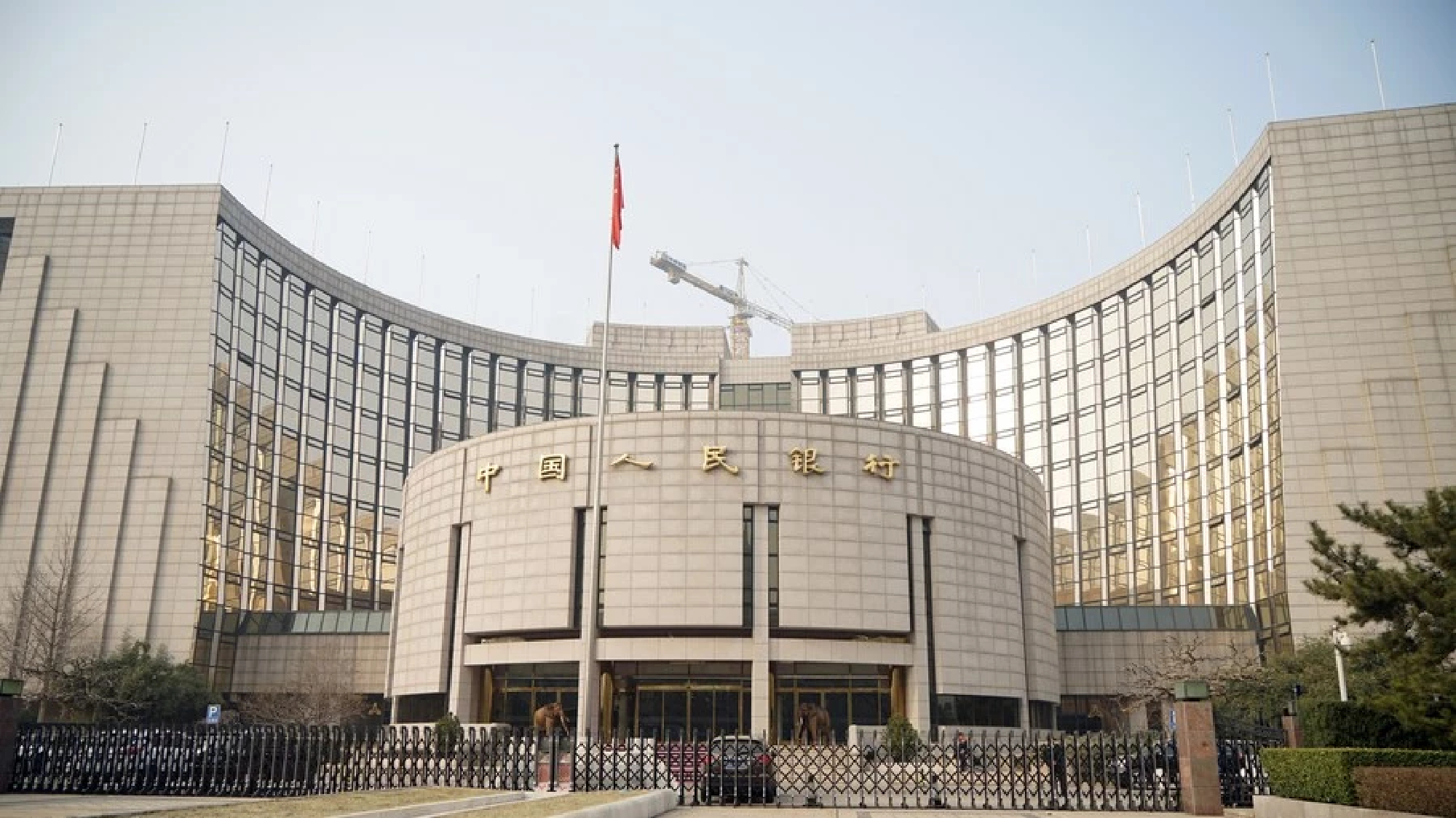
PBOC, SAFE release battery of measures to boost growth

#SootinClaimon.Com : ขอบคุณแหล่งข้อมูล : หนังสือพิมพ์ The Nation.

https://www.nationthailand.com/international/40014759


China has introduced more substantial financial measures to stabilize economic growth given a resurgence in COVID-19 cases, as industry insiders understand it will serve as fresh impetus to the world economy after the World Bank slashed global growth forecasts due to heightened geopolitical tensions.

PBOC, SAFE release battery of measures to boost growth

The World Bank lowered the global growth forecast to 3.2 percent from 4.1 percent on Monday, mainly due to the Russia-Ukraine conflict and debt-ridden low-income countries. The World Bank’s board will discuss a 15-month, $170 billion funding package to cover April 2022 through June 2023, exceeding the $157 billion laid out for pandemic relief.

At the same time, the People’s Bank of China, the nation’s central bank, together with the State Administration of Foreign Exchange, jointly released 23 measures on Monday to help businesses affected by the latest surge in COVID-19 cases to improve domestic economic circulation and facilitate exports.

Starting from 2022, the 400 billion yuan ($63 billion) inclusive relending fund that especially targets micro and small enterprises will continue to be used on a rolling basis, and the quota can be expanded if necessary, the newly released measures said.

Peng Lifeng, deputy head of the Financial Market Department at the central bank, said more support will favor companies, industries and areas affected by the epidemic. Financial institutions should extend and resume loans for epidemic-hit people in a more flexible manner.

The National Bureau of Statistics said on Monday that China’s GDP growth rate reached 4.8 percent in the first quarter, up from 4 percent in the fourth quarter.

However, retail sales in March were affected by COVID-19 cases, and this caused a decline, for the first time since July 2020, of 3.5 percent year-on-year. The cumulative funding for real estate development plunged 19.6 percent last month, touching a record low.

Wang Qing, chief macroeconomic researcher at Golden Credit Rating, called for more supportive policies, such as lowering the policy rate in the second quarter, to boost the property market, which has significantly weighed on economic growth.

There is still much room for an adjustment in monetary and fiscal policies, including the injection of more liquidity, lowering tax and reducing fees to address the negative impact of the epidemic, he added.

The central bank has stepped up its support for the real economy. On Friday, it announced a 0.25 percentage point reduction of the reserve requirement ratio, injecting 530 billion yuan of liquidity into the market. To facilitate the accelerated implementation of tax rebates for small and micro enterprises, the central bank submitted 600 billion yuan to the central budget by mid-April, which is equal to lowering the RRR by 0.25 percentage point.

The central government also announced on Monday the launch of a 100 billion yuan relending facility to support the transportation and logistics sector and another 200 billion yuan relending fund to boost technology innovation.

Wei Jianguo, vice-chairman of the China Center for International Economic Exchanges, said during an economic forum on Monday that China’s export readings are expected to pick up in the second and third quarter of the year, serving as a major economic driver and alleviating downward pressure on the economy to some extent.

Monica Li, equities director at Fidelity International, said it is more important to find “organic economic growth momentum” when faced with short-term difficulties and uncertainties. The stabilization of new mid- to long-term corporate loans in March, and accelerated underwriting in green, micro, infrastructure and long-term manufacturing loans are some of the best examples.

Asia News Network: The Nation (Thailand), The Korea Herald, The Straits Times (Singapore), China Daily,  Jakarta Post, The Star and Sin Chew Daily (Malaysia), The Statesman (India), Philippine Daily Inquirer, Yomiuri Shimbun and The Japan News, Gogo Mongolia,  Dawn (Pakistan),  The Island (Sri Lanka), Kuensel (Bhutan), Kathmandu Post (Nepal), Daily Star (Bangladesh), Eleven Media (Myanmar), the Phnom Penh Post and Rasmei Kampuchea (Cambodia), The Borneo Bulletin (Brunei), Vietnam News, and Vientiane Times (Laos).

Published : April 21, 2022

By : China Daily

Japan counts down to 1st moon landing

#SootinClaimon.Com : ขอบคุณแหล่งข้อมูล : หนังสือพิมพ์ The Nation.

https://www.nationthailand.com/international/40014758


Japan is inching ever-closer to its first moon landing, as research and development moves into top gear from this fiscal year.

Japan counts down to 1st moon landing

The Japan Aerospace Exploration Agency (JAXA) and space-development startups are working to launch unique probes and rovers to the Earth’s solitary natural satellite. Moon-exploration projects are underway overseas, too, and knowledge of our rocky neighbor is set to burgeon in the near future.

Pinpoint landing

Lunar resources are a hot topic among moon researchers. It is thought that water exists around the moon’s north and south poles, opening up access to potential drinking water and fuel use.

Technology that allow probes and other devices to make targeted landings on the moon is essential to Japan’s space-exploration efforts. By the end of March next year, JAXA aims to launch its Slim probe on a H2A rocket and make a pinpoint landing on the moon.

Some other countries’ landings have missed their target by at least several kilometers. Slim probe operators, however, aim to hit a target near the Shioli crater with an error margin of 100 meters or less.

JAXA has long been recognized as a landing specialist. In 2019, the Hayabusa-2 probe landed on the Ryugu asteroid with an error margin of 60 centimeters and succeeded in returning samples to the Earth.

However, asteroids have almost no gravity and it is much more difficult to land on the moon, which has a gravity about one-sixth that of our home planet.

The Slim probe will be sent landing instructions while it orbits the moon at a speed of nearly 2 kilometers per second. It will then reduce speed and make a slow, free-fall landing.

“It’s akin to slamming on the brakes while driving at maximum speed on an expressway and bringing the car to a neat stop in a specific parking space,” said JAXA project manager Shinichiro Sakai.

Small, but effective

Plans are also afoot to send two other probes to the moon. The tiny spacecraft — acronymically named Omotenashi and Equuleus — have been jointly developed by JAXA and the University of Tokyo. Each probe measures 37 centimeters long, 24 centimeters wide and 11 centimeters high.

The probes are scheduled to be launched alongside other small robotic explorers by the United States’ new Space Launch System rockets in and after May.

Omotenashi will be sent to the moon. Its operators say that, if successful, it will be the smallest spacecraft ever to have landed on the lunar surface.

The probe will be traveling at about 50 meters per second when it lands. If it touches down without damage, it will be able to send electronic signals to Earth.

JAXA Prof. Tatsuaki Hashimoto, who is responsible for the project, said, “The success rate is about 60%, but we want to move forward bravely without fear of failure.”

Hashimoto believes landing technologies can be tested and proven cheaply using extremely small probes, encouraging universities and small and midsize companies to start research in basic fields.

Equuleus, meanwhile, will orbit above the opposite side the moon with minimum fuel, while utilizing the gravity of the moon and the sun. In this way, technologies aimed at sustaining long-term orbits can be tested and developed.

Startups get on board

Private-sector startups, too, are sniffing out business opportunities in such realms as lunar resource development and the transportation of goods.

One such firm, Tokyo-based Ispace Inc., is scheduled to launch a moon lander aboard a rocket operated by U.S. space development company Space X, around the end of this year.

As the first step of its project, named Hakuto-R, the company plans to dispatch a moon-landing craft carrying a number of devices, including Sora-Q — an exploration robot jointly developed by JAXA and Tomy Co.

Ispace ultimately aims to provide a high-frequency, low-cost service that transports goods to the moon. “We want to make developmental progress, rather than just doing it once,” said company CEO Takeshi Hakamada.

Another Tokyo-based startup, Dymon Co., has developed an extremely small two-wheeled rover named Yaoki. The rover’s name is based on a Japanese proverb meaning, “If you’ve fallen over seven times, stand up eight times.” The firm says its rover has the ability to right itself in any situation; the doughty craft will be launched in the latter half of this year, at the earliest.

Looking ahead, the company plans to send a large number of even-lighter rovers to the moon, so people on Earth can enjoy lunar “trips” using avatars. Dymon CEO Shinichiro Nakajima said, “I want to realize an age in which everybody can visit the moon using this kind of rover.”

Japan’s space exploration programs are characterized by a wide variety of probes and other devices, but space rocket launches have been often delayed due to development-related issues.

Interest is thus growing over which spacecraft will go down in history as having made Japan’s inaugural moon landing.

Asia News Network: The Nation (Thailand), The Korea Herald, The Straits Times (Singapore), China Daily,  Jakarta Post, The Star and Sin Chew Daily (Malaysia), The Statesman (India), Philippine Daily Inquirer, Yomiuri Shimbun and The Japan News, Gogo Mongolia,  Dawn (Pakistan),  The Island (Sri Lanka), Kuensel (Bhutan), Kathmandu Post (Nepal), Daily Star (Bangladesh), Eleven Media (Myanmar), the Phnom Penh Post and Rasmei Kampuchea (Cambodia), The Borneo Bulletin (Brunei), Vietnam News, and Vientiane Times (Laos).

Published : April 21, 2022

By : The Japan News

14.4 million people incl. 5 million children in Myanmar need humanitarian assistance: UNICEF

#SootinClaimon.Com : ขอบคุณแหล่งข้อมูล : หนังสือพิมพ์ The Nation.

https://www.nationthailand.com/international/40014757


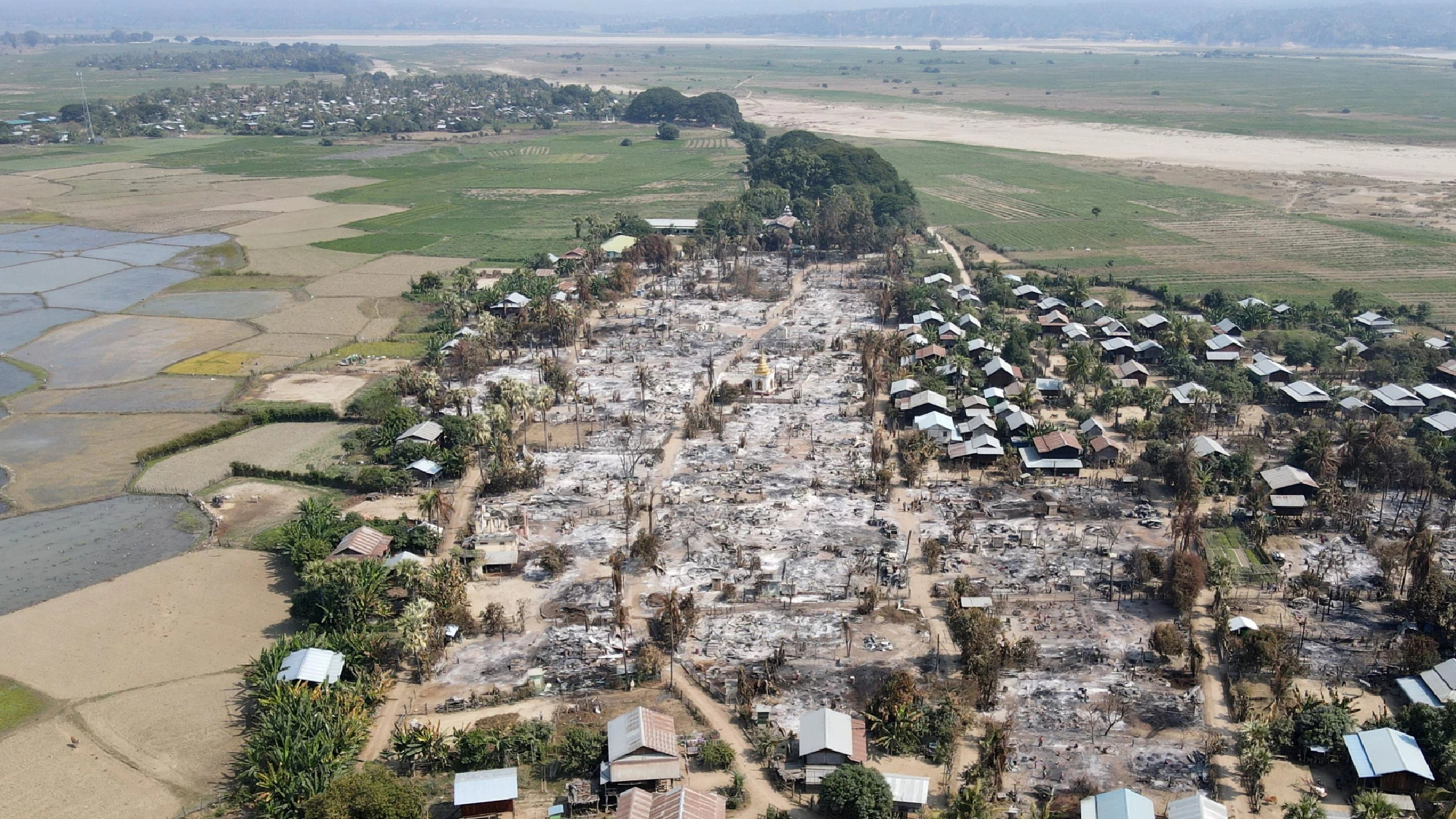
Multiple challenges, including escalating conflict and violence, the Covid-19 pandemic, climate-related disasters, rising poverty and a collapse in public services in Myanmar have left an estimated 14.4 million people including 5 million children in need of humanitarian assistance, UNICEF Myanmar has pointed out in a statement.

14.4 million people incl. 5 million children in Myanmar need humanitarian assistance: UNICEF

More than 320,900 people, including women and children, are internally displaced due to clashes and insecurity in Chin, Kachin, Kayah, Kayin, Mon and Shan states and in Magway, Sagaing and Tanintharyi regions. This is in addition to the 340,000 people living in protracted displacement before February 2021[3]. With the conflict spreading to previously unaffected areas, it is estimated that 14 out of 15 states are contaminated with landmines, explosive remnants of war or improvised explosive devices.

These interrelated risks are threatening child survival, development and well-being across the country.

Before the current crisis, about 34 per cent of the country’s 17 million children lived below the poverty line. A further 33 per cent of the population were living just above the poverty line. These people are now at great risk of falling back into poverty due to economic disruptions resulting from the current crisis. The effects of the third wave of Covid-19, combined with the economic and political situation following the military takeover in 2021, is projected to push almost half of the population into poverty by 2022.

Hard-won gains in the area of child rights are now being wiped out, threatening children’s lives, well-being and prosperity. Protecting and fulfilling the rights of children, as required by the Convention on the Rights of the Child, to which Myanmar is a State party, and the 2019 Myanmar Child Rights Law, should be a priority for everyone.

Urgent and sustained actions are needed to save an entire generation of children and young people from suffering the profound physical, psychological, educational and economic impacts of this crisis.

A UNICEF study carried out in 2020 estimated that Covid-19 could push an additional third of children in Myanmar into poverty, adding to the almost one third of children already living in poor households.

This significant increase in poverty will result in millions of children being cut off from basic services, depriving them of opportunities to fulfill their potential and putting them at risk of abuse and exploitation.

UNICEF has established mechanisms to monitor how the crisis is impacting children, particularly those in families which have lost their income, whose caregivers are detained and those who are unable to access learning or health care. Data and evidence generated through this monitoring work will inform UNICEF efforts to protect children from the worst impacts of poverty.

Asia News Network: The Nation (Thailand), The Korea Herald, The Straits Times (Singapore), China Daily,  Jakarta Post, The Star and Sin Chew Daily (Malaysia), The Statesman (India), Philippine Daily Inquirer, Yomiuri Shimbun and The Japan News, Gogo Mongolia,  Dawn (Pakistan),  The Island (Sri Lanka), Kuensel (Bhutan), Kathmandu Post (Nepal), Daily Star (Bangladesh), Eleven Media (Myanmar), the Phnom Penh Post and Rasmei Kampuchea (Cambodia), The Borneo Bulletin (Brunei), Vietnam News, and Vientiane Times (Laos).

Published : April 21, 2022

By : Eleven Media

The latest news on what’s happening in the region

#SootinClaimon.Com : ขอบคุณแหล่งข้อมูล : หนังสือพิมพ์ The Nation.

https://www.nationthailand.com/international/40014734


Check out what’s hot in the region on April 20 as The Nation puts together headlines from members of Asia News Network (ANN). Click to read more:

The latest news on what's happening in the region

Crisis Sri Lanka
One killed, 24 wounded in police shooting at Rambukkana 

The Island ( Sri Lanka )
https://www.nationthailand.com/international/40014715


Crisis Myanmar  
Limited sale of fuel in gas stations in Yangon makes a long queue of vehicles 


Eleven Media ( Myanmar )
https://www.nationthailand.com/international/40014716

Economy IMF
IMF cuts 2022 global growth forecast to 3.6% amid Russia-Ukraine conflict 


China Daily

https://www.nationthailand.com/international/40014718

History North Korea
North Korea slams Yoon for keeping mum on Japan’s history distortion 

The Korea Herald
https://www.nationthailand.com/international/40014719


Pets Japan
Japan eases rules for displaced Ukrainians’ pets

The Japan News
https://www.nationthailand.com/international/40014721

Asia News Network: The Nation (Thailand), The Korea Herald, The Straits Times (Singapore), China Daily, Jakarta Post, The Star and Sin Chew Daily (Malaysia), The Statesman (India), Philippine Daily Inquirer, Yomiuri Shimbun and The Japan News, Gogo Mongolia, Dawn (Pakistan), The Island (Sri Lanka), Kuensel (Bhutan), Kathmandu Post (Nepal), Daily Star (Bangladesh), Eleven Media (Myanmar), the Phnom Penh Post and Rasmei Kampuchea (Cambodia), The Borneo Bulletin (Brunei), Vietnam News, and Vientiane Times (Laos).

Published : April 20, 2022

Japan eases rules for displaced Ukrainians’ pets

#SootinClaimon.Com : ขอบคุณแหล่งข้อมูล : หนังสือพิมพ์ The Nation.

https://www.nationthailand.com/international/40014721


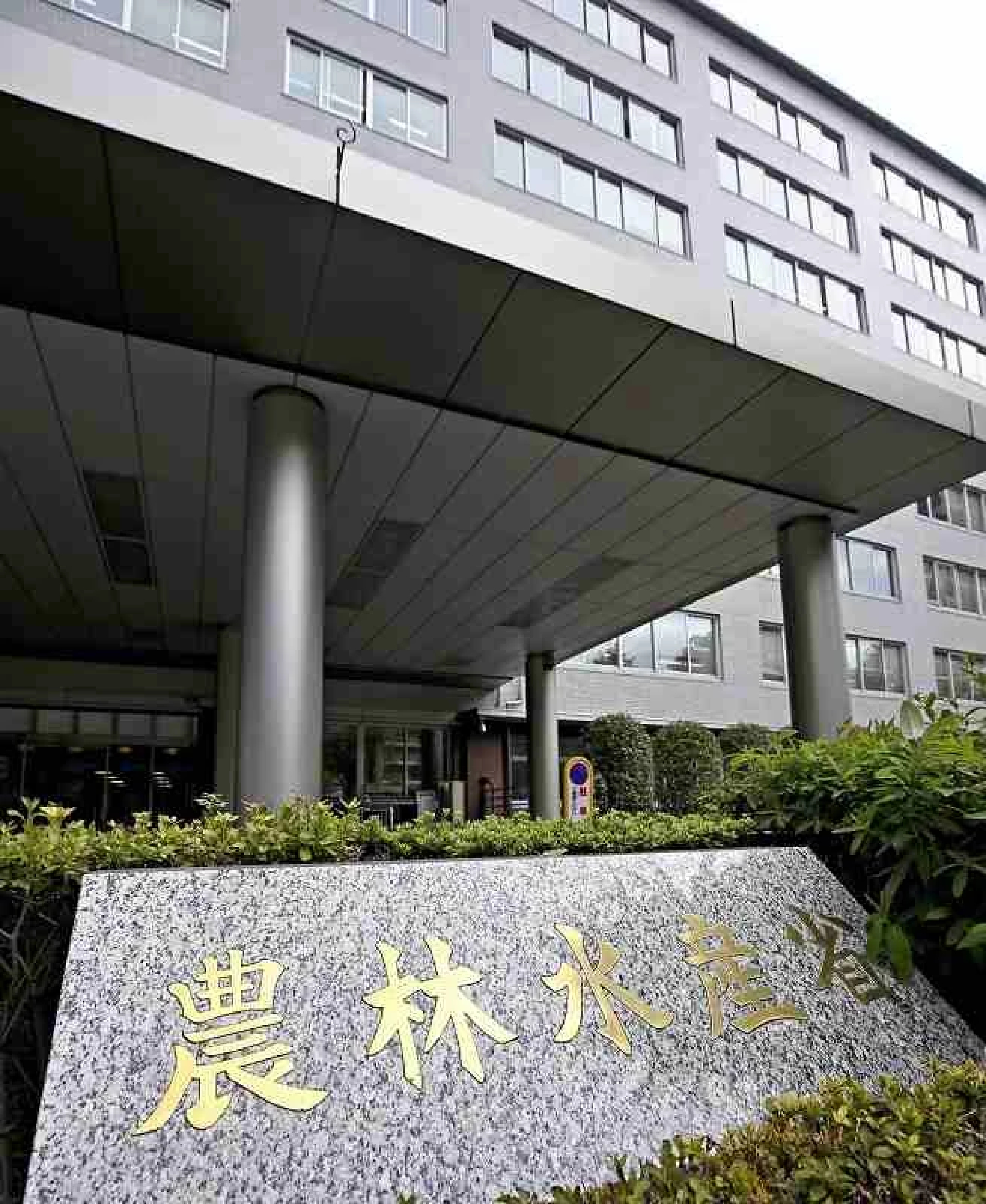
The Agriculture, Forestry and Fisheries Ministry said Monday it has eased the quarantine process for pets brought by Ukrainian people fleeing from the Russian invasion.

Japan eases rules for displaced Ukrainians’ pets

In Japan, dogs and cats from overseas must be isolated at animal quarantine stations for up to 180 days under the Rabies Prevention Law.

Under the ministry’s special measure, however, pets from Ukraine can be kept outside the station as long as they are implanted with microchips for identification and are certified to have received two doses of rabies vaccine, the ministry said.

It decided to grant the special treatment to displaced Ukrainians on the grounds that they are not in a situation to be aware of the Japanese quarantine system in advance. Five dogs had arrived in Japan from Ukraine as of Monday.

The Education, Culture, Sports, Science and Technology Ministry has sent a notice to education boards and universities nationwide to proactively accept children evacuating from Ukraine if they wish to go to school in Japan and to deal with them appropriately.

The notice says, “Many people are expected to be evacuated from Ukraine in the future,” and kindergarten, elementary, junior high and high schools as well as universities are urged to exercise flexibility to accept them.

The ministry also asked schools to provide Japanese language lessons and give support while paying close attention to the emotional state of children who are “in a difficult situation.”

Asia News Network: The Nation (Thailand), The Korea Herald, The Straits Times (Singapore), China Daily,  Jakarta Post, The Star and Sin Chew Daily (Malaysia), The Statesman (India), Philippine Daily Inquirer, Yomiuri Shimbun and The Japan News, Gogo Mongolia,  Dawn (Pakistan),  The Island (Sri Lanka), Kuensel (Bhutan), Kathmandu Post (Nepal), Daily Star (Bangladesh), Eleven Media (Myanmar), the Phnom Penh Post and Rasmei Kampuchea (Cambodia), The Borneo Bulletin (Brunei), Vietnam News, and Vientiane Times (Laos).

Published : April 20, 2022

By : The Japan News

North Korea slams Yoon for keeping mum on Japan’s history distortion

#SootinClaimon.Com : ขอบคุณแหล่งข้อมูล : หนังสือพิมพ์ The Nation.

https://www.nationthailand.com/international/40014719


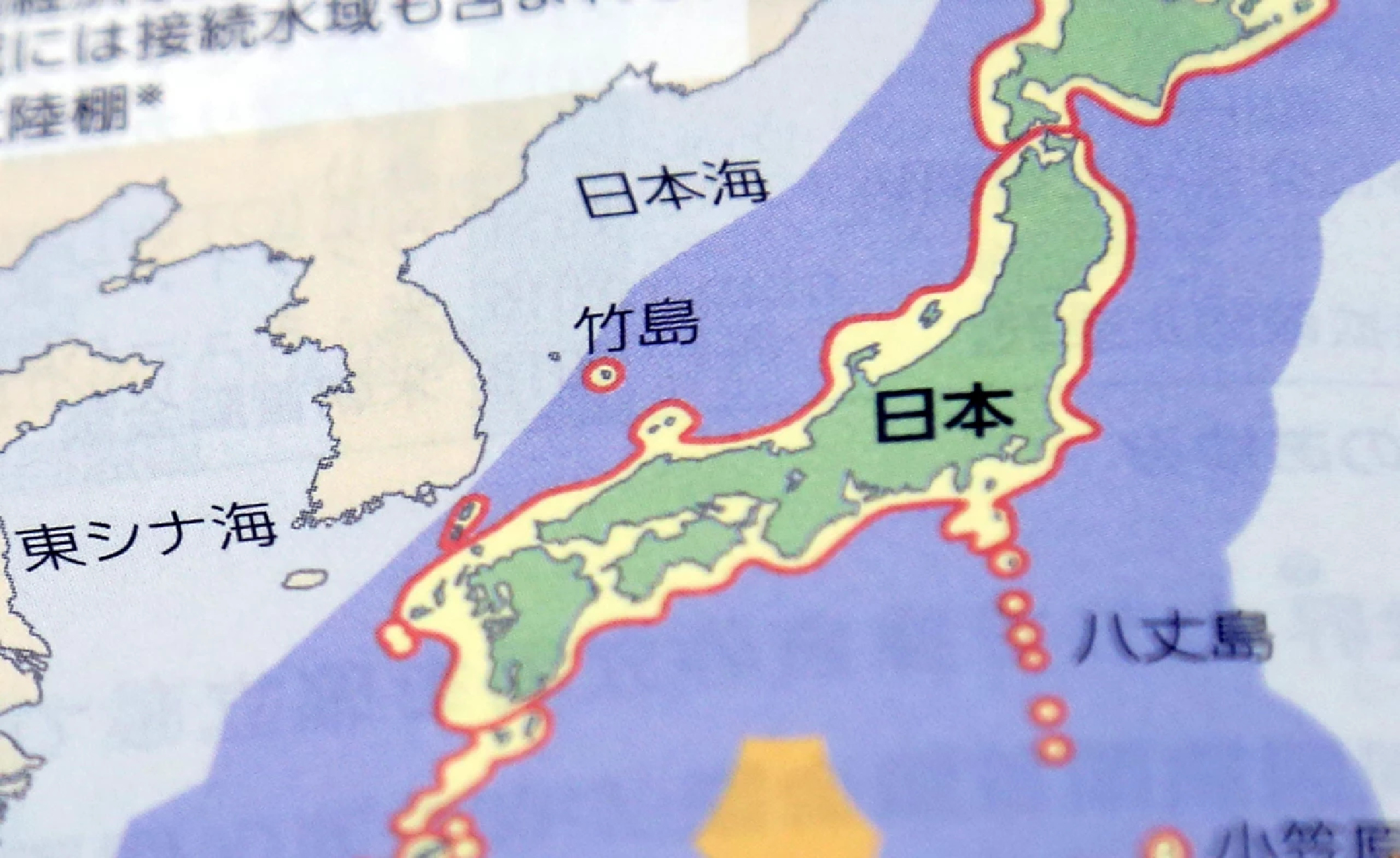
North Korea’s state propaganda outlet slammed President-elect Yoon Suk-yeol on Tuesday for keeping mum on Japan’s approval of school textbooks distorting history of its forceful acts against Korean people during the Japanese colonial period.

North Korea slams Yoon for keeping mum on Japan’s history distortion

Citing the Japanese government approving the use of high school history textbooks that distort the facts on wartime forced labor and sexual slavery of Korean people, the North said Yoon is siding with Japan in an article published on Uriminzokkiri.

“What Japan did is so outrageous that people with Korean blood, or anyone who knows even a little about the horrendous past sins of Japan would be enraged,” the article said.

“Only Yoon Suk-yeol’s office is completely ignoring (Japan’s history distortion), saying he cannot make a stance on the individual cases of foreign affairs because he is still in the position of a president-elect.”

The article went on to say how it cannot but ask whether “Yoon’s body is filled with the black ink of those islanders.”

Last month, a textbook screening committee under Japan’s Education Ministry approved of some 240 textbooks that had removed and changed terms referring to the coercive nature of its wartime forced labor and sexual slavery.

The textbooks had changed the term “forced mobilization” for “mobilization” or “conscription,” and removed the term “wartime comfort women,” in describing Koreans who were forced into hard labor and sexual slavery during the colonial period of 1910 to 1945.

North Korea also pointed to these examples and questioned Yoon’s vague stance on them.

“What is inappropriate about revealing of Japan’s unpardonable atrocities forcefully mobilizing some 8.4 million Korean people into the battlegrounds, and forcing sexual slavery to some 200,000 Korean women?” the article said.

“Is it inappropriate to say Dokdo islets are our land?”

It also said Yoon’s ignorance is the same as quietly applauding Japan publishing the textbooks, constituting a “betrayal.”

The outlet criticized Yoon’s past remarks when he was running as a presidential candidate, such as that there has not been any radioactive effluent from the Fukushima nuclear plant disaster and that Japan’s Self-Defense Force could enter the Korean Peninsula in the case of war, among others.

Following the Japanese ministry’s approval of the history textbooks, Yoon’s then-spokesperson Rep. Kim Eun-hye said it was “inappropriate” to express a stance on individual foreign affairs.

By Jo He-rim

Asia News Network: The Nation (Thailand), The Korea Herald, The Straits Times (Singapore), China Daily,  Jakarta Post, The Star and Sin Chew Daily (Malaysia), The Statesman (India), Philippine Daily Inquirer, Yomiuri Shimbun and The Japan News, Gogo Mongolia,  Dawn (Pakistan),  The Island (Sri Lanka), Kuensel (Bhutan), Kathmandu Post (Nepal), Daily Star (Bangladesh), Eleven Media (Myanmar), the Phnom Penh Post and Rasmei Kampuchea (Cambodia), The Borneo Bulletin (Brunei), Vietnam News, and Vientiane Times (Laos).

Published : April 20, 2022

By : The Korea Herald

IMF cuts 2022 global growth forecast to 3.6% amid Russia-Ukraine conflict

#SootinClaimon.Com : ขอบคุณแหล่งข้อมูล : หนังสือพิมพ์ The Nation.

https://www.nationthailand.com/international/40014718


WASHINGTON — The International Monetary Fund (IMF) on Tuesday slashed global growth forecast for 2022 to 3.6 percent amid the Russia-Ukraine conflict, 0.8 percentage point lower than the January projection, according to its newly released World Economic Outlook (WEO) report.

IMF cuts 2022 global growth forecast to 3.6% amid Russia-Ukraine conflict

The Ukraine crisis unfolds while the global economy is “on a mending path” but has not yet fully recovered from the COVID-19 pandemic, the report said, noting that global economic prospects have worsened “significantly” since the forecast in January.

A severe double-digit drop in GDP for Ukraine and a large contraction in Russia are “more than likely,” along with worldwide spillovers through commodity markets, trade and financial channels, the report showed.

This year’s growth outlook for the European Union has been revised downward by 1.1 percentage points to 2.8 percent due to the indirect effects of the conflict, making it a large contributor to the overall downward revision, according to the report.

The U.S. economy is on track to grow 3.7 percent in 2022, 0.3 percentage point lower than the January projection, before growth moderating to 2.3 percent in 2023. The Chinese economy is expected to grow 4.4 percent this year, 0.4 percentage point lower than the previous projection, followed by a 5.1-percent growth in 2023, the report showed.

China’s National Bureau of Statistics said Monday the country’s gross domestic product grew 4.8 percent year on year to 27.02 trillion yuan (about 4.24 trillion U.S. dollars) in the first three months, which is a steady start in 2022 in the face of global challenges and a resurgence of COVID-19 cases.

Analysts said the full-year growth target of 5.5 percent set by China’s policymakers is still attainable but requires greater efforts, given increasing economic headwinds.

Global growth is projected to decline from an estimated 6.1 percent in 2021 to 3.6 percent in both 2022 and 2023, 0.8 and 0.2 percentage points lower for 2022 and 2023, respectively, than in the January projection, the report noted.

The latest report said the Russia-Ukraine conflict, monetary tightening and financial market volatility, and the pandemic would shape the near-term global outlook.

Inflation has become “a clear and present danger” for many countries, IMF chief economist Pierre-Olivier Gourinchas noted in a blog published Tuesday morning.

He said even prior to the Russia-Ukraine conflict, inflation surged on the back of soaring commodity prices and supply-demand imbalances, and many central banks, such as the U.S. Federal Reserve, had already moved toward tightening monetary policy.

Conflict-related disruptions “amplify those pressures,” said Gourinchas. “We now project inflation will remain elevated for much longer.”

For 2022, inflation is projected at 5.7 percent in advanced economies and 8.7 percent in emerging markets and developing economies, 1.8 and 2.8 percentage points higher than the January projection, the report showed.

Financial conditions tightened for emerging markets and developing countries immediately after the conflict, Gourinchas noted. “Several financial fragility risks remain, raising the prospect of a sharp tightening of global financial conditions as well as capital outflows,” he said.

On the fiscal side, policy space was already eroded in many countries by the pandemic, said the IMF chief economist. “The surge in commodity prices and the increase in global interest rates will further reduce fiscal space, especially for oil- and food-importing emerging markets and developing economies.”

The report also warned that the conflict increases the risk of a more “permanent fragmentation” of the world economy into geopolitical blocks with distinct technology standards, cross-border payment systems and reserve currencies.

“Such a ‘tectonic shift’ would cause long-run efficiency losses, increase volatility and represent a major challenge to the rules-based framework that has governed international and economic relations for the last 75 years,” Gourinchas said.

Asia News Network: The Nation (Thailand), The Korea Herald, The Straits Times (Singapore), China Daily,  Jakarta Post, The Star and Sin Chew Daily (Malaysia), The Statesman (India), Philippine Daily Inquirer, Yomiuri Shimbun and The Japan News, Gogo Mongolia,  Dawn (Pakistan),  The Island (Sri Lanka), Kuensel (Bhutan), Kathmandu Post (Nepal), Daily Star (Bangladesh), Eleven Media (Myanmar), the Phnom Penh Post and Rasmei Kampuchea (Cambodia), The Borneo Bulletin (Brunei), Vietnam News, and Vientiane Times (Laos).

Published : April 20, 2022

By : China Daily

Limited sale of fuel in gas stations in Yangon makes a long queue of vehicles

#SootinClaimon.Com : ขอบคุณแหล่งข้อมูล : หนังสือพิมพ์ The Nation.

https://www.nationthailand.com/international/40014716


Gas stations in Yangon are selling limited fuel and cars are queuing up to fuel.

Limited sale of fuel in gas stations in Yangon makes a long queue of vehicles

Cars have been queuing up at gas stations since the morning of April 19 to buy fuel but they cannot buy as much as they need, according to a vehicle owner who bought the petrol.

“I went to Max fuel station in the morning to fuel a car that uses 95 Ron, but the station staff told me they have ran out of 95 Ron and only selling 92 and 97 Ron,” said a car owner.

Some petrol stations limited the sale of fuel per vehicle to K50,000 maximally, said a vehicle owner.

“The limited sale of 92 Ron per vehicle is K20,000 and 95 Ron is K50,000. The fuel tank will not be full in this rate,” he said.

In addition, a person who went to Myawaddy petrol station said that the station limited the sale of fuel per vehicle to K30,000.

Today gas prices in Yangon Region are is K1,890 per litre for 92 Ron and K1,975 per litre for 95 Ron, announced the denko gas station.

Asia News Network: The Nation (Thailand), The Korea Herald, The Straits Times (Singapore), China Daily,  Jakarta Post, The Star and Sin Chew Daily (Malaysia), The Statesman (India), Philippine Daily Inquirer, Yomiuri Shimbun and The Japan News, Gogo Mongolia,  Dawn (Pakistan),  The Island (Sri Lanka), Kuensel (Bhutan), Kathmandu Post (Nepal), Daily Star (Bangladesh), Eleven Media (Myanmar), the Phnom Penh Post and Rasmei Kampuchea (Cambodia), The Borneo Bulletin (Brunei), Vietnam News, and Vientiane Times (Laos).

Published : April 20, 2022

By : Eleven Media

One killed, 24 wounded in police shooting at Rambukkana

#SootinClaimon.Com : ขอบคุณแหล่งข้อมูล : หนังสือพิมพ์ The Nation.

https://www.nationthailand.com/international/40014715


Countrywide protests against steep fuel price hikes: Govt. announces 35% bus fare increase; minimum charge Rs 27. Indefinite curfew declared in part of Kegalle District following incident.

One killed, 24 wounded in police shooting at Rambukkana

Having failed to disperse those who had been blocking the railway line at Rambukkana for over 15 hours in protest against the latest increase in the price of diesel and petrol, the police yesterday evening opened fire on protesters. Several protesters suffered injuries, and one of them, succumbed to his injuries; two others underwent emergency operations at the Kegalle hospital. Hospital sources said 21 others had been admitted to hospital.

It was the first occasion the police opened fire since public protests erupted on 31 March demanding the resignation of President Gotabaya Rajapaksa and his government over the rapid deterioration of the economy.

Police spokesperson SSP Nihal Thalduwa said that the police had been compelled to use force after protesters started causing damages to public property. The official alleged that an attempt had been made to set fire to a fuel bowser.

Trouble at Rambukkana led to the public forcing a Fort bound train to stop at Rambukkana, while people blocked the Colombo-Kandy and Colombo-Chilaw roads.

Earlier in the day, private bus operators, in Colombo and its suburbs, as well as in the provinces, yesterday (19) suspended services, demanding immediate relief in the wake of the steep increase in the price of diesel, by the loss- making CPC.

They blocked roads in several parts of the country, including the entrance to the Katunayake-Colombo Expressway, over a mile away from the Bandaranaike International Airport.

The police intervened at many places though private bus services couldn’t be restored. Private bus operators called for an immediate revision of bus fares as they couldn’t bear the latest increase.

Some asked for diesel at discounted price for private bus operators to maintain bus fares at the present rate.

The CPC has matched the cost of a litre of Lanka IOC’s diesel and petrol by revising price to Rs 289 and Rs 338, respectively.

Following consultations between Transport Minister Dilum Amunugama and relevant authorities, the former announced a 35 percent increase in private and SLTB bus fares and the minimum charge was increased to Rs 27.

Amunugama has succeeded Pavitradevi Wanniarachchi in the cabinet reshuffle effected in response to the political crisis whereas the Samagi Jana Balavegaya National List MP Diana Gamage received the appointment as the State Transport Minister.

Three wheeler drivers, too, protested against the increase in the price of petrol while protests erupted at a service station in Rambukkana after the management announced the closing of its fuel dispensing pumps in the wake of CPC price revision. They demanded fuel at the previous price as old stocks were available therein.

In spite of repeated assurances to normalise the fuel distribution network during the Sinhala and Tamil New year the country continued to experience fuel shortages.

SJB MP Mujibur Rahuman said that the country was paying a huge price for a spate of wrong decisions taken by President Gotabaya Rajapaksa.

The President should reveal who really advised him not to seek the IMF’s intervention at the first signs of a forex currency crisis, Colombo District MP Rahuman said. Having acknowledged that the current crisis could have been avoided if the IMF’s assistance was sought much earlier, President Rajapaksa couldn’t remain silent as regards the culpability of his advisors, the lawmaker said.

The police yesterday imposed a curfew in Rambukkana indefinitely.

By Shamindra Ferdinando and Rathindra Kuruwita

Asia News Network: The Nation (Thailand), The Korea Herald, The Straits Times (Singapore), China Daily,  Jakarta Post, The Star and Sin Chew Daily (Malaysia), The Statesman (India), Philippine Daily Inquirer, Yomiuri Shimbun and The Japan News, Gogo Mongolia,  Dawn (Pakistan),  The Island (Sri Lanka), Kuensel (Bhutan), Kathmandu Post (Nepal), Daily Star (Bangladesh), Eleven Media (Myanmar), the Phnom Penh Post and Rasmei Kampuchea (Cambodia), The Borneo Bulletin (Brunei), Vietnam News, and Vientiane Times (Laos).

Published : April 20, 2022

By : The Island