N.Korea tests new guided missiles to reinforce ‘tactical nuclear operation’

#SootinClaimon.Com : ขอบคุณแหล่งข้อมูล : หนังสือพิมพ์ The Nation.

https://www.nationthailand.com/international/40014641


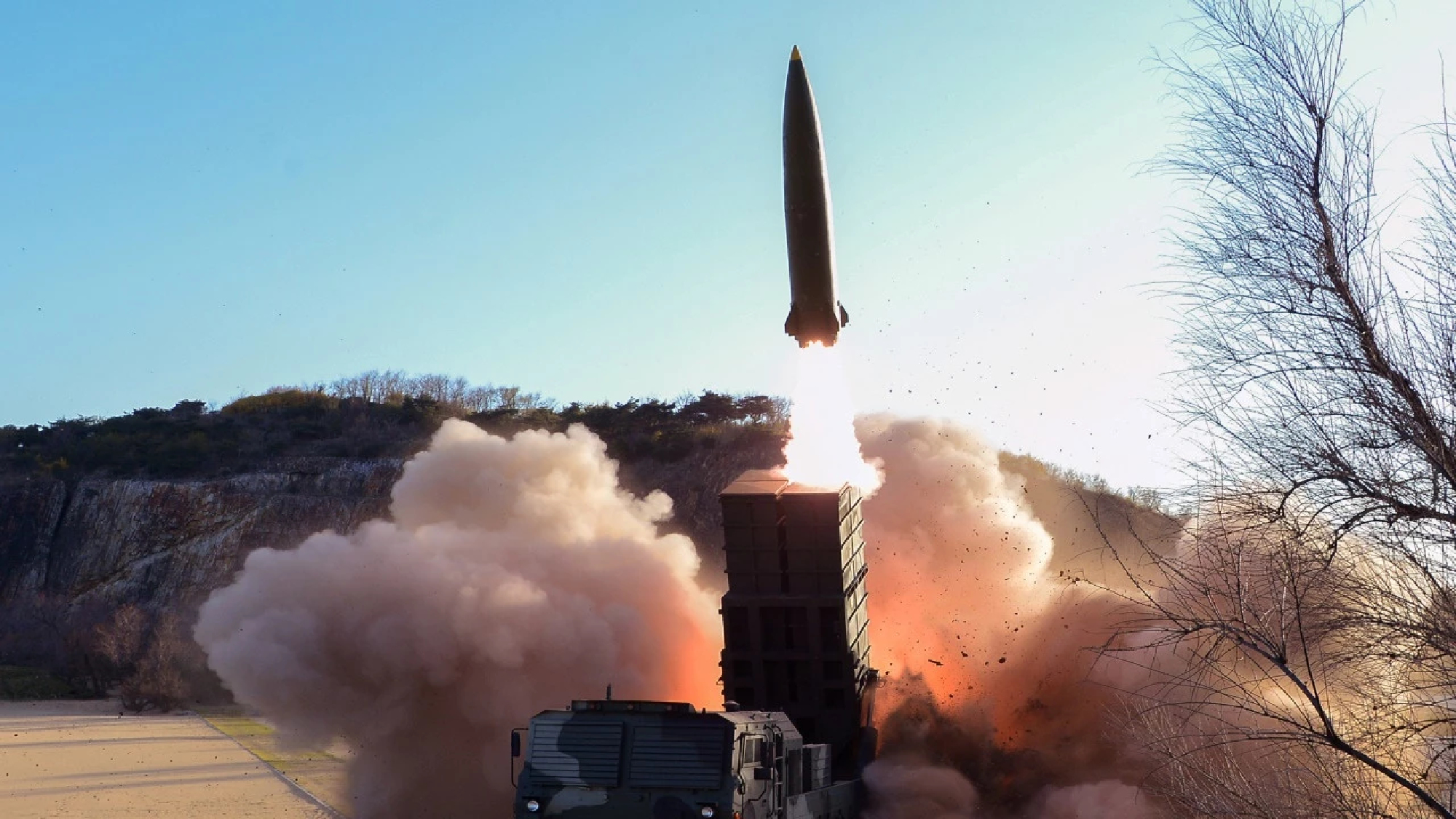
North Korea on Sunday said the country test-fired a “new-type tactical guided weapon system” to enhance its capabilities to effectively operate “tactical nuclear weapons,” as part of a five-year defense plan to bolster up its “war deterrent.”
N.Korea tests new guided missiles to reinforce ‘tactical nuclear operation’

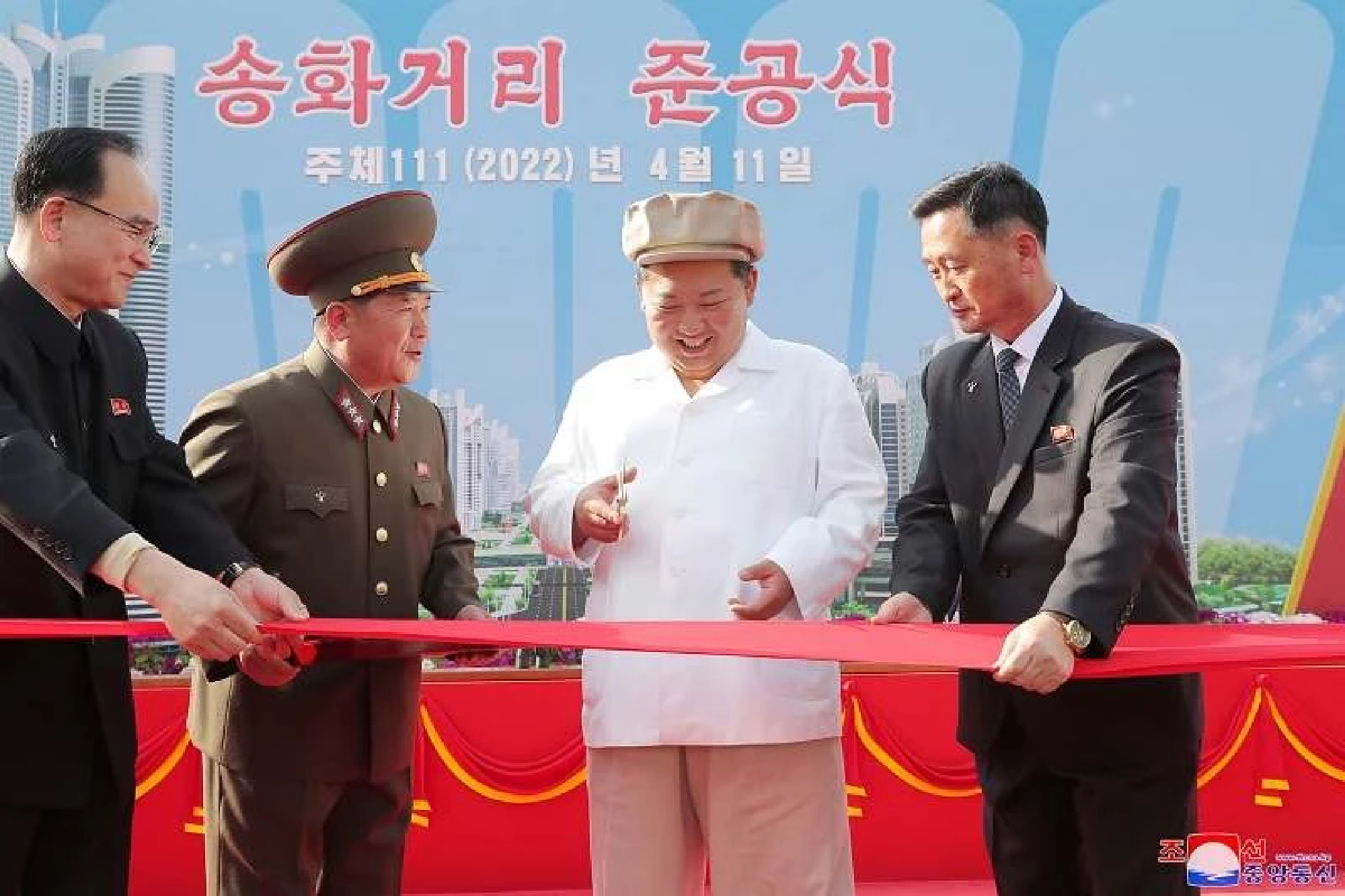
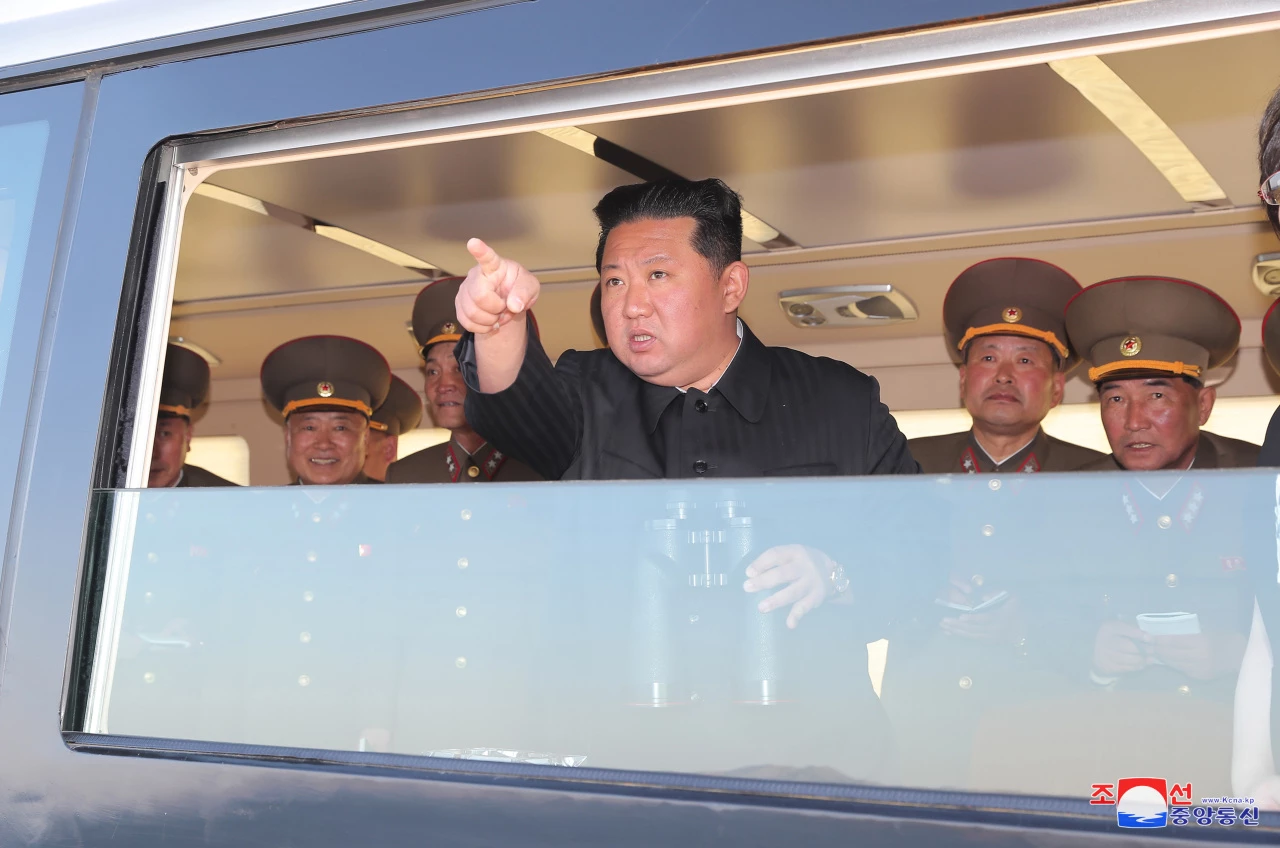
North Korean leader Kim Jong-un observed the test launch of the new weapons system which has been “developed under special attention of the Party Central Committee,” the state-run Korean Central News Agency reported without revealing the date of the test-firing.

The state media outlet notably indicated that the tactical guided missiles are designed to carry tactical nuclear weapons, which the North Korean leader ordered be developed at the 8th Party Congress in January 2021.

The tactical guided weapon system is of “great significance in drastically improving the firepower of the frontline long-range artillery units and enhancing the efficiency in the operation of tactical nukes of the DPRK and diversification of their firepower missions,” KCNA reported in an English-language dispatch.

Kim Jong-un highly appreciated a series of achievements by the national defense scientific research sector in “attaining the core goals of securing the war deterrent set at the 8th Party Congress,” according to KCNA.

The North Korean leader also “gave important instructions on further building up the defense capabilities and nuclear combat forces of the country,” while revealing the Party Central Committee’s “long-term plan for bolstering up the defense capabilities of the country.”

Close-range ballistic missile launches
South Korea’s Joint Chiefs of Staff on Sunday belatedly confirmed that North Korea test-launched “two projectiles” on Saturday at around 6 p.m. from the Hamhung area toward the East Sea, emphasizing that South Korea and the US were “closely tracking” North Korea’s move related to the test-firing.

The South Korean military, intelligence agencies and Cheong Wa Dae’s National Security Office held an emergency meeting immediately after the launches, assessed the situation and discussed countermeasures, according to the JCS.

National security adviser Suh Hoon on Sunday convened another meeting of the presidential National Security Council on North Korea’s military activities, while South Korea and the US brace for the possibility of North Korea conducting a major weapons test on the occasion of the 90th anniversary of the Korean People’s Army on April 25.

The two projectiles flew approximately 110 kilometers at an altitude of around 25 kilometers, with a maximum speed of Mach 4.0 or lower, the JCS said in a statement, without defining the launched projectiles as “ballistic missiles” in the public statement.

But the South Korean military authorities and analysts assess that the new-type tactical guided weapon is analogous to South Korea’s Korean Tactical Surface to Surface Missile (KTSSM) in appearance.

“My first impression is that it looks similar to the KTSSM. One can also say that it is a smaller KN-23/24. I believe it shares their trajectory characteristics, and it is also an aero-ballistic missile that flies at low altitude and can maneuver during flight,” Xu Tianran, an analyst for Open Nuclear Network, told The Korea Herald.

North Korea has developed KN-23 and 24 solid-propellant short-range ballistic missiles reportedly have greater maneuverability and conduct “pull-up maneuvers” in flight to evade and penetrate South Korea and the US missile defenses. The KN-23 and 24 are believed to be dual-capable missiles that are capable of delivering both conventional and nuclear payloads.

“It’s a small, solid-fuel close-range ballistic missile. North Korea appears to indicate that they will use this system for tactical nuclear weapons delivery,” Ankit Panda, a senior fellow at the Carnegie Endowment for International Peace, told The Korea Herald, noting that the CRBM appears to be of the KN-23 and 24 lineages.
N.Korea tests new guided missiles to reinforce ‘tactical nuclear operation’

Use of tactical nuclear weapons
Analysts also noted that Sunday’s KCNA report shows North Korea’s intent to develop missiles that can carry tactical nuclear weapons. The test also came amid Pyongyang reportedly having geared up for a seventh nuclear test at the Punggye-ri test site.

“North Korea no longer hides that short-and medium-range missiles have been developed to deliver tactical nuclear weapons,” Park Won-gon, professor of North Korea studies at Ewha Womans University, said.

Park said Pyongyang has “bluntly” declared that the “the test launches of short and medium-range tactical missiles, which began in May 2019, aim to develop and deploy the missiles which can target South Korea, Japan, and Guam.”

Saturday’s new weapons test also shows North Korea’s goal to “incapacitate South Korea and the US’ missile defenses by continuously developing and variegating tactical nuclear weapons.”

Specifically, the North Korean media report on the effectiveness of tactical nuclear operations and diversification of firepower missions suggests that North Korea seeks to “utilize a wide variety” of tactical nuclear delivery vehicles such as KN-23, 24, 25, hypersonic missiles, and long-range cruise missiles.

“As North Korea is replacing the (previous missile program) with a new corps of the solid-propellant missiles which can conduct an evasive and circling maneuver, there is a clear limit in intercepting missiles with the current South Korean and US missile defenses,” Park said.

Xu also pointed out that it is “apparent that they (North Korea) are aware of their weakness in conventional weapons, and are compensating with nuclear weapons on all layers and levels” despite questions remaining on the North’s definition of a tactical nuclear weapon. 

Sunday’s report came around two weeks after North Korea warned that it will inevitably use nuclear weapons to “annihilate” South Korean conventional forces if South Korea chooses a military confrontation in a statement issued by the North Korean leader’s powerful sister Kim Yo-jong.

Xu said North Korea’s recent moves could indicate a shift in nuclear use doctrine, which the country has not yet publicly declared, from “assured retaliation to first use and nuclear warfighting.”

North Korea had focused on ensuring nuclear retaliatory or second-strike capability as a deterrence. But Xu said it seems North Korea is “more serious about nuclear warfighting” as the country enhances nuclear capabilities, diversified nuclear delivery systems, and continues fissile material production.

Joint military drills begin
North Korea’s announcement notably came a day before South Korea and the US kick off their joint springtime military drills, which North Korea has denounced as a ”rehearsal for a war of invasion against it.”

“One reason for the political timing could be to protest anticipated US-South Korea military drills. North Korea usually has multiple objectives for every action and statement, although oftentimes the aim is domestic especially during Kim Jong Un‘s rule,” Kim Du-yeon, Seoul-based adjunct senior fellow at the Center for a New American Security, told The Korea Herald.

“North Korea fundamentally has a domestic imperative to make and perfect the types of advanced weapons that Kim Jong Un ordered last year regardless of what the US does or doesn’t do. The test also tells his people that their country is strong despite their apparent economic difficulties,” Kim added.

South Korea and the US will conduct a computer-based Combined Command Post Training for nine days from Monday “comprehensively considering the overall conditions such as COVID-19 situation and maintaining the combined defense posture,” South Korea’s JCS said Sunday.

The JCS said both sides will skip a field training exercises, highlighting that the joint military drills are “defensive in nature.”

“The training aims to enhance the combined operational capabilities of South Korean and US soldiers and will serve as an opportunity to further strengthen our combined defense posture.”

Published : April 18, 2022

By : The Korea Herald

PM Shehbaz writes letter to Modi, says peaceful Pak-India ties imperative for progress of region

#SootinClaimon.Com : ขอบคุณแหล่งข้อมูล : หนังสือพิมพ์ The Nation.

https://www.nationthailand.com/blogs/international/40014640


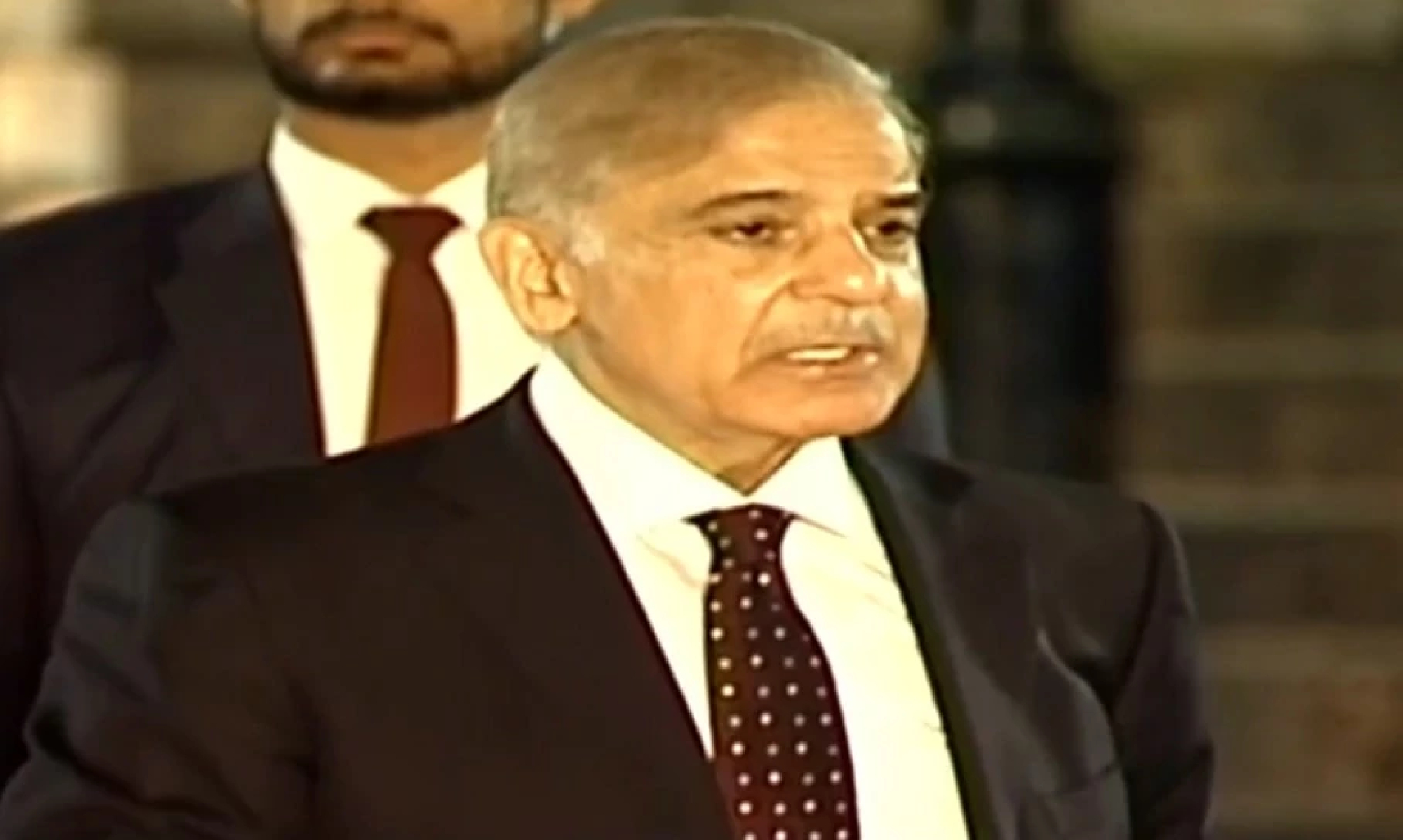
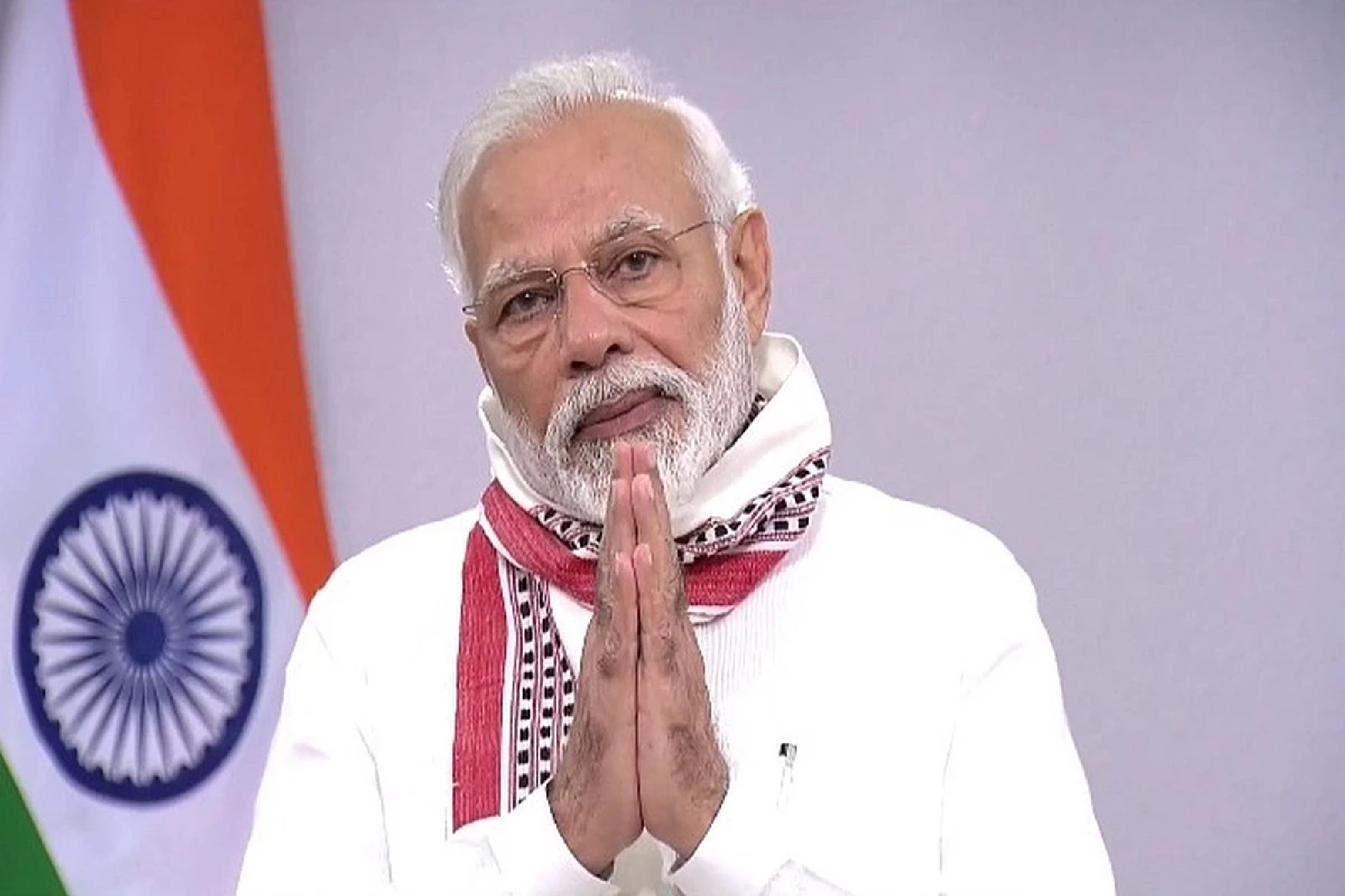
Prime Minister Shehbaz Sharif on Sunday penned a letter to Indian Prime Minister Narendra Modi, calling on him to resolve the Jammu and Kashmir dispute in the “interest of mutual peace and prosperity” for India and Pakistan.

PM Shehbaz writes letter to Modi, says peaceful Pak-India ties imperative for progress of region

Modi had congratulated the premier on his April 11 election as the prime minister and said India desired peace and stability in the region. PM Shehbaz had reciprocated the gesture and said Pakistan desired “peaceful and cooperative ties” with India for which a solution to the Kashmir dispute was “indispensable”.

In Sunday’s letter, a copy of which is available with Dawn.com, the prime minister reiterated his gratitude to his Indian counterpart for his well wishes and said that Pakistan remained “committed to the maintenance of regional peace and security”.

The letter said Pakistan’s sacrifices and contribution towards fighting and eliminating terrorism were “well known and globally acknowledged”.

“We believe that peaceful and cooperative ties between Pakistan and India are imperative for the progress and socioeconomic uplift of our people and for the region.

“This can be best achieved through meaningful engagement and peaceful resolution of all outstanding disputes, including the core issue of Jammu and Kashmir,” PM Shehbaz wrote.

He called on Modi to collectively secure peace and work for the “progress and prosperity of our people”.

Published : April 18, 2022

By : DAWN

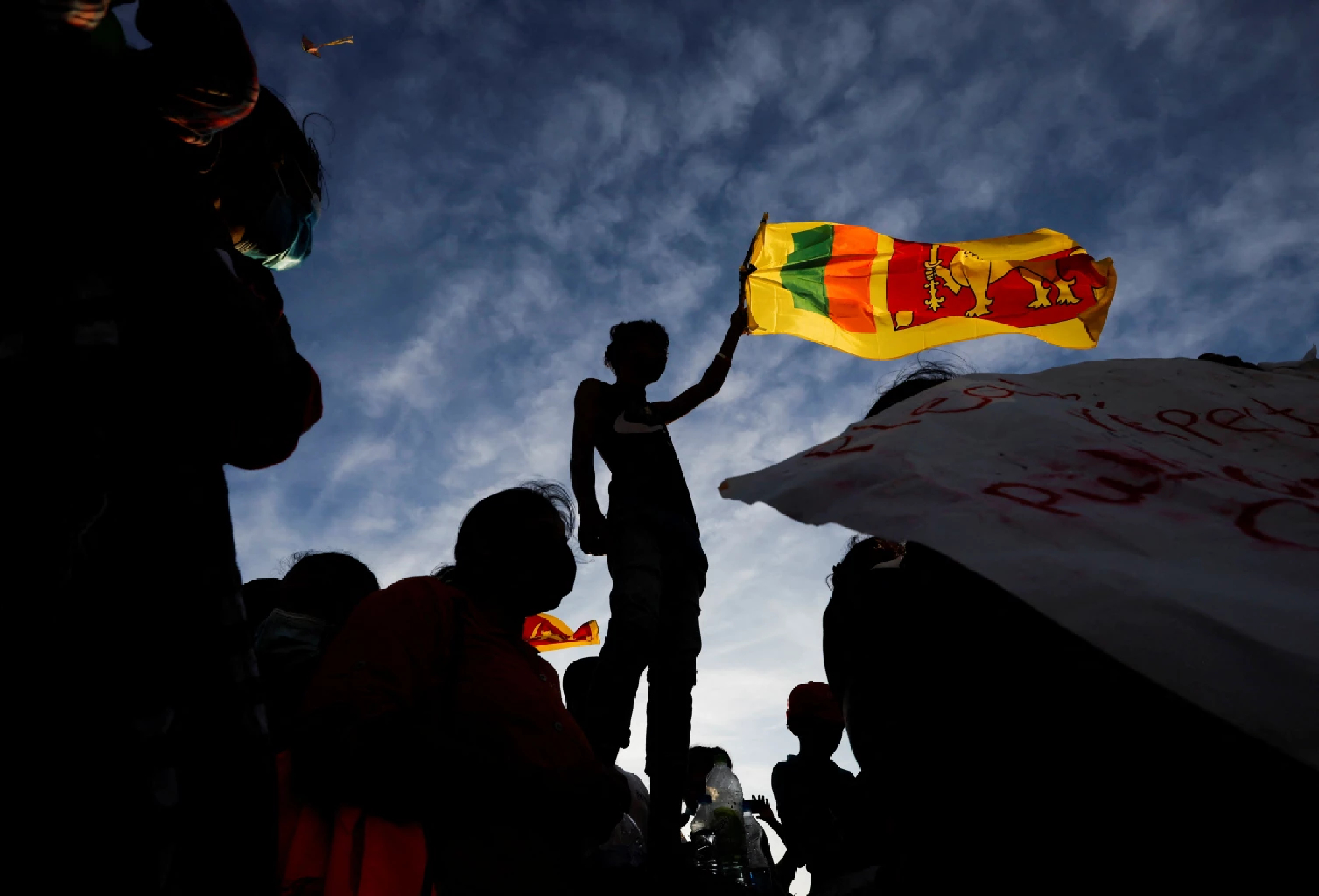
What’s happening in Sri Lanka and how did the economic crisis start?

#SootinClaimon.Com : ขอบคุณแหล่งข้อมูล : หนังสือพิมพ์ The Nation.

https://www.nationthailand.com/international/40014621


Sri Lanka is in the midst of one of the worst economic crises it’s ever seen. It has just defaulted on its foreign debts for the first time since its independence, and its people are facing crippling 12-hour power cuts, and an extreme scarcity of food, fuel and other essential items such as medicines.

What’s happening in Sri Lanka and how did the economic crisis start?

Inflation is at an all-time high of 17.5%, with prices of food items such as a kilogram of rice soaring to 500 Sri Lankan rupees when it would normally cost around 80 rupees. Amid shortages, one 400g packet of milk powder is reported to cost over 250 rupees, when it usually costs around 60 rupees.

On April 1, President Gotabaya Rajapaksa declared a state of emergency. In less than a week, he withdrew it following massive protests by angry citizens over the government’s handling of the crisis.

The country relies on the import of many essential items including petrol, food items and medicines. Most countries will keep foreign currencies on hand to trade for these items, but a shortage of foreign exchange in Sri Lanka is being blamed for the sky-high prices.

Many believe Sri Lanka’s economic relations with China are the main driver behind the crisis. The United States has called this phenomenon debt-trap diplomacy. This is where a creditor country or institution extends debt to a borrowing nation to increase the lender’s political leverage if the borrower extends itself and cannot pay the money back, they are at the creditor’s mercy.

However, loans from China accounted for only about 10% of Sri Lanka’s total foreign debt in 2020. The largest portion about 30% can be attributed to international sovereign bonds. Japan accounts for a higher proportion of its foreign debt, at 11%.

Defaults over China’s infrastructure-related loans to Sri Lanka, especially the financing of the Hambantota port, are being cited as factors contributing to the crisis.

But these facts don’t add up. The construction of the Hambantota port was financed by the Chinese Exim Bank. The port was running losses, so Sri Lanka leased out the port for 99 years to the Chinese Merchant’s Group, which paid Sri Lanka US 1.12 billion.

So the Hambantota port fiasco did not lead to a balance of payments crisis (where more money or exports are going out than coming in), it bolstered Sri Lanka’s foreign exchange reserves by US 1.12 billion.

Post-independence from the British in 1948, Sri Lanka’s agriculture was dominated by export-oriented crops such as tea, coffee, rubber and spices. A large share of its gross domestic product came from the foreign exchange earned from exporting these crops. That money was used to import essential food items.

Over the years, the country also began exporting garments and earning foreign exchange from tourism and remittances (money sent into Sri Lanka from abroad, perhaps by family members). Any decline in exports would come as an economic shock, and put foreign exchange reserves under strain.

For this reason, Sri Lanka frequently encountered balance of payments crises. From 1965 onwards, it obtained 16 loans from the International Monetary Fund (IMF). Each of these loans came with conditions including that once Sri Lanka received the loan they had to reduce their budget deficit, maintain a tight monetary policy, cut government subsidies for food for the people of Sri Lanka, and depreciate the currency (so exports would become more viable).

But usually, in periods of economic downturns, good fiscal policy dictates governments should spend more to inject stimulus into the economy. This becomes impossible with the IMF conditions. Despite this situation, the IMF loans kept coming, and a beleaguered economy soaked up more and more debt.

The last IMF loan to Sri Lanka was in 2016. The country received the US 1.5 billion for three years from 2016 to 2019. The conditions were familiar, and the economy’s health was nosedived over this period. Growth, investments, savings and revenues fell, while the debt burden rose.

A bad situation turned worse with two economic shocks in 2019. First, there was a series of bomb blasts in churches and luxury hotels in Colombo in April 2019. The blasts led to a steep decline in tourist arrivals with some reports stating up to an 80% drop and drained foreign exchange reserves. Second, the new government under President Gotabaya Rajapaksa irrationally cut taxes.

Value-added tax rates (akin to some nations’ goods and services taxes) were cut from 15% to 8%. Other indirect taxes such as the nation-building tax, the pay-as-you-earn tax and economic service charges were abolished. Corporate tax rates were reduced from 28% to 24%. About 2% of the gross domestic product was lost in revenues because of these tax cuts.

In March 2020, the COVID-19 pandemic struck. In April 2021, the Rajapaksa government made another fatal mistake. To prevent the drain of foreign exchange reserves, all fertiliser imports were completely banned. Sri Lanka was declared a 100% organic farming nation. This policy, which was withdrawn in November 2021, led to a drastic fall in agricultural production and more imports became necessary.

But foreign exchange reserves remained under strain. A fall in the productivity of tea and rubber due to the ban on fertiliser also led to lower export incomes. Due to lower export incomes, there was less money available to import food and food shortages arose.

Because there is less food and other items to buy, but no decrease in demand, the prices for these goods rise. In February 2022, inflation rose to 17.5%.

n all probability, Sri Lanka will now obtain a 17th IMF loan to tide over the present crisis, which will come with fresh conditions.

A deflationary fiscal policy will be followed, which will further limit the prospects of economic revival and exacerbate the sufferings of the Sri Lankan people. 

By R Ramakumar, Professor of Economics, Tata Institute of Social Sciences

The Island (Sri Lanka)

Asia News Network: The Nation (Thailand), The Korea Herald, The Straits Times (Singapore), China Daily,  Jakarta Post, The Star and Sin Chew Daily (Malaysia), The Statesman (India), Philippine Daily Inquirer, Yomiuri Shimbun and The Japan News, Gogo Mongolia,  Dawn (Pakistan),  The Island (Sri Lanka), Kuensel (Bhutan), Kathmandu Post (Nepal), Daily Star (Bangladesh), Eleven Media (Myanmar), the Phnom Penh Post and Rasmei Kampuchea (Cambodia), The Borneo Bulletin (Brunei), Vietnam News, and Vientiane Times (Laos).
 

Published : April 17, 2022

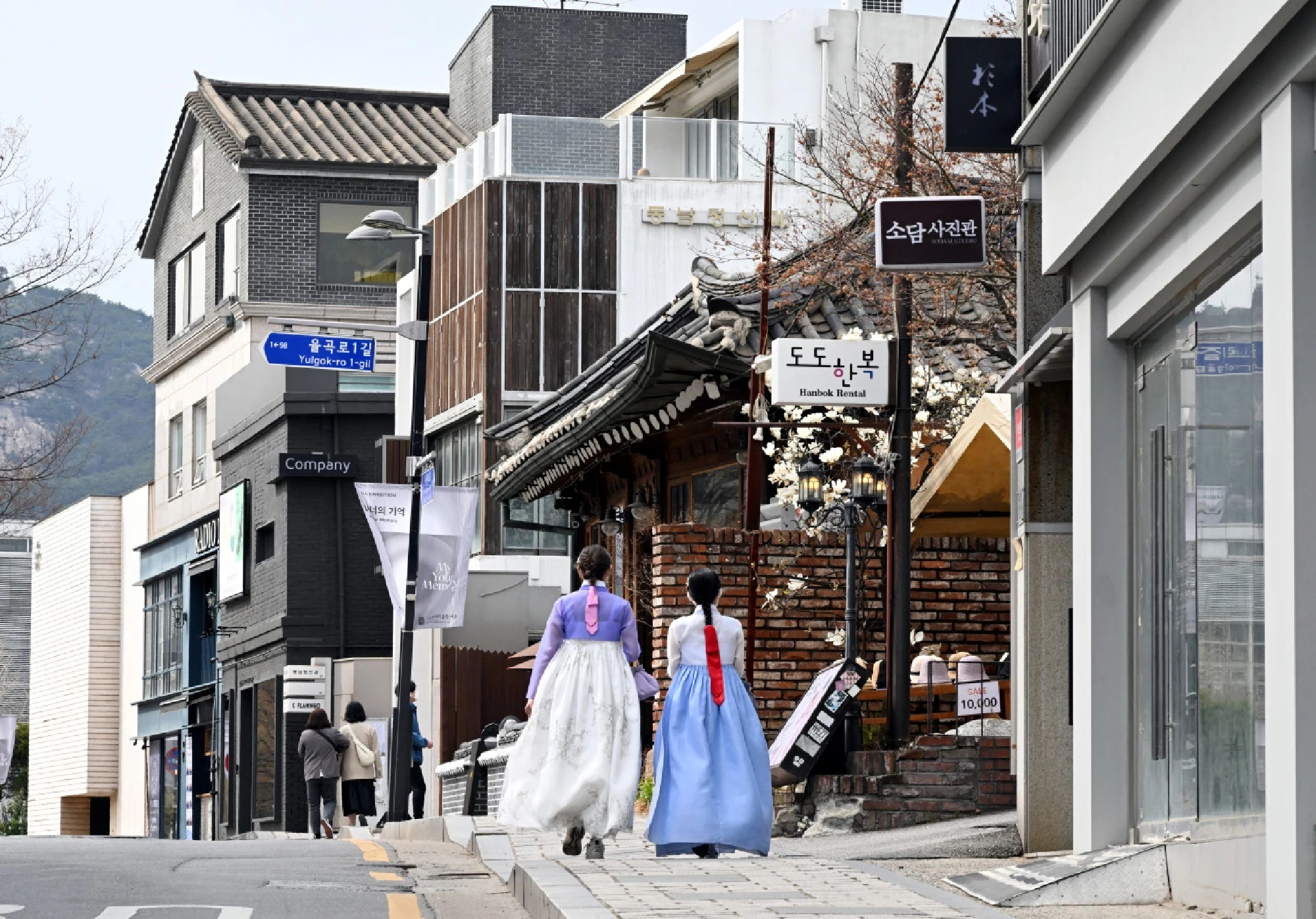
Sogyeok-dong: where past and present coexist

#SootinClaimon.Com : ขอบคุณแหล่งข้อมูล : หนังสือพิมพ์ The Nation.

https://www.nationthailand.com/international/40014620


Located across the street from Gyeongbok Palace, Sogyeok-dong is a small neighbourhood where Korea’s history overlaps with Seoul’s bustling culture.

Sogyeok-dong: where past and present coexist

The name Sogyeok-dong derives from Sogyeokso, the National Taoist Temple that was built in 1396 during the reign of King Taejo of the Joseon era (1392-1910). It was established to preserve Taoism and hold sacrificial rites to ward off bad omens. People went to the temple to worship the stars and the earth. 

The temple is nowhere to be found today as the rituals were abolished after the Japanese Invasion of Korea in 1592. But the remnants of the temple still live as visitors can spot the signboard that indicates the site of the temple, near the Samcheong Police Branch. 

Today, the neighbourhood is home to museums, art galleries, trendy cafes and good eateries, attracting tourists and citizens alike for its quintessential mix of old and new. The network of alleys where galleries and shops are housed in hanok and other old buildings is a fun place for taking a stroll. 
 

When visitors exit Gyeongbok Palace’s eastern gate and walk along the stonewall walkway, they will arrive at the National Folk Museum of Korea, with historical artefacts and displays that offer a glimpse of what the daily lives of Korean people in the past were like.

Across from the Folk Museum is a beautiful red-brick building housing the National Museum of Modern and Contemporary Art Seoul, where various exhibitions and cultural events take place throughout the year.

The Korea Herald

Asia News Network: The Nation (Thailand), The Korea Herald, The Straits Times (Singapore), China Daily,  Jakarta Post, The Star and Sin Chew Daily (Malaysia), The Statesman (India), Philippine Daily Inquirer, Yomiuri Shimbun and The Japan News, Gogo Mongolia,  Dawn (Pakistan),  The Island (Sri Lanka), Kuensel (Bhutan), Kathmandu Post (Nepal), Daily Star (Bangladesh), Eleven Media (Myanmar), the Phnom Penh Post and Rasmei Kampuchea (Cambodia), The Borneo Bulletin (Brunei), Vietnam News, and Vientiane Times (Laos).
 

Published : April 17, 2022

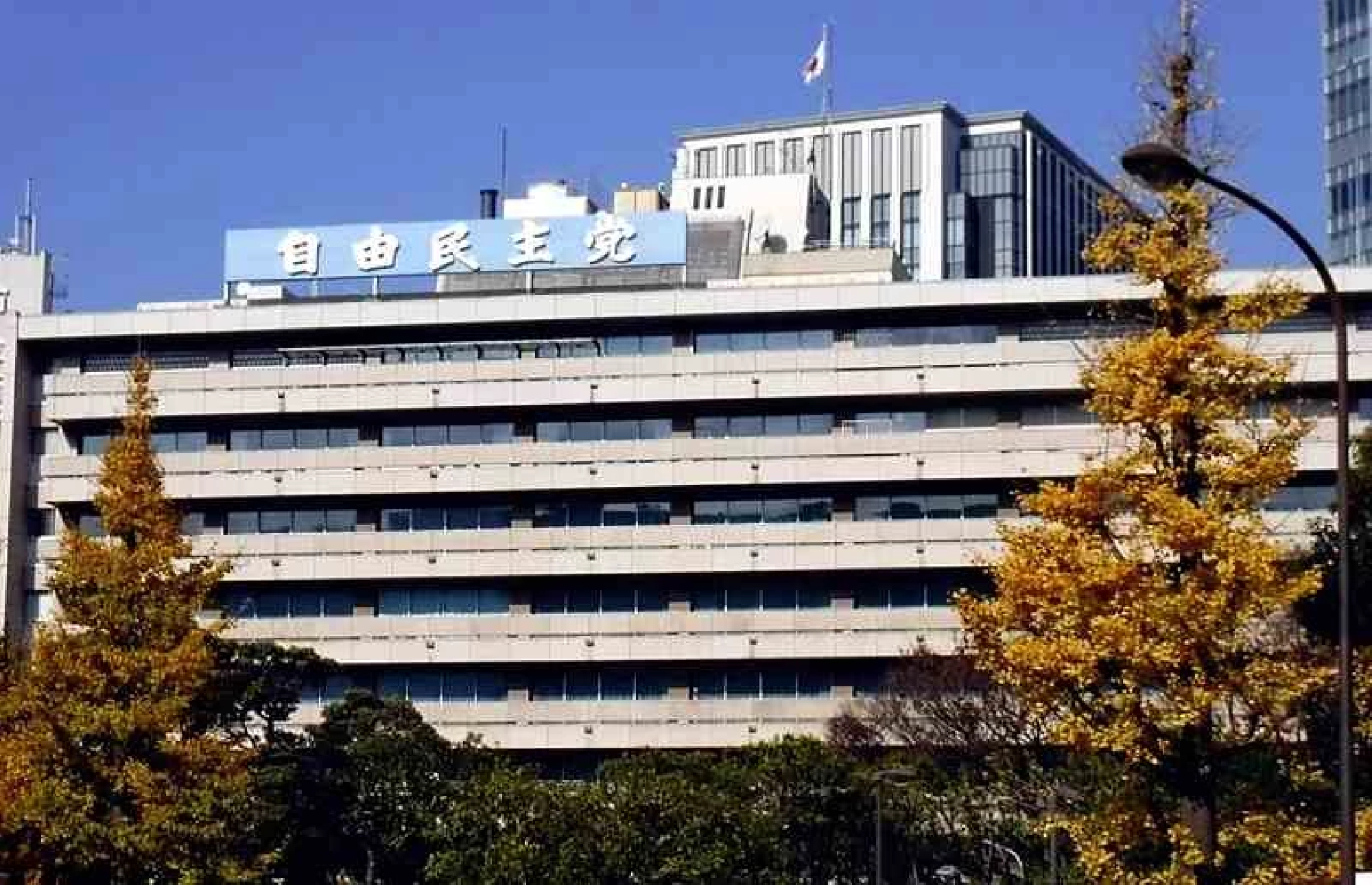
Panel of Japan’s ruling LDP calls for spending 2% of GDP on defence in 5 years

#SootinClaimon.Com : ขอบคุณแหล่งข้อมูล : หนังสือพิมพ์ The Nation.

https://www.nationthailand.com/international/40014619


A Liberal Democratic Party commission has proposed a defence spending target of 2% of Japan’s gross domestic product, to be reached in five years, to bolster capabilities in light of Russia’s invasion of Ukraine and China’s military rise, The Yomiuri Shimbun has learned.

Panel of Japan’s ruling LDP calls for spending 2% of GDP on defence in 5 years

The LDP’s Research Commission on Security, headed by former Defense Minister Itsunori Onodera, recently compiled a draft of proposals for the National Security Strategy and two other documents, which the government plans to revise at the end of the year.

The draft stated that “East Asia is no exception to unilateral attempts to change the status quo by force,” and that “there is not a moment to lose in drastically strengthening defense capabilities.”

The commission called for Japan to have the same level of defence outlays as member countries of the North Atlantic Treaty Organization (NATO), which have the common target of spending 2% of GDP on defence. The commission also stated in its draft that Japan “aims to achieve the goal in about five years.”

As for the possession of capabilities to destroy missile bases and other enemy facilities for self-defence purposes, the draft stated that Japan “possesses the ability within the scope of exclusively defence-oriented concepts.”

It also said the targets in such cases are “not limited to missile bases, but include command and control functions.” This is based on the judgment that to stop continuous missile launches, it is necessary to include the command centre that directs the attacks as a target to strike.

The draft proposed that wording on Japan’s view of China should be strengthened to describe it as “a threat” to Japan’s security.

As for Russia, the commission will decide to propose using either “a realistic threat” or “of extremely strong concern.” In the ongoing conflict in Ukraine, nuclear power plants have become the targets of Russia’s attacks.

In response, the commission concluded that it is necessary to establish a system that facilitates the deployment of the Self-Defense Forces for the protection of such plants.

The commission also urged that the National Defense Program Guidelines be changed to the national defence strategy and the Medium Term Defense Program be changed to the defence force development plan.

Yomiuri Shimbun and The Japan News

Asia News Network: The Nation (Thailand), The Korea Herald, The Straits Times (Singapore), China Daily,  Jakarta Post, The Star and Sin Chew Daily (Malaysia), The Statesman (India), Philippine Daily Inquirer, Yomiuri Shimbun and The Japan News, Gogo Mongolia,  Dawn (Pakistan),  The Island (Sri Lanka), Kuensel (Bhutan), Kathmandu Post (Nepal), Daily Star (Bangladesh), Eleven Media (Myanmar), the Phnom Penh Post and Rasmei Kampuchea (Cambodia), The Borneo Bulletin (Brunei), Vietnam News, and Vientiane Times (Laos).
 

Published : April 17, 2022

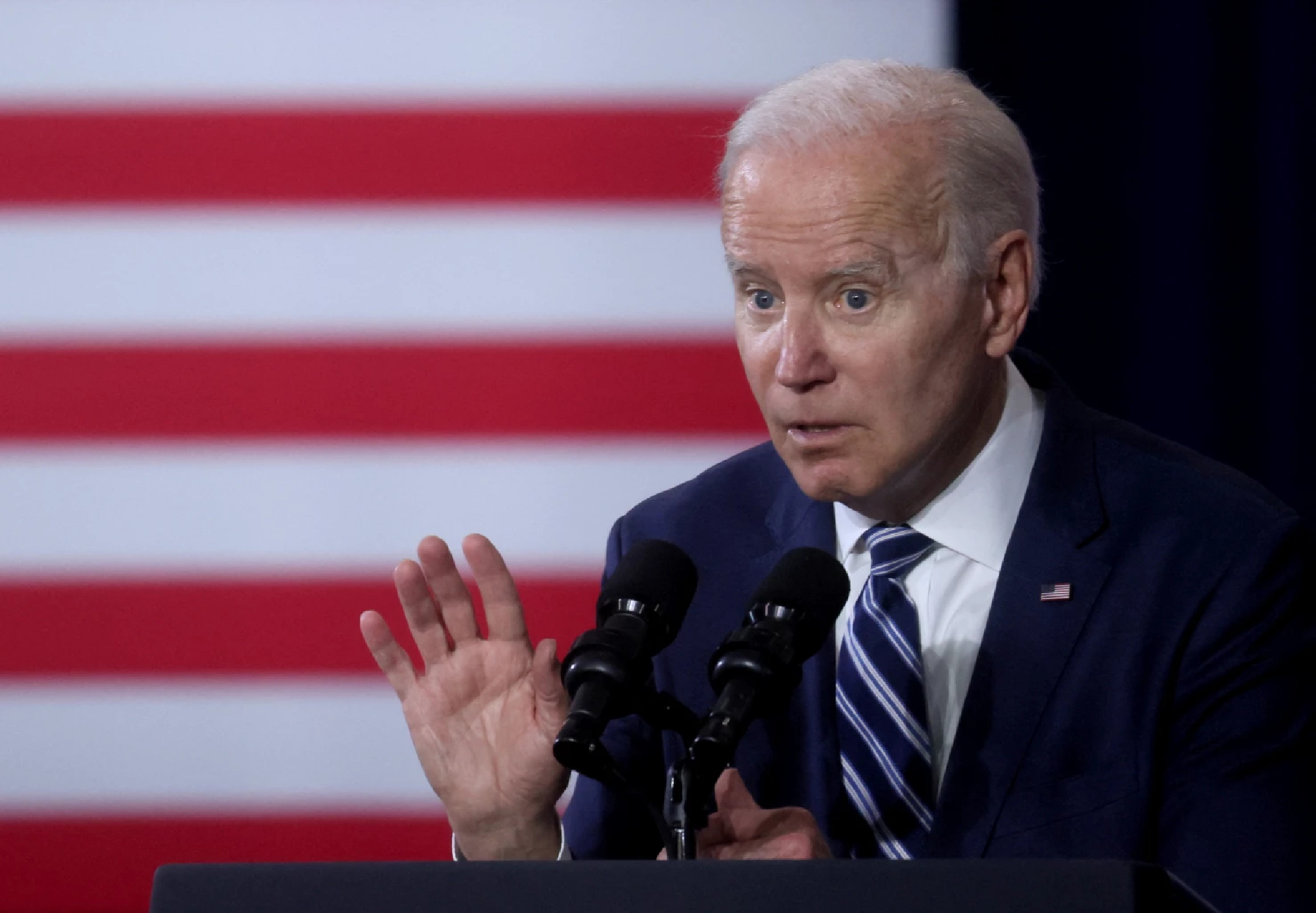
President Biden to host US-Asean Special Summit in Washington, DC, in May

#SootinClaimon.Com : ขอบคุณแหล่งข้อมูล : หนังสือพิมพ์ The Nation.

https://www.nationthailand.com/international/40014618


United States President Joe Biden will host in-person the leaders of Asean in Washington, DC, on May 12 and 13 for a US-Asean Special Summit, the White House said on Saturday (April 16).

President Biden to host US-Asean Special Summit in Washington, DC, in May

WASHINGTON –  “The Special Summit will demonstrate the United States’ enduring commitment to Asean, recognising its central role in delivering sustainable solutions to the region’s most pressing challenges, and commemorate 45 years of US-Asean relations,” the statement by White House press secretary Jen Psaki said.

“It will build on President Biden’s participation in the October 2021 US-Asean Summit, where the President announced US$102 million (S$138.5 million) in new initiatives to expand our engagement with Asean on Covid-19 recovery and health security, fighting the climate crisis, stimulating broad-based economic growth, promoting gender equality, and deepening people-to-people ties,” it added.

Ms Psaki said the Biden-Harris administration has as a top priority “to serve as a strong, reliable partner in South-east Asia”.

“Our shared aspirations for the region will continue to underpin our common commitment to advance an Indo-Pacific that is free and open, secure, connected, and resilient,” she said.

The Straits Times (Singapore)

Asia News Network: The Nation (Thailand), The Korea Herald, The Straits Times (Singapore), China Daily,  Jakarta Post, The Star and Sin Chew Daily (Malaysia), The Statesman (India), Philippine Daily Inquirer, Yomiuri Shimbun and The Japan News, Gogo Mongolia,  Dawn (Pakistan),  The Island (Sri Lanka), Kuensel (Bhutan), Kathmandu Post (Nepal), Daily Star (Bangladesh), Eleven Media (Myanmar), the Phnom Penh Post and Rasmei Kampuchea (Cambodia), The Borneo Bulletin (Brunei), Vietnam News, and Vientiane Times (Laos).
 

Published : April 17, 2022

The latest news on what’s happening in the region

#SootinClaimon.Com : ขอบคุณแหล่งข้อมูล : หนังสือพิมพ์ The Nation.

https://www.nationthailand.com/international/40014612


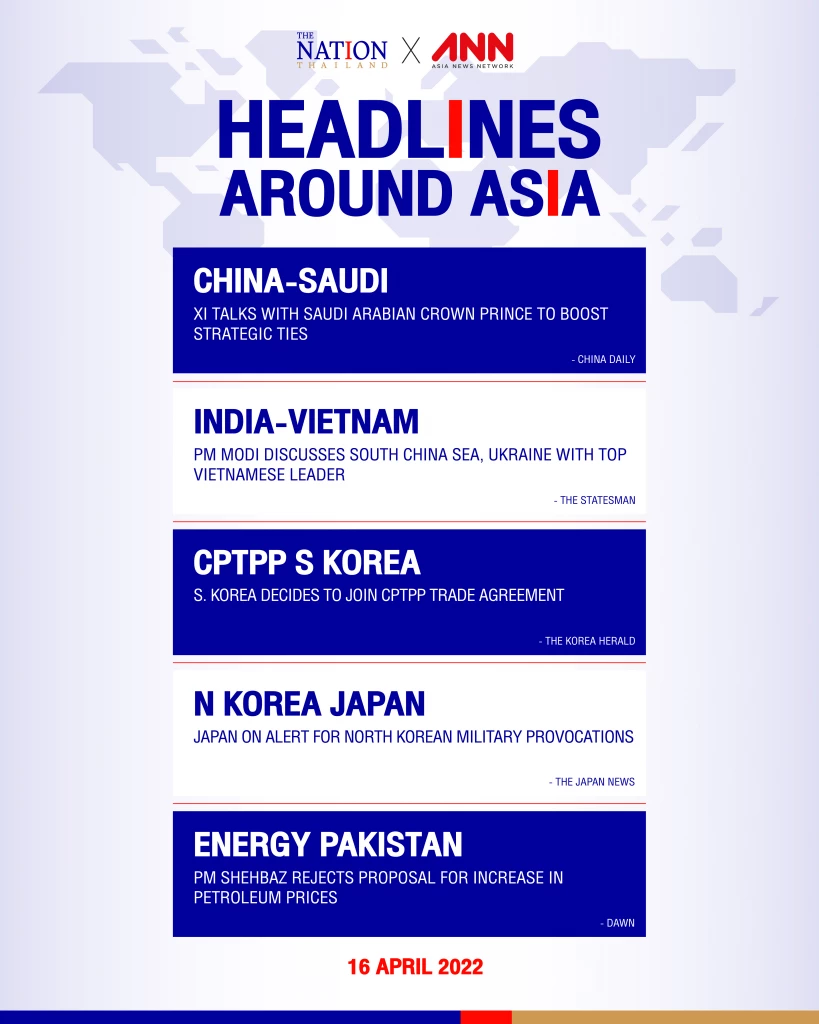
Check out what’s hot in the region on April 16 as The Nation puts together headlines from members of Asia News Network (ANN). Click to read more:

The latest news on what's happening in the region

China-Saudi
Xi talks with Saudi Arabian crown prince to boost strategic ties 

– China Daily
https://www.nationthailand.com/international/40014589

India-Vietnam
PM Modi discusses South China Sea, Ukraine with top Vietnamese leader 

– The Statesman ( India )
https://www.nationthailand.com/international/40014590


CPTPP S Korea
S. Korea decides to join CPTPP trade agreement 

– The Korea Herald
https://www.nationthailand.com/international/40014588

N Korea Japan
Japan on alert for North Korean military provocations 

– The Japan News
https://www.nationthailand.com/international/40014591

Energy Pakistan
PM Shehbaz rejects proposal for increase in petroleum prices 

– Dawn ( Pakistan )
https://www.nationthailand.com/international/40014592

Asia News Network: The Nation (Thailand), The Korea Herald, The Straits Times (Singapore), China Daily,  Jakarta Post, The Star and Sin Chew Daily (Malaysia), The Statesman (India), Philippine Daily Inquirer, Yomiuri Shimbun and The Japan News, Gogo Mongolia,  Dawn (Pakistan),  The Island (Sri Lanka), Kuensel (Bhutan), Kathmandu Post (Nepal), Daily Star (Bangladesh), Eleven Media (Myanmar), the Phnom Penh Post and Rasmei Kampuchea (Cambodia), The Borneo Bulletin (Brunei), Vietnam News, and Vientiane Times (Laos).

Published : April 17, 2022

PM Shehbaz rejects proposal for increase in petroleum prices

#SootinClaimon.Com : ขอบคุณแหล่งข้อมูล : หนังสือพิมพ์ The Nation.

https://www.nationthailand.com/international/40014592


Prime Minister Shehbaz Sharif on Friday rejected the Oil and Gas Regulatory Authority’s (Ogra) proposal for an unprecedented hike in the prices of petroleum products.

PM Shehbaz rejects proposal for increase in petroleum prices

Speaking at an Iftar dinner for the new government’s coalition partners, Shehbaz said: “As you know, the prices of petroleum products are revised every 15 days. They had [proposed] an increase of Rs21 and Rs50 per litre.”

He went on to say that the people of the country would “curse” the new government if such a “mountain of inflation” was unleashed on them.

“What do the people know about what the previous government has done?” he asked, adding that the proposal for the price hike was rejected.

Radio Pakistan also reported the premier as saying that the government would bear the burden of an increase in prices instead of shifting it onto the masses.

Meanwhile, a handout issued by the Finance Division also confirmed that there would be no change in the prices of petroleum products.

“Ogra has proposed [a] significant increase in the prices of petroleum products. However, the prime minister of Pakistan has rejected the recommendations of Ogra and directed to maintain petroleum products’ prices unchanged in order to provide relief to the common man,” the handout said, a copy of which is available with Dawn.com.

The price of petrol and high speed diesel will remain Rs149.86 and Rs144.15 per litre, respectively. Kerosene and light diesel oil will also continue to be sold for Rs125.56 and Rs118.31 per litre, respectively.

The previous PTI government had announced a four-month freeze (until June 30) on petrol and electricity prices on February 28 as part of a series of measures to bring relief to the public.

Ogra proposes massive oil price hike

On Thursday, Ogra had suggested an unprecedented increase of up to Rs120 per litre (over 83 per cent) in the prices of petroleum products to recover full imported cost, exchange rate loss and maximum tax rates.

Highly placed sources in Ogra and the Petroleum Division had confirmed that the regulator had presented two options to the government for price increase — the highest-ever in both cases.

Ogra had said both options had been worked out under the PTI government’s August 24, 2020, policy guideline. This had required calculations on the basis of existing sales tax and petroleum levy rates at the time of fortnightly review as well as full tax rates permissible under the law.

The regulator’s working paper, seen by Dawn, had suggested that based on the existing tax rates — which were zero — the prices of all products should go up in a Rs22-52 per litre band to charge breakeven prices without any element of subsidy.

Under this option, the ex-depot price of high speed diesel (HSD) was worked out at Rs195.67 per litre against the existing rate of Rs144.15, showing an increase of Rs51.52, or 35.7pc. The ex-depot price for petrol would have risen by Rs21.60 (14.2pc) to Rs171.46 per litre from Rs149.86.

The same formula suggested the kerosene price at Rs161.61 per litre against Rs125.56 at present, up Rs36.03 or 28.7pc. The ex-depot price of light diesel oil (LDO) was calculated at Rs157.20 per litre against Rs118.31 at present, an increase of Rs38.89, or 32.9pc.

The second price scenario was based on full tax rates, including 17pc GST on all products, and Rs30 per litre petroleum levy each on HSD and petrol, followed by Rs12 on kerosene and Rs10 on LDO — the maximum rates permissible under the Finance Bill.

In this case, Ogra had worked out the ex-depot price of HSD at Rs264.03 per litre against Rs144.15 at present, an increase of Rs119.88 or 83.2pc. Likewise, the price of petrol was calculated at Rs235.16 per litre against Rs149.86 at present, up by Rs85.30 or 57.4pc.

The ex-depot price of kerosene, with full taxes, was worked out at Rs203.42 per litre against the existing rate of Rs125.56, an increase of Rs77.86 or 61.8pc. The LDO price was calculated at Rs195.62 per litre against Rs118.31 at present, an increase of Rs77.31 per litre or 65.34pc.

Asia News Network: The Nation (Thailand), The Korea Herald, The Straits Times (Singapore), China Daily,  Jakarta Post, The Star and Sin Chew Daily (Malaysia), The Statesman (India), Philippine Daily Inquirer, Yomiuri Shimbun and The Japan News, Gogo Mongolia,  Dawn (Pakistan),  The Island (Sri Lanka), Kuensel (Bhutan), Kathmandu Post (Nepal), Daily Star (Bangladesh), Eleven Media (Myanmar), the Phnom Penh Post and Rasmei Kampuchea (Cambodia), The Borneo Bulletin (Brunei), Vietnam News, and Vientiane Times (Laos).

Published : April 16, 2022

By : DAWN

Japan on alert for North Korean military provocations

#SootinClaimon.Com : ขอบคุณแหล่งข้อมูล : หนังสือพิมพ์ The Nation.

https://www.nationthailand.com/international/40014591


The government has been on high alert this week for military provocations from Pyongyang, as North Korean leader Kim Jong Un marked 10 years at the helm of the ruling Workers’ Party on Monday, and 110 years since the birth of his grandfather Kim Il Sung on Friday.

Japan on alert for North Korean military provocations

The United States and South Korea have also expressed concerns that the isolated nation could carry out more military provocations, such as a missile launch or nuclear test.

At a press conference on Thursday, Chief Cabinet Secretary Hirokazu Matsuno said: “North Korea has turned its back on the international community and remains determined to continue its nuclear and ballistic missile development programs. It is possible that [North Korea] will make further provocations.”

If North Korea conducts a nuclear test, some Japanese government officials have proposed countermeasures to step up pressure on Pyongyang, such as freezing the assets of more entities, including Russian firms and individuals involved in nuclear development, in line with the United States.

Takehiro Funakoshi, the director general of the Foreign Ministry’s Asian and Oceanian Affairs Bureau, had phone talks with the U.S. special envoy for North Korean affairs Sung Kim on Thursday, reaffirming that Japan and the United States will work together toward the complete denuclearization of North Korea and also cooperate in a trilateral framework with South Korea.

It is believed that North Korea aims to enhance its nuclear arsenal and increase the number of warheads it possesses to make it more difficult for its missiles to be intercepted. Such capabilities would “dramatically increase the threat level,” a senior official of Japan’s Defense Ministry said.

During U.S. President Joe Biden’s planned visit to Japan in May, the Japanese government is expected to reaffirm the continuation of U.S. deterrence, including its nuclear umbrella.

Japan is also working on strengthening the nation’s deterrence by acquiring capabilities to attack enemy bases such as missile launch sites for self-defense purposes.

Regarding the definition of enemy bases, the Liberal Democratic Party’s Research Commission on Security is mulling the inclusion of military facilities with command functions, such as headquarters, as North Korea is enhancing capabilities for launching surprise attacks with equipment such as mobile launchers.

The LDP commission plans to discuss specific equipment systems, such as long-range missiles, in conjunction with the revision of three security and defense policy documents, including the National Security Strategy, which are scheduled to be finalized by the end of the year.

Asia News Network: The Nation (Thailand), The Korea Herald, The Straits Times (Singapore), China Daily,  Jakarta Post, The Star and Sin Chew Daily (Malaysia), The Statesman (India), Philippine Daily Inquirer, Yomiuri Shimbun and The Japan News, Gogo Mongolia,  Dawn (Pakistan),  The Island (Sri Lanka), Kuensel (Bhutan), Kathmandu Post (Nepal), Daily Star (Bangladesh), Eleven Media (Myanmar), the Phnom Penh Post and Rasmei Kampuchea (Cambodia), The Borneo Bulletin (Brunei), Vietnam News, and Vientiane Times (Laos).

Published : April 16, 2022

By : The Japan News

PM Modi discusses South China Sea, Ukraine with top Vietnamese leader

#SootinClaimon.Com : ขอบคุณแหล่งข้อมูล : หนังสือพิมพ์ The Nation.

https://www.nationthailand.com/international/40014590


Against the backdrop of aggressive posturing by China against its neighbours on maritime and territorial issues, Prime Minister Narendra Modi today had a telephonic conversation with General Secretary of the Communist Party of Vietnam Nguyen Phu Trong.

PM Modi discusses South China Sea, Ukraine with top Vietnamese leader

The two leaders exchanged views on regional and global issues of shared interest, including the ongoing crisis in Ukraine and the situation in the South China Sea, an official statement said.

The phone call comes at a time when India is locked in a tense military stand-off with China in eastern Ladakh. Vietnam has also been upset with China over its aggressive behaviour in matters pertaining to the South China Sea.

Modi and the Vietnamese leader complimented each other on the 50th anniversary of the establishment of diplomatic relations between India and Vietnam being celebrated this year. They expressed satisfaction over the rapid pace of wide-ranging cooperation under the India-Vietnam Comprehensive Strategic Partnership which was established during the Indian leader’s visit to Vietnam in 2016.

Modi reiterated Vietnam’s importance as an important pillar of India’s Act East Policy and its Indo-Pacific Vision and sought to enhance the scope of the bilateral relationship, besides working for expeditious progress on existing initiatives.

The PM also sought greater market access for India’s pharma and agri-products in Vietnam. He highlighted the historical and civilisational links between the two countries and expressed his happiness over India’s involvement in the restoration of Cham monuments in Vietnam.

The two leaders agreed to enhance the defence partnership between the two countries.

Asia News Network: The Nation (Thailand), The Korea Herald, The Straits Times (Singapore), China Daily,  Jakarta Post, The Star and Sin Chew Daily (Malaysia), The Statesman (India), Philippine Daily Inquirer, Yomiuri Shimbun and The Japan News, Gogo Mongolia,  Dawn (Pakistan),  The Island (Sri Lanka), Kuensel (Bhutan), Kathmandu Post (Nepal), Daily Star (Bangladesh), Eleven Media (Myanmar), the Phnom Penh Post and Rasmei Kampuchea (Cambodia), The Borneo Bulletin (Brunei), Vietnam News, and Vientiane Times (Laos).

Published : April 16, 2022

By : The Statesman