Indonesia braces for higher inflation and slowdown in economic recovery

#SootinClaimon.Com : ขอบคุณแหล่งข้อมูล : หนังสือพิมพ์ The Nation.

https://www.nationthailand.com/international/40014406


JAKARTA, April 9 (Xinhua): The Indonesian government has said the country is preparing to face a spike in inflation in the coming months caused by high global commodity prices, which may lead to a slowdown in the post-pandemic economic recovery.
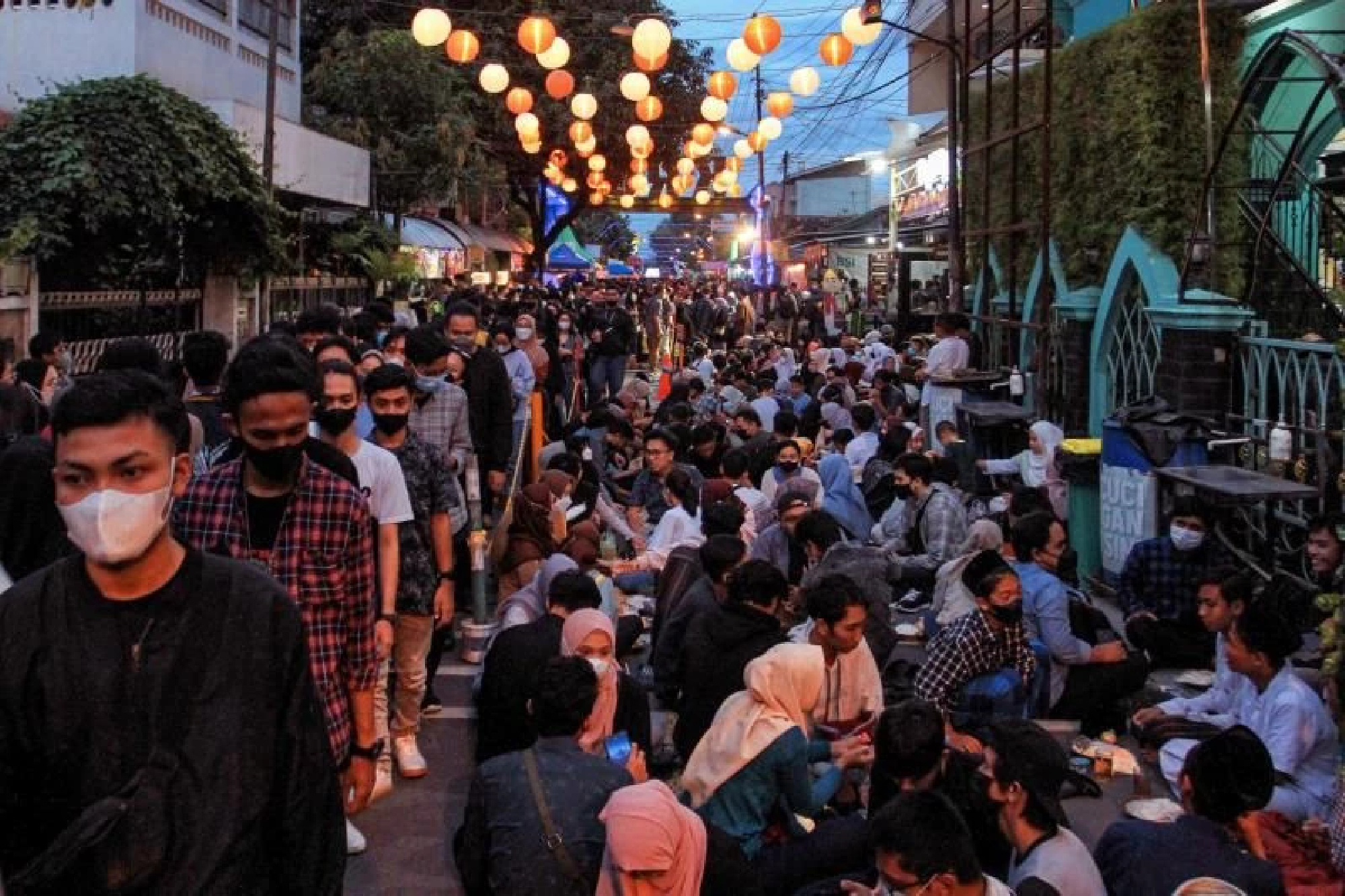
Indonesia braces for higher inflation and slowdown in economic recovery

Finance Minister Sri Mulyani Indrawati said Friday at the Asean (the Association of Southeast Asian Nations) Finance Ministers and Central Bank Governors Meeting (AFMGM) session that the surge in the global commodity prices was believed to happen as the spillover effect of the Ukraine crisis.

“This is a serious challenge for all policy makers, maybe not only in Indonesia, but all Asean countries,” the minister said.

Indonesia’s Consumer Price Index in March rose by 2.64 percent year-on-year, the highest increase since April 2020, according to the country’s Statistics Indonesia (BPS).

The Indonesian people have seen a surge in cooking oil prices up to 6 percent in the domestic market since the government removed the price cap on cooking oil in February following an increase in international crude palm oil (CPO) prices.

In the Southeast Asia’s largest economy, most of the cooking oil used by the people is sourced from palm oil.

Indonesia, the world’s largest palm oil producer, experienced the impact of the high prices of global CPO last month amid the supply bottleneck of sunflower oil due to the Ukraine crisis, BPS head Margo Yuwono said.

Indonesia’s state-owned oil and gas company Pertamina also raised the price of its high-octane gasoline product, named Pertamax, by 40 per cent starting on Friday.

Indonesia’s Coordinating Minister for Maritime and Investment Affairs Luhut Binsar Pandjaitan said recently that the government might soon raise the price of the three-kilogram liquefied petroleum gas (LPG) canisters, the most popular brand used by the people in the country.

Economic and energy observer Fahmy Radhi from Gadjah Mada University warned the government that the plan to raise the LPG price could create panic buying from the public.

Margo Yuwono said that inflation would likely be higher in April due to several reasons that are related to each other such as a surge in global commodity prices amid the Ukraine crisis, high demands in many goods amid easing Covid-19 curbs, high demands in staple foods during the holy month of Ramadan ahead of Eid al-Fitr holiday, and the government’s policy to raise the value-added tax from 10 percent to 11 percent which took effect on Friday.

President Joko Widodo told his ministers to monitor the soaring domestic prices and to convey the policy changes more clearly to the public, including any plans related to raising prices of other commodities.

Deputy Governor of Bank Indonesia Dody Budi Waluyo was confident that until the end of the year, the inflation will remain between 2 percent and 4 percent.

Economic expert Yusuf Rendy from the Jakarta-based think tank Center of Reform on Economics (Core) said that higher prices and inflation would burden the middle-lower class of people and weaken their purchasing power.

“For the middle-upper class, the inflation may not bring significant impact, but the middle-lower class would suffer, given that their economic situations haven’t yet fully recovered,” Rendy noted.

He suggested that the government distribute more aid to the people and take more subsidy policies to support the purchasing power of the middle-lower class. – Xinhua

Asia News Network: The Nation (Thailand), The Korea Herald, The Straits Times (Singapore), China Daily,  Jakarta Post, The Star and Sin Chew Daily (Malaysia), The Statesman (India), Philippine Daily Inquirer, Yomiuri Shimbun and The Japan News, Gogo Mongolia,  Dawn (Pakistan),  The Island (Sri Lanka), Kuensel (Bhutan), Kathmandu Post (Nepal), Daily Star (Bangladesh), Eleven Media (Myanmar), the Phnom Penh Post and Rasmei Kampuchea (Cambodia), The Borneo Bulletin (Brunei), Vietnam News, and Vientiane Times (Laos).

Published : April 11, 2022

By : The Star
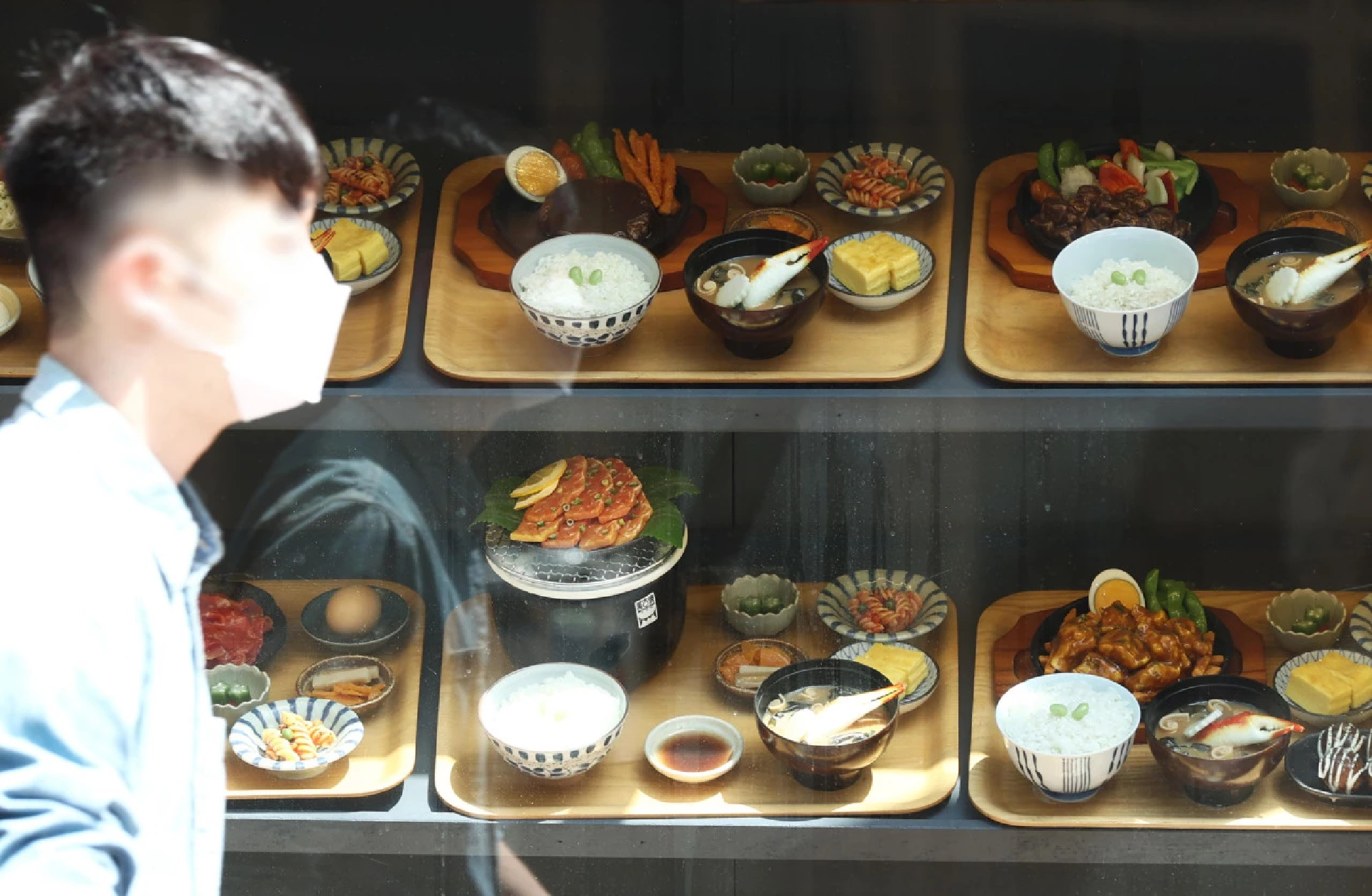
Eating out more expensive due to rising costs, demand

#SootinClaimon.Com : ขอบคุณแหล่งข้อมูล : หนังสือพิมพ์ The Nation.

https://www.nationthailand.com/international/40014405


Eating-out costs in South Korea saw the sharpest on-year surge in 23 years in March with a 6.6 percent on-year increase, according to the Korean Statistical Information Service on Sunday.

Eating out more expensive due to rising costs, demand

Of the 39 types of foods that people normally eat while dining out, including hamburgers, jajangmyeon (noodle with black soybean sauce), and gimbap, all saw a price increase.

Galbitang (beef soup) showed the highest spike in price last month compared to the same month last year with an 11.7 percent increase, followed by juk (porridge), hamburgers, and raw fish, each with a slightly over 10 percent price increase.

Jajangmyeon saw a 9.1 percent price increase in March on-year, while other popular foods such as gimbap, fried chicken, ramyeon, seollongtang (ox bone soup), and teokbokki (stir-fried rice cakes in chili sauce) showed a more than an 8 percent price increase.

Only six types of foods, including samgyetang (ginseng chicken soup), beer, seafood stew, and soju, showed less than a 4 percent price increase.

The statistic service said that the surge in prices of eating out costs was a result of the increased ingredient and delivery prices, as well as recovering demand for eating out.

Dining out costs are unlikely to drop and will likely to see further increases, it added.

“Prices of food ingredients continue to increase which burdens the food maker to increase the food price. Plus, recovery of demand for eating out resulting from eased COVID-19 quarantine measures could also increase food prices,” said a KSIS researcher

By region, Incheon saw the highest price increase in eating out costs with 7.4 percent followed by South Gyeongsang Province and Gangwon Province, with 7.1 percent and 7 percent, respectively.

By Hong Yoo

Asia News Network: The Nation (Thailand), The Korea Herald, The Straits Times (Singapore), China Daily,  Jakarta Post, The Star and Sin Chew Daily (Malaysia), The Statesman (India), Philippine Daily Inquirer, Yomiuri Shimbun and The Japan News, Gogo Mongolia,  Dawn (Pakistan),  The Island (Sri Lanka), Kuensel (Bhutan), Kathmandu Post (Nepal), Daily Star (Bangladesh), Eleven Media (Myanmar), the Phnom Penh Post and Rasmei Kampuchea (Cambodia), The Borneo Bulletin (Brunei), Vietnam News, and Vientiane Times (Laos).

Published : April 11, 2022

By : The Korea Herald

Seeding the future of food: Turning wild rice into a ‘super rice’

#SootinClaimon.Com : ขอบคุณแหล่งข้อมูล : หนังสือพิมพ์ The Nation.

https://www.nationthailand.com/international/40014399


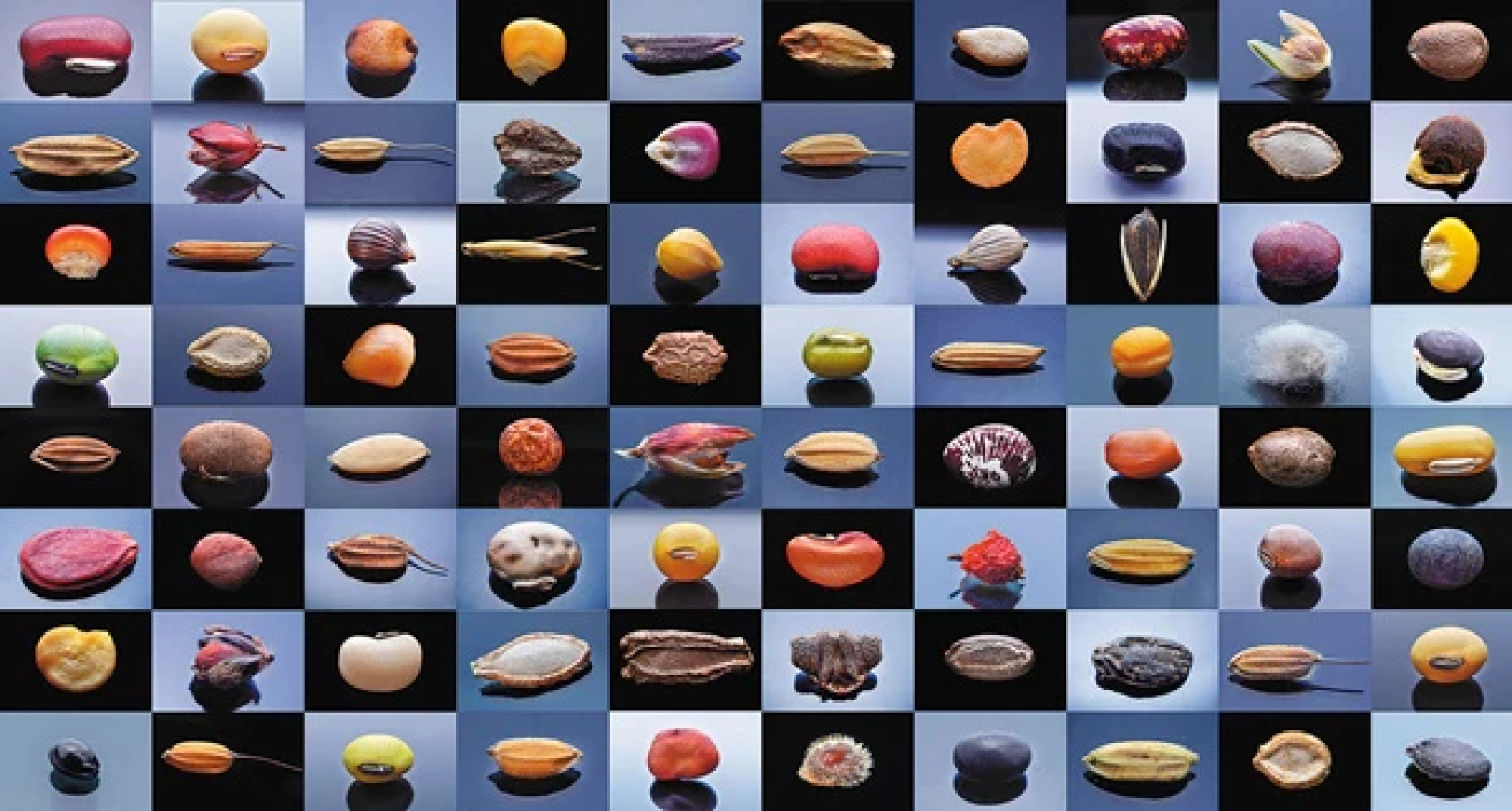
Seeds are the “chips” of agriculture. Chinese academic Yuan Longping spent more than 50 years turning a wild rice seed into a “super rice” that benefits the world.

Seeding the future of food: Turning wild rice into a 'super rice'

Spring is the season for sowing. The Hunan Provincial Crop Germplasm Resource Bank, within the Hunan Academy of Agricultural Sciences, preserves, inspects and breeds the little-known crop seeds every day. The resource bank is the first comprehensive public service platform for the conservation and utilization of crop germplasm resources in Hunan.

Its total construction area is nearly 700 square meters, of which the low-temperature control area covers an area of 350 sq m. There are five warehouses including long, medium and short-term, as well as parental and adjustable repositories. It also has six functional areas: strategic resource protection, basic resource preservation, resource display and exchange, resource information management and resource pre-processing.

The resource bank is the current effective and safe preservation method of crop germplasm. Preservation includes more than 10 processes. These involve receiving and registering seeds, checking weights, cleaning and selecting, vigour testing, drying and dehydration, moisture measurement and seed packaging before storage. Seed distribution, germination monitoring and reproduction update after delivery are also included.

In the long-term repository of the resource bank, germplasm resources are “hibernating” in a low-temperature environment. Rows of 4-meter-high shelves are closely arranged, and each layer of the shelves is densely stored with small round golden boxes. Inside the box is a seemingly inconspicuous seed, but it records the genetic secrets of various crops for thousands of years. As one of the country’s most important strategic resource reserves, these germplasm resources can be stored there for more than 50 years and can be easily awakened at any time of need.

“The temperature of the long-term repository is -18 C, and the seed preservation time is more than 50 years; the temperature of the medium-term repository is -4 C, which is mainly used for the distribution and utilization of germplasm resources; the temperature of the short-term repository is 4 C, which is used for short-term preservation of materials,” says Dr Tang Xiao, a researcher at the resource bank. At the same time, the resource bank should regularly measure the germination rate of germplasm, and multiply when it is lower than 75 per cent to ensure the activity of the resource.

Right now is the spring ploughing season, and the technicians in the scientific research and demonstration base of Hunan Rice Research Institute are busy with the seedling test of small rice varieties.

“These rice seeds were collected by my father Duan Chuanjia’s generation of resource workers in the 1970s and kept in the warehouse in the 1990s. Now we have to take them out to check their traits and prepare for renewal and reproduction to maintain the vitality of the seeds,” says Duan Yonghong, the person in charge of the resource bank.

The germplasm resource bank not only provides basic materials for researchers to create new varieties (such as new hybrid rice varieties) but also provides convenience for the purification and rejuvenation of dominant local varieties, with significant social and economic benefits. For example, the fragrance of Jiangyong Fragrant Rice, for various reasons, diminishes when farmers plant a range of varieties at the same time. The Jiangyong Fragrant Rice resources preserved in the germplasm resource bank have recovered the fragrance by purifying and rejuvenating the preserved seeds.

At present, the resource bank has collected and preserved more than 30,000 germplasm resources from 59 countries and regions and 32 provinces (municipalities and autonomous regions) and has built the world’s largest pepper germplasm resource bank, which has been distributed to 18 provinces. Nearly 30,000 copies of germplasm resources have completed the complementary exchange of advantages between Hunan and the national germplasm resources platform and supported the construction of the National Biological Seed Industry Technology Innovation Center, the National Center of Technology Innovation for Saline-Alkali Tolerant Rice, and strategic development of Hunan’s seed industry.

Published : April 10, 2022

By : China Daily

No Metro Manila lockdowns for the 1st time since 2020

#SootinClaimon.Com : ขอบคุณแหล่งข้อมูล : หนังสือพิมพ์ The Nation.

https://www.nationthailand.com/international/40014397


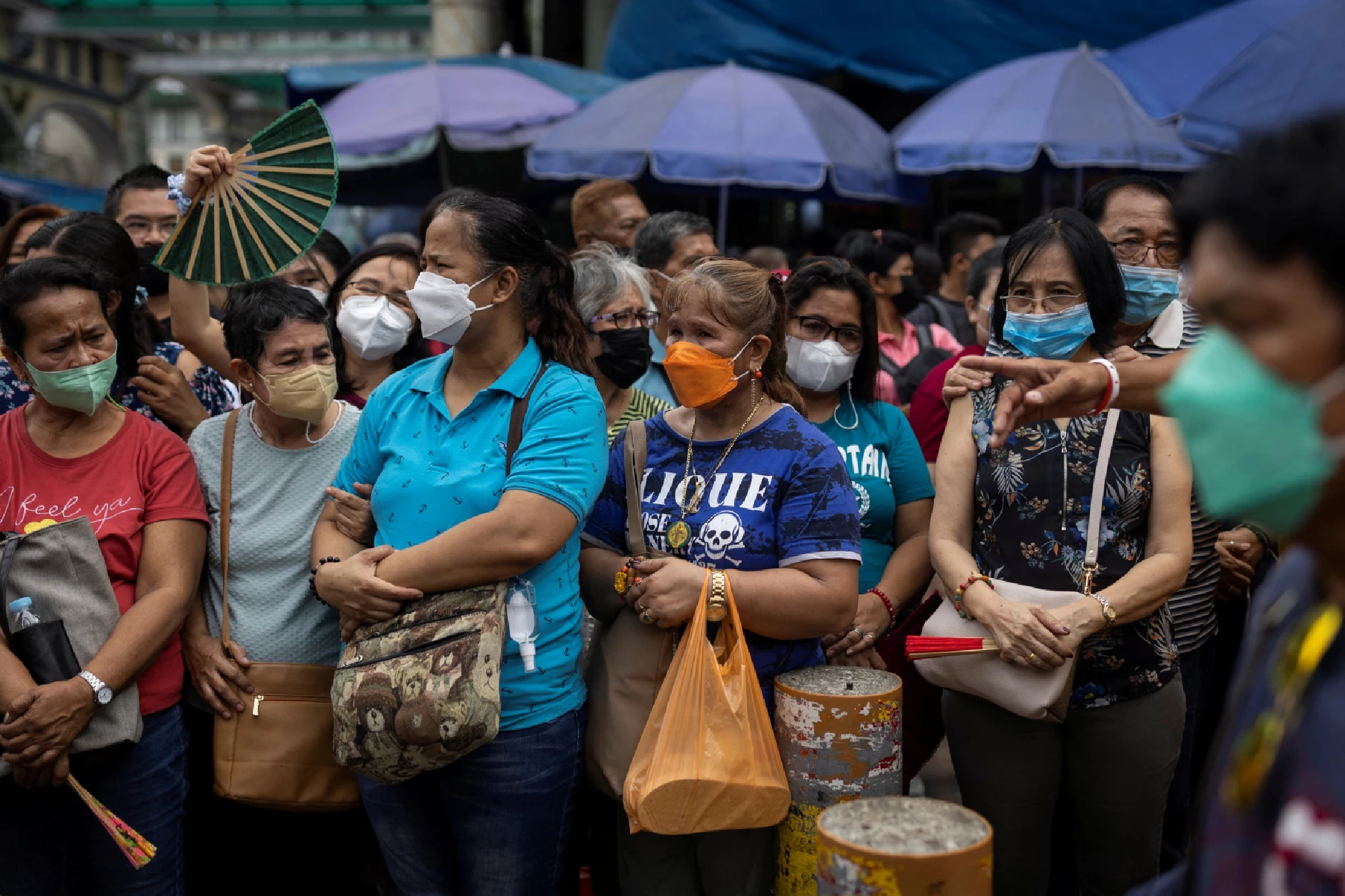
For the first time since March 2020, no area or even household in any of Metro Manila’s 16 cities and one municipality was considered on lockdown, the National Capital Region Police Office (NCRPO) confirmed on Saturday.

No Metro Manila lockdowns for the 1st time since 2020

MANILA, Philippines — Even across the nation, only four households, with seven COVID-19 infected individuals, in the Cordillera Administrative Region, remained on granular lockdown, as of April 8.


The Philippine National Police, however, reported that there were still 292 quarantine control points throughout the country, but none in Metro Manila nor Central Luzon.


While previously called by different names — localized enhanced community quarantine, pocket lockdown, special concern lockdown — Metro Manila local governments have been implementing granular lockdowns since 2020, based on their own set of rules.

The local governments usually close off a barangay, street, establishment, compound or household where clustering of COVID-19 cases has been detected.

During a lockdown, which usually lasts from several days up to two weeks, authorities conduct mass testing on all residents in the area to detect even asymptomatic cases.

Lockdowns are only lifted when the local epidemiology and surveillance unit observed a significant downtrend in the number of active COVID-19 cases.

The Department of Health (DOH) earlier said the daily count of COVID-19 infections had hit a plateau in all areas of the country, with new cases reaching only 200-plus for four straight days.


The average daily infections from March 31 to April 6 also slid to 357 cases from 382 registered from March 28 to April 3. The country’s positivity rate is also now down to 1.8 per cent from 2 per cent during the same period.

But according to the DOH COVID-19 online tracker, the number of new cases rose to 302 on April 9, compared with 290 on April 8.

Of the total 3,681,101 cases as of April 9, only 0.8 per cent were active cases. The majority of them are asymptomatic, mild or moderate, according to the DOH.
 

Of the total confirmed COVID-19 cases, most were from the NCR 1, 170,678 (31.8 per cent).

With the improving COVID-19 situation in the country, the Inter-Agency Task Force for the Management of Emerging Infectious Diseases reclassified more areas on Alert Level 1, the least restrictive in the five-tier quarantine classification.

As of Friday, there were 78 provinces, highly urbanized cities, and independent component cities, as well as 178 component cities and municipalities on alert level 1 until April 15.

Meanwhile, the rest of the country remains at Alert Level 2.

Published : April 10, 2022

By : Philippine Daily Inquirer

Lee: I’m on a historic mission to take Hong Kong forward

#SootinClaimon.Com : ขอบคุณแหล่งข้อมูล : หนังสือพิมพ์ The Nation.

https://www.nationthailand.com/international/40014393


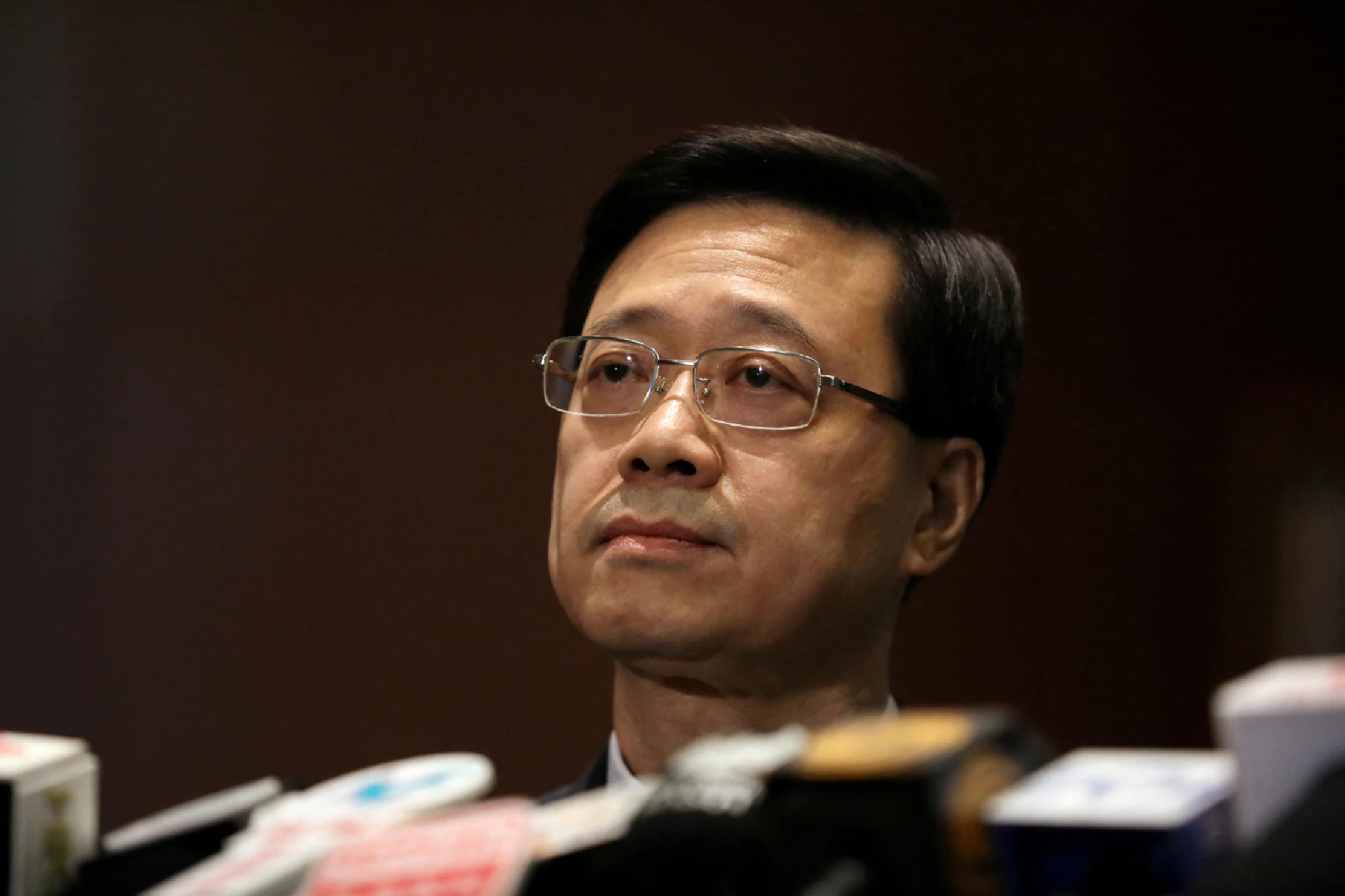
John Lee Ka-Chiu pledged on Saturday to drive Hong Kong forward in a “historic mission” to instil new hope for residents in the special administrative region if he’s elected the city’s next chief executive.

Lee: I'm on a historic mission to take Hong Kong forward

At an online press conference to formally announce his candidacy and platform for next month’s Sixth-term Chief Executive Election, the former chief secretary for administration of the HKSAR vowed to lead a team with a strong spirit with a three-pronged approach to unite and consolidate Hong Kong.


He said he would build a city that’s happy, united and open.

Lee said he has decided to run for the city’s top job out of his loyalty for the country, his love for Hong Kong and a sense of duty to Hong Kong people. “As chief executive, loyalty to the country is the minimum requirement,” he said.


In painting a rosy picture for Hong Kong, he said he will consider the overall interests of Hong Kong rather than those of any sector. “I have no burdens,” he said.

If elected, he said he would focus on three main areas – solving Hong Kong’s various deep-rooted issues based on a results-oriented approach; increasing the overall competitiveness of Hong Kong; and creating a firm foundation for the city’s development.


To achieve what he has envisioned for the city requires the joint efforts of all sectors of the community, Lee urged.

Describing himself as the “conductor” of his team, he said he would ensure that each member will be able to leverage his or her strengths to create the synergy effect of “one-plus-one is greater than two”.  

Tam Yiu-Chung, Hong Kong’s representative on the Standing Committee of the National People’s Congress – the nation’s top legislature – has been appointed as the director of Lee’s campaign team.
Lee indicated his intention to run for chief executive when he tendered his resignation as chief secretary for administration on Wednesday. His resignation was approved by the State Council the following day.


Lee, 64, had served in various positions during his 45 years in the Hong Kong civil service.  He joined the police force as a probationary inspector in 1977 and rose through the ranks to become deputy police commissioner in 2010. Lee was appointed secretary for security in 2017 and promoted to chief secretary in June last year.

Nominations for the chief executive race began on Sunday and will end on April 16. Aspiring candidates have to submit their applications personally to returning officers before 5 pm on April 14, ahead of the Easter holiday break which starts on April 15.

Eligible candidates need to be nominated by at least 188 members of the 1,500-strong Election Committee. Nominations will also have to come from all five sectors of the committee, with at least 15 nominations from each sector.

Any candidate with a simple majority vote from all the EC members will win the election, according to the SAR’S improved electoral system.

The chief executive will be elected by secret ballot on a one-person-one-vote basis.

Published : April 10, 2022

By : China Daily

‘Welcome back to Purana Pakistan’: Politicians react to PM Imran’s ouster

#SootinClaimon.Com : ขอบคุณแหล่งข้อมูล : หนังสือพิมพ์ The Nation.

https://www.nationthailand.com/international/40014387


The result received a mixed response, ranging from the ecstatic to the disappointed and from the angry to the hilariously funny.

'Welcome back to Purana Pakistan': Politicians react to PM Imran's ouster

Over a month after the no-confidence motion was tabled against Prime Minister Imran Khan on March 8, members of the National Assembly finally cast their votes to make Imran Khan the first prime minister in the country’s history to be ousted through a vote of no confidence.

As had been the case over the last several months, the result of the vote received a mixed response, ranging from the ecstatic to the disappointed and from the angry to the hilariously funny.

PML-N Vice-President Maryam Nawaz tweeted that “The nightmare for my beloved Pakistan is over. Time to heal & repair.”

Outgoing education minister and PTI leader Shafqat Mehmood, however, said that it was a “tragic day for Pakistan. An upright and fearless leader was targeted by known corrupt mafias and made to leave.”

He expressed the hope, however, that “Imran Khan will rise again as people of Pakistan stand with him and PTI.”

PML-N leader Khawaja Saad Rafque welcomed the nation back to “Purana [old] Pakistan”.

PTI leader and Senator Faisal Javed Khan said the premier “walked out gracefully and didn’t bow down”.

Activist Ammar Ali Jan said that “a clumsy attempt to sabotage the constitution has been defeated,” adding, however, that “the struggle for people’s rights continues”.

Journalist Cyril Almeida simply tweeted: “The hybrid regime is dead”.

“Imran Khan sets yet another new Pak record! Becomes the first PM to be ousted through a vote of no confidence,” quipped journalist Hasan Zaidi.

Lawyer Reema Omer termed it “an ignominious end to a “hybrid” project that took democracy many steps back”.

Published : April 10, 2022

By : DAWN

Coronavirus cases rising in regional areas, stoking fears of a resurgence in Japan

#SootinClaimon.Com : ขอบคุณแหล่งข้อมูล : หนังสือพิมพ์ The Nation.

https://www.nationthailand.com/international/40014354


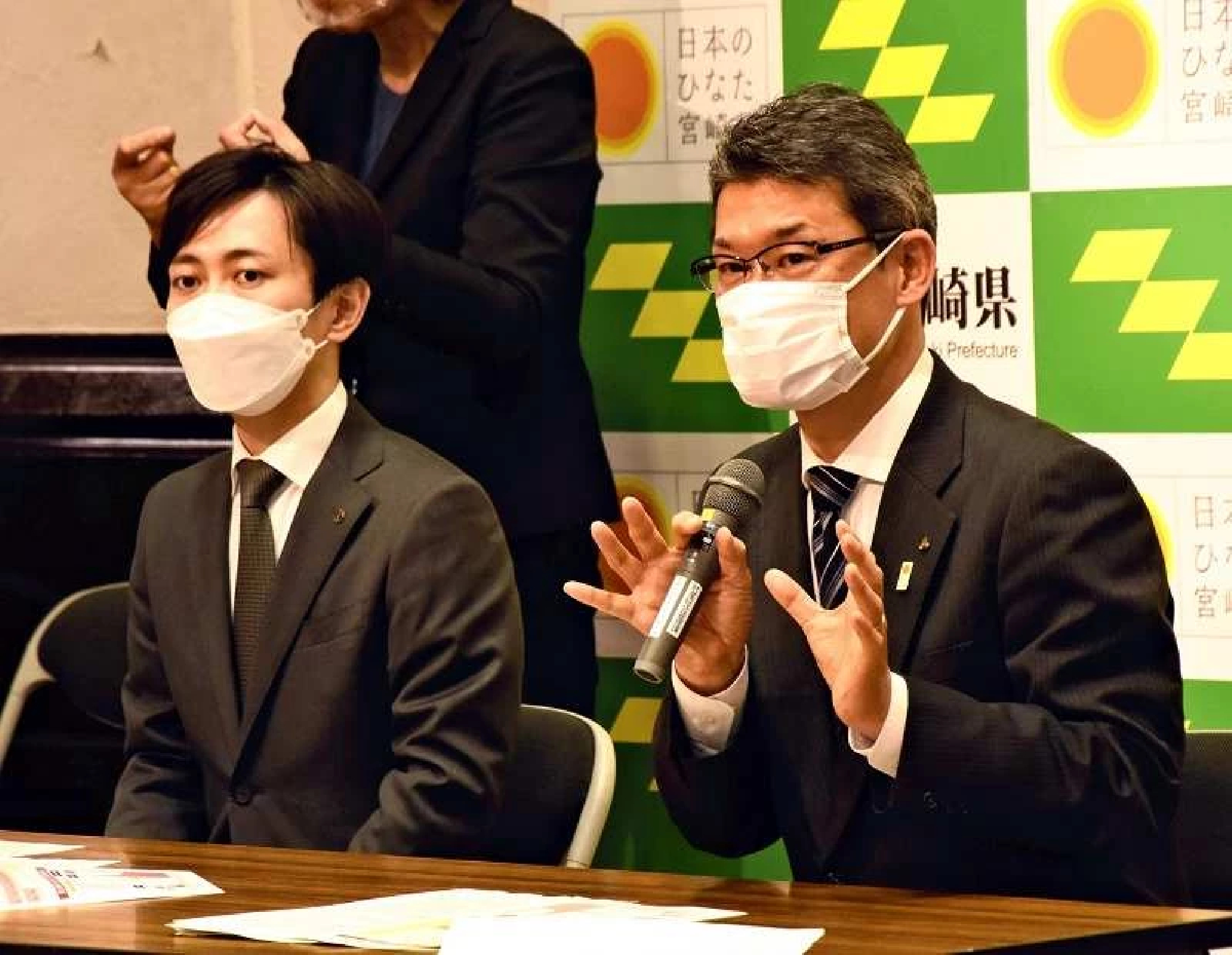
Seven prefectures including Akita and Miyazaki have logged record-high coronavirus cases this month, triggering fears of an impending nationwide resurgence.

Coronavirus cases rising in regional areas, stoking fears of a resurgence in Japan

The virus is spreading in areas where cases peaked at low levels in the latest wave of the pandemic as fewer people had acquired immunity, according to the Health, Labor and Welfare Ministry’s advisory panel.

However, cases in Tokyo and Osaka have remained almost unchanged, indicating regional differences in the pandemic situation.

Data indicates the infection situation in major metropolitan areas is relatively under control, with coronavirus cases at less than half the levels at the peak of the latest wave.

In the seven-day period through Tuesday, cases rose 1.04 times in Tokyo from the previous week, and 0.97 times in Osaka and Aichi prefectures, according to the ministry.

However, weekly cases increased 1.68 times in Miyazaki Prefecture, 1.42 times in Shimane Prefecture and 1.39 times in Oita Prefecture, all of which have much smaller populations than the country’s major urban areas.

In addition, record-high coronavirus cases have been logged this month in Akita, Iwate, Fukushima, Niigata, Nagano, Ehime and Miyazaki prefectures.

According to Takaji Wakita, director general of the National Institute of Infectious Diseases and the chair of the health ministry’s advisory panel, people acquire immunity either by vaccination or infection with the virus.

Wakita said “regional differences have emerged” in the acquisition of immunity despite the balanced rollout of the booster campaigns. As a result, the virus is now spreading in areas that logged low numbers of coronavirus cases earlier in the sixth wave.

“The infection situation is the worst it has ever been,” Miyazaki Gov. Shunji Kono said during a press conference on Tuesday, expressing his view that the prefecture has entered the seventh wave of infections.

In the latest wave, coronavirus cases had been relatively low in the prefecture, but started to increase when the quasi-emergency measures ended on March 7.

The prefecture, which logged a local-record 584 cases on Wednesday, has attributed the surge to a three-day weekend in March when more young people would have been socializing.

Akita Prefecture logged a local-record 389 cases on Tuesday. Nursery schools were the most common origin of clusters in the prefecture, where 40% of people who tested positive for coronavirus were under 20 years old.

Asia News Network: The Nation (Thailand), The Korea Herald, The Straits Times (Singapore), China Daily,  Jakarta Post, The Star and Sin Chew Daily (Malaysia), The Statesman (India), Philippine Daily Inquirer, Yomiuri Shimbun and The Japan News, Gogo Mongolia,  Dawn (Pakistan),  The Island (Sri Lanka), Kuensel (Bhutan), Kathmandu Post (Nepal), Daily Star (Bangladesh), Eleven Media (Myanmar), the Phnom Penh Post and Rasmei Kampuchea (Cambodia), The Borneo Bulletin (Brunei), Vietnam News, and Vientiane Times (Laos).

Published : April 09, 2022

By : The Japan News

[Vietnam] Firms not ready for higher minimum wages

#SootinClaimon.Com : ขอบคุณแหล่งข้อมูล : หนังสือพิมพ์ The Nation.

https://www.nationthailand.com/international/40014353


HÀ NỘI —The Vietnam General Confederation of Labour has proposed a 7 per cent increase in minimum wages from July 1, but many insiders gave a thumbs down to the proposal.

[Vietnam] Firms not ready for higher minimum wages

Bạch Thăng Long, deputy general director of Garment 10 Corp., underlined that the resurgence of the pandemic in Q1 had a negative impact on firms’ financial situation.

Higher payroll costs would add to their woes, putting a strain on small-sized firms.

He suggested the increase in minimum wages be put off until 2023 and cover only inflation to leave room for firms to recover.

“Minimum wages should increase only to offset the rise in inflation. Economic growth and living standard should be factored in next time,” he said.

Huỳnh Thị Hồng Cúc, union chairwoman of Nhà Bè Garment Corp., said the wage increase would apply to only those workers that have been paid under the minimum level.

However, a pay rise to only a specific group would make other workers unhappy, forcing her firm to raise wages across the board.

Accordingly, she estimated that her firm’s labour costs would increase by 10 per cent should minimum wages rise by 5 per cent, adding hundreds of billions of đồng to its wage bills.

“Our firm has over 15,000 workers on payroll with eight wage levels. Workers of level 1 alone incurred an additional cost of up to VNĐ11.5 billion (US$503,000) during the wage rise in 2020,” she added.

Lê Nhật Trường, union chairman of Pou Sung Vietnam LTD., revealed that his firm faced the same situation.

He said it was not compulsory to raise wages for those workers who had been paid above the minimum level.

However, not paying more during a wage rise would cause dismay for the workers, resulting in dissatisfaction.

“Accordingly, over 22,000 workers of ours received higher wages during the wage rise in 2020 although none had been paid under the minimum level,” he said.

The union chairman was concerned that the proposed 7 per cent increase in minimum wages this year would add about VNĐ180 billion to his firm’s financial burden.

Trương Tiến Dũng, vice chairman of the HCM City’s Food and Foodstuff Association, believed that the rise in wage bills would be passed on to product prices, fuelling inflation.

Firms that refuse to price up their products would have no choice but to shed staff to cut costs.

Hoàng Văn Phòng, vice chairman of the Vietnam Chamber of Commerce and Industry, believed that an increase in minimum wages was needed after two years without an adjustment.

However, the incremental pay scale needed further discussion to assess its impact on firms’ financial situation.

He also said that it was unreasonable to raise minimum wages around mid-year since firms calculate their costs based on fixed wages at the beginning of the year.

Accordingly, the wage increase was recommended to move to another date.

The National Wages Council is expected to hold another meeting on April 12 to further discuss the proposal. — VNS

Asia News Network: The Nation (Thailand), The Korea Herald, The Straits Times (Singapore), China Daily,  Jakarta Post, The Star and Sin Chew Daily (Malaysia), The Statesman (India), Philippine Daily Inquirer, Yomiuri Shimbun and The Japan News, Gogo Mongolia,  Dawn (Pakistan),  The Island (Sri Lanka), Kuensel (Bhutan), Kathmandu Post (Nepal), Daily Star (Bangladesh), Eleven Media (Myanmar), the Phnom Penh Post and Rasmei Kampuchea (Cambodia), The Borneo Bulletin (Brunei), Vietnam News, and Vientiane Times (Laos).

Published : April 09, 2022

By : Vietnam News

Korea considers boosters for people who had breakthrough COVID-19

#SootinClaimon.Com : ขอบคุณแหล่งข้อมูล : หนังสือพิมพ์ The Nation.

https://www.nationthailand.com/international/40014352


South Korea may start recommending a third COVID-19 vaccination for people who have recovered from a breakthrough infection to prepare for any future variants and ensuing waves, according to the Korea Disease Control and Prevention Agency.

Korea considers boosters for people who had breakthrough COVID-19

The national health protection agency told reporters Friday that a review by the advisory committee on immunization practices was underway, the agency said.

Distributing third doses to people with a history of a breakthrough infection is now being considered “in light of the possibility of another wave, or the wave continuing above a certain level,” the agency’s spokesperson Ko Jae-young told The Korea Herald.

The announcement contrasts with latest assessments from the Ministry of Health and Welfare and Prime Minister Kim Boo-kyum that the ongoing omicron wave has peaked and is receding, which would permit the country to resume normal life.

In a closed-door briefing Thursday, Ko said that “even in post-omicron waves, the best way to stay safe is through vaccination.”

“While Korea is already highly vaccinated, further damage can be reduced by increasing the uptake of third and fourth doses,” he said.

He added that the eligibility for a fourth dose may be expanded to include the elderly. Fourth-dose vaccinations began on Feb. 28 for workers and residents of nursing homes and the immunocompromised.

Korea boasts one of the highest vaccine rates worldwide, with more than 94 percent of people ages 12 and older fully vaccinated. Among people in their 60s and up, who are deemed at high risk, 89 percent had been boosted.

The omicron wave has left around 28 percent of Korea’s 51 million population infected. Since omicron was declared the dominant variant here on Jan. 26, an average of 194,840 people were confirmed each day. The 14,028,450 cases confirmed over the last 72 days of the omicron wave account for 93 percent of the 14,983,694 total since the start of the pandemic.

Should you get vaccinated if you’ve already had COVID-19?

Korea’s official vaccination advice for people who have had COVID-19 is as follows, according to the latest guidelines updated Feb. 14 and the head of the agency’s COVID-19 vaccine management team, Kwon Geun-yong. Kwon confirmed the following to be still relevant on Friday.

Receiving the primary vaccine series is “highly recommended” for recovered people who were not vaccinated at all prior to their infection. People who were infected after having only the first of the two-dose vaccine series, getting the second dose is also recommended.

Both unvaccinated and partly vaccinated people can start vaccination immediately after their seven-day isolation, if they are without symptoms. Vaccination should be deferred until symptoms dissipate.

Deferring vaccination is not necessary for those who still test positive in rapid antigen or PCR tests after their isolation is lifted. But a positive test 90 days following the onset of the last infection is likely a reinfection.

For people who received monoclonal antibody or plasma therapy while they had COVID-19, the minimum wait before vaccination is 90 days.

Getting a third dose after recovery is optional for people who have had a breakthrough infection.

The post-recovery vaccine advice is the same for children and teenagers as it is for adults.

By Kim Arin

Asia News Network: The Nation (Thailand), The Korea Herald, The Straits Times (Singapore), China Daily,  Jakarta Post, The Star and Sin Chew Daily (Malaysia), The Statesman (India), Philippine Daily Inquirer, Yomiuri Shimbun and The Japan News, Gogo Mongolia,  Dawn (Pakistan),  The Island (Sri Lanka), Kuensel (Bhutan), Kathmandu Post (Nepal), Daily Star (Bangladesh), Eleven Media (Myanmar), the Phnom Penh Post and Rasmei Kampuchea (Cambodia), The Borneo Bulletin (Brunei), Vietnam News, and Vientiane Times (Laos).

Published : April 09, 2022

By : The Korea Herald

What will it take to improve aviation safety in Singapore?

#SootinClaimon.Com : ขอบคุณแหล่งข้อมูล : หนังสือพิมพ์ The Nation.

https://www.nationthailand.com/international/40014351


SINGAPORE – The Civil Aviation Authority of Singapore (CAAS) has published a Singapore National Aviation Safety Plan to address safety risks in the coming years.

What will it take to improve aviation safety in Singapore?

Here are some of the issues addressed in the report.

The Singapore aviation sector is expected to face safety challenges in these areas:

Five high-risk categories faced by aviation operations worldwide: runway incursion, runway excursion, mid-air collision, loss of control in-flight and controlled flight into terrain.

Two safety risks that are particularly relevant to Singapore: systems component failure and ground occurrences resulting in damage.

Risks linked to Covid-19 disruption, such as decreased competency of flight crew and airworthiness of grounded aircraft that are returning to service.

Other risks associated with changes in the operating environment and the use of technology.

Under the National Aviation Safety Plan, four strategic priorities are highlighted – to mitigate operational safety risks, enhance regulatory regime, enable enterprise and innovation, and contribute to aviation safety globally and regionally.

These are some of the 50 actions stated to achieve these goals.

1. Improve operation safety in:

a. Flight operations

Air operators are required to review and roll out flight crew reactivation and induction training programmes to address risks arising from the Covid-19 pandemic. This will be completed this year.

b. Air navigation services

Air navigation service providers are required to develop and implement an enhanced continual training programme to prepare air traffic control officers for the resumption of high traffic volume at Changi and Seletar airports. This will be completed this year.

CAAS will enable and ensure the safe integration of unmanned aircraft into Singapore’s airspace. This will be done in three stages between 2022 and 2026.

c. Aerodrome operations

CAAS will develop guidance for the safe conduct of trials and deployment of autonomous vehicles at the airport by this year.

2. Enhance policies and rules

CAAS will develop a regulatory framework, including regulations and safety oversight processes for electric vertical take-off and landing aircraft operations and vertiport operations. This will be done by 2023.

CAAS and the industry will also work together to promote the recognition and global adoption of Singapore’s industry standards for the use of additive manufacturing, or 3D printing, in aircraft modification design or production processes.

3. Reinforce safety management

CAAS and the industry will co-create a handbook with industry to share best practices for the fostering of a strong and positive safety culture by 2023.

4. Expand digitalisation and use of data analytics

CAAS will improve the user experience of public-facing digital services to improve delivery of regulatory services by 2023.

CAAS will also implement data projects to identify and address operational risks.

It will also conduct a feasibility study on the use of electronic licences for Singapore flight crew by 2024.

5. Support growth of regional and global aviation safety

CAAS will establish a centre of excellence for aviation safety to spur analysis and studies on key safety areas and emerging issues, so as to strengthen safety capabilities in Singapore and the region. This will be done by this year.

By Toh Ting Wei

Asia News Network: The Nation (Thailand), The Korea Herald, The Straits Times (Singapore), China Daily,  Jakarta Post, The Star and Sin Chew Daily (Malaysia), The Statesman (India), Philippine Daily Inquirer, Yomiuri Shimbun and The Japan News, Gogo Mongolia,  Dawn (Pakistan),  The Island (Sri Lanka), Kuensel (Bhutan), Kathmandu Post (Nepal), Daily Star (Bangladesh), Eleven Media (Myanmar), the Phnom Penh Post and Rasmei Kampuchea (Cambodia), The Borneo Bulletin (Brunei), Vietnam News, and Vientiane Times (Laos).

Published : April 09, 2022

By : The Straits Times