Nation’s companies and inventors have been busy despite challenges created by pandemic
Patent applications originating from China at the European Patent Office, which is also known as EPO, grew by 24 percent in 2021, which was the fastest growth rate among the 30 leading patent-filing countries, and five times more than the average growth rate at the EPO.
According to the latest listing, the EPO Patent Index 2021, Chinese companies and inventors filed 16,665 European patent applications last year, marking another new record despite disruption caused by the COVID-19 pandemic.
The increase of 3,229 patent applications from Chinese companies over the total from the previous year made 2021 the busiest for Chinese applications so far.
Ten years ago, the total number of patent applications from China at the EPO was only 3,751, meaning they more than quadrupled in the past decade, the EPO data suggested.
The EPO received 188,600 total applications in 2021, up 4.5 percent after a slight decrease in 2020 of 0.7 percent.
Digital communication and computer technology were the areas that saw the strongest growth, demonstrating the digital transformation that is happening, followed by strong increases in pharmaceuticals and biotechnology, underlining the high levels of innovation in vaccines and other areas of healthcare.
Antonio Campinos, president of the EPO, said: “The strong demand for patents last year shows that innovation has remained robust. It highlights the creativity and resilience of innovators in Europe and worldwide. They have filed higher numbers of patent applications and the strong growth in digital technologies provides compelling evidence of the digital transformation taking place across all sectors and industries.”
Digital communication was again the number one Chinese technology field, with the most patent applications, accounting for almost 27 percent of all patent applications from China at the EPO.
Patent applications from China in this field grew by 23.8 percent compared to 2020. Chinese companies lead in digital communication ahead of all other countries, making up a 29 percent share of all patent applications in that field. Huawei continues to lead the patent application total in digital communication, ahead of Ericsson from Sweden, Qualcomm from the United States, and Samsung from South Korea.
Computer technology was China’s second largest technology field, increasing by 46.7 percent. Chinese companies held a 15 percent share of all patent applications, behind the US, in that field. Leading Chinese companies were Baidu, ranking third behind Microsoft and Samsung, and Huawei, in fourth place.
With a total number of patent applications of 3,544, a yearly increase of 13.8 percent, Huawei was again the most active patent applicant from China at the EPO, followed by Guangdong Oppo Mobile, with 1,057, ZTE, with 719, and Baidu, with 691. Xiaomi, with 598, and Tencent, with 439, followed.
In the overall company ranking, Huawei was the largest patent applicant at the EPO in 2021, ahead of Samsung and LG, of South Korea.
For the first time, there were six Chinese companies among the 50 largest patent applicants at the EPO, illustrating that the patent portfolio of technologies coming from China is broadening.
Asia News Network: The Nation (Thailand), The Korea Herald, The Straits Times (Singapore), China Daily, Jakarta Post, The Star and Sin Chew Daily (Malaysia), The Statesman (India), Philippine Daily Inquirer, Yomiuri Shimbun and The Japan News, Gogo Mongolia, Dawn (Pakistan), The Island (Sri Lanka), Kuensel (Bhutan), Kathmandu Post (Nepal), Daily Star (Bangladesh), Eleven Media (Myanmar), the Phnom Penh Post and Rasmei Kampuchea (Cambodia), The Borneo Bulletin (Brunei), Vietnam News, and Vientiane Times (Laos).
HÀ NỘI — Hà Nội authorities will allow the reopening of karaokes, bars, massage venues and gaming centres from April 8, according to the latest COVID-19 adaptation plan released by the city on Wednesday afternoon.
These places, considered high risks for spreading the coronavirus, are usually the first to be closed when a COVID-19 outbreak occurs and the last to reopen when it eases.
They have been ordered to shut down in the capital since late April last year in response to the emergence of the fourth wave of infections in the country.
The venues must ensure COVID-19 prevention and control measures as per health authority guidelines and advise customers with suspected COVID-19 symptoms – fever, coughing, breathing difficulties and loss of taste and smell, for example – to avoid using the services, and instead seek medical instruction from local health authorities.
District- and township-level people’s committees must cooperate with authorities to inspect these service venues in compliance with COVID-19 safety guidelines and other legal regulations.
With these services reopening and students in the first to sixth grades returning to school today, Hà Nội has resumed nearly all socio-economic activities, thanks to a high vaccination rate that kept the significant COVID caseload in recent months from translating to hospitalisations and deaths.
Only pre-schools have not been allowed to reopen. — VNS
Asia News Network: The Nation (Thailand), The Korea Herald, The Straits Times (Singapore), China Daily, Jakarta Post, The Star and Sin Chew Daily (Malaysia), The Statesman (India), Philippine Daily Inquirer, Yomiuri Shimbun and The Japan News, Gogo Mongolia, Dawn (Pakistan), The Island (Sri Lanka), Kuensel (Bhutan), Kathmandu Post (Nepal), Daily Star (Bangladesh), Eleven Media (Myanmar), the Phnom Penh Post and Rasmei Kampuchea (Cambodia), The Borneo Bulletin (Brunei), Vietnam News, and Vientiane Times (Laos).
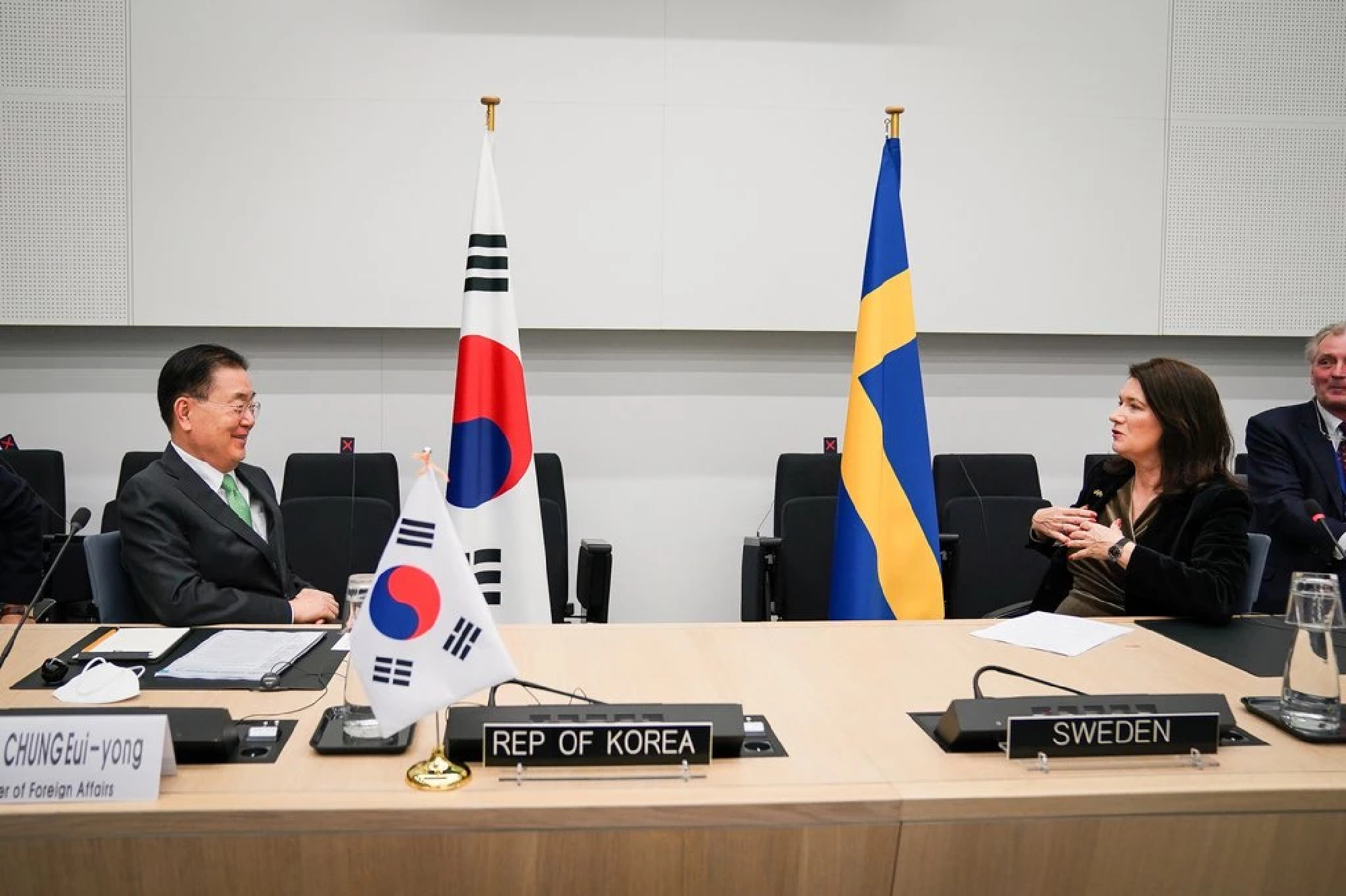
South Korea’s top diplomat had one-on-one talks with his Swedish and Finnish counterparts in Brussels on bilateral ties, the war in Ukraine and Korean Peninsula affairs, Seoul’s foreign ministry said Thursday.
Foreign Minister Chung Eui-yong is on a visit there to attend a meeting of North Atlantic Treaty Organization (NATO) foreign ministers. He is the first South Korean foreign minister to join such a high-profile NATO session, as the country has been invited as an Asia-Pacific partner of the multilateral alliance.
In Chung’s talks with Swedish Foreign Minister Ann Linde on Wednesday (local time), the two sides agreed to expand substantive cooperation to such fields as information and communications technology (ICT) and startups, according to the ministry.
Chung then had a meeting with Finnish Foreign Minister Pekka Haavisto and agreed to continue broadening partnerships in startups, the defense industry and the environmental sector.
Haavisto expressed hope for the early launch of direct flight services between Helsinki and South Korea’s port city of Busan, which has been delayed due to the COVID-19 pandemic, the ministry added.
Chung also briefed the Swedish and Finnish ministers on the security situation in Korea, and they reaffirmed support for Seoul’s efforts to resume dialogue involving Pyongyang. They exchanged views on the Ukraine issue as well. (Yonhap)
Asia News Network: The Nation (Thailand), The Korea Herald, The Straits Times (Singapore), China Daily, Jakarta Post, The Star and Sin Chew Daily (Malaysia), The Statesman (India), Philippine Daily Inquirer, Yomiuri Shimbun and The Japan News, Gogo Mongolia, Dawn (Pakistan), The Island (Sri Lanka), Kuensel (Bhutan), Kathmandu Post (Nepal), Daily Star (Bangladesh), Eleven Media (Myanmar), the Phnom Penh Post and Rasmei Kampuchea (Cambodia), The Borneo Bulletin (Brunei), Vietnam News, and Vientiane Times (Laos).
Asia News Network: The Nation (Thailand), The Korea Herald, The Straits Times (Singapore), China Daily, Jakarta Post, The Star and Sin Chew Daily (Malaysia), The Statesman (India), Philippine Daily Inquirer, Yomiuri Shimbun and The Japan News, Gogo Mongolia, Dawn (Pakistan), The Island (Sri Lanka), Kuensel (Bhutan), Kathmandu Post (Nepal), Daily Star (Bangladesh), Eleven Media (Myanmar), the Phnom Penh Post and Rasmei Kampuchea (Cambodia), The Borneo Bulletin (Brunei), Vietnam News, and Vientiane Times (Laos).
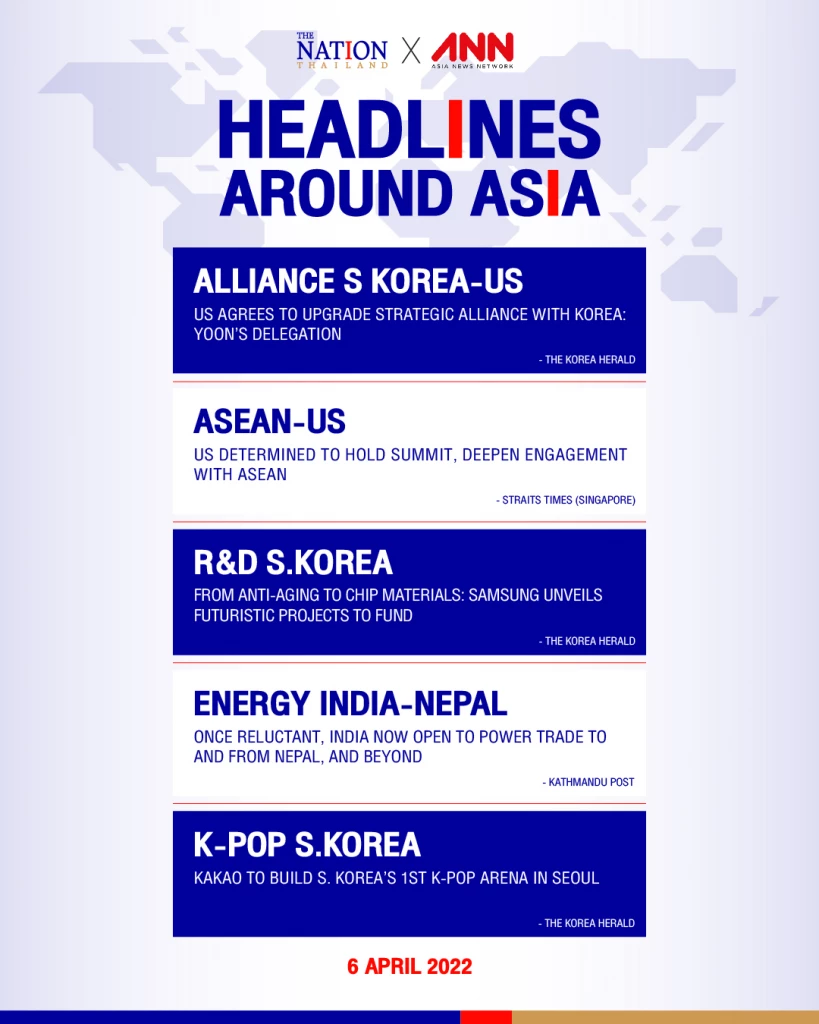
South Korean IT giant Kakao and the Seoul Metropolitan Government have signed an agreement to build the country’s first and largest arena dedicated to staging K-pop performances, officials said Monday.
Called Seoul Arena, the multicultural complex will begin construction in June and is expected to be completed in October 2025. Seoul Arena will be built in Seoul’s northern Dobong-gu and will be capable of accommodating more than 20,000 concertgoers for a single event.
According to Kakao, Seoul Arena will consist of a music-specialized concert venue with nearly 19,000 seats and a maximum capacity of up to 28,000 people for concerts with standing room. Mega concerts featuring top artists have been taking place at Olympics Stadium or other outdoor venues so far. The planned Seoul Arena, with state-of-the-art sound equipment, will offer the perfect venue for superconcerts, officials added.
Seoul Arena will also feature a separate, midsized concert venue with a maximum capacity of 7,000 people as well as a movie theater and commercial facilities.
Kakao said it expects Seoul Arena to attract some 1.8 million visitors per year and contribute to revitalizing the local economy and bolstering the ecosystem of concerts, as it will provide various cultural content including K-pop performances.
Kakao is a leading investor in a special-purpose company to be established to oversee the design, construction, operation and maintenance of Seoul Arena. According to the Seoul city government, the project is estimated to cost 312 billion won ($257 million). Kakao will finance 97 percent of the company’s capital, it said, without elaborating on how much it may cover in expenses for the project.
On the sidelines of the project, Kakao said it plans to run numerous programs to nurture aspiring artists and to provide concert venues and studios for their creations.
The project is a part of Kakao’s community outreach program. It plans to organize joint events with local culture groups and small-business owners in the neighborhood, it added.
Kakao’s investment in Seoul Arena is also in line with its business expansion to entertainment industry.
Since last year, there have been rumors about Kakao’s possible takeover of SM Entertainment, one of the largest K-pop powerhouses with famous artists such as aespa and NCT. The platform giant has repeatedly said that it is reviewing various options to bolster its content businesses but nothing has been decided yet.
Kakao has moved aggressively in its expansion in the entertainment industry with subsidiary Kakao Entertainment taking over multiple agencies, labels and studios.
If Kakao ends up taking over SM Entertainment, it would become the second-largest player in the entertainment agency industry following Hybe, home to K-pop superstar BTS.
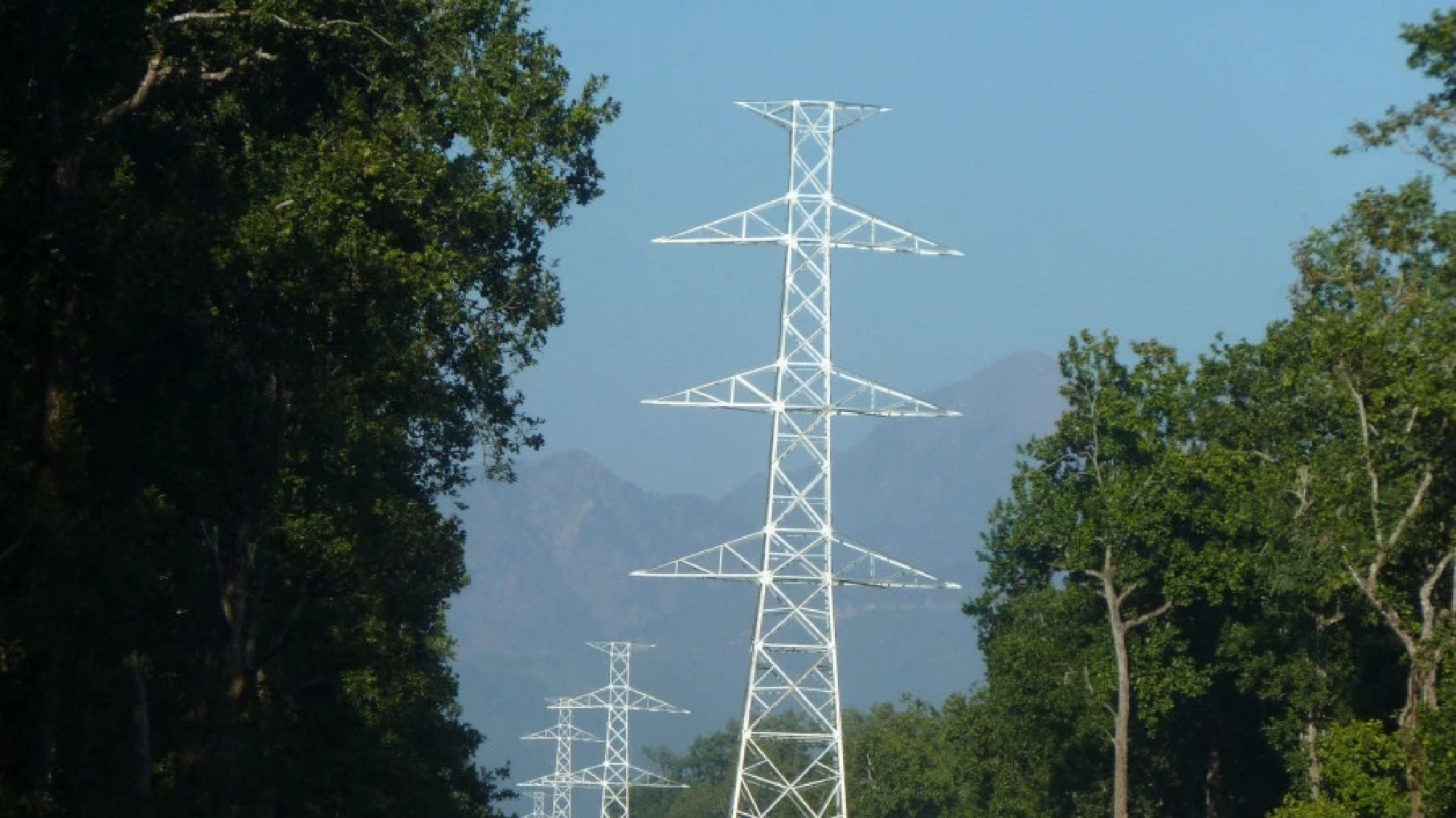
Recent deal on energy trading may come as a boon for Nepal, with benefits for the power-starved region.
Purusottam Ojha, a former commerce secretary, still remembers the scorn from some Indian officials over Nepal’s proposal on a transit arrangement for energy, especially for landlocked countries, about two decades ago.
During the ministerial meeting of the landlocked countries in Almaty, Kazakhstan in August 2003, Nepal had floated a separate proposal that transmission lines be included in the transit arrangement as a privilege to the landlocked countries.
The proposal meant that landlocked countries need a transmission line connectivity from the neighbouring countries in order to sell electricity to third countries.
But in early 2000, Nepal itself was a power-starved country, not producing enough for domestic consumption, let alone for export.
“The Indian officials were visibly livid. They told me that such issues should not be discussed at such forums and can be discussed bilaterally,” Ojha told the Post. “This may be due to the fact that it would lead to erosion of their say over utilisation of Nepal’s water resources.”
The International Ministerial Conference of Landlocked and Transit Developing Countries and Donor Countries and International Financial and Development Institutions on Transit Transport Corporation was organised as per the decision of the United Nations General Assembly.
Fast forward to 2022. India is not reluctant anymore to such similar cooperation in the energy sector. Rather India itself has agreed to promote multilateral cooperation in the power sector.
Prime Minister Sher Bahadur Deuba and his Indian counterpart Narendra Modi on Saturday agreed on the Joint Vision Statement on Power Sector Cooperation which talks about expanding cooperation in the power sector to include their partner countries under the Bangladesh Bhutan, India and Nepal (BBIN) framework, subject to mutually agreed upon terms and conditions between all involved parties.
As per the vision statement, two sides agreed to strengthen cooperation on joint development of power generation projects in Nepal; development of cross-border transmission infrastructure and bi-directional power trade with appropriate access to electricity markets in both countries based on mutual benefits.
Similarly, the statement pushes for market demand and applicable domestic regulations of each country; coordinated operation of the national grids and institutional cooperation in sharing latest operational information, technology and know-how.
“India appears keen on promoting subregional cooperation in power, transportation and other connectivity because of its own strategic interests vis-a-vis keeping Pakistan out and scuttling China’s bid to expand its influence in the region,” said Ojha. “India also wants to link itself with Southeast Asian nations through Bangladesh under its Act East Policy.”
Since coming to power in 2014, the Indian government under Prime Minister Narendra Modi has rebranded the Look East Policy as the Act East Policy. This policy shift seeks both to bring structure to New Delhi’s foreign policy and to achieve its domestic developmental goals specifically within India’s northeastern region. And the Modi government has also pushed for its Neighbourhood First Policy.
Although South Asian nations had signed the SAARC Framework Agreement on Energy in 2014 during the 18th Summit of the regional bloc in Kathmandu, its implementation is still in limbo since SAARC is moribund.
But the recent vision statement has paved the way for sub-regional cooperation in the power sector at a time when Nepal and Bangladesh have agreed to bring India onboard to conduct electricity trade between Nepal and Bangladesh.
Bangladesh has already decided to buy 500MW of electricity from the 900MW Upper Karnali Hydropower Project to be developed by India’s GMR Group, which has set up GMR Upper Karnali Hydropower Limited to develop the project in Nepal.
Bangladesh has also shown interest in developing hydropower projects in Nepal, including the Sunkoshi III Hydropower Project, according to the Energy Ministry.
During the secretary-level Joint Steering Committee meeting between Nepal and Bangladesh in September last year, the two sides also agreed to develop a dedicated transmission line between the two countries by taking India on board.
Currently, there has been bilateral trading of electricity between Nepal and India, India and Bhutan and India and Bangladesh. But there has been no multilateral power trading arrangement among BBIN members so far.
“We have signed a memorandum of understanding on power sector cooperation with Bangladesh which allows Bangladesh to buy electricity from Nepal,” said Madhu Bhetuwal, spokesperson at the Ministry of Energy, Water Resources and Irrigation. “To implement the MoU, cooperation from India is compulsory, and the joint vision statement means Delhi is ready to extend its support.”
As per Article III of the MoU, both sides will take necessary steps to establish adequate national and regional grid connectivity to explore power trade between the two countries.
Bhetuwal said that honest implementation of the vision statement would help create a sub-regional market for the power and it is very much important for Nepal, which wants to export electricity.
Nepal is already a power surplus country in the monsoon. Nepal exported power in India’s energy exchange market for over a month starting early November. The power generated from the 24MW Trishuli Hydropower Project and the 15MW Devighat Hydropower Project were sold in India’s market which helped the power utility to control wastage.
According to an Asian Development Bank report on Hydropower Development and Economic Growth in Nepal, electricity generation capacity in Nepal is rapidly increasing.
In terms of the recent progress in hydropower development, survey licences for over 302 projects with a total capacity of 15,885 MW have already been issued, out of which 172 projects have secured generation licences and construction is ongoing for a total capacity of 4,642 MW.
Power purchase agreements have been completed for 244 projects with a total capacity of 4,138 MW.
The report says that Nepal’s water resources endowments are extraordinary. The country has approximately 6,000 rivers with a total length of 45,000 kilometres. Average water runoff from these rivers is about 220 billion cubic metres annually.
Based on the water resources availability, Nepal’s technical potential for hydropower has been estimated to be 83 gigawatts. Not all the technically feasible hydropower projects will be developed due to various constraints. Hence, about 42 GW is considered economically viable.
Nepal is strategically located between two largest countries in Asia: India and China. These two countries are facing annual demand for electricity of about 5 million GWh. Bangladesh, which is energy-deficient, is hungry for power.
India, China and other neighbouring Asian countries like Bangladesh could easily absorb any additional supply of electricity over and above the needs of Nepal, provided that appropriate transmission infrastructure is in place, the report says.
Officials said that since the vision statement has come from the highest levels of the two governments, concerted efforts must be made to translate it into action.
“The importance of this document for Nepal is that its implementation will ensure a large market for Nepal’s power which the country is desperately searching for,” said Kul Man Ghising, managing director of the Nepal Electricity Authority. “The creation of a subregional market will help attract more investment in Nepal’s power sector.”
According to officials and experts, the vision document is comprehensive in nature which covers power generation, transmission and trading of electricity and also talked about joint investment in both generation and cross border transmission lines.
“One most important feature of this vision statement is it aims to promote interdependence between Nepal and India in energy trade at a time when Nepal is heavily dependent on India for trading of goods,” said Posh Raj Pandey, executive chairperson of South Asia Watch on Trade, Economics and Environment (SAWTEE), a South Asian think tank headquartered in Kathmandu. “The vision statement also aims to create an integrated energy market in the BBIN region and its implementation not only will create an integrated sub-regional market but also attract more investment in Nepal’s power sector.”
He stressed that there should be an effort to hormonise rules and regulations to develop integrated markets at sub-regional level.
As per the vision document, Nepal and India have agreed to make renewable energy production, hydropower in particular, a cornerstone of their energy partnership considering the climate change commitments of Nepal and India.
India is also under pressure to switch to clean energy as most of its power, about 74 percent, is generated from coal.
During the United Nations climate conference in Glasgow, Scotland in November last year, Indian Prime Minister Modi announced that India was aiming to achieve net-zero emission status by 2070.
“With two countries agreeing to forge partnership on hydropower considering their climate change commitment, we can expect that India will ensure market access to Nepal’s power,” said Ghising.
According to the Asian Development Bank report, there are long-term economic benefits of expanding Nepal’s hydroelectric capacity.
The report says expanding the country’s hydropower generation by 20 percent of the economic potential would result in an 87 percent increase of real GDP by 2030 above the baseline growth.
Officials and experts said that the highest level political commitment on energy cooperation between Nepal and India could help harness power generation potential and contribute to socio-economic development of the country.
But Pandey of SAWTEE fears politicisation could derail the plan as the issue of water resources has long been one of the most politically charged matters in Nepal.
“There is this risk that certain groups and ultranationalists may try to derail this cooperation effort in the power sector by politicising it for their own gains,” he said.
Samsung Electronics and its tech foundation said Tuesday they are spending a combined 48.65 billion won ($40 million) this year to fund 27 new research projects on futuristic technologies from anti-aging to new materials for chips.
The tech giant has supported local researchers and their work through the Samsung Science & Technology Foundation since 2013. About 1.5 trillion won has been poured into supporting 735 projects involving 14,000 researchers at some 50 schools over the past decade.
Of this year’s recipients, 12 basic science projects have been selected for their fresh approach as well as academic values, Samsung said.
One of the teams, led by Kang Chan-hee, life science professor of Seoul National University, will verify the aging process of cells in human body.
Aged cells usually migrate to other parts of the body through senescence-associated secretory phenotype or SASP. The team will look into why aging is accelerated in some cells than others, which could help develop treatments for age-related diseases such as arthritis and metabolic syndrome.
Eight projects on new materials have also been selected considering their potential for industrial use such as in chips and batteries.
Another team, led by Kim Joon-seong, physics professor of Pohang University of Science and Technology, will develop new magnetic materials that drastically increase the resistivity of semiconductors.
Low temperature and high magnetic field performance are considered crucial for massive computing and data centers that consume enormous electricity. The new materials would speed up the commercialization of memory chips working at extremely low temperatures.
A team, led by Choi Young-jae, materials engineering professor of Gwangju Institute of Science and Technology, is developing a new refining technology for RNA structures that elevate the refinery rate from the current 70 percent to 99.
A higher refinery rate would help boost the overall efficiency of RNA-based vaccine production regardless of the amount or complexity.
The remaining seven projects are linked to ICT innovation such as 6G network and quantum computing.
Kwon Young-jin, a computer science professor of Korea Advanced Institute of Science and Technology, plans to develop a virtual system without memory bugs, which secures both safety and security of data-heavy research work for autonomous driving or cloud services.
Samsung said the selected projects will get more practical support such as mentoring for commercialization as well as funding for up to five years.
WASHINGTON – The key to effective engagement between the United States and Asean, is that it is multifaceted, with many strands, Kurt Campbell, Coordinator for the Indo-Pacific at the National Security Council, said on Tuesday (April 5) in Washington.
Referring to a US-Asean summit that President Joe Biden wants to host in Washington sometime in the spring – that is, quite soon, but with no dates given – Dr Campbell said “In fact, that is the key that we seek when the leaders come to Washington.”
Dr Campbell, a former assistant secretary of state for East Asian and Pacific affairs from 2009-2013 under then president Barack Obama, where he was seen as the architect of that administration’s “pivot to Asia”, was speaking at a Centre for Strategic and International Studies US-Indo-Pacific Conference.
“We now hold a monthly engagement with Asean ambassadors – something that in the past was occasional engagement, but (is) now deep high-level engagements with key players in the US government,” Dr Campbell said.
“New venues like the Quad (an informal maritime oriented grouping comprising India, Australia, Japan and the US) are important” he said. “But foundationally from our perspective, what is critical is a strong… committed approach to Asean, and that’s what we’re seeking.”
“The President has indicated he very much wants to host the Asean leaders here in Washington in the spring,” he added. “Sometimes getting everyone’s calendar together can be challenging, but that is what we are determined to do.”
“Our idea… is to broaden and deepen the scope and engagement of the US government with respect to Asean, and that means everything” he said.
“We tend to focus more on diplomacy or security, but we see so many avenues of potential engagement, whether it be on climate change or investments.”
“It is essential for the United States to put together an optimistic, engaged, focused effort that sends a message that we’re committed to the region and that we want to work on common approaches, common standards, to create mutual prosperity, and to do it in a way that’s politically viable, not only for the countries involved, but for us.”
It would not be an easy path, he acknowledged. But “We do believe that Asean is foundational… that it has to be the centre of our overall engagement in Asia.”
Asked about the impact in Asia of the war in Ukraine, Dr Campbell said it was “perhaps unspoken, but… every country in Asia, in the Indo-Pacific, wants to ensure that Ukraine is a cautionary tale – that no one contemplates again, or in another theatre, some sort of operation that would be so destabilising and so destructive.”
Yoon’s delegation says they formed consensus on need of complete, verifiable and irreversible denuclearization of Pyongyang with US
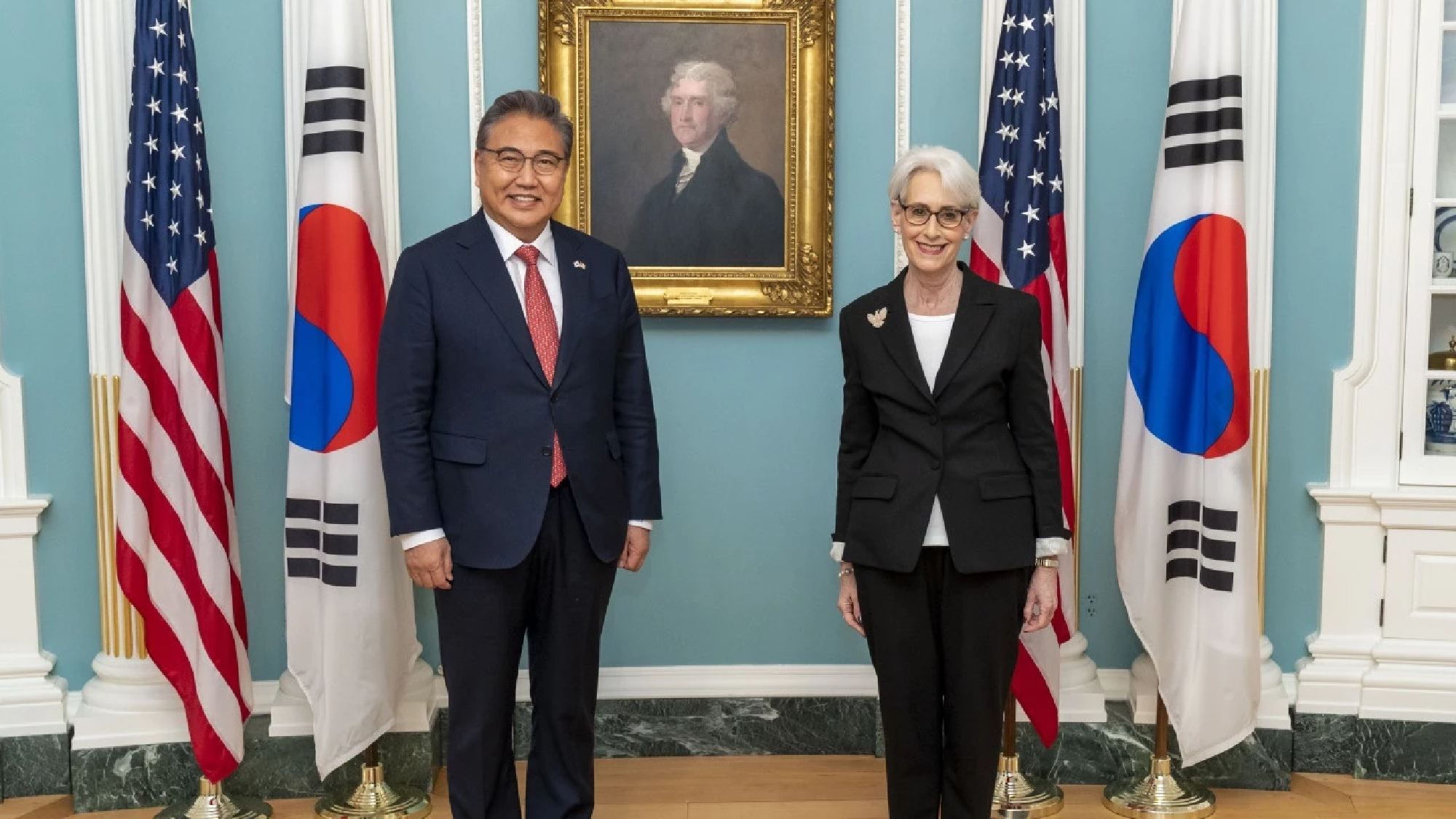
Washington agreed to raise the level of strategic alliance with South Korea and agreed on the need for complete, verifiable and irreversible denuclearization (CVID) of North Korea, the chief of President-elect Yoon Suk-yeol’s policy consultation delegation said during his trip to the United States on Monday (US time).
Rep. Park Jin of the People Power Party, who is leading Yoon’s delegation, said he had also discussed the importance of the Extended Deterrence Strategy and Consultation Group and reviving it between the two countries in a meeting with US Deputy Secretary of State Wendy Sherman in Washington. Reactivating the EDSCG with the US was one of Yoon’s election pledges.
“In this critical time of government transition and with North Korea’s continuing provocations, we agreed on the importance of maintaining impenetrable cooperation,” Park said after meeting with Sherman.
“We were able to explain President-elect Yoon’s policy stance on North Korea — to pursue CVID for sustainable peace and security of the Korean Peninsula — and the US side also agreed.”
The delegation chief also said he relayed Yoon’s intentions for South Korea to participate in the working group of Quadrilateral Security Dialogue, known as the Quad. The Quad is a US-led regional security forum that includes Australia, India and Japan.
“We also shared the view that it is very important to hold high-level strategic discussions (with each other) to reinforce a united defense posture and for nuclear deterrence,” Park added.
The EDSCG was first established by the US-Korea Foreign and Defense Ministers’ meeting in October 2016. It served as the channel for the two allies to discuss strategic and policy stances on extended deterrence against North Korea.
Also called the 2+2 working group, the group’s meeting has apparently stopped since early January 2018, when Seoul had worked to achieve rapprochement with Pyongyang under President Moon Jae-in’s lead.
The meeting between the Korean delegation and Sherman lasted for around two hours. Officials in charge of other sectors such as the economy, security and COVID-19 management from the US side were also present.
Over the issue of Pyongyang’s human rights, Park reiterated how seriously Yoon’s office takes the issue. Park said that Yoon’s government would be at the forefront when the United Nations adopts a resolution regarding the regime’s human rights situation.
On Tuesday (US time) Park was set to visit the White House and deliver Yoon’s personal letter to President Joe Biden. The delegation chief was also expected to coordinate plans for a summit between the two leaders.
The South Korean delegation of seven members took off for the US on Sunday for a five-night trip, aiming to discuss a wide range of topics including the bilateral alliance and coordinating policies before Yoon enters office on May 10.
Earlier in the day, the US State Department said the US looks forward to working with South Korea’s incoming government to tackle the nuclear threats and challenges posed by North Korea and address concerns about the isolated regime’s human rights situation.
Asia News Network: The Nation (Thailand), The Korea Herald, The Straits Times (Singapore), China Daily, Jakarta Post, The Star and Sin Chew Daily (Malaysia), The Statesman (India), Philippine Daily Inquirer, Yomiuri Shimbun and The Japan News, Gogo Mongolia, Dawn (Pakistan), The Island (Sri Lanka), Kuensel (Bhutan), Kathmandu Post (Nepal), Daily Star (Bangladesh), Eleven Media (Myanmar), the Phnom Penh Post and Rasmei Kampuchea (Cambodia), The Borneo Bulletin (Brunei), Vietnam News, and Vientiane Times (Laos).







 SootinClaimon.Com