COVID, Russia behind Kishida Cabinet’s high approval rating

#SootinClaimon.Com : ขอบคุณแหล่งข้อมูล : หนังสือพิมพ์ The Nation.

https://www.nationthailand.com/international/40014178


The approval rating for the Cabinet of Prime Minister Fumio Kishida has remained relatively high since it launched six months ago, thanks to its position on Russia and its management of coronavirus infections.
COVID, Russia behind Kishida Cabinet’s high approval rating

The Cabinet has taken a firm stance against Russia since the country invaded Ukraine, and successfully avoided a collapse of the medical system despite the highest number of coronavirus infections.

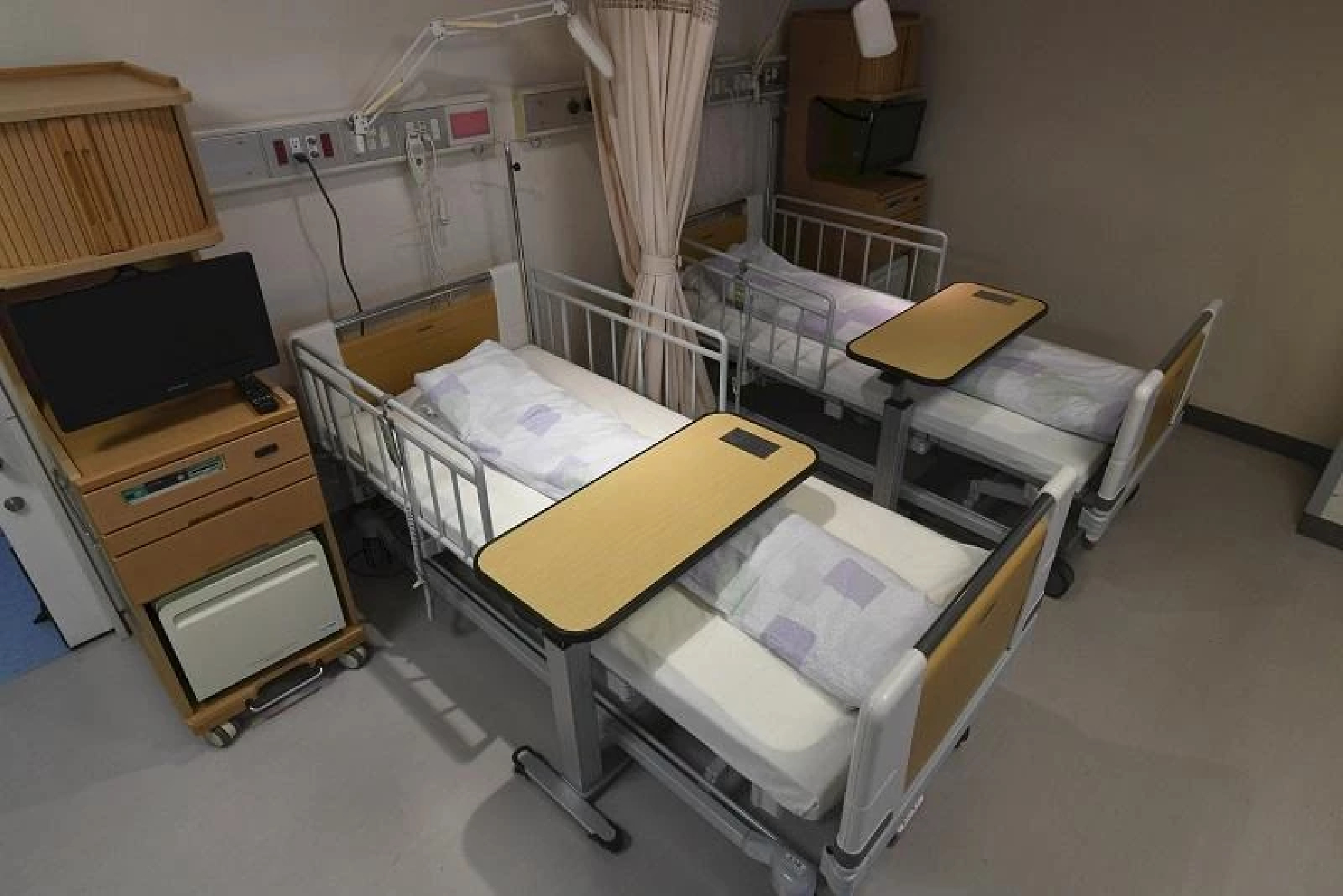
The biggest challenge in the past six months has been how to respond to the sixth wave of infections caused by the omicron variant. Although the government was criticized for the delay in the third round of vaccinations and the shortage of antigen test kits, it was able to avoid declaring a state of emergency because it had expanded hospital beds for COVID-19 patients based on lessons learned from the fifth wave.

The omicron variant is also less likely to cause serious symptoms compared to the previously dominant delta variant, and that has contributed to the medical system’s stability. In the end, the surge of infections did not result in a fatal blow to the administration.

Policies have been implemented steadily through the efforts of Prime Minister’s Office officials. A team of secretaries led by Executive Secretary to the Prime Minister Takashi Shimada, who is a former vice minister of economy, trade and industry, deals with domestic affairs, while Takeo Akiba, secretary general of the National Security Secretariat and former vice minister for foreign affairs, coordinates details among ministries and agencies on diplomatic matters. Deputy Chief Cabinet Secretary Seiji Kihara, who is Kishida’s close aide, takes the initiative in sensitive matters before Kishida makes the final decision.

This bottom-up approach has enabled the administration to respond flexibly to challenges like the sixth wave.

Kishida is also supported for his handling of the Russia-Ukraine situation, according to the latest Yomiuri Shimbun survey.

At a summit meeting of the Group of Seven industrialized nations in Brussels on March 24, U.S. President Joe Biden was among the world leaders who expressed appreciation for Kishida’s decision to impose strict sanctions on Russia in alignment with the West, saying that he would like to pay his respects to Kishida for his leadership.

Since the Cabinet of former Prime Minister Shinzo Abe, the Japanese government has refrained from taking a firm stance on Russia — compared to the United States and European countries — out of consideration for negotiations over the northern territories.

However, Kishida had instructed officials to change this long-standing government policy even before the Russian invasion started, saying that it was “a fight to maintain the international order.”

Asia News Network: The Nation (Thailand), The Korea Herald, The Straits Times (Singapore), China Daily,  Jakarta Post, The Star and Sin Chew Daily (Malaysia), The Statesman (India), Philippine Daily Inquirer, Yomiuri Shimbun and The Japan News, Gogo Mongolia,  Dawn (Pakistan),  The Island (Sri Lanka), Kuensel (Bhutan), Kathmandu Post (Nepal), Daily Star (Bangladesh), Eleven Media (Myanmar), the Phnom Penh Post and Rasmei Kampuchea (Cambodia), The Borneo Bulletin (Brunei), Vietnam News, and Vientiane Times (Laos).

Published : April 05, 2022

By : The Japan News
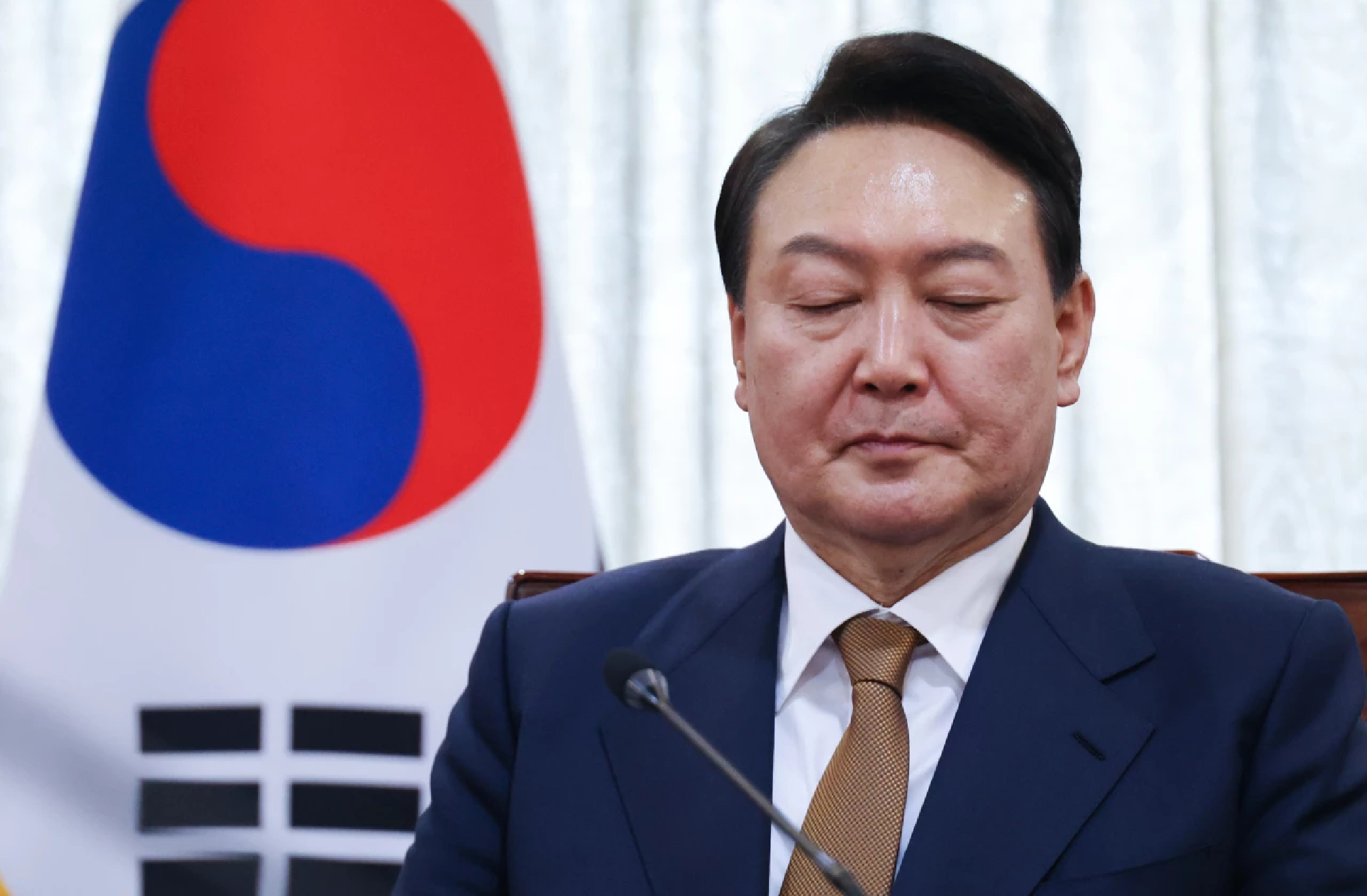
Yoon faces familiar dilemma over restoring Japan relations

#SootinClaimon.Com : ขอบคุณแหล่งข้อมูล : หนังสือพิมพ์ The Nation.

https://www.nationthailand.com/international/40014177


Yoon vowed to restore strained relations, but it’s not that simple, experts say

Yoon faces familiar dilemma over restoring Japan relations

President-elect Yoon Suk-yeol’s pledge to restore relations with Tokyo appears likely to experience difficulties, with the issue of distorting history in Japanese textbooks reemerging.

Yoon stressed Seoul-Tokyo relations as a priority during his campaign, and expectations have risen since his election win. Yoon is reportedly considering sending a delegation to Japan for policy coordination and to meet with Japanese Prime Minister Fumio Kishida around May.

Before Yoon could put his words into action, however, an issue pertaining to Japanese history textbooks arose.

In late March, Japan released evaluations of its textbooks, including history and geography. The textbooks include the claim that Dokdo is Japanese territory. Expressions such as the “coercion” of Japanese colonial-era Koreans, which was previously included, was modified to expressions such as “mobilization.”

Seoul’s Foreign Ministry immediately expressed “deep regrets” and urged Tokyo to address the problem, describing the move as a distortion of historical truths. It also called in Naoki Kumagai, deputy chief of mission at the Japanese Embassy in Seoul, to deliver a message of formal protest. The Education Ministry expressed regret, saying the textbooks are based on Japan’s own country-centered view of history.

Yoon has remained silent over the issue for several days.

When the Democratic Party of Korea accused Yoon of staying silent, Yoon’s office said that Yoon has refrained from commenting on the issue as the Moon Jae-in administration is still Tokyo’s diplomatic counterpart.

But Yoon’s office has expressed opinion on other diplomatic matters. The presidential transition committee called North Korea’s test launch of an intercontinental ballistic missile a “significant provocation” and strongly condemned it.

It also asked the Korean Intellectual Property Office to actively play a role in preventing technology theft and leakage amid strong competition between the US and China for technology hegemony.

Yoon, who wants to have “future-oriented relations” with Japan, should express a clear stance on the thorny issues, including Dokdo, comfort women and forced labor, to truly restore relations with the country, experts say. Otherwise, Japan could strategically take advantage of the period of Korean regime change to push for policies in its favor.

“Japan wants to do this quickly and demand the new Korean government as it is,” said professor Lee Young-chae of Keisen University in Tokyo.

“Japan sees that Yoon Suk-yeol may not have a stronger position (against Japan) than Moon. So it wants to make its position on Dokdo and history textbooks much clearer during Yoon’s administration,” he said.

What Japan wants is to emphasize its position on historical issues and to only seek to cooperate on the North Korean nuclear issues and the Korea-US-Japan alliance, the professor said.

“However, if we let it slide, it can cause public outrage and distort the relationship with Japan even more,” Lee said.

It is true that Korea-Japan relations should be improved, but resolving the relationship without making a clear position on the thorny issues could make that more difficult, Lee added.

Professor Yuji Hosaka of Sejong University said that although Yoon has vowed to restore the relationship with Japan, it is not an easy task for any president.

“The key problems of Korea-Japan relations are Dokdo, forced labor and comfort women. They did not begin during the Moon Jae-in government but lasted for more than a decade,” Hosaka said.

All three issues came to the fore around 2011 during the former Lee Myung-bak administration, but final rulings were made during Moon’s administration.

The relationship between Korea and Japan began to sour in earnest when former President Lee visited Dokdo in protest of Japan’s negligence on comfort women issues. Park Geun-hye’s administration also had intense conflicts with former Prime Minister Shinzo Abe over the same problem, saying she would not have a summit unless the issue were resolved.

“Too many things are complicatedly intertwined in relations with Japan, so it’s not easy to put them on the table at once as a grand bargain as Yoon pledged,” Hosaka said. “Each agenda is very complicated, so we have to solve it one by one. Whoever becomes president, it is a very complicated issue to solve.”

By Shin Ji-hye

Asia News Network: The Nation (Thailand), The Korea Herald, The Straits Times (Singapore), China Daily,  Jakarta Post, The Star and Sin Chew Daily (Malaysia), The Statesman (India), Philippine Daily Inquirer, Yomiuri Shimbun and The Japan News, Gogo Mongolia,  Dawn (Pakistan),  The Island (Sri Lanka), Kuensel (Bhutan), Kathmandu Post (Nepal), Daily Star (Bangladesh), Eleven Media (Myanmar), the Phnom Penh Post and Rasmei Kampuchea (Cambodia), The Borneo Bulletin (Brunei), Vietnam News, and Vientiane Times (Laos).

Published : April 05, 2022

By : The Korea Herald

Populist sops could take states to path of Sri Lanka: Bureaucrats to PM

#SootinClaimon.Com : ขอบคุณแหล่งข้อมูล : หนังสือพิมพ์ The Nation.

https://www.nationthailand.com/international/40014176


In a meeting with Prime Minister Narendra Modi, few senior bureaucrats have warned that the populist sops announced by some states are economically not viable and could lead them to same path as Sri Lanka.

Populist sops could take states to path of Sri Lanka: Bureaucrats to PM

On Saturday, Prime Minister Modi had marathon meetings with secretaries of all the department. Principal secretary to Prime Minister P.K Mishra, cabinet secretary Rajiv Gauna and NSA Ajit Doval were also present in the meeting which lasted for nearly four hours.

Sources said that over two dozens secretaries have expressed their views and this was ninth such meeting of Prime Minister Modi since 2014.

It is learnt that referring to populist sops announced in the recent Assembly polls, few senior bureaucrats said that such sops are economically not viable and can take the state on the same path as Sri Lanka.

“Some secretaries said that populist schemes or sops were announced in the recent Assembly polls in the states, which are already in poor economic conditions. These sops are not economically viable and it can take state in the path of Sri Lanka,” sources said.

It is further learnt that Prime Minister Modi has asked the secretaries to think out of the box.

Sources said the referring to team efforts during the Covid, Prime Minister said that they should act as secretary to Government of India not as secretary to their respective departments.

“Prime Minister Modi also asked secretaries to give suggestions and point out short comings in government policies, including to the department not related to them,” the sources said.

Asia News Network: The Nation (Thailand), The Korea Herald, The Straits Times (Singapore), China Daily,  Jakarta Post, The Star and Sin Chew Daily (Malaysia), The Statesman (India), Philippine Daily Inquirer, Yomiuri Shimbun and The Japan News, Gogo Mongolia,  Dawn (Pakistan),  The Island (Sri Lanka), Kuensel (Bhutan), Kathmandu Post (Nepal), Daily Star (Bangladesh), Eleven Media (Myanmar), the Phnom Penh Post and Rasmei Kampuchea (Cambodia), The Borneo Bulletin (Brunei), Vietnam News, and Vientiane Times (Laos).

Published : April 05, 2022

By : The Statesman

‘Now or never’: World has climate solutions but must act fast to avoid overheating, says UN panel

#SootinClaimon.Com : ขอบคุณแหล่งข้อมูล : หนังสือพิมพ์ The Nation.

https://www.nationthailand.com/international/40014175


SINGAPORE – The United Nations’ top climate science panel released a major report on Monday (April 4), outlining how nations can transform the global economy towards a safer future by cutting fossil fuel emissions that are endangering humanity and the planet.

'Now or never': World has climate solutions but must act fast to avoid overheating, says UN panel

The report by the Intergovernmental Panel on Climate Change (IPCC) says global greenhouse gas emissions need to peak before 2025 to limit dangerous climate change.

But it also says solutions are at hand, that nations are taking action and some key green technology costs have plunged in recent years.

In short, there is hope, and climate policies can be positive for economic development.

For example, from 2010 to 2019, the unit costs of solar energy plunged 85 per cent, wind energy 55 per cent and lithium-ion batteries 85 per cent, says the report. During this same period, solar deployment expanded 10 times, and it was 100 times for electric vehicles.

“We are at a crossroads. The decisions we make now can secure a liveable future. We have the tools and know-how required to limit warming,” said IPCC chairman Hoesung Lee, adding that he was encouraged by climate action being taken in many countries. But much more was needed.

The report by the IPCC’s Working Group III (WGIII) focuses on cutting emissions, as well as costs, methods and the impact on sectors and technologies.

It is the IPCC’s third and final instalment of a multi-year assessment on the science, impact and solutions to climate change. It is the most contentious of the three reports.

This is because it deals with issues that are among the hardest to tackle when facing manmade-climate change: the need to shift away from fossil fuels, the speed at which it needs to happen and the huge costs in rewiring the global economy by going green, especially for poorer nations.

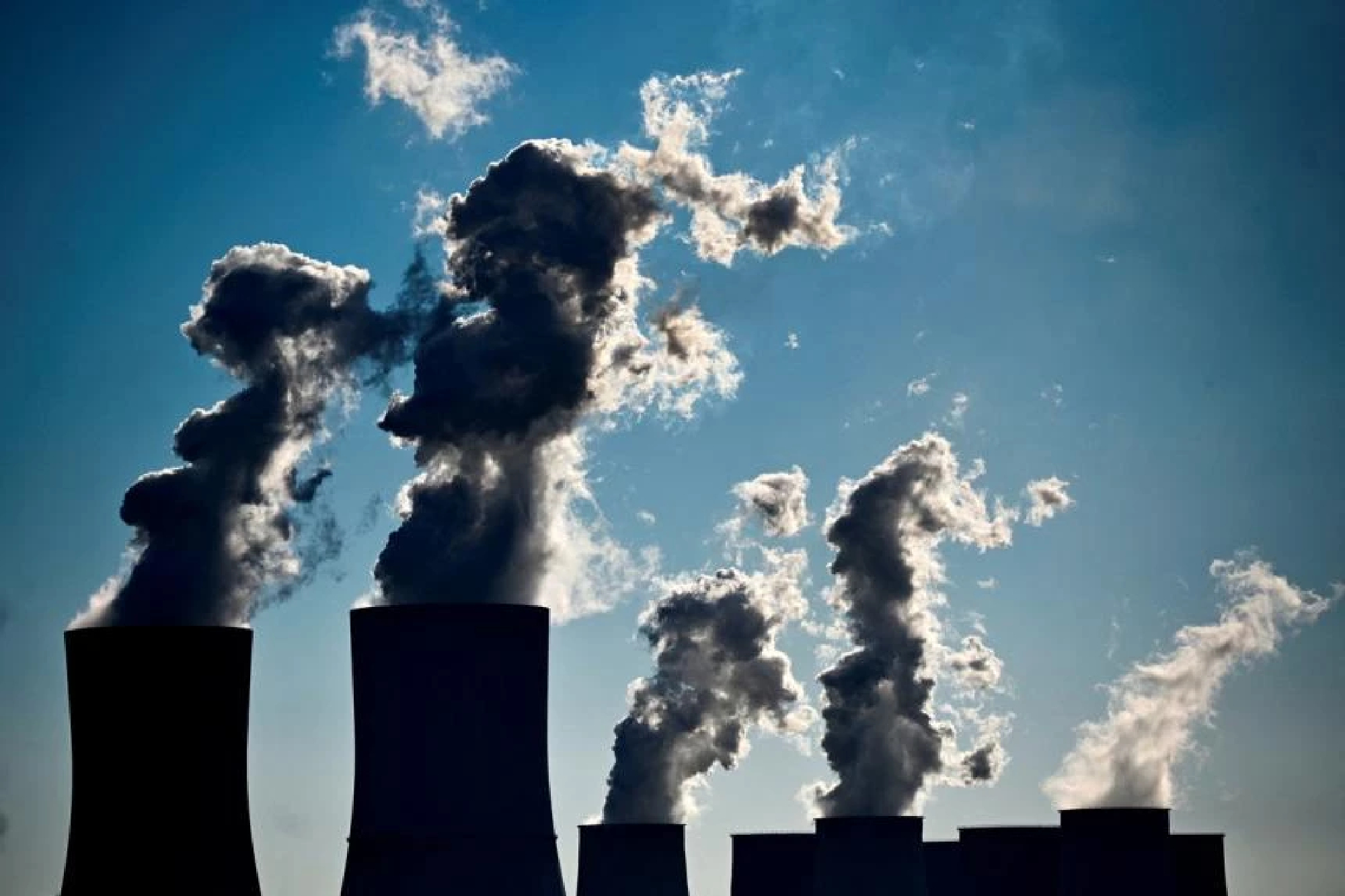
Emissions from burning coal, oil and gas are pushing up global temperatures. These emissions, chiefly carbon dioxide (CO2) and methane, are fuelling increasingly severe climate change impact and humanitarian crises. Yet fossil fuels remain central to many economies.

“Without immediate and deep emissions reductions across all sectors, limiting global warming to 1.5 deg C is beyond reach,” says the IPCC.

Limiting warming to 1.5 deg C above pre-industrial levels is a key goal of the 2015 Paris climate agreement. Beyond this threshold lies a future beset by more severe weather and faster sea-level rise, a world humanity has never experienced.

The world has already warmed 1.1 deg C.

“Climate change is the result of more than a century of unsustainable energy and land use, lifestyles and patterns of consumption and production,” said WGIII co-chairman, Professor Jim Skea of Imperial College London. “This report shows how taking action now can move us towards a fairer, more sustainable world.”

For instance, cleaner energy generation and electric vehicles can slash air pollution. Greener buildings and a focus on public transport and green spaces can cut energy use and make cities healthier places to live.

Growing food more efficiently can save forests and other ecosystems threatened with clearance. Forests and grasslands also soak up CO2.

Professor Navroz Dubash, a coordinating lead author of the report, noted that there are a lot of policy options at reasonable cost in terms of tonnes of carbon emissions reductions.

He said that for about half of all the emissions reductions needed to limit warming to 1.5 deg C, it would cost less than US$100 (S$136) to reduce a tonne. And about a quarter of the emissions can be reduced at less than US$20 a tonne.

“So that’s a very positive message and cuts across various sectors and approaches,” Prof Dubash, of the Centre for Policy Research in New Delhi, told The Straits Times.

The IPCC said limiting warming to around 1.5 deg C requires global greenhouse gas emissions to peak before 2025 at the latest, and be reduced by 43 per cent by 2030. Methane, which is more potent at trapping heat in the atmosphere than CO2, would also need to be reduced by about a third.

“It’s now or never, if we want to limit global warming to 1.5 deg C,” said Prof Skea.

Disputes over references to finance were one of the issues that bogged down the report’s formal approval process over the past two weeks.

Poorer nations want more financial help and more leeway to use fossil fuels for a longer time, while rich nations are being urged to make deeper cuts first.

The report was written by 278 scientists and released after negotiations between the authors and government officials from nearly 200 nations.

The meeting was needed to approve line by line a 63-page summary for policymakers. This is a much shorter version of the report and politically much more tricky since once governments have approved it, they cannot row back on the document.

This led to accusations that some of the conclusions were watered down under political pressure.

Report lead author, Professor Frank Jotzo, told ST that it was normal for every aspect of the report to be scrutinised, often in great depth.

“The fact that governments take such a strong interest in the approval process is testimony to the importance of the IPCC’s reports. If the reports were not consequential, approval would not be contentious,” said Prof Jotzo, who is from the Crawford School of Public Policy at the Australian National University in Canberra.

By David Fogarty

Asia News Network: The Nation (Thailand), The Korea Herald, The Straits Times (Singapore), China Daily,  Jakarta Post, The Star and Sin Chew Daily (Malaysia), The Statesman (India), Philippine Daily Inquirer, Yomiuri Shimbun and The Japan News, Gogo Mongolia,  Dawn (Pakistan),  The Island (Sri Lanka), Kuensel (Bhutan), Kathmandu Post (Nepal), Daily Star (Bangladesh), Eleven Media (Myanmar), the Phnom Penh Post and Rasmei Kampuchea (Cambodia), The Borneo Bulletin (Brunei), Vietnam News, and Vientiane Times (Laos).

Published : April 05, 2022

By : The Straits Times

Shanghai lockdown continues

#SootinClaimon.Com : ขอบคุณแหล่งข้อมูล : หนังสือพิมพ์ The Nation.

https://www.nationthailand.com/international/40014174


Measures to remain until results of mass testing on Monday are verified, analyzed

Shanghai lockdown continues

The phased lockdown triggered by the COVID-19 outbreak in Shanghai will remain for the time being, as authorities are seizing the time to verify and analyze Monday’s mass testing results and transfer those infected, the city government said on Monday.

Future epidemic control measures will be rolled out based on those results. But until then, residents are required to stay at home except for activities such as essential hospital visits, the city said in a social media statement.

Shanghai went through a fourth day of phased lockdown on Monday, but amid the unusual quiet of the mandated standstill, its 25 million residents have been more alert than ever as the city battles its toughest COVID-19 outbreak in two years.

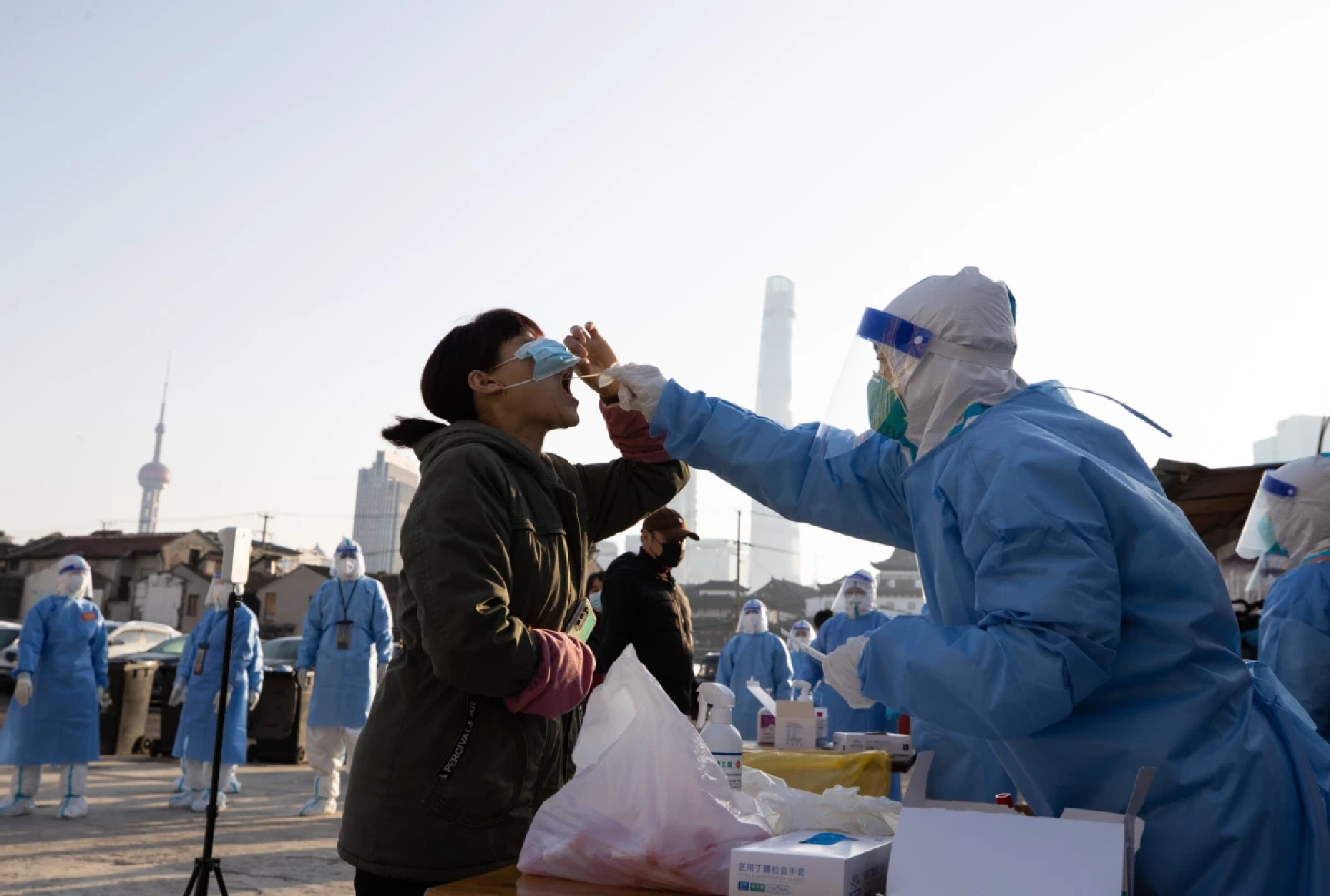
Citywide mass testing started and was completed on Monday with the help of more than 38,000 medical workers from across China. About 2,000 of them came from seven medical units affiliated with the Army, Navy and joint logistics support force. Most of the rest were from the neighboring provinces of Zhejiang, Jiangsu and Anhui, and some were from Hubei, Jiangxi, Shandong, Hainan or other provinces.

A mixed sense of intensity, unity and hopefulness has gradually dominated cyberspace in the city since late Sunday, especially on WeChat Moments, where residents shared photos, snapped from their windows, of medical teams arriving in buses, of volunteers getting test sites ready in the early hours and of themselves lining up 2 meters apart to get tested.

Shanghai has reported around 60,000 new infections since this outbreak began in March, and daily tallies of new cases continue to rise, reaching 9,006 on Monday, according to the Shanghai Health Commission.

Most of those infected are asymptomatic, but they have to be quarantined to break the chain of transmission of the highly infectious Omicron subvariant, the dominant strain in this outbreak.

Vice-Premier Sun Chunlan, making an inspection visit to Shanghai since Saturday, called for resolute and swift measures to get the city’s outbreak under control as quickly as possible. Sun, who is also a member of the Political Bureau of the Communist Party of China Central Committee, emphasized the need for absolute adherence to the dynamic zero-COVID approach and that no efforts should be spared to protect people’s lives and the city’s operation.

Sun said that Shanghai, an economic center with a dense population, should guarantee it will maintain its core functions. Relevant ministries and departments should coordinate resources to support the epidemic control, she said, adding that every step of the citywide nucleic acid testing should be done in a speedy and orderly manner.

Many volunteers and medical workers stay up all night or get up early to prepare for the daily testing, which begins at 7 am in neighborhoods across the city.

Yang Sijun, a volunteer in the Shouyifang compound, in Xuhui district, began his day at 5 am Monday taking two antigen tests, both negative, before heading for his volunteer work in the community. Yang and other volunteers help keep order and a safe distance between the more than 3,000 people taking nucleic acid tests.

“The two medics I worked with are from Anhui province. They left for Shanghai last night. I heard they spent seven hours on the road,” Yang said. “With little rest, they came to help us without complaint.”

“We thank them from the bottom of our hearts,” he said. “With the help of medics from all over China and the cooperation of local volunteers and residents, I’m confident that Shanghai will win this battle against the virus.”

As part of the epidemic control efforts, Shanghai has also designated around 10 hospitals, including makeshift fangcang hospitals, for the treatment of COVID-19 patients.

Within a week’s time, Shanghai New International Expo Center, one of the city’s largest expo venues, was reconfigured into a fangcang hospital with a capacity of 15,000 beds and started receiving patients on Saturday night. Another fangcang with a 2,700-bed capacity and built at 10th China Flower Expo venue opened on Monday.

On the southern front of China’s COVID-19 battle, Shenzhen, Guangdong province, which neighbors Hong Kong, reported zero local COVID-19 cases on Sunday, after lifting a weeklong lockdown on March 21.

Beijing reported 10 new cases on Monday, nine of them confirmed and one asymptomatic.

Meanwhile, health authorities in Jilin province reported 3,578 locally transmitted infections, 2,920 of them in Changchun, the capital.

Asia News Network: The Nation (Thailand), The Korea Herald, The Straits Times (Singapore), China Daily,  Jakarta Post, The Star and Sin Chew Daily (Malaysia), The Statesman (India), Philippine Daily Inquirer, Yomiuri Shimbun and The Japan News, Gogo Mongolia,  Dawn (Pakistan),  The Island (Sri Lanka), Kuensel (Bhutan), Kathmandu Post (Nepal), Daily Star (Bangladesh), Eleven Media (Myanmar), the Phnom Penh Post and Rasmei Kampuchea (Cambodia), The Borneo Bulletin (Brunei), Vietnam News, and Vientiane Times (Laos).

Published : April 05, 2022

By : China Daily

The Latest news on what’s happening in the region

#SootinClaimon.Com : ขอบคุณแหล่งข้อมูล : หนังสือพิมพ์ The Nation.

https://www.nationthailand.com/international/40014169


Check out what’s hot in the region on April 4 as The Nation puts together headlines from members of Asia News Network (ANN). Click to read more:

The Latest news on what's happening in the region

Crisis Sri Lanka
India eases pressure on SLPP govt. by delivering 40,000MT of diesel

The Island ( Sri Lanka )
https://www.nationthailand.com/international/40014137

Myanmar Crisis
CBM eases cash withdrawal restrictions

Eleven Media ( Myanmar )
https://www.nationthailand.com/international/40014141

Education Vietnam
UNICEF Việt Nam calls for reopening of all schools

Viet Nam News
https://www.nationthailand.com/international/40014140

Afghanistan-China
Afghanistan must not be excluded from international community: Wang Yi

China Daily
https://www.nationthailand.com/international/40014139

North Korea
Kim Yo-jong slams S. Korean minister’s talk of ‘preemptive strike,’ warns of serious consequence

The Korea Herald
https://www.nationthailand.com/international/40014138

Asia News Network: The Nation (Thailand), The Korea Herald, The Straits Times (Singapore), China Daily,  Jakarta Post, The Star and Sin Chew Daily (Malaysia), The Statesman (India), Philippine Daily Inquirer, Yomiuri Shimbun and The Japan News, Gogo Mongolia,  Dawn (Pakistan),  The Island (Sri Lanka), Kuensel (Bhutan), Kathmandu Post (Nepal), Daily Star (Bangladesh), Eleven Media (Myanmar), the Phnom Penh Post and Rasmei Kampuchea (Cambodia), The Borneo Bulletin (Brunei), Vietnam News, and Vientiane Times (Laos).

Published : April 04, 2022

CBM eases cash withdrawal restrictions

#SootinClaimon.Com : ขอบคุณแหล่งข้อมูล : หนังสือพิมพ์ The Nation.

https://www.nationthailand.com/international/40014141


The Central Bank of Myanmar (CBM) has issued an order dated April 1, 2022 instructing the banks to allow cash withdrawals for salaries and wages of the factories in industrial zones without limit and a weekly withdrawal of up to Ks100 million for purchase of raw materials and the businesses operating with government budgets as of April 1.

CBM eases cash withdrawal restrictions

As cash flow management in the banks in Myanmar improves again, the CBM has eased its restrictions on cash withdrawals, the instruction says.

According to the latest instruction, the government departments  can withdraw a maximum of Ks100 million weekly for training school expenses, cash rewards, uniform expenses, good service personnel cash awards, honorary title cash awards and religious ceremonies.

The maximum amount of Ks100 million per week withdrawal is also allowed for construction projects and logistic expenses of government departments, expenses of region and state governments, regional and rural development projects run by government budgets and cash assistance (for example, social welfare aid, community-based assistance).

The factories from the industrials zones are allowed to withdraw cash without any limit for the salaries and wages of their workers. Meanwhile, they can withdraw a maximum of Ks100 million per week for purchasing raw materials, the CBM instruction says.

For health and religious purposes, private individuals are allowed to withdraw up to Ks10 million per week if they can show the required documents.

The instruction takes effect since the date of the issuance, the CBM announced.

Previously, the CBM issued an order dated 1-3-2021 restricting cash withdrawals from the banks. The maximum cash withdrawal was set at Ks500,000 per day for ATM/POS, Ks2 million per week from banks accounts for an individual and Ks20 million per week from bank accounts for a company or organization. 

Asia News Network: The Nation (Thailand), The Korea Herald, The Straits Times (Singapore), China Daily,  Jakarta Post, The Star and Sin Chew Daily (Malaysia), The Statesman (India), Philippine Daily Inquirer, Yomiuri Shimbun and The Japan News, Gogo Mongolia,  Dawn (Pakistan),  The Island (Sri Lanka), Kuensel (Bhutan), Kathmandu Post (Nepal), Daily Star (Bangladesh), Eleven Media (Myanmar), the Phnom Penh Post and Rasmei Kampuchea (Cambodia), The Borneo Bulletin (Brunei), Vietnam News, and Vientiane Times (Laos).

Published : April 04, 2022

By : Eleven Media

UNICEF Việt Nam calls for reopening of all schools

#SootinClaimon.Com : ขอบคุณแหล่งข้อมูล : หนังสือพิมพ์ The Nation.

https://www.nationthailand.com/international/40014140


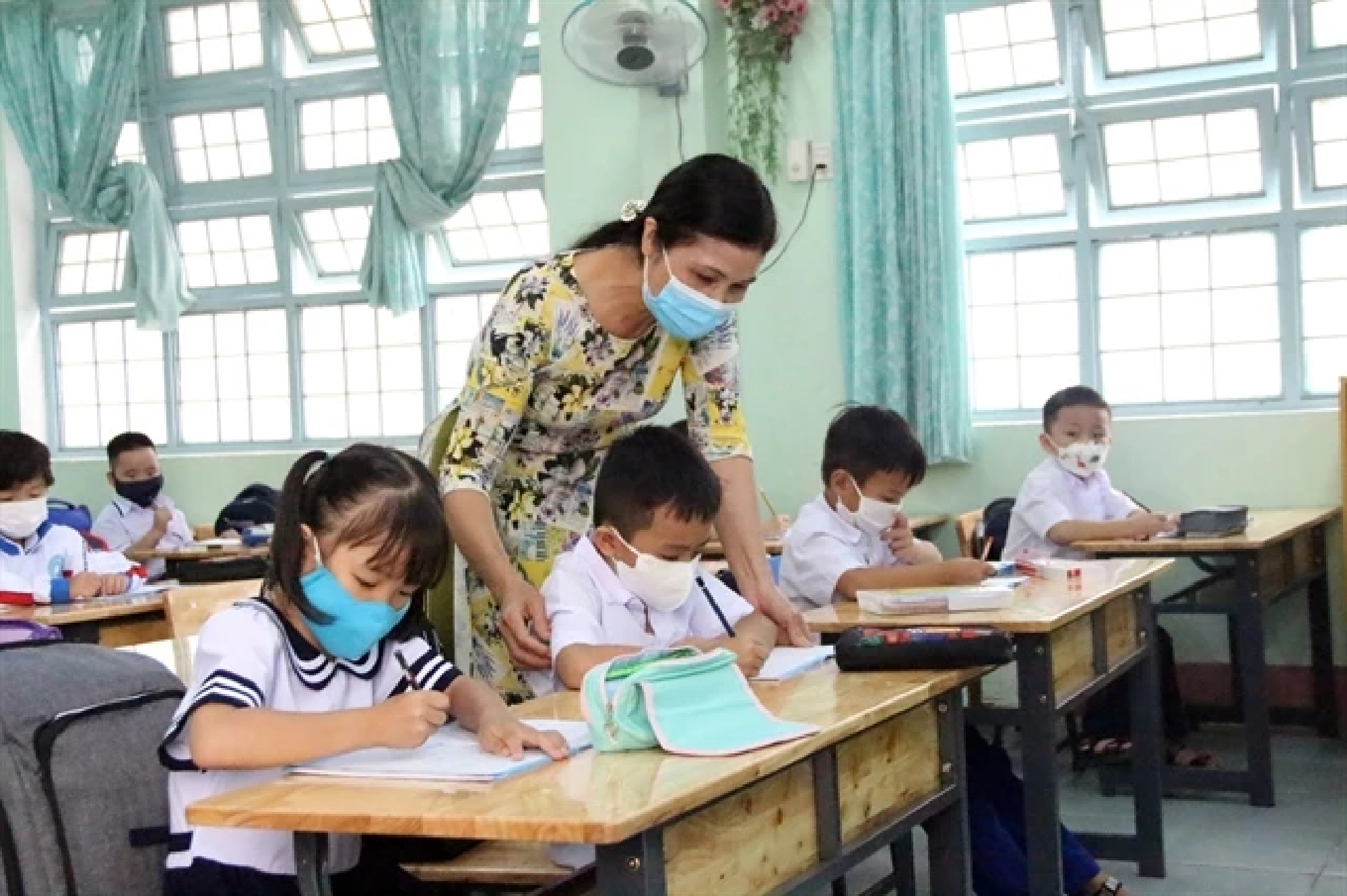
HÀ NỘI — UNICEF Việt Nam has called on the country to reopen schools for all age groups “without prerequisites”.

UNICEF Việt Nam calls for reopening of all schools

They says there are serious concerns of “learning loss and increasing risks of rising inequality for too many children” with the COVID-19 pandemic entering the third year.

In a public statement by UNICEF Representative to Việt Nam Rana Flowers, she cited a global report released late March by UNESCO, UNICEF and World Bank, entitled “Where are we on education recovery”  which stressed the urgent and critical need to address the colossal loss to children’s learning worldwide.

With a combined 2 trillion hours of in-person school lost due to school closures since March 2020, students in more than four in five countries have fallen behind in their learning, according to the report.

Flowers said: “When children are not able to interact with their teachers and their peers directly, their learning suffers, their cognitive skills and brain development suffers, and the social and employment skills that come from interaction and communication suffer.

“After such a long period out of school this may become permanent learning loss if that interaction is not immediately addressed.

“The rising inequality in access to learning means that education risks becoming the greatest divider instead of the greatest equaliser.

“When we fail to ensure access to education for every child, we all suffer, our communities suffer, and our economies falter.”

With numbers of new infections dropping and a high vaccination coverage of adults, the risks to children of being out of school are significantly greater than the health risks faced in school.

Citing health as the reason for school closures fails to recognise that the child’s learning and development is negatively impacted every day they remain out of school, their mental health is impacted, while the risk of infection and serious disease remains lower among children.

UNICEF say: “It is a clear recommendation of UNICEF, all key partners, all educators, as well as of WHO, that schools for all age groups should be opened irrespective of vaccination status.”

Flowers said UNICEF is well aware of the unprecedented challenges that the COVID-19 pandemic has brought to schools in Việt Nam, as crisis conditions are always difficult decisions that force difficult trade-offs.

“But the stakes are too high,” she said.

“The country is effectively open for all except children whose learning poverty simply increases each day. We must collectively do everything we can to get all children, including pre-schoolers, back to school in every city, town and village, with no prerequisites.

“We know that the mitigating 5K measures help keep children safe. We know that around 99 per cent of COVID cases in Việt Nam are asymptomatic or with mild symptoms.

“Education cannot wait. We need bold action to enable every child to return to school.”

UNICEF said it strongly encourages all school districts and, in particular, the private schools and kindergartens within those districts to put children first.

The official also raised concerns over the loss of teachers from the school system as they have gravitated to finding paid work after months of school closures, and called for an investment of Government support to the Ministry of Education and Training to attract trained teachers back to the classrooms and to invest in the kind of catch-up strategies that are now needed.

She said: “A solid learning recovery strategy is needed and should include comprehensive support to children with a particular focus on marginalised children in each community.

“This means schools implementing catch-up classes, mental health and nutrition support, protection, and other key services. And they ensure this support is focused not just on the older grades but on the youngest learners in preschools and primary schools, as they are among the worst impacted by the COVID-19 pandemic.

“Prioritising catch-up in the early years is essential to ensure the regression in children’s learning caused by COVID-19 is addressed and does not leave a whole generation behind.” — VNS

Asia News Network: The Nation (Thailand), The Korea Herald, The Straits Times (Singapore), China Daily,  Jakarta Post, The Star and Sin Chew Daily (Malaysia), The Statesman (India), Philippine Daily Inquirer, Yomiuri Shimbun and The Japan News, Gogo Mongolia,  Dawn (Pakistan),  The Island (Sri Lanka), Kuensel (Bhutan), Kathmandu Post (Nepal), Daily Star (Bangladesh), Eleven Media (Myanmar), the Phnom Penh Post and Rasmei Kampuchea (Cambodia), The Borneo Bulletin (Brunei), Vietnam News, and Vientiane Times (Laos).

Published : April 04, 2022

By : Vietnam News

Afghanistan must not be excluded from international community: Wang Yi

#SootinClaimon.Com : ขอบคุณแหล่งข้อมูล : หนังสือพิมพ์ The Nation.

https://www.nationthailand.com/international/40014139


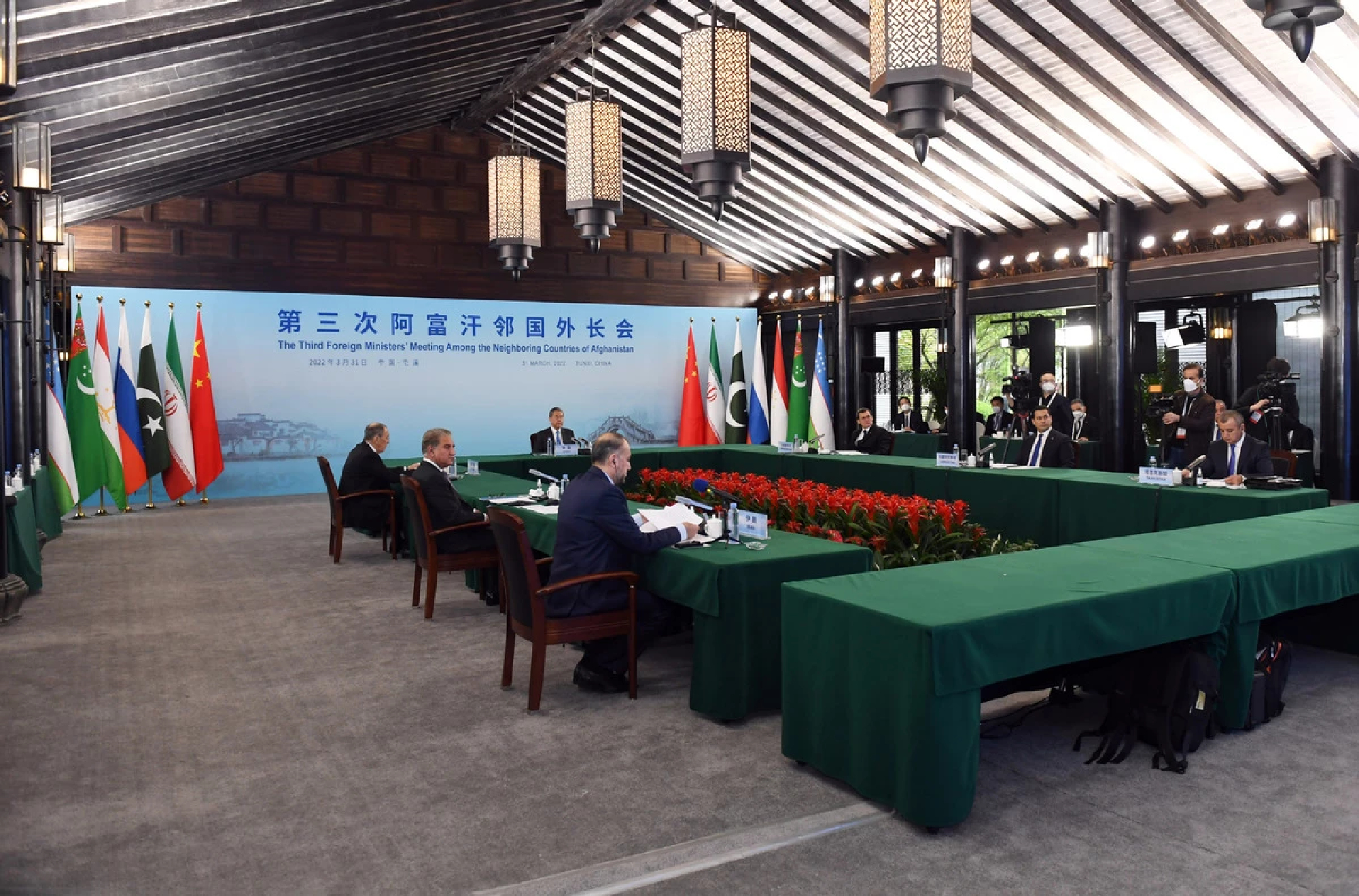
HEFEI – China believes that if Afghanistan responds more effectively to the concerns of all parties, the diplomatic recognition of the Afghan government will come naturally, Chinese State Councilor and Foreign Minister Wang Yi said Thursday.

Afghanistan must not be excluded from international community: Wang Yi

Wang made the remarks at a press conference after chairing the third foreign ministers’ meeting among the neighboring countries of Afghanistan and the first foreign ministers’ meeting between the Afghan interim government and its neighboring countries in Tunxi, East China’s Anhui province.

Wang said diplomatic recognition is a major concern of the Afghan interim government and a common concern of the international community, stressing that Afghanistan should not be excluded from the international community.

China has observed that the Afghan interim government has made significant efforts and achieved certain results in maintaining stability and state governance since its establishment, Wang said, adding that the Afghan side has demonstrated its determination to achieve development, expressed its willingness to gain more understanding and support from its neighbors and the international community, and showed a positive attitude toward foreign exchanges.

Noting that the international community, including Afghanistan’s neighboring countries, still has a lot of concerns and expectations involving the Afghan interim government, Wang said it is hoped that the interim government will make greater progress in promoting national reconciliation, building a more inclusive government and protecting the rights of women and children in employment and education.

In particular, he expressed the hope of the international community that the interim government will take a firmer attitude in fighting terrorism and make more tangible results in this respect.

“We believe that diplomatic recognition of the Afghan government will come naturally as the concerns of all parties are addressed more forcefully,” Wang said.

China hopes that the Afghan interim government will take steady steps and make concrete efforts in the right direction, the Chinese foreign minister added.

Asia News Network: The Nation (Thailand), The Korea Herald, The Straits Times (Singapore), China Daily,  Jakarta Post, The Star and Sin Chew Daily (Malaysia), The Statesman (India), Philippine Daily Inquirer, Yomiuri Shimbun and The Japan News, Gogo Mongolia,  Dawn (Pakistan),  The Island (Sri Lanka), Kuensel (Bhutan), Kathmandu Post (Nepal), Daily Star (Bangladesh), Eleven Media (Myanmar), the Phnom Penh Post and Rasmei Kampuchea (Cambodia), The Borneo Bulletin (Brunei), Vietnam News, and Vientiane Times (Laos).

Published : April 04, 2022

By : China Daily

Kim Yo-jong slams S. Korean minister’s talk of ‘preemptive strike,’ warns of serious consequence

#SootinClaimon.Com : ขอบคุณแหล่งข้อมูล : หนังสือพิมพ์ The Nation.

https://www.nationthailand.com/international/40014138


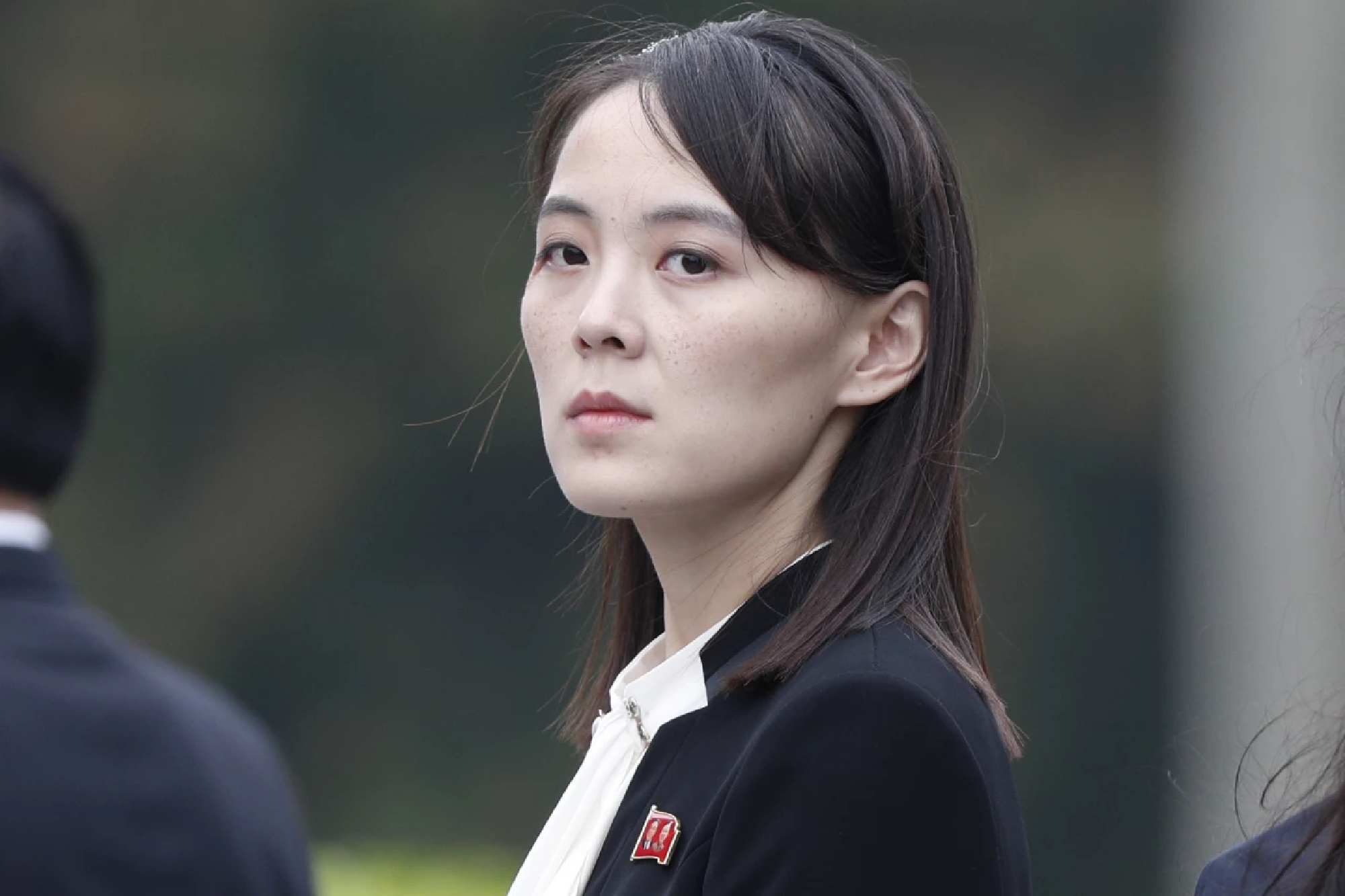
The sister of North Korean leader Kim Jong-un lambasted South Korea’s defense chief for talk of “preemptive strike” capabilities and warned that the South may face a “serious threat” for such a “senseless” remark, according to Pyongyang’s state media Sunday.

Kim Yo-jong slams S. Korean minister's talk of 'preemptive strike,' warns of serious consequence

In her rare press statement issued the previous day, Kim Yo-jong called South Korean Defense Minister Suh Wook a “senseless and scum-like guy” for mentioning a preemptive strike at a “nuclear weapons state.”

Last Friday, Suh publicly stressed that his troops have the capabilities to “accurately and swiftly” strike the origin of North Korea’s missile firing as well as command and support facilities in the case of clear signs of a launch toward the South.

“South Korea may face a serious threat owing to the reckless remarks made by its Defence Minister,” Kim said in the English-language statement carried by the official Korean Central News Agency (KCNA).

She is known for her influence on inter-Korean affairs in the Kim regime, holding the post of vice department director of the Central Committee of the Workers’ Party of Korea (WPK).

Kim described her message as a “warning upon authorization,” suggesting that it was endorsed by her brother.

“As long as the South Korean military revealed its intent to seek provocative incentive of serious level and escalate a showdown with the DPRK, I will give a serious warning upon authorization,” Kim said, using the acronym for the North’s official name, the Democratic People’s Republic of Korea.

She added that Pyongyang will “reconsider a lot of things concerning South Korea.”

The strongly worded statement against South Korea came as it is preparing for a power transition. President Moon Jae-in, who has sought hard to improve Seoul-Pyongyang ties, is ending his five-year term next month, with the conservative Yoon Suk-yeol elected as his successor. Yoon has hinted at a tougher stance toward the North.

Pak Jong-chon, the North’s top military official, also warned in a separate statement that Pyongyang will destroy any target in the South in case of a preemptive strike.

“If the South Korean army engages in a dangerous military action as a preemptive strike against the DPRK, being guided by misjudgment, our army will mercilessly direct all its military force into destroying major targets in Seoul and the South Korean army,” he said.

Pak, secretary of the Central Committee of the WPK, pointed out that the two Koreas are still technically at war. The 1950-53 Korean War finished in an armistice, not a peace treaty.

“Any slight misjudgment and ill statement rattling the other party” under the current military tension may trigger off a dangerous conflict and a full-blown war, he emphasized. (Yonhap)

Asia News Network: The Nation (Thailand), The Korea Herald, The Straits Times (Singapore), China Daily,  Jakarta Post, The Star and Sin Chew Daily (Malaysia), The Statesman (India), Philippine Daily Inquirer, Yomiuri Shimbun and The Japan News, Gogo Mongolia,  Dawn (Pakistan),  The Island (Sri Lanka), Kuensel (Bhutan), Kathmandu Post (Nepal), Daily Star (Bangladesh), Eleven Media (Myanmar), the Phnom Penh Post and Rasmei Kampuchea (Cambodia), The Borneo Bulletin (Brunei), Vietnam News, and Vientiane Times (Laos).

Published : April 04, 2022

By : The Korea Herald