India eases pressure on SLPP govt. by delivering 40,000MT of diesel

#SootinClaimon.Com : ขอบคุณแหล่งข้อมูล : หนังสือพิมพ์ The Nation.

https://www.nationthailand.com/international/40014137


The government yesterday (03) announced that it could substantially reduce the duration of power cuts after Sri Lanka received a consignment of 40,000 MT of diesel, under the Indian Line of Credit of US$500 million, on Saturday.
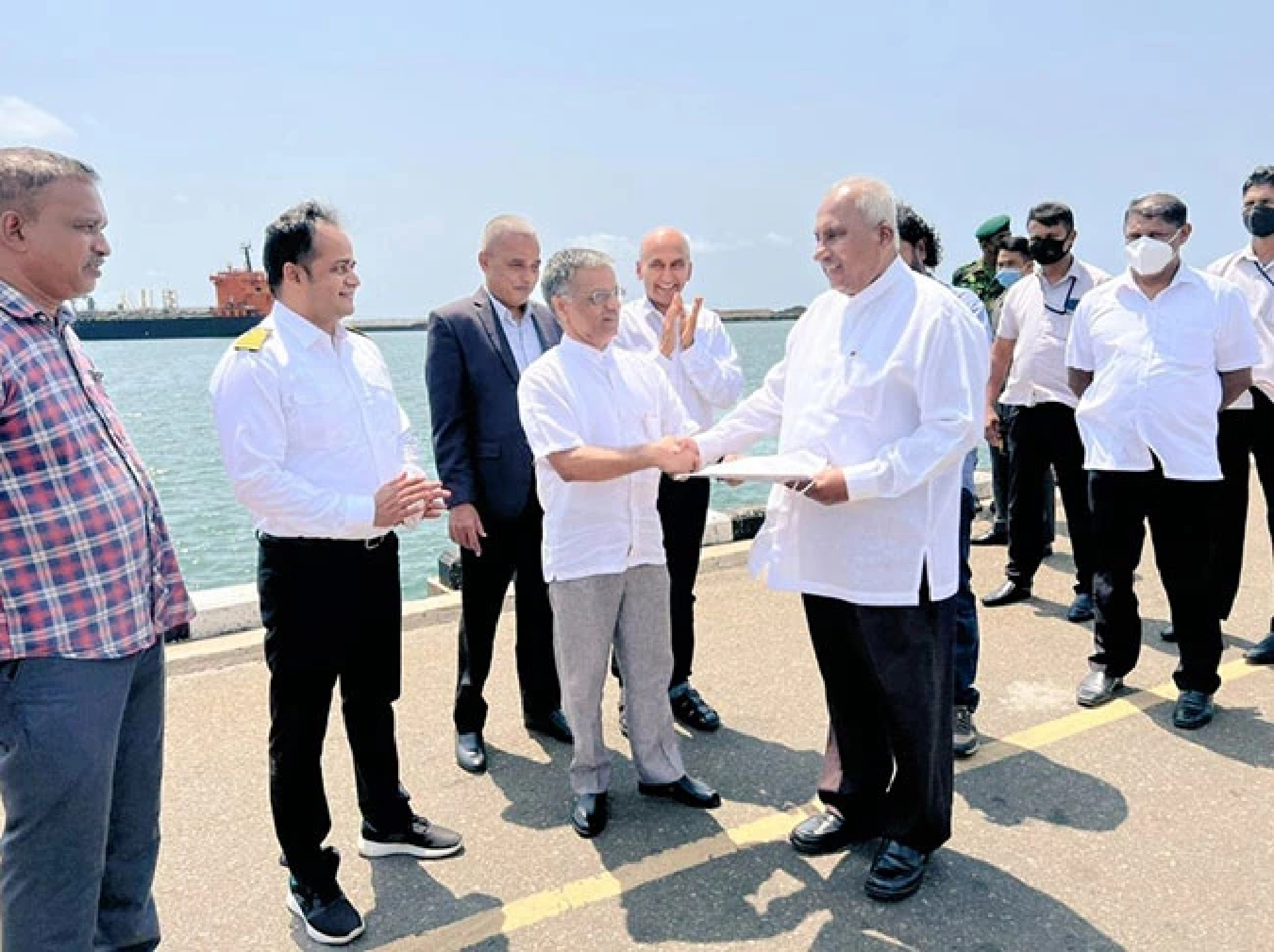
India eases pressure on SLPP govt. by delivering 40,000MT of diesel

Indian High Commissioner Gopal Baglay handed over the consignment to Energy Minister Gamini Lokuge in Colombo. The Indian High Commission spokesperson issued the following statement in this connection: “This is the fourth consignment, under the fuel Line of Credit, with previous deliveries on 16 March, 20 March and 23 March respectively. With today’s consignment, the total fuel delivered to the people of Sri Lanka, over the last 50 days, amounts to nearly 200,000 MT including a consignment of 40,000 MT, by Indian Oil Corporation, outside the line of credit facility, in February 2022.

Speaking on the occasion, High Commissioner Gopal Baglay characterized the fuel deliveries as a concrete manifestation of India’s commitment to the people of Sri Lanka in the current circumstances, in line with the Neighbourhood First Policy. Energy Minister Gamini Lokuge thanked the Government of India for the fuel consignments. Earlier, on 23 March, Sri Lankan Prime Minister Mahinda Rajapaksa thanked Prime Minister Narendra Modi for the recent Indian economic development assistance and credit facilities to Sri Lanka and said he expected the Indian Government would pay special attention to Sri Lanka’s development in the future as well.

It may be recalled that the Export Import Bank of India and the Government of Sri Lanka signed a US$ 500 million Line of Credit Agreement for purchase of petroleum products on 2 February 2022. The Agreement was signed by Treasury Secretary, Mr. S.R. Attygalle, from the Sri Lankan side, and Chief General Manager of EXIM Bank, Mr. Gaurav Bhandari, from the Indian side.

Further, in response to a separate and urgent request from the Government of Sri Lanka, extension of a credit facility of USD 1 billion for supply of essential items, including food and medicines, has been finalised and the first shipments of rice, under this facility, is expected to reach Sri Lanka soon. Earlier in January this year, India had provided financial assistance to Sri Lanka that included a credit swap of US$ 400 million and deferment of an Asian Clearing Union payment of over US$ 515 million. In cumulative terms, Indian support to the people of Sri Lanka, in the first quarter of 2022, is in excess of US$ 2.5 billion.

In view of the urgent nature of Sri Lanka’s requirement, India worked overtime to expeditiously finalise and start implementing both the lines of credit, within weeks.

The Government of India also continues to encourage efforts towards medium to long term capacity creation through enhanced Indian investment in Sri Lanka in key sectors that include ports, renewable energy, manufacturing, etc.”

Asia News Network: The Nation (Thailand), The Korea Herald, The Straits Times (Singapore), China Daily,  Jakarta Post, The Star and Sin Chew Daily (Malaysia), The Statesman (India), Philippine Daily Inquirer, Yomiuri Shimbun and The Japan News, Gogo Mongolia,  Dawn (Pakistan),  The Island (Sri Lanka), Kuensel (Bhutan), Kathmandu Post (Nepal), Daily Star (Bangladesh), Eleven Media (Myanmar), the Phnom Penh Post and Rasmei Kampuchea (Cambodia), The Borneo Bulletin (Brunei), Vietnam News, and Vientiane Times (Laos).

Published : April 04, 2022

By : The Island
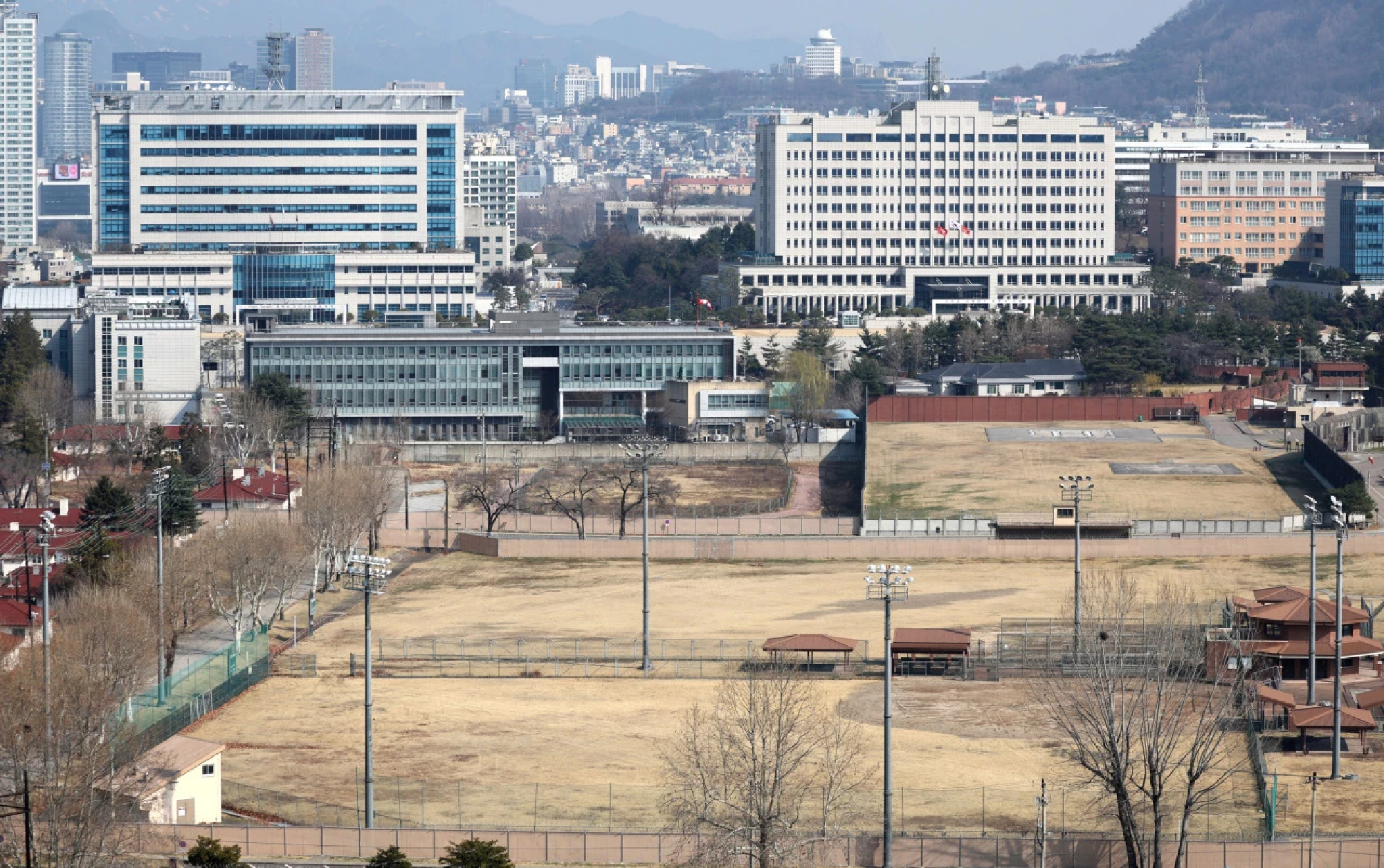
Yoon’s office works out initial budget for presidential office relocation

#SootinClaimon.Com : ขอบคุณแหล่งข้อมูล : หนังสือพิมพ์ The Nation.

https://www.nationthailand.com/international/40014127


The office of President-elect Yoon Suk-yeol has asked for between 30 billion and 40 billion won ($2.46 million-3.28 million) in reserve government funds for its project to move the presidential office out of Cheong Wa Dae after talks with related agencies, officials said Sunday.

Yoon's office works out initial budget for presidential office relocation

“Working-level discussions wrapped up without major disagreements,” said an official with Yoon’s task force on relocation. “If Cheong Wa Dae gives the OK, we anticipate that approval will be possible at a Cabinet meeting on April 5.”

During working-level talks held last week, Yoon’s task force sat down with officials from the defense ministry, the interior ministry, and the Presidential Security Service.

The two sides agreed to leave on the table, for now, the 11.8 billion won needed to clear out the Joint Chiefs of Staff building for the defense ministry. This was done out of respect for Cheong Wa Dae’s concern about a security vacuum, sources close to the discussions said.

Those working-level discussions on specifics of the budget plans began Thursday, the sources added.

It remains unclear if the Cabinet will pass the extra budget in its entirety on Tuesday. The amount approved may be smaller than 30 billion won, or the budget may even be tabled altogether until Cheong Wa Dae completes a further review.

In his dinner with Yoon on Monday, Moon had offered to cooperate with the president-elect’s plan to move his office after a “careful” review of the plan.

“Even if we get 30 billion won approved Tuesday, it has already become difficult to move into the new Yongsan office by the inauguration on May 10,” the task force official acknowledged.

While the two sides are trying to finalize the financial details of the move, Yoon’s task force is scheduled to open a new website on the relocation sometime this week.

The site will gather ideas from the general public on how to use Cheong Wa Dae after the presidential office leaves, and will also run a naming contest for the new Yongsan office.

The task force is looking to open the Cheong Wa Dae compound to the public upon Yoon’s inauguration.

Published : April 03, 2022

By : The Korea Herald

Fuel shortages fears trigger panic buying in Nepal

#SootinClaimon.Com : ขอบคุณแหล่งข้อมูล : หนังสือพิมพ์ The Nation.

https://www.nationthailand.com/international/40014126


Agitating distributors, who are demanding fare hikes, agree to resume supply as Oil Corporation commits to addressing their issues.

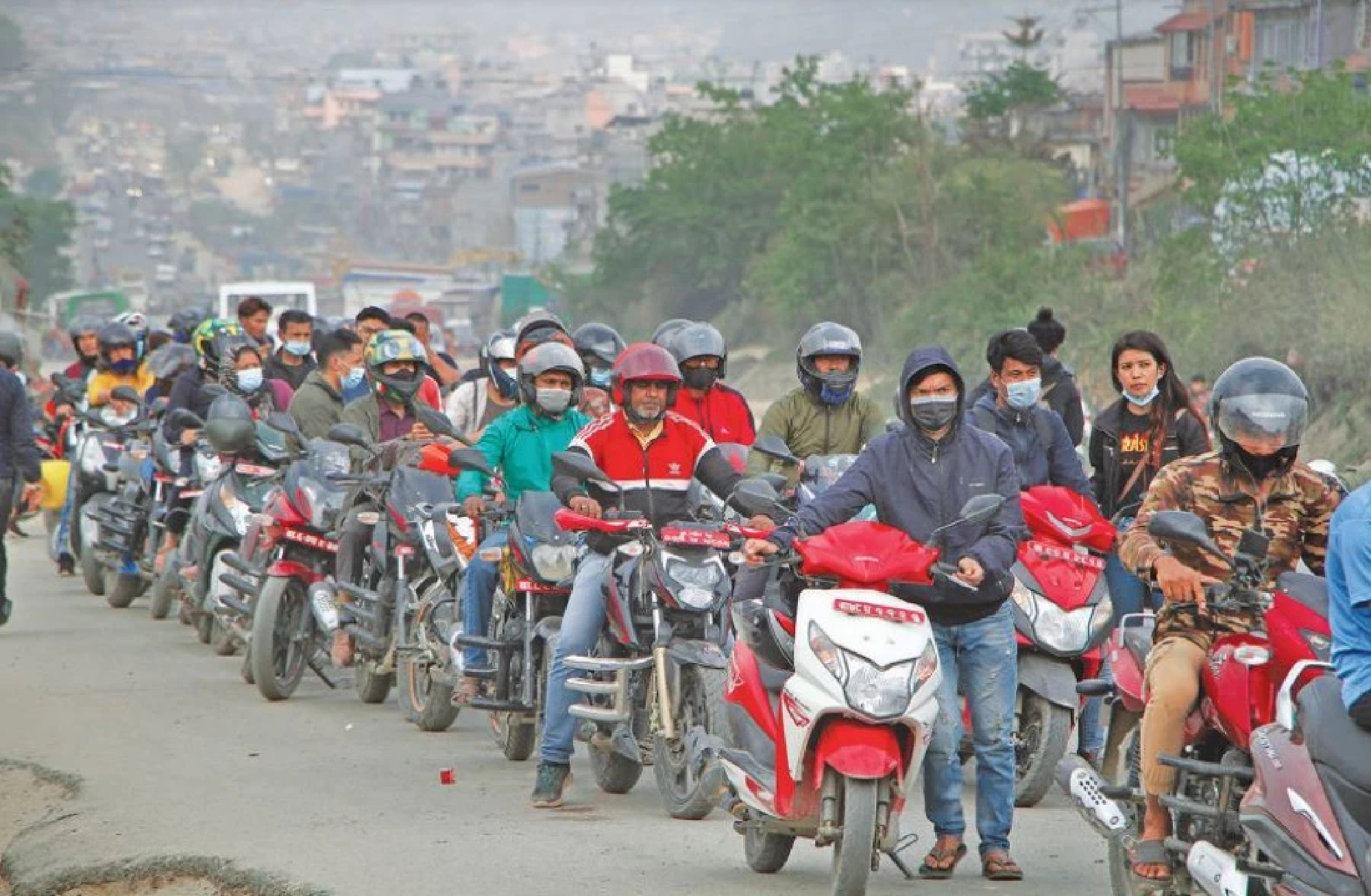
Fuel shortages fears trigger panic buying in Nepal

Raman Dawadi of Mulpani, on the northwestern rim of Kathmandu, was in a holiday mood, as it was Saturday. But he learned that there soon would be a fuel crisis.

The 22-year-old rushed to the nearest fuel seller to fill his motorcycle tank. But the petrol station was closed.

“I went to at least four fuel stations only to find them closed,” said Dawadi. “However, after burning some more petrol, I found one station at Jadibuti that was selling petrol. And the line was too long.”

According to Dawadi, he waited for around two hours to get the fuel.

“I don’t usually have my tank full. But I thought who knows when there will be shortages,” he said.

Like Dawadi, hundreds of people on Saturday queued up at various petrol stations in Kathmandu Valley, fearing shortages.

“While scrolling Facebook, I saw a post of people waiting in long queues for fuel,” said a man who didn’t wish to disclose his name at Sajha Petrol Pump in the Pulchowk area. “I am in this queue for about half an hour. I think it will take another half-hour as the line is too long.”

He was carrying two 2.25-liter empty bottles also hoping to get some extra fuel for his motorcycle.

“What to do? I need to save some for the coming days. I hope they will give me extra fuel,” said the man in his 30s.

The fuel shortage fears stemmed from petroleum transporters’ decision to stop loading and unloading petroleum products from Indian depots, from where Nepal Oil Corporation’s supplies come, and domestic depots of the oil monopoly.

According to the workers at Sajha in Pulchowk, Lalitpur, they have been seeing crowds since Friday, leading them to seek the traffic police’s help to manage the queues.

“Almost everyone wants their tanks full,” said an employee at the station who refused to provide his identity. “At this pace, we too will run out of stock very soon and close the station.”

The National Petroleum Dealers Organisational Coordinating Committee has stopped collecting petroleum products since Friday, saying that its demands remain unaddressed.

“We will not collect petroleum products and transport them unless our demands are addressed,” Bishwo Prasad Aryal, general secretary of Nepal Petroleum Dealers National Association, a member of the committee, told the Post.

The committee consists of the Nepal Petroleum Dealers National Association, Federation of Petroleum Transportation Traders and Nepal LP Gas Industry Association.

It has been demanding a hike in transportation fares at the rate of the rise in diesel price. It is also demanding that Nepal Oil Corporation not cut down “the commission” that petroleum traders are getting.

“The diesel price has been rising steadily but the corporation is not adjusting the transportation fare,” said Aryal. “How can we transport fuel?”

The state-owned oil monopoly jacked up the price of petrol by Rs5 per litre to Rs150 per litre on March 3 and diesel and kerosene prices by Rs5 per litre to Rs133 per litre. But it did not increase the commission provided to retailers despite an agreement that it would do so given the rise in prices.

The dealers were expected to get a 3.12 per cent increase in commission in petrol and a 3 per cent increase in diesel with the newly adjusted rate.

On March 4, petroleum dealers stopped buying gasoline from oil depots as part of their protest. The committee announced that it would launch a protest if the corporation did not hike its commission within 15 days.

According to Nepal Oil Corporation, the price of petrol has increased by 31.35 per cent to Rs155 per litre within a year. The price of diesel and kerosene has increased by 36.63 per cent to Rs138 per litre while liquefied petroleum gas price has increased by Rs12.5 per cent to Rs1,575. The corporation has revised fuel prices 18 times within a year.

Binit Mani Upadhyay, deputy director of Nepal Oil Corporation, said the transporters stopped loading and unloading petroleum products from depots from Friday.

“We have asked petroleum depots across the country to remain open even on public holidays and Saturdays. We have 152,000 litres of petrol and 80,000 litres of diesel at our Thankot depot which is ready to go to government-owned petrol pumps,” said Upadhyay.

Following negotiations, however, the two sides on Saturday reached an agreement.

The agitating petroleum dealers’ committee took back the protest and agreed to supply fuel including liquefied petroleum gas.

In a meeting held between the protesting committee and the corporation, the latter agreed to bring an appropriate conclusion within seven days regarding the commission on petroleum product distribution and transportation fare adjustment.

In a joint statement, the corporation said all fuel depots will be open from 8 am, Sunday.

According to Upadhyay, a four-member study panel led by a joint secretary from the Ministry of Industry, Commerce and Supplies, which was formed on March 13, had made some recommendations.

“We had requested the agitating petroleum associations to withdraw their protest on Friday, citing the absence of the corporation’s managing director and other senior officials who have gone to India for a petroleum agreement that is going to expire after its five-year tenure,” said Upadhyay. “But the agitating committee stopped loading and unloading petroleum products.”

According to Upadhyay, the corporation had requested the agitating committee not to launch any protest until June 15.

Regarding the transportation fare demand of petroleum traders, the corporation has already received a study report. The report has been sent to Pulchowk Engineering Campus for suggestions.

“It will take some time to implement the new fares,” said Upadhyay. “We had told the agitating committee that we would address their genuine demands.”

Krishana Prasain
Shuvam Dhungana

Published : April 03, 2022

By : The Kathmandu Post

Survey shows 43% of Japanese firms have suspended operations in Russia

#SootinClaimon.Com : ขอบคุณแหล่งข้อมูล : หนังสือพิมพ์ The Nation.

https://www.nationthailand.com/international/40014123


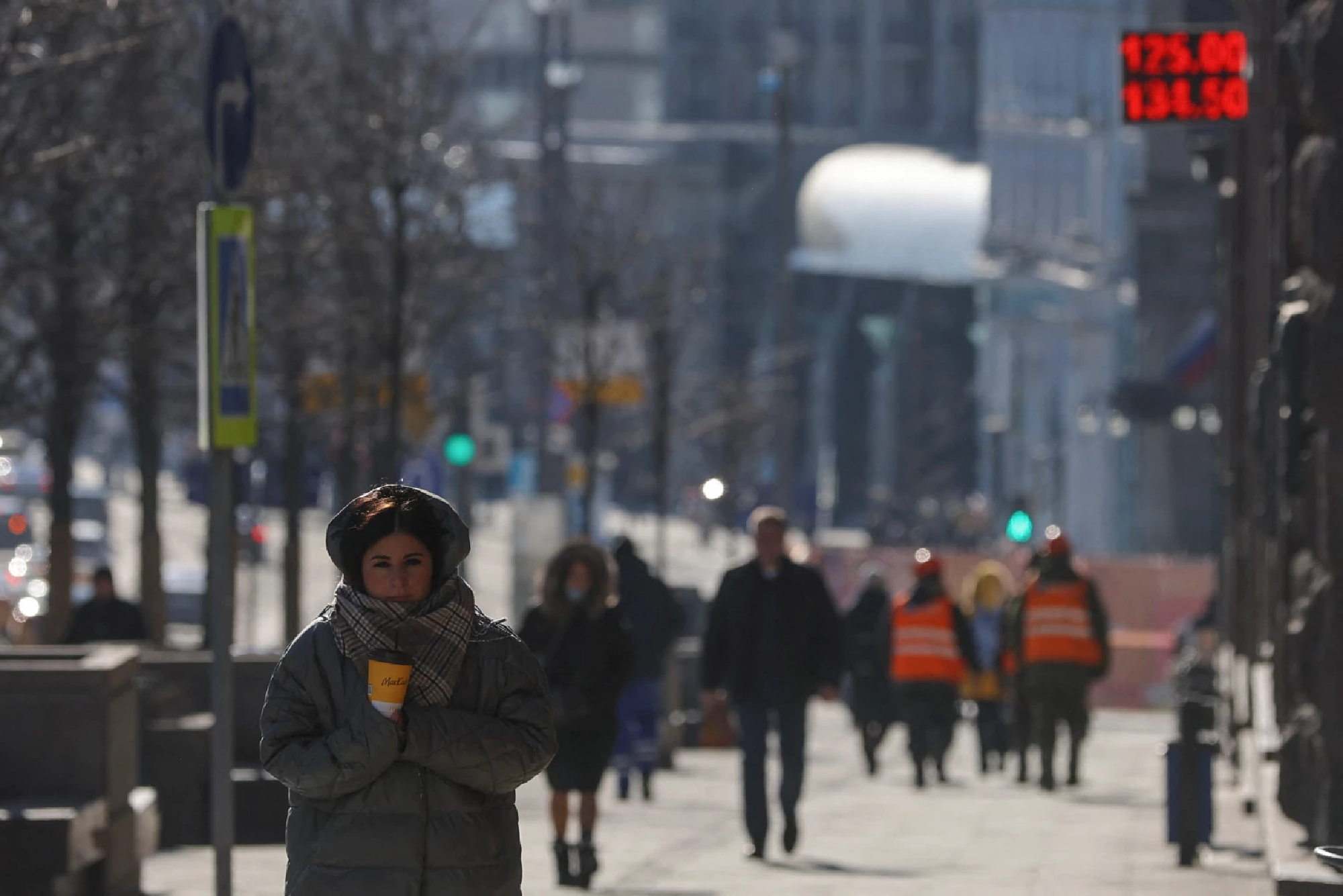
Forty-three per cent of Japanese companies have partially or fully suspended their operations in Russia, according to the results of a recent survey conducted by the Japan External Trade Organization (JETRO).

Survey shows 43% of Japanese firms have suspended operations in Russia

In the survey on the current status of business operations in Russia, 56% of the responding companies said they were operating as usual or considering their response to Russia’s invasion of Ukraine. The survey findings also indicated that many companies were struggling to deal with the situation.

JETRO surveyed 211 companies from March 24 to 28, with 97 firms responding. The results were released on March 31.

Survey shows 43% of Japanese firms have suspended operations in Russia

None of the respondents said they had withdrawn or had decided to withdraw from Russia in the immediate future. Regarding reasons for not withdrawing, the companies said they could not make decisions at present, and that making a decision was difficult, as Moscow could confiscate or nationalize their businesses. Some firms saw “market potential” in the country.

On business prospects for the next six months to a year, 38% said they would downscale their operations in Russia — more than double the figure of 17% in a survey conducted in late February — while 29% said they did not know. Twenty-five percent of the companies said they intended to maintain the status quo, and 6% were planning to withdraw.

As for economic sanctions against Russia and countermeasures taken by Moscow, 99% of the companies said they had already been affected or expected to be impacted.

Published : April 03, 2022

By : The Japan News

Ban on single-use plastics returns

#SootinClaimon.Com : ขอบคุณแหล่งข้อมูล : หนังสือพิมพ์ The Nation.

https://www.nationthailand.com/international/40014096


Environment Ministry brings back ban on single-use plastic products at restaurants, cafes

Ban on single-use plastics returns

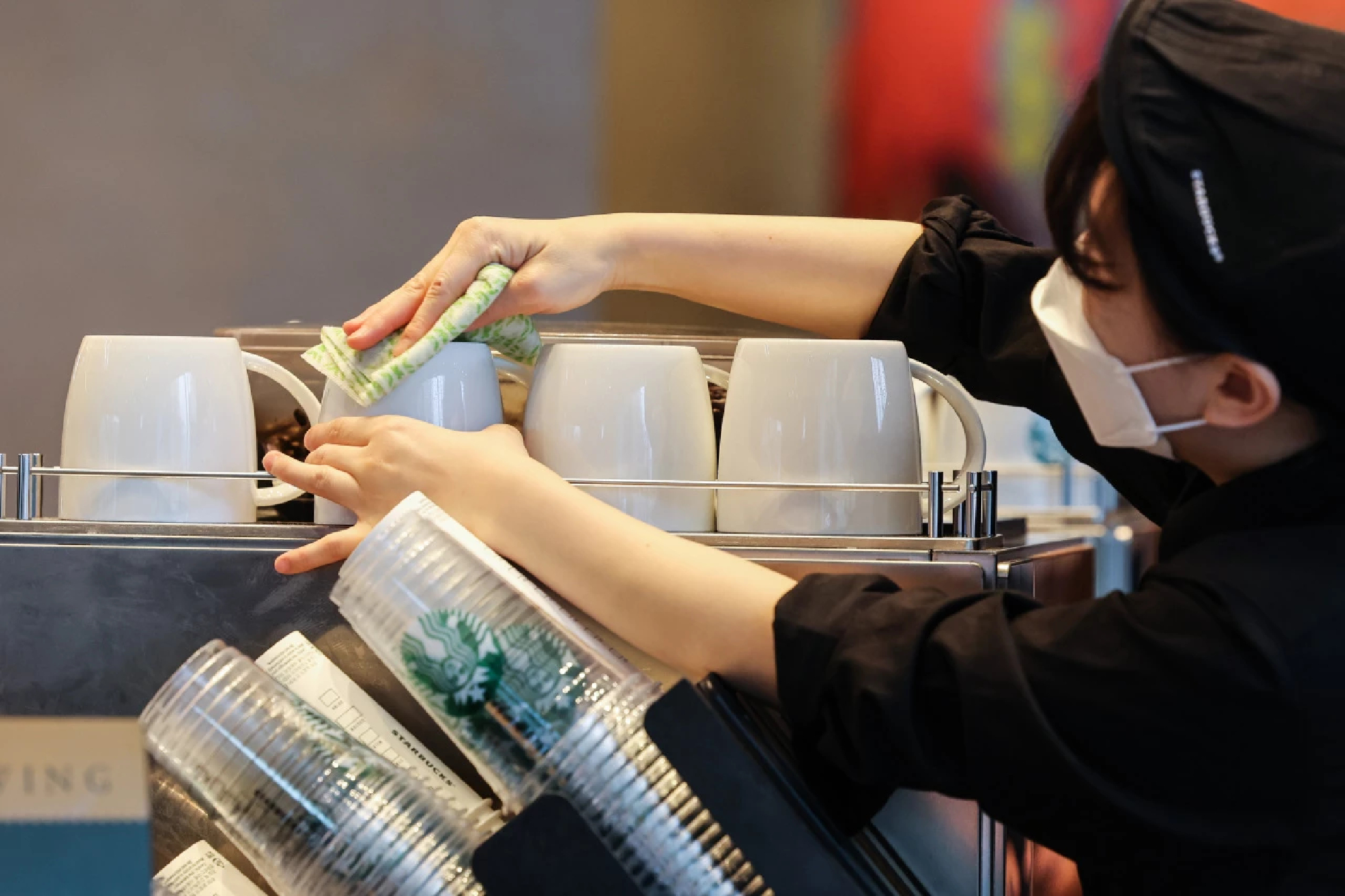
After a two-year hiatus during the pandemic, Korea has brought back the ban on in-store use of single-use products at food service businesses, causing mixed reactions from employees, customers and environmental activists.

Starting Friday, customers dining in at restaurants, cafes, food stalls, and bars cannot use single-use products, including plastic cups, containers, wooden chopsticks, and toothpicks. The products will only be available for takeout or delivery service customers.

The ban, initially imposed in August 2018, was put on hold for two years to prevent the spread of COVID-19 in the first half of 2020. The Environment Ministry, however, has brought the ban back to regulate the soaring amount of plastic waste.

“It will be frustrating for me when customers complain about being unable to use disposable cups,” said Kim So-yeon, who works part time at a coffee shop in central Seoul.

“There were always complaints from customers when it was mandatory to use only reusable cups. Also, we would need more people to wash cups,” Kim said. 

Some are worried the reduced use of single-use products may lead to COVID-19 transmission as the pandemic grinds on. 

“Korea is at its worst crisis in the pandemic. Is this really the right time?” an office worker in his early 30s said. “I understand the need to protect the environment but I am not sure if coffee cups are the real issue.”

Meanwhile, presidential transition committee Chairman Ahn Cheol-soo also expressed skepticism on the ban, saying it should be postponed until after the pandemic.

“It is obvious that there will be quarrels with customers demanding single-use cups out of concern for COVID-19 and business owners trying to persuade customers because of the fines,” Ahn said at a meeting held Monday. “I ask for the authorities to postpone the ban on single-use plastic cups until the COVID-19 situation is resolved.”

Following Ahn’s request, the Environment Ministry announced Wednesday that food service businesses would be exempt from fines until the virus crisis is resolved. However, the regulation will be maintained.

“The regulation will begin from Friday. But it will be for information purposes until the COVID-19 situation is resolved,” the announcement read. “Business will not be fined for violating the regulation and we will work on further guidance.”

With the Environment Ministry taking a step back, environmental activists argue that the ban is necessary.

In a statement issued Thursday, activist group Green Korea expressed doubt that single-use cups were being sought out due to COVID-19 worries. They pointed out that if they were worried about catching the virus from reused cups, then according to that logic, plates and cutlery used for dine-in customers at restaurants should also be disposable.

“The presidential transition committee should try to relieve the worries of customers and business owners, informing them that the use of multiuse products will not lead to a spread of the virus,” the statement read. The Korea Disease Control and Prevention Agency has already announced that the danger of infection through food and containers is “very low.”

Despite the reassurances, customers are still concerned about the inconvenience the ban might bring to their daily lives.

“It is tricky. I am aware that we use too many single-use cups. I have three or four beverages (a day) in summer, which means I am throwing away nearly 20 cups a week,” said Yoon So-hye, an office worker in her 20s.

“But I prefer single-use plastic cups as they are more convenient, compared to using in-store mugs or bringing my own tumbler,” Yoon said. “It’s a dilemma between convenience and the environment.”

The Ministry of Environment is set to go forward with its scheme to reduce single-use products and tighten the regulations within time.

After the COVID-19 situation in Korea improves, businesses that violate the regulation will be fined between 500,000 won ($412) and 2 million won depending on the frequency of the violation and the size of the store. 

From June 10, customers will have to pay a deposit between 200 won and 500 won per disposable cup at coffee shops and fast-food franchises. They can have their deposit back after returning the used cups to the stores for recycling.

The regulations will be further strengthened from Nov. 24 as food service businesses will be prohibited from giving out paper cups, plastic straws and stirrers for dine-in customers.

By Im Eun-byel

Asia News Network: The Nation (Thailand), The Korea Herald, The Straits Times (Singapore), China Daily,  Jakarta Post, The Star and Sin Chew Daily (Malaysia), The Statesman (India), Philippine Daily Inquirer, Yomiuri Shimbun and The Japan News, Gogo Mongolia,  Dawn (Pakistan),  The Island (Sri Lanka), Kuensel (Bhutan), Kathmandu Post (Nepal), Daily Star (Bangladesh), Eleven Media (Myanmar), the Phnom Penh Post and Rasmei Kampuchea (Cambodia), The Borneo Bulletin (Brunei), Vietnam News, and Vientiane Times (Laos).

Published : April 02, 2022

By : The Korea Herald

S. Korea to ease private gathering limit to 10 people, pushes back curfew to midnight

#SootinClaimon.Com : ขอบคุณแหล่งข้อมูล : หนังสือพิมพ์ The Nation.

https://www.nationthailand.com/international/40014095


The government hints that it can scrap all social distancing rules and antivirus measures next time — except indoor mask mandate

S. Korea to ease private gathering limit to 10 people, pushes back curfew to midnight

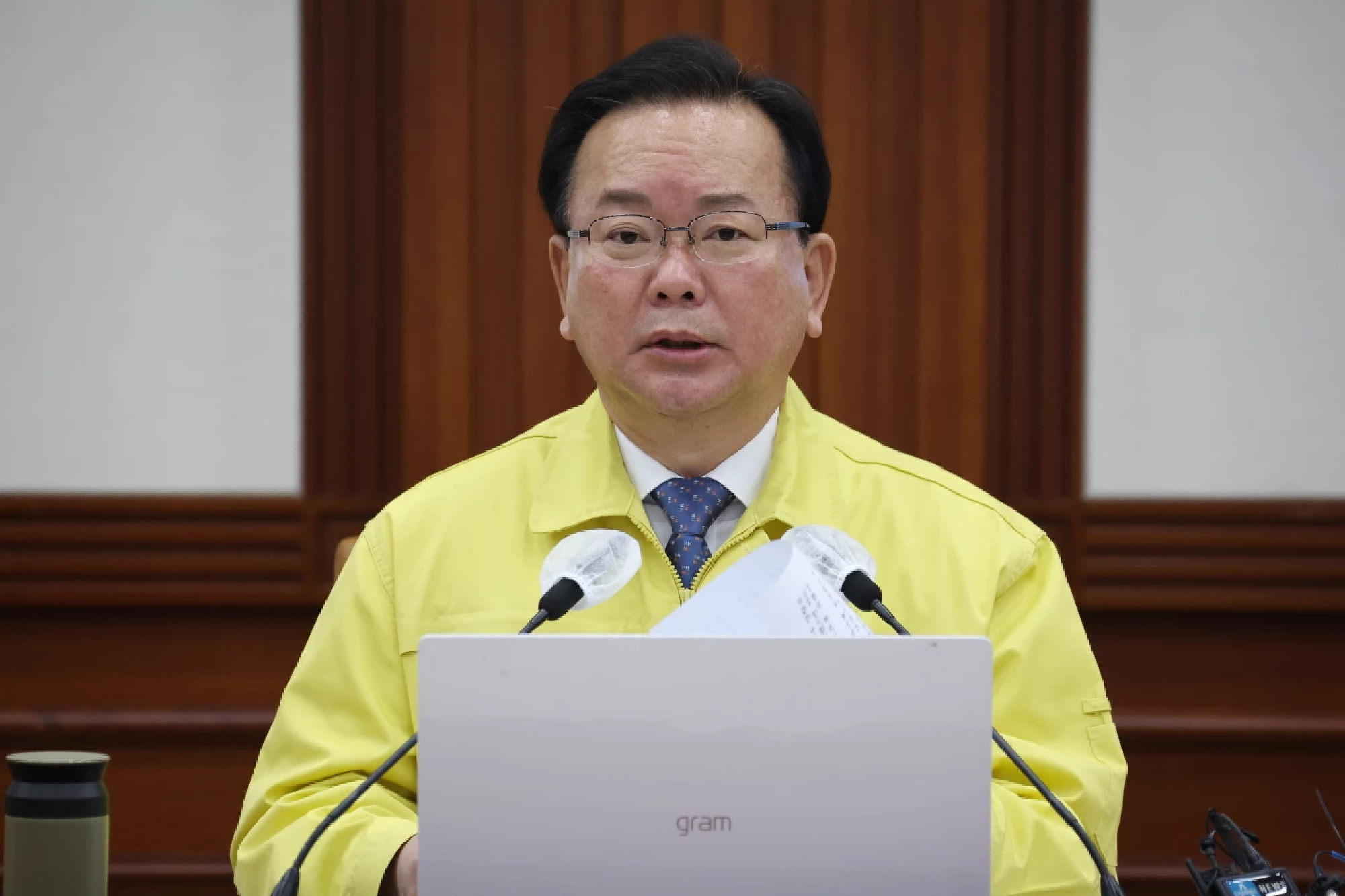
The South Korean government announced Friday that it will raise the private gathering size limit to 10 people and push back the current 11 p.m. curfew on restaurants and cafes to midnight.

“Other COVID-19 preventive measures will remain unchanged,” Prime Minister Kim Boo-kyum said during a COVID-19 response meeting in Seoul on Friday.

The new social distancing rules will be effective from Monday for two weeks.

Previously, expectations were growing for the latest change to social distancing rules to be the last, as the government viewed that the spread of COVID-19 passed its peak earlier this month.

The transition team of President-elect Yoon Suk-yeol also earlier suggested that the government needs to consider lifting existing curfews on business hours if it is not so effective at the moment.

Kim, however, explained that the government could not completely remove social distancing rules due to potential increases in severe cases and deaths, as well the ongoing spread of stealth omicron — the subvariant of omicron also known as BA.2.

The government currently expects the number of daily COVID-19 cases to go up by 10-20 percent without the social distancing rules.

Son Young-rae, spokesperson for the Ministry of Health and Welfare, also said Friday that the decision to not scrap the social distancing rules entirely is to minimize increases in the number of critically ill patients and COVID-19 deaths.

Son added that the government will consider lifting all social distancing rules and other antivirus measures next time if the pandemic situation improves under the newly adjusted rules, hinting that all rules could be lifted with the exception of the indoor mask mandate.

Meanwhile, the country added 280,273 daily COVID-19 cases during the 24 hours of Thursday, recording a figure below 300,000 for the first time in four days, according to the Korea Disease Control and Prevention Agency. The total caseload has reached 13,375,818.

The number of severe cases and COVID-19 related deaths, however, stayed high.

On Thursday, the country suffered 360 COVID-19 deaths, raising the death toll from COVID-19 to 16,590. The fatality rate stood at 0.12 percent.

The number of critically ill patients came to 1,299, down 16 from the record high of 1,315 reported a day prior.

By Shim Woo-hyun

Asia News Network: The Nation (Thailand), The Korea Herald, The Straits Times (Singapore), China Daily,  Jakarta Post, The Star and Sin Chew Daily (Malaysia), The Statesman (India), Philippine Daily Inquirer, Yomiuri Shimbun and The Japan News, Gogo Mongolia,  Dawn (Pakistan),  The Island (Sri Lanka), Kuensel (Bhutan), Kathmandu Post (Nepal), Daily Star (Bangladesh), Eleven Media (Myanmar), the Phnom Penh Post and Rasmei Kampuchea (Cambodia), The Borneo Bulletin (Brunei), Vietnam News, and Vientiane Times (Laos).

Published : April 02, 2022

By : The Korea Herald

Japan’s Shimadzu working to develop 3D-printed meat

#SootinClaimon.Com : ขอบคุณแหล่งข้อมูล : หนังสือพิมพ์ The Nation.

https://www.nationthailand.com/international/40014094


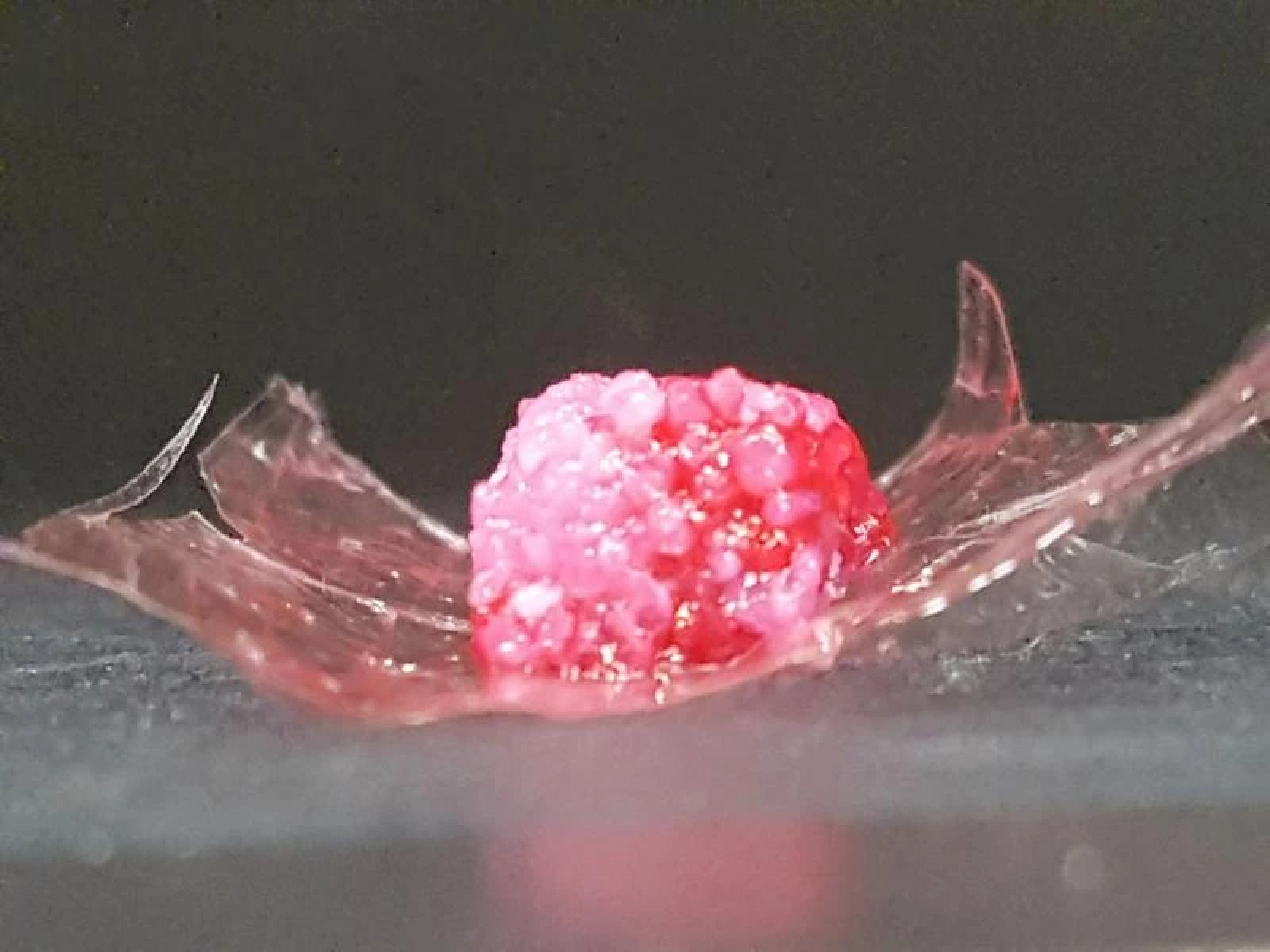
Kyoto-based precision instrument maker Shimadzu Corp. is planning to use 3D printing technology to produce cultured meat, which is meat made by artificially growing animal cells, in cooperation with Osaka University and Tokyo-based consultant company Sigmaxyz Inc.

Japan’s Shimadzu working to develop 3D-printed meat

According to Shimadzu’s announcement on Monday, the companies and the university are working to develop an automated machine to produce cultured meat without relying on livestock. The machine is expected to make it possible to reproduce the structure of meat by assembling cells using a 3D printer. They are hoping to be able to serve the 3D-printed meat at the Osaka-Kansai Expo 2025.

The project will use tissues such as muscle, fat and blood vessels, made with Osaka University’s 3D-printing technology, to reproduce structures similar to real meat by bundling them into fibers. It can also reproduce marbled meat, improving texture and taste.

Shimadzu plans to build a production line that will use 3D printing technology as part of a process to automatically grow cells into fiber structure and then have a machine gauge the taste and texture. The company is considering applying the technology to other fields in the future, such as regenerative medicine and drug development.

Asia News Network: The Nation (Thailand), The Korea Herald, The Straits Times (Singapore), China Daily,  Jakarta Post, The Star and Sin Chew Daily (Malaysia), The Statesman (India), Philippine Daily Inquirer, Yomiuri Shimbun and The Japan News, Gogo Mongolia,  Dawn (Pakistan),  The Island (Sri Lanka), Kuensel (Bhutan), Kathmandu Post (Nepal), Daily Star (Bangladesh), Eleven Media (Myanmar), the Phnom Penh Post and Rasmei Kampuchea (Cambodia), The Borneo Bulletin (Brunei), Vietnam News, and Vientiane Times (Laos).

Published : April 02, 2022

By : The Japan News

PM meets Russian Foreign Minister, says India is ready to contribute to peace efforts

#SootinClaimon.Com : ขอบคุณแหล่งข้อมูล : หนังสือพิมพ์ The Nation.

https://www.nationthailand.com/international/40014093


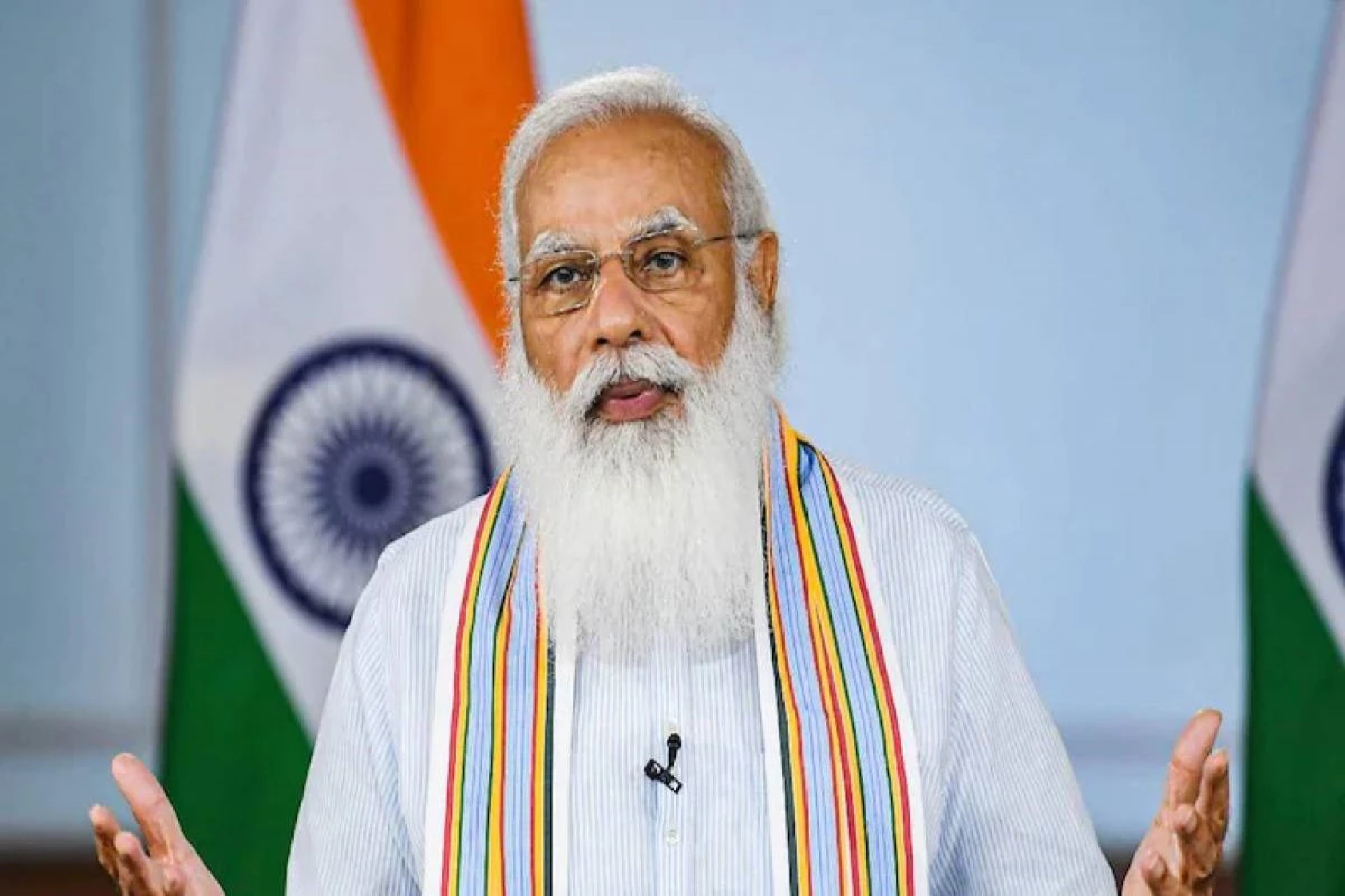
Prime Minister Narendra Modi met Russian Foreign Minister Sergey Lavrov today. The Prime minister told the visiting foreign dignitary that India is “ready to contribute in any way to peace efforts”.

PM meets Russian Foreign Minister, says India is ready to contribute to peace efforts

PM Modi and the Russian Foreign Minister met for 40 minutes. This is for the first time in two weeks that the PM has met any foreign dignitary. The Prime Minister did not meet visiting Ministers in the past Including those from the UK, China, Austria, Greece and Mexico.

According to the press release from his office, PM Modi called for an end to violence as Lavrov briefed him on the situation in Ukraine, including pace negotiations.

“Prime Minister reiterated his call for an early cessation of violence, and conveyed India’s readiness to contribute in any way to the peace efforts,” said the press statement.

It is for the first time that India has shown willingness to be part of any peace efforts to end the ongoing Ukraine war.  

 While talking to the media the visiting Russian foreign minister said, “India is an important and serious country. If India plays that role that provides resolution, India is our common partner… we are for the security guarantee of Ukraine… West has ignored its responsibility… India can support such process”.

Earlier in the day, Lavrov had said he wished to convey a “message personally” from President Vladimir Putin to PM Modi.

“The President (Putin) and the Prime Minister are in regular touch with each other and I will report to the President about my negotiations. He sends by the way his best regards to Prime Minister Modi and I would appreciate an opportunity to deliver this message personally,” the Russian Foreign Minister had said in his opening remarks at a discussion with Foreign Minister S Jaishankar.

Asia News Network: The Nation (Thailand), The Korea Herald, The Straits Times (Singapore), China Daily,  Jakarta Post, The Star and Sin Chew Daily (Malaysia), The Statesman (India), Philippine Daily Inquirer, Yomiuri Shimbun and The Japan News, Gogo Mongolia,  Dawn (Pakistan),  The Island (Sri Lanka), Kuensel (Bhutan), Kathmandu Post (Nepal), Daily Star (Bangladesh), Eleven Media (Myanmar), the Phnom Penh Post and Rasmei Kampuchea (Cambodia), The Borneo Bulletin (Brunei), Vietnam News, and Vientiane Times (Laos).

Published : April 02, 2022

By : The Statesman

Xi asks EU to adopt independent China policy

#SootinClaimon.Com : ขอบคุณแหล่งข้อมูล : หนังสือพิมพ์ The Nation.

https://www.nationthailand.com/international/40014092


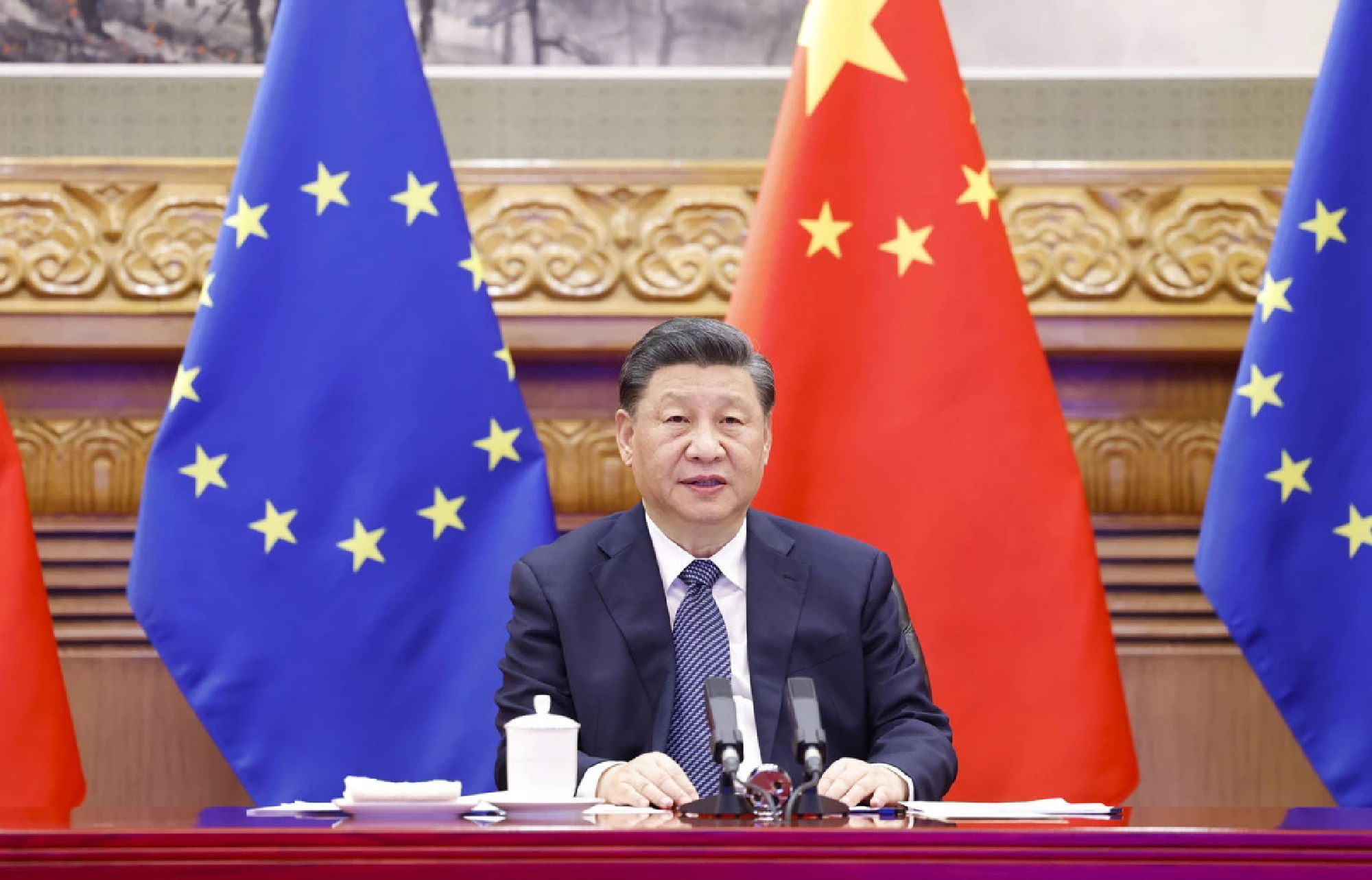
President Xi Jinping called upon the European Union on Friday to adopt an independent China policy and work with Beijing for the steady and sustained growth of bilateral relations.

Xi asks EU to adopt independent China policy

Speaking in a virtual meeting with European Council President Charles Michel and European Commission President Ursula von der Leyen, Xi highlighted the need for the two sides to step up communication over bilateral ties and on major issues concerning global peace and development, and play a constructive role in adding stabilizing factors to a turbulent world.

Noting the consistency and continuity of China’s EU policy, the president called on the EU to form its own perception of China, adopt an independent China policy, and work with China for the steady and sustained growth of China-EU relations.

Xi recalled his visit to the EU headquarters eight years ago, when he suggested that China and Europe work together to build a bridge of friendship and cooperation across the Eurasian continent, foster a China-EU partnership for peace, growth, reform and civilization and forge a China-EU comprehensive strategic partnership of greater global influence.

China’s vision remains unchanged, and the vision has become more relevant under the current circumstances, he said.

Despite challenges and difficulties last year, the two sides have secured new progress in bilateral ties and attained new results in cooperation, he said.

It has been proven that China and the EU share extensive common interests and a solid foundation for cooperation, and that only through cooperation and coordination can the two sides resolve problems and rise to challenges, the president said.

By XU WEI

Asia News Network: The Nation (Thailand), The Korea Herald, The Straits Times (Singapore), China Daily,  Jakarta Post, The Star and Sin Chew Daily (Malaysia), The Statesman (India), Philippine Daily Inquirer, Yomiuri Shimbun and The Japan News, Gogo Mongolia,  Dawn (Pakistan),  The Island (Sri Lanka), Kuensel (Bhutan), Kathmandu Post (Nepal), Daily Star (Bangladesh), Eleven Media (Myanmar), the Phnom Penh Post and Rasmei Kampuchea (Cambodia), The Borneo Bulletin (Brunei), Vietnam News, and Vientiane Times (Laos).

Published : April 02, 2022

By : China Daily

Malaysia’s rubber glove exports projected to grow 12-15% in 2022

#SootinClaimon.Com : ขอบคุณแหล่งข้อมูล : หนังสือพิมพ์ The Nation.

https://www.nationthailand.com/international/40014045


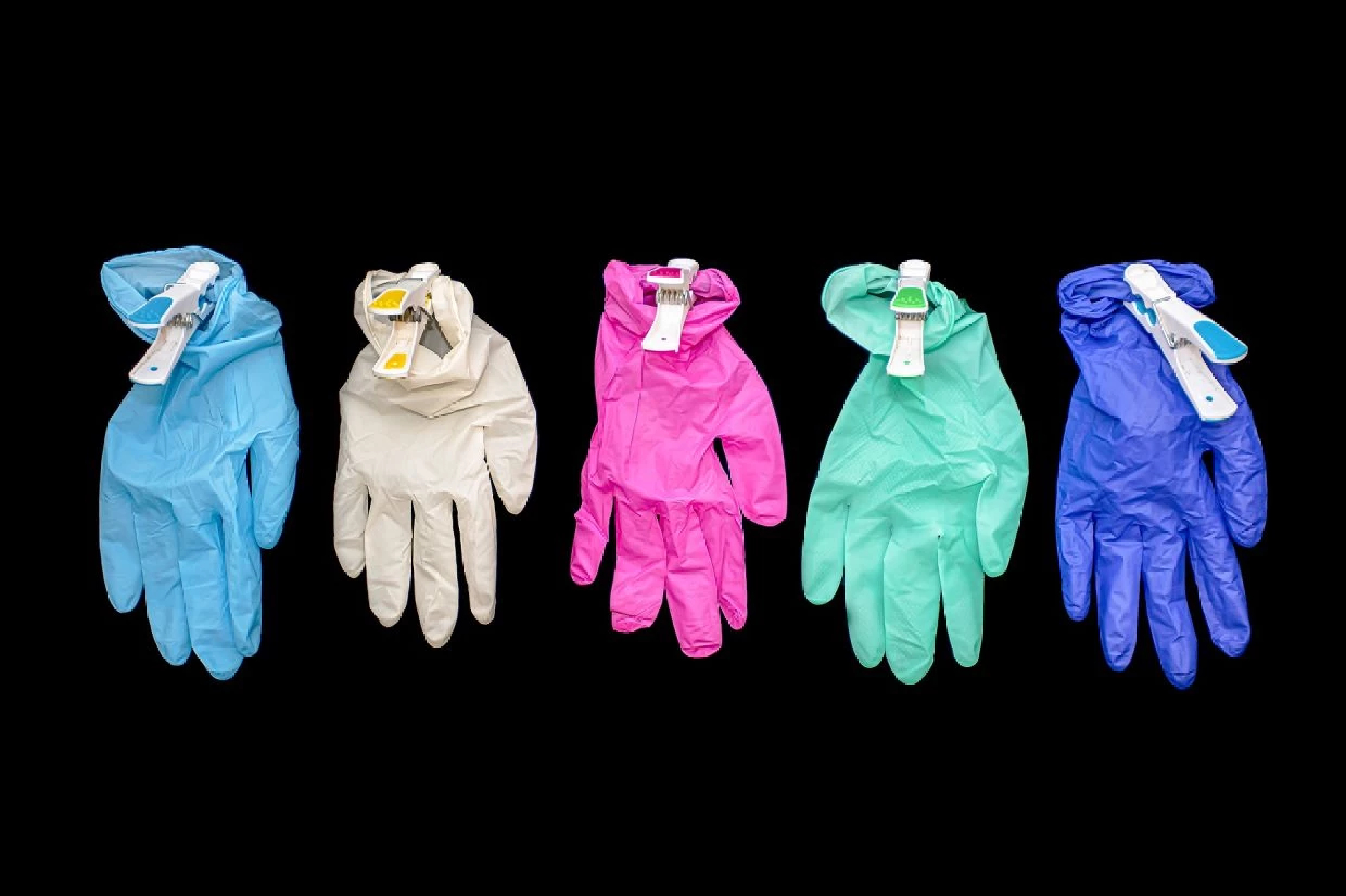
PETALING JAYA: Malaysia is set to retain its position as the world’s number one rubber glove-producing nation in 2022 with export volume likely to expand by between 12 and 15 per cent, according to the Malaysian Rubber Glove Manufacturers Association (MARGMA).

Malaysia's rubber glove exports projected to grow 12-15% in 2022

MARGMA president Dr Supramaniam Shanmugam said based on the forecast revision by the association on Dec 4, 2021, Malaysia is expected to supply 65 per cent of the global supply, or 294 billion gloves, this year, followed by China (20 per cent), Thailand (10 per cent) and Indonesia (three per cent).

It anticipated global demand for rubber gloves for the year to be at 452 billion units, or 14,333 gloves used every second.

“As the awareness on hygiene, cleanliness and safety increases globally, we are optimistic that demand will continue to grow as the industry innovates new types of gloves for the use of the food and beverages industry in handling food items, and the semiconductor sector to better protect electrical and electronic components from contamination.

“Besides, the surge in global and aging population including the United States and Japan is likely to result in more nursing homes and housewives utilising more of the disposable gloves,” he said during the association’s Industry Brief 2022 hybrid session here today.

He said MARGMA, however, is not able to provide the projected export revenue value as price movements are constantly volatile.

In the briefing session, Supramaniam noted that MARGMA members are also focusing on five key matters, namely remediation fees to free foreign workers from debts, upgrade of hostels for local and foreign workers, minimum wage to improve the lives of workers, Sedex Members Ethical Trade Audit (SMETA) audit, and self-regulation via code of conduct.

“From what was passed at our extraordinary general meeting (EGM) on Nov 9, 2019, we took a conscious decision that all members will adopt a ‘Zero Cost Policy’ for the recruitment of foreign workers, which means we will check with the agents on how much we need to pay the agents so that the workers who come into Malaysia are debt-free, among others,” he said.

Nonetheless, he said, glove manufacturing is not a labour-intensive industry as 82-83 per cent of its operations are automated.

Based on a survey in October-November 2021, the industry hires only 1.7 per cent — or nearly 40,000 workers — of the total documented and undocumented foreign workers in the country. The industry employs a total of 69,218 workers and has nearly 19,000 vacancies.

At the same time, Supramaniam said the industry is closely working the TVET (technical and vocational education and training) institutions to equip them with skills and knowledge as well as to recruit and retain local employees for the long term.

On the RM1,500 minimum wage announced by the government, Supramaniam said the association is supportive of this, as some of its members are already paying higher salaries than the minimum wage required by law, although the increase would result in an overall rise in production cost.

He said the minimum wage hike from RM1,200 to RM1,500 is an increase of 25 per cent over the current minimum wage.

“This will result in an overall production cost rising between 1.42 per cent to 2.75 per cent depending on the profile of the workers in each respective factory throughout Malaysia.

“In future, we hope that if there is any more increase to the minimum wage, the government would do it in stages,” he added.

Asked whether the Russia-Ukraine conflict would impact the rubber glove industry, he said these countries represent a small segment of the total market of over 190 countries so the industry is not worried. – Bernama

Asia News Network: The Nation (Thailand), The Korea Herald, The Straits Times (Singapore), China Daily,  Jakarta Post, The Star and Sin Chew Daily (Malaysia), The Statesman (India), Philippine Daily Inquirer, Yomiuri Shimbun and The Japan News, Gogo Mongolia,  Dawn (Pakistan),  The Island (Sri Lanka), Kuensel (Bhutan), Kathmandu Post (Nepal), Daily Star (Bangladesh), Eleven Media (Myanmar), the Phnom Penh Post and Rasmei Kampuchea (Cambodia), The Borneo Bulletin (Brunei), Vietnam News, and Vientiane Times (Laos).

Published : April 01, 2022

By : The Star