Taal eruption forces 9,000 residents to evacuate

#SootinClaimon.Com : ขอบคุณแหล่งข้อมูล : หนังสือพิมพ์ The Nation.

https://www.nationthailand.com/international/40013862


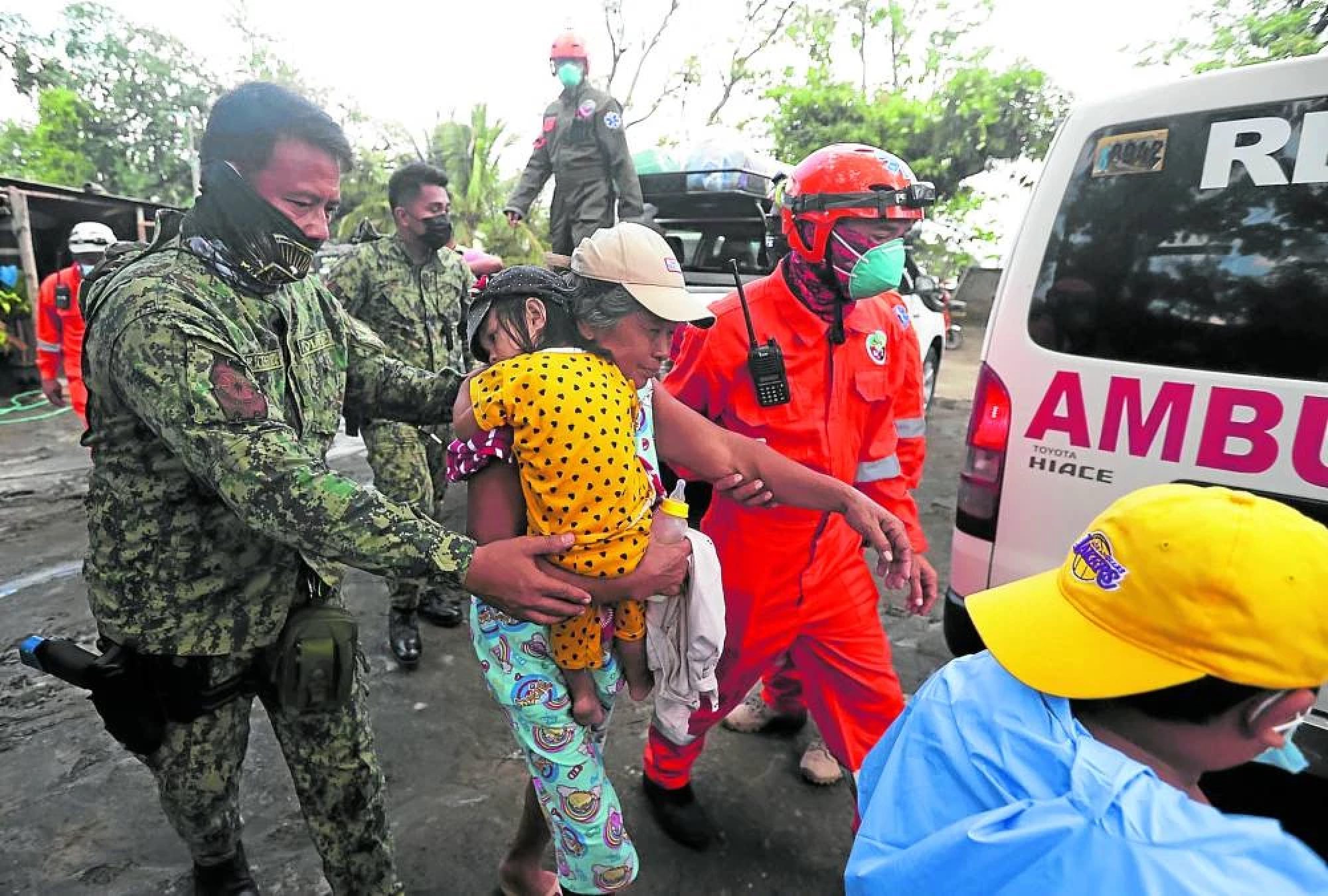
LUCENA CITY, Quezon, Philippines — At least 9,000 residents from two towns in Batangas province were evacuated to temporary shelters on Saturday, hours after Taal Volcano exploded early in the morning, sending steam-laden grayish plumes 3 kilometers into the sky.
Taal eruption forces 9,000 residents to evacuate

The Philippine Institute of Volcanology and Seismology (Phivolcs) promptly raised Alert Level 3 at Taal, a warning that magmatic eruptions could follow.

The 7:22 a.m. “phreatomagmatic burst” was a type of volcanic explosion which occurs when magma comes into contact with water. It was followed by volcanic earthquakes and low-frequency sound waves, which are typically not heard by humans, Phivolcs said.

Alert level 3, the third-highest volcanic warning, means that magma was continuing to intrude into Taal’s main crater which could “further drive succeeding eruptions.”

The high-risk barangays of Banyaga and Bilibinwang in Agoncillo town and Boso-boso, Gulod and eastern Bugaan East in Laurel town in the province of Batangas were ordered evacuated.

Phivolcs said they were most exposed to possible “pyroclastic density currents,” or dense, fast-moving flow of solidified lava pieces, volcanic ash and hot gases, and “volcanic seiches,” or tsunami-like waves, in case of powerful eruptions.

In Agoncillo, 1,212 people have been evacuated as of 2:13 p.m., according to the town’s disaster risk reduction and management office.

“Those who have yet to evacuate, please go to safe areas,” Agoncillo Mayor Daniel Reyes appealed during a press conference.

In Laurel town, around 8,000 residents from the three villages mentioned in the warning were moved to shelters.

Not like January 2020
Phivolcs Director Renato Solidum Jr. told reporters that the brief explosion was not similar in scale to Taal’s last major eruption in January 2020, which displaced hundreds of thousands of villagers.

“In 2020, it started as a phreatic-driven explosion, then it burst rapidly. In this case, we don’t see that yet,” he added.

Solidum said the alert level may be raised if more magma was detected to be rising.

“If it ascends rapidly, then it could possibly trigger a stronger eruption,” he said.

Nearby popular tourist destinations such as Tagaytay and Nasugbu remained safe to visit, he said.

“All restrictions now would be focused on Taal Volcano Island and the five mentioned barangays,” Solidum said. “There is no threat beyond the mentioned barangays.”

Phivolcs reiterated that Taal Volcano Island, locally called “Pulo,” was a permanent danger zone and entry into the island as well as the high-risk barangays of Agoncillo and Laurel must be prohibited and that all activities on Taal Lake were temporarily disallowed.

Remain vigilant
The National Disaster Risk Reduction and Management Council advised residents in the entire Calabarzon Region — which covers the provinces of Cavite, Laguna, Batangas, Rizal, and Quezon — to remain vigilant, take precautionary measures, and follow authorities’ warnings and advisories.

Laurel Mayor Joan Amo said that the unpredictability of the volcano could jeopardize the safety of the residents, particularly at night.

Reyes said authorities would strictly implement all COVID-19 safety protocols in evacuation centers.

He appealed to residents to take in their relatives or other evacuees to prevent congestion in evacuation centers.

Amo said their local social welfare office had been coordinating with the Department of Social Welfare and Development for the needs of the evacuees.
“Food is the priority,” she said.

Batangas Gov. Hermilando Mandanas has dispatched food, water, medicines, ambulances, and other vehicles to help the evacuation, according to the Batangas Public Information Office.

The Lipa Archdiocesan Social Action Commission Inc. is appealing for donations of N95 masks for the evacuees. It said the donation would be received in Lipa City.

Ash from Taal’s last major eruption on Jan. 12, 2020, reached parts of Metro Manila and nearby provinces. The eruption displaced more than 500,000 people in Calabarzon.

Asia News Network: The Nation (Thailand), The Korea Herald, The Straits Times (Singapore), China Daily,  Jakarta Post, The Star and Sin Chew Daily (Malaysia), The Statesman (India), Philippine Daily Inquirer, Yomiuri Shimbun and The Japan News, Gogo Mongolia,  Dawn (Pakistan),  The Island (Sri Lanka), Kuensel (Bhutan), Kathmandu Post (Nepal), Daily Star (Bangladesh), Eleven Media (Myanmar), the Phnom Penh Post and Rasmei Kampuchea (Cambodia), The Borneo Bulletin (Brunei), Vietnam News, and Vientiane Times (Laos).

Published : March 27, 2022

By : Philippine Daily Inquirer
Japan lacks effective deterrence against N. Korea’s missiles

#SootinClaimon.Com : ขอบคุณแหล่งข้อมูล : หนังสือพิมพ์ The Nation.

https://www.nationthailand.com/international/40013835


Prime Minister Fumio Kishida has strongly condemned North Korea’s launch of what is believed to be a new type of intercontinental ballistic missile. It is regrettable that Japan has no effective means to prevent Pyongyang’s reckless behavior.

Japan lacks effective deterrence against N. Korea’s missiles

“North Korea’s actions threaten the peace and security of our country, the region and the international community, and are in violation of U.N. Security Council resolutions. Its actions are clearly unacceptable,” Kishida told reporters Thursday at a hotel in Brussels.

Referring to measures against the reclusive country, the prime minister said, “We will address the issue in coordination with the United States and South Korea, including examining whether to impose sanctions.”

However, there is little room for Japan to strengthen its sanctions on North Korea. In terms of diplomacy, the North Korean policy of U.S. President Joe Biden’s administration has stalled. Securing cooperation from Russia and China, which have close ties with North Korea, would also be difficult.

Under these circumstances, Japan urgently needs to strengthen its defense capabilities.

The government is considering acquiring capabilities to attack enemy bases because North Korea has developed missiles that are difficult to intercept with Japan’s existing missile defense systems. Such capabilities would enable Japan to destroy an enemy’s missile launch site and other facilities if it was acting in self-defense.

“We must continue to seriously consider what we should do to protect the lives of our people,” Kishida said Thursday.

Since August 2016, shoot-down orders have been kept in place so that the Self-Defense Forces can immediately take destructive measures against ballistic missiles and other projectiles if they are thought to be entering Japanese airspace.

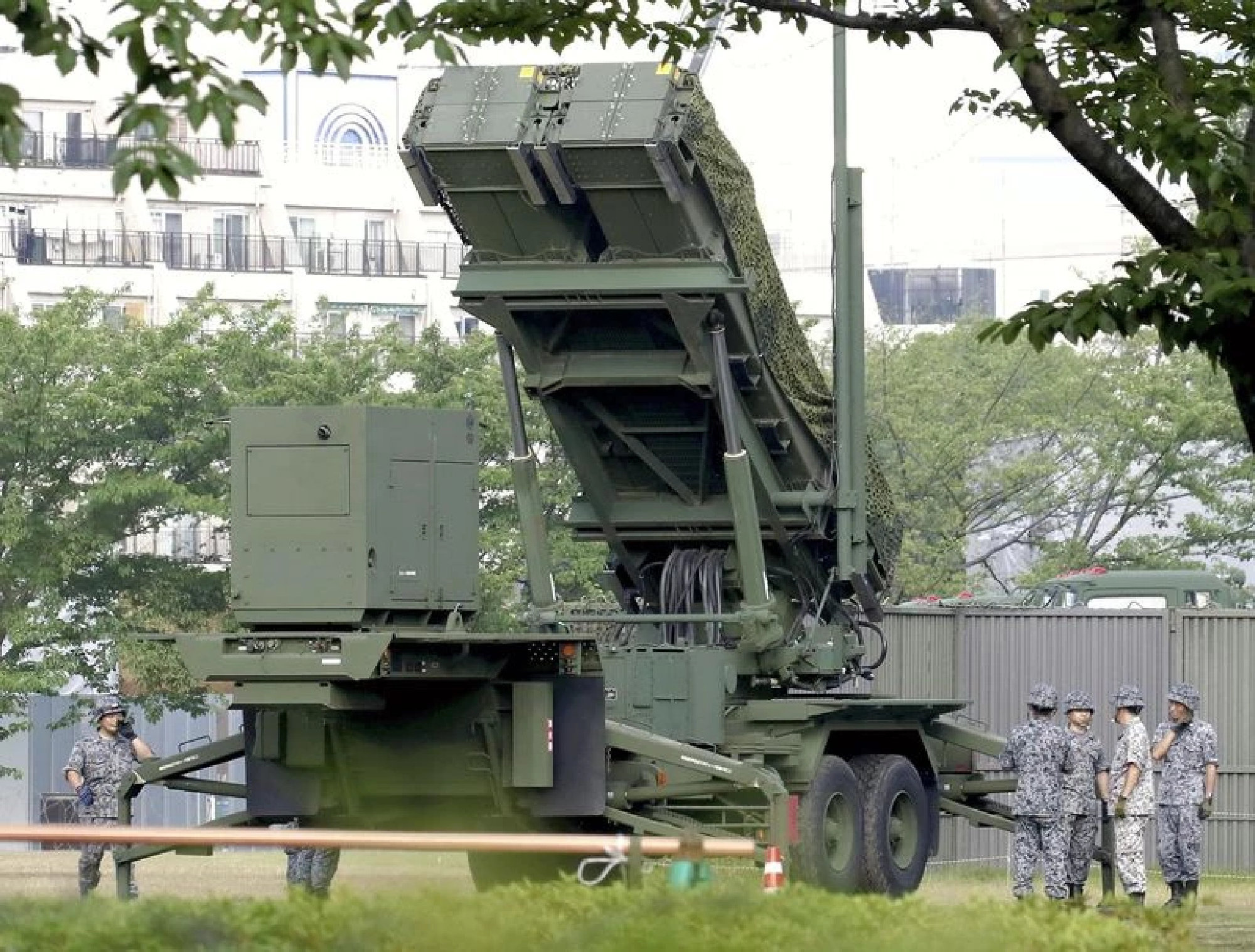
A two-tier interception system has been established, with Maritime Self-Defense Force Aegis destroyers equipped with SM-3 interceptors deployed in the Sea of Japan, and surface-to-air PAC-3 guided missiles deployed at the Defense Ministry in Ichigaya, Tokyo, among other locations.

The latest North Korean missile followed a higher-than-normal trajectory and it is estimated to have reached an altitude of more than 6,000 kilometers, much higher than the maximum altitudes of about 500 kilometers for SM-3 and less than 20 kilometers for PAC-3.

Ballistic missiles are easier to intercept when they slow down towards the apex of their trajectory, but Japan’s existing defense systems would have to target the latest North Korean ICBM during its descent phase when it would be traveling at a significantly higher speed.

“It would have been difficult for us to intercept the latest missile considering its altitude and speed,” a senior Defense Ministry official said.

Asia News Network: The Nation (Thailand), The Korea Herald, The Straits Times (Singapore), China Daily,  Jakarta Post, The Star and Sin Chew Daily (Malaysia), The Statesman (India), Philippine Daily Inquirer, Yomiuri Shimbun and The Japan News, Gogo Mongolia,  Dawn (Pakistan),  The Island (Sri Lanka), Kuensel (Bhutan), Kathmandu Post (Nepal), Daily Star (Bangladesh), Eleven Media (Myanmar), the Phnom Penh Post and Rasmei Kampuchea (Cambodia), The Borneo Bulletin (Brunei), Vietnam News, and Vientiane Times (Laos).

Published : March 26, 2022

By : The Japan News

Myanmar, China jointly produce Covid-19 vaccines

#SootinClaimon.Com : ขอบคุณแหล่งข้อมูล : หนังสือพิมพ์ The Nation.

https://www.nationthailand.com/international/40013834


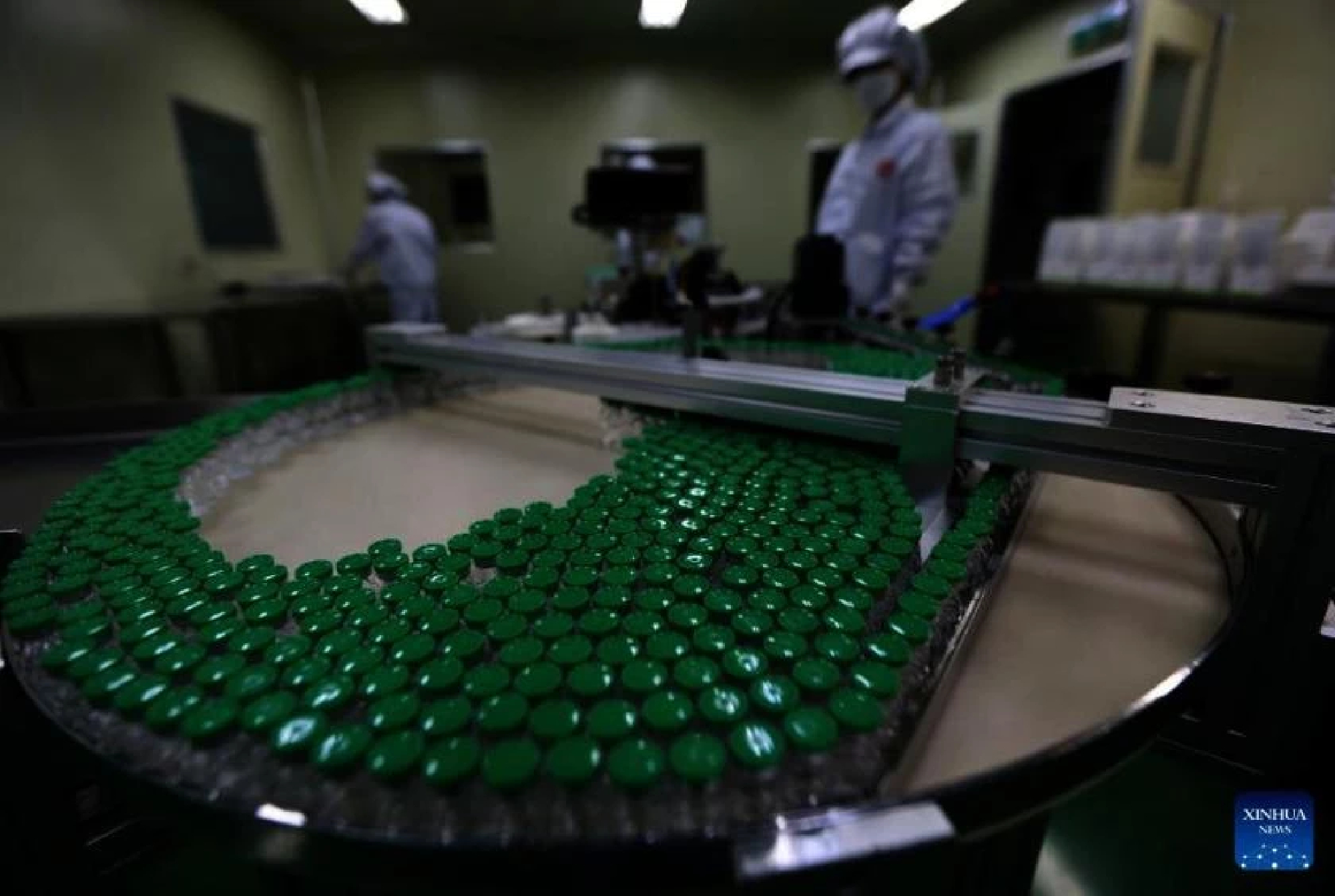
YANGON (Xinhua): Myanmar launched the production of Myancopharm Covid-19 vaccines here on Wednesday (March 23) at Myanmar Pharmaceutical Industry (MPI) in collaboration with China.

Myanmar, China jointly produce Covid-19 vaccines

Lt-Gen. Aung Lin Dwe, secretary of the State Administration Council (SAC), said Myanmar has trialled and produced Covid-19 vaccines domestically in cooperation with Sinopharm CNBG.

“Technology for vaccine production was obtained and foreign currency use would be reduced as Myancopharm Covid-19 vaccines were successfully produced in the country,” he said.

Chinese Ambassador Chen Hai said Sinopharm’s cooperative Ready to Fill (RTF) Bulk vaccine plant with Myanmar is the Chinese pharmaceutical company’s first Covid-19 vaccine plant officially put into operation in the Asia-Pacific, which will help Myanmar strengthen its capacity to independently produce vaccines.

Union Minister for Ministry of Industry Charlie Than said the ministry and Sinopharm CNBG signed the agreement of RTF Bulk purchase for the production of Covid-19 vaccines in Myanmar on Dec 22 last year.

The ministry will be manufacturing 1 million doses of vaccine per month, targeting 10 million doses for 2022-2023 Fiscal Year.

The vaccines will be distributed to the Ministry of Health starting in April, he stressed.

As of March 19, over 21.6 million people have been fully vaccinated against Covid-19 across the country, according to the Ministry of Health.

Asia News Network: The Nation (Thailand), The Korea Herald, The Straits Times (Singapore), China Daily,  Jakarta Post, The Star and Sin Chew Daily (Malaysia), The Statesman (India), Philippine Daily Inquirer, Yomiuri Shimbun and The Japan News, Gogo Mongolia,  Dawn (Pakistan),  The Island (Sri Lanka), Kuensel (Bhutan), Kathmandu Post (Nepal), Daily Star (Bangladesh), Eleven Media (Myanmar), the Phnom Penh Post and Rasmei Kampuchea (Cambodia), The Borneo Bulletin (Brunei), Vietnam News, and Vientiane Times (Laos).

Published : March 26, 2022

By : Xinhua

Yoon, Xi discuss cooperation between two countries in phone call

#SootinClaimon.Com : ขอบคุณแหล่งข้อมูล : หนังสือพิมพ์ The Nation.

https://www.nationthailand.com/international/40013833


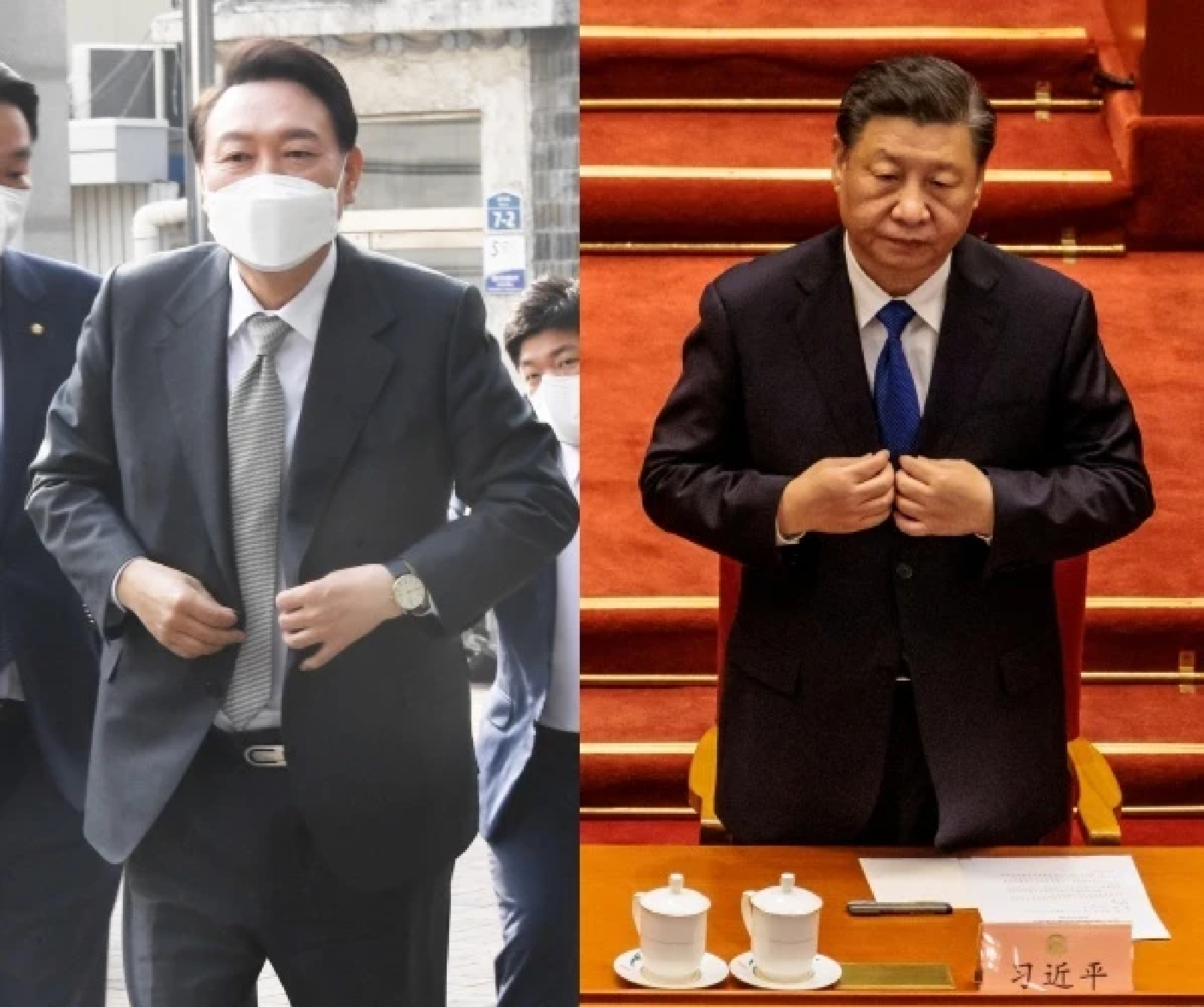
President-elect Yoon Suk-yeol and Chinese President Xi Jinping discussed bilateral cooperation for peace on the Korean Peninsula in a telephone conversation on Friday.

Yoon, Xi discuss cooperation between two countries in phone call

During the 25-minute phone conversation, Yoon stressed the two countries should cooperate for peace on the Korean Peninsula and the complete denuclearization of North Korea.

“Yoon said the South Korean people are greatly worried about the tension between the two Koreas following the consecutive intercontinental ballistic missile tests by North Korea, including the latest test launch on Thursday,” Yoon’s spokesperson Kim Eun-hye said in a statement.

The two decided to remain in close communication and meet with each other soon after Yoon takes office, the spokesperson said.

Xi congratulated Yoon on winning the presidential election once again, following the congratulatory message sent through the Chinese Ambassador to Seoul Xing Haiming on March 11.

“I hope to work with Xi for the growth of the relationship between the two countries in the spirit of mutual respect and cooperation,” Yoon said.

Xi said Korea and China are “close neighbors unable to move away,” and that they should encourage the growth of a stable, long-term relationship between the two countries to bring benefits to the people.

The two have agreed to activate high-profile communication between each other, and work together on issues related to supply chains, public health, climate change, the environment — including fine dust — and culture.

It was the first time for Xi, who took helm March 2013, to hold a phone call with the President-elect of Korea before officially taking the office.

Since his election earlier this month, Yoon has held phone calls with the US President Joe Biden, Japanese Prime Minister Fumio Kishida, British Prime Minister Boris Johnson, Australian Prime Minister Scott Morrison and Indian Prime Minister Narendra Modi and Vietnamese President Nguyen Xuan Phuc.

By Im Eun-byel

Asia News Network: The Nation (Thailand), The Korea Herald, The Straits Times (Singapore), China Daily,  Jakarta Post, The Star and Sin Chew Daily (Malaysia), The Statesman (India), Philippine Daily Inquirer, Yomiuri Shimbun and The Japan News, Gogo Mongolia,  Dawn (Pakistan),  The Island (Sri Lanka), Kuensel (Bhutan), Kathmandu Post (Nepal), Daily Star (Bangladesh), Eleven Media (Myanmar), the Phnom Penh Post and Rasmei Kampuchea (Cambodia), The Borneo Bulletin (Brunei), Vietnam News, and Vientiane Times (Laos).

Published : March 26, 2022

By : The Korea Herald

In unison, India and China urge dialogue to end Ukrainian crisis

#SootinClaimon.Com : ขอบคุณแหล่งข้อมูล : หนังสือพิมพ์ The Nation.

https://www.nationthailand.com/international/40013832


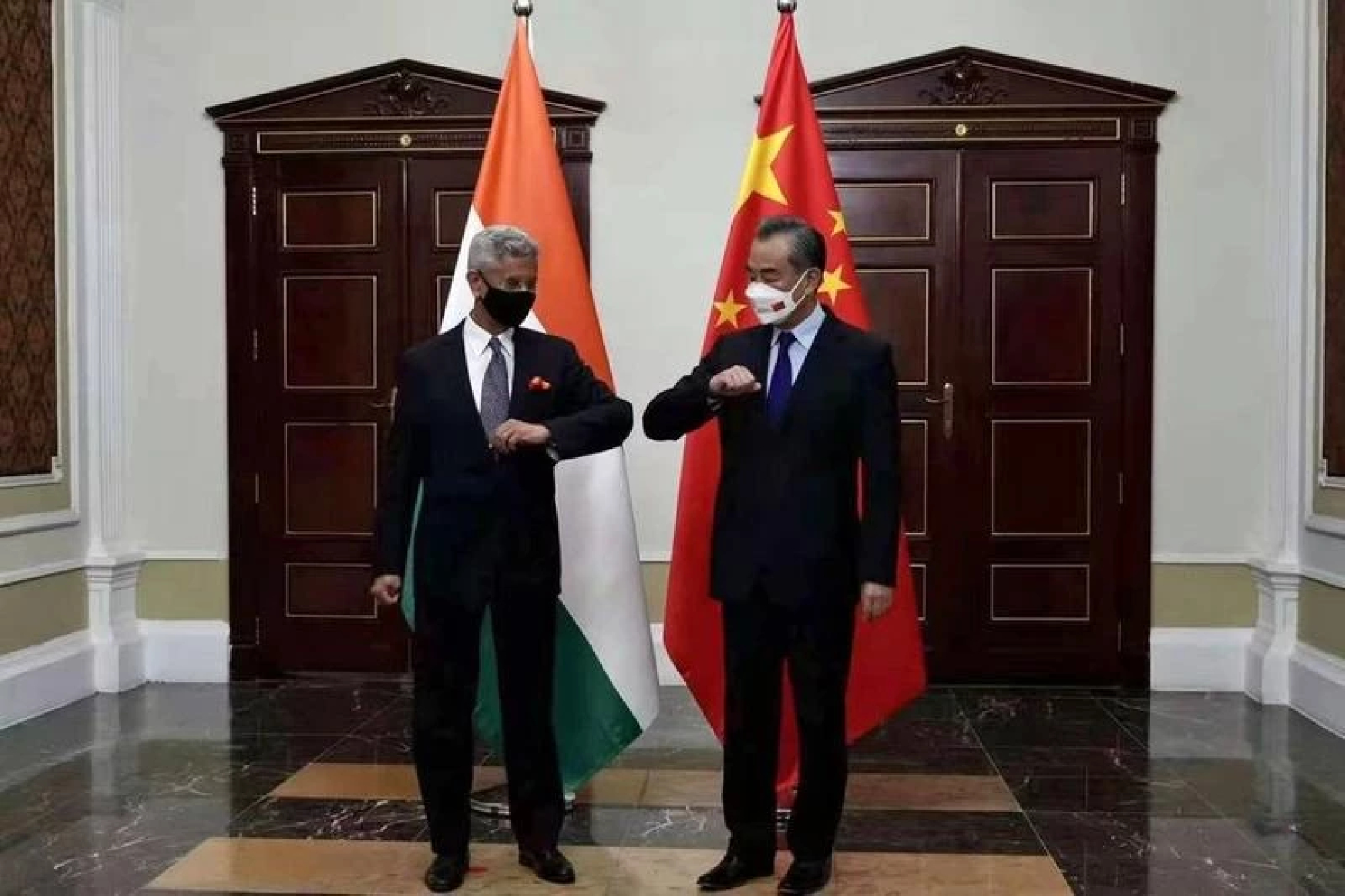
NEW DELHI – India and China came together again on Friday in New Delhi as their foreign ministers called for diplomacy and dialogue to end the Ukrainian crisis. Analysts welcomed the positive meeting and over-due exchanges between the two neighboring giants.

In unison, India and China urge dialogue to end Ukrainian crisis

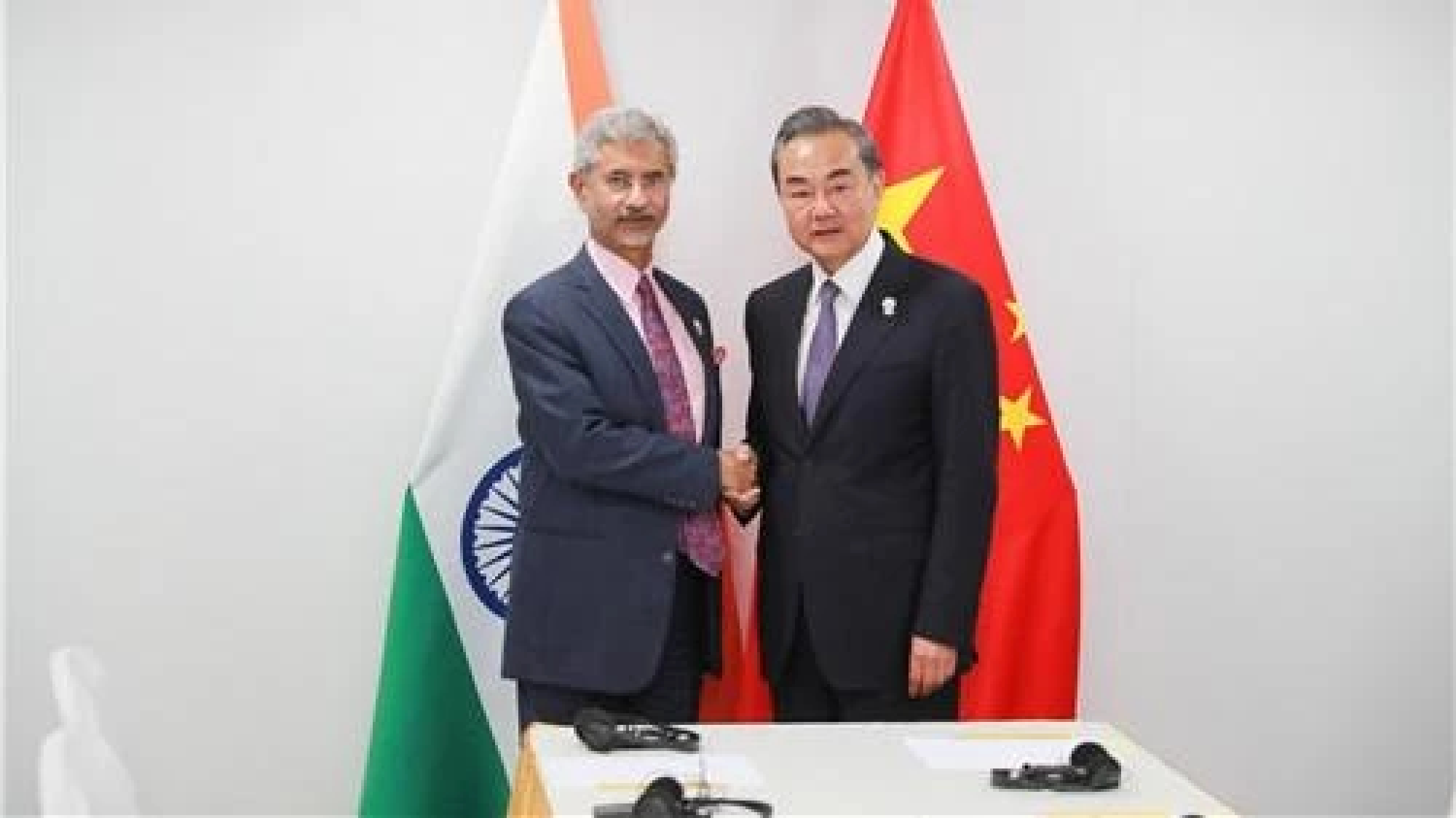
External Affairs Minister Subrahmanyam Jaishankar, after holding official talks with visiting Chinese State Councilor and Foreign Minister Wang Yi, said: “On Ukraine, we discussed our respective approaches and perspective but agreed that diplomacy and dialogue must be the priority.” Both sides emphasized the importance of a ceasefire in Ukraine. 

The two countries have shared similar stance on the Russian-Ukraine conflict over the past month, including at United Nations. 

Wang, arriving late Thursday evening, also met National Security Adviser Ajit Doval on Friday. The meetings went into detailed and candid discussions over a number of bilateral issues, especially the border stand-off.  

This is the first visit by a high-profile Chinese official since the Galwan Valley clash of border soldiers where both sides suffered casualties in June 2020. 

The visit is a positive step “as it came after a long time and it was long overdue,” noted Ritu Agarwal, an associate professor at the Centre for East Asian Studies at Jawaharlal Nehru University, or JNU, in New Delhi.  

In this fast-changing global situation China needs to reformulate its strategy towards Asian neighbors specially India, Agrarwal said. 

Jaishankar said he and Wang “met for about three hours and addressed a broad substantive agenda in an open and candid manner”. 

The Indian hosts brought the border issue prominently during the discussions with Wang. 

People familiar with the developments said the senior diplomats agreed that interactions on diplomatic and military levels for restoration of peace and tranquility need to continue. 

New Delhi has stressed that business between the two countries can hardly be as usual until issues like the border stand-off are resolved on mutually acceptable terms. China has pointed out the border issue is only part of the whole picture of bilateral relations. 

Thousands of Indian and Chinese troops are deployed on their high-altitude border. The continuation of the present situation is not in our mutual interest,” a source quoted Doval as saying.  

“Restoration of peace and tranquility will help build mutual trust and create enabling environment for progress in relations,” Doval said. 

A big responsibility of Indian diplomacy, therefore, is to create the widest set of options for such contingencies, Jaishankar said later. 

Both sides agreed on the importance of early and complete disengagement in remaining areas to take forward bilateral ties. Earlier dozen rounds of talks were held between the senior military officers of the two sides to defuse the tension. 

Issues like Indian students stranded in China were also discussed. “I also took up strongly the predicament of Indian students studying in China who haven’t been allowed to return citing COVID-19 restrictions,” Jaishankar said while talking to the media after the meeting. “We hope China will take a non-discriminatory approach since it involves future of many young people.” 

The Chinese foreign minister assured to resolve the issue like Indian students stranded in China and will take up the matter on his return, Jaishankar said. 

Wang is visiting Nepal after India. 

Asia News Network: The Nation (Thailand), The Korea Herald, The Straits Times (Singapore), China Daily,  Jakarta Post, The Star and Sin Chew Daily (Malaysia), The Statesman (India), Philippine Daily Inquirer, Yomiuri Shimbun and The Japan News, Gogo Mongolia,  Dawn (Pakistan),  The Island (Sri Lanka), Kuensel (Bhutan), Kathmandu Post (Nepal), Daily Star (Bangladesh), Eleven Media (Myanmar), the Phnom Penh Post and Rasmei Kampuchea (Cambodia), The Borneo Bulletin (Brunei), Vietnam News, and Vientiane Times (Laos).

Published : March 26, 2022

By : China Daily

Ladakh stand-off must end for normalisation of ties: India tells Chinese FM

#SootinClaimon.Com : ขอบคุณแหล่งข้อมูล : หนังสือพิมพ์ The Nation.

https://www.nationthailand.com/international/40013831


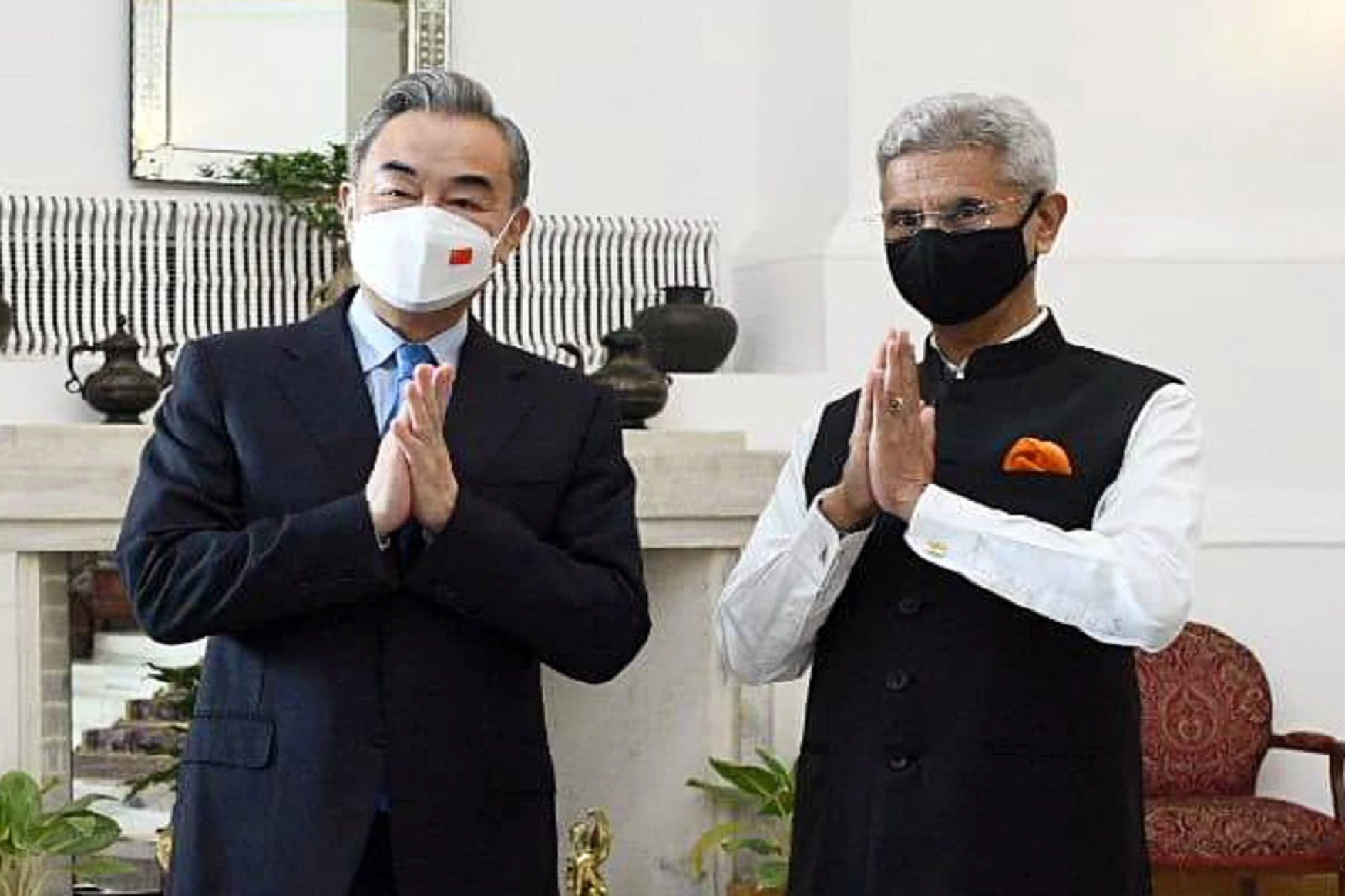
At a three-hour meeting with visiting Chinese Foreign Minister Wang Yi, External Affairs Minister S Jaishankar today firmly told him that a resolution of the ongoing military stand-off in Eastern Ladakh and the restoration of peace and tranquility in border areas were prerequisites for normalisation of Sino-Indian relations.

Ladakh stand-off must end for normalisation of ties: India tells Chinese FM

Wang, who arrived here last night on a one-day visit amid tensions in bilateral ties over the Ladakh face-off, also had a meeting with National Security Adviser (NSA) Ajit Doval. He is the first top Chinese leader to visit India since the border row erupted between the two neighbours in Eastern Ladakh in April 2020.

At a media briefing after his meeting with Wang, Jaishankar said the two ministers addressed a  broad and substantive agenda in an open and candid manner. ”We discussed our bilateral relations that have been disturbed as a result of Chinese actions in April 2020.”

The two ministers noted the progress made by the two sides at 15 rounds of senior commander level talks to resolve the face-off. ”The current situation is a ‘Work in Progress’ obviously at a slower pace than desirable…This needs to be taken forward since the completion of the disengagement (at LAC) is necessary for deescalation,” Jaishankar said.

He told the Chinese minister that the national sentiment in India was that the friction in border areas could not be reconciled with a normal situation. ”We still have ongoing friction areas although we have made progress in resolving some friction areas, including Pangong Tso. Our discussions today was on how to take this process forward,” he added.

”No, our relationship (with China at present) is not normal, given the presence of a large number of troops in contravention of the 1993, 1996 agreements,” Jaishankar said when asked how he would term the current state of ties between the two countries.

He said he had told the Chinese minister that the relationship between their two nations must be based on three principles: mutual respect, mutual sensitivity and mutual interest.

Asked if the Chinese side extended an invitation to Prime Minister Narendra Modi for the BRICS Summit China is scheduled to hold this year, Jaishankar said Wang did refer to it and said Beijing would like to see the participation of all leaders at the meeting.

India also took up with Wang his statement made in Islamabad at the OIC meeting in which he raised the Jammu and Kashmir issue. ”I explained to him why we found that statement objectionable. I told him that we hope China would follow an independent policy in respect of India and not allow its policies to be influenced by other countries and other relationships,” the Indian minister added.

On the Ukraine conflict, the two countries called for an immediate ceasefire and felt that diplomacy and dialogue should be given priority.

He said he also took up strongly the predicament of Indian students studying in China who have not been allowed to return by Beijing citing COVID restrictions. ”We hope China will take a non-discriminatory approach since it involves the future of many young people,” he added. Minister Wang assured him that he would speak to the relevant authorities on his return on this matter.

At his meeting with the Indian NSA, Wang invited him to China to take forward the mandate of Special Representatives (SRs) of the two countries on the boundary dispute. Doval responded positively to the invitation, stating that he could visit after immediate issues between the two countries were resolved successfully.

Asia News Network: The Nation (Thailand), The Korea Herald, The Straits Times (Singapore), China Daily,  Jakarta Post, The Star and Sin Chew Daily (Malaysia), The Statesman (India), Philippine Daily Inquirer, Yomiuri Shimbun and The Japan News, Gogo Mongolia,  Dawn (Pakistan),  The Island (Sri Lanka), Kuensel (Bhutan), Kathmandu Post (Nepal), Daily Star (Bangladesh), Eleven Media (Myanmar), the Phnom Penh Post and Rasmei Kampuchea (Cambodia), The Borneo Bulletin (Brunei), Vietnam News, and Vientiane Times (Laos).

Published : March 26, 2022

By : The Statesman

VN aims to become industrialised world exporter by 2030

#SootinClaimon.Com : ขอบคุณแหล่งข้อมูล : หนังสือพิมพ์ The Nation.

https://www.nationthailand.com/international/40013793


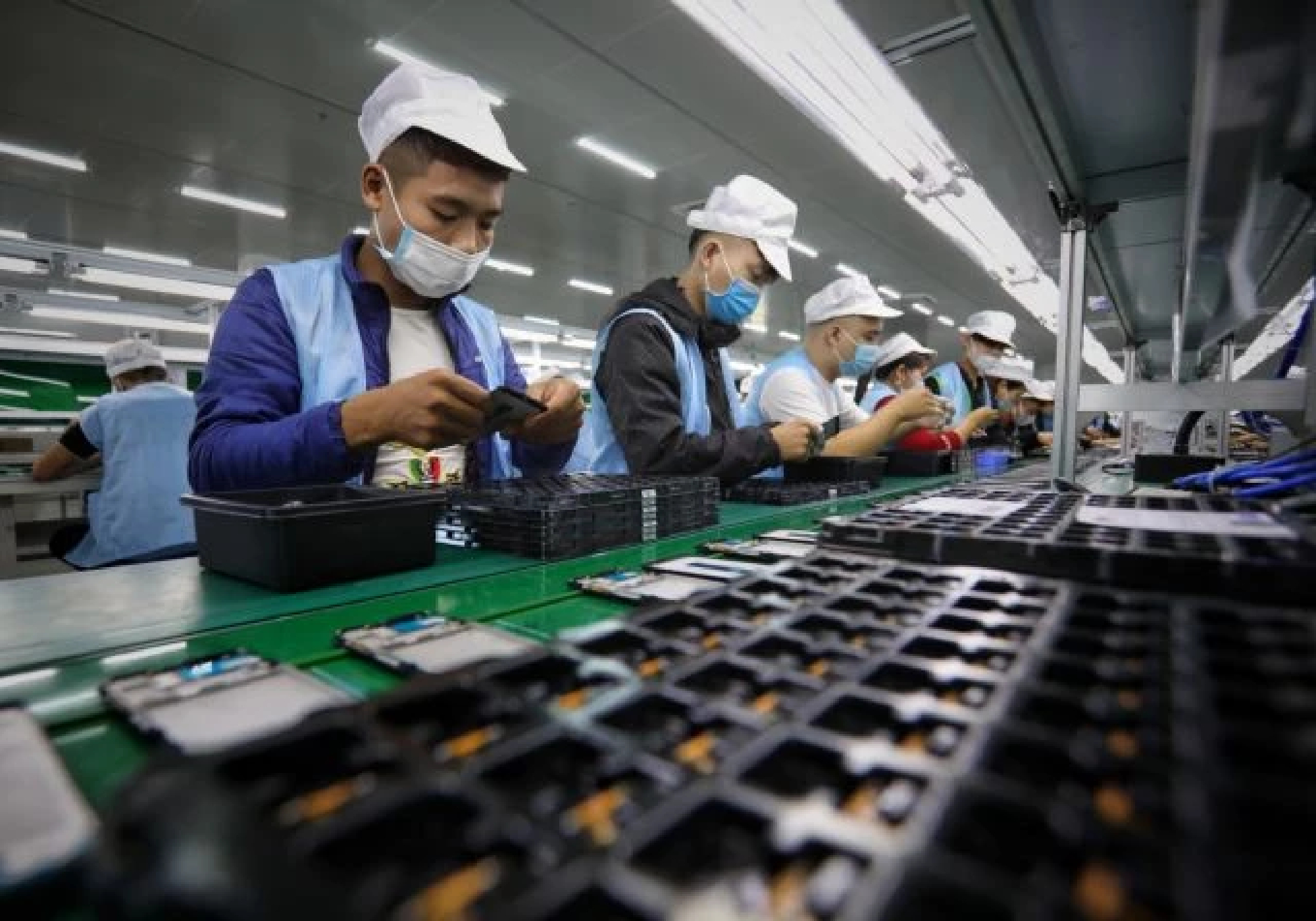
HÀ NỘI — Việt Nam has set a target of becoming an industrialised country with highly competitive industries, and among the world’s top 15 largest exporters by the end of 2030.

VN aims to become industrialised world exporter by 2030

According to a report by the Ministry of Industry and Trade (MoIT), the country’s immediate target is to develop 20 products with strong international brands, to strengthen its position in the global supply chain, to bring its supporting industry’s capacity to meet 70 per cent of domestic demand and localisation of production to 45 per cent. 

The country’s supporting industry, which remained underdeveloped and overly reliant on imports, has been identified as a major weakness for Việt Nam, especially in key industries such as electronics, textile, leather and footwear, manufacturing and automobile. 

The effect has been made painfully clear since the pandemic as Việt Nam’s top suppliers of parts, including Chia, South Korea and Japan, were hit hard by COVID-19, causing severe disruptions to production in Việt Nam. 

In addition, over-reliance on outside supplies has crippled the development of indigenous supporting industries while cutting deep into domestic firms’ profitability. For example, the Southeast Asian economy relies on China and South Korea for as much as 90 per cent of the input materials for textile, footwear and electronics. Experts have long raised concerns over the country’s inability to contribute more to product value, putting it at high economic risk in the event large international corporations decided to move production elsewhere. 

In order to address the issue, the MoIT has proposed a restructuring plan for Việt Nam’s industries with a focus on the development of supporting industries. According to the ministry, significant progress had been made in the 2011-20 period with industrial production accounting for around 27.45 per cent of the country’s total GDP annually. 

The ministry advised the government to focus on qualitative development instead of quantitative and to take measures to improve productivity, one of the main weaknesses of the economy. The ministry said by the end of 2030, industrial production is to account for 40 per cent of total GDP, manufacturing value added per capita over US$2,000 with a 45 per cent contribution from high-tech industries. 

The ministry said among the top priorities for the next ten years is how to restructure many State-own enterprises under their own management, which have been underperforming and causing losses in the billions of dollars for decades now. VNS

Asia News Network: The Nation (Thailand), The Korea Herald, The Straits Times (Singapore), China Daily,  Jakarta Post, The Star and Sin Chew Daily (Malaysia), The Statesman (India), Philippine Daily Inquirer, Yomiuri Shimbun and The Japan News, Gogo Mongolia,  Dawn (Pakistan),  The Island (Sri Lanka), Kuensel (Bhutan), Kathmandu Post (Nepal), Daily Star (Bangladesh), Eleven Media (Myanmar), the Phnom Penh Post and Rasmei Kampuchea (Cambodia), The Borneo Bulletin (Brunei), Vietnam News, and Vientiane Times (Laos).

Published : March 25, 2022

By : Vietnam News

Wang’s India visit carries significance for bilateral ties, global affairs

#SootinClaimon.Com : ขอบคุณแหล่งข้อมูล : หนังสือพิมพ์ The Nation.

https://www.nationthailand.com/international/40013792


Chinese State Councilor and Foreign Minister Wang Yi is expected to strengthen bilateral relations with India in a visit that also catches wide global attention.

Wang's India visit carries significance for bilateral ties, global affairs

Wang, who has just visited Islamabad, is expected to meet India’s national security adviser Ajit Doval and external affairs minister Subrahmanyam Jaishankar and other political leaders, according to a source.

Among the issues to be discussed are students from India who face pandemic difficulties in returning to campus in China for study or seeking home trips back to India.

The senior diplomats are likely to exchange views on the conflict between Russia and Ukraine, and discuss border and bilateral trade.

Wang’s visit comes after Prime Minister Narendra Modi sent his condolences to Chinese people after flight MU 5735 crashed in southern China on Tuesday with the loss of all 132 passengers and crew on board.

In September 2020, Jaishankar and Wang held wide-ranging discussions in Moscow on the sidelines of a conclave of the Shanghai Cooperation Organisation or SCO. The two foreign ministers also held a bilateral meeting on the sidelines of another SCO meeting in Tajikistan capital Dushanbe in July last year, followed by another meeting in September.

In recent times China has also expressed apprehension after India blocked the access of 231 Chinese apps in India since June 2020 citing the reason that the apps “pose a threat to India’s security”.    

In Islamabad, Wangi proposed a four-point formula to upgrade strategic and pragmatic cooperation with Pakistan at a joint press conference with his Pakistani counterpart. Wang also met Pakistan Prime Minister Imran Khan.

The Indian visit of Wang Yi carries significance also because China and India have taken a common stand toward Russia. Both nations are calling for peace while they abstained from a vote last month on a United Nations draft resolution on Russian military operation against Ukraine.

By Aparajit Chakraborty

Asia News Network: The Nation (Thailand), The Korea Herald, The Straits Times (Singapore), China Daily,  Jakarta Post, The Star and Sin Chew Daily (Malaysia), The Statesman (India), Philippine Daily Inquirer, Yomiuri Shimbun and The Japan News, Gogo Mongolia,  Dawn (Pakistan),  The Island (Sri Lanka), Kuensel (Bhutan), Kathmandu Post (Nepal), Daily Star (Bangladesh), Eleven Media (Myanmar), the Phnom Penh Post and Rasmei Kampuchea (Cambodia), The Borneo Bulletin (Brunei), Vietnam News, and Vientiane Times (Laos).

Published : March 25, 2022

By : China Daily

Ukrainian president’s address triggers wave of support, sympathy in Japan

#SootinClaimon.Com : ขอบคุณแหล่งข้อมูล : หนังสือพิมพ์ The Nation.

https://www.nationthailand.com/international/40013791


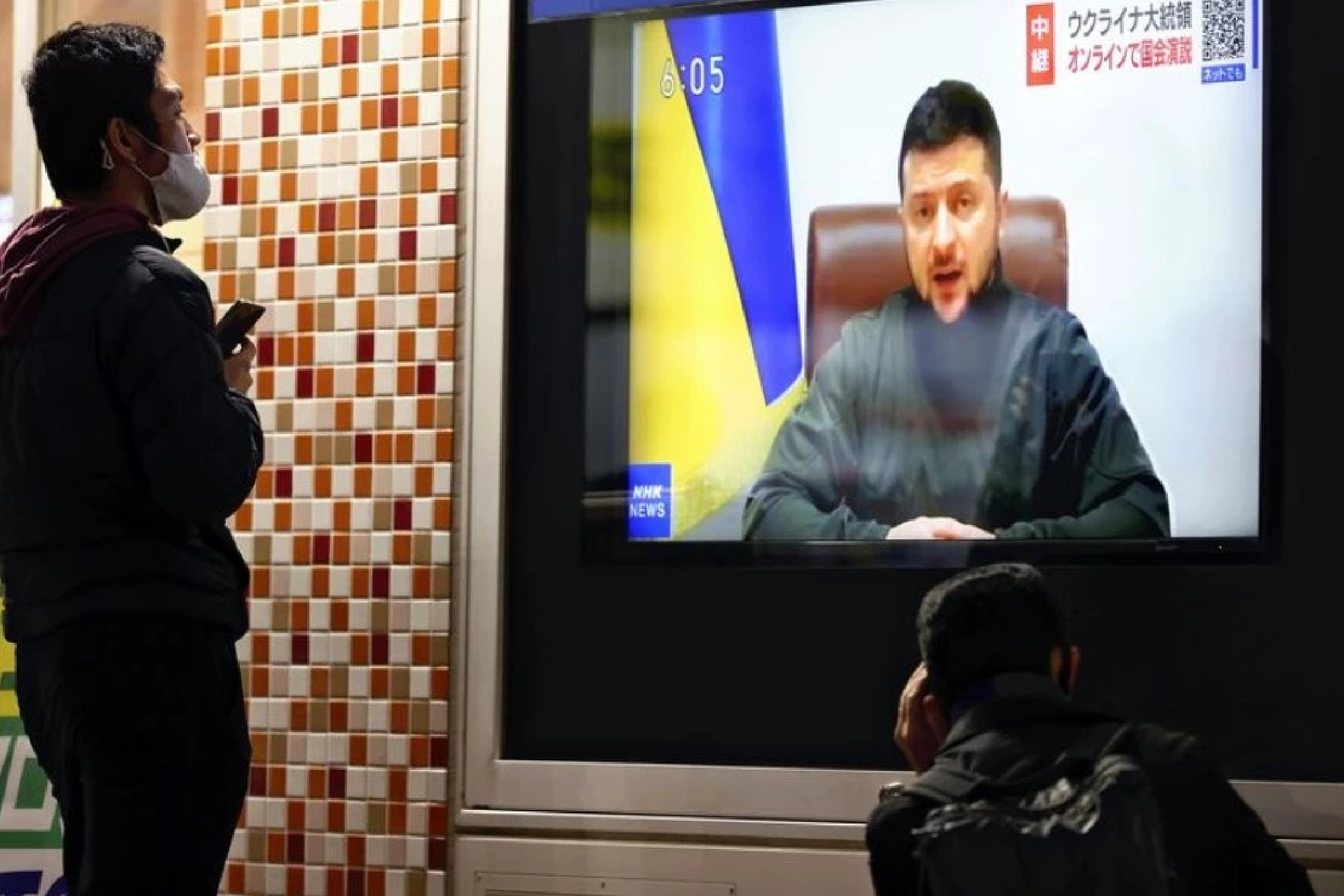
Following Ukrainian President Volodymyr Zelenskyy’s online speech to the Diet Wednesday about the devastating situation in his country, there was a wave of sympathy and support for the plight of Ukrainians and indignation at Russia’s aggression.

Ukrainian president’s address triggers wave of support, sympathy in Japan

“Russian troops destroyed dozens of our cities … Thousands were killed,” Zelenskyy said in his address.

In his message from war-torn Ukraine, Zelenskyy said: “I’m sure you understand this feeling … The need to return to your land,” which resonated with a former resident of Japan’s northern territories — which are illegally occupied by Russia.

Yasuji Tsunoka, who left his hometown of Yuri Island — part of the Habomai group of islets — in April 1946 following the arrival of troops from the former Soviet Union, expressed sympathy after watching Zelenskyy’s speech on television at home.

“Russia, who has not agreed to return the northern territories to Japan, has invaded Ukraine, too. I’m surprised and infuriated,” said Tsunoka, 84.

In the 12-minute address, Zelenskyy also described Russian attacks on nuclear power plants that have turned these facilities into war zones.

Kunihiko Sakuma, 77, who was exposed to radiation in the 1945 atomic bombing of Hiroshima, said the conflict has reminded him that the threat of nuclear war is real.

“We must not let Ukraine become the third place to be devastated by nuclear warfare,” said Sakuma, who chairs a Hiroshima group of atomic bomb survivors.

In Yokohama, a sister city of Odessa in southern Ukraine, people who had exchanges with Odessans listened intently to Zelenskyy’s address, in which he described children becoming victims of the war.

Yokohama Judo Association President Tsuneo Suzuki, who participated in an online exchange with an Odessa judo club in November, said Ukrainian children energetically practiced as he and two other association members demonstrated techniques.

“I very much hope they are safe,” said Suzuki, 66.

Asia News Network: The Nation (Thailand), The Korea Herald, The Straits Times (Singapore), China Daily,  Jakarta Post, The Star and Sin Chew Daily (Malaysia), The Statesman (India), Philippine Daily Inquirer, Yomiuri Shimbun and The Japan News, Gogo Mongolia,  Dawn (Pakistan),  The Island (Sri Lanka), Kuensel (Bhutan), Kathmandu Post (Nepal), Daily Star (Bangladesh), Eleven Media (Myanmar), the Phnom Penh Post and Rasmei Kampuchea (Cambodia), The Borneo Bulletin (Brunei), Vietnam News, and Vientiane Times (Laos).

Published : March 25, 2022

By : The Japan News

N. Korea fires ICBM, breaks self-imposed moratorium

#SootinClaimon.Com : ขอบคุณแหล่งข้อมูล : หนังสือพิมพ์ The Nation.

https://www.nationthailand.com/international/40013790


S. Korean military launches own missiles to show ability to punish North

N. Korea fires ICBM, breaks self-imposed moratorium

North Korea on Thursday fired an intercontinental ballistic missile after more than a four-year hiatus, breaking its self-imposed moratorium on ICBM and nuclear tests.

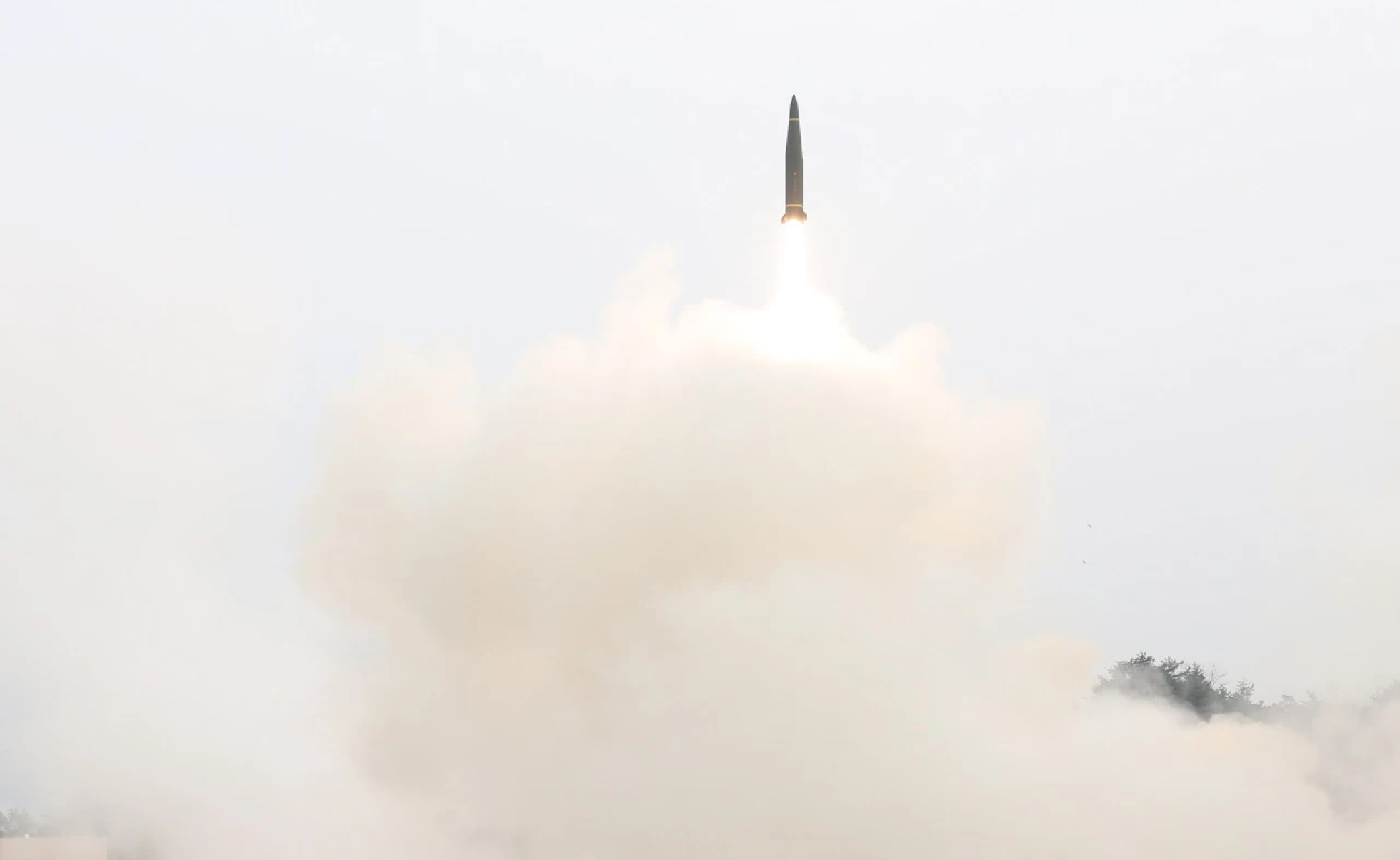
Pyongyang launched an ICBM-class projectile that flew more than one hour and 10 minutes toward the East Sea at 2:34 p.m. from the Sunan area of the capital city Pyongyang.

The ICBM flew around 1,080 kilometers at an altitude of 6200 km or higher, the Joint Chiefs of Staff said, adding that the missile is presumed to have been fired at a high angle and with a lofted trajectory.

Japan’s Deputy Defense Minister Makoto Oniki said North Korea may be testing a new model of an ICBM. But the JCS said South Korean and US intelligence authorities are still analyzing further specifications.

In response to the ICBM launch, the South Korean military forces jointly launched different types of missiles along the eastern coast from 4:25 p.m to ”demonstrate the determination and capability to immediately respond and punish” North Korea’s launches, the JCS said.

A Hyunmoo II surface-to-surface missile, a Haeseong II ship-launched land-attack cruise missile, an ATACMS short-range ballistic missile and two JDAM precision-guided bombs were fired.

“We also confirmed that our military keeps close tabs on North Korea’s military movement and has the ability and maintain a readiness posture to precisely strike the origin of the missile launch and command and support facilities at any time when North Korea launches a missile,” the JCS said.

North Korea conducted an ICBM test for the first time since November 2017, when the country launched a Hwasong 15 ICBM. 

Brazen violation of UNSC resolutions
The South Korean government immediately issued an official statement that “strongly condemned” the ICBM launch and urged North Korea to “immediately stop the act creating tensions on the Korean Peninsula and causing instability to the regional situation.”

South Korean President Moon Jae-in convened an emergency meeting of the National Security Council that was held between 3:50 and 4:30 p.m.

“The president stressed that North Korea’s launch is the act of renouncing the moratorium on intercontinental ballistic missile testing, which Chairman Kim Jong-un had pledged to the international community,” Cheong Wa Dae said in a statement.

Moon underscored that the ICBM launch “poses a serious threat to the Korean Peninsula, the region and the international community and clearly violates UN Security Council resolutions.”

Moon issued instructions to “thoroughly come up with every possible measure in close coordination with the related countries and the international community and based on the ironclad South Korea-US alliance” to maintain watertight national security, especially in the government transition period. 

The president also called for “close cooperation” with President-elect Yoon Suk-yeol. 

The White House on Thursday urged “all countries to hold the DPRK accountable for such violations and call on the DPRK to come to the table for serious negotiations” in a statement issued by Press Secretary Jen Psaki.

While lambasting the ICBM launch for a “brazen violation” of multiple UNSC resolutions, the Biden administration reiterated that the “door has not closed on diplomacy.”

11th missile launch this year
Thursday’s launch marks the 11th missile launch and 12th reported weapons tests conducted by North Korea just this year.

The latest launch came around a week after the country on March 16 failed to fire an unidentified projectile from Sunan airfield in Pyongyang. The projectile exploded soon after liftoff before reaching an altitude of around 20 km.

Military authorities and analysts largely view that last week’s failed attempt was in line with North Korea’s continuous move to evaluate the system and components of its new Hwasong 17 intercontinental ballistic missile before a likely full-range ICBM. Hwasong 17 was first unveiled at a military parade in 2020 and reappeared at a defense exhibition in October 2021.

Earlier this month, the South Korean and US militaries unusually confirmed that North Korea’s two missile launches on Feb. 27 and March 5 “involved a new intercontinental ballistic missile system.”

Unlike Thursday‘s launch, the two missiles notably traveled in the lofted trajectory of a medium-range ballistic missile, or MRBM. North Korea called them an “important test” for developing a reconnaissance satellite.

Expected ICBM test
Analysts widely expected North Korea would conduct an ICBM test soon particulary after its abortive attempt in mid-March.

North Korea has repeatedly suggested its intent to return to major weapons tests and renounce its self-imposed moratorium on nuclear and ICBM testing, which was pronounced by North Korean leader Kim Jong-un at a party plenum in April 2018.

The North Korean leader said the country would launch “a large number of reconnaissance satellites” by 2025 as the major goal of the five-year national defense development plan in a rare visit to the National Aerospace Development Administration in mid-March.

Kim also visited the Sohae Satellite Launching Station around the same time and ordered to refurbish and modernize the facilities to “enable large carrier rockets to be launched” there.

The US Office of the Director of National Intelligence said North Korea has paved the way for resuming ICBM and nuclear tests this year by conducting a spate of missile tests in its annual report on worldwide threat assessment.

Thursday’s launch also marks North Korea’s third weapons test since Yoon of the conservative People Power Party’s win in the March 9 presidential election.

After the failed launch in mid-March, North Korea on Sunday fired four suspected shots from multiple rocket launchers into seas to the west. Analysts view North Korea’s recent spate of weapons tests as intended to capitalize on the presidential transition period. 

By Ji Da-gyum

Asia News Network: The Nation (Thailand), The Korea Herald, The Straits Times (Singapore), China Daily,  Jakarta Post, The Star and Sin Chew Daily (Malaysia), The Statesman (India), Philippine Daily Inquirer, Yomiuri Shimbun and The Japan News, Gogo Mongolia,  Dawn (Pakistan),  The Island (Sri Lanka), Kuensel (Bhutan), Kathmandu Post (Nepal), Daily Star (Bangladesh), Eleven Media (Myanmar), the Phnom Penh Post and Rasmei Kampuchea (Cambodia), The Borneo Bulletin (Brunei), Vietnam News, and Vientiane Times (Laos).

Published : March 25, 2022

By : The Korea Herald