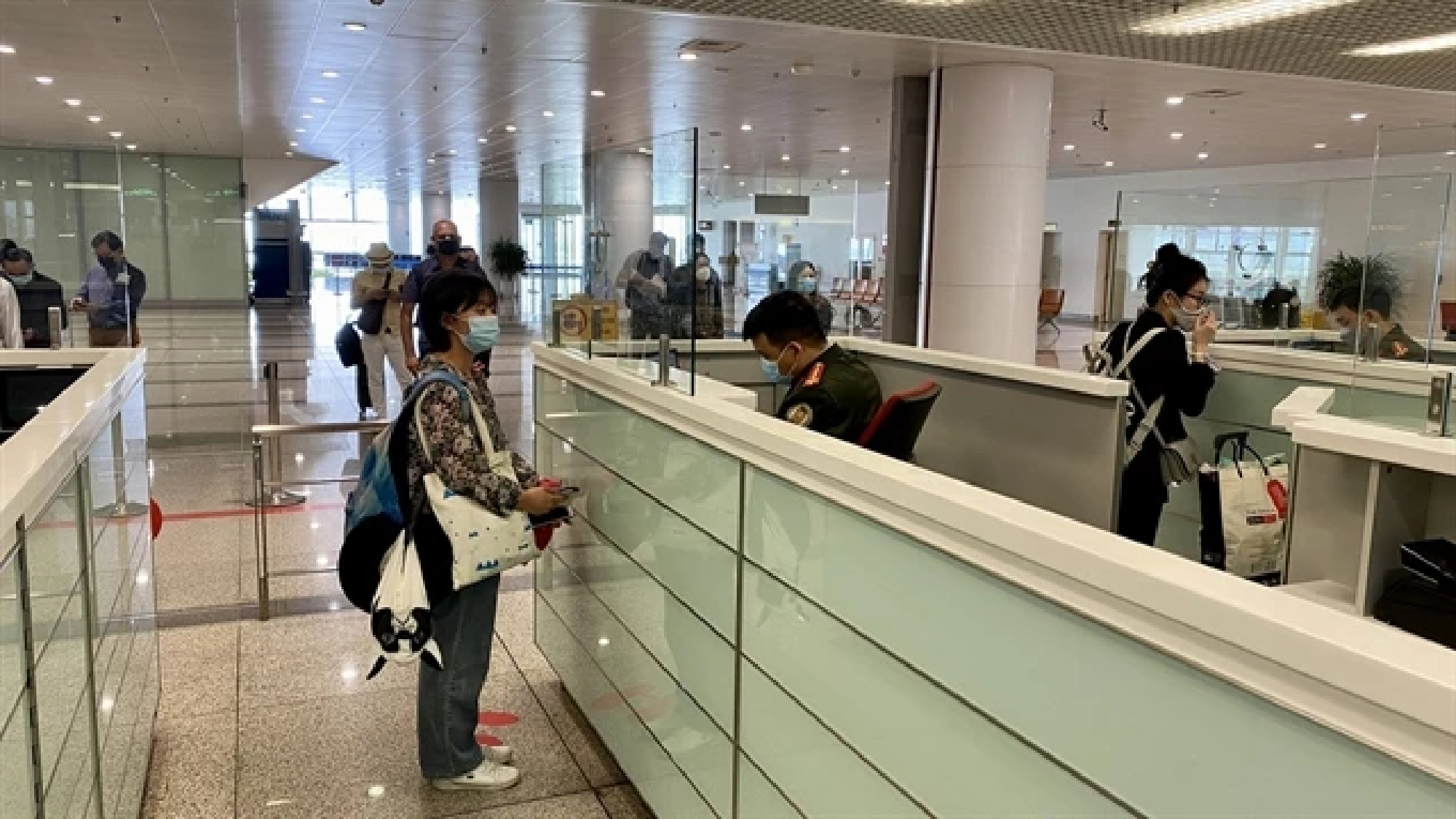
HÀ NỘI — The Vietnamese Government on Tuesday agreed to waive entry visa requirements for foreign nationals entering the country from 13 nations.
The details were provided in the newly-issued Resolution No.32/NQ-CP.
Specifically, the waiver would be applicable to citizens from the Federal Republic of Germany, the French Republic, Italian Republic, Kingdom of Spain, the United Kingdom of Great Britain and Northern Ireland, Russian Federation, Japan, Republic of Korea, Kingdom of Denmark, Kingdom of Sweden, Kingdom of Norway, Republic of Finland, and the Republic of Belarus, who stay in Việt Nam for 15 days from the date of entry, no matter what visa types they currently hold or their purposes of entry.
The waivers will last for three years, starting from March 15, 2022 to March 14, 2025, and an extension could be tabled in line with Vietnamese laws.
The Ministry of Foreign Affairs is tasked with the assessment, evaluation and putting forward recommendations to the Government with regards to the extension, suspension or termination of the unilateral visa exemption policy specified in this Resolution.
The move, reinstating the waiver policy that came to halt in early 2020 in response to the emergence of the coronavirus, coincides with the day Việt Nam is set to fully resume inbound and outbound tourism activities.
The Ministry of Culture, Sports, and Tourism, which is the main coordinator of the tourism reopening plan, along with travel agencies and tourism accommodation businesses in the country have been clamouring for the resumption of pre-pandemic visa policies as well as relaxed COVID-19 protocols given the high vaccination rate in Việt Nam, to entice foreign tourists into the country after two years of severe disruptions. — VNS
K-pop supergroup BTS will take the stage for the annual Grammy Awards for the third consecutive year, organizers have said.
The South Korean group was among the artists announced by the US Recording Academy on Tuesday (US time) to perform during the 64th awards ceremony on April 3.
Other big names on the list were Olivia Rodrigo, Billie Eilish, Lil Nas X, Brandi Carlile and Brothers Osborne.
BTS performed jointly with Lil Nas X at the 62nd Grammy Awards held two years ago and hit the stage alone to perform its megahit “Dynamite” at the event’s 63rd edition in March last year.
This year’s show, at the MGM Grand Arena in Las Vegas, will be broadcast live by CBS and can be streamed on Paramount+. The septet was nominated in one category: best pop duo or group performance.
After attending the Grammy Awards, BTS will hold four live concerts at Allegiant Stadium in Las Vegas on April 8-9 and 15-16. (Yonhap)
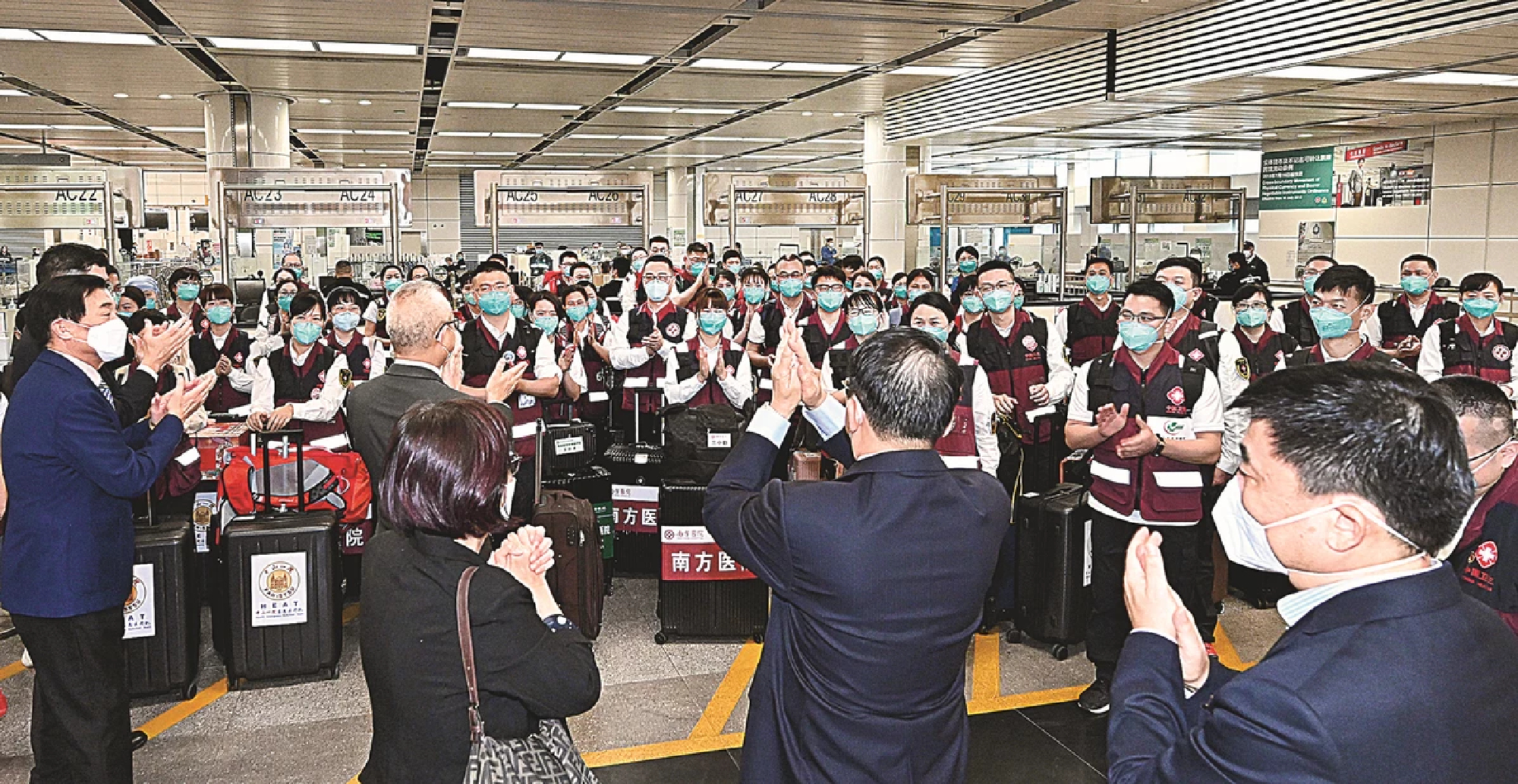
The latest COVID-19 epidemic, which has affected 28 provincial-level regions, is controllable, and China will continue with its dynamic zero-COVID policy, which has proved to be effective against the highly infectious Omicron variant, the National Health Commission said on Tuesday.
Mi Feng, commission spokesman, said at a news briefing that the fast-spreading Omicron variant is the principal cause of most of the domestic outbreaks.
“With the increasing occurrence of infection clusters, the number of new cases has risen rapidly and a growing number of regions have been hit by the virus,” he said. “The epidemic situation is severe and complicated.”
Lei Zhenglong, deputy director of the commission’s Bureau of Disease Prevention and Control, said that as of Monday, the Chinese mainland had recorded more than 15,000 local infections in 28 provincial-level regions this month, amid the fourth wave of pandemic that hit its neighbors hard.
On Monday, the Chinese mainland registered 3,507 locally transmitted infections, nearly double the figure from the previous day. About 1,650 asymptomatic infections were also reported for Monday, according to the commission.
Lei said that the outbreaks in Jilin, Shandong, Guangdong and Hebei provinces, as well as in Shanghai municipality, were still developing and some regions are seeing a rapid increase in new cases.
Nearly 90 percent of the confirmed cases on Monday occurred in the northeastern province of Jilin. However, most of them are asymptomatic or mild cases, and only six patients were in critical or severe condition in hospitals, the commission said.
Health authorities said that China’s dynamic zero-COVID policy-which features a combination of targeted lockdowns, mass testing and rapid isolation-has proved effective in tackling outbreaks of Omicron.
“Local governments are accelerating screening and the transferring and quarantine of people at risk,” he said, adding that the situation is controllable.
The State Council’s Joint Prevention and Control Mechanism has sent working groups to at least six provinces to help local governments take more resolute and science-based virus control measures.
Lei said greater effort will be devoted to strengthening examination of imported cold chain products, improving cross-regional coordination in tracking down high-risk groups, and further promoting mass vaccinations, particularly for people over age 80.
Wu Zunyou, chief epidemiologist at the Chinese Center for Disease Control and Prevention, said on Monday that the key to China’s virus control strategy is to cut transmission chains in a timely, accurate and thorough manner.
“As long as we overcome lax attitudes and stick to strict implementation of regular virus control measures, this round of the epidemic will be effectively contained in the next couple of weeks,” he said.
According to the commission, China has fully vaccinated nearly 1.24 billion people, including more than 211 million people age 60 and above.
Wang Huaqing, chief immunization planning expert at the China CDC, said that the emergence of Omicron has lifted the death rate for seniors to a record high in some foreign countries.
“At present, we should not treat the COVID-19 disease as seasonal flu,” he said. “Primary inoculation and booster shots are very essential for the elderly.”
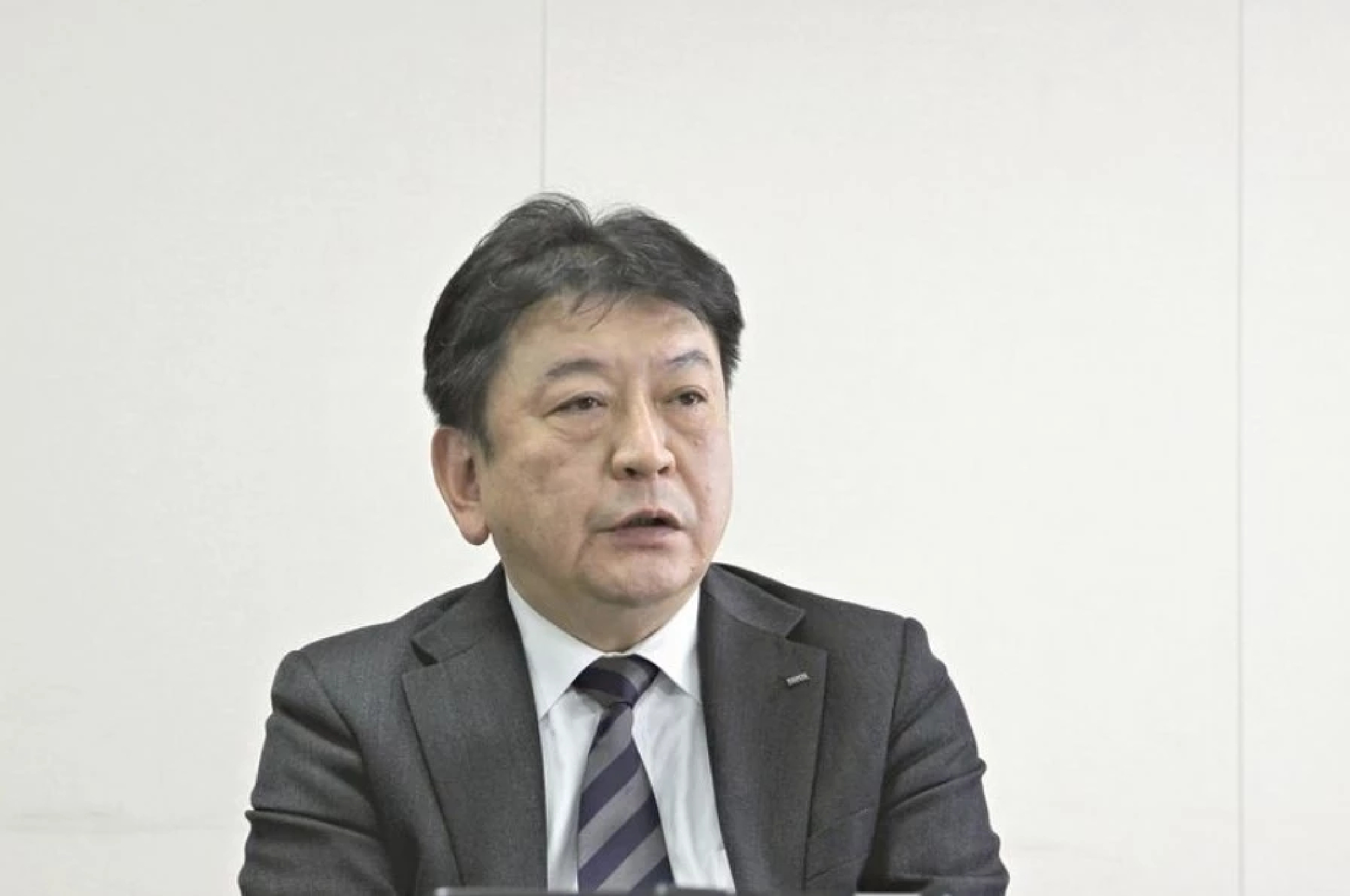
In the wake of Russia’s invasion of Ukraine, Tomoaki Kobayakawa, president of Tokyo Electric Power Company Holdings Inc., signified willingness to vary the company’s fuel suppliers, saying, “It’s important that we diversify our fuel procurement.”
In an interview with The Yomiuri Shimbun, Kobayakawa suggested that TEPCO would secure nonfossil energy resources such as renewable energies in the mid and long term.
There are fears that the sanctions imposed on Moscow by Japan, the United States and Europe could negatively impact supplies of liquified natural gas (LNG) and crude oil produced in Russia. Japan presently has sufficient amounts of these resources, but Kobayakawa expressed concern, saying, “If the fuel price surge continues, it will have a huge impact on energy prices.”
Power companies can pass increased fuel costs on to customers via electricity rates, but there is a cap on the increase. If high fuel prices continue, TEPCO could reach that cap.
“We’d like to make efforts to avoid raising electricity rates as much as possible,” Kobayakawa said.
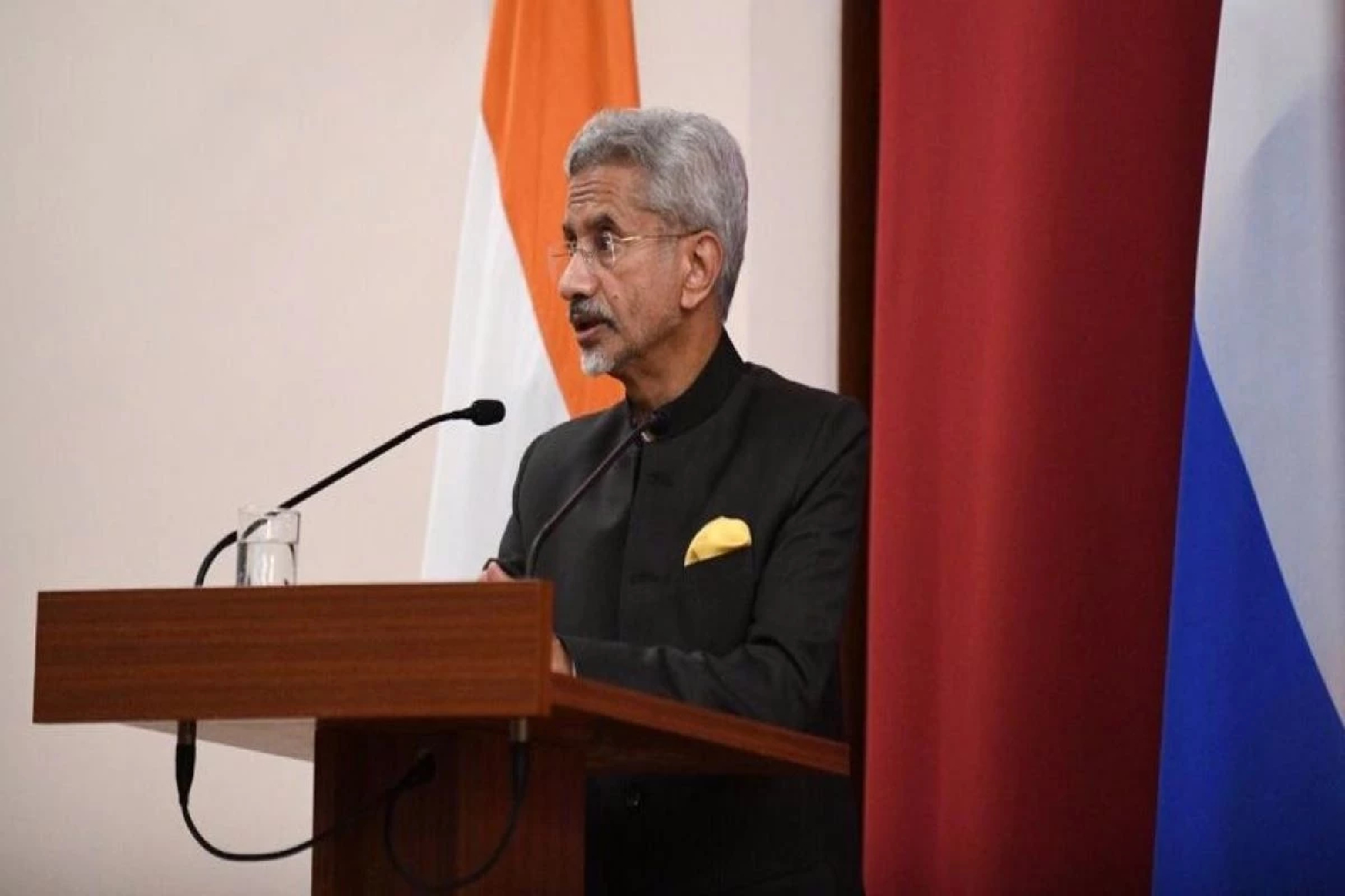
Pointing out that the ongoing Russian military offensive in Ukraine has major economic implications, India today reiterated that there was no other choice but the path of diplomacy and dialogue for the two warring nations.
The impact of the conflict on energy and commodity prices was already visible and the disruption of the global supply chain was expected to be significant, External Affairs Minister S Jaishankar said, making a statement in the Rajya Sabha on the situation in Ukraine.
India, he said, has substantial dealings with both Russia and Ukraine and an assessment of the fallout of the war was underway. The war has highlighted how important the “Aatmanirbhar Bharat” objective was.
On “Operation Ganga” launched by the government to evacuate stranded Indians from Ukraine, Jaishankar said the entire exercise involved a “whole of the government” approach with Prime Minister Narendra Modi himself chairing review meetings almost on a daily basis.
The strategy for evacuation was to take out Indian nationals from western neighbouring countries of Ukraine: Poland, Slovak Republic, Hungary, Romania and Moldova, he said.
The minister said that under “Operation Ganga”, 90 flights have been operated, out of which 76 were civilian flights and 14 of the IAF. The evacuation flights were from Romania, Poland, Hungary and Slovakia.
In addition to evacuating Indian nationals, foreign nationals were also taken out of the conflict zone and brought to India in line with the principle of “Vasudhaiva Kutumbakam”. These 150 foreign nationals were from 18 countries, including Bangladesh and Nepal. India also provided free passage of Ukrainian nationals from India to Poland in the evacuation flights.
Jaishankar said that in response to the emerging humanitarian situation, India has provided relief supplies to Ukraine and its neighbouring countries of Poland, Romania, Slovak Republic and Moldova. A total of 90 tonnes of relief material, comprising medicines, tents, blankets, sleeping mats, Tarpaulin, surgical gloves and protective eye goggles have been provided.
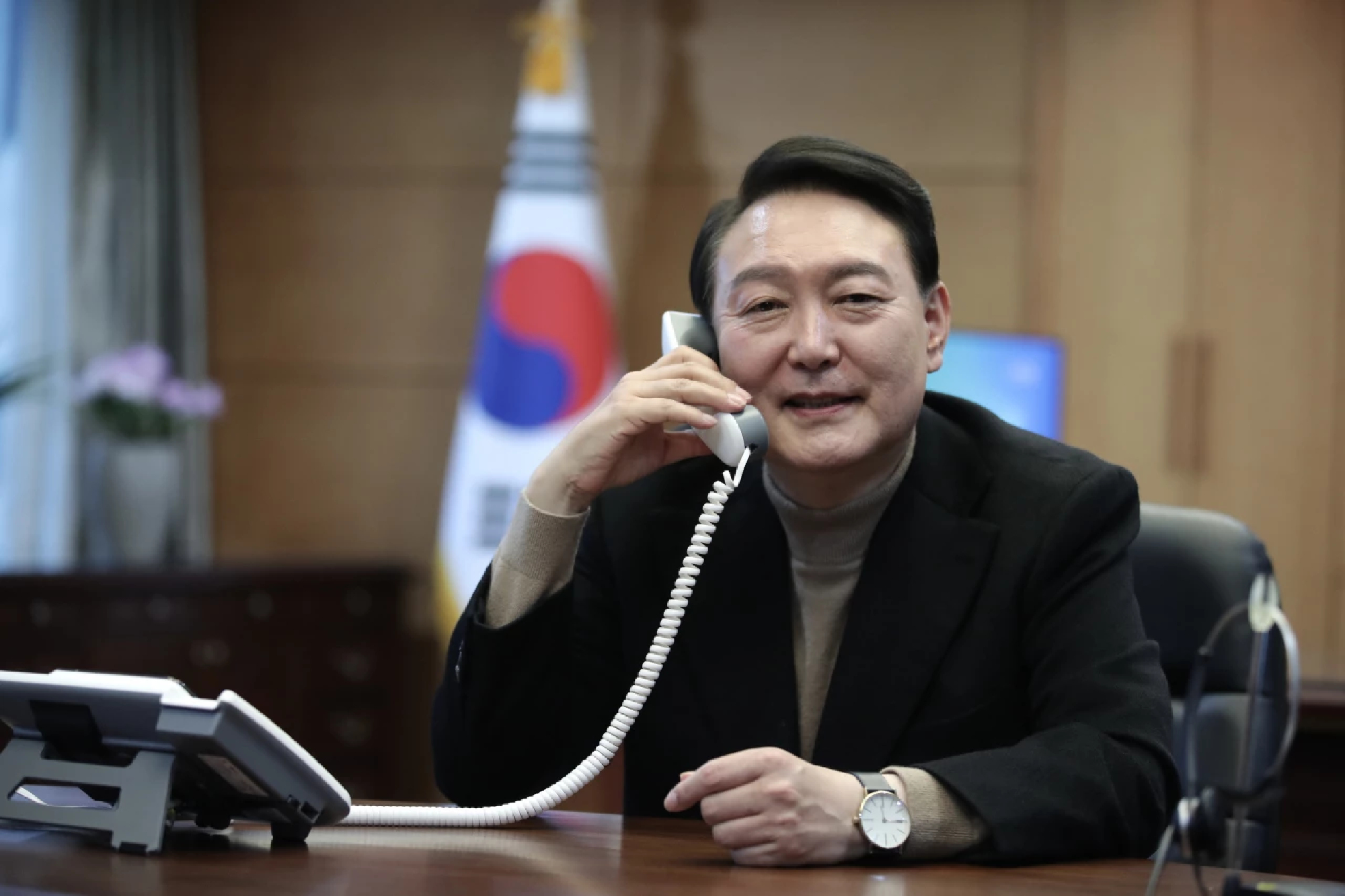
President-elect Yoon Suk-yeol spoke by phone with British Prime Minister Boris Johnson and agreed to deepen cooperation between the two countries, including efforts to denuclearize North Korea, both sides said Tuesday.
During the 15-minute call Monday night, Yoon and Johnson shared concern about North Korea’s recent missile tests and a need to cooperate with the United States and the UN Security Council for the North’s denuclearization, Yoon’s spokesperson Kim Eun-hye said in a statement.
The two leaders also agreed that Russia’s invasion of Ukraine is a threat to values shared by the two countries and an attack on freedom and democracy around the world, Kim said
They agreed to hold a meeting at an early date after Yoon takes office, she said.
Johnson also told Yoon that he would like to give him Winston Churchill’s autobiography after learning that Yoon respects the former British prime minister.
The British prime minister’s office said Johnson congratulated Yoon on his election win and said, “He looked forward to deepening the UK’s relationship with the Republic of Korea during Yoon’s presidency and hoped negotiations would begin later this year on an enhanced trade deal.”
“Both leaders shared their ambition to deepen digital, industrial and military cooperation between the two countries,” the office said.
“Without regular electricity supply, we can’t pump water. Water supply is also cut off sometimes. We have run out of water because power is cut when water pipelines run and water supply is cut when the light comes back,” said a local resident in North Dagon Township, Yangon Region.
These days, the majority of Yangonites are facing severe shortages of power and water.
The Ministry of Electricity and Energy announced on March 7 that power generation would reduce by about 1,304 megawatts, thus supplying electricity under an alternate and quota system.
Normally, the country’s highest power generation is around 4,200 megawatts. However, daily power supply is about 970 megawatts less than the normal amount due to high gas prices, destruction to some power lines from the Biluchaung hydropower station. Therefore, current power supply is on an alternate basis, the announcement said.
The Yadana, Zawtika and Shwe offshore gas projects and inland gas fields provide 1,455 megawatts of electricity to the national grid. An underwater pipeline connection project will be implemented from March 12 to 18 so that two newly-found wells from the Shwe offshore gas project will transport gas to the existing pipe lines. Only about 334 megawatts of electricity can be generated, it added.
Yangon residents, however, say there have been frequent power blackouts even before the ministry’s announcement.
“Even before the announcement, we have experienced frequent power outage. We have to try to remember when the light goes out and comes back. The Electricity Supply Corporation never made prior announcements,” said a resident in Tharkayta Township.
Yangon residents have to rely on the Gyo Phyu Dam and tube wells for their water supply. Water is pumped out to reach the high-rise buildings. When power outage worsens, water shortages come.
A resident from a housing complex in North Dagon Township commented that some flats had no water at all for toilet use.
Some water pumps broke down as they were simultaneously run when the light came back.
As most apartments use water from the Gyo Phyu Dam, they have to rely solely on power supply.
In recent days, an advertising post on Facebook by a generator hire firm offering to pump water gained popularity among Yangon residents.
“Our apartment building has to hire the man who uses his generator to pump up water. We have to pay 9,000 kyats per hour plus oil expenses,” said a resident in Mingalar Taungnyunt Township.
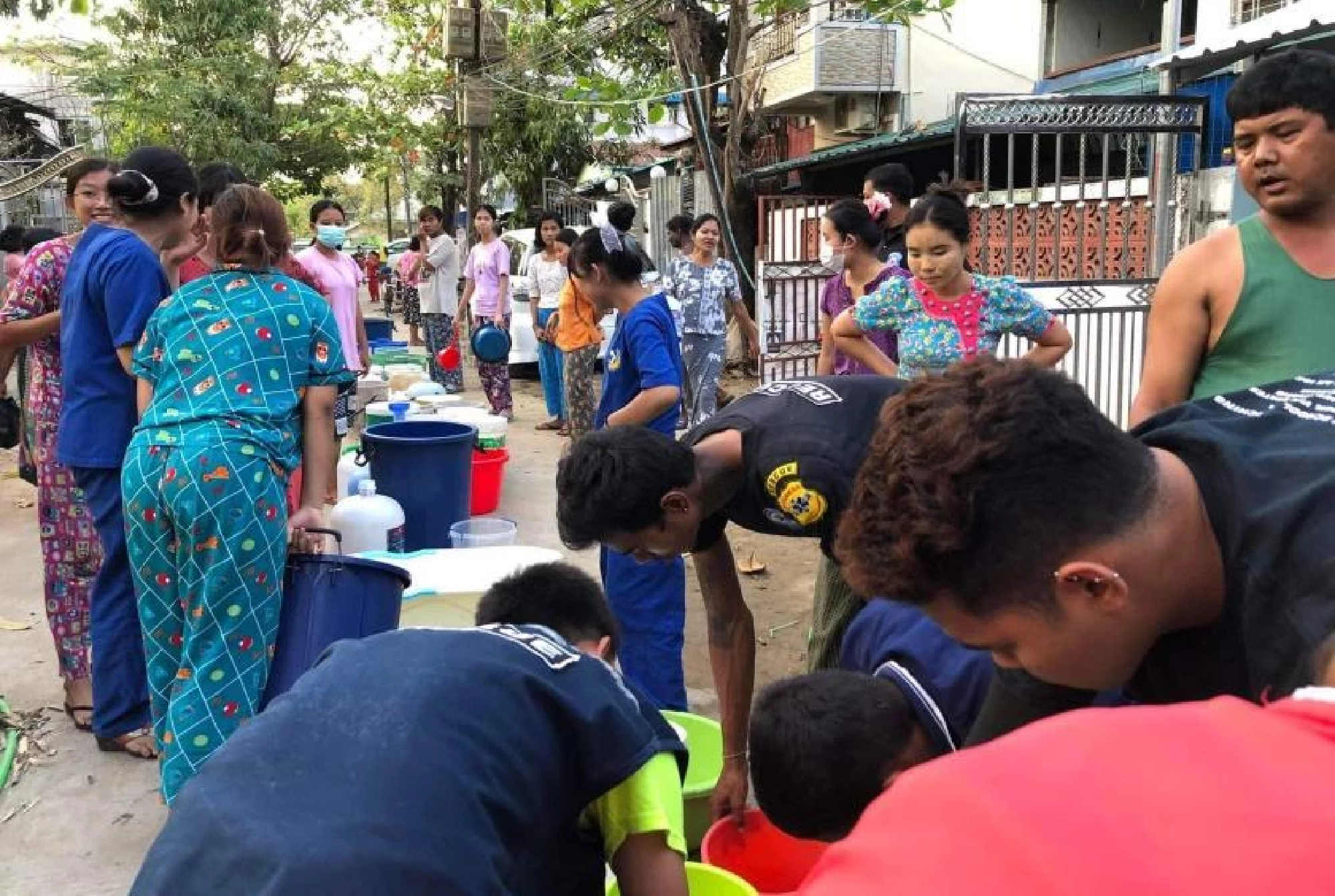
Moreover, some organizations are helping with drinking water supply as they have been asked.
“We are being asked by many townships in Yangon Region for help these days,” said U Tun Tun Oo, chairman of Shin Than Yay aid organization.
Established in 2015, the organization had donated drinking water to Yangon townships such as Dala, Thonegwa and Kayan in summer in the previous years.
U Tun Tun Oo said: “Previously, we donated water to those townships. This year we cannot go there and have to distribute water in the municipal areas of Yangon. This year, they are in need of water.”
The major problem facing the charity organizations is fuel price hikes, so every place that asked for water supply could not have been helped, he added.
Local fuel prices in Yangon were Ks2,195 per liter of 95 Ron octane, Ks2,325 per liter of diesel and Ks2,335 per liter of premium diesel on March 8.
Fuel prices have been increasing since March 3. That day alone saw an increase of over Ks100.
On March 2, the prices were Ks1,780 per liter of 92 Ron octane, Ks1,835 per liter of 95 Ron octane, Ks1,765 per liter of diesel and Ks1,775 per liter of premium diesel.
The price of one liter of 92 Ron octane was Ks2,000 on March 12. Despite a little decrease, the prices are still far higher now than before.
Fuel prices in other regions and states are higher than in Yangon.
“Previously, a liter of fuel was about Ks400 or 500. One gallon was priced at around Ks2,000 or 2,500. My organization could have distributed water free of charge the year before. Due to fuel price hikes this year, we have to seek cost sharing. Our water bowser has a capacity of 3,200 gallons. The vehicle consumes about 4 or 5 gallons of gasoline. Then, we have to use about a gallon of petrol to pump water up. We have to use about five and a half gallons in total. We have to share cost. We distribute free water to the needy people and ask for donations from others. One bowser has to operate four or five times a day. We have two bowsers. As we have to spend about Ks600,00 a day, we can’t help every day,” U Tun Tun Oo commented.
Yangon Region has an estimate of nearly 7 million people; some of them are living in high-rise buildings and housing complexes. Therefore, water supply is on the increase.
Yangon residents say they have to save water on a daily basis.
The spiralling cost of fuel on the global market is having an effect in Laos, where some oil refineries are hoarding fuel with the intention of making a profit, a senior government official has said.
At the same time, Lao businesses are struggling to import sufficient fuel to meet the country’s needs, Minister of Industry and Commerce, Dr Khampheng Saysompheng, told a press briefing on Sunday.
Fuel importers are also suffering from the rise in cost because, while the price of imported fuel is rising, the increased cost is not reflected in sale prices in Laos. This means businesses are losing money.
“Some petrol stations have less fuel for sale, because less fuel is being imported. Some petrol stations close early when their stock of fuel runs out,” Dr Khampheng said.
If the imported price of oil is higher than the retail price in Laos, businesses may not be able to supply all the oil needed in the next one or two weeks.
A meeting was held to discuss the issue, when it was decided that if the price of oil continues to remain at a high level, sufficient oil would be bought to last for five to seven days instead of 15 days as at present.
The rise in price of imported fuel means that retail prices in Laos will inevitably continue to rise. The price of oil is factored into the cost of production, meaning that product prices will also rise.
The government will try to lower costs by reducing the fees paid to the road maintenance fund, as well as lowering taxes and other fees paid by businesses, in order to keep prices from spiralling out of control.
Meanwhile, authorities are monitoring petrol stations, to prevent them hoarding fuel.
Laos imports all of its fuel, so the price of oil and petrol on sale in Laos is determined by the global market price.
This year, frequent fuel price hikes have occurred because of geopolitical situations as well as the rising demand for fuel.However, the Organisation of Petroleum Export Countries (OPEC) is not increasing production capacity, which could drive prices even higher. The price of oil is currently teetering on the brink of US$150-180 a barrel, marking a new 10-year record.
This is reflected in the increasing retail price in Laos, with premium grade petrol now costing 18,640 – 19,200kip per litre, regular grade selling for 16,380 -17,020 kip, and diesel costing 14,500 – 15,150 kip per litre.
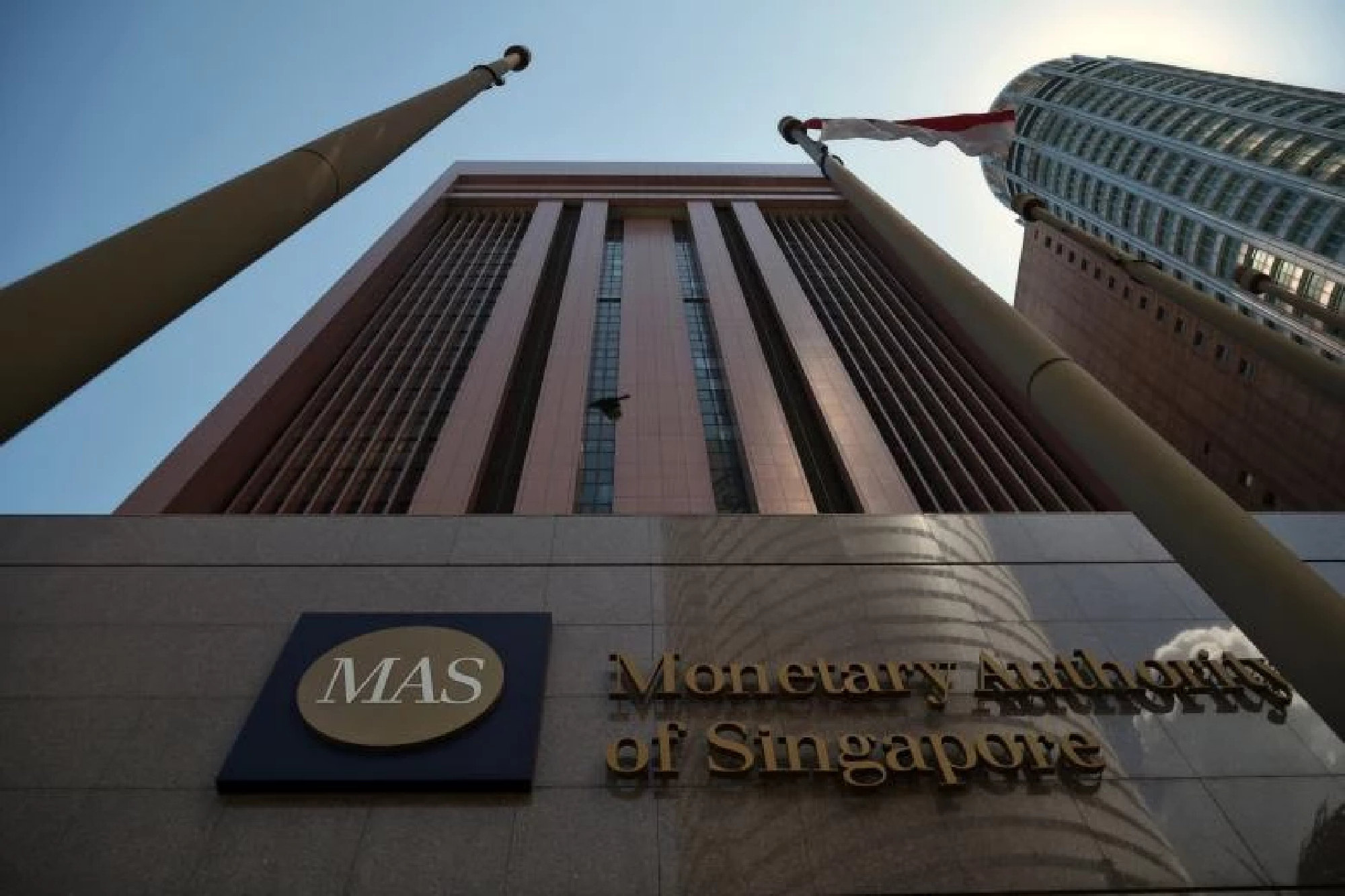
SINGAPORE – The Monetary Authority of Singapore (MAS) issued the details of the Republic’s financial and trade sanctions imposed on Russia for invading Ukraine.
MAS issued two notices on March 14 (Monday) that explain the entities the sanctions are targeted at, the financial institutions, including payment service providers, and other dos and don’ts.
“In response to Russia’s invasion of Ukraine, the Singapore Government has imposed financial measures targeted at designated Russian banks, entities and activities in Russia, and fund-raising activities benefiting the Russian government,” said MAS.
It stressed that these measures apply to all financial institutions in Singapore, including banks, finance companies, insurers, capital markets intermediaries, securities exchanges and payment service providers.
“Digital payment token service providers are therefore specifically prohibited from facilitating transactions that could aid the circumvention of the financial measures,” it noted.
Under the MAS Act, financial institutions found in breach of any of its regulations can be fined.
The notice on Financial Measures in Relation to Russia named the designated banks as VTB Bank, Vnesheconombank (Bank for Development and Foreign Economic Affairs), Promsvyazbank and Bank Rossiya.
It said the sanctions will extend to all entities owned or controlled by these banks, directly or indirectly, or entities that are acting on behalf of or under the direction of these banks.
MAS said designated entities are those involved in activities related to the export, transhipment or transit through Singapore or any other jurisdiction to Russia of items specified in the List of Military Goods set out in the Schedule to the Strategic Goods (Control) Order 2021.
It said financial institutions must also not enter into any transaction, provide any financial assistance or service to designated entities for export of certain categories of electronic, computer, telecommunications and information security items in the List of Dual-Use Goods.
Financial institutions are also prohibited to purchase, sell, provide financial services for or assist in the issuance of, or deal in securities or certificates of deposit issued by the Russian government and the Central Bank of the Russian Federation from Monday onwards.
The trade and financial prohibitions will also apply to Donetsk and Luhansk, the breakaway republics of Ukraine.
MAS said payment providers must not enter into agreement to facilitate digital payment token transactions that may be used to facilitate any of the prohibited transactions or activities.
The regulator said it may grant exemptions or may exclude some of the financial measures from the scope of the sanctions.
Such exemptions may include payment or transfer necessary for basic expenses of any designated bank or entity, including insurance premiums, reasonable fees for the provision of property management services or technology-related services.
Remuneration, allowances or Central Provident Fund contributions of employees, payment of tax, rent, mortgage, utility and telecommunications charges are also exempted from the scope of the sanctions.
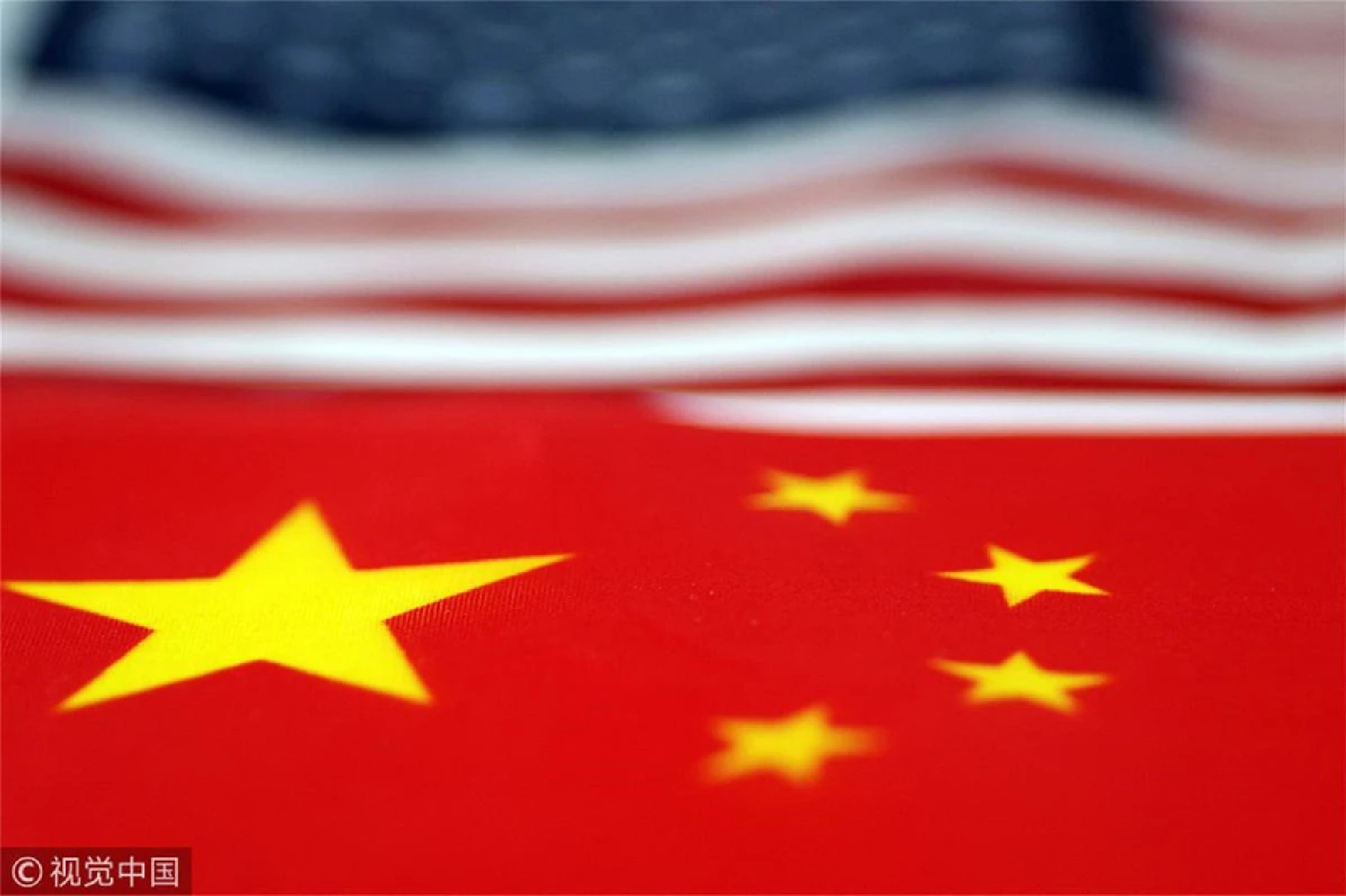
ROME – Yang Jiechi, a member of the Political Bureau of the Communist Party of China (CPC) Central Committee, met with US National Security Advisor Jake Sullivan on Monday in Rome, capital of Italy.
Both sides conducted candid, in-depth and constructive communication over China-US relations, as well as international and regional issues of common concern.
The two sides agree to jointly implement the consensus reached by the two heads of state, increase understanding, manage differences, expand consensus and strengthen cooperation, so as to accumulate conditions for bringing China-US relations back to the track of sound and steady development.
Yang, also director of the Office of the Foreign Affairs Commission of the CPC Central Committee, said the implementation of the consensus between the two heads of state is the most important task for China-US relations.
He said that Chinese President Xi Jinping has proposed mutual respect, peaceful coexistence and win-win cooperation as the three principles in developing China-US relations in the new era, which has charted the course for the development of the bilateral ties.
US President Joe Biden responded positively with such important commitments as that the United States does not seek a new Cold War or to change China’s system, nor will it oppose China through strengthening alliances, support “Taiwan independence,” or seek confrontation with China, Yang said.
The Chinese side always views and handles bilateral relations in accordance with the three principles put forth by President Xi, Yang said, expressing his hope that the US side can truly deliver on President Biden’s promises.
Under the current international situation, China and the United States should strengthen dialogue and cooperation, properly manage differences and prevent conflict and confrontation, which not only serves the interests of the two people but also meets the expectation of the international community and the interests of people across the world, he added.
Stressing that the Taiwan question concerns China’s sovereignty and territorial integrity, Yang said in the three Sino-US joint communiques, the US side explicitly recognized that there is only one China and that the one-China principle is the premise for establishing diplomatic relations between China and the United States as well as the political foundation of their relations.
The current US administration has pledged to adhere to the one-China policy and not to support “Taiwan independence” in regard to the Taiwan question, but its actions are obviously inconsistent with its statements, he said.
The Chinese side expresses grave concern over and firm opposition to the recent wrong words and deeds of the US side on Taiwan-related issues, Yang noted, adding that any attempts to condone and support “Taiwan independence” separatist forces, or play the “Taiwan card” and use the Taiwan question to contain China will be futile.
China urges the US side to recognize the high sensitivity of the Taiwan question, abide by the one-China principle, the provisions of the three Sino-US joint communiques and the commitments made by the US side, and stop going further down the dangerous path.
Yang expounded on China’s solemn position on issues related to Xinjiang, Tibet and Hong Kong, pointing out that these issues concern China’s core interests and are China’s internal affairs that allow no foreign interference. Any attempt to use these issues to suppress China will fail, he said.
Yang noted that seeking common ground while shelving differences and building a bridge of cooperation on top of proper settlement of differences is the right way for China and the United States to get along with each other, which has been tested by practice since the Shanghai Communique was issued 50 years ago.
The two sides should learn from history, grasp the premise of mutual respect, hold the bottom line of peaceful coexistence and seize the key of win-win cooperation, he said.
The two sides also exchanged views on international and regional issues including the Ukraine issue, the Korean Peninsula nuclear issue, the Iran nuclear issue and the Afghanistan issue.



 SootinClaimon.Com