Travellers from Viet Nam can now travel with Emirates for their long-awaited international holidays and business trips and enjoy the convenience of returning home hassle-free from 13 March.
With the resumption of Emirates commercial flights, travellers heading to Europe and other destinations and returning to HCM City and Ha Noi will no longer be required to obtain special government approval for entry and can self-quarantine at home.
The desire to travel has never been stronger, and as travellers from Viet Nam start planning their international trips once again after a two-year gap, Emirates is ready to meet demand by offering three flights a week from and to Ha Noi and two weekly flights on the HCM City route.
Emirates has safely restarted operations to more than 120 destinations within its extensive global network via Dubai, the hub of Emirates.
Those planning a stopover will have the chance to squeeze in visits to the Dubai Expo, which ends on March 31. — VNS
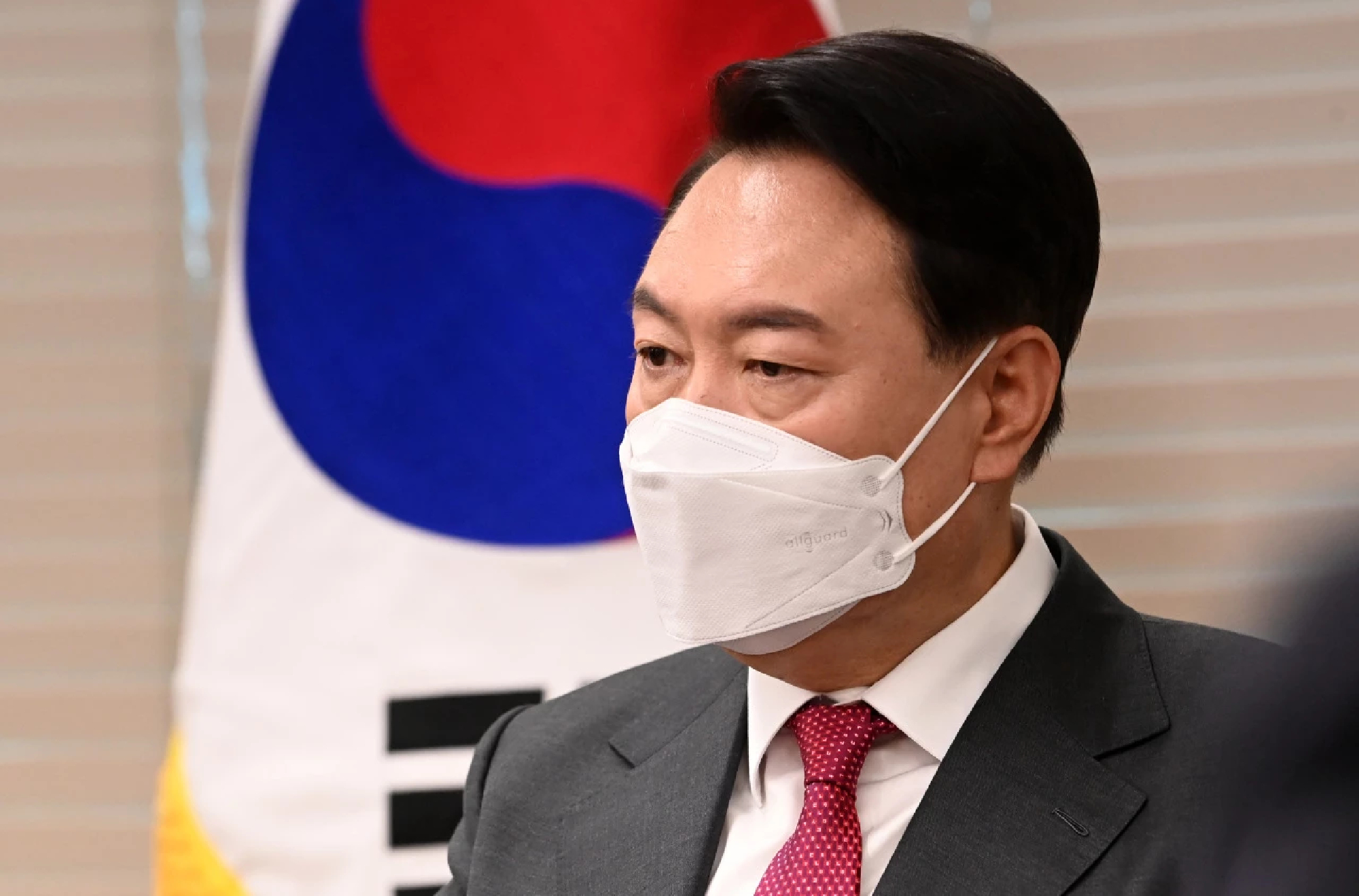
South Korea is likely to see a major change in its nuclear-free power policy with President-elect Yoon Seok-yeol‘s campaign pledge to bolster energy policies in use of atomic power.
Yoon has vowed to make a U-turn from the Moon Jae-in administration’s nuclear energy phase-out policies, citing plans to use nuclear to account for 30 percent of total energy generation.
“(I’ll make sure) Sin-Hanul No. 3 and No. 4 resume construction and operate old nuclear reactors after evaluating their safety performances,” Yoon said in a statement on Dec 29.
Moon halted construction on the two powerhouses located in Uljin, North Gyeongsang Province, as part of his energy policy to minimize reliance on atomic power.
Yoon also pledged to make the country a top exporter of nuclear equipment and technology, which excited the industry that has been downsizing businesses accordingly to the phase-out plan.
“Following Yoon’s pledges, local suppliers in primary and secondary industries of nuclear energy — for instance, those who supply equipment for building new reactors — will open arms for Yoon’s energy policy,” said Choi Jae-won, chemistry professor at Gyeongsang National University.
Choi added the state-run Korea Electric Power Corp. might have a chance to reduce its record operating loss of 5.8 trillion won ($4.8 billion).
“Up until now, Kepco has generated electricity using price-volatile materials such as coal and liquefied natural gas. But even with the skyrocketing global fuel price, it couldn’t raise electricity price because of Moon’s promise to curb the price hike,” Choi said.
“On the other hand, production cost of atomic power is hardly fluctuant, allowing for Kepco to run a stable and preferably profitable business.”
With regards to the issue, a Kepco official declined to give comment, citing it’s too early to tell the policy impact.
Experts say there are both pros and cons to Yoon’s pro-nuclear movement.
“Using atomic power can be beneficial than thermal power plants in the sense that they are resilient to the recent global fuel price surge sparked by Russia-Ukraine crisis. Also, the water that was used to cool down nuclear reactors can be reused to make hydrogen energy,” said Cho Se-youn, senior researcher at Korea Institute of Science and Technology.
“But there could be risks of leaking nuclear and radioactive wastes such as uranium and a possibility of power plant explosions since Korea is no longer safe from earthquakes.”
With Yoon taking the presidency in a neck-and-neck election, the price of atomic stocks surged on Friday. The state-run Korea Electronic Power Industrial Development Co. soared by 16.47 percent to 14,850 won, while Kepco Engineering & Construction Co. climbed 6.37 percent to 95,200 won at the closing bell. Doosan Heavy Industries & Construction Co., a private construction firm that builds small modular reactors, jumped 10.19 percent to 23,250 won in the main bourse Kospi as well.
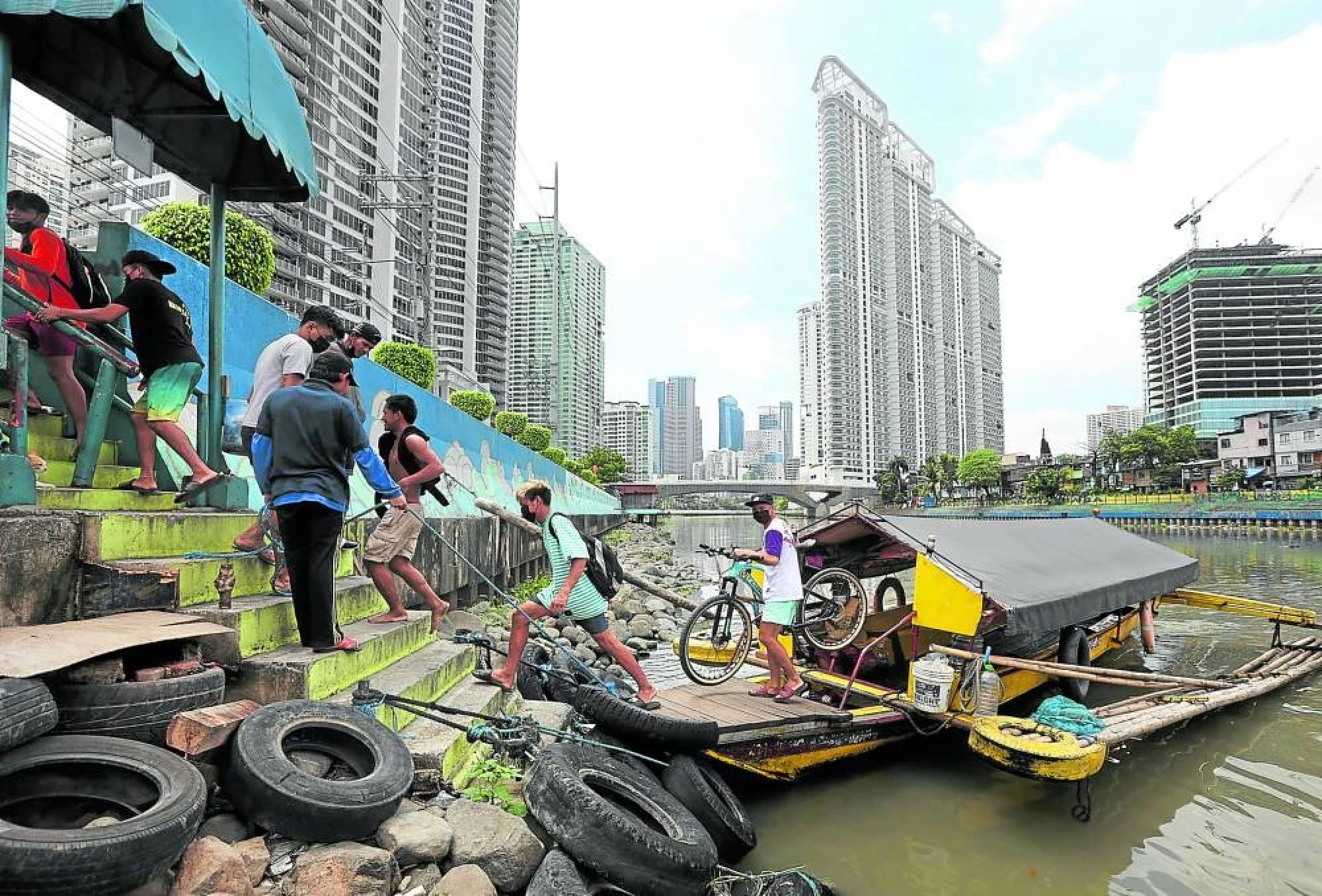
MANILA, Philippines — The impact of Russia’s invasion of Ukraine on the global economy, especially expensive oil, will spill over to the Philippines by way of slower growth this year as consumer spending takes a hit, plus harder-to-achieve sustainability goals, think tanks said.
On Friday, Capital Economics slashed its 2022 gross domestic product (GDP) growth forecast for the Philippines to 7.2 percent from 8 percent previously, alongside downgraded projections for eight other Asian countries in its report covering 12 economies. The London-based think tank retained its pre-war forecasts for Indonesia, Malaysia and Singapore, citing the “negligible” impact of the conflict on these countries.
Capital Economics’ lower 2022 GDP growth estimate for the Philippines nonetheless remained within the government’s 7 to 9 percent target range, and was still among the fastest in emerging Asia, just behind Vietnam’s 8.8 percent and Bangladesh’s 8 percent. The think tank kept its 2023 growth forecast for the Philippines at 8.5 percent — the highest in the region.
“Movements in energy prices have no direct impact on real GDP. But there are indirect effects caused by shifts in real income. For net-energy consuming economies, which includes most of Asia, the main hit from higher prices will come through a reduction in real incomes,” Capital Economics senior Asia economist Gareth Leather said.
Capital Economics jacked up its 2022 headline inflation forecast for the Philippines to 4.3 percent — above the Bangko Sentral ng Pilipinas’ (BSP) 2 to 4 percent target range of manageable price hikes — from 4 percent previously.
Price subsidies
“Temporary shocks to real income don’t necessarily cause spending to fall. Asian households typically have high savings. On previous occasions when global oil prices have spiked, they have dipped into them to offset at least some of the hit to their real incomes. We expect the same this time. Support will come either in the form of energy price subsidies,” Capital Economics said.
In the Philippines, for instance, the government will give away a total of P6.1 billion in fuel subsidies and discounts to agricultural producers this month and next month to ease the burden from skyrocketing oil prices.
“The upshot is that while higher energy prices will cause consumption to weaken, they will not do so by much. In many countries the impact will be offset by a loosening in COVID-19 restrictions,” Capital Economics added.
Here in the Philippines, the economic team had been pushing to move the entire country to the lowest alert level 1 restrictions so that reopening more productive sectors of the economy can mitigate shocks wrought by the Ukraine-Russia war.
In a March 10 report, the Washington-based Institute of International Finance (IIF) said that “by our yardstick, the Philippines, Brazil, Indonesia, India and Colombia look better insulated than many emerging market peers” from economic vulnerabilities to the ongoing conflict. The IIF’s estimates showed very little Philippine exports to and imports from both Ukraine and Russia.
But the IIF said that “on ESG metrics, South Africa, Indonesia, and the Philippines all face significant challenges, including on carbon efficiency, environmental protection, and a range of social issues” due to their heavy reliance on oil to run their economies. ESG stands for environmental, social and [corporate governance among socially responsible public and private investors.
“Despite some improvements over the past decade, emerging markets still have substantial room to reduce their carbon footprint and thus to mobilize resources toward domestic renewable energy sources. South Africa, Indonesia, Thailand and the Philippines could benefit the most from the clean energy transition,” the IIF said.
Including the Philippines, where yields sought by domestic creditors had climbed since the Ukraine-Russia war erupted, the IIF said that “geopolitical tensions have prompted a sharp surge in borrowing costs for many emerging markets.”
“The economic and financial impact could be particularly severe for emerging market economies, particularly for those that entered this new wave of uncertainty with weaker fundamentals: the postpandemic recovery remains incomplete and uneven for many emerging markets and low-income countries, government debt levels are at record highs, government borrowing needs are hovering well above prepandemic levels, and international investor appetite for emerging market securities had registered weak even before the conflict escalated,” the IIF said.
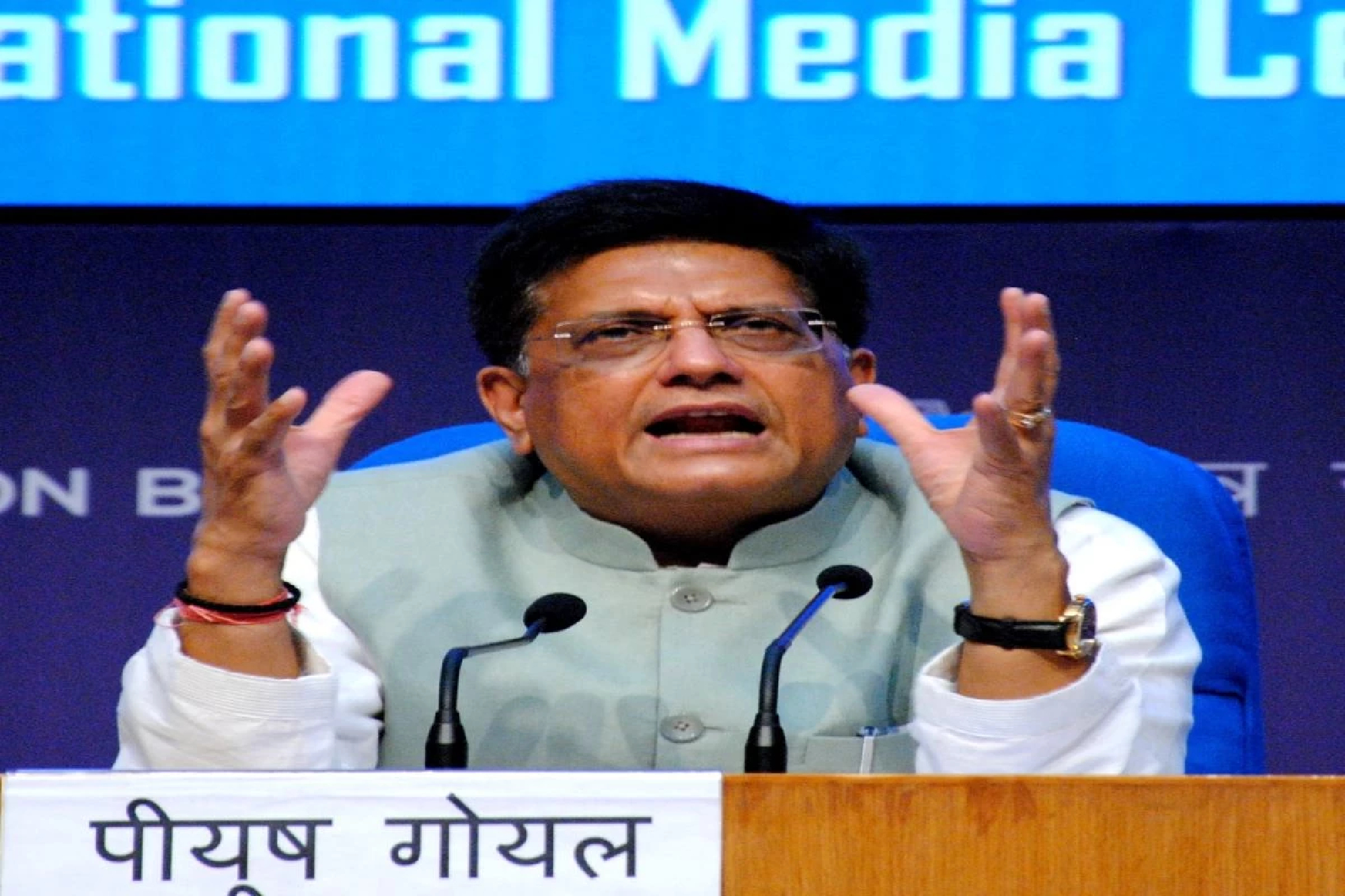
The ongoing Russia-Ukraine crisis is a wake-up call for India, not to be dependent on others for crude oil and defence equipment, Commerce and Industry Minister Piyush Goyal said today.
He asked Startups to help India become self-reliant in energy needs.
“Some of the Startups are looking for innovative ways for indigenisation of defence equipment,” he noted at an awards function in Bengaluru.
Goyal said the present situation was appropriate for the success of the ”Make in India” programme launched eight years ago. ”The Atmanirbhar Bharat initiative and the outcome of Covid-19…everything collectively is helping India’s growth trajectory,” he added.
He said every crisis could be converted into an opportunity. Covid-19 was the ‘biggest of the century’ but it was converted into an opportunity, wherein many young men and women came up with innovative solutions to the problems.
The minister assured the Startups that the government was looking into their needs and its doors were open to them 24×7.
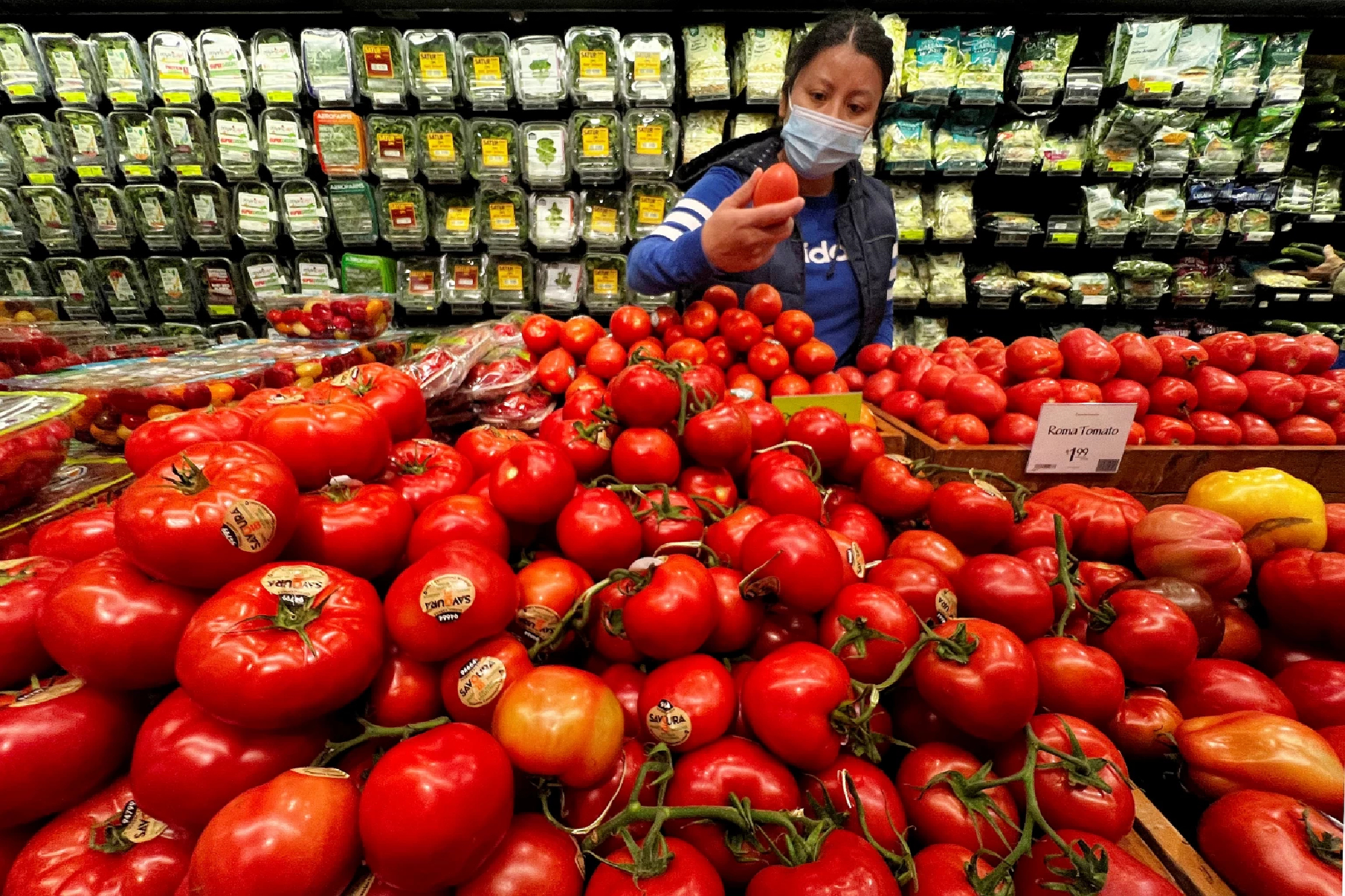
There are no signs of a halt to the rise in food prices in Japan as the costs of raw materials soar unchecked due to pandemic-linked and weather factors.
So far, food manufacturers have largely been able to absorb these cost increases, but this has run its course. Russia’s invasion of Ukraine and sanctions against Moscow are also seen driving up the price of crude oil and gas. Thus, the burden on Japanese households is likely to become even heavier.
A 53-year-old owner of a tempura store in a shopping district in Koto Ward, Tokyo, is especially worried about the ever-rising costs to do business. The price of cooking oil has risen 20% to 30% compared with last year, and the prices of flour and packaging materials has also skyrocketed.
“We may have to consider raising prices again,” he said.
Behind this, concerns linger over global shortages of raw materials. Soybeans, one of the raw materials for cooking oil, are under threat of production cuts in major producing countries. Palm oil is also exposed to labor shortages on plantations in Malaysia, the main producer of palm oil, due to the pandemic.
J-Oil Mills Inc., a major cooking oil company in Japan, will raise the price of its products for home and business use — except for rapeseed oil — by more than ¥40 per kilogram starting from April 1 deliveries.
The price increases cover a wide range of food products.
Toyo Suisan Kaisha Ltd. will raise the suggested retail prices of about 220 instant noodle products in its Maruchan series by 9% to 12% starting with shipments on June 1.
Sanyo Foods Co. will raise the price of its Sapporo Ichiban Miso Ramen pouched instant noodles from ¥111 to ¥123, for shipments from June 1.
Morinaga Milk Industry Co. will raise the prices of 25 items, such as cheese for home use, by up to 10.5% for shipments from April 1.
Ajinomoto Co. will also raise the prices of 25 products, such as its Ajinomoto flavor seasoning series for home use, by about 2% to 13%.
“Further rises in food prices could cool consumer sentiment and lead to economic downturn,” said Tomohiko Kozawa, a researcher at Japan Research Institute.
Two weeks have passed since the start of Russia’s invasion of Ukraine, and the severe economic sanctions imposed by the United States, European countries, and Japan are starting to bite.
Although Russia has the upper hand militarily against Ukraine, the pain felt by the Russian public could spark discontent within the country.
Russian President Vladimir Putin held talks with Belarusian President Alexander Lukashenko in Moscow on Friday, according to the Presidential Executive Office of Russia and other sources. Putin reportedly said the situation was generally progressing positively despite problems stemming from sanctions and other issues.
However, unrest is undoubtedly spreading in Russian society.
According to British public broadcaster BBC and other media, banks in Moscow have been crowded with people scrambling to withdraw U.S. dollars, euros, and other foreign currencies.
The rush to withdraw deposits has been accelerating since Wednesday when the Russian central bank imposed a $10,000 limit on foreign cash withdrawals.
The ruble, which was worth about 80 rubles to the dollar before Russia invaded Ukraine fell to about 135 rubles to the dollar on Monday.
Russian banks have been banned from exchanging rubles for foreign currency.
Some Russian economic experts are pessimistically predicting that by the end of this year, Russia will be in a situation similar to that of the early 1990s when the country was in turmoil after the collapse of the Soviet Union.
Keita Ikeda
In the week starting Feb. 26, the price of television sets rose by about 15% and the price of tomatoes increased by about 7%, according to consumer price indices released by the Federal State Statistics Service of Russia on Wednesday.
Major supermarkets have capped purchases of products such as chicken to prevent bulk buying. Hardships in the lives of the Russian public are likely to continue for some time.
The military invasion of Ukraine looks like it is developing into a protracted conflict and even young Russian conflicts are being sent to fight.
A woman in Moscow made her two sons fly to Egypt, shortly after the invasion began. Aged 19 and 30, the men have since traveled from Egypt to Georgia.
“I was worried they would be drafted and sent to the front lines. I won’t have them to return to Russia until the war ends,” she said.
When the invasion began, Putin and the Russian Defense Ministry claimed that only professional soldiers were participating in military operations in Ukraine. But the Defense Ministry recently acknowledged that young conscripts have been engaged in operations.
Aeroflot and other major Russian airlines suspended international flights on Tuesday. Air travel out of Russia is currently limited to Turkey and Armenia. “The suspension of international flight services is to prevent people from escaping military service. Eventually, it will be impossible to leave the country,” read a social media post.
The Russian government has blocked access to social media platforms including Facebook and Twitter, intensifying its already strict control of information and sparking fears that access to the internet will be shut down completely in the days ahead.
The Philippines and the United States have agreed to strengthen their “strategic civil nuclear cooperation” to improve the country’s energy security and other nonmilitary uses of nuclear power under a memorandum of understanding (MOU), the Department of Energy (DOE) said on Saturday.
The MOU follows President Rodrigo Duterte’s Executive Order No. 164 issued in February, which now makes it a national policy to include nuclear power generation into the country’s current energy mix — fossil fuel, the hydro, wind, solar, and geothermal.
It also comes in the wake of Russia’s invasion of Ukraine which has triggered a global hike in oil prices and their expected impact on energy rates.
The MOU was signed last week by Energy Undersecretary Gerardo Erguiza and Undersecretary of State for Arms Control and International Security Bonnie Jenkins at the Department of State in Washington and witnessed by Jose Manuel Romualdez, the Philippine ambassador to the United States.
“To ensure a resilient, inclusive, and green economic growth for the Philippines, we need to intensify our work in securing reliable and sustainable energy sources, including nuclear energy,” Romualdez said. “Through our cooperation, we hope to ensure the peaceful use of nuclear energy and fulfill our decarbonization goals.”
Erguiza said the DOE would be intensifying its collaboration with the United States through various technical assistance to expand the country’s knowledge and understanding of nuclear infrastructure.
The DOE is also starting a feasibility study to determine the viability of using small modular reactors (SMRs) at certain places in the country.
SMRs could be a good alternative source of power in off-grid areas, although its commercial deployment has yet to be backed by research, according to the DOE.SMRs are nuclear fission reactors that are smaller than conventional reactors and thus have greater scalability. SMRs can be built in a factory and then transported to a site for installation.
According to the International Atomic Energy Agency, the United Nations watchdog on the peaceful use of nuclear power, SMRs produce a maximum of 300 megawatts of electricity.
The United States is one of the leading developers of SMRs in the world and could help the Philippines formulate regulations on their construction and use, said Carlo Arcilla, director of the Philippine Nuclear Research Institute (PNRI).
“In the US, nuclear power plants are privately owned but their regulators there are strong, so we can somehow replicate that kind of model they have there,” he told the Inquirer in a phone interview.
Arcilla explained that the MOU, which the PNRI reviewed last year, would also cover other aspects of nuclear power such as its use in medicine, agriculture, and water resources, and in educating Filipino nuclear experts.
He said, however, that research and development of nuclear weapons were excluded from the MOU because of the Constitutional ban on such weapons on Philippine territory.
The PNRI is supposed to be the country’s nuclear power regulator, but since there was no national policy on nuclear energy before EO 164, Arcilla said the agency had been conducting studies on the application of nuclear energy to health care and agriculture.
He said he was hoping that Duterte’s successor would continue the national policy on nuclear power and all its peaceful aspects initiated by the president.
Arcilla said the MOU could continue even if the new president would repeal Duterte’s EO as the partnership between the two countries could focus on other uses of nuclear energy such as in medicine and agriculture.
“This is not just about energy at all, but the policy by the president would most certainly help us boost our developments of these researches and possible breakthroughs,” he said.
EO 164 clears the way for the possible operation of the controversial 620-megawatt Bataan Nuclear Power Plant (BNPP).
After she took office following the ouster of dictator Ferdinand Marcos in 1986, President Corazon Aquino mothballed the corruption-tainted BNPP out of safety concerns.
Her economic planning secretary then, Solita Monsod, said in two recent columns in the Inquirer that the nuclear plant built by Westinghouse in Morong, Bataan, could now be refurbished and operated.
Aside from its relatively smaller operating costs compared to coal- and oil-fired plants, the BNPP is capable of generating 620 megawatts that can be used to augment the country’s thinning power supply, she said.
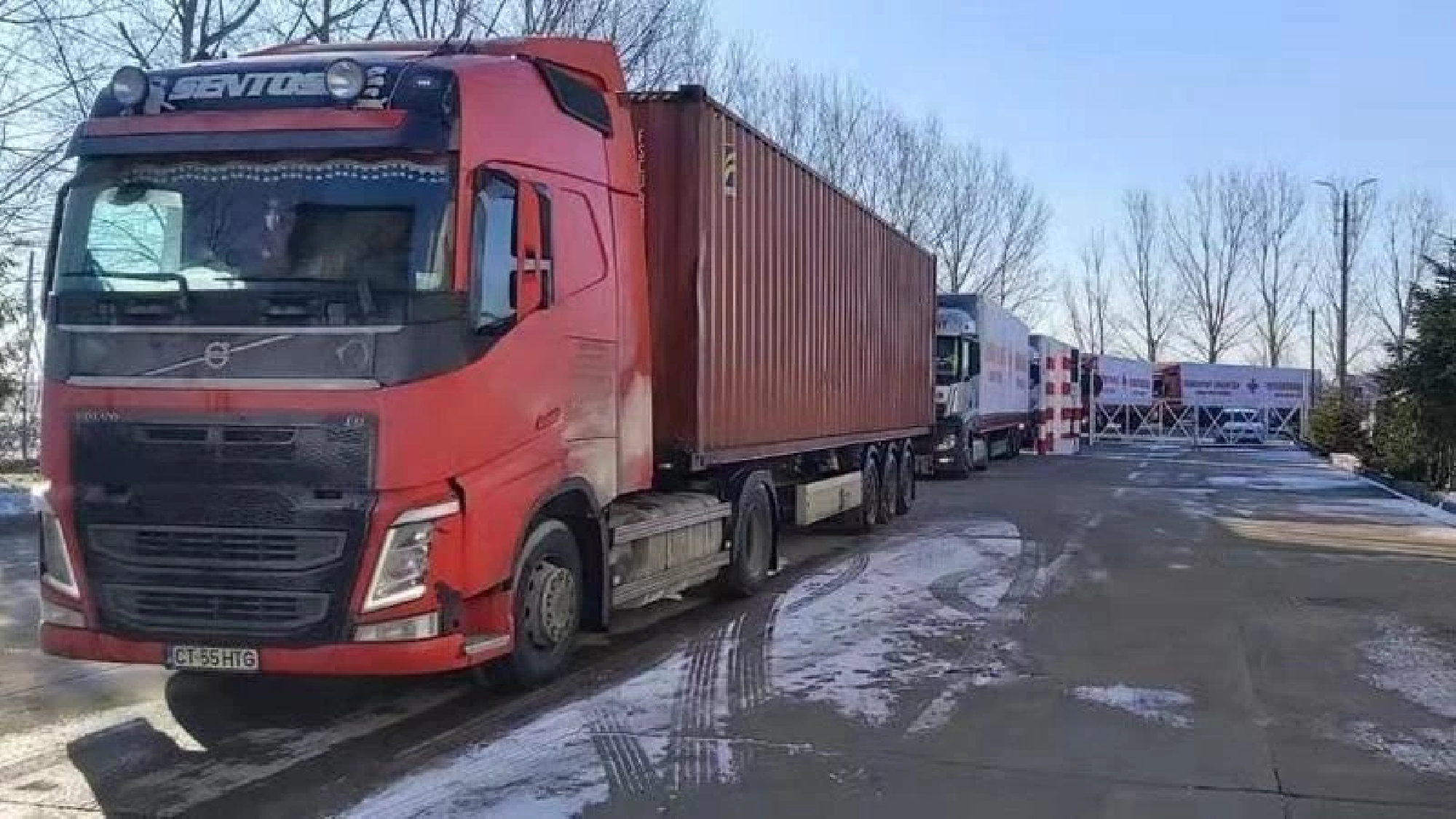
The first batch of Chinese humanitarian aid has reached Ukraine. The consignment, which includes 1,000 family kits containing daily supplies worth 5 million yuan ($800,000), crossed the Ukraine-Romania border on Friday, having been delivered by plane to Bucharest Airport.
The packs contain blankets, towels, cutlery, damp-proof mats, buckets, and torches, and were sent from Beijing by the Red Cross Society of China.
Ukraine’s Red Cross Society will receive the consignment when the truck convoy containing the aid arrives in the western Ukrainian city of Chernivtsi.
The second batch of materials will leave the Chinese capital on Sunday.
Meanwhile, another group of Chinese citizens evacuated from Ukraine arrived in Hangzhou, east China’s Zhejiang province at 9:51 am on Saturday.
Before that, ten temporary flights taking Chinese nationals back from Ukraine have already returned to China safely.
The Group of Seven agriculture ministers on Friday pledged to take action to prevent a food crisis that may happen if food supplies are disrupted as a result of Russia’s invasion of Ukraine.
“We remain determined to do what is necessary to prevent and respond to a food crisis, including with humanitarian aid, and stand ready to act as needed to address potential disruptions,” the ministers said in a joint statement after an online meeting.
Wheat and other food commodity prices are soaring on concern about supply disruptions because both Ukraine and Russia are major grain exporters.
“We are all appalled by and condemn the large-scale aggression by the Russian Federation against the territorial integrity, sovereignty, and independence of Ukraine,” the statement said.
Expressing deep concern about the impacts on food security and the rising number of people suffering from hunger, the G7 ministers promised to “help facilitate harvests in Ukraine and ensure the ability of Ukrainian farmers to feed their population and to contribute to global food security.”
“We will not tolerate artificially inflated prices,” the ministers said, showing their resolve to fight “any speculative behavior that endangers food security or access to food for vulnerable countries or populations.”
They also urged “all countries to keep their food and agricultural markets open and to guard against any unjustified restrictive measures on their exports.”
At the online meeting, Japanese agriculture minister Genjiro Kaneko called for unity among the G7 major powers.
“The Russian military must withdraw from Ukraine immediately to realize a fundamental solution” of the current crisis, Kaneko also said.
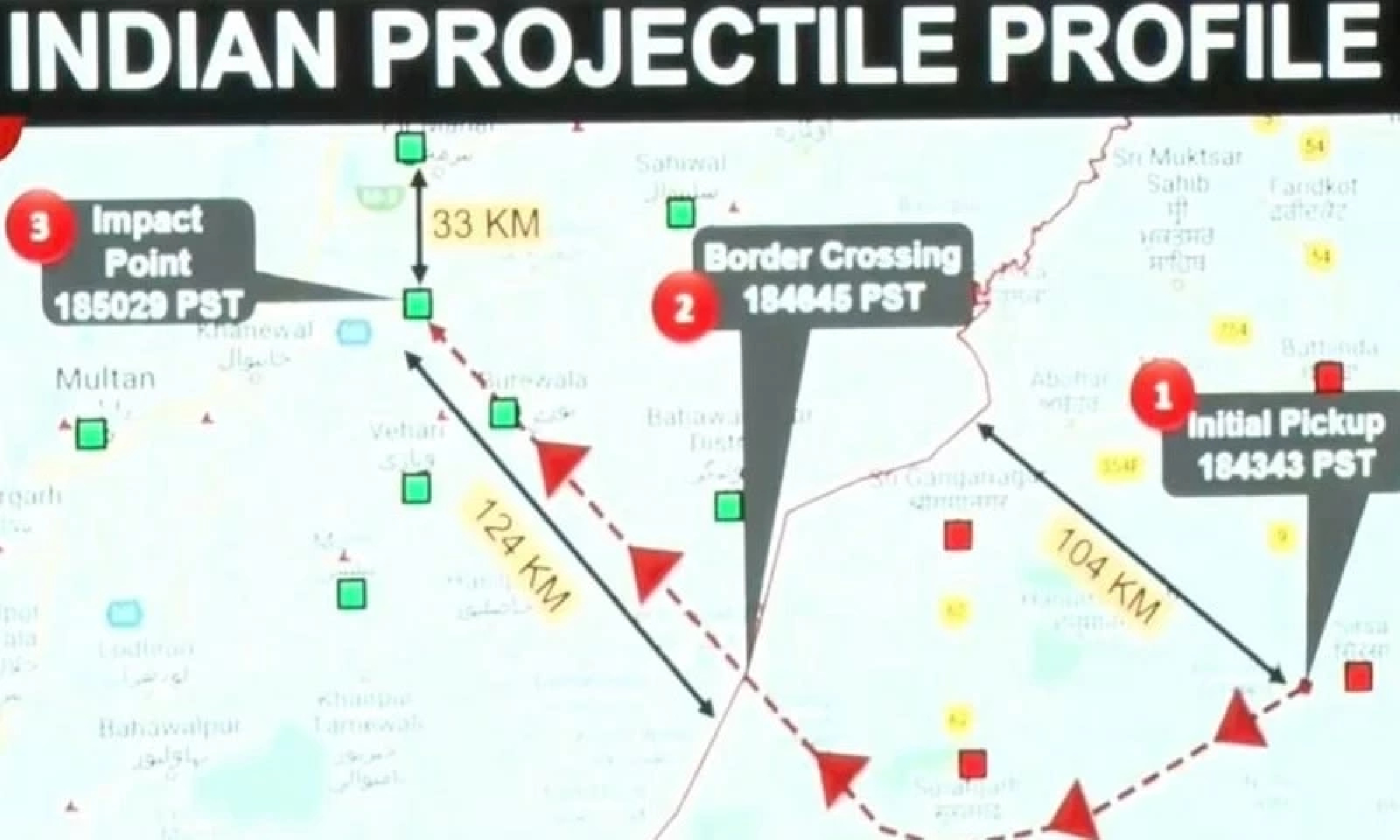
The Indian defence ministry regretted on Friday that a missile “accidentally” entered Pakistan and fell in Khanewal district’s Mian Channu area on Wednesday, attributing the incident to a “technical malfunction”.
“On March 9, 2022, in the course of routine maintenance, a technical malfunction led to the accidental firing of a missile,” the ministry said in a statement. “It is learnt that the missile landed in an area of Pakistan.”
“The government has taken serious view and ordered a high-level court of enquiry,” the statement added.
The ministry said while the incident was “deeply regrettable, it is also a matter of relief that there has been no loss of life due to the accident”.
The Indian defence ministry’s statement comes a day after Inter-Services Public Relations (ISPR) Director General Maj Gen Babar Iftikhar briefed the media about the incident, calling for an explanation from Delhi.
“On March 9, at 6:43pm, a high-speed flying object was picked up inside the Indian territory by Air Defence Operations Centre of the Pakistan Air Force (PAF),” he told media persons in Islamabad, adding the object suddenly manoeuvred towards Pakistani territory from its initial course and violated Pakistan’s air space, ultimately falling near Mian Channu at 6:50pm.
“It was a supersonic flying object, most probably a missile, but it was certainly unarmed,” he said at the time.
“It is important to highlight that the flight path of this object endangered many international and domestic passenger flights — both in Indian and Pakistani air space — as well as human life and property on ground,” he added.
“Whatever caused this incident to happen, it is for the Indians to explain. It, nevertheless, shows their disregard for aviation safety and reflects very poorly on their technological prowess and procedural efficiency,” he further stated.
He said Pakistan “strongly protests this flagrant violation and cautions against recurrence of any such incident in the future”.
Earlier today, the Foreign Office (FO) summoned the Indian envoy to register Pakistan’s protest over the unprovoked violation of its airspace, saying such “irresponsible incidents” reflected the neighbouring country’s “disregard for air safety and callousness towards regional peace and stability”.
It also called for a thorough and transparent investigation of the incident, the results of which should be shared with Pakistan.
Meanwhile, Foreign Minister Shah Mahmood Qureshi expressed concern over the incident, saying that the international community and aviation bodies should take notice.
He said Pakistan would decide its next step after receiving India’s explanation, adding that envoys of P-5 countries (permanent members of the United Nations Security Council) would be called to the FO and briefed about the incident.
Other political leaders also condemned the incident and appreciated the PAF’s prompt response.


![[Japan] Food prices rising; inevitably to affect households](https://media.nationthailand.com/uploads/images/md/2022/03/mC0rDGtT2sev3MbGTSN4.webp?x-image-process=style/lg)


 SootinClaimon.Com