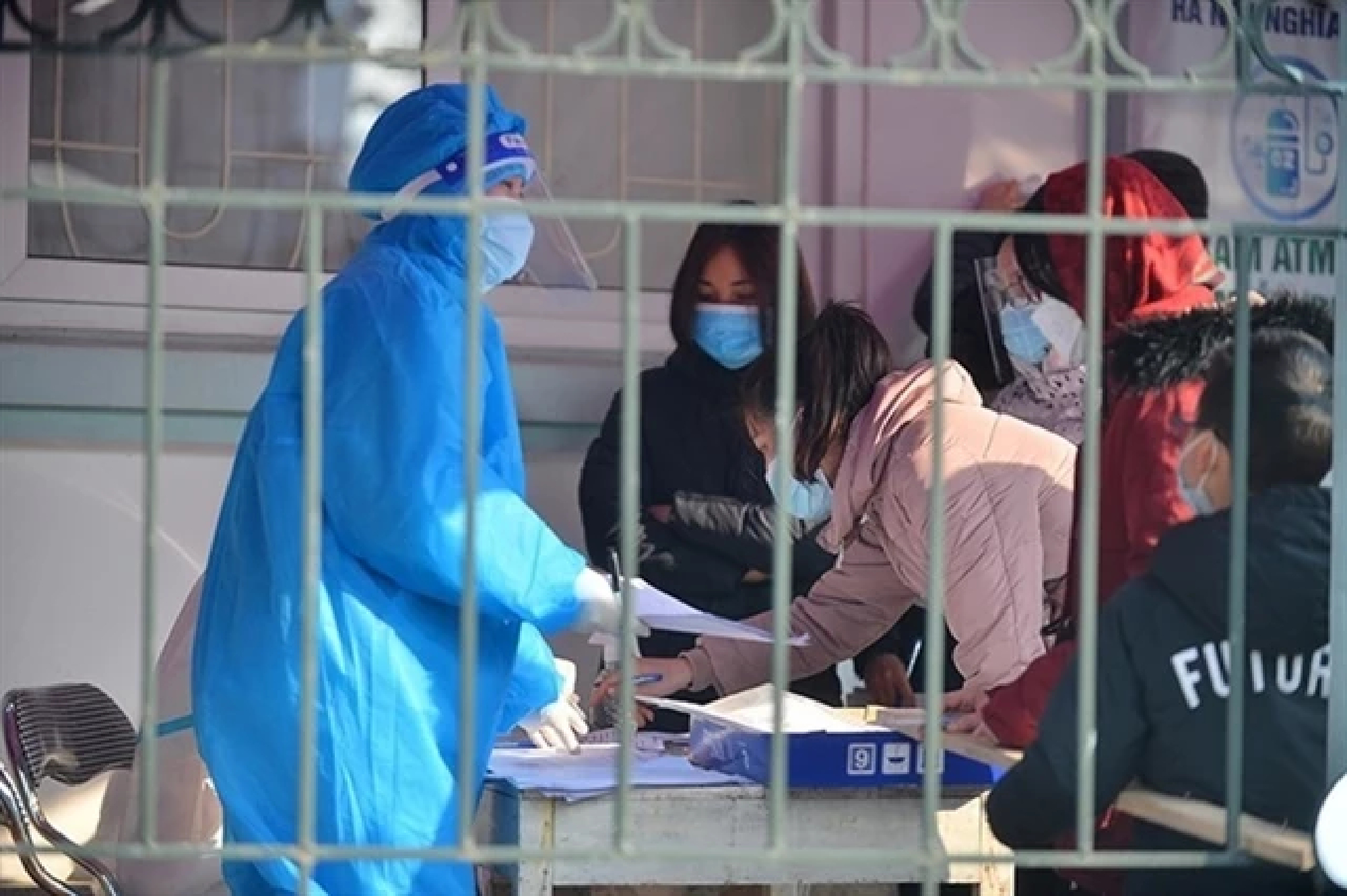
HÀ NỘI -The Department of Health of Hà Nội has announced that Omicron is now the dominant COVID variant in the capital.
Speaking at a meeting of the National Steering Committee for COVID-19 Prevention and Control on Friday, Vũ Cao Cường, deputy director of Hà Nội’s Department of Health, said that gene sequencing results of 109 samples taken from December 4 last year to March 1 showed that 80 per cent were Omicron.
Also, among these Omicron samples, 86 per cent were the BA.2 sub-variant, or the stealth variant.
The BA.2 sublineage is capable of spreading 1.5 times faster than the original Omicron variant BA.1, and can avoid the immune effects of current vaccines by about 30 per cent higher than the original variant. In HCM City, Omicron accounted for 76 per cent of samples sequenced for viral genes.
With these results, it can be understood that Omicron is the main strain circulating in Hà Nội. The city’s Department of Health estimates that the number of cases will continue to increase due to the high infectivity of this variant.
At the meeting, Director of the Department of Health Trần Thị Nhị Hà said that the BA.2 strain was spreading at a fast rate.
However, “patients on the second and third level of treatment (severe cases) tend to decrease, so in recent days, the rate of F0s admitted to the hospital only accounts for 1-1.5 per cent”, she said.
She suggested that localities strengthen the application of COVID-19 patient management software for home treatment; speed up the third dose vaccination; supervise the sale of Molnupiravir to avoid hoarding and prices rises.
Chử Xuân Dũng, Vice Chairman of Hà Nội’s People’s Committee, said that the pandemic situation was very complicated, asking localities to prioritise pandemic prevention and control while also raising people’s awareness of anti-pandemic measures.
He also asked people not to abuse rapid tests, which is causing waste and scarcity of medical supplies.
Hà Nội has so far recorded more than 520,000 cases of COVID-19. In the past two weeks, the number of infections increased by 343 per cent.
In recent days, average cases were 27,000 a day, with the record being more than 32,000 cases. More than 95 per cent of patients are mild and asymptomatic, less than four per cent are treated by the second and third levels of the city’s COVID treatment hospitals (severe cases), and the mortality rate is 0.4 per cent. VNS
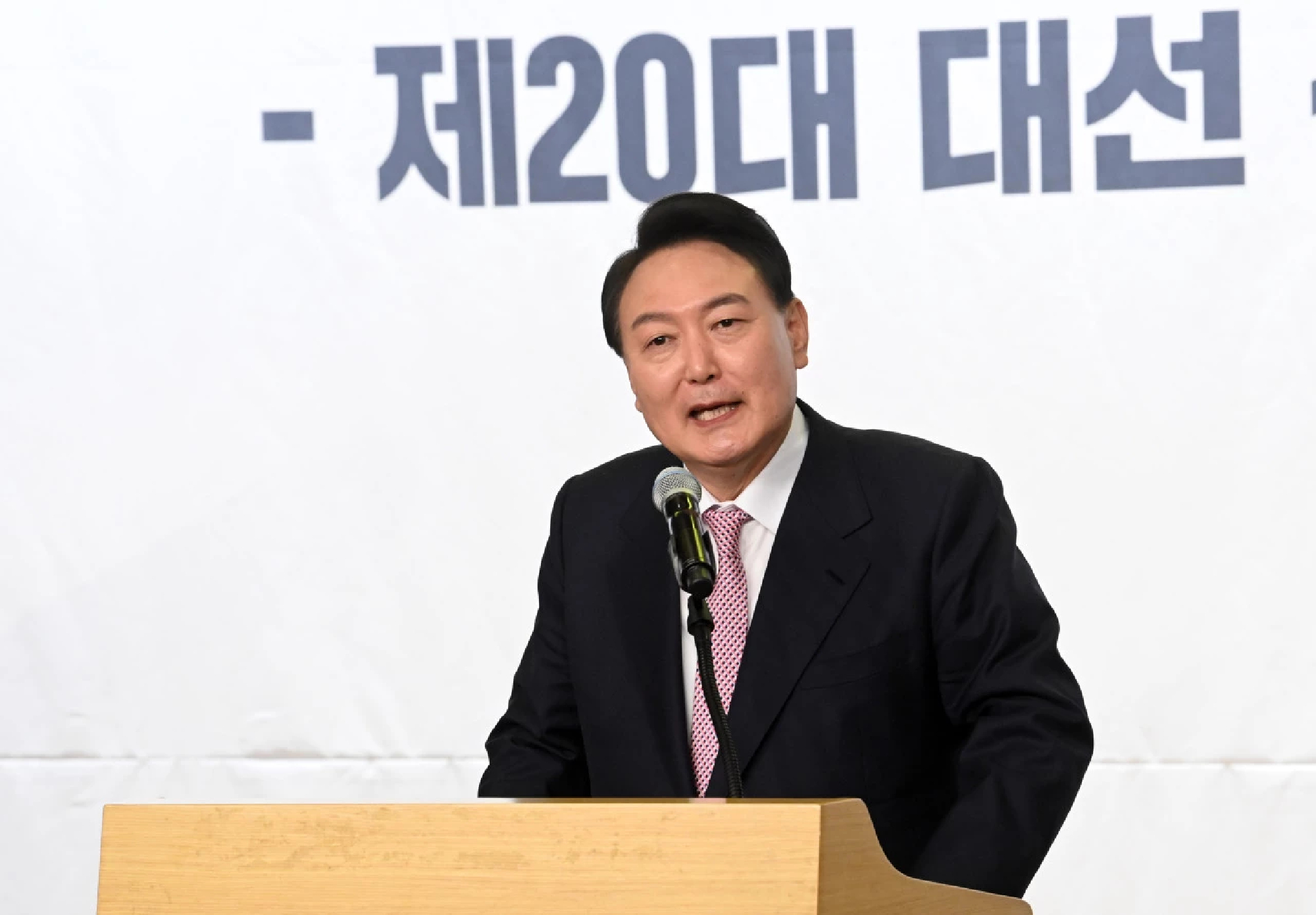
President-elect Yoon Suk-yeol has told leaders of neighboring Japan and China to develop relations further. The leaders agreed to strengthen ties with South Korea.
On Friday morning, Yoon met with the Chinese Ambassador to South Korea Xing Haiming in Seoul, saying he is confident that Korea-China relations will develop further.
“China is Korea‘s largest trading partner, and we are China’s third-largest trading partner,” Yoon told Xing. “This year is the 30th anniversary of diplomatic relations between Korea and China. The diplomatic relations have been of great help to the people of both countries. It also helped develop the economy.”
In response, Ambassador Xing said, “(Korea) is currently the third-largest trading partner, but it could become the second-largest trading partner in the next year,“ adding that Korea “is an inseparable neighbor.”
Xing also delivered a congratulatory message to Yoon from Chinese President Xi Jinping.
“China and the two countries are close neighbors and important cooperation partners,” Xi Jinping said in the message. “Diplomatic relations have brought practical benefits to the people of both countries and made a positive contribution to promoting world peace, safety, prosperity and development.
“This year marks the 30th anniversary of diplomatic relations, which is important for bilateral relations,” he said. “China is willing to strengthen diplomatic relations with South Korea and deepen friendly cooperation to promote the stable and long-term development of strategic cooperation partners.”
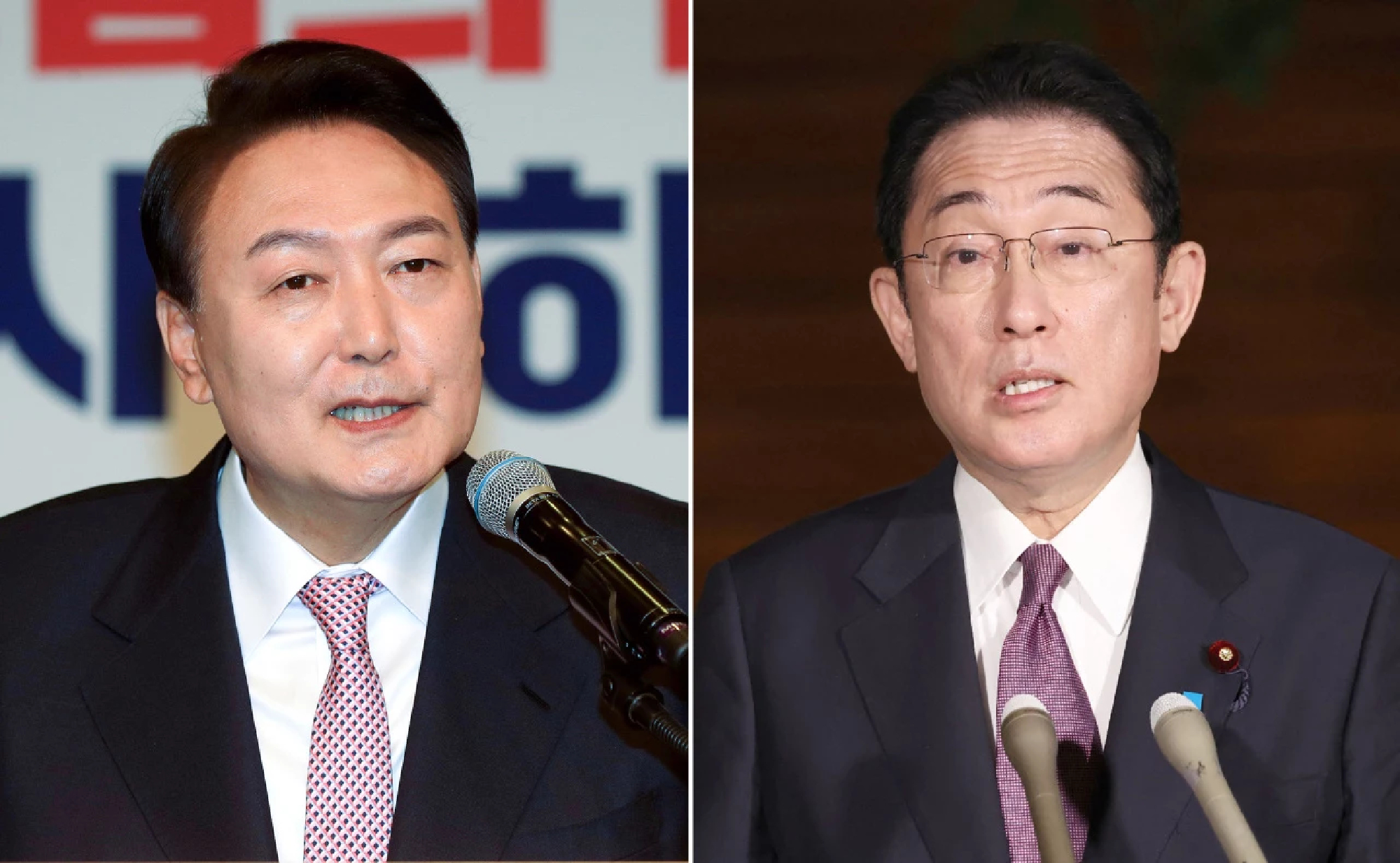
Yoon also spoke to Japanese Prime Minister Fumio Kishida on the phone for 15 minutes at 10:30 a.m. on Friday.
“Korea and Japan are important neighboring countries,” Prime Minister Kishida told Yoon, according to Japanese media outlet NHK. “Sound Korea-Japan relations are essential in protecting the principle-based international order and securing peace, stability and prosperity of the region and the world.”
Kishida suggested to Yoon they “cooperate together” to improve Korea-Japan relations.
In response, Yoon said, “As Korea and Japan have many future tasks to work together in the future, such as security and economic prosperity in Northeast Asia, let’s work together to promote friendship and cooperation between the two countries,” according to the People Power Party.
The president-elect stressed the importance of resolving pending issues between the two countries reasonably and in line with mutual common interests. He said he expects South Korea, the US and Japan to further strengthen cooperation on issues on the Korean Peninsula.
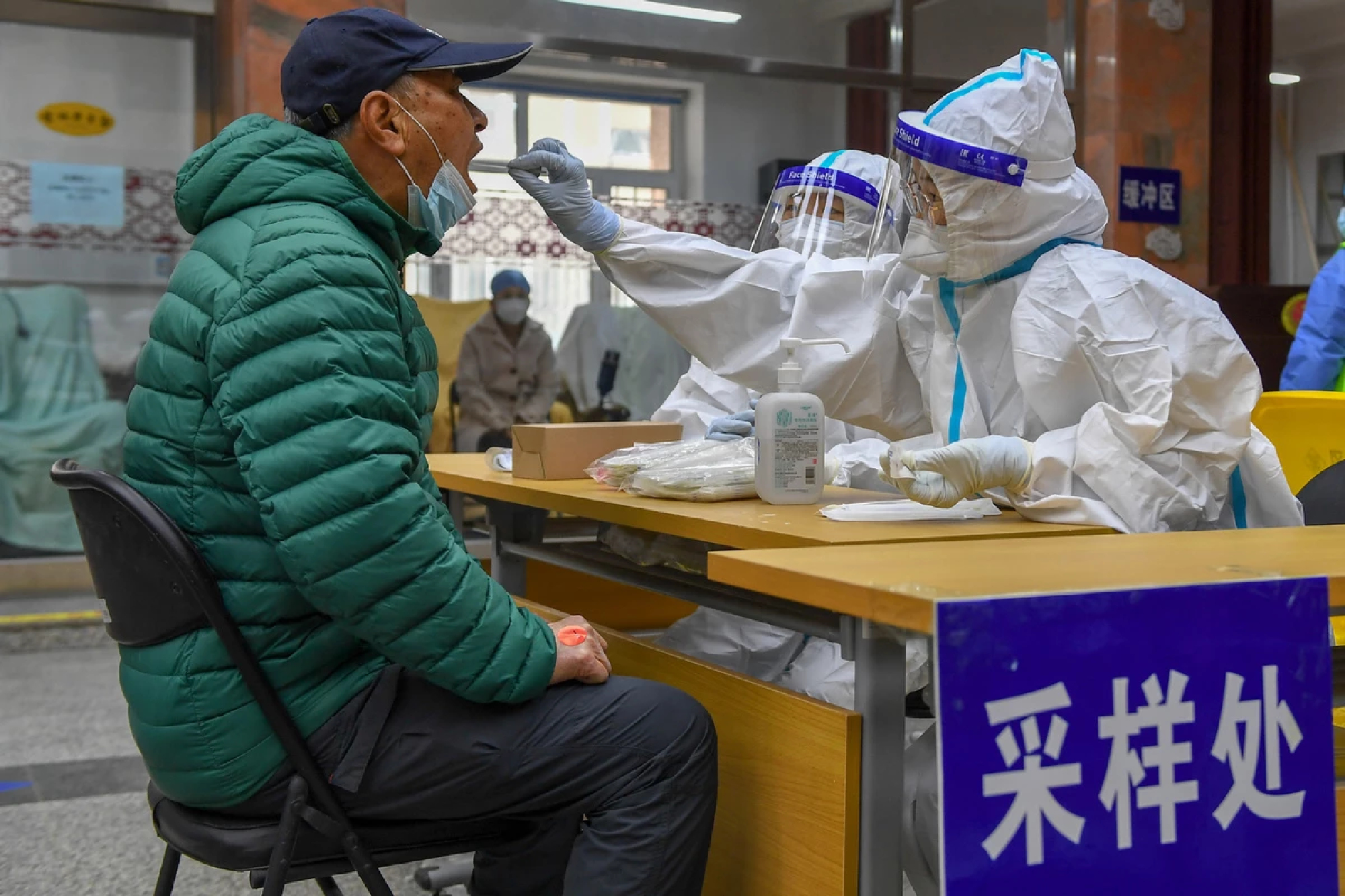
China will begin using COVID-19 antigen tests as a supplementary method to improve its early detection capability, the National Health Commission said in a notice on Friday.
Compared to nucleic acid testing — the dominant tool widely deployed in the country’s mass testing campaigns, antigen tests give results more quickly but are generally less accurate.
The use of rapid, at home antigen tests is widespread in some countries, but they are much less common in China as only nucleic acid test results are considered the gold standard.
The commission said the inclusion of antigen tests in its tool kit is aimed at upgrading its testing strategy in face of demands arising from the changing virus control situation.
“Confirming the infection of coronavirus still requires a nucleic acid test result. Antigen testing can be used as an additional measure to screen target groups and improve our capability to detect new infections swiftly,” the commission said in a statement explaining the notice.
Three categories of people will be able to take an antigen test, according to the commission.
They are people who visit grassroots medical facilities after feeling suspicious respiratory symptoms or having a fever within five days; people undergoing centralized or home isolation; and residents in need of such tests due to personal reasons.
In any circumstances, people who test positive for antigen tests will be managed as COVID-19 cases. They will be required to undergo centralized quarantine and take multiple nucleic acid tests.
Antigen tests will be available in retail drugstores and online shops, it added.
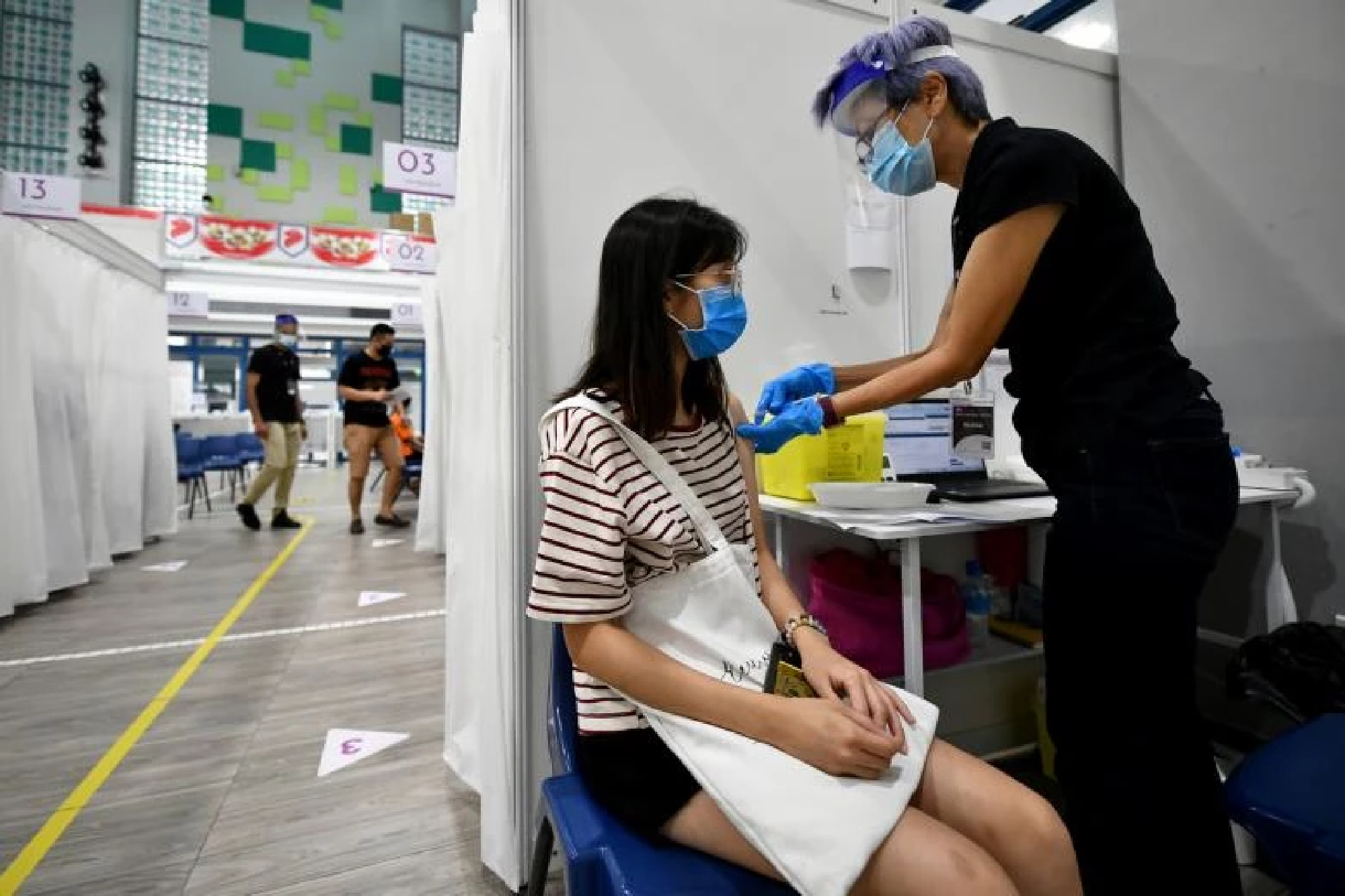
SINGAPORE – The Expert Committee On Covid-19 Vaccination is studying whether children require booster shots, and whether other age groups require more than one booster shot.
Singapore’s director of medical services Kenneth Mak told a press conference on Friday (March 11) that the data on these areas are still “very nascent”.
“We’re watching the experiences of other countries,” he said.
“We’re looking at our own local studies on how good the protection from the existing boosters is, whether or not that will wane, and whether that will translate eventually to increased risk of reinfections and infections arising.”
Associate Professor Mak said no recommendations have been made on additional jabs for those who have already received a booster shot, but an announcement will be made if a decision is reached.
He added that the committee is also studying whether further boosters are needed for more vulnerable people, and whether boosters are needed for children.
From next Monday, those aged 12 to 17 who have completed their primary vaccination series will be considered fully vaccinated for only 270 days after receiving the last dose.
They will require a booster dose to maintain their vaccinated status thereafter, if they are eligible for it.
But Prof Mak noted that those under 18 received their primary vaccination series much later than the rest of the population.
“For the majority of these children, they still have robust protection from the vaccines. We will continue to monitor them and determine whether there’s a need for boosters in the future,” he said.
Minister for Trade and Industry Gan Kim Yong said at the press conference of the multi-ministry task force on Covid-19 that there is also a risk of new variants emerging, which may require a reassessment of whether additional boosters are needed.
“We will need to continue to monitor the situation and watch how the epidemic evolves,” said Mr Gan, who co-chairs the task force.
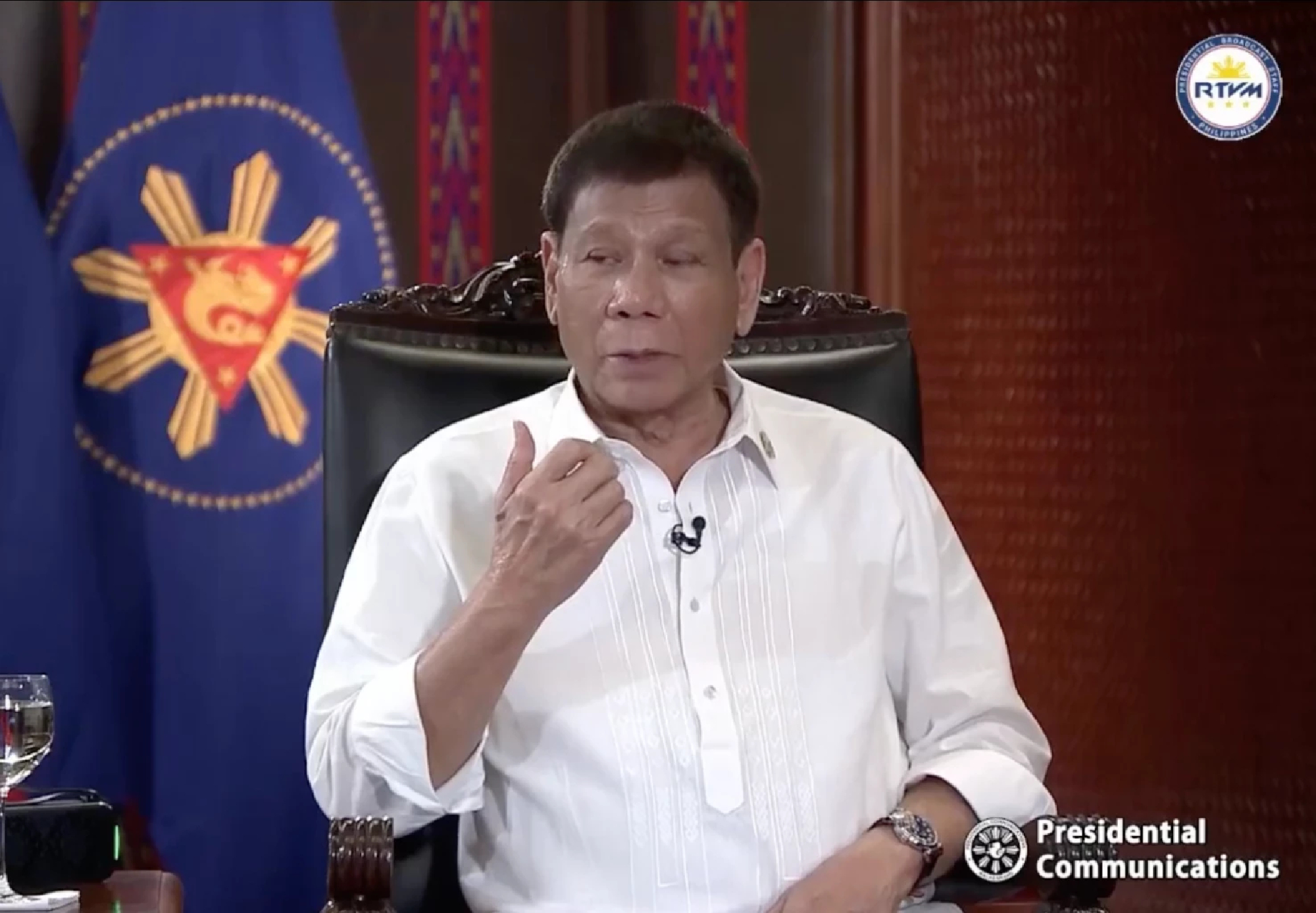
MANILA, Philippines — President Rodrigo Duterte has ordered concerned government agencies to look into and address the fuel price increases amid the conflict between Ukraine and Russia, Senator Bong Go said.
Go said Duterte instructed the National Economic and Development Authority, Department of Energy, Department of Trade and Industry, Department of Finance, and the Department of National Defense to address the rising cost of fuel.
Executive Secretary Salvador Medialdea has also been directed to prepare the necessary issuances, said Go.
“Inatasan niya si Secretary Medialdea and [the concerned agencies] to check the prices para hindi masyado tumaas (Secretary Medialdea and the concerned agencies were ordered to check the prices of fuel so it won’t increase further),” Go said in an interview on Wednesday.
“[Sila] Secretary Carlos Dominguez of Finance and even the Department of Defense ay inihanda na niya kung lumala itong giyera at apektado ang ating bansa,” he added.
(Finance Secretary Carlos Dominguez and even the Department of Defense were also instructed to prepare in case the war worsens and the country will be affected.)
Energy Secretary Alfonso Cusi earlier said that while there is no shortage in the supply of oil in the country, fuel prices are expected to increase following Russia’s invasion of Ukraine.
Amid the rising fuel prices, there have been calls to suspend the excise tax on petroleum products.
Duterte, however, has not called a special session to Congress—which is currently on break—to pass legislation suspending the excise tax.
Meanwhile, the Palace has called on the Congress to review the oil deregulation law.
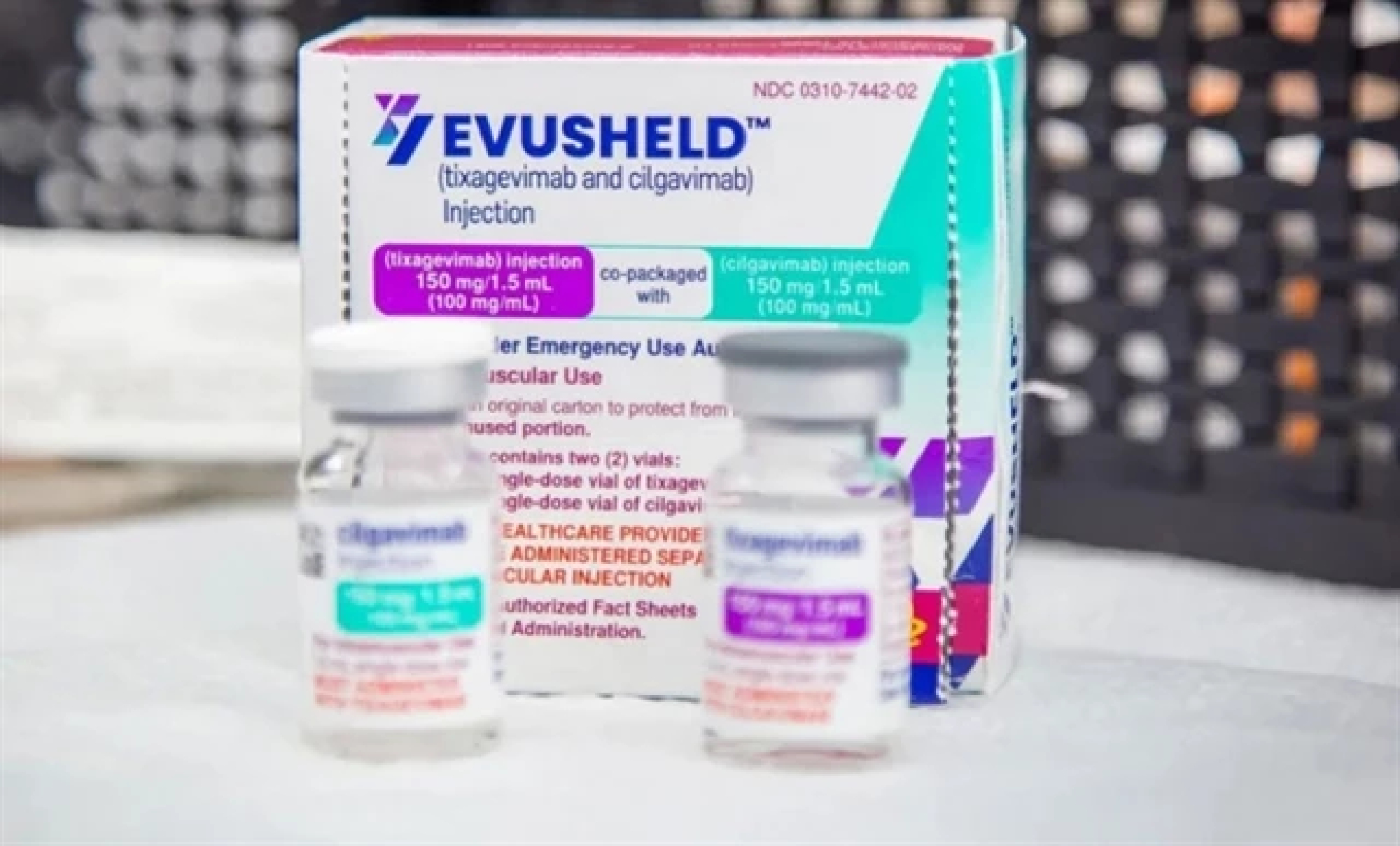
HÀ NỘI — A private hospital system in Việt Nam said on Thursday they are set to soon use AstraZeneca’s Evusheld, a long-acting antibody combination (tixagevimab co-packaged with cilgavimab), for the prevention of COVID-19 for the most at-risk groups of the population.
Tâm Anh General Hospital system, via the Việt Nam Vaccine Company (who also secured the first contract for AstraZeneca COVID-19 vaccines for Việt Nam in early 2021), will be the first to be given the green light from health authorities to use the treatment on their patients – starting with facilities in Hà Nội and HCM City.
The monoclonal antibody cocktail from the British-Swedish pharmaceutical group was the first to have received emergency use authorisation for pre-exposure prophylaxis of COVID-19 from the US Federal Drug Agency, and also was the first one to be approved for use in Việt Nam by the Ministry of Health, according to Tâm Anh General Hospital.
The products will mainly be used for high-risk people such as clinically vulnerable groups, people with the compromised immune system, people who develop very little immune response even after full vaccination or people who cannot receive a COVID-19 vaccination (for reasons like serious allergy or shock reactions against components of COVID-19 vaccines).
The therapy is welcome news in efforts to reduce COVID-19 related fatalities in the vulnerable groups in Việt Nam, as cases continue to rise to record levels in recent weeks, despite over 98 per cent of the population from the age of 12 having been fully inoculated.
Prof. Dr Ngô Quý Châu, Chairman of the Việt Nam Respiratory Association and Professional Director of Tâm Anh General Hospital, said that many patients with immunodeficiency, cancer, autoimmune arthritis, or people who have recently undergone organ transplant, etc. are very vulnerable to COVID-19 and live in anxiety and near-social isolation.
“Patients are concerned that their body can’t generate sufficient amount of immunity after vaccination like in the cases of healthy people. Monoclonal antibody therapy like Evusheld will provide an extra layer of ‘immediate defence’ to increase protection for these high-risk cases, allowing them to join in the ‘new normal’ settings with a reduced risk of serious complications, hospitalisation, and death from coronavirus infections,” Châu said.
Evusheld is reported to generate enough antibodies just a few hours after injection. The protection efficacy against coronavirus infections could reach up to 83 per cent in six months, with near-perfect records in preventing serious diseases and deaths in the six months of observation during AstraZeneca PROVENT studies.
The injection is also effective against the Omicron variant, which is gaining a foothold around the world, including Việt Nam (notably the urban centres of Hà Nội and HCM City).
According to the World Health Organisation, immunocompromised individuals represent approximately 2 per cent of the overall population.
Tâm Anh Hospital has set up a support line for people who are interested in the injection at this website address: https://tamanhhospital.vn/dang-ky-tu-van-evusheld/, with links for registration to be available later.
The pricing, exact availability date, or how many doses in the contract for Việt Nam is not yet publicly available. — VNS
Russia and Ukraine failed to make a breakthrough on a ceasefire agreement on Thursday at the first high-level talks since Moscow launched its “special military operation” in Ukraine two weeks ago.
Russian Foreign Minister Sergey Lavrov and Ukrainian Foreign Minister Dmytro Kuleba met in the southern Turkish resort of Antalya and were joined by Turkish Foreign Minister Mevlut Cavusoglu.
The talks lasted more than one-and-a-half hours, said Russian Foreign Ministry spokeswoman Maria Zakharova.
Images of the meeting showed the Russian, Turkish and Ukrainian delegations sitting at a table, with each minister accompanied by only two other officials.
Kuleba said after the meeting that he discussed a 24-hour ceasefire with Lavrov, but no progress was made. He described the meeting as “difficult”.
“I want to repeat that Ukraine has not surrendered, does not surrender, and will not surrender,” said Kuleba, noting that the Russian side insisted a cease-fire could only be achieved after the surrender of Ukrainian forces.
Lavrov, meanwhile, said Russia wants to continue negotiations with Ukraine, and added that President Vladimir Putin would not refuse a meeting with Ukrainian President Volodymyr Zelensky to discuss “specific” issues.
He accused the West of creating a danger in the region that would persist for many years and said those who had supplied weapons to Ukrainian forces and mercenaries should understand the dangers of what they were doing.
“We will come out of this crisis with refreshed views of the world-with no illusions about the West. We will try to never again be dependent on the West,” Lavrov said.
The talks in Turkey were one of a number of planned diplomatic initiatives.
Russian news agency RIA Novosti quoted Kremlin spokesman Dmitry Peskov as saying that Putin will hold a meeting with Belarusian President Alexander Lukashenko in Moscow on Friday.
Turkey is a traditional ally of Ukraine and has supplied the country with Bayraktar drones, which Kyiv has deployed in the conflict.
But it is seeking to maintain good relations with Russia, on which Turkey depends heavily for gas imports and tourism revenues.
Turkey has for weeks pushed to play a mediation role in the conflict, but analysts had said there was only a slim chance of a breakthrough at the meeting.
Many observers do not believe that talks between Moscow and Kyiv is useful, said Ukrainian political analyst Rostislav Ishchenko.
He added that Ukraine needs these talks in order to agree to a cease-fire and then buy time to regroup and gear up for another military operation.
At the top of his agenda is compensating those who have sustained economic losses due to the COVID-19 pandemic. According to Yoon’s plans, “fair and complete” compensations for losses will be provided, and counseling will be offered to merchants and self-employed people affected by the pandemic.
Yoon pledged to establish a presidential committee dedicated to COVID-19 compensation immediately upon inauguration, and to introduce new laws and revise related regulations to launch compensation programs.
The measures rolled out will continue for two years after the pandemic is officially declared over.
Creating sustainable, ‘good’ jobs
Next is creating jobs by establishing positive feedback for economic growth, welfare and job creation. As part of the plans, Yoon will seek to tie up socioeconomic policies from industry and education policies to labor and welfare policies.
To achieve the goal, Yoon plans a two-pronged approach. One part is to set up a body dedicated to regulatory reform, through which he hopes to facilitate corporate investment. He also plans to ease labor regulations to give companies and workers more freedom in areas such as setting working hours.
The second part of the plan is to increase support for companies, including tax relief and for R&D, to aid companies in growing and to focus government resources on startups in the fields of medical and cultural content companies. The plans also include creating more social service jobs, such as jobs that concern digital transition of related professions.
2.5 million new homes
Yoon’s plans for stabilizing the real estate market includes supplying 2.5 million new homes by 2026. The plan focuses on the private sector, with only one-fifth of the total being supplied by the state as public rental housing.
The plan also focuses on Seoul and the surrounding regions, with up to 1.5 million homes being built in Greater Seoul, of which 500,000 will be located inside the capital.
According to the pledges submitted to the National Election Commission, the Yoon administration will draw up a road map with further details, including on financing the projects, soon after its launch.
Government, presidential office reform
On government reform, Yoon has made two main pledges. First is to dismantle Cheong Wa Dae and drastically reform the presidential office, and to establish a “digital platform government.”
Regarding the presidential office, Yoon pledged to dismantle and reestablish a more streamlined organization, and to move into the government complex in Seoul. The land currently occupied by the presidential office of Cheong Wa Dae would be put to other uses after consulting with the public and experts.
As for the government, Yoon said that he will combine all government websites — central government bodies as well as organizations under them and those of local governments — into a single website to set up the “One Site for All Service” webpage.
In addition, the technologies of big data and artificial intelligence will be used to build a government that “predicts future social issues” and respond preemptively.
Strengthening science, technology
Strengthening the country’s science and technology capabilities is another of Yoon’s key pledges. Through regulatory changes and new tools such as a presidential science and technology committee, Yoon hopes to transform Korea into a leader in new technologies.
As part of the plans, Yoon pledged to strengthen government leadership in related fields, and to introduce a “date-based” method of running state affairs. Yoon’s plans also include increasing state support for R&D “without interference,” as part of which regulations concerning government R&D subsidies will be eased. Yoon’s administration will also seek to boost international cooperation on R&D, and to host multinational companies’ R&D facilities in Korea.
The government system for managing R&D projects will also be revised to build an environment that facilitates “creative” and “adventurous” research, focusing science and technology developments on resolving national issues such as disease, air pollution, carbon neutrality and an aging population and low birthrate.
More support for childbirth, child care
Describing pregnancy, childbirth and child care as “joys of the individual and families, and the foundations of the country’s continuation,” Yoon pledged that his administration will guarantee pregnancy, childbirth and child care as “basic rights.”
As part of the plans, Yoon pledged that the government will increase subsidies for medical checkups for women, infertility treatments for couples and for all conditions that directly concern pregnancy and childbirth. Other pledges include a 1 million won ($810) monthly subsidy for 12 months for new parents, and wider postnatal support, including coverage for postpartum depression.
For his promise of creating a fairer society, Yoon laid out three main promises. The first is to abolish the Ministry of Gender Equality and Family, which according to Yoon is “considered unfair by young people,” second is providing equal opportunities and third is to “resolving unfairness across society.”
Describing the Gender Ministry as producing “unfair policies that favor women,” Yoon has promised to establish a new body that can shed light on the “value of ‘family’ and youths who strive for fair competition.”
His pledge for a fairer society also includes cracking down on unfair advantages in university entrance and finding employment, as well as strengthening penalties for sex crimes and for making false accusations.
In an apparent effort to focus on areas the Moon Jae-in administration has been accused of failing in, Yoon also vows to make the finances of civic groups more transparent and crack down on illegal actions by hard-line labor unions. Yoon also plans to lower the age for facing a criminal trial from the current 14 to 12, and to toughen requirements for foreign workers’ families benefiting from the national health service.
‘Confident’ diplomacy, strong security
On diplomacy and national security, Yoon vows to seek “complete and verifiable denuclearization” of North Korea and to “rebuild trust and strengthen future-oriented ties” with the US.
To this end, Yoon pledged to draw up a “foreseeable road map” and to uphold international sanctions until complete denuclearization is achieved. However, he left possibilities open for economic aid in return for “real denuclearization” measures the North takes.
Yoon envisions Seoul playing a central role in international cooperation and in multinational and inter-Korean negotiations regarding denuclearization.
On the defense front, Yoon pledged to build up anti-missile defenses and introduce additional THAAD batteries in South Korea.
Yoon’s main energy policy is to improve the country’s nuclear energy capabilities, having vowed to make the country a leading power in nuclear energy.
Under his leadership, Yoon plans continuous investment in nuclear energy to contribute to Korea’s drive for carbon neutrality and to increase related exports.
According to his pledges, his administration will draw up plans to achieve the greenhouse gas reduction target set for 2030 and carbon neutrality target set for 2050.
Fair education, ‘culture welfare’
On education, Yoon set three main goals. First, Yoon envisions a transition to a digital education system that focuses on openness, autonomy and innovation.
Second, he pledged to “normalize” education in schools and to provide equal opportunity in education. Third is to establish an “education ecosystem based on autonomy.”
To achieve education goals, Yoon has vowed to supply equipment required for an “AI education revolution,” to improve fairness in entrance to universities and to aid high schools and junior colleges in producing highly trained individuals.
On cultural issues, Yoon pledged to ensure wider access to culture and to build a sustainable and fair cultural ecosystem.
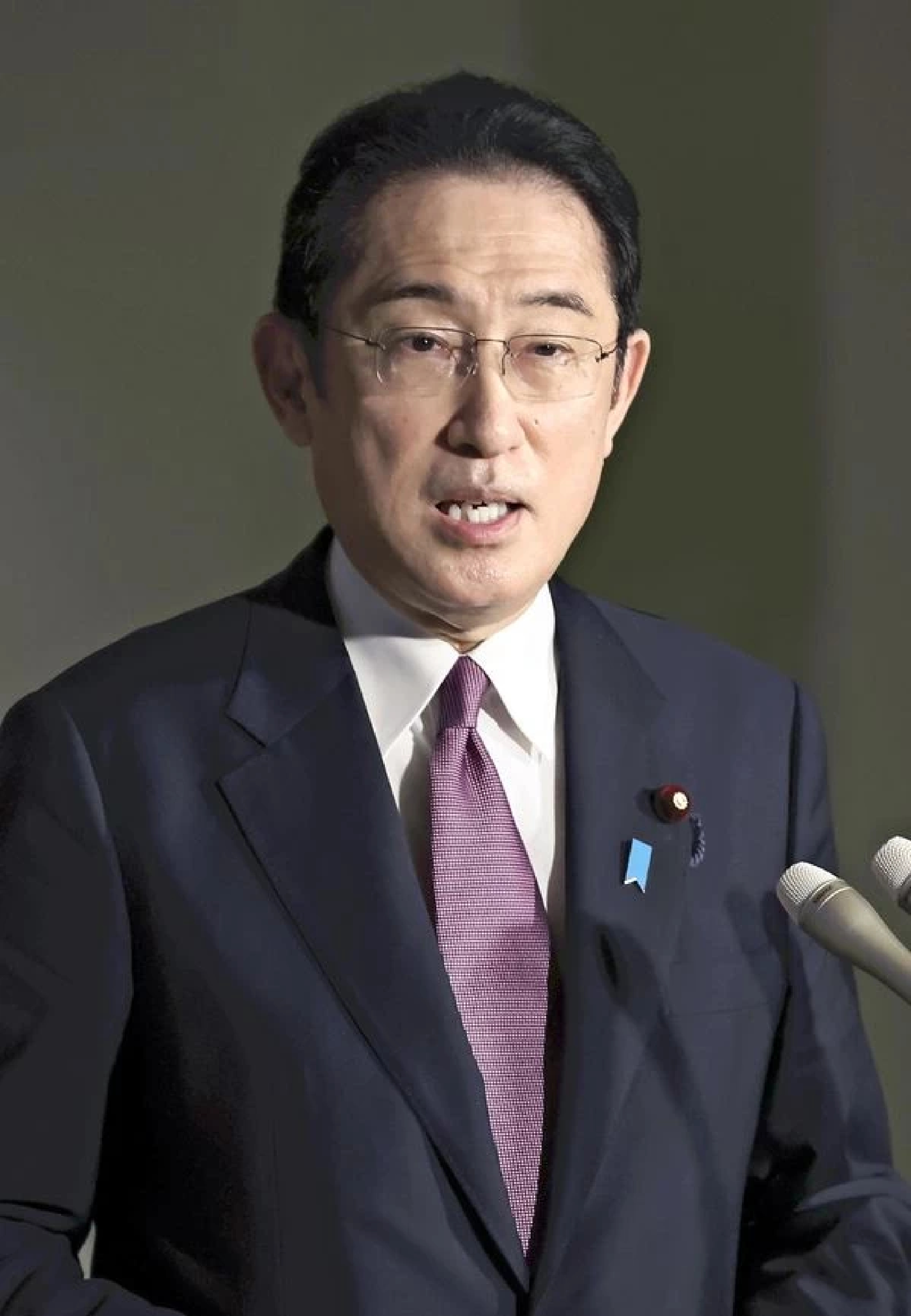
Prime Minister Fumio Kishida on Thursday expressed his eagerness to improve the stalled relationship between Japan and South Korea after main opposition candidate Yoon Suk-yeol won the South Korean presidential election.
The Japanese government intends to carefully assess how the new administration will handle such issues as lawsuits involving former wartime requisitioned workers from the Korean Peninsula and former so-called comfort women.
“I welcome the victory of President-elect Yoon and offer congratulations from the bottom of my heart,” Kishida told reporters at the Prime Minister’s Office in Tokyo on Thursday. “I look forward to the leadership of the president-elect. I hope we will work closely to improve the relationship.”
Referring to the current state of the Japan-South Korea relationship, Kishida said, “The situation is very severe, but we can’t leave it as it is.”
“Keeping promises between countries is fundamental. I want to engage in dialogue after seeing how the new administration will move,” he added.
An in-person summit of the two countries’ leaders has not been held since December 2019. The Japan-South Korea relationship became stalled after the administration of President Moon Jae-in effectively abandoned a bilateral agreement under which the two countries confirmed the settlement of the issue of former comfort women. The Moon administration also left the issue of the lawsuits of former requisitioned workers unsolved.
Japan has taken a position that postwar compensation issues between the two countries have been resolved under the Agreement on the Settlement of Problems Concerning Property and Claims and on Economic Cooperation that was reached between Japan and South Korea in 1965, which stipulates that the issue has been “settled completely and finally.”
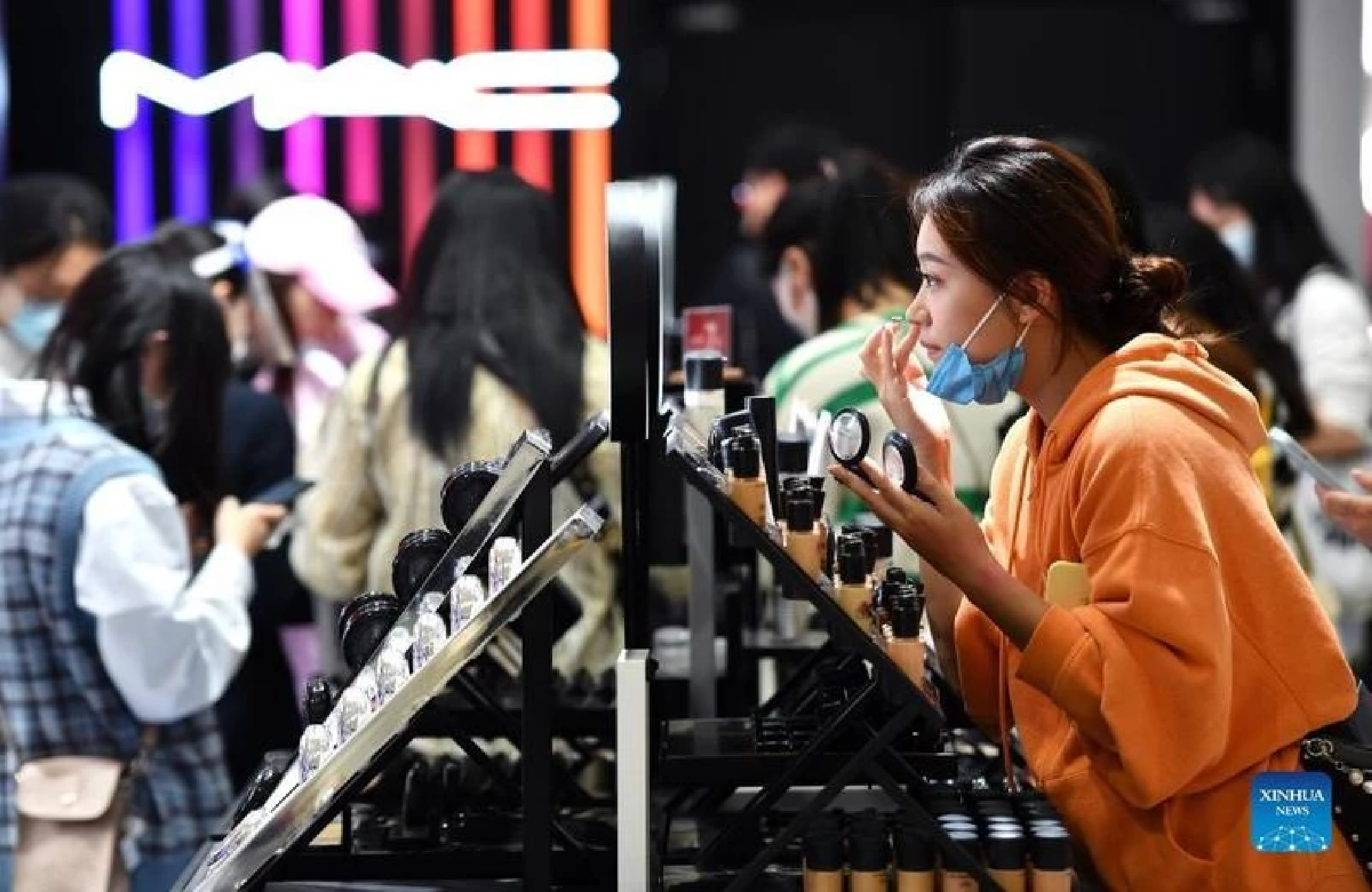
As their incomes rise and self-awareness grows, more Chinese women are pursuing a high-quality life, becoming the main driver of consumption spending in the new era, Chinese financial media outlet Yicai reported.
Moreover, they actively engaged in financial and economic activities, painting a wonderful and promising portrait of the Chinese women.
“She economy” was a term coined by the Ministry of Education in 2007 for the market targeting women. Industry data show that female consumers are driving growth in several sectors of the global economy, such as healthcare, e-commerce and education.
According to global consultancy Accenture, there are nearly 400 million female consumers aged 20-60 in China, who control consumption expenditures of up to 10 trillion yuan annually.
UBS earlier expected China to take a further share of global consumption over the next decade, reaching the current level of the United States in 2030, implying roughly $6 trillion in household consumption growth over the next 10 years.
People’s consumption concept has changed since the COVID-19 outbreak, especially a focus on “health”/”ease of purchase” over “brand”/”price” that seems likely to last, UBS said.
The higher ratio of young females to males in education would have a small negative (about 5 percent) impact on consumption growth over the next decade, potentially hitting traditional consumer sectors but benefiting investments.
Improving finances for women in China, along with the rising share of single-person households, could shift the consumption structure, with more spending in sectors such as luxury, pets, healthy food, beer, and autos, UBS said.
Chinese women are consumers, as well as investors.
UBS predicted female-driven evolution in consumption behavior and household structure would favor asset management and insurance.
In 2020, female investors controlled 33 percent of total global personal discretionary wealth, up from 31 percent in 2016, and the figure is expected to further increase to 35 percent by 2025, according to a report from UBS Global Wealth Management.
Women in North America hold the largest share of wealth compared to the total regional wealth pool. However, Asia exclusive of Japan is the fastest-growing hub of wealth creation for women, the report said.
Millennials are more interested in investment and more independent in their spending, with consumption skewed more toward the self than the family. This supports findings in the UBS Evidence Lab Wealth Effect and Housing Intention surveys, which indicate Chinese women have stronger intentions to buy insurance products and properties than men.

 SootinClaimon.Com