Unicef lauds PH for raising age of sexual consent to 16

#SootinClaimon.Com : ขอบคุณแหล่งข้อมูล : หนังสือพิมพ์ The Nation.

https://www.nationthailand.com/international/40013143


MANILA, Philippines — The United Nations Children’s Fund (Unicef) has congratulated the Philippine government for raising the minimum age of sexual consent from 12 to 16 to protect minors from rape and sexual abuse.

Unicef lauds PH for raising age of sexual consent to 16

Republic Act No. 11648, which President Rodrigo Duterte signed into law on March 4, “was an essential step toward fulfilling children’s rights to protection from sexual violence, abuse and exploitation, regardless of their sex, orientation and gender identity and expression,” Oyunsaikhan Dendevnorov, the Unicef Philippines representative, said in a statement.

She noted that sexual violence results in severe physical, psychological and social harm for children, and victims experience an increased risk of human immunodeficiency virus and other sexually transmitted infections.

Victims also suffer from pain, illness, unwanted pregnancy, social isolation, and psychological trauma with many of them resorting to risky behaviors like substance abuse to cope with trauma, Dendevnorov added.

Until now, the country had the lowest minimum age of sexual consent in Asia and one of the lowest worldwide, behind Nigeria’s age 11, “leaving children vulnerable to abuse and exploitation,” she said.

A joint 2015 study by Unicef and the Center for Women’s Resources, a local nongovernmental group, showed that seven of 10 rape victims in the Philippines were children.

It also reported that one in five respondents aged 13 to 17 reported experiencing sexual violence, while one in 25 experienced forced consummated sex during childhood.

Statutory rape

Under RA 11648, any adult engaging in sexual contact with anyone 16 or under would be committing statutory rape, unless the age difference between them was three years or less and sex was proven to be consensual, and neither abusive nor exploitative.

The exemption, however, would not apply if one of those involved was under 13.

Significantly, the new law amended the language of the rape provision to make it gender-neutral. It defined rape as an act committed by a person who shall have carnal knowledge of another person, instead of an act committed by a man who shall have carnal knowledge of a woman.

Children, whether male or female, would also be deemed as exploited in prostitution and other sexual abuse if they indulge in sexual intercourse or lascivious conduct for money, profit, or any other consideration or due to coercion or the influence of any adult, syndicate, or group.

The new law likewise raised the age of victims of qualified seduction, simple seduction, child prostitution, and child trafficking in the Revised Penal Code.

At the same time, it mandated public and private institutions involved in educating and caring for children to ensure that their curriculum for staff development also had plans and learning sessions on the scope of their duties and responsibilities in identifying, responding to and reporting rape and other sexual offenses.

This included the Department of Education, which was asked to add to the basic education curriculum appropriate subjects concerning the rights and protection of children in relation to the new measure.

Collective effort

Sen. Risa Hontiveros, the measure’s principal author, welcomed RA 11648’s passage into law as it proved that the branches of government, regardless of different political views, could still unite to uphold the welfare of the youth.

“As a mother, I am relieved that we have a government that is ready to listen and to defend our children,” she said.

She added that she had been disheartened by the stories of advocates about teenagers as young as 13 to 14 years old who were victims of sexual abuse but still had to prove that they did not consent to such an act.

“In other cases, they were even asked if they enjoyed it. This is a form of cruelty that has no place in our society,” Hontiveros said.

According to her, it took decades for action to be taken on measures changing the age of sexual consent in the country, leaving many Filipinos, mostly women, victims of violence.

“The passage of RA 11648 is also a way of asking forgiveness from them, from all children then, who were not protected by our institutions,” she said in a statement.

“Together, we will keep working to attain a Philippines where every child lives happily, peacefully, and with dignity,” she added.

Agusan del Norte Rep. Lawrence Fortun, one of the bill’s main sponsors in the House of Representatives, described it as “a major step forward.”

“I am elated that our collective efforts [in] pushing for stronger protection against rape and other forms of sexual abuse are advancing,” he said in a statement.

For Josalee Deinla, National Union of Peoples’ Lawyers spokesperson, the new law was a welcome legal development that they hoped would “help protect young girls from rape and sexual abuse.”

—WITH REPORTS FROM LEILA B. SALAVERRIA, MELVIN GASCON AND REUTERS

Published : March 08, 2022

By : Philippine Daily Inquirer
S. Korea halts transactions with Russia’s central bank

#SootinClaimon.Com : ขอบคุณแหล่งข้อมูล : หนังสือพิมพ์ The Nation.

https://www.nationthailand.com/international/40013142


Government to provide up to W1b to companies with 30% or more of their exports to Russia, Ukraine

S. Korea halts transactions with Russia’s central bank

South Korea has decided to shut down transactions with Russia’s central bank and national funds in efforts to join the international movement to impose more sanctions against Moscow, while providing state emergency support for companies doing business with the Slavic countries in war, the government said Monday.

Seoul’s announcement followed the recent series of sanctions by the US and EU to ban transactions with Russia’s state-run financial institutions.

The Ministry of Economy and Finance said the transaction suspension against the Central Bank of Russian Federation, the National Wealth Fund of the Russian Federation, and the Russian Direct Investment Fund will take effect from Tuesday.

However, for transactions exempt from the sanctions under the US general license including agricultural goods, COVID-19 medical support, and energy, the ministry said such transactions will be allowed under the same standard.

The government also halted transactions with Rossiya Bank, one of the seven banks that will be banned from the Society for Worldwide Interbank Financial Telecommunication network. The EU excluded the banks from SWIFT last week.

With Monday’s additional sanctions against Moscow, Korea has stopped transactions with a total of 11 Russian institutions and companies so far.

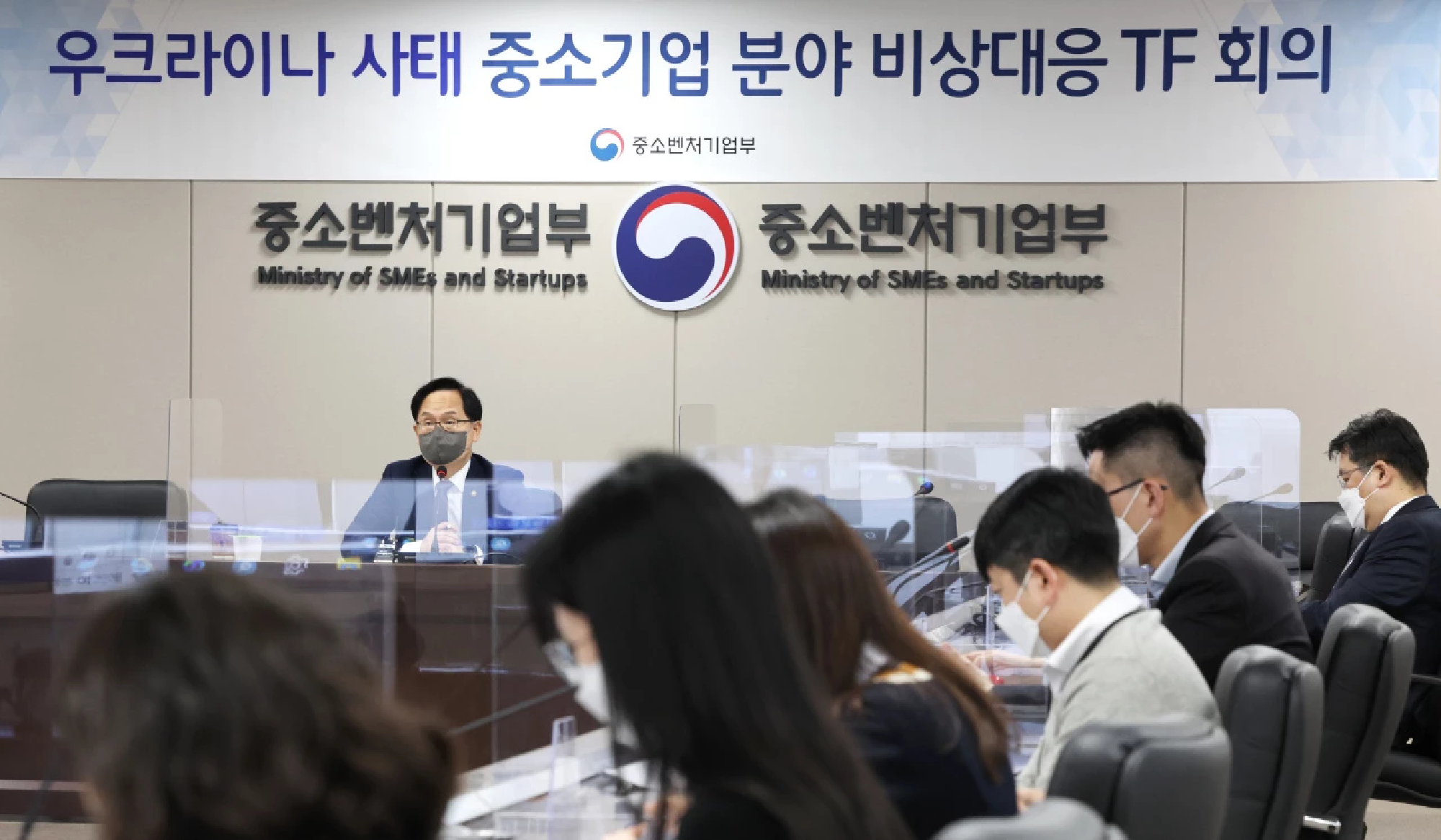
The government also drafted customized countermeasures for small- and medium-sized enterprises that are facing troubles such as delayed exports, logistics costs, and rising prices of raw materials.

Companies that have 30 percent or more of their exports sent to Russia and Ukraine will be subject to receive up to 1 billion won ($816,000) per firm as the government’s stabilizing funds for emergency management. Of the 6,021 companies that exported to Russia and Ukraine last year, 1,824 were found to be eligible, according to the government.

For the 316 companies that rely 100 percent on Russia and Ukraine for their exports, the government will assign designated officials to offer them help.

The authorities said they will establish new special guidelines of financial guarantees for damaged companies to offer more favorable guarantee limits and ratios.

Using Gobiz Korea, an online state-run matchmaking program for overseas buyers and domestic firms, the government said it will help war-affected companies find alternative trade routes and provide support for promotional activities and exhibitions.

In order to ease the burden of logistics costs, the government pledged to compensate for damages suffered from return and delay fees of exports to Russia and Ukraine in the scope of export voucher support.

The government added that it will offer legal advice and consultation to business groups whose cost burdens have increased due to rising raw material prices.

“The government decided to impose the additional sanctions to peacefully resolve the crisis and curb the armed aggression as a responsible member of the international society,” the finance ministry said in a statement.

Starting Monday, Seoul also began to ban exports of strategic items to Belarus. The eastern European country, formerly one of the Slavic republics in the Soviet Union, has been supporting Russia‘s invasion of Ukraine.

The government on Friday announced its plan to implement an emergency financial support program worth 2 trillion won that will be carried out in the form of a special loan by state-run banks. On top of that, the government decided to offer special grace periods, such as extending the loan maturity dates, for SMEs that are forecast to experience losses from the Russia-Ukraine conflict.

Companies at stake

Not only SMEs but also big companies are on high alert as their operations in Russia and Ukraine are at stake.

Due to the prolonged Russia-Ukraine crisis impacting component delivery to Korean firms’ manufacturing plants in Russia, Hyundai Motor Group said Monday they’re unsure about when to resume operations at its assembly plant in St. Petersburg, Russia.

Although the Korean automaker said that it is temporary shutdown is influenced by automotive chip shortage which has continued from last year, it seems evident that Hyundai Motor Group is facing a dilemma regarding the operation in Russia.

With global shipping firms like MSC and Maersk also suspending shipping operations to Russia in response to the international effort to bar the Russian economy, the South Korean carmaker stopped operations at its St. Petersburg plant on March 1.

The Russian market is responsible for about 4 percent of Hyundai Motor Group’s global production capacity, with some 330,000 vehicles built there. Manufactured vehicles are exported to neighboring European countries.

Last year, Hyundai Motor and its sister company Kia Motors sold a total of 171,811 units and 205,801 units respectively, which altogether reach 22.6 percent of market share in the local market, No. 2 after French carmaker Renault Group.

The Korean carmaker aimed at selling a total of 455,000 units this year, about 5.8 percent higher than that of last year, but industry insiders said the carmaker has halved down its production volume due to ongoing geopolitical issue. 

Market experts noted that if the shortage of automotive components including chips continue, Korean firms may consider shutting down their plants and exiting the market.

“With the US and EU’s decision of SWIFT sanctions on Russia, it will be difficult for the Korean carmaker to export as it did in the previous years. Some 450 billion won of loss is expected for Hyundai Motor Group,” said Samsung Insurance’s EV and mobility researcher Yim Eun-young.

Posco International, the country’s largest trading firm under Posco Holdings, has also halted the operation of its grain terminal in Mykolaiv, Ukraine. This poses a significant risk to the Korean company, which sought to expand its grain capacity to 25 million tons globally by 2030 to become one of the world’s top 10 food companies. Posco International’s food business accounts for about one-fourth of its total sales besides steel manufacturing and energy.

“We have relocated resident workers from Ukraine, and all of them returned to Korea. We are still closely monitoring the situation,” said an official from Posco International.

Set up in 2019, Posco International’s grain terminal has been a major gateway for overseas grain sales such as corn and wheat to Europe, North Africa, the Middle East, and Asia.

According to the Korea International Trade Association, there were over 300 reports filed by local companies about difficulties in exporting to Russia and Ukraine since Feb. 24. More than half of the cases were related to payment issues as the US and EU imposed economic sanctions against Russia. Other difficulties included logistics problems and a lack of information.

“As the recent series of incidents have caused a series of damages to the trade industry exporting to Russia and Ukraine, we will continue to make efforts to minimize damage through cooperation with the government and related agencies,” said Sin Seong-kwan, executive vice president at KITA.

By Kim Da-sol and Kan Hyeong-woo 

Published : March 08, 2022

By : The Korea Herald

China calls for preventing humanitarian crises in Ukraine

#SootinClaimon.Com : ขอบคุณแหล่งข้อมูล : หนังสือพิมพ์ The Nation.

https://www.nationthailand.com/international/40013141


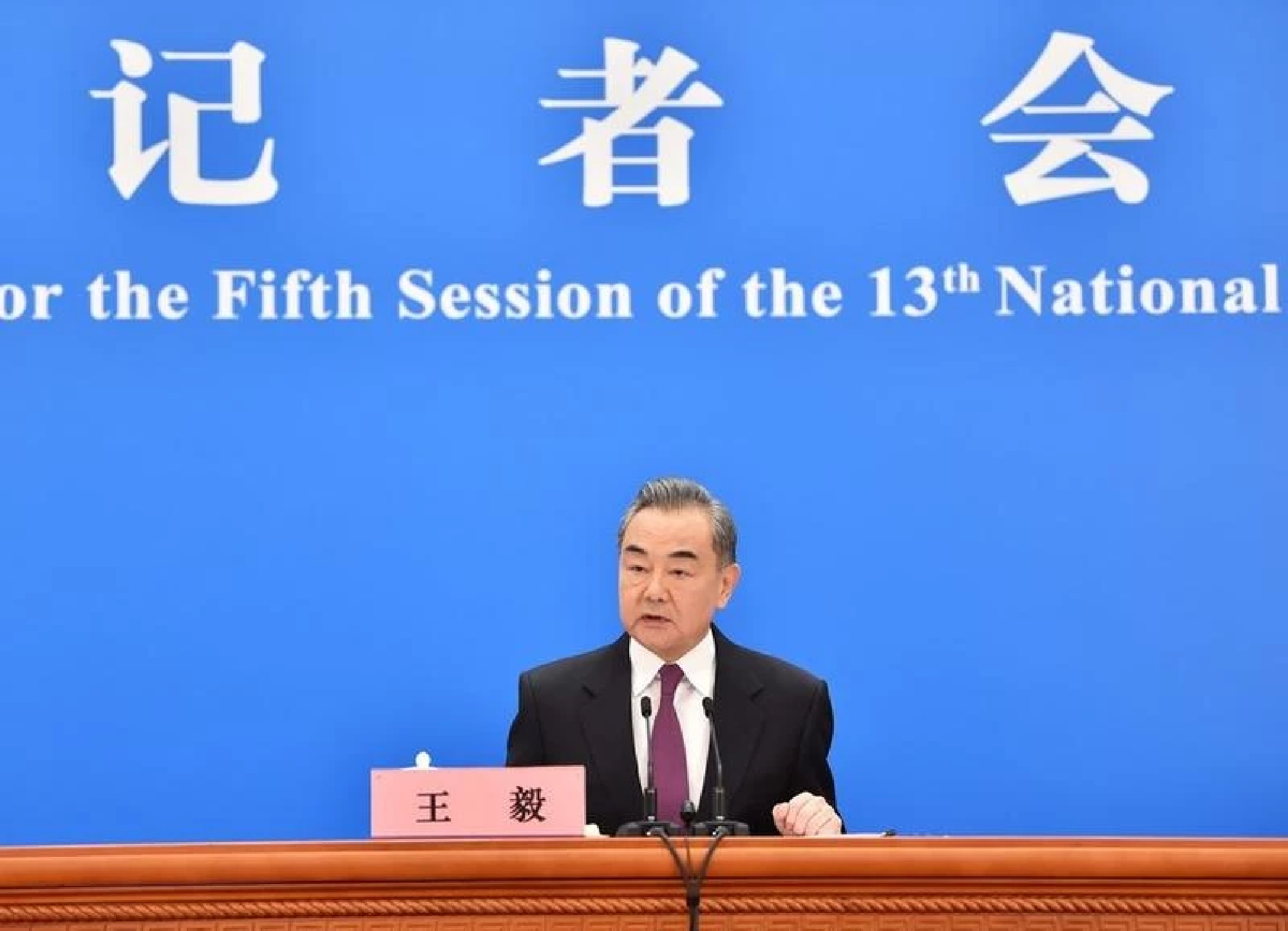
BEIJING – Chinese State Councilor and Foreign Minister Wang Yi on Monday called for preventing a large-scale humanitarian crisis in Ukraine.

China calls for preventing humanitarian crises in Ukraine

Regarding the situation in Ukraine, preventing such a crisis is one of the two priorities the international community must make continuous efforts on, Wang told a press conference on the sidelines of China’s annual legislative session.

Proposing a six-point initiative, Wang said that first, efforts should be made to make sure that humanitarian operations abide by the principles of neutrality and impartiality, and avoid politicizing humanitarian issues.

Second, full attention should be given to the displaced people in and from Ukraine, and efforts should be made to provide them with proper shelter, Wang said.

Wang then called for ensuring the protection of civilians and preventing secondary humanitarian disasters in Ukraine.

Fourth, efforts should be made to provide for safe and smooth humanitarian aid activities, including providing rapid, safe and unimpeded humanitarian access, Wang noted.

He also called for providing for the safety of foreign nationals in Ukraine, allowing them safe departure and helping them return to their home countries.

Sixth, support should be given to the United Nations’ coordinating role in channeling humanitarian aid and its work of the crisis coordinator for Ukraine, Wang added.

Noting that China will continue its efforts to stem the humanitarian crisis, Wang announced that the Red Cross Society of China will provide Ukraine with a trench of emergency humanitarian supplies as soon as possible.

He said calmness and rationality, instead of moves that pour oil on the flame and escalate tensions, are needed to resolve complex problems.

Wang stressed the need to remain committed to the purposes and principles of the UN Charter and respect and protect the sovereignty and territorial integrity of all countries; to uphold the principle of indivisible security and respect the legitimate security concerns of relevant parties; to rely on dialogue, negotiation and peaceful means for dispute resolution; to aim for long-term regional stability and forge a balanced, effective and sustainable European security mechanism.

Wang said China is willing to continue playing a constructive role to facilitate Russia-Ukraine dialogue for peace, and work alongside the international community to carry out necessary mediation.

The international community should focus their efforts on facilitating Russia-Ukraine talks and preventing large-scale humanitarian crisis, Wang said, noting that China has done some work while maintaining close contacts with relevant parties.

China believes that the more tense the situation, the more important that the talks continue, while the wider the disagreement, the greater the need to sit down and have negotiation, he said.

Published : March 08, 2022

By : China Daily

Globe may feel deeper economic pain, IMF says

#SootinClaimon.Com : ขอบคุณแหล่งข้อมูล : หนังสือพิมพ์ The Nation.

https://www.nationthailand.com/international/40013140


Escalating conflict in Ukraine drives prices higher, and more to flee country

Globe may feel deeper economic pain, IMF says

WASHINGTON-The International Monetary Fund says the conflict in Ukraine will have a “severe impact on the global economy”, and that it is creating an adverse shock to inflation and economic activity at a time when price pressures are already high.

The conflict was already driving energy and grain prices higher and had sent more than 1.5 million refugees to neighboring countries.

“While the situation remains highly fluid and the outlook is subject to extraordinary uncertainty, the economic consequences are already very serious,” it said in a statement on Saturday after a board meeting chaired by IMF Managing Director Kristalina Georgieva.

It said price shocks would be felt worldwide, and that authorities should provide financial support for poor households for whom food and fuel make up a higher proportion of expenses, adding that the economic damage would increase if the conflict escalated.

Sweeping sanctions imposed on Russia by the United States, European countries and others would also have “a substantial impact on the global economy and financial markets, with significant spillovers to other countries”.

The board was expected to consider Ukraine’s request for $1.4 billion in emergency financing as early as this week, the IMF said.

Moldova and other countries with close economic ties to Ukraine and Russia were at “particular risk” of scarcity and supply disruptions, the IMF said.

IMF staff were discussing funding options with Moldova, it said, which has requested an augmentation and rephrasing of its existing $558 million IMF loan program to help meet the costs of the current crisis.

Refugee inflows

In addition to economic damage, the number of refugees fleeing Ukraine reached 1.5 million on Sunday.

The United Nations Secretary-General Antonio Guterres said the UN is committed to scaling up its humanitarian operations to help both those who have stayed in Ukraine and the hundreds of thousands who have fled.

US Secretary of State Antony Blinken arrived in Moldova on Saturday. Moldova’s Prime Minister Natalia Gavrilita urged the United States on Sunday to provide more humanitarian support for refugees fleeing Ukraine.

Tens of thousands of refugees have streamed into Moldova, one of Europe’s poorest countries, straining its social services.

Hours before Blinken arrived, he visited the border of Ukraine in Poland, which has taken in 700,000 Ukrainians. Blinken told the Poles that Washington was seeking $2.75 billion to help tackle the humanitarian crisis.

France on Saturday accused Britain of inadequate response and “lacking humanity” in helping Ukrainian refugees who are seeking to join family members in the UK from the Channel port of Calais.

Hundreds of Ukrainians have arrived in Calais in the past few days hoping to join relatives already established in the UK.

The response of the UK is “completely unsuitable” and shows a “lack of humanity” toward refugees who are often “in distress”, France’s Interior Minister Gerald Darmanin said in a letter to his British counterpart Priti Patel, urging London to set up a proper consular presence in Calais to issue visas.

In the past days, 400 Ukrainian refugees have presented themselves at Calais border crossings, but about 150 were told to go away and obtain visas at UK consulates in Paris or Brussels, Darmanin said.

Darmanin and Patel have clashed in the past over how France and Britain tackle the issue of migrants, many from Africa and the Middle East, risking their lives by crossing the English Channel in makeshift dinghies.

Agencies via Xinhua

Published : March 08, 2022

By : China Daily

[Cambodia] Molnupiravir to be free for workers on frontline: PM

#SootinClaimon.Com : ขอบคุณแหล่งข้อมูล : หนังสือพิมพ์ The Nation.

https://www.nationthailand.com/international/40013107


Prime Minster Hun Sen has granted approval for healthcare institutions to provide Covid-19 antiviral medicine Molnupiravir at no cost to medical and frontline workers who have tested positive and are exhibiting mild symptoms that can be treated at home.

[Cambodia] Molnupiravir to be free for workers on frontline: PM

The move comes amid a large community spread of the Omicron coronavirus variant, which officials note has also affected frontline workers and impacted provision of healthcare services throughout the Kingdom.

In his March 4 letter to the commissions to combat Covid-19, heads of national hospitals and all Covid-19 treatment centers, Minister of Health Mam Bun Heng said the decision was made to “help ease the burden of all officials in purchasing this medicine [Molnupiravir].”

The Ministry of Post and Telecommunications has set the sale price to the public of the US-made medication at $55 per round of treatment.

Bun Heng noted that many frontline medical workers and officials had contracted the virus and were receiving treatment at home.

“The Inter-ministerial Committee to Combat Covid-19 has received approval from Prime Minister Hun Sen to provide Molnupiravir free of charge to frontline health officials and those involved in combatting Covid-19, who have tested positive as confirmed by PCR test and are receiving treatment at home,” he said.

Eligible workers will each receive a package of Molnupiravir 200mg consisting of 40 pills.

Bun Heng added that the medicine would be provided to workers through their employers, who are also to offer them a free PCR test when requested.

Those who have tested positive but display mild symptoms are to follow standard procedures for the management and treatment of Covid-19 at home as set out by the health ministry. This includes reporting their positive result to authorities and using Molnupiravir as prescribed.

Institutions whose workers are eligible for the free medication are to submit their request for Molnupiravir to the Sub-commission for Management and Finance, and must also report to relevant sub-commissions under the Inter-ministerial Committee to Combat Covid-19, said the minister.

Seng Nong, chief of the Preah Sihanouk Provincial Referral Hospital, told The Post on March 6 that Covid-19 had impacted many healthcare workers in the province. He said his hospital will “thoroughly” follow the new instructions to supply medication to frontline workers who have tested positive, adding that hospital staff have been “attentively taking care” of their coworkers who had been affected by the virus.

Data from the health ministry show that 10,000 cases of the Omicron variant have been recorded in the community to date. There have as yet been no reports specifying the number of cases among frontline workers.

The increase of Omicron cases in recent days has caused anxiety among the public, prompting long queues outside the telecoms ministry in the capital to purchase Molnupiravir.

By Voun Dara

Published : March 07, 2022

By : The Phnom Penh Post

Singapore on track to building a thriving space sector

#SootinClaimon.Com : ขอบคุณแหล่งข้อมูล : หนังสือพิมพ์ The Nation.

https://www.nationthailand.com/international/40013106


SINGAPORE – Since the early 2000s, Singapore has been quietly and steadily inching its way up to make its mark in outer space.

Singapore on track to building a thriving space sector

In February, the Government announced a $150 million investment in research and development of space capabilities to support critical domains such as aviation, maritime and sustainability, and to create disruptive technologies.

The space sector here currently comprises over 50 companies and more than 1,800 employees.

And over the past five years, more than 10 space and satellite-related start-ups have sprouted here, said Mr David Tan, executive director of Singapore’s national space office – the Office for Space Technology and Industry (OSTIn).

But a budding space ecosystem would not have been possible without groups of people who envisioned the foray into the next frontier.

Two of them are Ms Lynette Tan and Mr Jonathan Hung, chief executive and executive chairman, respectively, of Singapore Space and Technology Limited (SSTL) – the Asia-Pacific’s leading space organisation.

In the early 2000s, Ms Tan and Mr Hung – who are trained in engineering and aerospace – were working at the Economic Development Board when they broached the idea of pioneering a space scene in Singapore.

“Fifteen years ago, there really wasn’t very much of a sector. Talent was an issue. There were no start-ups. It was not the era of Elon Musk and if you talk about space, they will think you’re crazy,” recalled Mr Hung.

Their vision was met with scepticism. Ms Tan added: “My friends laughed at us… They were like, ‘Ha ha ha, oh you want to go to the moon.’ We were in our 20s, and luckily our skin was thick.”

Together with like-minded individuals, Ms Tan and Mr Hung set up the Singapore Space and Technology Association – now known as SSTL – in 2007.

The organisation’s work includes accelerating the commercialisation of space-related innovations, and building talent in the budding industry.

Singapore did not enter the space scene to compete with the larger space-faring nations and their advanced programmes and spacecraft. Instead, its domain primarily lies in building satellite components and developing disruptive technologies for small satellites.

Singapore’s niche in the areas of electronics, aerospace and supercomputing has stood the nation in good stead in evolving and pivoting into the space industry, noted Mr Hung.

For instance, local start-up Zero-Error Systems was founded by veterans from the semiconductor industry. They observed that more satellite manufacturers use commercial semiconductor devices that are not designed to thrive in space. To close this gap, the start-up developed radiation-hardened electronics to protect the devices and extend satellites’ lifespan.

Other locally built satellite components include low-powered engines built by a company called Aliena, to keep small and cube satellites in orbit.

To date, Singapore has also sent 16 satellites into space, the majority of them built by Nanyang Technological University (NTU) and the National University of Singapore – mainly for research and demonstration of new technology.

The nation’s first commercial satellite, called TeLEOS-1, was launched in 2015. The 400kg earth observation satellite was built by ST Engineering.

Small satellites refer to a group of miniaturised satellites that weigh between a few kilograms and 200kg.

NTU Satellite Research Centre executive director Lim Wee Seng noted that there is an increasing preference for small satellites because they are less costly and faster to develop and produce, compared with traditional, large satellites. And since launch opportunities are limited, one rocket is able to carry a few small satellites to space.

A constellation of small satellites can also provide near-global coverage, Mr Lim added.

The Satellite Research Centre is the birthplace of satellites here, and it has launched nine small satellites since 2011.

Mr Hung said Singapore currently has “entry membership” into the larger world space club.

“That being said, we have to get to the top quick, and find a way to harmonise existing or adjacent industry capabilities,” he added.

OSTIn’s Mr Tan said: “The long-term prospects for the space industry (here) are bright. These include opportunities in emerging domains such as in-space manufacturing and on-orbit servicing and assembly.”

Later this year, OSTIn will launch a grant call for projects and proposals in the two emerging areas.

Both OSTIn and SSTL have also been working on growing the talent pool in the space sector – by holding competitions and outreach programmes, for instance.

Under OSTIn’s SpaceLab programme for students, the winning team from the NUS High School of Mathematics and Science will send an experiment up to the International Space Station in October.

The experiment apparatus will test how far a type of virus, Coliphage T4, can kill multi-drug- or drug-resistant bacteria such as E. coli.

In space, bacteria are known to gain resistance faster and reproduce quickly, which can be a fatal health hazard to astronauts on lengthy missions.

The three 16-year-old students hypothesise that in their experiment, bacteria will be killed faster in outer space than on earth.

In a separate competition by SSTL, four students from Victoria Junior College developed a research project to find out how changes in the solar cycle, or sun’s activity, will affect mutations in living cells.

Variations in the sun’s activity lead to changes in radiation levels that reach earth and the International Space Station. A higher exposure to radiation causes more mutations in cells.

“This can help us foresee any effects that long-term exposure to space radiation can have on the health of humans in future human space travel missions, or even from holes in the ozone layer,” said the 17-year-olds in a joint reply.

They won an award for the project at SSTL’s International Space Challenge last year.

When asked if Singapore is likely to see individuals make major astrophysics discoveries or go on space missions some day, Mr Hung said: “Certainly, and we encourage this, although we are very focused on terrestrial and industrial capabilities.”

By Shabana Begum

Published : March 07, 2022

By : The Straits Times

UN set to hold meeting on N. Korea’s latest missile launch: Seoul official

#SootinClaimon.Com : ขอบคุณแหล่งข้อมูล : หนังสือพิมพ์ The Nation.

https://www.nationthailand.com/international/40013105


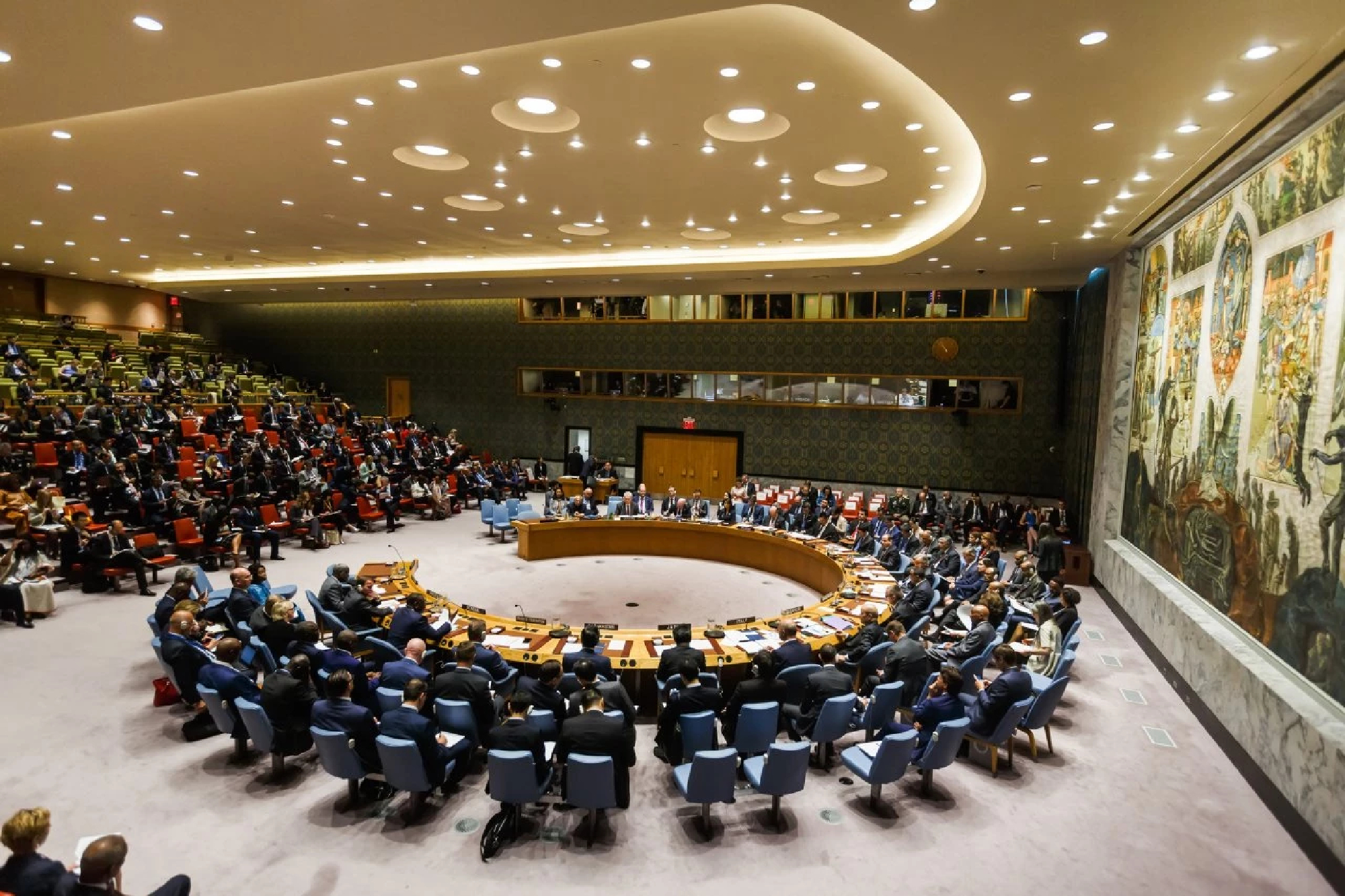
The United Nations Security Council plans to convene a session this week in response to North Korea’s latest projectile launch, a South Korean government official said Monday.

UN set to hold meeting on N. Korea's latest missile launch: Seoul official

It would be the second meeting of the council in about a week in connection with such a move by the recalcitrant regime.

Regarding the North’s test-launch of an apparent ballistic missile on Saturday, some members of the influential panel have requested closed-door discussions, and the meeting is scheduled to open on Monday morning (New York time), according to the foreign ministry official who requested anonymity.

“Our government is in close communication with major members of the Security Council including the United States,” the official added.

The North lobbed what appears to be a medium-range ballistic missile (MRBM) into the East Sea on Saturday in its ninth show of force this year alone, the South’s military said.

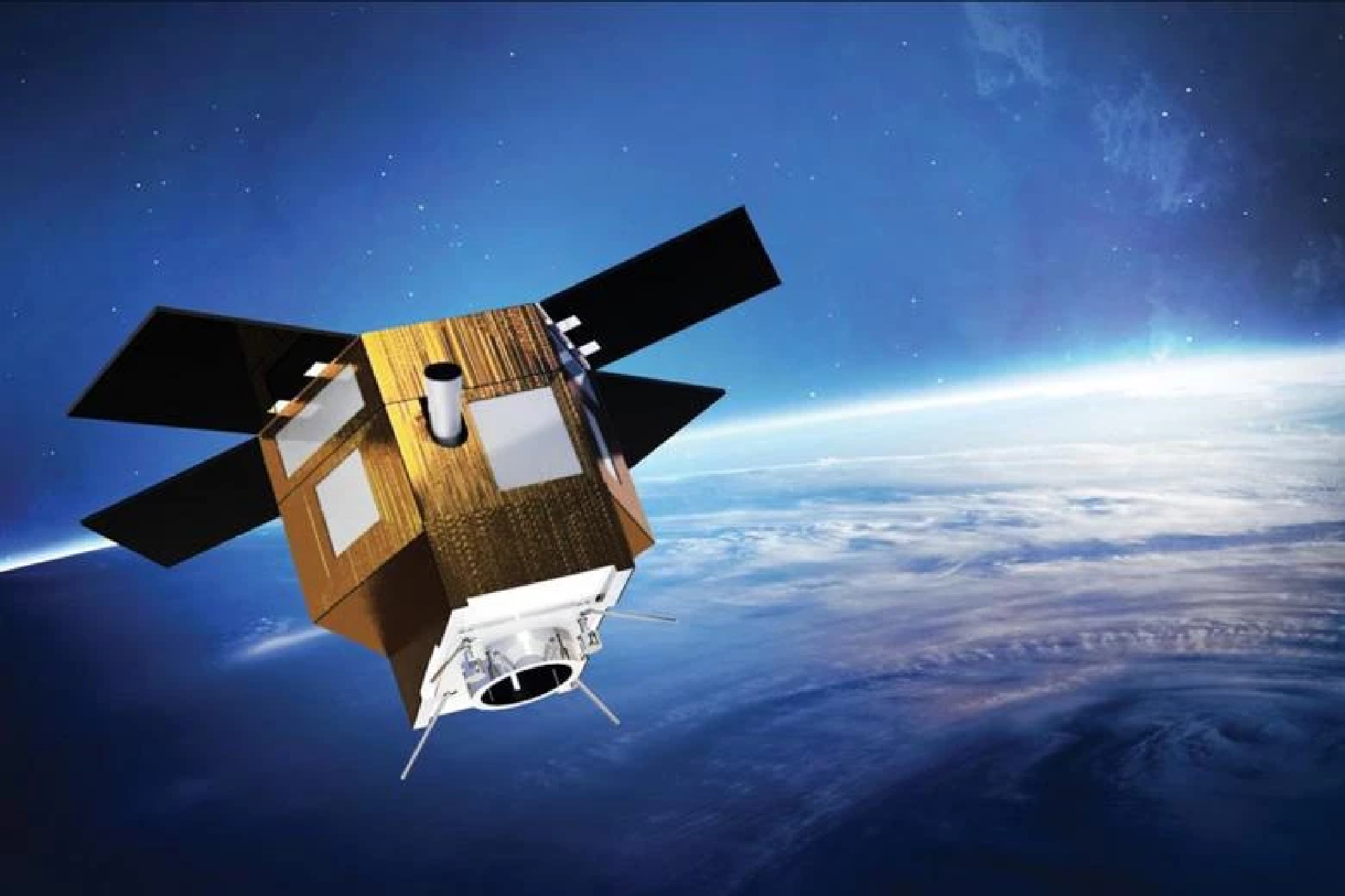
The following day, Pyongyang’s state media reported that the nation’s defense science authorities have conducted “another important test under the plan of developing a reconnaissance satellite.” (Yonhap)

Published : March 07, 2022

By : The Korea Herald

Rallies supporting Ukraine take place in various parts of Japan

#SootinClaimon.Com : ขอบคุณแหล่งข้อมูล : หนังสือพิมพ์ The Nation.

https://www.nationthailand.com/international/40013104


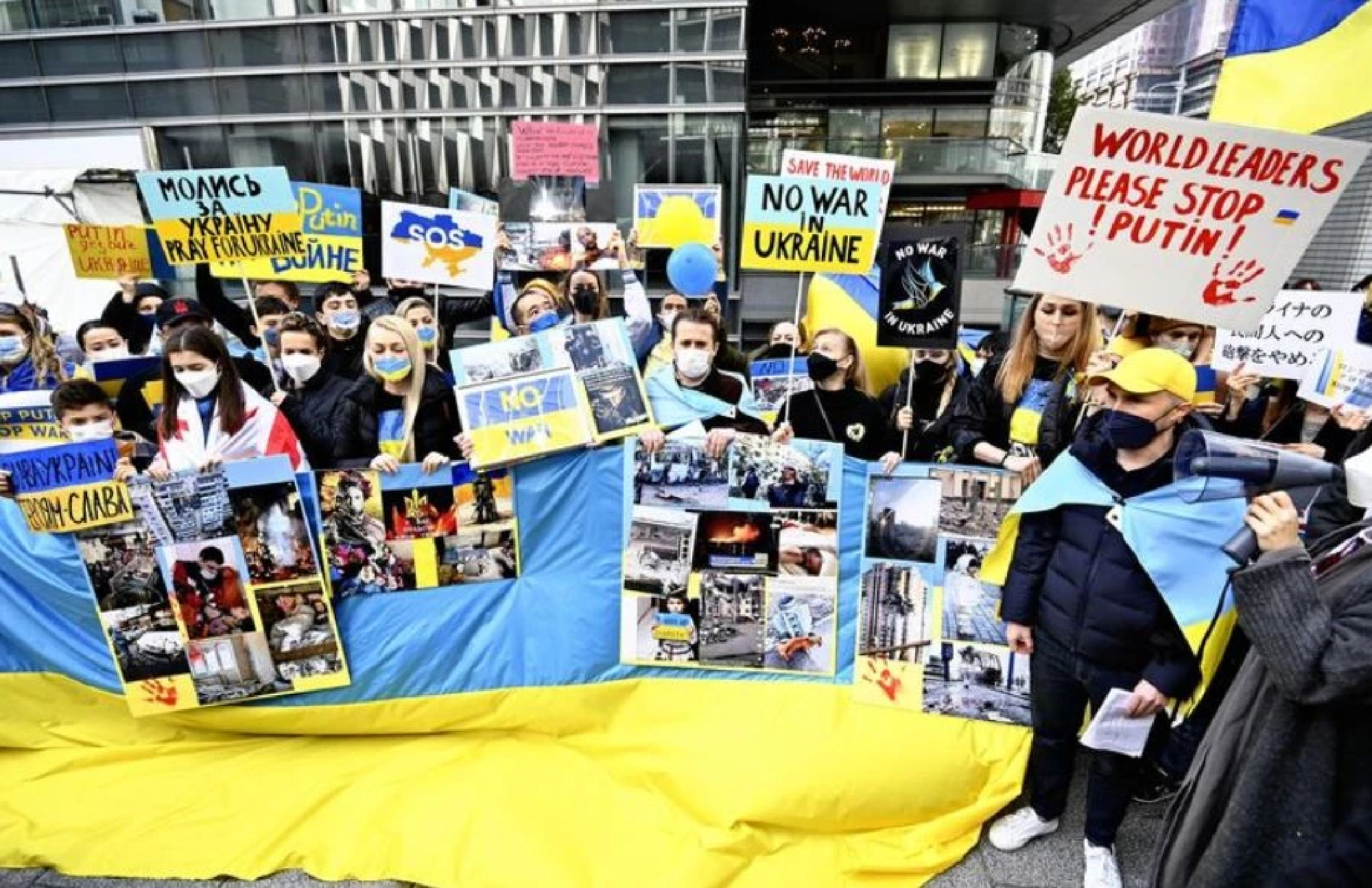
Rallies protesting Russia’s invasion of Ukraine were held in parts of Japan on Saturday, with Ukrainians living in Japan calling for the immediate withdrawal of Russian troops and tougher economic sanctions on Russia by the international community.

Rallies supporting Ukraine take place in various parts of Japan

About 300 Ukrainians and supporters in the Kansai region gathered in front of JR Osaka Station. After a moment of silence to mourn the victims, they sang the Ukrainian national anthem. One of the organizers, a 38-year-old Kobe resident, said: “Many civilians were killed in the one-sided invasion. If [Russian President Vladimir] Putin is not stopped now, the damage will spread throughout the world.”

In front of the Atomic Bomb Dome in Hiroshima, 120 people held a rally. Among those present was Irina Slotyuk, 43, who said: “It is unacceptable to terrorize the people with attacks on nuclear power plants. I communicate with my family on social media until late at night every day and I can’t sleep because I’m worried about them.”

In Shibuya and other areas of Tokyo, Ukrainians and supporters marched with “No War” signs.

Published : March 07, 2022

By : The Japan News

China-Israel ties bloom spectacularly

#SootinClaimon.Com : ขอบคุณแหล่งข้อมูล : หนังสือพิมพ์ The Nation.

https://www.nationthailand.com/international/40013103


JERUSALEM-China and Israel have seen bilateral cooperation develop and expand to their great mutual benefit since they established diplomatic relations in 1992, even though they are about 6,437 kilometers away from each other.

China-Israel ties bloom spectacularly

The two countries announced the establishment of an innovative comprehensive partnership in 2017, which opened a new chapter in their friendly cooperation. From Belt and Road cooperation to technology and innovation exchanges, China-Israel relations have achieved fruitful cooperation in various fields over the years.

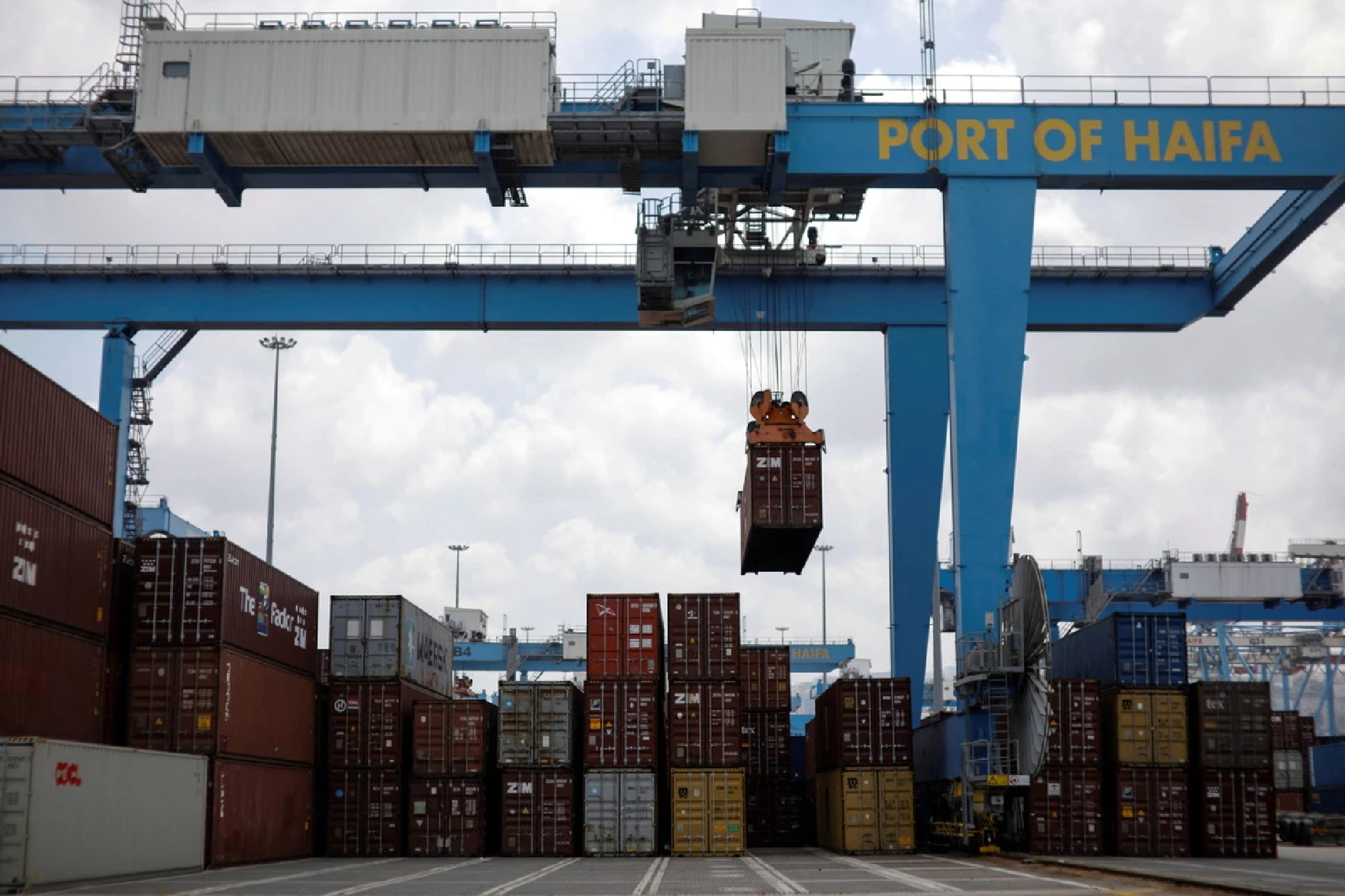
The new port in the northern Israeli city of Haifa, a transportation and industrial center of the country, deals with tons of cargo every day. Inaugurated in September 2021, the port is expected to decrease import costs and present an economic boon for Israel, where most international trade is handled via maritime routes.

The new port is an automated container port constructed primarily by Shanghai International Port (Group) Co Ltd, which was franchised to run the port for 25 years. With an investment of $1.7 billion, the port has an annual handling capacity of 1.86 million 20-foot equivalent units.

“The new port opened a new gateway to the world,” said Merav Michaeli, Israeli minister of transport and road safety, at the inauguration ceremony. The minister added the facility will accelerate Israel’s economic development, increase exports and trade, bridge social gaps and lower prices.

Supported by the Israeli government, the Haifa new port is a microcosm of win-win cooperation between China and Israel under the Belt and Road Initiative, aiming at building a trade and infrastructure network connecting Asia with Europe and Africa along the ancient Silk Road trade routes.

Data released by the Israeli Ministry of Transport and Road Safety showed the country is now investing $4-5 billion each year to upgrade its transport infrastructure and is building airports, seaports, railroad tracks, roads and tunnels, which reflects the huge complementarity of the respective economic advantages between the two countries.

Chinese companies have been handling major infrastructure and transportation projects in Israel in recent years, including winning the tenders to build new ports in Haifa and the southern Israeli city of Ashdod, as well as building a key section of the Tel Aviv light rail system.

Chinese companies and investment have brought tangible benefits to Israel. So far, over 30 Chinese enterprises are operating in Israel, creating around 10,000 jobs for the country, according to figures from the Chinese embassy in Israel.

“The Belt and Road Initiative is a vision that reflects the ability of people to connect and work together across the world, to build bridges for all peoples and eventually a better future for all,” said former Israeli president Reuven Rivlin.

During the past 30 years, innovation has been playing one of the leading roles in promoting China-Israel relations, especially after the establishment of their innovative comprehensive partnership in 2017.

“Israel is widely regarded as an innovation hub of the world, but the size of its economy is limited, while China is a giant economy with significant manufacturing power, which makes Israel and China the perfect match and highly complementary,” said Qiang Hao, general manager of the China-Israel Innovation Hub (Shanghai).

As China is transforming the economy to focus on quality-oriented development, innovation cooperation between China and Israel has started to span fields like modern agriculture, medical devices, cybersecurity and smart cities.

Eying China’s tremendous market, Israel is trying to form a long-term strategic relationship with the East Asian country. Supported by the two governments, more and more Israeli startups have obtained investment from China and access to its market.

The China-Israel Changzhou Innovation Park, the first experimental zone for innovation cooperation established by the two governments and inaugurated in 2015, is one example.

Located in East China’s Jiangsu province, the park provides physical proximity for Israeli firms to get funds and collaborate with Chinese companies in industrial research and development, becoming a prototype project for innovative cooperation between the two countries.

“By the end of 2021, the park had gathered 155 Israeli-owned and China-Israeli joint ventures and facilitated 40 China-Israel scientific and technological cooperation projects,” said Chen Shunming, deputy director of the management office of the park.

Another milestone in scientific cooperation between the two countries is the China-Israel Innovation Hub (Shanghai) inaugurated in 2019. Despite the COVID-19 pandemic, some 70 companies were attracted to operate in the innovation hub with an outcome of 200 intellectual property rights, according to Qiang, general manager of the innovation hub.

Focusing on design innovation, Israeli company GIAYO Studio began operating in the park in August. “I think we bring something new-new designs, new experience and new products-to our customers,” said Roy Grinfield, founder of GIAYO Studio.

“I think China is amazing at the moment. There are so many opportunities here. We’re currently recruiting and trying to grow the team because we have a lot of requests from new clients. We have big plans for 2022,” said Grinfield.

As President Xi Jinping said during a phone conversation with his Israeli counterpart, Isaac Herzog, in November, “Innovation has become a highlight and booster of bilateral relations.”

“A decade ago, very little was happening between our two countries. In the subsequent years, relations grew significantly on almost every front, from academic exchanges and cooperation to scientific collaboration and joint research, from business investment to infrastructure development,” said Carice Witte, founder and executive director of Sino-Israel Global Network & Academic Leadership, an Israeli policy organization that specializes in China-Israel relations.

Despite setbacks from the pandemic, the two countries have not stopped their efforts to enhance cooperation. Data from China Customs showed bilateral trade in goods between China and Israel reached $20.4 billion in the first 11 months of 2021, up 28.9 percent year-on-year.

China and Israel are also working on a bilateral free trade agreement, which will boost economic cooperation and bring more benefits to people and businesses from both sides. As the year 2022 marks the 30th anniversary of the establishment of their diplomatic ties, people from the two countries are looking forward to further cooperation in all areas for mutual benefit.

“I believe that Israel must develop a rational, wise and close relationship with China, which is a great friend and a leading country with growing influence,” said Yoav Kisch, a member of the Knesset, the Israeli parliament.

According to Chen, the China-Israel Changzhou Innovation Park will expand from 5 square kilometers to 72.8 sq km. “We will build the park into a model of innovative comprehensive partnership between the two countries and help apply the innovation resources and technological achievements from Israel to Chinese industries,” Chen said.

By Zhu Wenqian

Published : March 07, 2022

By : China Daily

Pakistan asked not to ‘condone’ Russia’s military intervention in Ukraine

#SootinClaimon.Com : ขอบคุณแหล่งข้อมูล : หนังสือพิมพ์ The Nation.

https://www.nationthailand.com/international/40013094


A seasoned former diplomat on Saturday advised the government not to condone the Russian military intervention in Ukraine, while others called upon Islamabad to take a leaf out of Beijing’s playbook and condemn ‘both sides’ in equal measure.

Pakistan asked not to ‘condone’ Russia’s military intervention in Ukraine

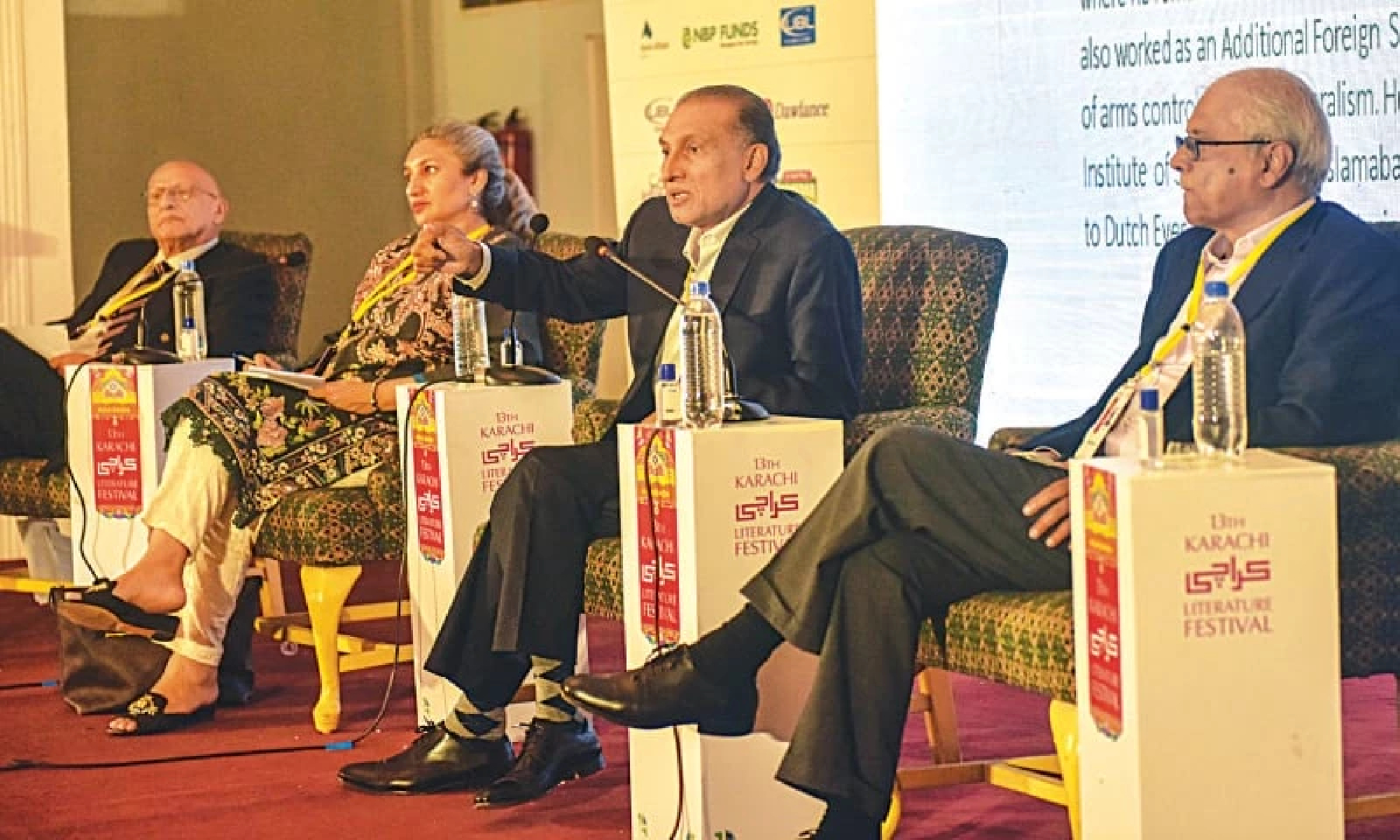
“Russia may have been provoked but we should not condone the military intervention in Ukraine,” said Aizaz Ahmad Chaudhry, who is now at the Institute of Strategic Studies in Islamabad.

During a discussion on ‘Pakistan’s Foreign Policy: Challenges In Transitional Era’, speakers at the 13th Karachi Literature Festival (KLF) urged the Pakistani government not to condone Russia’s ‘military intervention’ in Ukraine and asked them to learn a lesson or two from close ally China that had condemned the US for provoking and allegedly overlooking security concerns of Moscow. But at the same time, they recalled, Beijing had — in a way — criticised the invasion of Kyiv by saying that the ‘sovereignty of Ukraine should be respected’.

Talking about two schools of thought in foreign policy about ‘morality and realistic’, Mr. Chaudhry observed undermining the sovereignty and territorial integrity of any country could not be condoned. He recalled that it was due to this reason that Pakistan had condemned the regime change policy of Washington in Syria because it impinged on the sovereignty of Damascus.

“We should not support any illegal action against any country,” said senior journalist and author, Zahid Hussain. He suggested it was important for Pakistan to look into the position that China had taken about the Ukraine invasion.

Mr. Hussain believed Beijing had condemned the US but at the same time, it had called for respecting the sovereignty of Kyiv.

Another former envoy and anchor, Zafar Hilaly recalled the US broke the promise it made with the last ruler of the Soviet Union, Mikhail Gorbachev for not expanding Nato but it had expanded Nato more than double.

“Putin has done what the US did in Iraq when it (US) attacked Baghdad by using an excuse of ‘pre-emptive self-defence’,” he said.

Earlier, the former envoy said ‘unilateralism, violation of UN charter/global norms, competition among global powers like the US, Russia, and China, trade protectionism and treating immigrants as threats to security and economy were some of the aspects of transitional global politics.

In another programme, titled ‘Security Conundrum: Internal and External’, Dr. Haider Nizamani who teaches at IBA Karachi said the much-talked recent national security policy appeared to be ‘an advance course on human security as it did not tell us as to how to move away from geostrategic to geo-economic.

He opined that this shift on human security would not be possible unless the India factor was addressed and the said policy stressed that ‘normal ties’ with New Delhi would be possible only when the Kashmir dispute was addressed. He also criticised Prime Minister Imran Khan’s recent claim that he knew India better merely because he had been visiting it as a cricket player in the past.

Ms. Salma Malik, who teaches at the Department of Defence and Strategic Studies, Quaid-i-Azam University, Islamabad, called for adopting the careful policy for taking sides in wake of evolving rivalry between the US, Russia, and China, ‘as the environment is different and actors are different today.’

Dawn

Published : March 06, 2022