Return of the titans: 1,000 giant fish poured into Tonle Sap Lake

#SootinClaimon.Com : ขอบคุณแหล่งข้อมูล : หนังสือพิมพ์ The Nation.

https://www.nationthailand.com/international/40013092


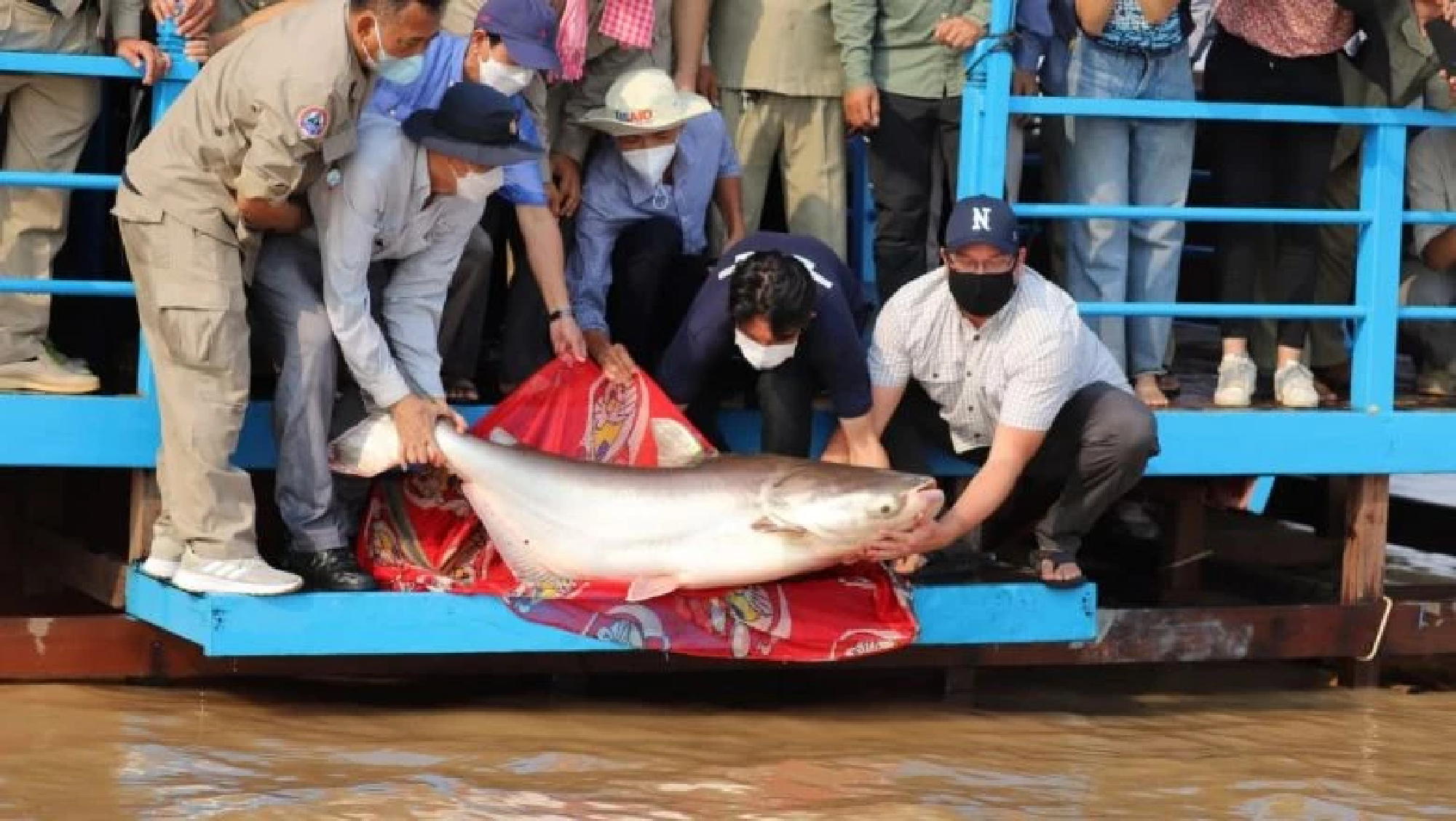
An international team of scientists and fisheries experts was set to release more than 1,000 sizeable fish into a Tonle Sap Lake fish reserve in Siem Reap over March 4-6. The operation aims to save some of the world’s largest species of fish that are regarded as iconic symbols of Cambodia.
Return of the titans: 1,000 giant fish poured into Tonle Sap Lake

Zeb Hogan, a US research biologist at the University of Nevada, Reno, said the move was “first step in an effort to restore populations of the Mekong’s largest freshwater fishes”, according to a March 4 press release from Wonders of the Mekong, a project funded by the US Agency for International Development (USAID).

“Fish reserves have been shown to be an effective tool to protect aquatic biodiversity and boost fish biomass. It’s one action, of many that are needed, to bring these species back from the brink of extinction,” said Hogan, who is also lead researcher for Wonders of the Mekong.

Among the species to be released are the critically endangered Mekong giant catfish (Pangasianodon gigas), a catch of which currently holds the record for the world’s largest freshwater fish at 293kg, although French marine biologist Daniel Pauly and other experts have claimed that it can weigh as much as 350kg.

Also represented is the endangered iridescent shark (Pangasianodon hypophthalmus), which is not a shark in spite of its name. The shark catfish species was once a regional staple food, but its numbers have drastically dropped over the years.

Then there’s the critically endangered giant barb (Catlocarpio siamensis), the world’s largest carp species. It was designated as the Kingdom’s national fish in March 2005 by Royal Decree No NS/RKT/0305/149 and is protected by Article 18, Chapter 2 of Royal Decree 33 on Management of the Fisheries Sector, adopted in March 1987.

“More than 1,000 individual fish will be released into a government-operated fish reserve, former fishing lot No 4 in the Tonle Sap Lake, a short drive and boat ride from the city of Siem Reap and the famous temples of Angkor Wat,” the release said.

Ranging in size from 0.3-1.6m, most of the fish are juveniles that have been raised by the Fisheries Administration (FiA), in partnership with Wonders of the Mekong. “By tagging the fish before their release, researchers will have a unique opportunity to study the animals’ survival, growth, and movement,” it said.

Ngor Peng Bun, fish ecologist and Dean of Faculty of Fisheries Science at the Royal University of Agriculture, said in the release: “The purpose of this event was to reintroduce captive-reared endangered fishes back to the wild and track their fate.

“We need to better understand the effectiveness of fish reserves as a refuge for threatened fish; this release today will inform future conservation practices, and help us understand whether such methods are effective in supporting the restoration of these species’ wild populations,” he said.

The release added that as Southeast Asia’s largest lake by surface area – but not by volume – and home to more than 300 species of fish, the Tonle Sap Lake “is a hotspot for freshwater biodiversity and a UNESCO Biosphere Reserve”.

“Historically, it has served as a crucial nursery ground for endangered giant fish and many other migratory fish populations in the Mekong River basin. In recent years, these fish have come under increasing threat from dam-building upstream, overfishing, and drought.

“To combat these threats to fish populations, a series of government-run fish sanctuaries and community conservation areas had been established in the Tonle Sap Lake, forming one of the largest networks of aquatic conservation zones in the world,” it said.

FiA director-general Poum Sotha said in the release: “The Cambodian government has taken action to establish fish sanctuaries, protect core areas of the Tonle Sap Biosphere Reserve, and formalise community fisheries and associated reserves – these actions made Cambodia an ideal place to initiate restoration of the Mekong’s endangered fish stocks.

“Today is part of a multi-year effort to test the efficacy of using Cambodia’s large network fish reserves for the reintroduction of captive-reared endangered fishes into the wild. The ultimate goal is to protect fish until they grow large enough to reproduce, to support fisheries and biodiversity,” he said.

Published : March 06, 2022
7 countries offer to solve Philippines’ power problems

#SootinClaimon.Com : ขอบคุณแหล่งข้อมูล : หนังสือพิมพ์ The Nation.

https://www.nationthailand.com/international/40013087


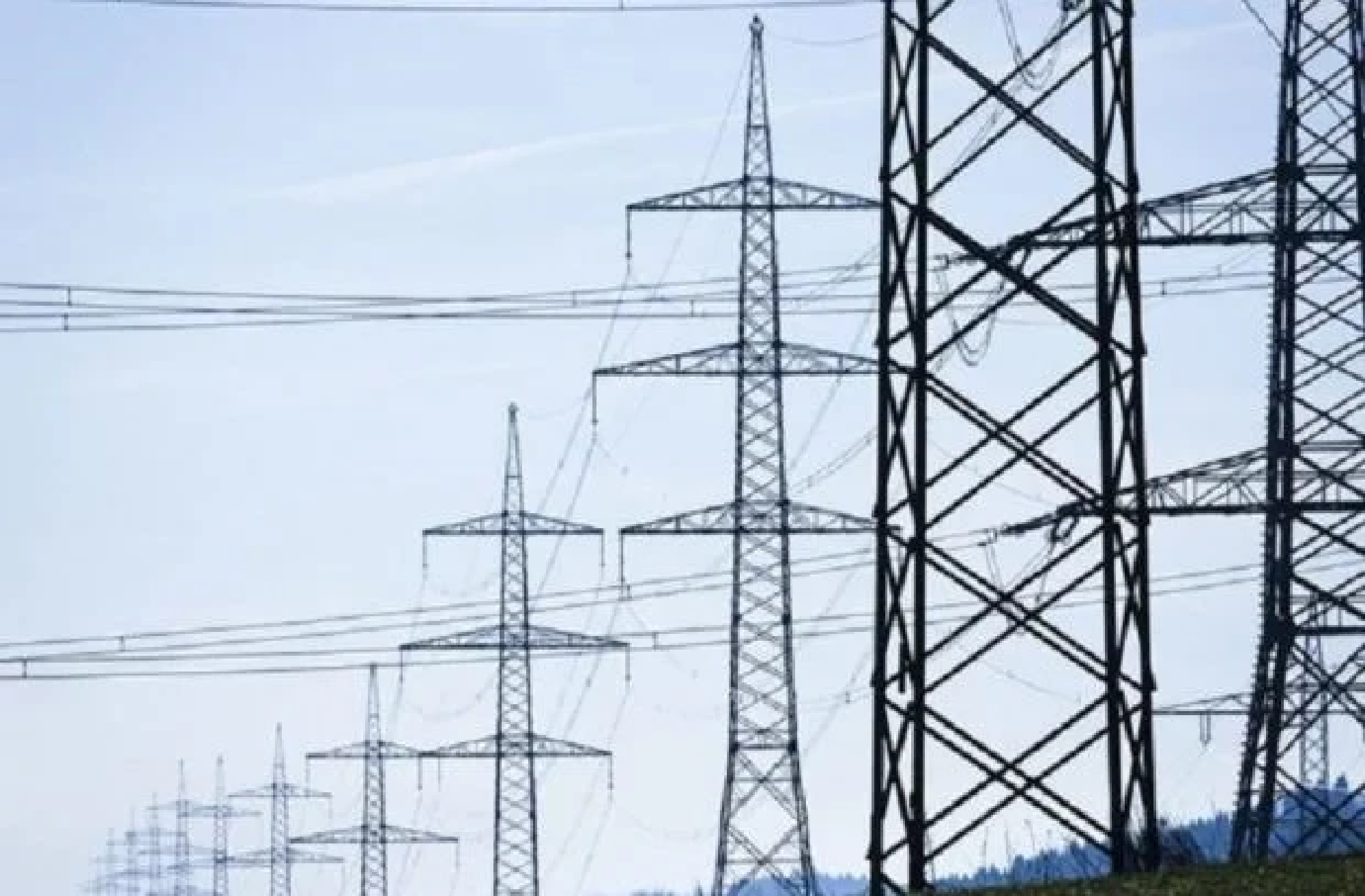
Even before President Rodrigo Duterte signed Executive Order No. 164 adding nuclear energy to the country’s power source mix, several countries had already offered to help the Philippines find a way to reduce the cost of electricity.

7 countries offer to solve Philippines’ power problems

Renowned geologist Carlo Arcilla, director of the Philippine Nuclear Research Institute (PNRI), said at least seven countries made offers to help tap nuclear energy to cut power costs that are the most expensive in Asia.


Arcilla, former director of the National Institute of Geological Sciences, identified the countries as the United States, Russia, Japan, South Korea, Argentina, France, and the United Kingdom.

But the most “concrete offer” was from South Korea, which offered to rehabilitate the mothballed Bataan Nuclear Power Plant (BNPP) for $1 billion at their own cost, Arcilla said.

“This will be part of future discussions among concerned government agencies on how do we deal with the offer by South Korea since they will be the one to spend money here,” Arcilla told the Inquirer in a phone interview.

Producing 24.5 gigawatts of nuclear energy from 23 reactors in 2021, South Korea is the sixth-largest nuclear energy producer in the world.

The other top nuclear power producers in the world are the United States with 91.5 GW, France 61.3 GW, China 50.8 GW, Japan 31.7 GW, Russia 29.6 GW, Canada 13.6 GW, Ukraine 13.1 GW, United Kingdom 8.9 GW, and Spain 7.1 GW.

Arcilla mentioned that Russia sent scientists to check on the BNPP, but the government is wary of initiating talks because of the sanctions imposed on Moscow for its invasion of Ukraine.

France and the United Kingdom also made similar offers to help in rehabilitating BNPP and even assisting the Philippines with its move toward nuclear energy.

Arcilla also disclosed that Argentina, which has been pursuing nuclear energy development since the 1960s, offered help in developing research reactors.

The BNPP, the country’s only foray into nuclear energy production, was conceived in the early 1970s and the American company Westinghouse Electric began construction in 1976. It was nearly completed when then-President Ferdinand Marcos was ousted in 1986.

It was never fueled because of public fears caused by the Chernobyl nuclear accident in 1986 and charges of corruption.

Arcilla, who has been involved in nuclear energy research for decades, said the significance of Executive Order No. 164 was that it reopens the nuclear option, even if it did not involve BNPP.

But he clarified that it will take years before a decision on rehabilitating BNPP or building another nuclear plant can be made.

He said the government would have to undergo a “tedious process,” including feasibility studies on location and technology as well as consultations with the International Atomic Energy Agency (IAEA).

“This is the most important thing here,” he said. “Nuclear energy is not just a so-so matter unlike natural gas, coal. In nuclear, we have to include the IAEA here.”

The Philippine Daily Inquirer
 

Published : March 06, 2022

S. Korea to release 4.42 mln barrels of oil reserves due to Ukraine crisis

#SootinClaimon.Com : ขอบคุณแหล่งข้อมูล : หนังสือพิมพ์ The Nation.

https://www.nationthailand.com/international/40013085


South Korea has decided to release 4.42 million barrels of strategic crude reserves to help bring down soaring energy prices and prevent a possible supply shortage amid tensions surrounding Ukraine, the industry ministry said Saturday.

S. Korea to release 4.42 mln barrels of oil reserves due to Ukraine crisis

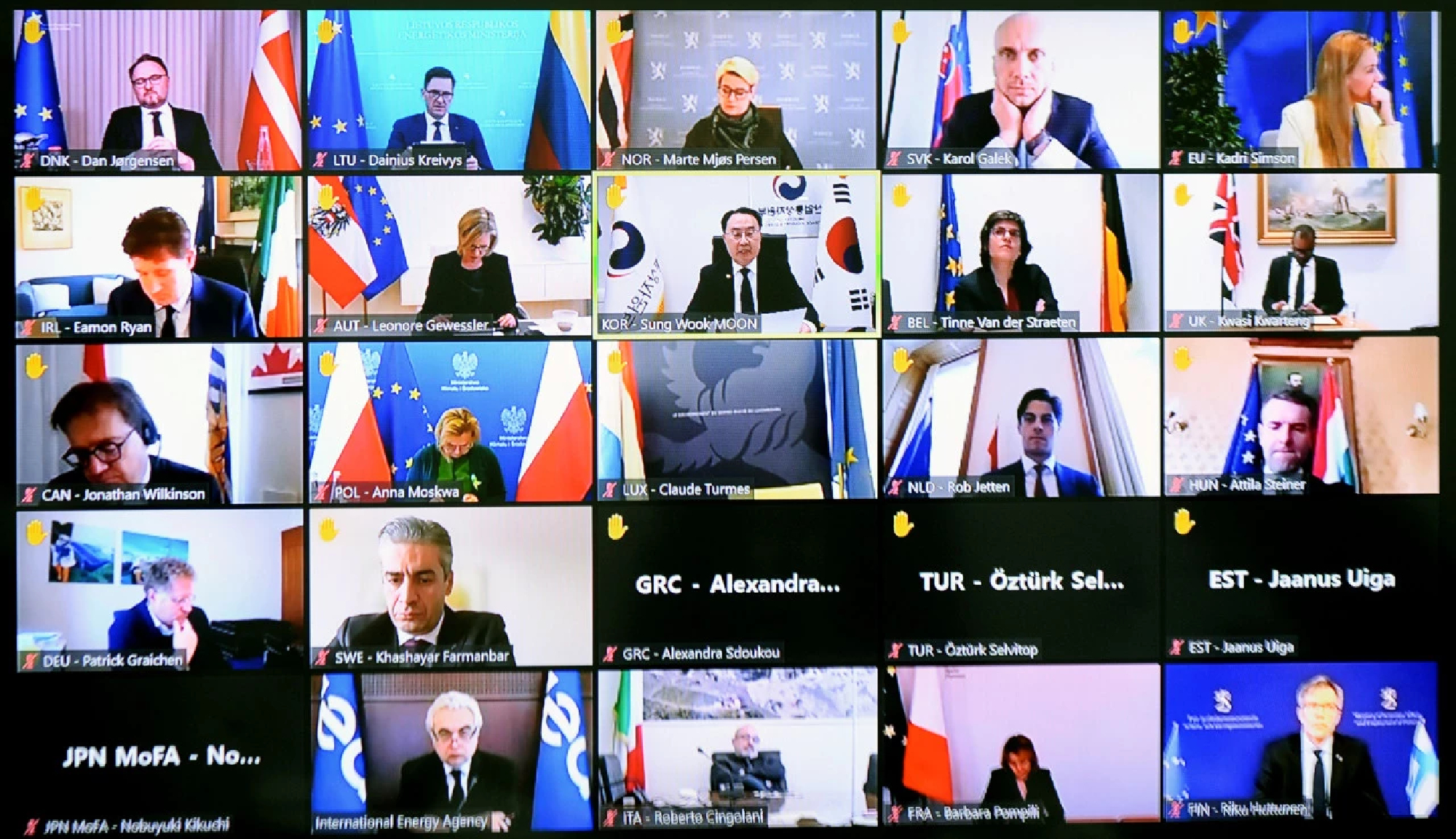
Earlier this week, 31 member nations of the International Energy Agency  agreed to release 60 million barrels of oil from their emergency reserves, as concerns have risen over a possible shortfall in global energy supplies and a further spike in prices due to Russia’s recent invasion of Ukraine.

Following consultations among the nations, the volume of oil to be released by South Korea was set at 4.42 million barrels, the Ministry of Trade, Industry and Energy said. The United States plans to release around 30 million barrels, accounting for about half of the total amount, it added.

South Korea took the similar step in December last year by releasing 3.17 million barrels of oil upon the U.S. request in the wake of high energy costs.
 

Prices of Dubai crude, South Korea’s benchmark, came to $108.84 per barrel Friday, up from $77.12 at the end of last year. South Korea depends mainly on imports for its energy needs.

“The decision aims to seek stability in the energy market both at home and abroad, and to express our solidarity with the U.S. and other member nations by sending a message that energy resources cannot be used as a geopolitical tool,” the ministry said in a release.
 

South Korea had around 97 million barrels of oil reserves as of February, an amount that can last 106 days without crude imports, according to the finance ministry.

The IEA has voiced concern over “the energy security impacts of the egregious actions by Russia,” which came amid already tight global oil markets, with commercial inventories reaching the lowest level since 2014.

Russia plays a major role in global energy markets as the world’s third-largest oil producer and the largest exporter.

The Korea Herald

Published : March 06, 2022

Hà Nội considers establishment of four new cities by 2050

#SootinClaimon.Com : ขอบคุณแหล่งข้อมูล : หนังสือพิมพ์ The Nation.

https://www.nationthailand.com/international/40013058


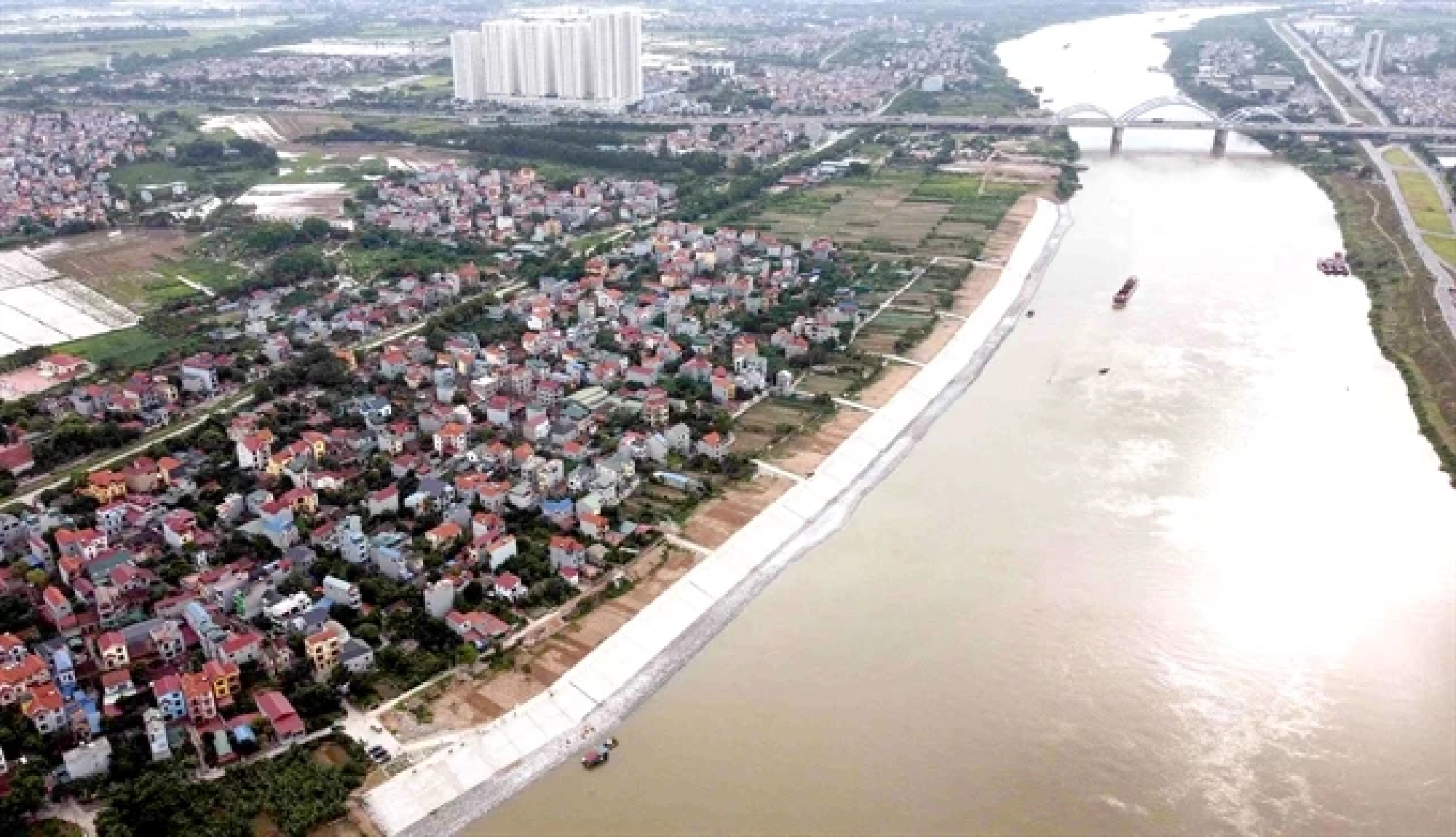
HÀ NỘI — Hà Nội’s administration is considering the creation of four cities in Đông Anh, Mê Linh, Sóc Sơn and Hoà Lạc by 2050.

Hà Nội considers establishment of four new cities by 2050

The aim of the proposal is the development of the northern and the western part of the capital, to create growth and a new look for urban development in the capital.

The move came about after the Party Committee of the capital People’s Committee submitted a report evaluating the Hà Nội Capital Region Master Plan, which was issued and implemented in 2011. The report proposed some new adjustments to the plan, with the goal of putting local people at the centre.

Under the new orientations, the Hồng (Red) River will be an axis of the city, and the areas on both sides of the river will be developed synchronously. The northern area of the river will be developed into a modern urban area.

The capital has also considered developing urban areas on both sides of Ring Road No 4 to effectively exploit land, helping surrounding areas to develop.

The Ring Road 4 project will have a length of 112.8km, starting at the Nội Bài – Lào Cai Expressway in Thanh Xuân Commune, Sóc Sơn District, and ending at the Nội Bài – Hạ Long Expressway in Quế Võ District, Bắc Ninh Province. 

The capital is also considering the establishment of another airport in the southern area of the capital.

The Hà Nội Capital Area, consisting of Hà Nội, Hải Dương, Hưng Yên, Vĩnh Phúc, Bắc Ninh, Hà Nam, Hòa Bình, Phú Thọ, Bắc Giang and Thái Nguyên, covers 24,314.7 sq.km with a population of about 20 million people.

The area is larger than both the Tokyo Metropolitan Area, which has an area of about 14,000 sq.km and a population of about 38 million and Bangkok Capital Area, which has an area of about 7,762sq.km and a population of 16 million people.

However, the capital currently only has Nội Bài International Airport, which has a capacity of about 25 million passengers per year. This is much lower than other capitals around the world. 

A representative of the Hà Nội’s Planning and Architecture Department told Tiền Phong (Vanguard) newspaper that the proposals are under consideration. 

In addition to urban planning, the mechanisms of the new cities near the capital are expected to promote and create momentum for development, he said.

“They are just initial ideas,” he added.

The city will consider the ideas based on the specific analysis and assessment of the socio-economic impact and the contribution of the new model to the capital’s development, he said.

The model of setting up a “city within a city” has been successfully applied in HCM City, he said.

Careful analysis needed

Ngô Trung Hải, Vice President of the Việt Nam Urban Planning and Development Association, said he applauded the model of “city within a city”.

It is a modern and advanced model, he said.

However, Hải said the most important thing is to build a suitable operating mechanism and legal corridor to provide motivation for new developments.

Clear regulations are needed on approving planning, projects, tax policy, budget spending and organisational structure, he said.

That is the shortcoming that Thủ Đức City under HCM City has been faced so far, he said.

“The operating mechanism is extremely important,” he said.

It is necessary to carefully assess the legal and scientific basis of the new model, he said.

“Why do we propose to place a new city in the northern or western part of the capital? What will we get from the areas?” he said.

“This is an issue that should be analysed very carefully because it is related to the requirements and criteria for urban development,” he said.

Trần Ngọc Chính, former Deputy Minister of Construction, said we should study and adjust the Hà Nội Capital Region Master Plan.

Based on that, there will be a more complete assessment of the model of “city within a city”, he said.

“Does Hà Nội need a city like Thủ Đức City in HCM City?” he said.

“In my opinion, it is something we should think very carefully on.” — VNS

Published : March 05, 2022

By : Vietnam News

India urges Russia, Ukraine to arrange local ceasefire to evacuate its citizens

#SootinClaimon.Com : ขอบคุณแหล่งข้อมูล : หนังสือพิมพ์ The Nation.

https://www.nationthailand.com/international/40013057


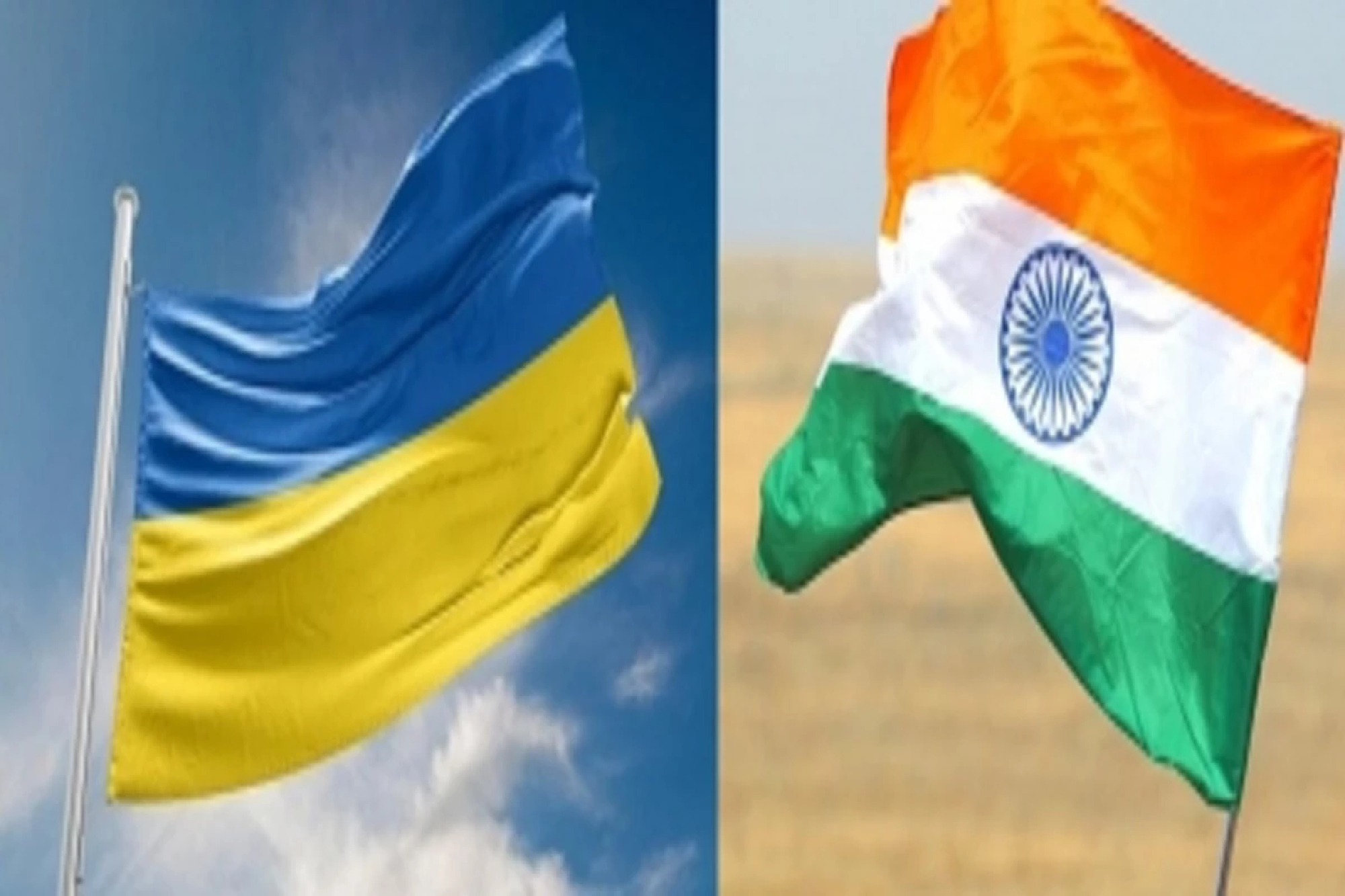
Rejecting President Vladimir Putin’s claim that Indian students were being held hostage by Ukrainian authorities, India today appealed to the two warring nations to arrange a ”local ceasefire” so that it could evacuate its citizens.

India urges Russia, Ukraine to arrange local ceasefire to evacuate its citizens

“We urge parties concerned to have a local ceasefire so that we can get our citizens back. Our primary focus remains on getting them (Indian citizens) back safe and sound,” Ministry of External Affairs (MEA) spokesperson Arindam Bagchi told reporters.

On Putin’s claim, he said; “We have already issued a statement yesterday…we haven’t heard of any Indian being held hostage.”

The spokesperson confirmed reports that an Indian student Harjot Singh was shot multiple times while trying to escape from Ukraine capital Kiev. “Our embassy officials are trying to reach him. The government will bear his medical expenses,” he added.

Regarding “Operation Ganga” to bring back stranded Indians from Ukraine, the spokesperson said a total of 18 more flights brought back 4000 Indians from the embattled country in 18 flights. So far, 48 flights have brought back about 10400 Indians from that country since the Russian invasion, he added.

The spokesperson said 16 more flights, including four of the IAF, were scheduled to bring back Indians from the countries neighbouring Ukraine. “With this, a vast majority of Indians who have crossed over from Ukraine would have been brought back home,” he added.

The spokesperson said some 700 Indians were still in Kharkiv, Ukraine’s second largest city, which has witnessed heavy shelling by Russian forces over the past few days.

On India’s humanitarian assistance to war-hit Ukraine, he said three tranches were being sent today.

Published : March 05, 2022

By : The Statesman

UN Human Rights Council to set up independent inquiry into alleged rights violations by Russia in Ukraine

#SootinClaimon.Com : ขอบคุณแหล่งข้อมูล : หนังสือพิมพ์ The Nation.

https://www.nationthailand.com/international/40013056


During a vote in the 47-member body today, 32 nations including Nepal voted in favour.

UN Human Rights Council to set up independent inquiry into alleged rights violations by Russia in Ukraine

Nepal has voted in favour of setting up an independent international commission to investigate the alleged human rights violations committed by Russia during the ongoing invasion of Ukraine.

Nepal was among 32 members at the 47-member UN Human Rights Council to vote for setting up the independent international commission after an urgent debate called by Kyiv on the Ukraine situation.

India and China abstained from voting, while Russia and Eritrea voted against.

Nepal on Friday voted in line with its support to the UN resolution on Wednesday to deplore and isolate Russia for its invasion of Ukraine.

Russian President Vladimir Putin on February 24 authorised what he called a special military operation in Ukraine.

Immediately after Russian forces invaded Ukraine, Nepal’s Ministry of Foreign Affairs called for all parties concerned to exercise maximum restraint not to escalate tension.

Earlier this week, Nepal had voted in favour of Ukraine’s call at the Council for an urgent debate on the situation in Ukraine and to condemn Russia’s military operation.

“The Human Rights Council has decided to urgently establish an independent international commission of inquiry as a result of Russia’s aggression against Ukraine,” the UN Human Rights Council tweeted on Friday.

Just ahead of the vote, Ukraine’s ambassador to the United Nations in Geneva, Yevheniia Filipenko, urged the Council to remember its “common duty to ensure accountability by mandating the documentation and verification of Russia’s crimes and identification of those responsible.”

Published : March 05, 2022

By : The Kathmandu Post

President Xi announces start of Winter Paralympics

#SootinClaimon.Com : ขอบคุณแหล่งข้อมูล : หนังสือพิมพ์ The Nation.

https://www.nationthailand.com/international/40013055


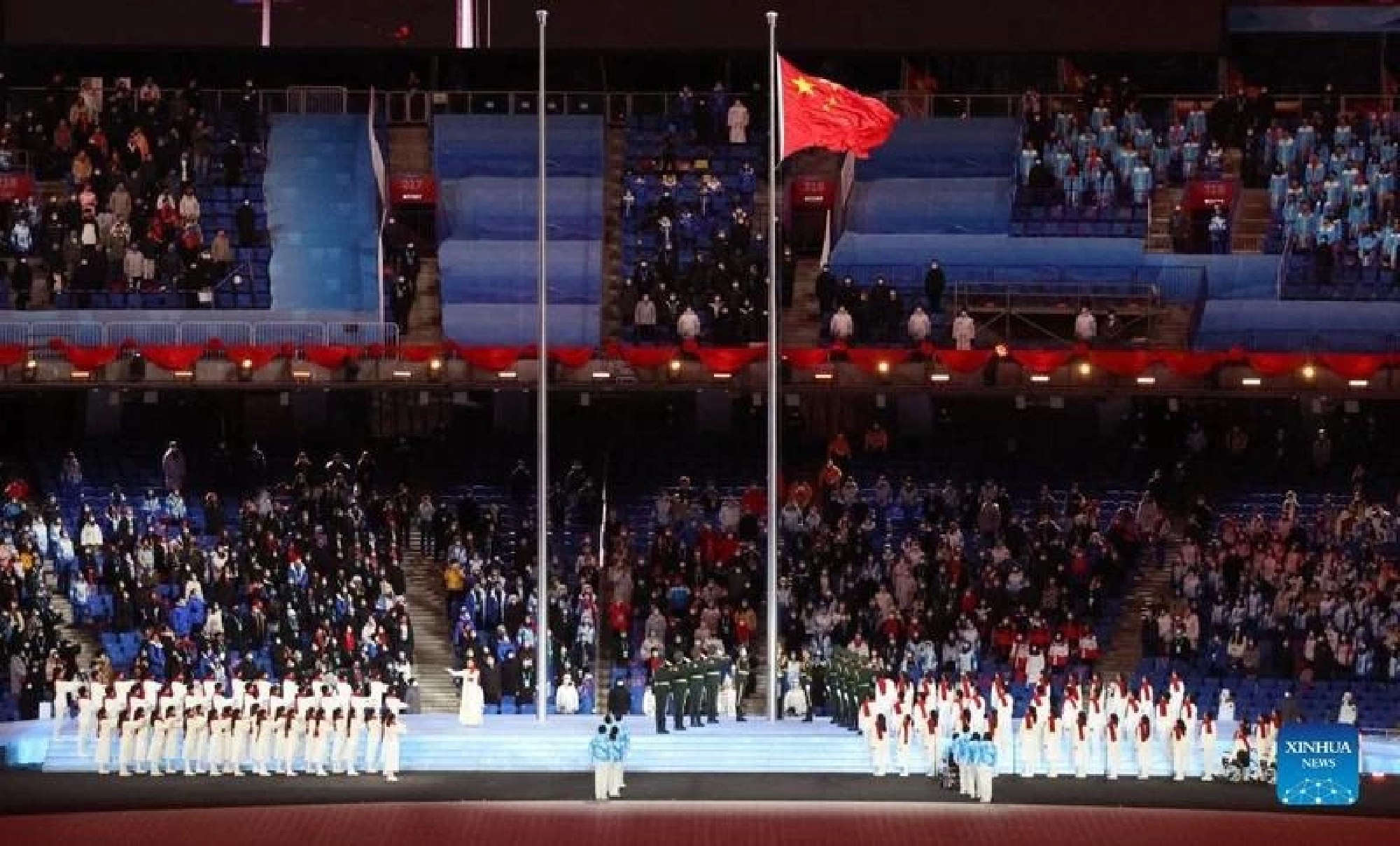
BEIJING – President Xi Jinping attended the opening ceremony of the Beijing 2022 Paralympic Winter Games on Friday night at the National Stadium in Beijing and declared the Games open.

President Xi announces start of Winter Paralympics

The opening ceremony started at 8 pm local time.  

The program is divided into 12 segments, including the parade of athletes and the lighting of the Paralympic cauldron. 

Themed “Inspiration,” the countdown performance had two parts – Looking back at the history of the Paralympic Games and the Inspiration of the Paralympic Spirit. 

The Beijing Winter Paralympics will run through March 13. 

The Paralympic cauldron for the Beijing 2022 Winter Games has been lit at the National Stadium. 

Li Duan, Paralympic long jump and triple jump champion at Athens 2004 and Beijing 2008, placed the torch in the middle of a giant snowflake-shaped cauldron which later ascended to the top of the stadium, after the torch was relayed among eight Paralympic athletes inside the stadium during the Games opening ceremony. 

The Paralympic flames collected in Stoke Mandeville, a village northwest of London that is recognized as the birthplace of the Paralympic Games, and eight other locations in Beijing and Zhangjiakou gathered to form the official flame for the 2022 Winter Paralympics at a ceremony held at the Temple of Heaven on Wednesday. 

Over the past three days, 565 torchbearers have participated in the torch relay in Beijing, Yanqing and Zhangjiakou competition zones. 

Published : March 05, 2022

By : China Daily

[South Korea] Early voting starts for 20th presidential election

#SootinClaimon.Com : ขอบคุณแหล่งข้อมูล : หนังสือพิมพ์ The Nation.

https://www.nationthailand.com/international/40013054


Record turnout expected from heated race between Lee and Yoon

[South Korea]  Early voting starts for 20th presidential election

Early voting started for the 20th presidential election on Friday, with candidates and political heavyweights casting their votes to encourage more voters to participate.

The National Election Commission on Friday opened early voting at 3,552 polling stations across the country, and eyes are on how high the turnout would be in the continued dead heat race between the two main candidates.

Polling stations will open from 6 a.m. to 6 p.m. Friday and Saturday. COVID-19 patients and those under self-quarantine are allowed to cast their ballots early if they arrive at a polling station between 5 p.m. and 6 p.m. Saturday.

By 1 p.m., the turnout for early voting reached 8.75 percent, or close to 3.87 million voters, out of the 44.2 million who are eligible. It is the highest-ever figure recorded for any elections in the same time slot.

Presidential nominee Lee Jae-myung of the ruling Democratic Party of Korea cast his vote in Jung-gu, central Seoul, telling reporters that he will win and “firmly open the path of unity, economy and peace.”

Lee is believed to have chosen the area near Gwanghwamun Square to appeal to voters that he will uphold the spirit of the candlelight demonstrations held in South Korea until 2017 to denounce former President Park Geun-hye and eventually led to her impeachment.

“I thought of the numerous people who held candles and gathered in Gwanghwamun and the city hall,” Lee said in a meeting with reporters after casting his vote.

“The criteria of selection in this presidential election are overcoming the economic crisis, bringing peace and pursuing unity.”

Lee’s main rival Yoon Suk-yeol of the main opposition People Power Party cast his vote in Busan before visiting the United Nations Memorial Cemetery in the city to pay tribute to soldiers who fought in the Korean War.

Friday marked exactly one year after Yoon resigned from his seat as prosecutor general in open defiance of the Moon Jae-in administration. He said he had decided to quit because it became impossible for him to execute the law “when free democracy, rule of law, justice and common sense crumbled down.”

Busan and its surrounding areas are touted as a hotspot for conservative voters in South Korea, but the region has seen support for the conservative faction and candidates fall in recent years as the Democratic Party increased its presence in the area.

Yoon’s move is seen as an attempt to appeal to these voters and assure that the People Power Party dominates votes in the area. The People Power Party also believes that a high early voting turnout will work in favor of Yoon, as it was the case for the conservative party in last year’s mayoral by-elections.

“Early voting is a must for the people to overturn the regime and find new hope,” Yoon told reporters after his visit to the cemetery. “I ask many to take part in early voting.”

Rep. Sim Sang-jung cast her vote in Seoul before heading to campaign rallies down south, telling reporters afterward that “this election is an election of grand transformation from a politics of vested interests to a multiparty coalition government of responsibility.”

Moon cast his ballot with first lady Kim Jung-sook inside a polling station in Jongno-gu, central Seoul, near the presidential office, encouraging people to head to the polls and exercise their voting rights.

Early voting is available for the March 9 presidential election and by-elections for five parliamentary seats.

By Ko Jun-tae

Published : March 05, 2022

By : The Korea Herald

Armed conflict intensifies in southeastern Myanmar, with more than 220,000 displaced between Feb 1, 2021 and Feb 21, 2022: OCHA MYANMAR

#SootinClaimon.Com : ขอบคุณแหล่งข้อมูล : หนังสือพิมพ์ The Nation.

https://www.nationthailand.com/international/40013016


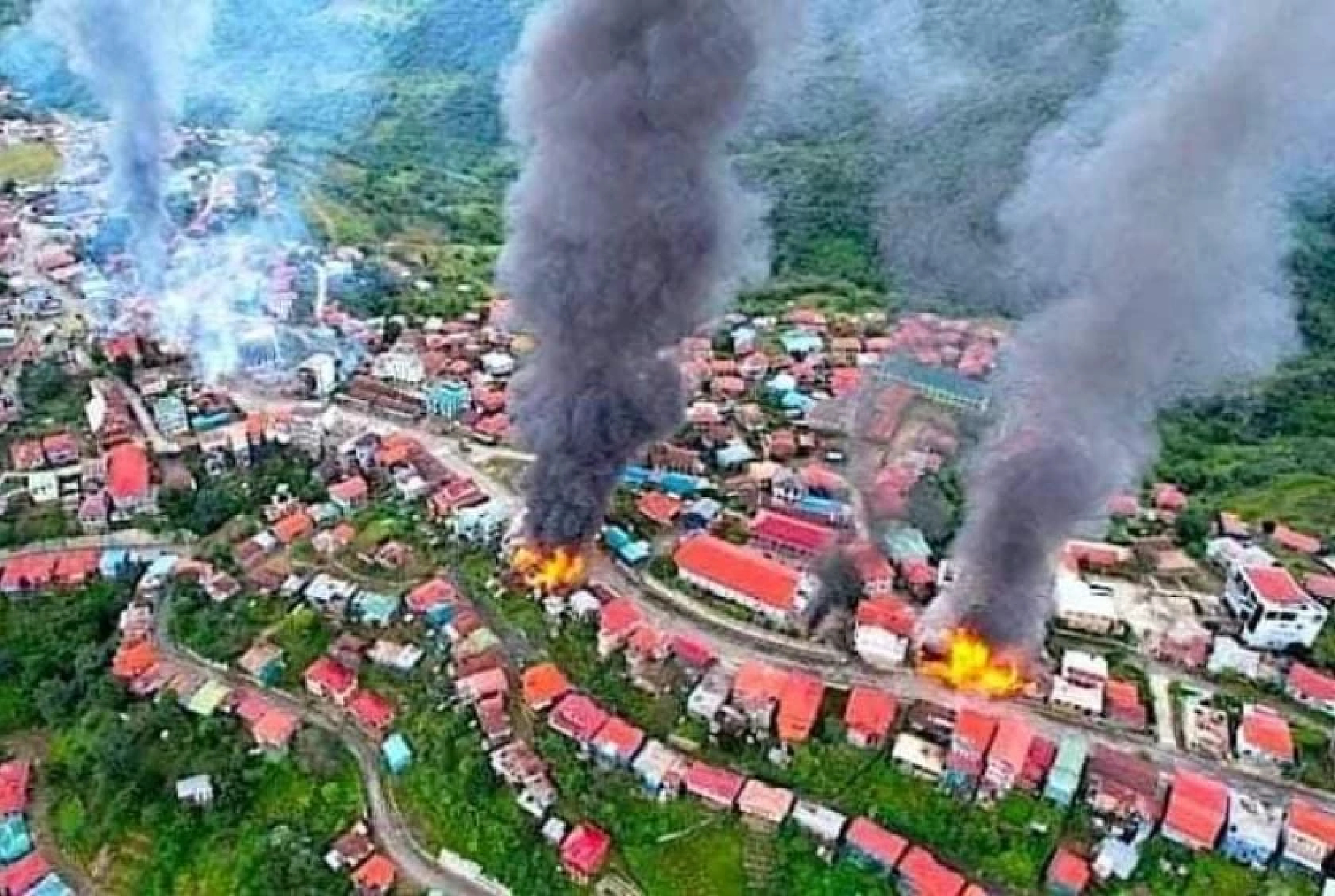
Armed conflict is raging in southeastern Myanmar, with 224,200 displaced between February 1, 2021 and February 21, 2022, according to the United Nations Office for the Coordination of Humanitarian Affairs (OCHA MYANMAR).

Armed conflict intensifies in southeastern Myanmar, with more than 220,000 displaced between Feb 1, 2021 and Feb 21, 2022: OCHA MYANMAR

According to the statement, armed clashes between Tatmadaw and ethnic armed organizations (EAOs), and People’s Defence Forces (PDFs) have escalated in southeast Myanmar. In Kayah State, about 3,370 people from Demoso and Pekon townships have been displaced and run away to Demoso in Kayah State and Hsihseng, Lawksawk, Pekon and Pinlaung townships in southern Shan State since February 16.

Furthermore, two days of unseasonably heavy rain on February 18 and 19 in Lay Kay Kaw area in Kayin State have inundated displacement sites sheltering around 5,000 IDPs. Humanitarian workers have been engaging with partners to respond to growing needs including food, medicine, and shelter. In parallel, more than 7,000 IDPs have returned to their places of origin, according to a statement from OCHA MYANMAR.

Among those returning are 4,740 people who have been displaced from southern Kawkareik Township in Kayin State since January 2022, as well as those who have been temporarily relocated from Loikaw Township in southern Kayah State to southern Shan State, according to OCHA MYANMAR.

According to a statement from OCHA MYANMAR, returns to Kayah State may be temporary given local conflict dynamics and re-displacement is possible.

According to the figures from the United Nations High Commissioner for Refugees (UNHCR), as of February 21, 224,200 people remain displaced from clashes and insecurity since February 1, 2021 in the southeast.

There are 92,400 IDPs in Kayah State, 68,400 IDPs in Kayin State, 60,500 IDPs in southern Shan State, 7,500 IDPs in Mon State, 2,600 IDPs in Tanintharyi Region, and 800 IDPs in Bago Region, the statement said.

Published : March 04, 2022

By : Eleven Media

Ukraine crisis may increase global chip woes

#SootinClaimon.Com : ขอบคุณแหล่งข้อมูล : หนังสือพิมพ์ The Nation.

https://www.nationthailand.com/international/40013015


Conflict between Moscow, Kyiv likely to interrupt vital world supply chains for semiconductors

Ukraine crisis may increase global chip woes

The Ukraine crisis may exacerbate the global chip shortage, as Ukraine and Russia are an important part of semiconductor supply chains.

Russia produces 35 percent of palladium and Ukraine makes more than 90 percent of the world’s supply of neon gas, according to estimates from consulting firm Techcet. Both materials are critical to semiconductor manufacturing.

Neon gas is used to power the lasers that etch patterns into computer chips, while palladium is used in sensors and memory, among other applications.

The Ukraine crisis comes as the semiconductor industry has already endured more than a year of a worldwide shortage of chips, which has hurt a wide range of industrial sectors, with carmakers hit particularly hard.

Companies have suffered from higher costs of materials and lengthy delivery times for equipment and materials due to the impact of the coronavirus pandemic.

The White House has warned chipmakers of a supply shortage and asked them to diversify their supply chains in case Russia retaliates against US export curbs by blocking access to key materials, Reuters reported.

If the conflict escalates, Techcet said, it’s possible that neon exports from Ukraine would be affected and Russia could use its palladium exports as leverage against trade sanctions.

But big semiconductor companies said they expected limited supply chain disruption from the Ukraine crisis. Micron Technology, a memory chip maker, said in a statement that reports of potential disruption of the supply of noble gases, particularly neon, are of concern to the semiconductor industry, but it has diversified sourcing for all of its noble gases.

Intel Corp said it was not anticipating any impact to the neon supply, and South Korean chipmaker SK Hynix also said it has sufficient supplies of neon.

The Semiconductor Industry Association, representing nearly all US semiconductor companies, said that “the semiconductor industry has a diverse set of suppliers of key materials and gases, so we do not believe there are immediate supply disruption risks related to Russia and Ukraine”.

Analysts said big chipmakers usually have higher levels of inventory, but small and mid-sized companies have fewer resources and they would feel the tightness of supplies.

If the Russia-Ukraine conflict drags on, chipmakers will feel the impact, and this will likely result in higher chip prices, according to a Moody’s Analytics report.

Techcet estimates that demand for all these materials will rise by more than 37 percent over the next four years, based on recently announced expansion plans by Intel, Samsung and TSMC in three US states.

Industry experts warn that the shortage of semiconductors will have a ripple effect on other industries, causing a consequent increase in costs for the automotive, electronic appliance and smartphone industries, among others.

Energy prices are also expected to remain high, as the European Union relies on Russia for more than a third of its natural gas supply.

In addition, Ukraine is the world’s largest exporter of wheat, and together Ukraine and Russia account for a quarter of global wheat exports. Disruptions to the global wheat supply could lead to higher food prices and threaten social stability, analysts said.

Wheat futures trading on the Chicago Board of Trade on Tuesday hit their highest levels since the global financial crisis in 2008, in response to the Ukraine crisis.

By LIA ZHU in San Francisco

Published : March 04, 2022

By : China Daily