MEA urges caution due to danger of electric shocks in rainy season
Oct 20. 2020
By THE NATION
The Metropolitan Electricity Authority (MEA) has advised people to beware of electric shocks during the rainy season, as thundershowers and floods could increase the risk.
Boonthin Aimyanyao, Occupational Health, Safety and Environment director at MEA, said that during the rainy season the risk of electrical shock becomes greater, and advised users to be more cautious.
“Electrical users must make sure that the power lines, main switch, breakers, ground lines and appliances in their home are in good condition and safe from water damage. Most importantly, avoid touching electrical appliances when your body is wet,” he said. “If the floodwater is about to enter your house, immediately turn off the main switch if you live in a one-storey house. If your house has two storeys, then release the breaker on the subcircuit of ground floor and outer building.”
“Rainy season is also a risky time for street food vendors who usually set up power lines and appliances in outdoor settings,” he added. “Make sure that the vending area is dry and high enough from flood that might occur and check the condition of power lines and electrical appliances before using them outdoor. Also, avoid placing powerlines on a steel structure that might get wet when it rains.”
To report damaged power lines or other electrical equipment, contact MEA branch offices or MEA Call Centre 1130, Twitter: @MEA_news, Line: MEA Connect, Facebook: @Metropolitan.Electricity.Authority or download the “MEA Smart Life” mobile app, available for both Android and iOS users at https://onelink.to/measmartlife.
MEA organises community service activity in Nonthaburi community
Oct 19. 2020
By THE NATION
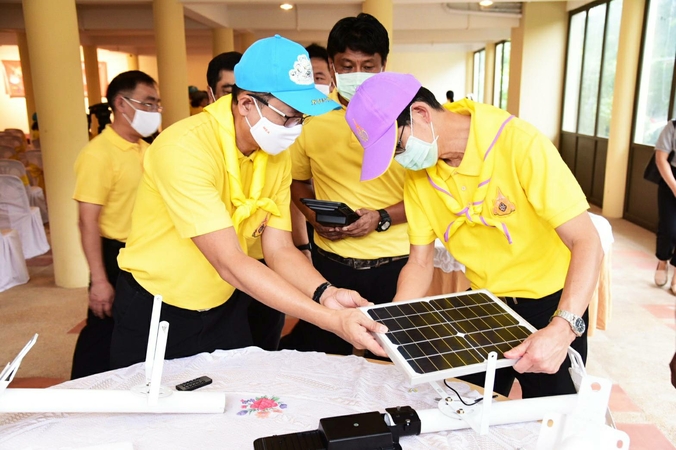
The Metropolitan Electricity Authority (MEA) on October 17 launched a community service campaign to commemorate the death anniversary of two kings in October, King Bhumibol Adulyadej the Great on October 13 and King Chulalongkorn on October 23.
The “MEA’s Community Service on National Holidays” was organised at Wat Bangchak community in the Pakkred district of Nonthaburi province.
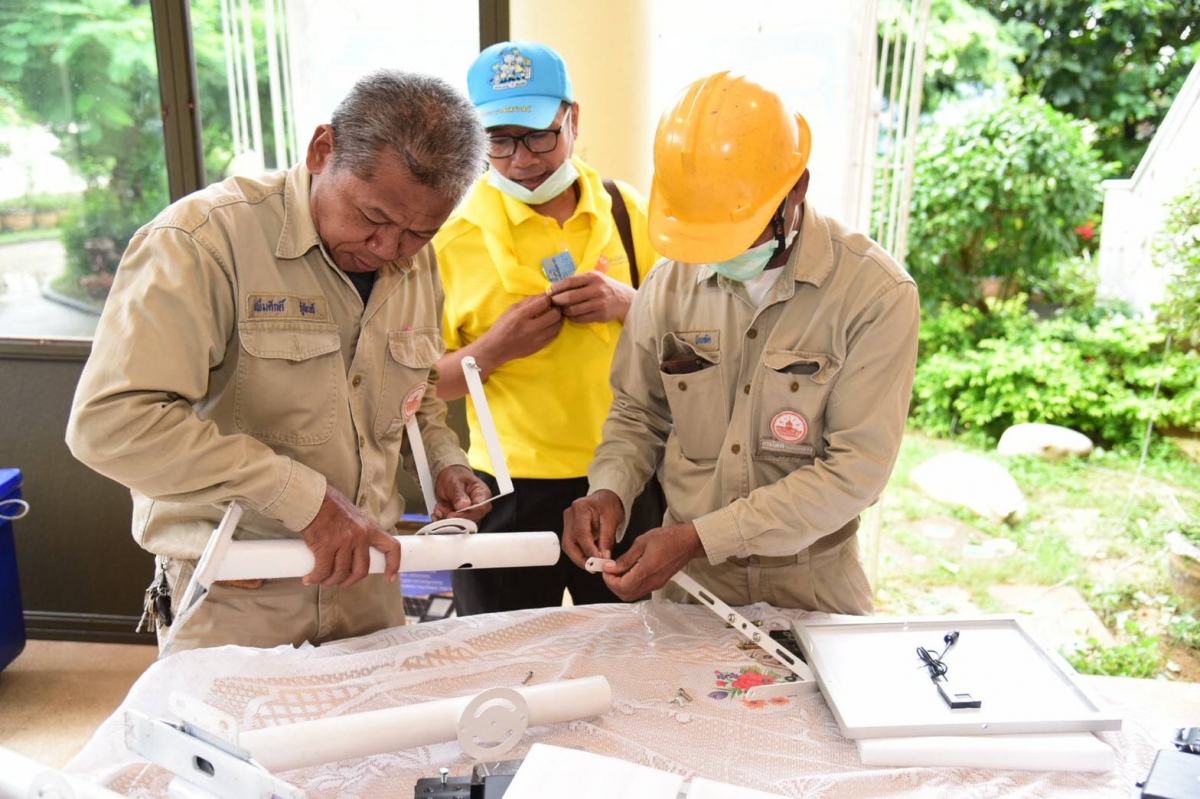
“MEA staff as well as volunteers from the community have been working together to clean up the public venues of garbage, install solar-powered streetlights, as well as provide maintenance service for people’s electrical appliances,” said MEA governor Keerapat Jiamset. “We focused on replacing rubber door seal on refrigerators, which will greatly help save energy expenditure in each household.”
MEA technicians also provided training courses on electrical safety and giving first aid to victims of electrical shock to community representatives to raise awareness of electrical safety during the rainy season.
CP Foods wins five Asian Excellence Awards this year
Oct 19. 2020
By THE NATION
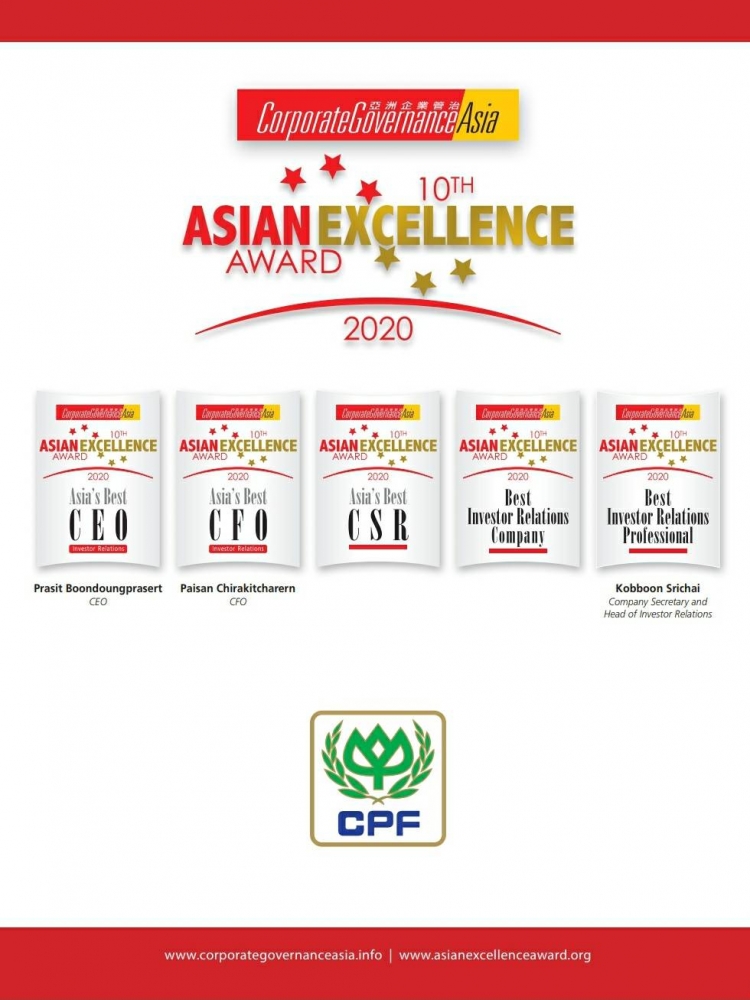
Charoen Pokphand Foods (CP Foods) won five Asian Excellence 2020 awards this year in recognition of its achievements and excellence.
The awards championing sustainable and environmentally friendly corporate governance are handed out yearly by the Hong Kong-based magazine “Corporate Governance Asia”. This is the 16th year this ceremony has been held.
Prasit Boondoungpraser, CP Foods chief executive office, won the Asia’s Best CEO award for his leadership in leading the company towards sustainable growth and equitable responsibility for society, investors and stakeholders.
Paisarn Chirakitcharern, CP Foods’ chief financial officer, was recognised for his financial management skills at a time of volatility. Under his stewardship, CP Foods has stood out in terms of debt management, financial performance, business planning and strategic procurements.
Kobboon Srichai, company secretary and chief of the Investor Relations Office, was named Asia’s Best Investor Relations Professional for her skills in communicating with investors.
Charoen Pokphand Foods was named Asia’s Best Investor Relations firm for its standards in transparently disclosing information to not just regulators but also all stake holders.
CP Foods was also named the Best CSR Company for following sustainability standards based on the pillars of food security, self-sufficient society and balance of nature. It was also recognised for its measures to protect employees and improve their quality of life.
The food industry giant also stepped in to lend a helping hand in the initial stages of the outbreak through the “Food from Hearts against Covid-19” campaign, in which food was delivered to medical personnel, health volunteers, returnees under quarantine and poor communities.
The Asian Excellence Awards are bestowed to organisations and leaders who demonstrate corporate governance in countries across the region, including China, Hong Kong, India, Japan, Korea, Indonesia, Malaysia, the Philippines, Singapore, Taiwan, Thailand and Vietnam.
Siam City Insurance rebranded as FWD after acquisition
Oct 16. 2020Siam City Insurance’s successful rebranding as FWD General Insurance was announced at a press conference led by Bob Wouters – CEO, second from the left.
By The Nation
Siam City Insurance (SCI) has changed its name to FWD General Insurance, after the latter acquired the insurer in December 2019.
SCI’s policies will now be underwritten and delivered by FWD General Insurance, with a strong focus on digital insurance to meet changing demand.
“We’re thrilled to build out our general insurance business with this rebrand and look forward to creating a new and exciting insurance experience to help more people in Thailand protect things they value,” said Bob Wouters, CEO of FWD General Insurance, Thailand.
Existing customers of SCI will not be affected by the rebrand and will continue to receive protection, benefits and customer services in accordance with the terms of their policies, said FWD.
Dhipaya wins top honour in Prime Minister’s Insurance Awards
Oct 16. 2020
By The Nation
Dhipaya Insurance was awarded the first prize for “Best Administration in Non-Life Insurance 2019” in the Prime Minister’s Insurance Awards 2020.
Somporn Suebthawilkul
Dhipaya managing director Somporn Suebthawilkul received the award from Finance Minister Arkhom Termpittayapaisith. The winners were selected by the Office of Insurance Commission, based on professional administration by insurance companies, performing at full capacity, having stable financial status and excellent corporate governance. The awards aim to encourage the companies to maintain their standards in conducting business and serving the people.
The awards ceremony, which Dhipaya Insurance said was an event of great pride and satisfaction for its executives and employees, was held at Centara Grand at Central Plaza Ladprao Bangkok.
CP Foods strikes public-private pact to preserve forests
Oct 15. 2020
By The Nation
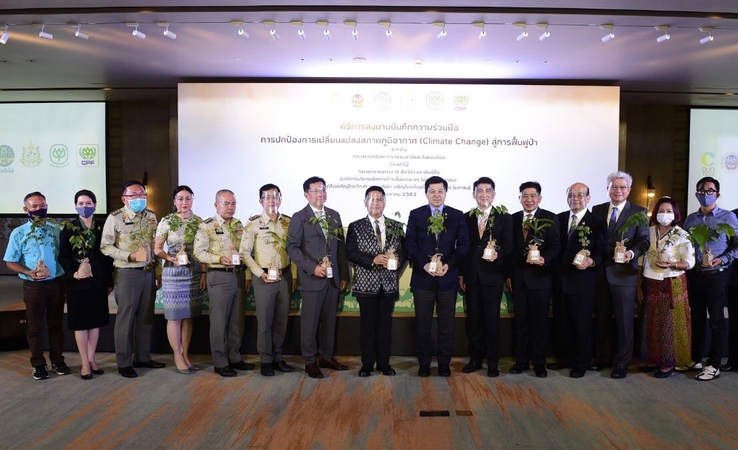
The government has signed a cooperation pact on “Climate change prevention through Forest Rehabilitation” with Charoen Pokphand Foods (CP Foods) to preserve and rehabilitate 26,000 rai of terrestrial and mangrove forest.
The pact’s signing was presided over by Natural Resources and Environment Minister Varawut Silpa-archa and CP’s CEO Suphachai Chearavanont.
Under the agreement, the ministry’s Royal Forest Department and the Thailand Greenhouse Gas Management Organisation (TGO) will join with CP Foods to rehabilitate three areas: 7,000 rai under CP Foods’ “Rak Ni-Ves Project” at the Pasak watershed, Khao Phraya Doen Tong in Lop Buri province, from 2021 to 2025; 14,000 rai under CP Foods’ “Grow-Share-Protect Mangrove Forestation Project” in the Gulf of Thailand, Samut Sakhon province, from 2019 to 2023; and 5,000 rai of green areas at CP Foods’ premises.
Varawut said the pact would support Thailand’s development in the long term by helping the country meet international efforts to reduce greenhouse gases (GHGs) for sustainable growth of the economy, society and the environment.
“Climate change is closer than we think. To effectively mitigate the impacts demands collaboration from all parties,” Varawut said.
He added that CPF’s forest rehabilitation in the Pasak watershed and Gulf of Thailand in Samut Sakhon will help restore the balance of nature, since mangrove forests act as natural carbon dioxide sinks, erosion barriers and marine habitats. The projects would serve as an example for forest rehab in other parts of the country, he said.
WHA Group launches e-commerce park in boost to industrial tech
Oct 14. 2020Chairwoman and Group CEO Jareeporn Jarukornsakul, centre
By The Nation
WHA Corporation PCL, or WHA Group, a company offering fully integrated logistics and industrial facilities solutions, recently launched the country’s first WHA E-Commerce Park.
With a building area spanning more than 200,000 square metres, the new facility is located along Bang Na-Trad Road in Chachoengsao’s Bang Pakong district.
The park offers advanced features, such as loading doors, truck yards, automation technology, robotics and smart logistics to facilitate all forms of e-commerce activities and operations. It is expected to enhance the country’s role in cutting-edge distribution system and online trade services.
“The opening of our first WHA E-Commerce Park represents a significant milestone for our group,” said chairwoman and Group CEO Jareeporn Jarukornsakul.
“It reaffirms the strategic role we play in the logistics industry in the EEC [Eastern Economic Corridor], as well as our commitment to support and enhance the development of Thailand’s industrial technologies in the near future,” she added.
With the addition of this park, WHA will control 2.56 million square metres by the year-end in various logistics facilities in the country, including built-to-suit facilities, ready-built factories and warehouses.
10 changing roles of internal audit after Covid-19 outbreak
Oct 13. 2020Kaysarin Angkanurakbun
By Kaysarin Angkanurakbun
Special to The Nation
As organisations adapt to dealing with the coronavirus outbreak and impact, internal audit (IA) functions have an important role to play to continue to provide critical assurance; help advise management and the board on the shifting risk and controls landscape; and help anticipate emerging risks.
The plans that organisations are putting in place to contain and respond to the outbreak are likely to be in place for a period of time. IA should be prepared to adjust to this period in a sustainable way and adapt to this ‘new normal’. It is important that IA is proactive and prepared, while remaining pragmatic, as the situation continues to evolve.
As such, IA functions should consider 10 changes in the role of IA. However, contents in this paper should not be considered comprehensive or definitive as the pandemic is evolving.
1. Re-calibrate its approach to cyclical audit planning and coverage of risk .
IA should consider adopting an agile portfolio management approach, eg agile audit planning in time-boxed sprints and continually updating backlog of the audit to be undertaken when goals are clear and resources are in place.
2. Adjust its coverage to ensure that it takes a pragmatic and balanced consideration of risk.
Due to the changing risk landscape, it is imperative that IA collaborate with key stakeholders to understand any new and/or elevated risks, and to assess how best to support with the provision of assurance.
3. Continue to deliver its ongoing assurance activities without disrupting critical operational areas at a time of crisis, for example:
▪︎Remote working to perform the audit, and what, if any, impact remote-working has on the assessment of the control environment being considered, and practicalities of how the audit will be undertaken with all key stakeholders;
▪︎Adopt and/or increase the use of new technologies to deliver work, such as Microsoft Teams, Skype or Zoom for virtual meetings/workshops;
▪︎Accelerate the deployment of analytics to deliver IA work remotely, increase coverage, focus on outliers, and reduce business interruption, whilst still providing valuable insights and assurance.
4. Work more closely with other assurance providers to reduce disruption to the business.
In these times of reduced management and organisational bandwidth, IA functions should seek opportunities to reduce overlap with other assurance providers including external audit, compliance, and enterprise risk management.
5. Avoid having to deliver a large part of the IA plan later in the year when capacity will be under pressure and get more involved now whilst they have time, for example:
▪︎Whether work can be performed remotely, leveraging technology available to them, and, if necessary, agree on amended or reduced scopes of work and have face-to-face meetings later when social distancing allows;
▪︎Prioritise providing assurance over emerging risk areas;
▪︎Where it is necessary to cancel and/or defer work, discuss with the board and formally agree with the audit committee if IA resources can be re-purposed to support with projects, critical activities or initiatives in response to Covid-19.
6. Provide an objective voice and real-time assurance to teams who need to make decisions quickly for the organisation to look forward, for example,
▪︎Attending project-steering groups and providing an independent, objective voice to help challenge management’s thinking on risk;
▪︎Critiquing the design of new and/or amended controls prior to implementation as a result of a changing work environment;
▪︎The need for long and time-consuming reports should be challenged, as IA functions can embrace agile reporting mechanisms to deliver points of view and insights sooner in order to maximise impacts to the organisation.
7. Engage with broader stakeholders, including regulators and audit committees to be clear on how IA can best add value/agree changes to the IA plan.
Early discussions will help teams understand any critical work required, and whether there are any new and/or elevated risks that need incorporating into the annual IA plan. Revised IA areas of focus should be agreed.
8. Function meeting of its regulatory/statutory requirements and the ability of CAEs to comment on control environments following impact of non-essential IA work is deferred or re-shaped to IA.
It is important to be clear on what has and has not been considered across the year (or indeed within a specific IA review) and to adopt a limitation of scope approach where needed.
9. Address a gap in coverage to impact the ability for audit committees to meet annual reporting requirements on controls.
In certain sectors, an annual opinion on controls or the control environment might be required. In such circumstances where IA work may be reduced, it will be important to be clear on what has and has not been considered across the year and to adopt a limitation of scope approach.
10. Form part of/or support crisis response teams.
Whilst in many organisations it would not be expected for IA functions to form part of the immediate response, IA should play a key role within the “Looking Ahead” team.
In summary, plans that organisations are putting in place to contain and respond to the Covid-19 outbreak are likely to be in place for a period of time, and IA should be prepared to adjust to this period in a sustainable way and adapt to this ‘new normal’. It is important that IA is proactive and prepared, while remaining pragmatic, as the situation continues to evolve.
(Contents in this article should not be considered comprehensive or definitive as the pandemic is evolving.)
The writer is director, risk advisory services, Deloitte Thailand
Thai Union expands adoption of sustainable feed for shrimp farms
Oct 12. 2020
By The Nation
Thai Union Group, the world’s largest seafood company, and feed-ingredient giant Corbion have expanded adoption of AlgaPrime DHA, an omega-3 rich algae feed ingredient, in Thai Union shrimp feed following a successful large-scale trial in 2019.
Thai Union said the expanded partnership marks a pivotal moment for shrimp farmers and other seafood producers as it validates success in using alternative, sustainable feed ingredients at scale.
As one of the fastest growing species within the aquaculture industry, farmed shrimp currently account for 55 per cent of global shrimp production, presenting an unprecedented opportunity to drive sustainable growth.
Thai Union said the wider adoption of AlgaPrime DHA by Thai Union Feedmill Plc reflects a priority to utilise ingredients that are traceable, reliable and sustainably produced.





 Siam City Insurance’s successful rebranding as FWD General Insurance was announced at a press conference led by Bob Wouters – CEO, second from the left.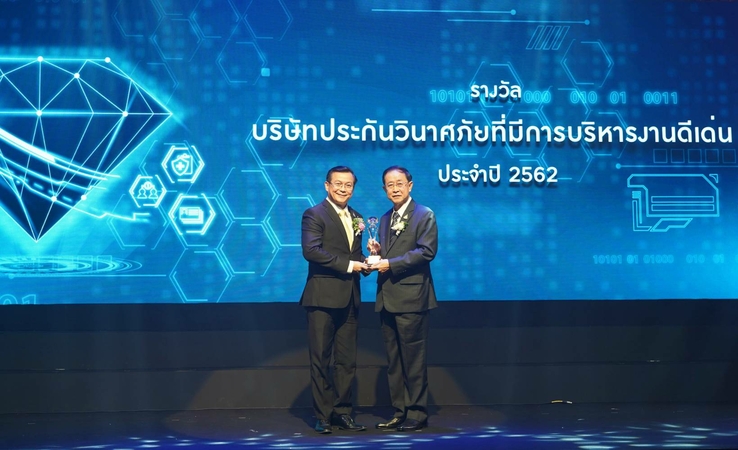

 Chairwoman and Group CEO Jareeporn Jarukornsakul, centre
  Kaysarin Angkanurakbun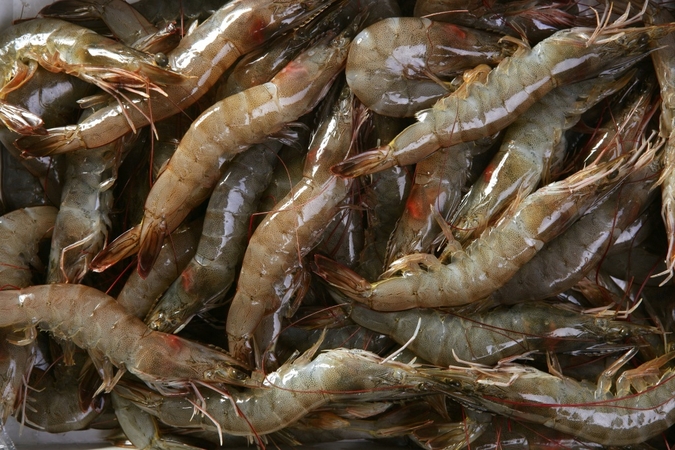
 SootinClaimon.Com