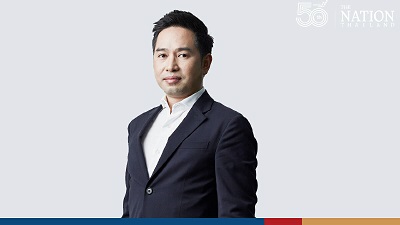
NMG CEO makes merit to mark The Nation’s 50th year
Thailand’s leading media firm, Nation Multimedia Group (NMG), marked The Nation’s 50th anniversary on Thursday (July 1) by holding a merit-making event attended by senior management and a limited number of guests.
“Over the past 50 years, ‘The Nation’ [now Nation Thailand] has grown from an organization into an institution, producing many generations of quality media personalities and transforming from print media to television and online media. Of course, we have suffered many changes and crises, from the Tom Yum Kung debacle in 1997 to the Hamburger Effect and the latest Covid-19 outbreak,” said Chai Bunnag, CEO of NMG.
“However, despite the many problems, I am determined to carry on with a strength to lead the Nation Group, moving in the right direction to stand by society as well as take care of my employees and the community. I, as an organisation’s leader, am ready to push from all dimensions to make NMG a centre of wisdom, creativity, stability and strength.
“I thank and encourage NMG’s employees for their dedication and hard work in keeping the costs low, so the group’s 2020 operating results showed profit. As a reward for their dedication, we have decided to pay our full-time employees a month’s bonus.
“Finally, the management and staff from all departments want to thank our readers, viewers and business partners for their trust and belief in the organisation. Even though the times have changed, our vision has remained the same. Our DNA is to serve as public media with strength, determination, creativity to society and people,” he said.
The Nation Multimedia Group includes Nation TV, Nation Thailand, Bangkok Biz, Kom Chad Leuk, Thansettakij, Spring News and Thai News.
Thailand sows seeds for plant-based food revolution
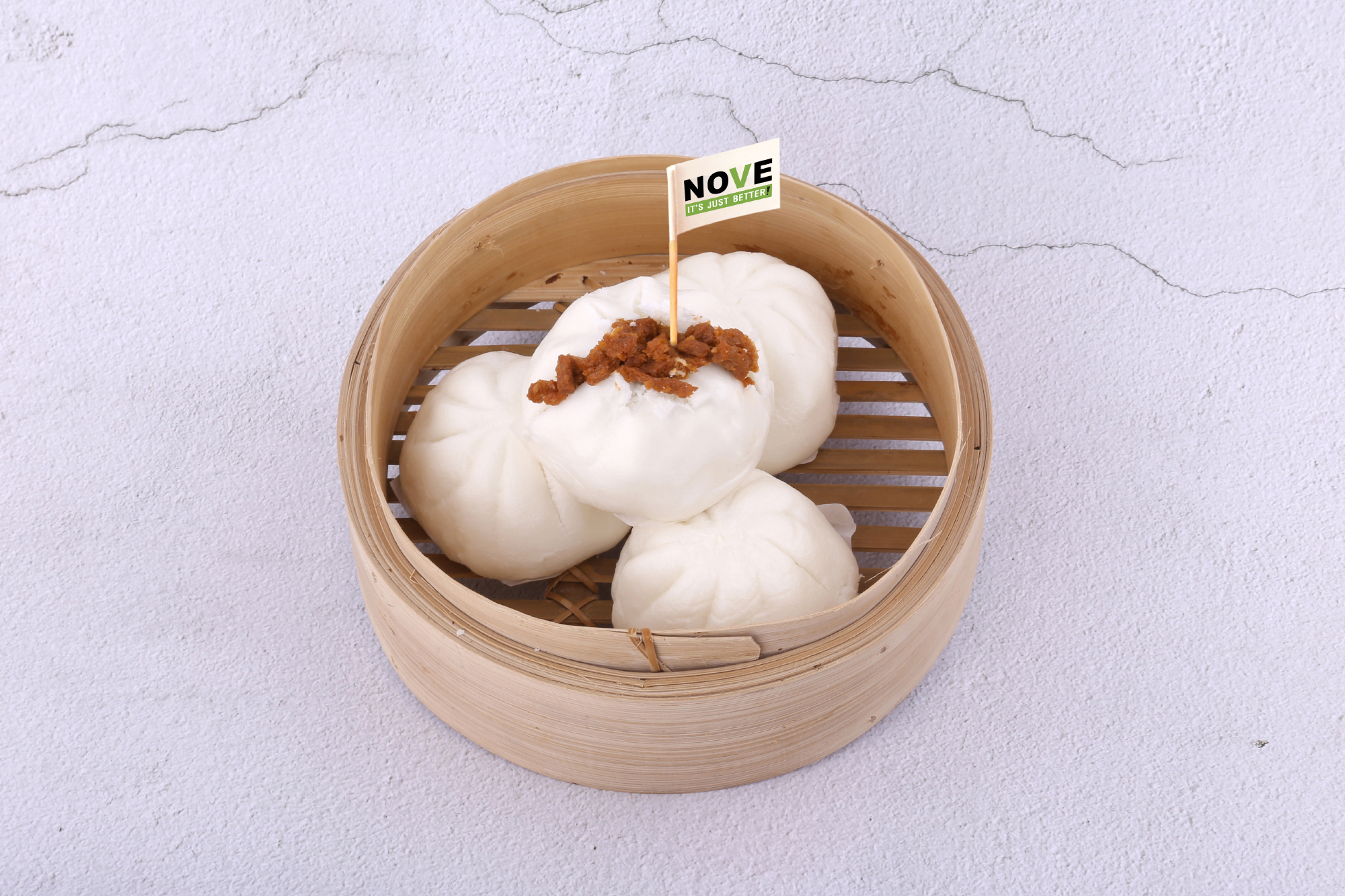
Thailand’s plant-based food industry is tapping climate trends in a bid to become a global leader in ethical and environmentally friendly food.
Plant-based food or “fake meat” is hailed by the United Nations as one solution to climate change that is being driven by the global meat and dairy industries.
These two industries pump out 30-40 per cent of all global carbon emissions and cause biodiversity loss as small-scale farms are converted to industrial agriculture.
Krungthai Compass Research Centre estimates that profits from Thailand’s plant-based food industry could rise from the current 2-10 per cent per year to 10-35 per cent by 2024, with an estimated total market value of THB45 billion. It said the forecast is driven by strong domestic demand for plant-based meat, meal and egg products. The research house cited over $3 billion (THB95.9 billion) invested by bioengineered food start-ups in Thailand in 2019.
Thailand sows seeds for plant-based food revolution
Helping drive Thailand’s global ambition for plant-based food is NR Instant Produce Plc (NRF). Under its motto “Food For Future”, NRF is a leading producer of plant-based food, seasoning, instant food and vegan dishes sold with eco-friendly packaging and the “V” logo.
Dan Pathomvanich, the company’s CEO, says NRF is fighting global warming with food that promotes sustainability thanks to a low-carbon manufacturing process.
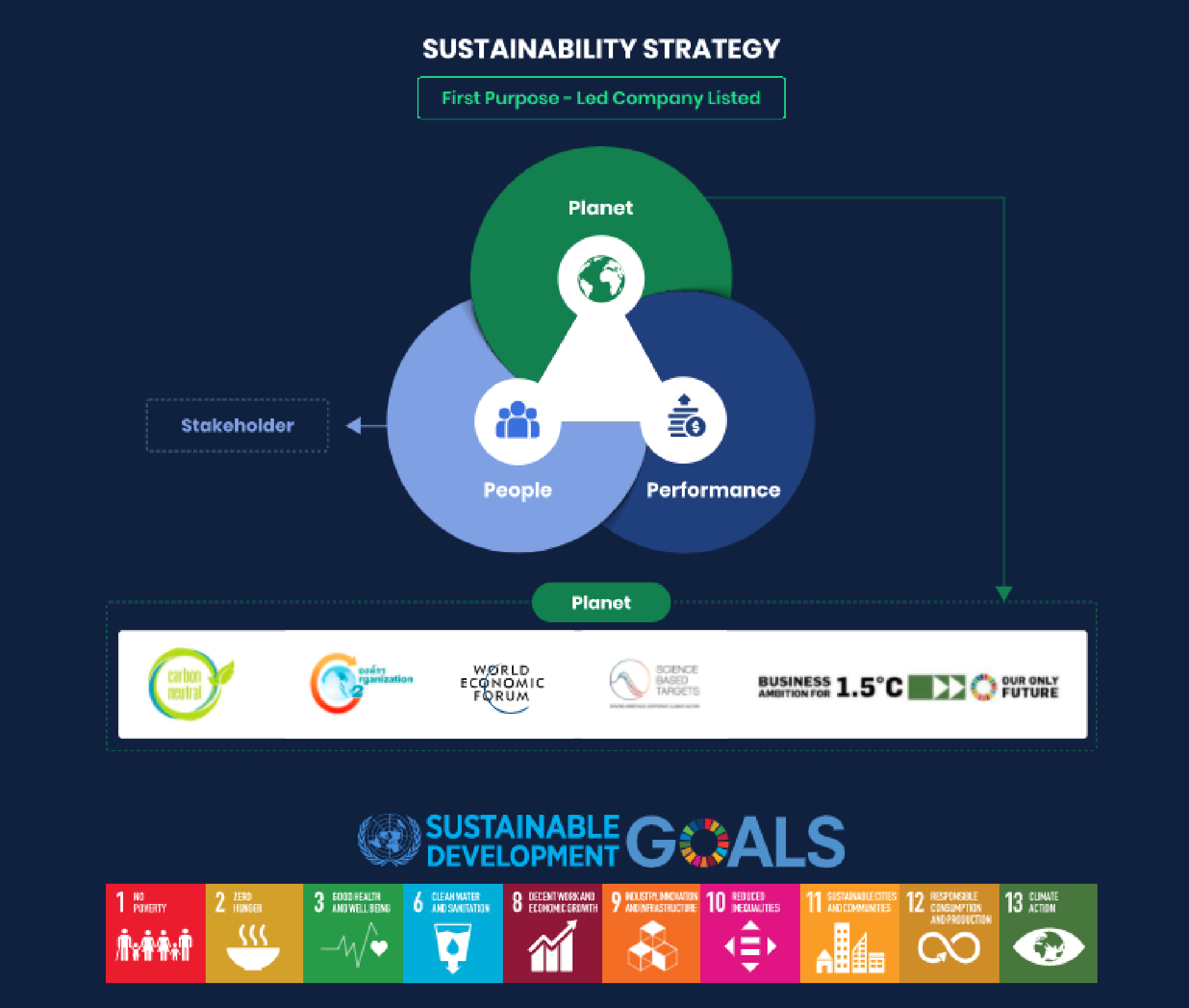
“The company has invested in technology to create the next evolution of food,” he said. “We aim to increase food processing efficiency, productivity as well as quality of raw materials and ingredients to create food products that are not only delicious but also promote consumers’ quality of life under the UN’s Sustainable Development Goals.
NRF is Thailand’s first food company to be awarded Carbon Neutral Certification for two consecutive years, said Dan. Other company initiatives to reduce carbon emissions include working with partners to install solar panels on their factories and urging farmers to cut their use of chemicals to minimise the environmental impact, he added.
NRF has also been working with the Agriculture and Cooperatives Ministry to plant 26 million rai of forest by donating 3 per cent of its dividend to the project, said Dan.
The company has a 10-year plan to build plant-based food factories in Thailand, the United States, Europe, South America and India in the next 10 years with a budget of THB5-7 billion.
“We hope that in the next three years we will be able to increase our plant-based food output by 100,000 tonnes,” said Dan.
Consuming 100,000 tonnes of plant-based meat instead of real meat would reduce carbon emissions by 330,000 tonnes, he added.
In its mission to make Thailand a manufacturing hub of alternative protein, NRF has joined the World Economic Forum and established a non-profit affiliate called “Root the Future” to persuade people to switch from meat to plant-based food. A year after launching, Root the Future now has more than 30,000 followers and content seen by 4.4 million viewers per week. NRF has also joined the Global Compact Network Thailand (GCNT), a sustainability network under the UN United Nations with more than 13,331 member organisations from 165 countries working to achieve the Sustainable Development Goals.
“The biggest challenge when introducing a change is to create awareness among stakeholders, such as chemical manufacturers and distributors,” said Dan. “After all, it is human nature to start seeking solutions only after a problem occurs.”
“Modern investors can no longer consider only the profits, they have to think about the environmental impact as well,” he added. “NRF is proud to be an agent focusing people’s minds on environmental concerns. We also hope that NRF will one day become the first carbon negative company in Thailand.”
Thailand sows seeds for plant-based food revolutionPlant-based food industry in Thailand
– Profit projected to rise from 2-10% to 10-35% by 2024
– Estimated market value in 2024 of THB45 billion
– Average annual growth forecast at 10%
Products with potential in Thai market
– Plant-based meat
– Plant-based meal
– Plant-based egg
*** Start-up companies in bio-engineered food invested more than $3 billion in Thailand in 2019.
Autobacs gunning to become Thailand’s No 1 car-servicing brand
Japan’s Autobacs is aiming to be the top car-service brand in Thailand, has been known to Thais for around 20 years since its first branch was established in Thailand.
Japan’s Autobacs is aiming to be the top car-service brand in Thailand, by increasing its branches and adding more services for customers.
Autobacs has been known to Thais for around 20 years since its first branch was established in Thailand. However, initially boasting only 10-12 branches, its fame did not spread across the whole country.
The turning point for the brand came in 2014, when PTG Energy (PTG) bought a stake in the parent company, Siam Autobacs. PTG currently owns 76.52 per cent of Siam Autobacs shares.
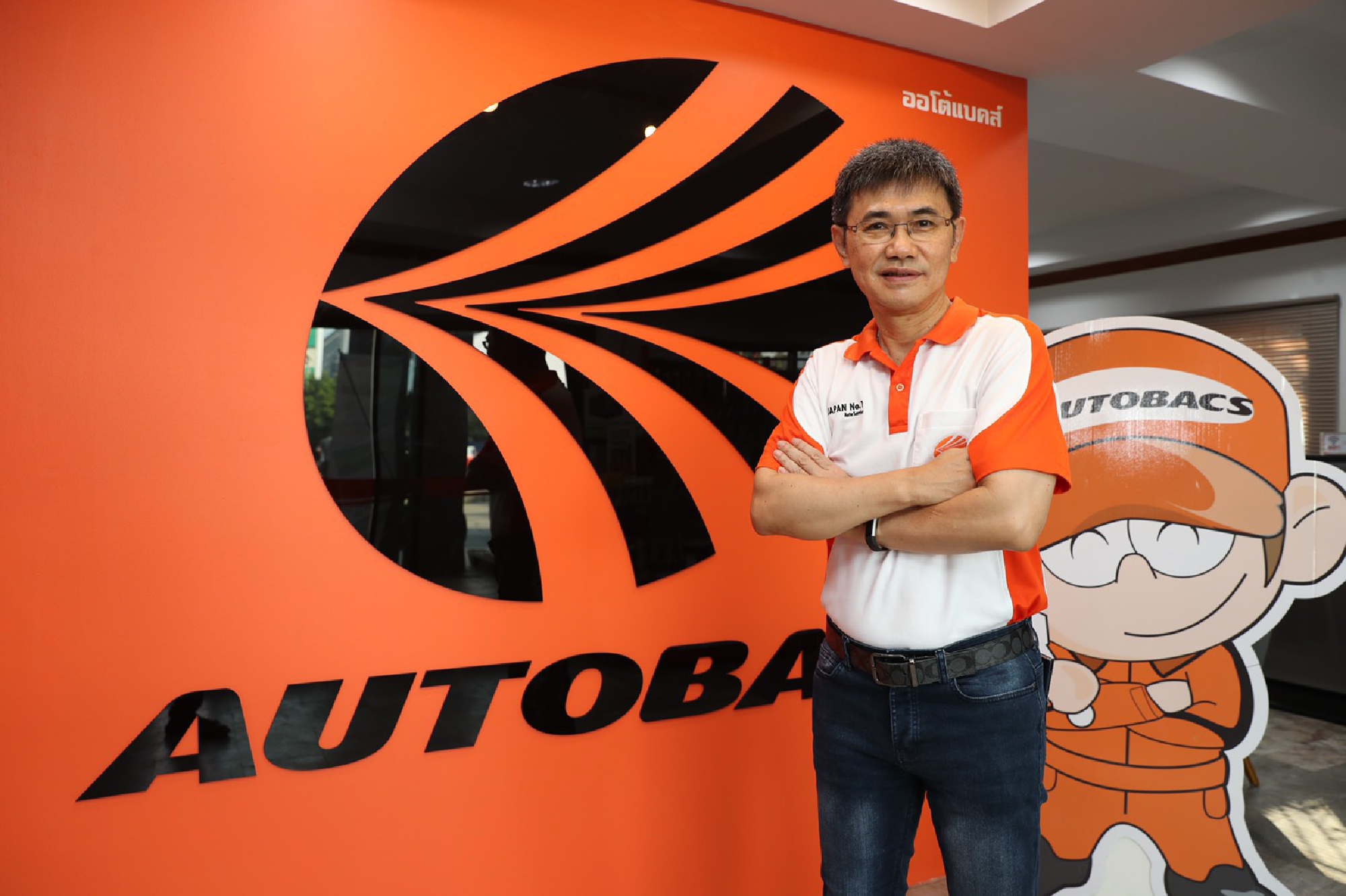
PTG executive vice-president Rangsun Puangprang said the car-service business has a long future, while Autobacs is a market leader in Japan and is also well received in Thailand.
Mr. Rangsun Puangprang Autobacs – Present Director // PTG – Executive Vice President
Rangsun added that PTG is able to improve Autobacs thanks to its strength as a big fuel retailer in Thailand. PTG also has a network of filling stations across the country, as well as reliable alliances, especially in the auto sector.
“We have a huge customer base, considering the 18 million holders of PT Max Cards [the PT filling station card]. It is advantageous for us to stage campaigns or point-collection activities” he said.
The executive vice-president also said that Autobacs’ network of branches must be extended to promote growth of the brand among competitors.
Autobacs currently has 16 branches, with another four about to open. By the end of this year, there will be 30 branches, if the Covid-19 situation in Thailand improves, Rangsun added.
Turning to the virus situation, he mentioned that the market was normalising at the end of 2020 but is now frozen by the current outbreak in 2021. “However, PTG believes in this market in the long term. The total number of Autobacs branches will reach 250 to 300 within 4 or 5 years,” he added.
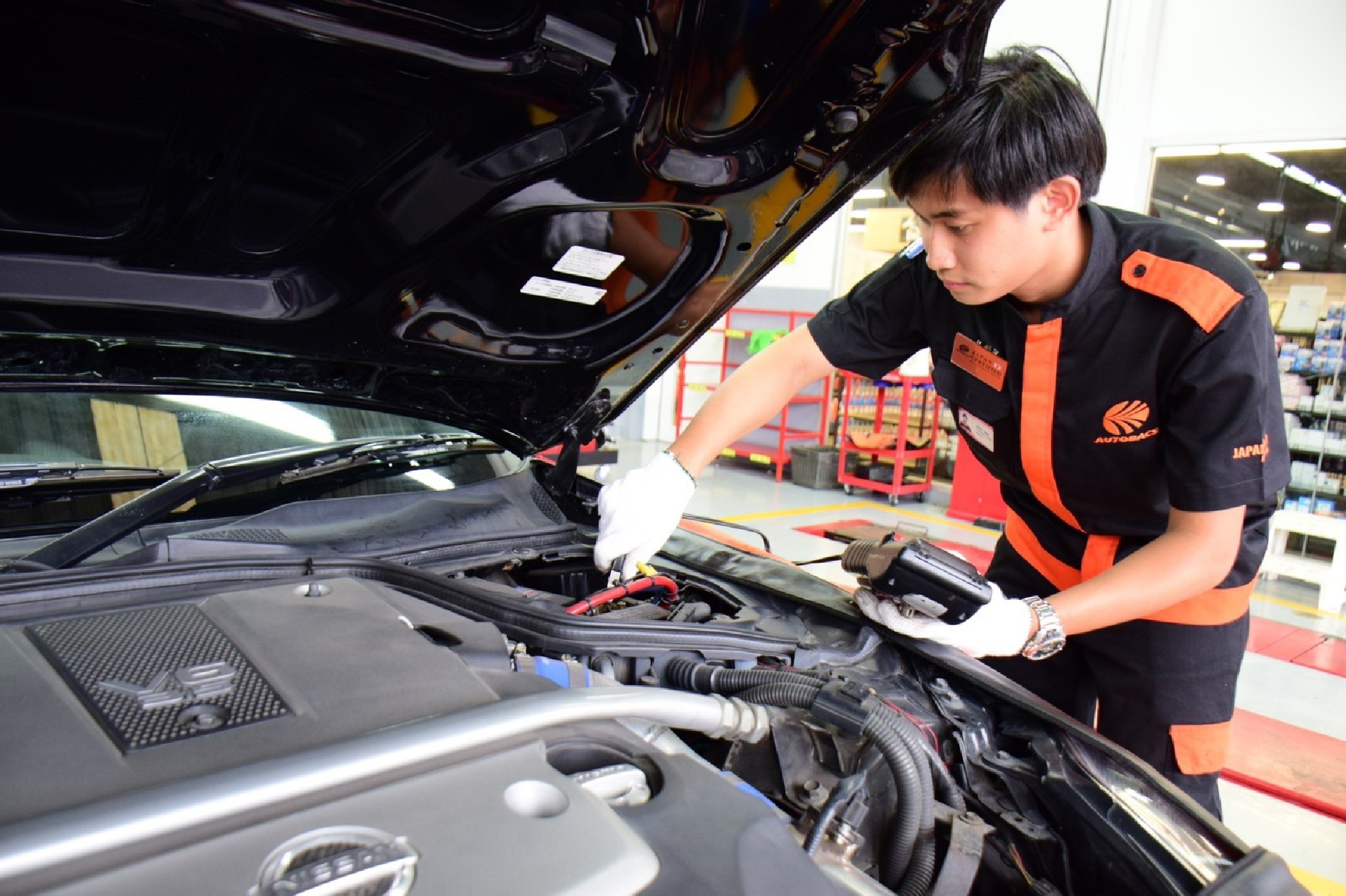
Autobacs gunning to become Thailand’s No 1 car-servicing brandRangsun said promotion of the Autobacs brand will get a boost, while service quality and variety will also be improved.
“We plan to adapt Autobacs for the changing situation. For example, people are now avoiding leaving home due to Covid-19, so we will provide mobile servicing at their home,” he explained. “Also, we plan to tap several target groups, including women, people who don’t have enough time to take care of their cars, and those who need to control their expenditure.”
Another service PTG will offer under the Autobacs brand is pre-ordering of decoration parts from Japan.
Rangsun concluded that work on expanding Autobacs will run continually, with the aim of making the brand well-known among customers and a top brand in Thailand within the next 3 or 4 years.
Global Compact Network Thailand joins forces with “CEOs” to elevate business plan setting targets to reduce greenhouse gas emissions
• Global Compact Network Thailand joins hands with three CEOs of its leading members to share their visions for global sustainability during the UN Global Compact Virtual Leaders Summit 2021, hoping to drive the private sector to implement UN Sustainable Development Goals along with their business plans. Specifically, the business are urged to set targets for reducing greenhouse gas emission.
Global Compact Network Thailand (GCNT), a local network of UN Global Compact in New York, co-hosted UN Global Compact Virtual Leaders Summit 2021. This year CEOs of three leading Thai business organizations reflected on Thailand’s sustainability leadership and global transformation. Global warming was on the top of their agenda. The year 2021 is an important moment to drive the world towards net zero goal in support of the Paris Agreement, which aims to limit the rise of the world’s average temperature within 1.5 degrees celsius. In addition, the key messages shared by the top Thai CEOs are in line with the main objectives of GCNT, which aims to be the sustainability network working with key stakeholders to change the world during “A New Era of Action” as declared by the United Nations.
Ms. Thanyaporn Krichtitayawuth, Executive Director, Global Compact Network Thailand, said that Thailand has been honored for the second year by the UN Global Compact to co-host a global panel discussion with leading CEOs of Thai businesses. They have participated in 3 key sessions. Starting from the opening plenary of the Summit, Mr. Suphachai Chearavanont, CEO of Charoen Pokphand Group (C.P. Group) and Chairperson of Global Compact Network Thailand joined the high-level discussion, “Light the Way to Glasgow and Net-Zero: Credible Climate Action for a 1.5°C World.” Mr. Dan Pathomvanich, CEO of NR Instant Produce Public Company Limited, participated in the discussion, “A New Era of Action, Accelerate Climate Action: Raising Business Pathway to Decarbonization ” to combat climate change and add business solutions to reducing greenhouse gas emissions. Mr. Ho Ren Hua, CEO of Thai Wah Public Company Limited, participated in a plenary discussion on, “SDG Ambition: Mobilizing Ambition for Corporate Actions Towards the Global Goals.” The three leading Thai organizations reflected on the potential of the Thai business sector to make a difference in terms of sustainability on a global scale. They are an example of business organizations adopting Sustainable Development Goals (SDGs), have a clear and concrete plan, especially on climate change, with measurableoutcomes.
Mr. Suphachai Chearavanont, CEO of C.P. Group and Chairperson of Global Compact Network Thailand said that to reduce greenhouse gas emissions, we must start by raising awareness of the current unsustainable consumption patterns such as the long-standing overconsumption of natural resources, resulting in global warming. Being in the agri-food and retail businesses, C.P. Group works with more than 100,000 stakeholders and partners to manage our supply chain. Most importantly, we raise awareness of our more than 400,000 employees to pursue the same objective in sustainable business practices.
Over the next ten years, C.P. Group will draw from renewable energy for our 1,600 MegaWatts of energy need. At the same time, the Group aims to drive waste disposal, especially the food waste, in the entire process to zero.
He also urged all stock exchanges and the governments throughout the world to require all companies to report on their progress towards zero emissions. Such reports will help make the net zero by 2050 goal obtainable and tangible when the entire private sector races towards the same goal. Moreover, he stressed the importance of upgrading our educational system to include not only lessons on digital technology but also sustainability as part of the curriculum.
Mr. Dan Pathomvanich, CEO of NR Instant Produce Public Company Limited noted that NRF aimed to turn the world into carbon-free through changes in the food system. NRF aspires to become the world’s largest producer of plant-based protein and food. The company is going to build the world’s largest production network. From international brands, the network connects to start-ups, to supermarkets, to sustainable transition to low-carbon food production. The NRF’s priority is to manage its supply chain by conveying a clear policy from the CEO to the middle management and even the workers at the sourcing office. This will help ensure that the products’ quality meet the company’s standards.
He also pointed out the main challenge in the food business: Transition from agricultural production based on chemicals to non-chemical and bio-farming. Doing so will reduce the emissions of greenhouse gas in itself.
“COVID-19 has transformed the supply chain. Everyone wants to be healthy. Everyone wants clean food and wants it “NOW.” To fulfill people’s needs will drive the sector to overhaul its business plan towards sustainability and transform companies to become those of the 22nd century,” Mr. Dan said.
Mr. Ho Ren Hua, CEO of Thai Wah Public Company Limited, said that sustainability is part of Thai Wah’s core vision and its strategy on “Developing innovation and sustainability from farm to shelf.” The implementation of its strategy with all stakeholders throughout the value chain fits under 4 pillars: Farm, Factory, Family, and Food.
ADVERTISEMENT
Thai Wah is about to launch a new product this year: innovative and eco-friendly packaging. It is made of biodegradable plastic from tapioca starch, which, in addition to being 100% biodegradable, non-toxic and harmless, can help reduce greenhouse gas emissions. Thai Wah will be Thailand’s first pioneer of tapioca biodegradable plastic and aims to become one of the leading regional bioplastic manufacturers as part of its organization’s long-term reduction in greenhouse gas emissions. The company currently reviews the organization’s emissions report, which is expected to be completed by the second half of this year.
Thai Wah works with various partners, from research institutions, leading universities, and startups to develop prototypes of products that cater to customers as well as create economic values to society and the environment. “Sustainability cannot be created by one person but must be done through collaboration of all parties, both inside and outside the organization. Such collaboration will contribute towards innovation in no time, and of course, it is much better than working alone.” Mr. Ho Ren Hwa concluded.
Thailand Greenhouse Gas Management Organization (TGO), a public organization under the Ministry of Natural Resources and Environment, is responsible for supporting the reduction efforts of greenhouse gas emissions in Thailand. According to Mr. Kiatchai Maitriwong, Executive Director of TGO who also participated in the Leaders Summit, the TGO data indicated that companies in Thailand even further reduced their emissions to help alleviate climate change despite the COVID-19 pandemic. In 2020, 193 companies received carbon footprint certifications. Many companies have also undertaken projects to compensate for their carbon emissions. TGO collaborates with GCNT in technical areas to help companies set goals, audit and certify their emission reductions based on international standards.
Ms. Thanyaporn concluded, “Global Compact Network Thailand, in line with the UN Global Compact in New York, strongly encourages Thai businesses to seriously consider setting significant and measurable scientific targets in order to reduce greenhouse gas emissions. We all should take this as a new business opportunity. Global Compact Network Thailand will support Thai businesses in their efforts while driving the achievement of the UN Sustainable Development Goals.”
Outsourcing ultimately offers business owners great advantages. The process allows them to build a team of skilled professionals without adding the expense of full-time employees, additional office space and equipment.
Whilst the term disruption has been synonymous to the rise of new business trends and/or industries, COVID-19 has been one of the most disruptive events in a generation; and the impact
is still being felt, not only throughout the global economy, but also across the large number of outsourcing relationships in place. In addition to COVID-19, businesses today are facing a rapidly evolving landscape, including regulatory changes, continuous advances in technology, and the adoption of more sophisticated approaches by authorities. These 3 challenges are causing businesses to rethink the appropriate mix of in-house and external resources in efficiently managing essential operational processes with visibility, flexibility, transparency, and control.
Outsourcing ultimately offers business owners great advantages. The process allows them to build a team of skilled professionals without adding the expense of full-time employees, additional office space and equipment. With outsourcing, business owners and senior management can focus attention and resources on their company’s core competencies and spend their time setting new goals and finding ways to achieve them. The findings from Deloitte’s 2020 Global Outsourcing Survey reveal companies are embracing disruptive technologies, as Cloud and automation continue to be driving forces for change. However, amongst all the emerging disruptive trends, the fallout from COVID-19 is signaling a return to basics: shoring up value and driving down costs, with a renewed focus on risk management.
The key themes from our survey findings are as follows:
1. Cost reduction is back on top
2. Cloud & Robotics Process Automation (RPA) are now “table stakes”
3. Agility is critical
Whilst clients talk about scalability, agility, technology enablement and innovation, COVID-19 has brought cost reduction back on the table and hence the focus back to the numbers. Our survey respondents indicated it is easier to measure the impact on cost than it is to articulate the benefits of scalability and technology enablement. Our survey results show a clear progression in the adoption of RPA through outsourcing. The primary motivation seems to have shifted with most interviewees (two-thirds) citing cost savings as the major driver for RPA adoption, whereas previously it was never “top of mind.” Nevertheless, RPA adoption is not just about cost reduction. It can also free up the workforce to focus on more strategic issues. Doing so can lead to greater employee and customer satisfaction, with subsequent improvements in enterprise value.
Outsourcing creates tremendous opportunities as compared to core traditional in-house business models, as it enables businesses to create a pool of additional funds, from the elimination of expenses from non-core activities. Thus, businesses are enabled to free up resources and can shift their focus to core business operations and innovation, whilst non-core functions can be outsourced. Having a large pool of outsourced “on-demand” talent means companies can rapidly scale their workforce without the need to hire additional full-time employees and increase their overheads and their investment in office space and equipment. Using outsourcing creates new opportunities and makes better use of existing talent that helps employers get the most out of their current workforce. Certain auxiliary tasks that are outsourced, allows in-house talent to focus on more strategic activities and projects that better leverage their skill sets, knowledge, and abilities and truly generate results. Similarly, for every employee that is not hired to perform a support function, more budget is available to hire revenue generating employees.
ADVERTISEMENT
As organizations continue to be challenged in dealing with the prolonged impact of the pandemic with agility, outsourcing will still be an enabler of business transformation. Whilst the digitization agenda has become imperative across all sectors, clients are seeking partners who can help elevate the way they do business, enable them to be more flexible, help them leverage the latest technologies and improve their overall speed to market. Working with an experienced outsourcing provider helps companies overcome productivity challenges, streamline operations and add additional resources that may be lacking in-house. From sales to recruitment to operations, outsourcing provides an unlimited amount of opportunities to help your business work smarter. Advances in technology have helped forward-looking companies to benefit significantly from outsourcing services for quite some time now. This is particularly relevant for small to medium-size enterprises, who simply lack the financial and other resources for in-house auxiliary departments like finance and tax.
Further to saving time and money which usually garner all the attention, outsourcing certain back office functions allows access to the latest technology and systems, as well as leading practices. It keeps organizations and departments agile as they face more complex business challenges and increasingly more regulated business environments. Outsourcing to the experts can help businesses not only remain compliant without having to worry about how they will comply with each new legislation, it also equips businesses to be agile as they respond to new business trends. Above all, Outsourcing will help businesses remain competitive and relevant in their industries.
Outsourcing remains an essential tool for client organizations to support their strategic goals. Requirements constantly evolve (even more so due to the COVID-19 pandemic) and the industry continues to support with both established and new solutions.
Bangkok gems and jewellery fair goes online this year
Thailand’s largest gems and jewellery trade fair will be held virtually this year in line with restrictions to curb the spread of Covid-19.
The “BGJFF Virtual Trade Fair (66th Special Edition)” will run from June 22 and 24 via www.BGJF-VTF.com.
The Department of International Trade Promotion (DITP) said the response has been very positive, so far.
Nantapong Chiralerspong, deputy director-general of DITP, said: “This online event aims to create new opportunities in global trade for gems and jewellery entrepreneurs and help them ‘refill-reform-refine’ in these challenging times through marketing innovations in the new normal. This is part of the 14 roadmaps created by Commerce Minister Jurin Laksanawisit.”
Bangkok gems and jewellery fair goes online this year
Thailand’s gems and jewellery exports dropped 39.89 per cent in 2020 due to the pandemic, though the country is still the world’s top exporter of silver jewellery and third in the gemstone category after the United States and Hong Kong.
Nantapong said the situation is expected to improve this year.
“We have seen good signs for exports this year, thanks to a recovering economic situation and increased consumer confidence in targeted markets. Since the end of 2020, many economies have started recovering. As for Thailand, orders have been rising, especially from online customers in the US and the UK.
“In the first quarter of 2021, Thailand’s gems and jewellery exports were valued at 53.76 billion baht, a 1.1 per cent increase and are expected to grow at least 5 per cent by the end of the year.”
He added that the online fair is available to everyone free of charge and expects results to turn out as planned.
“The BGJF platform is designed to make visitors feel as if they were in a real trade fair. It will feature digital showcases of more than 600 companies from across the world along with the online business matching services that can be booked in advance directly or through trade commissioners around the world. This event is expected to have at least 450 online business matchings and 500 million baht in revenue. To help support entrepreneurs whose businesses are affected by the pandemic, these special sessions are free of charge,” said Nantapong.
Bangkok gems and jewellery fair goes online this year
Apart from the showcase and business matching, visitors are invited to learn more about gems and jewellery trends and participate in other activities, including online seminars held by the Gem and Jewellery Institute of Thailand (GIT) and the BGJF Flash Sale.
The BGJF Virtual Trade Fair (66th Special Edition) will run from June 22 to 24 via www.BGJF-VTF.com. Exhibitors and buyers can register from today onwards.
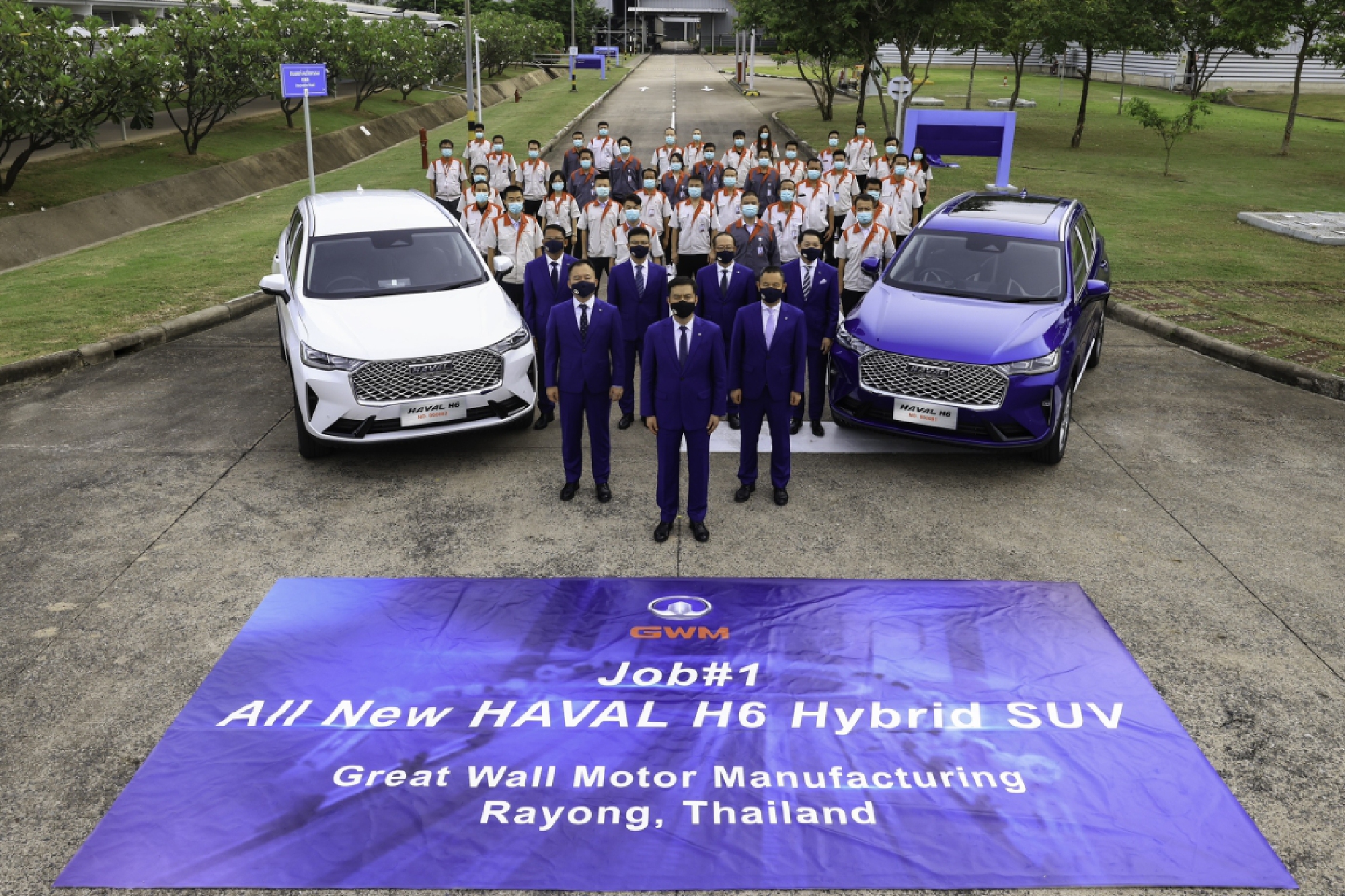
Great Wall Motor kickstarts Rayong production with new SUV offering
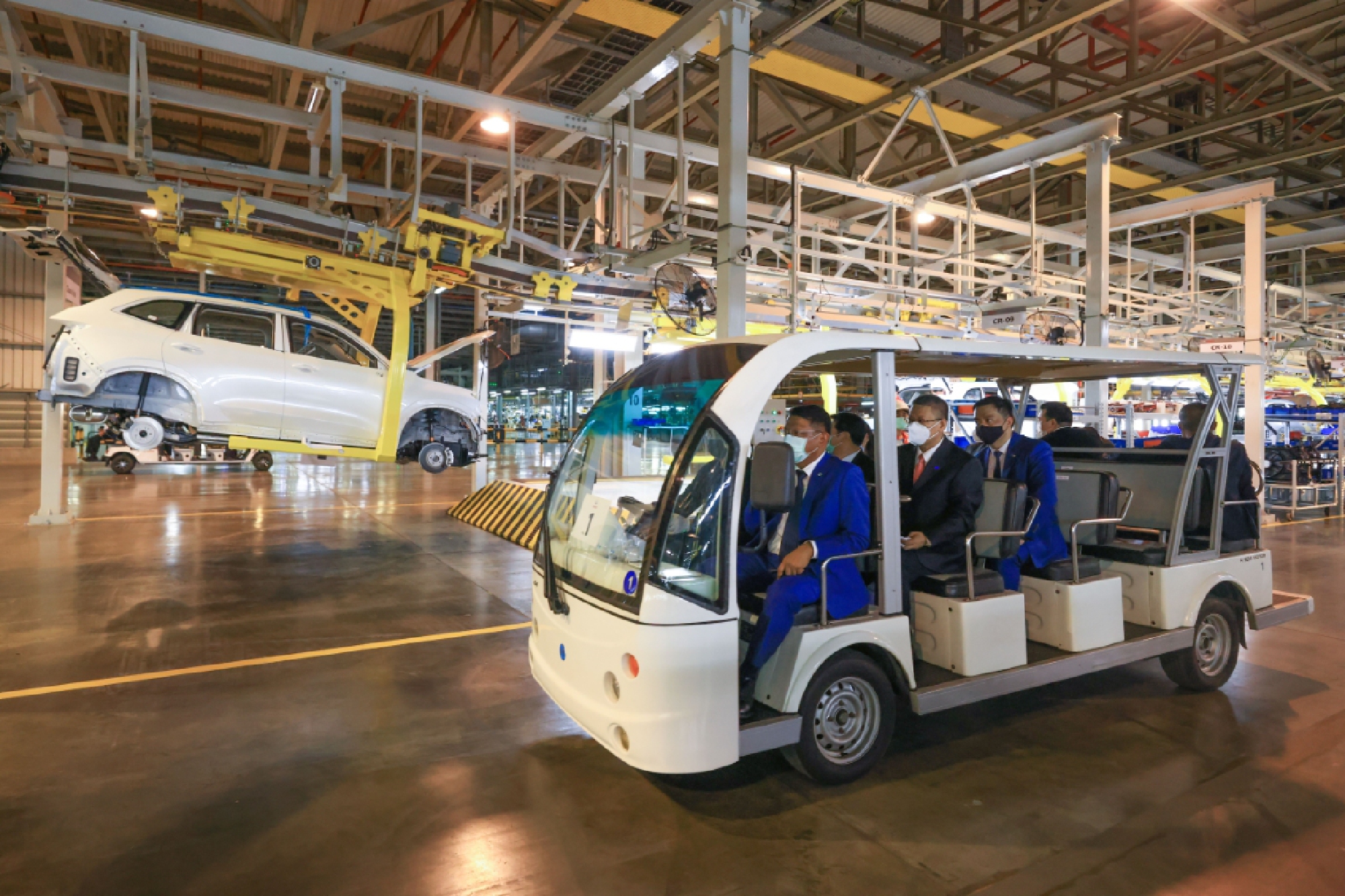
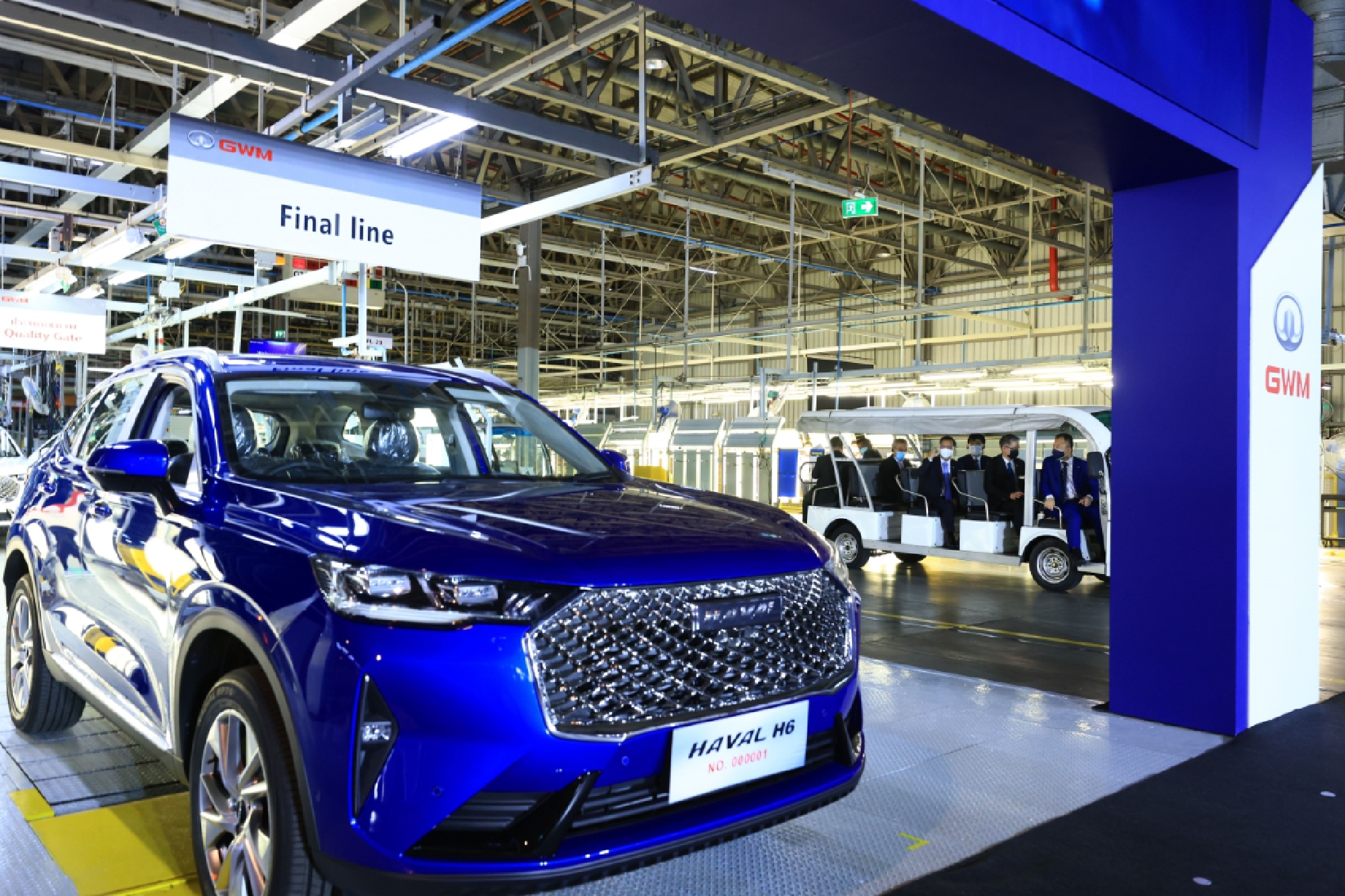
China’s Great Wall Motor (GWM)’s smart factory in Rayong is now ready to kick-off production under the automaker’s “intelligence, safety and green” concept.
The first unit to roll off the Thai production line will be the all-new Haval H6 Hybrid SUV, pre-sales for which will start from June 15.
The factory was launched in a special event titled “GWM Smart Factory for Smart xEV World”. Present were Industry Minister Suriya Juangroongruangkit, China’s Economic and Commercial Minister Counsellor Wang Liping, Eastern Economic Corridor Office secretary-general Kanit Sangsubhan and Great Wall Motor’s Asean and Thailand leadership team led by president Elliot Zhang and vice-president Greg Lee. Also attending were government representatives and GWM’s business partners.
Great Wall Motor kickstarts Rayong production with new SUV offering
“Our Rayong plant is GWM’s second-largest production base overseas and its opening demonstrates our readiness to manufacture quality products for distribution across Asean. By the end of this year, we will create 1,000 new jobs, not to mention the future increase in our workforce will help spur the Thai economy.
“Today’s event marks an important milestone in GWM’s globalisation strategy, realising our expansion into Asean, especially into markets for right-hand-drive vehicles,” he said.
Great Wall Motor kickstarts Rayong production with new SUV offering
Located in Rayong’s Pluak Daeng district, the 412-rai factory has the capacity to produce 80,000 units per year. It will serve as GWM’s key production base for right-hand-drive vehicles in Southeast Asia, 60 per cent of which will be for the local market and 40 per cent for overseas markets.
“By setting up our production base in Rayong, GWM is contributing to the Thai automotive industry as we have brought in our automobile technology to help drive the industry development to the next level. It is also an opportunity for us to discover partnerships with Thai innovators and auto-parts producers who will co-develop products with us. More importantly, we have created new jobs, shared our expertise, and supported skills development in the field of modern automobiles, including electric vehicle production technology, as we equip our local workforce with readiness and competency to produce and deliver quality automobiles to Thai people,” said Lee.
Great Wall Motor kickstarts Rayong production with new SUV offering
According to Steven Wang, vice president of sales and marketing, the Haval H6 Hybrid SUV will be produced in line with GWM’s production, testing and evaluation standards. The SUV will come equipped with a Life+ intelligent system, comprising Level 2 autonomy, voice command support, firmware over-the-air remote software updates, EYEQ4 intelligent chipset, plus many more other features to make driving a convenient, fun and safe activity. The all-new Haval H6 Hybrid SUV will begin its pre-sales on June 15 ahead of its official launch and price announcement on June 28.
Great Wall Motor kickstarts Rayong production with new SUV offering
THAI will operate flights to 16 international destinations in July-Sept period
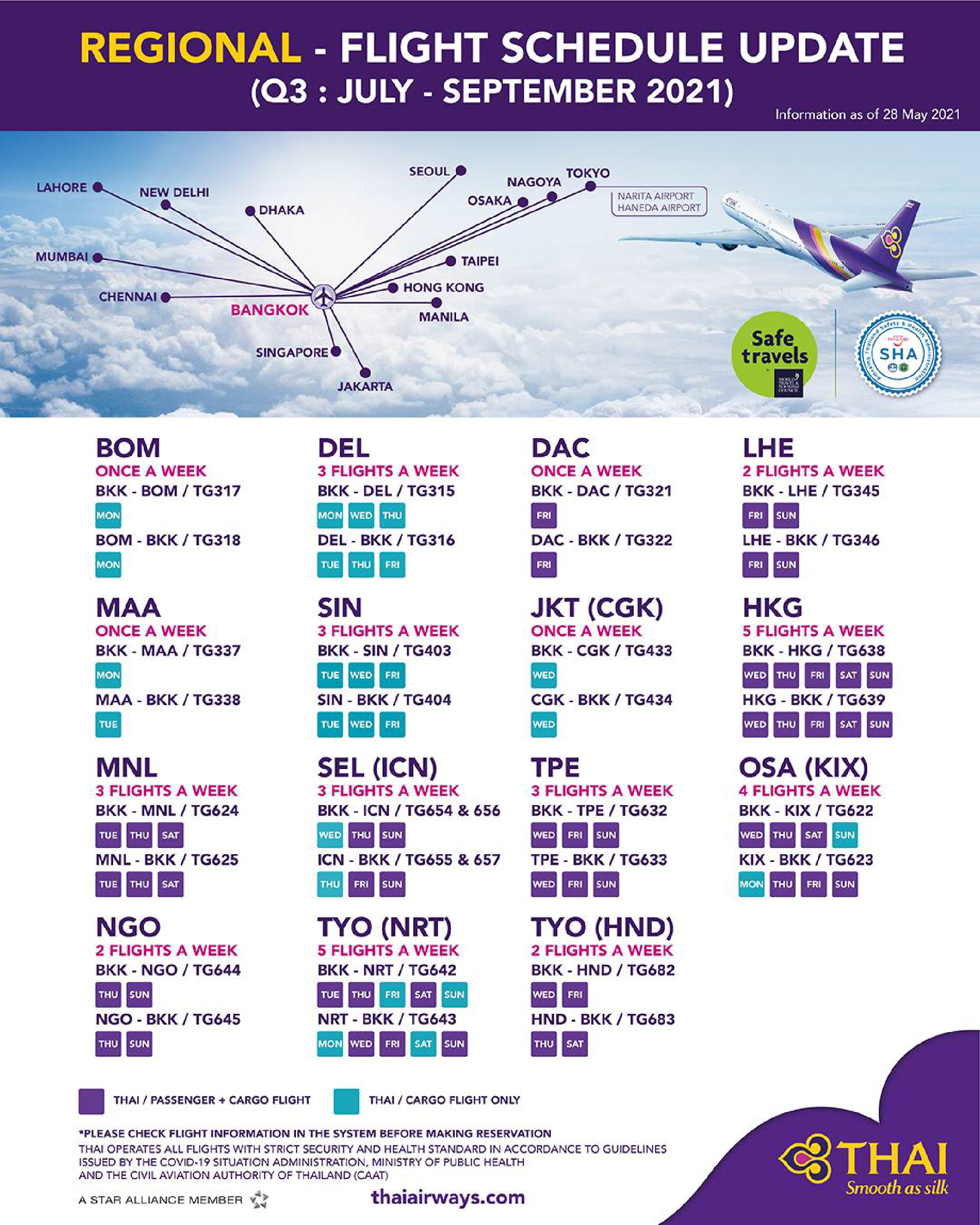
In response to increasing demand for leisure, business and transit travel, Thai Airways International (THAI) will operate return flights to sixteen international destinations during the July-September period, chief commercial officer Nond Kalinta said in a press release.
The airline’s regional routes are:
Bangkok-Tokyo (Narita): three flights per week every Tuesday, Thursday and Saturday.
Bangkok-Tokyo (Haneda): two flights per week, Wednesdays and Fridays.
Bangkok-Osaka: three flights per week every Wednesday, Thursday and Saturday.
Bangkok-Nagoya: two flights per week, Thursdays and Sundays.
Bangkok-Seoul: two flights per week every Thursday and Sunday.
Bangkok-Taipei: three flights per week, Wednesdays, Fridays and Sundays.
Bangkok-Hong Kong: five flights per week every Wednesday, Thursday, Friday, Saturday and Sunday.
Bangkok-Lahore: two flights per week, Fridays and Sundays.
Bangkok-Dhaka: one weekly flight every Friday.
Bangkok-Manila: three flights per week, Tuesdays, Thursdays and Saturdays.
ADVERTISEMENT
The intercontinental routes are:
Bangkok-London: two flights per week every Wednesday and Sunday.
Bangkok-Copenhagen: two flights per week, Wednesdays and Sundays.
Bangkok-Frankfurt: three flights per week every Wednesday, Saturday and Sunday.
Bangkok-Paris: one weekly flight on Saturdays.
Bangkok-Zurich: one weekly flight every Wednesday.
Bangkok-Sydney: two flights per week, Wednesdays and Sundays.
In addition, THAI operates cargo flights to regional destinations such as Mumbai, New Delhi, Chennai, Singapore, Seoul, Osaka and Tokyo (Narita).
For more information on flight schedules, reservations and ticketing services, visit http://www.thaiairways.com, call (+66)2-3561111 from 8am-5pm or contact local THAI ticket offices.
The airline is also planning to increase flights under its 2021 Winter Programme in response to travel demand. THAI “prioritises hygiene excellence”, the press statement said, adding that the company is accredited with the Amazing Thailand Safety & Health Administration standard, recognised by the World Travel and Tourism Council under the council’s SafeTravels global health and hygiene protocols.
“The airline also strictly complies with Covid-19 preventive measures by the Centre for Covid-19 Situation Administration and the Civil Aviation Authority of Thailand during flight operations. After every flight, all passenger cabins will undergo disinfecting and deep cleaning,” the statement added.
THAI will operate flights to 16 international destinations in July-Sept period
ADVERTISEMENT
THAI will operate flights to 16 international destinations in July-Sept period
“Daikin” brings clean air to families with “Streamer” technology
“Daikin” brings clean air to families with “Streamer” technology that eliminates novel corona virus through new ad campaign has significantly shifted its marketing strategies to stress its “perfecting the air”
The COVID-19 pandemic has prompted consumers to become more aware of healthy living and look for products that can ensure healthy environment and wellbeing. In response to this rising trend, Daikin, the world’s leader in air conditioning technology, has significantly shifted its marketing strategies to stress its “perfecting the air” philosophy while delivering pure, clean air through innovations with health benefits.
“Daikin” brings clean air to families with “Streamer” technologyMr. Sarawut Tempattarasak, Corporate Planning Assistant General Manager of Siam Daikin Sales Co., Ltd., said that Daikin has celebrity endorser Nadech Kugimiya since 2015 and has since become known among broader consumers with much more brand awareness in Bangkok and upcountry. With this emerging new trend, the commercial plan for this year will focus on communication about the importance of air, the life-sustaining substance around us, which is often overlooked especially when it comes to cleanliness and humidity. Air is as important as three meals and eight glasses of water a day. And while most people are concerned about food and water quality and cleanliness, less can be said about air.
Earlier in March, the new commercial was launched with concept stories of clean air by three KOLs (key opinion leader) whose different characters resonate with different demographics. They are KOLs with prominent social media presence, including forward thinker Sarawut “Roundfinger” Hengsawad, perfectionist and family man Tharisorn “Boom” Toranavikrai, and technology lover Saranee “Faunglada” Sanguanruang.
“The commercial which was launched in March asks key questions to the consumers. Roundfinger, which is revered as modern thinker, ponders the definition of good air which a lot of people might not think about, while Boom and Faunglada give their ideas of what good, clean air is like. It concludes with the part where Daikin ZETAS is the answer to all those questions.”
Earlier, Daikin launched Daikin ZETAS that is equipped with patented Streamer technology, whose efficacy in deactivating SARS-CoV-2 has been proven by The University of Tokyo and Okayama University of Science in Japan.
Daikin also worked closely with Department of Environmental Engineering, Faculty of Engineering of King Mongkut’s University of Technology Thonburi to test the efficacy of Streamer technology in Daikin ZETAS to further ensure the Thai consumers.
“Daikin” brings clean air to families with “Streamer” technologyIn terms of commercial trend for air conditioners, Mr. Sarawut commented that most brands focus on similar strengths, which are mainly design and energy saving. Daikin, on the other hand, also adds Better Life Value that gives consumer clean, pure air without PM 2.5 as well as viruses.
Streamer technology, which is featured in Daikin air conditioner and air purifier, draws the air in, where particles of contaminants will be intercepted at the filter. The technology then releases high quality electrons to the unwanted particles, deactivating them externally and centrally, allowing the products to deactivate viruses, bacteria and allergens. The air that goes through Streamer electrons is thoroughly filtered. The Streamer technology also helps prolong the service life of filter as it constantly cleans, unlike ion technology in air conditioners and air filters that randomly releases ions which slowly capture contaminants and only deactivates unwanted particles at their external level.
“Prior to the pandemic, most people were worried about PM2.5. And with the current situation where you have to wear face masks when going outside to protect yourself from the virus makes it very inconvenient and uncomfortable to breathe. With Streamer technology in Daikin ZETAS, consumers can breathe clean, virus-free air comfortably in the comfort of their home.”
Mr. Sarawut also adds that Daikin’s marketing communication plan has always highlighted Daikin’s many outstanding strengths that cater to the needs of consumers. These include the high-functioning and environmentally friendly R32 refrigerant, new circuit board that withstands power dip and power surge as well as pest and insect proof design for condenser.
“We work hard to figure out what the pain point is and develop a product that counteracts that pain point. Our strengths are often ahead of time, and many times were followed by other brands.”
This time around with the highlight of “clean air”, narrated through three famous KOLs in a new commercial, Daikin is dedicated to emphasizing on the important of “air quality” around us in the home.
Mr. Akihisa Yokoyama, President of Siam Daikin Sales, says that the Daikin’s patented Streamer technology, which has been verified for its efficacy to eliminate SARS-CoV-2, sets a new standard for household air conditioner in the Thai market, and emphasizes our philosophy of not just creating cool, comfortable air but also “perfecting the air”. Moreover, it raises the standard of air conditioner industry, inspiring the development and technological breakthroughs to reach higher and proven efficiency to create decent products with efficient technologies for all consumers.
Thai halal food thriving in global market thanks to higher Covid-protection standards
The Department of International Trade Promotion (DITP) has said that halal food from Thailand continues gaining trust worldwide thanks to elevated Covid-safety production standards.
DITP is also launching the “Thailand Delivers with Safety” campaign with a revenue target of 122.09 billion baht this year.
Somdet Susomboon, DITP director-general, said the Covid-19 pandemic has consumers across the world worried about their health and well-being.
In line with this, DITP has launched many campaigns to boost the export potential of halal food produced in Thailand, including improving the brand image of halal products and holding promotional activities in targeted countries.
Thai halal food thriving in global market thanks to higher Covid-protection standards
The production of halal food in Thailand is done in strict adherence to the Islamic principles on ingredients, production, cultivation and employee practices to meet the halal criteria.
The products are monitored and certified by the Central Islamic Committee of Thailand (CICOT).
Apart from reassuring consumers and building trust among trade partners, DITP is also fortifying safety measures in food manufacturing by launching Covid-19 prevention measures for manufacturers, exports, businesses, raw-material suppliers as well as logistics operators to strictly comply with. Under these measures,
business operators and suppliers shipping ingredients must intensify efforts to reduce the risk of contamination.
Manufacturers must implement strict quality and safety controls through the production line, from receiving shipments of ingredients to storing, processing, packing as well as maintaining preventive measures for transporting goods by cleaning and disinfecting the interior of containers.
Manufacturers will be required to prioritise sanitation and strictly clean and disinfect machinery, manufacturing buildings, floors, walls as well as common areas prone to contact. Workers, meanwhile, will be trained to protect themselves from Covid-19 and maintain safety practices during operation.
Thai halal food thriving in global market thanks to higher Covid-protection standards
Along with these measures, DITP continues working on boosting confidence among its trade partners through the “Thailand Delivers with Safety Campaign”.
“The objective is to retain trust among buyers and trade partners worldwide, reinforcing Thailand’s potential as a major food manufacturer with advanced manufacturing technology that meets international standards from sourcing ingredients, harvesting, transporting, packaging to delivering at the consumers’ doorstep,” affirmed Somdet.
Meanwhile, Thailand’s export of halal food to Islamic countries this year is expected to reach approximately 122.09 billion baht, up 3 per cent from 118.53 billion baht in 2020.
Thailand is a major exporter of high-quality halal food products including chicken, shrimp, canned tuna, rice, fresh and dried fruits fresh, chilled and frozen vegetables, snacks, instant food, frozen food, ready-to-eat food, cosmetics, fashion, etc.
The top product exports to Organisation of Islamic Cooperation (OIC) countries are rice, sugar, canned and processed seafood, cassava products, canned and processed fruits, respectively.
Thai halal food thriving in global market thanks to higher Covid-protection standards
The halal food market is worth approximately US$1.2 trillion and Thailand is a champion with a competitive advantage in logistics and a vast variety of products.
There are currently about 5,000 halal-certified firms in Thailand, producing more than 160,000 halal-certified products.
Thailand has the opportunity to become the 13th largest exporter of halal food to OIC countries. The other top exporters are China, the United States, Germany, the Netherlands, France, Italy, Spain, India, Belgium, Brazil, United Kingdom, Canada and Indonesia.


 Thailand sows seeds for plant-based food revolution
 Thailand sows seeds for plant-based food revolutionPlant-based food industry in Thailand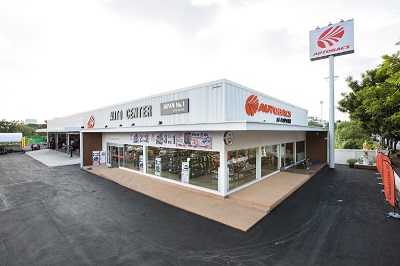
 Mr. Rangsun Puangprang Autobacs – Present Director // PTG – Executive Vice President
 Autobacs gunning to become Thailand’s No 1 car-servicing brandRangsun said promotion of the Autobacs brand will get a boost, while service quality and variety will also be improved.

 Bangkok gems and jewellery fair goes online this year
 Bangkok gems and jewellery fair goes online this year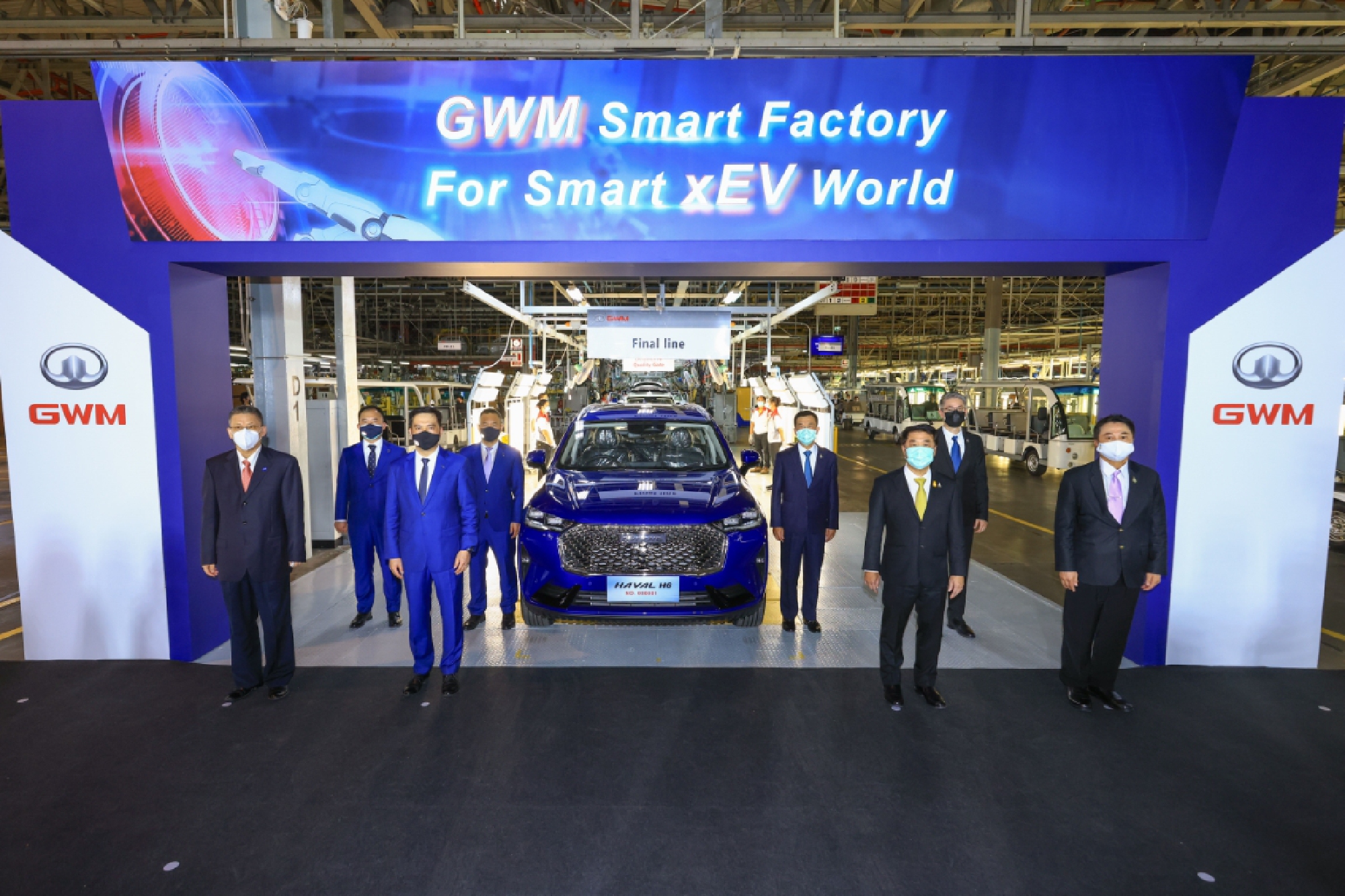
 Great Wall Motor kickstarts Rayong production with new SUV offering
 Great Wall Motor kickstarts Rayong production with new SUV offering
 Great Wall Motor kickstarts Rayong production with new SUV offering
 Great Wall Motor kickstarts Rayong production with new SUV offering
 THAI will operate flights to 16 international destinations in July-Sept period
 THAI will operate flights to 16 international destinations in July-Sept period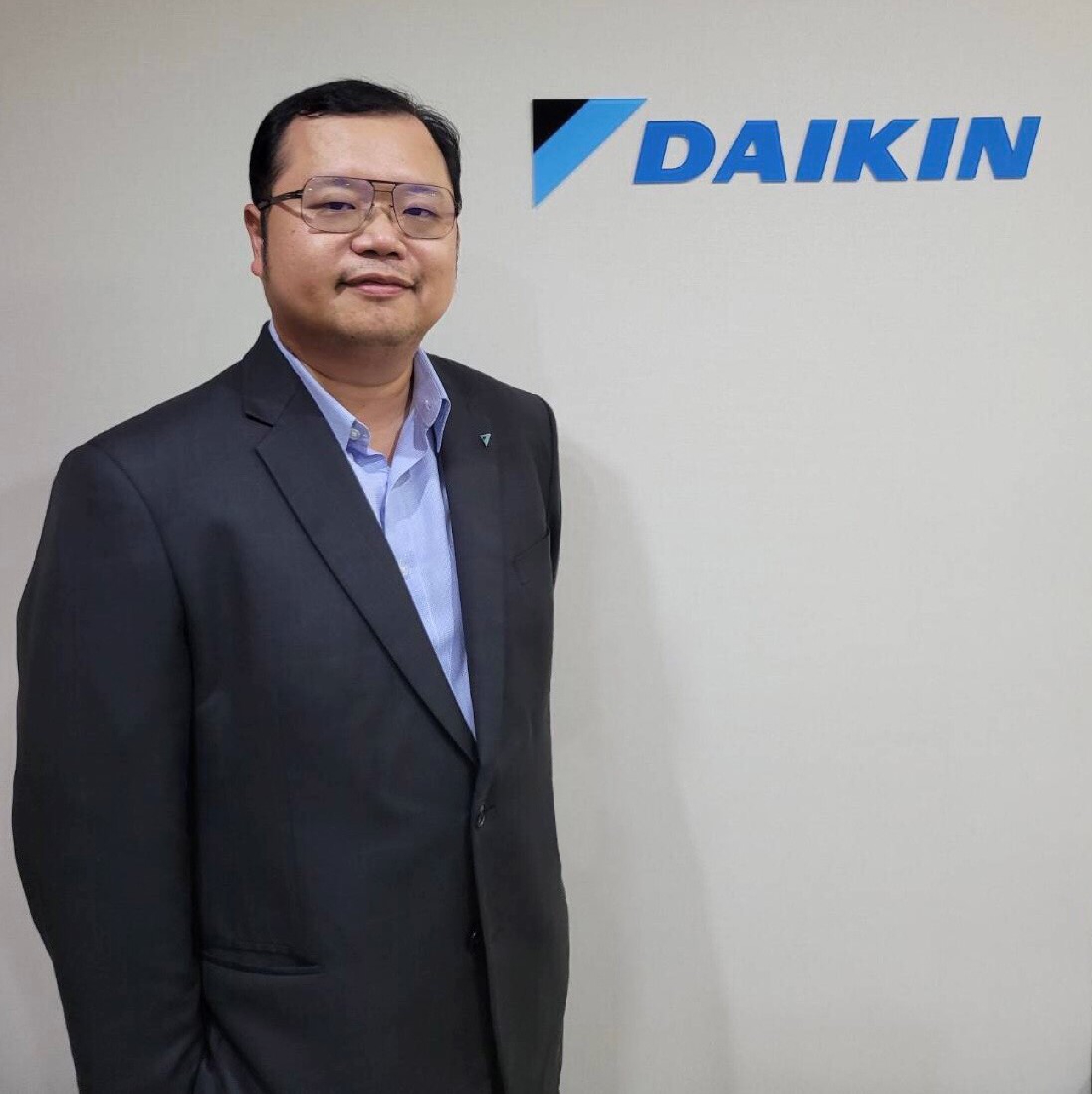
 “Daikin” brings clean air to families with “Streamer” technologyMr. Sarawut Tempattarasak, Corporate Planning Assistant General Manager of Siam Daikin Sales Co., Ltd., said that Daikin has celebrity endorser Nadech Kugimiya since 2015 and has since become known among broader consumers with much more brand awareness in Bangkok and upcountry. With this emerging new trend, the commercial plan for this year will focus on communication about the importance of air, the life-sustaining substance around us, which is often overlooked especially when it comes to cleanliness and humidity. Air is as important as three meals and eight glasses of water a day. And while most people are concerned about food and water quality and cleanliness, less can be said about air.
 “Daikin” brings clean air to families with “Streamer” technologyIn terms of commercial trend for air conditioners, Mr. Sarawut commented that most brands focus on similar strengths, which are mainly design and energy saving. Daikin, on the other hand, also adds Better Life Value that gives consumer clean, pure air without PM 2.5 as well as viruses.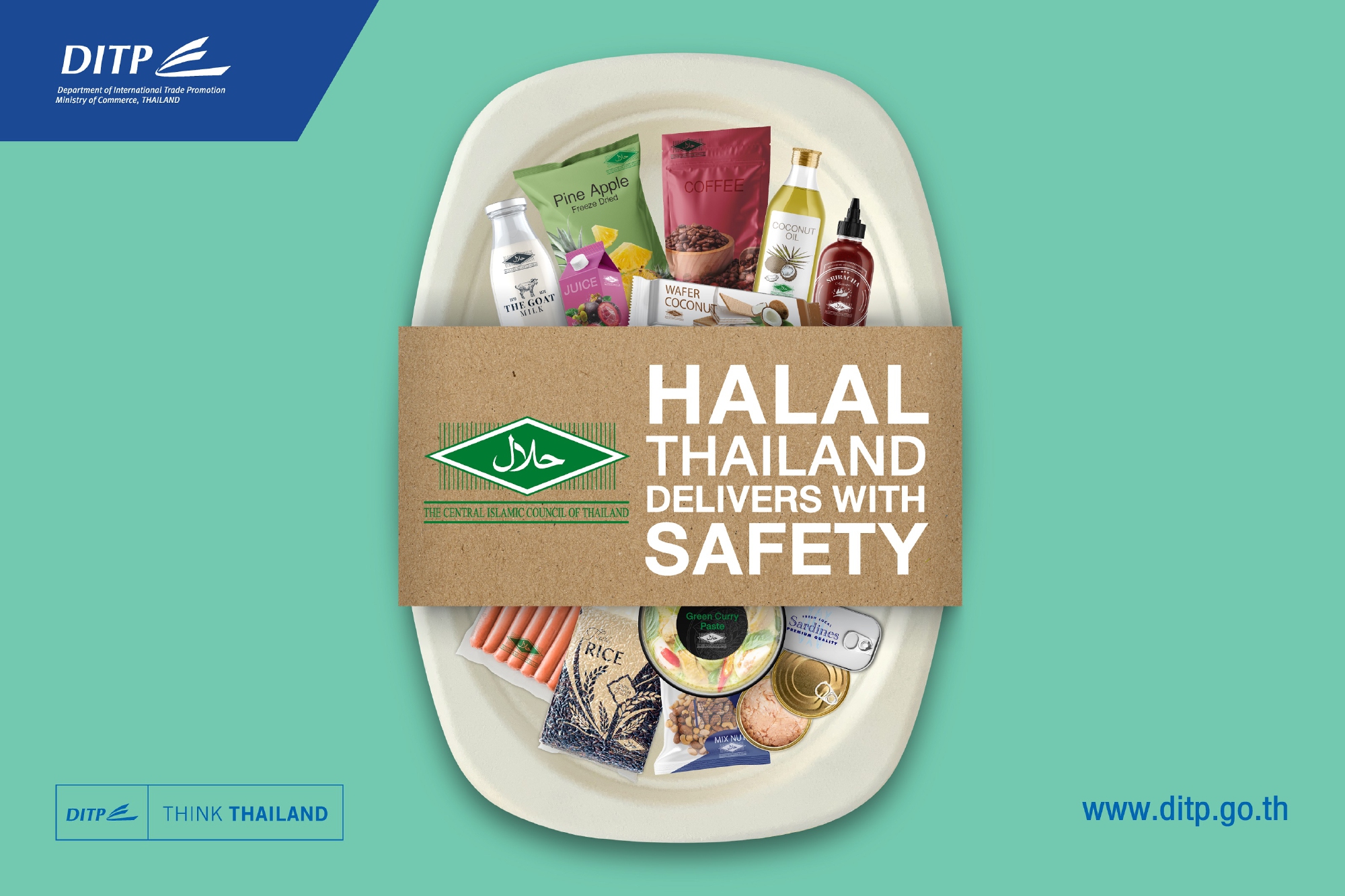
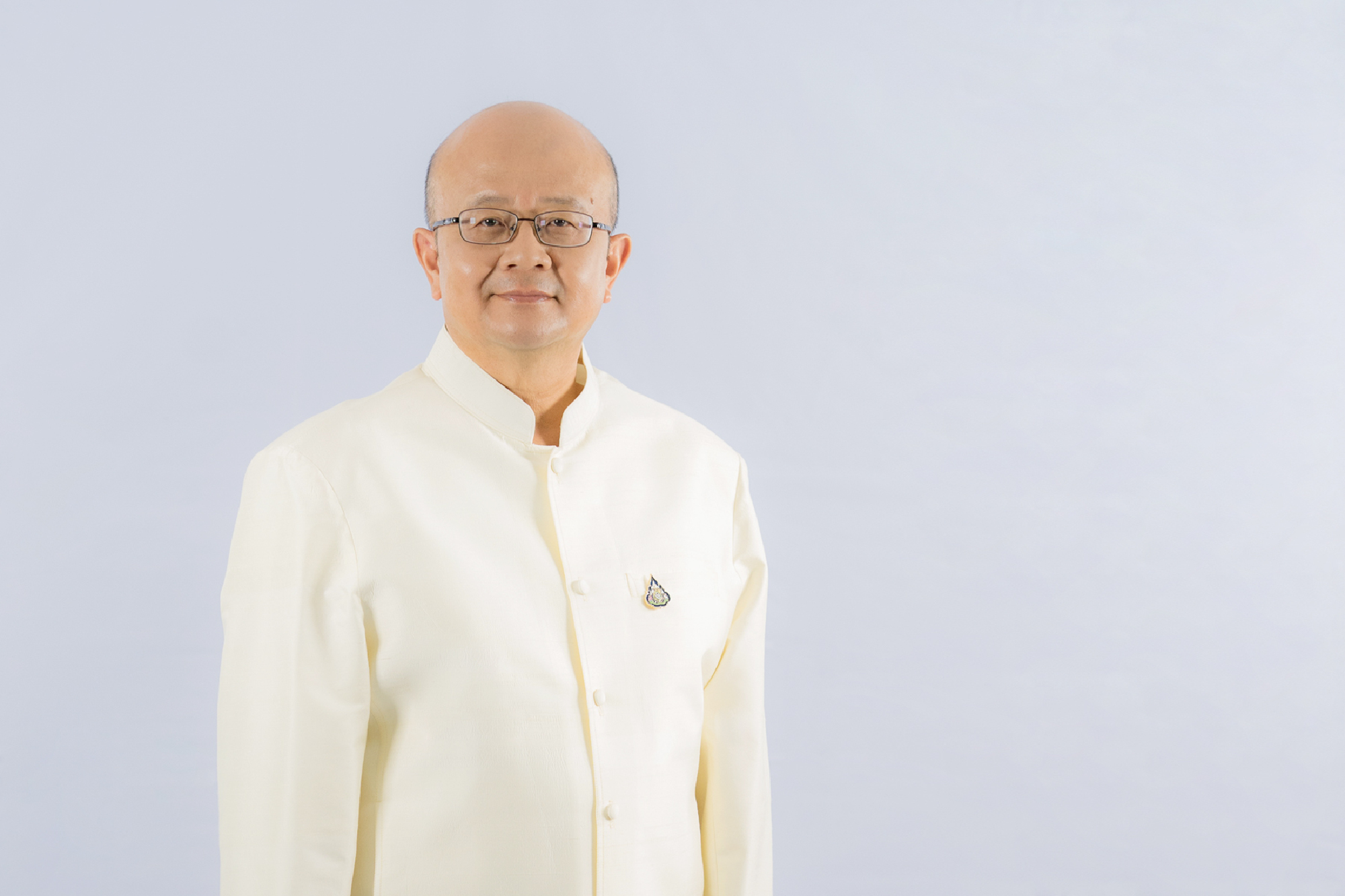 Thai halal food thriving in global market thanks to higher Covid-protection standards
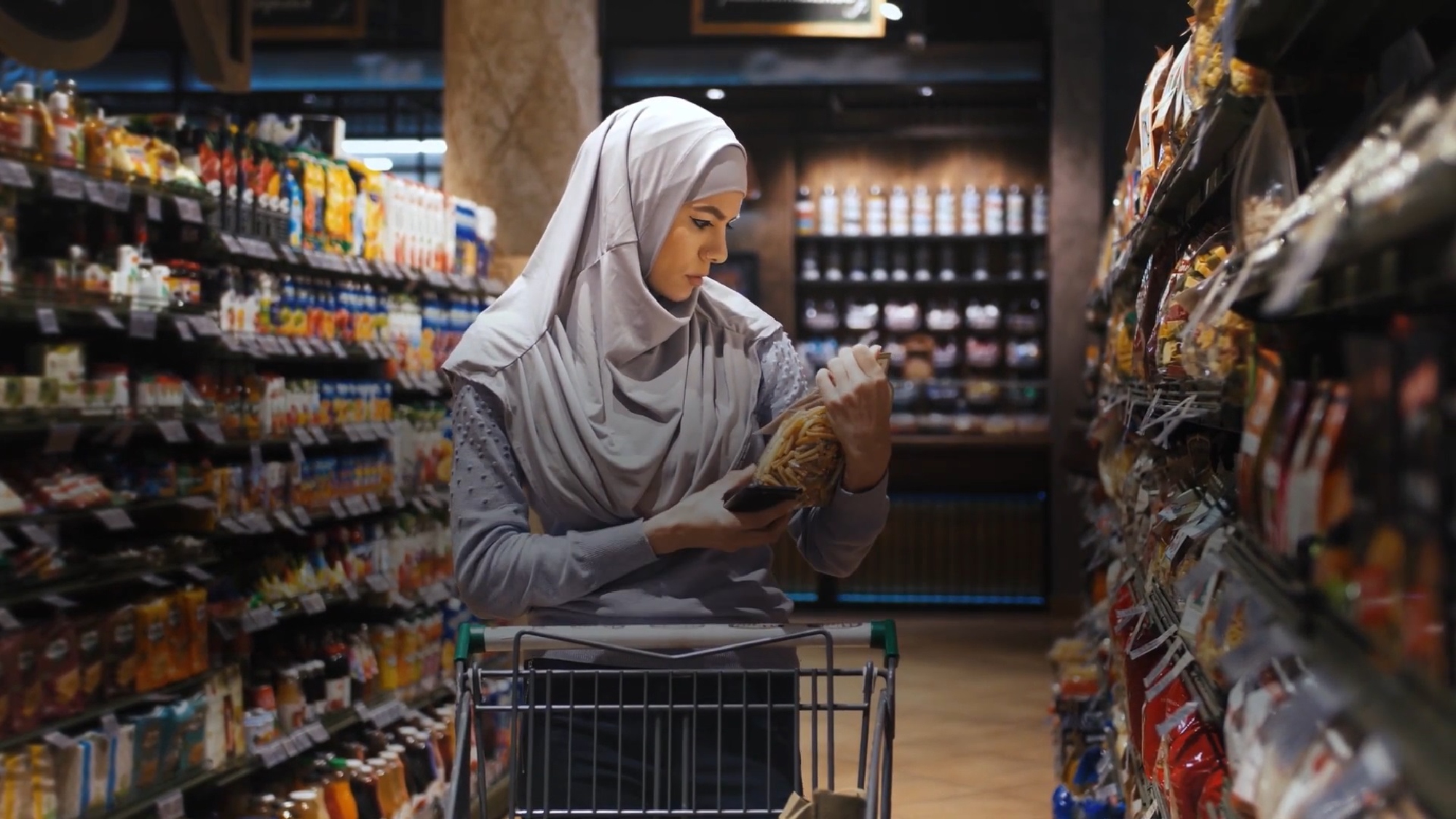 Thai halal food thriving in global market thanks to higher Covid-protection standards
 Thai halal food thriving in global market thanks to higher Covid-protection standards
 SootinClaimon.Com