Commerce Minister Jurin Laksanawisit said on Thursday that his ministry has produced 36,521 CEOs from Gen Z during the past three years in cooperation with private partners.
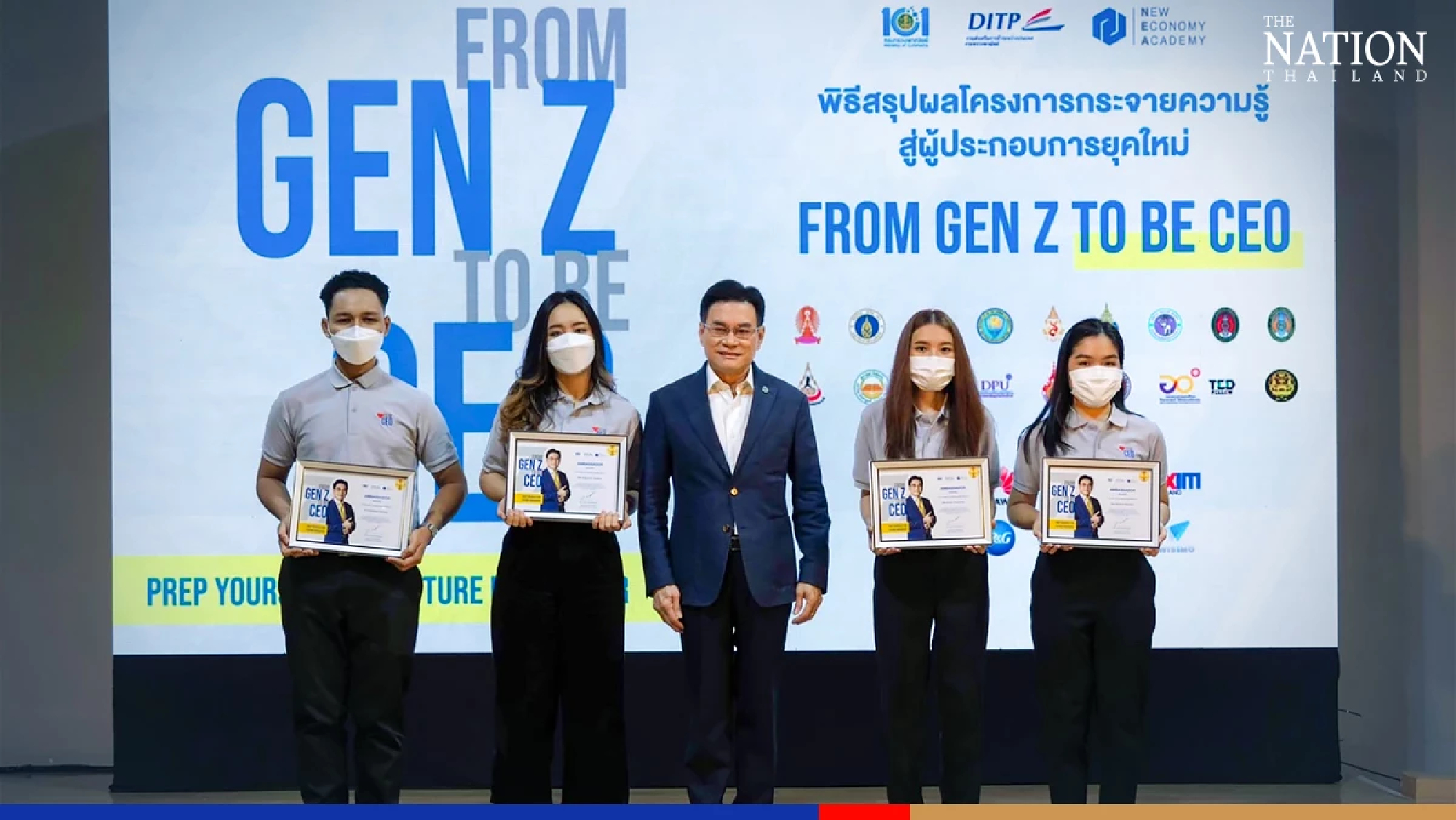
Jurin was speaking during a ceremony to grant certificates to 15,847 students who have been trained in the “From Gen Z to CEO” programme of the Department of International Trade Promotion (DITP) and the New Economy Academy. The event was held at True Digital Park building on Sukhumvit Sri 101.
Jurin said students from 104 universities from around the country had joined the programme, with cooperation from national and international business partners, including True Corporation, Huawei, Bitkub, Export and Import Bank, Shopee online trading platform, P&G, and Coro Brothers.
Jurin said he was confident that the 36,521 CEOs produced under the programme so far would be the driving force of the Thai economy in the future – for both the domestic economy and exports.
The programme gives students the opportunity to learn from successful CEOs of leading firms.
Jurin said the progamme was initiated with the notion that Gen Z people would like to be their own bosses of their own startup businesses.
Jurin said this year the top 100 students with highest scores after training came from 23 universities.
The DITP said the top 500 students with the highest scores would be allowed to enjoy an exclusive training programme from True Lab.
The department added that the top 100 students would intern with leading organisations, including True, Huawei, Bitkub, Exim Bank, Shopee, P&G, Coro Brothers and the DITP.
Jurin also handed over the Gen Z Ambassador price to the top four students and top 100 students.
This year, the top four students were Sirapassorn Sriyaphai, a law student of Chulalongkorn University, Pattarakorn Sornnarai, a business management student of Rajabhat Surat Thani University, Nachanok Nutcha, a dentist student of Chiang Mai University, and Rasika Priyaworakul, an economics student of Chulalongkorn.
Gulf Energy Development Public Company Limited (“GULF”) impressively issued THB 35 billion debentures in August 2022. The fully-subscribed debentures are testaments to investors’ confidence in GULF’s present performance as well as prospects. Such funding will ensure that GULF can smoothly proceed with its plan to expand its businesses both domestically and internationally.
Ms. Yupapin Wangviwat, Chief Financial Officer, GULF, stated, “GULF’s offering of its unsubordinated and unsecured debentures was a huge success and the company raised THB 35 billion as planned. The strategy to split the transaction into 2 offerings within the same month was intentional with the aim to capture a variety of investor types and cater to the different needs of different investor groups. For this transaction, GULF offered the debentures not only to its existing investor base of institutional and high-net worth investors, but also to the general public for the first time, and the debentures were well received by all investors equally.”
Among the THB 35 billion raised, THB 11 billion was placed to institutional and high-net worth investors via book building at the end of July 2022 with subscription dates on August 2-4, 2022. The amount was split between 3 tranches i.e. 3-, 5-, and 10-year tenors with average coupon across all tranches of 3.57% per annum. The remaining THB 24 billion was placed via public offering on August 15-17, 2022 with the tenors of 4 years and 7 years and coupon rates of 3.50% and 3.90% per annum respectively. For each tenor of the public offering portion, investors can choose based on their own preference and convenience between the digital version of the debentures offered through Krung Thai Bank Public Company Limited’s “Pao Tang” Application or the “traditional” version which could be subscribed through 9 financial institutions; Bangkok Bank Public Company Limited, Bank of Ayudhya Public Company Limited, KASIKORNBANK Public Company Limited, The Siam Commercial Bank Public Company Limited, CIMB Thai Bank Public Company Limited, TMBThanachart Bank Public Company Limited, United Overseas Bank (Thai) Public Company Limited, Kiatnakin Phatra Securities Public Company Limited, and Maybank Securities (Thailand) Public Company Limited. The final subscription for digital bonds via Pao Tang was THB 3 billion, while traditional bonds was an immense amount of THB 21 billion.
The overwhelming demand was clear evidence of investors’ confidence in GULF’s strong performance and future growth potential in addition to its good credit rating for both the company and the debentures, which have been rated A (stable outlook) and A- respectively by TRIS Rating Co., Ltd. on June 21, 2022.
“We would like to thank all investors for their interests in GULF’s debentures. We also appreciated all 10 financial institutions who acted as joint-lead arrangers for their efforts in making this transaction such a success. After this, the company will continue to expand the business in Thailand and overseas to drive sustainable growth,” Ms. Yupapin concluded.
Banpu, Thailand’s leading international energy provider, aims to green half of all energy businesses with a comprehensive energy portfolio that can grow despite volatility.
Banpu’s chief executive officer, Somruedee Chaimongkol, said that due to the trend of increasing global energy consumption, electric power generation must be more environmentally friendly.
Banpu will be “Greener & Smarter”, with renewable energy generation and technology solutions accounting for more than half of the company’s earnings by 2025, Somruedee said.
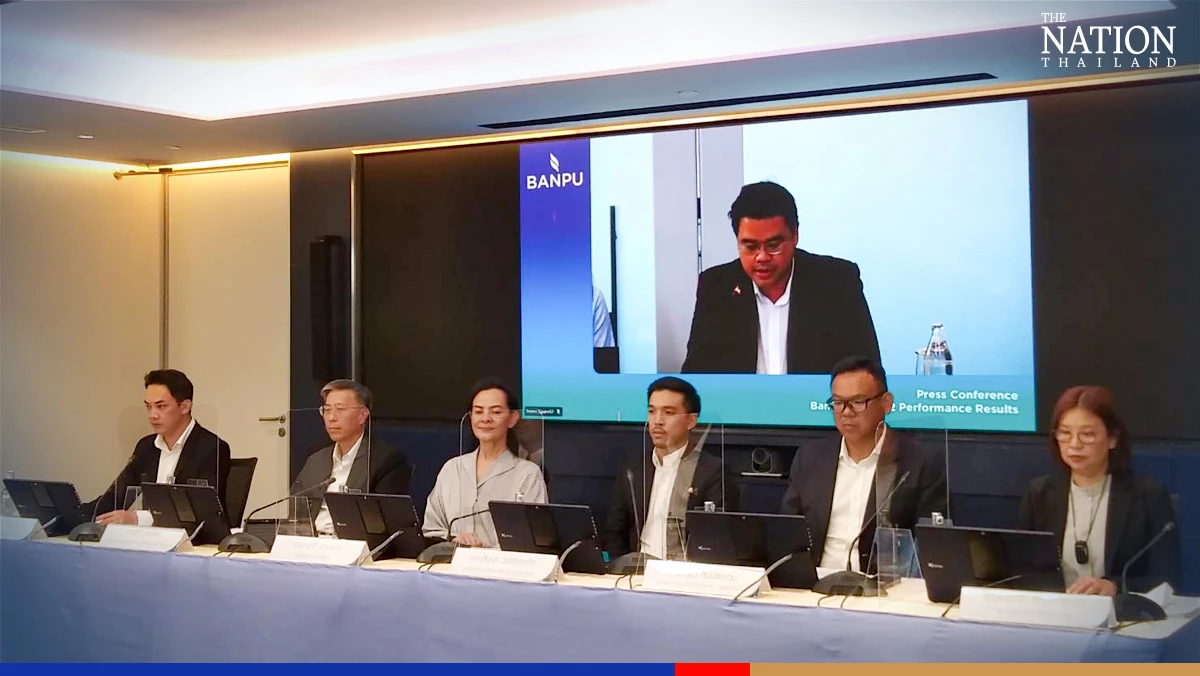
The latest development was revealed during a press conference on the company’s first-half earnings on Wednesday. The company’s operational results showed record strong cash flow and net profit for the first half of 2022, with total sales revenue of US$3.029 billion, a 97 per cent increase over the same period last year.
Earnings before interest, tax, depreciation and amortisation (EBITDA) totalled $1.543 billion, a 165 per cent increase from the same period last year. Net profit rose to $682 million, up 634 per cent compared to the same period last year.
Somruedee said that the robust performance was driven by constantly growing energy demand and tight supply, coupled with the company’s continued expansion of its greener energy portfolio, such as a successful acquisition to expand natural gas production in the US and the collaboration with business partners to build a lithium-ion battery assembly plant to penetrate the electric vehicle market.
“In the year’s first half, we invested in natural gas and related midstream businesses in the United States. We also launched the Carbon Capture and Sequestration project at the Barnett Shale Gas asset in Texas, marking another important step towards improving sustainability in our production processes in line with ESG [environmental, social and governance] principles,” the Banpu CEO said.
Energy resource, energy generation and energy technology are key for Banpu group’s revenue.
The energy resources group, which includes mining and natural gas, performed well due to high global coal prices and rising gas demand. The energy generation group, which is involved in thermal power generation and renewable power generation, is expanding along with cost-controlling measures to manage volatile energy costs.
The energy technology group is now scaling up the portfolio with a focus on expanding product and service offerings to enhance the Banpu ecosystem. The major project is the collaboration with Durapower, a global leader in performance lithium battery storage solutions, and Cherdchai Motor Sales, the largest bus operator in Thailand, to set up lithium-ion battery assembly plant for e-Bus battery systems.
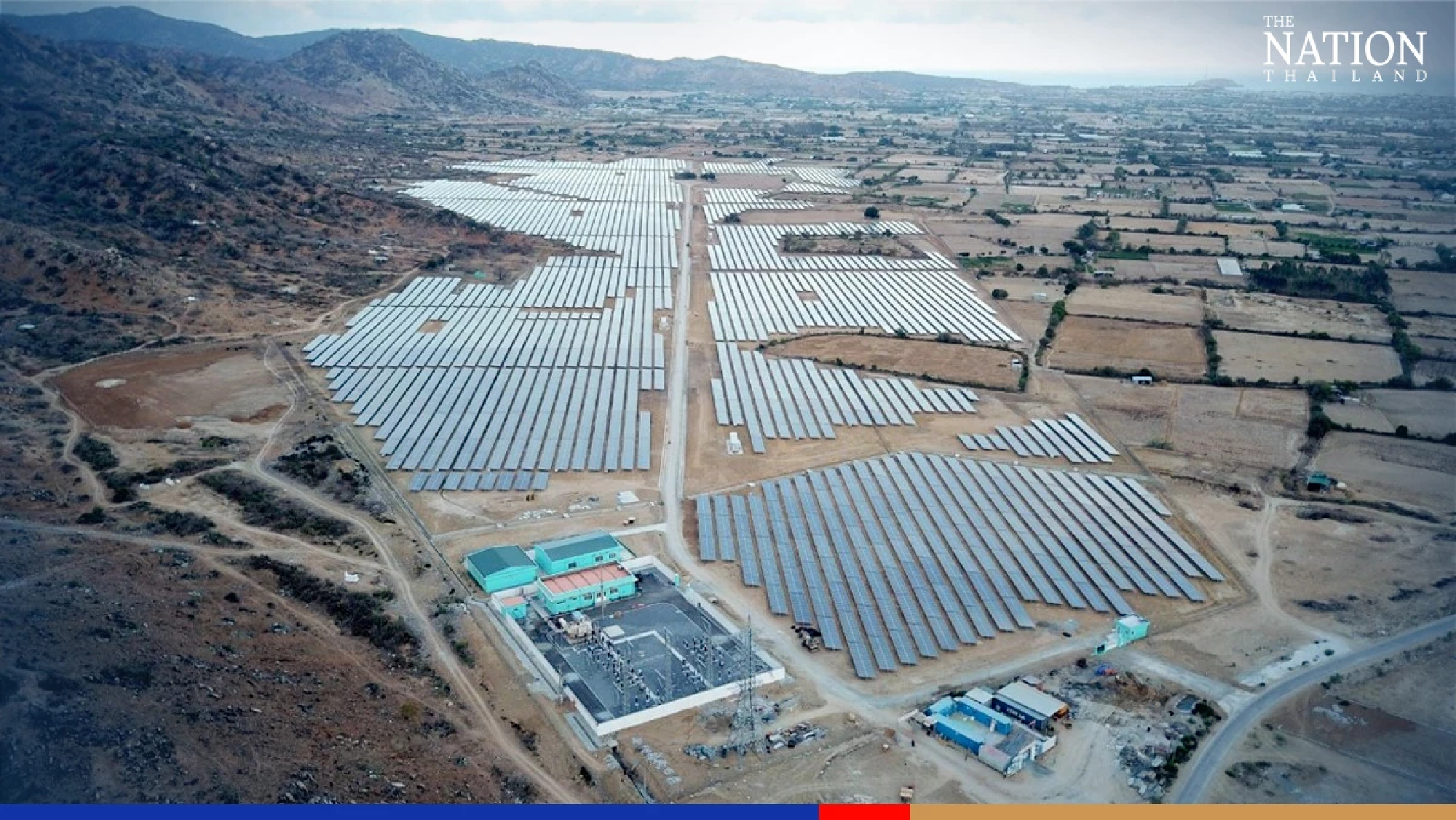
The partnership will capture the growing opportunity in EV markets across Asia-Pacific with a plan to expand its production capacity to 1 gigawatt per hour by 2026. Banpu has also expanded its customer base to Indonesia through its subsidiary in a solar rooftop project with total capacity of 7.27 megawatt peak.
Somruedee added that besides accelerating business growth through the Greener & Smarter strategy, Banpu is creating a new S-Curve by starting its investment portfolio into a US-based Healthcare Fund.
“We will continue to build a comprehensive energy ecosystem with our three main business groups to maintain our long-term strength while lessening the impact of external factors, such as market conditions, the global economy and the tension of international political situations, and keep us well-positioned to forge stable and sustainable growth,” Somruedee said.
Banpu Pcl is operating three core groups of businesses – energy resources, energy generation, and energy technology – in 10 countries: Thailand, Indonesia, China, Australia, Lao PDR, Mongolia, Singapore, Japan, the US and Vietnam.
As of June 30, Banpu’s total assets were worth $12.241 billion, an increase of $1.295 billion from December 31, 2021.
Is our company in need of digital transformation? It’s a question businesses must address now because Covid-19 has encouraged mass migration to cloud computing, while artificial intelligence is in high demand to ensure competitiveness.
“Banking businesses are visible early adopters of digital transformation. But now many others have found that adopting digital transformation is no longer optional, but a must,” said Taveesak Saengthong, managing director of Oracle Corporation (Thailand) Co Ltd.
Taveesak cited as an example a family-run SME business that was having difficulty managing inventory. Management is an essential component of a well-functioning supply chain.
Excess inventory consumes capital and increases the risk of stock becoming obsolete, whereas insufficient inventory has a negative impact on customer service.
“The company is in the exporting business with dealers in different locations. During the Covid lockdown, they needed to manage inventory costs, but the stocks were all over the place,” he said.
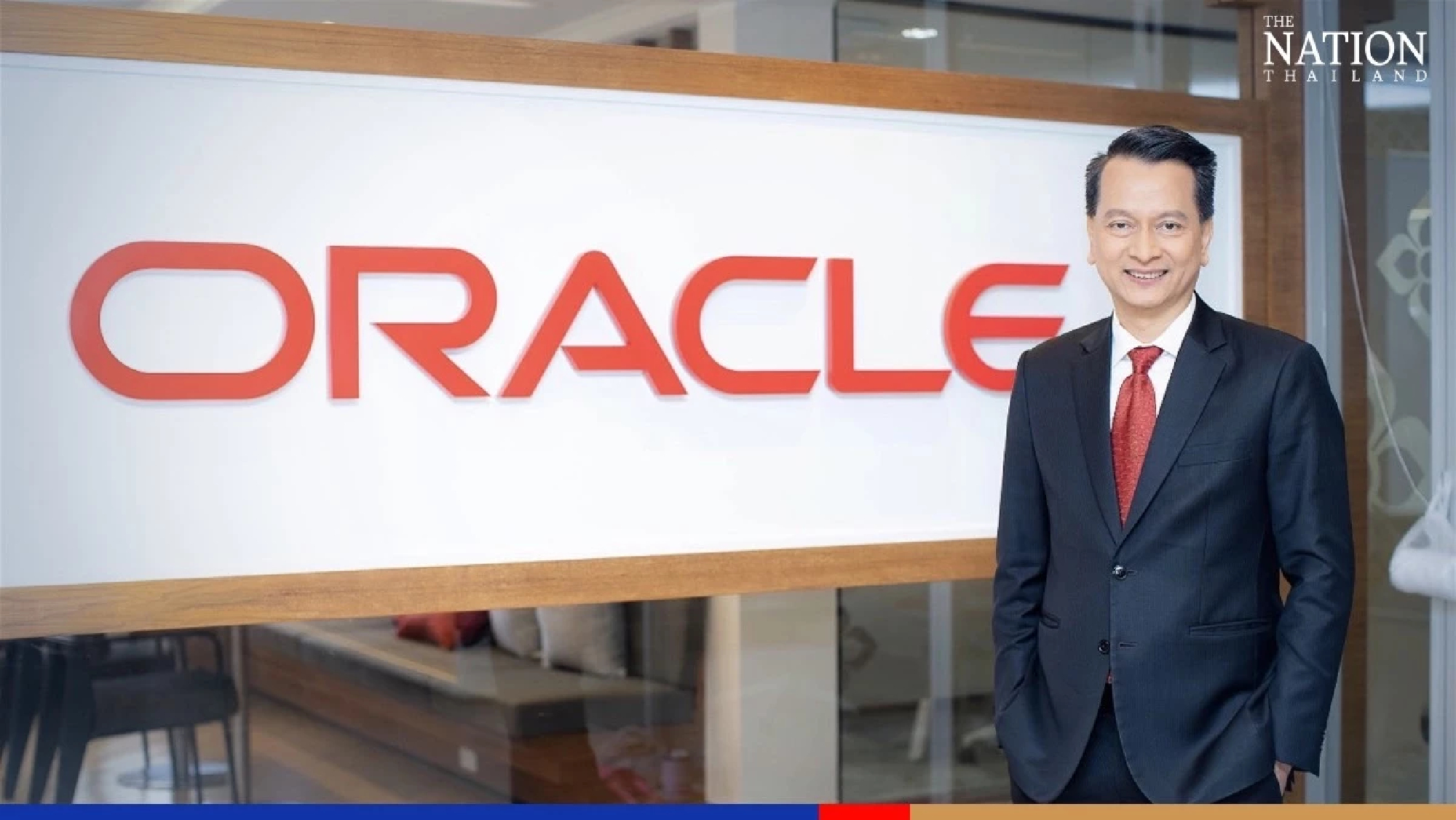
Taveesak Saengthong, Managing Director of Oracle Corporation (Thailand) Co Ltd.
Oracle Corporation (Thailand) was founded in December 1990, and provides database, tool, and application products. The company has developed innovations for cloud computing that speed up migration, provide greater stability and performance for all applications, and provide customers with all the resources.
They provide cutting-edge cloud applications with many services, such as Oracle cloud infrastructure (IaaS), Oracle cloud applications (SaaS), Oracle cloud platform (PaaS), and Oracle data cloud (DaaS).
The impact of cloud computing on the global economy is growing. According to IT research and consultancy company Gartner, as the effects of Covid-19 linger and businesses look to lay a foundation for increased agility and resilience, cloud demand and adoption in the Asia Pacific are expected to surge.
Overall cloud spending in the region is expected to reach US$200 billion by 2024. Spending on cloud services in Thailand is expected to reach 40.8 billion baht in 2022, representing a 36.6 per cent increase year on year.
The company is the only brand in the market to offer developers and business users workloads that are seamless and that satisfy their server, storage, application, and network requirements, Taveesak said.
With the cloud computing market expanding rapidly, vendors such as IBM, Google, Oracle, and Amazon have been catching up quickly.
Oracle has joined the market’s biggest players, which has also aided Oracle’s entry into the healthcare business. It has acquired Cerner, the developer of Electronic Health Record (EHR) software that is used to manage hospital patient data.
As one of the major developers of EHR in the market, Oracle plans to integrate its own Voice Digital Assistant with Cerner’s software to make it easy to use and give doctors quick access to patient data. It is also preparing to launch EHR software on the public cloud.
On January 27, 2010, Oracle Corporation completed its acquisition of Sun Microsystems, which had only been a software vendor prior to the merger. It now owns both of Sun’s hardware product lines, such as SPARC Enterprise, and Sun’s software product lines, including the Java programming language.
“Oracle usually acquires new businesses, literally every month in a year. The acquisition of Sun Microsystems helped support our enterprise systems. For example, a customer may take nine hours to run a system, which will now take only 1.4 hours. That means a huge cost-saving,” said Taveesak.
Oracle’s challenge is to provide its customers with specific technologies that enable them to achieve their commercial goals through their newly acquired abilities to use the cloud computing service, he said.
As a result of this encouragement and opportunity, Oracle customers have made a long-lasting positive impact on both industries and communities, he added.
According to Taveesak, retail is the Thai business sector that will use cloud computing the most. Oracle has volunteered to help businesses operate without worrying about investment due to the need to adapt to its customers in the new normal era.
Recently, CP Group decided to use AI by utilising Oracle’s cloud-based financial accounting system to manage corporate finances effectively in online shopping and in over 2,000 branches, including Lotus Malaysia.
In terms of sustainability, Oracle believes that it is at the heart of business operations, from managing natural resource uses to ensuring responsible supply chain practices and running global sustainable events.
Oracle cloud allows its customers to not only increase business value but also reduce their environmental impact, given the fact that cloud computing and AI are now related to sustainability requirements, he said.
The advantages of environmental, social, governance (ESG) programs can be extended throughout the organisation.
First, the company can save money by reducing waste.
Second, they can protect customers’ human rights and mental health.
Finally, when organisations have a diverse leadership supported by a strong governance framework, employee morale improves and it is easier to retain top talent, Taveesak added.
“Business partners must adhere to ESG standards. It is no longer something ‘nice to have’ or ‘optional to have’ going forward. The benchmark set by ESG is rising to a new level. AI and cloud computing will be vital in the evolution,” he predicted.
Thailand’s Board of Investment (BoI) announced on Wednesday that it had approved 784 projects by both domestic and foreign companies from January to June 2022, a 4 per cent increase year on year.
However, the total investment value in the first six months dropped 42 per cent year on year to 219.7 billion baht.
BoI secretary-general Duangjai Asawachintachit attributed the significant drop in investment to power generating mega projects approved in 2021, which had contributed more than 75.7 billion in investment.
Duangjai said this year’s investments still show significant expansion especially in target industries such as electric vehicles and digital, which have received additional investment of 42.41 billion baht and 1.45 billion baht respectively, expanding 212 and 202 per cent year on year, respectively.
In the first half, the BoI approved 395 projects with foreign direct investment valued at 130.08 billion baht. Taiwan was responsible for the highest investment – 36.1 billion baht – most of which was in automotive and components manufacturing.
Duangjai also said 217 of the approved projects are located in the Eastern Economic Corridor, with total investment of 104.85 billion baht.
Rayong received the most investment – 85.5 billion baht – from 86 projects, followed by Chonburi (16.69 billion baht from 110 projects), and Chachoengsao (2.66 billion baht from 21 projects).
This year the BoI has added four industries in the high technology category, in which approved operators will receive promotional benefits such as corporate tax exemption for 5-8 years.
They are manufacturing of high-precision machines and parts, high precision machine repairs, additive manufacturing of 3D metal printing, and manufacturing of micro technology products.
The board has also adjusted its requirement for investment projects that need to submit a feasibility study – from an investment value of 750 million baht to 2 billion baht – which will help reduce the burden on smaller investors when they prepare application documents.
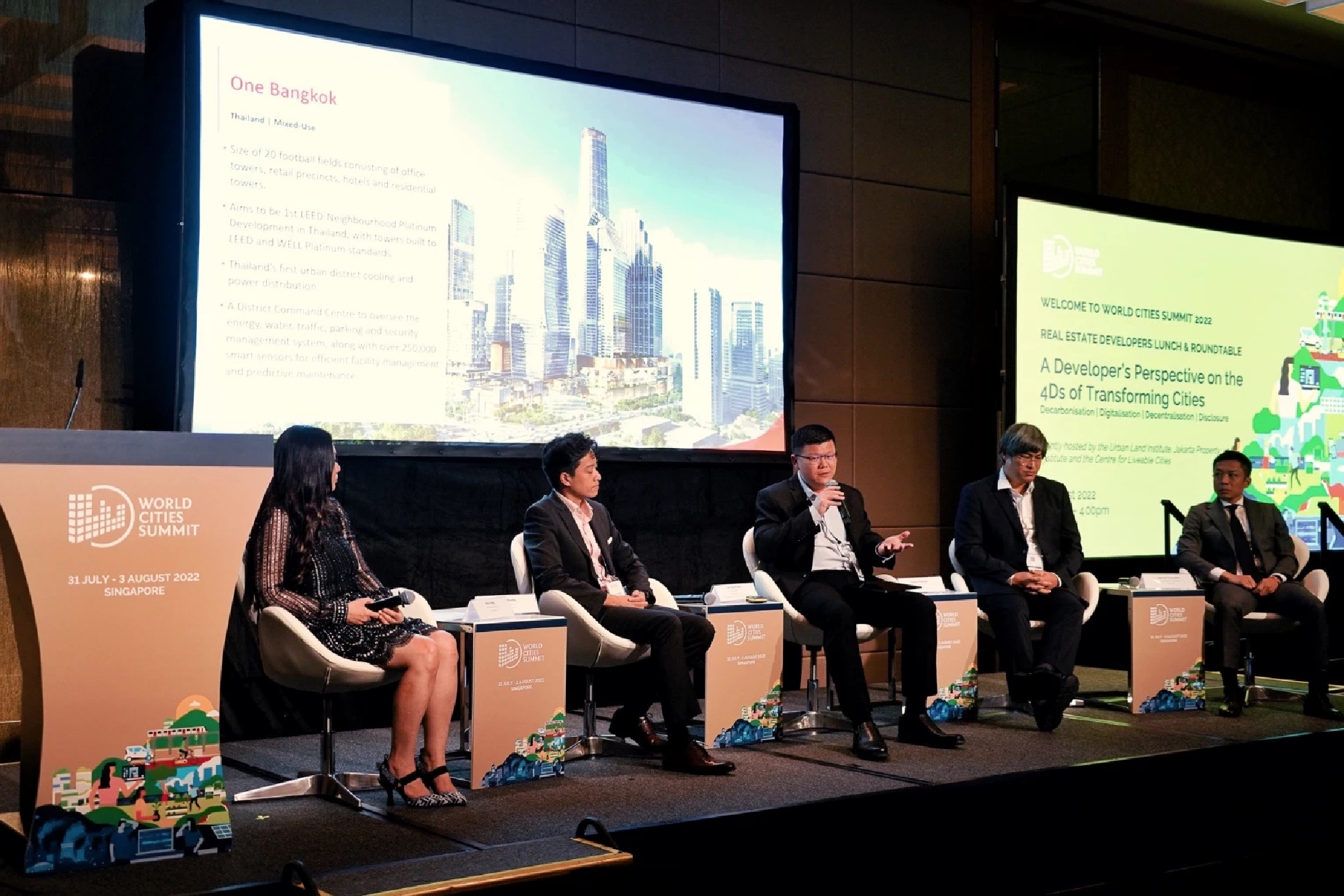
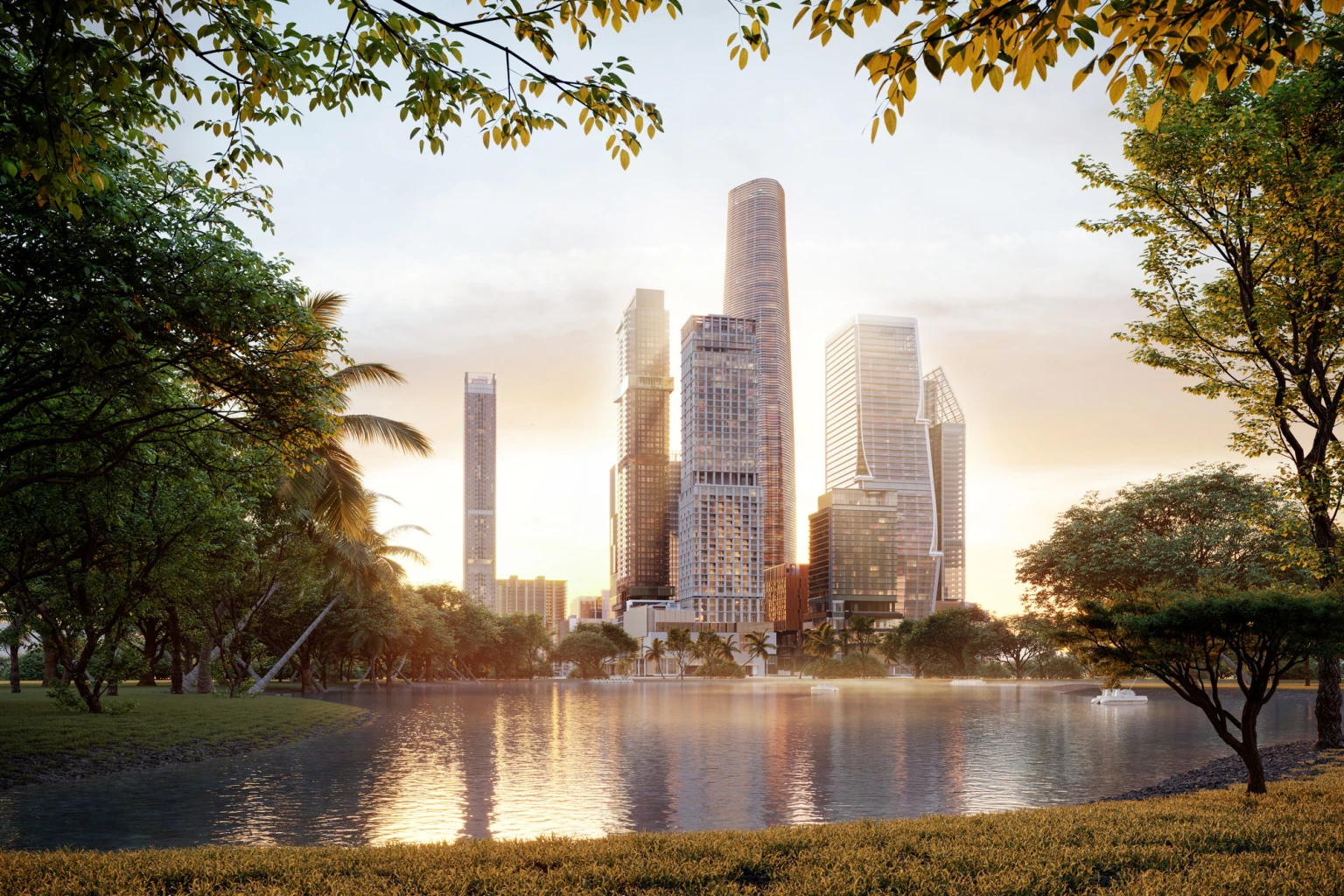
Mr Lim Hua Tiong, Chief Executive Officer – Development of One Bangkok and Chief Executive Officer of Frasers Property Vietnam, recently shared his visions for One Bangkok, Thailand’s largest integrated development in central business district.
As a keynote speaker under the topic of “A Developer’s Perspective on the 4Ds of Transforming Cities” (Decarbonisation, Decentralisation, Digitalisation, Disclosure) during the Urban Land Institute event at World Cities Summit 2022 in Singapore, Mr Lim Hua Tiong shared his visions among a panel of developers in development and asset management for properties from around the region.
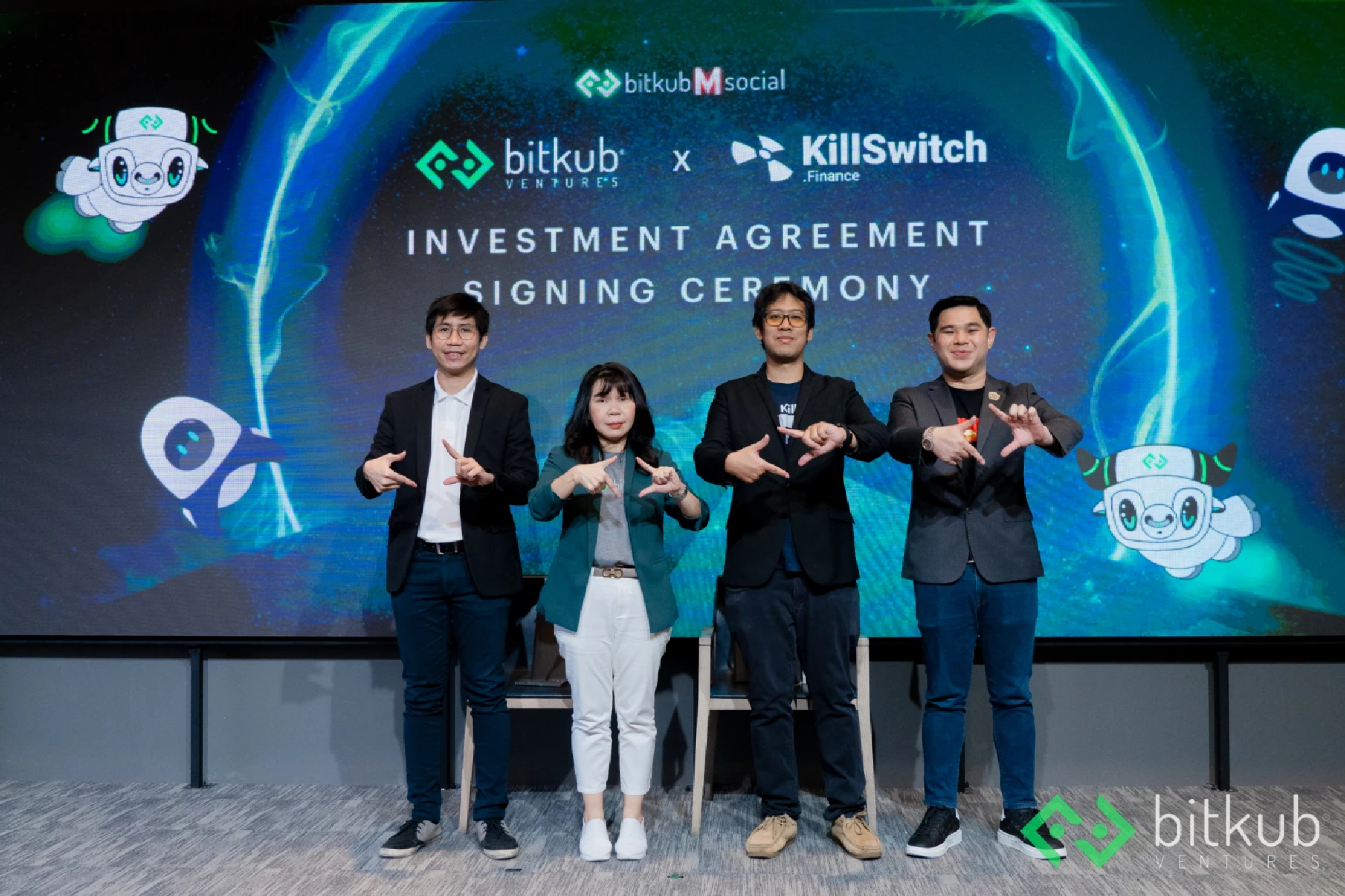
Bangkok, August 16, 2022 — Bitkub Ventures, a Bitkub Capital Group Holdings associated company, invested in KillSwitch, a yield farming platform with a goal to strengthen Bitkub Chain’s ecosystem.
KillSwitch is a cross-chain yield aggregator DeFi platform aims to improve security and convenience for all yield farmers. They have unique features like ‘Auto-Compound’, ‘Mixture’, and their most recent addition, ‘Take Profit/Stop Loss’, which guarantee that users are free to ‘Unstake’, remove liquidity position from their funds, or sell their high-risk assets in an easy and secure manner.
This collaboration will bring new DeFi related applications onto Bitkub Chain with the help of the KillSwitch team. In order to get the best outcomes for the strategic partnerships, both parties agree to support one another with marketing initiatives. This partnership will bring the KillSwitch team, one of the blockchain industry’s most promising teams, into building on Bitkub Chain.
“The decision to invest in the KillSwitch project is because it is a yield aggregator platform that can make it easier for people to use DeFi with KillSwitch’s various functions. It is also one of the few developed by a talented Thai team and experts in the industry like Khun Chanon’s team. The platform built and targeted at a global scale and is also the only platform with stop loss feature in the world. Bitkub Ventures believes that this investment will create synergy for the Bitkub Chain,” said Ms. Naowarat Thammasuaydee, CEO of Bitkub Ventures.
“We have one common idea, that although KillSwitch is almost 100% Defi, I see that if we don’t have a use case in the real world sector, it won’t be sustainable. We have the same strategic approach and mission. I believe that this joint investment will allow Bitkub Chain and Rei Chain to grow to the next level. I want these two chains to be viewed as sister chains that can act as a bridge between the two chains,” said Mr. Chanon Yaklai, CEO of KillSwitch.
“This cooperation will strengthen Bitkub Chain’s ecosystem and I believe that KillSwitch will provide a lot of conveniences and improve the security to all yield farmers on Bitkub Chain,” said Mr. Passakorn Pannok, CEO of Bitkub Blockchain Technology.
Distressed cryptocurrency firm Zipmex has been granted a three-month debt moratorium for all its entities by a Singapore court.
Zipmex Thailand said the court approved the request during a hearing on Monday and the debt moratorium provided protection to Zipmex Asia, Zipmex, Zipmex Thailand and two other subsidiaries of the Singapore-based parent company.
The five Zipmex firms will be protected from legal action by creditors until December 2.
The court also ordered Zipmex firms to hold Town Hall meetings with clients within the next month to inform them of the current status of Zipmex firms, the possibility of buyouts by investors, and when they will be given access to their frozen Z Wallet accounts.
The dates for the meetings will be announced via emails and websites of the Zipmex firms.
Zipmex hit trouble after it invested US$53 million worth of crypto coins deposited by Z Wallet clients in two crypto lenders, Babel Finance and Celsius, which then defaulted.
Under the moratorium, Zipmex firms must report their assets within one month and any transfer of assets within 14 days. They must also issue reports on their profits and liquidity within a month as well as monthly reports on management budgets.
The Zipmex firms are also required to issue an affidavit on the progress of operations to tackle the financial crisis within six weeks.
The court also ordered the Zipmex firms to issue monthly progress reports to clients.
Zipmex Thailand said the court’s approval was a positive sign and reflected Singapore’s and international investors’ confidence that Zipmex could solve the crisis.
It said Zipmex firms were trying to mitigate the impact from Z Wallet woes and are in the process of developing an eco-system for stability of Zipmex’s ZMT coin.
It added that Zipmex firms are in buyout talks with several major investors aimed at injecting liquidity to repay investors.
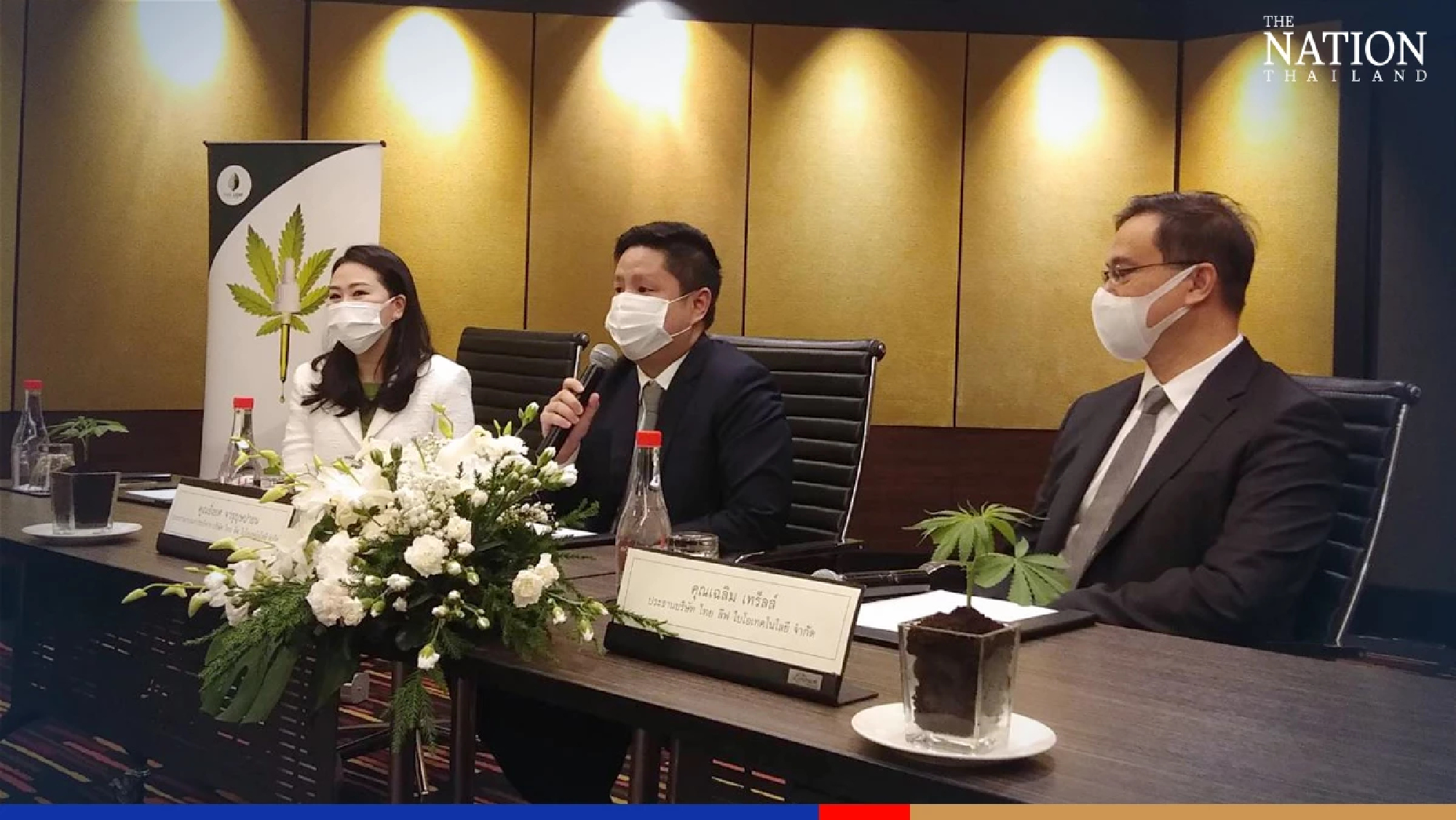
Thai Leaf Biotechnology (Thai Leaf) has announced plans for hemp development and production aimed at making Thailand a regional leader in the hemp and cannabidiol (CBD) market.
Thai Leaf’s CEO Yingyos Charubusapayon told a press conference on Tuesday that legalisation of hemp at the beginning of 2021 had piqued interest among investors and various industries, creating continuous new demand and supply.
Aiming to be a one-stop service for high-quality hemp products, Thai Leaf has joined hands with local property developer Origin, CannaPharma of Canada, Singapore’s Eralian Capital and Cornell University in the United States.
The partnerships would ensure the quality of the company’s hemp products from seed strains to CBD oil, Yingyos said.
Thai Leaf is currently collaborating with Cornell University researchers to improve its own hemp strain as a unique variety that can only be grown in Thailand.
The Cornell researchers will also assist the company in extracting purified and high-quality CBD for pharmaceutical purposes, he said. The global CBD market was valued at US$5.18 billion (185.5 billion baht) last year.
Meanwhile, Thai Leaf plans to collaborate with local producers to create hemp-based products using their CBD extract. Drinks and beverages, supplements and cosmetics would be the primary product categories.
These consumer goods are due to launch early next year targeting total annual sales of 750 million baht. He added that Thai Leaf would wait until the government issues regulations on hemp before producing CBD pharmaceutical or medical products.
Thailand’s hemp market is expected to grow by 7.2 billion baht this year, with Thai leaf accounting for a 10 per cent share, Yingyos said.
The company has a five-year business plan (2022-2026) aimed at driving Thailand to become a regional leader in CBD-infused hemp products and expanding to a global level thanks to high potential in various related fields. These include its ambition to become an Asean region medical hub generating enormous economic growth.
Chalerm Traill, Thai Leaf’s president, said hemp has high economic value as components of the plant can be developed into a variety of products, including food, medicine, textiles and appliances. The global hemp-products market is expected to grow to $18.6 billion by 2027.
The company returns to profit-making for the first time after five-consecutive loss-making quarters, pushing the second half results to surpass the full-year target, driven by 4 businesses across the portfolio together with the new housing project.
Bangkok (August 16, 2022) – Singha Estate Public Company Limited reported its total revenue of 5.79 billion baht in the first half of 2022 (1H2022), jumped 92 per cent YoY. The significant improvement in financial performance was mainly resulted from an increase in revenue across 4 existing businesses and the revenue recognition from sale industrial area for the first-time in the second quarter. Thanks to our strategies during the past 2 years to diversify our investment across all cores and connected businesses. The strategic move has led 2022 revenue to double the performance over the last year, recaching its new high.
An increase in revenue due primarily to the robust performance of hospitality business, reported at 3.761 billion baht, tripled the total revenue from the same period of 2021. This was attributed to the sharp recovery in performance of CROSSROADS Phase 1 hotels together with the UK Portfolio hotels which increased 128 per cent compared to the same period last year and made up to 75 per cent of total revenue from hospitality business. Moreover, the Company foresees the great momentum of the Outrigger Portfolio and Thailand Portfolio hotels which generate revenue from sales and services increased over 8 times from the same period last year, contributed 25 per cent of total revenue from hospitality business. The Company has set the revenue target of those portfolio to reach goal of 35 per cent of its total revenue from hospitality business in stabilized period or more than 4 billion baht. This reflects a positive signal to future revenue growth which can be substantial when tourism sector recovers to surpass pre-pandemic.
At the same time, revenue generated from commercial business in 1H2022 increased 5 per cent YoY mainly from the solid average occupancy rate at 88 per cent. Meanwhile, the Company could achieve the higher average rental rate amidst the challenging situation. Therefore, the revenue from rental and services improved by 132 per cent from the same period last year to 4.371 billion baht in 1H2022. The revenue from sales of real estate also improved to 1.419 billion baht in the said period. The increase was attributed to the recognized revenue from The ESSE Asoke and The ESSE at Singha Complex together with the revenue from sale industrial area in S Industrial Estate Angthong for the first time in the second quarter of 2022.
Mrs. Thitima Rungkwansiriroj, Chief Executive Officer of Singha Estate Plc, or “S”, revealed that the success of business restructuring became fruitful in Q2/2022, particularly the additional investing in the hotel portfolio which could provide a diversified and seasonal balanced portfolio. Tropically the second quarter is considering as the high season of United Kingdom and Fiji, leading the revenue of those portfolio to increased 40 and 100 per cent, compared to the same period last year. Moreover, investing in industrial estate and infrastructure business is helping diversify revenue stream via customer base and generating recurring income in the long run. During the said quarter, Singha Estate achieved total land transfer and realized the revenue from sale industrial area of 77 rais to B.Grimm Power (Angthong). Regarding the accelerated business recovery and the effective cost management, the Company announced its second quarter 2022 financial results, posting a returning to strong profitability at 102 million baht. We are confident that the strong performance will keep up the momentum.
Looking into the remainder of 2022, the financial performance is expected to have a progressive improvement, rising 30 per cent from the first half of the year, benefited by the robust performance of hospitality business and the revenue from sale houses and condominium units. The Company foresees the positive sentiment of operating results in July 2022, showing the average occupancy rate at 70 per cent. We expect the hospitality business to continue its robust recovery particularly in the high travel season of Thailand and Maldives in Q4/2022. Moreover, we continue to uplift the properties in order to strengthen hotel efficiency and increase average room rates (ADR) in the future. Consequently, CROSSROADS hotels and UK Portfolio hotels are expected to enhance ADR to surpass the pre-COVID19 level by 41 and 27 per cent, respectively. Apart from the continuous outstanding performance from CROSSROADS and UK Portfolio, another key driver that will escalate the operating results is from Thailand hotel portfolio, following the fully re-opening the country in July, resulting in SAii Laguna Phuket and SAii Phi Phi Island Village to achieve an occupancy rate of 68 and 63 per cent, respectively. Therefore, with the potential of the company’s hotels which based in prime location of the five most popular tourist destinations around the world and the success of the Company’s brand awareness, we are fully confident to the stronger performance of Thailand hotel portfolios, expected to generate nearly double the revenue growth in the second half of the year.
Singha Estate also expects the accelerated transferred activities of the Santiburi the Residences in the second half of the year. Moreover, the Company set target to transfer the new project “Siraninn Residences” by the fourth quarter of the year. This will lead the full-year revenue from residential to grow by 50 per cent YoY or more than 3.3 billion baht in 2022 from the new housing project “Siraninn Residences” which is expected to launch in September this year. The project is located on Pattanakarn 32, one of the most premium locations for urban housing projects today. Siraninn Residences is a two-story horizontal luxury detached housing project, surrounded by quality communities, offering exclusively only 28 units which the estimated price starts from 65 to 180 million baht, and 4 home offices whose price is estimated around 20 million baht each. The company has been receiving interests from customers who have loyalty towards Singha Estate brand. We, thus, confident to achieve the transfer target in Q4/2022, according to business plan.
The Company has set the ambitious target of new project launch of 52 billion baht within 5 years, pushing forward the luxury housing market through three new segments which has estimated price per unit starts from 10 to 100 million baht. Other two segments will be officially launched in 2022. With its current progress of land acquisition, the Company has secured 2 land plots and the remaining target are nearly to be completed for project development which will be ready to launch of 4 projects within 2023. The Company fully expects to acquire another 5-7 land plots per year and will continue to launch the projects with an estimated value of 10 billion baht per year.
“Regarding the progress of long-term lease agreement on the Company’s retail space with S Prime Growth Leasehold Real Estate Investment Trust (SPRIME), on June 24, 2022, the Company has leased the retail space in the Suntowers building to the SPRIME with the transaction amount of 213 million baht, in which the particular retail space has an occupancy rate at 98 per cent currently. The Company strongly believed that the investment of SPRIME is focus on the potential assets that would provide a profitable in the long-term. However, the Company still considers postponing the long-term lease of Singha Complex into SPRIME owing to the fluctuated capital market. As well as the economic situation still under pressure from the higher interest rate, inflation, fuel price, pandemic, and the international political conflicts. However, the Company is confident that the performance of Singha Complex will generate profit from operation around 400 million baht per year,” said Thitima.
 Jurin said this year the top 100 students with highest scores after training came from 23 universities.
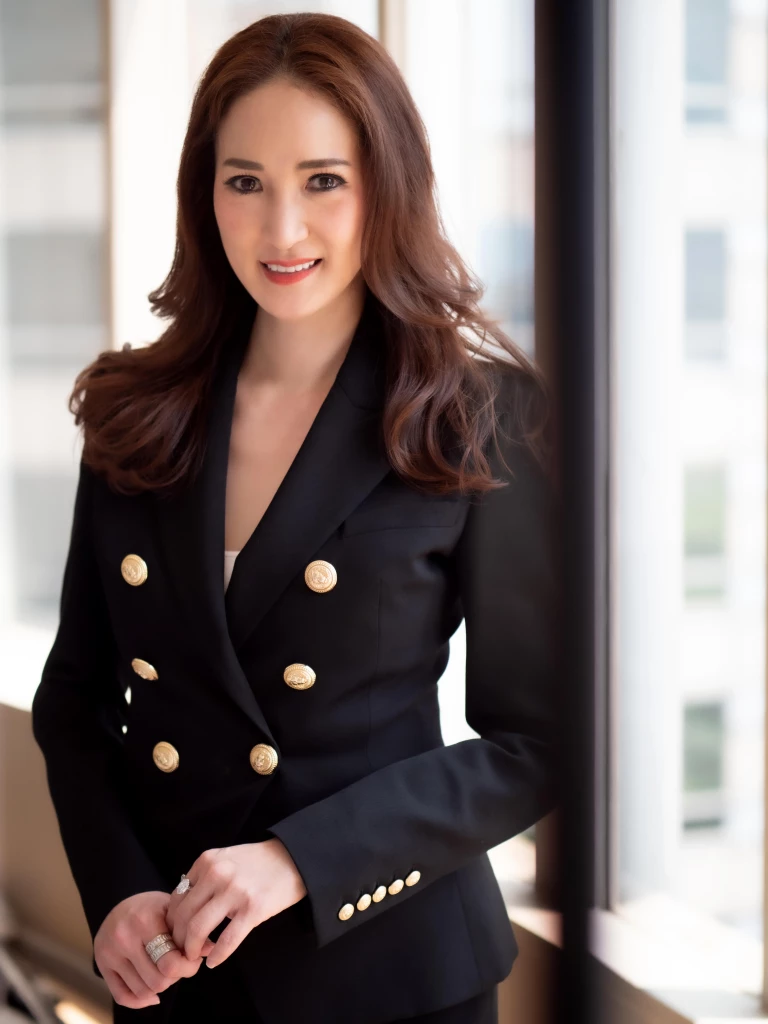

 Taveesak Saengthong, Managing Director of Oracle Corporation (Thailand) Co Ltd.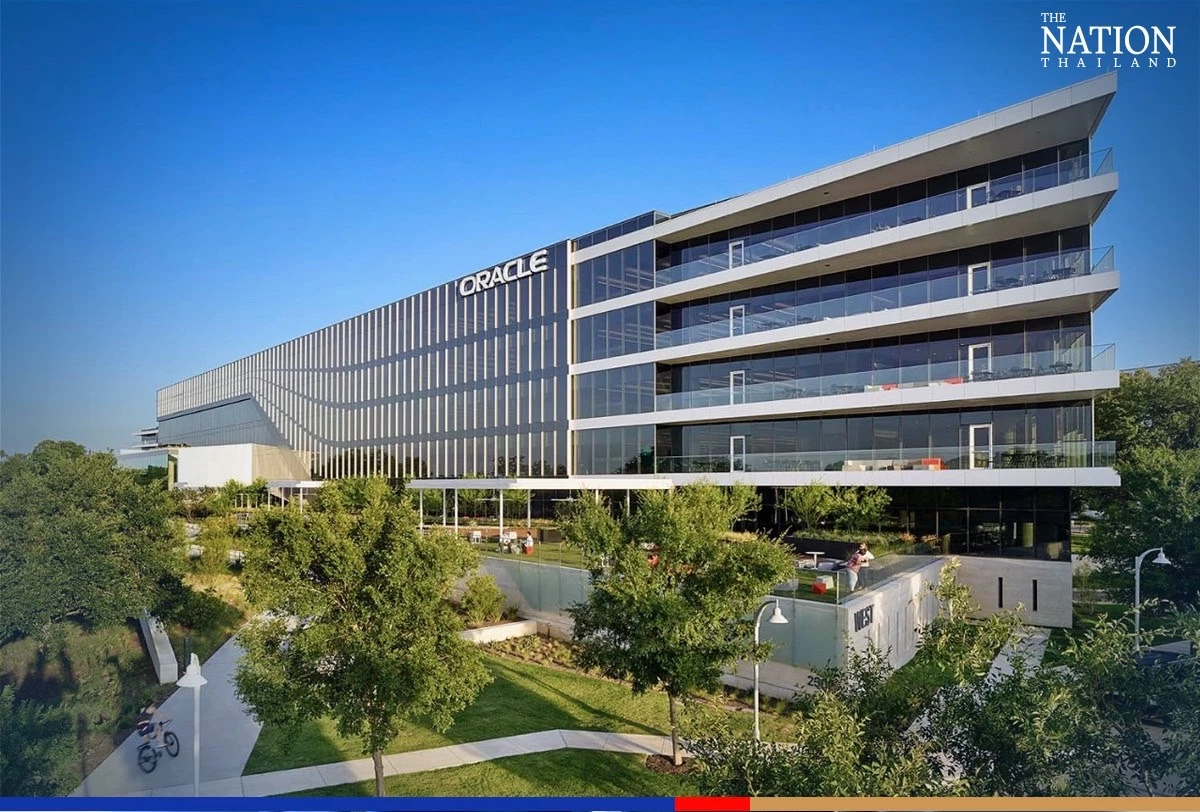







 SootinClaimon.Com