The Trade Competition Commission of Thailand (TCCT) said on Friday that only the National Broadcasting and Telecommunications Commission (NBTC) has the authority to block the True Corporation and Total Access Communication (Dtac) merger.
TCCT chairman Sakon Varanyuwatana said his commission cannot intervene, all it can do is explain the complications of the merger to the House committee. He added that the issue needs to be considered in line with related laws and business prospects.
Sakon pointed out that there were 32 mergers last year worth a total of Bt2.1 trillion, adding that the number of mergers had doubled compared to last year and the value had risen by about 3.4 times.
He added that over the past three years, 24 complaints of unfair trade practices have been filed against mergers.
The complaints were mostly against businesses in the service, retail and transport sectors, and most complainants said they feared merged businesses would dominate the market.
Sakon added that TCCT has taken action against several cases for unfair trade practices and 14 have been hit with hefty fines by courts.
Earlier, the Thailand Consumer Council and several academics had called on the NBTC to reject the merger for fear it would lead to duopoly in Thailand’s telecom market and result in rising expenses for consumers.
They called on the current NBTC commissioners to defer the decision to new NBTC members, who will take over after getting a royal endorsement.
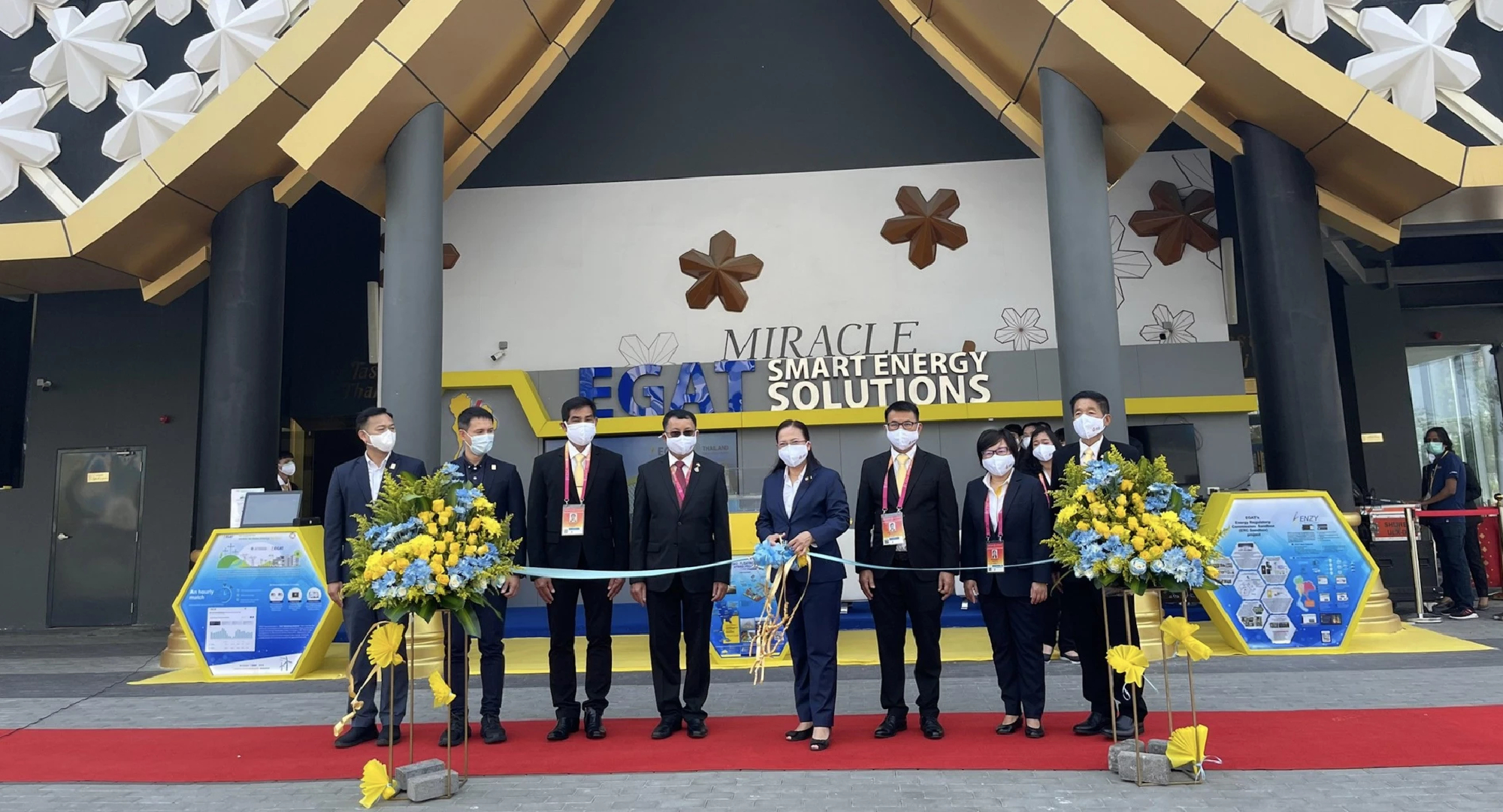
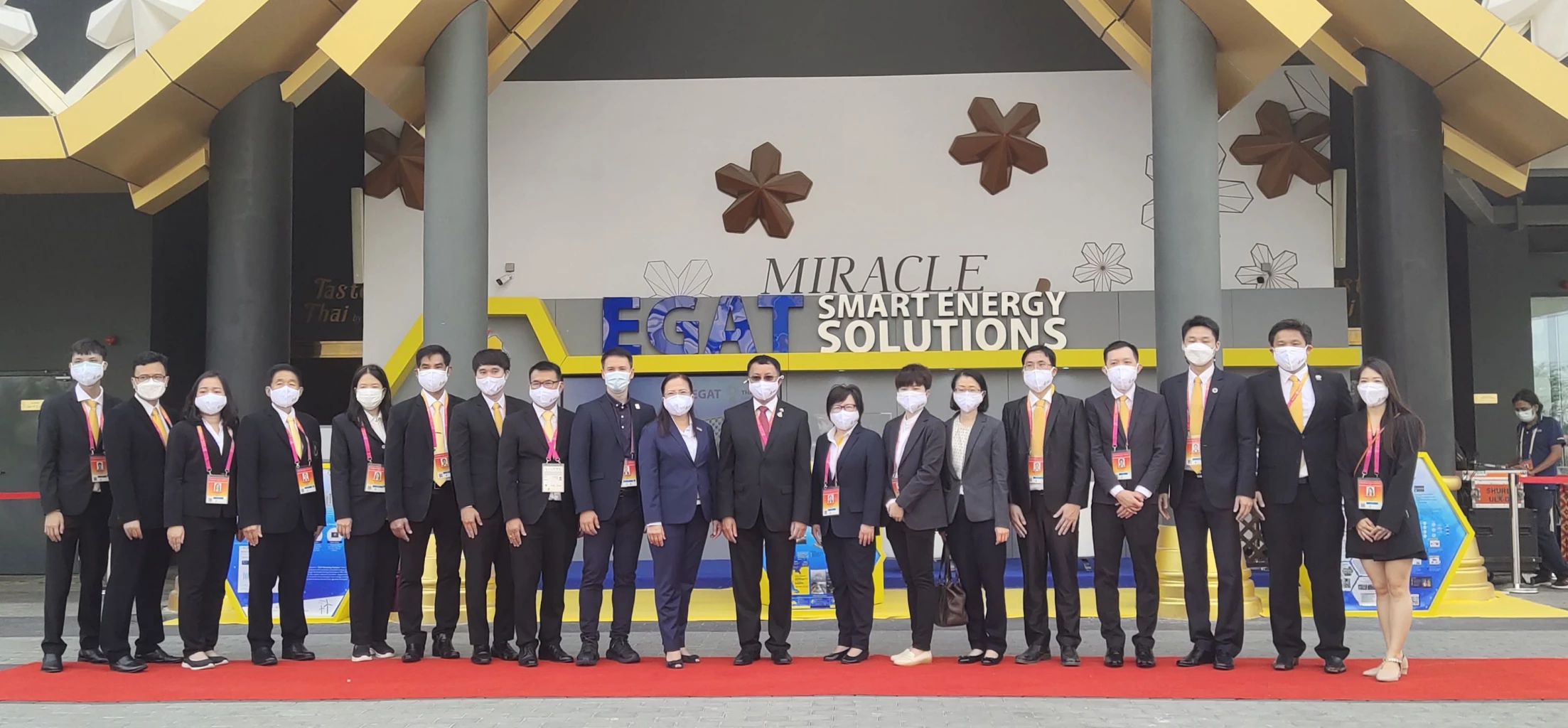
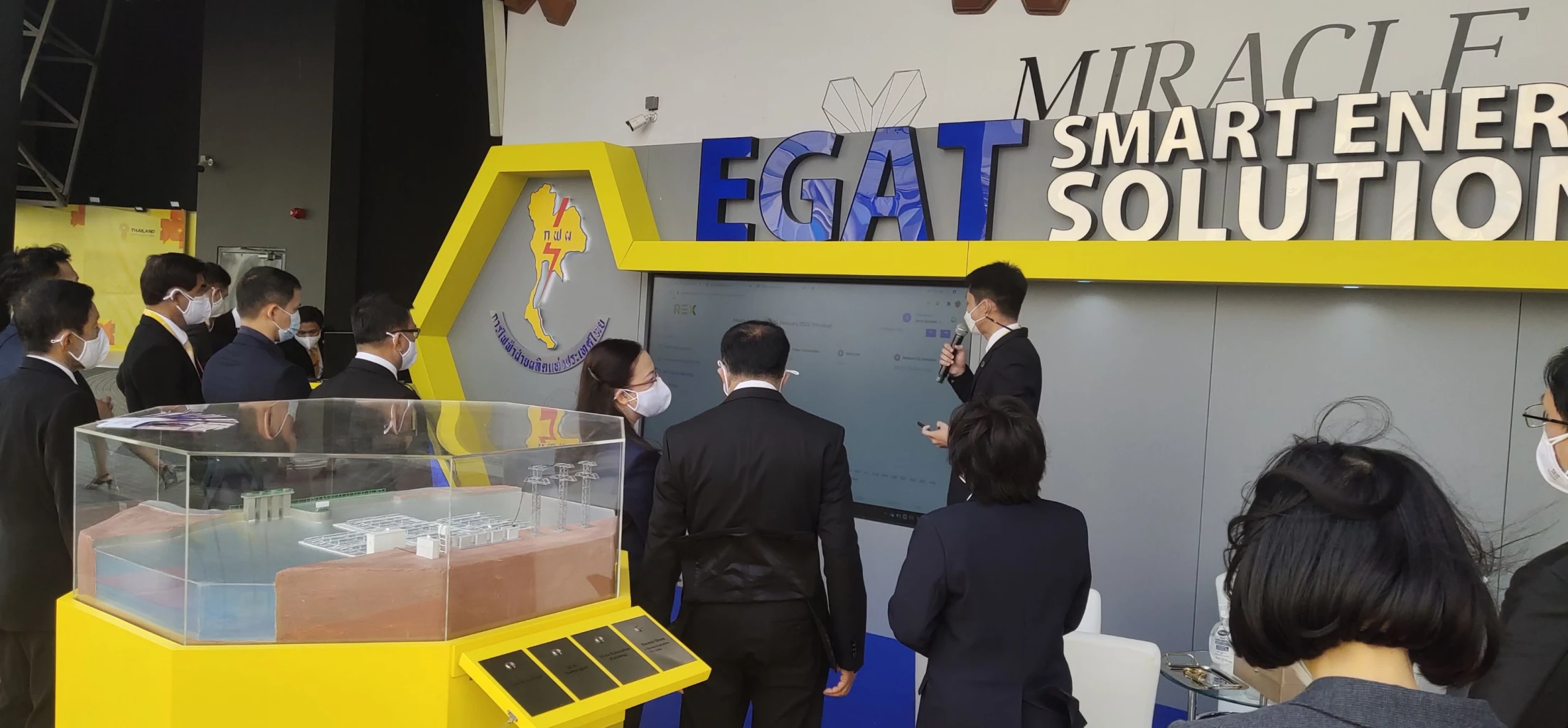
The Electricity Generating Authority of Thailand (Egat) is participating in the Expo 2020 Dubai’s Energy and Environment week by highlighting its new electricity generating technology under the Energy 4.0 concept.
The event, which runs from February 20 to March 8 from 10am to 10pm, aims to support the global goal of clean energy transition and net-zero emissions. Egat’s presentation is based on its “Triple S” strategy, which balances the cost of electricity generation, environmental impact and Thailand’s power security.
In line with the expo’s motto of “connecting minds, creating the future”, the event was hosted by Egat in collaboration with the Energy Ministry at the Thailand Pavilion.
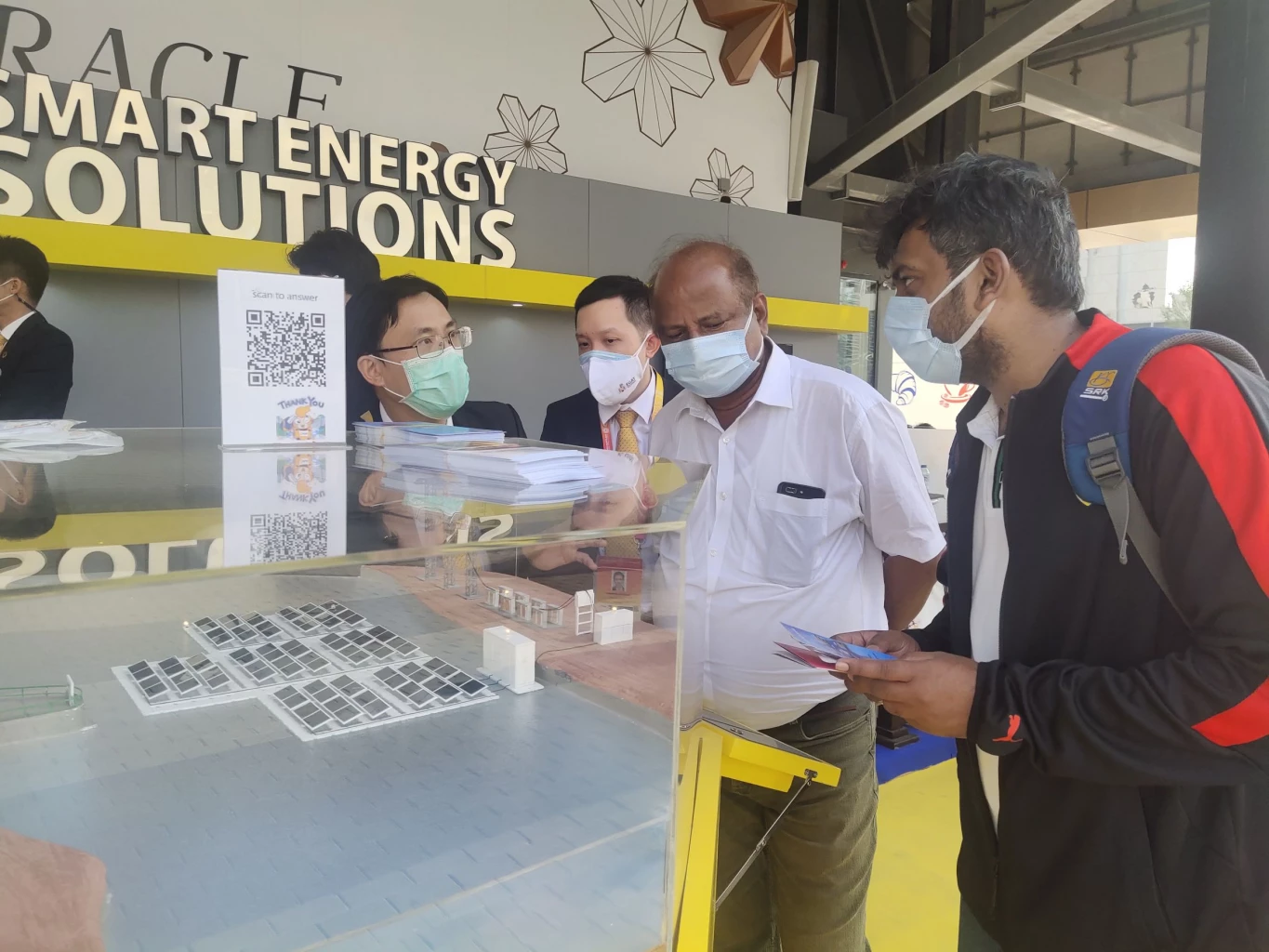
Under the concept of “Egat Smart Energy Solutions”, the exhibition showcased innovations and businesses related to technological advancement and service design that supports the demands of the global energy industry.
Highlights of the event
The semi-outdoor exhibition, showcasing the Electricity Generating Plc (EGCO), RATCH Group Plc (RATCH), EGAT International Co Ltd (EGATi) and Innopower Co Ltd, highlights the new concepts of smart energy solutions. It also showcases new initiatives to integrate with modern technologies and alternatives for energy generation.
Renewable Energy Certificate (REC)
Egat has developed a “24/7 Matching Solution” that matches the electricity consumption with available renewable energy production, in real-time through Renewable Energy Exchange (REX).
REX brings transparency to the world’s alliance and offers registrants and participants to access the time-stamped clean energy certificate and accelerates the transition towards fully decarbonised grids.
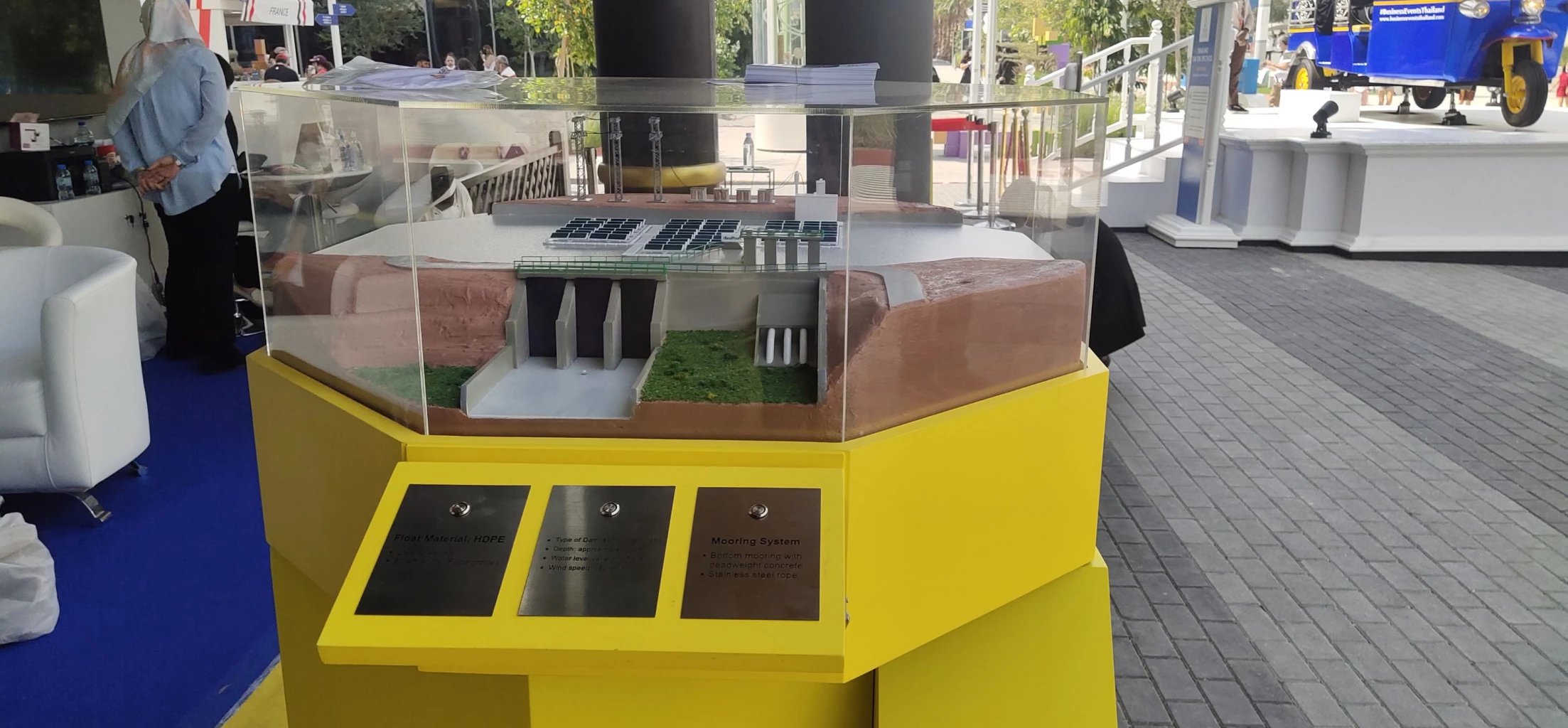
Hydro-Floating Solar Hybrid Power Plant
The plant will prolong the life of renewable energy power plants, increase stability and enhance price competitiveness by using eco-friendly equipment and existing resources for the utmost benefit.
Hybrid-EMS will manipulate the energy. During the day, the floating solar power plant will generate electricity, while at night, the mass of water will support the system to help lower the uncertainty of renewable energy and also assist in generating electricity continuously for a longer period.
The system helps reduce greenhouse gas emissions by around 47,000 tonnes per year.
Energy Regulatory Commission Sandbox (ERC)
The sandbox is a project joined by Egat to apply new technologies for energy services of the ERC. The sandbox project tests innovations that use technology to support energy services with three projects: TU EGAT Energy Project, Si Saeng Tham Model Project and Enzy Energy is Yours Project.
The objective of the ERC sandbox is to promote learning and exchange experiences between project participants and ERC to promote new energy business models and test energy technologies in a real-life environment.
ENZY Platform
Egat aims to provide a platform for people who want to use energy efficiently and monitor energy usage, at an affordable price for all businesses. The platform is stable, easy to install, low cost and provides energy usage advice to both the heating and cooling sectors of the industry.
The Vision
Egat is hoping to achieve carbon neutrality by 2050 in line with the national goal of clean energy transition and net-zero emissions. To promote sustainable ways of energy production, Egat plans to carry out 16 projects of Hydro-Floating Solar Hybrid in its nine dams across the country, with a total generating capacity of 2,725MW.
It has also developed the Hybrid-EMS (Hybrid-Energy Management System) to control the two renewable energy power plants, namely the hydropower plant and the floating solar power plant, to generate and supply electricity according to power potential with the highest efficiency.
With the potential of Thailand’s leading power utility that enhances power system security and sustainable power development for all, Egat is prepared to join the global target to reduce greenhouse gas emissions which is the cause of climate change.
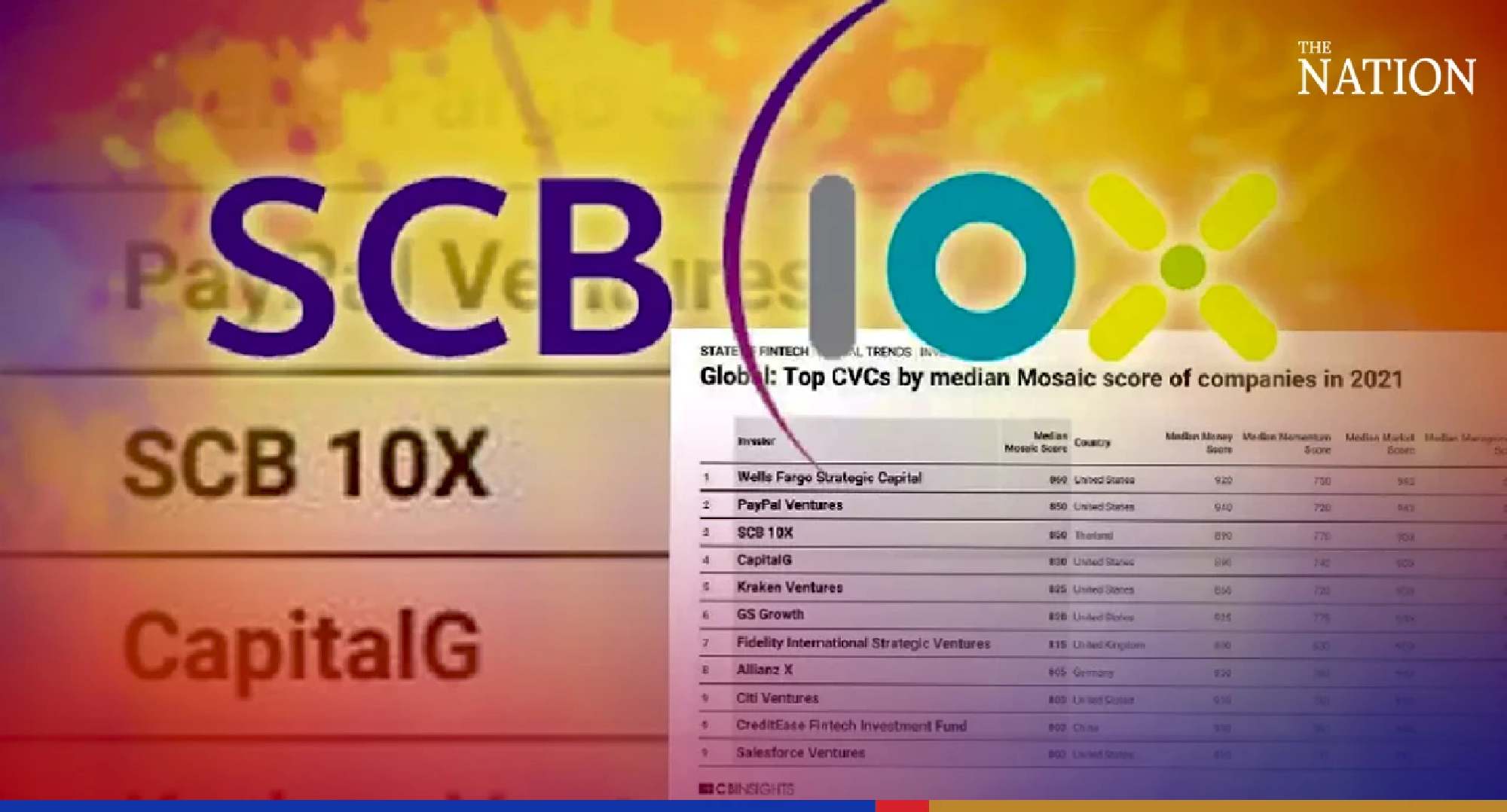
SCB 10X, a holding company of Siam Commercial Bank (SCB), was ranked the No 2 global Corporate Venture Capital (CVC) fund by market analyst CB Insights on Thursday.
The ranking is based on investment potential.
SCB 10X was established in January 2020 with a “Moonshot Mission” to achieve exponential growth through technology innovations and investments beyond banking via its three arms: Venture Builder, Venture Capital and Strategic Investment & Partnership.
Venture Builder supports talented individuals or entrepreneurs with funding, as well as the Venture Building Platform that provides a network of talent, efficient middle and back-office operations as shared services, and a network of partners.
Venture Capital invests in early-stage start-ups to generate both strategic and financial returns for SCB, with a focus on fintech, blockchain and decentralised finance (DeFi), digital work and lifestyle, digital health and wellness, interconnected world and IoT, and deeptech.
Strategic Investment & Partnership invests in growth-stage tech companies.
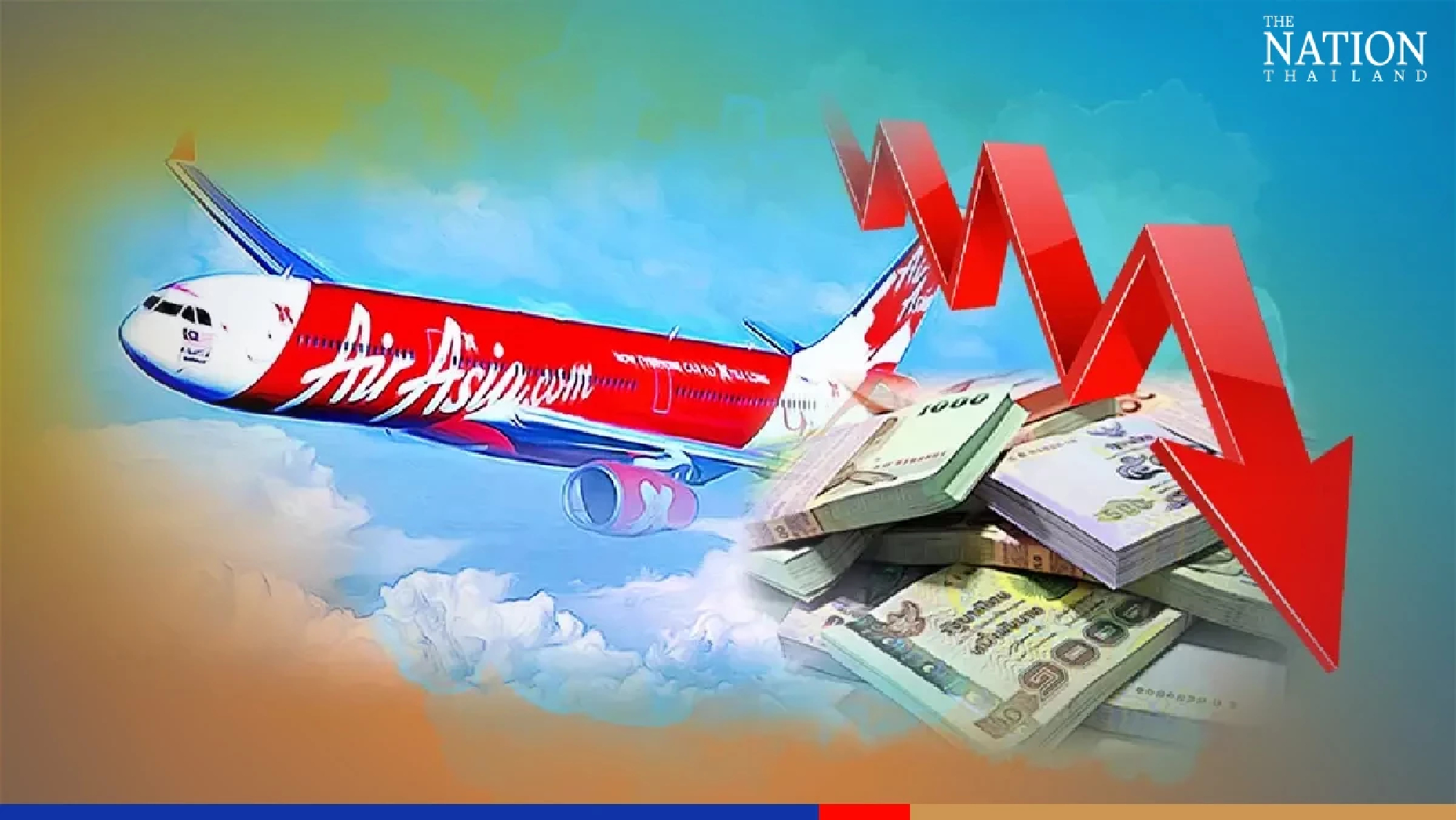
Budget airline Thai AirAsia suffered operating losses of over 11 billion baht last year as its revenue plummeted due to travel restrictions amidst the Covid-19 pandemic and rising petrol prices.
Its parent company, Asia Aviation Plc, reported the big loss to the Stock Exchange of Thailand.
Operating losses for the 12 months ended December 31 widened to 11.7 billion baht, compared with 7.6 billion in 2020, as revenues for the year dropped 76 per cent to Bt4.5 billion, Asia Aviation said.
In the fourth quarter, operating losses nearly doubled to 2.1 billion baht, up from 1.3 billion a year earlier, while revenues more than halved to 1.6 billion.
The carrier’s parent company attributed the dismal performance to the many Covid-19 outbreaks in 2021, noting that the suspension of Thailand’s Test & Go scheme for vaccinated travellers amid the Omicron outbreak was particularly disruptive.
Thai AirAsia carried 2.93 million passengers in 2021, down 69 per cent from a year earlier, as the capacity measured by seats fell by 66 per cent.
Its aircraft utilisation was low in 2021, at just 5.6 hours per day for active aircraft, compared with 7.4 hours in 2020.
Thai AirAsia chief executive Santisuk Klongchaiya said that 2021 was a “difficult year” for the airline due to adverse impacts from the pandemic and restrictive travel measures set by the Thai government.
The crisis prompted the company to downsize and go for financial restructuring, he said.
The CEO sees 2022 as a year of recovery for the airline, with plans to increase flight frequency and routes. Its domestic flights are expected to resume fully, with more international flights added.
Thai AirAsia aims to carry as many as 12.3 million passengers this year, at 78 per cent of its capacity, with no plans for more aircraft deliveries, the CEO said.
Retail oil and gas had only small contributions to make in energy giant PTT’s 186-per-cent jump in net profit in 2021, even as the company continues to cope with the fallout of Covid-19, the group’s top executive said.
Speaking on the “Inside Thailand” programme on the MCOT channel, PTT president and CEO Auttapol Rerkpiboon said on Monday that the oil and retail business accounted for only 2 per cent of the total over-100 billion baht net profit.
PTT reported a net profit of 108.36 billion baht for 2021, up 70.59 billion baht, or 186.9 per cent on the 37.76 billion baht in 2020.
He said the net profit mainly came from natural gas, petroleum exploration and production, and its petrochemical and refining businesses, thanks to recovering demand in line with the global economy and the company’s investment expansion at home and overseas.
He also pointed out that net profit from PTT Oil and Retail Business (OR) accounted for only 2 per cent of total net profit as the company maintained the fuel price even though its costs had gone up due to the rising oil price.
He added that PTT had to utilise more than 100 billion baht of the net profit to repay debt, inject funds into its businesses, pay dividend to the government, invest under the company’s plan and run corporate social responsibility programmes.
He added that the company is still operating projects to help people cope with the Covid-19 crisis, such as supporting medical supplies and operating its field hospital.
“PTT had spent up to 2 billion baht last year to offer a helping hand to society, such as boosting employment, stimulating tourism and cutting LPG and NGV prices,” he said, adding that PTT will follow up on the situation closely.
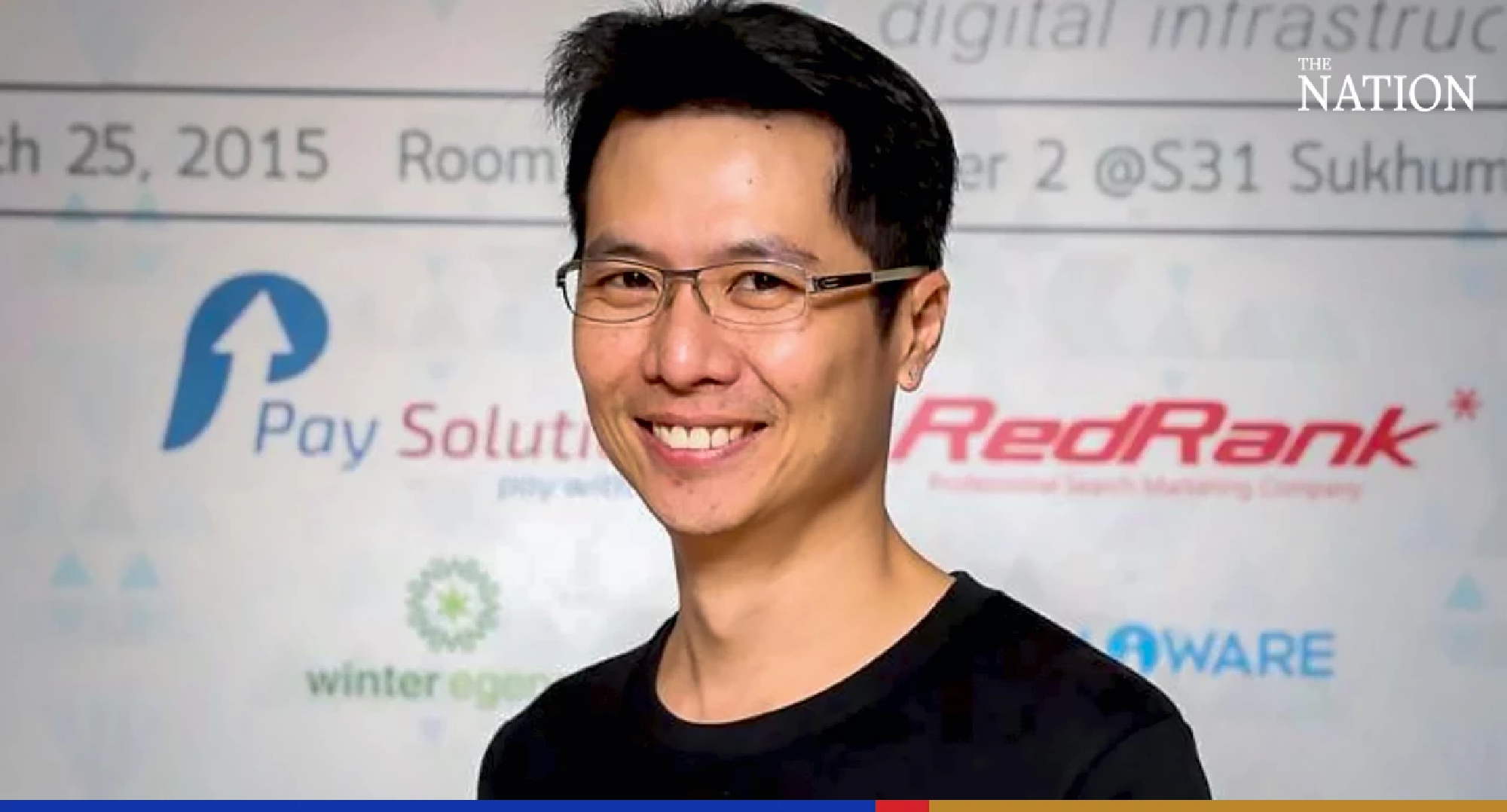
Pay Solutions will seek approval from the Bank of Thailand (BOT) to become the first online payment service provider that legally uses a cryptocurrency to pay for goods and services, its CEO said.
Pay Solutions CEO Pawoot Pongvitayapanu said his firm would seek approval to use a Stablecoin type as a means of payment for goods and services once the BOT issues regulations for using digital currencies as payment means.
The BOT currently prohibits the use of cryptocurrencies as a means of payment for goods and services for fear that their lack of stability would affect the country’s economy.
The BOT is now working with the Securities Exchange Commission (SEC) and the Finance Ministry on regulations for using a type of stable digital assets, such as Stablecoins, as a means of payment. Stablecoins are digital currencies designed to be less volatile than cryptocurrencies by pegging their market value to an outside asset, such as the baht.
Pawoot said the BOT would allow only digital currencies that would not cause risks to the entire economic system to be used as a means of payment, and he is confident that a Stablecoin type would be safe because it will be backed with the baht.
“So, Pay Solutions aims at becoming the first one to legally provide online payment system using a digital currency,” Prawoot said.
He said Pay Solutions would carry out a test using a Stablecoin type for payment in a closed ecosystem as a pilot project.
He said his firm is drafting details of the experiment of using a Stablecoin type to be sent to the BOT for approval.
In the initial phase, the company would use around Bt10 million to back a Stablecoin type and it would be used among companies in his group for making online purchases or for collecting reward points for goods deliveries from SHIPPOP.com, for example.
The experiment would come with regulations to safeguard the use. Users can pay Stablecoin from their e-Wallet registered with Metamask and the payment would be made via the blockchain system Binance Smart Chain (BSC), which is widely used globally.
The operation plan will be ready for sending to the BOT for consideration within one month, he added.
Napongthawat Photikit, director of the Payment Systems Policy Division of the BOT, said the central bank is now considering whether to allow the use of digital assets, which will not cause risks to the system, as a payment means. He said Stablecoin is considered a non-risk digital currency because it is pegged with real currency value.
He said the SEC is now in the process of compiling opinions on the issue after it held a public hearing on February 8 on the use of cryptocurrencies as a means of payment.
PTT approved a dividend payment worth 57.12 billion baht or 2 baht per share on Thursday. The move came after the company recorded a net profit of 108.36 billion baht in 2021, up 70.59 billion baht or over 100 per cent on the 37.76 billion baht in 2020.
Last year’s growth in turnover was due to economic recovery and the company’s success in maintaining operations and investment both domestically and overseas, said PTT president and CEO Auttapol Rerkpiboon.
“In this regard, the company has to send over 82.5 billion baht to the government apart from the corporate social responsibility budget of over 1.64 billion baht,” he said.
He explained that 31 per cent of total net profit in 2021 came from PTT business operations, while the other 69 per cent was from the company’s subsidiaries here and overseas.
He added that as a state enterprise, PTT had launched various schemes to mitigate Covid-19 impacts on people, including an NGV price cap at 15.59 baht per kilo and discounts on LPG for state welfare cardholders.
In the fourth quarter last year alone, PTT’s net profit was 27.54 billion baht, up 3.89 billion or 16.5 per cent compared to a net profit of 23.65 billion baht in the third quarter.
The fourth-quarter net profit rose by 14.39 billion or over 100 per cent compared to a net profit of 13.14 billion baht in the previous year, thanks to the rise in earnings before interest, tax, depreciation, and amortisation (EBITDA).
As of December 31, PTT’s total assets stood at 3.07 trillion baht, up 533.83 billion or 21 per cent compared to 2.54 trillion baht in the previous year.
Meanwhile, the company’s debt was 1.60 trillion baht, up 346.74 billion baht or 27.6 per cent year on year due to a rise in short- and long-term loans of 154.32 billion baht.
Separately, the company’s market capitalisation was 1.47 trillion baht, up 187.09 billion baht (14.6 per cent), thanks to growth in net profit and PTT Oil and Retail Business (OR)’s move to increase capital.
Forty-one Thai companies listed on the Stock Exchange of Thailand have made it to an S&P list on global sustainability, making Thailand fourth in ranking after the US, Japan, and South Korea.
In its “Sustainability Yearbook 2022” released earlier this month, S&P included eight Thai giants — BANPU, BTS, CPALL, KBANK, PTTGC, TRUE, TU, and Thai Beverage — in the “Gold Silver Bronze Class”.
In the overall rankings titled S&P Global Sustainability Awards, four levels are categorised into different classes. The criteria applied to all leading companies across the globe focus on sustainability and investor confidence.
In the second tier “Silver Class”, the 13 Thai public companies are: ADVANC, BCP, BJC, CPF, EGCO, HMPRO, PTT, PTTEP, SCGP, SCC, SCB, TOP, and Mitr Phol
In the third tier “Bronze Class”, five Thai companies — AOT, DELTA, GPSC, IRPC, and CP Group — make the list.
In “Member” class, the 15 Thai companies are AWC, BBL, BDMS, BGRIM, BPP, CPN, CPNREIT, CRC, EA, GULF, IVL, KTC, MINT, TTB, and VGI.
The Thai Hotels Association (THA) has called on the Finance Ministry to delay for two more years its plan to slap full land tax rates on hotels, saying their businesses have not yet recovered from the Covid-19 situation.
The THA warned that enforcement of full land tax rates would bring some 24,000 surviving hotels to their knees.
The Finance Ministry has announced that it would levy tax on land and buildings used for commercial purposes at the following rates:
➤ Property with value of Bt50 million and lower: 0.3 per cent or Bt3,000 per million
➤ Property with value more than Bt50 million but not more than Bt200 million: 0.4 per cent or Bt4,000 per million
➤ Property with value more than Bt1 billion but not more than Bt5 billion: 0.6 per cent or Bt6,000 per million
➤ Property with value more than Bt5 billion: 0.7 per cent or Bt7,000 per million.
THA chairwoman Marisa Sukosol Nunbhakdi called on the Finance Ministry to exempt hotel businesses from having to pay tax for their land and property at full rates.
She said the ministry should allow hotel operators to pay just 10 per cent of the land tax for two more years, for 2023 and 2024. Or, the ministry should at least use a graded tax rate that would be affordable to the hotel operators, she added.
“Please don’t count hotels among businesses that have to pay land tax in full yet,” Marisa said.
The THA is now pushing for the delay through the Tourism Council of Thailand and the Thai Chamber of Commerce.
Marisa said the THA has sought the opinions of members and found that they would be severely affected if they have to pay land tax at the full rates.
She explained that hotels have seen their business revenue plunge by 90 per cent compared to the pre-Covid levels and they have been shouldering losses for over two years.
Most of the hotels have had to borrow to pay salaries of their staff, she added.
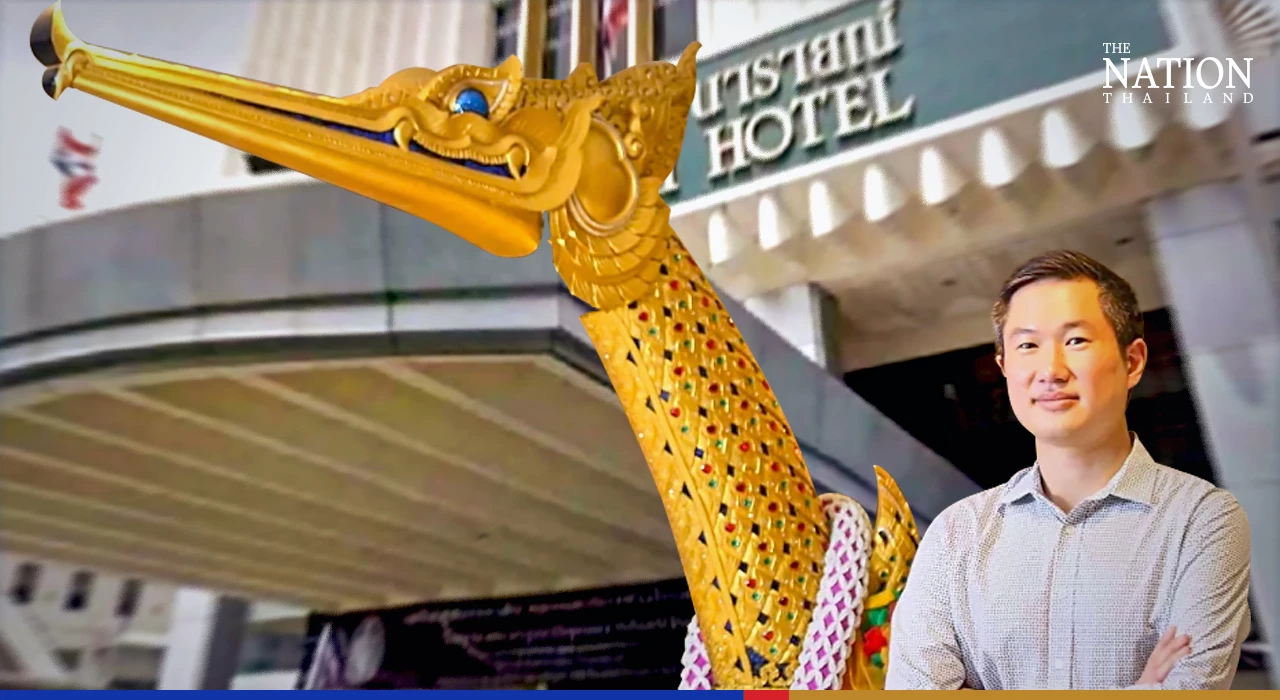
One of the long standing buildings in Bangkok’s Silom Road, the famous Narai Hotel, will soon be demolished to make way for a new one in its place.
The 54-year hotel will make way for “An Oasis,” expected to come up in four years, said Nathee Nithivasin who runs the hotel.
The young businessman, who has inherited the family business, on Tuesday unveiled several projects while reminiscing his fond childhood memories of the 465-room Narai Hotel.
After the completion of construction of the new hotel approximately in four years, Nathee said they would implement the idea of serving communities in Silom area under the concept “Be Part of Everyone’s Community”, by providing communal public areas which can be utilised by non-guests while other nearby plots are rented at low rates to small-sized businesses.
The new design and room patterns would remain similar to the current version on the lower floors to maintain the vintage atmosphere, while the upper sections of the hotel would be more luxurious, said Nathee, who is a third-generation member of the family business. He said the original Narai statue will be installed at a new shrine in an area where the public can pay obeisance.
He said the “An Oasis” project will be implemented to make the new hotel a key attraction and hospitality service at the heart of Bangkok, in order to maintain its motto of “One of The Best of Bangkok”, which it has followed for 54 years.
Nathee, as a member of Narai Hotel Co Ltd’s board, has run the business since 2008. He said he remembered every corner of the 12-story hotel since his childhood, reliving many impressive moments during the past period – the first revolving restaurant and the Narai Pizzeria, which was the first Italian gourmet served in Thailand.
Narai Pizzeria, which now operates under the name Peperoni Hall, has provided around 3.55 million servings, he said. There are many Narai Pizzeria outlets serving at many locations in Bangkok.
Narai Ballroom had served as a key attraction for hosting weddings while more than 15.1 million guests had stayed through more than 7.5 million check-ins, he said, adding the Rabiang Thong Restaurant, which started serving one of the very first international buffets in Thailand, has catered to around 30 million customers.
Nathee said there were two major inspirations behind the use of the name Narai – the first, in honour of King Narai The Great of the Ayutthaya period, and second in honour of God Narai, one of the forms and names of Lord Vishnu and considered the Supreme being in the Vaishnavism sect of Hinduism.
The demolition of the current Narai Hotel will begin after February 18, after a farewell party for current and former staff, before the current operation formally ceases.


 He said Pay Solutions would carry out a test using a Stablecoin type for payment in a closed ecosystem as a pilot project.

 THA chairwoman Marisa Sukosol Nunbhakdi called on the Finance Ministry to exempt hotel businesses from having to pay tax for their land and property at full rates.