SET dips further below 1,600 amid foreign fund outflows
The Stock Exchange of Thailand (SET) Index closed at 1,592.08 on Tuesday, down 7.15 points or 0.45 per cent. Transactions totalled THB77.7 billion with an index high of 1,606.39 and a low of 1,590.63.
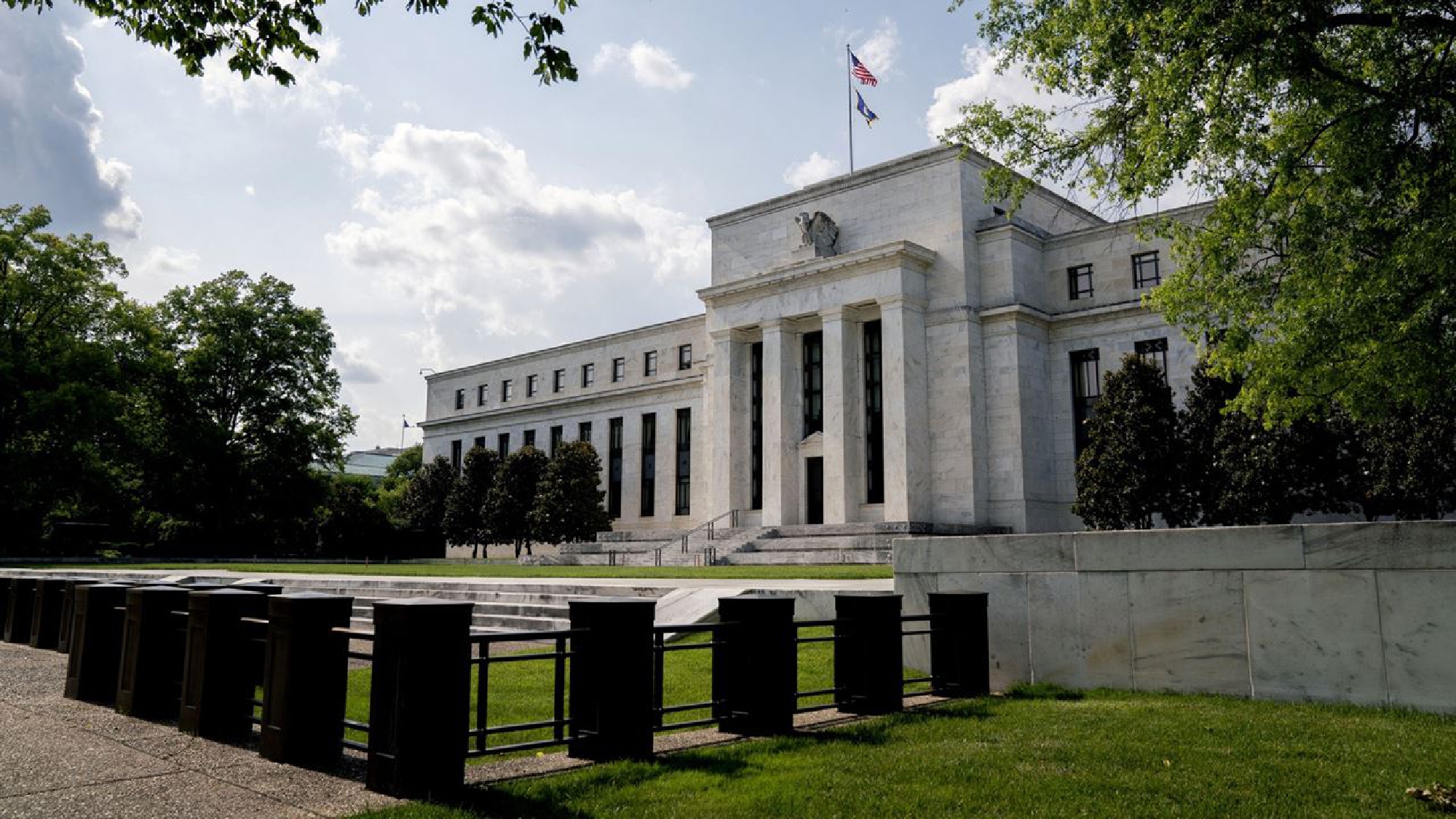
In the morning session, Krungsri Securities forecast the index on Tuesday would move between 1,590 and 1,610 points after the US Federal Reserve signalled it was in no hurry to hike the interest rate, and the oil price continued to rise.
However, foreign fund outflows would pressure the index, it said.
The 10 stocks with the highest trade value today were RATCH, RCL, GUNKUL, KBANK, PTT, CPALL, TTA, RBF, 7UP and AOT.
Other Asian indices were on the rise except in Japan:
ADVERTISEMENT
Japan’s Nikkei Index closed at 28,874.89, down 9.24 points or 0.032 per cent.
China’s Shanghai SE Composite Index closed at 3,566.22, up 8.81 points or 0.25 per cent, while the Shenzhen SE Component Index closed at 14,843.83, up 147.54 points or 1.00 per cent.
Hong Kong’s Hang Seng Index closed at 28,817.07, up 507.31 points or 1.79 per cent.
South Korea’s KOSPI closed at 3,276.19, up 12.31 points or 0.38 per cent.
Taiwan’s TAIEX closed at 17,336.71, up 261.16 points or 1.53 per cent.
Moody’s blames Thailand’s tepid recovery on slow vaccination rollout
The latest report from Moodys Investors Service warns that the resurgence of Covid-19 cases and low vaccination rates in Asia Pacific (Apac) may pose new risks to domestic demand.
Rebound will also be tepid for economies that are also dependent on foreign tourists, like Thailand. Moody’s expects Thailand’s GDP to expand 2.8 per cent this year, a relatively shallow pickup from 6.1 contraction in 2020 due to a lagging recovery in the tourism industry.
However, it said, recovering global trade will support the region’s more export-oriented economies.
“Fresh restrictions to stem the spread of the virus will curb domestic demand and dampen consumer confidence. Vaccination rates are low in most parts of Apac, with only Maldives, Mongolia, Singapore and China having administered a first vaccine dose to at least 4 per cent of their populations,” said Nishad Majmudar, a Moody’s assistant vice president and analyst.
However, for economies that are more export-oriented like Vietnam, Taiwan and Malaysia, large contributions from foreign trade will compensate for weak domestic demand and bolster output.
Vietnam’s robust exports have helped its economy grow amid the pandemic; exports expanded 8 per cent in the first quarter compared to the last quarter of 2020. Likewise, Taiwan exports grew 8 per cent in the first quarter, powering an 8.9 per cent surge in GDP. Malaysia’s diverse export destinations and products should help mitigate the impact of the extension of its national lockdown through the end of June. Moody’s forecasts growth of 7.2 per cent, 4.2 per cent and 5.3 per cent, respectively, for these economies.
The report, “Sovereigns – Asia Pacific: Lagging Vaccinations Pose Risks to Domestic Demand; Exports Provide Buffer for Some”, can be accessed via the website.
SiteMinder survey ‘should bring hope to Thai hoteliers as kingdom’s tourism brand remains strong’
With a fresh 120-day deadline in place to fully reopen Thailand, and the Phuket Sandbox initiative pushing ahead for a July 1 launch, a brighter future is coming into focus for hotels after a difficult 18 months, said Bradley Haines, Asia Pacific vice president at SiteMinder.
“SiteMinder’s World Hotel Index provides a daily overview of hotel booking activity in 40 markets around the world, and the story the current data is telling should provide Thai hoteliers a level of reassurance that normality may resume sooner than they expect,” he wrote in a press release.
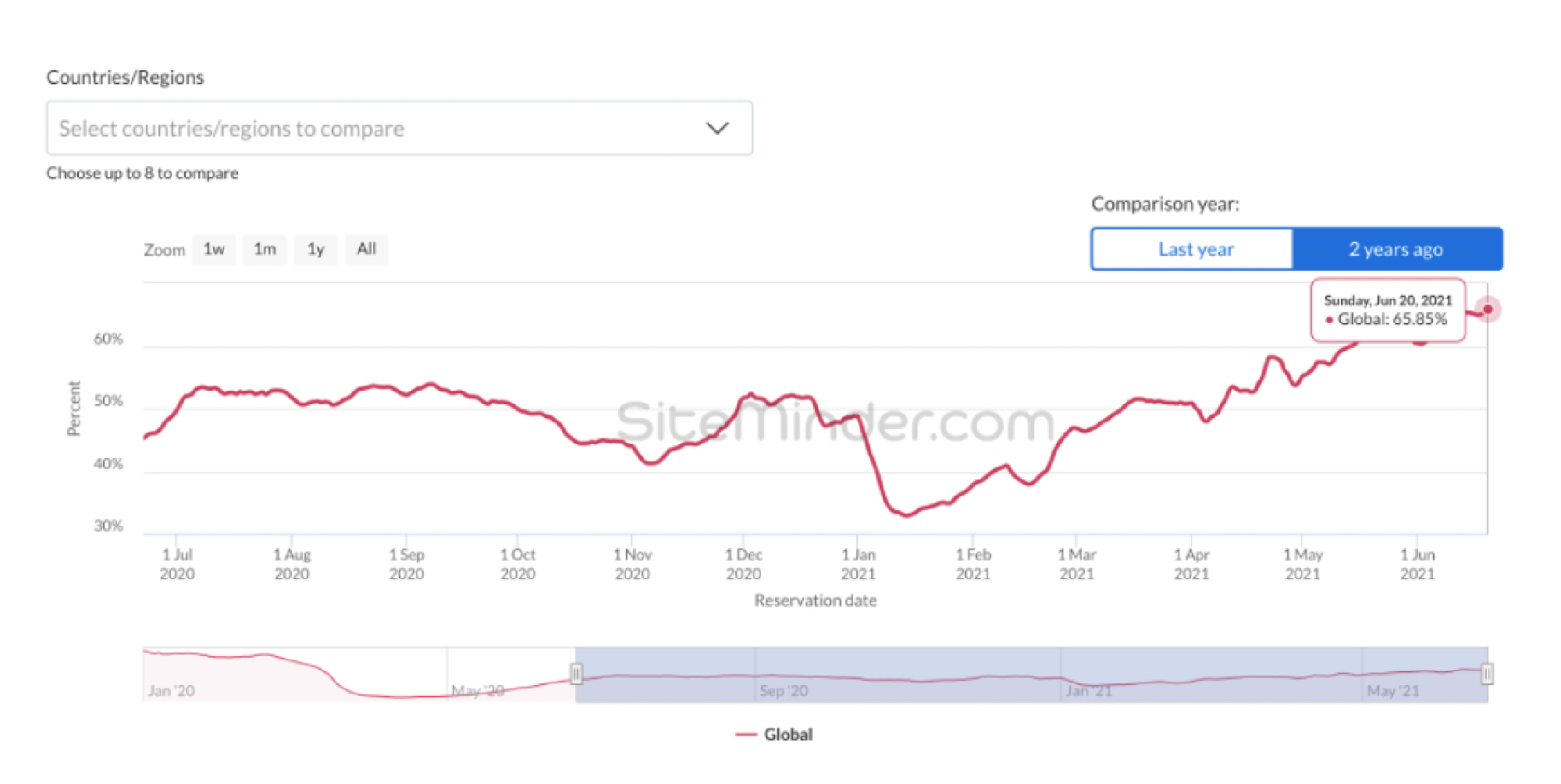
Off the back of decreasing case numbers in 40 markets around the world, the vaccine rollout and loosening restrictions, hotel booking volumes globally are currently the highest they’ve been since the pandemic began, with reservations increasing more than 65 per cent of their 2019 levels, marking a 465-day high, Haines wrote.
There are four countries – The Cook Islands, Iceland, the Maldives and Mexico – that are exceeding their 2019 reservation volumes, and seven – Australia, Estonia, Ireland, New Zealand, Portugal, Spain and the US – that are now above 80 per cent, according to SiteMinder.
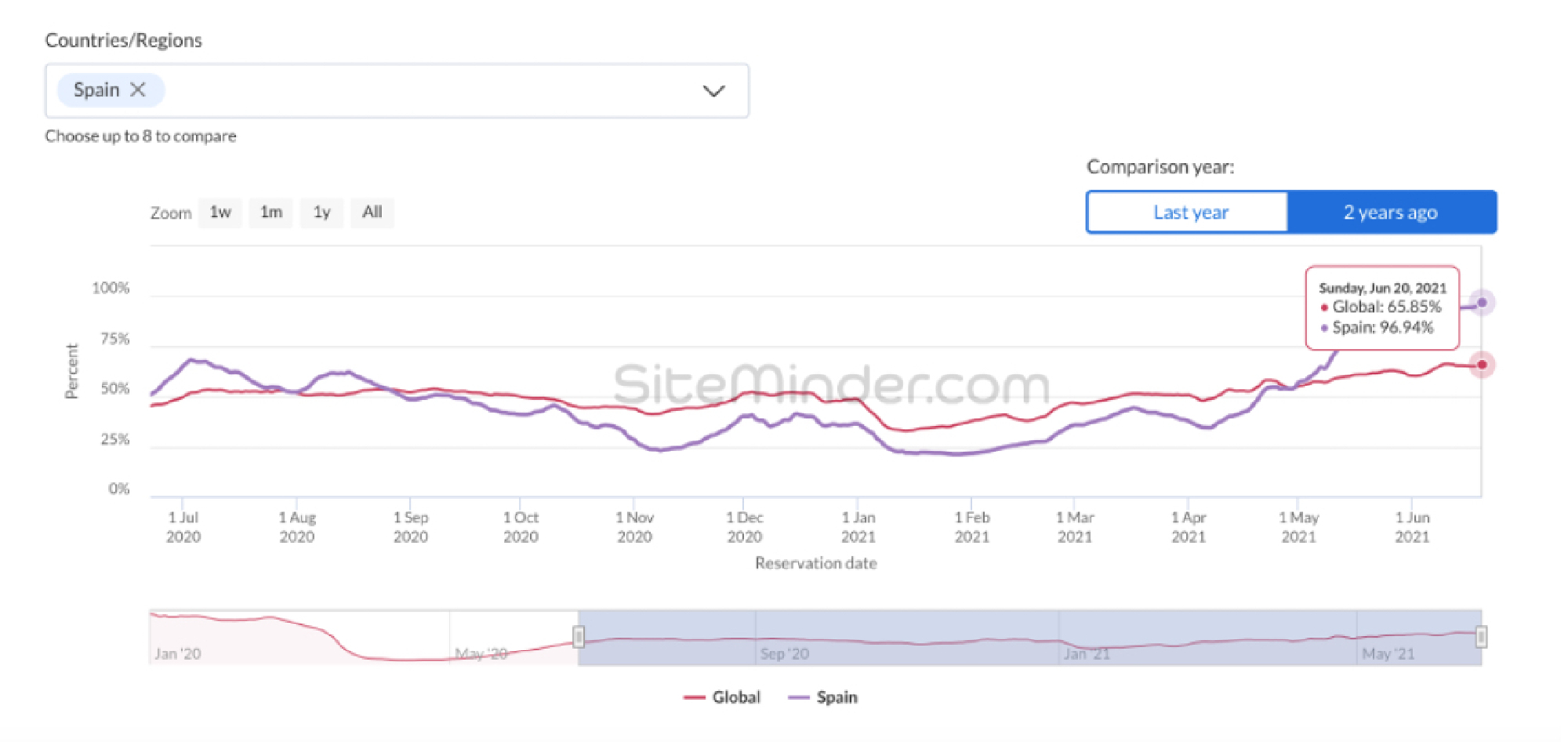
“A particularly interesting case study for Thailand, however, is the recovery of some European markets. The speed at which booking momentum has been able to evolve in certain countries has been fascinating to watch, and Spain comes to mind as a prime example,” he added.
At the beginning of April, Spanish booking momentum was at only around 38 per cent of 2019 levels, just 13 per cent above where Thailand is today. However, a wave of both domestic and now international bookings (Spain opened its borders to fully vaccinated travellers on June 7 without the need to quarantine), has ensured that in just a matter of weeks, booking volumes to Spanish hotels are currently at 97 per cent of 2019 levels, a significant shift, SiteMinder’s index showed.
Another international example is the Cook Islands, which relies almost solely on foreign guests. There booking momentum recently jumped from 17 per cent (6 per cent below Thailand’s current volume) to 345 per cent of 2019 levels in a matter of days, after a quarantine-free travel bubble opened with New Zealand, Haines stated.
“Of course, Thailand and other parts of Asia experience their own unique challenges. Firstly, the road trips that many are able to take through Europe simply aren’t as possible in our region, and the role that domestic travel has played here has also been much less. The Cook Islands is a small island, so with limited supply it’s easier for things to quickly book out,” Haines wrote.
“However, what these examples do display is just how much pent up demand there currently is, and how quickly things can change if the destination market provides consumers with not just the inspiration to travel, but the opportunity to feel safe as they do,” he added.
SiteMinder survey ‘should bring hope to Thai hoteliers as kingdom’s tourism brand remains strong’
Thailand’s brand remains extremely strong
“Importantly, around the world, Thailand’s national tourism brand has managed to remain strong throughout the pandemic,” Haines wrote.
Data released by Skyscanner shows Bangkok has been the 11th most searched location in the world on their platform for the first four months of 2021. Similarly, figures from Agoda show Thailand is still on the radar of Chinese, Singaporean, Taiwanese, Australian, South Korean and Japanese tourists.
“The way that Thailand approached and controlled the initial outbreak garnered international praise in 2020, and the country has been widely touted as a success story. For this reason, international travellers remain eager to return, despite the current situation locally,” according to Haines.
SiteMinder survey ‘should bring hope to Thai hoteliers as kingdom’s tourism brand remains strong’
ADVERTISEMENT
It’s important that hotels are ready to respond
“In recent days, there has been renewed urgency within the Thai government to reopen international travel when it’s possible to do so, meaning that once the future is more clearly defined, and the vaccine drive ramps up further, we can expect changes to take place very quickly.
“For this reason, it’s important for Thai hoteliers to be as ready as possible, and in tune with the current trends that have emerged throughout the pandemic, despite not currently being able to accept guests. What’s clear is that the traveller who walks through the door this year, or in 2022, will be very different to the traveller that last visited in 2019, or early 2020,” Haines emphasised.
“They will likely be more mobile-savvy, and will want to use their phone not just to book their trip, but for check-in, all communication and room controls, too. Their relationship to business travel may have also changed, and they may be adding a small amount of business to their leisure trip, rather than the other way around. And, they will likely have higher expectations across the board, for not only a cleaner space, but an experience that’s memorable and special too,” Haines wrote.
“Today, I would encourage all Thai hoteliers to step back, take in a wider perspective by looking at global data flows, and stay in tune with what’s happening in the broader hotel industry, as international guests may be returning to this much-loved country before we know it,” he added.
SET up in opening trade, but ‘foreign fund outflows will pressure index’
The Stock Exchange of Thailand (SET) Index rose by 5.15 points or 0.32 per cent to 1,604.38 on Wednesday morning.
Krungsri Securities predicted the index would move between 1,590 and 1,610 points despite the US Federal Reserve signalling it would not speed up an interest rate hike, and the rising oil price.
However, the outflow of foreign funds would pressure the index, Krungsri Securities said.
It advised investors to follow the Bank of Thailand’s Monetary Policy Committee meeting, adding that the interest rate is expected to be maintained at 0.5 per cent.
It recommended investors buy:
▪︎ PTT, PTTEP, IVL and Banpu, which benefit from the rising oil price.
▪︎ Hana, KCE, TU, CPF and EPG, which benefit from a weakening baht.
▪︎ BCH, CHG, BDMS, Mint, Centel, ERW, AOT, CPAll, HMPro, CPN, CRC, AAV, Amata, WHA, BEM and BTS, which benefit from the country reopening.
The SET Index closed at 1,599.23 on Tuesday, down 1.90 points or 0.12 per cent. Transactions totalled THB81.59 billion with an index high of 1,613.66 and a low of 1,598.56.
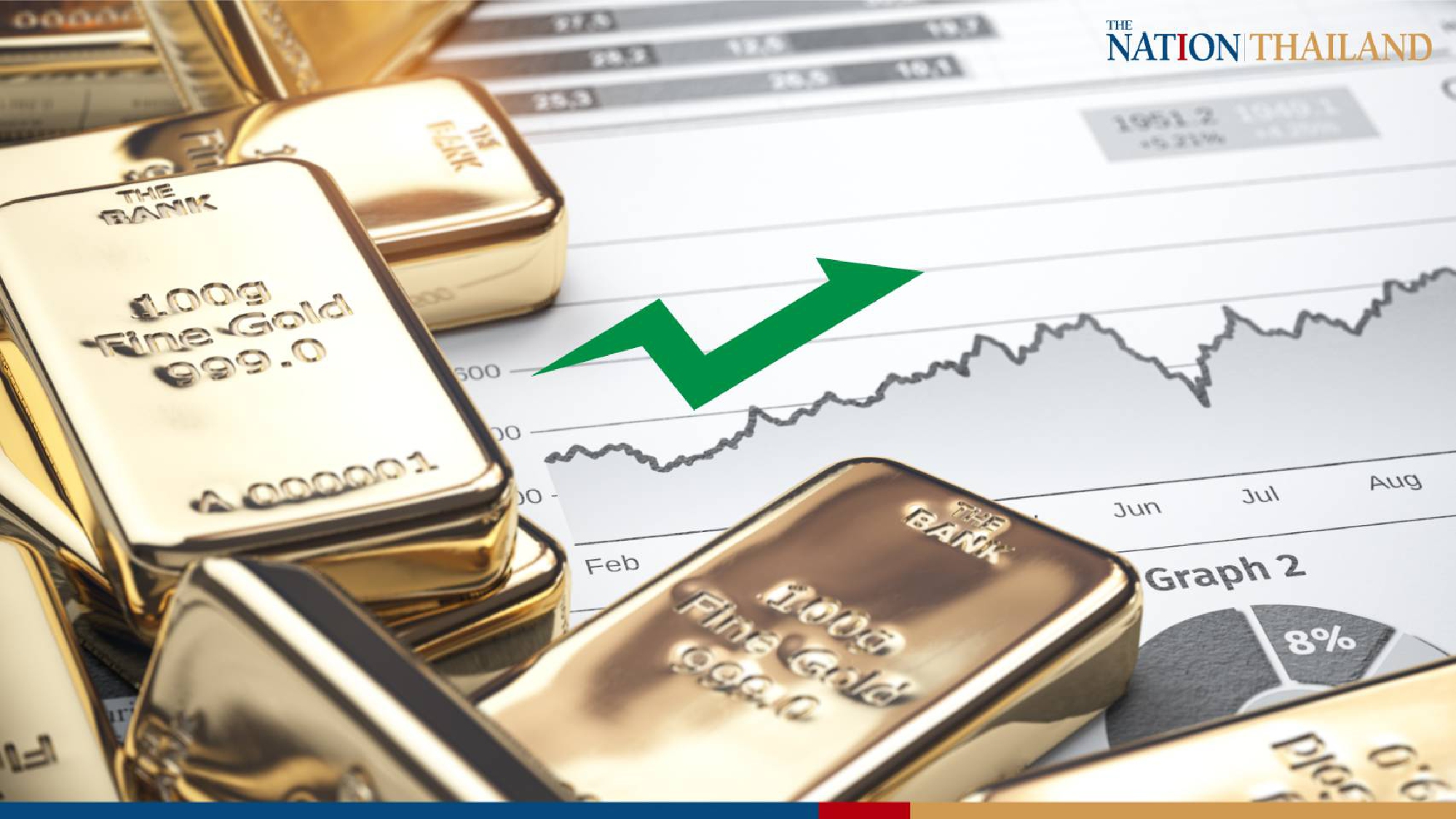
The price of gold in Thailand rose by THB50 per baht weight in morning trade on Wednesday. The price has risen for three consecutive days after falling sharply by THB1,250 per baht weight last week.
AGold Traders Association report at 9.29am showed the buying price of a gold bar at THB26,700 per baht weight and selling price at THB26,800, while gold ornaments cost THB26,226.80 and THB27,300, respectively.
At close on Tuesday, the buying price of a gold bar was THB26,650 per baht weight and selling price THB26,750, while gold ornaments cost THB26,166.16 and THB27,250, respectively.
The spot gold price on Wednesday was US$1,781 (THB56,606) per ounce after Comex gold on Tuesday dropped by $5.50 to $1,777.40 per ounce as investors kept an eye on Federal Reserve Chairman Jerome Powell’s statement to the House of Representatives.
The Hong Kong gold price meanwhile rose by HK$10 to $16,470 (THB67,408) per tael, the Chinese Gold and Silver Exchange Society reported.
Russian business tempts vaccine skeptics with snowmobile raffles
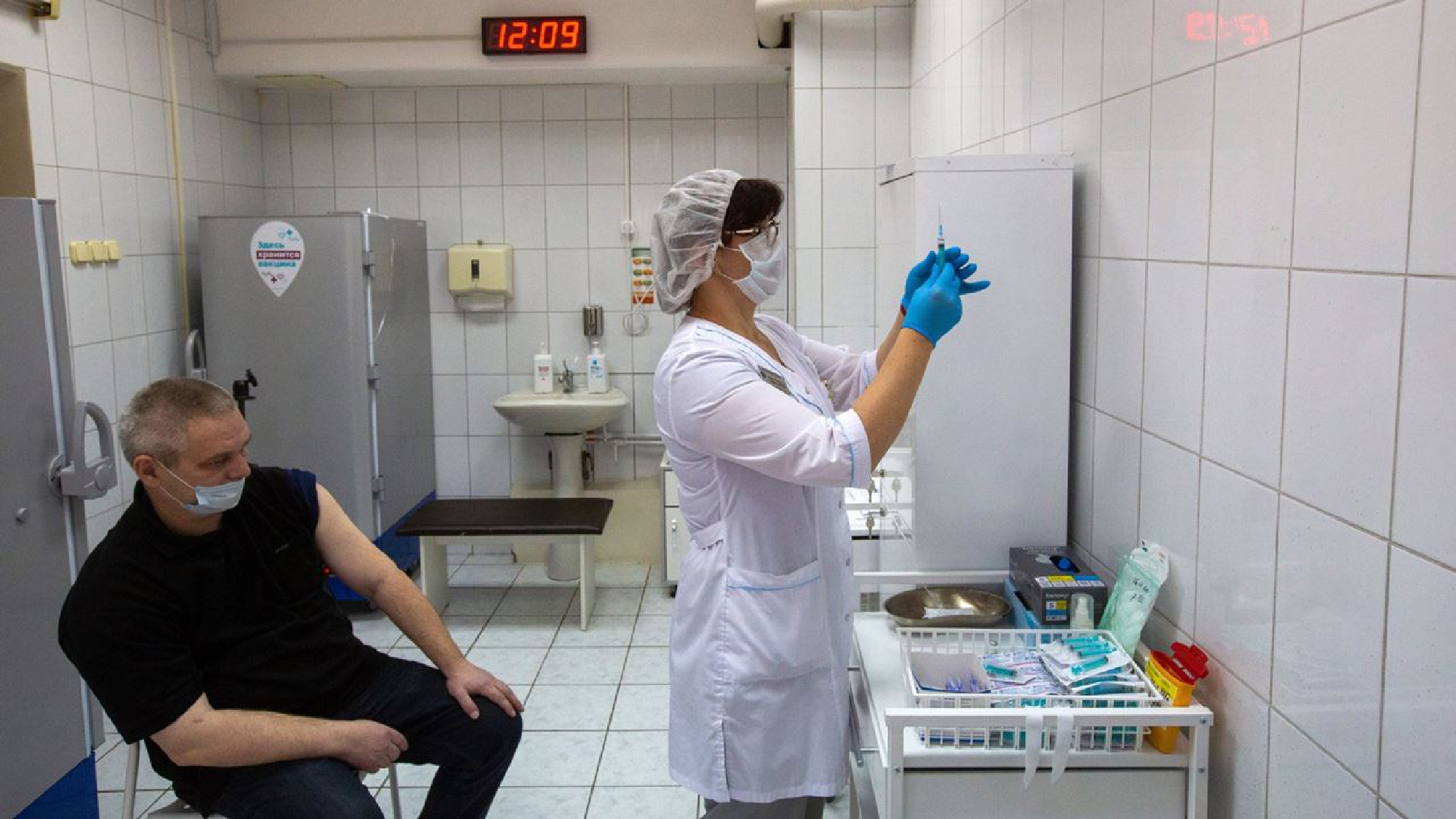
Russian industrial giants, facing a third wave of Covid-19 infections that threatens to undermine the economic recovery, are trying to buy their way to herd immunity.
Alrosa is raffling a snowmobile and Hyundai Solaris for workers who get vaccinated, Evraz and Severstal enter them into lotteries for cash and other prizes, Magnitogorsk Iron & Steel offers an extra day off after the shots, and Phosagro lets employees jump to the front of the line to qualify for all-expense paid trips to resorts.
The largess has helped boost the percentage of inoculated employees at big companies to above the national average, but shows the limits of corporate policy to overcome the government’s inability to convince people that domestically-developed vaccines are safe. That failure is contributing to a new outbreak of Covid-19 nationwide that has pushed new infections to a five-month high.
“Corporate efforts are great, but they prove that without persuading, promoting and pushing, many people will refrain from getting the shots,” said Denis Volkov, director of the independent Levada Center pollster.
The corporate push is significant because Russia remains dominated by large companies, with nearly half of working-age Russians employed by medium-sized and big business, according to the country’s statistics agency.
However, the authorities are being forced to step in as Russia faces an increasingly dire Covid-19 outbreak, fueled by the spread of the highly-contagious delta variant. Last week, Moscow ordered mandatory shots for 2 million workers and several other regions have since followed suit.
The slow national uptake has shown outreach “has not been as effective as we would have liked,” Kremlin spokesman Dmitry Peskov told reporters Friday. However, there are no plans for blanket compulsory inoculations, he said.
Russian companies were early proponents of the Sputnik V vaccine, with many executives rolling up their sleeves for shots to lead by example. As supplies grew more widely available, many offered free vaccination at workplaces for employees and their families.
Only 12% of Russians have received at least one shot nationally. President Vladimir Putin has called for at least 60% of Russians to have immunity by fall, a level the U.S. and much of western Europe are already approaching.
While the Russian economy outperformed forecasts last year, the new spike in virus cases could weigh on demand in the third quarter, according to Bloomberg Economics analyst Scott Johnson.
“It is important for business to strengthen the shield against the third wave of the pandemic,” said Andrey Guryev, chief executive officer at fertilizer maker Phosagro, which has vaccinated nearly half of its 18,000 employees thanks to the incentives it offers.
Alrosa, the world’s biggest diamond producer, says over 10,000 employees have started the vaccination process and 29% of its workers are fully vaccinated.
ADVERTISEMENT
Still, distrust of the government and a lack of concern about the pandemic are keeping people away. The Levada Center found that 55% of Russians aren’t afraid of getting Covid-19 in a May poll.
“Many say that until they get a clear signal from their employer or the government to do it, they won’t” get vaccinated, Volkov said.
Published : June 23, 2021
By : Syndication Washington Post, Bloomberg · Yuliya Fedorinova, Irina Reznik
OPEC+ discusses output hike in preparation for next meeting
OPEC+ is discussing whether to further boost production at next weeks meeting as the oil market looks increasingly tight.
Moscow is considering making a proposal that the group should ease a global supply deficit by increasing output, according to Russian officials familiar with the matter. Other OPEC+ nations are also discussing a potential supply hike in August, although specific numbers haven’t been mentioned, said a delegate.
Crude just hit $75 a barrel in London for the first time in two years as a strong recovery in demand from the coronavirus pandemic encounters supply constraints. The Organization of Petroleum Exporting Countries and its allies are already in the process of reviving about 2 million barrels a day of idle production from May to July, but influential voices in the market are asking for more as prices rise.
Saudi Arabia, the de-facto OPEC+ leader alongside Russia, so far hasn’t given any clear signal on the position it will take at next week’s talks. The kingdom has typically been cautious about rolling back the cuts, with Energy Minister Prince Abdulaziz bin Salman saying last week he wants to see clear evidence of a strong demand recovery before restoring more halted production.
The International Energy Agency has urged OPEC+ to start tapping its spare production capacity to bolster supply as demand rebounds. Goldman Sachs estimates the market is running a deficit of 3 million barrels a day, citing a lack of meaningful output growth. OPEC+ is still withholding as much as 5.8 million barrels a day from the market.
Nuclear talks between the U.S. and Iran have dragged on longer than expected, quashing expectations that sanctions on the Islamic Republic’s crude exports could be removed soon and adding further uncertainty to the OPEC+ deliberations. International oil companies and U.S. shale drillers are also keeping a tighter rein on their output than in the last price recovery, as their investors demand lower spending and better returns.
Moscow expects a global supply shortfall to persist in the medium term, two officials said, asking not to be named because the discussions aren’t public. The country’s final position going into the next OPEC+ gathering is still being shaped, another official said.
ADVERTISEMENT
Russia’s Deputy Prime Minister Alexander Novak is “in constant contact” with Saudi Arabia, Kremlin spokesman Dmitry Peskov said at his daily conference call. So far, there is no need for the Russian and Saudi leaders to hold direct talks about OPEC+ policy, he said.
The biggest oil companies in Russia said this month that the OPEC+ coalition should keep ramping up output to satisfy rising global consumption. Novak met with executives from the companies on Tuesday, although the discussion mostly centered on domestic fuel markets, said people familiar with the matter.
Published : June 23, 2021
By : Syndication Washington Post, Bloomberg · Evgenia Pismennaya, Olga Tanas, Salma El Wardany
Fed pivot seen as more detour than deadend for reflation trades
The reflation narrative thats been a key driver of global risk rallies took a detour after the Federal Reserves hawkish pivot. Investors are split over whether the trades are now heading back to the highway or down a blind alley.
Markets are regaining their footing again as stocks bounce back. The Fed’s hints at a gradual tapering of stimulus, including a pair of interest rate hikes in 2023, had roiled risk assets from equities to commodities and Bitcoin, while setting off a surge in the dollar and longer-dated bonds — the 30-year Treasury yield fell below 2% for the first time since February.
The return to relative calm suggests it’s time to reload reflation trades focused on the assets most likely to benefit from a robust global economic recovery, according to strategists including Natixis Investment Managers and JPMorgan Chase. The latest wobbles have actually strengthened their conviction.
The selloff was “bewildering” and a downright overreaction given the long runway until the first potential rate hike in 2023 and the unreliability of dot plots as a predictor, said Jack Janasiewicz, portfolio manager and strategist at Natixis, which has more than $1 trillion under management.
“This caused a nice quick flush out of some weak hands riding the reflation trade and likely reset positioning to a better place,” he said in an email. “As for the reflation trade, it remains intact. We still find many of the inflation-related worries as transitory which makes us give a more nuanced definition to our outlook: reflation, but not inflation.”
Natixis is sticking with cyclical positions and expects those trades to continue to work, with energy remaining a favorite, Janasiewicz added.
JPMorgan also sees buying opportunities after reflation trades suffered a “technically driven pullback,” strategists including Marko Kolanovic and Nikolaos Panigirtzoglou wrote in a note Monday.
“We expect the trade to resume and see this move as an opportunity to add exposure to cyclical equities and commodities,” they said. “Inflation is likely to continue to realize above both the Fed’s and markets’ expectations, driving bond yields higher and value outperformance.”
Emerging markets are also poised for further outperformance over developed peers, with JPMorgan raising its year-end target for the MSCI Emerging Markets Index to 1,550 from 1,450, implying about a 15% upside from current levels.
Still, the whipsawing market reactions to the Fed are spurring plenty of debate among investors over where to park their cash if reflation trades falter.
Goldman Sachs strategists led by Christian Mueller-Glissmann see a greater focus on short-term rates sensitivity than in the past. Markets are focusing more on labor and inflation data, given the lower potential bar for a Fed liftoff as rapid improvements there may spur investors to price in earlier tightening, according to a note Monday.
“Coupled with slowing growth momentum, this might continue to weigh on risk appetite in the near term, although the repricing across reflationary assets has already been large,” they said.
The best yardstick for measuring out a path from here could be found by looking at the market’s performance in 2004, according to Morgan Stanley strategist Andrew Sheets. It offers the closest comparison to the current mix of a booming post-pandemic recovery, fiscal easing, high savings, low rates, higher inflation and tighter labor markets. Sheets considered a variety of eras within the past century with similar dynamics, but 2004 stood out.
At that time, an extended malaise following the 2001 U.S. recession only troughed in 2003, followed by a surge in equity and credit markets as confidence returned. That means 2004 saw similar valuations in global equities, credit spreads and even volatility as those apparent today, Sheets noted in a report Sunday.
“In short, 2004 represents a more mid-cycle market after a strong, early-cycle rally,” he said. “It saw similar valuations, and what happened next is similar to some key Morgan Stanley forecasts: a pause in equities within an ongoing bull market, lower default rates but slightly wider spreads, modest dollar strength and more mixed equity leadership.”
While there are some key differences — 2004 was a U.S. election year, there was no quantitative easing and China and emerging-market dynamics were vastly different — one key lesson to take away is how quickly the Fed moved from preaching patience at the start of the year to hiking rates by June, pushing target rates up 425 basis points over the next two years.
ADVERTISEMENT
“History always seems more orderly in hindsight,” he said. “Things can change.”
Published : June 23, 2021
By : Syndication Washington Post, Bloomberg · Eric Lam
Alzheimers drug pricing uproar grows while U.S. weighs coverage
The $56,000 annual price for Biogen Inc.s recently approved Alzheimers therapy is drawing increasing criticism ahead of a decision by the U.S. government on reimbursement policies for the medication.
The Employers’ Prescription for Affordable Drugs, a coalition of health-care purchasers, said in a letter to congressional leaders on Monday that taxpayers and employers will have to pay billions of dollars for the drug, called Aduhelm, without knowing whether it works.
Aduhelm’s approval and price are a “cautionary tale of a broken system that is in profound need for reform,” the group wrote.
The Food and Drug Administration granted Aduhelm an accelerated approval this month over the objections of an advisory committee that said there was a lack of clear evidence that the drug could slow patients’ cognitive decline. Regulators said that Biogen must continue to study the therapy.
Despite the dispute over its benefits, Aduhelm could be taken by millions of Americans, creating a formidable new burden for taxpayers, employers and households who will ultimately pay for it. In addition to the high list price of the drug, patients who take it are expected to need regular scans to monitor treatment outcomes and side effects.
Biogen has said it expects 80% of the patients who ultimately take its drug to be on Medicare, the public insurance that covers Americans 65 and older. The federal agency that runs the program, the Centers for Medicare & Medicaid Services, hasn’t yet said how it will handle coverage.
If a million patients take Aduhelm, the annual cost would top $57 billion, according to estimates from the Kaiser Family Foundation. That’s more than the total for all drugs covered under Medicare’s Part B program, which is for medications like Aduhelm that are infusions administered in a doctor’s office.
Biogen is “engaging directly with public and private payers, and health systems to ensure coverage policies support access for appropriate patients,” spokeswoman Allison Parks said in an email, citing agreements with Cigna Corp. and the Veterans Health Administration.
The company plans to work with Medicare on “innovative price and access agreements that would help support continued sustainability of Medicare budgets,” she wrote.
It would be unusual for Medicare to limit access to a treatment that has gained a broad acceptance from the FDA. Officials may not have much room to maneuver, analysts from RBC Capital Markets wrote in a note to clients on Tuesday.
“The ability for CMS to meaningfully restrict Aduhelm appears limited to us in the near-term,” RBC’s Brian Abrahams wrote. “We think that CMS’s hands may largely be tied, barring an intervention from Congress.”
A meeting of outside experts who advise Medicare on coverage decisions could be scheduled for as soon as July, the RBC analysts wrote.
CMS didn’t immediately respond to a request for comment.
Alzheimer’s patient groups who implored the FDA to allow the drug on the market and praised the approval have also denounced the price. “This price is simply unacceptable,” the Alzheimer’s Association said June 12.
Some lawmakers have lashed out how the FDA handled the approval. Sen. Joe Manchin, D-W.Va., urged the Biden administration to replace the acting FDA chief, and Rep. Jim Cooper, D-Tenn., called the treatment a “scam.”
Cooper said that his wife recently died from Alzheimer’s and effective therapies are needed. “But this drug doesn’t seem to work,” he said in a statement. “Charging $56,000 for a drug that doesn’t work is a scam.”
The Employers’ Prescription for Affordable Drugs, which includes six large trade organizations for health-care purchasers and human-resources groups, urged Congress to take up comprehensive drug-pricing reform.
ADVERTISEMENT
The group said in its letter that the government should negotiate prices for drugs like Aduhelm where no market competition exists.
Democrats have proposed letting Medicare negotiate drug prices, but the policy faces GOP opposition and resistance from Democratic centrists who hold crucial votes.
Published : June 23, 2021
By : Syndication Washington Post, Bloomberg · John Tozzi
Markets wrap: Stocks climb after Powells inflation reassurance
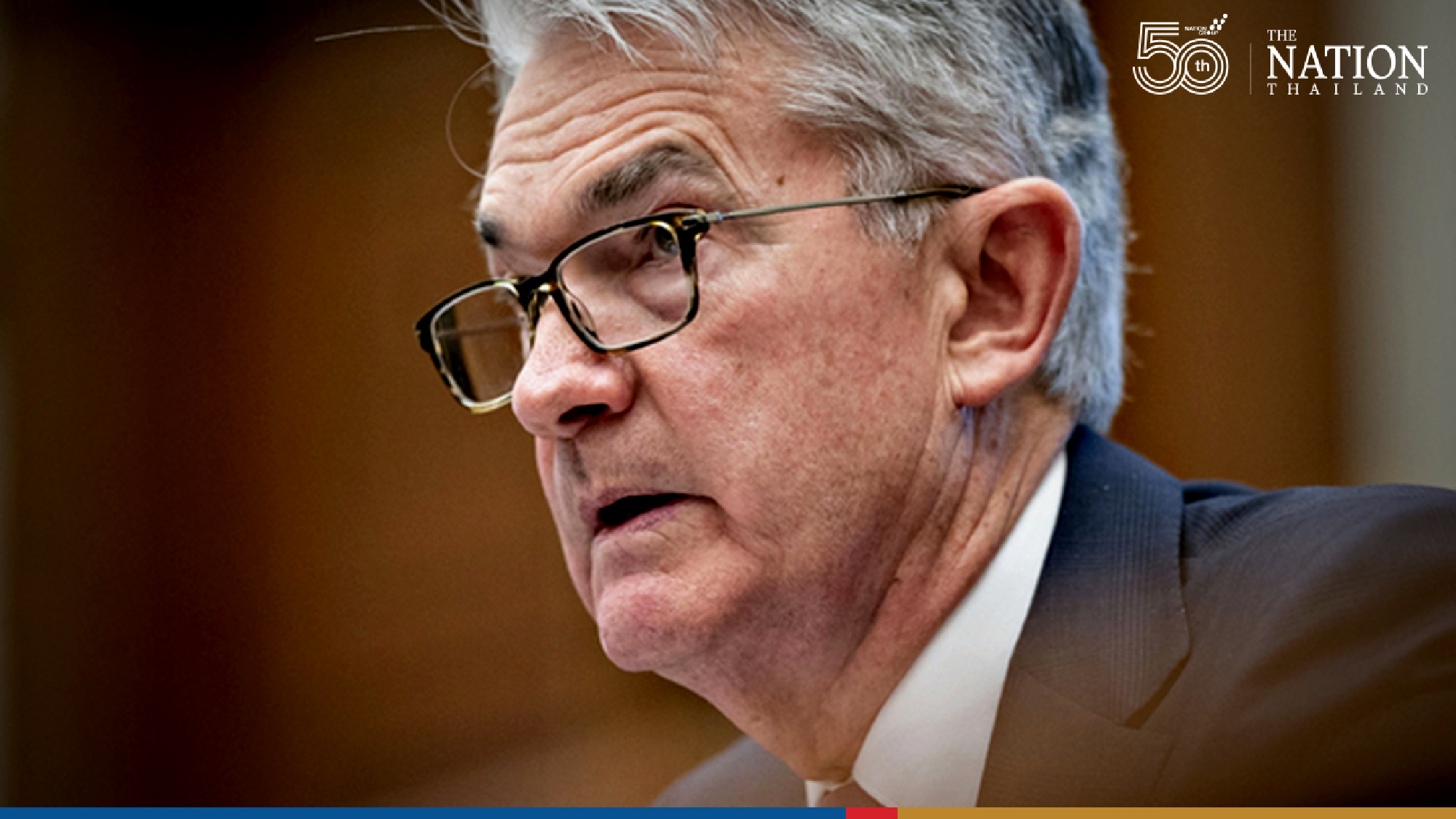
Stocks climbed after Federal Reserve Chair Jerome Powell reiterated his views that inflation pressures will be transitory even after a notable increase in recent months. The dollar fell.
The S&P 500 extended gains into a second day as the Fed chief said he’s got “a level of confidence” that prices will eventually come down, while noting that it would be “very, very unlikely” to see the kind of 1970s-style inflation. In a testimony to the House Select Subcommittee Tuesday, Powell also said that a 5% inflation environment wouldn’t be acceptable, and urged patience at evaluating data on prices.
“So inflation is larger than they expected,” said Art Hogan, chief strategist at National Securities. “That part is true. But the part about that’s going to force their hand faster than we think is the part that he’s pushing back on. I think markets have calmed down about that.”
Earlier Tuesday, New York Fed President John Williams noted that a discussion about raising interest rates is still “way off in the future.” Meantime, his Cleveland counterpart Loretta Mester said very low rates for a long period of time and unconventional policy tools such as asset purchases can lead to too much risk-taking and financial-stability issues.
Elsewhere, Bitcoin rebounded after earlier tumbling below $30,000 for the first time since January. Oil fell with reports that Russia and other OPEC+ nations are considering raising production in the wake of a tightly-supplied global crude market.
Here are some events to watch this week:
– U.S. new home sales, current account balance on Wednesday
– EIA crude oil inventory report due Wednesday
– Bank of England interest rate decision Thursday
– The Fed releases Thursday the results of stress tests on the largest U.S. banks
These are some of the main moves in financial markets:
ADVERTISEMENT
– – –
– The S&P 500 rose 0.5% as of 4 p.m. New York time
– The Nasdaq 100 rose 0.9%
– The Dow Jones Industrial Average rose 0.2%
– The MSCI World index rose 0.5%
– – –
– The Bloomberg Dollar Spot Index fell 0.1%
– The euro rose 0.2% to $1.1940
– The British pound rose 0.1% to $1.3948
– The Japanese yen fell 0.4% to 110.66 per dollar
– – –
– The yield on 10-year Treasuries declined three basis points to 1.46%
– Germany’s 10-year yield was little changed at -0.16%
– Britain’s 10-year yield advanced one basis point to 0.78%
– – –
– West Texas Intermediate crude fell 0.3% to $72.87 a barrel
– Gold futures fell 0.3% to $1,777.10 an ounce
Published : June 23, 2021
By : Syndication Washington Post, Bloomberg · Rita Nazareth, Vildana Hajric



 SiteMinder survey ‘should bring hope to Thai hoteliers as kingdom’s tourism brand remains strong’
 SiteMinder survey ‘should bring hope to Thai hoteliers as kingdom’s tourism brand remains strong’