The Stock Exchange of Thailand (SET) Index rose by 10.72 points or 0.68 per cent to 1,587.51 as of 10.07am on Thursday. The volume of transactions was THB11.24 billion, with an index high of 1,588.64 and a low of 1,583.98.
AKrungsri Securities analyst expected the index to rise to between 1,585 and 1,590 points in response to the US Federal Reserve’s decision to maintain the interest rate at 0.25 per cent and continue its quantitative easing policy.
He added that shares related to the energy sector gained positive sentiment from the rising oil price.
“Mass buy-ups of stocks that gain positive sentiment and whose first-quarter performance is likely to improve would help boost the index,” he said.
“However, we advise investors to follow reports on Thailand’s daily Covid-19 cases as the index would be under pressure if the number rises.”
He recommended investors buy:
▪︎ PSL, TTA and RCL, which would benefit from a rise in the freight rate.
▪︎ PTTEP, PTTGC and IVL, which benefit from the rising oil price.
▪︎ PTTGC, IVL, EPG, SCC, CPF, BCH, CHG, STGT, Global, DoHome, Com7, Synex, Stark and TWPC, whose first-quarter turnover is expected to improve.
The SET Index closed at 1,576.79 on Wednesday, up 17.56 points or 1.13 per cent. The volume of total transactions was THB94.64 billion, with an index high of 1,578.62 and a low of 1,562.84.
The price of gold in Thailand rose by THB200 per baht weight in the morning trade on Thursday.
The Gold Traders Association report at 9.27am showed buying price of a gold bar at THB26,350 per baht weight and selling price at THB26,450, while gold ornaments were priced at THB25,878.12 and THB26,950, respectively. On Wednesday’s close, the buying price of a gold bar was THB26,150 per baht weight and selling price THB26,250, while gold ornaments cost THB25,681.04 and THB26,750, respectively.
U.S. stocks fell, while Treasurys rose after the Federal Reserve maintained its support for the economy.
Policymakers strengthened their view of the economy and said that recent increases in inflation looked “transitory,” reassuring investors that the central bank is in no hurry to tap the brakes on growth. The dollar was lower, the 10-year Treasury rate was at 1.61% and gold was little changed.
“No news is good news as far as the market is concerned because it means the Fed will remain accommodative for the near future,” said Ellen Hazen, portfolio manager and principal at F.L. PutnamWealth Management. “This is a Goldilocks Fed. It is exactly what the equity markets are looking for.”
The Fed decision came as investors parsed the latest batch of corporate earnings reports. Alphabet Inc. rose to a record after its results showed a surge in ad sales. Microsoft Corp. was among the biggest drags, dropping to a three-week low after the software maker failed to deliver the blockbuster results some analysts were looking for. All of the main U.S. equity gauges closed lower.
Among other earnings-related news, Boeing Co. dropped after it burned through more cash than expected in the first quarter, and Texas Instruments Inc. fell the most in two months after it gave a sales forecast that some analysts saw as weak.
With stock valuations about 25% above their five-year average, investors have been searching for new catalysts to sustain the bull market momentum.
A string of encouraging data and rapid vaccination progress have boosted optimism about growth prospects in the developed world, reviving the so-called reflation trade in recent days. A release Thursday may show the U.S. gross domestic product increased an annualized 6.8% in the first quarter.
Crude-oil futures rose after OPEC+ expressed confidence in the demand outlook with plans to boost supply, even India’s raging covid-19 crisis is causing near-term pressure.
These are some of the main moves in markets:
Stocks
– The S&P 500 fell 0.1% as of 4:01 p.m. EDT
– The Nasdaq 100 fell 0.4%
– The Dow Jones industrial average fell 0.5%
– The MSCI Emerging Markets Index rose 0.4%
Currencies
– The Bloomberg Dollar Spot Index fell 0.4%
– The euro rose 0.2% to $1.2129
– The British pound rose 0.2% to $1.3947
– The Japanese yen rose 0.1% to 108.59 per dollar
Bonds
– The yield on 10-year Treasurys declined one basis point to 1.61%
– Germany’s 10-year yield advanced two basis points to -0.23%
– Britain’s 10-year yield advanced two basis points to 0.80%
Commodities
– West Texas Intermediate crude rose 1.2% to $64 a barrel
– Gold futures were little changed
Published : April 29, 2021
By : Syndication Washington Post, Bloomberg · Richard Richtmyer, Vildana Hajric
Fed says vaccinations and strong policies have helped the economy, but also notes inflation is rising
WASHINGTON – The Federal Reserve on Wednesday said that progress on vaccinations and “strong policy support” are helping economic activity and employment, with sectors hardest hit by the pandemic showing signs of improvement.
Inflation has also risen as the economy gains strength, but those increases largely reflect transitory factors, the Fed said in a statement released after its two-day policy meeting. Fed leaders have said they expect temporary price bumps, but they don’t expect those increases to persist throughout the entire economy.
“The path of the economy will depend significantly on the course of the virus, including progress on vaccinations,” the statement read. “The ongoing public health crisis continues to weigh on the economy, and risks to the economic outlook remain.”
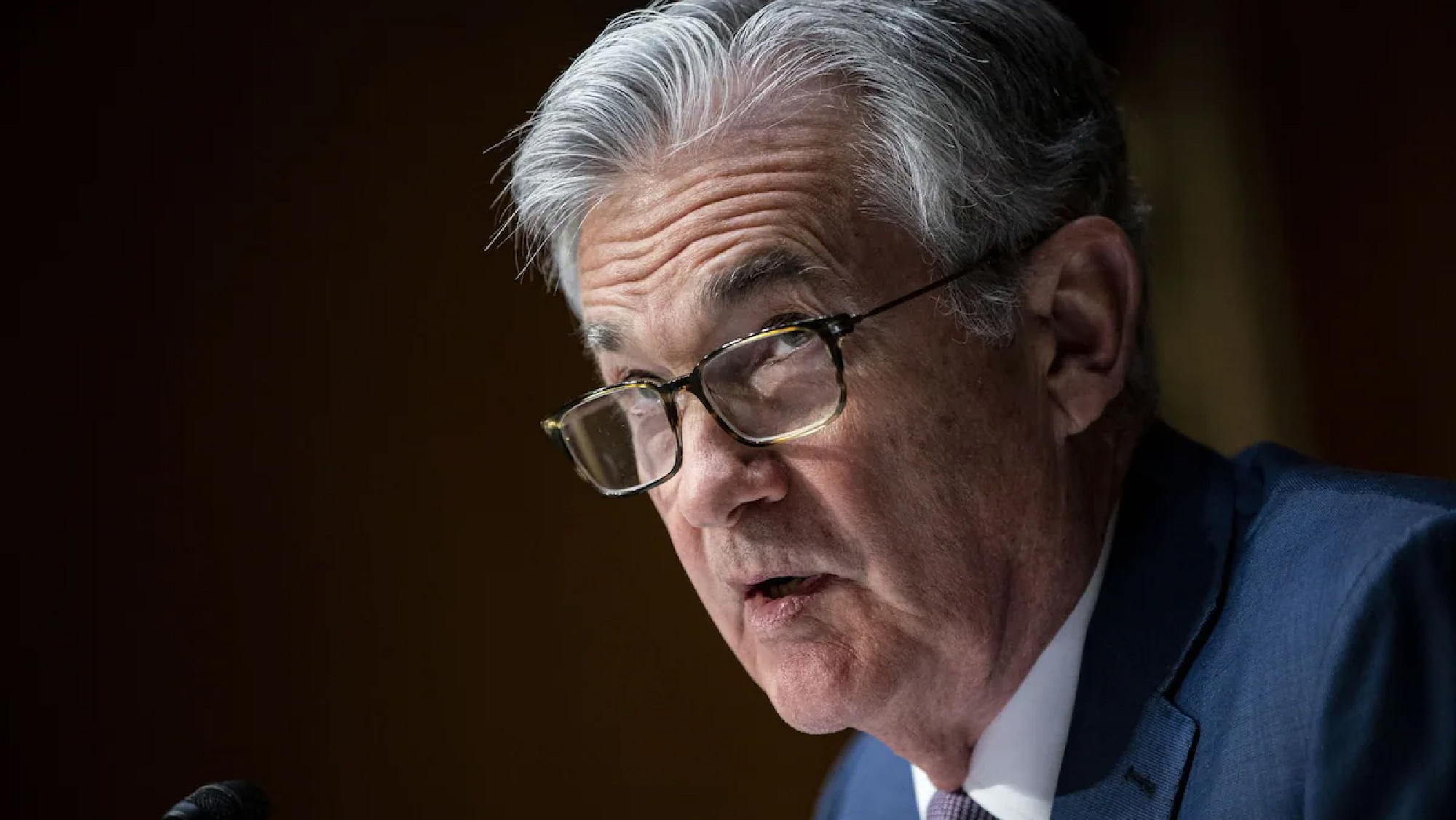
Federal Reserve Chair Jerome Powell is set to take questions at a 2:30 EDT news conference. He is likely to get questions on how the Fed will judge inflation dynamics if the economy rebounds strongly this year, as many expect. Powell may be asked when the Fed will start to trim its economic supports, and how vaccination rates – in the United States and abroad – shape his outlook.
Powell has long urged caution, saying the economy still has a long way to heal, and that reopening economy too quickly could cause coronavirus cases to spike. For much of last year, he pushed for more help from Congress to target areas of the economy struggling most.
Fed leaders stuck with their current policy stance, keeping rates near zero and buying at least $120 billion of Treasury bonds and mortgage-backed securities each month. Powell and other central bank officials have said they won’t raise rates until there has been substantial progress in the labor market, which is down at least 8.5 million jobs since February 2020.
Oil crown jewels no longer off limits in Mideast amid deal surge
Time was when the Middle Easts petrostates recoiled from using their crown jewels to raise money from foreign investors.
Not any more. In the space of a few weeks, Saudi Arabia, the United Arab Emirates, Qatar, Oman and Kuwait have all accelerated multi-billion-dollar plans to sell energy assets or issue bonds off the back of them. Capping that trend, Saudi Crown Prince Mohammed bin Salman said Tuesday the kingdom is in talks with an unidentified “global energy company” to sell a stake worth about $20 billion in state oil firm Aramco.
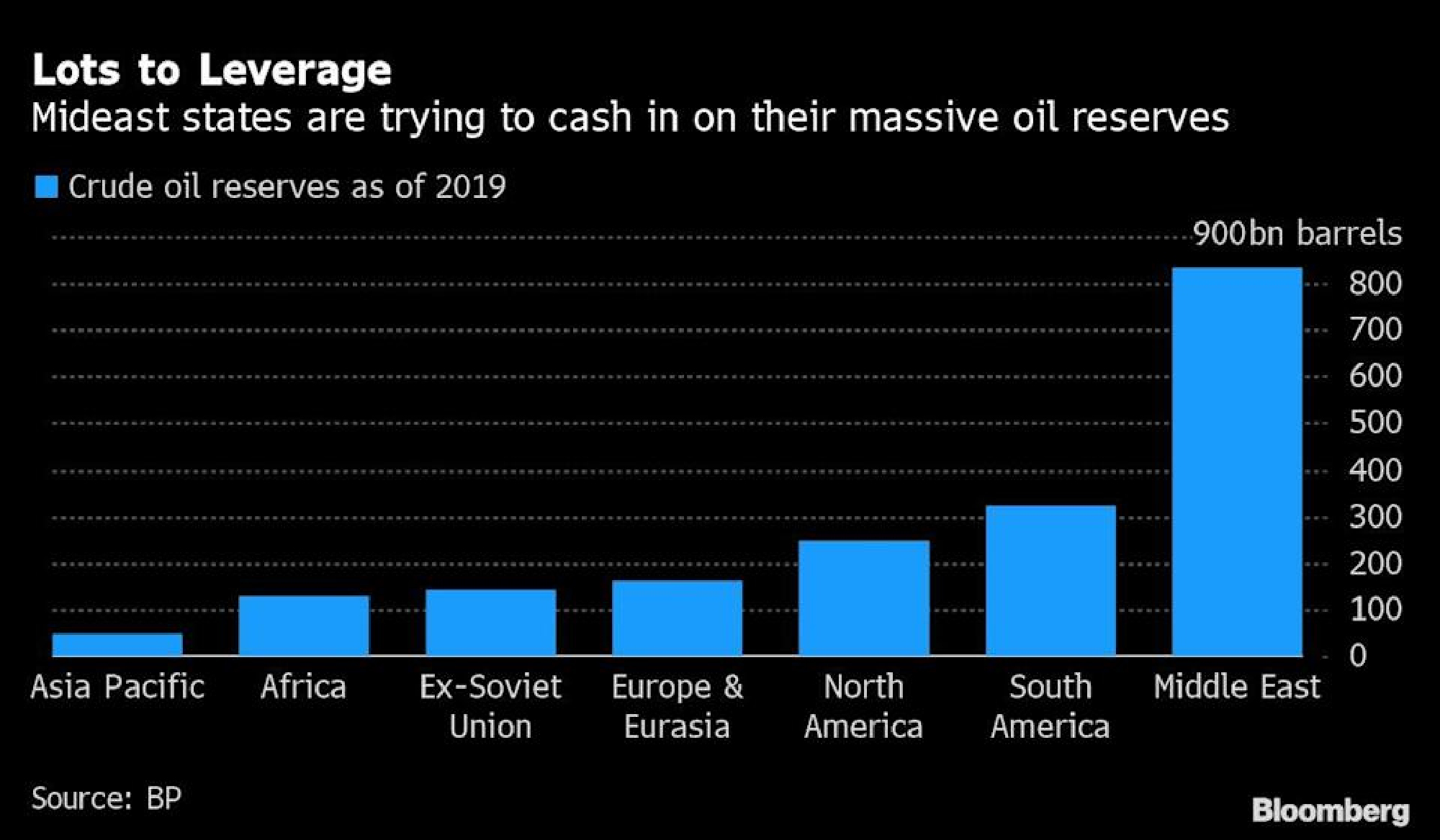
The shift underscores how countries in a region home to almost half the world’s oil reserves are taking advantage of the recovery in energy prices following last year’s coronavirus-triggered crash to bolster their ailing finances. The global transition to greener energy is only adding to the urgency, with governments requiring fresh funds to invest in new sectors and diversify their economies. And investors, hobbled by record low interest rates, are grabbing the opportunity.
“It makes sense for these countries to sell stakes when valuations are good,” said Justin Alexander, chief economist at MENA Advisors, a U.K.-based consultancy. “Some of it’s fiscal. Some of it’s a growing recognition of the speed of the energy transition and the need to realize value from these assets.”
Oil exporters in the Middle East saw their budget deficits balloon to 10.8% of gross domestic product last year from barely 3% in 2019, according to the International Monetary Fund. GDP in Saudi Arabia, the UAE and Qatar shrunk the most in about three decades.
Saudi Aramco, the world’s biggest crude producer, and Adnoc, which pumps almost all the UAE’s oil and gas, have been the most active of the region’s state companies. Both started privatizations before the pandemic, with Aramco listing on Riyadh’s stock market in 2019 and Adnoc selling part of fuel-distribution business in late 2017, also through an initial public offering.
The deals have since increased in number and sophistication — as has the focus on foreign money. On April 10, Aramco said a U.S.-led group would invest $12.4 billion in its oil pipelines. Its next deal may be an offering of a stake in its natural-gas network. For its part, Adnoc is planning IPOs of drilling and fertilizer units. These would follow a string of transactions from June 2020 that saw the likes of Brookfield Asset Management and Apollo Global Management invest about $15 billion in the Abu Dhabi-based firm’s gas pipelines and real estate.
Prince Mohammed, Saudi Arabia’s de facto ruler, sees Aramco as a key part of his Vision 2030, the grand project designed to boost everything from tourism to investments in solar parks and pharmaceuticals. Sheikh Mohammed bin Zayed of the UAE has similar ideas for Adnoc, and in March gave himself more control over the firm he’s shaking up to wring more cash out of.
Amid the flurry of activity, the companies have been careful to structure transactions such that they don’t lose sway over marquee assets. When subsidiaries are sold down, they keep hold of the bulk of the shares. With the pipeline deals, Aramco and Adnoc offered decades-long leasing rights rather than direct equity. Boutique Wall Street bank Moelis & Co. is acting as adviser to both firms.
“The Gulf national oil companies have realized they can sell bits and pieces of their empire, raising cash without giving up control,” said Ben Cahill, a senior fellow at the Center for Strategic and International Studies in Washington. “For the companies and governments, it is a pretty good combination.”
Elsewhere in the Gulf, Qatar Petroleum and Omani state companies such as OQ are planning to tap the dollar-bond market for the first time. Qatar Petroleum is seeking as much as $10 billion to increase its capacity to export liquefied natural gas.
Qatar is among the world’s richest countries per capita and in the past the government may have funded the $29 billion project using its own money. But it’s now trying to reduce a debt load that swelled last year, Fitch Ratings Ltd. said in a report on Monday. Leveraging state-owned firms allows the government to protect its own balance sheet.
Oman’s OQ on Wednesday started the sale of at least $500 million of seven-year Eurobonds. Energy Development Oman, another state firm, may follow later this year as it seeks to raise $3 billion of debt. The plans are part of a broad shake-up of the oil sector since Sultan Haitham Bin Tariq came to power little more than a year ago. He’s seeking to attract foreign funding and rejuvenate the battered economy.
Meanwhile, state-owned Kuwait Petroleum Corp. is considering its first international bond. It would be part of a strategy to borrow as much as $20 billion over the next five years to make up for an expected shortfall in revenue.
Asset and debt sales are likely to account for the lion’s share of future deals, according to Hasnain Malik, head of equity research at Tellimer, a London-based firm that provides analysis on emerging markets.
“Securitizing future cash flows and issuing bonds, as well as private equity sales, appear a far less onerous method of raising finance from international investors than selling equity via an IPO,” said Malik, who’s covered Middle Eastern markets for more than 20 years. “They are rightly recognizing the fixed-income and private-equity investor base is bigger than the regional equity one.”
For now, foreign investors, who’ve rarely had such an array of options to put their money into Middle East oil and gas, seem happy to stump up the cash.
“There’s definitely more to come,” said Cahill. “The national oil companies are watching each other and picking up some new tricks.”
Published : April 29, 2021
By : Syndication Washington Post, Bloomberg · Paul Wallace, Verity Ratcliffe, Archana Narayanan
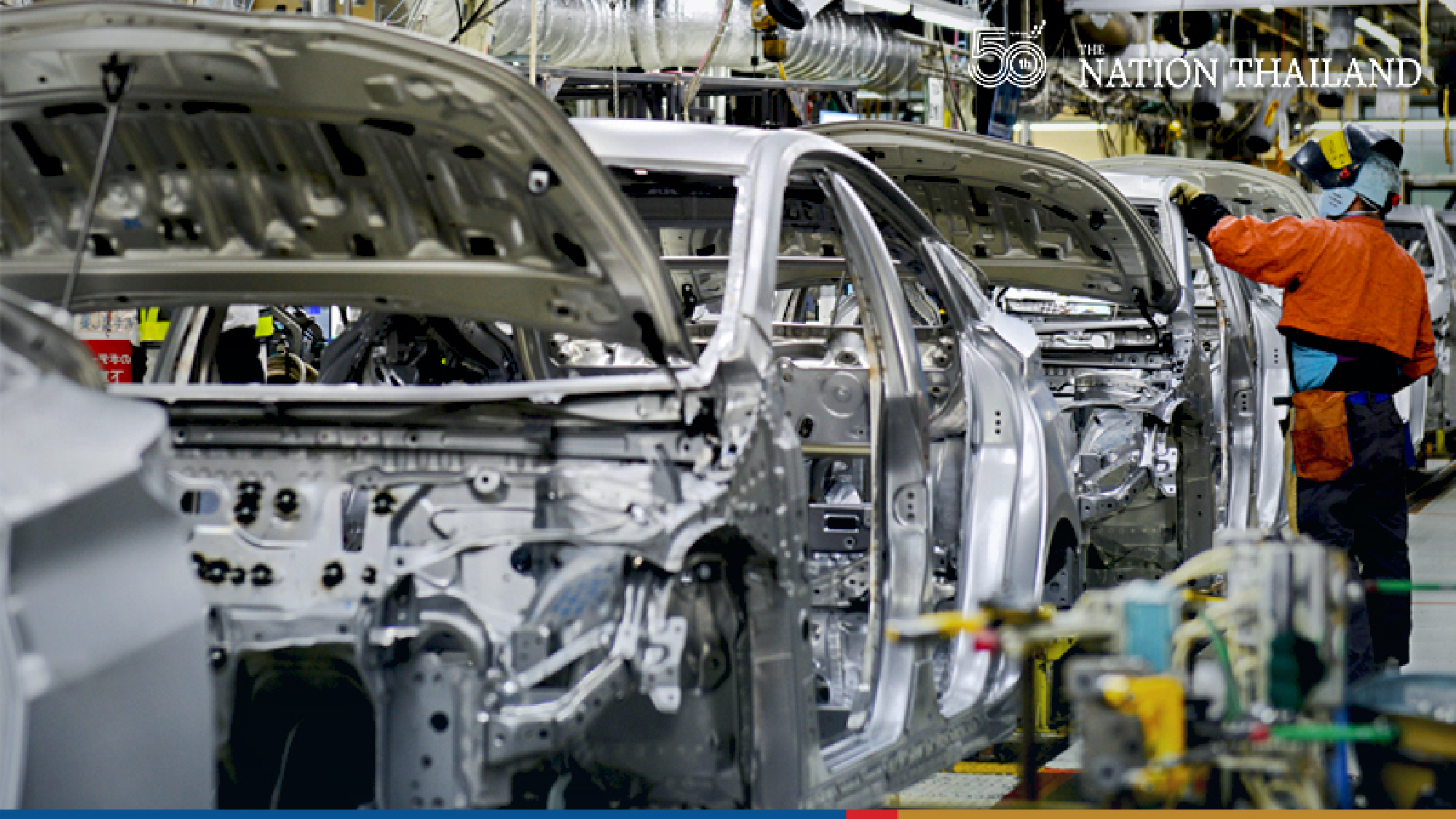
The manufacturing production index (MPI) for March rose 4.12 per cent to a 29-month high, the Industry Ministry said on Wednesday.
The March MPI rose 4.12 per cent from a year earlier and is likely to rise again next month, said the ministry.
Capacity utilisation stood at 69.59 per cent as production grew amid the global economic recovery, absence of lockdowns and no major Covid-19 outbreaks among factory workers.
The rise in MPI is also being driven by demand created by government stimulus schemes such as RaoChana, Rao Ruk Gun, Khon La Khrueng, the ministry said. Meanwhile, the gradual rollout of mass vaccination had boosted confidence and brought improvement in both the production and consumption sectors, it added.
Driving the rise in MPI was the auto industry – where production rose 7.53 per cent to meet domestic and export demand – and the iron and steel industry, where production rose 19.19 per cent amid a 40-60 per cent increase in global steel prices.
Exports of industrial products (excluding gold and special items) grew 25.77 per cent for their first double-digit expansion in 31 months. March also saw a 26.45 per cent increase in imports of raw materials and semi-finished products, electrical appliances and electronics components.
Private sector offers to help govt speed up vaccine rollout
The government is partnering up with the private sector to start a “Thailand Team” comprising four separate working groups to accelerate the administration of Covid-19 vaccines to 50 million people this year.
The Thai Chamber of Commerce board of directors met Prime Minister Prayut Chan-o-cha at Government House on Wednesday to present its guidelines on driving the vaccine rollout.
According to its guidelines, the four teams will oversee:
• Distribution and Logistics: In the first phase, 14 pilot venues will be chosen covering the capital’s five main areas, with approximately 1,000 to 2,000 jabs being delivered at each venue daily. Of the 14 venues, ranging from shopping centres and offices to petrol stations, two will be based in north Bangkok, four in south Bangkok, three in eastern Bangkok, two in north Thonburi and three in south Thonburi. This setup will accommodate the Bangkok Metropolitan Administration (BMA)’s aim to have 20,500 people inoculated per day. The next step for the team will be to set up mobile units in communities to reduce crowding.
• Communication: A team will be in charge of raising public awareness and updated official information on Covid-19 vaccines. The information will be provided both online and offline through most social media platforms.
• IT Operation: A team will be assigned to set up an online registration system to cut down on people’s exposure to the virus. The aim is to boost efficiency.
• Procurement of extra vaccines: This team will collect information on companies willing to spend on getting their staff vaccinated. Currently, 2,629 companies have put in requests to have 921,817 employees jabbed. In addition, another joint team will negotiate vaccine procurement deals with new manufacturers to help a wider, more efficient rollout of vaccines.
The Chamber of Commerce has also proposed a plan to help businesses gain access to financial help, including improving laws to help business operations. The government says it has prepared packages for small businesses, including soft loans, debt suspension, etc, and also claims it is ready to consider proposals on boosting businesses and re-opening the country.
Kalin Sarasin, chair of the Thai Chamber of Commerce, voiced confidence over the government’s decision to purchase 100 million doses of Covid-19 vaccines, which will cover 50 million people, adding that the private sector will help distribute the jabs quickly and efficiently.
Thai stocks shrug off Covid worries to rise over 1%
The Stock Exchange of Thailand (SET) Index closed at 1,576.79 on Wednesday, up 17.56 points or 1.13 per cent. The volume of total transactions was THB94.64 billion with an index high of 1,578.62 and a low of 1,562.84.
In the morning session, Krungsri Securities forecast Wednesday’s SET index would fluctuate between 1,550 and 1,570 points as investors awaited the outcome of a US Federal Reserve meeting.
The Fed is expected to maintain the interest rate at 0.25 per cent and continue its quantitative easing policy.
“Meanwhile, uncertainty over higher Covid-19 cases in Thailand and volatility in foreign fund flows would pressure the index,” Krungsri Securities predicted.
The 10 stocks with the highest trade value today were ASW, KBANK, SCC, SCGP, GUNKUL, IVL, TISCO, AOT, PTTGC and PTL.
Other Asian indices were mixed:
Japan’s Nikkei Index closed at 29,053.97, up 62.08 points or 0.21 per cent.
China’s Shang Hai SE Composite Index closed at 3,457.07, up 14.46 points or 0.42 per cent, while Shenzhen SE Component Index closed at 14,398.38, up 134.30 points or 0.94 per cent.
Hong Kong’s Hang Seng Index closed at 29,071.34, up 129.80 points or 0.45 per cent.
South Korea’s KOSPI closed at 3,181.47, down 33.95 points or 1.06 per cent.
Taiwan’s TAIEX closed at 17,567.53, down 28.37 points or 0.16 per cent.
Overcoming cash flow challenges amid the COVID19 pandemic
In today’s environment where the COVID-19 pandemic has caused unprecedented challenges and uncertainty, SMEs’ ability to manage cash flow is even more critical to their business continuity.
Based on the ASEAN SME Transformation Study 2020 by UOB, Accenture and Dun & Bradstreet, in which 1,000 SMEs across ASEAN were surveyed, ensuring cash flow was their top priority in order to weather the impact of COVID-19 and to ensure the survival of their business.
As part of managing their cash flow pressures, ASEAN SMEs are focused on reducing their costs by improving business efficiency through the use of technology (81 per cent), deferring their loan repayments through COVID-19 relief schemes (75 per cent) and renegotiating payment terms or contractual obligations (75 per cent).
Overcoming cash flow challenges amid the COVID19 pandemic
Here are some tips to help SMEs manage cash flow through these uncertain times.
1. Shift the focus from income statements to the balance sheet. It is important to focus on all three elements of working capital – payables, receivables, and inventory – rather than just one of them so as to minimise working capital requirements during challenging times.
2. Sell any obsolete equipment or machinery to obtain an immediate cash injection for your business.
3. Track and manage your invoices. Late payments, which are a typical cause of cash flow problems, could be due to delayed payments by a customer or an ineffective invoicing process. While delayed payments are beyond your control, ensuring a prompt invoicing process within your organisation can help you receive payments faster. It may be time to invest in technology and business solutions to manage administrative tasks such as payroll, accounting, inventory and resourcing. UOB BizSmart, an integrated suite of cloud-based integrated business solutions, is one example small businesses can use to improve their efficiency in this area.
4. Revisit capital investment plans. Given the uncertain situation and cash flow forecasts, SMEs should consider the necessity of their capital investments – those that are essential in the near term or are required to create competitive advantages on the road to recovery. Consider which investments can be postponed or should be considered only when the situation improves.
5. Tap banking partners’ support to relieve financial pressure. To help businesses get through this challenging time, the government and financial institutions have stepped in to offer various COVID-19 relief schemes. We suggest SMEs should approach their banks actively to understand and to obtain the financial support they need, which can range from deferment in loan repayments, renegotiation of contractual obligations and additional loans from financial assistance programmes.
Overcoming cash flow challenges amid the COVID19 pandemic
UOB Thailand is committed to helping our small business customers emerge stronger post- COVID-19. We are actively engaging our SME customers to help ensure that their businesses remain viable during the pandemic through measures such as financial relief programmes and business advisory on digital transformation. In view of the prolonged pandemic and its impact on lives and livelihoods, we will continue to help customers manage business disruption through progressive solutions and to build sustainable businesses for generations to come.
Vehicle exports in March accelerated to 104,006 units, increasing 16.38 per cent year on year – the highest in the past two years thanks to a slowly recovering global economy, the Federation of Thai Industries (FTI) reported.
“Overseas markets are steadily recovering, especially Australia, New Zealand, Asia and Europe, which are expanding around 40-50 per cent compared to the previous year,” said Surapong Paisitpattanapong, vice president and spokesman of the automobile chapter of the FTI.
“Motorcycle exports in March also jumped, to 101,634 units, increasing 16.53 per cent year on year,” he said.
In the first quarter of 2021, vehicle exports totalled 258,108 units worth more than Bt143 billion, increasing 11.05 per cent year on year, while 269,472 motorcycles were exported, netting over Bt24.65 billion and increasing 17.04 per cent year on year.
“There is a high probability that the value of vehicle exports throughout the year will exceed Bt1 trillion, depending on the Covid-19 situation globally,” Surapong said.
“We also hope the markets that are currently contracting, such as the Middle East, Africa and the North and South Americas will be able to expand in the second half of the year.”
Meanwhile, March saw domestic vehicle sales of 74,925 units, increasing 25.47 per cent year on year, and domestic motorcycle sales of 169,672 units, rising 15.63 per cent year on year.
The FTI also reported that 162,515 vehicles were manufactured in March, a 10.7 per cent increase year on year.
“In the first quarter total vehicle manufacturing was recorded at 465,833 units, about 58 per cent of which were exported,” Surapong said.
“We estimate that the total manufacturing output this year will reach 1.5 million units, slightly more than last year’s output of 1.4 million,” he added.






 Overcoming cash flow challenges amid the COVID19 pandemic
 Overcoming cash flow challenges amid the COVID19 pandemic