Thai business councils say Xi’s 3rd term will benefit trade, investment

#SootinClaimon.Com : ขอบคุณแหล่งข้อมูล : หนังสือพิมพ์ The Nation.

https://www.nationthailand.com/thailand/economy/40021403

Thai business councils say Xi’s 3rd term will benefit trade, investment

Thai business councils say Xi’s 3rd term will benefit trade, investment

WEDNESDAY, OCTOBER 26, 2022

The Federation of Thai Industries (FTI) and the Thai Chamber of Commerce (TCC) welcomed Xi Jinping retaining the post of Chinse president for a third term, saying it would lead to a continuity in policies that would benefit Thai businesses.

The positive reactions were expressed by FTI president Kriengkrai Thiennukul and TCC chairman Sanan Angubolkul.

Xi was confirmed as leader for a third term after a week-long meeting of the ruling Chinese Communist Party strengthened his political hand.

Kriengkrai said Xi would continue to bring about stability in China’s foreign and economic policies.

The FTI chief said only aged administrators in the Chinese government were replaced.

He said with Xi continuing to lead China, the Asian superpower would become the globe’s technology leader by 2035.

Thailand expects Beijing to ease its anti-Covid measures next month and to see Chinese tourists return late this year, but reports have it that the Communist government would continue its stringent Zero-Covid policy until March, Kriengkrai said.

The FTI president added that Xi’s continued leadership and the on-going trade war between China and the United States would continue to benefit Thailand.

The trade war has prompted Chinese investors to seek new manufacturing bases, especially in Southeast Asia, Kriengkrai said.

“This was reflected in the ratio of foreign direct investments, which showed China was top on the list of foreign investors in the kingdom,” he noted.

Once Beijing eases its Zero-Covid policy, more Chinese investors would travel to Thailand, Kriengkrai believed.

He said Chinese tended to invest in electrical vehicle manufacturing and high-tech industries in the kingdom.

“Thailand remains the top choice for Chinese investors because of good ties between the two countries. Chinese investors love the investment environment in Thailand and we believe more investments will flow from China into Thailand, but it would also depend on the geopolitical situation between China and the US,” Kriengkrai hastened to add.

Sanan said he believed Xi retaining the leadership would benefit both Chinese and Thai economies because China would continue its trade, investment and tourism policies.

Thailand would benefit from a Chinese recovery and this would play a part in helping the Thai economy expand by at least 4 per cent, Sanan said.

He noted that China’s economy had been growing at the rate of between 6 and 9 per cent, but dropped to 2 per cent because of its Zero-Covid policy. Yet the policy was still positive because it showed Beijing was serious about controlling the outbreak.

Sanan said the TCC expects more than 5 million Chinese tourists to return to Thailand next year once that country fully reopens.

Chinese are the biggest group who have invested in Thailand with several big corporations investing in the kingdom, Sanan pointed out.

For example, he said, BYD decided to invest in EV manufacturing in Thailand and several other Chinese firms, including medical equipment manufacturers, will use Thailand as a supply chain.

Sanan added that the Thai government has improved the law to make it more convenient for foreign investors to buy land so that they can use the kingdom as a strategic area linking other Asean countries.

True-Dtac merger will benefit customers, insists NBTC former vice-chairman

#SootinClaimon.Com : ขอบคุณแหล่งข้อมูล : หนังสือพิมพ์ The Nation.

https://www.nationthailand.com/thailand/economy/40021395

True-Dtac merger will benefit customers, insists NBTC former vice-chairman

True-Dtac merger will benefit customers, insists NBTC former vice-chairman

WEDNESDAY, OCTOBER 26, 2022

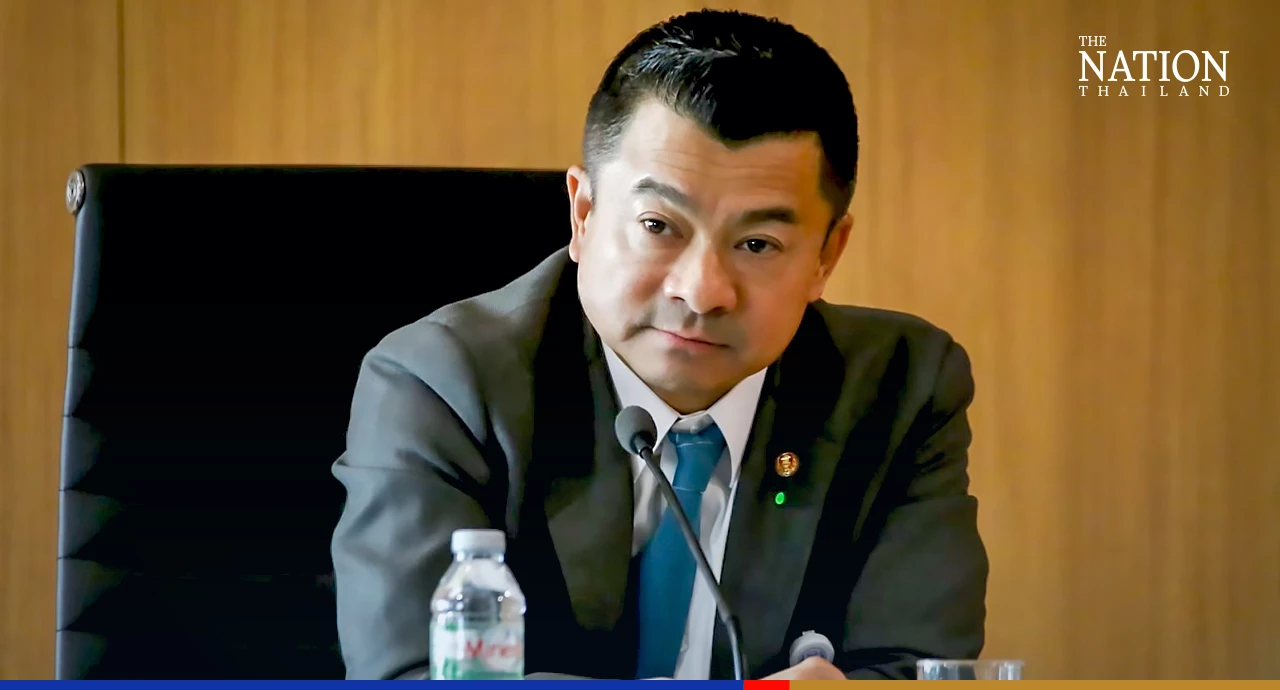
The former vice-chairman of the National Broadcasting and Telecommunications Commission (NBTC) said he agreed with the True-Dtac merger because it is “based on laws and will be beneficial to consumers”.

The NBTC last week voted 3:2 to “conditionally acknowledge” a planned merger between True Corporation and Total Access Communications (Dtac) after nine months of deliberation.

Colonel Settapong Malisuwan, the vice-chairman of the House committee on communications, telecommunications and digital economy and society and former NBTC vice-chairman, said on Tuesday that the NBTC had taken a step in the “right direction” as it had followed the laws and regulations while also being non-discriminatory.

Settapong said the process needed to follow the 2018 NBTC regulation on mergers, which allows businesses wishing to merge to only notify the regulator, not seek its approval.

He said the 2006 anti-monopoly directive that requires businesses to seek approval has been cancelled.

“This decision by the NBTC will be the right norm for working under the laws. All cases must be considered equally and be non-discriminatory. When we have rules and regulations, we must follow them.”

Settapong mentioned that the True-Dtac merger was not the first under the 2018 NBTC regulation. It had been enforced when he was the NBTC’s vice-chairman. He said there have been nine previous mergers.

He explained that the NBTC must be informed according to the law as the latest planned merger was an amalgamation under the 2018 NBTC regulation. The companies must send a report to the commission and inform its secretary-general for at least 90 days about developments, he added.

True-Dtac merger will benefit customers, insists NBTC former vice-chairman

Settapong said the NBTC clearly has the power to set conditions or measures for mergers to protect the public.

He believed customers will benefit from certain conditions (a price ceiling and price controls) and this could be applied to all players in the industry for fairness.

However, Settapong said the NBTC must release follow-up regulations and monitor the merger so it will be beneficial to the public. The commission must also step in immediately if the merger affects people’s rights, he made it clear.

As for concerns about monopoly or high service prices, he said all operators must follow laws and regulations and they cannot fix prices freely.

Thai, Lao PMs to lay foundation stone for new Mekong bridge

#SootinClaimon.Com : ขอบคุณแหล่งข้อมูล : หนังสือพิมพ์ The Nation.

https://www.nationthailand.com/thailand/economy/40021391

Thai, Lao PMs to lay foundation stone for new Mekong bridge

Thai, Lao PMs to lay foundation stone for new Mekong bridge

WEDNESDAY, OCTOBER 26, 2022

The foundation stone for the fifth Thai-Lao Friendship Bridge will be laid by the prime ministers of both countries on October 28.

Government spokesperson Anucha Burapachaisri said on Tuesday that Prime Minister General Prayut Chan-o-cha will travel to Bueng Kan province on Friday to participate in the foundation stone laying ceremony of Thai-Lao Friendship Bridge No 5 together with his Lao counterpart Phankham Viphavanh.

The bridge running over Mekong River will connect Bueng Kan’s Muang district with Laos’s Bolikhamsai province. It has a total length of 1.35 kilometres – 0.815km on Thai territory and 0.535km on the Laos side. It will serve as another transport route that links Thai-Lao-Vietnam Highway R8, which terminates in China’s Guangxi region, and promote key cross-border trading among the four countries.

Construction work began in June 2020 and is expected to be completed in April 2024.

The 3.65-billion-baht project covers the construction of roads, a customs checkpoint, a concrete bridge, and a multi-purpose area under the bridge.

Anucha said talks to hold the foundation stone laying ceremony took place during Phankham’s official visit to Thailand in June.

He added that after the ceremony Prayut will discuss bi- and multi-lateral ties with Phankham.

Baht could continue strengthening: market strategist

#SootinClaimon.Com : ขอบคุณแหล่งข้อมูล : หนังสือพิมพ์ The Nation.

https://www.nationthailand.com/thailand/economy/40021385

Baht could continue strengthening: market strategist

Baht could continue strengthening: market strategist

WEDNESDAY, OCTOBER 26, 2022

The baht opened at 38.05 to the US dollar on Wednesday, strengthening from Tuesday’s close of 38.29.

The currency will likely move between 37.90 and 38.15 against the greenback during the day, Krungthai market strategist Poon Panichpibool predicted.

He said the baht had strengthened faster than expected because the dollar declined as the market was in a risk-on state.

If the market continues to be open to more risks, foreign investors might come back to purchase Thai stocks and this would support the baht’s strengthening, Poon said.

However, he speculated that the strengthening of the Thai currency would be limited to between 37.80 and 37.90 to the dollar as importers were gradually purchasing the dollar now that the month is drawing to a close.

Furthermore, some big investors have returned to a “wait and see” state as they closely watch results of key central bank meetings involving the European Central Bank and the Bank of Japan at the end of the week.

Poon advised investors to use hedging tools such as options to manage risks in a highly volatile currency market.

Thailand’s billion-dollar market driving video-game boom in Southeast Asia

#SootinClaimon.Com : ขอบคุณแหล่งข้อมูล : หนังสือพิมพ์ The Nation.

https://www.nationthailand.com/thailand/economy/40021381

Thailand’s billion-dollar market driving video-game boom in Southeast Asia

Thailand’s billion-dollar market driving video-game boom in Southeast Asia

TUESDAY, OCTOBER 25, 2022

The crosshairs of the global gaming industry targeted Bangkok last weekend as the world’s top developers unveiled their latest creations at the “Thailand Game Show 2022”.

Southeast Asia is now among the fastest-growing video game markets on the planet, according to Level Infinite, whose “PUBG Mobile” and “Tower of Fantasy” were stars of the expo at Queen Sirikit National Convention Centre.

Level Infinite spokesperson Oliver Ye said strong growth of the region’s gaming industry was being driven by improved digital infrastructure and rising disposable income.

“With over 250 million gamers, Southeast Asia’s video gaming is expected to hit a compound annual growth of 8.5 per cent for the period 2020-2025,” he said.

Thailand’s billion-dollar market driving video-game boom in Southeast Asia

Thailand is at the centre of this boom, high-scoring among Southeast Asian video-game markets with revenue of US$1.24 billion (47.48 billion baht) last year. And that figure is forecast to reach $1.4 billion (53.53 billion baht) this year.

“This is spurred by the digital lifestyle that has become the norm, where youths today are using video and mobile games as a way to strengthen current relationships and meet new people who share the same passion,” Ye said.

Thailand’s billion-dollar market driving video-game boom in Southeast Asia

E-sport is playing a big role in accelerating growth of the gaming industry as more people embrace the e-competition and its potentially lucrative rewards, he added.

“This has opened more opportunities for the gaming ecosystem to create new jobs and drive economic growth, from careers in sectors like infrastructure, such as network engineers and operators, events management, content creators and players.

Thailand’s billion-dollar market driving video-game boom in Southeast Asia

Ye added that Thailand’s move to recognise e-sport as professional sport will motivate more gaming enthusiasts to pursue a career in the industry and stimulate growth in both the local and regional gaming market.

“We also look forward to bringing our global expertise and experience in game publishing and development to enable long-term growth for the region’s gaming industry, support local game studios as well as nurture young talents,” he said.

Thailand’s billion-dollar market driving video-game boom in Southeast Asia

Council chief explains the 5 key issues up for discussion at Apec leaders’ summit

#SootinClaimon.Com : ขอบคุณแหล่งข้อมูล : หนังสือพิมพ์ The Nation.

https://www.nationthailand.com/thailand/economy/40021380

Council chief explains the 5 key issues up for discussion at Apec leaders' summit

Council chief explains the 5 key issues up for discussion at Apec leaders’ summit

TUESDAY, OCTOBER 25, 2022

The Apec Business Advisory Council (Abac) chairman said the five points on the Asia-Pacific Economic Cooperation (Apec) Economic Leaders’ Meeting agenda would bring topics like inflation, food insecurity and climate change to the forefront.

Abac chairman Kriengkrai Thiennukul was speaking to The Nation on Tuesday. In the conversation, he said that Abac’s aim is to promote a global rules-based trading system and an Asia-Pacific free trade area as well as an ecosystem that supports economic growth.

“All these actions are fundamental to ensuring that our region is seamless, dynamic, resilient and sustainable for everyone, including the disadvantaged and under-served,” he said.

He added that Apec leadership and decisive action are necessary to speed up economic recovery in the fallout of Covid-19.

The five points put forward by Abac are: regional economic integration; digital infrastructure; sustainable practises of micro-, small and medium-sized enterprises (MSMEs); sustainability; and finance and economics.

The economic leaders’ meeting, scheduled for November 18-19, is part of the Apec Summit, which kicks off on November 14 at Bangkok’s Queen Sirikit National Convention Centre.

Kriengkrai, who also chairs the Federation of Thai Industry, said Abac is looking for opportunities to facilitate trade and investment, as well as for integration into a wider regional market. He added that the council was also focusing on carbon credit and future food, which will soon become new income sources for people.

“We also call on Apec to facilitate the reopening of borders to accelerate the regional recovery, particularly for MSMEs that were adversely affected by Covid-19 restrictions,” he said.

He added that Abac will continue focusing on the development and implementation of a regional framework to facilitate business operation and tourism in the post-Covid era.

Abac’s 5 points

Regional economic integration: Free-trade pacts and restoring regional travel

Digital infrastructure: Preparations to transition into a digital economy

MSMEs and inclusiveness: Restoring MSMEs in a post-Covid era as well as promoting participation by women, children and under-privileged persons

Sustainability: Focusing on net-zero emissions and promotion of sustainable food and energy

Finance and economics: Issuing effective economic stimulus measures and creating an ecosystem that supports digital finance

Despite gradual revival in tourism, small hotel operators still await light at the end of the tunnel

#SootinClaimon.Com : ขอบคุณแหล่งข้อมูล : หนังสือพิมพ์ The Nation.

https://www.nationthailand.com/thailand/economy/40021372

Despite gradual revival in tourism, small hotel operators still await light at the end of the tunnel

Despite gradual revival in tourism, small hotel operators still await light at the end of the tunnel

TUESDAY, OCTOBER 25, 2022

Thai small hotel operators are struggling in the post-Covid-19 era as discounts offered by large hotels and the reopening of many Asia-Pacific countries are affecting their business operations, a report in Thansettakij said on Tuesday.

Many hotel operators were forced to use pricing strategies to gain a competitive advantage, as many countries have reopened to foreign tourists.

Thai hotel operators still have to rely on domestic tourists. Though more than 10 million foreign tourists are expected to visit Thailand this year, the number is only one-fourth the 40 million people who visited before the Covid-19 crisis in 2019.

Thailand has welcomed more than 6 million foreign tourists after the country’s reopening on June 1.

Despite the impact of inflation on their income and expense, many Thais have decided to travel across the country, especially during long weekends, Thansettakij added.

“Even though hotel operators’ revenue continued to increase, their revenue is still low compared to before the Covid-19 crisis,” Thansettakij said.

Meanwhile, countries in the Asia-Pacific region such as Japan, South Korea and Taiwan, have eased travel restrictions to attract foreign tourists tempting Thai tourists to take overseas trips.

Many Thais have flocked to Japan since October 11, as Tokyo is issuing free visas and allowing people who have received at least three Covid-19 vaccine jabs to enter the country.

In addition, many countries have also organised tourism stimulus campaigns. For instance, Hong Kong planned to offer 500,000 flight tickets worth HK$2 billion or 8.01 billion baht.

“This is why the Tourism Council of Thailand has urged the government to allow small hotel operators to request for a business licence, so they will be able to access funds and continue their business while waiting for foreign tourist influx during the high season,” Thansettakij added.

Despite gradual revival in tourism, small hotel operators still await light at the end of the tunnel

The Tourism Authority of Thailand aims to increase the number of foreign tourists visiting Thailand next year by 50 per cent compared to 40 million people before the Covid-19 crisis.

Meanwhile, Thai Hotels Association expected Thailand’s tourism to benefit from direct flights during the high season in the last part of this year, the easing of Covid-19 restrictions, and the hosting of the Asia-Pacific Economic Cooperation Summit in Bangkok in November.

TCCT, OECD and KPC host Workshop on Advocacy Strategies for Competition Authorities in Asia-Pacific

#SootinClaimon.Com : ขอบคุณแหล่งข้อมูล : หนังสือพิมพ์ The Nation.

https://www.nationthailand.com/thailand/economy/40021371

TCCT, OECD and KPC host Workshop on Advocacy Strategies for Competition Authorities in Asia-Pacific

TCCT, OECD and KPC host Workshop on Advocacy Strategies for Competition Authorities in Asia-Pacific

TUESDAY, OCTOBER 25, 2022

THE NATION

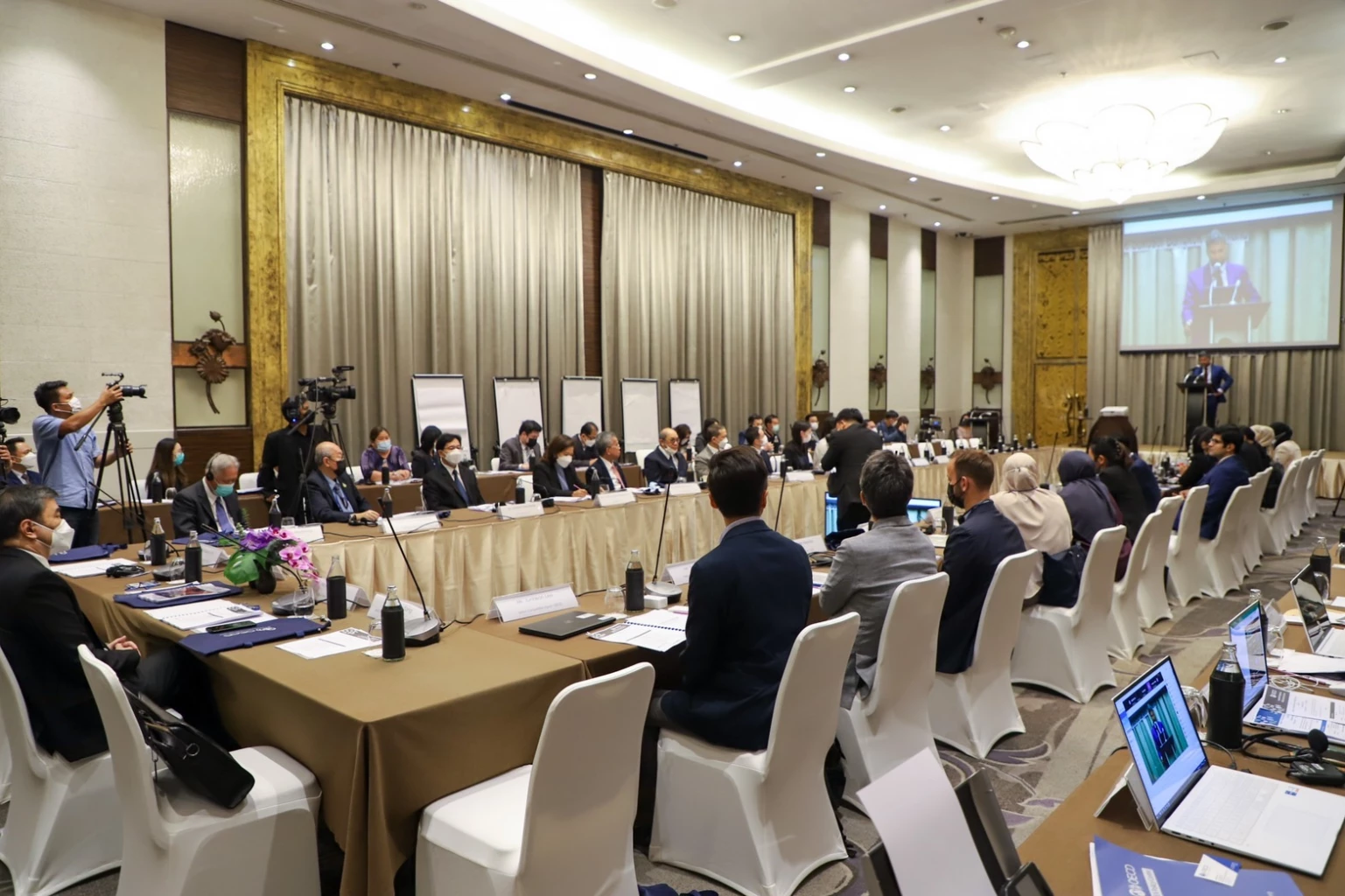
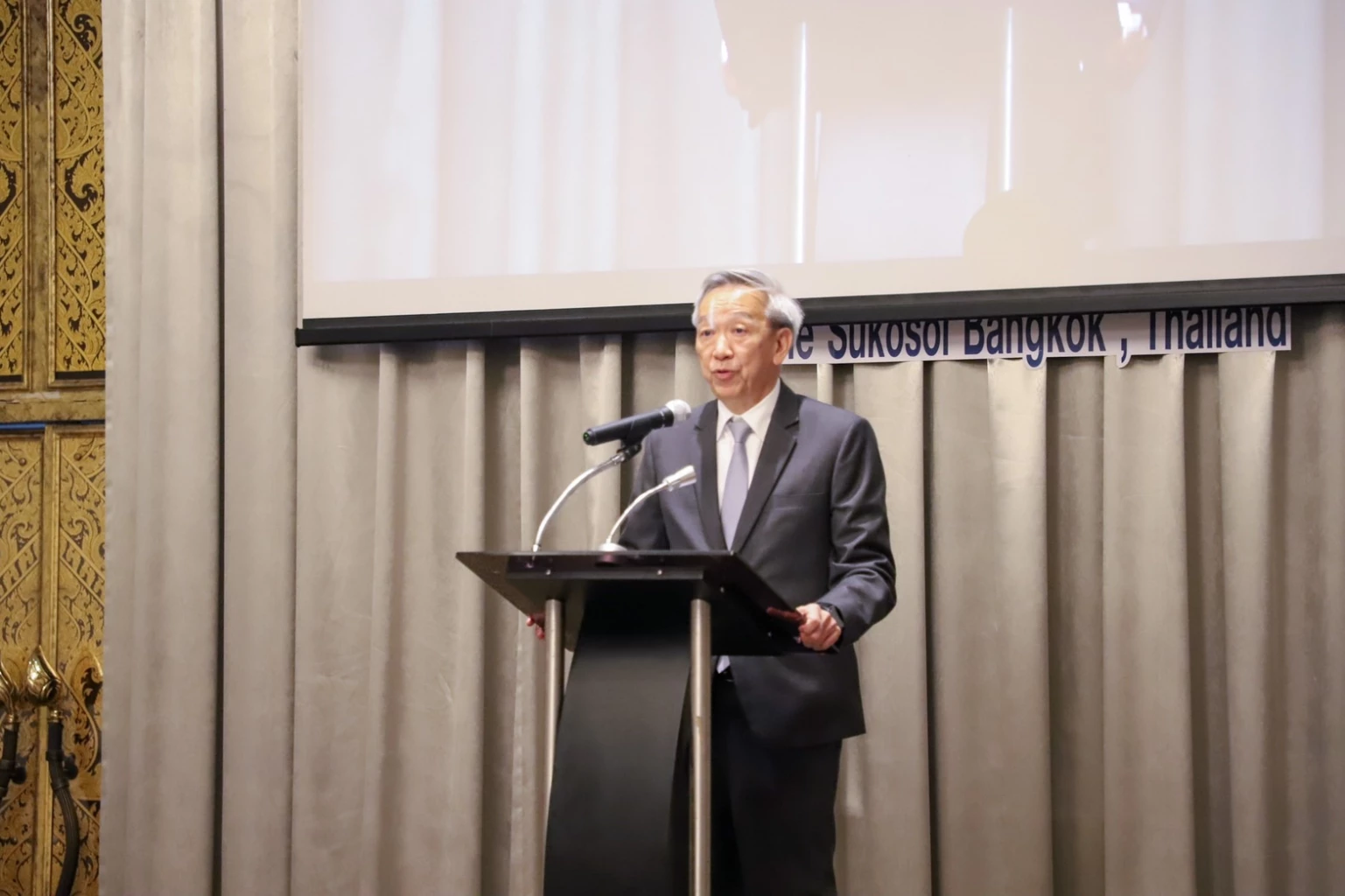
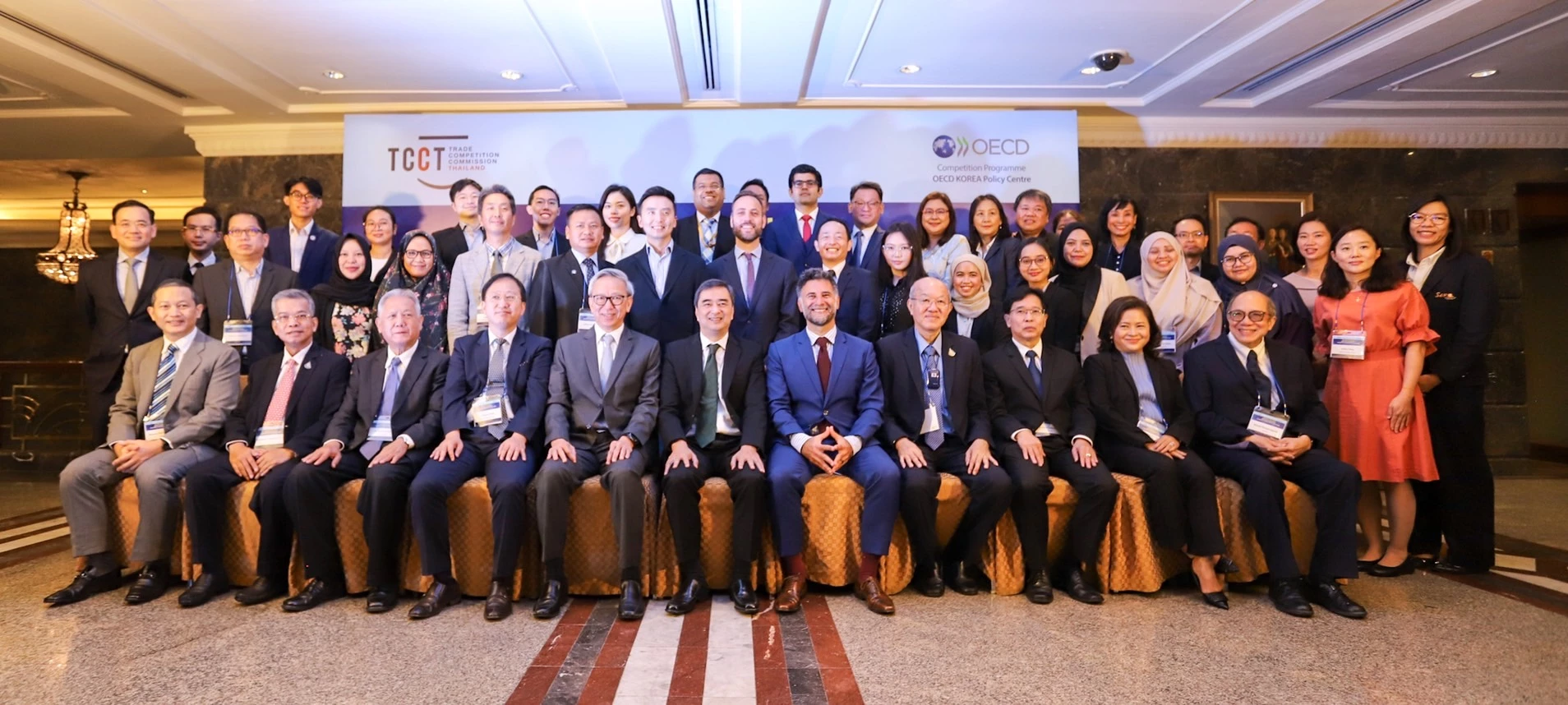
The Trade Competition Commission of Thailand (TCCT), in collaboration with the Organization for Economic Co-operation and Development (OECD) and OECD/Korea Policy Center (KPC), hosted an international meeting under the topic of “Workshop on Advocacy Strategies for Competition Authorities in Asia-Pacific.”

The event runs from October 25 to 27 at The Sukosol Hotel, Bangkok.

The meeting aims to provide a platform for the analysis and exchange of experiences in international trade competition promotion among agencies responsible for trade competition promotion in the Asia-Pacific region. It also aims to facilitate the adjustment of strategies in competition law enforcement to promote free trade in a fair and suitable manner for the post Covid-19 era.

TCCT, OECD and KPC host Workshop on Advocacy Strategies for Competition Authorities in Asia-Pacific

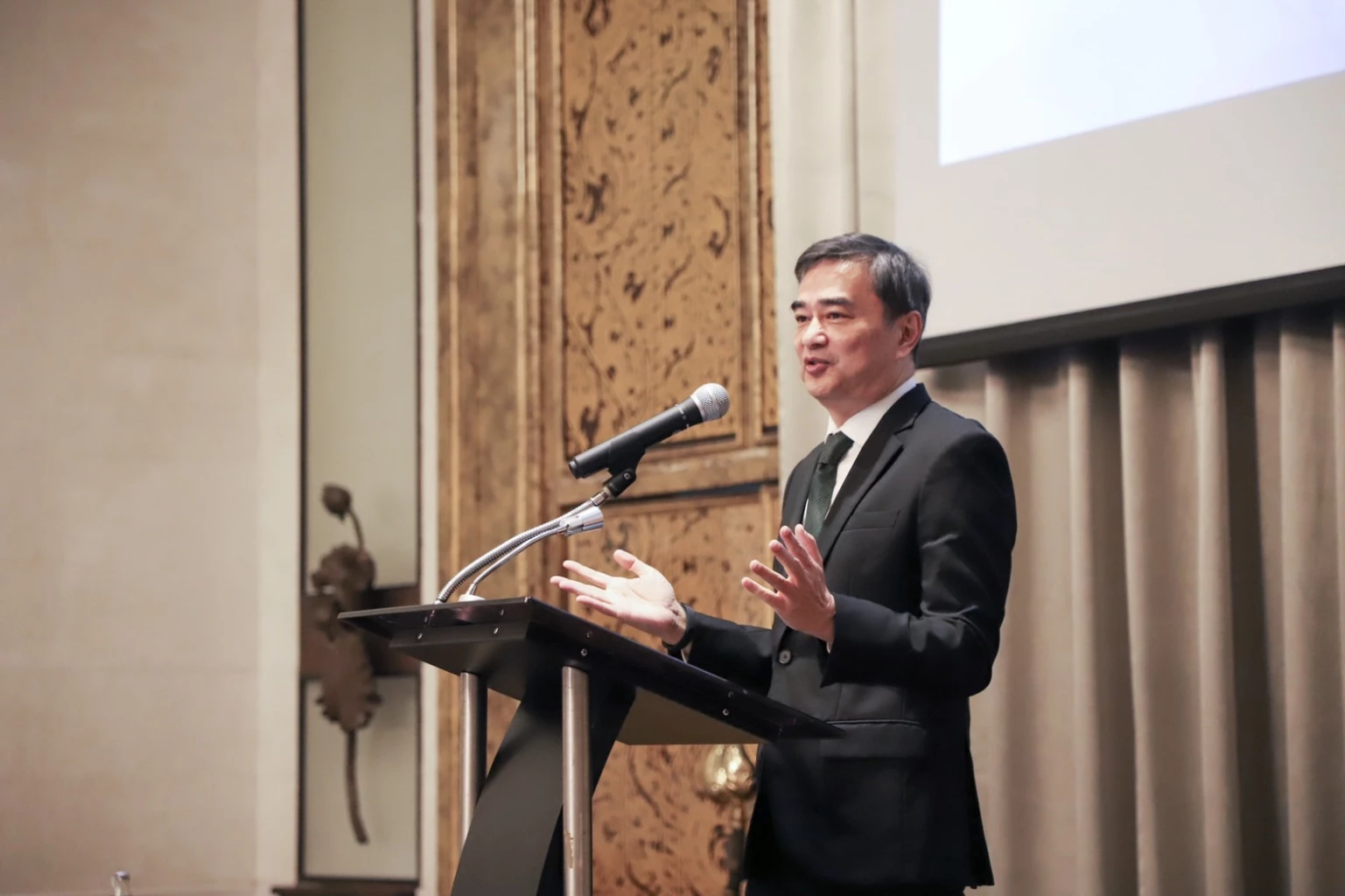
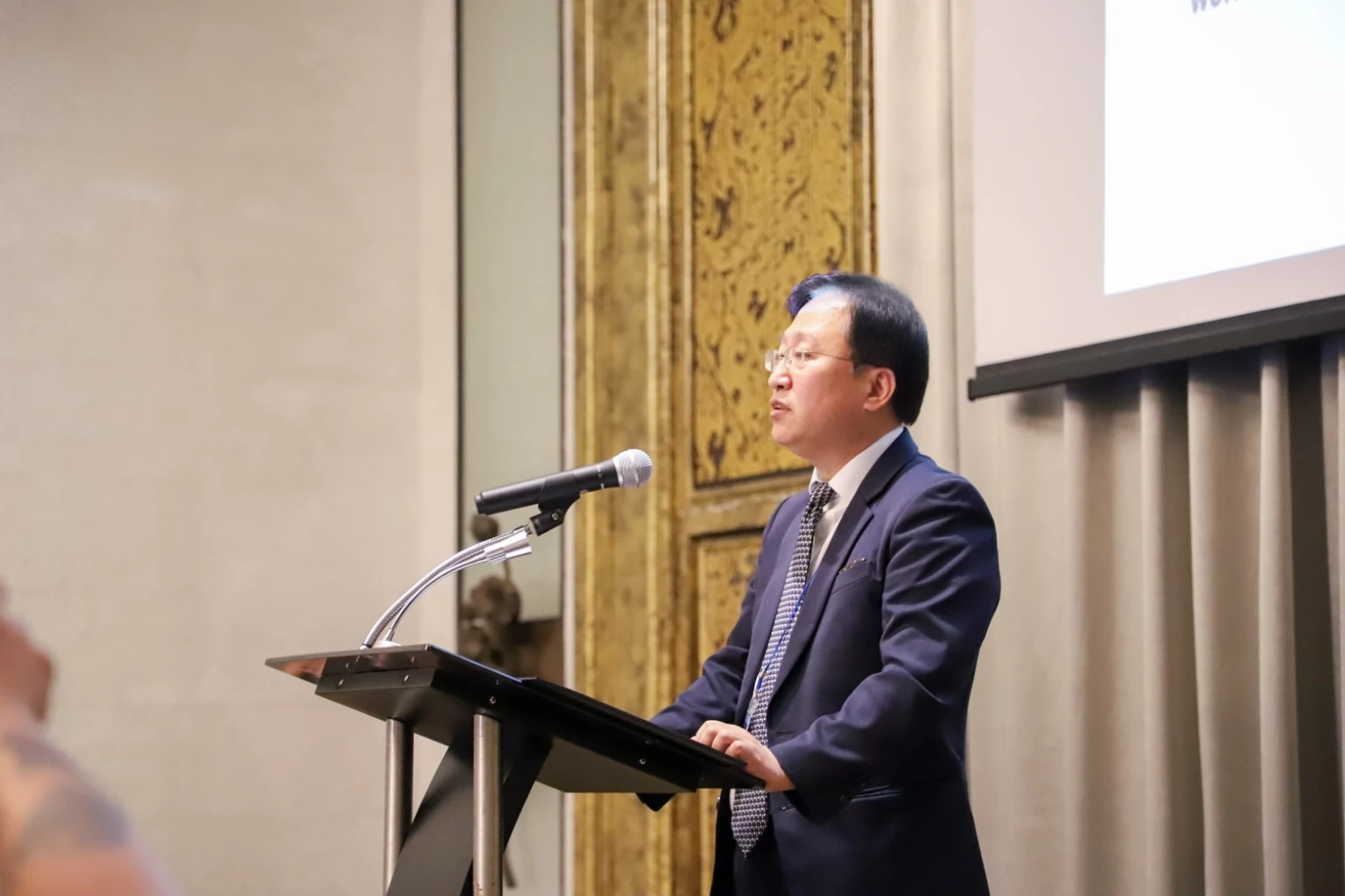
The event kicked off with former Prime Minister Abhisit Vejjajiva giving a special keynote on the topic of “Making Competition Policy a Policy Mainstay”. He highlighted the importance of competition policy on Thailand’s economic system amid the changing situations in the Asia-Pacific region fueled by the Covid-19 pandemic and digital transformation. Then, Mr Ruben Maximiano, Senior Competition Expert, OECD, gave a speech on the topic of “The Importance of Competition Advocacy for Our Economies”.

TCCT, OECD and KPC host Workshop on Advocacy Strategies for Competition Authorities in Asia-Pacific

The meeting was held in a hybrid form with participation from both onsite and online attendants. Sessions comprised lectures, case study discussions, and exchange of experiences among participants, who are mainly representatives from competition authorities in the Asia-Pacific region, trade competition committees, officials of the Trade Competition Commission of Thailand, and Thailand’s representatives from agencies responsible for trade competition monitoring.

TCCT, OECD and KPC host Workshop on Advocacy Strategies for Competition Authorities in Asia-Pacific

The three-day event was honoured by experts from international trade competition authorities, who provided knowledge and exchanged experiences with Thai representatives and officials of the TCCT on the following topics:

•    Promotion and advocacy of trade competition for practical results
•    Building an efficient competition culture in Thailand’s context
•    Promotion and advocacy of equal trade competition 
•    Evaluation of competitive status in the market
•    Study of market structure in setting up trade competition promotion plans
•    Promotion and advocacy of trade competition during Covid-19 situation

TCCT, OECD and KPC host Workshop on Advocacy Strategies for Competition Authorities in Asia-Pacific

During the event, attendants participated in workshop sessions that feature hypothetical exercises and case study analyses on unfair trade competition of products and services under different roles. Participants exercised their skills in detecting unfair trade practices in different hypothetical markets and together designed an advocacy programme to promote a fair trade competition culture, before presenting the strategic plan for the said programme to the meeting.

TCCT, OECD and KPC host Workshop on Advocacy Strategies for Competition Authorities in Asia-Pacific

The TCCT hoped that this international meeting would help Thai authorities build a knowledge base in the promotion and advocacy of trade competition, as well as promote cooperation with international competition authorities who have strong experience in their respective field, which could help raise Thailand’s efficiency in trade competition promotion and law enforcement to an international standard.

TCCT, OECD and KPC host Workshop on Advocacy Strategies for Competition Authorities in Asia-Pacific

THE NATION

Thailand has highest income inequality in east Asia: World Bank rural poverty report

#SootinClaimon.Com : ขอบคุณแหล่งข้อมูล : หนังสือพิมพ์ The Nation.

https://www.nationthailand.com/thailand/economy/40021361

Thailand has highest income inequality in east Asia: World Bank rural poverty report

Thailand has highest income inequality in east Asia: World Bank rural poverty report

TUESDAY, OCTOBER 25, 2022

Thailand has the highest income inequality in east Asia, with rural households bearing the brunt of poverty challenges, according to a new report by the World Bank.

The report, titled “Thailand Rural Income Diagnostic”, said the national poverty rate has fallen from 58 per cent in 1990 to 6.8 per cent – but has been rising since 2016.

The situation is especially bad in rural areas, which account for 79 per cent of the poor, mainly in agricultural households.

The poverty rate in rural areas was 3 per cent higher than in urban zones in 2020.

The bank cited the slowing economy, stagnating farm and business incomes, and the Covid-19 crisis as reasons for Thailand’s rising poverty rate.

Worst affected by poverty are the South and Northeast, with rates almost double those of the national average, according to the report.

Meanwhile, the average monthly income for rural households was only around 68 per cent of urban households. The report said rural households are also suffering from low education levels, a high number of dependents, and difficult living conditions.

“Thailand has the potential to support faster and sustained income growth of rural households,” said Fabrizio Zarcone, World Bank country manager for Thailand.

“As Thailand’s economy adjusts to a new normal post-Covid-19, policy measures that increase agricultural productivity, support diversification to higher value crops, and improve access to markets through better rural connectivity and digital technology adoption can help overcome the constraints faced by the rural poor,” he added.

The report also forecast that the economic impacts of the Covid-19 crisis would linger longer in rural areas than in cities.

Thai-Lao business via Nong Khai almost back to normal: local trade office

#SootinClaimon.Com : ขอบคุณแหล่งข้อมูล : หนังสือพิมพ์ The Nation.

https://www.nationthailand.com/thailand/economy/40021360

Thai-Lao business via Nong Khai almost back to normal: local trade office

Thai-Lao business via Nong Khai almost back to normal: local trade office

TUESDAY, OCTOBER 25, 2022

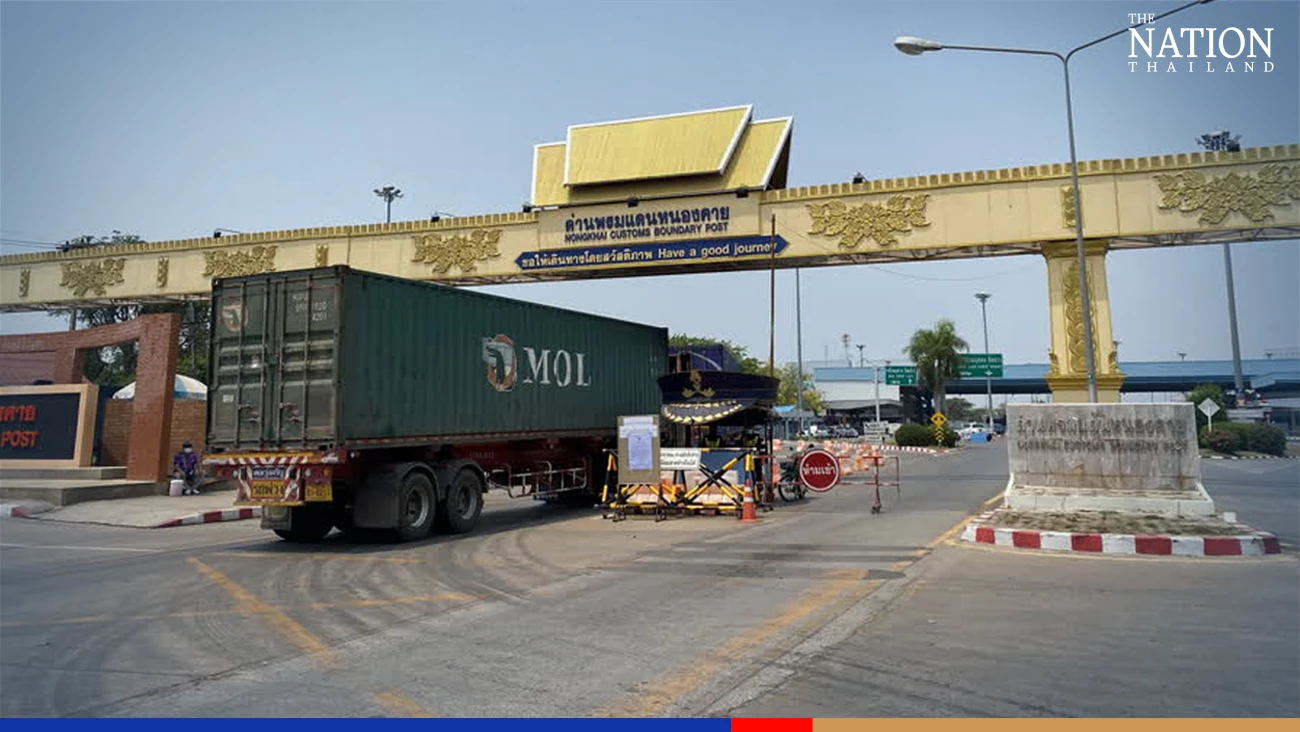
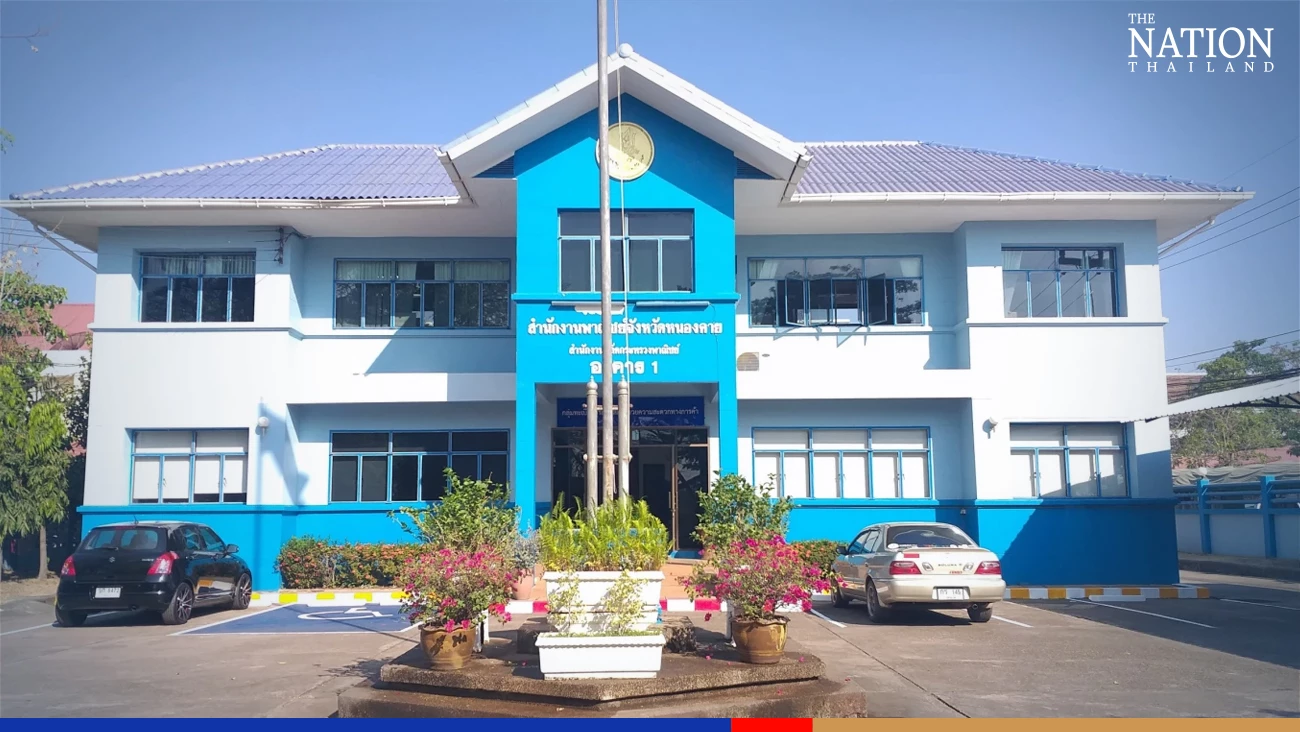
Trade across the Lao border in Nong Khai has almost returned to pre-pandemic levels, the provincial commercial office said on Tuesday.

Citing August figures, Nong Khai’s chief commercial officer Jiraporn Siriprasert said the increase signals economic recovery in the Northeast province.

She said trade in August accounted for 9.01 billion baht in revenue, up 18.90 per cent from July. Of the total, 6.15 billion came from exports, which marked a 10.95 per cent increase from the previous month. The value of imports via Nong Khai’s border checkpoints came in at 2.86 baht, up by 40.55 per cent from July.Thai-Lao business via Nong Khai almost back to normal: local trade office

Jiraporn said Thailand enjoyed a trade surplus of 3.29 billion baht in August but expects this figure to drop soon, especially since August recorded a 60.25 per cent or 218.94 million baht drop in the surplus compared to July.

The value of border trade in Nong Khai from January to August this year has risen by 20.41 billion baht or 41.99 per cent year on year. Of this, 10.63 billion baht accounted for exports and 9.79 billion baht for imports.

During the 10 months, exports via Nong Khai rose 25.65 per cent and imports by 2.44 per cent compared to the same period last year.

Thai-Lao business via Nong Khai almost back to normal: local trade officeApart from serving as a channel for bilateral trade, Nong Khai is also used by Laos to import goods from other countries. According to data, Laos’ imports via Nong Khai rose 118.95 per cent in August compared to the previous month.

Laos also used Nong Khai as a channel to export 5.5 billion baht worth of goods to other countries in August, though that was 13.61 per cent less than the previous month, Jiraporn added.

Meanwhile, Thai-Laos border trade via Bueng Kan checkpoint came in at 430.66 million baht in September, marking an increase of 4.87 million baht or 1.14 per cent compared to July. Of this, exports were worth 327.20 million baht, down by 4.06 million baht or 1.23 per cent, and imports worth 103.46 million baht, up by 8.93 million baht or 9.45 per cent, compared to July.