U.S. Secretary of Defense Lloyd Austin announced Sunday that he tested positive for COVID-19.
“Itested positive this morning for COVID-19,” Austin said in a statement, adding that he was experiencing mild symptoms and will be quarantined for the next five days.
“I have informed my leadership team of my positive test result, as well as the President,” Austin said. “My staff has begun contact tracing and testing of all those with whom I have come into contact over the last week.”
The secretary said he last met U.S. President Joe Biden on Dec. 21, 2021 and “tested negative that very morning.” He has not been in the Pentagon since Thursday, when he met briefly with a few members of his staff, during which they “were properly masked and socially distanced throughout,” the statement said.
Austin, 68, said he has been fully vaccinated and received a booster shot.
File photo taken on Oct. 20, 2021 shows U.S. Secretary of Defense Lloyd Austin (R) attending an official welcoming ceremony with Romania
The revenues of Egypts Suez Canal reached 6.3 billion U.S. dollars in 2021, the highest in the canals history, Chairman of the Suez Canal Authority (SCA) Osama Rabie said on Sunday.
The waterway has also registered the largest annual net tonnages of 1.27 billion tons in 2021, compared to 1.17 billion tons in 2020, an increase of 8.5 percent, Rabie added in a statement.
The revenues of the Suez Canal during 2021 achieved a significant increase of 12.8 percent, said Rabie, noting that the revenues of the canal recorded 5.6 billion dollars in 2020.
A total of 20,694 ships passed through both directions of the canal, compared to the transit of 18,830 ships in 2020, an increase of ten percent.
Photo taken on July 7, 2021 shows the Ever Given container ship sailing on the Great Bitter Lake in Ismailia Province, Egypt.(Xinhua/Ahmed Gomaa)
The Egyptian official stressed that the records reflect the flexibility of the SCA in dealing with crises caused by the COVID-19 pandemic.
In November 2021, the SCA announced it will increase the toll fees for the ships transiting through the canal by six percent as of February 2022.
The Suez Canal is a major lifeline for global seaborne trade since it allows ships to travel between Europe and South Asia without navigating around Africa, thereby reducing the sea voyage distance between Europe and India by about 7,000 km.
Some 12 percent of the world trade volume passes through the man-made canal, which is a major source of hard currency in Egypt.
The airport most affected by cancellations is Chicago OHare, where 273 flights — 26 percent of those planned — were shuttered on Sunday, as the surrounding Cook County grapples with a record number of coronavirus infections and a snowstorm.
More than 4,000 flights were cancelled globally on Sunday, more than half of which were in the United States, as new coronavirus infections driven by the Omicron variant continue to cause staff shortages at airlines and airports amid a busy holiday travel season.
Worldwide, 4,020 flights had been cancelled by Sunday afternoon, according to flight tracker FlightAware, with 2,393 of the cancelled journeys being within, into, or out of the United States. Another 4,519 U.S. flights were delayed on Sunday.
U.S. news portal Axios said that some 4,700 domestic flights have been canceled this weekend, with poor weather conditions contributing to delays already exacerbated by the Omicron variant in the United States, where the COVID-19 record was shattered again on Thursday with over 580,000 daily cases reported nationwide.
File photo taken on Nov. 25, 2020 shows travelers wearing face masks lining up for security checks at O
“The airport most affected by cancellations is Chicago O’Hare, where 273 flights — 26 percent of those planned — were shuttered on Sunday, as the surrounding Cook County grapples with a record number of coronavirus infections and a snowstorm,” reported Forbes on Sunday.
Regional carrier SkyWest Airlines cancelled 510 flights Sunday, or 21 percent of its scheduled trips, while airlines like Southwest, JetBlue and Delta also reported more than 100 cancellations each.
“Snowstorms, freezing temperatures and severe weather across the country have also compounded airlines’ woes by preventing flights from operating as scheduled,” said the business magazine.
Mass flight cancellations were first reported in the days before Christmas as both air travel and COVID-19 infections gained momentum. Last week, Anthony Fauci, chief medical advisor to the White House, told MSNBC that the government should consider requiring coronavirus vaccines for domestic flights.
The surge of coronavirus cases reported in the United States has been driven by the Omicron variant, which early studies suggest is more transmissible with milder symptoms and makes up the majority of new infections in the country.
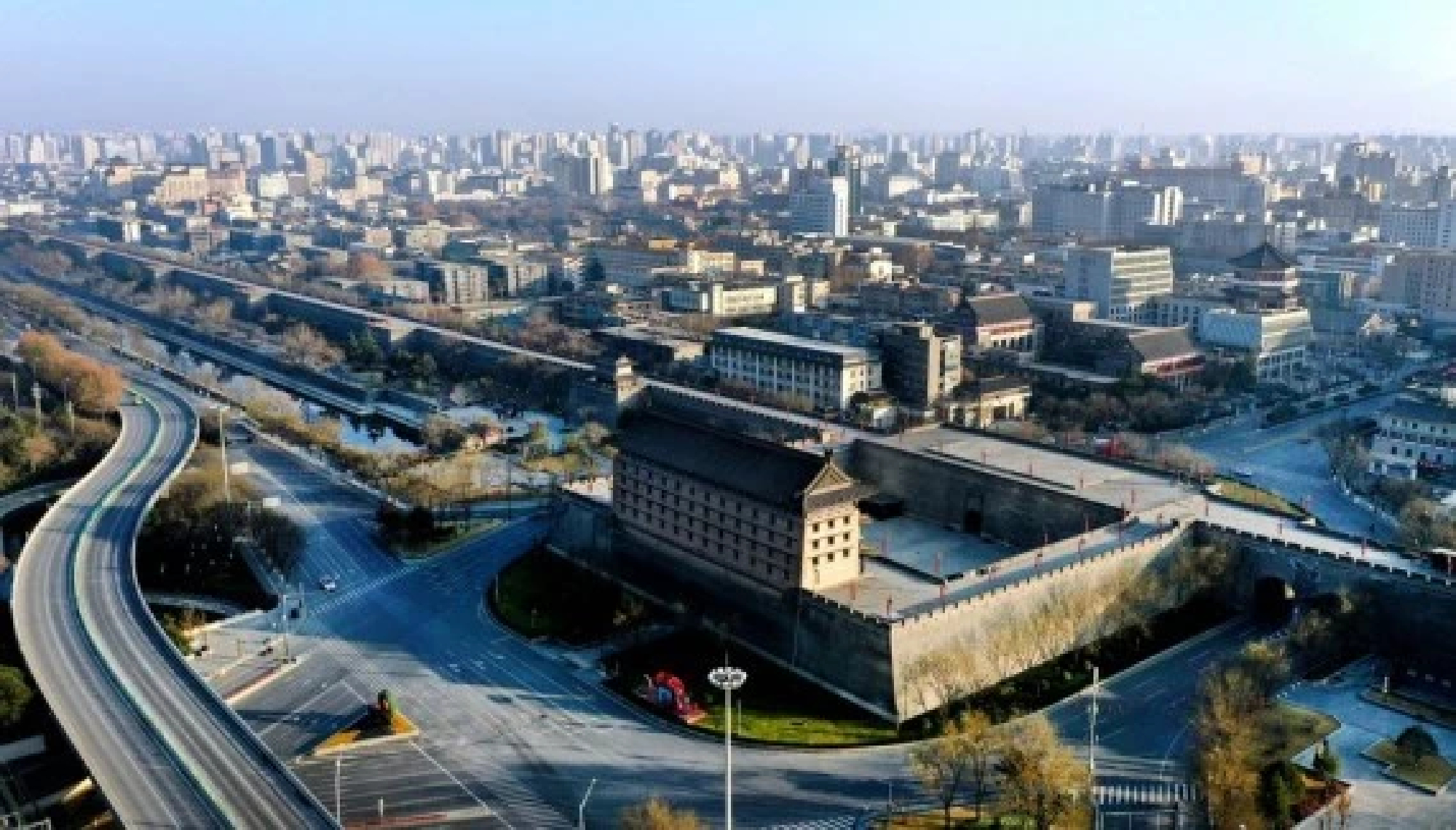
Xian, an ancient city in northwest China, is taking efficient and comprehensive measures to curb the spread of the latest COVID-19 resurgence and guarantee its normal function.
On Saturday, 122 locally transmitted COVID-19 cases were reported in the city, bringing the total number of local cases in the latest resurgence to 1,573, according to the local health commission.
The viral genome sequencing of the new cases has identified them as strains of the Delta variant, which are highly homologous with imported cases from an inbound flight on Dec. 4, 2021.
Facing the Delta variant, which is highly contagious, Xi’an has launched several rounds of mass nucleic acid testing to screen for as many infections as possible since Dec. 21, 2021.
With the testing efficiency improved, the time of swabbing 10 million people has been shortened from 24 hours to seven hours, and it only takes 12 hours to get results of 3 million samples, which took 30 hours before, said Zhang Fenghu, deputy director of the city’s epidemic prevention and control headquarters.
So far, Xi’an has organized 24 medical teams with 1,370 doctors and nurses to treat patients, with another 62 medical personnel for severe cases.
Besides, inside the quarantine zone are two hospitals to meet people’s medical demands for hemodialysis, prenatal examination and delivery, tumor radiotherapy and chemotherapy, pediatrics and other emergency treatment.
In residential compounds in lockdown, heating companies have been sending workers to regularly check the heating system, ensuring that boiler, heat pump, natural gas, circulating pump and other facilities function well and people can get heat supply in freezing winter.
In the megacity, with a population of 13 million, free food items have been provided for residents in lockdown since Dec. 28, 2021. People can also make orders online, and all the daily necessities will be distributed and delivered to each household by community staff and volunteers.
“Under the lockdown, there may be pressure of supply in communities. The government will go all out to coordinate resources to provide people with daily necessities and medical services,” said Zhang Canyou, an expert with the State Council’s epidemic prevention and control team.
The protesters said a ban on Afghan assets was an act against the international laws and a violation of international principles.
Thousands of Afghans took streets in national capital of Kabul Sunday to protest against freeze of the country’s assets by the United States, calling the release of Afghans assets.
The Afghan economy, since the Taliban’s takeover in last August, has suffered from the freeze of over 9 billion U.S. dollars in assets belonging to the Afghan central bank by the United States as well as a halt in funds by the World Bank and the International Monetary Fund (IMF).
The demonstrators were holding placards that said “our seized money should be handed over!” and “Give us our frozen money!”
Afghans take part in a protest in Kabul, capital of Afghanistan, Jan. 2, 2022. (Photo by Saifurahman Safi/Xinhua)
“The special demand of Afghan people and my demand is to unfreeze our money, it is our rights, they should give our rights, otherwise we will continue our demonstration to make our voice heard,” a protester Zekrullah said in a diplomatic district near the shuttered U.S. embassy, adding that the demonstrators came from different provinces.
The protesters said a ban on Afghan assets was an act against the international laws and a violation of international principles.
A couple of days ago a group of Afghan women also held a similar protest at the same district.
With more than 580,000 COVID-19 cases on Thursday, the United States shattered its own record for new daily coronavirus cases, beating a milestone it already broke just the day before.
The latest surge of coronavirus, with the variants of Omicron and Delta combined, has kept the United States in complicated chaos of understaffed medical services as well as cancelled flights, while the federal government still pins hope on its vaccination policy to turn the table, sooner or later.
With more than 580,000 COVID-19 cases on Thursday, the United States shattered its own record for new daily coronavirus cases, beating a milestone it already broke just the day before. Thursday’s count toppled the 488,000 new cases on Wednesday, which was nearly double the highest numbers from last winter.
“The back-to-back record-breaking days are a growing sign of the virus’s fast spread and come as the world enters its third year of the pandemic,” reported The New York Times (NYT), noting that hospitalizations and deaths, however, have not followed the same dramatic increase, further indication that the Omicron variant seems to be milder than Delta and causes fewer cases of severe illness.
In the past two weeks, deaths are down by five percent, with a daily average of 1,221, while hospitalizations increased by just 15 percent to an average of 78,781 per day, it added.
Travelers check in at LaGuardia Airport in New York, the United States, Nov. 24, 2021. (Xinhua/Wang Ying)
Urgent care centers across the United States are grappling with what to do as the fast-spreading Omicron variant hits employees and the demand for COVID-19 testing surges. “In some instances, they are closing certain locations for a few days,” reported The Wall Street Journal on Friday.
More people are turning to the non-emergency clinics for COVID-19 testing, and at-home test kits are hard to come by. As at airlines, which have canceled thousands of flights this month, workers at urgent care centers are testing positive for coronavirus and are unable to work, said the report.
CityMD, a chain of urgent care clinics in the New York City area, closed 31 of its locations in recent weeks, including 12 on Wednesday. A spokeswoman said more locations could close. Northwell Health-GoHealth Urgent Care temporarily closed about 10 of its 55 locations in New York in recent days.
Heading into the New Year’s weekend, when return flights will produce another crest in air travel, airlines have been canceling more than 1,000 flights a day to, from or within the United States. “Carriers and their employees say the latest chapter of the pandemic, the Omicron variant, has cut deeply into the ability to staff flights, even though a vast majority of crew members are vaccinated,” reported NYT on Thursday.
JetBlue has been one of the airlines hardest hit, canceling 17 percent of its flights on Thursday, according to the air travel data site FlightAware. The carrier said on Wednesday that it would cut about 1,280 flights through mid-January, citing the rise in virus cases in the Northeast, where its operations and crews are concentrated.
As many as 10 million people may fly from Thursday through Monday, according to Transportation Security Administration estimates. For months, airlines have been preparing reserves of workers for the holiday crush, but “those measures were inadequate in a fast-changing situation, and many passengers were frustrated,” said the report.
CLOSURES, CANCELLATIONS Urgent care centers across the United States are grappling with what to do as the fast-spreading Omicron variant hits employees and the demand for COVID-19 testing surges. “In some instances, they are closing certain locations for a few days,” reported The Wall Street Journal on Friday. More people are turning to the non-emergency clinics for COVID-19 testing, and at-home test kits are hard to come by. As at airlines, which have canceled thousands of flights this month, workers at urgent care centers are testing positive for coronavirus and are unable to work, said the report. CityMD, a chain of urgent care clinics in the New York City area, closed 31 of its locations in recent weeks, including 12 on Wednesday. A spokeswoman said more locations could close. Northwell Health-GoHealth Urgent Care temporarily closed about 10 of its 55 locations in New York in recent days. Heading into the New Year
BRIEF SURGE, ENDURING TUSSLE
The rapid surge of Omicron infections in the United States may be relatively brief, measured in weeks rather than months, according to infectious-disease experts who have been astonished by the speed of the coronavirus variant’s spread and who are hoping this wave ebbs just as quickly, reported The Washington Post on Thursday.
Some forecasts suggest coronavirus infections could peak by mid-January. “Omicron will likely be quick. It won’t be easy, but it will be quick. Come the early spring, a lot of people will have experienced COVID-19,” William Hanage, an epidemiologist at the Harvard T.H. Chan School of Public Health, was quoted as saying.
On Thursday, the Joe Biden administration told the Supreme Court that federal law gives it the authority to impose a nationwide vaccine-or-testing requirement for large employers, and the court should not stand in the way of a program that will save thousands of lives, the report said.
“The nation is facing an unprecedented pandemic that is sickening and killing thousands of workers around the country, and any further delay in the implementation of the (requirement) will result in unnecessary illness, hospitalizations, and deaths because of workplace exposure” to the coronavirus, said a federal filing.
The Supreme Court has announced a special hearing on Jan. 7 to consider challenges to the rules from the Occupational Safety and Health Administration. It was upheld by a panel of the U.S. Court of Appeals for the 6th Circuit earlier this month, but is being challenged by a coalition of business groups and Republican-led states.
British Prime Minister Boris Johnson urged people in England, where no new social restrictions have been introduced before the end of the year, to exercise caution in their celebrations. He also asked people living in Scotland, Wales, or Northern Ireland, where tighter coronavirus restrictions are in place, to follow the COVID-19 guidance.
British Prime Minister Boris Johnson said Friday that Britain is in an “incomparably better” position than last year in its fight against the COVID-19 pandemic, despite the country’s daily infections repeatedly rising to new highs these days fueled by the Omicron variant.
“Whatever the challenges that fate continues to throw in our way and whatever the anxieties we may have about the weeks and months ahead, particularly about Omicron and the growing numbers in hospitals…we can say one thing with certainty — our position this Dec. 31 is incomparably better than last year,” Johnson said in his New Year’s message posted on social media.
The prime minister hailed the success of his government’s COVID-19 vaccine program and the “heroic” public response to the booster campaign, claiming that the target to offer a third dose to every eligible adult in the country had been met.
A man receives a vaccine jab at NHS (National Health Service) COVID Vaccine Center at Wembley Stadium in London, Britain, on Dec. 19, 2021. (Photo by Ray Tang/Xinhua)
Around 90 percent of people aged 12 and over in Britain have had their first dose of vaccine and more than 82 percent have received both doses, according to the latest figures. More than 58 percent have received booster jabs, or the third dose of a coronavirus vaccine.
Meanwhile, Britain reported a new record increase of 189,213 daily coronavirus cases, bringing the total number of coronavirus cases in the country to 12,748,050, according to official figures released Thursday.
People walk past a screen for sales information on Oxford Street on Boxing Day in London, Britain, Dec. 26, 2021. (Xinhua/Li Ying)
Johnson urged people in England, where no new social restrictions have been introduced before the end of the year, to exercise caution in their celebrations. He also asked people living in Scotland, Wales, or Northern Ireland, where tighter coronavirus restrictions are in place, to follow the COVID-19 guidance.
The prime minister also hailed Britain’s economic performance in 2021, saying the country has the fastest economic growth in the Group of Seven (G7) countries and it has more people in work now than there were before the pandemic began.
Johnson’s remarks came amid major concerns over surging inflation in the country.
The Bank of England, Britain’s central bank raised the interest rate earlier this month for the first time in more than three years amid surging inflation after cutting rate to record low during the COVID-19 pandemic.
The Biden administration told the Supreme Court on Thursday that federal law gives it the authority to impose a nationwide vaccine-or-testing requirement for large employers, and the court should not stand in the way of a program that will save thousands of lives.
“The nation is facing an unprecedented pandemic that is sickening and killing thousands of workers around the country, and any further delay in the implementation of the [requirement] will result in unnecessary illness, hospitalizations, and deaths because of workplace exposure” to the coronavirus, Solicitor General Elizabeth B. Prelogar wrote in a filing.
The Supreme Court has announced a special hearing on Jan. 7 to consider challenges to the rules from the Occupational Safety and Health Administration. It was upheld by a panel of the U.S. Court of Appeals for the 6th Circuit earlier this month, but is being challenged by a coalition of business groups and Republican-led states.
Also that day, the high court will hear a similar challenge to a vaccine mandate imposed by the Centers for Medicare & Medicaid Services; it requires shots for health-care workers at facilities that receive federal funds tied to those programs.
Together, the administration policies represent a major expansion of the Biden administration’s battle with the coronavirus, covering nearly 100 million workers – many of whom were vaccinated on their own.
It also represents, according to the Republican and business challengers, a vast overreach on the part of the executive branch and a misguided policy that will do more harm than good.
The mandate on health-care workers “is plainly unlawful,” said a brief filed by 14 Republican-led states, as well as bad policy.
“Across the country, healthcare workers are already far too scarce,” said the brief. “This new mandate worsens the problem, sidelining providers, professionals, and support staff who have led the fight against COVID-19. And, as is often the case, rural communities – already straining from threadbare resources – will bear the brunt of these consequences.”
More than half the states and coalitions of business and other interest groups are asking the justices for emergency action to block the OSHA rules, which would cover an estimated 80 million workers.
Prelogar said it is wrong for those opposed to the OSHA emergency temporary standards to refer to them as a vaccine mandate.
It mandates those who employ more than 100 workers to either require vaccination or have unvaccinated employees wear masks and be regularly tested. There are exemptions for those who work exclusively at home, alone or outdoors.
OSHA estimates that the standard will “save over 6,500 worker lives and prevent over 250,000 hospitalizations over the course of six months,” Prelogar wrote.
Even though the 6th Circuit panel upheld OSHA’s authority, the administration is delaying implementation of the standard until February as the legal fights continue. The business groups and Republican states are asking the Supreme Court to keep the standard from going into effect.
They say the agency is seeking unprecedented power that the law does not authorize.
But Prelogar said the opposite is true. She said OSHA “must” take action when it determines employees are exposed to grave danger.
“The standard falls squarely within that grant of authority,” she wrote. “SARS-CoV-2 is both a physically harmful agent and a new hazard; indeed, it has killed more than 800,000 individuals and made millions more seriously ill in the United States alone.”
And, she noted, “the virus manifestly poses a grave danger to unvaccinated workers, who face significant risks from workplace exposure because they are substantially more likely to become infected with COVID-19 and to suffer severe health consequences as a result.”
The Supreme Court generally has been supportive of decisions by local governments and universities to require vaccination.
But the justices also have been skeptical of federal agencies’ power to mandate pandemic-related responses. For instance, it ended a moratorium on evictions imposed by the Centers for Disease Control and Prevention, saying it was beyond the agency’s authority.
The Republican states in their filings Thursday against the health-care worker vaccine mandate said that it was another overreach by the federal government, and that President Joe Biden himself has vacillated on whether pandemic responses were best handled at the federal or state level.
The agency responsible for the vaccine mandate “assumes sweeping new federal power over individuals even though Congress has never claimed such expansive authority for itself and even though the Executive Branch expressly disclaimed it only five months ago,” said the states’ brief.
They said the agency “ignored and undermined” federal law and “rearranged the Constitution’s structures of federalism and separation of powers.”
In the health-care worker case, it is the Biden administration that went to the Supreme Court after lower courts agreed with the challengers.
It is unusual for the Supreme Court to hold a hearing in such emergency requests. But the court has been criticized for decisions issued under its emergency docket, which has also been called its “shadow docket.”
The hearing will mark the third time this term the court has scheduled public arguments. The previous cases involved a controversial Texas law that restricts abortion, and the other concerned the rights of inmates to have spiritual advisers close by at the time of execution.
The health-care worker cases are Biden v. Missouri and Becerra v. Louisiana. The OSHA cases are National Federation of Independent Business v. Department of Labor and Ohio v. Department of Labor.
Elevated numbers of flight cancellations were stretching into a second week as carriers scrambled to get travelers to their destinations amid a coronavirus spike that has led to staffing shortages and weather that has slowed operations.
As of Thursday evening, 1,300 flights within, into and out of the United States had been canceled for the day, according to flight tracking website FlightAware. More than 700 flights scheduled for Friday already had been canceled, with more than 500 others cut on Saturday.
As cancellations extended days into the future, airlines and passengers grappled with the likelihood of disruptions days into the new year. While airlines have been hit hard since before Christmas, traveler delays were extending beyond airports to include rail networks and transit agencies.
In a Federal Aviation Administration statement issued Thursday – with the words “could” and “might” underlined and in bold – the agency warned of the potential for disruptions in the coming days. The FAA said it also is facing staffing shortages because of rising coronavirus infections.
“Weather and heavy seasonal traffic are likely to result in some travel delays in the coming days,” the agency said. “Like the rest of the U.S. population, an increased number of FAA employees have tested positive for COVID-19.”
The rising number of cases also triggered disruptions for Amtrak, which said Thursday it was canceling about two dozen trains between Dec. 31 and Jan. 6 in both the Northeast Corridor and along its long-distance routes – about 1.5% of scheduled service during that time.
“We are continuing to monitor changing conditions and will make any further adjustments as required,” the railroad said in a statement, adding that 97% of its employees are vaccinated.
Staffing shortages also were hitting public transportation agencies.
At the nation’s airports, concerns arose about whether carriers could cope with passenger volumes during the busy holidays after high-profile breakdowns over the summer and fall. Airlines passed their first major test over Thanksgiving, but Christmas has proved to be a different story, leaving thousands of frustrated air travelers unable to return home.
“This is a no-win situation for everyone,” said Henry Harteveldt, an aviation analyst and president of Atmosphere Research. “Airlines have lost this week. Passengers have lost this week. And it’s made worse by the fact it’s happening at Christmastime and the New Year’s break.”
While cancellations Thursday were widespread, United Airlines remained the hardest-hit among major carriers, with 198 flights canceled, about 9% of its schedule. JetBlue, which announced Wednesday it would reduce flights through Jan. 13, had 175 flights canceled. Regional carrier SkyWest also continued to be plagued by operational difficulties with 9% of its scheduled flights canceled.
Delta said it expected to cancel about 250 of more than 4,000 Delta and Delta Connection flights Thursday. The airline said cancellations will probably continue through the weekend with 200 to 300 daily cancellations.
“Delta people are continuing to work together around the clock to reroute and substitute aircraft and crews to get customers where they need to be as quickly and safely as possible,” the airline said in a statement.
Delta issued travel waivers for customers whose itineraries include Chicago, Detroit, Salt Lake City and Seattle – where storms are expected to complicate travel – and urged travelers whose plans include those cities to reschedule.
Kerry Tan, an associate professor of economics and an air travel expert at Maryland’s Loyola University, said that while weather is often a factor at this time of year, staffing issues have proved to be a greater challenge for carriers.
“The weather aspect is out of their hands,” Tan said. “What they can control is staffing, but like many companies out there, there are huge staffing issues. There are just not enough workers to meet the demand.”
Outside of the period following the Sept. 11 attacks, few in the industry could recall a time when so many flights had been affected for such a long duration.
“It’s the perfect storm,” said Dennis Tajer, a spokesman for the Allied Pilots Association, which represents crews at American Airlines.
Harteveldt noted that disruptions are not unique to the United States. According to FlightAware, more than 2,800 flights worldwide were canceled Thursday.
“We’re seeing airlines affected in Europe, Africa, Asia and elsewhere, so this is truly a global airline industry challenge,” he said.
The first signs of trouble emerged just before Christmas when airlines, citing staffing issues resulting from the more easily transmissible omicron variant of the coronavirus, began preemptively canceling flights. On Christmas Eve, about 613 flights were canceled, according to FlightAware. The day after Christmas, the number had ballooned to more than 1,400. Airlines have canceled nearly 8,000 flights in recent days.
In a shift that could help ease staffing shortages, the Centers for Disease Control and Prevention this week updated its guidance on the isolation period for those who test positive for the coronavirus, saying they need to isolate for only five days rather than 10.
CDC Director Rochelle Walensky said data indicates that most transmission occurs early in the course of a person’s illness, typically in the one to two days before symptoms appear and two to three days afterward. Health officials also recommended that those exposed get tested five days after their exposure.
Delta Air Lines quickly embraced the new guidelines, which chief executive Ed Bastian had urged the CDC to update in a letter to Walensky last week.
The carrier said that starting Monday, it will limit pay protection for vaccinated employees who test positive to five days, according to a memo to employees, with an additional two days for anyone who tests positive on the fifth day. The airline had previously offered 10 days of pay.
The memo ties the change to new CDC guidance on isolation. The airline encouraged employees to take either a rapid or PCR test on their fifth day of isolation. The CDC guidance applies to asymptomatic people and those who are fever-free for 24 hours. The memo makes no mention of what employees should do if they are symptomatic.
Southwest Airlines and other carriers said they are evaluating the CDC’s updated guidance.
The CDC’s shift continued to generate concern among some labor groups.
In a letter to executives at Alaska Airlines, Frontier Airlines, Hawaiian Airlines, United and other carriers, Sara Nelson, international president of the Association of Flight Attendants – which represents crew members at 17 airlines – urged carriers to maintain the 10-day quarantine recommendation as a demonstration of “your commitment to safety and the safety of those working on the front lines.”
If carriers decide to embrace the updated recommendations, Nelson urged them to include other safeguards, including proof of a negative coronavirus test at the end of the five-day isolation period. Wrote Nelson: “No one should feel pressured to come to work sick.”




 Photo taken on July 7, 2021 shows the Ever Given container ship sailing on the Great Bitter Lake in Ismailia Province, Egypt.(Xinhua/Ahmed Gomaa)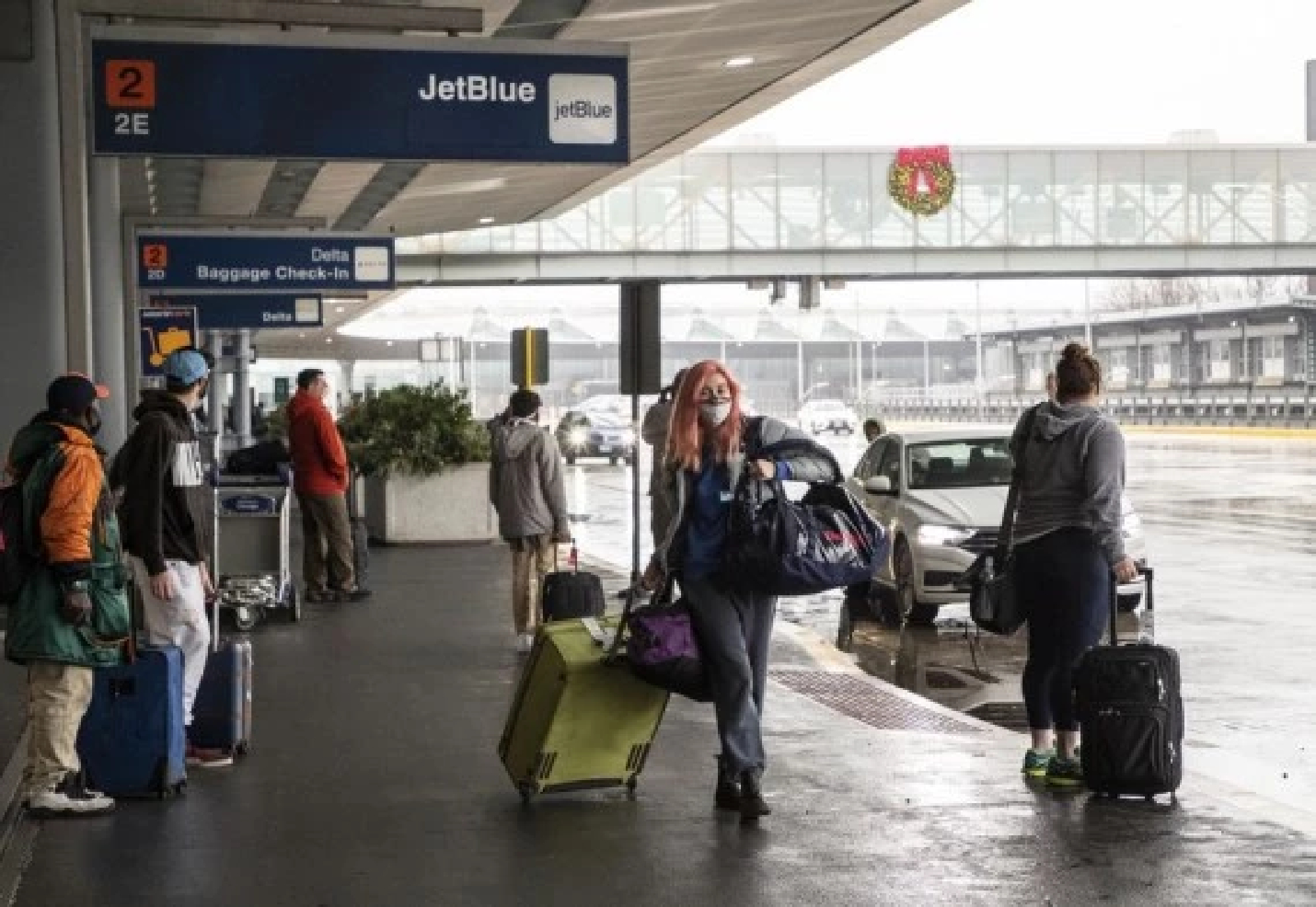

 Afghans take part in a protest in Kabul, capital of Afghanistan, Jan. 2, 2022. (Photo by Saifurahman Safi/Xinhua)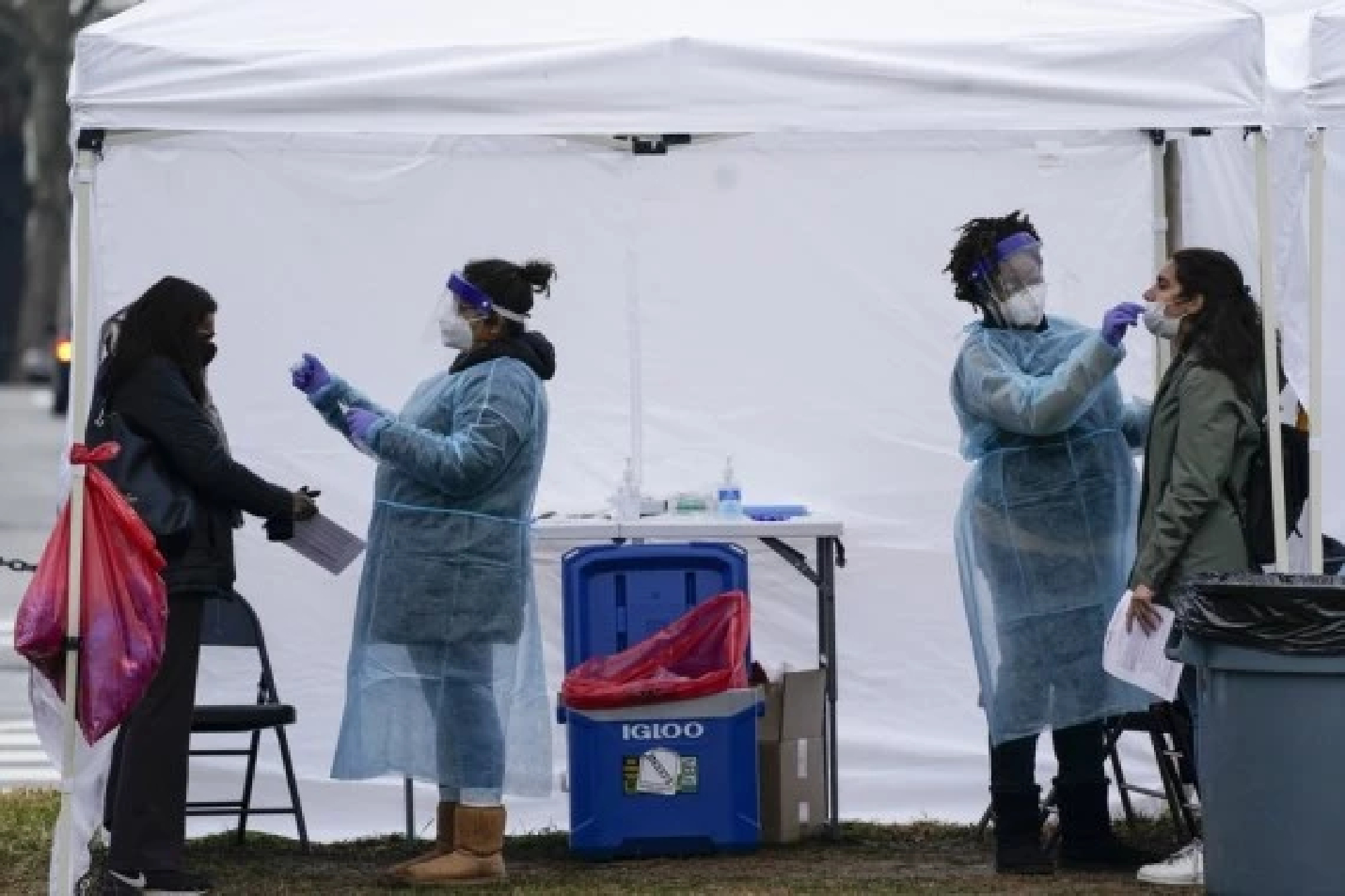
 Travelers check in at LaGuardia Airport in New York, the United States, Nov. 24, 2021. (Xinhua/Wang Ying)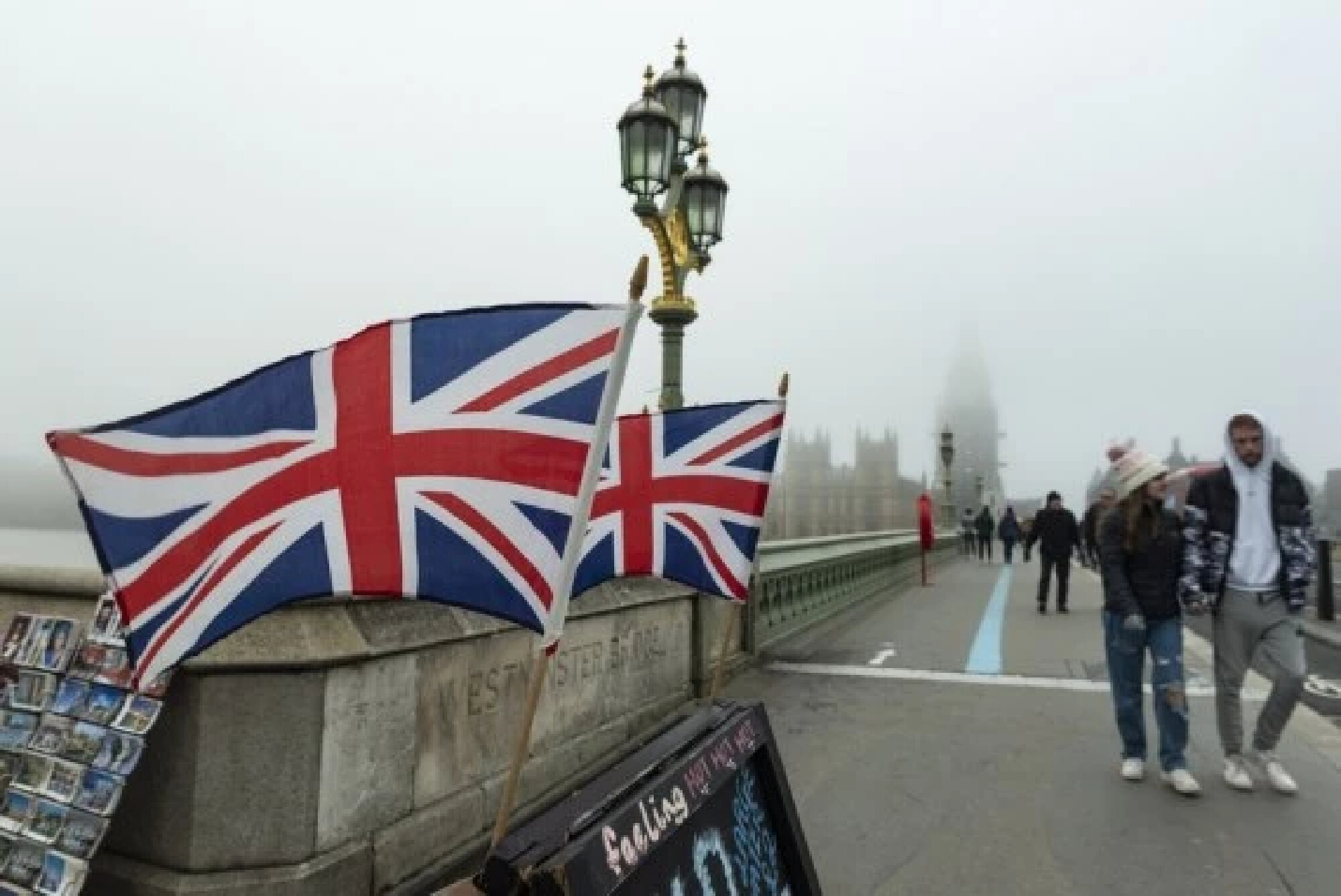
 A man receives a vaccine jab at NHS (National Health Service) COVID Vaccine Center at Wembley Stadium in London, Britain, on Dec. 19, 2021. (Photo by Ray Tang/Xinhua)
 People walk past a screen for sales information on Oxford Street on Boxing Day in London, Britain, Dec. 26, 2021. (Xinhua/Li Ying)


