San Francisco, Marin and Alameda counties rescinded mask mandate exemptions that fully vaccinated people preserved just two weeks ago, following Californias reinstatement of a universal mask mandate.
San Francisco, along with other Bay Area counties in the U.S. state of California, on Wednesday announced to revoke mask mandate exemptions for fully vaccinated people in non-household settings such as offices and gyms, as COVID-19 cases continue to surge due to the highly contagious omicron variant.
San Francisco, Marin and Alameda counties rescinded the exemptions that they preserved just two weeks ago, following California’s reinstatement of a universal mask mandate. The counties’ new orders take effect at 12:01 a.m. on Thursday.
San Francisco on Tuesday also announced the cancellation of the city’s annual New Year’s Eve fireworks show.
Contra Costa County had made a similar move to revoke exemptions on Tuesday.
San Francisco reported 805 cases, the highest single-day total ever on Tuesday, according to state data and analysis by San Francisco Chronicle.
“Actual numbers are certain to be higher because many people are taking home antigen tests and not reporting the results,” the San Francisco Chronicle said in a report.
“This is and will continue to put immense pressure on exhausted health workers and health systems on the brink of collapse and again disrupting lives and livelihoods,” said the WHO chief.
The World Health Organization (WHO) cautioned on Wednesday that the more transmissible Omicron together with the currently circulating Delta variants might lead to “a tsunami of cases,” putting immense pressure on national health systems.
Recapping WHO’s response since the onset of the COVID-19 pandemic, Director-General of WHO Tedros Adhanom Ghebreyesus said at a press briefing that he’s “highly concerned that Omicron being more transmissible, circulating at the same time as Delta — is leading to a tsunami of cases.”
“This is and will continue to put immense pressure on exhausted health workers and health systems on the brink of collapse and again disrupting lives and livelihoods,” he said, citing the pressure as not only new COVID-19 patients requiring hospitalization but also a large number of health workers getting sick themselves.
Tedros reiterated his concern over a recent narrative that Omicron has been causing milder or less severe diseases.
Photo taken on March 30, 2021 shows an exterior view of the headquarters of the World Health Organization (WHO) in Geneva, Switzerland. (Xinhua/Chen Junxia)
“But we are undermining the other side at the same time — it could be dangerous… we shouldn’t undermine the bad news just focusing on the good news,” he said.
“We don’t want people to be complacent, saying this is not severe, this is mild. And we have to be very careful in that narrative,” he said.
According to Mike Ryan, executive director of the WHO’s Health Emergencies Program, though Omicron looks like being more transmissible, having a shorter incubation period, and causing a mild disease, it’s based on the largely young population that the variant has been infecting.
A street performer waits for customers next to a mobile COVID-19 testing site on Times Square in New York, the United States, Dec. 20, 2021. (Xinhua/Wang Ying)
Since the Omicron wave has not been fully established in the broader population, Ryan said he’s “a little nervous to make positive predictions until we see how well the vaccine protection is going to work in those older and more vulnerable populations.”
“I think it’s really important over the coming weeks that we keep suppressing transmission of both variants to the minimum that we can,” he added.
As the coronavirus spawns a record-breaking wave of infections, new research suggests that rapid tests widely used to identify potential covid-19 cases might be less effective at identifying illness caused by the swiftly spreading omicron variant.
The finding is the latest complication for anyone trying to strike a common-sense balance between being vigilant and returning to normalcy as the country approaches the third year of the pandemic.
Photo Credit: Washington Post photo by Melina Mara
The research, issued Tuesday by the Food and Drug Administration and produced by the National Institutes of Health, said the rapid antigen tests – which have been in high demand and often hard to find this holiday season – “do detect the omicron variant but may have reduced sensitivity.”
Although rapid tests showed reduced sensitivity to omicron compared with earlier variants in a lab study, the real-world implications are not clear, said Bruce Tromberg, director of NIH’s National Institute of Biomedical Imaging and Bioengineering and lead of RADx Tech, the joint FDA and NIH effort to speed up development of diagnostics.
President Joe Biden has promised to distribute 500 million rapid tests to the American public. People should still use these tests regularly, Tromberg said, because although they may be less sensitive than originally thought, they remain a highly effective tool for combating an extremely contagious virus.
“The diminished sensitivity from the [lab experiments] pales in comparison” with the increased transmissibility of omicron, Tromberg said. “Even with reduced performance, it will still pick up infections and it will help individuals get treatment sooner.”
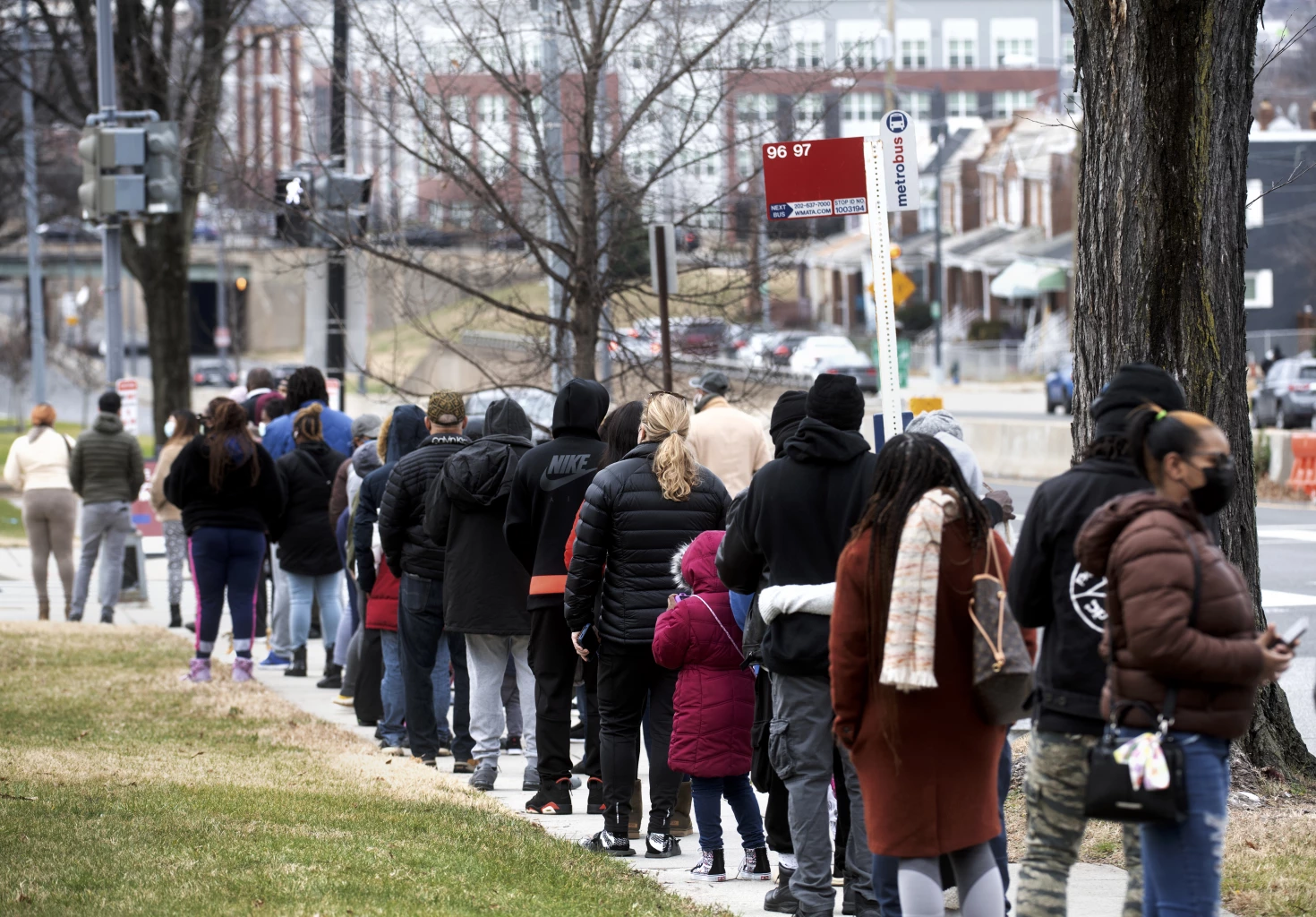
Photo Credit: Washington Post photo by Marvin Joseph
There are plenty of infections out there – a record number in fact. The seven-day average for daily new infections jumped to 301,000 Wednesday, up from about 89,000 on Dec. 1, according to health department data compiled by The Washington Post. Hospitalizations have increased more modestly, to about 85,000 confirmed or suspected covid patients, but that is still well below the level of last year’s winter surge. Deaths are up as well, with a seven-day average of 1,532 deaths each day.
The FDA said it has always known antigen tests overall are less sensitive than the PCR molecular tests, which are typically performed in a lab and have about 98% accuracy. If people have symptoms consistent with covid-19 and get a negative rapid test result, the agency recommends a follow-up PCR test.
The news on the rapid tests came in a busy week of updates, revisions and recalculations. On Monday, the Centers for Disease Control and Prevention issued new guidance that lowered the isolation recommendations for people infected with the coronavirus, and who are asymptomatic or showing improvement in symptoms, from 10 days to five.
Quarantine – the period for people exposed to someone known to be infected – dropped by the same amount for people who are vaccinated but not yet boosted. Those who have received a booster shot do not need to quarantine but should wear a mask.
The altered guidance, ambiguous research findings and continuing unknowns about omicron – and, perhaps most of all, the overwhelming desire after two years of a pandemic to return to normal life – have left people once again in the predicament of making personal risk calculations that may be not terribly better than wild guesses.
Those calculations can take into account increasing evidence that omicron, the variant causing the majority of new infections, is less likely to cause severe illness, Anthony Fauci, Biden’s chief medical adviser for the pandemic, said Wednesday in an interview with The Post.
“It may turn out that omicron, at least among those who are vaccinated and/or previously infected, is going to turn out to be more of a bothersome upper-respiratory infection than something that causes the degree of morbidity and mortality that we’ve seen with other viruses,” Fauci said.
But for people who are unvaccinated and have not been infected previously, he cautioned, “It is not going to be just a common cold.”
So what about New Year’s Eve? Party? No party? Fauci’s guidance is to keep it small, ideally with family and close friends known to be vaccinated and prudent in their behavior.
“You can’t ask the American public to lock themselves in their closet alone for New Year’s Eve. Because that’s the only way you’re going to be completely without risk,” he said.
And don’t get too wild. In a White House briefing Wednesday, Fauci offered a vision of what’s too risky: “If your plans are to go to a 40-to-50-person New Year’s Eve party with all the bells and whistles and everybody hugging and kissing and wishing each other a happy new year? I would strongly recommend that this year we do not do that.”
The new information and guidance on testing accuracy, isolation requirements, rising case counts and changes in virus pathogenicity are a lot to take in, and there is some inherent ambiguity to some of this. For example, the latest guidance from the CDC states that people who have tested positive can stop isolating after five days if they are asymptomatic or their symptoms are “resolving” – which can be a subjective assessment.
“There’s a big difference between having a policy that is just based on people not having symptoms versus one that says your symptoms are resolving. That’s as vague as it gets for a guidance,” said Walid Gellad, professor of medicine at the University of Pittsburgh. “I did not understand what that means.”
CDC Director Rochelle Walensky said the decision was based on a growing body of science, as well as internal agency modeling, showing that people are most infectious over a five-day period that starts about two days before symptoms. Transmissibility drops dramatically after that.
After five days, the rapid tests are not likely to be sensitive enough to be reliable indicators of whether transmission is happening, Walensky said. The PCR tests, meanwhile, are more accurate in detecting the presence of the virus but are so sensitive they can identify traces of the virus many weeks after a person is no longer infectious.
Some outside experts also have questioned why the CDC is not calling for people to have a negative test – a rapid test or a PCR test – before exiting isolation.
Questions about the accuracy of rapid tests factored into the decision to not recommend a negative test before exiting isolation, Walensky said in an interview with The Post. She said the CDC saw unclear results when people performed the tests three days in a row. The tests also don’t indicate how transmissible a person may be later in their infection, she said.
“We actually don’t know how well it works and its predictive value when we use it as an individual test for the purposes of transmissibility later in disease,” Walensky said.
Scott Gottlieb, a former FDA commissioner who is on the board of drugmaker Pfizer, said it is reasonable to adjust the official guidance given the fluid nature of the pandemic and the mutations that have given the virus a different level of transmissibility and virulence. But he said the messaging has not always been clear.
“It makes sense that we’d approach this wave differently, but we’ve struggled to explain that effectively, or to make accommodations for how we’ll continue to protect the pockets of vulnerability that remain, especially people who have weakened immune systems and young children who haven’t been offered vaccines,” Gottlieb said.
“We haven’t used all the tools we have to allow people to adjust the measures they should be taking based on their individual risk,” Gottlieb said.
Officials said masks remain important, along with booster shots for people who are vaccinated and eligible for another shot. And officials emphasized overwhelming evidence shows vaccination creates a much better layer of protection against severe illness. The CDC said people exiting isolation and quarantine should wear a mask for an additional five days to reduce any risk of transmissibility that may remain.
This week’s guidance on isolation and quarantine followed updates the agency issued for health-care workers last week to stave off staff shortages. Some experts lauded the move, while some doctors and nurses said they could wind up being forced to work when still sick.
Omicron accounts for about 59% of new infections, according to new estimates from the CDC – a lower percentage than the agency reported earlier this month. The trend is still remarkably vertical and a sign that omicron is rapidly overtaking the delta variant.
Walensky said infections have increased 60% during the past week, while hospitalizations have risen only 14%. Hospitalizations always lag behind the rise in infections amid a wave of cases, but Fauci said multiple lines of evidence, including laboratory experiments on mice and hamsters, suggest the omicron variant is innately less likely to cause severe disease than previous variants.
That fundamental change, possibly attributable to the omicron variant of the virus remaining high in the respiratory tract and not penetrating deep into the lungs, may be combining with widespread immunity in the population to create the lower rates of severe disease, he said in the briefing.
Lawyers for former President Donald Trump told the Supreme Court on Wednesday that a Washington Post interview with the chairman of the House select committee investigating the Jan. 6 attack on the Capitol shows the committee is trying to establish a criminal complaint against Trump, something the lawyers say is beyond the committees authority.
The lawyers filed a supplemental brief alerting the justices to a Dec. 23 Post article featuring an interview with Rep. Bennie Thompson, D-Miss., the committee’s chairman. In the article, Thompson said the committee is looking intently into Trump’s actions on Jan. 6 as it considers whether to recommend that the Justice Department open a criminal investigation into the former president.
“The Washington Post has confirmed what was already apparent – the Committee is indeed seeking any excuse to refer a political rival for criminal charges, and they are using this investigation to do so,” Trump lawyer Jesse Binnall wrote.
Binnall said the committee is acting as “an inquisitorial tribunal seeking evidence of criminal activity,” which he said is “outside of any of Congress’s legislative powers.”
Trump asked the Supreme Court earlier this month to halt the release of his White House records to the select committee, saying the case presents a unique conflict between a sitting president and his rival predecessor.
Lawyers for Trump have asked the justices to put on hold a unanimous ruling from the U.S. Court of Appeals for the D.C. Circuit, which rejected his assertions of executive privilege and his request to keep secret roughly 800 pages of his papers. President Joe Biden determined the material could be released to the committee.
Trump said the high court should take the case to determine whether that is proper.
Binnall wrote that The Post interview with Thompson fortified that request.
In the article, Thompson said Trump’s delayed response in asking those who had invaded the Capitol to leave could be a factor in deciding whether to make a criminal referral, which is when Congress informs the Justice Department it believes a crime has been committed. It would then be up to federal prosecutors to decide whether to pursue a charge.
“That dereliction of duty causes us real concern,” Thompson said. “And one of those concerns is that whether or not it was intentional, and whether or not that lack of attention for that longer period of time, would warrant a referral.”
In the article, former federal prosecutor Randall Eliason warned that the committee’s focus on criminal referrals could also boost the claims of those resisting subpoenas that the lawmakers’ inquiry doesn’t have a legislative purpose, but rather, is meant to uncover crimes.
The release of records to the committee has been hotly contested. After Biden said the committee was entitled to certain information it sought, Trump sued.
But both a district judge and the appeals court disagreed with the former president.
“The President of the United States and Congress have each made the judgment that access to this subset of presidential communication records is necessary to address a matter of great constitutional moment for the Republic,” the appeals court wrote. It said decisions about executive privilege were best left to the sitting president.
Lawyers for the House committee are scheduled to file a response to the Supreme Court on Thursday.
The omicron variants swift global spread is leading some governments to shorten quarantine requirements for fear that the rising numbers of people being sent into isolation for infections or exposures could cripple economies, schools and health-care systems.
Governments say these are pragmatic responses to a changing virus. But constantly shifting guidelines have also led to widespread confusion over the rules, and to accusations that leaders crafted policies around business and political prerogatives rather than public health priorities.
Similar debates have erupted in the United States since the Centers for Disease Control and Prevention last week shortened its required isolation for infected health-care workers amid omicron’s spread. Criticism escalated when the CDC on Monday said anyone vaccinated and asymptomatic – not just those in the health-care sector – could exit isolation without testing after five days.
Israel on Wednesday dropped its mandatory seven-day quarantine for vaccinated people exposed to omicron amid fears that the rate of isolation was leading the country, which has already banned foreign travelers, into a de facto lockdown.
The move followed the hard-hit United Kingdom, which last week shortened its isolation period for coronavirus infections from 10 to seven days alongside two negative results from at-home rapid antigen tests, which are less reliable than PCR tests. A government minister said Wednesday there were no plans to reduce the isolation period further.
Scientists in some countries have supported rolling back isolation periods, citing modeling that the omicron variant causes shorter periods of infectiousness and that fully vaccinated individuals with breakthrough cases have a low risk of serious disease.
But others have cautioned that there’s much still unknown about when and to what extent an individual with omicron remains contagious.
Public messaging has also centered on the day-to-day implications, with officials warning that hospitals, school systems and many businesses could collapse unless less stringent isolation protocols are implemented.
In Canada, Quebec and Ontario are weighing following the CDC’s lead to a conditional five-day quarantine. On Tuesday, Quebec changed its rules to allow some medical staff exposed or infected with the virus to continue working, warning that it could otherwise soon have 10,000 health-care workers off the floor and in isolation.
Authorities in Germany, where individuals who test positive or have a close exposure must quarantine for two weeks, are also weighing changes.
“Of course we have to review the current quarantine rules,” Bavaria’s state premier Markus Söder told Bild newspaper on Tuesday. “With a rapidly growing epidemic, we cannot simply paralyze the whole country from one day to the next.”
Italy on Wednesday removed mandatory quarantine for close contacts of covid-19 cases if the individual recently received a second or booster shot or had just recovered from an infection themselves. Previously the vaccinated had to quarantine for seven days and unvaccinated for 10 days after a close exposure.
Nino Cartabellotta, head of the Gimbe Health Foundation, told Italian news outlets that at current rates in a few weeks “there could be 5 to 10 million contacts to be sent to quarantine, and this is not possible,” Cartabellotta said, Reuters reported.
Italy recorded nearly 100,000 coronavirus cases Wednesday, about double the peak from any previous wave. The government has banned New Year’s Eve celebrations and shut nightclubs for the next month.
In recent days, South Africa – among the first countries to report detecting the variant in late November – has had the starkest about-turns. On Thursday, the government announced the end of contact tracing and isolation requirements for anyone except individuals who are both infected and symptomatic, citing what it said was omicron’s uncontrollable spread coupled with widespread immunity accrued through vaccines and previous infections.
“A number of people, including children who are in contact with covid-19 positive people, lose their income and valuable school time while staying at home without symptoms,” said a government statement.
The response from the public was largely unexpected. The health department was “inundated with media, stakeholders and public enquiries and comments,” the government said, leading to a policy recall on Tuesday. The government said it would reinstate the old rules as it further deliberated.
The emphasis on needing shorter or no quarantines to keep economies going has opened governments up to criticism that they are crafting policies around their own interests.
In Quebec, it was these stark realities that led health authorities to class medical workers differently.
“Omicron’s contagion is so exponential that a huge number of personnel have to be withdrawn and that poses a risk to the network capacity,” Christian Dubé, Quebec’s provincial health minister, said at a news conference Tuesday. He said around 7,000 medical workers were out Monday due to the virus.
“In previous waves, we wanted to identify and remove at-risk employees as quickly as possible,” he added. “With the current level of vaccination, we have to do otherwise. We have no choice.”
Horacio Arruda, Quebec’s public health director, said infected health-care workers who are not “in good shape” will not be sent to work under the amended protocols. He said potential changes could include covid-positive health-care workers treating only covid-positive patients, while being barred from eating or taking breaks with their colleagues at work.
“The thing is to balance the care we must give to people and the risk of covid-19,” Arruda told reporters. “If I have a heart attack soon and I have to go to intensive care, I want to make sure that there are doctors who can treat me or else I will die.”
Canada’s seven-day average of coronavirus cases has jumped roughly 124% in the past week. Several provinces are smashing records, though analysts say the figures are likely an undercount due to stress on testing and tracing systems across the country.
In Israel, authorities have expressed similar worries about hospital, transportation and business strains as the country battles spiking flu cases and braces for more omicron outbreaks, despite having had one of the most rapid and wide-reaching coronavirus vaccination campaigns.
Israel on Monday began a two-week trial of a fourth vaccine dose, after rolling out booster shots starting this summer.
As of Wednesday, only unvaccinated individuals exposed to the virus will have to quarantine for seven days. The vaccinated can instead be released with a negative PCR test result, along with the recommendation to steer clear for 10 days of large crowds and those at high risk of infection.
Authorities have put in place strict border controls and vaccine or testing requirements. In publicly run hospitals, infected medical staff must self-isolate for at least a week and then receive three negative PCR results before being allowed to return to work, said Sheba Hospital spokesperson Steve Walz.
Some officials, however, have recommended easing travel restrictions, citing that the economically punitive measure cannot stop the omicron variant once it’s there.
“The moment infections are spreading, there is no point in stopping entry from abroad,” Heath Minister Nitzan Horowitz said in an interview with Israel’s KAN public broadcasting.
But critics say the government should focus on community-level infection controls, rather than policies that appear based on business or political pressures.
“The state needs to cancel every event that might contribute to spreading infection,” Sarit Rosenblum, a health reporter for the Yedioth Ahronoth newspaper, wrote in a commentary Wednesday. “The thought of New Year’s parties being held as usual this year is untenable in the face of such a serious danger.”
President Joe Biden plans to speak with Russian President Vladimir Putin on Thursday afternoon amid tensions surrounding Russias military buildup on the border with Ukraine.
During a conversation requested by the Russian government, Biden plans to tell Putin that while the United States is prepared to proceed diplomatically, it also stands ready to respond to further incursions with economic sanctions, NATO reinforcement and assistance to Ukrainian efforts to defend itself, according to a senior administration official.
The conversation will mark the second Biden-Putin call in a month. In a Dec. 7 videoconference, Biden warned his counterpart not to mount a new invasion and laid out the economic and security costs that Russia would face if the Kremlin went down that path.
“The Biden administration continues to engage in extensive diplomacy with our European Allies and partners, consulting and coordinating on a common approach in response to Russia’s military buildup on the border with Ukraine,” National Security Council spokeswoman Emily Horne said in a statement. She said the call would cover “a range of topics, including upcoming diplomatic engagements with Russia.”
The planned call comes during a week when Biden has been away from Washington, splitting his time between Rehoboth Beach and Wilmington, Del., and staying largely out of public view.
Russia is looking to extract security concessions from the United States and its European partners, while simultaneously threatening a new invasion of Ukraine, a U.S. partner nation that is not a member of NATO. Moscow has made several demands, saying Washington needs to provide written guarantees that NATO will no longer expand eastward, a point the White House has dismissed as a nonstarter.
The Biden administration has stressed that Russia will need to begin showing signs of de-escalation before any sort of “diplomatic end game” is possible, a point repeated by the senior administration official previewing the call to reporters on the condition of anonymity under ground rules set by the White House. The official noted that the United States has continued to observe a “significant Russian troop presence” near the Ukrainian border that is not static and continues “to be gravely concerned” about what moves the Russians have been making near the Ukrainian border.
The official said it was not clear why Putin had requested the call but that “it will take a high level of engagement to address this and to try to find a path of de-escalation.”
“I think both leaders believe that there is genuine value in direct leader-to-leader engagement, that we are in a moment of crisis and have been for some weeks now given the Russian buildup,” the official said.
The administration has previously warned of a variety of responses, which the official reiterated Wednesday. Those include sanctions exceeding those that were imposed in 2014, after Russia annexed the Crimean Peninsula from Ukraine; increasing the U.S. force posture in Europe; and providing Ukraine with additional material assistance to help it defend itself against a potential invasion.
“We are united with our allies in our willingness to engage in principled diplomacy with Russia,” the senior official briefing reporters on Wednesday said, adding that the United States is in close contact with allies and “will proceed on the principle of nothing about them without them.”
Those contacts included a Wednesday conversation between Secretary of State Antony Blinken and Ukrainian President Volodymyr Zelensky.
In a statement, State Department spokesman Ned Price said the call focused on “Russia’s military buildup on Ukraine’s borders, efforts to peacefully resolve the conflict in eastern Ukraine, and upcoming diplomatic engagements with Russia.”
The advertised contacts also include planned meetings of the NATO-Russia Council, as well as the Organization for Security and Cooperation in Europe, and talks between Russia and the United States in Geneva as part of the Strategic Security Dialogue, all expected to take place in the second week of January.
United States and Russian delegations are planning to sit down for security talks Jan. 10. But the senior administration official previewing the call said, “It is not our expectation that President Biden and President Putin will participate in the session.”
The Biden administration has said that talks must proceed on the basis of reciprocity and that the president plans to bring up concerns that Washington has about Russia’s activities in Ukraine and elsewhere in Europe.
Since October, Putin has massed tens of thousands of Russian troops, as well as materiel, near the border with Ukraine, and the Biden administration has said the Russian military is making plans for a new invasion.
An unclassified U.S. intelligence analysis revealed by The Washington Post earlier this year found that Russia was preparing to move as many as 175,000 personnel in preparation for an invasion, though the White House has said Putin hasn’t made a decision about whether to launch an offensive. U.S. officials and military analysts have predicted that if Putin decides to proceed, the offensive could take place in late January or February.
The Kremlin has denied any such offensive is in the offing but has taken advantage of the situation to force long-sought, wide-ranging talks with Washington on European security issues.
The White House has said the talks will take place in a variety of formats, not only bilaterally between Washington and Moscow but also through the NATO-Russia Council and the OSCE. Biden administration officials have emphasized that the United States is not planning to make any deals about security in Europe without the involvement of its European allies.
Maryland and the District set records Wednesday for patients hospitalized with covid-19, as the region headed into a new chapter of the coronavirus pandemic, in which many people are safer from severe disease due to vaccines but the highly transmissible omicron variant has still led to more hospitalizations than ever before.
Across the region, local leaders continue to call for more measures to mitigate a wave of coronavirus cases caused by the rapidly spreading variant. On Wednesday, Montgomery County considered extending its mask mandate longer; Maryland Gov. Larry Hogan, R, and D.C. Mayor Muriel Bowser, D, granted emergency funds to help local hospitals; and Bowser announced that school students won’t be allowed to come back from winter break without proving first that they have tested negative for the virus.
So far, the omicron wave has not caused disease as severe as earlier waves of the pandemic. Fewer patients now need intensive care or ventilators. Vaccinated people, especially those with booster shots, are far less likely to need hospital care at all. And while case rates have soared and hospitalization rates risen, a serious rise in deaths has not yet followed, though health-care workers are still waiting cautiously to see whether the increase in sick patients will lead to a rise in deaths next week.
“This is not March of 2020,” Hogan sought to reassure residents on Wednesday, even as hospital leaders and Montgomery County Executive Marc Elrich, D, asked him to reimpose a state of emergency. “It’s important to use common sense and take precautions, but we have the tools, resources and strategies in place to protect ourselves.”
In a statement, Hogan said the state has “already taken a number of emergency actions in preparation for this surge,” including directing $100 million to hospitals and nursing homes and mobilizing the Maryland National Guard to set up new testing sites.
The District also announced plans to make $15 million in additional grants to hospitals on Wednesday, to help them cover staffing costs during the coronavirus surge. Bowser noted that about 1 in 4 hospital workers in the District are not currently working because they have tested positive for the virus or have been in close contact with someone who has.
With such high absence rates, hospitals are employing more than twice as many visiting nurses as before the pandemic, at a cost of about $160 to $200 per hour for each nurse.
The city’s health department said Wednesday that those hospitalized with covid last week spanned a range of ages, from 28 children younger than 5, to 63 people over 74. The highest number of those hospitalized were between 55 and 64 years of age.
More than 500 patients in the District were hospitalized Wednesday with confirmed or suspected cases of covid, breaking a record for total coronavirus hospitalizations in the city set in April 2020, according to data from the U.S. Department of Health and Human Services.
Maryland on Tuesday night surpassed more than 2,000 covid-related hospitalizations – the highest number in that state since the start of the pandemic.
Maryland reported 10,873 new cases on Wednesday – another pandemic record – and 31 deaths. Virginia reported 12,112 cases and 37 deaths, and the District reported 1,412 cases and one death.
Elrich noted on Wednesday that Montgomery, Maryland’s most vaccinated county, has seen its case rate multiply eightfold over the month of December. About 133 employees and volunteers of the county’s Fire and Rescue Services department have been unable to report to work because of a coronavirus infection or exposure, forcing the department to make adjustments in services, he said. “We expect these numbers to get worse before they get better,” Elrich said.
Montgomery has rules in place that will automatically end the county’s indoor mask mandate when 85% of its 1 million residents are fully vaccinated. But on Wednesday – with 83% of the population fully vaccinated – acting health officer James Bridgers recommended to lawmakers that the mask mandate stay in place at least until the end of January, according to assistant chief administrative officer Earl Stoddard. The council will review Bridgers’ recommendation next week, Stoddard said.
The District and Baltimore County both brought back their lapsed mask mandates in response to this surge in cases, and currently plan to end them at the end of January.
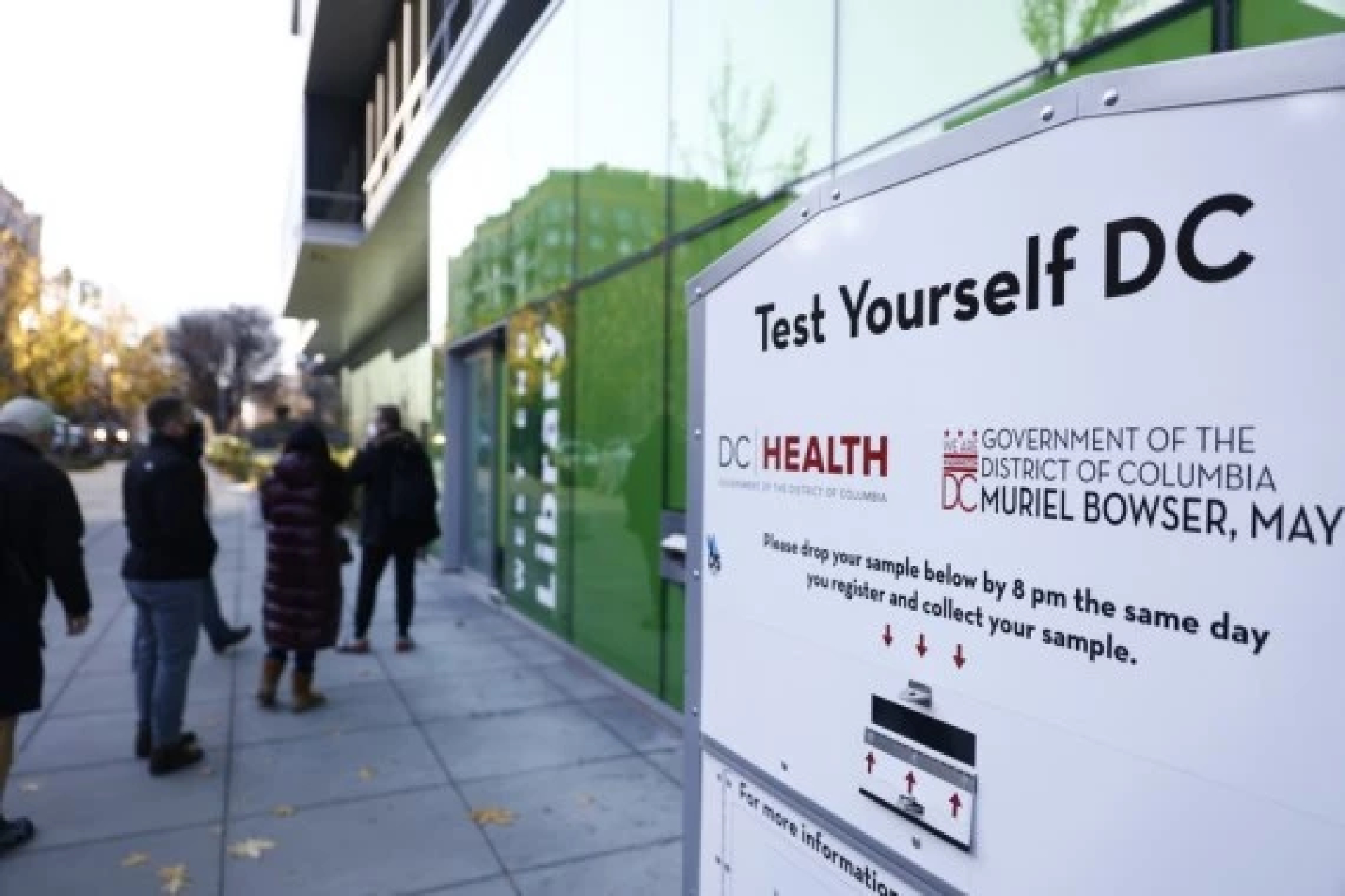
Residents continue to line up for tests across the region. D.C. Health emergency response leader Patrick Ashley said Wednesday that the city gave out more than 216,000 rapid antigen tests in its first week, making the tests available free at select firehouses and libraries in the city.
So far, 16,989 people have used the health department’s website to report the result of those tests, Ashley said, and he asked everyone who takes a test at home to report whether it is positive or negative, so that the District can track the data. Of those who reported the tests that they obtained from the city or bought at a pharmacy, 833 of them were positive, Ashley said – meaning the vast majority of the city’s cases during the recent surge have been reported through more traditional testing channels, despite the recent interest in at-home tests.
Donna Durante-Miller’s bar on H Street, The Elroy, was closed Wednesday, but she was there anyway – supervising a makeshift coronavirus testing site. Durante-Miller had previously teamed up with a laboratory to offer coronavirus tests at her bar, and felt it was time again.
Instead of drinks or hookah, people lined up Wednesday afternoon to choose between a nasal swab or a saliva test, both offered free with or without insurance and promising results within 24 hours. “Now that the need is so great, and the lines are so long in D.C., we thought we’d bring it back,” she said.
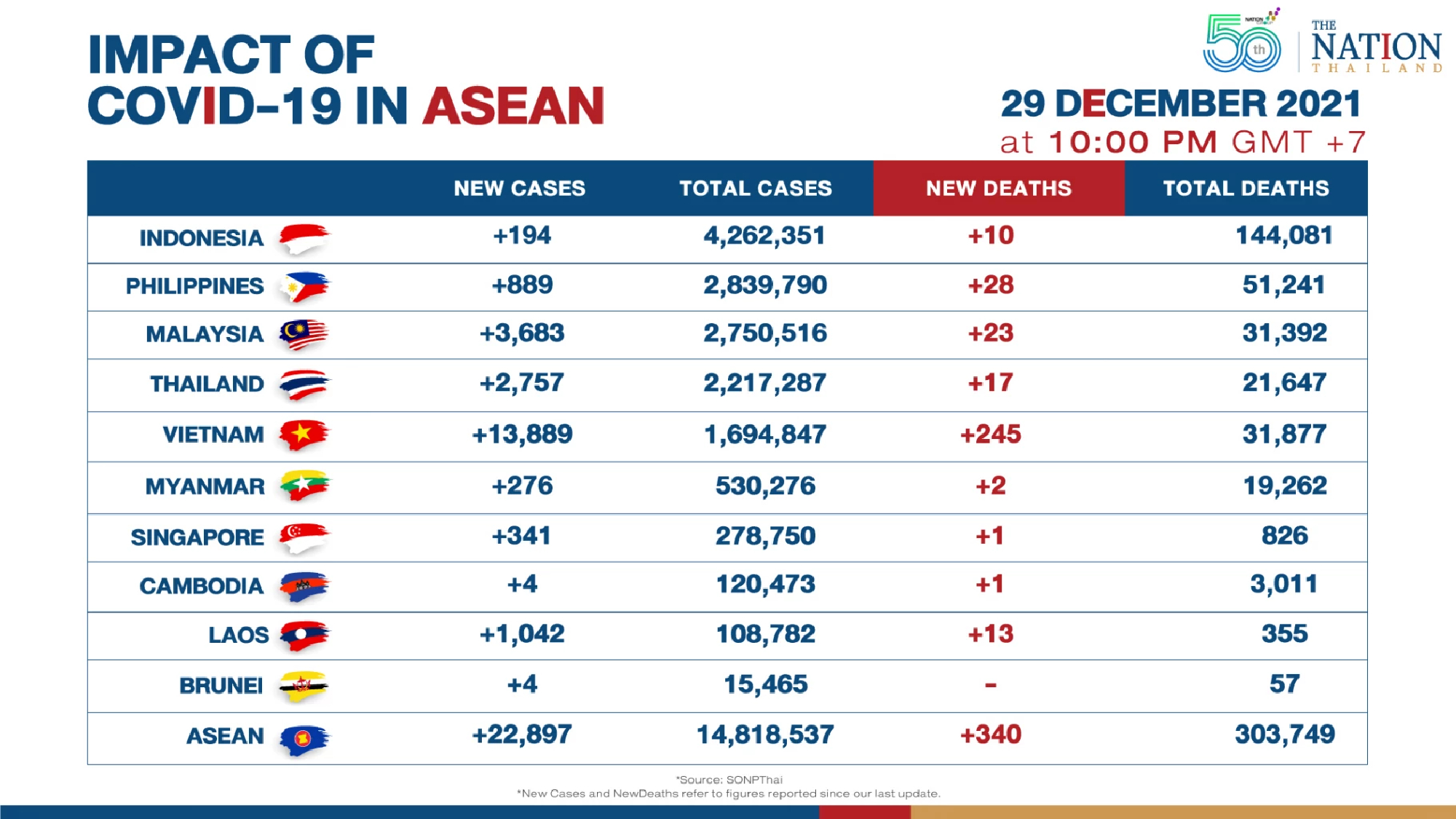
The number of Covid-19 cases crossed 14.81 million across Southeast Asia, with 22,897 new cases reported on Wednesday (December 29). New deaths are at 340, bringing accumulated Covid-19 deaths in Asean to 303,749.
Vietnam welcomed some 157,300 international arrivals in 2021, plunging 95.9 percent on year, mainly due to impacts of the Covid-19 pandemic, the country’s General Statistics Office said Wednesday. Foreign visitors entering the country by air accounted for 70.6 percent of the total, followed by road with 29 percent and sea routes with 0.4 percent. Most of the arrivals were from Asia (84.5 percent).
Meanwhile, Singapore’s Health Sciences Authority announced that local and foreign travellers entering Singapore are each allowed to bring with them a maximum of 20 Covid-19 self-test kits that have not been authorised for use here as long as they are approved for use in the country the traveller is arriving from.
The maximum quota of 20 self-test kits that can be brought in is based on the expectation that incoming travellers may need to test themselves daily for 14 days, with some allowance for retesting.
A total of 512,553 new cases and 1,762 new deaths were reported across the United States on Monday. The single-day increase of cases has set a new record since the onset of the pandemic in the country.
The United States registered a record high of over 510,000 daily COVID-19 cases on Monday, according to latest data of Johns Hopkins University.
A total of 512,553 new cases and 1,762 new deaths were reported across the nation on Monday. The single-day increase of cases has set a new record since the onset of the pandemic in the country.
Over the past week, nearly 1,660,000 new cases and over 10,000 new deaths were added to the tally, according to Johns Hopkins University.
The 7-day average daily increase of cases reached more than 206,000 on Sunday, according to latest data of the U.S. Centers for Disease Control and Prevention. This is also the highest figure since Jan. 18.
The United States has recorded more than 52.9 million COVID-19 cases with over 819,000 related deaths as of Tuesday afternoon, according to the real-time count kept by Johns Hopkins University.
A brief recovery in the summer turned out to be more fragile than it looked, while the emergence of the more transmissible Omicron variant has made people realize that the pandemic may be far from over.
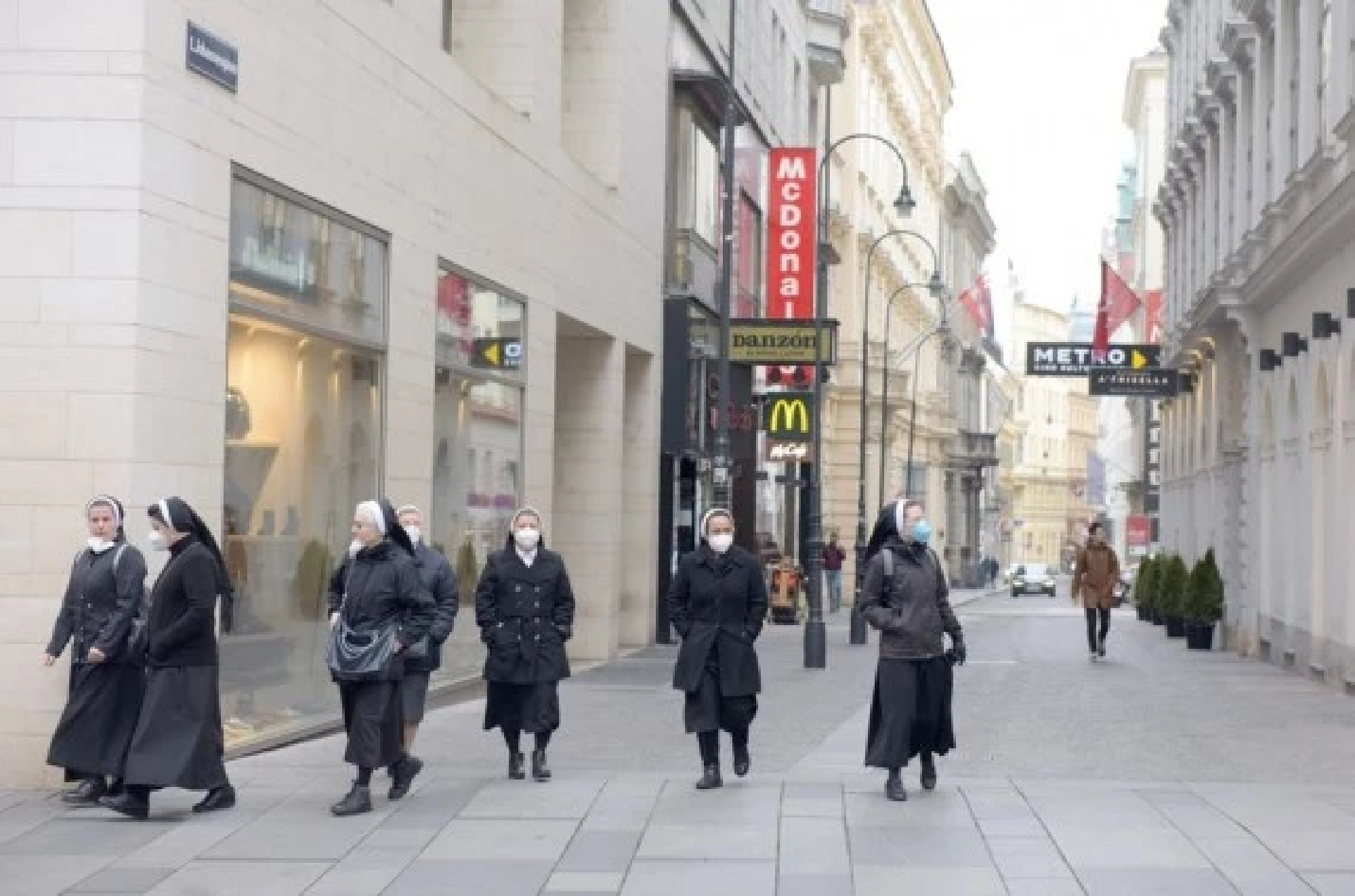
In 2021, COVID-19 has continued to ravage Europe, causing fear, stress and even despair across the board.
A brief recovery in the summer turned out to be more fragile than it looked, while the emergence of the more transmissible Omicron variant has made people realize that the pandemic may be far from over.
Despite rising infections and inequity in vaccine access, however, people across the continent hope that more stringent measures, new drugs and vaccines would eventually rein in the raging pandemic, which has threatened to stifle an early economic recovery.
Photo taken on Dec. 20, 2021 shows signs of a store
Following a surge in coronavirus cases and deaths in spring 2021, Europe enjoyed a summertime lull, which made people wonder if they were indeed seeing the light at the end of the tunnel. Longing for a “return to normalcy,” people welcomed the easing of social distancing and travel restrictions.
And then the pandemic was back with a vengeance.
In the first week of November alone, Europe reported almost 2 million new infections, the largest weekly case count in the region since the start of the pandemic. According to a World Health Organization (WHO) report, the week also saw nearly 27,000 COVID-19-related fatalities, more than half of all deaths reported globally.
“Europe is back at the epicenter of the pandemic, where we were one year ago,” said Hans Kluge, the WHO Regional Director for Europe.
In preparation for the fast-approaching year-end holidays and determined to curb virus cases, the authorities across the continent have been scrambling to re-impose restrictions. The government of the Netherlands, for instance, was the first in Europe to impose — or re-impose rather — a partial lockdown on Nov. 12, and Austria followed suit with a nationwide lockdown implemented on Nov. 22.
Most of these plans and measures predated the identification in southern Africa of Omicron, the coronavirus variant that is more transmissible than the previously dreaded Delta strain. Omicron is also understood to reduce vaccine efficacy but cause less severe symptoms, according to early data.
“World leaders, by continuing to ignore the warnings and focusing only on their national populations, are playing with fire and putting our hard-won progress at risk,” Jeremy Farrar, director of the charitable foundation Wellcome Trust, wrote in an opinion article in The Guardian.
“We are not yet in control of this pandemic — Omicron or an even worse variant could arise at any time,” said Farrar, also a former member of the British government’s Scientific Advisory Group for Emergencies.
A woman wearing a face mask walks on the Champs Elysees Avenue in Paris, France, Dec. 23, 2021. (Xinhua/Gao Jing)
HARD BALANCE
The pandemic has so far caused over 5.3 million deaths globally. Its recurring waves and the emerging virus variants have placed an enormous burden on healthcare systems and put unprecedented pressure on governments to resort to restrictions. However, these in turn stifled the economies, all but wiped out several industries and increased unemployment.
Pre-pandemic levels of European travel will not be achieved until 2024, the Brussels-based European Travel Commission has estimated. Despite a strong summer rebound, it said international tourist arrivals to Europe are forecast to be 60 percent below 2019 by the end of 2021.
Across the European Union (EU), the unemployment rate was 6.7 percent in October 2021, down from 7.5 percent in October 2020. The jobless rate was the highest in Spain at 14.5 percent, followed by Greece at 12.9 percent.
The EU economy had rebounded from the pandemic recession faster than expected. As vaccination campaigns progressed and restrictions started to be lifted, growth resumed in spring and continued unabated through summer, underpinned by the re-opening of the economy. But the emergence of the Omicron variant and rapid infections it has driven may have dashed hope of a quick economic recovery.
Paolo Gentiloni, European Commissioner for Economy, pointed out in November three key threats to the current expansion of the European economy: “a marked increase in COVID cases, most acute in areas where vaccinations are relatively low; rising inflation, driven largely by a spike in energy prices; and supply-chain disruptions that are weighing on numerous sectors.”
Meanwhile, adding insult to injury have been the mushrooming demonstrations in many European countries against COVID-19 rules and lockdowns, some of which even intensified into riots.
People visit the Mont des Arts in Brussels, Belgium, on Dec. 27, 2021. (Xinhua/Zheng Huansong)
HOPE FOR FUTURE
The currently available vaccines have largely been able to protect against more severe cases or deaths. However, the stark vaccine divide between the eastern and western parts of Europe remains a serious concern, especially in light of the simultaneous threats of waning immunity and ever more transmissible virus variants.
Nevertheless, there are grounds for hope, with rich experiences built upon repeated waves and perplexing decisions. New drugs and more effective vaccines are also expected to come.
In its latest risk assessment, the European Center for Disease Prevention and Control (ECDC) reiterated the need for a “multi-layered approach” to delay the spread of Omicron in Europe.
This includes speeding up the vaccination and booster shot drives as well as encouraging or even enforcing mask wearing, social distancing, contact tracing, efficient ventilation, increased hand hygiene and working from home wherever possible. It also requires more efficient coordination of the national approaches and an exchange of good practices and practical experiences.
“No country should believe they are safe, purely because they’ve vaccinated their own populations,” Farrar said. “We will only bring this pandemic to an end by working together globally and sharing access to all the vital public health tools needed to reduce transmission everywhere and save lives.”
People take part in a demonstration in Vienna, Austria, on Nov. 20, 2021. The demonstration against the COVID-19 measures took place in Vienna on Saturday. (Xinhua/Guo Chen)


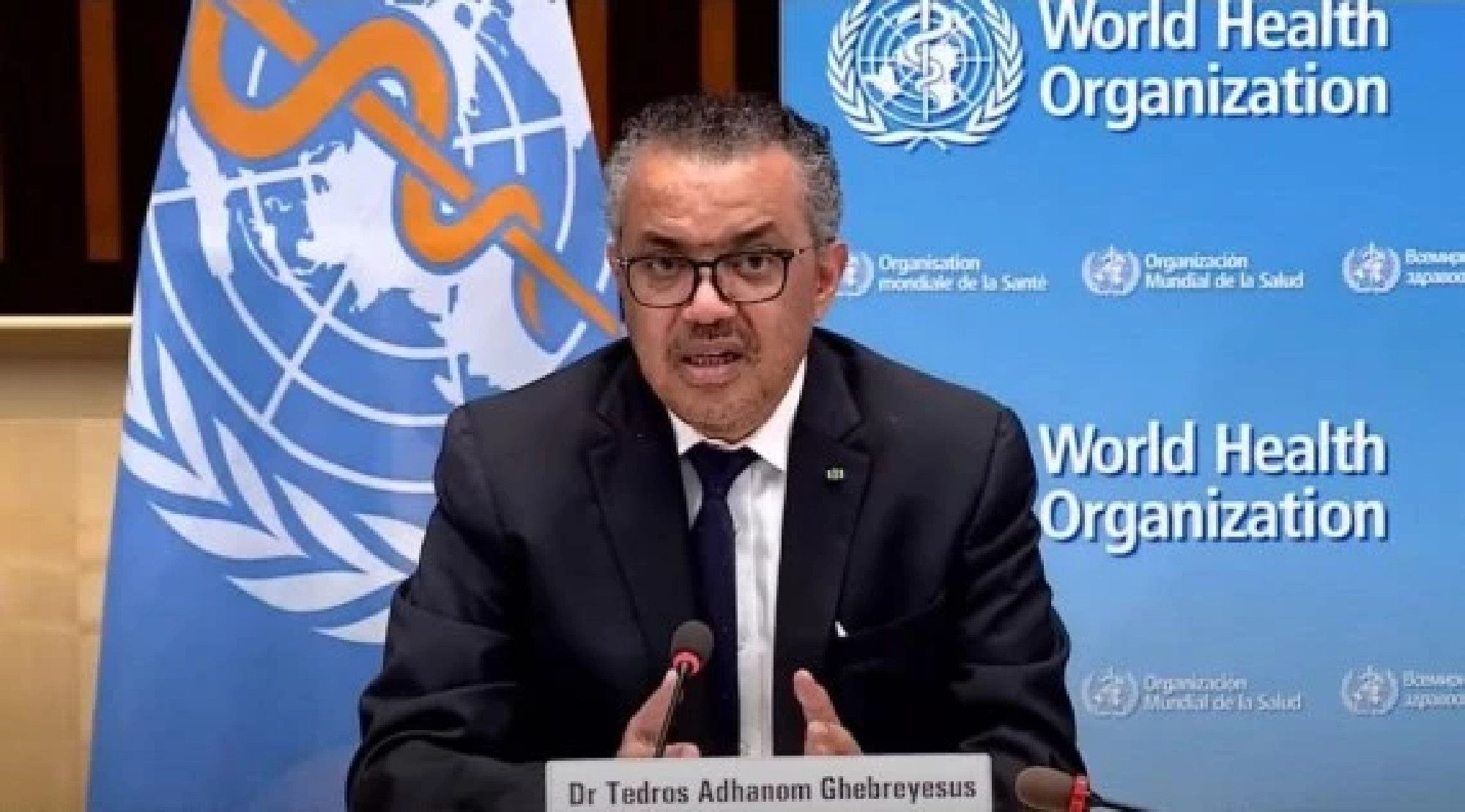
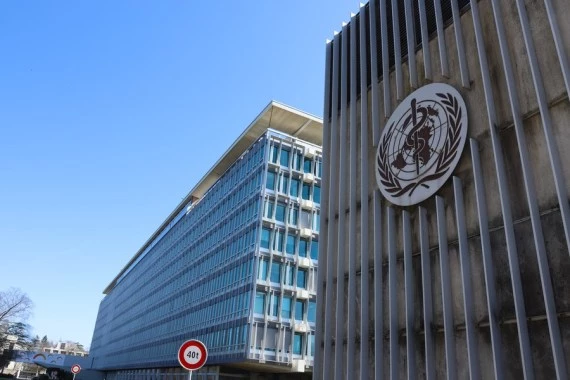 Photo taken on March 30, 2021 shows an exterior view of the headquarters of the World Health Organization (WHO) in Geneva, Switzerland. (Xinhua/Chen Junxia)
 A street performer waits for customers next to a mobile COVID-19 testing site on Times Square in New York, the United States, Dec. 20, 2021. (Xinhua/Wang Ying)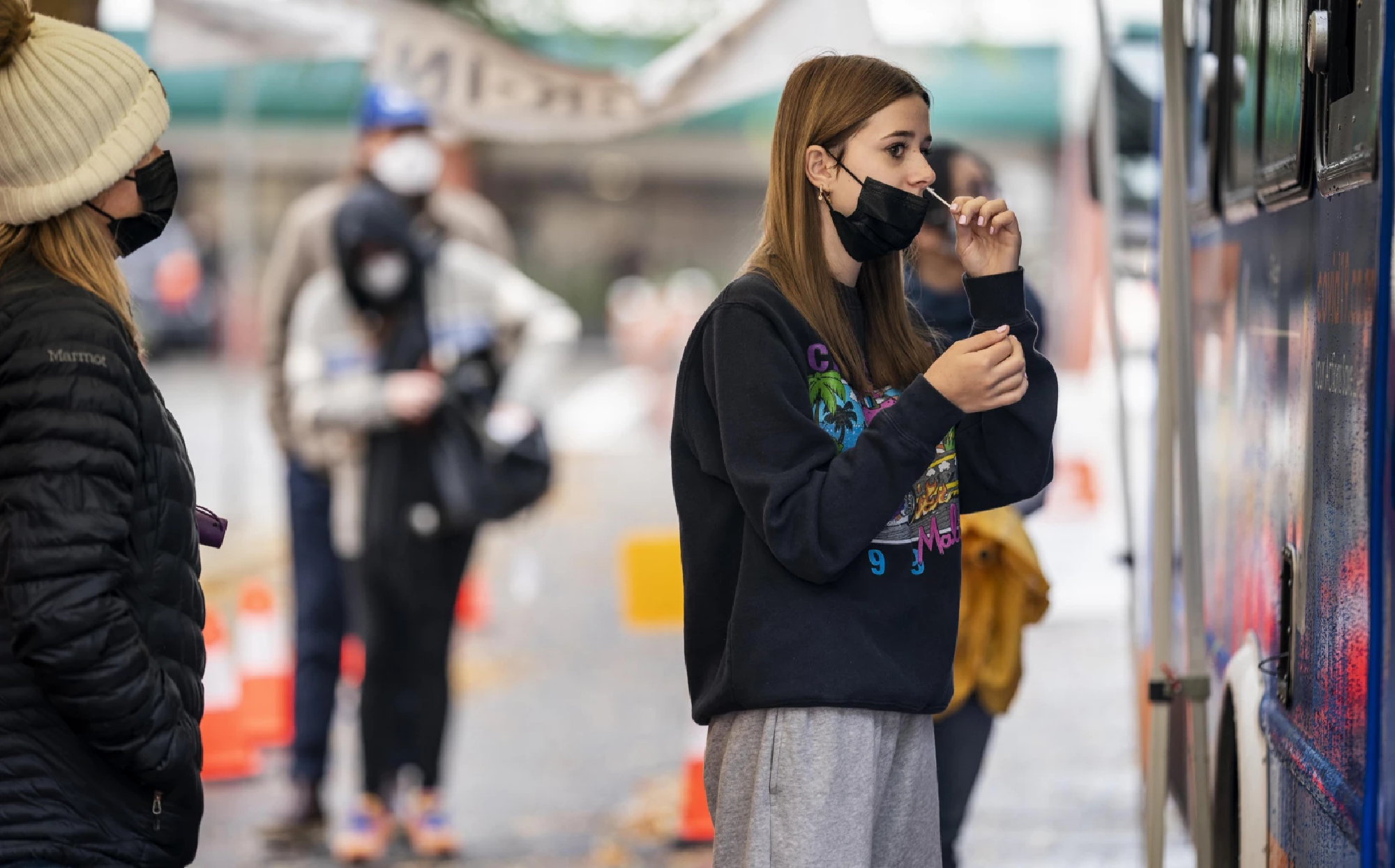

 A woman wearing a face mask walks on the Champs Elysees Avenue in Paris, France, Dec. 23, 2021. (Xinhua/Gao Jing)
 People visit the Mont des Arts in Brussels, Belgium, on Dec. 27, 2021. (Xinhua/Zheng Huansong)
 People take part in a demonstration in Vienna, Austria, on Nov. 20, 2021. The demonstration against the COVID-19 measures took place in Vienna on Saturday. (Xinhua/Guo Chen)
