The U.S. said its diplomatic boycott of the Beijing Winter Olympics stands after China announced that officials from the American government had applied for visas.
Any visa applications were for consular and security personnel, a State Department spokesperson said Tuesday in a statement, adding that it was routine to provide athletes, coaches and others with access to services enjoyed by Americans abroad.
The U.S. won’t change its decision to refrain from sending diplomatic or official representatives to the Olympics in February, according to the statement.
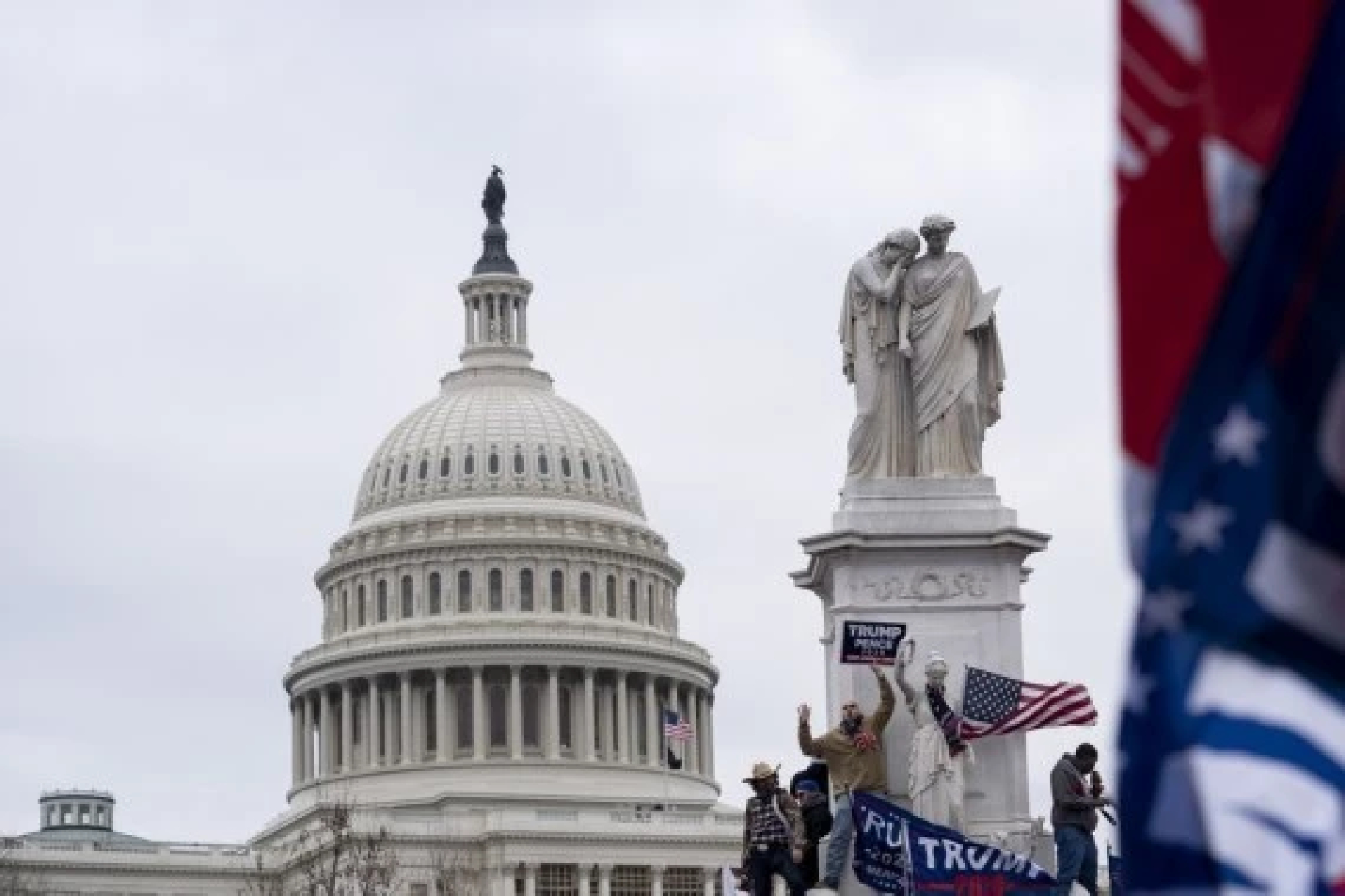
The Biden administration announced the boycott earlier this month, citing “crimes against humanity in Xinjiang, and other human rights abuses.” Australia, Canada and the U.K. followed Washington’s move, and Japan said it won’t send any government representatives, though it avoided the words “diplomatic boycott.”
Chinese Foreign Ministry spokesman Zhao Lijian said at a regular press briefing on Monday that Beijing had received visa applications from U.S. officials for the Olympics. He made the comments after being asked about reports Washington would send people from the State Department and others to the event.
At a similar briefing Tuesday, Zhao said that while the U.S. announced it wouldn’t send an official delegation, “there are many visa applications from officials from the State Department and Pentagon. Such remarks are truly confounding.”
Beijing has repeatedly and vociferously denied the genocide accusation leveled at its handling of the far western region of Xinjiang, home to a large Muslim Uyghur population. China insists it is providing job training and educational opportunities while quelling terrorism.
The change is motivated by science demonstrating that the majority of SARS-CoV-2 transmission occurs early in the course of illness, generally in the one to two days prior to onset of symptoms and the two to three days after, according to the CDC.
The U.S. Centers for Disease Control and Prevention (CDC) on Monday shortened the isolation time for Americans infected with COVID-19 from 10 to five days.
“Given what we currently know about COVID-19 and the Omicron variant, CDC is shortening the recommended time for isolation from 10 days for people with COVID-19 to 5 days, if asymptomatic, followed by 5 days of wearing a mask when around others,” said the agency in a statement.
The change is motivated by science demonstrating that the majority of SARS-CoV-2 transmission occurs early in the course of illness, generally in the one to two days prior to onset of symptoms and the two to three days after, according to the CDC.
“Therefore, people who test positive should isolate for 5 days and, if asymptomatic at that time, they may leave isolation if they can continue to mask for 5 days to minimize the risk of infecting others,” said the CDC.
The CDC has also updated its recommendation of quarantine period for those exposed to COVID-19. For people who are unvaccinated or are more than six months out from their second mRNA dose or more than 2 months after the Johnson & Johnson vaccine, and not yet boosted, CDC recommends quarantine for five days followed by strict mask use for an additional five days.
Individuals who have received their booster shot do not need to quarantine following an exposure, but should wear a mask for 10 days after the exposure, said the CDC.
“The Omicron variant is spreading quickly and has the potential to impact all facets of our society. CDC’s updated recommendations for isolation and quarantine balance what we know about the spread of the virus and the protection provided by vaccination and booster doses,” said CDC Director Rochelle Walensky.
At least 389 people died with 64 more missing in the Philippines from Typhoon Rai, the 15th and most powerful to have hit the country this year.
The death toll from Typhoon Rai in the Philippines has surged to 389, with 64 more missing, a government disaster agency said on Monday.
The National Disaster Risk Reduction and Management Council (NDRRMC) said that the typhoon, which made landfall in the Philippines on Dec. 16, also injured 1,146.
The agency said the the typhoon has affected more than 4.2 million people in 11 regions in central and southern parts of the Philippines, as well as parts of the main Luzon Island.
The typhoon, the 15th and most powerful to have hit the country this year, forced villagers to spend their holiday season days in evacuation centers because of damaged houses.
Photo shows a fishing community damaged by Typhoon Rai along a shoreline in Leyte Province, the Philippines, Dec. 22, 2021. (Xinhua)
According to the agency, nearly 315,000 of more than 570,000 displaced people are temporarily housed in 1,179 evacuation centers. More than 500,000 houses were destroyed.
Typhoon damage to agriculture and infrastructure has reached over 22 billion pesos (about 440 million U.S. dollars).
Health Undersecretary Maria Rosario Vergeire told an online briefing that the typhoon damaged 141 health facilities, including hospitals, in five areas hit hard by the storm.
Photo shows a fishing community damaged by Typhoon Rai along a shoreline in Leyte Province, the Philippines, Dec. 22, 2021. (Xinhua)
The Philippines’ Department of Health (DOH) has monitored food and water-borne diseases like diarrhea and acute gastroenteritis in typhoon-hit areas. Some patients were taken to hospitals.
Vergeire urged the evacuees to follow ways to avoid infections amid the COVID-19 pandemic, adding that it is imperative to watch for evacuees with coronavirus symptoms, and make separate rooms for the vulnerable such as the elderly.
She said that the typhoon has also affected 62 testing laboratories for COVID-19 and wasted thousands of doses of vaccines due to power outages.
The government continues to bring aid to the affected areas, including food, drinking water, while restoring damaged roads, telecommunications and houses.
China has offered urgent assistance including food packages, donated rice, and cash to support relief and recovery efforts of the Philippine government and to help victims of the typhoon disaster in the Southeast Asian country.
Both Democrats and Republicans are rapidly losing faith in the integrity of U.S. elections amid growing intensity and polarization of the countrys political life, U.S. magazine Newsweek has reported.
Democrats are worried that voter suppression and election interference from Republican state officials will deny millions of Americans their say at the polling stations, while Republicans claim that Democrats have already manipulated vote counts through fraud to steal a presidential election, the magazine reported on Dec. 20.
Under the circumstances, whichever party wins the 2024 presidential election would very much likely bring tens of millions of protesters and counter-protesters into the street, throwing the country into chaos, it said.
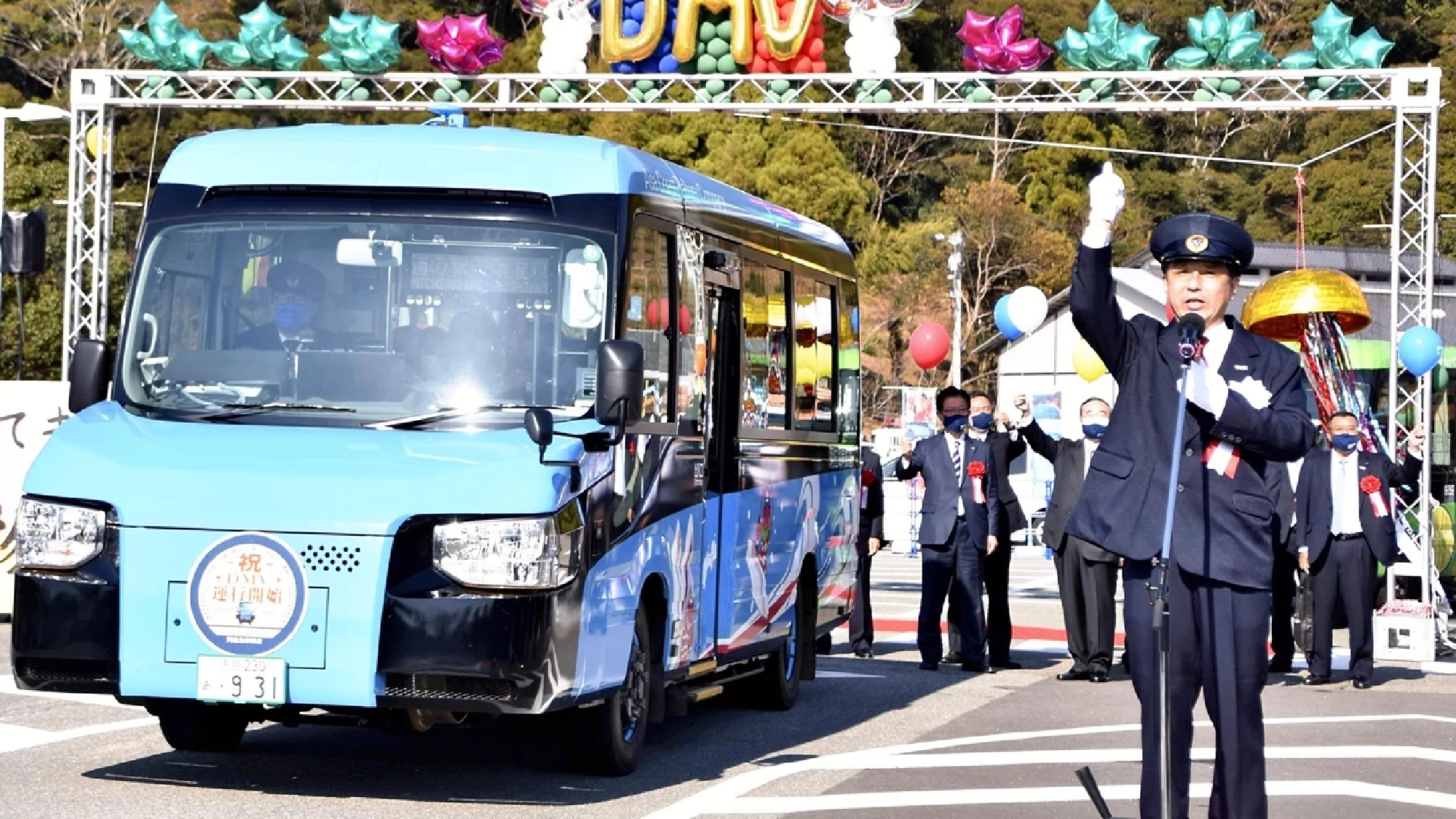
TOKUSHIMA, Japan — A dual-mode vehicle capable of running on both railway tracks and roads has started services on the Asa Coast Railway Line, a railroad linking Tokushima and Kochi prefectures, marking the worlds first full-scale operation of such a vehicle.
The DMV is an adapted minibus with a capacity of about 20 passengers. It runs along the coast of the two prefectures. After a ceremony to celebrate the start of the service on Saturday, the first DMV carrying railroad fans and others departed at about 12:30 p.m.
In a test-drive on Dec. 10, a DMV carrying local residents departed from the Awa Kainan Bunkamura cultural facility and ran on the road. At Awa-Kainan Station in Kaiyo, Tokushima Prefecture, the metal wheels stored on the vehicle’s underside were lowered to switch from bus mode to train mode. When the driver pressed the accelerator, the vehicle started to glide along the railroad tracks.
“It’s more comfortable than a train because it shakes less,” said a 59-year-old civil servant from Anan, Tokushima Prefecture, who was riding the DMV.
The vehicle is 8 meters long and 2 meters wide, and was adapted from a Toyota Motor Corp. minibus. In addition to railroad wheels, the vehicle is equipped with a location notification system and brakes equivalent to an automatic train stop system.
The main route is about 15 kilometers long — of which about 10 kilometers are railway tracks — and mainly runs along the border of the two prefectures. On weekdays, the DMV makes 26 inbound and outbound runs, and 30 on weekends and holidays. On weekends and holidays, the vehicle also makes one round trip from the Awa Kainan cultural facility to Cape Muroto — a distance of about 50 kilometers each way.
The Asa Coast Railway Line stopped operating a year ago. Two stations were renovated, with platforms lowered to accommodate the DMVs. The DMV system cost 1.6 billion yen ($13.9 million U.S.), including three vehicles.
“We’re finally at the starting line,” said Toyoki Ihara, an executive director of Asa Coast Railway Co.
Asa Coast Railway began considering the DMV project around 2009. In the days of the now-defunct Japanese National Railways, consideration was given to extending the line from Tokushima to Muroto. However, passenger numbers continued to decrease due to depopulation, and the expansion was deemed unrealistic. The idea of the DMV system emerged, which JR Hokkaido had been considering since 2002, but suspended.
Because the extended section runs on public roads, there was no need to build new tracks, crossings and other essential railroad infrastructure. Maintenance costs can be kept low.
However, a technical problem existed. There were concerns within JR Hokkaido that since the DMV is lighter than an ordinary train car, the vehicle could derail if it were to run on snowy tracks.
The government’s technical evaluation committee noted that the long-term durability of the parts supporting the wheels of the DMV “needs to be continued to be verified.”
For the time being, inspections will be conducted every year, instead of once every four years as originally planned.
President Joe Biden acknowledged that Covid-19 test availability hasnt kept up with heavy demand, saying his administration is seeking to expand pop-up sites and the availability of at-home test kits.
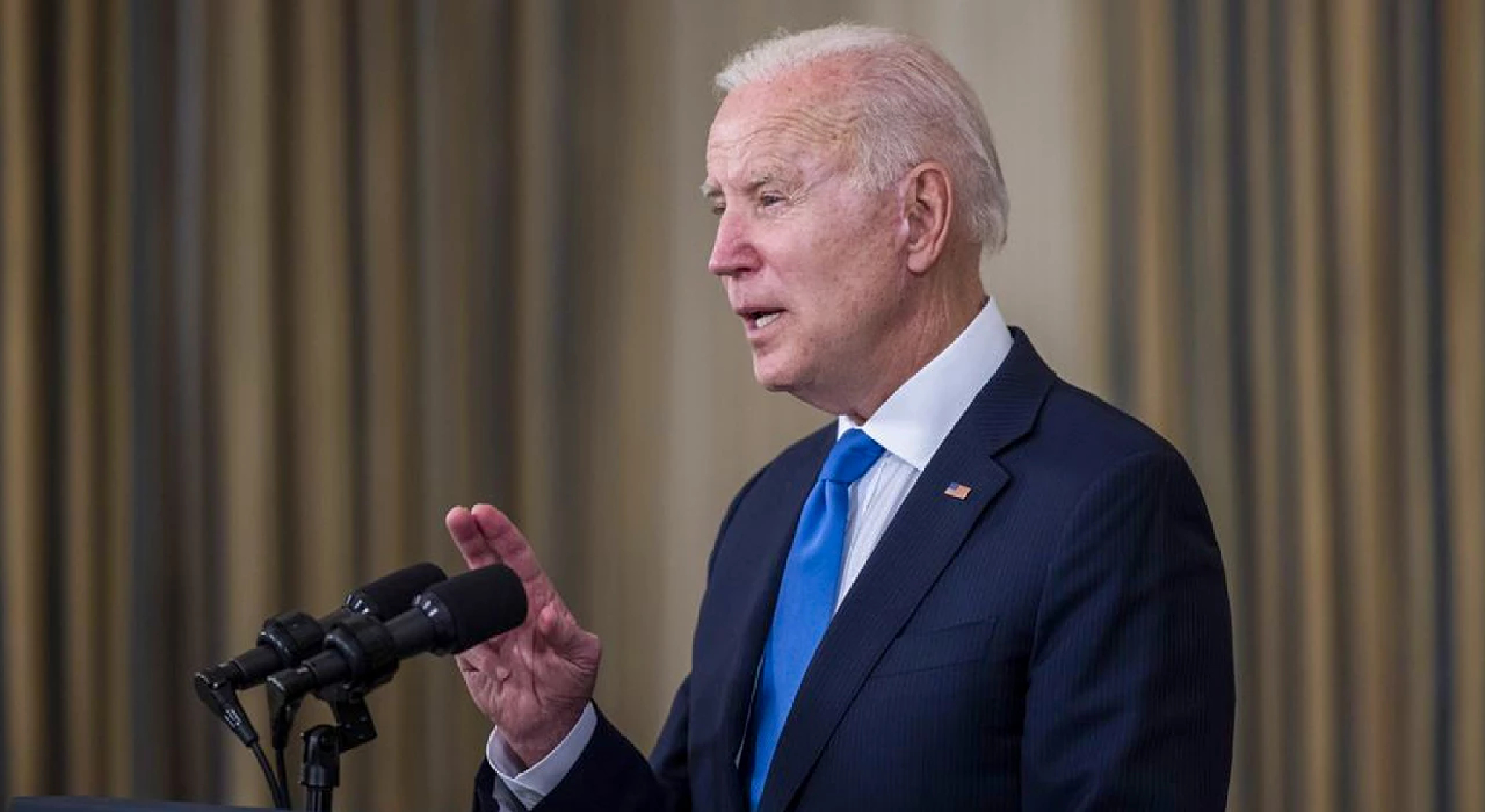
“Seeing how tough it was for some folks to get a test this weekend shows that we have more work to do and we’re doing it,” Biden said Monday from the White House in a conference call with governors.
He said the Federal Emergency Management Agency has already set up some temporary testing sites, including in New York City, and that more are coming. He said that there aren’t enough at-home tests and that his administration will continue to use the wartime Defense Production Act to produce “as many tests as possible.”
“We have to do more,” Biden said. “We have to do better. And we will.”
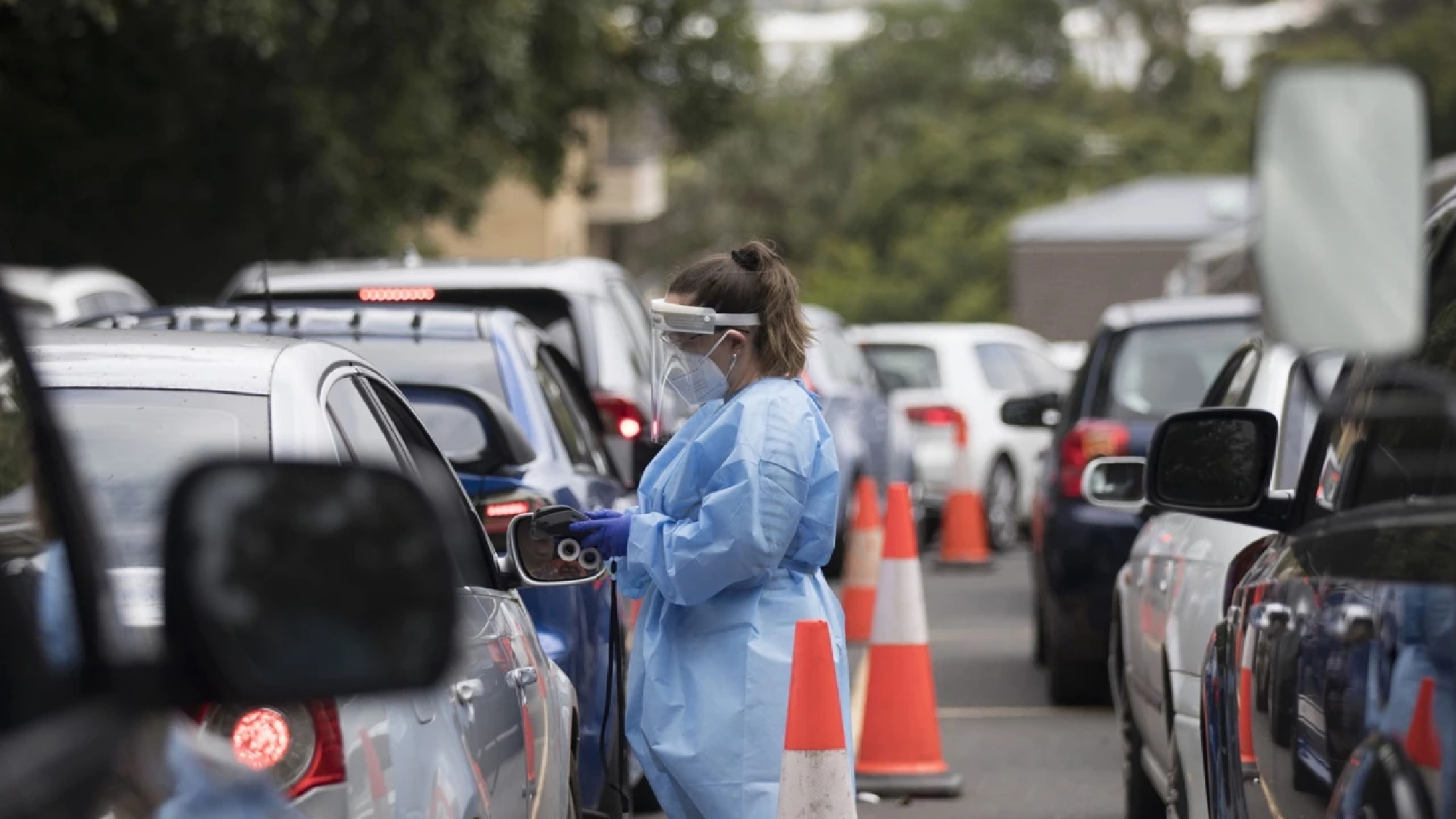
Americans have overwhelmed testing sites as they prepare for trips during the holiday season amid the rapid spread of the omicron variant.
Infections have surged in the U.S., with the 7-day average of new virus cases moving above the peak seen in the delta variant-fueled wave during the summer. More than 185,000 new infections were reported on Sunday, though reporting was depressed by the Christmas holiday.
The omicron variant accounted for roughly three quarters of new cases as of last week, according to the Centers for Disease Control and Prevention, and its prevalence is expected to increase.
Australia reported more than 10,000 daily Covid-19 cases for the first time since the start of the pandemic amid the rapid spread of the omicron strain.
New South Wales on Monday recorded 6,324 cases, with 55 in intensive care among 520 people in hospital. The most populous state also reported its first known death from the omicron variant — a man in his 80s with underlying health issues who had received two doses of vaccine and became infected in his nursing home.
Everyone in the state is likely to get omicron at some point, the state’s health minister Brad Hazzard said Sunday, according to a local report.
The second biggest state, Victoria, posted 1,999 daily cases. Infections also multiplied in smaller states that recently reopened domestic borders for the summer holiday tourism season: Queensland had 784 new cases on Monday, while South Australia counted 842.
There was one new case in Western Australia, the country’s last holdout of the Covid-zero approach. Its premier Mark McGowan extended restrictions introduced last week, such as masks at indoor public venues
“We are not out of woods yet,” McGowan told reporters Monday.
Most of Australia has shifted toward living with the virus, relying on vaccines and a growing arsenal of treatments. Recent studies have raised hopes that omicron symptoms may be less severe compared with the delta wave.
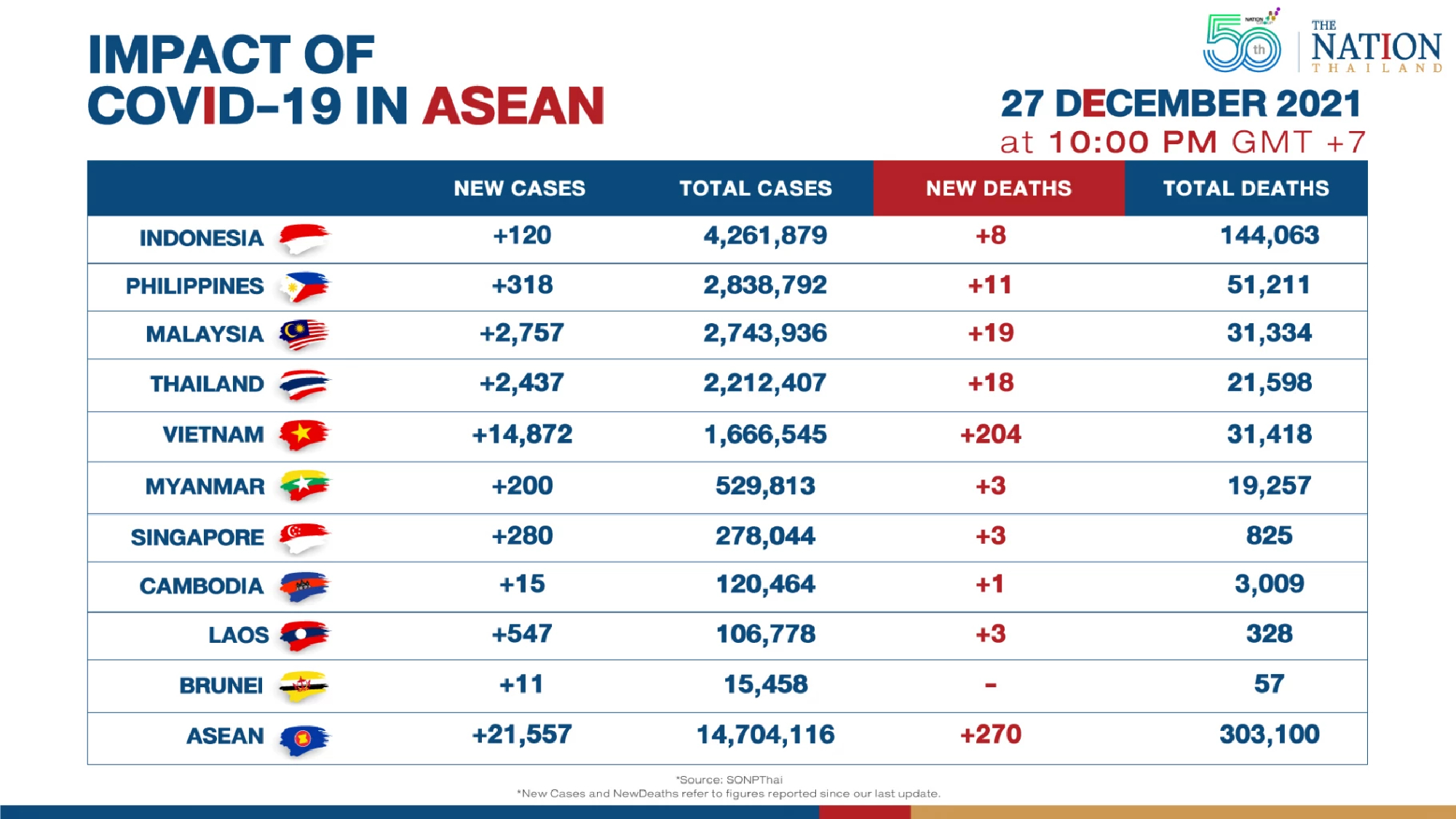
The number of Covid-19 cases crossed 14.7 million across Southeast Asia, with 21,557 new cases reported on Monday (December 27). New deaths are at 270, bringing accumulated Covid-19 deaths in Asean to 303,100.
Atotal of 114,183 Cambodian candidates are taking a national high school graduation exam on Monday after the situation of Covid-19 pandemic had been brought under control. The annual exam is a prerequisite for Grade 12 students to pursue their studies at university levels.
All educators and exam-takers are required to strictly follow health and safety measures, including wearing face masks, washing hands, having temperature checked, and maintaining physical distancing.
Meanwhile, Vietnam’s Prime Minister has urged medical teams to go door-to-door to identify those who have not been vaccinated and arrange inoculations, especially for those people with mobility difficulties. Localities should also organise care and treatment for people with Covid-19 in high-risk groups and carry out isolation and monitoring at home or at a treatment facility according to their conditions. The PM order came after Covid-19 cases nationwide have increased, along with the number of severely ill patients and deaths particularly in high-risk groups.
France will make working from home compulsory three days a week to contain the spread of the highly transmissible omicron variant.
Workers that have the option to stay away from the office must do so a minimum of three days and if possible four days to help reduce social contacts, Prime Minister Jean Castex said Monday.
He announced the measures — which are due to enter into force on Jan. 3 for three weeks — after a special cabinet meeting convened by President Emmanuel Macron amid skyrocketing coronavirus infections in the country.
“In France and in Europe, the health situation is, as you know, extremely tense,” Castex told reporters. The government refrained from ordering a curfew for New Year’s Eve.
France reported a daily record of more than 100,000 new cases on Saturday fueled by omicron’s rapid spread, mirroring significant infection rates in the U.K. and Italy. Macron, who is widely expected to seek a second term in April’s presidential election, has vowed to contain the virus while shielding the economy from another full lockdown.
More than 16,000 people are currently hospitalized for Covid in France, including some 3,300 in intensive care — above the crisis threshold of 3,000 set by health officials.
TEL AVIV – An Israeli hospital began administering fourth coronavirus vaccine doses to a test group of health-care workers on Monday, in what its calling the worlds first trial of its kind, as the country weighs approval of a wider campaign for at-risk Israelis in efforts to stem the rapid spike in infections by the omicron variant.
The trial at Sheba Medical Center in central Israel involves 150 medical workers who received third doses before Aug. 20 and have antibody counts below 700, signifying low protection, according to a statement from the hospital. The trial is being carried out in conjunction with Israel’s Health Ministry.
“It’s one jab in the shoulder, but one giant leap for mankind,” said Jacob Levee, director of the hospital’s heart transplant unit and the first recipient of the fourth vaccine at Sheba.
He said he wanted to get vaccinated to protect his heart transplant patients, whose “immunity following the third dose has diminished significantly, so they’re exposed,” according to research at Sheba.
On Tuesday, Prime Minister Naftali Bennett announced that Israel would be the first country in the world to offer fourth Pfizer-BioNTech vaccine doses to citizens over the age of 60, people with compromised immune systems and health-care workers. He called on health-care facilities across the country to prepare to roll out the campaign, but the decision has not yet been approved by Health Ministry Director Nachman Ash.
The Sheba study will produce initial results within the coming days and weeks, which may help steer the next steps in the fourth-dose immunization campaign, said its head researcher, Gili Regev-Yochai.
“This research is very important because then we will have initial data about the safety,” Regev-Yochai said.
One major unknown about coronavirus vaccines is whether, and with what frequency, additional doses will continue to generate strong immune system responses, as opposed to weaker or even immune-dampening effects, if administered too close to the previous shot.
Sheba Hospital spokesperson Steve Walz said the study is designed “to find out if indeed this fourth vaccine will show it produces enough antibodies to fend off omicron and delta,” as well as whether there is any “adverse reaction,” other than the usual post-vaccine side effects.
“The idea is before the government decides whether to go ahead with another vaccination campaign, to check the efficacy of this vaccine,” he said.
The advisory board to Israel’s coronavirus cabinet concluded last week that the potential benefits of a fourth vaccine dose far outweigh its risks. The board pointed to early signs that immunity has waned since the first Israelis received their third shot in the summer. It warned that, with the omicron variant spreading rapidly across the country and the globe, it could not afford to wait.
“We can’t close our eyes and think happy thoughts,” Health Minister Nitzan Horowitz said in an interview with public broadcaster Kan on Monday. He cited a rise in infections and serious illnesses caused by the omicron variant, mostly among the unvaccinated. “We have to prepare,” he said.
According to Israeli Health Ministry data, 1,760 people tested positive on Sunday for the coronavirus, accounting for almost 2 percent of all tests performed. There are 87 people hospitalized in serious condition, including 38 on ventilators.
Early data from South Africa, where omicron first surged and has in recent days been receding, suggests that the variant may cause 80 percent fewer hospitalizations and instances of severe symptoms than delta and other previous variants.
But the head of the Africa Centers for Disease Control and Prevention warned that this might not be the case in all other countries.
“Let’s be careful not to extrapolate what we [are] seeing in South Africa across the continent or across the world,” Africa CDC Director John Nkengasong said Thursday.
On Friday, the United Kingdom reported 122,186 cases, a record high. One in 20 – a ratio that has perhaps grown to as many as 1 in 10 people – are believed to be carrying the virus in London, according to the Office for National Statistics.
Israeli health experts have said that even if omicron cases are milder than those in previous waves, the sheer number of infected people could overwhelm hospitals.
“In the past 10 days, the number of people who have tested positive for the omicron variant rose from 20 a day to 450. That is more than a twentyfold rise within 10 days,” Eran Segal, a professor at the Weizmann Institute of Science and consultant to the Israeli coronavirus cabinet, said in an interview Sunday with the Israeli news site Ynet. “I anticipate that within a week we’ll see thousands of people testing positive for omicron, and within two weeks we may cross the record high since the beginning of the pandemic – around 10,000 people testing positive daily.”


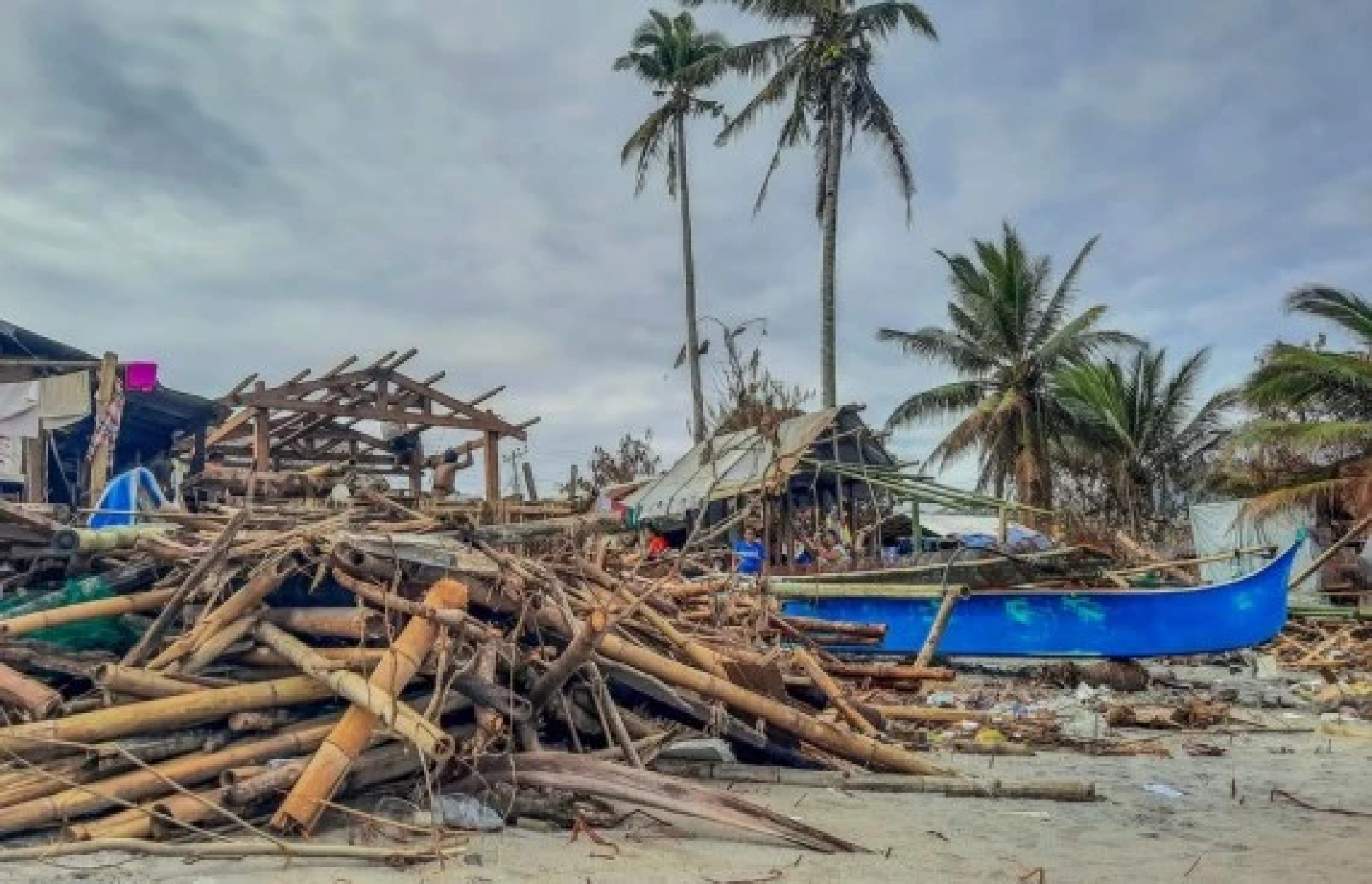
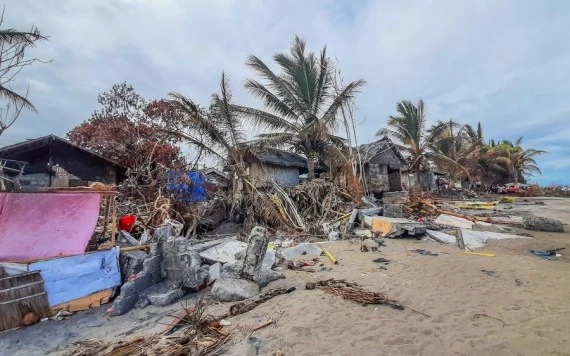 Photo shows a fishing community damaged by Typhoon Rai along a shoreline in Leyte Province, the Philippines, Dec. 22, 2021. (Xinhua)
 Photo shows a fishing community damaged by Typhoon Rai along a shoreline in Leyte Province, the Philippines, Dec. 22, 2021. (Xinhua)