The U.S. Centers for Disease Control and Prevention (CDC) has overcounted the number of partially vaccinated citizens, which means millions more Americans are unprotected amid the upcoming winter period, Russian broadcaster RT has reported.
The CDC has recorded second doses and booster shots as first shots, thereby largely exaggerating statistics, said the report.
While the CDC’s data show around 240 million Americans had received at least one dose of a vaccine, only 203 million were fully vaccinated, suggesting 37 million U.S. citizens got one shot without completing their vaccination, it said.
This gap is highly unrealistic as it is far larger than other developed countries.
The European Union has just a 2.6 percent gap between the singly-vaccinated and the fully-jabbed, while the U.S. has the largest disparity at 11 percent, said the report, citing Bloomberg’s statistics.
The U.S.-led mission fled the Afghanistan front of their so-called “war on terror,” leaving nothing but trash, extreme poverty and universal unemployment.
The outgoing year has been a difficult one for Afghans. Almost as hastily as they had arrived, U.S.-led forces ran for home after 20 years. The military precision with which the evacuation was executed stands in stark contrast to the chaos left behind.
Economic activity has ground to a halt. Poverty is on the rise.
In the summer, the U.S.-led mission fled the Afghanistan front of their so-called “war on terror,” leaving nothing but trash, extreme poverty and universal unemployment. As the Americans and associates hightailed it back where they came from, the government they had kept in power collapsed.
The Taliban took power on Aug. 15 and formed a caretaker government on Sept. 7.
A Taliban member walks past damaged vehicles at the Kabul airport in Kabul, capital of Afghanistan, Sept. 20, 2021. The Kabul airport was damaged with its many facilities destroyed during the withdrawal of the last U.S.-led forces and U.S.-led evacuation flights in late August. (Photo by Saifurahman Safi/Xinhua)
Unwelcome foreign forces had been completely ejected from the country by late August, ending a military presence that began impulsively in the wake of the catastrophic events of 9/11. The most obvious result of a campaign meant to bring stability to Central Asia is a country with a battered economy. This sorry state of affairs has reportedly been attained at a cost to Washington of around 2 trillion U.S. dollars.
The war is not even over. While 300 Islamic State fighters have given up their arms in the eastern Nangarhar Province over the past couple of months, the hardline group has claimed responsibility for a series of bomb blasts across the country. Taliban spokesman Zabihullah Mujahid has downplayed the claims, saying the Emirate has little to fear from the group.
The caretaker administration found itself unable to pay civil service salaries. Largely dependent on foreign aid for the past 20 years, the state apparatus has been largely destroyed.
Photo taken on Oct. 23, 2021 shows a displaced persons camp in Mazar-i-Sharif, capital of Balkh province, Afghanistan. (Photo by Kawa Basharat/Xinhua)
NOTHING ON THE TABLE
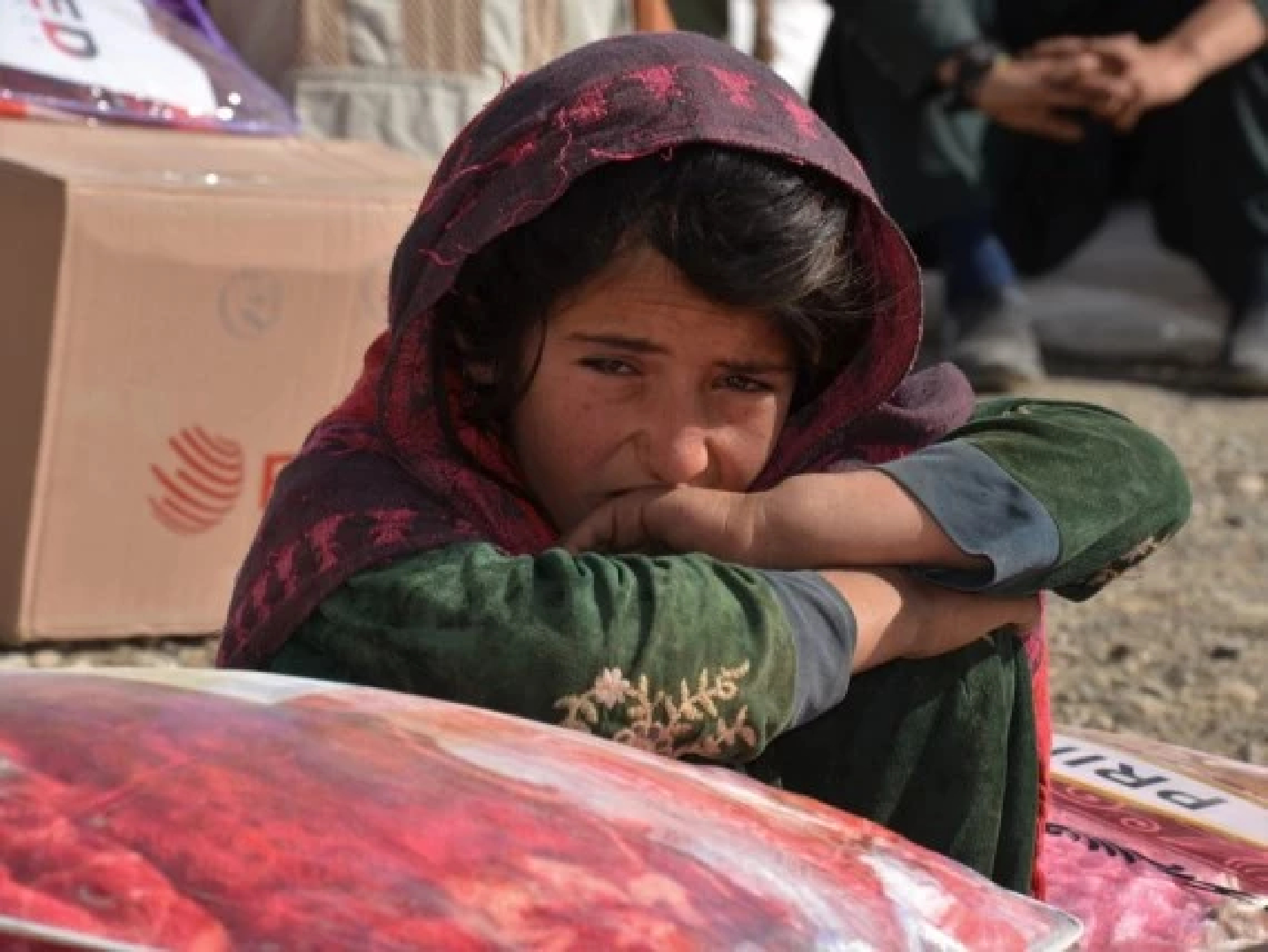
The majority of Afghans are facing acute food insecurity and are unable to feed themselves. The World Food Program (WFP) and other UN agencies estimate that more than 22 million of Afghanistan’s 36 million people will go hungry to some degree this winter. Many will be unable to cope with genuine emergencies of hunger.
“Afghanistan is facing an avalanche of hunger and destitution the likes of which I have never seen in my twenty plus years with the World Food Program,” said WFP country director Mary-Ellen McGroarty recently. The prices of basic goods including flour, cooking oil and sugar have almost doubled.
“Unfortunately, we no longer have enough money to buy anything. Everyone is suffocating in a stifling economic crisis caused by the change of regime,” said Salim Khan, a Kabul resident.
An Afghan man waits to get hired at a market in Kabul, Afghanistan, Oct. 28, 2021. (Photo by Saifurahman Safi/Xinhua)
NOTHING IN THE BANK
Following the U.S. military pullout in Afghanistan and the Taliban’s takeover of the country in mid-August, Washington reportedly has frozen more than 9 billion U.S. dollars of Afghanistan’s central bank, leaving the new rulers in the doldrums.
In mid-August, a bank run led to a ceiling on withdrawals of 200 U.S. dollars per week. Basic services are collapsing. Food and other life-saving aid is about to run out. Afghan Acting Foreign Minister Amir Khan Muttaqi has demanded Washington unblock his country’s assets.
“America has paralyzed the banking system. That is why the banks can’t give money to their customers. Restrictions on banking have led food-price rises over the past couple of months,” said Sayed Mohammed, who failed to withdraw cash from his account that week.
“The high price of U.S. dollars has affected our business. People have no cash to buy things, the price of flour, rice and cooking oil is much higher now than a month ago. A couple of days one piece of bread cost 10 afghani. Today I had to sell for 20. As the price of flour goes up following an increase in the exchange rate, we have no choice but to increase the price of our bread.”
Omicron is spreading rapidly nationwide and has been found in at least 48 U.S. states as of Monday.
Omicron has taken the hold to become the dominant COVID-19 variant in the United States as more people are traveling and gathering for holidays.
The infection cases caused by Omicron amounted to 73.2 percent of all infection cases in the week ending Dec. 18, from 12.6 percent of all infection cases in the week ending Dec. 11, according to the latest model estimates of the U.S. Centers for Disease Control and Prevention (CDC) on Monday.
At the beginning of this month, Omicron only accounted for 0.7 percent of all infection cases.
Omicron is spreading rapidly nationwide and has been found in at least 48 U.S. states as of Monday, since the first case in the country was detected in California on Dec. 1.
Travelers wait at the check-in counters of Southwest Airlines at Dallas Love Field Airport in Dallas, Texas, the United States, Dec. 17, 2021. Gary Kelly, CEO of Southwest Airlines, has tested positive for COVID-19, the company headquartered in Dallas of the U.S. state of Texas said on Friday, two days after he attended a hearing in U.S. Senate along with some other U.S. airline chiefs and lawmakers. (Photo by Guangming Li/Xinhua)
The unprecedented infectiousness of the Omicron variant and its possible ability to evade the immune system have stoked concerns across the nation. However, experts said preliminary data suggest the new variant appear to cause less severe symptoms and hospitalizations.
COVID-19 cases, deaths and hospitalizations continued to surge in the United States, leading to cancellation of large events including sports games and live concerts. Some colleges have shifted back to online classes and exams for the rest of the semester to make students go back home earlier.
The country is averaging about 130,000 new cases daily, a 10 percent increase from the previous week, the latest CDC data showed.
The seven-day average of daily deaths is about 1,180, up 8.2 percent from the prior week, according to the CDC weekly data.
Currently, the United States is witnessing about 7,800 new hospital admissions each day, a 4.4-percent increase from the previous week, the data showed.
A person performs a self-swab test for COVID-19 in the Brooklyn borough of New York, the United States, Dec. 17, 2021. (Photo by Michael Nagle/Xinhua)
New York State set COVID-19 infection record for a third straight day on Sunday with more than 22,000 positive cases. People waited in long lines at testing sites.
However, the surge in new infection cases did not deter people from flying for holidays. The U.S. Transportation Security Administration (TSA) has screened over two million passengers for a fourth day in a row.
The TSA expected up to 21 million Americans will fly between Dec. 23 and Jan. 3.
Experts warned the United States is moving toward Christmas in dramatically different shape than it was before Thanksgiving.
A month ago, case counts had been rising, to about 90,000 per day on average. For much of December cases appeared to hover around 120,000 but recently leaped above 130,000 per day, Johns Hopkins University data showed.
Health experts urged the public to test before heading for travels and large gatherings, getting vaccinated and boosted, masking in public indoor settings, and practicing physical distancing to slow transmissions.
The Iranian foreign ministry denied on Monday a claim by U.S. National Security Advisor Jake Sullivan that there were direct talks between the two countries over the past few months, official news agency IRNA reported.
“Since the beginning of the negotiations on the revival of the 2015 nuclear deal in Vienna, Iran has held no direct talks with the United States,” said Saeed Khatibzadeh, the ministry spokesman, in an address to a weekly press conference.
On Friday, Sullivan told reporters in Washington that the United States has “communicated both through the Europeans and directly to Iran.”
“Iran has received some messages on the issues of negotiations in written and unwritten forms through EU mediators since the start of the talks in Vienna, to which answers were given on the spot,” Khatibzadeh noted.
In May 2018, former U.S. President Donald Trump pulled Washington out of the Iranian nuclear deal, officially known as the Joint Comprehensive Plan of Action, and reimposed unilateral sanctions against Tehran in a bid to hammer out a new deal.
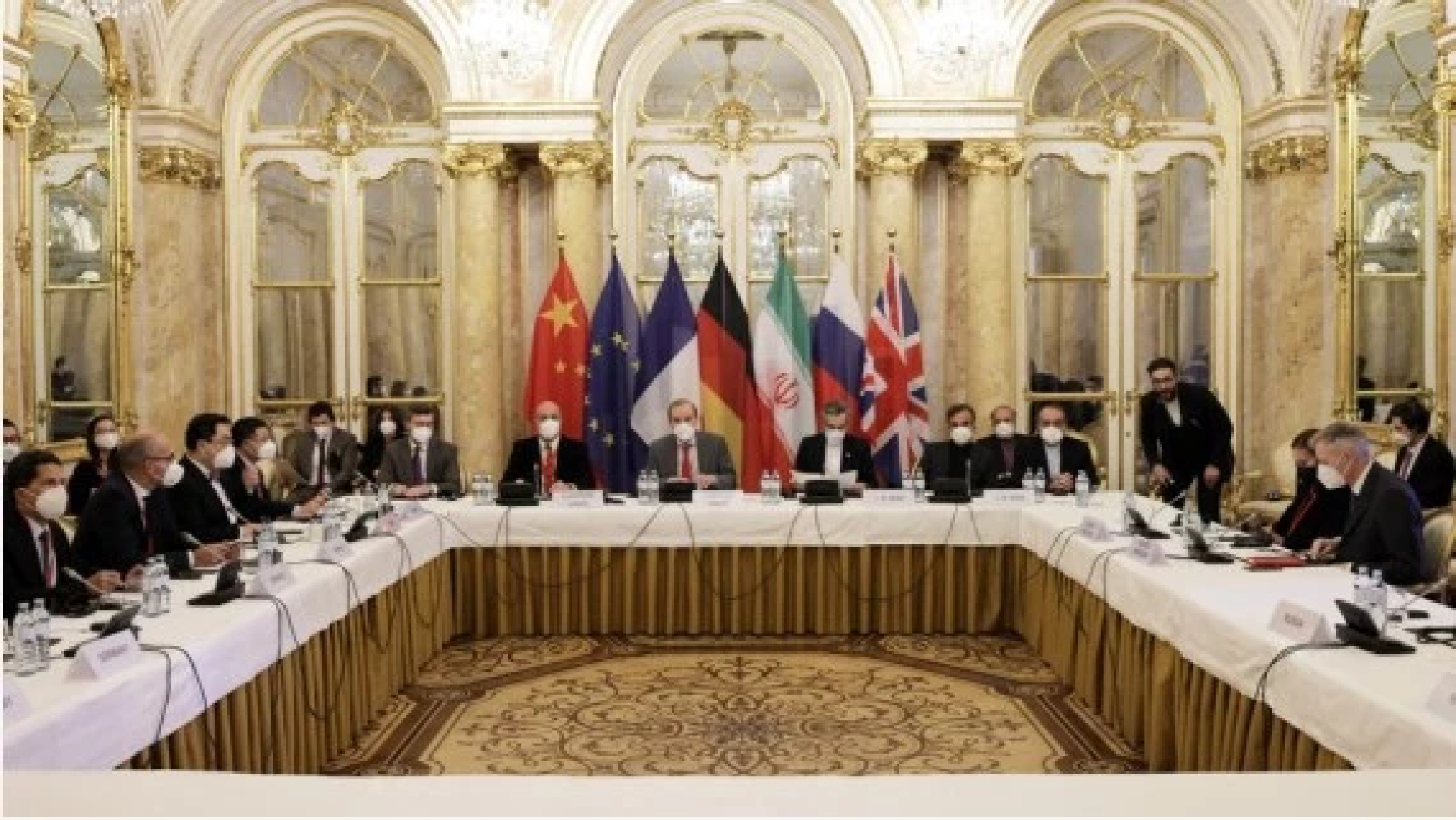
Since early April this year, representatives from China, France, Germany, Russia, Britain and Iran have held seven rounds of negotiations in the Austrian capital, with the United States involved indirectly, aiming to bring the United States back to the JCPOA and prepare the ground for its full implementation.
The seventh and latest round of the talks started on Nov. 29 and concluded on Friday.
“Today, We have two new agreed-upon texts, which are the results of the intense negotiations over the past few days in the Austrian capital,” Khatibzadeh said.
“The new texts have incorporated Iran’s views compared to the previous ones. We now have texts according to which we can continue the future talks,” he added.
On the U.S. approach to the talks and its intention, the Iranian spokesman said Washington has offered “no tangible proposal or text” to other parties, placing “a big question mark on America’s intention.”
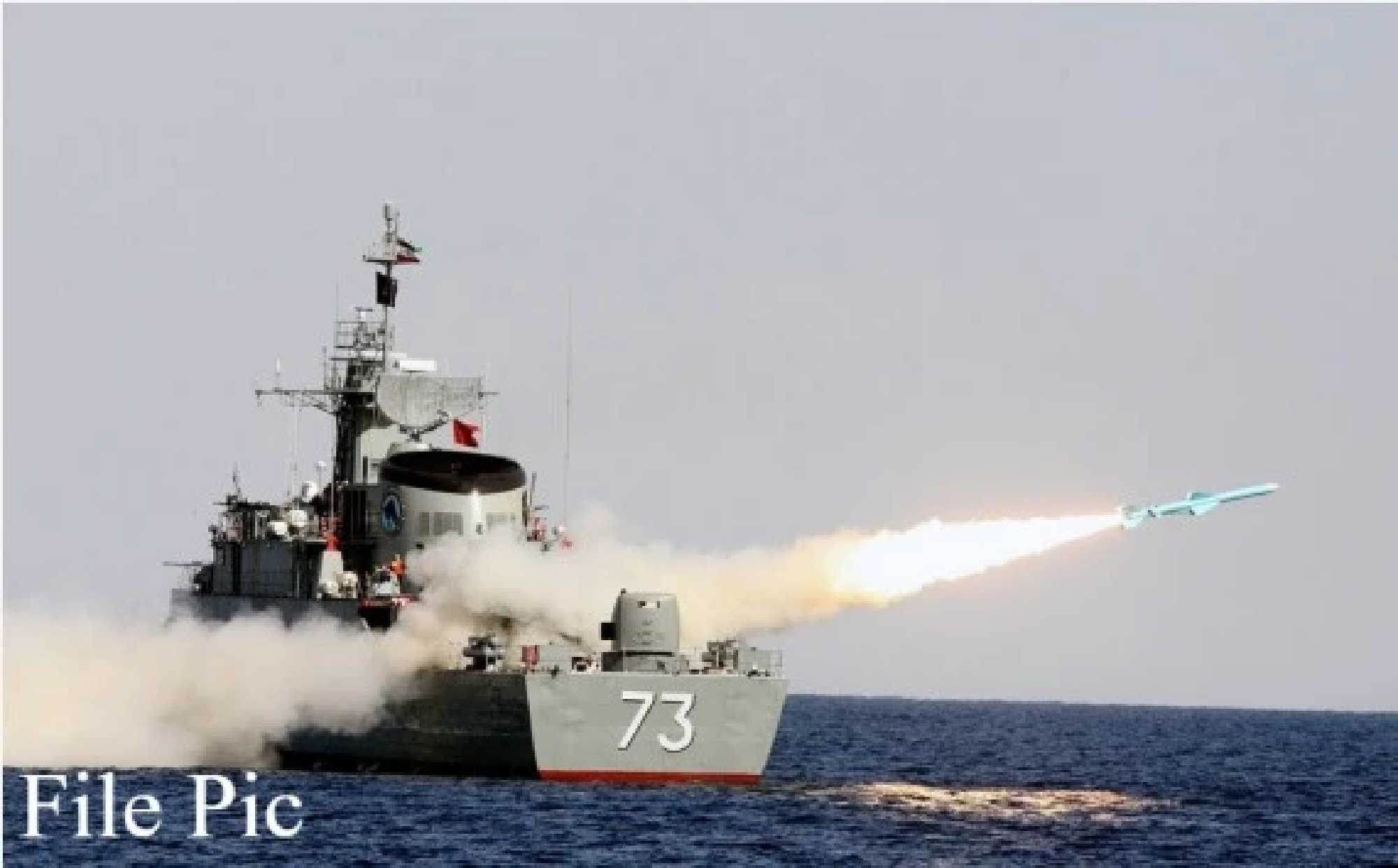
Irans Islamic Revolution Guards Corps (IRGC) staged a large-scale war game, codenamed “the Great Prophet 17,” along the southern coasts of the country on Monday, state TV reported.
The exercise, to be held for five days, involves IRGC units such as the aerospace force and the cyber-electronic division, Abbas Nilforoushan, the IRGC’s deputy chief of operations and spokesman for the drill, was quoted by Press TV as saying.
According to the general, a series of military systems and weapons recently delivered to the IRGC will be brought into action during the war game.
“The military exercise is meant to increase the preparedness of the IRGC combat units,” Nilforoushan said.
“The military drills carry the message of defending and safeguarding the national security,” he added.
Meanwhile, Gholam Ali Rashid, another IRGC senior commander, seriously warned Isreal and the United States about any threats or mischief against nuclear facilities in Iran, after Isreal threatened to launch military attacks on Iran’s nuclear program during rounds of nuclear talks.
“If such threats are carried out, Iran’s armed forces will immediately and decisively attack all centers, bases, routes, and spaces used for the aggression,” Rashid said.
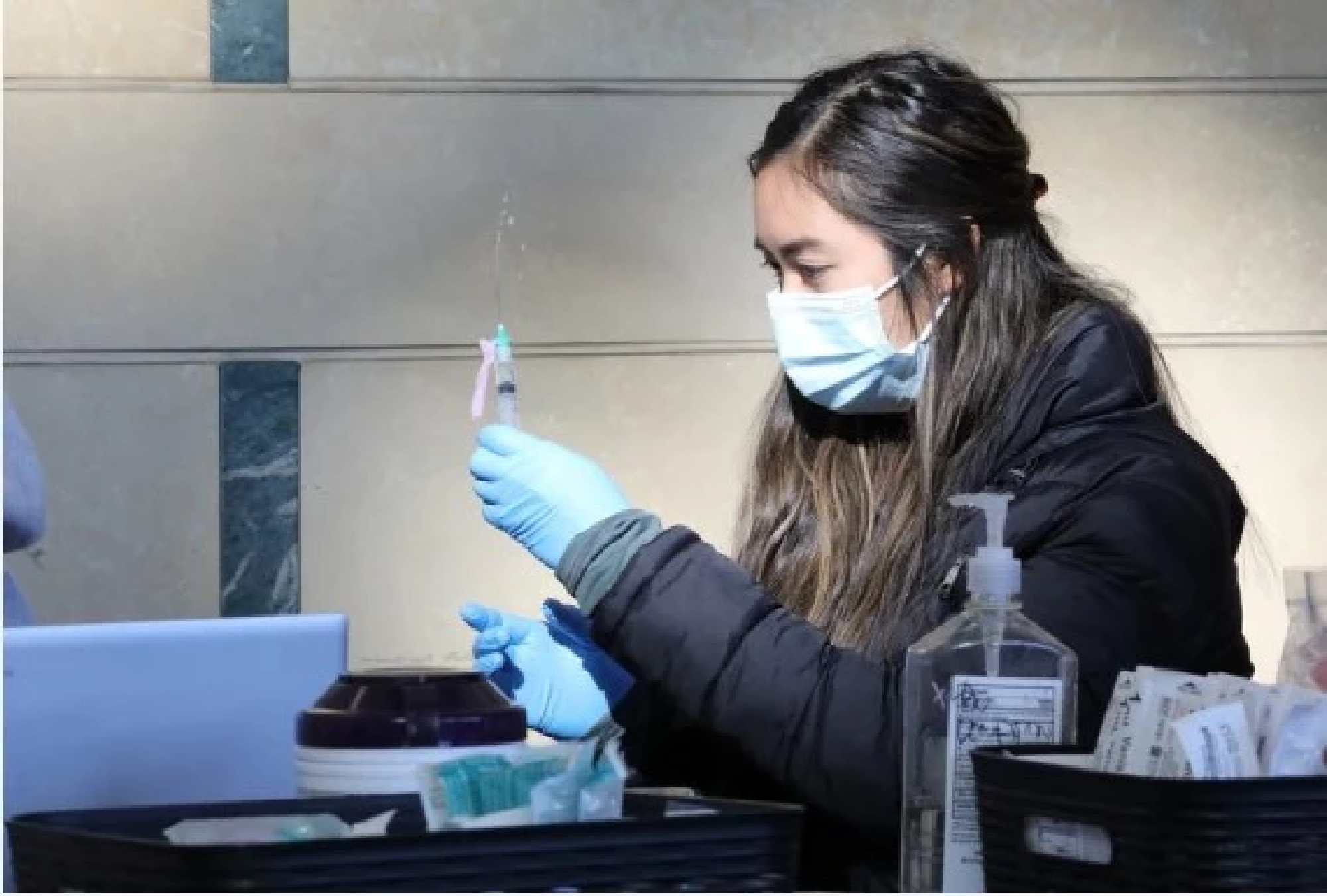
The currently authorized 50-microgram booster of Modernas COVID-19 vaccine mRNA-1273 increased neutralizing antibody levels against Omicron about 37-fold compared to pre-boost levels, and a 100-microgram booster dose increased neutralizing antibody levels about 83-fold, said the company.
American biotechnology company Moderna announced Monday that preliminary data suggests its COVID-19 booster shot appears to increase antibody levels against the Omicron coronavirus variant.
The currently authorized 50-microgram booster of Moderna’s COVID-19 vaccine mRNA-1273 increased neutralizing antibody levels against Omicron about 37-fold compared to pre-boost levels, and a 100-microgram booster dose increased neutralizing antibody levels about 83-fold, said the company in a release.
A 100-microgram booster dose was “generally safe and well tolerated,” according to the company. But there was a trend toward slightly more frequent adverse reactions following the 100-microgram booster dose relative to the authorized 50-microgram booster dose, said the company.
To respond to the highly transmissible Omicron variant, Moderna will continue to rapidly advance an Omicron-specific booster candidate into clinical testing in case it becomes necessary in the future, said Stephane Bancel, Chief Executive Officer of Moderna.
The Omicron variant, which is possibly more contagious than the Delta variant, had been found in at least 47 U.S. states as of Sunday, since the first case in the country was detected in California on Dec. 1.
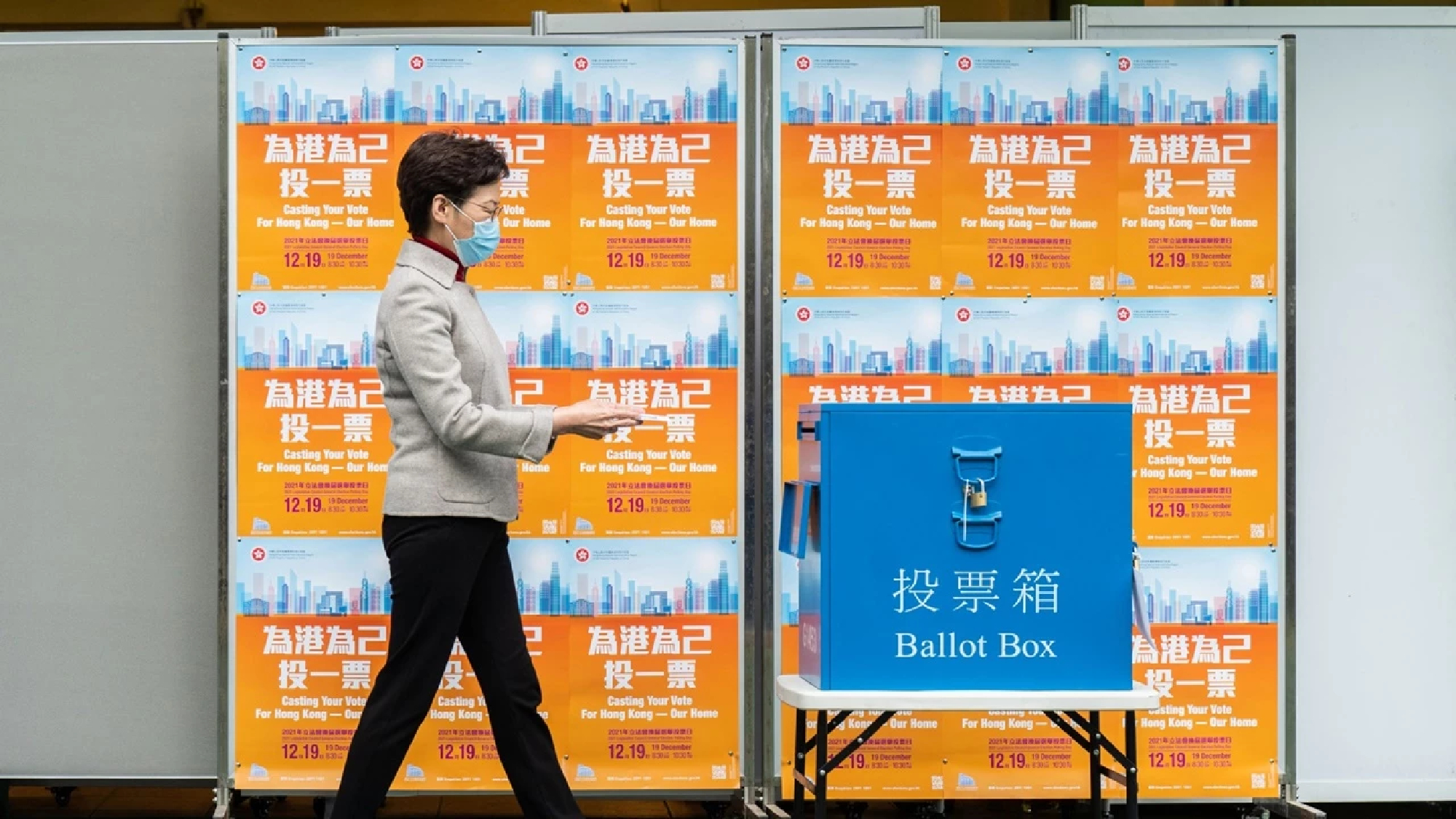
Hong Kongs leader Carrie Lam touted plans to revive a controversial security law that ignited a political firestorm two decades ago, after completing an election to install a new legislature filled with Beijing loyalists.
The pro-establishment council elected in a muted vote Sunday should present “new proposals” by June on how to enact security legislation, Lam told a news briefing Monday, after the results were announced. While the former British colony recorded its lowest-ever voter turnout — 30.2% — as swathes of the public boycotted the electoral system recently revamped by Beijing, the result empowers Lam to pass once-difficult legislation unopposed.
A provision of Hong Kong’s charter drafted before its return to Chinese rule in 1997 requires a law banning “foreign political organizations or bodies from conducting political activities,” as well as, “treason, secession, sedition, subversion against the Central People’s Government, or theft of state secrets.” Such legislation has been shelved since huge street protests in 2003.
Chinese authorities cited the failure to pass the “Article 23” legislation as justification for their decision to impose a national security law on the city in June 2020. While that measure prohibited subversion, secession, colluding with foreign forces and terrorist activities, it lacked language on treason, sedition and theft of state secrets.
“It’s the constitutional responsibility of the SAR government,” Lam said Monday, referring to Hong Kong’s status as a special administrative region. “For a long time, we haven’t done that.”
Updated proposals were needed, Lam said, since the internet had brought new security threats and the “overall situation” of Hong Kong had changed since the last effort to pass Article 23. Lam, who hasn’t said yet whether she’ll seek a second term when her current five-year stint expires in June, was slated Monday to leave for Beijing to brief state leaders on Hong Kong’s situation.
Lam stopped short of detailing a timetable for passing the legislation, saying it was “not realistic” to expect lawmakers to approve such a measure before their upcoming session ends six months from now. That said, the body has moved quickly on several major proposals in recent months with opposition members out of the chamber.
“Article 23 will likely be an extension of China’s national security standards and ways of doing things to Hong Kong,” said Kenneth Chan, associate professor at the Hong Kong Baptist University. “Having purged the democracy movement and civil society, it will be very hard for citizens to get organized to voice their opinions or oppose Article 23.”
On Monday, Lam said was she was “happy” with the election result, despite a government campaign to boost voting rates falling short. Free public transport on Sunday saw the city’s network flooded as citizens inundated leisure attractions such as Ocean Park and Disneyland, rather than ballot boxes.
Authorities arrested 10 people for inciting others to cast blank votes before the election, and issued arrest warrants for at least five others on the same grounds, as they tried to protect voter turnout.
Just 1.35 million people out of almost 4.5 million registered eligible voters cast their ballot. In the professional groups that picked 30 candidates, turnout wasn’t much higher, at 32.2%. The 1,448-member pro-Beijing committee that chooses 40 lawmakers saw a 98.5% turnout.
Chinese Foreign Ministry spokesman Zhao Lijian said the lower turnout rate had “many reasons,” at a regular press briefing in Beijing on Monday. Those factors included “anti-China Hong Kong disruptors,” he said without specifying names, and Covid-19 despite the city having virtually eliminated local transmission and its public spaces being packed over the weekend.
“I’m satisfied with this election,” Lam said at a regular press briefing Monday, also dismissing the low turnout. “Particularly to ensure patriots governing the city.”
The government’s earlier postponement of Sunday’s vote due to Covid-19 restrictions prevented the opposition riding a growing wave of momentum at the ballot box. The democracy camp won its greatest-ever share of seats in the previous legislative vote, and scored a landslide in the 2019 District Council elections.
During that delay, the central government shrunk the number of directly elected lawmakers to 20 and introduced the 40 seats picked by Beijing loyalists. In May, the city’s legislature approved a China-drafted plan to vet all candidates for respect for the Communist Party.
Both moves came in the wake of widespread government protests in 2019, and wiped the pro-democracy opposition politicians who had supported that unrest from the legislature. Only one of the 90 lawmakers elected Sunday wasn’t a pro-establishment figure, with Tik Chi-yuen in the social welfare constituency representing the moderate Third Side party.
“All LegCo members are now patriots who are devoted to the Basic Law and the Hong Kong government despite their backgrounds,” Starry Lee, head of the pro-Beijing party Democratic Alliance for the Betterment and Progress of Hong Kong, said Monday.
“Even between patriots, there’ll be different views on policies, ways to solve problems and how to advocate change in the government. I believe there’ll be various opinions during policy debate,” she added.
Dongshu Liu, assistant professor specializing in Chinese politics at City University of Hong Kong, said if the opposition movement wanted to participate in future elections it would be severely clipped.
“So that’s very much like the opposition in Singapore, where you do have opposition to government polices, but not challenging the fundamental political institution,” he added, noting that the legislature would get “further away from what society actually wants.”
“That’s a bigger danger,” he added. “The political divide will sooner or later be a problem. You can’t suppress the unhappy people forever.”
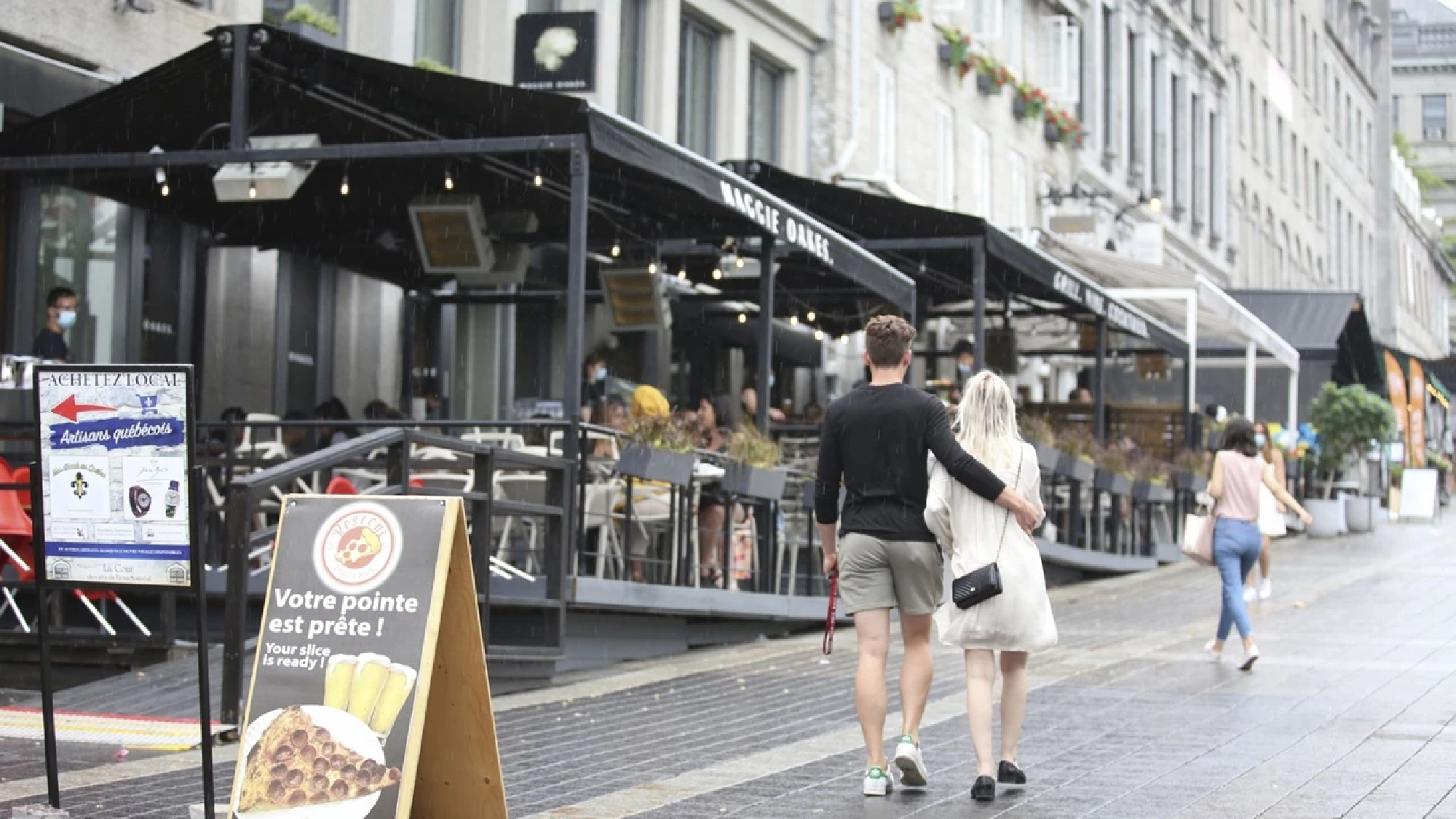
Quebec is closing schools, gyms and bars and making work-from-home arrangements mandatory to stem a wave of coronavirus infections that has reached record levels.
The province recorded 4,571 new infections in 24 hours, far above the levels of last winter, when the provincial government imposed a curfew and closed all restaurants. Nearly 400 people are in the hospital with Covid-19, an increase of 76% in two weeks.
“The outburst of cases is unbelievable,” Health Minister Christian Dube said during a news conference Monday. “I ask everyone to be part of the effort.” Office workers and others who can perform their jobs from home must do so, the government said.
The province of 8.5 million people found itself at the epicenter of the crisis in the early weeks of the pandemic but fared better in the waves that followed, implementing some of the strictest measures in North America. Now it’s the hardest-hit province in Canada again and behind some peers in giving out vaccine boosters.
Dube urged people to minimize holidays gatherings as the government distributes millions of rapid tests. Schools will remain closed to in-person classes until Jan. 10, though some teaching will be done online. Restaurant hours will be reduced, and theaters will be forced to close.
Novavaxs vaccine was cleared by European regulators and is set to become the first Covid-19 shot of its kind in the region, giving countries another tool as they race to protect their populations in the face of the omicron variant.
The protein-based shot, known as Nuvaxovid, was recommended by the European Medicines Agency, according to a statement Monday, and a European Commission decision authorizing the vaccine is expected imminently.
The move follows a decision last week by the World Health Organization granting the vaccine emergency-use status. It’s a boost for Novavax, which has suffered months of delays after manufacturing problems despite securing some of the largest funding from the Trump administration in the early stages of the pandemic. The lag in the development of the shot compared to rivals such as Pfizer and Moderna hit its stock hard in recent months.
Results from two main clinical trials found the shot was effective at preventing Covid and involved more than 45,000 people in total. The first study in Mexico and the U.S. found a 90.4% reduction in the number of symptomatic Covid-19 cases from seven days after the second dose, compared with people given a placebo. The second study in the U.K. showed efficacy was similar at 89.7%.
There’s limited data on the effectiveness of Nuvaxovid against omicron, according to the European regulator.
The Maryland-based company’s vaccine mimics the coronavirus’s spike protein, sparking an immune response that prepares the body for a real infection. The vaccine can be stored at refrigerator temperatures, making it easier to transport than some messenger RNA shots. The vaccine also shows strong potential in mix-and-match booster campaigns, relying on an approach that has been used for many years in vaccines against hepatitis, meningitis and other diseases, according to the vaccine alliance, Gavi.
It also broadens Europe’s arsenal as the virus continues to spread. Novavax and the European Commission announced a supply agreement for as many as 200 million doses of the vaccine in August.
“An authorization from the commission would deliver the first protein-based vaccine to the EU during a critical time when we believe having choice among vaccines will lead to increased immunization,” Stanley Erck, Novavax’s CEO, wrote in the statement.
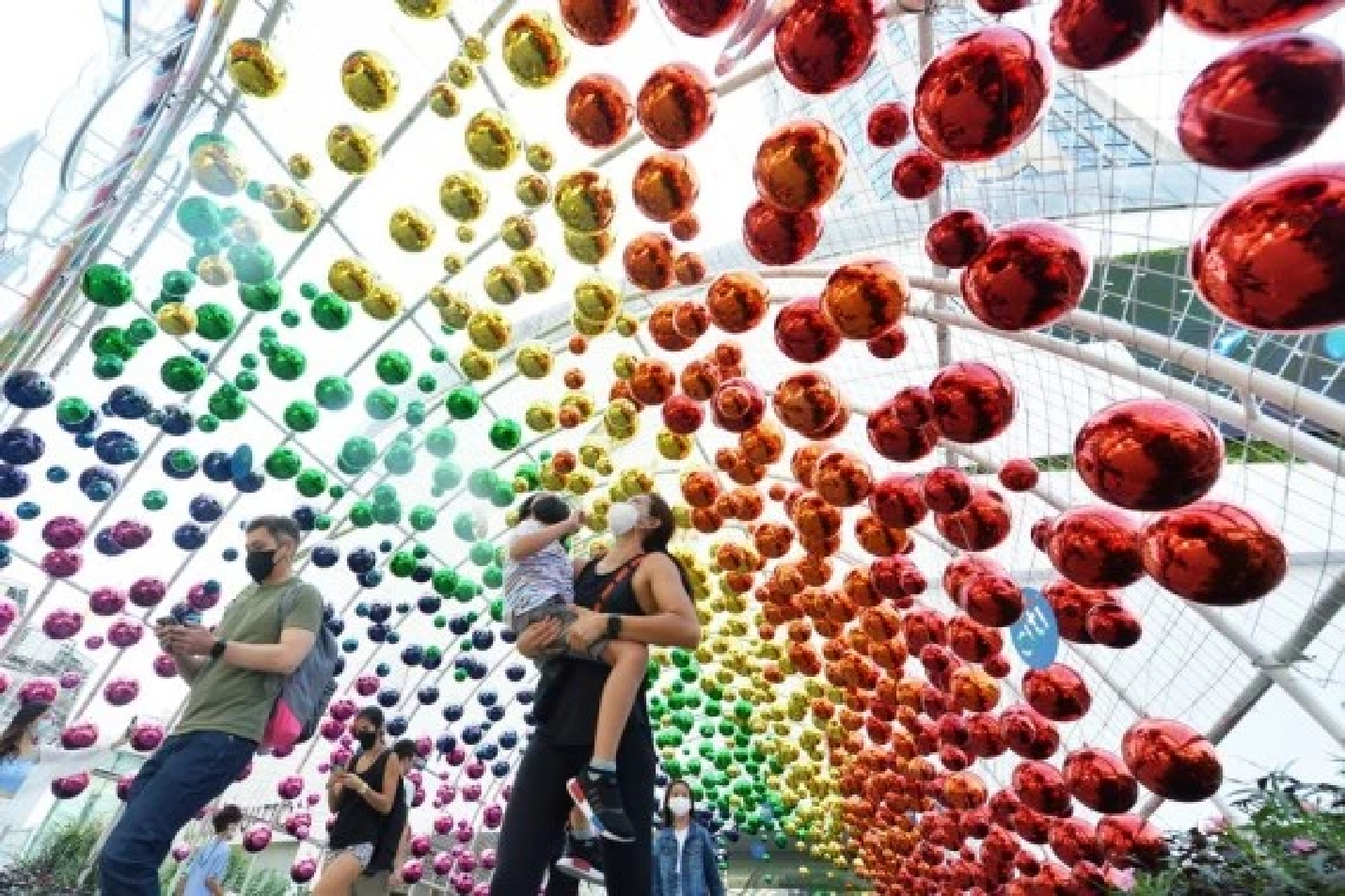
 A woman is seen in front of Christmas decorations at a shopping mall in Bangkok, Thailand, on Dec. 20, 2021. (Xinhua/Rachen Sageamsak)
 A girl is seen in front of the Christmas decorations at a shopping mall in Bangkok, Thailand, on Dec. 20, 2021. (Xinhua/Rachen Sageamsak)
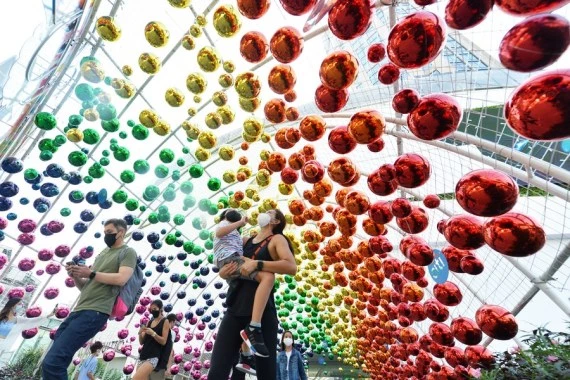 A woman is seen in front of Christmas decorations at a shopping mall in Bangkok, Thailand, on Dec. 20, 2021. (Xinhua/Rachen Sageamsak)
 A woman walks through the Christmas decorations at a shopping mall in Bangkok, Thailand, on Dec. 20, 2021. (Xinhua/Rachen Sageamsak)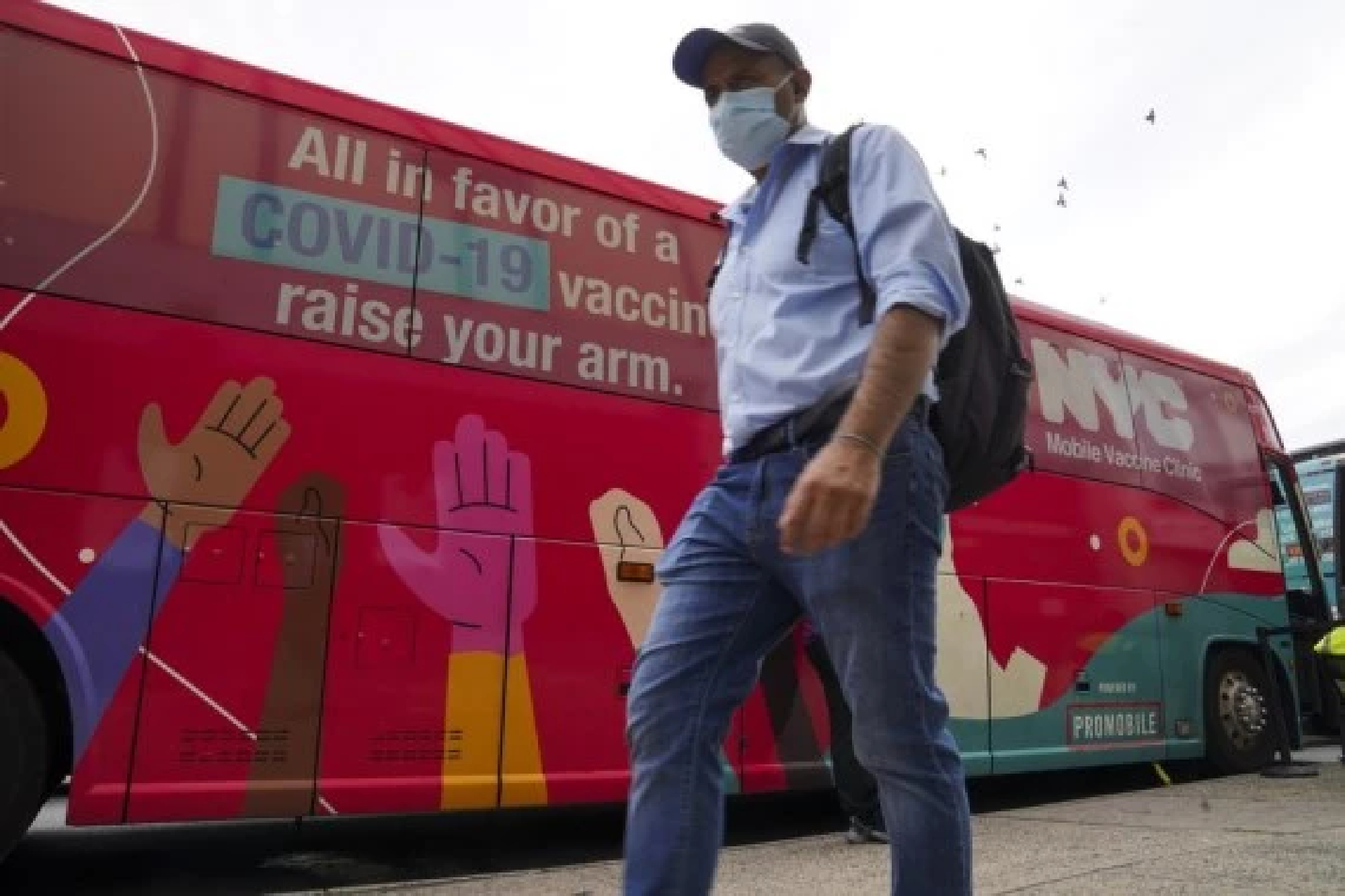
 A Taliban member walks past damaged vehicles at the Kabul airport in Kabul, capital of Afghanistan, Sept. 20, 2021. The Kabul airport was damaged with its many facilities destroyed during the withdrawal of the last U.S.-led forces and U.S.-led evacuation flights in late August. (Photo by Saifurahman Safi/Xinhua)
 Photo taken on Oct. 23, 2021 shows a displaced persons camp in Mazar-i-Sharif, capital of Balkh province, Afghanistan. (Photo by Kawa Basharat/Xinhua)
 An Afghan man waits to get hired at a market in Kabul, Afghanistan, Oct. 28, 2021. (Photo by Saifurahman Safi/Xinhua)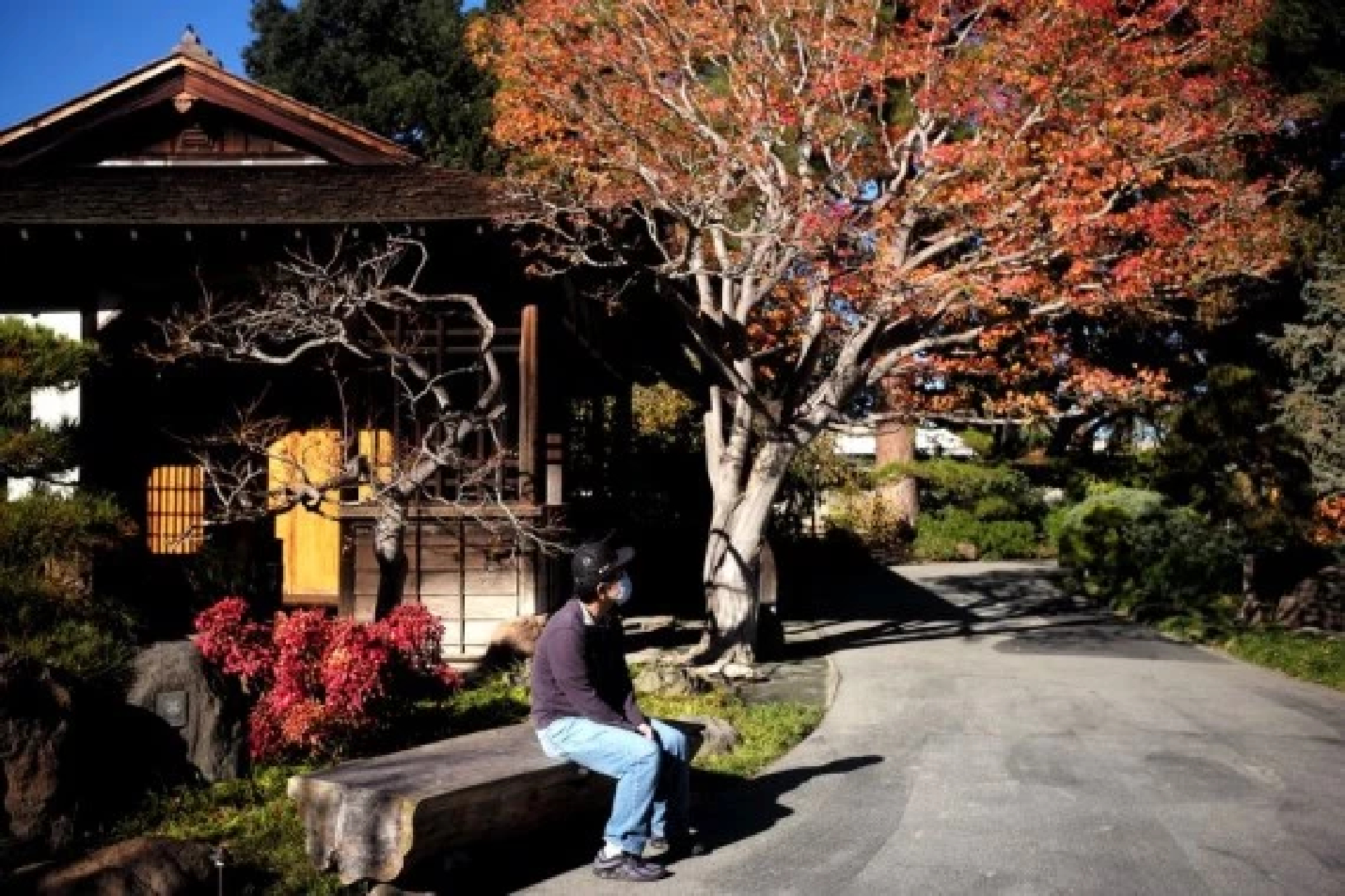
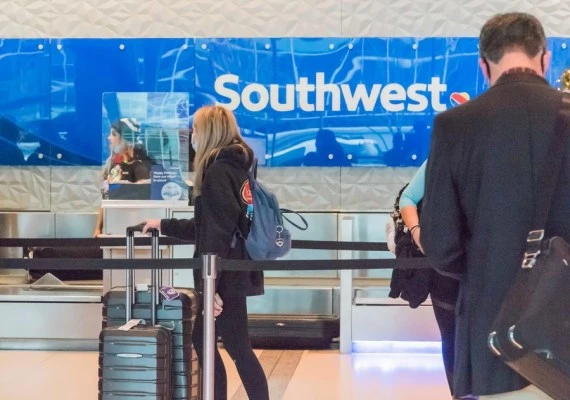 Travelers wait at the check-in counters of Southwest Airlines at Dallas Love Field Airport in Dallas, Texas, the United States, Dec. 17, 2021. Gary Kelly, CEO of Southwest Airlines, has tested positive for COVID-19, the company headquartered in Dallas of the U.S. state of Texas said on Friday, two days after he attended a hearing in U.S. Senate along with some other U.S. airline chiefs and lawmakers. (Photo by Guangming Li/Xinhua)
 A person performs a self-swab test for COVID-19 in the Brooklyn borough of New York, the United States, Dec. 17, 2021. (Photo by Michael Nagle/Xinhua)