The capitalistic cruelty is exposed at the beginning of the series. In the first episode, participants are gunned down in the red light, green light game when an eerie schoolgirl doll finds them moving, indicating that falling behind in the competition of capitalistic society leads to a survival contest.
ASouth Korean drama “Squid Game” has drawn worldwide attention as it vividly depicts the cruelty of capitalistic society through children’s games played by a group of debt-ridden underdogs for money.
The dystopian drama, which debuted on Netflix on Sept. 17, attracted over 111 million views in less than four weeks, becoming the streaming service’s most-watched series.
Created by South Korean director Hwang Dong-hyuk, “Squid Game” tells the story of 456 people in various types of financial stress who enter a survival tournament, composed of children’s games, in hopes of winning a cash prize of 45.6 billion won (38.7 million U.S. dollars).
A poster for South Korean drama “Squid Game”. (Xinhua)
The capitalistic cruelty is exposed at the beginning of the series. In the first episode, participants are gunned down in the red light, green light game when an eerie schoolgirl doll finds them moving, indicating that falling behind in the competition of capitalistic society leads to a survival contest.
In the second episode, the survivors from the first game decide by vote to leave the competition, but they voluntarily and inevitably return to risk their lives for the money as their reality is no better than the life-and-death sick game.
A person watches the South Korean drama “Squid Game” at home in Seoul, South Korea, Nov. 15, 2021. (Xinhua/Wang Yiliang)
“Squid Game” overcame cultural and language barriers to achieve a worldwide success as it tells the story of ill-fated people, with whom the global audience can empathize and sympathize.
“Since the (COVID-19) pandemic breakout, wealth disparity widened in the world amid the rising number of people who suffer from economic hardships. Even vaccines cannot be supplied properly to poor countries,” director Hwang said in an interview with local broadcaster JTBC.
“Characters in ‘Squid Game’ are closely akin to people in the real world, so (global viewers) seem to empathize with the characters. Because the same thing is happening around the world, (the series) seem to win worldwide empathy,” said the director.
The story is told mainly through the perspective of Seong Gi-hun who was fired from an automaker after protesting against the corporate restructuring. He is harassed and beaten by moneylenders but still gambles to pay back debt. He has a sick mother and does not have even money to buy a birthday gift for his daughter living with his divorced wife.
In the competition, Seong encounters his childhood friend Cho Sang-woo, who was an elite working for a securities company after graduating from a prestigious university but is now wanted by the police for the embezzlement of millions of dollars after failure in speculative investment in stock futures.
The participants, including Seong and Cho, form alliances to survive but are eventually forced to betray even friends in the sixth episode, titled “Gganbu,” a South Korean slang used by the older generation that means a close friend with whom you can share everything.
In the sixth episode, Seong and Cho select their respective Gganbu to pair up with before starting the game of marbles. They belatedly realize that they chose opponents rather than teammates and they can save themselves with the death of their Gganbu.
Seong survives by deceiving an elderly man, who was aware of the deception but willingly lost the game because he regarded Seong as Gganbu, while Cho betrays a naive Pakistani immigrant laborer who trusted him to the end in gratitude for Cho’s provision of money for bus.
As the game goes on, the contestants increasingly lose humanity, and the dehumanization peaks when “VIPs” arrive at the game site and start betting on which one would die next.
“I’d like to ask questions once in a while about why we were driven into this hyper-competitive society and who laid down the rules of the game. Those are questions about politics and also about the system,” said the director.
“Questions should continue to be asked about why the society works like it. When we live as if we’re being chased, we may die as pieces on a (Korean) chessboard,” he noted.
A street vendor makes a dalgona candy in Myeongdong Shopping Street in Seoul, South Korea, Nov. 13, 2021. Dalgona was a significant element of South Korean drama “Squid Game,” with a deadly version of the Dalgona challenge being the second game played in the series. (Xinhua/Wang Yiliang)
The VIP appearance raise suspicions among the audience that they may be one of pieces on the chessboard of the real world like the participants in “Squid Game,” where underdogs are pitted against each other to survive as a tiny number of rich people orchestrated it to toy with poor people’s lives for fun.
The elderly man, who lost the game of marbles to Seong, turns out to be an apex predator in the social strata as the elderly does not need to die for defeat in the game, designed and operated by himself, due to his possession of wealth.
The game contestants, who represent the have-nots, have no individuality as seen in costumes. They wear the same green track suits and are addressed as numbers without names, indicating their insignificance and replaceability.
The guards, who represent collaborators for the rich, wear the same pink jumpsuits with guns, but their faces are covered with masks. The Front Man, the leader of the guards, wears a more distinctive mask, donning a hoody with matching trousers and leather gloves.
The VIPs, played by white Western actors, wear different types of dazzling animal masks to show individuality clearly, while the apex predator enjoys a complete freedom from what to wear as he is dressed in green track suits to join the game.
A South Korean movie critic was quoted by a local media as saying that “Squid Game” blatantly reveals the violence of the times as seen in characters who voluntarily became the pieces of the chessboard in thrall to capital.
The number of Covid-19 cases crossed 13.59 million across Southeast Asia, with 26,176 new cases reported on Sunday (November 14), lower than Saturday’s tally at 27,967. New deaths are at 525, increasing from Saturday’s number of 473. Total Covid-19 deaths in Asean are now at 284,525.
Laos’ Public Health Ministry has allowed Covid-19 patients who have mild or no symptoms to receive treatment at home. The ministry’s regulations stipulate that to be eligible for home treatment, the patients must be fully vaccinated, have 95 per cent or higher blood oxygen level, have no respiratory problems or chronic diseases, aged under 60 years and not pregnant.
Vietnam welcomes first foreign tourists in nearly 20 months. Two charter flights brought more than 400 South Korean and Japanese fully vaccinated passengers from Seoul and Tokyo on Thursday to the southern resort city of Nha Trang. The flights came ahead of Vietnam’s plans to reopen the resort island of Phu Quoc to vaccinated foreign visitors on November 20 – with hopes to welcome at least 5,000 travellers in coming months.
Foreign tourists seeking to enter Vietnam must show Covid-19 vaccination certificates and negative pre-departure coronavirus test results.
Saif al-Islam Gaddafi, a son of Libyas former ruler Moammar Gadhafi, filed paperwork Sunday to run for president, adding to an increasingly tense dynamic ahead of elections scheduled for Dec. 24.
Gadhafi’s father, a notorious dictator who ruled Libya with an iron fist, was captured and killed in October 2011, eight months into an Arab Spring uprising against his decades-long regime. The International Criminal Court issued an arrest warrant for the younger Gadhafi that year on two counts of crimes against humanity for alleged murder and persecution.
The younger Gadhafi was never extradited to face the charges. He was held by rebel forces for several years after his father died and since his release has remained largely out of the public eye, even as Libya fell into chaos.
On Sunday, in the southern town of Sabha, he registered as a candidate in the country’s upcoming election – a vote that has made many Libyans and observers wary, but that foreign powers insist is necessary to stabilize the country after years of war.
Hanan Salah, senior Libya researcher for Human Rights Watch, said Gadhafi’s move showed the lawlessness in the country.”In my view, the next police officer in Sabha should be arresting him,” Salah said.
Gadhafi’s appearance at the registration center in Sabhamade for a fairly unremarkable scene – but it could have significant consequences in Libya.
News footage showed him dressed in a brown turban and robe, with glasses and a beard, calmly signing his name on documents at the guidance of election officials.
“The political crisis in Libya just went from hot to incendiary,” tweeted Claudia Gazzini, senior Libya analyst at the International Crisis Group.
Gadhafi’s registration, although not entirely unexpected, “adds a further layer of complication to an already heavily disputed electoral process,” said Mary Fitzgerald, a non-resident scholar at the Middle East Institute. “Other prospective candidates may fear that he can split their vote so we could see a reconfiguring of alliances in the next weeks.”
Armed groups and mercenaries remain rife throughout the country. Khalifa Hifter, who leads the Libyan National Army in the country’s east and has received backing from Russian mercenaries, is also expected to announce a bid for the presidency.
Abdul Hamid Dbeibah, the Government of National Accord prime minister since March, is also seen as a potential candidate.
The United Nations installed the Government of National Accord in Tripoli in 2016 in a bid to unify the country, which in the years after the elder Gadhafi’s ouster had descended into chaotic rivalries between militias. The instability also helped giverise to the Islamic State, which found a foothold in Libya.
Hifter, meanwhile, returned to Libya from the United States and became aligned with a rival government in the east. In 2019, his forces launched a violent offensive on Tripoli. Fighting between Hifter’s forces and militias supporting the U.N.-backed government besieged the city.
In 2020, pro-government forces pushed Hifter’sforces out of his last western stronghold in Tarhuna, southeast of Tripoli. This year, he temporarily stepped down from his official role in the east, raising speculation he intends to qualify for the presidential election, which requires that candidates leaveother official duties three months before the vote.
After years of war and unrest, the international community has thrown its support behind the election as the key to future Libyan stability.
But “the timing couldn’t be more sensitive,” Salah said. Many of the country’s old fault lines remain omnipresent.
It was not immediately clear what impact the ICC warrant would have on the younger Gadhafi’s eligibility to run for president.
“He has yet to address the Libyan people directly,” Fitzgerald said. “Key to his electoral chances will be how he chooses to frame the past decade and whether he adopts a conciliatory approach or the opposite.”
Observers have expressed concern over whether the December elections will be free and fair. But Salah said those fears have “completely been brushed aside and it’s become this obsession with Dec. 24, which is a completely random date.”
Leaders from several countries threatened last week to push for sanctions on any parties that interfere in the country’s democratic transition.
Many world leaders and activists expressed disappointment this weekend with the climate deal that emerged from two weeks of heated negotiations in Glasgow, Scotland – warning that countries will have to strengthen their commitments if they want to avert disastrous consequences and help at-risk nations cope with the damage thats already occurring from climate change.
Key officials in the United States and Europe vowed to work harder to help developing nations shift to cleaner energy sources, after delegates from China and India proposed a last-minute edit that weakened a provision in the text to phase out fossil fuels. The paragraph initially called for the “phase out” of unabated coal and inefficient fossil fuel subsidies, but the final agreement refers only to a “phase-down.”
European Commission president Ursula von der Leyen said in a statement that while some meaningful progress was made on the goals of COP26, more work remains and that the key to determining the impact of the conference will be how the commitments secured in Glasgow are actually implemented.
“1.5 degrees Celsius remains within reach; but the work is far from done,” she said, referring to a long-standing global goal of limiting warming to no more than 1.5 degrees Celsius (2.7 Fahrenheit) above preindustrial levels.
A senior Biden administration official, who spoke on the condition of anonymity to discuss private deliberations, said in a phone interview on Sunday that the change to the language on fossil fuels shocked most delegates and riled the U.S. delegation.
But in the end, the senior official added, “phase down is on the route to phasing out. You don’t turn it off tomorrow.” He said that the fact that the Chinese were willing to accept any language on the future of coal was “in no small measure the work that (U.S. envoy John) Kerry did with Xie Zhenhua,” the Chinese climate envoy.
The Biden official said that bilateral efforts would focus on the biggest polluting sectors in other countries, and would offer help to deal with coal-bed methane in China and coal-fired power plants in South Africa, Indonesia and Vietnam. He said that the question was: “How do you do transition in way that is not so disruptive as to not block progress but to enable progress?”
As part of the pact agreed upon in Glasgow, countries face pressure to reassess their targets to cut emissions by the end of next year and to provide more aid to nations bearing the brunt of climate change. But these voluntary measures do not put the world on track to limit Earth’s warming to 1.5 degrees Celsius, a central goal of the 2015 Paris accord.
“We’re all well aware that, collectively, our climate ambition and action to date have fallen short on the promises made in Paris,” said Alok Sharma, the British minister of state and president of the Glasgow talks, who appeared emotional Saturday after the last-minute change to the fossil fuels provision.
A key unresolved question is how much more rich nations will to do help vulnerable nations – particularly island nations that face the threat of extinction because of rising sea levels – from the damage wrought by climate change.
“We must end fossil fuel subsidies, phase out coal, put a price on carbon, protect vulnerable communities from the impacts of climate change and make good on the $100 billion climate finance commitment to support developing countries,” United Nations Secretary General António Guterres said in a video after the agreement won approval from nearly 200 nations. “We did not achieve these goals at this conference, but we have some building blocks for progress.”
A video played at COP26 showed the foreign minister of the Pacific island nation of Tuvalu giving a speech while standing knee-deep in seawater.
Many observers were, like many delegates, disappointed with the financial commitments by the developing world. The wealthiest nations had agreed to provide $100 billion a year in funding by 2020, but the actual package of grants, loans and investments fell short. At the conference, the donor nations again promised to provide $100 billion starting in 2023.
“COP26 was a failure, and the main failure was on financing,” said Jeffrey Sachs, an economist and climate expert at Columbia University.
“The rich countries couldn’t even come up with the meager $100 billion per year after 12 years of promising, and that with a world economy that is now $100 trillion per year.”
Sachs said that “the failure of the rich countries, including the U.S., to attend to honest and scaled global financing of the climate transformation – including mitigation, adaptation, and losses and damages – is the greatest single weakness of the entire global effort.”
Wealthy countries provided $79.5 billion in 2019, according to the Organization for Economic Cooperation and Development, but Sachs noted that part of that came through loans and private investments that are hard to measure.
Scientists were among those to note after the deal that while there are signs of progress, and while the promises of the past two weeks nudge the world to faster, more immediate actions, what matters most is whether governments and the private sector alike follow through in turning words into concrete action.
Sir David King, the British government’s former chief scientific adviser and chair of the independent Climate Crisis Advisory Group, said in a statement that while Saturday’s deal contained important measures to speed climate action, “there was no real understanding in the agreement of the extreme nature of the crisis. How do we, the current generation, ensure a manageable future for humanity?”
That will depend, he said, in part on scientists, activists and citizens continuing to push for change.
“Countries and their leadership, fossil fuel industry lobbies, and private companies must all be held accountable for not only failing to follow up on promises made at the meeting but also for the loss of life and damage to our ecosystems that follow from their actions,” King said. “National and international lawyers have a critically important role to play in managing this accountability. And we, the scientific community, have a critical role to play in analysing the actions year-by-year of each country to manage a safe future for humanity.”
The United States, which took on a position of leadership at COP26 after four years of near-absence in the global climate conversation under President Donald Trump, celebrated the Glasgow climate pact but called for more action.
“The text sets out a path to increase the commitments and actions of countries starting next year, outlines new rules of the road for the Paris Agreement that will provide transparency for countries to turn words into actions, and doubles the amount of support that is going to vulnerable countries to enhance their resilience to the crisis,” a statement from the White House read. “But it is not enough.”
“More work remains as we leave Glasgow to get where science tells us we need to be and the United States will continue to push for more progress at home and abroad in this decisive decade for climate action,” the statement continued.
British Prime Minister Boris Johnson struck a more upbeat tone in his statement after the conclusion of COP26.
“We asked nations to come together for our planet at COP26, and they have answered that call,” Johnson said. “There is still a huge amount more to do in the coming years. But today’s agreement is a big step forward.”
“I hope that we will look back on COP26 in Glasgow as the beginning of the end of climate change,” he said, “and I will continue to work tirelessly towards that goal.”
GLASGOW, Scotland – Exhausted negotiators from nearly 200 nations struck a deal Saturday intended to propel the world toward more urgent climate action, but without offering the transformative breakthrough scientists say must happen if humanity is to avert disastrous planetary warming.
Two weeks of high-profile talks yielded a package that pushes countries to strengthen near-term climate targets and move away from fossil fuels faster. It insists that wealthy countries fulfill a broken promise to help vulnerable nations cope with the rising costs of climate change. And it cracks open the door to future payments developed nations might make for damage already done.
Saturday’s agreement, however, does not achieve the most ambitious goal of the 2015 Paris accord – to limit Earth’s warming to 1.5 degrees Celsius (2.7 Fahrenheit) above preindustrial levels. Instead, delegations left Glasgow with the Earth still on track to blow past that threshold, pushing toward a future of escalating weather crises and irreversible damage to the natural world.
And representatives from hard-hit nations feared that the deal still leaves their people facing an existential threat.
“The difference between 1.5 and 2 degrees is a death sentence for us,” Aminath Shauna, the Maldives’ minister of environment, climate change and technology, told the summit. “What is balanced and pragmatic to other parties will not help the Maldives adapt in time. It will be too late.”
Organizers acknowledged that the hard-fought agreement doesn’t go nearly far enough. But they argued that the progress made here creates a road map to a safer future and “keeps 1.5 alive.”
“We’re all well aware that, collectively, our climate ambition and action to date have fallen short on the promises made in Paris,” Alok Sharma, the British minister of state and president of the Glasgow talks, told delegates Saturday.
But he insisted that the deal adopted by the nations would set out “tangible next steps and very clear milestones” to push the world closer to those goals.
Yet with global temperatures already up more than 1.1 degrees Celsius (2 degrees Fahrenheit), and extreme weather wreaking havoc around the world, it remains to be seen whether this agreement will be sufficient to deal with mounting calamities inflicted by climate change.
Negotiators leave Glasgow with key questions unanswered: Can nations muster the political will to deliver on the soaring rhetoric that marked the summit’s start? And can the lurching progress of these annual conferences keep pace with the problem they were designed to solve?
Anything short of that will consign future generations to untold suffering, the European Union’s top climate official, Frans Timmermans, told delegates in the waning hours of the summit. Timmermans said he had been pondering what life will be like in 2050 for his 1-year-old grandson.
“If we succeed, he’ll be living in a world that’s livable,” he said. “If we fail – and I mean fail now in the next couple years – he will fight with other human beings for water and food. That’s the stark reality we face.”
The entire agreement appeared momentarily in peril when delegates from China and India proposed a last-minute change to crucial text around moving away from coal, saying they would agree only to “phase down unabated coal,” rather than “phase out.”
Uncertainty flooded the room, said Andrea Meza, Costa Rica’s environment minister. Neither she nor many of her developing-nation allies knew the challenge was coming.
“We were very anxious,” she said. “Everything is so fragile, these commitments. Then if you start taking [out] the pins, everything can fall down so easily.”
Country after country rose to object to the 11th-hour change.
“This commitment on coal had been a bright spot in the package,” said Marshall Islands climate envoy Tina Stege. “It was one of the things we were hoping to carry out of here and back home with pride. And it hurts deeply to see that bright spot dimmed.”
Ultimately, Stege said that she would accept the language change “only because there are critical elements of this package that people in my country need as a lifeline for their future.”
The episode was a reminder of how laborious the international effort to slow climate change can be, hinging on hard-fought compromises and sometimes a change to a single word.
Sharma, who had promised to shepherd the summit to a smooth end, appeared rattled. “I apologize for the way this process has unfolded,” he told negotiators, his voice almost breaking. “But as you have noted, it is also vital that we protect this package.”
Moments later, he put forward the agreement, including the “phase down” language, and then gaveled it into history.
The final agreement at COP26 did recognize the scientific reality that putting the brakes on climate change will require nations to almost halve emissions in the next decade, rather than merely commit to far off “net zero” targets.
It “requests” that leaders revisit their national climate goals as soon as next year – a not-so-subtle nudge to the world’s biggest emitters to strengthen commitments that have proved insufficient. A joint pledge issued by China and the United States during the gathering also acknowledged the need to do more in this decade.
The deal also lays out a plan to resolve disputes around rules for global carbon markets that allow investors to buy and sell emissions reduction credits – a topic that for years has tripped up delegates at climate talks.
No sooner had the final gavel fallen in Glasgow than activists began picking apart the summit’s failings, calling the pact little more than a parade of empty promises.
“I’m tired, I’m frustrated . . . but I am not surprised,” said 20-year-old Nicki Becker, a Fridays for Future activist from Argentina who said the pact didn’t do enough to protect those in at-risk countries like hers. “We always hear young people are the future. But they burn our present. They sell our present. They pollute our present.”
Language calling for countries to end coal burning and fossil fuel subsidies – the first such references in years of U.N. climate talks – was diluted. A proposed fund to pay for irreversible “loss and damage” wrought by climate change in vulnerable countries was left out of the final text, angering delegates who say such reparations are long overdue. Instead, nations agreed to start a “dialogue” about the idea.
Some of the harshest condemnations were reserved for wealthy countries, which have released the bulk of greenhouse gases now in the atmosphere but have often resisted mandates to provide cash for developing nations and limit their massive pollution.
Rich countries have “pushed to transfer their responsibilities to the developing world,” Bolivian negotiator Diego Pacheco Balanza said Saturday, accusing delegates from the developed world of “carbon colonialism.”
Richie Merzian, a former Australian climate official, quipped this week of his coal-exporting nation, “The only thing Australia has brought to this negotiation is good coffee over at the Australian pavilion.”
In a public session for ministers on Friday, even U.S. climate envoy John F. Kerry acknowledged that the biggest, richest emitters “do bear the greatest responsibility.” President Joe Biden has pledged to boost U.S. climate aid to poor nations to more than $11 billion a year – a promise that will require help from Congress.
But behind the closed doors of negotiating rooms, representatives from multiple countries said, U.S. diplomats were among those opposed to establishing “loss and damage” payments for vulnerable countries. On Saturday, Kerry sought to assure skeptical nations that the United States would make “every effort in the world” to help those battered by climate change.
The talks in Glasgow unfolded in a world already irrevocably altered by human emissions. A landmark U.N. report published in August found that global temperatures are increasing at a unparalleled rate. The last time the level of carbon dioxide in the atmosphere rose this much this fast was 66 million years ago, when a meteor destroyed the dinosaurs.
“The alarm bells are deafening,” said U.N. Secretary General António Guterres said at the time.
The scientific warnings seemed almost superfluous amid a year of monstrous hurricanes, raging wildfires and deadly heat waves. These crises cost nations hundreds of billions of dollars and took thousands of lives.
The gathering also took place against the backdrop of the coronavirus pandemic, which had delayed it by a year. Delegates in the cloistered “blue zone” were tested daily. Access to meeting rooms was restricted, angering activists who usually are able to observe such proceedings. And simmering tension over the pandemic’s unequal global impact fueled developing nations’ push for more help from wealthier parts of the world.
In the months leading up to COP26, organizers had described it as a global moment of truth – a “last best hope,” in Sharma’s words. “One minute to midnight on that doomsday clock,” British Prime Minister Boris Johnson said.
Presidents and prime ministers showed up early in Glasgow and made new commitments to tens of thousands of attendees. The announcements included efforts to cut methane and halt deforestation, to phase out financing for coal plants, and help nations buffeted by the deadly trifecta of climate change, mounting debt and a deadly pandemic.
Heads of state mingled with movie stars and royal family members. The cafeteria served up vegan haggis and reusable cups of coffee. Beloved naturalist David Attenborough urged world leaders to “turn tragedy into triumph” by reversing decades of environmental decline. Mia Mottley, prime minister of Barbados, declared that warming of even 2 degrees Celsius (3.6 degrees Fahrenheit) would sink her island nation.
“Try harder,” she told an auditorium brimming with powerful leaders. “Try harder.”
Halfway through the summit, an estimated 100,000 protesters swarmed the streets of Glasgow, weathering the Scottish wind and rain to remind those inside that they were watching and expecting bolder policies.
Indigenous leaders in traditional dress, and grandmothers shouting expletives about the fossil fuel industry joined the swirling mass. Schoolchildren clutched their parents’ hands and waved signs saying “Act now.”
“Cut the crap,” was emblazoned on a cart pushed by 55-year-old Malcom Strong. Inside the cart: a bucket of manure.
That excrement reflected how little faith many activists had in the process unfolding inside Glasgow’s cavernous convention center. They dismissed the U.N. summit as a “conference of polluters,” a “meaningless” event of “greenwashing” and “blah blah blah.”
Throughout, “keep 1.5 alive” was a rallying cry for world leaders and activists alike. The success of COP26 would be measured, they argued, by how much closer humanity got to the collective goals it set six years ago in Paris.
“Paris promised,” Sharma said repeatedly. “Glasgow must deliver.”
But delivering, it turned out, did not come easily.
By the second week of the conference, the fanfare had given way to a sobering reality: Commitments made here, however promising, will depend on words becoming concrete action.
As negotiations stretched on, the U.N. Environment Program reported that COP26 would likely end with Earth on track to warm 2.5 degrees Celsius (4.5 degrees Fahrenheit) – though other analyses suggested the number could drop if countries take swift action to fulfill long-term pledges.
Despite a wave of vows to zero out emissions by the middle of the century, the U.N. analysis found, countries’ plans between now and the end of the decade would give humanity less than a 20 percent chance of keeping warming to 1.5 Celsius.
Missing the target would be catastrophic. Warming beyond 2 degrees Celsius could trigger the inexorable collapse of the Greenland ice sheet. Coral reefs would virtually disappear. Natural disasters would escalate. Prolonged droughts and crop-destroying floods could put millions of people at risk of starvation.
Asked whether she believed the Glasgow agreement would keep the hope of 1.5 alive, University of East Anglia climate scientist Corinne Le Quéré said: “Just barely.”
Ultimately, some of the same officials who once hoped for a profound leap in Glasgow, who saw COP26 as a defining moment, by Saturday night described it not as an ending but as a beginning.
“Glasgow ends today. But the real work begins now,” said Seve Paeniu, climate minister for the low-lying atoll nation of Tuvalu.
Saturday evening, the spectacle that had once carried so many hopes started to fade.
Workers began to break down pavilions that had showcased various countries, including the installation of polar bears wearing life jackets – a reminder from Tuvalu that rising seas threaten its existence. Protesters who had chanted and banged drums, filled the streets and even once overtaken a plenary hall had dispersed. The man outside in a Darth Vader costume, singing karaoke each morning and surrounded by signs about solar radiation, had left his post.
A dwindling number of souls remained at the site alongside the River Clyde, where delegates from every corner of the planet had come to try to save it. They trudged down empty hallways, past a banner that read, “We can do this if we act now.”
And nearby, a still-lit neon sign flashed its silent message:
Afghanistan resumed pine nuts export to China in late October via air corridor and the first flight carried 45 tons of the seeds to the neighboring country, marking the first export from Afghanistan to China since Talibans takeover of the country.
“The resumed pine nuts export to China has encouraged local traders to further invest in the profitable seeds to increase their income and to create job opportunities for others,” Afghan trader Noor Mohammad said.
“I have hired about 120 people to collect and clean pine nuts for me every day,” Mohammad, a resident of Afghanistan’s eastern Laghman province, told Xinhua.
Mohammad, 42, described China as a good market for Afghan pine nuts and welcomed the resumption of export of the profitable seeds via air corridor to the neighboring country.
“The export of pine nuts to China leads to the increase of the price of the seeds, otherwise the price would drop and the pine nut traders would subsequently suffer,” the local businessman said.
The air corridor between Afghanistan and China was launched in November 2018 aimed at boosting trade and economic relations, but it was suspended after the collapse of the U.S.-backed Afghan administration to the Taliban in mid-August this year.
Photo taken on Oct. 17, 2020 shows harvested pine nuts at a field in Jalalabad city, Nangarhar province, Afghanistan. (Photo by Saifurahaman Safi/Xinhua)
Afghanistan resumed pine nuts export to China in late October via air corridor and the first flight carried 45 tons of the seeds to the neighboring country, marking the first export from Afghanistan to China since Taliban’s takeover of the country.
“More exports of pine nuts to China would further serve our economic benefit at home,” Mohammad said, adding that with the increase in pine nuts export to China, the price of the seeds would go up and more local traders would be encouraged to invest in the field.
Another Afghan trader, 38-year-old Rahimullah said the country is at a critical stage where poverty, unemployment and uncertainty have added to the suffering of war-weary Afghans, many of whom are living under the poverty line.
After the withdrawal of U.S.-led foreign forces and the establishment of the Taliban caretaker government, Afghanistan is facing multi-faceted economic woes including asset being frozen in the United States and bank activities being restricted at home.
More than 22 million out of Afghanistan’s some 35 million population would face food shortage in the coming winter, according to the World Food Program (WFP).
“Pine nuts export to China has raised hope among local traders to invest in the profitable seeds and that is why I have hired about 150 daily wagers to work for me every day to clean the fruit,” Rahimullah told Xinhua.
“It is my earnest wish to see the increase in the export of pine nuts to China as more exports and more profits would eventually improve our economic situation and living conditions,” he said.
Pine nut trees are largely grown in the eastern Laghman, Nangarhar, Kunar, Kapisa, Nuristan, Khost, Paktia and Paktika provinces where thousands of people including women are directly and indirectly engaged in the business.
“Since pine nuts are profitable seeds, no doubt the investment in the fruit helps many people make profits directly and indirectly, and bring change to their livelihood,” said Badam, who leased a jungle of pine nuts in Nuristan province.
“The populous China could be a good market for Afghan pine nuts,” said Badam.
Agreement was finally reached on Article 6 of the Paris Agreement, which relates to carbon market mechanisms, paving the way for effective implementation of the Paris deal to cut emissions through market-based approaches.
Negotiators also agreed to phase down coal, the dominant source of carbon dioxide emissions in the process of electricity generation.
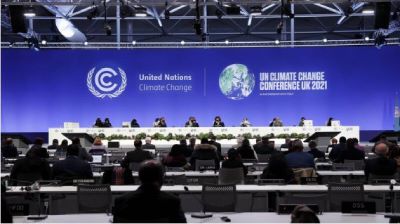
The United Nations climate change conference concluded here Saturday after a one-day extension, with negotiators agreeing on a new global pact to tackle climate change.
Nearly 200 participating countries adopted the Glasgow Climate Pact at the end of 26th session of the Conference of the Parties (COP26) to the United Nations Framework Convention on Climate Change.
Photo taken on Oct. 31, 2021 shows a general view of the opening ceremony for COP26 in Glasgow, Scotland, the United Kingdom. (Xinhua/Han Yan)
Some encouraging progress was made. Agreement was finally reached on Article 6 of the Paris Agreement, which relates to carbon market mechanisms, paving the way for effective implementation of the Paris deal to cut emissions through market-based approaches.
Negotiators also agreed to phase down coal, the dominant source of carbon dioxide emissions in the process of electricity generation. It is the first explicit mention of fossil fuels in a COP agreement.
During COP26, more than 100 countries have promised to end deforestation by 2030.
A man films at the opening ceremony for COP26 in Glasgow, Scotland, the United Kingdom on Oct. 31, 2021. (Xinhua/Han Yan)
In the final days of the conference, China and the United States issued a joint declaration on enhancing actions on climate change in the 2020s, which are widely welcomed and believed to galvanize global collective actions.
The two countries agreed to establish a working group on enhancing climate action this decade to promote cooperation on climate change between the two countries as well as multilateral processes.
As COP26 wrapped up, however, some stubborn issues, notably climate funding, remain uncertain.
There were commitments to significantly increase financial support through the Adaptation Fund as developed countries were urged to double their support to developing countries by 2025.
However, it remains to be seen whether developed countries, whose development is responsible for most of today’s climate change impacts, will heed the set timeframe.
In 2009, wealthy countries pledged 100 billion U.S. dollars a year to help lower-income nations by 2020. However, they still have not made good on the pledge and recent reports indicate that this goal could slip to 2023.
COP26, which kicked off on Oct. 31, is the first climate change conference after the five-year review cycle under the Paris Agreement inked in 2015. The Egyptian city of Sharm El Sheikh will host COP27 in 2022.
The United Nations climate change conference concluded here Saturday after a one-day extension, with negotiators agreeing on a new global pact to tackle climate change.
Nearly 200 participating countries adopted the Glasgow Climate Pact at the end of 26th session of the Conference of the Parties (COP26) to the United Nations Framework Convention on Climate Change.
COP26, which kicked off on Oct. 31, is the first conference after the five-year review cycle under the Paris Agreement inked in 2015.
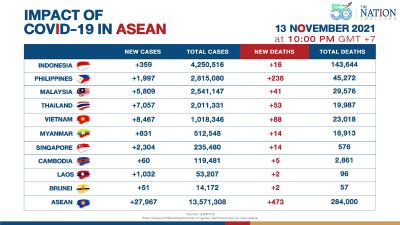
Southeast Asia witnessed a decline in new Covid-19 infections and a rise in deaths on Saturday (November 13), collated data showed.
Asean countries reported 27,967 infections and 473 deaths on Saturday compared to 30,512 and 409 respectively on Friday.
– Malaysia’s Disease Control Division said the country’s infection rate climbed back to 1.0 on Thursday (November 11), about five weeks after the Malaysian government lifted travel restrictions for fully vaccinated travellers.
This figure represents that one infected person could spread Covid-19 to about ten persons, signalling the rise in infections.
In this regard, the division has urged many sectors to be careful against the virus infection in a bid to relieve the burden on the country’s public health system.
– Indonesia President Joko Widodo said he will meet with Singapore Prime Minister Lee Hsien Loong to discuss the travel bubble guidelines between two countries within this year.
However, Widodo said he was concerned that the Covid-19 situation in Indonesia may intensify after New Year’s Eve as the country’s vaccination rate was insufficient enough to deal with the new virus wave.
Pulling a rope from the top of a hill while equipped with a helmet and other safety gear, Chen Huaxin climbed over a guardrail at the peak and slowly slid down back to the valley.
Surrounded by cliffs with winds roaring over, Chen observed his surroundings carefully while in the air. Once he spotted a “target,” the 40-year-old man deftly steps on a cliff protrusion to halt the descent and takes out a long-handled picker to put the trash into his backpack.
Chen, a rescue worker in Huangshi Village, Wulingyuan scenic area in central China’s Hunan Province, often helps pick up cliff garbage with his colleagues besides their regular work, aiming for targets including waste paper, plastic bags and beverage bottles.
Some unique pillar-like formations and floating mountains in Wulingyuan, which has been included on the World Natural Heritage List of UNESCO, are the prototypes of Hollywood blockbuster Avatar World, where Chen and other members of the mountain emergency rescue team now play the role of “beauticians,” working to present a favorable environment for global tourists.
An emergency rescue team member rappels down a cliff to collect litters during an emergency drill at Huangshizhai Village of Wulingyuan, Zhangjiajie, central China
“We would shoulder 10 to 20 kg of equipment including ropes, helmets and headlights when performing the tasks among the mountains,” Chen said, adding that the team members would remind each other of safety precautions, wear safety belts, arrange safety systems and command operations by radio throughout the whole process.
Li Jinju is among the 29 females of the 69-member team. “With canyons at the foot and behind, it’s hard not to be nervous ‘hanging’ in such a high place.”
Recalling the first time she walked off the cliff more than two years ago, the 52-year-old rescuer said she grabbed the rope tightly and moved down bit by bit. “There were loose pebbles on the cliffs, and I would break out in a cold sweat whenever stepping onto them accidentally.”
“I was too anxious and my mind often went blank in the air, leaving behind every single skill I learned,” she said. “It was the coach’s guidance and the patient encouragement of my peers that calmed me down.”
Li admits that she once thought about giving up. “But I would take the initiative to sign up for every task because I think it’s my responsibility to make the environment better. Also, the team needs us — the meticulous and attentive nature of female members can complement the physical advantages of the male ones and contribute to better team cooperation.”
The team members are often nicknamed by tourists and local residents as “spidermen” as they can climb over the cliffs or “red men” for their red uniforms.
“It is really something that they take risks to maintain the sanitary environment of the scenic spot,” said tourist Guo Yu, who watched the team as the members swang between the cliffs while looking back at the ropes tied to the thick tree trunks.
“Wulingyuan is the commonwealth of the whole humankind,” said Chen Huajie, head of the team. “We hope to call on more people to jointly protect the scenic environment through our concrete efforts.”


 A poster for South Korean drama “Squid Game”. (Xinhua)
 A person watches the South Korean drama “Squid Game” at home in Seoul, South Korea, Nov. 15, 2021. (Xinhua/Wang Yiliang)
 A street vendor makes a dalgona candy in Myeongdong Shopping Street in Seoul, South Korea, Nov. 13, 2021. Dalgona was a significant element of South Korean drama “Squid Game,” with a deadly version of the Dalgona challenge being the second game played in the series. (Xinhua/Wang Yiliang)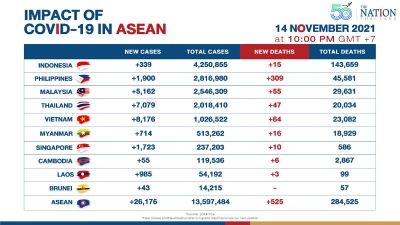

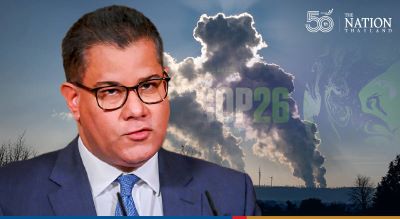


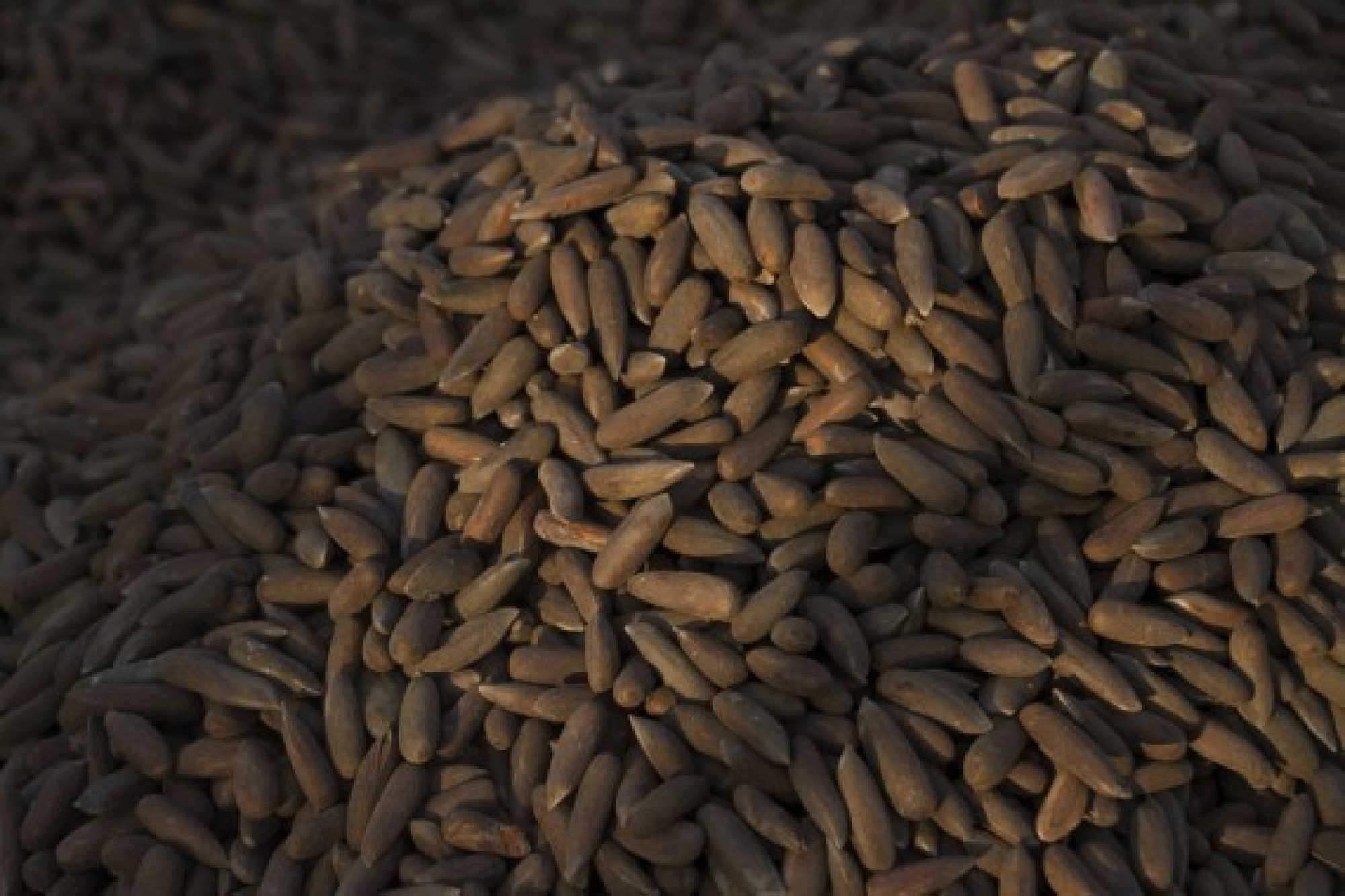 Photo taken on Oct. 17, 2020 shows harvested pine nuts at a field in Jalalabad city, Nangarhar province, Afghanistan. (Photo by Saifurahaman Safi/Xinhua)
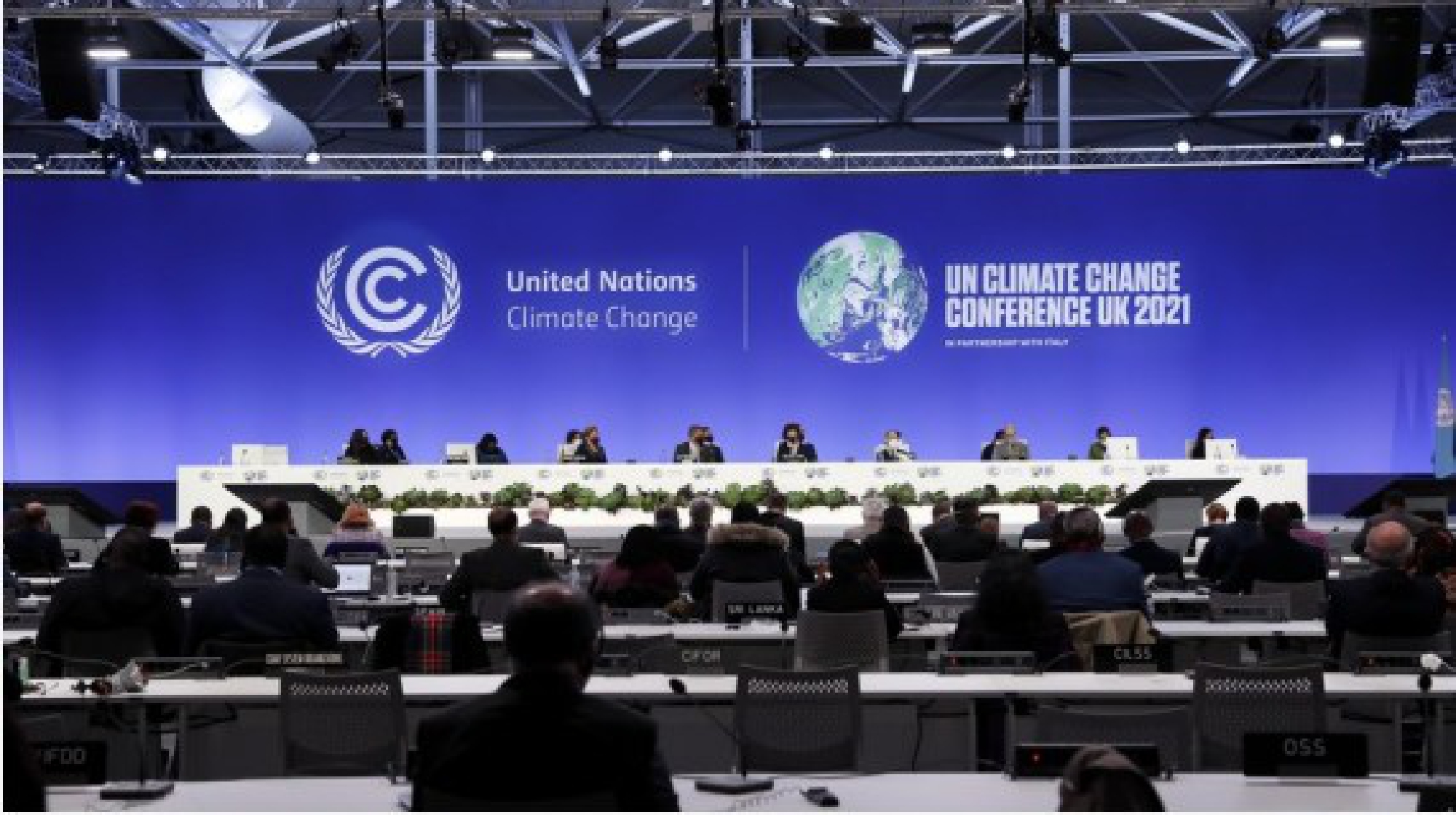 Photo taken on Oct. 31, 2021 shows a general view of the opening ceremony for COP26 in Glasgow, Scotland, the United Kingdom. (Xinhua/Han Yan)
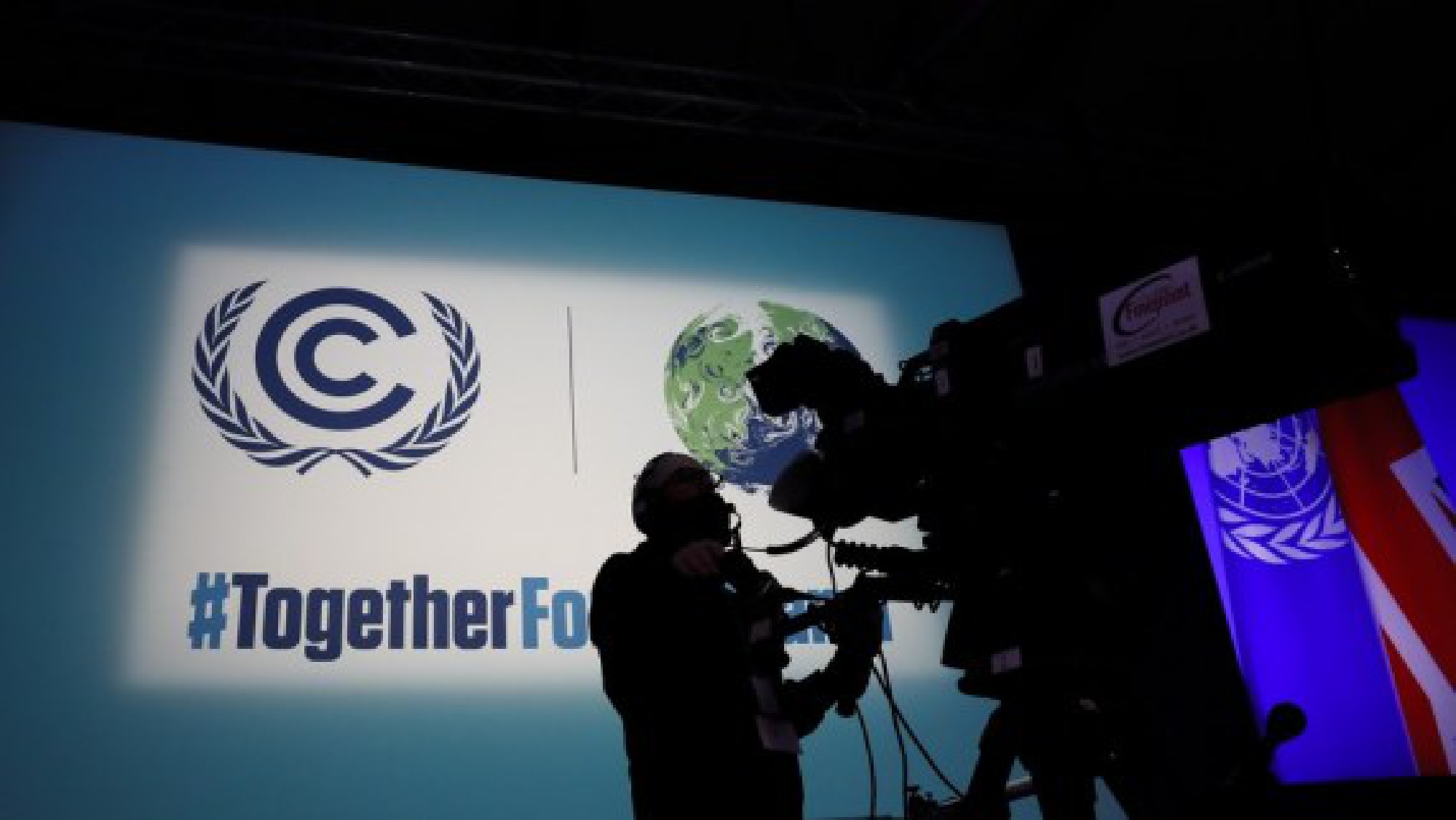 A man films at the opening ceremony for COP26 in Glasgow, Scotland, the United Kingdom on Oct. 31, 2021. (Xinhua/Han Yan)