This year, around 60.4 million people are eligible to vote in Germany. In total, 6,211 candidates from 47 political parties will compete for at least 598 seats.
Germans will elect the members of the country’s 20th Bundestag (lower house of Parliament) on Sunday. In total, 6,211 candidates from 47 political parties will compete for at least 598 seats.
A new government will be formed after the election. The current German Chancellor, Angela Merkel, is not seeking re-election after 16 years in office.
The Bundestag exercises legislative power, supervises the implementation of laws, elects the chancellor and oversees the work of the federal government.
ADVERTISEMENT
This year, around 60.4 million people are eligible to vote in Germany, and the country is divided into 299 electoral districts according to population.
Voters cast two votes. The first for an individual constituency candidate. The candidate who gets the most constituency votes (relative majority voting) will become a directly elected member of the Bundestag. The second vote is for political party lists. The share of second votes won by the party lists determines the total number of seats they will hold in the Bundestag.
German Chancellor Angela Merkel (L) and Armin Laschet, leader of German Christian Democratic Union (CDU) and chancellor candidate of CDU/Christian Social Union (CSU), attend an election rally of CDU for Germany
Currently, the Bundestag has 598 seats by law. The 299 lawmakers directly elected by their constituents (first vote) ensure that, in principle, every region is represented in the Bundestag. The proportion of second votes won by the political party lists determines the distribution of party power in the legislative body. As a rule, only parties receiving at least five percent of the second vote or winning at least three directly elected seats can enter the Bundestag.
However, an excess of seats may arise when a party obtains more directly elected seats in the first vote than the total number of seats it is entitled to on the basis of the second vote. In this case, the number of directly elected seats must be retained in full and the other parties are given additional seats to balance the proportion. The actual size of the Bundestag is thus greater than 598 seats. The last Bundestag elections in September 2017, for example, produced an unprecedented 709 seats.
Voters can bring their ballot papers and identity documents to their nearest polling station on polling day between 8 a.m. and 6 p.m., or they can choose to vote by post in advance, provided they ensure that their ballot papers reach the relevant authorities before 6 p.m. on polling day, when voting closes and counting begins.
In Germany’s current electoral system and party landscape, it is very unlikely that any one party will be able to secure an absolute majority of seats to govern alone. Therefore, after the election results are announced, the parties with the highest number of votes will try to make contact and discuss the possibility of forming a governing coalition. The parties that decide to govern together will negotiate the choice of a chancellor, the composition of the cabinet, policy directions and other issues, and eventually come up with a joint cabinet agreement.
Once the parties have agreed on all these, the new Bundestag will put the election of a chancellor on its agenda. As a matter of procedure, the chancellor will be nominated by the federal president of Germany and voted on by the members of Bundestag.
Once all the issues related to the formation of the government have been settled, the new government will start to implement its campaign promises and lead the country into the next phase.
German Chancellor Angela Merkel (L) and Armin Laschet, leader of German Christian Democratic Union (CDU) and chancellor candidate of CDU/Christian Social Union (CSU), attend an election rally of CDU for Germany
Meng Wanzhou, Huaweis chief financial officer, arrived in the southern Chinese city of Shenzhen on Saturday night on a charter flight organized by the Chinese government, after being illegally detained for nearly three years in Canada.
At around 10 p.m., the charter flight touched down at the Shenzhen Bao’an International Airport.
Meng, in a red dress, waved to the welcoming crowd after she stepped out of the cabin. As she walked down the stairs, applause and cheers erupted from the crowd. Airport staff presented flowers to her.
The crowd held up a banner reading “Welcome home, Ms. Meng Wanzhou,” waved national flags, and chanted “welcome home.”
ADVERTISEMENT
There were no handshakes due to epidemic prevention concerns. Meng made a brief speech at the airport.
Meng was arbitrarily detained by Canada on a U.S. extradition request on Dec. 1, 2018 at Vancouver International Airport.
Meng has pleaded not guilty to all charges against her and reached a deferred prosecution agreement with U.S. prosecutors. The U.S. side has withdrawn its extradition request.
There were no handshakes due to epidemic prevention concerns. Meng made a brief speech at the airport.
“After more than 1,000 days of torment, I am finally back in the embrace of the motherland,” Meng said.
“I am back, motherland!” she chanted to the cheering crowd.
“As an ordinary Chinese citizen who had suffered this plight and been stranded overseas for nearly three years, there was never a moment when I did not feel the care and warmth of the Party, the motherland and the people,” she said.
“President Xi Jinping cares about the safety of each and every Chinese citizen, including me. I am deeply moved by this,” Meng said. “I also thank the relevant departments for their support and help. They have resolutely safeguarded the legitimate rights and interests of Chinese enterprises and citizens.”
“The motherland provides us the strongest backing,” Meng said. “As an ordinary Chinese person, I am proud of my motherland.”
Meng Wanzhou, Huawei
The crowd broke into an impromptu rendition of the patriotic song “Ode to the Motherland” after the speech. Meng then sang together with the crowd.
According to epidemic control rules, Meng will be quarantined at a designated hotel after her arrival.
Meng was arbitrarily detained by Canada on a U.S. extradition request on Dec. 1, 2018 at Vancouver International Airport.
Meng has pleaded not guilty to all charges against her and reached a deferred prosecution agreement with U.S. prosecutors. The U.S. side has withdrawn its extradition request.
Meng Wanzhou, a Chinese business executive who had been arbitrarily detained for more than 1,000 days in Canada, shared her thoughts and expressed her appreciation on a Chinese-government charter flight bringing her home.
According to a statement issued earlier by one of the lawyers who represents Meng, she has not pleaded guilty. Meng will not be prosecuted further in the United States and the extradition proceedings in Canada will be terminated, said the statement.
“It is pitch dark outside. I am in the sky over the Arctic, heading home,” Meng said in comments widely circulating in Chinese social media on Saturday. “I will soon return to the embrace of the motherland.”
“Under the leadership of the Communist Party of China, my home country is becoming stronger and more prosperous day by day. Without a strong motherland, I won’t have my freedom today,” she said.
ADVERTISEMENT
“We live in a peaceful time and were born in a great country,” Meng said, adding that as she grew up during the era of reform and opening-up, she had witnessed and experienced the great transformation made possible by the Chinese people under the Party’s leadership.
Meng described the motherland, the Party and the government as the shining light that has lit up “the darkest moments” of her life and led her on the long journey home.
Meng also expressed gratitude to her family, colleagues and every well-wisher. “Despite all twists and turns, this returning journey is the sweetest journey home,” she said.
TORONTO – The two Canadians detained in China in what Western officials had called a blatant display of “hostage diplomacy” have been released from prison and are on their way to Canada, Prime Minister Justin Trudeau said Friday.
The release of former diplomat Michael Kovrig and businessman Michael Spavor – known here as “the two Michaels” – came hours after Meng Wanzhou, the chief financial officer of Huawei Technologies, reached a deal with the U.S. Justice Department in a criminal case allowing her to return to China.
The two men were detained several days after Canada arrested Meng on a U.S. extradition request.
“For the 1,000 days, they have shown strength, perseverance, resilience and grace,” Trudeau said in a news conference, “and we are all inspired by them.”
NEW YORK – Meng Wanzhou, a top Huawei Technologies executive detained for nearly three years in Canada, can return home to China after striking a deal with U.S. Justice Department officials in which she acknowledged helping to conceal the companys direct dealings in Iran, which violated U.S. sanctions.
While Meng admitted illegal conduct to satisfy the terms of the agreement, she did not have to plead guilty as part of the deferred prosecution agreement.
Her criminal case and detention have had major geopolitical implications, further souring relations between Beijing and both Washington and Ottawa.
Western officials decried China’s subsequent arrest of two Canadian nationals in December 2018 as a flagrant display of “hostage diplomacy.”
Meng left Vancouver on a flight for China on Friday afternoon, according to a person familiar with the matter. And hours later, Prime Minister Justin Trudeau announced that the two Canadians had been released from prison and were on their way home, accompanied by Dominic Barton, Canada’s ambassador to China.
Meng, Huawei’s chief financial officer, made a virtual appearance in a Brooklyn courtroom Friday afternoon to formalize the agreement, conceding to a statement of facts that laid out her involvement in misleading a financial institution regarding Huawei’s relationship with Skycom, which functioned as an arm of Huawei in Iran.
The bank has been identified in other court proceedings as HSBC, which started as a smaller institution in China but has grown to operate globally.
ADVERTISEMENT
Through Skycom, Huawei conducted transactions in U.S. currency with HSBC in the amount of more than $100 million between 2010 and 2014, according to prosecutors. A portion of that amount, at least $7.5 million, supported Huawei’s business dealings in Iran, officials said.
Federal prosecutors say that Skycom was controlled by Huawei. Meng, in signing the agreement, admitted to being involved in efforts to cover up the true relationship, effectively tricking banks into clearing transactions in violation of U.S. sanctions on Tehran.
“Meng’s admissions confirm the crux of the government’s allegations in the prosecution of this financial fraud,” Nicole Boeckmann, acting U.S. attorney for the Eastern District of New York, said in a statement.
Meng’s attorney, Reid Weingarten, did not return calls for comment after the hearing.
In court, Assistant U.S. Attorney David Kessler said the Justice Department would move to dismiss the charges against Meng when the deferral period ends on Dec. 21, 2022, provided she is not charged with a crime before then.
Meng, through an interpreter, told U.S. District Judge Ann Donnelly she understood the terms of the deal and agreed to it.
Meng, the daughter of Huawei founder Ren Zhengfei, was arrested in Vancouver, B.C., in December 2018 and later charged with bank and wire fraud. The Justice Department alleged that Huawei and Meng tricked HSBC into clearing millions of dollars in transactions with Skycom in violation of U.S. sanctions prohibiting business dealings with Iran.
China has cast the charges against Meng as political, part of a U.S. plot designed to stunt the country’s rise. Then-President Donald Trump told Reuters he would intervene in the case if it would help broker a trade deal with China. After being released from jail on $8 million bond, Meng was allowed to stay at one of her two mansions in Vancouver, wearing a GPS monitor and under surveillance by a court-appointed security company.
The case is one of several points of contention between the United States and Huawei, one of China’s largest tech companies and the world’s largest manufacturer of telecommunications equipment. The Trump administration placed Huawei on an export blacklist in 2019. That move and a subsequent tightening of the restrictions stopped Huawei from buying many types of high-tech semiconductors, hurting the Chinese company’s ability to manufacture.
U.S. officials have also called Huawei’s aggressive push into the global 5G telecommunications equipment market a national security threat, warning that Chinese authorities could tap into the gear to spy on or disrupt communications. Huawei and China have rejected that concern, but the United States has essentially banned the use of Huawei network equipment domestically and pressured allies not to use it.
Meng’s arrest thrust Canada into the middle of the tense U.S.-China standoff and created a foreign policy nightmare for Trudeau at a time when he hoped to deepen economic ties with Beijing. China later detained former Canadian diplomat Michael Kovrig and businessman Michael Spavor, and banned imports of some Canadian crops, including canola.
The “two Michaels,” as they are known in Canada, faced separate, secret trials in March on vague charges of spying and stealing state secrets. A Chinese court found Spavor guilty in August and sentenced him to 11 years in prison. A verdict for Kovrig has not yet been announced.
Trudeau, who won a third term this week with a minority government after a snap election, has been roundly criticized for his handling of the dispute.
His chief opponent, Conservative Party leader Erin O’Toole, attacked Trudeau’s China policy at a leaders debate during the campaign, saying he had “let the Michaels down.”
Other prominent Canadians, including several former foreign ministers, urged Trudeau to let Meng go, hoping that would spur China to release the two Canadians. Trudeau had resisted those calls, saying that releasing her would endanger other Canadians around the world.
Meng’s attorneys had been fighting her extradition from Canada to the United States. On Friday, the Justice Department withdrew its extradition request and a judge in Vancouver dismissed the pending proceeding.
WASHINGTON – A Republican-commissioned review of nearly 2.1 million ballots cast last year in Arizona confirmed the accuracy of the official results and President Joe Bidens win in Maricopa County, according to a final report released Friday, striking a blow to former president Donald Trumps efforts to undermine confidence in the 2020 election.
The report, which was prepared by private contractors and submitted to Republican leaders of the state Senate, went even further than an earlier draft that confirmed Biden’s victory.
In a letter describing the findings, Senate President Karen Fann, a Republican – who commissioned the process – stressed the importance of the ballot count showing Biden’s winning margin and noted that it “matches Maricopa County’s official machine count.”
“This is the most important and encouraging finding of the audit,” she wrote, adding: “This finding therefore addresses the sharpest concerns about the integrity of the certified results in the 2020 general election.”
The final report echoed that in a passage that had not appeared in the earlier draft, emphasizing that finding over sections of the report that suggested some ballots could have been improperly counted.
“The paper ballots are the best evidence of voter intent and there is no reliable evidence that the paper ballots were altered to any material degree,” the report stated.
Still, the conclusion of the recount, which was commissioned earlier this year, is unlikely to quiet Trump’s false claims that the election was rigged and his attempts to pressure Republicans across the country to pursue their own 2020 recounts.
The former president reacted with fury to coverage of the Arizona report’s findings, asserting without evidence Friday that the ballot review uncovered “a major criminal event” and calling for Arizona Attorney General Mark Brnovich, a Republican, to investigate. He fired off a series of false statements about the Arizona recount throughout Friday evening, including one demanding that the state “immediately decertify their 2020 Presidential Election Results.”
ADVERTISEMENT
That idea was quickly shot down by Arizona Gov. Doug Ducey, a Republican, who noted that the report did not call for the election to be decertified and that there was no lawful way to do so.
“The outcome stands and the 2020 election in Arizona is over,” he wrote in a series of tweets.
Still, Brnovich, who has announced he is running for the U.S. Senate, indicated a willingness to potentially pursue a case, a sign of Trump’s ongoing power in the party.
“I will take all necessary actions that are supported by the evidence and where I have legal authority. Arizonans deserve to have their votes accurately counted and protected,” the attorney general said in a statement before the release of the final report.
In her letter to Brnovich, Fann said that the ballot review found “less-than-perfect adherence to Arizona’s standards and best practices.”
Fann said the recount’s findings – including a claim that thousands of votes could have been improperly counted or cast – reflected “why people questioned the ballots and the election,” adding that the report and additional material would be turned over to the attorney general for further review.
The release of the report Friday capped a costly and drawn-out recount that kept alivefalse claims that fraud tainted the election in the state’s most populous county. The process was pilloried by election experts who warned that the methods used by the firm hired to run the review were sloppy and biased and cost almost $6 million – most of it given by groups that cast doubt on the election results.
In the end, the final report concluded that 45,469 more ballots were cast for Biden in Maricopa County than for Trump – widening Biden’s margin by 360 more votes than the certified results.
The report found the count to have “no substantial differences” from the county’s certified tallies.
The finding punctures unsubstantiated claims made by Trump and his allies that vote tabulating machines had miscounted paper ballots or been hacked to flip thousands of Trump votes to Biden.
Still, the report also suggested that some ballots could have been improperly accepted and counted by the county, a notion strongly disputed by election experts.
The findings were unveiled at a more than three-hour public presentation that was held on the floor of the Arizona Senate. Democrats were not allowed to attend, and no public comment or questions were permitted. The hearing featuring the contractors involved in the recount included a lengthy presentation on a “forensic analysis” of the county’s tabulating machines and election software and vague insinuations of improprieties that at one point drew a cheer from Trump supporters in the Senate gallery.
Online, election experts picked apart the allegations as irresponsible and unproven innuendo, and Maricopa County officials challenged the claims in a furious series of tweets.
“These ‘auditors’ threw out wild, damaging, false claims in the middle of their audit and Senate leadership provided them the platform to present their opinions, suspicions, and faulty conclusions unquestioned and unchallenged,” Maricopa County Board of Supervisors Chairman Jack Sellers, a Republican, said in statement. “Today’s hearing was irresponsible and dangerous.”
Fann said Friday – as she has repeatedly stated in the past – that the goal was not to revisit Biden’s win but instead to look for ways to improve the state’s election laws. “This has never been about overturning an election. This has never been about decertification,” she said.
But Trump on Friday sought to turn attention away from the document’s finding that the vote count was accurate, falsely claiming that the review vindicated his baseless allegation that the election was stolen.
In a statement, the former president said that the recount “conclusively shows there were enough fraudulent votes, mystery votes, and fake votes to change the outcome of the election 4 or 5 times over.”
In fact, the report does not assert that any ballots were cast or counted due to fraud – only that further investigation may be warranted. It cautions in multiple places that its own findings may include errors and that there could be reasonable and lawful explanations for them.
And the final version of the report included new language that had not been in an earlier draft noting that many of the ballots flagged as possibly problematic by the contractors were cast by registered Republicans, as well as registered Democrats.
“If you actually read the report, they give themselves a million outs with these numbers,” said Elizabeth Howard, senior counsel at the Brennan Center for Justice and a former election administrator in Virginia. “They’re desperately trying to suggest that what are routine procedures are suspicious, because they don’t have election administration experience or knowledge.”
The report also includes in its recommendations for improving Arizona election law measures that are already standard practice in the state. For instance, it recommends a paper backup for all votes cast by machine – even though Arizona voters already cast their votes on paper ballots.
Biden’s win in Maricopa County, home to Phoenix, helped him earn a narrow victory in Arizona and become the first Democrat to win the state since 1996. The state’s results were upheld by state and federal courts.
The state Senate’s ballot review began in April over the objections of the Republican-led county leadership. Lawmakers used a subpoena to obtain Maricopa County’s ballots and tabulating machines, which were handed over to private contractors for review.
The findings were unveiled at a more than three-hour public presentation that was held on the floor of the Arizona Senate. Democrats were not allowed to attend, and no public comment or questions were permitted.
Fann said Friday – as she has repeatedly stated publicly in the past – that the goal was not to revisit Biden’s win but instead to look for ways to improve the state’s election laws. “This has never been about overturning an election. This has never been about decertification,” she said.
But she also said that the report and supporting materials would be turned over to Brnovich for further review and insisted that the report contained some findings that reflected “why people questioned the ballots and the election.”
The Florida-based firm that led the review, Cyber Ninjas, had never before been involved in administering an election or recount, and its chief executive, Doug Logan, publicly embraced Trump’s false claims of fraud before getting the job.
After his firm was selected to conduct the review, Logan did not deny his potential bias and said that it is “the most skeptical person” who makes the best auditor, “not the person who thinks it is impossible to find anything.”
Democratic lawmakers on the House Oversight Committee, which is investigating the Arizona recount, sent Logan a letter Thursday requesting his testimony at an Oct. 7 hearing.
Election experts criticized the processLogan’s firm ran as opaque, insecure and frequently changing, and said the recount followed few best practices established over decades for conducting unbiased and accurate election audits.
In May, all of Maricopa’s seven elected officials – including five Republicans – joined to demand the Senate put an end to the review, calling it a “con” and a “sham.”
“Our democracy is imperiled,” they wrote in a letter to Fann.
The Justice Department also warned in the spring that the recount risked violating federal law, which requires that ballots be securely maintained for 22 months following a federal election.
After the leak of the draft report late Thursday, Maricopa County Board of Supervisors Chairman Jack Sellers, a Republican, said in a statement that the findings mean “the tabulation equipment counted the ballots as they were designed to do, and the results reflect the will of the voters. That should be the end of the story. Everything else is just noise.”
He added: “Board members told the truth in the face of angry phone calls and emails fueled by a coordinated campaign to shake Americans’ faith in the power of their vote. Will they accept the truth now?”
Election experts said that the potential issues with ballots described by Cyber Ninjas in its report were based on flawed analysis and weak evidence.
For example, the report claims that more than 23,000 mail ballots were submitted by voters who moved before the election – a group Trump described Friday as “phantom voters.”
But the report itself included important caveats about the finding, noting that there are “potential ways” that the ballots were cast that “would not violate the law.” What’s more, Cyber Ninjas acknowledged that the ballots were identified by comparing voter registration rolls to information maintained by a commercially available address validation tool, adding that “some error is expected.”
Chris Sautter, a political strategist who teaches election law at American University and has participated in dozens of election recounts, said such databases are not typically accurate enough to be used to confirm addresses for voter registration purposes. “These commercial data companies have a long history of producing flawed lists, which have resulted in the disenfranchisement of eligible voters,” he said.
A lengthy and highly technical presentation delivered Friday about the cybersecurity of county voting machines drew applause from Trump fans in the state Senate gallery, but was quickly discounted by experts online as irresponsible and unproven innuendo.
Election experts said the Arizona experience should serve as a warning sign to other Republican legislators who have in recent weeks responded to pressure from Trump and agreed to embark on their own reviews of the 2020 election, including in Pennsylvania, Wisconsin and Texas.
“It is a huge defeat for Donald Trump,” Ben Ginsberg, a longtime Republican campaign attorney, told reporters Friday. “This was a swing and a miss at what he thought was a sure thing, and they missed by a mile. That should have repercussions down the road.”
He added: “This was an audit in which they absolutely cooked the procedures, they took funding from sources that should delegitimize, automatically, the finding. This was Donald Trump’s best chance to prove his cases of elections being rigged and fraudulent, and they failed.”
Russ Kick, a writer, editor and self-described “rogue transparency activist” who pried loose government records, using Freedom of Information Act requests to obtain overlooked documents and peek behind the curtain of official secrecy, died Sept. 12 at his home in Tucson, Ariz. He was 52.
His sister, Ruth Kick, did not give a cause but said he had been in poor health for more than a decade.
Kick’s interests extended from “undeleting,” as he sometimes called his document gathering, to classic literature, erotica, food and ancient meditation practices. “I can’t focus completely on any one thing for too long,” he wrote in an online biography. “My personal brand is a mess.”
Driven in part by a distrust of authority and an obsession with trivia, he wrote news articles for the Village Voice and edited myth-busting books such as “You Are Being Lied To” (2001) and “Everything You Know Is Wrong” (2002), which brought together the voices of scholars and journalists – including Howard Zinn and Noam Chomsky – to correct “media distortion, historical whitewashes and cultural myths.”
He also edited literary anthologies and “The Graphic Canon” series, for which he enlisted artists such as Robert Crumb and Will Eisner to reinterpret literary classics as comics and visual art. By turns bawdy and poignant, the series marked a kaleidoscopic alternative to the giant, doorstop literary anthologies published by W.W. Norton. “Work that might normally put you to sleep will leave you awe-struck,” artist and author Annie Weatherwax wrote in 2012, reviewing the first volume for the New York Times.
Kick’s work on the book series marked a temporary departure from some of his abiding interests: crusading against government secrecy and holding powerful people and institutions accountable. “I’m certainly not a journalist in the normal sense of the word,” he once told the Times. “I’m more of an information archaeologist. I’m trying to get the stuff that’s either been purposely buried or just covered over by time.”
Working largely on his own, without institutional support, Kick filed FOIA requests to obtain documents related to U.S. biological and chemical warfare programs, U.S. Border Patrol facilities, animal experimentation and a host of other issues. “Oftentimes it was those mundane requests that would be a critical resource years down the line,” said Michael Morisy, the co-founder and chief executive of MuckRock, a nonprofit news site where Kick had worked the past two years.
ADVERTISEMENT
In an email interview, he added that Kick was “omnipresent” in the FOIA community, “the person you’d turn to every time there was a question about document arcana or the ins-and-outs of obscure filings.” Kick was also known as one of the first to regularly publish original documents in full, rather than to simply share quotes or transcriptions, according to Washington Post FOIA director Nate Jones.
“He influenced this generation of FOIA requesters by showing the power of posting the records unvarnished and letting them speak for themselves . . . His sites were completely dedicated only to that,” Jones said. “I suspect the hosting fees were quite high, yet nonetheless he was a declassified document posting machine.”
Kick started publishing documents in earnest in 2002, on a website he called the Memory Hole. Its name was a kind of reverse homage to the incinerator used to destroy embarrassing government files in George Orwell’s “1984.” (In later years, he created the websites Memory Hole 2 and AltGov2 to share his work.)
Among his first major releases was an unredacted internal report from the Justice Department, documenting harsh criticism of its diversity efforts. When the report was first published on the department’s website in 2003, half of its 186 pages were blacked out. Kick simply downloaded the file, opened it in Adobe Acrobat and used the “TouchUp Object” tool to highlight and delete the black bars.
“It was that simple,” he told the Times. “I was kind of surprised, but we are talking about a government bureaucracy, so I wasn’t that surprised.”
Six months later, Kick made headlines by publishing Pentagon photographs of the coffins of troops killed in Iraq and of service members caring for the remains of their fallen comrades, which he obtained through a FOIA request. The Defense Department had previously barred the publication of such photos and called their release a mistake.
Their publication on the Memory Hole, and later in newspapers and TV networks including CNN, ignited a national debate over access to wartime images, the privacy of military families and the human cost of war. “I’ve always thought that war should not be sanitized and airbrushed,” Kick told NPR, explaining his decision to publish. “I think people should see what the real results of war are.”
In a phone interview, BuzzFeed News investigative reporter Jason Leopold said the publication of the Iraq War photos inspired his own use of FOIA requests, often for documents that he had never previously thought to request. “I remember thinking to myself, ‘I want to duplicate that. I want to get documents,’ ” he said. “Russ went after records that we as journalists never went after, because we felt we would never get them.”
Russell Charles Kick III was born July 20, 1969, in Tuscaloosa, where his father was studying for a PhD in business and computer science at the University of Alabama. His mother was a homemaker, and his father later taught at Tennessee Technological University in Cookeville, where Kick graduated from high school.
Both parents had grown up in strict Catholic families before rebelling against organized religion – his father wrote a spiritual text called “The Key to Self-Discovery” – and encouraged their children to read widely, from Isaac Asimov novels to books about Eastern philosophy. “Most parents worry that their kids are going to grow up and join some cult,” his sister Ruth said. “My mom worried we were going to join the Catholic Church.”
Kick graduated from Tennessee Tech with a bachelor’s degree in psychology, then studied for a master’s degree in public policy at Vanderbilt University in Nashville before dropping out to focus on writing. “I started reading, writing, and over-collecting books at an early age and just rolled with it,” he later wrote. “I’ve always been interested in important things that are suppressed, ignored, or simply forgotten, so those became my themes.”
In 2017, he revealed that U.S. Immigration and Customs Enforcement officials had asked for official permission to destroy old documents about the deaths and sexual assaults of detained immigrants in their custody. Organizations including Citizens for Responsibility and Ethics in Washington sued the National Archives and Records Administration to block ICE’s plan to destroy the records. A federal judge ruled in March that the agency could not destroy the files.
“I do get angry when it’s obvious somebody is lying to us, or keeping something from us,” Kick had told the Los Angeles Times in 2004. “I take it personally.”
His marriage to Kimberly Gannon ended in divorce. In addition to his sister, of Oro Valley, Ariz., survivors include his mother, Jane Woody Kick, of Tucson.
David Cuillier, a University of Arizona professor who studies government transparency and public-records access, said Kick’s records requests “demonstrated that anyone could use FOIA to show the public what the government is up to.”
“His work has inspired other average people and journalists to push for government transparency,” he added in an email. “That has made the country stronger – in holding government accountable. What he did wasn’t easy, especially on his own time without institutional support. But it made a difference.”
CHARLOTTESVILLE, Va. – A week after one of the most dreadful defensive performances in program history, Virginia coach Bronco Mendenhall had placed a premium on preventing momentum-titling long gains heading into Friday nights showdown against undefeated Wake Forest.
The Cavaliers’ defense failed mightily again in that regard, and an offense that had been scoring in bunches took far too long to join the fray, sending mistake-prone Virginia to a 37-17 loss in its ACC home opener in front of an announced crowd of 38,699 at Scott Stadium.
The Cavaliers (2-2) surrendered points on Wake Forest’s first seven possessions and 473 yards of total offense overall less than a week after North Carolina battered them for 699, the most since Mendenhall took over in 2016. Wake Forest’s onslaught included five plays of at least 20 yards and four covering at least 29 yards.
Virginia never drew closer than two scores during the second half following a touchdown, its first of the game, on the opening series of the third quarter. That 17-yard scoring throw from quarterback Brennan Armstrong to tight end Jelani Woods came with 12:37 left and trimmed the deficit to 20-10.
But the Demon Deacons (4-0) countered with a nine-play, 83-yard drive ending in quarterback Sam Hartman’s 12-yard touchdown pass to tight end Blake Whiteheart on a trick play.
It began with running back Christian Beal-Smith receiving the direct snap and flipping the ball to Hartman. The defense then lost track of Whiteheart, who was open in the end zone without a defender in the vicinity.
ADVERTISEMENT
Virginia cut into the lead on Armstrong’s 22-yard scoring pass to wide receiver Dontayvion Wicks, but the Demon Deacons scored the next 10 points to all but secure the outcome. The touchdown in that stretch came on third and goal from the 12 when Hartman found wide receiver A.T. Perry on a 12-yard out, beating cornerback Fentrell Cypress III.
Kicker Nick Sciba’s 35-yard field goal with 12:56 to play in the fourth quarter provided Wake Forest with a 37-17 lead.
Armstrong finished with 407 yards on 33-for-59 passing with two touchdowns and one interception. The Cavaliers amassed 506 yards of total offense, the vast majority of which were cosmetic, and rushed for 99 yards, including minus-1 in the first half, with starting tailback Wayne Taulapapa in the concussion protocol.
The Cavaliers, who committed 11 penalties and allowed six sacks, stumbled into a double-digit deficit early in the first half and labored to make up ground heading into the locker room, reaching the red zone twice but managing only three points on the way to trailing 20-3.
The only points of the first half for Virginia came courtesy of kicker Justin Duenkel’s 21-yard field with 12:07 left in the second quarter. The Cavaliers had marched to the Wake Forest 6, where the drive stalled when Armstrong ran for 2 yards on 3rd-and-4.
The decision to kick the field goal proved somewhat curious given Virginia had gone for it on 4th-and-goal from the 5 midway through the first quarter. Armstrong threw into the middle of the end zone on the play, with the pass intended for Wicks, but the ball fell incomplete.
Virginia’s defense surrendered the longest play of the game early in the second quarter, failing to fill the proper running lanes and yielding Justice Ellison’s 63-yard burst. Boundary cornerback Anthony Johnson caught Ellison from behind at the 12 to save the touchdown but only briefly.
Five plays later, the Demon Deacons expanded the lead to 17-3 on Ellison’s 1-yard run with 9:25 to go until halftime.
Another defensive error led to Wake Forest adding the final points of the half with 1:31 to play. On 2nd-and-goal from the 5, Hartman threw to the front of the end zone, with the ball sailing into the chest of Cavaliers nickelback De’Vante Cross.
But the senior was unable to secure the interception, and on fourth down, Sciba converted a 23-yard field goal, leading to a smattering of boos from unimpressed Cavaliers fans as players jogged toward the locker room.
Blown assignments along Virginia’s front seven and in the secondary allowed the Demon Deacons to roll to a 10-0 lead during the first quarter.
The first points came on Hartman’s 39-yard touchdown pass to wide receiver Taylor Morin. The redshirt freshman went uncovered on the left side of the field, and Hartman (17 for 29, 270 yards, three touchdowns, no interceptions), with ample time to survey the field, delivered the scoring throw less than three minutes into the game.
After the Cavaliers turned the ball over on downs at the Wake Forest 5, the Demon Deacons needed six plays and a penalty to cross midfield. They got to the Virginia 28 on a 20-yard completion from Hartman to Whiteheart on another defensive miscommunication that left the middle of the field deserted.
But the Cavaliers forced an incomplete pass on 3rd-and-10, and Wake Forest settled for Sciba’s 46-yard field goal with 2:34 remaining in the opening quarter.
Covid-19 related deaths in Southeast Asia nearly halved on Friday, while there was only a slight increase in new infections, collated data showed.
Asean countries reported 61,840 new cases on Friday, slightly higher than Thursday’s 61,465, while deaths were down to 690 from 1,292 the previous day.
The number of Covid-19 cases crossed 11.77 million and the death toll rose to 257,306.
Laos this week received 30,000 doses of Sputnik Light Covid-19 vaccine as part of humanitarian assistance from the Russian government in response to a request from the Laos government. Laos had first received a shipment of Russia’s original Sputnik V Covid-19 vaccine from Russia in January this year. The Sputnik Light vaccine requires only one dose compared to the Sputnik V which requires two shots at an interval of 42 to 180 days.
Meanwhile, Vietnam has pushed back a plan to reopen the resort island of Phu Quoc to foreign tourists until November 20 from the original schedule of October 31, after failing to meet targets for inoculating residents due to insufficient vaccine supplies. The plan aims to open the island for six months of the test run period with up to three chartered planes per week allowed to land. Up to 5,000 tourists were expected to visit the island during this period.
Roads have been closed and flights canceled as volcanic eruption on Spains La Palma island entered the sixth day on Friday.
Lava issued from the Cumbre Vieja volcano has destroyed over 350 homes and covered over 165 hectares to a depth of up to 15 meters. Over 6,000 people from the island’s population of just over 80,000 have been evacuated.
The volcano emits between 6,140 and 11,500 tons of Sulphur dioxide (SO2) every day, according to the Vulcanology Institute of the Canary Islands (INVOLCAN). It also estimates that the eruption could last for 24 to 84 days.
Photo taken on Sept. 23, 2021, shows the scene of volcanic eruption of Cumbre Vieja volcano in La Palma, Spain.(Xinhua/Meng Dingbo)
ADVERTISEMENT
People watch the scene of volcanic eruption of Cumbre Vieja volcano in La Palma, Spain, Sept. 23, 2021.(Xinhua/Meng Dingbo)
Photo taken on Sept. 22, 2021, shows the scene of volcanic eruption of Cumbre Vieja volcano in La Palma, Spain.(Photo by Gustavo Valiente/Xinhua)
People watch the scene of volcanic eruption of Cumbre Vieja volcano in La Palma, Spain, Sept. 23, 2021.(Xinhua/Meng Dingbo)
Police officers stop people from approaching the Cumbre Vieja volcano in La Palma, Spain, on Sept. 22, 2021.(Photo by Gustavo Valiente/Xinhua)
Photo taken on Sept. 22, 2021, shows the scene of volcanic eruption of Cumbre Vieja volcano in La Palma, Spain.(Photo by Gustavo Valiente/Xinhua)

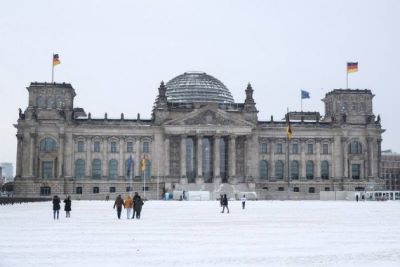

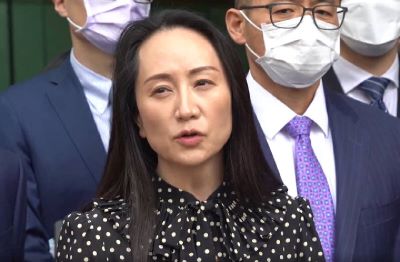
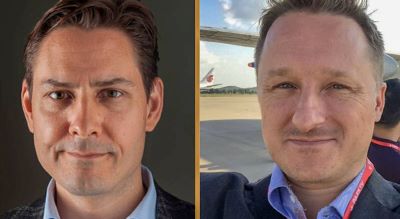
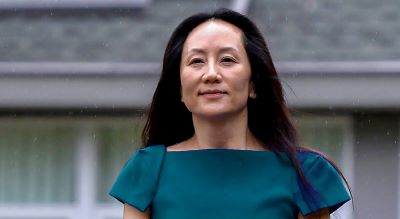
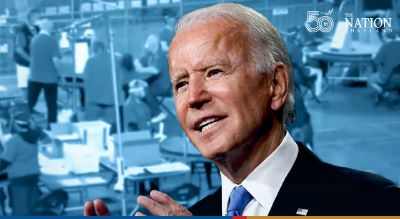

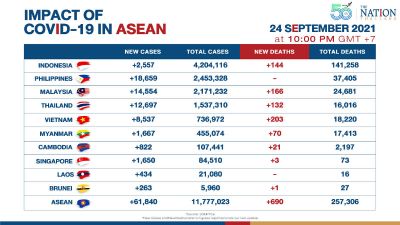
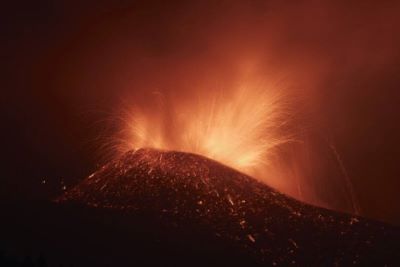
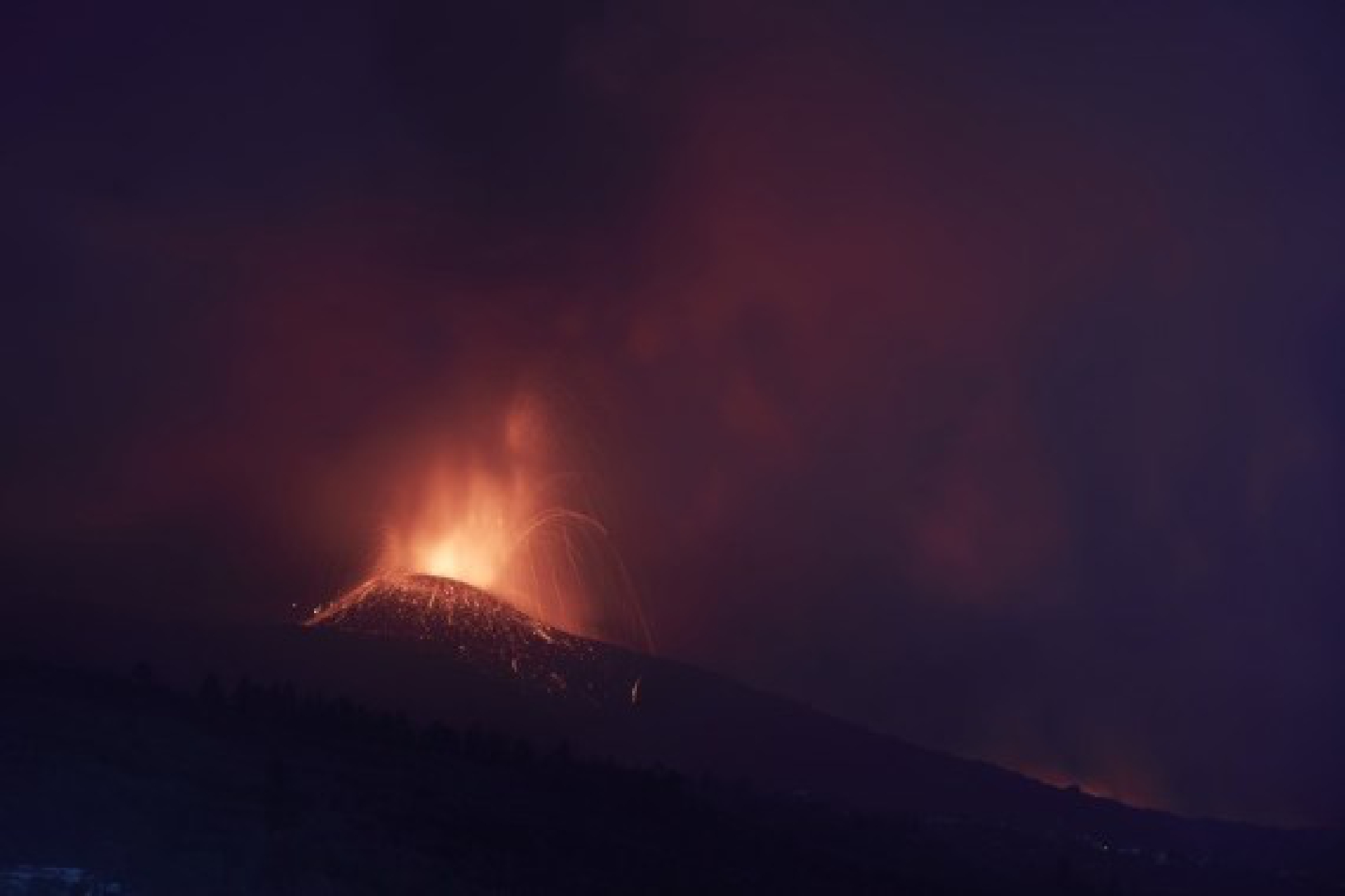 Photo taken on Sept. 23, 2021, shows the scene of volcanic eruption of Cumbre Vieja volcano in La Palma, Spain.(Xinhua/Meng Dingbo)
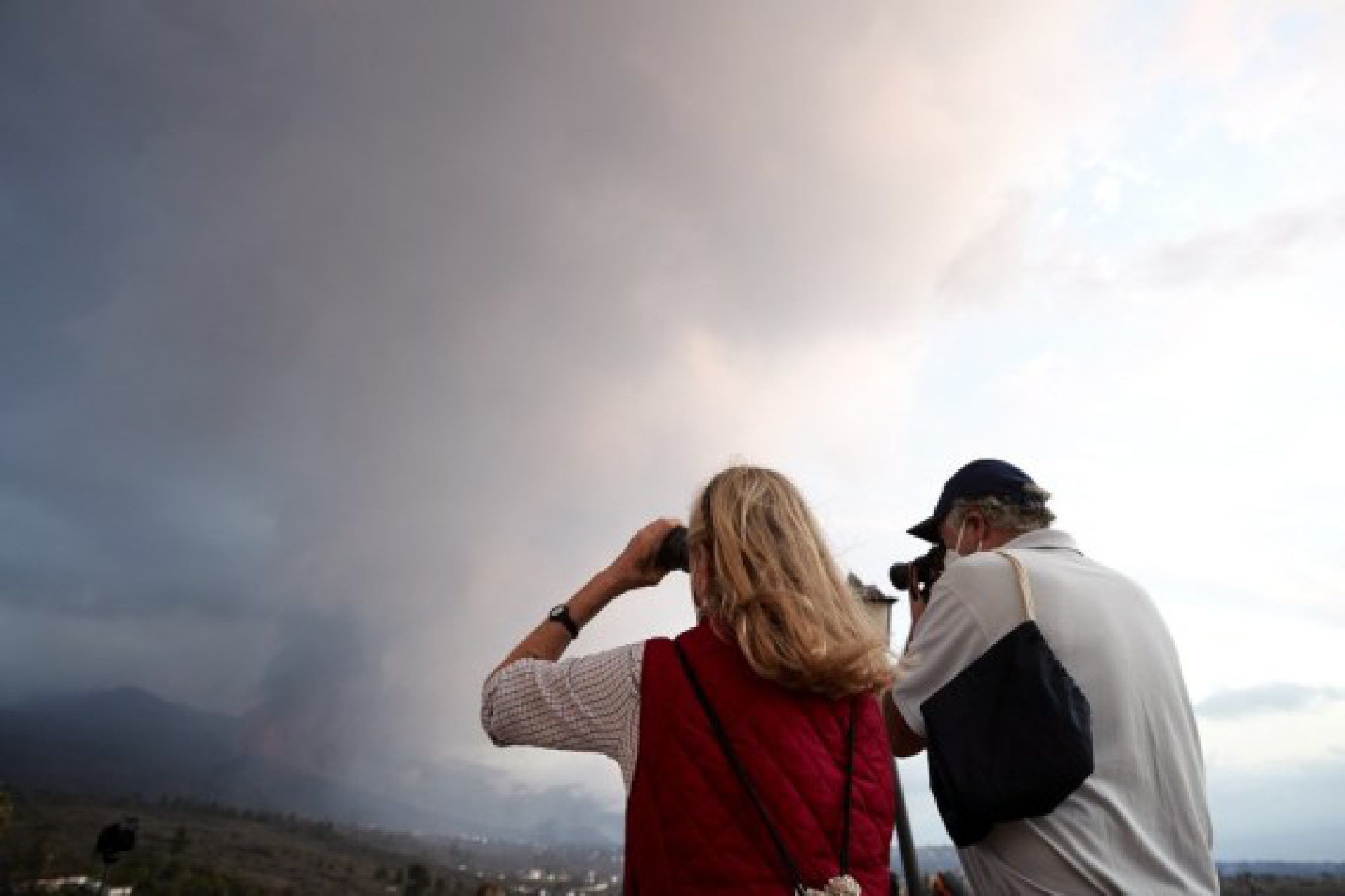 People watch the scene of volcanic eruption of Cumbre Vieja volcano in La Palma, Spain, Sept. 23, 2021.(Xinhua/Meng Dingbo)
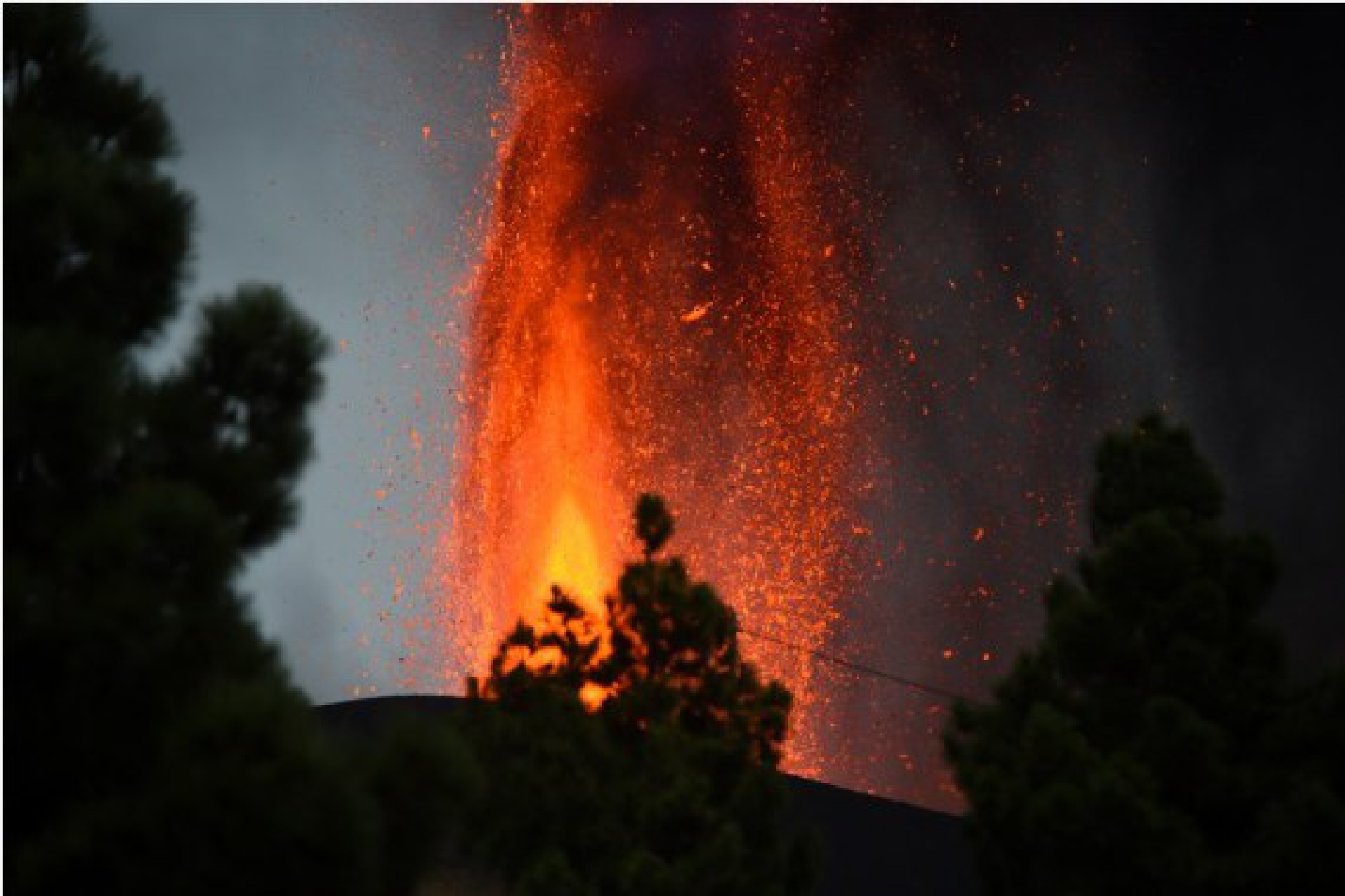 Photo taken on Sept. 22, 2021, shows the scene of volcanic eruption of Cumbre Vieja volcano in La Palma, Spain.(Photo by Gustavo Valiente/Xinhua)
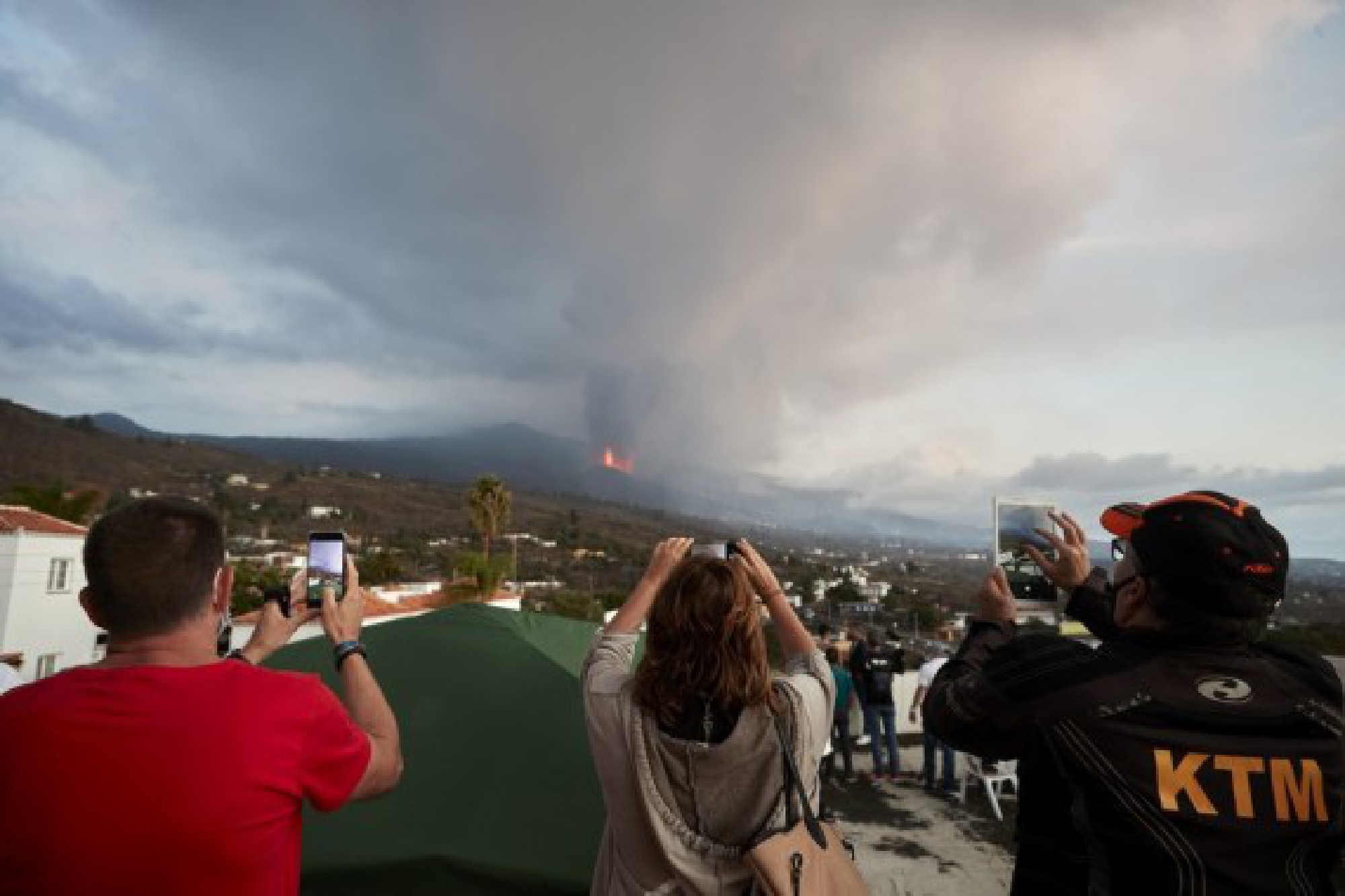 People watch the scene of volcanic eruption of Cumbre Vieja volcano in La Palma, Spain, Sept. 23, 2021.(Xinhua/Meng Dingbo)
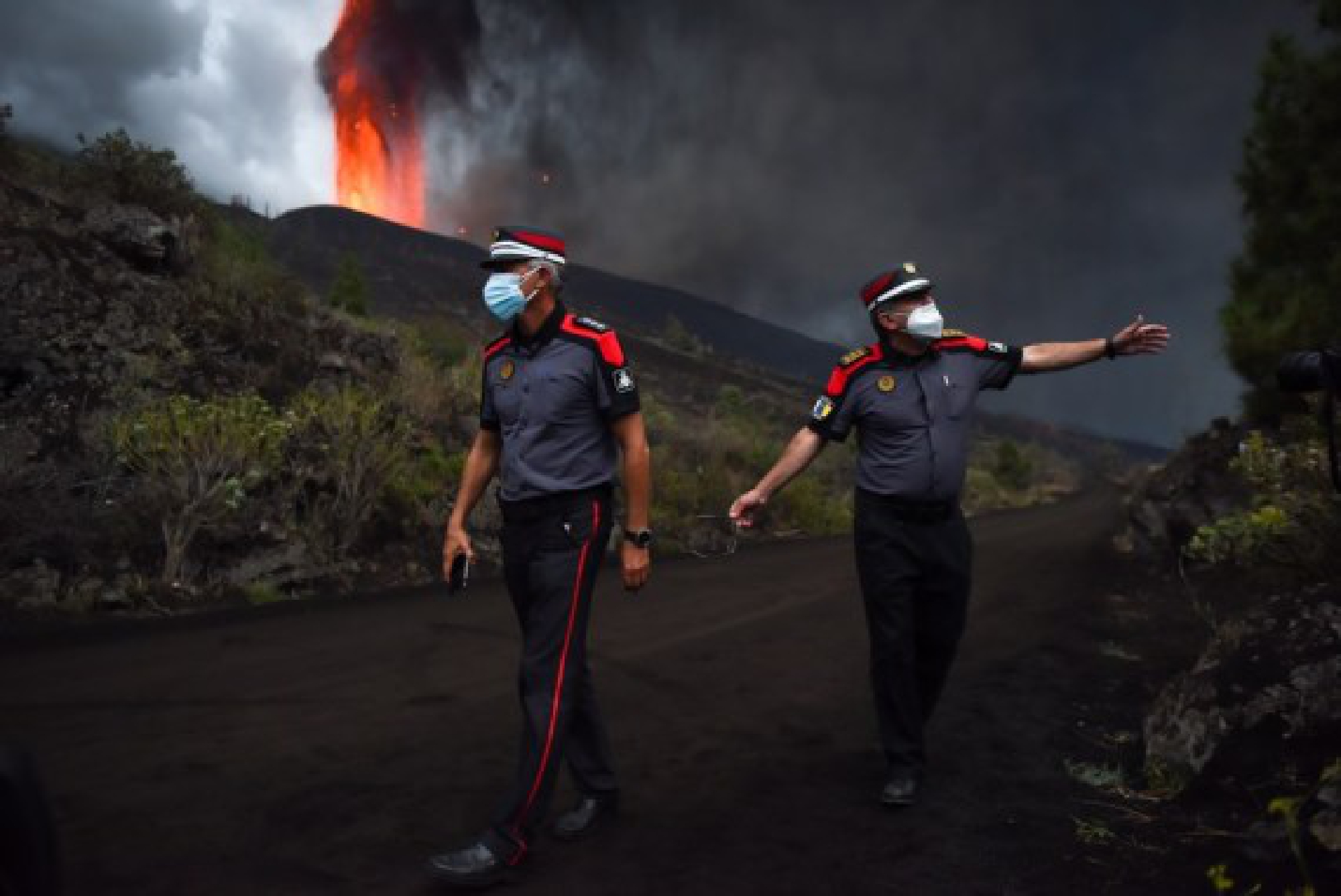 Police officers stop people from approaching the Cumbre Vieja volcano in La Palma, Spain, on Sept. 22, 2021.(Photo by Gustavo Valiente/Xinhua)
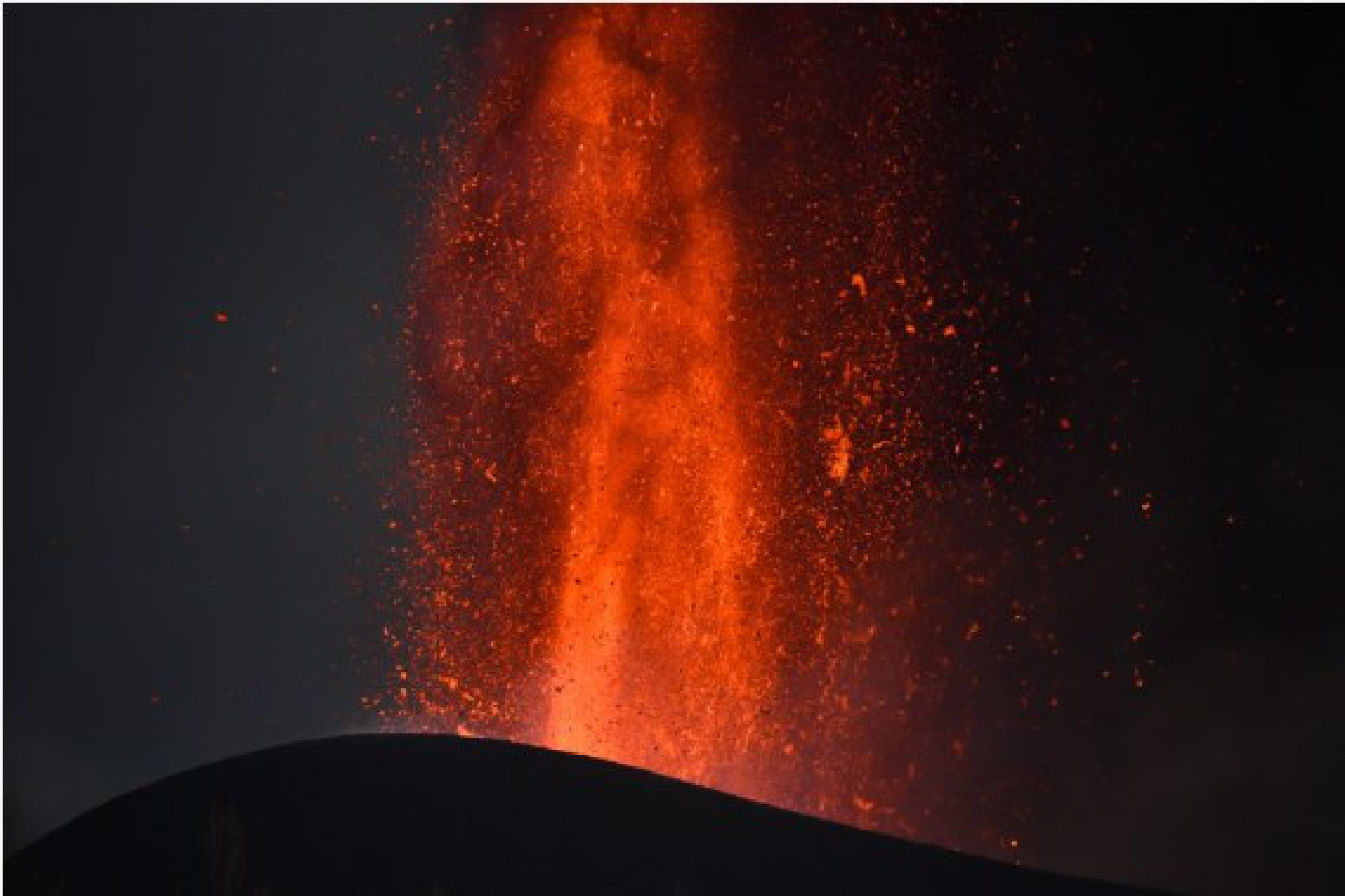 Photo taken on Sept. 22, 2021, shows the scene of volcanic eruption of Cumbre Vieja volcano in La Palma, Spain.(Photo by Gustavo Valiente/Xinhua)
