Afghan evacuees to U.S. face tenuous path ahead #SootinClaimon.Com

#SootinClaimon.Com : ขอบคุณแหล่งข้อมูล : หนังสือพิมพ์ The Nation.

https://www.nationthailand.com/blogs/international/40005584

Afghan evacuees to U.S. face tenuous path ahead


WASHINGTON – The Biden administration is preparing to screen and resettle tens of thousands of Afghan evacuees in the United States over the coming weeks and months, but the majority will arrive without visas as “humanitarian parolees,” lacking a path to legal U.S. residency and the benefits and services offered to traditional refugees, according to U.S. officials and worried aid groups working closely with the government.
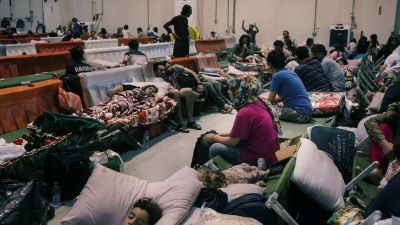
Afghan parolees who have arrived at U.S. military bases will be eligible for an ad hoc State Department program that provides limited assistance for up to 90 days, including a one-time $1,250 stipend. But they will not have the full range of medical, counseling and resettlement services available to immigrants who arrive through the U.S. refugee program.

The nonprofit organizations that work with the government to resettle refugees and that are assisting with Afghan evacuees say Congress will need to provide billions in emergency funding to help the Afghans start over and ensure they can be successfully and safely integrated into the United States.

“We’ve been heartened by the administration’s efforts to ensure some minimal support, but 90 days is meager compared to the massive need,” said Krish O’Mara Vignarajah, president and chief executive of the Lutheran Immigration and Refugee Service. “These Afghans feared for their lives and faced floggings on the way to the airport, and the last thing we want them to face here is a tangled web of backlogs and bureaucratic hurdles.”
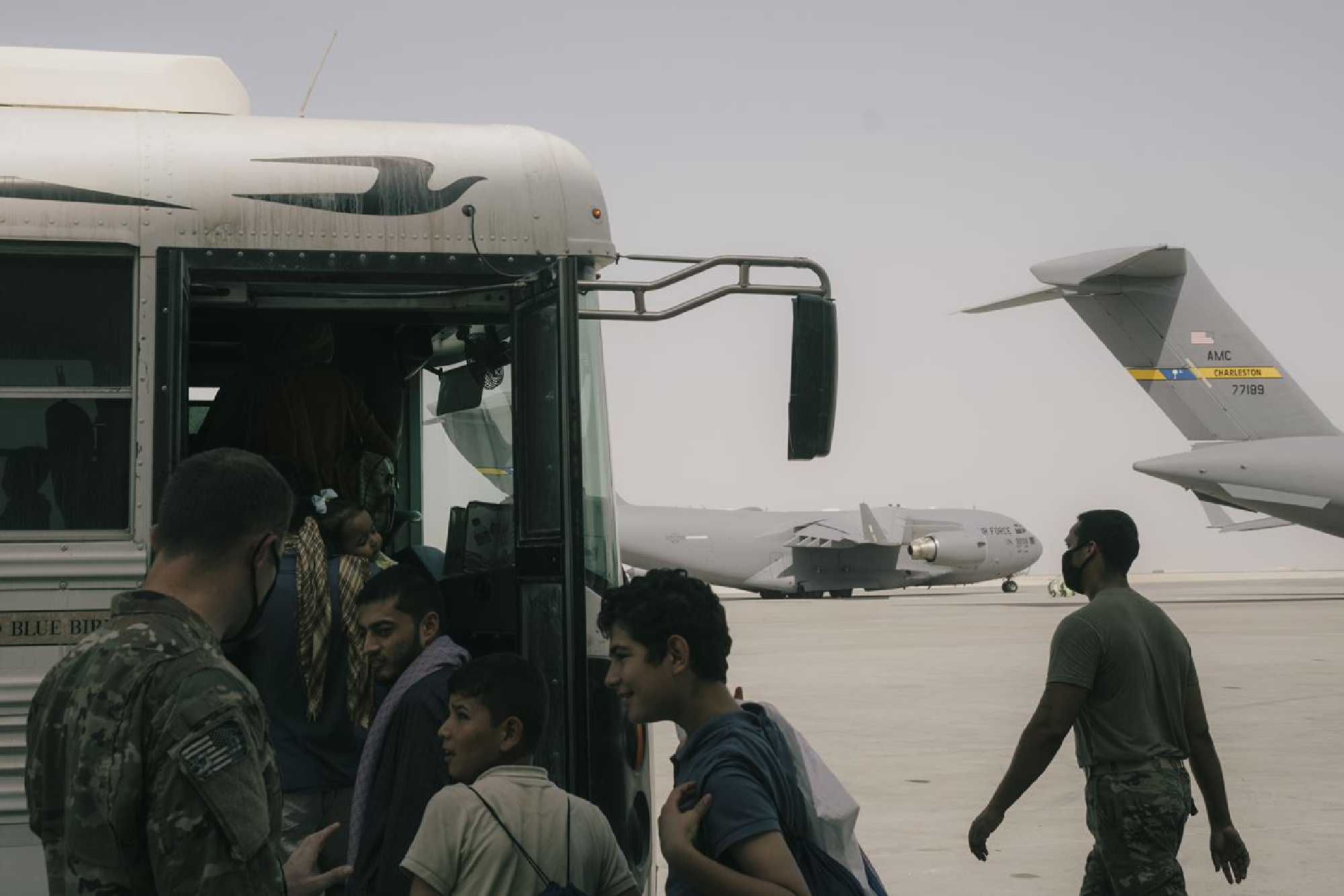
Afghan evacuees to U.S. face tenuous path aheadAfghan evacuees to U.S. face tenuous path ahead

More than 31,000 evacuees from Afghanistan arrived to the United States between Aug. 17 and 31, according to the latest Department of Homeland Security data. That included about 7,000 U.S. citizens and legal residents, as well as nearly 24,000 labeled “Afghans at Risk.”

While some of those evacuees include Special Immigrant Visa (SIV) holders or applicants who worked for the U.S. government, officials acknowledge that there is a larger number of parolees who will enter as “vulnerable Afghans.”

Some may have few or no U.S. ties but successfully boarded U.S. military flights in the chaotic hours and days after the fall of Kabul, hoping to reach the United States.

Pentagon officials said Wednesday that the U.S.-led airlift evacuated nearly 125,000 Afghans overall, but the Biden administration has not said how many it expects to resettle in the United States.

Gen. Mark Milley, chairman of the Joint Chiefs of Staff, told reporters Wednesday that approximately 43,000 Afghan evacuees are waiting at transit sites in Europe and the Middle East. Some evacuees have gone to third countries such as Albania.

U.S. officials say their ability to more carefully select who was able to pass Taliban checkpoints and board evacuation flights improved through “pragmatic” communication with Taliban authorities.

“We got better at prioritizing and focusing on those populations that matter most of all to us,” said a senior State Department official involved in the evacuation effort who briefed reporters under rules of anonymity set by the department.

“In the best of all possible worlds, you have the time and space to very thoroughly vet people,” the official said. “But as we clearly saw, the length of time required for some of that vetting hampered our ability to move some of those populations as early in the process as we could have.”

When organizations that were involved in human rights advocacy provided the United States with lists of people seeking to evacuate, officials didn’t have time to determine whether they were qualified, the official said. “We essentially took the nature of the organization and their affirmation that these people were who they were and just assumed it was an at-risk organization.”

The Biden administration has directed DHS to coordinate Afghan resettlement, and on Monday, Homeland Security Secretary Alejandro Mayorkas named Robert Fenton Jr., a veteran Federal Emergency Management Agency official, to lead the effort.

DHS officials say about 300 staffers from U.S. Customs and Border Protection, U.S. Immigration and Customs Enforcement and the U.S. Coast Guard have been deployed to the transit sites – referred to as “lily pads” – that are designated as the primary screening locations.

“The federal government has established a robust and multi-layered screening and vetting process with dual goals of protecting the homeland and providing protections for vulnerable Afghans,” DHS spokesperson Sarah Peck said in a statement.

Afghan evacuees are required to provide biometric and biographic information, but many of the evacuees lack passports and other documents that typically facilitate the process, officials acknowledge.

The Biden administration has not said what it will do with evacuees who have derogatory information that raise security concerns during the vetting process, but officials say they will work with allies and partners to resettle at-risk Afghans in third countries.

Homeland security officials say only Afghans who can be safely vetted will be allowed to travel to the United States.

Tom Warrick, a former DHS and State Department official who worked on the Special Immigrant Visa program for Iraqis, said U.S. screeners can still conduct robust vetting on Afghans who lack documentation or a record of working for Western governments and organizations.

“There are still substantial numbers of ways to validate information given during interviews,” said Warrick. “This is what [U.S. Citizenship and Immigration Services] does when adjudicating people from countries without a substantial U.S. military presence – to check facts in their stories, and cross-check what is known historically if someone claims they were in fear of persecution as a member of a particular religious or ethnic minority.”

Another 80 staffers from USCIS are helping to process evacuees at Dulles International Airport in Virginia and Philadelphia International Airport, the two designated arrival points for the commercial and charter aircraft bringing Afghans to the United States. CBP personnel at those locations conduct a secondary “cross-check” on arriving Afghans to verify their information, DHS officials said.

From there, the evacuees are transferred to military sites, where they undergo medical screening, including coronavirus tests, and are offered vaccines. After processing, the evacuees are issued temporary work authorization and referred to refugee resettlement organizations.

Afghans who don’t speak English or have ties to the U.S. government or U.S. organizations are particularly vulnerable, say refugee organizations who are attempting to raise private funding to help with housing, medical bills and other support services.

Mark Hetfield, president of the Hebrew Immigrant Aid Society (HIAS), a group that resettles refugees, said his organization is preparing for the potential arrival of 50,000 Afghans who will enter as parolees, with a provisional residency status that expires after two years.

Hetfield said Congress needs to prepare a large appropriation to the Office of Refugee Resettlement (ORR), the State Department and USCIS. “The number we’ve been floating around, just on the back of the napkin, is $5 billion for ORR, $2 billion for State, and $1 billion for USCIS, at a minimum,” he said. “That would give parolees the same amount of assistance as refugees or SIVs would get.”

Hetfield said the short-term funding from the State Department won’t cover many expenses, let alone provide families with essential tools like Internet access and mobile connectivity. “They need things like smartphones,” he said. “Those are not luxuries, they are necessities. You can’t access the job market without access to the Internet.”

One administration official, who was not authorized to speak to reporters, said the Biden administration is looking at ways to boost funding and support for Afghan resettlement.

Another looming issue is their legal status as parolees. Congress could create a mechanism to allow them to “adjust” to legal permanent residency, aid groups say, along the lines of the Cuban Adjustment Act of 1966 or more recent programs to aid Iraqis.

The parolees could apply for asylum, stating a fear of persecution if returned to Afghanistan, but the U.S. asylum system is badly overloaded by applicants from the Mexico border.

The capacity of the U.S. refugee system is also depleted, aid groups say, following deep cuts to the program under the Trump administration.

“The refugee resettlement system has been decimated, so our local offices are unable to accept parolees right now without an assurance of our ability to cover costs like medical expenses immediately,” said Vignarajah.

“We are fundraising, but it’s a piecemeal, time-intensive process to secure private contributions,” she said. “And we don’t want to end up with our case managers doing check-ins with families under overpasses.”

Published : September 02, 2021
British foreign secretary rejects U.S. blame for indirect role in Kabul terror attack #SootinClaimon.Com

#SootinClaimon.Com : ขอบคุณแหล่งข้อมูล : หนังสือพิมพ์ The Nation.

https://www.nationthailand.com/international/40005541

British foreign secretary rejects U.S. blame for indirect role in Kabul terror attack


A report by Politico said U.S. forces decided to keep the Abbey Gate, deemed to be at the “highest risk” for terrorist attack, open longer than they wanted to allow Britain to continue evacuating personnel. British foreign secretary on Tuesday rejected the claim.

British Foreign Secretary Dominic Raab on Tuesday rejected U.S. claims that a request from Britain to leave a crucial gate open at the Kabul airport to allow its evacuation from Afghanistan to continue may have contributed to the risk of the terror attack last week.

A news portal Politico report on Monday said U.S. forces, which had been running the airport at the capital of Afghanistan, decided to keep the Abbey Gate, deemed to be at the “highest risk” for terrorist attack, open longer than they wanted to allow Britain to continue evacuating personnel.

“We coordinate very closely with the U.S., in particular around the ISIS-K threat that we anticipated — although tragically were not able to prevent,” Raab told Sky News.

“We got our civilian staff out of the processing center by Abbey Gate, but it’s just not true to suggest that, other than securing our civilian staff inside the airport, that we were pushing to leave the gate open,” he said.

Related Stories

“In fact, and let me just be clear about this, we were issuing changes of travel advice before the bomb attack took place and saying to people in the crowd, about which I was particularly concerned, that certainly UK nationals and anyone else should leave because of the risk,” the foreign secretary added.

At least 170 Afghans and 13 U.S. soldiers were killed and about 200 people wounded in the blast that hit Abbey Gate of the airport on Thursday. Two British nationals and a child of another British national were among the dead in the attack, for which ISIS-K, a local affiliate of the Islamic State group, has claimed responsibility.

The United States on Monday announced the completion of the chaotic, bloody withdrawal of its troops from Afghanistan, ending 20 years of the U.S.-led invasion into the Asian country. Britain concluded its evacuation operation from Afghanistan Saturday night. 

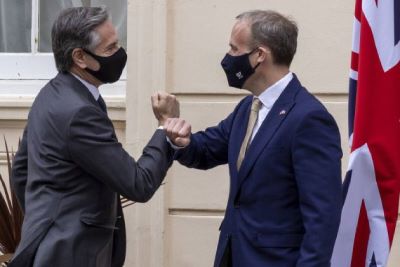
British Foreign Secretary Dominic Raab (R) meets with U.S. Secretary of State Antony Blinken ahead of the meeting of the Group of Seven (G7) foreign and development ministers in London, Britain, on May 3, 2021.

Published : September 01, 2021

Taliban takes over Kabul airport after last U.S. troops leave #SootinClaimon.Com

#SootinClaimon.Com : ขอบคุณแหล่งข้อมูล : หนังสือพิมพ์ The Nation.

https://www.nationthailand.com/international/40005540

Taliban takes over Kabul airport after last U.S. troops leave


The Taliban deployed special forces at the Kabul airport on Tuesday hours after the last batch of U.S. troops left Afghanistan.

The Taliban deployed special forces at the Kabul airport on Tuesday hours after the last batch of U.S. troops left Afghanistan.

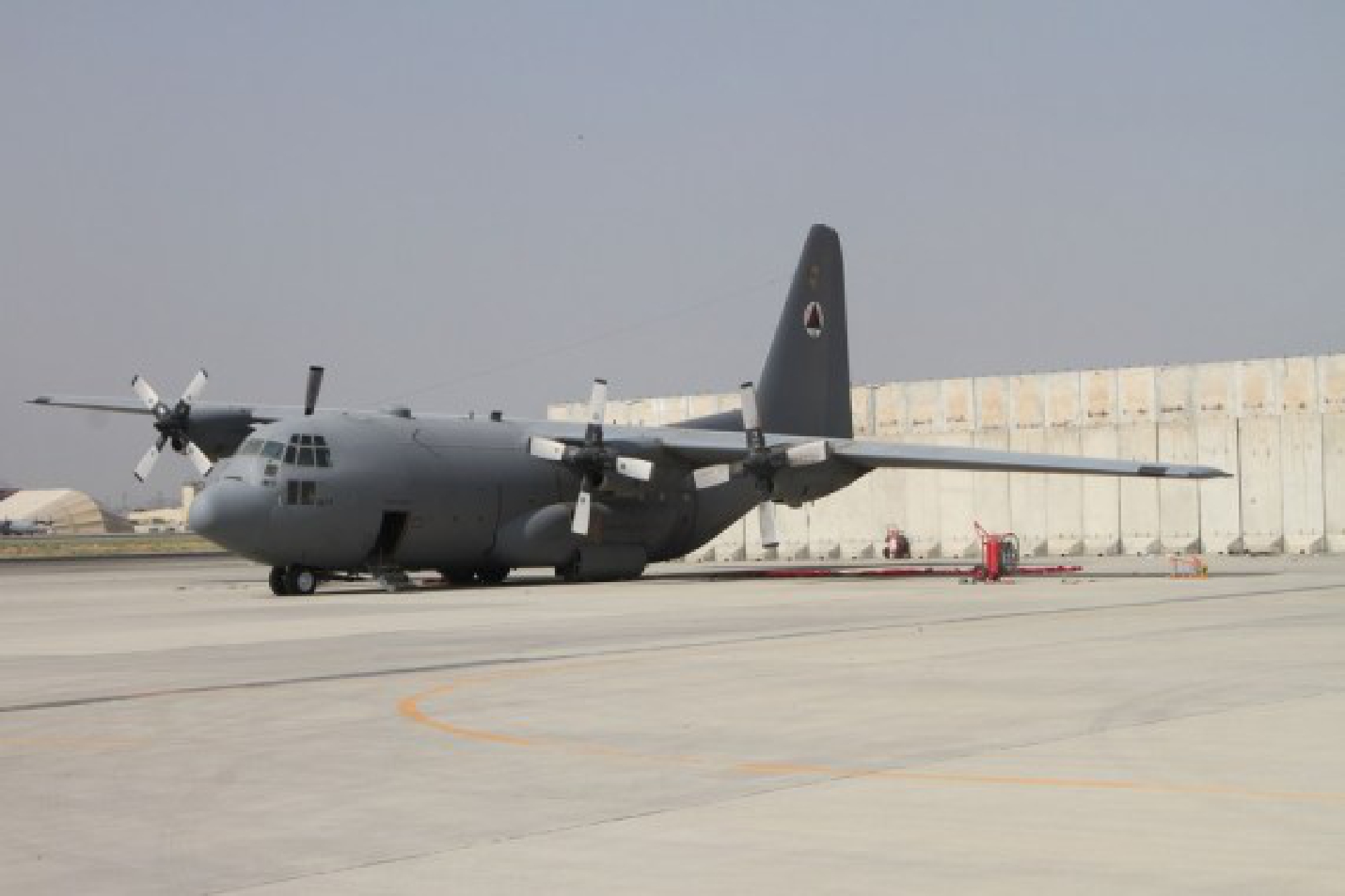
Photo taken on Aug. 31, 2021 shows a military airplane in Kabul, capital of Afghanistan.Photo taken on Aug. 31, 2021 shows a military airplane in Kabul, capital of Afghanistan.
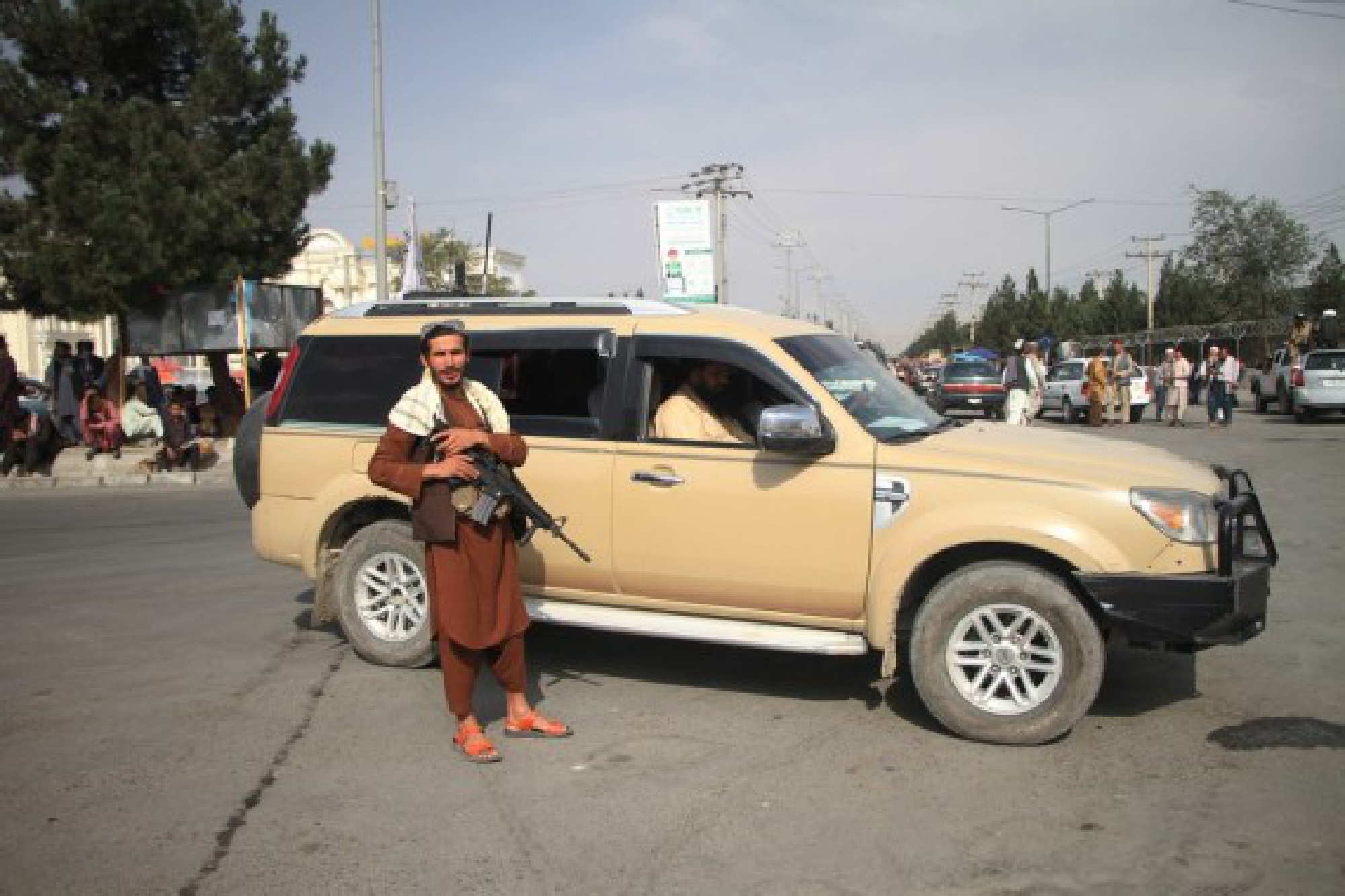
Photo taken on Aug. 31, 2021 shows a military airplane in Kabul, capital of Afghanistan.

A Taliban member stands guard outside the Kabul airport in Kabul, capital of Afghanistan, Aug. 31, 2021. A Taliban member stands guard outside the Kabul airport in Kabul, capital of Afghanistan, Aug. 31, 2021.
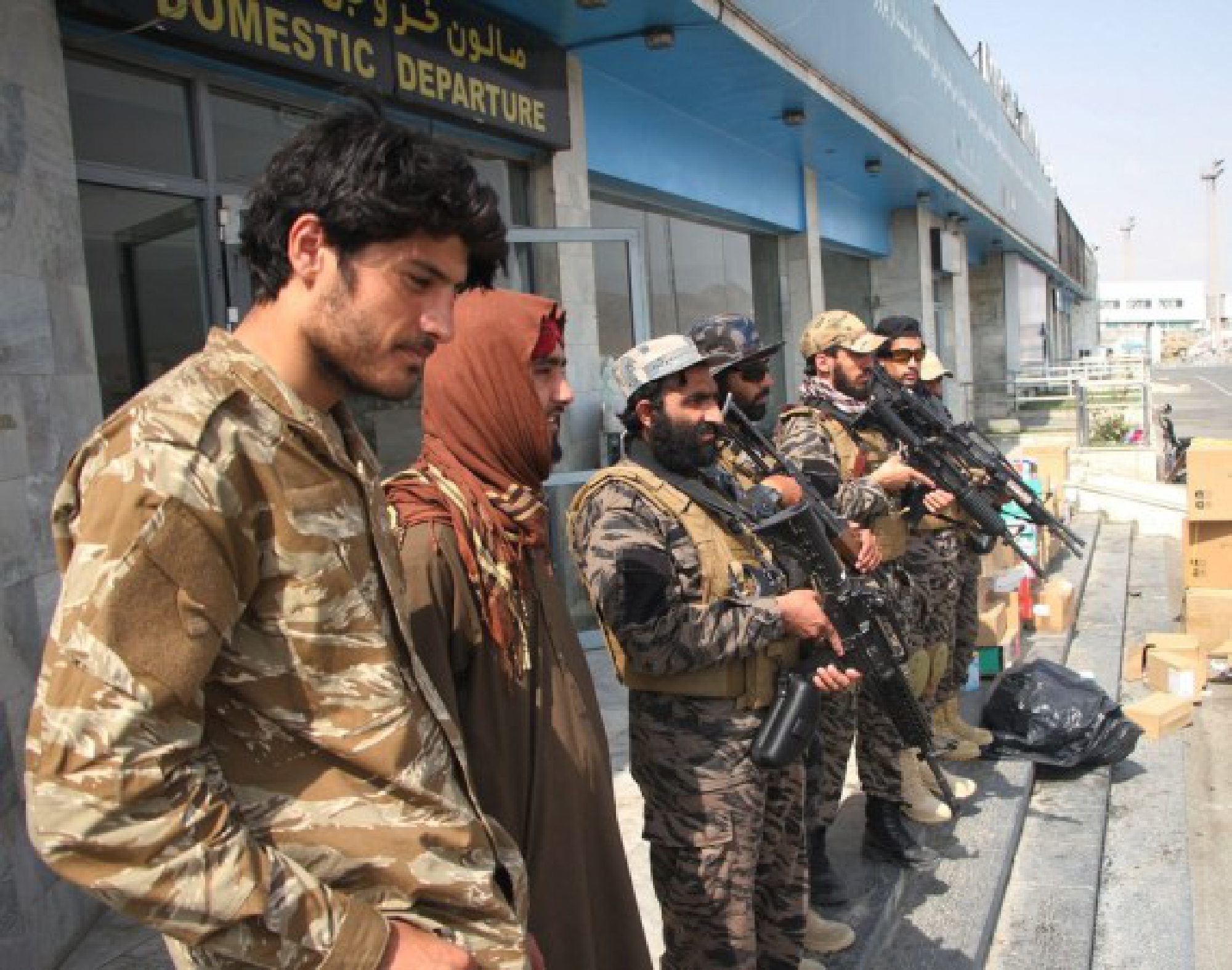
A Taliban member stands guard outside the Kabul airport in Kabul, capital of Afghanistan, Aug. 31, 2021. 

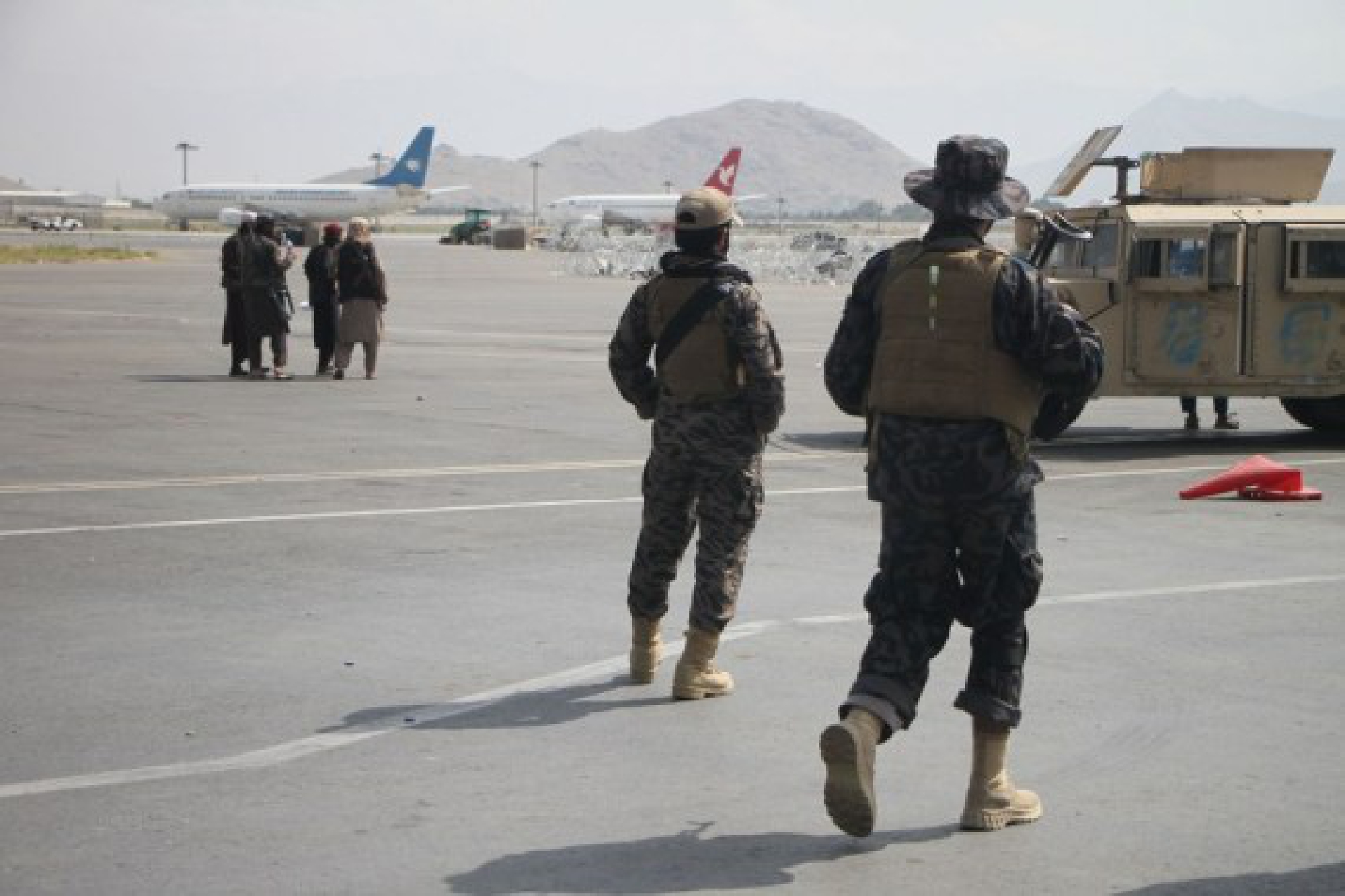
Taliban members are seen at Kabul airport in Kabul, capital of Afghanistan, Aug. 31, 2021. Taliban members are seen at Kabul airport in Kabul, capital of Afghanistan, Aug. 31, 2021.
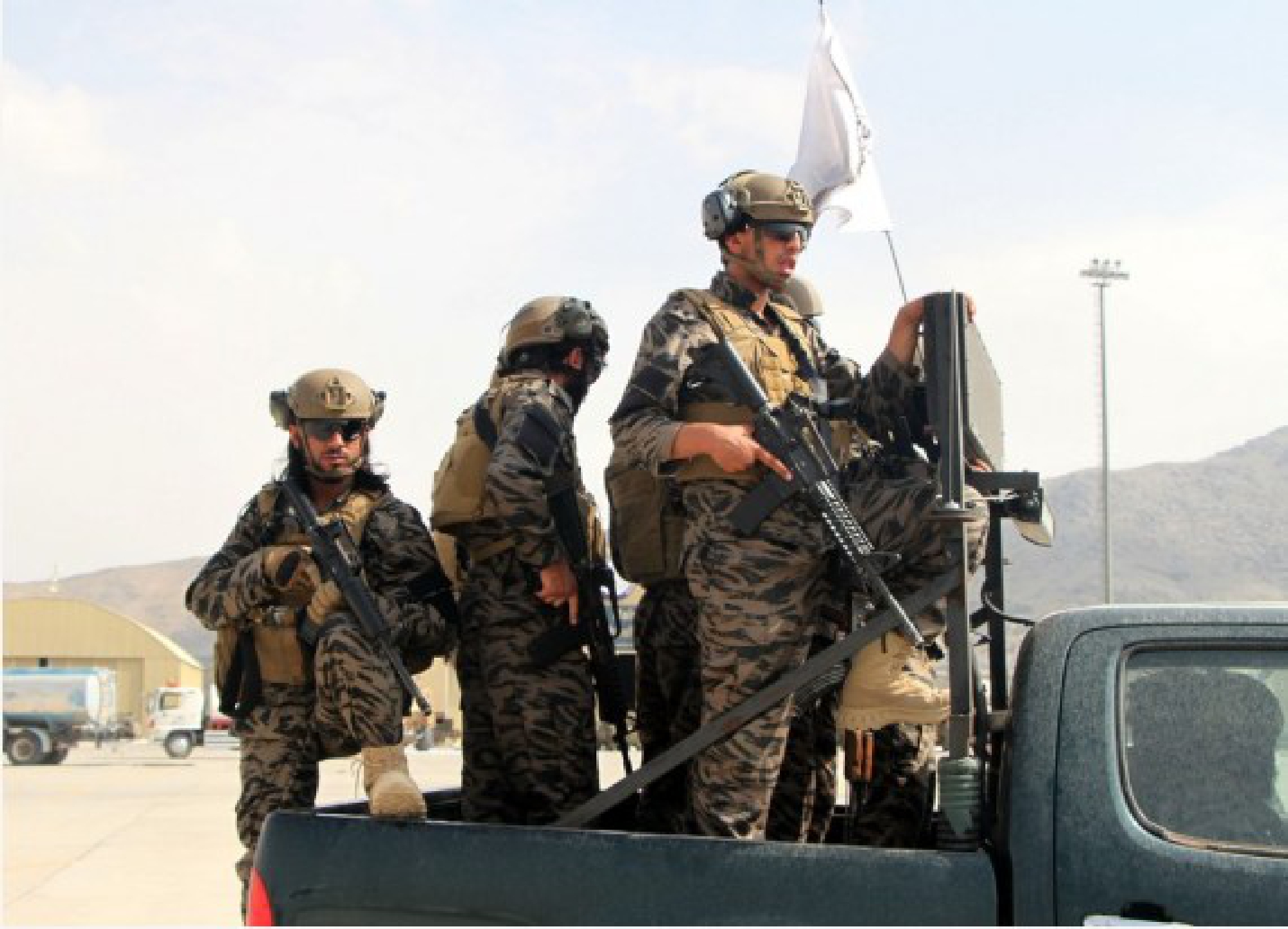
Taliban members are seen at Kabul airport in Kabul, capital of Afghanistan, Aug. 31, 2021.  Taliban members are seen on a military vehicle at Kabul airport in Kabul, capital of Afghanistan, Aug. 31, 2021. Taliban members are seen on a military vehicle at Kabul airport in Kabul, capital of Afghanistan, Aug. 31, 2021.
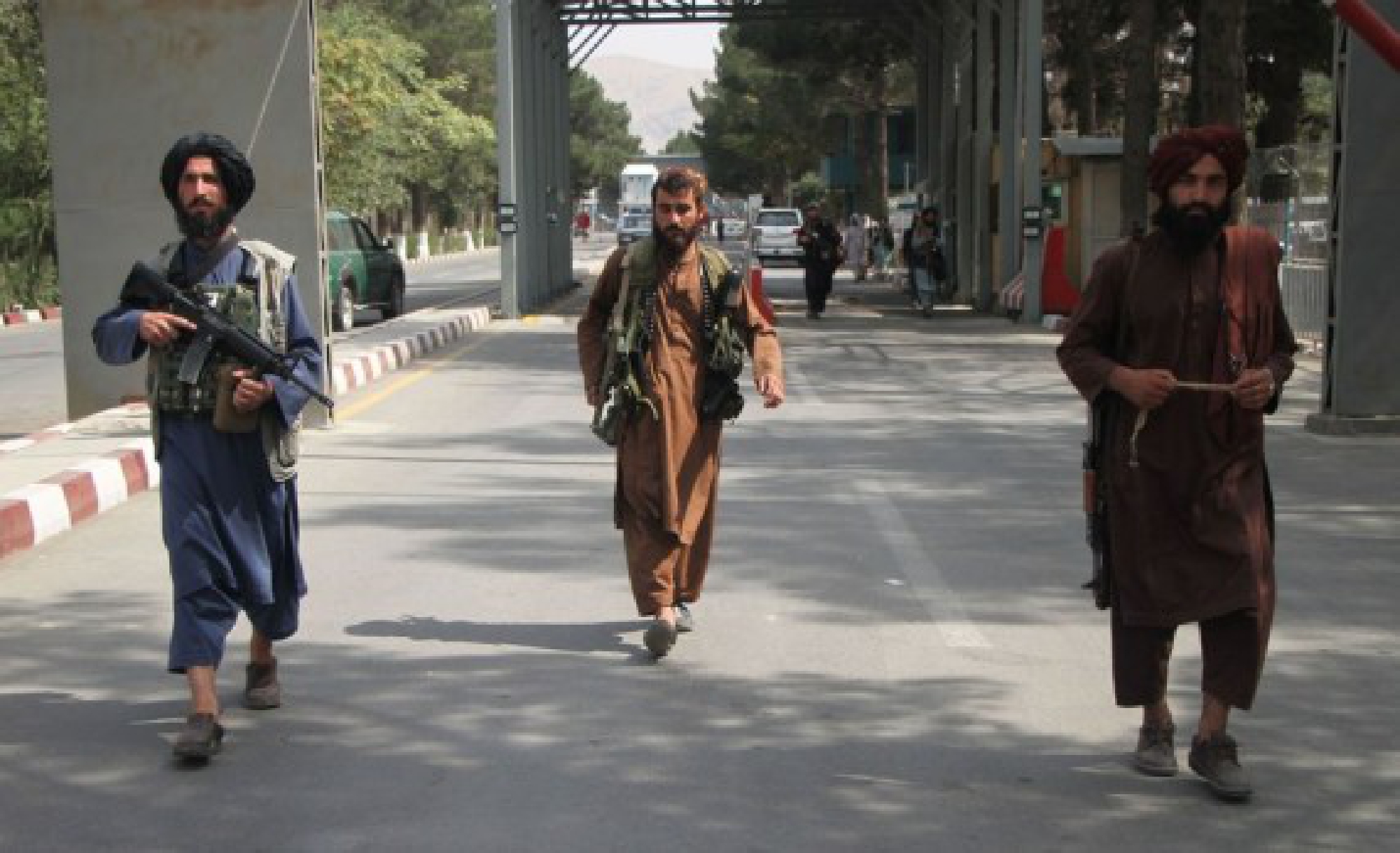
Taliban members are seen on a military vehicle at Kabul airport in Kabul, capital of Afghanistan, Aug. 31, 2021. 

Taliban members are seen at Kabul airport in Kabul, capital of Afghanistan, Aug. 31, 2021. Taliban members are seen at Kabul airport in Kabul, capital of Afghanistan, Aug. 31, 2021.
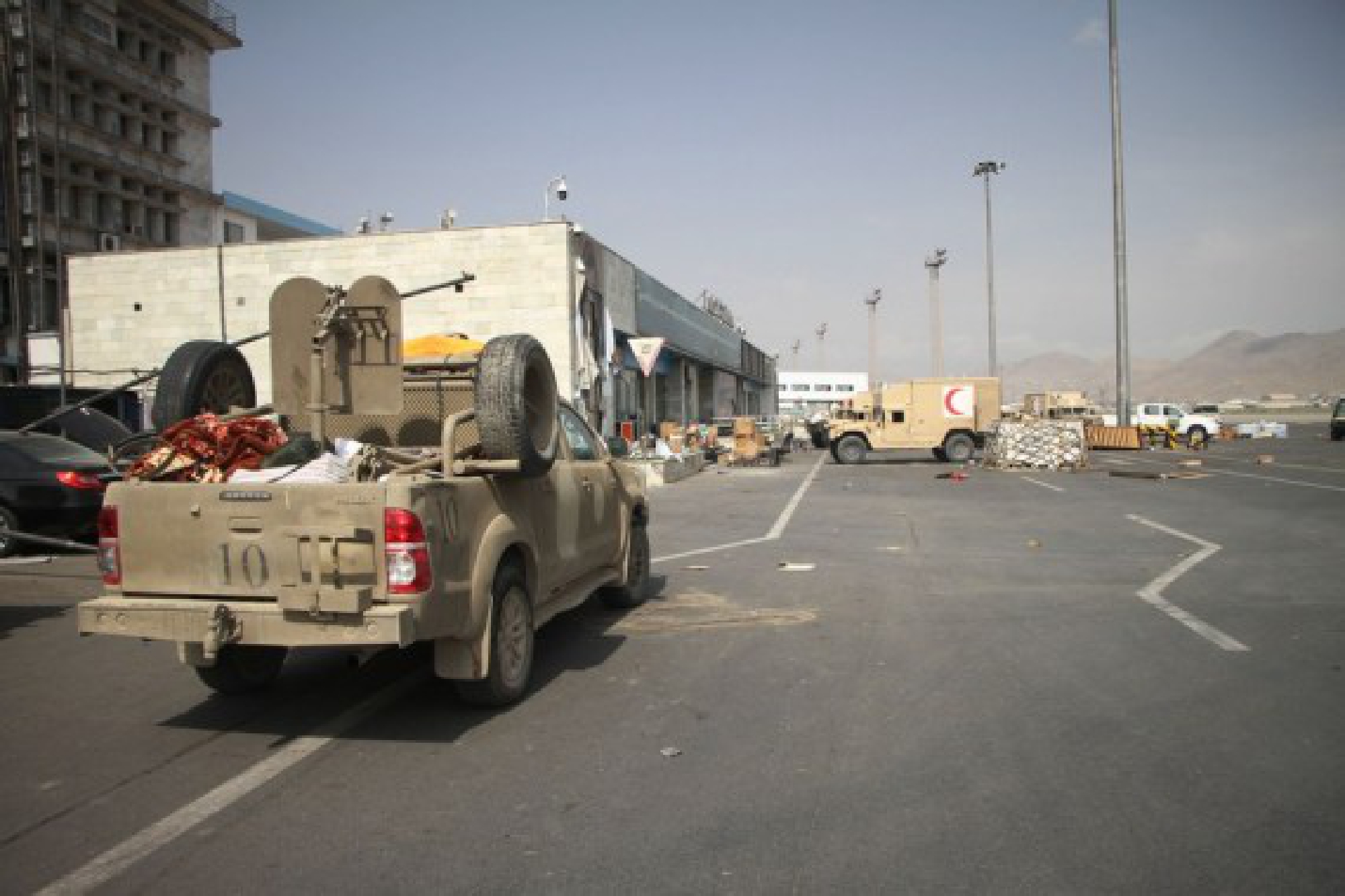
Taliban members are seen at Kabul airport in Kabul, capital of Afghanistan, Aug. 31, 2021. 

Photo taken on Aug. 31, 2021 shows military vehicles at Kabul airport in Kabul, capital of Afghanistan.Photo taken on Aug. 31, 2021 shows military vehicles at Kabul airport in Kabul, capital of Afghanistan.
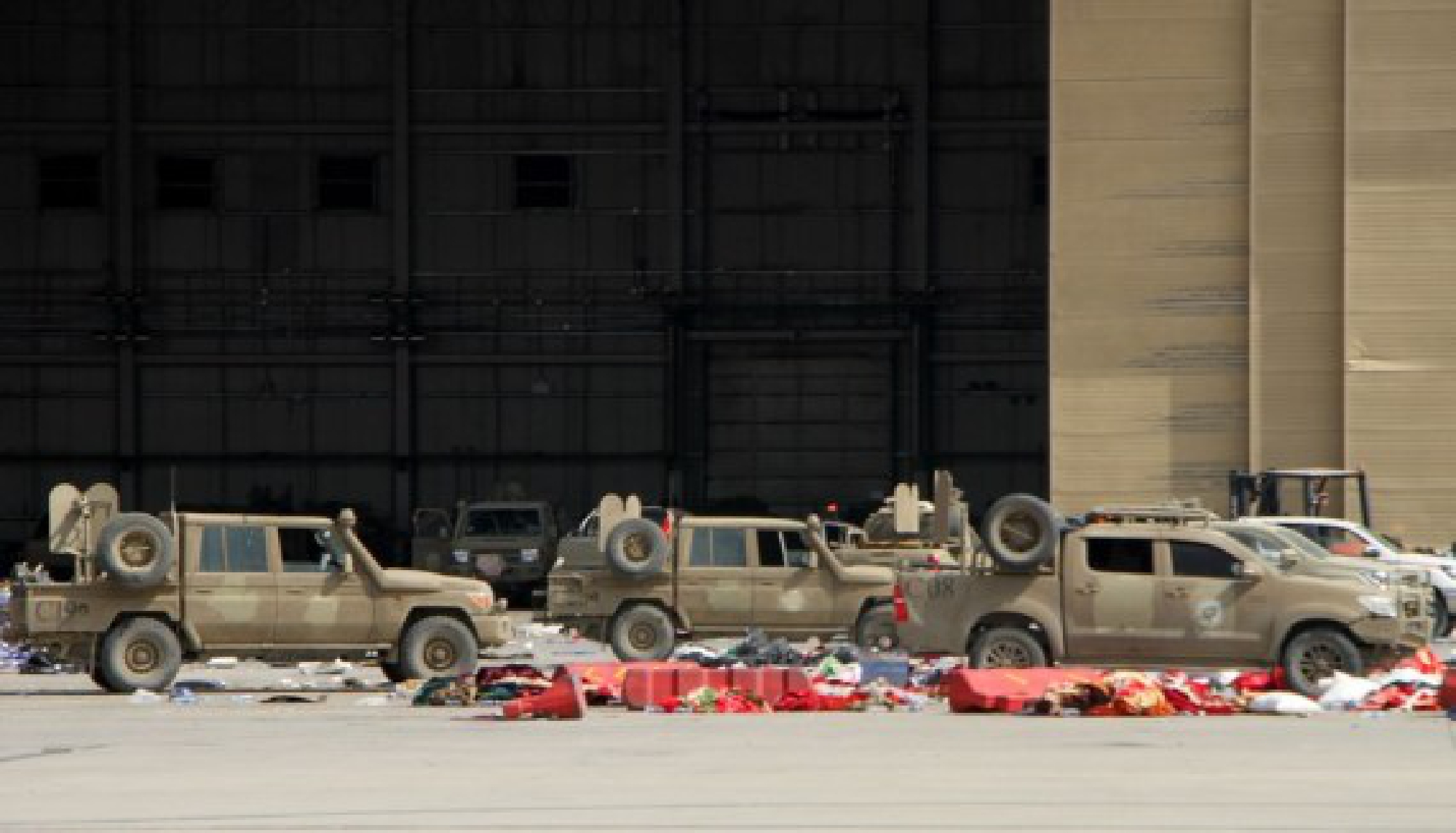
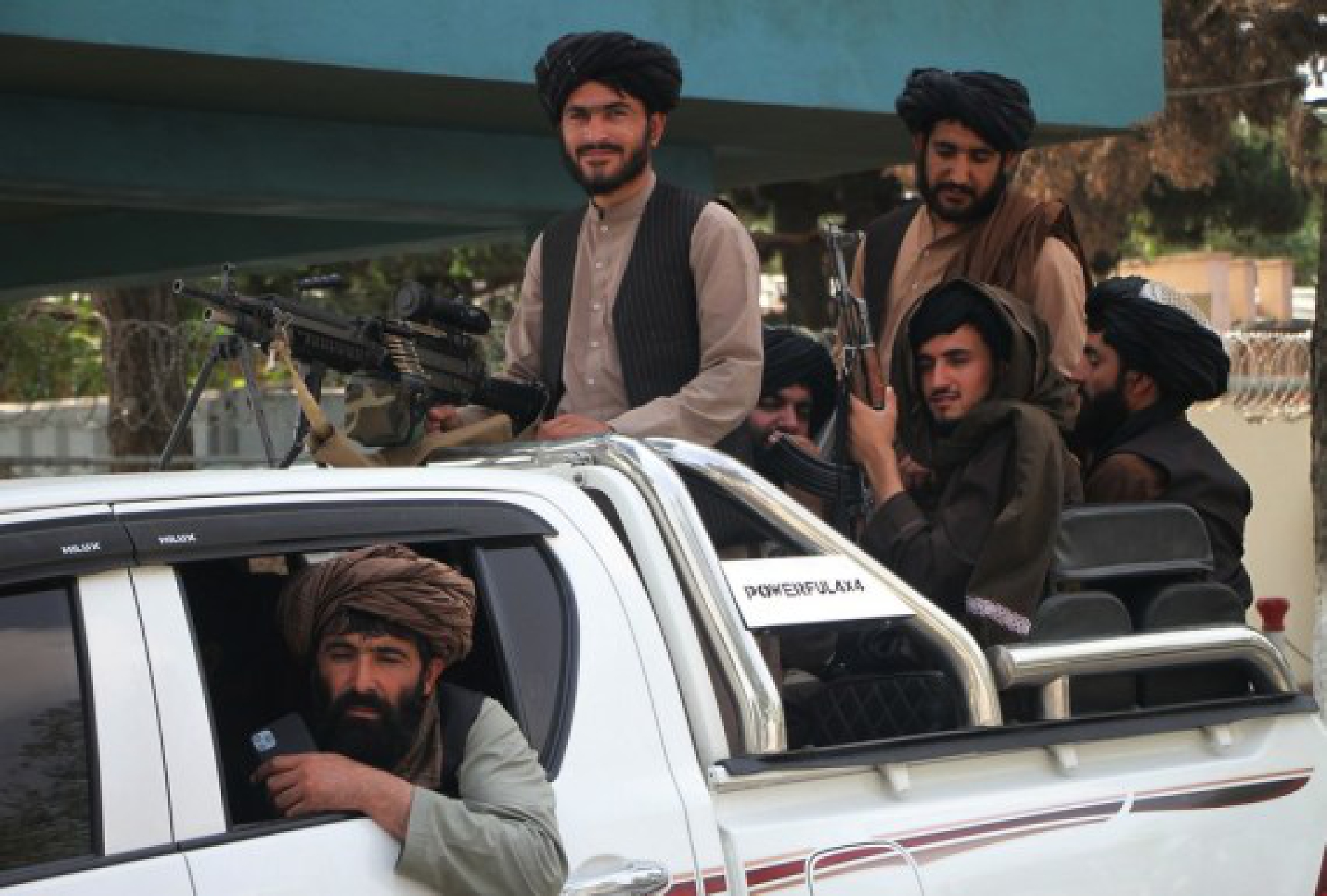
Photo taken on Aug. 31, 2021 shows military vehicles at Kabul airport in Kabul, capital of Afghanistan.

Photo taken on Aug. 31, 2021 shows military vehicles at Kabul airport in Kabul, capital of Afghanistan. Photo taken on Aug. 31, 2021 shows military vehicles at Kabul airport in Kabul, capital of Afghanistan.

Photo taken on Aug. 31, 2021 shows military vehicles at Kabul airport in Kabul, capital of Afghanistan. 

Taliban members are seen on a military vehicle at Kabul airport in Kabul, capital of Afghanistan, Aug. 31, 2021. Taliban members are seen on a military vehicle at Kabul airport in Kabul, capital of Afghanistan, Aug. 31, 2021.
Taliban members are seen on a military vehicle at Kabul airport in Kabul, capital of Afghanistan, Aug. 31, 2021. 

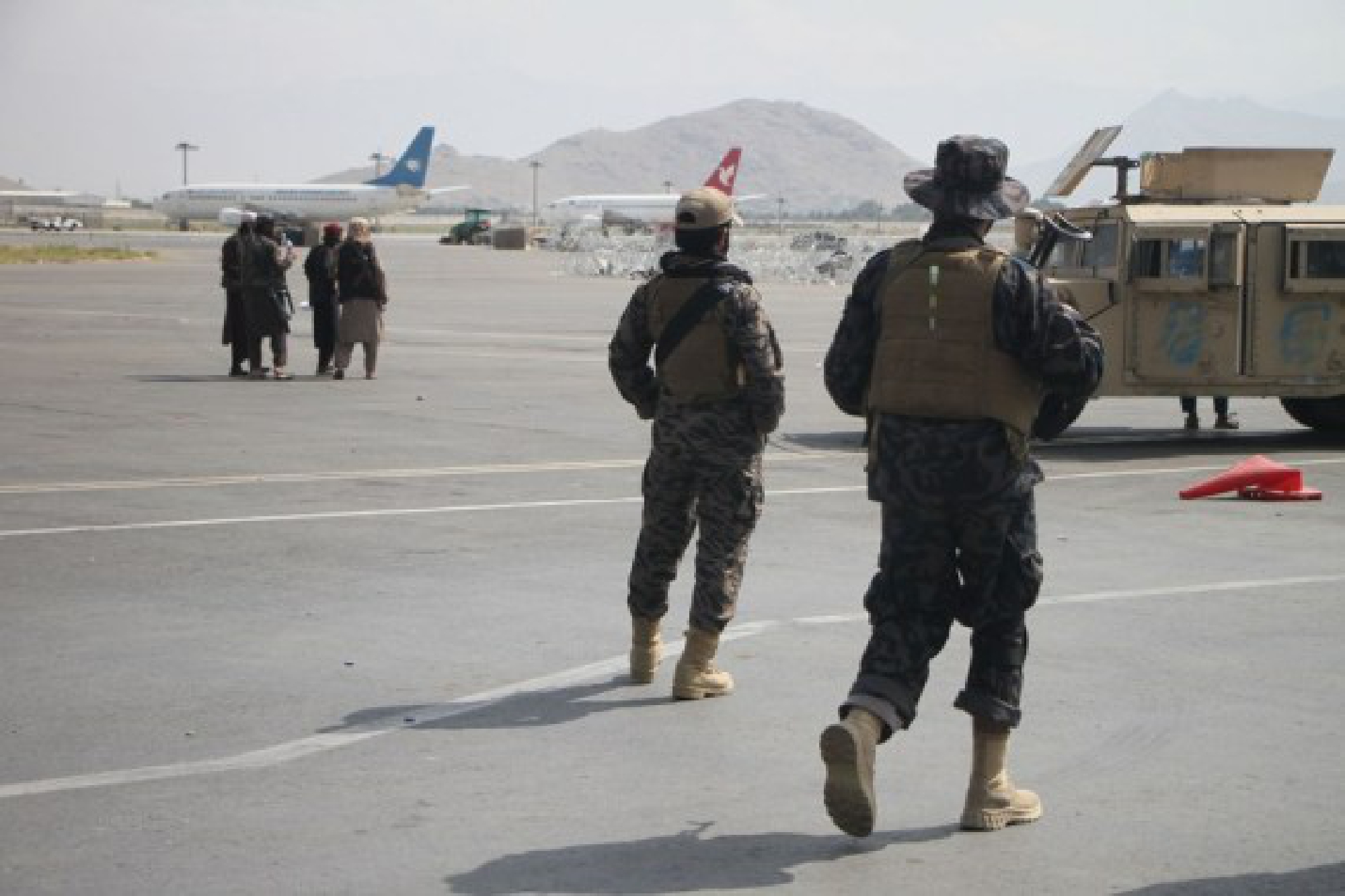
Taliban members are seen at Kabul airport in Kabul, capital of Afghanistan, Aug. 31, 2021.Taliban members are seen at Kabul airport in Kabul, capital of Afghanistan, Aug. 31, 2021.
Taliban members are seen at Kabul airport in Kabul, capital of Afghanistan, Aug. 31, 2021.

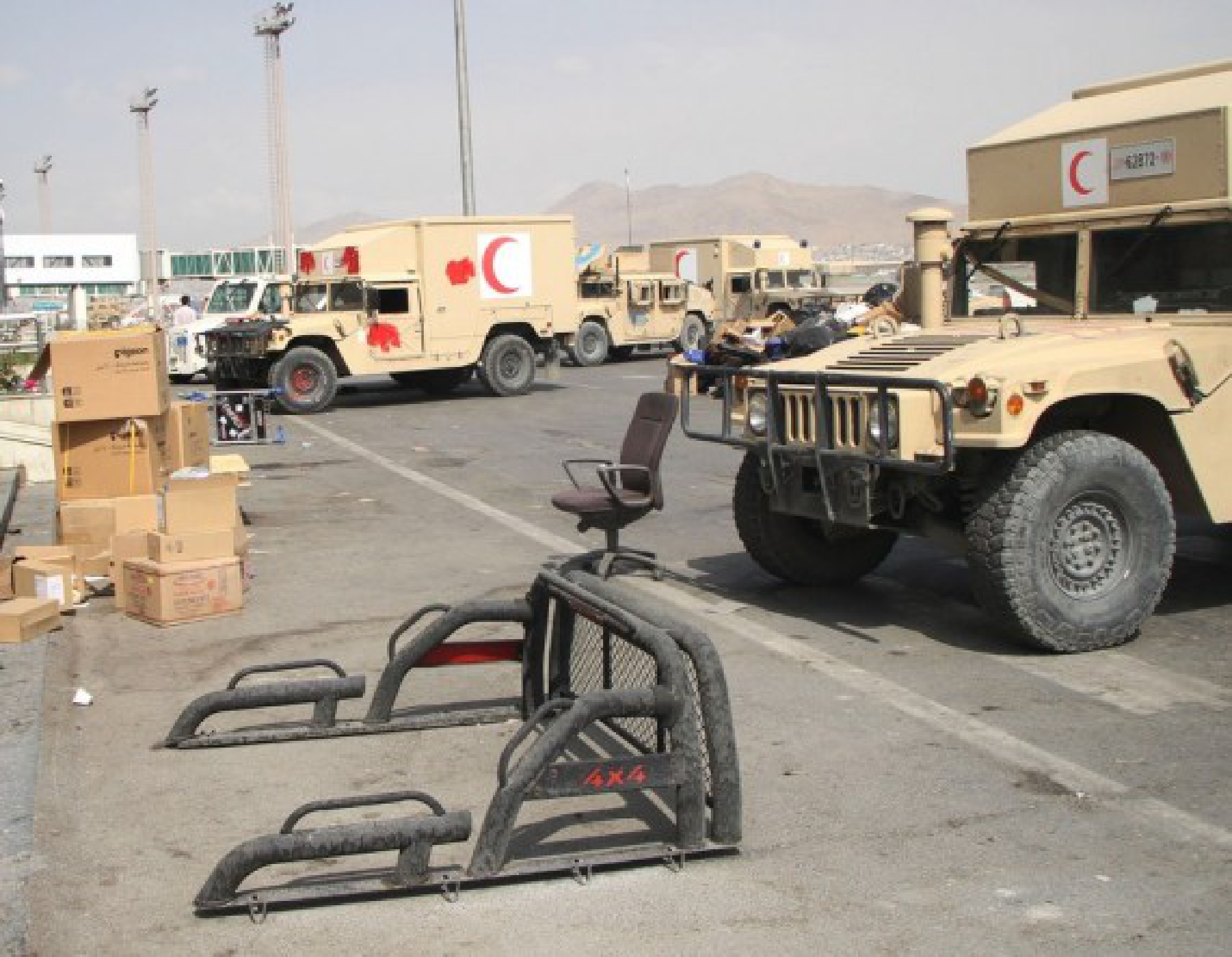
Photo taken on Aug. 31, 2021 shows military vehicles at Kabul airport in Kabul, capital of Afghanistan.Photo taken on Aug. 31, 2021 shows military vehicles at Kabul airport in Kabul, capital of Afghanistan.
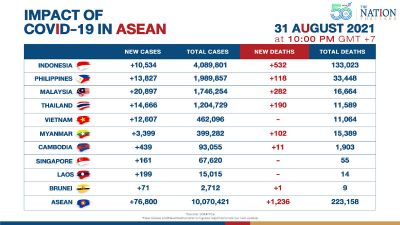
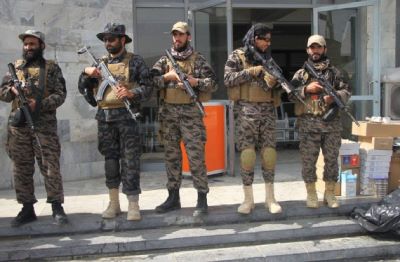
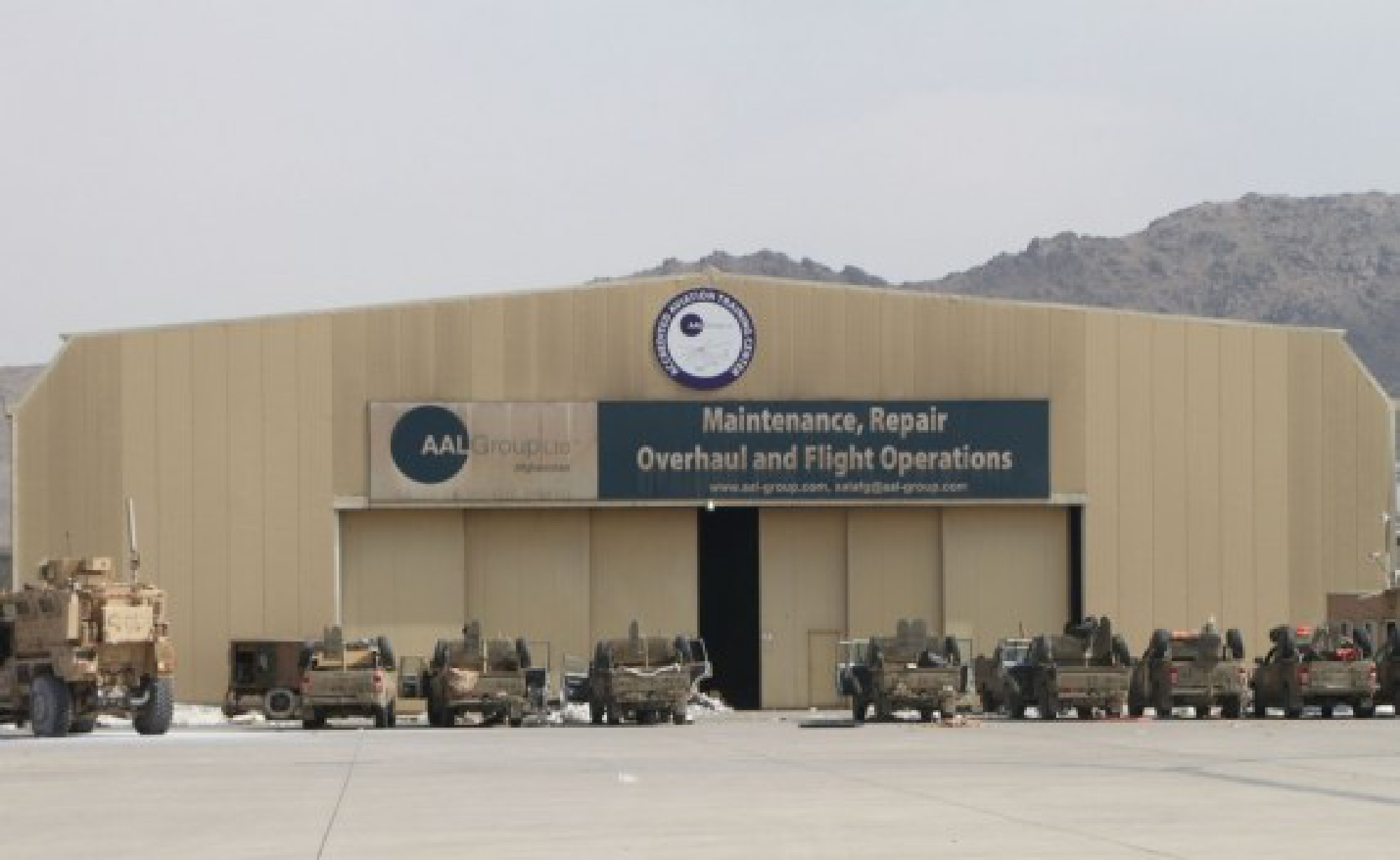
Photo taken on Aug. 31, 2021 shows military vehicles at Kabul airport in Kabul, capital of Afghanistan.
Published : September 01, 2021

Asean sees decrease in new Covid cases #SootinClaimon.Com

#SootinClaimon.Com : ขอบคุณแหล่งข้อมูล : หนังสือพิมพ์ The Nation.

https://www.nationthailand.com/international/40005539

Asean sees decrease in new Covid cases


The number of Covid-19 cases in Southeast Asia crossed 10.07 million, with 76,800 new cases reported on Tuesday, lower than Monday’s tally of 81,643. There were 1,236 additional deaths, decreasing from Monday’s 1,773 and taking total coronavirus deaths in Asean to 223,158 so far.

Vietnam reported 12,607 new cases on Tuesday, bringing cumulative cases in that country to 462,096 patients and a total 11,064 deaths.

Ho Chi Minh City authorities urged business owners to perform rapid tests on their staff every week to curb the virus spread. The city has been put under strict lockdown for 14 days from August 23 until September 6. Residents have been ordered to refrain from leaving their homes except in cases of emergency, while troops have been deployed to provide food and other necessities to people.

Meanwhile, new Malaysian Prime Minister Ismail Sabri Yaakob on Monday urged people to get vaccinated soon to ensure “victory” in the prolonged battle against Covid-19.

In a nationwide address on the eve of Independence Day, the premier said vaccines had proven to have a positive impact in battling the pandemic. He also said he wished this was the last Independence Day to witness the pandemic, which has ravaged the country’s health system as well as its economy.

Published : September 01, 2021

Taliban takes over Kabul airport after last U.S. troops leave, says efforts underway to restart flights #SootinClaimon.Com

#SootinClaimon.Com : ขอบคุณแหล่งข้อมูล : หนังสือพิมพ์ The Nation.

https://www.nationthailand.com/international/40005538

Taliban takes over Kabul airport after last U.S. troops leave, says efforts underway to restart flights


The Taliban deployed special forces at the Kabul airport on Tuesday hours after the last batch of U.S. troops left Afghanistan.

— The Taliban deployed special forces at the Kabul airport on Tuesday hours after the last batch of U.S. troops left Afghanistan.

— After the U.S. withdrawal from the Kabul airport, the Afghan capital was calm “like other normal days,” but a U.S. drone was spotted flying over the city, witnesses in Kabul said.

— Over 2,400 U.S. troops have been killed in Afghanistan over the past two decades, with 20,000 others wounded, according to the Pentagon. Estimates showed that over 66,000 Afghan troops have been killed, and over 2.7 million people have been forced to leave their homes.
 

“Security and safety is ensured at the airport,” Taliban spokesman Zabihullah Mujahid told reporters at the airport now under the control of Taliban forces.

“We are ready to secure the airport. Everything will be back to normal soon,” Mujahid said. “The U.S. troops have left a lot of mess at the airport, so it is a technical issue and will take some time to be solved, and efforts are underway to restart commercial flights as soon as possible.”

The final evacuation flight of the U.S. was conducted on the last hours of Monday night, airlifting their military and non-military personnel back home, one day before the Aug. 31 deadline set by U.S. President Joe Biden.

Before the U.S. troops left, they “demilitarized”, or damaged, over 70 aircraft, dozens of armored vehicles and disabled an air defense system which reportedly had thwarted Islamic State rocket attacks during the withdrawal.

Celebratory gunfire could be heard across the capital city as the Taliban took control of the airport. Check points had been removed from the road leading to the airport.

Earlier in the day, the Taliban spokesman welcomed the U.S. troops pullout from Afghanistan. “After the U.S. withdrawal, Afghanistan became completely free and independent,” he said.

Photo taken on Aug. 31, 2021 shows military vehicles at Kabul airport in Kabul, capital of Afghanistan.Photo taken on Aug. 31, 2021 shows military vehicles at Kabul airport in Kabul, capital of Afghanistan.

Khoja Wahid, a Kabul resident, said to Xinhua that “The U.S. had withdrawn from Afghanistan after two decades, but the Americans left a mess in our country.”

“The U.S. is defeated and it is badly defeated,” said the 42-year-old man.

“As I found in media reports early Tuesday that Americans are going to open its embassy to Afghanistan in Qatar. It is showing that the U.S. lost everything in Afghanistan.”

U.S. Secretary of State Antony Blinken said just hours after the final evacuation flights left Kabul that the United States shifted its diplomatic operations to Qatar.

“As of today, we’ve suspended our diplomatic presence in Kabul and transferred our operations to Doha, Qatar,” the top U.S. diplomat said.

However, spokesman Mujahid made it clear that the Taliban intended to have economic and trade ties with all countries around the world, including the United States.

“Every country can have good relations and political and trade ties with Afghanistan,” he said.

Taliban members are seen at Kabul airport in Kabul, capital of Afghanistan, Aug. 31, 2021.Taliban members are seen at Kabul airport in Kabul, capital of Afghanistan, Aug. 31, 2021.
Kabul resident Ahmad Fawad told Xinhua that the U.S. claimed they came to Afghanistan to ensure peace and security and uphold human rights, but “you can see their evacuation was not conducted in a responsible manner, as so many people died, including 13 U.S. soldiers.”

Fawad referred to the suicide bomb blast and gun firing on Aug. 26, which killed at least 160 Afghans and 13 U.S. troops, and injured nearly 200 others at a gate of the Hamid Karzai International Airport in Kabul, when huge crowds were waiting to board evacuation flights.

Talking about the U.S.-led military operation in Afghanistan, Moeed Pirzada, CEO and Editor of Global Village Space, a Pakistani media outlet, said “In the end, they failed because they couldn’t come up with a sustainable, intelligent, political solution to Afghanistan.”

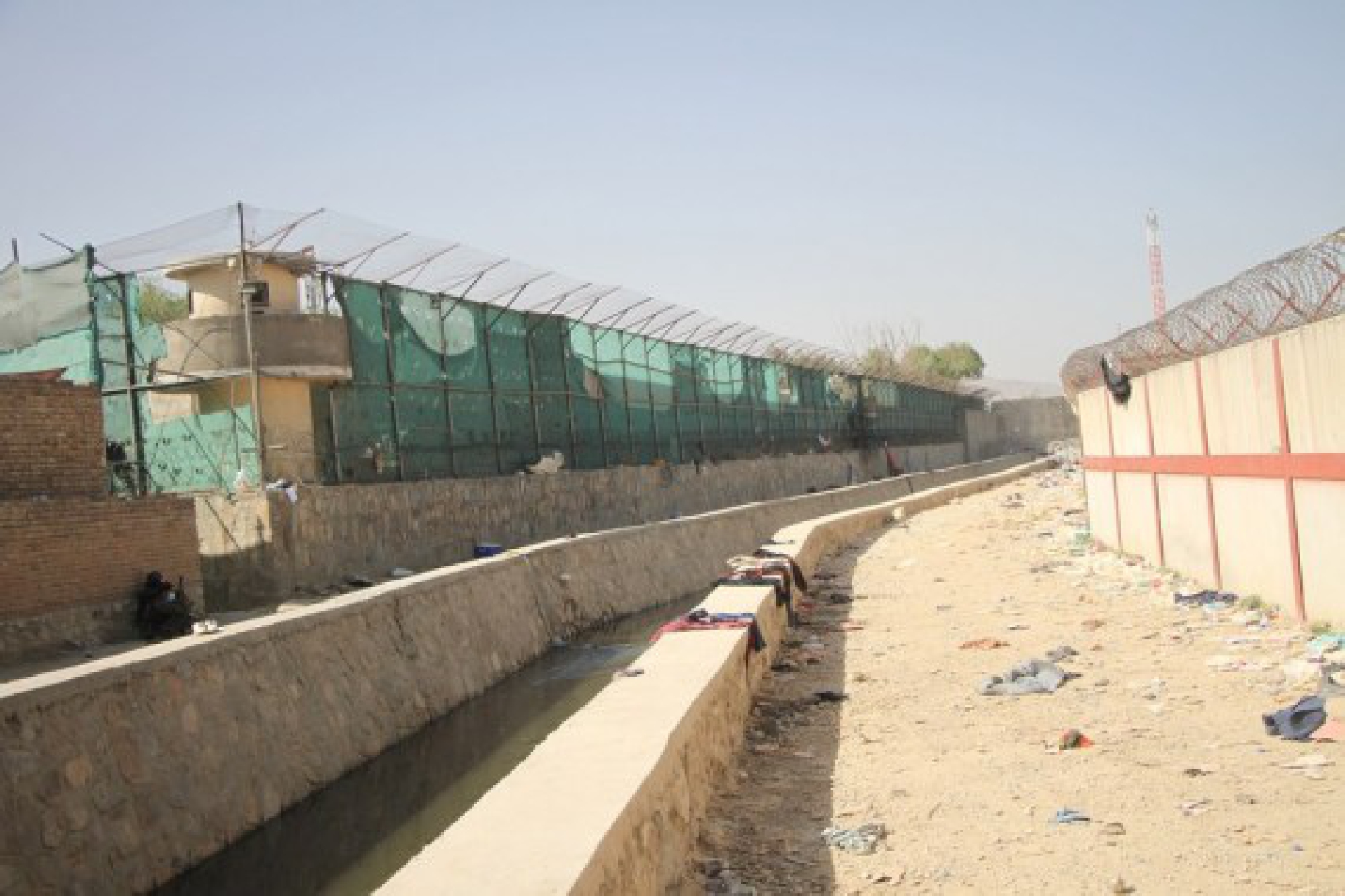
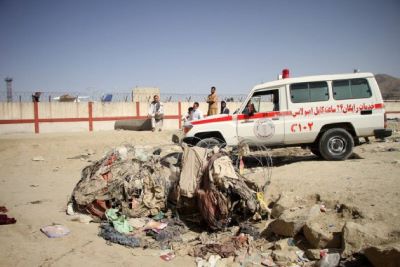
Photo taken on Aug. 27, 2021 shows the explosion site near the Kabul airport in Afghanistan.Photo taken on Aug. 27, 2021 shows the explosion site near the Kabul airport in Afghanistan.
ISIS-K, a local affiliate of the Islamic State group in Afghanistan, claimed responsibility for the deadly attack.

“Although thousands of Afghan experts and educated people left the country, the young generation is still determined to stay in Afghanistan if peace returns and their safety and security are ensured,” Fawad said.

“Now, it is on the United States, their allies, the UN and the countries in the region to help we Afghans building our future.”

After the U.S. withdrawal from the Kabul airport, the Afghan capital was calm “like other normal days,” but a U.S. drone was spotted flying over the city, witnesses in Kabul told Xinhua.

The main business hub Mandawi in Kabul is open and there is traffic jam in the central part of the city. As the exchange market is still closed, many exchangers and vendors are doing small business on a road outside the market, according to witnesses.

Most banks in Kabul still remain closed on Tuesday with only government and private bank’s main branches open.

Salima, a female teacher in Kabul, expressed her hope for lasting peace in the country, welcoming the U.S. pullout from Afghanistan.

“At least there is no more pretext for any armed group to continue war and fighting,” she said.

“Americans did not accomplish what they promised to Afghans. Although I am also concerned by the ongoing uncertainty, hopefully the situation will get better eventually, borders will reopen, and the prices are not out of control. It will take a little time to have everything well,” she added.

The U.S. Central Command announced Monday that the withdrawal of U.S. troops from Afghanistan has completed, ending the longest war in U.S. history.

“I’m here to announce the completion of our withdrawal from Afghanistan and the end of the mission to evacuate American citizens, third country nationals and vulnerable Afghans,” Kenneth McKenzie, commander of U.S. Central Command, told a news conference in Washington.

“The last C-17 lifted off from Hamid Karzai International Airport on Aug. 30, this afternoon, at 3:29 p.m. East coast time, and the last manned aircraft is now clearing the space above Afghanistan,” McKenzie said.

The general said the number of U.S. citizens currently still stranded in Afghanistan is “in the very low hundreds,” stressing that the State Department is in charge of assisting those evacuees.

The United States and its allies speeded up their troops’ withdrawal from Afghanistan after the Taliban took control of Kabul on Aug. 15. The U.S. allies, including Britain, Canada, Germany, France, Italy, Spain, Turkey and Australia, have already pulled out their troops from the war-torn country.

Claiming to be in pursuit of Osama bin Laden, the alleged mastermind of the 9/11 attacks, the U.S.-led military forces invaded Afghanistan and ousted the Taliban within weeks of the terrorist attacks in 2001.

Over 2,400 U.S. troops have been killed in Afghanistan over the past two decades, with 20,000 others wounded, according to the Pentagon. Estimates showed that over 66,000 Afghan troops have been killed, and over 2.7 million people have been forced to leave their homes.

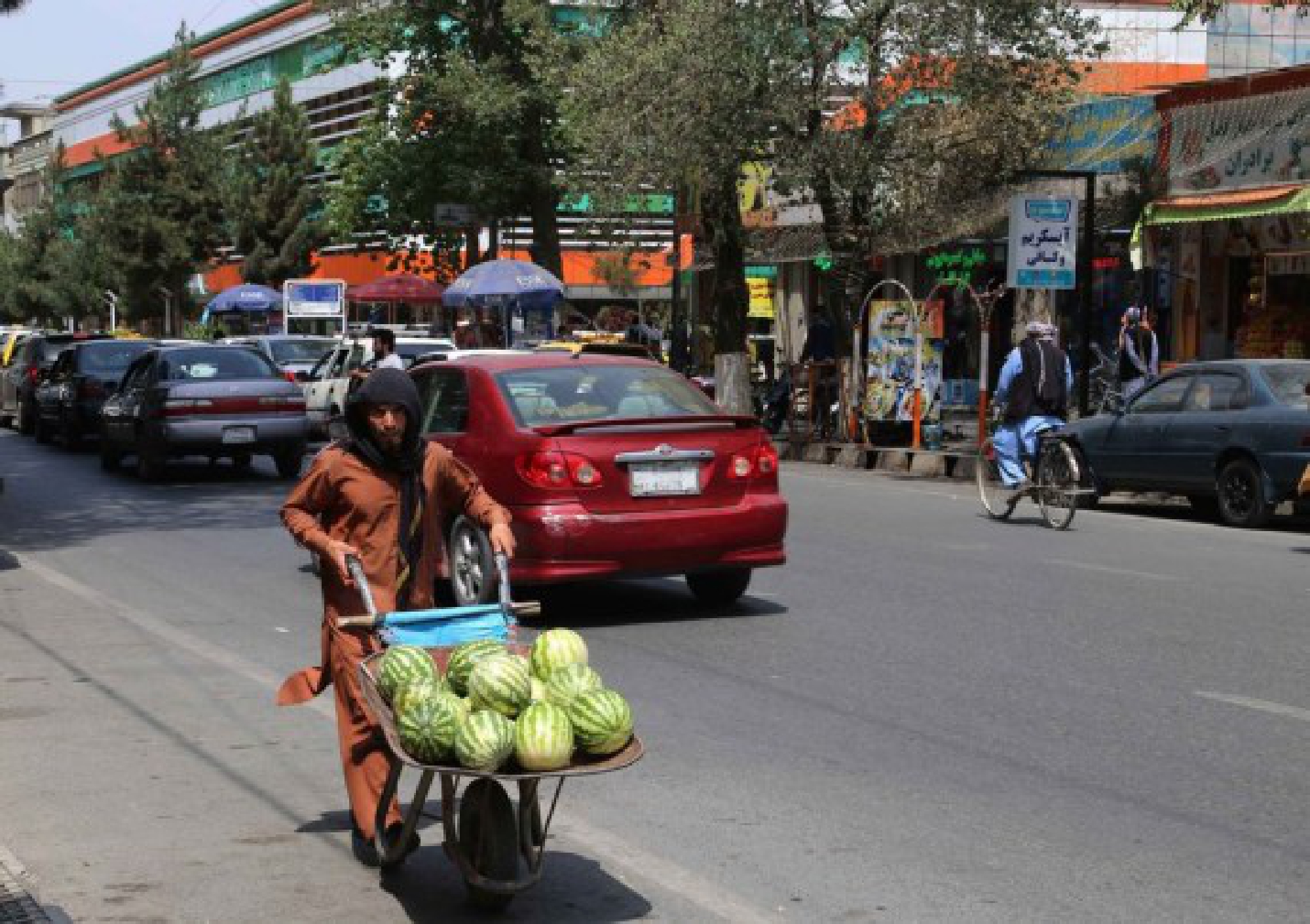
A vendor is seen on a street in Kabul, capital of Afghanistan on Aug. 31, 2021. A vendor is seen on a street in Kabul, capital of Afghanistan on Aug. 31, 2021.
Published : September 01, 2021

Back-to-school blues hits airlines bracing for long winter #SootinClaimon.Com

#SootinClaimon.Com : ขอบคุณแหล่งข้อมูล : หนังสือพิมพ์ The Nation.

https://www.nationthailand.com/international/40005537

Back-to-school blues hits airlines bracing for long winter


European airlines hoping to extend the holiday season are running up against the start of the school year that is denting family bookings, while the spread of the delta variant of Covid-19 prompts new travel curbs.

Carriers including Ryanair Holdings are keeping prices low to prolong leisure demand through October. The airline is also beefing up winter timetables in a bet that the yearning for a vacation will sustain sales even in what’s normally the quietest period for European travel. Tour operator TUI says it’s ready to add capacity in Mediterranean resorts if the opportunity arises.

At the same time a surge in coronavirus cases that’s led to renewed lockdowns in Asia and a flatter travel market in the U.S. is threatening to strangle off a European tourism revival that’s seen capacity in the region recover to two-thirds of 2019 levels. The U.K. last week kept Turkey on its red list, dashing hopes for a reopening, and downgraded Thailand, a popular luxury destination during colder months. The European Union on Monday moved to tighten curbs again for American arrivals.

“There’s a risk that the really good late summer traffic we’ve seen could be a bit illusionary,” said Nick Cunningham, an analyst at Agency Partners in London. “With kids going back to school, and the likelihood that could bring a flare-up in cases, winter is looking much more uncertain for the airlines.”

It remains unclear whether vaccinations will keep case numbers low over the winter, when viral infections generally surge. Any significant outbreaks are likely to trigger a deeper clampdown and put off older travelers and those without children who have the ability to travel year round.

For the moment at least, European airlines are grabbing what they can.

Dublin-based Ryanair, the region’s biggest discount carrier, said Aug. 17 it will operate 250 new routes across its network this winter, seeking to capitalize on demand from people who missed out on a summer break overseas. Rival Wizz Air Holdings has already restored 100% of pre-pandemic seating, becoming one of the few major operators worldwide to do so.

But the competition for market share as travel returns has come at a cost in the form of bargain-basement prices and hence thin margins, said John Grant, chief analyst at aviation data provider OAG.

“Airlines were hoping to rebuild cash reserves this summer to cover the winter season,” Grant said. “But airlines have had to almost buy traffic with low fares. And forward bookings in many cases are soft, with consumer confidence shattered by the stops and starts of travel restrictions.”

TUI, the world’s biggest package-holiday firm, said it’s expecting a bumper winter in the Canary Islands, Europe’s go-to destination for year-round sunshine. The company has looked at extending the season in countries such as Greece and Turkey, where leisure flights are usually terminated as the autumn sets in.

“Because we own planes and hotels and have overseas teams on the ground we can be very flexible and pivot toward where the demand is,” TUI UK spokeswoman Liz Edwards said.

At the same time there’s little visibility over forward sales, she said, with hotels unable to see beyond the three-week periods for which the U.K. government sets it travel policy. Turkey, a popular destination with both Brits and Germans, is still deemed high risk in both countries.

Deutsche Lufthansa Chief Executive Officer Carsten Spohr said the airline was bracing for a “hard” winter as the virus continues to spread and curbs on travel remain in place. The carrier, the recipient of a 9 billion-euro bailout last year, still expects to hit 40% of its pre-pandemic capacity for this year, a forecast underpinned by expectations for a gradual easing of restrictions but that could be undone by rising infections.

“We were one of the first sectors to be hit by this pandemic, and we’ll be among the last to get out of it,” Spohr said at an event at Frankfurt airport late Monday.

Globally, airline capacity now stands at 69% of pre-pandemic levels, according to figures from OAG. China, which at one stage during the pandemic overtook the U.S. as the world’s largest aviation market, remains 13% down on 2019 levels, with travel largely limited to domestic flights that do nothing to buoy Asia’s wider tourist economy. The U.S. remains about 13% below 2019 levels, OAG data show.

The International Air Transport Association said Friday that the industry had a collective net loss of $6.9 billion in the second quarter, less than half the $14.4 billion deficit in the first three months. Still, only North American carriers posted a profit, and Europe’s loss of $4.6 billion was virtually unchanged.

With the days shortening in Europe, travel firms there also need long-haul leisure trips to the Caribbean, North America, Indian Ocean, Middle East and southeast Asia to bring in revenue. But the reality is that options for intercontinental travel remain limited and could shrink further.

While the U.K. moved Canada to its green list, meaning arrivals can skip quarantine regardless of their vaccination status, the inclusion of Thailand in the red category deprives travel firms of a lucrative winter-sun destination.

The Caribbean remains a rare long-haul bright spot. Virgin Atlantic Airways Ltd. says bookings for Barbados, Antigua and Grenada surged 300% when the islands were added to the U.K. green list. The former is one of the carrier’s busiest destinations, with 11 weekly flights from London Heathrow and Manchester and a new service from Edinburgh set to start Dec. 5.

Some 70% of bookings are for travel before the end of September, suggesting huge pent-up demand, spokeswoman Laura Brander said, while many passengers are paying extra to fly in the carrier’s Upper Class cabin.

At TUI, U.K. bookings to St. Lucia have also been “really good” and the company is operating more flights to Jamaica than it did before the pandemic, according to Edwards, helping to make up for the closure of destinations such as Mexico.

Dubai-based Emirates, the world’s biggest long-haul airline, last week brought forward plans to boost operations to more than 10 locations in Europe, though demand may be limited with many Asia-Pacific destinations with which it connects still effectively closed.

Clouding the outlook for Europe’s network airlines is continuing uncertainty over the return of trans-Atlantic travel. Airline routes between the EU and U.S. rebounded to almost 50% of pre-pandemic levels after the EU chose to let in fully vaccinated Americans in June. That window now looks to be closing again after EU countries voted to subject the U.S. to fresh restrictions on nonessential travel.

Westbound travel also remains in the doldrums as the U.S. administration continues to close the door to non-Americans. That in turn could prompt a new cash crisis at airlines that have had only weeks to build up profits after more than a year of lackluster demand. It may lead to new rounds of fund-raising, putting governments under pressure to extend bailouts that already total around 40 billion euros ($47 billion).

“Airlines face a long, dark winter and unless there are major breakthroughs in the easing of restrictions, the prognosis for international travel in the first quarter of next year will be no better,” said OAG’s Grant. “Many will be looking for more cash and this may force some to look at takeovers from the few carriers that are better resourced.”

Published : September 01, 2021

This U.S. soldier boots were the last on the ground in Afghanistan #SootinClaimon.Com

#SootinClaimon.Com : ขอบคุณแหล่งข้อมูล : หนังสือพิมพ์ The Nation.

https://www.nationthailand.com/international/40005536

This U.S. soldier boots were the last on the ground in Afghanistan

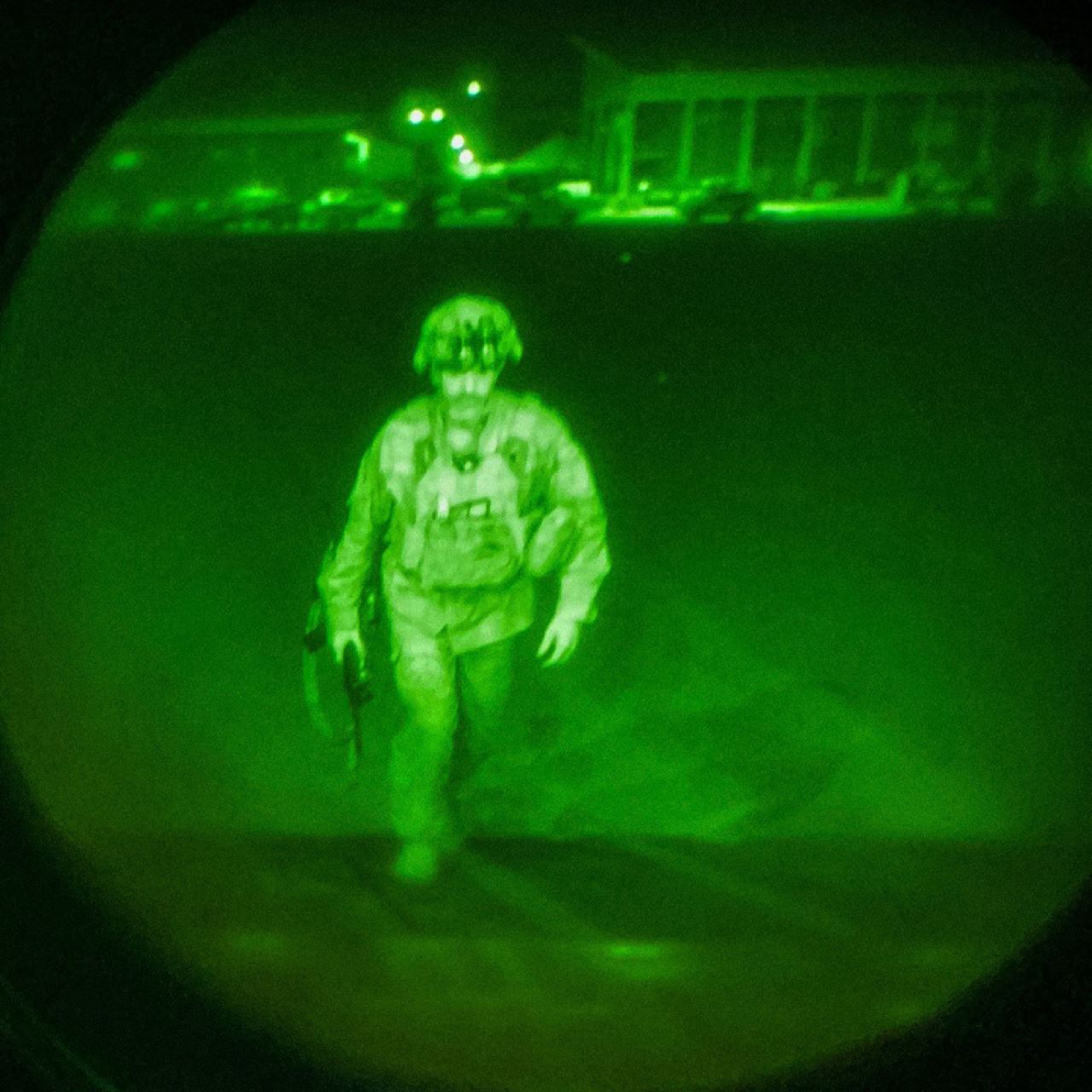
Army Maj. Gen. Christopher Donahue, commander of the 82nd Airborne Division, was the last service member with feet planted on Afghan soil.

Sometime before 11:59 p.m. Monday, he ascended the ramp of a C-17 transport plane with Ross Wilson, the top diplomat in Kabul, officials said, closing the chapter on U.S. involvement in the country’s longest war.

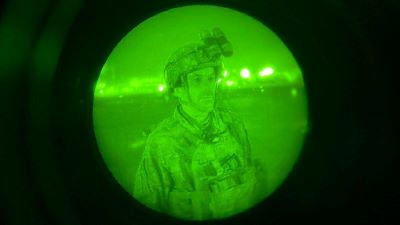
Images of Donahue, awash in night-vision green, may become an enduring memory of the end of the U.S. war in Afghanistan, a 20-year effort that began with toppling the Taliban government and ended with the militants parading onto the airfield soon after the general left. The photos are uncannily symmetrical to some of the earliest depictions of U.S. operations in Afghanistan, including blurry night-vision green videos of Army Rangers jumping onto an airfield a month after the Sept. 11 terrorist attacks.

The images are also reminiscent of how the war looked from the perspective of U.S. troops fighting across two decades, often under cover of darkness. Pilots and aircrews watched the rugged terrain in Afghanistan unfold underneath them in hues of green and black, and commandos on nighttime raids searched for targets with the beams of their rifle-mounted infrared lasers, visible only through night-vision devices.

This U.S. soldier boots were the last on the ground in AfghanistanThis U.S. soldier boots were the last on the ground in Afghanistan
Donahue’s departure capped his own involvement in a military effort that began soon after hijacked planes crashed into the World Trade Center. As a young aide, Donahue was assigned to the Pentagon but was on Capitol Hill with Air Force Gen. Richard Myers, vice chairman of the Joint Chiefs of Staff, as the attack unfolded, according to Military Times.

He later went on to command a squadron of the secretive Delta Force counterterror unit in Afghanistan, Military Times reported.

For this month’s emergency evacuation mission, Donahue oversaw security at the Hamid Karzai International Airport, where U.S. troops marshaled in thousands of Afghans and U.S. citizens for emergency flights out as defense officials warned of likely attacks. The intelligence proved grimly accurate. A suicide bomber killed at least 170 Afghans struggling to escape on Thursday, along with 13 U.S. troops charged with searching and processing evacuees at an airport gate.

The photos of Donahue’s departure from the country is poised to join some of the most memorable images from the U.S. effort.

In one image, an unnamed paratrooper from the 82nd Airborne Division has a face of exhausted determination during a 2002 mission to find a weapons cache somewhere in southeastern Afghanistan.

The U.S. effort continued for years afterward, even as it was overshadowed by the war in Iraq.

Attention turned back to Afghanistan in 2008, when heavy combat escalated in the fight to retake Helmand province in the south. In one photo, Marine Sgt. William Olas Bee takes cover as Taliban fire sends pieces of a mud wall tumbling through the air.

The next year, as U.S. forces were positioned in the eastern mountains to thwart militants crisscrossing the border with Pakistan, a firefight erupted in Konar province, rousing soldiers from sleep at a remote outpost. That included Army Spc. Zachary Boyd, still in his underwear and flip flops.

“He immediately grabbed his rifle and rushed into a defensive position clad in his helmet, body armor, and pink boxer shorts that said ‘I Love New York,'” Defense Secret Robert Gates said after photos of Boyd were printed in newspapers around the world.

“Unfortunately, or fortunately, depending on your perspective, an AP photographer was there for a candid shot,” he said, according to NBC News.

The closing images of the war, shot from inside a C-17 with Donahue as a subject were much more subdued. Donahue walked up the ramp as the lights of the Kabul airport were lit behind him.

A short time later, Taliban members took the airport by force, according to video posted on Twitter by a Los Angeles Times reporter walking with the militants as they inspected U.S.-supplied helicopters. The aircraft and other vehicles left behind were decommissioned by departing troops, the Pentagon said.

The insurgents certainly had the ability to watch Donahue’s flight depart. The armed men in the hangar wore their own night-vision goggles atop their helmets – a small part of the bounty of U.S.-supplied equipment they now claim.

Published : September 01, 2021

South Korea moves to curb Apple and Googles app-store dominance #SootinClaimon.Com

#SootinClaimon.Com : ขอบคุณแหล่งข้อมูล : หนังสือพิมพ์ The Nation.

https://www.nationthailand.com/international/40005530

South Korea moves to curb Apple and Googles app-store dominance


South Korean lawmakers on Tuesday passed the worlds first law to force tech giants such as Google and Apple to offer alternative payment systems on their app stores, a move critics of the companies say will loosen their stranglehold over profits derived from the lucrative online marketplaces.

Washington lawmakers who favor more regulation of tech companies immediately hailed the action and urged passage of a similar proposal that a bipartisan cast of lawmakers introduced this month.

“South Korea is taking steps to foster competition in the app economy. The U.S. can’t fall behind,” Sen. Richard Blumenthal, D-Conn., one of the U.S. lawmakers leading the push for greater app store restrictions, tweeted after the South Korean action.

Google and Apple resisted the legislation in South Korea, arguing that customers’ privacy could be compromised on smaller and less secure payment systems and that the measure’s impact on consumers and developers is uncertain. NetChoice, a tech trade association that counts the two companies as members, has made some of the same arguments in its efforts to head off similar legislation in Washington.

“The proposed Telecommunications Business Act will put users who purchase digital goods from other sources at risk of fraud, undermine their privacy protections, make it difficult to manage their purchases, and features like ‘Ask to Buy’ and Parental Controls will become less effective,” Apple said in a statement after the proposal passed South Korea’s National Assembly.

The South Korean measure amends the nation’s primary telecommunications law to block marketplace operators from forcing customers to use their in-app systems to make purchases – where the giants can collect commission rates of up to 30 percent that some developers say harm competition. Failure to comply could result in fines of as much as 3 percent of the tech companies’ revenue in South Korea.

The measure now goes to President Moon Jae-in for his signature. His party has championed the bill.

Google, too, said the assembly hadn’t studied the measure enough to know how it will affect the estimated 500,000 registered app developers in South Korea or their customers. “We worry that the rushed process hasn’t allowed for enough analysis of the negative impact of this legislation on Korean consumers and app developers,” it said.

Tech critics see the legislation as a necessary guardrail to protect consumers and businesses from anti-competitive practices that enrich app store operators at the expense of the companies whose customers are reached largely through the app stores. Match Group, a member of a coalition of developers that is pushing Apple and Google to change their policies, called the South Korean action “historic” and “a monumental step in the fight for a fair app ecosystem.” It praised South Korean lawmakers for “bold leadership.”

The move comes as the debate over the tech giants’ app store dominance heats up. Last week, Apple announced that it would institute major changes to its App Store as part of a proposed settlement with developers who sued, maintaining that Apple’s pricing tiers and lack of payment options outside of its own were monopolistic.

Apple said it now will allow developers to inform their iPhone and iPad customers about ways to pay for their services beyond the official App Store. The new policy would also expand the types of prices that developers can offer for subscriptions, in-app purchases and paid apps, among other initiatives.

But the company’s critics scoffed at the changes, which still must be approved by the judge in the case, calling them insufficient and pledging to press ahead with other efforts globally to regulate Google’s and Apple’s app stores more stringently.

Sen. Amy Klobuchar, D-Minn., who in August was among the sponsors of a bill that would prohibit app store operators from requiring developers to use their in-app payment systems, said the effort “builds on our growing momentum to implement serious reforms.”

“Mobile technologies have become essential to our daily lives, and now just two app stores wield incredible power over which apps consumers can access and how they access them,” she had said last week. “When you see this same issue arising all over the world, it is even more obvious that we need to take action.”

Rep. David Cicilline, D-R.I., who co-sponsored the companion app-store bill in the House, also applauded the South Korean legislation. “It is clear that momentum is building around the world to rein in abusive and anticompetitive practices by dominant online platforms, including in the mobile app economy,” he said in a statement last week in support of the bill.

Google’s and Apple’s control of their app stores faced renewed scrutiny after Epic Games, maker of the Fortnite video game series, sued the giants last year, alleging anticompetitive behavior after they removed the game from their app stores for violating payment policies. A decision in that case is expected soon.

Published : September 01, 2021

U.S. setting up Afghanistan-focused diplomatic mission #SootinClaimon.Com

#SootinClaimon.Com : ขอบคุณแหล่งข้อมูล : หนังสือพิมพ์ The Nation.

https://www.nationthailand.com/international/40005529

U.S. setting up Afghanistan-focused diplomatic mission


The Biden administration on Tuesday began planning for the next phase of the U.S. relationship with Afghanistan, as the State Department scrambled to stand up a remote diplomatic mission and continue working to help those stranded under Taliban rule.

Diplomats will work from the Qatari capital, Doha, where they will assist refugees who have fled Afghanistan and liaise with representatives of the militant group whose capture of Kabul this month marked an ignominious end to the United States’ two decades there.

Victorious Taliban leaders cemented their own plans for Afghanistan in a high-level three-day meeting, headed by the group’s supreme leader, Haibatullah Akhunzada, which concluded Monday in the Taliban’s birthplace city of Kandahar.

Akhunzada, who has not been seen in public for years, “gave comprehensive instructions” to fellow senior Taliban officials, according to Mohammad Naseem, a Taliban spokesman, writing on Twitter. It is not yet clear what role Akhunzada will play in any future government.

Secretary of State Antony Blinken said the diplomatic post in Doha will for now be at the center of American involvement with Afghanistan.

“A new chapter of America’s engagement with Afghanistan has begun,” Blinken said on Monday. “It’s one in which we will lead with our diplomacy.”

Officials said the new mission, which will be headed by Ian McCary, who previously served as the No. 2 at the U.S. Embassy in Kabul, would focus in part on coordination with the Taliban. Diplomats have previously used the small U.S. Embassy in Doha as a base for talks with the militants, who opened an office in the Qatari capital during the Obama administration,

State Department spokesman Ned Price said the Doha mission would also include core diplomatic functions that previously took place in Kabul, such as reporting on political, economic and security developments in Afghanistan.

Veteran diplomats said the United States has experience in operating remote diplomatic missions, as it has in recent years to cover countries such as Libya and Venezuela. But they note that doing so comes with significant drawbacks, including an inability to engage with local leaders on a regular basis, visit ministries or develop relationships with key actors outside government.

Peter Bodde, a retired ambassador who twice served as the top U.S. diplomat for Libya from a mission in neighboring Tunisia, said diplomats can find ways to attempt to maximize their effectiveness under such circumstances. He recalled what he described as one brief but productive visit to Libya during which he met with a number of ministers during about four hours on the ground.

“It was what I imagine speed dating must be like,” he said. “I said, ‘We got an awful lot done. Just think what we could do if we were on the ground’ ” in Libya.

Also unclear is the future of the Taliban’s Doha mission. A top political official, Abdul Ghani Baradar, has relocated to Afghanistan. If all senior officials move back, it could decrease the opportunity for interactions in Doha. It’s unlikely, however, that U.S. officials would want to travel to Afghanistan to meet with Taliban counterparts for some time, if ever.

Officials have not said whether the White House will ask Zalmay Khalilzad, the Afghan-born diplomat who has served as special envoy for Afghan reconciliation, to remain in his job, or if they will name another high-level envoy. They might also ask officials in Washington or at the new Doha mission to handle what is likely to be significant shuttle diplomacy among nations with stakes in Afghanistan and those who are poised to provide humanitarian support.

One former official, who spoke on the condition of anonymity to comment candidly, said the added clout a senior diplomat would bring is essential to the position.

“If you’re just going to say, ‘Oh, the ordinary bureaucracy can handle this,’ that means you regard it as an ordinary problem,” the former official said. “I think the recent weeks have shown that the withdrawal and its aftermath is an extraordinary problem.”

Central to the Doha mission is the fate of Afghans who worked with the United States over the past 20 years and want to leave, and also the fate of a small number of Americans who indicated they intended to evacuate but were unable to do so. The Taliban has said it will allow people to leave.

The administration is expected to hold off on lifting sanctions on the Taliban until a clearer picture emerges of how group intends to govern and how it will treat Afghans, including women and potential evacuees.

“Any change in our posture will need to be predicated on the Taliban following through with the various commitments it has made,” Price told reporters Tuesday.

Laurel Miller, who served as a senior official for Afghanistan during the Obama and Trump administrations and participated in talks with Taliban in Doha, said the group would eventually ask for something in return for meeting its commitments. Officials “are going to need . . . a fully thought-through policy on what does engagement look like, what are American objectives and what are Taliban objectives in return,” she said.

Diplomats say that mundane but important elements are also likely to factor into the mission’s success, including whether officials at the embassy in Qatar, already squeezed for resources, are able to provide adequate offices, security, transportation and housing support for their new colleagues.

“There’s no substitute for being there,” Bodde said. “That said, given where we are now, we have to do this.”

Published : September 01, 2021

Afghans suffer as U.S. wraps up mission in Afghanistan #SootinClaimon.Com

#SootinClaimon.Com : ขอบคุณแหล่งข้อมูล : หนังสือพิมพ์ The Nation.

https://www.nationthailand.com/international/40005505

Afghans suffer as U.S. wraps up mission in Afghanistan


The U.S. mission was to “end the war, bring about peace and prosperity in Afghanistan,” said a wounded Afghan man. However, the war-torn country was left in lurch amid “instability, extreme poverty and uncertainty.”

“It was a horrific scene as the injured men were crying for help and dead bodies were scattered around you,” an injured Afghan man Mohammad Bakhsh said here on Monday.

Receiving medical treatment at a local hospital here, Bakhsh claimed that he was going to leave Afghanistan with the U.S. military but the terrorist attack at the airport had turned his dream to ash.

In a deadly terrorist attack on the fortified Kabul airport Thursday evening for which ISIS-K, an affiliate of the Islamic State group active in Afghanistan, claimed responsibility, at least 170 Afghans and 13 U.S. soldiers were killed and about 200 others wounded.

“The wave of the blast of the terrorist attack threw me to a polluted water canal next to the wall of the airport,” Bakhsh recalled.

The attack rocked Kabul airport amid the evacuation of foreign soldiers and Afghans cooperated with them during the 20 years of the presence of the U.S.-led forces in Afghanistan.

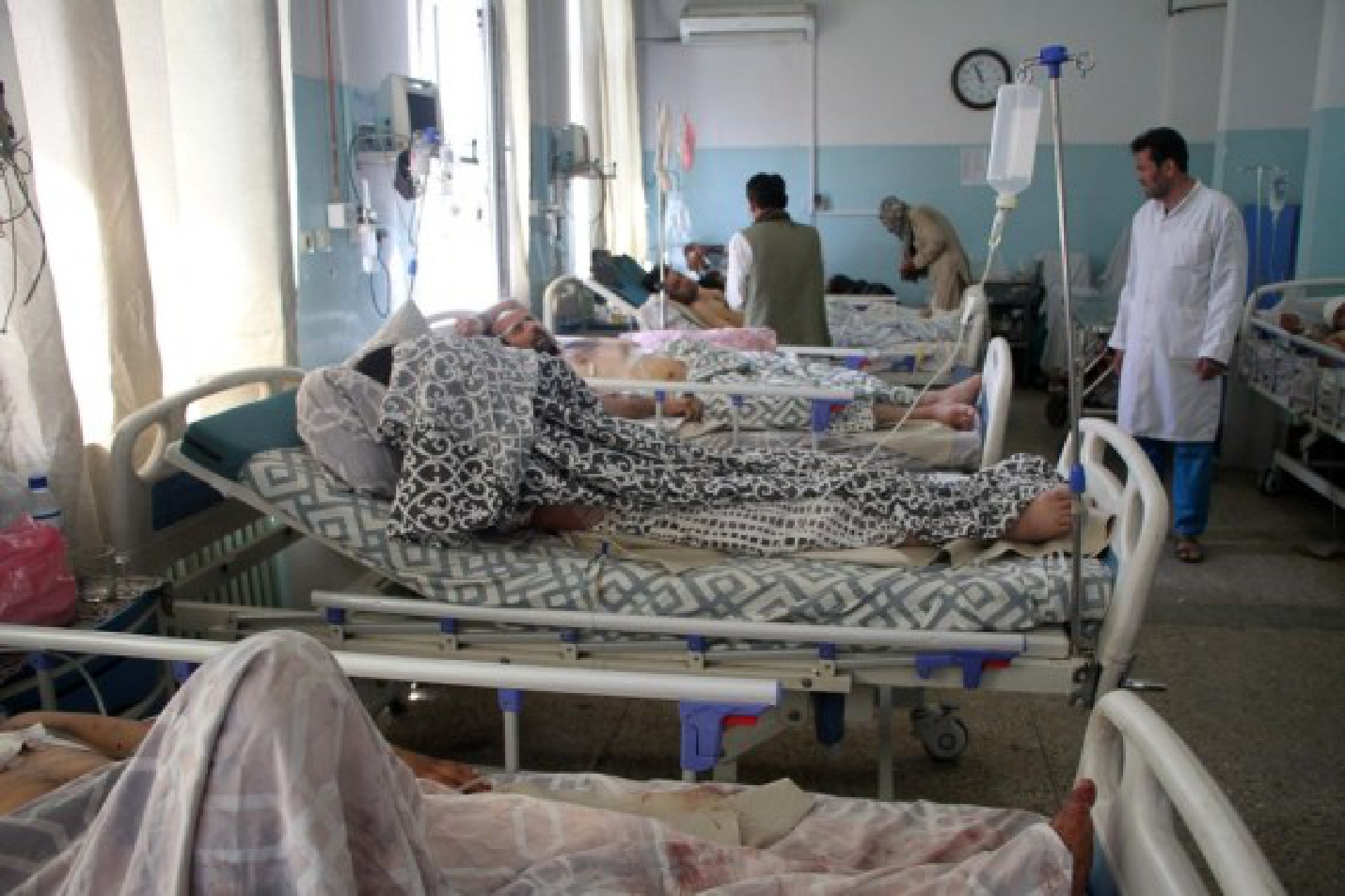
Bakhsh is from the country’s central Daykundi province. Like dozens of other injured Afghans, he has been hospitalized in a local hospital.

The U.S. mission, according to the wounded Afghan man, was to “end the war, bring about peace and prosperity in Afghanistan.” However, they left the war-torn country in lurch amid “instability, extreme poverty and uncertainty.”

People injured in the Kabul airport attacks receive medical treatment at a local hospital in Kabul, capital of Afghanistan, Aug. 27, 2021. People injured in the Kabul airport attacks receive medical treatment at a local hospital in Kabul, capital of Afghanistan, Aug. 27, 2021.

Following the Taliban’s takeover of Kabul on Aug. 15, the United States and allied nations began the withdrawal of their nationals including soldiers, diplomats and their Afghan employees from Afghanistan and Washington would reportedly wrap up the evacuation process on Aug. 31.

Lying on a hospital bed, an injured Afghan man who only gave his name as Kamyab told Xinhua on Monday about his ordeal at the Hamid Karzai international airport on Thursday night. “The blast was followed by gunshots and due to the firing, my hand was injured outside the airport,” he recalled.

“No other armed men except the American soldiers were in the area when the shooting took place,” he said. “Under a rain of bullets, everyone was trying to escape the tragic scene.”

Some injured people on the condition of anonymity claim that the U.S.-made bullets had been taken out of the bodies of some wounded men.

“The horrific U.S.-led military invasion of Afghanistan begun with killing Afghans 20 years ago and ended with tragic scene as fighting continues, terrorist attacks claim the lives of Afghans and poverty is high as the majority of Afghans live under poverty line,” Kamyab said.

Published : August 31, 2021