At least 8 dead, 3 missing after Hurricane Grace in Mexico
State police and the Mexican Army are engaged in rescue efforts and securing infrastructure after dozens of homes were flooded, sections of roads collapsed, and the electricity in parts of the area was cut.
At least eight people were dead and three missing after Hurricane Grace hit eastern Mexico, Cuitlahuac Garcia, governor of the state of Veracruz, reported on Saturday.
ADVERTISEMENTx
Grace, the second Atlantic hurricane of the season, made landfall in the early hours of Saturday with winds of up to 205 km per hour, leading to severe flooding in more than 20 municipalities in Veracruz.
State police and the Mexican Army are engaged in rescue efforts and securing infrastructure after dozens of homes were flooded, sections of roads collapsed, and the electricity in parts of the area was cut.
In the municipality of Nautla, a large number of crops were lost and roads were flooded during the storm.
According to the latest report from the National Water Commission (Conagua), Grace weakened during the early hours of the day and downgraded to a tropical storm, currently located 55 km northwest of Mexico City.
The tropical cyclone season in Mexico began on May 15 and is expected to end in November, according to Conagua.
Man who claimed to have bomb near Capitol charged with threatening to use weapon of mass destruction
WASHINGTON – A man who prompted an evacuation Thursday of the U.S. Capitol and surrounding buildings by claiming to have a bomb inside his truck faces charges of threatening to use explosives and a weapon of mass destruction.
Floyd Ray Roseberry of North Carolina surrendered to authorities Thursday about five hours after he drove a truck onto the sidewalk outside the Library of Congress and launched a standoff with law enforcement officers, police said. He had demanded to speak to President Joe Biden about a range of grievances against the Democratic Party and claimed that if he was shot, his vehicle and four others would explode.
According to court documents, a relative of Roseberry’s reported to local law enforcement on Wednesday that he “had recently expressed anti-government views and an intent to travel to Virginia or Washington, D.C. to conduct acts of violence.”
Officials said they found no bomb in his car, but there were materials that could be used to make explosives.
In a court appearance Friday when the charges were made public, Roseberry said he went to school through the eighth grade before going to work but eventually returned and got his GED and a welding license. He also said he hadn’t taken his “mind medicine” for at least two days.
“My memory isn’t that well, sir,” he told U.S. Magistrate Judge Zia Faruqui. He said his wife has power of attorney over his medical care.
Faruqui said he would delay any substantive decisions until the medication was provided but told Roseberry he faces up to life in prison.
ADVERTISEMENTx
“I can tell you’re a good man,” Roseberry responded. “I’m willing to do whatever you ask.”
Faruqui ordered a competency screening for Roseberry at the request of the government, which also asked for him to remain jailed. Authorities said Roseberry was 49, but in court he said he was 51.
A federal public defender representing Roseberry declined to comment after the hearing.
Before he was taken into custody, Roseberry delivered a tirade over a Facebook Live video that circulated widely before the website and other social media platforms took it down. In the video, he repeated the false claim that the election was stolen from former President Donald Trump and called on Democrats to resign.
He also threw what he said was $3,000 in cash out of the windows of his truck.
Roseberry’s ex-wife, Crystal Roseberry, said he has had a history of mental instability and had a volatile temper during their decade-long marriage.
Roseberry’s father, Floyd Roseberry, said his son had experienced mental problems in the past and, at times, threatened violence. He said he thought his son had “gotten on his feet” in recent years, running an auto repair business and a mobile home park and had become more religious under the influence of his new wife.
Bishop Brady Jackson, who leads a church in Roseberry’s North Carolina community, said he was never a member and his wife stopped attending. “They’re both pretty good people,” Jackson said. “I never would have thought he would have done that.”
Roseberry’s threat came four months after a Capitol Police officer was killed by a man who rammed his car into the barriers around the U.S. Capitol grounds and seven months after a violent, pro-Trump mob overran law enforcement and took over the building.
Roseberry had been distraught over his mother’s death a few years ago, said Brenda and Charles Humphries, his aunt and uncle. But nothing seemed amiss when the couple last saw Roseberry about a month ago, they said.
Brenda Humphries they learned about the incident in Washington from a friend.
“Oh, my lord,” she said. “I don’t know what happened. Something must have happened to Ray.”
Roseberry’s son’s fiancee, Courtney Foster, said Roseberry would tell everybody how much he agreed with Trump and “the way that he spoke the truth to the people,” but she was not aware of him attending any political events in D.C.
Roseberry also does not “believe in” watching TV and would get his news on his phone, Foster said. She wasn’t sure what sources he relied on, she said, but he came away with a dislike for Biden and refused to get vaccinated against the coronavirus.
“He’s very big in politics and he’s very big in, you know, the way that things are right now. He keeps up with it,” Foster said. “And this is just a result of it.”
Pierre Sprey, Pentagon analyst who battled brass to produce A-10 warplane, dies at 83
WASHINGTON – Pierre Sprey, a 1960s Pentagon “whiz kid” who was a formidable intellectual force in military analysis and weapons development and was sometimes an outspoken critic of Defense Department spending and war plans, died Aug. 5 at his home in suburban Glenn Dale, Md. He was 83.
The cause appeared to be a sudden heart attack, said his son, John Sprey.
Sprey (pronounced “spray”) was considered a polymath whose interests encompassed history, engineering and French literature. In later years, he established a jazz record label, Mapleshade, and produced dozens of recordings known for their exquisite high-fidelity audio.
Former colleagues said he applied the same meticulous – and sometimes unconventional – principles to military matters. After working for the Grumman aircraft company early in his career, Sprey moved to the Pentagon in 1966 as part of a group of analysts and engineers dubbed the “Whiz Kids,” borrowing a term first used to describe then-Defense Secretary Robert S. McNamara and his former colleagues at Ford Motor Co.
“Even among McNamara’s Whiz Kids – the highly educated and extraordinarily bright young men brought into the [Pentagon] with the mandate to impose rational thought on both the military and the military budget – Pierre Sprey stood out,” author Robert Coram wrote in a 2002 biography of Sprey’s onetime Pentagon boss, John Boyd.
It was the height of the Cold War with the Soviet Union, and Sprey spent his first year working on a study of the Air Force budget and preparations for a potential war in Europe. His report, based on studies of World War II and information from the Joint Chiefs of Staff, stated that the Air Force’s existing plan to bomb bridges and infrastructure was useless and would not prevent Soviet troops from pouring into Europe.
ADVERTISEMENTx
By rejecting a long-held doctrine, Sprey quickly became persona non grata among top-ranking Air Force brass, many of whom had been fighter or bomber pilots and resented getting advice from a civilian who was barely 30.
“He was one of the most detested people by the United States Air Force,” Tom Christie, who spent decades as a Pentagon analyst, said in an interview, “because he was challenging a lot of sacred programs and strategies.”
Instead, Sprey advocated a primary mission of “close air support,” with Air Force planes flying low to support Allied ground troops and to attack enemy convoys and armored units. He made the startling assertion that the most important vehicles in warfare were not fighter planes, aircraft carriers or tanks – but ordinary trucks.
“I made myself pretty unpopular by pointing out that trucks were much more important than airplanes,” Sprey told the Baltimore Sun in 2002. “The tonnages moved by airplanes are tiny. Trucks are what count in the theater of war. Well, that wasn’t very glamorous for all those guys, so I got fired from that job.”
Sprey, Christie and a few others became part of a small group of analysts under the leadership of Boyd, a former fighter pilot who wanted to bring improved planning and efficiency to the Air Force. They adopted an almost furtive, underground approach, often working late at night, and came to be known as the “fighter mafia.”
In general, the group believed that simpler, cheaper weapons and aircraft worked better than complex, more expensive designs. Airplanes loaded down with electronics and other features, Sprey argued, were less maneuverable and harder to repair.
Sprey and his group faced a strong backlash from Pentagon officials and from manufacturers who stood to profit from defense contracts. According to Coram’s book on Boyd, the Air Force assigned a colonel to get Sprey fired. When the colonel presented doctored statistics to challenge Sprey’s calculations, Sprey replied, “Your numbers are a lie.”
The colonel demanded an apology, but Sprey responded by calling him a “slimy creature” who “oozed mendacity.”
“Unlike many civilians who worked in the Pentagon,” Coram wrote, “Sprey was not intimidated by rank; in fact, he thought there was an inverse relationship between the number of stars on a man’s shoulders and his intelligence.”
He stayed at the Pentagon as part of Boyd’s team and worked on two new airplane designs in the 1970s: one was a lightweight fighter that turned out to be the F-16; the other was a relatively slow, low-flying aircraft that became the A-10.
Sprey was particularly influential in the development of the A-10, a stubby plane with upright fins on the tail and two jet engines mounted over the body. Its central feature was a nose-mounted 30-mm Gatling gun that could fire 70 rounds a second. The plane could carry missiles and bombs under its wings.
Sprey insisted that the A-10 be durable and easy to repair. It was covered in a titanium shell that could withstand ground fire. Fuel tanks were insulated with nonflammable material to prevent explosions, and backup systems were in place for various hydraulic and mechanical components. Officially called the Thunderbolt, the A-10 looked so ungainly that pilots affectionately called it the Warthog.
The Pentagon sought repeatedly to kill the A-10 project or relegate the aircraft to the National Guard, even after testing proved that its gun and rockets could easily destroy armor-plated tanks. Sprey helped rally support for the plane among sympathetic military officials and members of Congress, and the program stayed alive.
During the Persian Gulf War in 1991, the A-10 was brutally effective, taking out 1,100 of the 1,500 Iraqi tanks lost during the conflict, plus more than 1,000 pieces of artillery. The A-10 was so rugged that stories and footage began to circulate of badly damaged planes landing safely after combat missions. The A-10 continued to be a useful warplane during the conflicts in Iraq and Afghanistan.
“The pilots love them,” Sprey said in 1999. “Any of our jet fighters can be shot down by a .22-caliber rifle. But you can punch an A-10 full of holes and it will come home with sky showing through the wings.”
Pierre Michel Sprey was born Nov. 22, 1937, in Nice, France. His Jewish parents had fled oppression in Germany in the early 1930s, then came to the United States in 1941, settling in the New York borough of Queens.
His father was a jeweler, and his mother a homemaker. Young Pierre grew up speaking German and sometimes French with his parents, who would discuss classical music at the dinner table.
Sprey studied engineering and French literature at Yale University, graduating in 1957 at age 19. He later received a master’s degree in systems engineering and statistics from Cornell University.
His eyesight was not sharp enough to allow him to be a fighter pilot, his son said, so he turned to aircraft design. After leaving the Pentagon in the 1970s, he continued to work on defense projects as a consultant for many years afterward.
While growing up in New York, Sprey often attended jazz clubs, and he began to record musical performances as a hobby. A fellow Pentagon engineer showed him a high-end turntable, spurring Sprey to take it apart and explore the mechanics of high-fidelity sound.
He devised a homemade recording system that employed extremely thin wires, battery-powered microphones and a two-track Sony reel-to-reel recorder weighted with lead. He had a restored 1911 Steinway piano in the front parlor of an old country house called Mapleshade in suburban Upper Marlboro, Md. He had made amateur recordings of Washington jazz singer Shirley Horn, who came to Sprey’s house to play his piano.
“One night she was sitting at my piano and fell in love with it,” he told The Washington Post in 1996. “She said, ‘P. baby, I want to do my next album on this piano and I want you to be my engineer’ . . . I enjoyed recording Shirley so much, I decided to hang out my shingle.”
Sprey named his record label Mapleshade and recorded primarily jazz and blues musicians, including saxophonists Clifford Jordan and Hamiet Bluiett and pianists Walter Davis Jr., John Hicks and Larry Willis. He placed rubber baffles on the walls and ceiling and turned off all the lights, refrigerators, furnaces and electronic devices to obtain as pure a sound as possible.
“Something important is happening in Upper Marlboro,” a CD Review critic wrote. “To sit down with a small stack of your very first Mapleshades is a revelation.”
A 1997 recording of New York’s Arc Choir singing the gospel tune “Walk With Me” was sampled on Kanye West’s hit “Jesus Walks.” Sprey said the royalties were enough “to support 30 of my money-losing jazz albums.”
Sprey later moved to two other “crumbling old wood and brick farmhouses” in Maryland, his son said, and often cooked for visiting musicians, who were welcome to stay overnight.
His wife of 40 years, Seana Covert, died in 2014. Survivors include a son, John Sprey, of Syracuse, N.Y.
During the 1980s, Sprey and some of his fellow defense analysts from the “fighter mafia” helped spearhead what was called the military reform movement, seeking to develop simpler, more efficient and less expensive weapons programs.
“Not all simple, low-cost weapons work, but war-winning weapons are almost always simple,” he said.
Sprey became a persistent critic of what he saw as wasteful spending and poorly conceived military efforts and often contributed to the website of an independent watchdog organization, the Project on Government Oversight.
“Very simply, I don’t think we should be going to war for oil companies,” he told The Post in 2006. Whether planning for war or setting up his studio for a jazz recording, Sprey followed the same precept: “The whole essence of this is to judge everything by outcomes.”
California judge rules unconstitutional the measure classifying Uber and Lyft drivers as contractors
SAN FRANCISCO – A California judge ruled unconstitutional a ballot measure from last November defining Uber and Lyft drivers as independent contractors, throwing fresh uncertainty into the status of the hundreds of thousands of app-based workers.
In a ruling issued Friday, Alameda County Superior Court Judge Frank Roesch declared that Proposition 22 is “unenforceable,” arguing several sections of the measure are unconstitutional under California state law. They included a section that required a seven-eighths legislative supermajority to amend the measure, which defied the legislature’s amendment power under the state constitution, according to the judge.
Roesch said that avenue for amendments ran counter to the state constitution, instituting a threshold that was “difficult to the point of near impossibility.”
In California, ballot measures are required to be limited to a single subject, and the provisions in the measures must be related. The judge found that the measure pitched to Californians in November overstepped that requirement by limiting the legislature’s ability to allow workers’ to collectively bargain. Proposition 22 passed by a 59% to 41% vote in November.
“A prohibition on legislation authorizing collective bargaining by app-based drivers does not promote the right to work as an independent contractor, nor does it protect work flexibility, nor does it provide minimum workplace safety and pay standards for those workers,” Roesch wrote. “It appears only to protect the economic interest of the network companies in having a divided, ununionized workforce, which is not a stated goal of the legislation.”
Uber criticized the ruling Friday and said it intended appeal.
“This ruling ignores the will of the overwhelming majority of California voters and defies both logic and the law,” Uber spokesman Noah Edwardsen said. “We will appeal and we expect to win. Meanwhile, Prop 22 remains in effect, including all of the protections and benefits it provides independent workers across the state.”
ADVERTISEMENTx
The hotly contested measure, driven by a $200 million campaign mounted by companies such as Uber, Lyft and DoorDash, followed a 2019 state law that defined Uber and Lyft drivers as employees. The companies and fellow apps mounted a vigorous defense, arguing the requirements of employment would impede the flexibility they offer drivers – and that the majority of drivers did not want to be employees.
Advocates for employment argued drivers should be entitled to a minimum wage and benefits such as health insurance, sick leave and job protections.
Prop 22 created a limited set of benefits such as an earnings guarantee and a health care stipend, but not the typical protections of employment under state law.
Geoff Vetter, a spokesman for the Protect App-Based Drivers & Services Coalition, said his pro-Prop 22 group would file an immediate appeal.
“This outrageous decision is an affront to the overwhelming majority of California voters who passed Prop 22,” he said in a statement. “We will file an immediate appeal and are confident the Appellate Court will uphold Prop 22.”
ADVERTISEMENT
Vetter noted the court ruling is not binding and said he expected it to be stayed as the group appeals.
Lyft did not immediately respond to a request for comment.
Veena Dubal, a Professor of Law at the University of California Hastings who co-wrote an amicus brief on behalf of the petitioners, said the companies erred in “trying to completely take away the right of legislatures and municipalities to do anything on behalf of workers, as well as trying to take the workers out from the state’s workers’ compensation scheme.”
“They were trying to do too much in one proposition,” she said.
Stanford University law professor emeritus William Gould, who also co-wrote on behalf of the petitioners, said the judge’s methodical arguments would be hard to defend against. The gig companies faced a steep road ahead, he said, potentially stretching beyond the Court of Appeal.
ADVERTISEMENT
“I think this is quite obviously important and precedential, and the final word is going to be with the Supreme Court of California,” he said.
Afghans flock around Kabul airport to escape uncertainty
Thousands of Afghans, including government employees and security forces, gathered in an open field north of Kabul International Airport on Friday, waiting for a chance to enter the airport, as intermittent gunfire rang out near the scene.
Following the fall of Kabul to the Taliban on Sunday, thousands of Afghans, especially those who had worked for the U.S. army and companies, flooded to the airport to leave the country.
ADVERTISEMENTx
At its first press conference since the Taliban’s takeover of most parts of Afghanistan, the group’s spokesman Zabihullah Mujahid on Tuesday promised to ensure the safety of people who worked with the United States and allied forces.
However, the unchecked rush of people to the Kabul airport and stampede had forced the country’s civil aviation authority to suspend commercial flights for a while.
Those who have been waiting on the dusty streets and pathways around the airport over the past five days with the hope to board a plane by chance are blaming the U.S. military invasion for their miseries.
Situation across Afghanistan remains extremely fluid: UN
550,000 people had been forcibly displaced inside Afghanistan this year, there were also 2.9 million internally displaced persons from prior crises, and 2.6 million Afghans who had fled worldwide over the past decades, according to UN officials.
The situation across Afghanistan remained extremely fluid and bolstered support for the humanitarian response inside Afghanistan was urgently needed, said UN officials on Friday.
Shabia Mantoo, spokesperson for the UN Refugee Agency (UNHCR), said at a press briefing here that while widespread fighting had decreased since the takeover of the country by the Taliban on Sunday, the full impact of the evolving situation was not yet clear.
ADVERTISEMENTx
The vast majority of Afghans were not able to leave the country through regular channels, Mantoo said, adding that some 200 UNHCR colleagues, both national and international, remained in Afghanistan.
“UNHCR was working with 18 local non-government partners with some 900 staff throughout the country. At present, they were able to access all provinces and working in two-thirds of all districts,” she said.
Mantoo told reporters that 550,000 people had been forcibly displaced inside Afghanistan this year, but there were also 2.9 million internally displaced persons from prior crises, and 2.6 million Afghans who had fled worldwide over the past decades.
The Taliban spokesman Zabihullah Mujahid (C, rear) attends a press conference in Kabul, capital of Afghanistan, on Aug. 17, 2021.
Tarik Jasarevic, spokesperson for the World Health Organization (WHO), said at the press briefing that WHO was also committed to staying in Afghanistan and delivering critical health services.
At the start of 2021, he said, half the population of Afghanistan, including more than four million women and nearly ten million children, already needed humanitarian assistance.
“One-third of the population was facing acute food insecurity and more than half of all children under five years of age were malnourished. The current drought was expected to elevate those figures,” he said.
According to the WHO spokesperson, most major health facilities in Afghanistan were functional, and health workers had been called to return to, or remain at their posts, including female health staff.
Photo taken on Aug. 15, 2021 shows a road in Kabul, capital of Afghanistan.
Biden defends handling of withdrawal from Afghanistan, sees “no question” of U.S. credibility
Calling the past week “heartbreaking,” President Joe Biden said the United States has made “significant progress” and evacuated from Afghanistan over 18,000 people since July and 13,000 since Aug. 14. Nearly 6,000 troops are on the ground to assist civilian departure.
U.S. President Joe Biden on Friday once again defended his administration’s handling of withdrawal from Afghanistan, denying America’s allies questioning the country’s credibility over the ongoing chaotic evacuation.
ADVERTISEMENTx
“This is one of the largest, most difficult air lifts in history, and the only country in the world capable of projecting this much power on the far side of the world with this degree of precision is the United States of America,” said Biden, who has been widely criticized on the botched pullout, in a televised speech from the White House.
Biden said he has “seen no question of our credibility from our allies around the world.”
“And all our allies have agreed with that … every one of them knew and agreed with the decision I made to end – jointly end – our involvement in Afghanistan,” said Biden with Vice President Kamala Harris, Secretary of State Antony Blinken, Secretary of Defense Lloyd Austin and National Security Adviser Jake Sullivan standing behind him.
“Let’s put this thing in perspective here. What interest do we have in Afghanistan at this point with al Qaeda gone? We went to Afghanistan for the express purpose of getting rid of al Qaeda in Afghanistan as well as getting Osama bin Laden, and we did,” Biden said.
Calling the past week “heartbreaking,” Biden said the United States has made “significant progress” and evacuated from Afghanistan over 18,000 people since July and 13,000 since Aug. 14.
Afghan Taliban members are seen at a security checkpoint in Kabul, Afghanistan, Aug. 20, 2021.
He pledged to use the full force of the U.S. military to complete the withdrawal and bring Americans and their Afghan allies who assisted the United States in the 20-year conflict to safety.
Nearly 6,000 troops are on the ground, providing runway security, and standing guard around the airport to assist civilian departure, said Biden, acknowledging the evacuation mission is “dangerous.”
“We will get you home. Make no mistake, this evacuation mission is dangerous and involves risks to our armed forces. And it’s being conducted under difficult circumstances. I cannot promise what the final outcome will be,” he said.
This is Biden’s second press conference at the White House since the Taliban took control of the Afghan capital of Kabul last weekend.
The world was shocked to see scenes of chaotic evacuation at the Kabul airport.
In his speech on Monday, Biden said Kabul’s fall to the Taliban came much sooner than Washington had anticipated.
While saying he bears responsibility for the unfolding crisis in Afghanistan, Biden has also cast blame on top Afghan leaders, Afghan forces and his predecessor Donald Trump.
In an interview with ABC News on Wednesday, Biden said he believed the withdrawal could not have been executed without chaos ensuing and he was open to extending the Aug. 31 deadline for a total withdrawal from Afghanistan.
The Taliban took over Afghanistan just two weeks before the United States was planning to complete its withdrawal of troops from the war-torn country.
Afghan Taliban members are seen at a security checkpoint in Kabul, Afghanistan, Aug. 20, 2021.
UK will work with Taliban “if necessary”, says PM Johnson
Leaders of the Group of Seven (G7) will meet online early next week to discuss the situation in Afghanistan, as the rift between Washington and its European allies seemed to have widened over the formers hasty withdrawal from Afghanistan.
British Prime Minister Boris Johnson said Friday that Britain will work with the Taliban “if necessary,” as the group has regained the control of Afghanistan.
ADVERTISEMENTx
“What I want to assure people is that our political and diplomatic efforts to find a solution for Afghanistan — working with the Taliban, of course, if necessary — will go on,” Johnson told reporters.
He said the situation at the Kabul airport, where thousands of Afghans gathered in hopes of boarding an evacuation flight, was getting “slightly better” and he saw “stabilization.”
Britain has been able to evacuate about 2,000 people, including British nationals and Afghans who worked with Britain, since Thursday, the prime minister said.
Leaders attending G7 summit stand for a photo in Carbis Bay, Cornwall, Britain, on June 11, 2021.
Earlier this week, Britain’s Home Office introduced a “bespoke” resettlement plan, promising to take in up to 20,000 Afghans “in the long-term,” with some 5,000 being in the first year.
The plan was considered far from enough to deal with the Afghan crisis by British lawmakers who met for an emergency parliament session on Wednesday.
Leaders of the Group of Seven (G7) will meet online early next week to discuss the situation in Afghanistan, as the rift between Washington and its European allies seemed to have widened over the former’s hasty withdrawal from Afghanistan.
On Tuesday, French daily Le Monde said “Europeans were trapped in hasty American withdrawal.” British Secretary of Defense Ben Wallace said last Friday that the U.S. decision to pull its military forces out of Afghanistan was a “mistake.”
England lifted almost all its remaining COVID-19 restrictions since July 19. More than 87 percent of people aged 16 and over in Britain have had their first dose of vaccine and about 76 percent have received both doses, the latest figures showed.
Another 37,314 people in Britain have tested positive for COVID-19, bringing the total number of coronavirus cases in the country to 6,429,147, according to official figures released Friday.
The country also reported another 114 coronavirus-related deaths. The total number of coronavirus-related deaths in Britain now stands at 131,487. These figures only include the deaths of people who died within 28 days of their first positive test.
ADVERTISEMENTx
Meanwhile, data from NHS (National Health Service) Test and Trace showed that mass participation events can be conducted safely, but caution must still be taken around specific aspects of event participation, according to a statement from the British government.
The data, drawn from a range of the 37 trial events that have formed the Events Research Program over a four-month period, showed that case numbers were largely in line with or below community infection rates for the duration of the program, according to the statement.
However, a cautious approach should be taken at unstructured events involving attendees being in close proximity for extended periods of time, when spectators are at high-density pinch points at venues, when travelling to and from events, and when mixing indoors before, during and after events, the government said.
Children play with water in a fountain near Tower of London in London, Britain, on Aug. 13, 2021.
“We’ve shown that we can reintroduce mass sports and cultural events safely but it is important that people remain cautious when mixing in very crowded settings,” said Britain’s Culture Secretary Oliver Dowden.
“So that we can keep the football season, theatres and gigs safe with full crowds this winter, I urge sport, music and culture fans to get the vaccine as this is the safest way we can get big events firing on all cylinders once more,” said Dowden.
England lifted almost all its remaining COVID-19 restrictions since July 19. More than 87 percent of people aged 16 and over in Britain have had their first dose of vaccine and about 76 percent have received both doses, the latest figures showed.
To bring life back to normal, countries such as Britain, China, Germany, Russia and the United States have been racing against time to roll out coronavirus vaccines.
A woman draws a red heart on the National COVID Memorial Wall in London, Britain, Aug. 9, 2021.






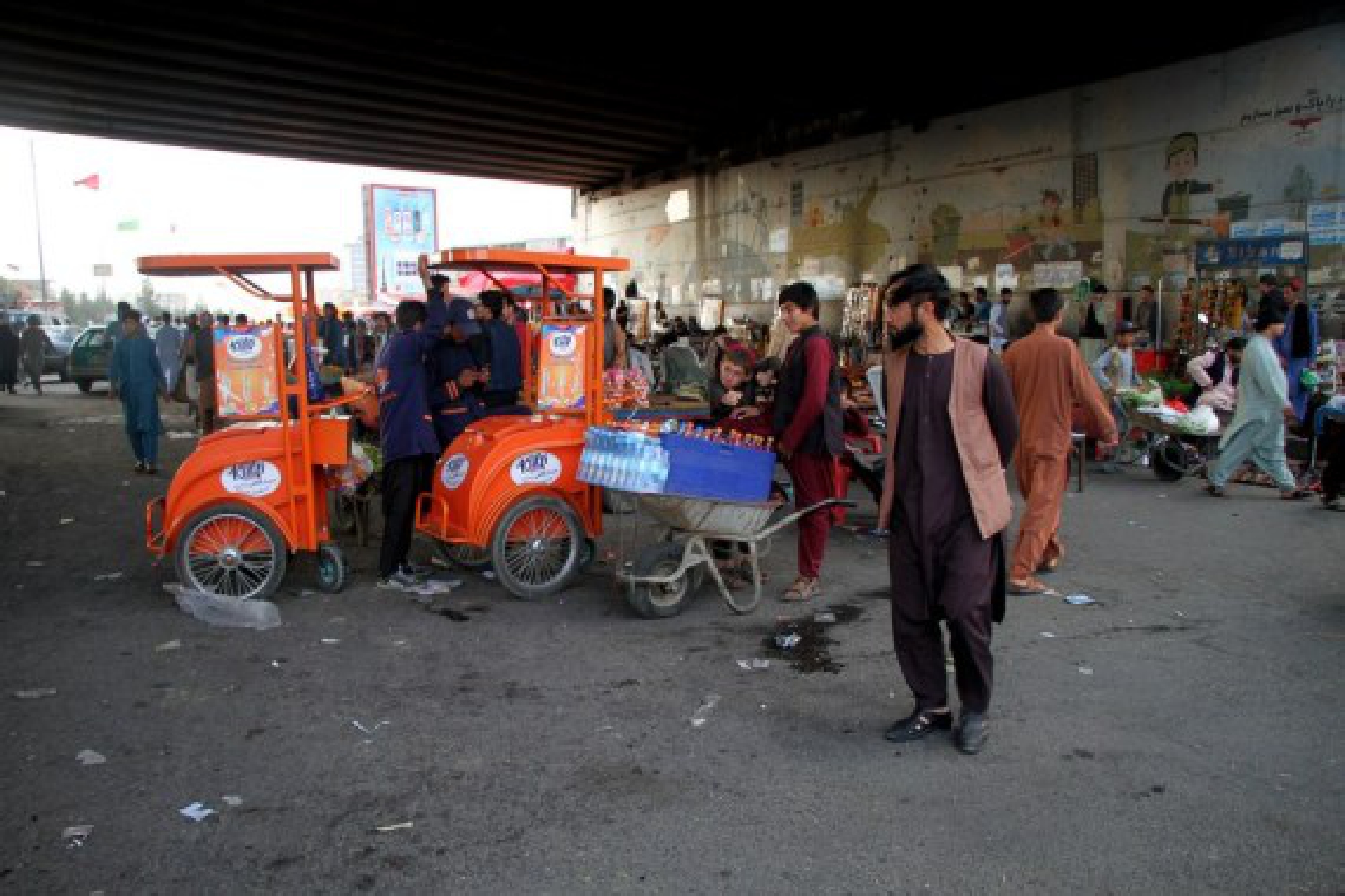 Photo taken on Aug. 20, 2021 shows a view in Kabul, Afghanistan.
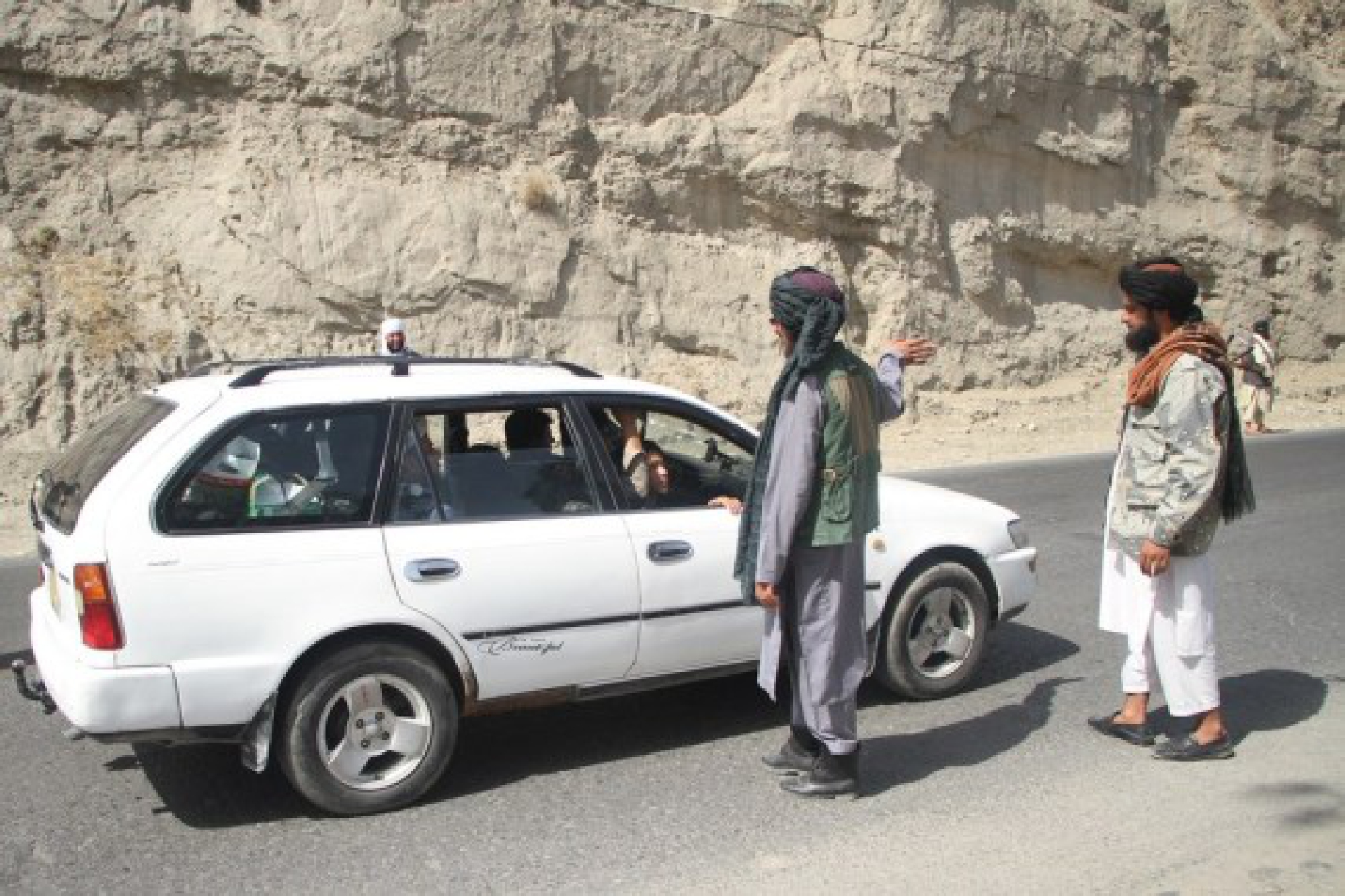 Afghan Taliban members are seen at a security checkpoint in Kabul, Afghanistan, Aug. 20, 2021.
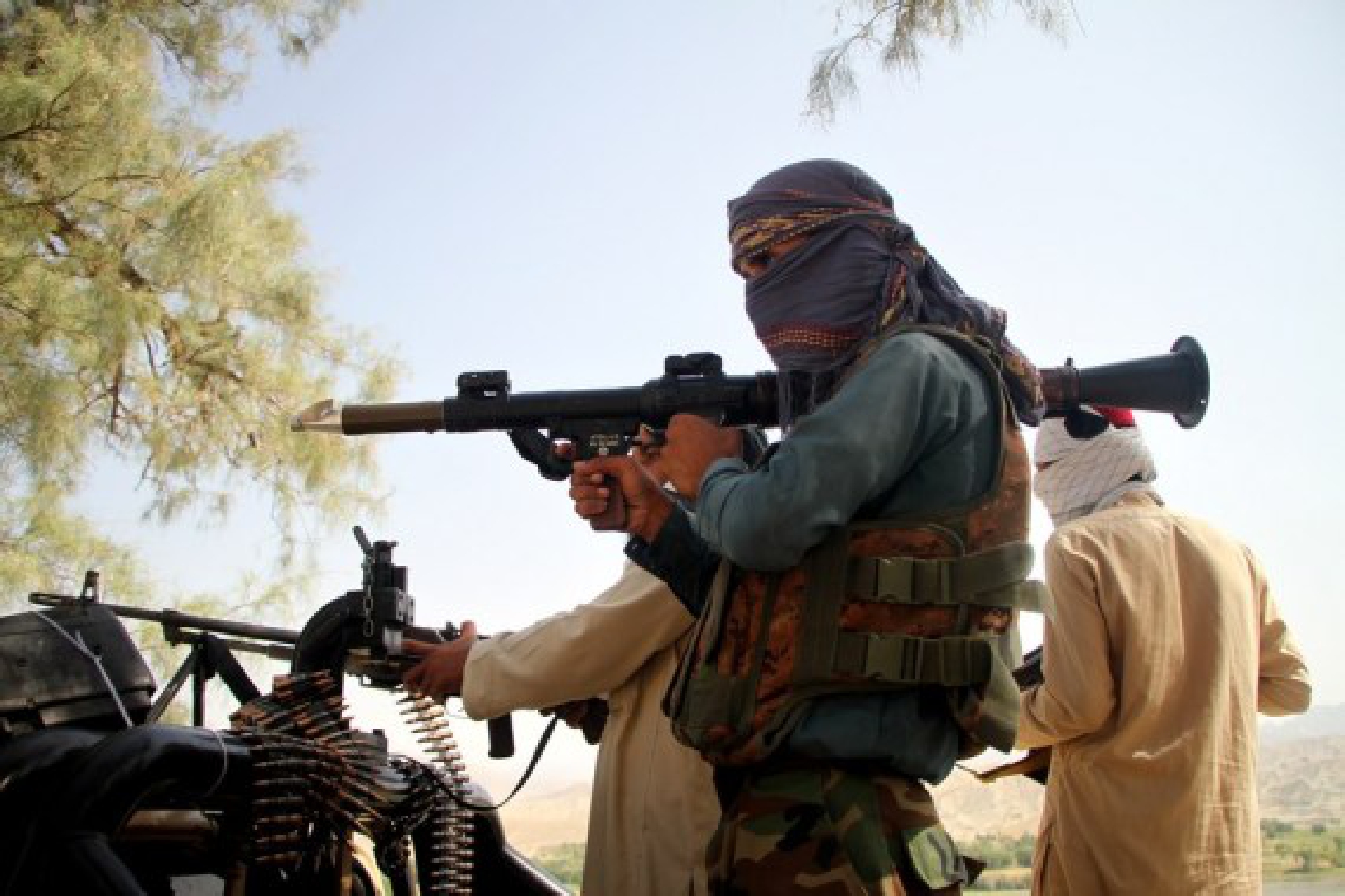 Afghan Taliban fighters are seen at a security checkpoint in Kabul, capital of Afghanistan, Aug. 20, 2021.
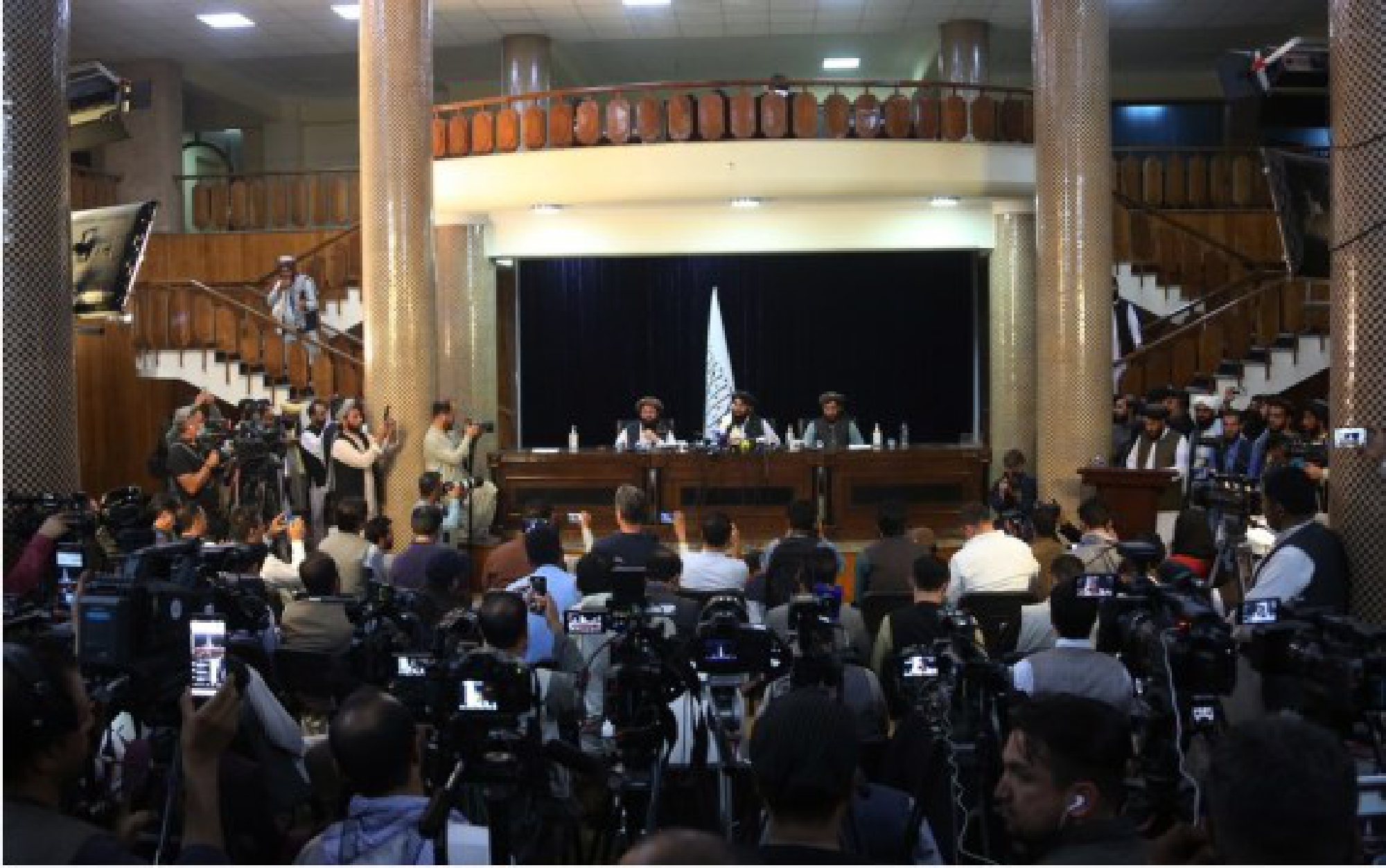 The Taliban spokesman Zabihullah Mujahid (C, rear) attends a press conference in Kabul, capital of Afghanistan, on Aug. 17, 2021.
 Photo taken on Aug. 15, 2021 shows a road in Kabul, capital of Afghanistan.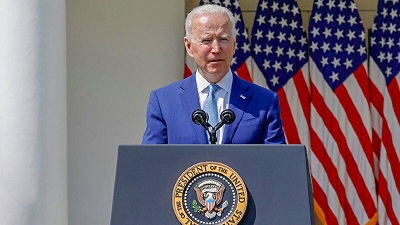
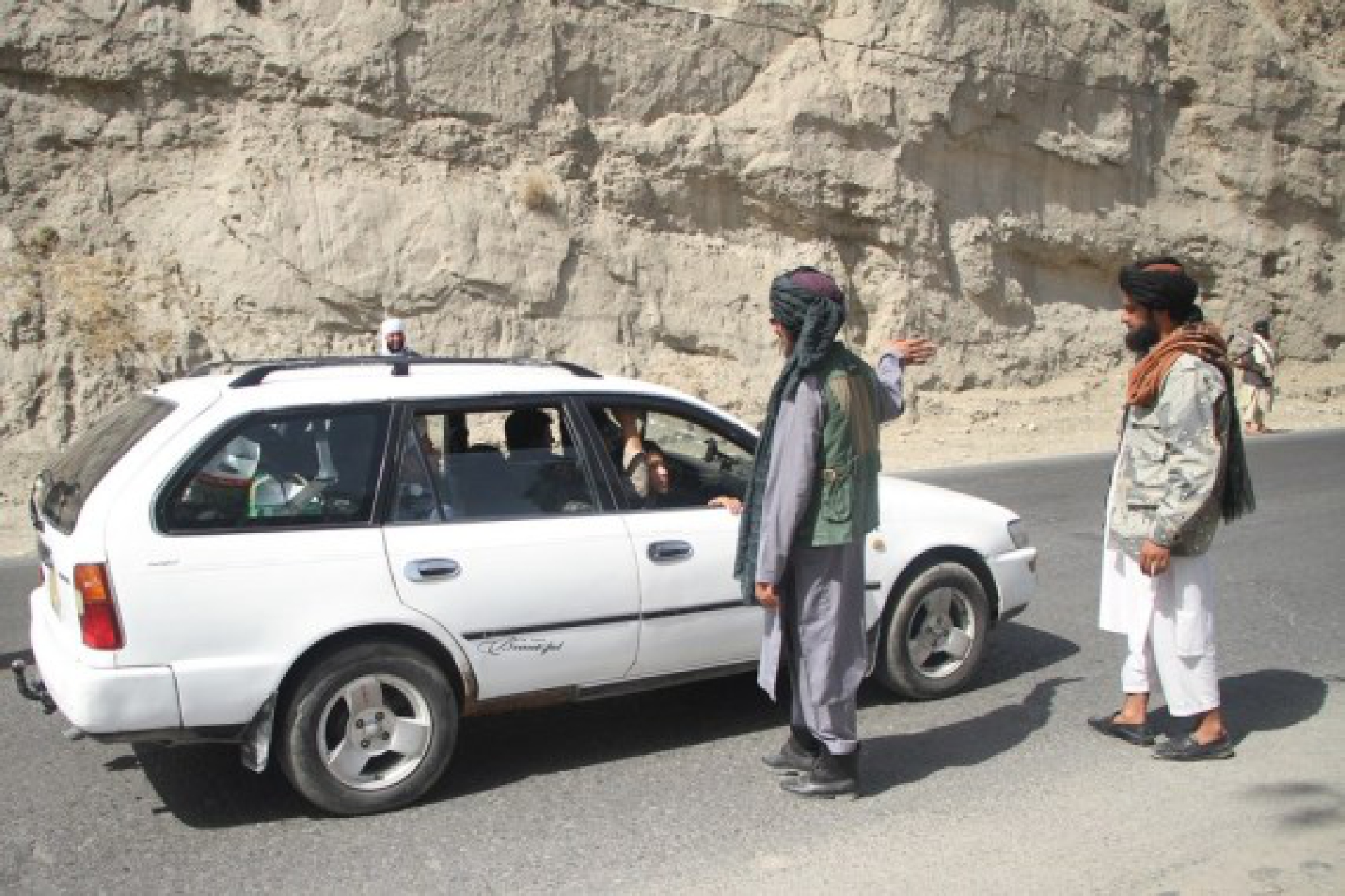 Afghan Taliban members are seen at a security checkpoint in Kabul, Afghanistan, Aug. 20, 2021.
 Afghan Taliban members are seen at a security checkpoint in Kabul, Afghanistan, Aug. 20, 2021.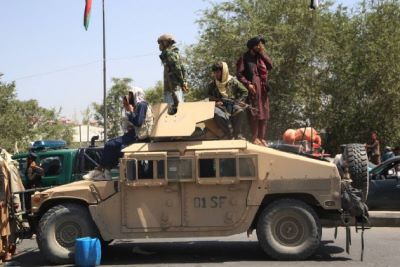
 Leaders attending G7 summit stand for a photo in Carbis Bay, Cornwall, Britain, on June 11, 2021.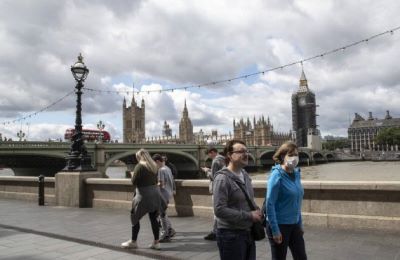
 Children play with water in a fountain near Tower of London in London, Britain, on Aug. 13, 2021.
 A woman draws a red heart on the National COVID Memorial Wall in London, Britain, Aug. 9, 2021.
