California becomes first state in U.S. to require COVID-19 vaccine or testing for teachers, school staff
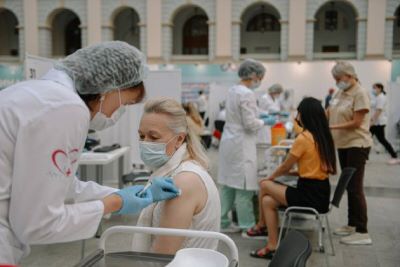
According to the new public health order issued by the California Department of Public Health, all school staff are required to either show proof of full vaccination or be tested at least once per week.
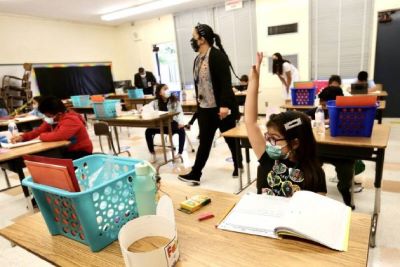
California Governor Gavin Newsom announced Wednesday the most populous state in the United States will implement first-in-the-nation measure to require all teachers and school staff to get vaccinated as schools return from summer break amid COVID-19 delta variant spread.
ADVERTISEMENTx
Newsom noted in a news conference at a Northern California school that “this is the right thing to do.”
“We think this is a sustainable way to keeping our schools open, and to address the number one anxiety that parents like myself have for young children,” said the governor, adding that “schools are doing everything in their power to keep our kids safe, to keep our kids healthy.”
Newsom said an impressive 124 billion U.S. dollars is being invested in California’s public education system this year to implement various school initiatives, including supports for physical and mental health as well as the social-emotional and academic needs of students.
According to the new public health order issued by the California Department of Public Health, all school staff are required to either show proof of full vaccination or be tested at least once per week. The new policy will take effect Thursday and schools must be in full compliance by Oct. 15.
There are around 6 million children and young adults in more than 10,000 schools with 300,000 teachers in the state’s public school system, according to the California Department of Education.
Tons of drugs, chemical substances torched in eastern Afghanistan
More than 13 tons of narcotic drugs including heroin, poppy opium, hashish, henbane and some amounts of chemical agents have been burned in eastern Nangarhar province.
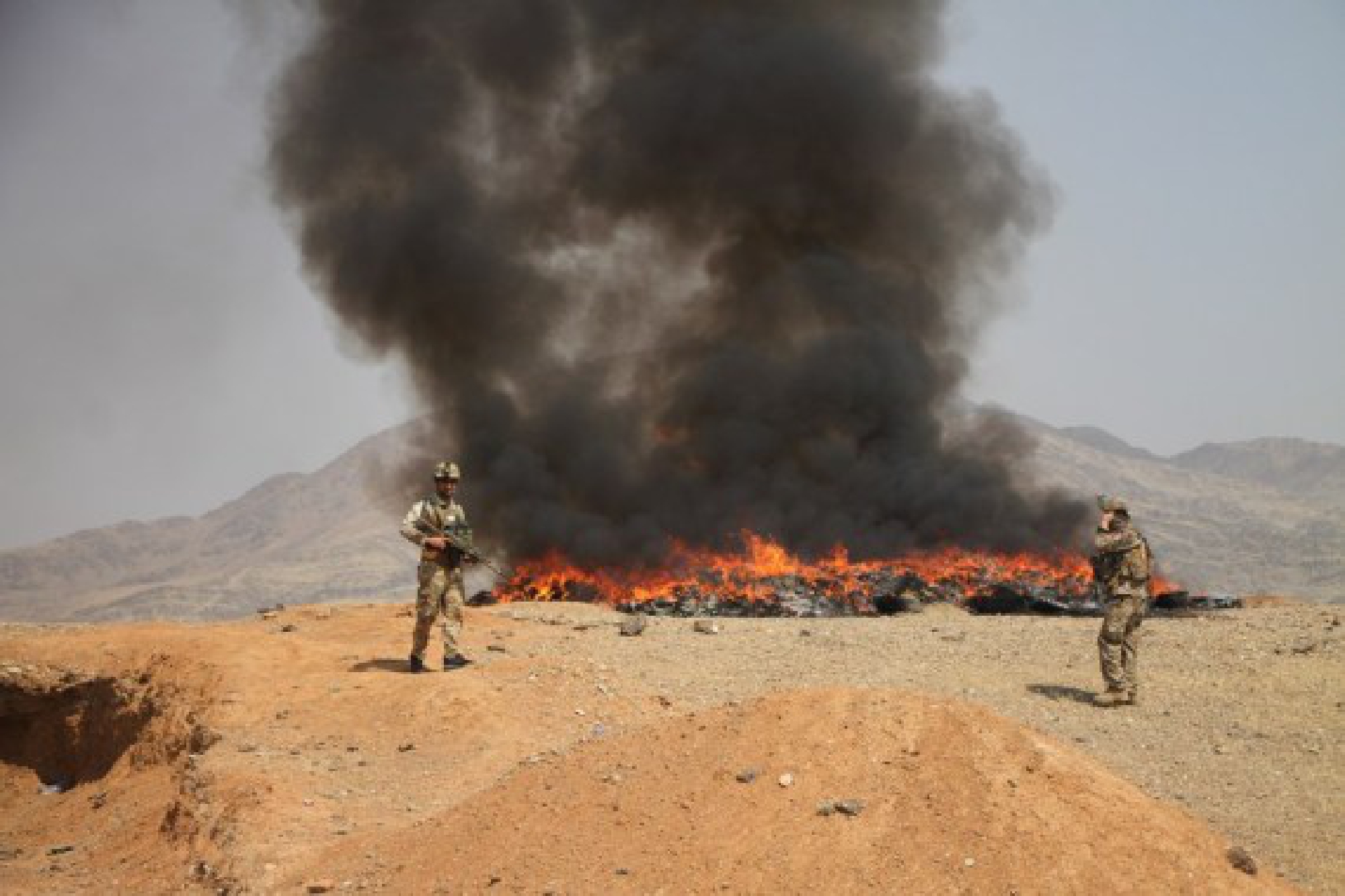
Police in Afghanistan burned more than 13 tons of narcotic drugs in eastern Nangarhar province on Wednesday, the latest in the fight against illicit drug and narcotics trafficking, the country’s Ministry of Interior said.
ADVERTISEMENTx
The drugs were seized from separate locations in Nangarhar within the past three years and was set ablaze on the outskirts of provincial capital Jalalabad city, the ministry said in a statement.
The burned drugs included heroin, poppy opium, hashish, henbane and some amounts of chemical agents used in producing heroin, the statement added.
Police have also arrested 220 suspects along with 45 vehicles and 18 weapons in connection with trafficking and hiding the drugs during the cited period, according to the statement.
Much of the world’s opium poppy is cultivated in the militancy-hit country.
Afghan security force members are seen near the burning drugs in Jalalabad, Nangarhar Province, Afghanistan, Aug. 11, 2021.
WHO to test three new drugs for COVID-19 treatment
“Finding more effective and accessible therapeutics for COVID-19 patients remains a critical need, and WHO is proud to lead this global effort,” said WHO Director-General Tedros Adhanom Ghebreyesus.
The World Health Organization (WHO) on Wednesday announced that it will test three new drugs for COVID-19, which will involve thousands of researchers at more than 600 hospitals in 52 countries.
ADVERTISEMENTx
According to a press release issued by WHO on Wednesday, the three new drugs are artesunate, a treatment for severe malaria; imatinib, a drug for certain cancers; and infliximab, a treatment for immune system disorders such as Crohn’s Disease.
These therapies were selected by an independent expert panel for their potential in reducing the risk of death in hospitalized COVID-19 patients, and they were donated for the trial by their manufacturers, WHO said.
“Finding more effective and accessible therapeutics for COVID-19 patients remains a critical need, and WHO is proud to lead this global effort,” said WHO Director-General Tedros Adhanom Ghebreyesus.
In its previous efforts, WHO has tested four drugs, namely remdesivir, hydroxychloroquine, lopinavir and interferon, and the initial results showed that they had little or no effect on hospitalized patients with COVID-19.
Biden urged to help confront global spread of COVID-19 with immediate export of stockpiled vaccines
While ensuring that the countrys own vaccine dose stockpile remains in size, the U.S. administration should “begin immediate export of vaccine doses — within one week — to COVAX or through other international distribution mechanisms — of at least 10 million doses per week,” U.S. experts and scientists wrote in a letter to the White House.
More than 175 U.S. public health experts, scientists and activists have urged President Joe Biden’s administration to take urgent steps to confront the global spread of COVID-19, including immediate export of vaccine doses the country has stockpiled.
ADVERTISEMENTx
“We urge you to act now,” they wrote in a joint letter sent to senior White House officials on Tuesday, the full text of which was made public Wednesday in a report by The Washington Post.
“The emergence of the Delta variant is resulting in a surge in increasing infection rates in Africa, Latin America and Asia, where vaccines are least available,” they wrote.
“The United States currently has over 55 million doses of mRNA vaccines in storage, while only vaccinating approximately 900,000 people per day. At this rate, it would take over two months to administer just the vaccine doses currently stored,” they noted.
“Despite this, mRNA vaccine manufacturers are delivering over 17 million new doses each week to jurisdictions across the U.S.,” they noted.
While ensuring that the country’s own vaccine dose stockpile remains in size, the U.S. administration should “begin immediate export of vaccine doses — within one week — to COVAX or through other international distribution mechanisms — of at least 10 million doses per week,” they wrote.
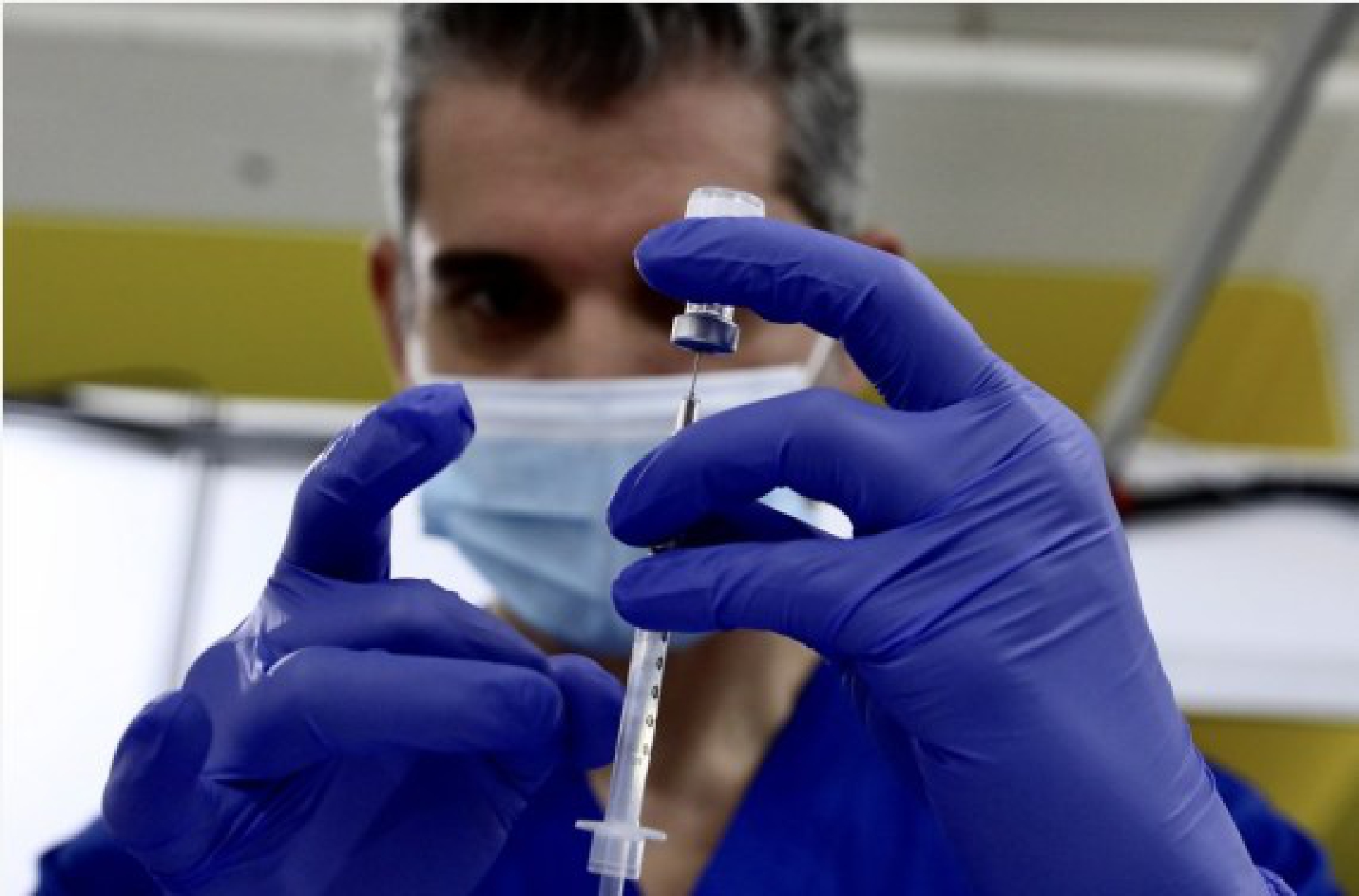
A health care worker prepares a dose of COVID-19 vaccine at a new vaccination site in the California Polytechnic State University in Pomona, Los Angeles County, California, the United States, Feb. 5, 2021.
The experts suggested that the White House should also announce a plan within a month for “establishing 8 billion doses per year of mRNA vaccine capacity within six months using existing federal resources.”
“Simultaneously, the U.S. government should develop and implement training and technology transfer for the development and manufacture of mRNA and other vaccines in hubs around the world,” they wrote.
Besides, it should “compel originators to transfer technology and, in collaboration with other governments, provide financing for vaccine manufacturing around the world,” they added.
The letter’s signatories include Tom Frieden, who led the U.S. Centers for Disease Control and Prevention during former President Barack Obama’s administration, five deans of leading public health, nursing and medical schools, faculty from 20 universities, including Harvard University, Yale University and University of Washington, and other leaders in global health and infectious disease. More than 50 organizations also co-signed the letter.
U.S. COVID-19 hospitalizations, deaths likely to increase in next 4 weeks: CDC
The ensemble forecasts predict 3,300 to 12,600 new deaths, 550,000 to 2,340,000 new cases likely reported in the week ending Sept. 4.
The U.S. Centers for Disease Control and Prevention (CDC) on Wednesday published ensemble forecasts indicating the country’s COVID-19 hospitalizations and deaths are likely to increase over the next four weeks.
ADVERTISEMENTx
The ensemble forecasts predict 3,300 to 12,600 new deaths, 550,000 to 2,340,000 new cases likely reported in the week ending Sept. 4.
There will be 9,600 to 33,300 new confirmed COVID-19 hospitalizations likely reported on Sept. 6, according to the ensemble forecasts.
A total of 630,000 to 662,000 COVID-19 deaths will be reported by Sept. 4, said the forecasts.
The previous forecasts, published Aug. 4, predicted up to 642,000 deaths by Aug. 28.
“Over the last several weeks, more reported cases have fallen outside of the forecasted prediction intervals than expected. This suggests that current forecast prediction intervals may not capture the full range of uncertainty. Because of this, case forecasts for the coming weeks should be interpreted with caution,” said the CDC.
As of Wednesday afternoon, there have been over 36 million COVID-19 cases and 618,457 fatalities in the United States, according to a tally by Johns Hopkins University.
Mideast in Pictures: Kuwait National Museum sheds light on ancient life
Located in Kuwait City, Kuwait National Museum highlights the countrys cultural heritage through exhibitions on Kuwati life and traditions throughout history.
The collection includes artifacts found on Failaka Island, animal fossils, and bronze coins from the Bronze period and the Hellenistic period.
ADVERTISEMENTx
Photo taken on Aug. 11, 2021 shows an exhibit in Kuwait National Museum in Kuwait City, Kuwait
Photo taken on Aug. 11, 2021 shows an exhibit in Kuwait National Museum in Kuwait City, Kuwait
Photo taken on Aug. 11, 2021 shows a pottery jar in Kuwait National Museum in Kuwait City, Kuwait.
Photo taken on Aug. 11, 2021 shows a pottery jar in Kuwait National Museum in Kuwait City, Kuwait.
Photo taken on Aug. 11, 2021 shows exhibits in Kuwait National Museum in Kuwait City, Kuwait.
Photo taken on Aug. 11, 2021 shows exhibits in Kuwait National Museum in Kuwait City, Kuwait.
Russia has confirmed 21,571 new COVID-19 cases over the past 24 hours, taking the nationwide tally to 6,512,859, the official monitoring and response center said Wednesday.
The nationwide death toll grew by 799 to 167,241.
During this period, the nationwide death toll grew by 799 to 167,241, while the number of recoveries increased by 20,067 to 5,808,777.
Meanwhile, Moscow, Russia’s worst-hit region, reported 2,076 new cases, taking the city’s total to 1,533,065.
More than 170 million COVID-19 tests have been conducted across the country so far.
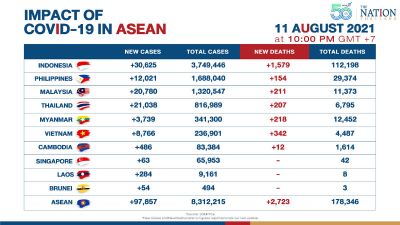
The number of Covid-19 cases in Southeast Asia crossed 8.31 million, with 97,857 new cases reported on Wednesday, higher than Tuesday’s tally of 94,201.
There were 2,723 more deaths, decreasing from Tuesday’s 3,201 and taking total Covid-19 deaths in Asean to 178,346.
The Philippines reported 12,021 new cases and 154 deaths on Wednesday, bringing cumulative cases in that country to 1,688,040 patients and a total 29,374 deaths so far.
The government will give a handout of 1,000 pesos, or THB661, to people who have been affected by the latest lockdown in Manila. About 80 per cent of the city’s 13 million residents are expected to be eligible for the handout.
The Manila lockdown includes nighttime curfew, no dining in at restaurants and a ban on outdoor activities. It is estimated to cost the economy around THB100 billion per week.
Vietnam meanwhile reported 8,766 new cases and 342 deaths, bringing cumulative cases in the country to 236,901 patients and a total 4,487 deaths.
The fourth wave of the pandemic in Vietnam, which started on April 27, is the fastest spreading wave with a total of 228,990 new infections.
Most of the new cases have been found in the country’s economic hub of Ho Chi Minh City, prompting the government to put the city and surrounding southern provinces under maximum control measures until September 1.
Alibaba worker desperate plea for help sparks #metoo reckoning
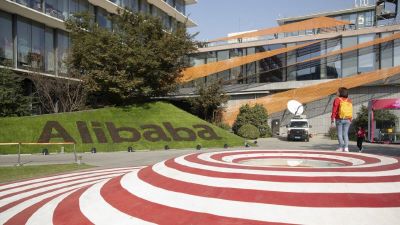
Few paid much attention when she first turned up at the center of Alibaba Group Holding Ltd.s packed cafeteria on Friday, a stack of leaflets in one hand and a megaphone in the other.
It had been more than a week since she accused her boss of sexual assault, and she was losing patience.
“An Alibaba executive raped his female employee, but the company has taken no action!” she screamed, handing out the leaflets to stunned colleagues until security guards forcibly removed her. “No one is taking responsibility!”
The allegations she printed on those pages, and in a lengthy post over the weekend that went viral on China’s tightly controlled internet, are now reverberating across the upper echelons of Alibaba and in C-suites across much of the country. The accused Alibaba manager has been fired, two senior executives at the e-commerce giant have resigned and Chief Executive Officer Daniel Zhang has issued a remarkable mea culpa, calling the company’s handling of the incident a “humiliation.”
In a nation that’s been slow to absorb lessons from the global #MeToo movement, the episode has triggered what many say is a long overdue examination of the ways Chinese women are too often treated at work: overlooked, objectified, forced to take part in male-dominated rituals like drinking with clients, and brushed aside when reporting abuse. It comes at a time when much of China’s corporate world, particularly the tech industry, is under intense government scrutiny on issues ranging from anti-monopoly violations to the treatment of low-wage workers.
“This weekend will remain in our memories forever,” Zhang wrote in a pre-dawn memo on Monday to employees of Alibaba, China’s second-largest company by market value. “Behind everyone’s deep concern about the incident was not just sympathy and care for the traumatized colleague but also tremendous sadness for the challenges in Alibaba’s culture.”
The scene in Alibaba’s cafeteria, captured on video and corroborated by employees who asked to remain anonymous, is just one part of the accuser’s harrowing story. Much of the account below comes from descriptions of events she posted on Alibaba’s internal employee forum on Saturday. Known publicly only by the nickname she — like most other Alibaba employees — adopted after joining the company, “Xinyue” couldn’t be reached for comment. Nor could the manager she accused.Representatives for Alibaba, which hasn’t addressed many of the specifics of Xinyue’s allegations, echoed many of Zhang’s conclusions in a statement provided to Bloomberg News. Zhang has said the accused manager confessed to “intimate acts” with Xinyue while she was inebriated and that the company is cooperating with local police. A police official in Jinan, the eastern Chinese city where the assault is alleged to have happened, said they couldn’t comment on the investigation when contacted by Bloomberg.
“We are incredibly disappointed with the shortcomings in action by the relevant team leaders who were first notified about this incident,” the company said in a statement. “They did not make timely decisions nor took appropriate actions such as escalation. Their lack of empathy, care and sense of responsibility is unacceptable.”
The following account of the alleged assault is largely based on Xinyue’s post. Alibaba has corroborated several key points and elaborated on others.
ADVERTISEMENTx
– – –
Xinyue was reluctant when her boss broached the idea of a trip to see a client in Jinan. She repeatedly tried to beg off, citing a typhoon raging through Hangzhou and how she could stay in email contact with the customer. But her boss insisted.
After a day of meetings on July 27, Xinyue’s manager — as is customary in China — invited the clients they were visiting to dinner. Her boss told the guests she was good at drinking and offered her alcohol. As a junior employee, she felt compelled to accept. She became drunk and at one point during the dinner was groped by a client who has since been fired by his employer.
The next morning, Xinyue said, she woke with a hangover in her hotel room and grew alarmed when she noticed signs of rape, including an opened condom package. She called her boss but he wasn’t forthcoming. She then called her husband and the police.
According to Xinyue, she watched hotel CCTV footage with the police that showed her boss entering her hotel room four times during the night after getting a key card made at the front desk. The manager was summoned to the local police station that afternoon and briefly detained. He denied wrongdoing.
ADVERTISEMENT
Xinyue said she spent the next few days on the verge of an emotional breakdown. She tried to cut her wrist with a piece of broken glass but her husband — who had joined her by this time in Jinan — stopped her. All the while, her supervisor continued to work as usual.
On Aug. 2, Xinyue said, the couple returned to Alibaba’s hometown of Hangzhou and she reported the case to other managers. She contacted two executives and a human resources manager within her business unit via group chat, but none of them responded in the chat. She then direct messaged them separately.
Eventually, her boss’s manager offered to talk. During the conversation, he stressed several points: what happened was business-related, this job is easier for men than women, and you can’t secure clients if you don’t drink.
That evening, she met with the HR leader and the manager again, demanding her boss be fired. She also requested a long paid leave. They told her to wait three days.
(According to Alibaba, the company set up a task force around this time to handle the matter. The task force decided to refrain from taking action until the police investigation could be completed and allowed Xinyue’s boss to continue working. It was “a major misjudgment that displayed a lack of empathy,” Jiang Fang, the female Alibaba partner who was later appointed to head up an investigation, wrote on the company’s internal forum.)
ADVERTISEMENT
On Aug. 5, according to Xinyue, she and her husband met again with the HR leader and her boss’s manager. They told the couple Alibaba had decided not to terminate her boss, for the sake of her reputation. She again insisted her boss should be fired. The Alibaba managers agreed to do so within a day, according to her account.
The next day, the HR leader and the manager informed Xinyue they couldn’t fire her boss after all. Instead, they asked the couple to provide video evidence of excessive drinking.
Xinyue decided to escalate the matter to Li Yonghe, the newly appointed head of the high-profile local services division where she worked, and Xu Kun, the overseer of HR within the group. Xu called her and delivered two messages during a subsequent 19-minute chat: stay calm, and we can’t fire your manager. Li read Xinyue’s messages but didn’t respond (Alibaba’s CEO Zhang confirmed this point in his subsequent memo to employees).
Later that day, Xinyue printed out her pamphlets and brought a megaphone to the staff canteen. “I had my back to the wall,” she wrote later on the forum. “If civilized manners solve nothing, then I can only deal with it like this.” (According to Jiang, the female Alibaba partner, Xinyue’s appearance in the cafeteria was what first alerted the company’s senior management to her allegations.)
On Saturday, Xinyue posted her 8,000-character account of the entire ordeal to Alibaba’s internal forum. Her post leaked to social media, where it quickly went viral.
Local media began asking questions and picking up the story as the topic started trending on Weibo, China’s equivalent of Twitter. Xinyue’s post was replicated on scores of websites and reposted on dozens of social media platforms, with views soaring rapidly into the hundreds of millions.
That triggered a chain of events in the executive suite. On Sunday, Alibaba’s CEO Zhang issued a memo saying he was “shocked, furious and ashamed.” And a day later, before dawn, he announced Xinyue’s manager had been dismissed and that Li and Xu had resigned. Li and Xu couldn’t be reached for comment.
“As for our colleague Xinyue, this incident has caused tremendous harm to her,” Zhang wrote. “We will do everything we can to take care of her.”
As Xinyue and Alibaba await results of the police investigation, one question looming over all of China Inc. is how far this episode will spread the #MeToo-like reckoning.
There are some tentative signs of broader change afoot. The People’s Daily, a mouthpiece for China’s ruling Communist Party, has highlighted the incident as an example of why companies must pay more attention to culture the larger they grow. The Party’s anti-graft watchdog called for curbs on “under the table rules” like forced drinking and workplace bullying in a Tuesday commentary on the Alibaba incident.
“What we have seen from the #MeToo movement is that this comes in waves,” said Pocket Sun, co-founder of SoGal Ventures, which invests in female entrepreneurs. “More brave women stand up for themselves for what happened in the past that they didn’t have an opportunity to expose. I hope this is a beginning of more women to stand up against this.”
On Monday, one of the top trending items on Alibaba-backed Weibo, with more than 800 million views, was an online declaration from about 6,000 Alibaba staffers that they were banding together to protest and overhaul “systemic inadequacies and a lack of protection for female employees.”
Representatives from the group have joined the company’s task force handling the incident, and have promised to keep everyone posted on their progress, according to several employees who asked to remain anonymous. They named their support group “Brave Calf,” a nod to the cartoon cow Xinyue adopted as her avatar on Alibaba’s DingTalk work app.”I’ll fight till the end!” Xinyue wrote in her post on Saturday. “Never surrender!”
Published : August 12, 2021
By : Syndication Washington Post, Bloomberg · Coco Liu, Zheping Huang
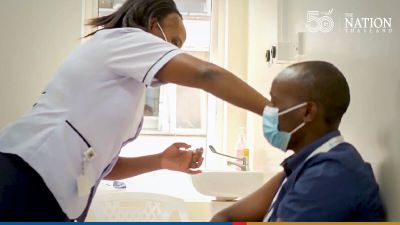
Get vaccines or face punishment, Kenya orders state workers
Kenya will require all government workers to receive at least one dose of coronavirus vaccine before Aug. 23 or face disciplinary action, according to Joseph Kinyua, the head of the nations public service.
Some staff members have opted not to get inoculated so they can continue working from home, which is hurting service delivery, according to a letter sent by Kinyua to senior state officials and verified by Bloomberg News. There has been low uptake by security officers and teachers in particular, he said.
“Vaccination is voluntary — why are civil servants the only ones being punished?” said Tom Odege, secretary general of the Kenya Union of Civil Servants, a union that received the note. “The government should instead encourage civil servants to get vaccinated.”
Kenya’s government spokesman, Cyrus Oguna, didn’t respond to calls and text messages on the authenticity of the letter, which was widely shared on Twitter.
Governments and companies around the world are increasingly starting to use proof of vaccination as a means to reopen economies and borders more than 18 months since the start of the pandemic. Anthony Fauci, the top U.S. infectious disease expert, said state and local governments should require teachers to get doses, while Citigroup Inc. told employees returning to major U.S. offices on Tuesday they’ll need to be vaccinated.
Guinea’s government plans to impose a directive similar to Kenya’s. State workers and visitors will need a health pass to access public offices, President Alpha Conde ordered. The west African nation’s goal is to vaccinate 70% of the population of 12 million people by November.
Kenyan state workers who haven’t complied will be “treated as discipline cases and appropriate action taken against them,” according to the letter from Kinyua.
East Africa’s biggest economy has had a stop-start vaccination rollout, although all those over 18 years old have been eligible since about July. The government has ordered 13 million single-dose Johnson & Johnson vaccines, which are expected to start arriving this month. Only 2.6% of Kenyan adults are fully inoculated, primarily with the two-shot AstraZeneca Plc vaccine, according to the Ministry of Health.
Health authorities have recorded 213,756 covid-19 cases and 4,211 related deaths. President Uhuru Kenyatta vowed to ensure about 10 million people are inoculated by the end of December, and the entire adult population next year.
Published : August 12, 2021
By : Syndication Washington Post, Bloomberg · Helen Nyambura, David Herbling

 Afghan security force members are seen near the burning drugs in Jalalabad, Nangarhar Province, Afghanistan, Aug. 11, 2021.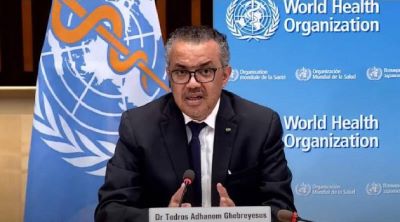
 A health care worker prepares a dose of COVID-19 vaccine at a new vaccination site in the California Polytechnic State University in Pomona, Los Angeles County, California, the United States, Feb. 5, 2021.
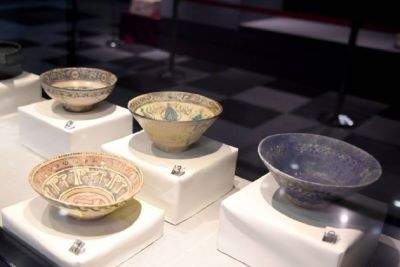
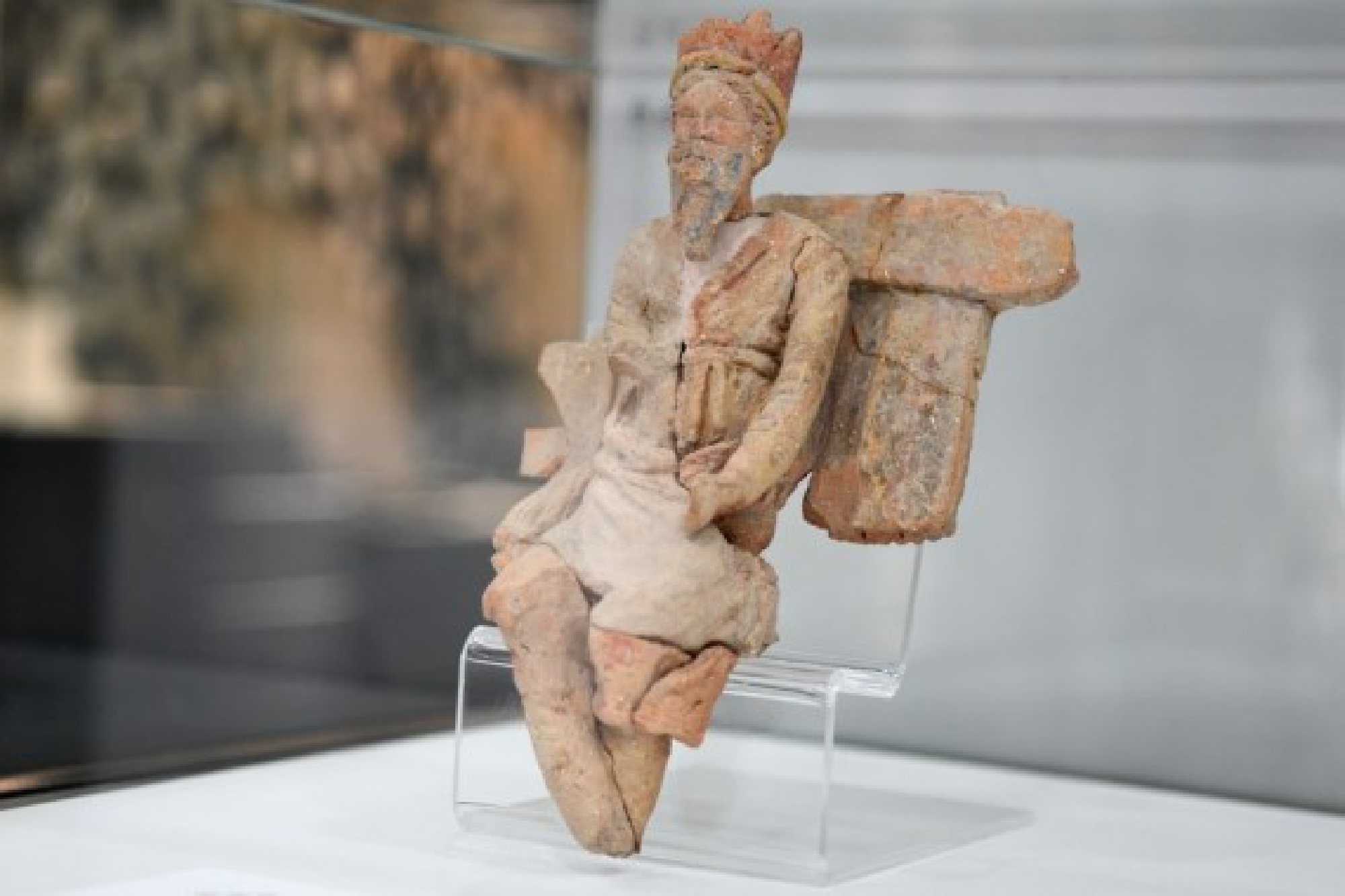 Photo taken on Aug. 11, 2021 shows an exhibit in Kuwait National Museum in Kuwait City, Kuwait
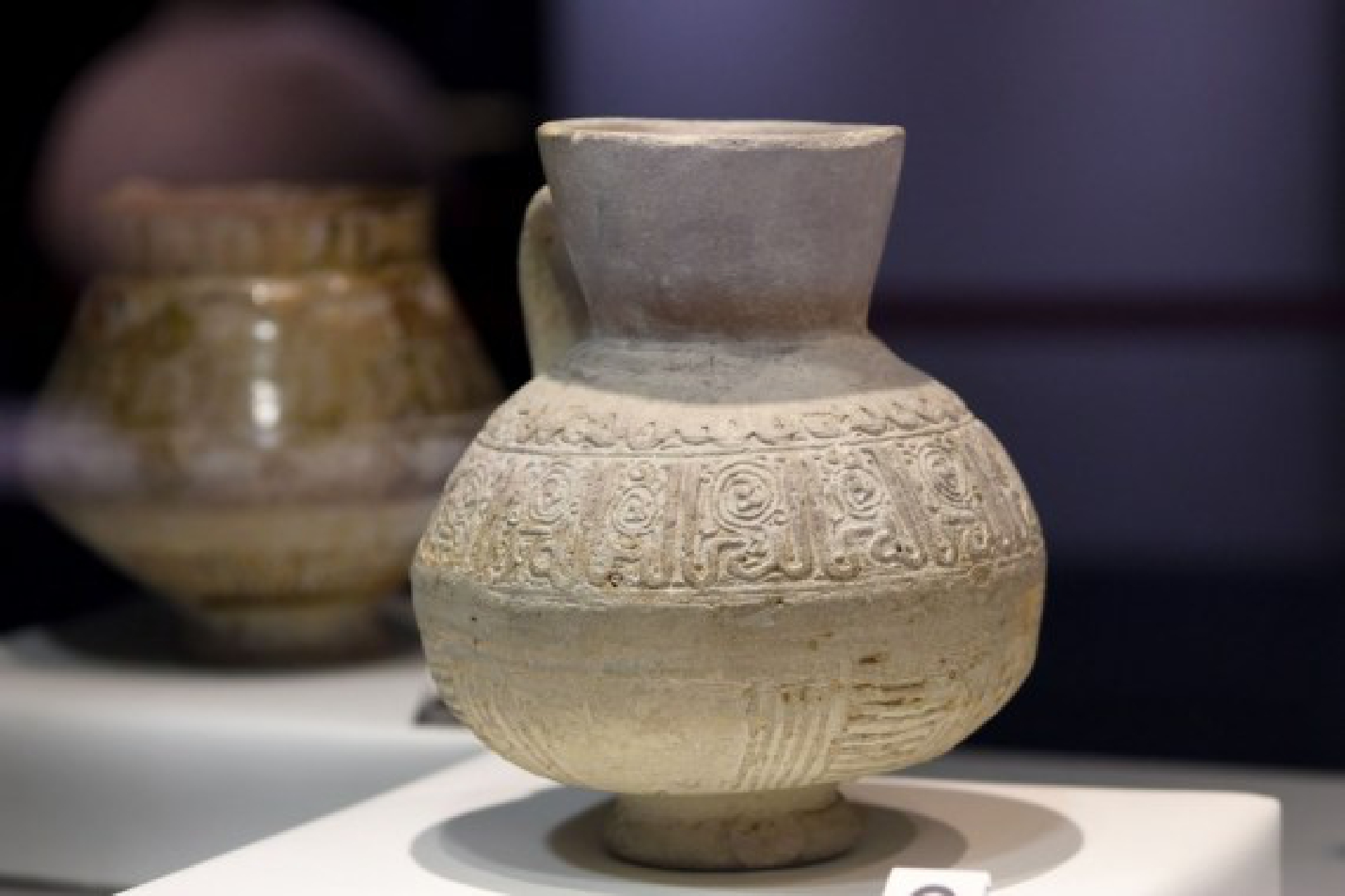 Photo taken on Aug. 11, 2021 shows a pottery jar in Kuwait National Museum in Kuwait City, Kuwait.
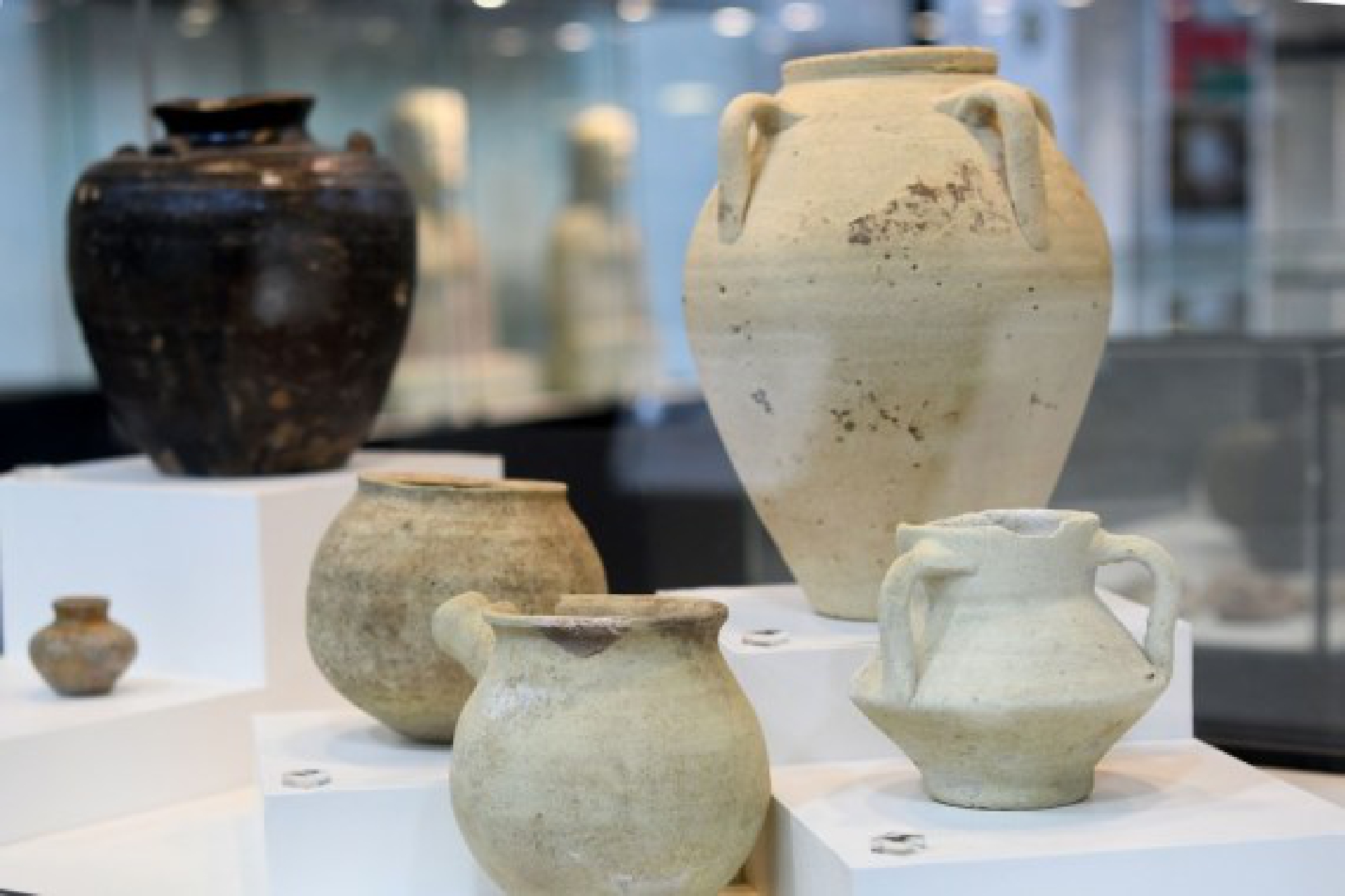 Photo taken on Aug. 11, 2021 shows exhibits in Kuwait National Museum in Kuwait City, Kuwait.