Socialists, Proud Boys, and anti-maskers: The political establishment struggles to keep up in Nevada #SootinClaimon.Com

#SootinClaimon.Com : ขอบคุณแหล่งข้อมูล : หนังสือพิมพ์ The Nation.

https://www.nationthailand.com/international/40001692

Socialists, Proud Boys, and anti-maskers: The political establishment struggles to keep up in Nevada


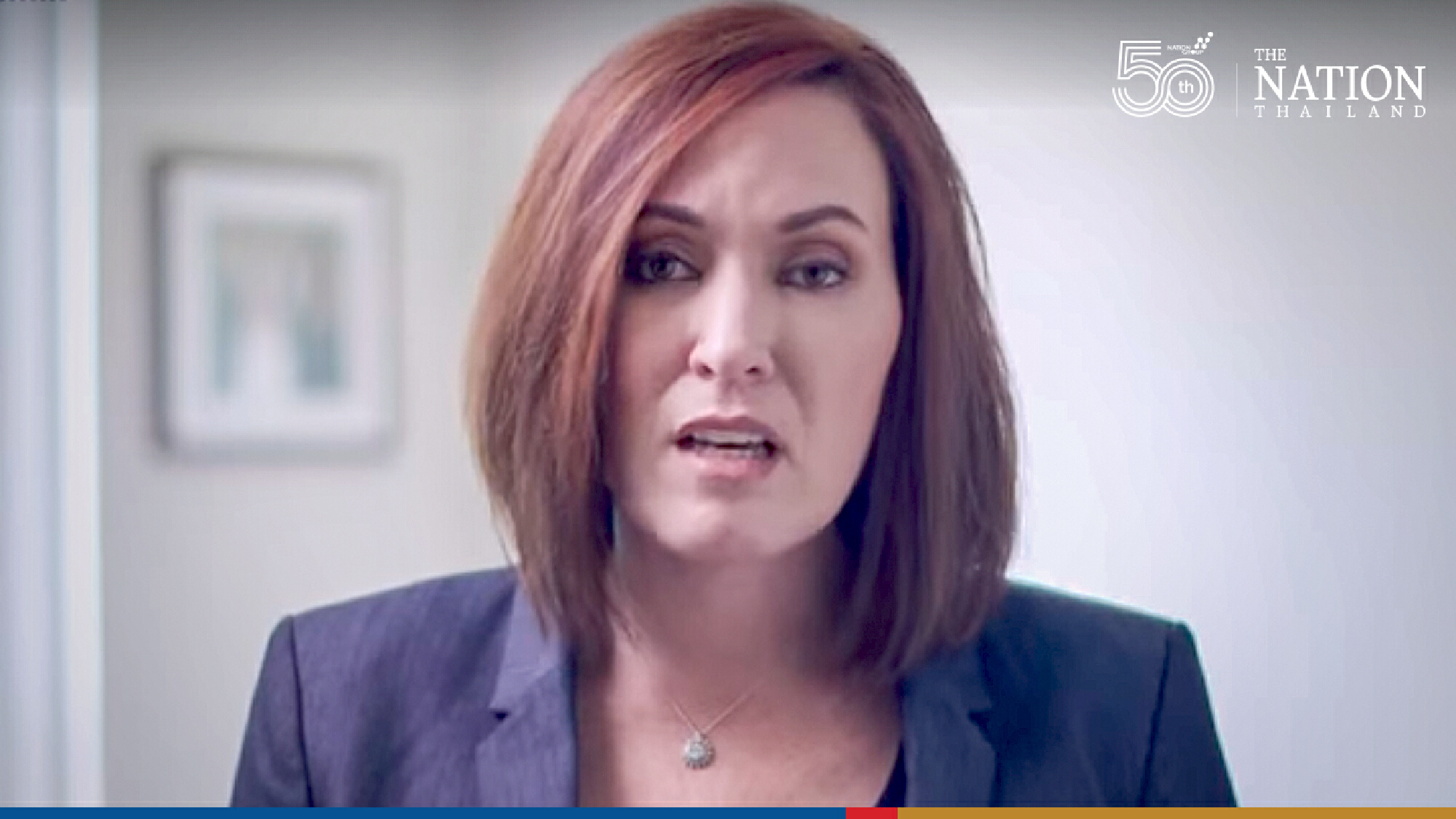
LAS VEGAS – Shortly before it took over Nevadas Democratic Party, the local branch of the Democratic Socialists of America began organizing “Sunday solidarity” giveaways for the homeless. Comrades set up card tables, loaded them with food, clothes and essentials, and brought them to a mosques parking lot, unbothered by police. They were usually joined by Amy Vilela, a 46-year old accountant and socialist who is making her second run for Congress.
Socialists, Proud Boys, and anti-maskers: The political establishment struggles to keep up in Nevada

“We’re out here doing the front-line work,” said Vilela, 46. “That really helps when you’re campaigning, because you build relationships with people who are already motivated, not just people you hire for a job.” The giveaway wrapped up, and Vilela joined a group photo under the red flag of DSA and the red, green, black and white flag of Palestine. “How many candidates,” she asked, pointing to the flags, “would take a picture like that?”

Not many Democrats would, but Nevada’s Democratic Party has been changing. In March, DSA members dominated the 458-member vote to elect new leadership. Local Republicans and national media called it a “socialist takeover” of a swing state’s governing party, and a high-profile Democratic mayor quit the party to join the GOP.

But before they could press their advantage, Republicans faced a revolt of their own, including a vote to censure their only statewide official and an effort by the Proud Boys and anti-mask activists to take over the party. Last week, the Clark County GOP canceled a meeting, citing “risks” to members, and highlighting the “hateful and racist”conduct of activists who considered themselves the pro-Trump vanguard in Nevada. In a closely divided, racially diverse swing state – one that is competing to hold the first presidential primaries in 2024 – both major parties have been transformed by ideological activists.

“All I care about is winning the general election,” said state Sen. Carrie Buck, a Republican, who is campaigning to lead the GOP in Clark County, where most Nevadans live. “I try and find people who are little more moderate, because you can win primaries all day long but it doesn’t mean anything if you lose the general election.”

The socialists who took over Nevada’s Democratic Party intend to win those elections, too. Between 2016 and 2020, when Sen. Bernie Sanders, I-Vt., lost one presidential caucus and then won the nextby a landslide, left-wing activists here became serious political organizers. Vilela, who lost a 2018 congressional primary despite the backing of the Justice Democrats, sat out 2020 to help Sanders win the state. She’d entered politics after the sudden death of her daughter Shalynne, telling again and again the story of how she might still be alive if America had single-payer health care.

“Bernie Sanders gave me hope again,” Vilela told Sanders’s supporters at their caucus night victory party in February of 2020. “He gave me a reason to live again.”

At the same time, Vilela was moving from the 4th Congressional District, which is competitive between Democrats and Republicans, to the 1st Congressional District, which covers most of Las Vegas itself and backed President Biden by 25 points. She announced her challenge to Rep. Dina Titus, a Democrat, in April, again running as a crusader for Medicare-for-all, a $15 minimum wage, and the rest of an agenda largely shared by Sanders and DSA.

“This is the most diverse, most Democratic district in the state, and it has the lowest turnout,” Vilela said in an interview. “What is the purpose of voting for people if they’re not actually going to go in there and fight? People don’t want someone just to agree with them. Politics is about life-and-death decisions.”

She thought, as she often does, about Shalynne,who died of a thrombosis that Vilela believes would have been caught had she been treated as well as a patient with comprehensive insurance. “My daughter is dead,” Vilela said. “She’s never coming back. And I understand fully why she’s dead. People have been talking about universal health care since before she was born.”

Democrats swept last year’s elections in Nevada but they lost some ground in the state legislature after some early, hopeful expectation that they’d win a supermajority.Judith Whitmer, the DSA-backed party chair, won her job with a plan for all-year organizing; in a sign of how the party’s center of gravity had shifted, the runner-up also was a supporter of Sanders. The new leadership faced a skeptical media and public hand-wringing from elected Democrats, such as Sen. Catherine Cortez Masto, who emphasized their own capitalist bona fides.

“We didn’t do this to burn the party the ground,” said Kara Hall, the 35-year old co-chair of Las Vegas’s DSA chapter. “We did this because we want to get things accomplished. We want changes in our community. We want to be able to elect people who’ll make those changes. People ask why Amy ran against Dina Titus, and to me, that’s easy. Dina Titus is comfortable.” She noted how the state’s majority-Democratic legislature had balked at some things they ran on, and that local activists expected, such as banning the death penalty. “We have too many Democrats who are comfortable.” Like Sanders, the new party leadership sees more risk in de-motivating their base than in giving Republicans material for “socialist” attacks they could make in their sleep.

The party is staying neutral in the Titus-Vilela race, but the contest has already exposed fault lines in the changing party. Titus, 71, moved to Las Vegas for a teaching job, got elected to the state Senate in 1988, and established herself as a pragmatic liberal. She lost a swing House seat in the 2010 Republican wave, then captured the new, deep blue Las Vegas district created after the last census. Since then she has spent as much time in the state as possible. On Memorial Day, at a charity that provided stable housing for homeless veterans, Titus was frequently recognized, pulling out a pen to take notes on what the veterans said they needed, over the loud music of a mariachi band.

“It’s kind of hard for me to figure out how you attack me,” Titus said, calling Vilela’s bid “opportunistic,” and noting thather challenger had run third in her 2018 race for an open seat. “I’m on Medicare-for-all, even though I know you need to move step by step, gradually. I had the bill that created the [renewable] energy standard here, so I don’t know how you attack me and say I’m not green enough.”

Like Cortez-Masto, Titus had avoided arguments with the new Democratic Party’s team; since they took over, the biggest disagreement came when the party put out a statement criticizing Israel’s military action in the Gaza Strip, calling for a cease-fire. That prompted a new member of the leadership team to resign, and got a rebuke from Titus.

“I realize that some of our representatives were not happy with their our statement,” said Whitmer. “But we felt it was important to take a stand on human rights, and we’re still really working really hard for our Democratic candidates, putting into place an infrastructure so that we’re ready to mobilize in 2022.”

Republicans looked ready to benefit from the infighting. Days after the DSA’s win, North Las Vegas Mayor John Lee, a conservative Democrat who’d twice backed Donald Trump for president, announced that he was becoming a Republican to fight “socialism” and a party he no longer recognized. Just months after Trump’s campaign tried to overturn Nevada’s election results, and after the state GOP endorsed an ersatz slate of “electors” for the defeated ex-president, the party was pitching itself as a home for anyone unwelcome in a left-wing Democratic Party.

Reality began to interfere. Republicans were also electing new leadership across the state to take them into midterm elections, and activists who wanted the party to move right were mobilizing to take it over. In April, the state GOP’s central committee voted to censure Secretary of State Barbara Cegavske, saying that she’d chosen to “disregard of her oath of office by failing to investigate election fraud.” (An investigation by Cegavske found no evidence of widespread voting fraud, and she has defended herself as acting appropriately and refusing to put a thumb on the scale for her party.) Party leaders like Buck pushed for an audit to figure out who voted for the censure, after a leader of the far-right Proud Boys claimed that he and some friends got invited to the party meeting, got credentialed, and cast the deciding votes.

Weeks later, the Clark County GOP canceled its own meeting to elect new leadership, citing worries that fringe activists would show up and take over. At a news conference, they singled out Proud Boy members who posted racial comments on social media. But other groups that had been formed and mobilized during Trump’s presidency were trying to swing the leadership race, including No Mask Nevada PAC, which had quickly collected thousands of emails from people who wanted to prevent the state’s government from ever imposing unilateral lockdown rules. Ian Bayne, the PAC’s co-founder, said that he could mobilize enough people to determine who controls the Clark County GOP, so long as the next meeting on July 20 meeting is kept open.

“The ball is in their court,” Bayne said. “Will they keep our pro-Trump party members or wannabe-members out? Or will they have an open meeting? Are we a pro-Trump Republican Party, or an anti-Trump party?”

There’s infighting, but not much debate about what the party should run on. At a Tuesday luncheon hosted by the Nevada Republican Club, Trump was referred to onstage as “the real president.” Buck urged Republicans to unite to fight their actual opponent, holding up a picture of Gov. Steve Sisolak, a Democrat. Lee joked about getting used to his new party – “clean the swamp, isn’t that what you guys call it?” – and ran through his bipartisan successes as mayor, but one of the first questions he got was about 2024. Would he pledge to support Trump?

“Sure,” Lee said. “Already supported him, both times.”

Asked in a short interview whether the fight with the fringe was hurting the GOP, Lee suggested that both parties were losing votes from the perception that they’d abandoned the middle.

“It’s almost even,” Lee said, referring to state voter registration numbers, which have found the GOP slipping behind both Democrats and voters with no party preference. “Like, a thousand Democrats and a thousand Republicans are going independent.”

The GOP’s turmoils have encouraged Democrats, too. A fight over what the party stands for is inevitable. So is the primary challenge from Vilela, one of the best-known left-wing candidates in the country, after her appearance in a 2019 documentary about four women running as Sanders-inspired challengers. (Two of them, Missouri’s Cori Bush and New York’s Alexandria Ocasio-Cortez, are already in the House.) So, probably, is yet another campaign to portray all Democrats as socialists, pointing to the power that Sanders’s movement now wields here.

“Yes, the Republicans might use that against some of the people in difficult districts,” Titus said. “But the Republicans have got so many problems, right? I don’t think they have the wherewithal or the resources to try to attack us on anything like that.”

– – –

Turnout watch

Democrats expected to win New Mexico’s 1st Congressional District, but hustled like they were going to lose it. Republicans hoped to send a message in the June 1 election, with their nominee telling conservative media that he was challenging a “radical agenda.”

Radical or not, the Democrats won by a landslide. Rep.-elect Melanie Stansbury captured 60% of the vote to just 36% for state Sen. Mark Moores, the GOP’s nominee. A Libertarian candidate and a Libertarian-turned-independent split the other 4%, neither making any difference in the outcome.

Turnout was the highest of the four special House elections held this year. Moores’s total of 46,977 votes was not far off the combined vote for all Republicans in last month’s all-party primary in Texas,which locked Democrats out of the runoff for the 6th Congressional District. In Albuquerque, Democrats outnumber Republicans, and they turned out, giving Stansbury 79,208 votes.

Stansbury, a state representativenominated at a party convention a few days after Moore’s party picked him, never lost control of the race. She outspent him by a nearly 2-to-1 margin, putting more than $875,000 into the race, while Moores spent nearly $470,000. Despite making appearances on conservative media outlets, and framing his race as a referendum on the Biden agenda and rising crime, Moores never attracted interest from PACs or his party’s members of Congress. He got just $7,000 in donations from his potential colleagues, less than 1/12th of what House Democrats gave Stansbury.

The result, nonetheless, was the most financially balanced race between the two parties in this district for a decade. Last year, now-Interior Secretary Deb Haaland spent nearly $1.9 million on her reelection, compared to around $245,000 spent by the Republican candidate, and she won by 16 points. Stansbury won by 24, narrowly carrying Moores’s district on a romp through Albuquerque and its suburbs. The state senator may have been the strongest possible Republican nominee, and his party argued that the defeat was a fluke.

“Republican voters were angry from 2020,” the local party said in a statement. “Many questioned election integrity – and stayed home.”

Democrats, eager to prove that there was no tea party-style backlash to their agenda, celebrated into the next news cycle. Democratic Congressional Campaign Committee Chair Rep. Sean Maloney, D-N.Y., flew to the district, with the official spin that voters “rejected the tired Republican tactics of lies and fearmongering.” The Working Families Party, one of several liberal groups that had members in the district and encouraged them to vote, argued that the result was proof that Democrats kept their base active if they passed far-reaching, redistributive legislation.

The race did clarify the crime issue and how it is hitting these races. Moores spent most of the campaign attacking Stansbury over her support of a national proposal toredirect somelaw enforcement spending to social welfare. Most of his ads said that Stansbury would “defund the police,” and in debates, Moores repeatedly urged voters to look at the BREATHE Act, the police crackdown proposal from the Movement for Black Lives.

Stansbury’s campaign quickly attacked back. It called in her supporters in law enforcement, including Albuquerque’s district attorney, to cut spots thanking her for increasing public safety spending. Those testimonials ran alongside claims that Moores, who had opposed the American Rescue Plan, hypocritically “lined his pockets” with a PPP loan. That kept running even after a TV network flunked it in a fact-check. The campaign from McKenna Media, which had also worked on Haaland’s races, largely neutralized the main GOP line of attack.

That gave Stansbury a broad victory,as she won in all the places that shifted left during the Trump presidency and improved slightly on Biden’s numbers with Latino voters. Although some coverage mentioned Moores’s Hispanic heritage, the candidate did not emphasize it in his paid media. Speculation that a White nominee could lose some Latino Democratic votes to a Hispanic Republican came to nothing, and Stansbury invested big in digital ads that got out the election information in English and Spanish.

Stansbury’s win was bigger than most Democrats expected going into Tuesday. Not since Woodrow Wilson’s presidency has a member of the House joined a presidential Cabinet and watched his or her party grow its margin in the resulting special election. But this also was the second special election of the year, after the race in Louisiana’s 2nd Congressional District, where Democratic margins were up. In the other two, in Texas and in Louisiana’s 5th Congressional District, Republicans beat their 2020 margins; in both of those races, the top vote-getter was the widow of the Republican who’d just won the seat.

So, what has been happening in these races? There have been just 25 special state legislative elections this year, and patterns have been hard to find. One reason is structural: The most recent elections in those districts happened in different years, from 2017 to 2020, with different political conditions each time. In some races, the party out of power fielded a candidate after running no one last cycle, making it impossible to mark a trend. No seat has changed hands between Democrats and Republicans.

Another problem in finding a special election pattern is the randomness of the results. In two Wisconsin elections, Democrats ran eight points ahead of their 2020 vote in a Republican-held Assembly district and three points ahead of their 2018 vote in a Republican-held Senate district.

But they were helped by the race for state superintendent of public instruction,in which Democrats invested, and which drove up their vote. In races in Connecticut, Iowa, Louisiana and New Hampshire, Republicans ran a few points ahead of their most recent vote share; in Maine and Oklahoma, Democrats ran ahead of theirs. (In Pennsylvania, the Republican vote stayed steady from the last election, while a Green candidate took 8% of the liberal vote, leaving the winning Democrat with less.)

Squint hard enough, though, and a familiar pattern emerges: a slight Democratic overperformance in suburbs, and Republican gains with white voters without college degrees, who preferred Trump over Biden last year.Oklahoma’s 22nd state Senate district is just outside Oklahoma City, and Pennsylvania’s 22nd state Senate district covers Scranton. But Iowa’s 41st state Senate district includes Ottumwa and Fairfield, which have been moving right, and Republicans did three points better there than when they held the seat three years ago.

– – –

Ad watch

– Kathryn Garcia, “Best.” A New York Times endorsement helped Garcia grab fresh attention in the city’s mayoral race, and the stumbles of some rival candidates pushed her into the top tier of the ranked-choice election. Her first spot portrayed Garcia as an emergency brake, literally, breaking out of glass. “I’ve been your crisis manager, I’m ready to be your mayor.”

– Maya Wiley, “Breathe.” The collapse of Dianne Morales’s campaign simplified one of Wiley’s challenges: Consolidate liberal voters who are skeptical that more police would reverse the city’s rising crime rate. Wiley’s spot highlights police overreactions during last summer’s civil rights protests, and says that “it is time the NYPD sees us as people who deserve to breathe.” The ad got a swift, angry response from police unions, which was the point: In a Democratic primary in the current climate, being on the wrong side of those unions is a plus.

– Andrew Yang, “La Familia.” Actor John Leguizamo, a Yang supporter since his presidential campaign, narrates a Spanish-language spot. “Nothing is more important than family,” Leguizamo says, as the candidate, wife, and kids scamper around a swing set.

– Shaun Donovan, “Experienca.” The candidate himself speaks Spanish in this spot, which begins with video of former president Barack Obama praising him. As he calls himself the one “leader with experience in a crisis,”images of him with Obama and Biden flash on-screen.

– Scott Stringer, “Tour.” Even before a sexual misconduct accusation sent many of Stringer’s endorsers running, his ad campaign from the liberal firm Putnam & Putnam focused on making him look relatable. The gimmick here is the civics-obsessed comptroller taking his kids on a field trip, from small businesses to vacant lots, using the subway, which they fall asleep on. “They’ll appreciate it when they’re older,” Stringer says.

– – –

Dems in disarray

Democrats in June’s most closely watched primaries did combat this week – Virginia Democrats at a Tuesday gubernatorial forum, New York CityDemocrats at their first in-person mayoral debate. Virginia’s race has a clear poll leader and New York’s doesn’t, but a similar drama played out across both stages. Candidates who are counting on the party’s liberal base but have struggled to break through and win them, looked for ways to portray their opponents as dangerously out of touch.

In Virginia, none of former governor Terry McAuliffe’s rivals have dented his poll lead or pushed him off message ahead of the June 8 primary. (Early voting has been underway, but slow, for a month.) Former Del. Jennifer Carroll Foytried again at the Newport News debate, twice denouncing “politicians of the past” – a veiled reference to McAuliffe – and then repeatedly criticizing him by name.

“We jeopardize our majority and the governorship if we do what Republicans want and nominate a former governor who failed to keep his promises and who almost lost his election to an extreme Trump Republican,” Carroll Foy said. After McAuliffe referred to his executive order that re-enfranchised tens of thousands of felons, part of his answer to a criminal justice reform question, Carroll Foy suggested that the answer was racist.

“Terry McAuliffe, not all Black people are convicted felons,” she said. “We need a governor who will treat us in a holistic way to root out the inequities in our health care, in our economy, in our environment, in all of the systems, because we need intentional, anti-racist policies.” Moments later, Lt. Gov. Justin Fairfax bemoaned that McAuliffe, who is White, was even running when several credible Black candidates were seeking the governor’s office.

“When African Americans are shut out of opportunities repeatedly, it sends a signal to people about what our system truly values,” Fairfax said.

McAuliffe ignored the attacks, after briefly rebutting Carroll Foy in their last debate. McAuliffe, state Sen. Jennifer McClellan and state Rep. Lee Carter spent more time laying out their agendas, although McClellan and Carter both emphasized their experience – McClellan as a pathbreaking Black female senator, Carter as a veteran who is still waiting on unemployment payments. McAuliffe focused on his education agenda and on attacking GOP nominee Glenn Youngkin, whom he has been trying to define as a “radical” Trump supporter, while saying little about his Democratic rivals.

“We have a racist system when we have unequal schools,” McAuliffe said. “Pay our teachers above the national average for the first time ever. The 40,000 at-risk 3- and 4-year-olds, get them pre-K. Get every child online here.”

Youngkin tweeted during the debate about McAuliffe’s rivals, arguing that the former governor was “struggling to earn the confidence of his party.” But Youngkin didn’t focus on anything McAuliffe himself said; as the primary wraps up, McAuliffe hasn’t made the sort concessions to the left that Republicans hoped to run against.

New York’s debate had more objects flying in more directions. Since the first debate, conducted on Zoom, former sanitation commissioner Kathryn Garcia had jumped up in public polls, 2020 presidential candidate Andrew Yang has sagged, and nonprofit CEO Dianne Morales had watched her campaign fall apart as key members of it bolted, citing a “hostile work environment toward Black and Brown staffers.”

Morales made the stage anyway, defended the turmoil as the sort of thing that happens in large organizations, and was largely ignored by candidates looking to more credible threats. Maya Wiley, a civil rights attorney who has struggled to unite left-wing voters and could benefit from the Morales slump, went after Brooklyn Borough President Eric Adams for saying he’d continue to carry a firearm if elected mayor.

“Isn’t this the wrong message to send our kids?” Wiley said. “Children who see their role models carrying guns may think it’s okay.”

“He may be packin’ now!” joked former Citi executive Ray McGuire.

Adams, a former cop whose police reforms don’t go as far as activists want, was attacked repeatedly by rivals, who grabbed opportunities to talk over moderators or inject a few jokes. (“That was important,” Scott Stringer snarked, after former HUD secretary Shaun Donovan went over his time to say that one of his policies was cited by President Biden in his Tuesday speech on race in Tulsa.) It alternately amused and annoyed Adams, who repeatedly pointed out that he was following the debate rules, and who unloaded on Yang for leaving the city during the worst of the pandemic.

“I never fled the city,” Adams said. “I protected the city.”

Yang accused Adams of shoddy ethics, saying he’d “achieved the rare trifecta of corruption investigations” at multiple levels; when Adams said that Black men were sometimes falsely accused, Yang said the charges had nothing to do with his race. And Yang, whose months-long dominance of polling and media coverage rankled other candidates, took hit after hit.

“I don’t think you’re an empty vessel,” City Comptroller Scott Stringer said, looking at Yang and quoting an ill-advised comment an adviser had made about the candidate. “I think you’re a Republican.”

Kathryn Garcia, who Yang had praised for weeks as his own second choice for mayor, included him in a knock on the field: “I invite anyone on this stage to talk about track records because I actually have one.”

Yet Garcia was largely ignored by other candidates, as the race’s struggling liberals tried to find an advantage. Stringer, who lost some endorsements to Wiley after being accused of sexual misconduct, again compared that allegation to the one a former Biden staffer made against him last year, convincing few Democrats; he challenged Wiley’s civil rights record, saying she “was a rubber stamp” for police unions when she led the Civilian Complaint Review Board.

– – –

In the states

Arizona Secretary of State Katie Hobbs, who gained national attention during the state’s 2020 races and its confounding unofficial audit, announced a run for governor, pitching herself as a get-things-done candidate who would save the state from extremism.

“We’ve got this state government being run by conspiracy theorists right now,” she told the Arizona Republic. “They are out of touch with everyday Arizonans and that’s holding us back as a state.”

In Texas, Land Commissioner George P. Bush launched a primary challenge to Attorney General Ken Paxton, who’s seeking a third term despite fighting both securities fraud charges and allegations of unethical conduct by former staffers. Paxton, who led both the dismissed lawsuit to overturn the 2020 election and the third legal effort to kill the Affordable Care Act, narrowly won reelection in 2018.

“Enough is enough, Ken,” Bush said at a campaign launch in Austin, warning that Paxton is the only statewide elected Republican in danger of losing in 2022. “You’ve brought way too much scandal and too little integrity to this office.” In its first days, the race has been less about policy differences than about whether Bush can convince Trump to abandon a legal ally; Koozies distributed at the launch portrayed Bush and Trump together, with a quote from Trump about the 45-year-old being the “only Bush” who was smart enough to endorse him.

Published : June 05, 2021

By : The Washington Post · David Weigel

A teenagers boyfriend was fatally shot in April. Hours after her graduation, she was, too. #SootinClaimon.Com

#SootinClaimon.Com : ขอบคุณแหล่งข้อมูล : หนังสือพิมพ์ The Nation.

https://www.nationthailand.com/international/40001690

A teenagers boyfriend was fatally shot in April. Hours after her graduation, she was, too.


As she prepared to accept her high school diploma Tuesday, Kennedy Hobbs removed her dark-colored face mask – a reminder of her pandemic-era senior year without a homecoming dance or pep rallies. She pulled her dark hair into place as she crossed the stage in sparkly silver stilettos and grinned for a photo.

A teenagers boyfriend was fatally shot in April. Hours after her graduation, she was, too.

After posing for more pictures in the parking lot of her Jackson, Miss., high school, Hobbs made stops at a graduation party and the cemetery where her boyfriend was buried after being fatally shot in April. She lay down her blue honors tassel at his grave, snapped a shot for Instagram and tapped out a caption: “For u baby.”

Hobbs, 18, would be killed hours later – shot several times around 10:45 p.m. at a Texaco gas station on her way to another party. No arrests have been made in the case, and a motive has not been determined, Jackson police spokesman Sam Brown said.

Her killing devastated and outraged Hobbs’s family, who said her slaying was indicative of a culture of gun violence that steals too many Black young people. Crime has recently surged in Jackson, a city of about 161,000, with the roughly 128 homicides recorded in 2020 setting a record. The city has logged 57 homicides so far this year, according to Brown.

Hobbs’s uncle, William Edwards, said a makeshift memorial for his niece had gone up near the gas pump where she was killed. But he said he hated that the tokens of affection had to be there.

“I see teddy bears and balloons all throughout the city, and that’s the problem,” he said in an interview. “There’s too many memorials throughout this small city.”

Hobbs, a vibrant teenager, earned a certificate in waxing at 17 and started doing body waxes for her friends in a shed in their backyard built by her mom. She loved R&B and rap music, and getting dressed up.

Hobbs was considering her college options, and Edwards said she sometimes talked about becoming a teacher like her grandmother and her mother, who teaches math and science in Hobbs’s school district.

“Some people,” Edward said of Hobbs, “you can see the greatness rising on.”

The night that Hobbs was killed, Edwards said she pulled up to the gas station with four friends. Two went inside the convenience store, while another two stayed outside.

A little more than 45 minutes later, Hobbs’s mother and uncle arrived at the gas station to find her body splayed between the pumps, Edwards said. Her father had not even arrived back at his home in Southaven, nearly 200 miles north of Jackson, when he got the call that his daughter had been killed.

Surveillance cameras at the gas station were not operating the night of the shooting, police said, and officers are seeking witnesses. Edwards said the family has no answers about what happened – only theories – and believes that the outcry about Hobbs’s killing and other street crime should be as fervent as anger over the killings of Black Americans by police officers.

“We will not sit silent and make this normal,” Edwards said. “This is not a normal situation.”

On Thursday, Jackson police planned to host its first conflict resolution class since the coronavirus outbreak began. The idea, Brown said, was to educate residents on how to solve problems before resorting to gun violence. Staff set up tables in an auditorium, cued up a slide show on a television and waited.

No one ever arrived.

Published : June 05, 2021

By : The Washington Post · Marisa Iati

Asean reports over 25,000 new Covid-19 cases, over 500 deaths #SootinClaimon.Com

#SootinClaimon.Com : ขอบคุณแหล่งข้อมูล : หนังสือพิมพ์ The Nation.

https://www.nationthailand.com/international/40001685

Asean reports over 25,000 new Covid-19 cases, over 500 deaths


For the third successive day total deaths in Asean countries exceeded 500 on Friday, and new Covid-19 cases were more than 25,000.

Asean reports over 25,000 new Covid-19 cases, over 500 deaths

Southeast Asia reported 25,659 new cases on Friday, slightly lower than Thursday’s 25,820, while 506 people died, an improvement over the previous day’s 537.

Total Covid-19 cases since the outbreak crossed 4.12 million, while the death toll rose to 80,744.

Malaysia’s Ministry of Public Health urged people to follow strict disease control measures during the two-week countrywide lockdown from June 1-14. The death of three patients aged under 5 years on one day has raised concerns, as in 2020 the number was reported for the entire year. In 2021, 27 children have died so far due to Covid-19, 19 of them under 5 years old.

Laos reported nine new cases on Thursday, bringing cumulative cases in the country to 1,952. The government has extended lockdown measures in the country until June 19 but has allowed people to travel between areas that have no or low infection rate. People who have taken two doses of a Covid-19 vaccine for at least a month will be able to travel by land and air between Vientiane and other provinces without having to undergo a 14-day quarantine.

Published : June 05, 2021

By : THE NATION

Asean Covid-19 cases and deaths up sharply #SootinClaimon.Com

#SootinClaimon.Com : ขอบคุณแหล่งข้อมูล : หนังสือพิมพ์ The Nation.

https://www.nationthailand.com/international/40001649

Asean Covid-19 cases and deaths up sharply


Southeast Asia saw the highest number of Covid-19-related deaths in over three weeks, as well as a rise in new cases on Thursday, according to collated data.

Asean Covid-19 cases and deaths up sharply

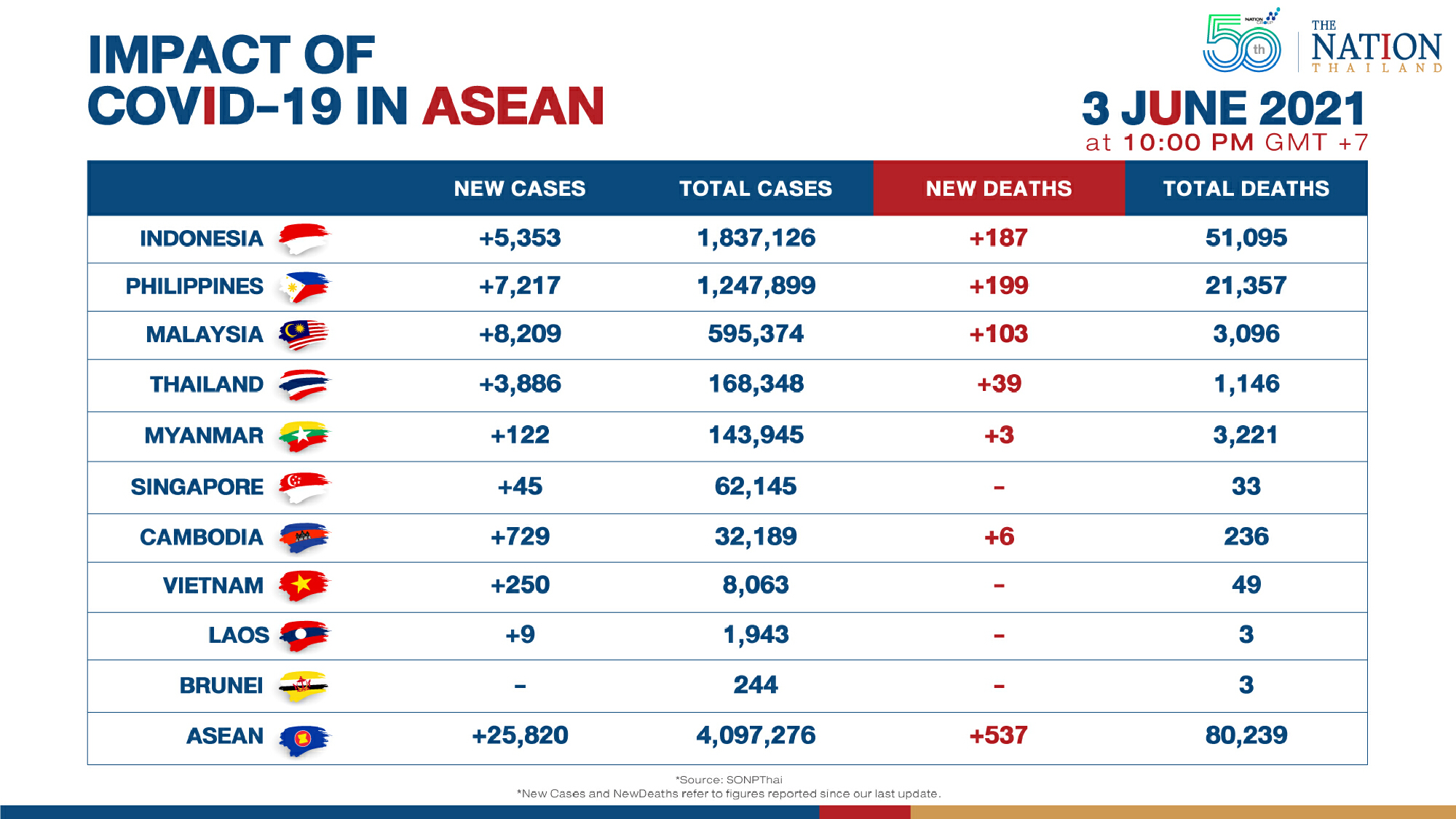
The region reported 25,820 new cases on Thursday, higher than Wednesday’s 22,747, while deaths rose to 537, up from the previous day’s 507.

The number of Covid-19 cases in Asean since the outbreak crossed 4.09 million, while total deaths climbed to 80,239.

Cambodia reported 729 new cases and six deaths on Thursday, bringing cumulative cases in the country to 32,189 and total fatalities to 236. Disease control measures have been announced in Phnom Penh to tackle increasing infections. Entertainment venues, fitness centres, museums and other places have been ordered to close, while public assembly of more than 15 people is prohibited.

Laos reported nine new cases on Thursday, taking cumulative cases in the country to 1,943 patients. So far, 1,654 people have been cured and discharged.

The Laotian Department of Health has ordered a halt on importing Covid-19 vaccine for sale in the country by private companies to avoid disparity in distribution. The department assured that the government was capable of procuring enough vaccine for the population.

Published : June 04, 2021

By : THE NATION

U.S. details global coronavirus vaccine plan, with first 25 million doses headed to Asia, Latin America, Caribbean, Africa #SootinClaimon.Com

#SootinClaimon.Com : ขอบคุณแหล่งข้อมูล : หนังสือพิมพ์ The Nation.

https://www.nationthailand.com/international/40001646

U.S. details global coronavirus vaccine plan, with first 25 million doses headed to Asia, Latin America, Caribbean, Africa


Responding to criticism that the United States has hoarded lifesaving coronavirus vaccines, the Biden administration on Thursday announced a plan to share 25 million doses globally in what officials described as a down payment on tens of millions more doses to come.

U.S. details global coronavirus vaccine plan, with first 25 million doses headed to Asia, Latin America, Caribbean, Africa

Officials said they would share at least 80 million doses globally by month’s end – sending about three-quarters of the total through international public health organizations, while reserving the remaining quarter for direct donations to handpicked nations.

“We are sharing these doses not to secure favors or extract concessions. We are sharing these vaccines to save lives and to lead the world in bringing an end to the pandemic, with the power of our example and with our values,” President Joe Biden said in a statement.

The Biden administration has been under pressure to share doses from the nation’s vaccine stockpile, particularly as the pandemic recedes in the United States while continuing to surge abroad. More than half of Americans have received at least one shot of a coronavirus vaccine, according to The Washington Post’s tracker, compared with about 1 in 10 people globally. Scientists also warn that the virus’s global spread remains a threat, as mutations that emerge abroad can return to threaten Americans.

The announcement also comes a week ahead of Biden’s plan to attend a Group of Seven meeting in Britain, where leaders are expected to focus on steps to close the widening gap between countries with access to coronavirus vaccines and those without. For months, public health officials, the leaders of developing nations and foreign experts have warned of what they call “vaccine apartheid,” urging rich countries, particularly the United States, to do more to share surplus doses and boost total supply.

Under the White House approach, about 19 million of those initial 25 million doses would be shared with Covax, the World Health Organization-backed initiative to distribute vaccine doses around the globe. White House officials said they intend about 7 million doses of the Covax share to go to Asia, 6 million to Latin America and the Caribbean, and 5 million to Africa, working with global partners such as the Africa Centers for Disease Control and Prevention.

Meanwhile, the United States would directly share about 6 million doses with nations experiencing severe coronavirus outbreaks, including India, which has been hit hard by the virus in recent weeks.

A White House fact sheet lists more than 40 individual nations where Biden intends to share vaccines, a diverse group that includes allies such as Brazil and Taiwan, and also international aid priorities such as the West Bank and Gaza. While other nations have been less prescriptive when donating vaccines to global aid organizations – attaching no strings about where the doses go – public health leaders sidestepped questions about the United States’ earmarks, instead heralding the size of its contribution.

“This announcement allows us to quickly get more doses to countries in a strained global supply climate – meaning front line workers and at-risk populations will receive potentially lifesaving vaccinations and bringing us a step closer to ending the acute phase of the pandemic,” Seth Berkley, CEO of Gavi, the Vaccine Alliance, said in a statement.

The initial tranche of 25 million doses will include shots already authorized for the United States, produced by Pfizer-BioNTech, Moderna and Johnson & Johnson. The donations will not include tens of millions of doses developed by AstraZeneca, which are still undergoing a U.S. safety review.

“Importantly, we have secured enough vaccine supply for all Americans,” said Jeff Zients, the White House coronavirus coordinator, noting the Biden administration would ramp up efforts this month to get more Americans immunized. “We will continue to donate additional doses across the summer months as supply becomes available.”

Humanitarian groups such as Doctors Without Borders said the White House plan was insufficient given the urgent global need, although policy experts credited the White House for trying to navigate competing priorities.

“It’s an announcement that checks a lot of boxes for the United States: It demonstrates support for Covax, the multilateral approach to solving this crisis, and it responds to pleas from countries in regions who have not received many vaccines,” said Thomas Bollyky, a senior fellow at the Council on Foreign Relations and director of its Global Health Program.

“The issue is that it is a relatively small amount of vaccines spread over a lot of countries,” Bollyky added.

The inequities revealed by the pandemic have been felt on a global scale, with a small number of relatively rich nations securing a disproportionate share of near-term supply and leaving much of the world to fend for itself.

Since Biden’s announcement last month that he planned to distribute a share of the nation’s considerable vaccine surplus, global leaders have waited to see how that would be doled out. The framework announced Thursday shows the administration trying to signal support for multilateral efforts by sending 75 percent of doses through Covax, with Biden officials crediting global health organizations for their existing expertise in licensing and distributing vaccines.

White House officials also tried to distinguish the U.S. strategy from the vaccine diplomacy practiced by China and Russia, two countries that have sought to use their coronavirus vaccine stockpiles to bolster alliances and influence.

But the same officials acknowledged the value of hand-selecting some nations to receive shots, including neighbors such as Canada and Mexico.

Jake Sullivan, the national security adviser, singled out the decision to share 1 million Johnson & Johnson doses with South Korea, for instance, saying the goal was to protect American forces stationed there, as well as “the Korean troops . . . standing shoulder-to-shoulder with us in that country.”

“It is a unique case – and the kind of unique case for which we want to retain some flexibility,” Sullivan said.

Among the vaccine doses expected to be available soon are millions of Johnson & Johnson shots produced at Emergent BioSolutions in Baltimore. Federal officials shut down the plant in April and subjected its products to extra scrutiny after it was discovered that Johnson & Johnson vaccines had been contaminated with AstraZeneca vaccines being made in the same facility. Food and Drug Administration officials are nearing the conclusion of their review.

Looking ahead to the Group of Seven meetings, public health officials and advocates are set to press the Biden administration and the leaders of other wealthy nations for details on whether G-7 countries will follow the United States and support patent waivers for coronavirus vaccines, or take other steps to boost manufacturing around the world.

About two-thirds of Americans say the United States should take a major role in sharing vaccines abroad, according to a Kaiser Family Foundation poll released Thursday. The Biden administration has also faced bipartisan scrutiny on Capitol Hill for its lack of detailed plans to share vaccines, particularly as rivals such as China and Russia have provided them to dozens of countries.

Tom Hart, the acting CEO of the One Campaign, a global anti-poverty organization, said he was disappointed the United States had not yet donated tens of millions of doses developed by AstraZeneca since it is not using them. The company’s shots, which have received emergency authorization abroad, remain under review by U.S. officials.

“The administration will soon have hundreds of millions of surplus doses to donate,” Hart said in a statement. “Now is the time to make that clear and push other countries with surpluses to do the same.”

U.S. officials said they would make further donations to Covax, which is co-led by the World Health Organization, the Coalition for Epidemic Preparedness Innovations and Gavi. The organization aims to vaccinate 20% of participating countries by the end of the year – a relatively modest target that may not be met thanks to a supply crunch compounded by the crisis in India. To date, it has delivered just under 80 million doses to 129 countries.

Covax’s model of distributing doses based on population also has been criticized by some experts, including bioethicist Zeke Emanuel, who advised Biden’s coronavirus response during the presidential transition and has called for doses to be sent immediately to countries at greatest risk.

Published : June 04, 2021

By : The Washington Post · Dan Diamond, Emily Rauhala, Laurie McGinley

Russia-linked group behind JBS attack revels in audaciousness #SootinClaimon.Com

#SootinClaimon.Com : ขอบคุณแหล่งข้อมูล : หนังสือพิมพ์ The Nation.

https://www.nationthailand.com/international/40001644

Russia-linked group behind JBS attack revels in audaciousness


They patronize hacking forums to recruit affiliates, advertise profit-sharing schemes and provide interviews on their techniques.

Russia-linked group behind JBS attack revels in audaciousness

REvil, the Russian-linked hacker group the FBI said is responsible for the cyberattack on JBS SA, the largest meat producer in the world, has emerged as one of the most prolific — and public — ransomware groups in recent years.

The hackers, also known as Sodinokibi, have been at the forefront of the ransomware-as-a-service model of cyberattacks since the group first came to prominence as a security threat in 2019. In this model, hacker groups provide malware for others to use in an attack in exchange for a cut of the ransom payments. In order to recruit talent, REvil deposited $1 million in Bitcoin as a way to give potential affiliates peace of mind that they would get paid.

“Audaciousness is part of their persona,” said Allan Liska, a senior threat analyst at the cybersecurity firm Recorded Future Inc.

Ransomware has become a thorny problem for the Biden administration, particularly after an attack last month on Colonial Pipeline Co. squeezed fuel supplies along the East Coast. Other recent attacks have targeted the police department in Washington, D.C., a hospital network in California and now a major meat supplier.

Ransomware is a type of hack in which a victim’s computer files are encrypted, rendering them unusable until a ransom is paid. Some ransomware groups steal files too, providing another avenue for extortion. REvil maintains a page on the dark webpage, called the “Happy Blog,” where it leaks or auctions sensitive documents from victims as an extra incentive to pressure them to pay.

Since 2017, ransomware has come to dominate other financially motivated cyberattacks in volume and profitability, said Kelli Vanderlee, senior manager of analysis at Mandiant Threat Intelligence, part of FireEye Inc. While the attacks aren’t limited to a particular type of victim, available data suggests it disproportionately affects the manufacturing sector, Vanderlee said. “There are likely several contributing factors, including the perception that manufacturers may be more likely to pay to prevent monetary losses from production downtime,” she said.

REvil emerged from the former GandCrab group, a ransomware-as-a-service outfit that announced they were closing up shop in 2019, according to CrowdStrike Holdings Inc., which confirmed that REvil was behind the JBS attack. “We are getting a well-deserved retirement,” GandCrab wrote, according to the cybersecurity blog KrebsonSecurity. “We are living proof that you can do evil and get off scot-free.”

It’s not clear if the operators of GandCrab simply rebranded themselves with a new name, or if REvil’s operators bought — or stole — GandCrab’s code. Either way, by the time GandCrab signed off, REvil was already underway as a more exclusive ransomware program that was also known as “Sodin” or “Sodinokibi.”

In May 2019, a representative of the group, going by the nickname “Unknown,” sought out a small number of partners on hacking forums for a new ransomware-as-a-service program. “Five affiliates more can join the program and then we’ll go under the radar,” according to KrebsonSecurity. “Each affiliate is guaranteed USD 10,000. Your cut is 60% at the beginning and 70% after the first three payments are made. Five affiliates are guaranteed [USD] 50,000 in total. We have been working for several years, specifically five years in this field. We are interested in professionals.”

“They advertise sharing profits and provide infrastructure and ransomware, ransom negotiations and the distribution of funds,” said Jon DiMaggio, chief security strategist at Virginia-based Analyst1. “They handle all the Bitcoin transactions and things of that nature.”

Like many of the more established ransomware groups, REvil researches potential targets to ensure they have the means to pay, including determining if victims carry insurance against cyberattacks, he said. A REvil associate said in an interview that targeting firms with cyber-insurance was “one of the tastiest morsels.”

Recorded Future said it’s aware of at least 237 REvil victims since 2019.

REvil took credit for hacking the hardware supplier Quanta Computer Inc. earlier this year, and in the process published secret blueprints for new Apple Inc. devices. In 2020, REvil executed a ransomware attack against a law firm they claimed once represented some of Donald Trump’s television enterprises. In 2019, the group also attacked a group of Louisiana election clerks a week before Election Day.

REvil is so immersed in the ransomware domain that its members weigh in regularly on discussions about malware on hacker forums, according to DiMaggio. They also maintain direct relationships with other ransomware groups including DarkSide, the hackers accused of being behind the May attack on Colonial Pipeline, he said.

When DarkSide’s site went down after the Colonial attack, REvil alerted the hacking community about it, said DiMaggio, who has long studied Russian cybercriminal gangs. “They’re extremely involved. They’re the kid in class who always has to raise his hand. They’re very vocal in the community.”

DiMaggio and other analysts have said that Revil hackers communicate largely in Russian and steer clear of targets that use Cyrillic script — the system for languages of Eastern Europe and Slavic states. In the interview, REvil’s Unknown said the group avoided those countries because of geopolitics, laws and patriotism.

The arrangement also gives Russian President Vladimir Putin “plausible deniability” against accusations by the White House and others that Russia is involved in the attacks.

“The whole ransomware model fits into the tactics we’ve seen from Russia over the years,” DiMaggio said.

The appeal for hackers is potentially big profits with minimal risks. “As a child I scrounged through the trash heaps and smoked cigarette butts,” a person claiming to be REvil’s “Unknown” said in a March interview with Recorded Future. “I wore the same clothes for six months. In my young, in a communal apartment, I didn’t eat for two or even three days. Now I am a millionaire.”

Published : June 04, 2021

By : Syndication Washington Post, Bloomberg · Jamie Tarabay

Family members, U.S. officials press Myanmar for release of detained journalist Danny Fenster #SootinClaimon.Com

#SootinClaimon.Com : ขอบคุณแหล่งข้อมูล : หนังสือพิมพ์ The Nation.

https://www.nationthailand.com/international/40001641

Family members, U.S. officials press Myanmar for release of detained journalist Danny Fenster


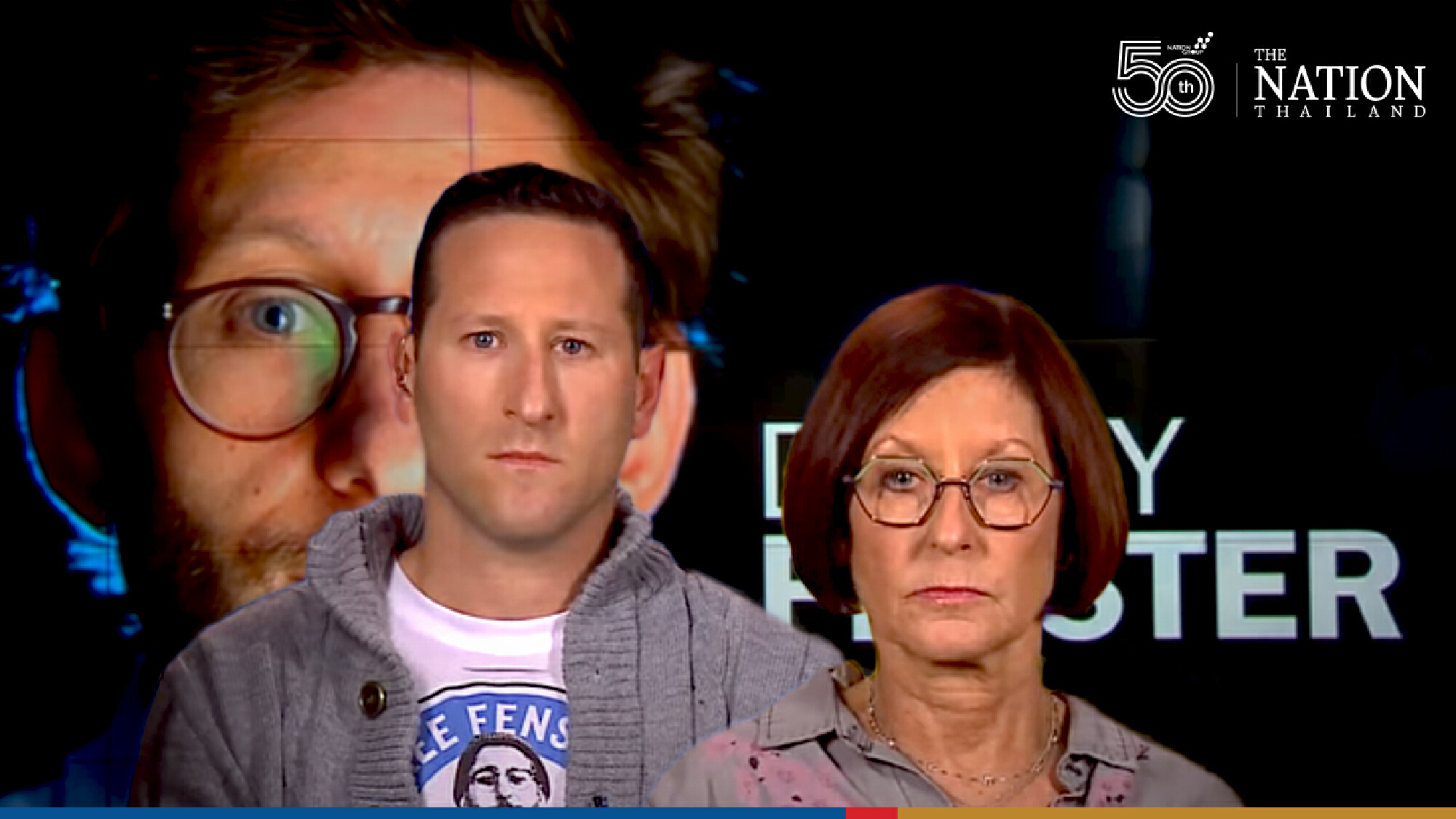
Early on the morning of May 24, Bryan Fenster woke up to a string of alarming text messages: His brother, Danny, had been detained at Myanmars Yangon International Airport while trying to fly home to Michigan, to surprise their parents with his first visit in three years.

Family members, U.S. officials press Myanmar for release of detained journalist Danny Fenster

“Iknew right away that this was going to be really bad,” Bryan recalled. His brother had been working as the managing editor for the news outlet Frontier Myanmar, and journalists were increasingly being targeted in the Southeast Asian nation, where the military junta seized power in a February coup. He steeled himself to call up their parents and deliver the news, and then sprung into action.

Eleven days later, the Fenster family still doesn’t know why Danny was arrested or what kind of condition he’s in. All they know is that he’s being held in Myanmar’s notorious Insein prison, which houses political prisoners and has a reputation for inhumane conditions. U.S. government officials have been pushing for the 37-year-old journalist’s release but say that the junta has denied all access to him.

“We’re not privy to everything that’s going on behind the scenes, but we are assured that people at the highest levels of the U.S. Embassy are working on this and it’s a priority for them,” Bryan Fenster said.

Danny Fenster is the fourth foreign journalist detained since the February coup, and the second American. Deputy Secretary of State Wendy Sherman said Wednesday that the junta’s actions constituted an “unacceptable attack on the freedom of expression.”

“We have pressed the military regime to release them both immediately and will continue to do so until they are allowed to return home safely to their families,” Sherman told reporters.

Last week, officials from the U.S. Embassy in Myanmar were able to conduct a virtual visit with Nathan Maung, a U.S. citizen and journalist who was detained earlier this year, Sherman added. “We have sought to visit Daniel but have thus far not been afforded access to him by regime officials,” she said.

Human rights groups estimate that Myanmar’s military government has arrested roughly 4,000 people since the February coup in an attempt to crack down on opposition. The junta publishes lists of “wanted” journalists who it claims are threatening “state stability,” and has detained dozens of native-born reporters.

Danny Fenster moved to Myanmar several years before the coup, during a period when the country was changing rapidly, in what many experts saw as a move toward a more open, democratic society. “He was excited to be there to see the momentum of it opening up, so we were excited for him,” his brother, Bryan, said.

As the military crackdown progressed, the Fensters became increasingly concerned about Danny’s safety. But they also knew that he had lived in the country long enough to know where he could and couldn’t safely go, Bryan said. And since he worked as an editor rather than a reporter, he wasn’t attending protests that could have put him at risk.

A native of the Detroit suburbs, Danny Fenster worked as a reporter for a daily newspaper in New Iberia, La., before moving to Myanmar. Both moves were motivated by a deep curiosity about the world and a desire to tell stories that often go unheard, his brother said.

“He cares tremendously about journalism as an art form, but also the responsibility that comes with it to make the world a better place,” Bryan Fenster said.

While Myanmar’s military government has offered no official explanation for Danny’s detention, his family assumes that he was targeted as part of a larger campaign to silence journalists. Frontier Myanmar, where he began working in August 2020, routinely publishes stories that cast a critical light on the junta and highlight potential human rights abuses that have taken place since the coup.

The Fenster family has been in frequent communication with elected officials, including Michigan Gov. Gretchen Whitmer, Congressman Andy Levin, D-Mich., and Sen. Gary Peters, D-Mich., who have been making calls to the State Department and U.S. Embassy on their behalf, Bryan Fenster said. Fearful that Danny’s plight may be forgotten if his name is no longer in the news, they’ve launched a petition and a website and are encouraging supporters to keep up the public pressure by contacting their representatives.

“We’re most concerned about his well being,” Bryan Fenster said. “We just want confirmation that he’s OK.”

Published : June 04, 2021

By : The Washington Post · Antonia Noori Farzan

Chinas great vaccine hope, Sinopharm, sees reputation darkened amid covid spikes in countries using it #SootinClaimon.Com

#SootinClaimon.Com : ขอบคุณแหล่งข้อมูล : หนังสือพิมพ์ The Nation.

https://www.nationthailand.com/international/40001640

Chinas great vaccine hope, Sinopharm, sees reputation darkened amid covid spikes in countries using it


Last year, Bahrain became one of the first countries to throw support behind Chinas Sinopharm vaccine, granting it emergency use approval in December – a substantial boost for Beijings global ambitions for the vaccine, despite doubts on the part of some scientists over lack of public safety and efficacy data.

Chinas great vaccine hope, Sinopharm, sees reputation darkened amid covid spikes in countries using it

Now, the Persian Gulf country is the latest to raise doubts about the vaccine’s effectiveness.

Bahraini officials told news outlets this week that it would be offering Pfizer-BioNTech doses to certain high-risk individuals who have already received two Sinopharm jabs, suggesting that they no longer saw two doses of the Sinopharm vaccine as enough, in the face of a new wave of coronavirus infections.

The policy comes just weeks after the World Health Organization granted Sinopharm emergency use listing, making it the first Chinese-developed vaccine to receive the global health body’s stamp of approval.

The vaccine, developed by Sinopharm with the Beijing Institute of Biological Products, makes up a significant chunk of China’s own supply of vaccines for domestic use. Though slow to start, China’s vaccination drive is ramping up, with officials suggesting 80% of the country could be immunized by the end of the year.

In Bahrain, however, a vaccination drive that relied heavily on Sinopharm has so far produced at best mixed results and failed to curb new cases.

Almost 50% of the country has been fully vaccinated, according to The Washington Post’s tracking, but the country has seen its worst wave of cases yet in the past few weeks, and the government has implemented a two-week lockdown in a bid to tame the outbreak.

Some 1,936 new cases were reported on Thursday, according to the Bahrain News Agency, bringing the total cases in the country of 1.6 million to over 240,000, with over a thousand deaths.

Waleed Khalifa al-Manea, Bahrain’s undersecretary of health, told the Wall Street Journal in an article published Thursday that people fully vaccinated with Sinopharm who are over 50, with chronic illnesses or obese are being urged to get a booster of Pfizer-BioNTech six months after their last Sinopharm shot.

Bahrain and neighboring United Arab Emirates – which also relied heavily on Sinopharm for their rapid vaccine rollouts – had previously announced they would offer third-dose Sinopharm booster shots starting in mid-May, after studies showed that some of those vaccinated had not developed sufficient antibodies.

In Bahrain, residents can use an app to book their booster shots. Though they can choose either Sinopharm or Pfizer-BioNTech doses, those who meet certain risk groups would be advised to get the latter.

Sinopharm representatives did not respond to a request for comment.

The Gulf nation is not the only place where the rollout of Sinopharm doses has coincided with large waves of cases. In the Seychelles, Chile and Uruguay, all of whom have used Sinopharm in their mass vaccination efforts, cases have surged even as doses were given out.

A surge in cases in the Seychelles provided a “critical case to consider the effectiveness of some vaccines and what range we have to reach to meet herd immunity,” Yanzhong Huang, a senior fellow for global health at the Council on Foreign Relation, told The Washington Post at the time.

A WHO panel report last month found that the vaccine had a 79% efficacy rate in stopping symptomatic covid-19 in adults between 18 and 59, citing evidence from clinical trials in China, Bahrain, Egypt, Jordan and the United Arab Emirates.

While that efficacy was in the same range as that of a vaccine produced by AstraZeneca, it was considerably lower than that of the Pfizer-BioNTech and Moderna vaccines, which have reported efficacy of more than 90%.

Unlike those vaccines, which use new mRNA technology to train the bodies immune system using a snippet of virus code, Sinopharm’s uses an inactivated version of the virus to do the same – an older, though well-established, technology.

The WHO panel also cautioned that they had a “low level of confidence” in the vaccine’s efficacy in people 60 and older, and a “very low confidence” about potential side effects in that age group, due to a lack of data.

Despite the concern about Sinopharm’s effectiveness, experts say that the vaccine still works as intended in most cases and that it could play a significant role in shortages of vaccine doses around the world.

This week, millions of Sinopharm doses rolled off the production line in Beijing, intended to play a major role in the United Nations-backed vaccine sharing program Covax, amid persistent shortages. Sinopharm officials said Wednesday that they hope to distribute more than 1 billion doses outside of China in the second half of 2020.

Separately, the WHO granted emergency use listing to another Chinese vaccine, developed by Sinovac, this week, reporting that the vaccine prevented symptomatic disease in 51% of those vaccinated and prevented severe cases in 100% of the population.

However, officials said there was not enough data to estimate the Sinovac vaccine’s efficacy in those over 60.

Published : June 04, 2021

By : The Washington Post · Adam Taylor, Paul Schemm

Covid zero risks being Covid limbo amid slow vaccine uptake #SootinClaimon.Com

#SootinClaimon.Com : ขอบคุณแหล่งข้อมูล : หนังสือพิมพ์ The Nation.

https://www.nationthailand.com/international/40001639

Covid zero risks being Covid limbo amid slow vaccine uptake


“Covid zero” countries that used strict border controls to keep the coronavirus largely at bay for more than a year risk being stuck in limbo and increasingly isolated unless vaccination rates pick up, public health experts said.

Covid zero risks being Covid limbo amid slow vaccine uptake

Aprotective bubble that’s kept Australia’s Covid-19 fatalities to less than 1,000 is unsustainable, Greg Dore, an infectious disease physician and epidemiologist with the University of New South Wales’ Kirby Institute in Sydney, told a Bloomberg panel. The country needs to overcome complacency and ramp up immunizations to reach “disease immunity,” where SARS-CoV-2 no longer poses a major threat, he said during a discussion broadcast live on Twitter Thursday.

“Once we get a higher proportion of the adult population vaccinated, we will provide that disease immunity and then we’ll be able to open up,” Dore said. “The virus will come in. There’ll be some cases. There may be some people who get reasonably sort of sick, but the numbers of cases with severe illness and the numbers of deaths will be very small.”

Such tolerance is in stark contrast with the situation now, where the Australian state of Victoria is in the middle of two-week lockdown to eliminate transmission of the virus in Melbourne for a fourth time. There were 69 active Covid-19 cases as of Wednesday, according to the state’s health department.

The nation of 26 million people has recorded just over 30,000 cases since January 2020, but administered only 4.5 million Covid shots, according to the Bloomberg Vaccine Tracker.

“The elimination success has come with some complacency,” Dore said, adding that he’s hopeful the current Melbourne outbreak will act as a wake-up call and spur higher immunization rates in the coming months.

Hong Kong, Singapore and other cities that have used social and public health measures effectively to curb Covid’s spread must also improve vaccine uptake as a buffer against localized epidemics, said Jody Lanard, a risk communications consultant in New York.

“I’m worried that the ‘Covid zero’ countries are kind of like sitting ducks for Covid to come in,” she said during the discussion. “I’m very worried that ‘Covid zero’ is really ‘Covid limbo.’ You’re just waiting for something terrible to happen.”

Governments need to prepare their societies for some level of transmission, she said. “They have to help the people have their ‘oh my God’ moments ahead of time if possible.”

When speaking to his citizens, Singapore Prime Minister Lee Hsien Loong frequently slips in reminders of the threat of super-spreading events, Lanard said.

“And then he makes that a little bit vivid so people aren’t totally surprised when things go wrong,” she said. “Helping people have an adjustment reaction to what is likely to happen is going to help things move along faster.”

People living in Singapore should expect routine, large-scale, fast and simple testing to be part of a “new normal” in which residents “learn to carry on with our lives even with the virus in our midst,” Lee told the nation in an address on Monday. “In the new normal, Covid-19 will not dominate our lives. Our people will be mostly vaccinated, and possibly taking booster shots every year.”

Betting on “Covid zero” was a gamble that paid off for many countries whose policies were based on an intolerance of the coronavirus, said Peter Sandman, a risk communications adviser who works with Lanard.

“Having won the gamble, you have to convince people to collect their winnings,” he said during the discussion. “The only way they get to collect the winnings is to be willing to get vaccinated and open up.”

How tolerant of Covid cases societies are willing to be in exchange for greater freedoms, including the ability to travel abroad, should be debated and not decided exclusively by government officials and scientists, Sandman said.

“No country wants to be the hermit kingdom of the 21st century,” he said.

Published : June 04, 2021

By : Syndication Washington Post, Bloomberg · Jason Gale, Kurumi Mori

Afghan war enters more brutal phase as U.S. troops begin pullout #SootinClaimon.Com

#SootinClaimon.Com : ขอบคุณแหล่งข้อมูล : หนังสือพิมพ์ The Nation.

https://www.nationthailand.com/international/40001638

Afghan war enters more brutal phase as U.S. troops begin pullout


NAWA, Afghanistan – The fight between Afghan government troops and the Taliban is entering a more brutal phase as a reduction in airstrikes against the militants by withdrawing U.S. forces has largely shifted combat to ground engagements, many on the edges of densely populated urban areas after some recent Taliban advances.

Afghan war enters more brutal phase as U.S. troops begin pullout

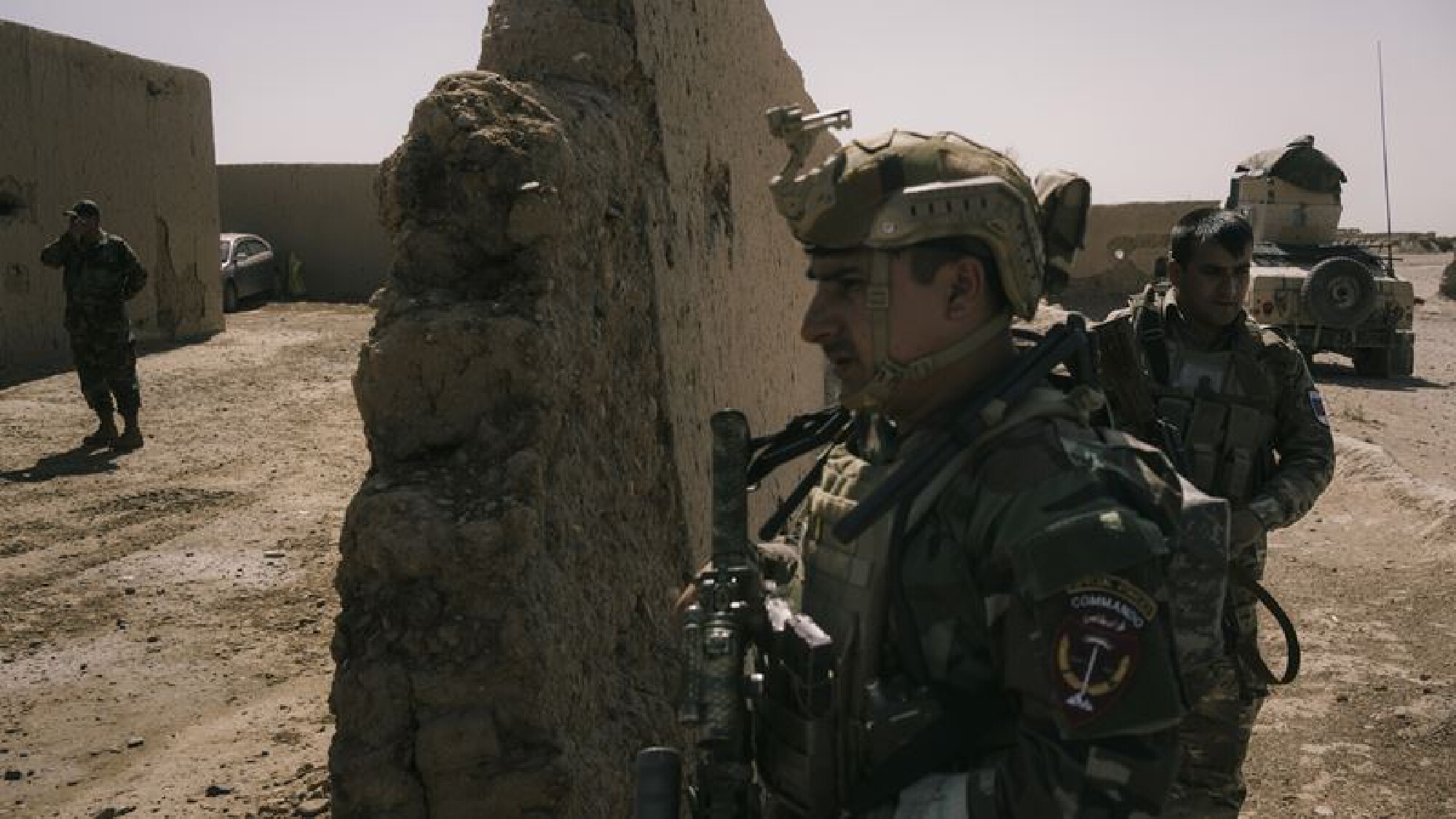
To clear pockets of this district, just a few hundred yards from the edge of Helmand’s provincial capital, Afghan government forces under Gen. Sami Sadat moved house to house last month through tightly packed neighborhoods, often on foot, as Afghan aircraft carried out waves of heavy strikes.

The area had been densely mined by the Taliban, and weeks of clashes left the streets shredded: dirt roads littered with craters and mud-straw walls pockmarked with bullets and shrapnel.

For months, the Taliban slowly expanded its influence across Afghanistan after signing the withdrawal deal with the United States. The halt in offensive U.S. operations, especially airstrikes and raids, allowed the group to mass fighters, gather supplies and chip away at government-held territory.

The country’s south, specifically Helmand, witnessed some of the militants’ most striking advances. By May 1, the date marking the start of the complete withdrawal of foreign forces from Afghanistan, the Taliban had massed hundreds of fighters in Helmand. And as the U.S. military handed over its last base here to the Afghan government, Taliban fighters launched a massive assault the same day on the provincial capital, Lashkar Gah, overrunning territory in three districts including Nawa.

While Nawa had fallen to the Taliban several times over the past two decades, residents say the current battle to retake the area is unlike the others before: It has dragged on for weeks rather than days, and both sides are using heavier weaponry.

Sadat described one of the most successful raids, which surrounded and killed a unit of about 50 Taliban fighters. “They were eager to collect the dead, so we kept watch on the area,” he said, recounting that his forces shot several more of the militants as they tried to retrieve bodies.

He said he didn’t know if any of the Taliban fighters had tried to surrender. “The boys were angry,” he replied, referring to his men. The junior officer who led the operation was promoted to major.

The battle in Helmand could indicate how the war in Afghanistan will evolve once the United States and other NATO forces completely withdraw from the country. Over the past month, violence has escalated significantly. The Taliban carried out a wave of attacks on provincial capitals, initially triggering a collapse of government forces at several bases and outposts. Now, where the Afghan military is pushing back, both sides are increasingly turning to harsher tactics.

Taliban fighters are blanketing territory with roadside bombs and booby-trapped explosives. And Afghan government forces on the offensive are waging exhausting ground operations covered by intense Afghan air support. Of the eight provinces where the Taliban gained territory last month, the Afghan military has advanced in three: Baghlan in the north, Laghman to the east and in Helmand, around its capital Lashkar Gah.

Where combat has flared, the war’s new phase has proved deadlier for government forces, Taliban fighters and civilians alike.

Last month, the airstrikes in Nawa drew so close to the home of a woman named Tajbib that explosions littered her garden with two-foot-long pieces of burning shrapnel, she said. Then, Taliban fighters appeared at her gate and ordered the entire family to leave. But the street outside her home was in the middle of a battle.

“We were caught,” recounted Tajbib, who has a single name and estimates she is in her 30s, as she huddled with the women and children of her extended family. After navigating around the fighting, however, the entire family managed to reach the government-held provincial capital on foot.

Families in her neighborhood say they have fled flighting several times over the years, but for many, this was the first time the Taliban forced them from their homes.

When Tajbib returned, she discovered that her neighborhood had been turned into a Taliban garrison. Passageways were knocked between rooms and houses, smaller holes were punched through walls looking out on the street, and tunnels were dug connecting adjacent homes.

“I begged them, ‘Don’t do this,’ but they said, ‘You are the friend of Americans. Get out of here,’ ” said Tajbib’s neighbor, in a similar account of being forced from her home by the Taliban. Fearing retribution, she spoke on the condition of anonymity.

As the neighbor, a slight elderly woman, fled, her son stepped on a roadside bomb. The blast killed him almost immediately, she said, recounting the story in wails of mourning and anger to a group of Afghan soldiers. Her son was one of the family’s main breadwinners, and she pleaded for help from the troops to feed her grandchildren.

Civilian casualties were nearly three times higher in May than the month prior. More than 300 civilians were killed and over 690 injured in May, according to preliminary findings from the Afghan Independent Human Rights Commission. Children accounted for 378 of the civilian casualties in May.

In a series of tweets warning of heavy civilian casualties in recent days, the United Nations said indirect fire, Afghan airstrikes and Taliban explosives are killing many civilians.

The Afghan government does not disclose casualty figures for its forces, but local officials said casualties among Afghan troops in Helmand are about twice as high now as when the military had close U.S. air support. The officials spoke on the condition of anonymity because they were not authorized to release such information.

The Taliban is also suffering more losses. Sadat said his men killed or wounded about 700 Taliban fighters in Helmand over the past month. Local officials estimated the number to be closer to 300 but said this was still more than triple the Taliban casualties in previous operations.

“As we have said before, the best way to reduce civilian casualties is for all sides to reduce the violence,” said Col. Sonny Leggett, a U.S. military spokesman based in Kabul, when asked about the spike in civilians killed or wounded.

When asked about any U.S. role in supporting Afghan forces in Helmand last month, Leggett said, “We have no operational announcements at this time.” He continued, “Our mission is a safe and orderly withdrawal and to leave the [Afghan military] in the best possible position as we depart.”

But the caliber of the forces that make up the Afghan military is wildly uneven. The vast majority of desertions and casualties suffered by government forces are within units that lack supplies and training. But the country’s elite units – which make up just a fraction of the national security forces – have trained and worked alongside U.S. and NATO special operators for nearly two decades, and they display a deep commitment to fighting for their country.

Sadat is the product of some of that elite training. He attended military academies in Germany and Britain, has fought alongside U.S. Special Operations forces and says he will always have deep gratitude for the U.S.-led mission in Afghanistan. “None of this would even exist without the United States,” he said, gesturing to his team of officers, their base and equipment.

But he sees the withdrawal of foreign forces as an “opportunity” for the Afghan government to fight the Taliban more freely. U.S. support in combat operations had many advantages, he said, but it also added bureaucracy, extensive coordination and many meetings. “We don’t have to do that anymore,” he said. “It’s easier now.”

Operating with more independence, Sadat said he is able to empower ground commanders to fight with less U.S. oversight. And with the Afghan air force now conducting the majority of strikes, there are fewer steps to approve and less need to deconflict air support.

Sadat said he now plans to accelerate military operations after months of stalled negotiations in Qatar with the Taliban – a period that he argued was used by the militants to strengthen their fighters on the ground. “Let me be clear, we gave a chance to peace, and it didn’t work,” he said.

Ultimately, he said he thinks the Afghan military can be more effective without the presence of U.S. troops and can defeat the Taliban in a matter of years.

U.S. intelligence assessments disagree, instead predicting widespread Taliban territorial gains after the complete withdrawal of foreign forces.

Hasham Fedayee, a tribal elder from Helmand province, also disagrees with Sadat and expects that the rising wave of violence will continue for decades.

“The war is taking a new turn,” he said, predicting the next stage of the conflict to be “internal” and similar to the years leading up to the outbreak of civil war in the 1970s. “And Afghans will continue to fight [for many years],” he said. “We have already been at war for four decades.”

In Nawa, low-level fighting is continuing near Tajbib’s home, although government forces have deemed the area “cleared.” As she spoke, gunfire sputtered a few hundred yards away, and blasts from controlled detonations of roadside bombs sent shock waves through her modest front room, thrashing the pastel curtains hanging in the window.

“We don’t feel safe, but we couldn’t afford the rent in the city,” she said, surrounded by about half a dozen children who appeared unfazed by the noise. They are fine during the day, Tajbib said. But at night when the airstrikes and artillery begin, she added, they often wake up screaming in terror.

She said she doesn’t understand why the violence is becoming worse now that the United States is withdrawing. Without foreign forces in Afghanistan, Muslims should live together in peace, she said.

“Those who are fighting out there,” Tajbib said of the government troops and the Taliban, “they are brothers.”

Published : June 04, 2021

By : The Washington Post · Susannah George