EU demands AstraZeneca court order to supply vaccine doses
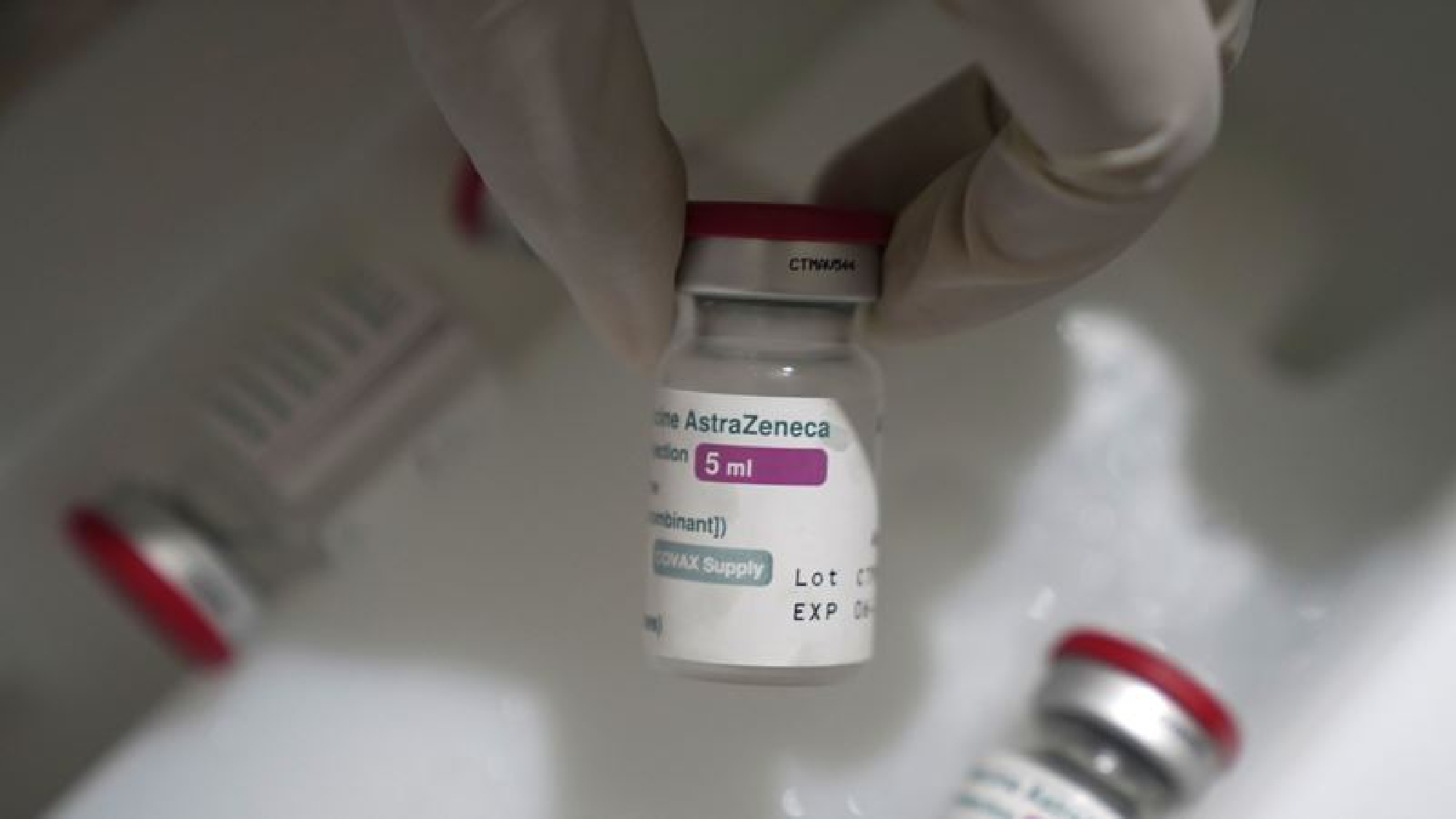
The European Union attacked AstraZenecas Covid-19 vaccine supply “failure” and demanded millions of euros in penalties if the company cant meet an urgent order for more doses in the latest round of a bitter legal dispute over alleged broken promises by the drugmaker.
At a hearing that kicked off on Wednesday, a Belgian court is weighing EU claims that there’s an emergency situation that merits an order for the drug maker to deliver 20 million more shots than it has promised so far by the end of June.
The company should pay a fine of 10 euros ($12) a day for overdue vaccines if it can’t comply, a lawyer for the European Commission said in the Brussels Court of First Instance on Wednesday.
The delay in supplying vaccines jeopardizes the health of millions of EU citizens, Fanny Laune, a lawyer representing the EU’s executive, said. “We have to vaccinate quickly and widely to bring the mortality rate down, without the AstraZeneca vaccines we cannot.”
Astra’s supply contract with the EU came into focus after it delivered just 30 million doses in the first quarter, compared with an original target of 120 million. The company blamed the shortfall on difficulties producing the vaccine at European plants. The EU has insisted the company should have relied on British facilities, raising questions over Astra’s separate deal with the U.K.
The same court will examine later this year whether Astra violated the terms of its contract. Another lawyer for the EU, Rafael Jafferali told judges earlier that the company hadn’t tried to use all its production facilities to meet the EU order and the company’s record so far is “obviously a failure.” It was “flagrant” that the company had exported some 50 million doses outside of the EU, mostly to the U.K. and Japan, at the same time.
U.K. Deal
The EU wants the court to demand Astra to deliver a further 90 million doses by the end of June, 20 million more than it currently plans to hand over by that date, to reach the 120 million target. The EU is also asking for 180 million doses by the end of September, to fulfill the full contract of 300 million doses ordered last year.
Europe had a slow start in vaccinating its 448 million population, partly due to uncertainties over vaccine supplies, hampering efforts to reopen economic activity after the coronavirus pandemic forced the region into an unprecedented downturn last year.
Aside from the dispute over deliveries, Astra’s vaccine has been mired in controversy in Europe over alleged clotting side effects, which have led some EU members to limit its use to specific age groups. The European Medicines Agency has warned doctors to check on patients who may be vulnerable to clots.
The EU has been turning to Pfizer Inc. and BioNTech SE for an additional 1.8 billion vaccines.
AstraZeneca’s lawyer, Hakim Boularbah, argued that the company made it clear to the EU that manufacturing a new vaccine was fraught with uncertainties. The contract includes a provision that the company would not be liable for any delay, he said.
The drugmaker doesn’t sell its shot for profit, but the prospect of a long legal battle with 27 governments raises the risk of litigation costs and damage payments.
The Brussels Court of First Instance could decide within a month on the EU’s request for order to supply the contested vaccines.
Nearly half of EU adults have now received at least one shot of a vaccine, European Commission President Ursula von der Leyen said in a tweet on Tuesday.
Published : May 27, 2021
By : Syndication Washington Post, Bloomberg · Aoife White
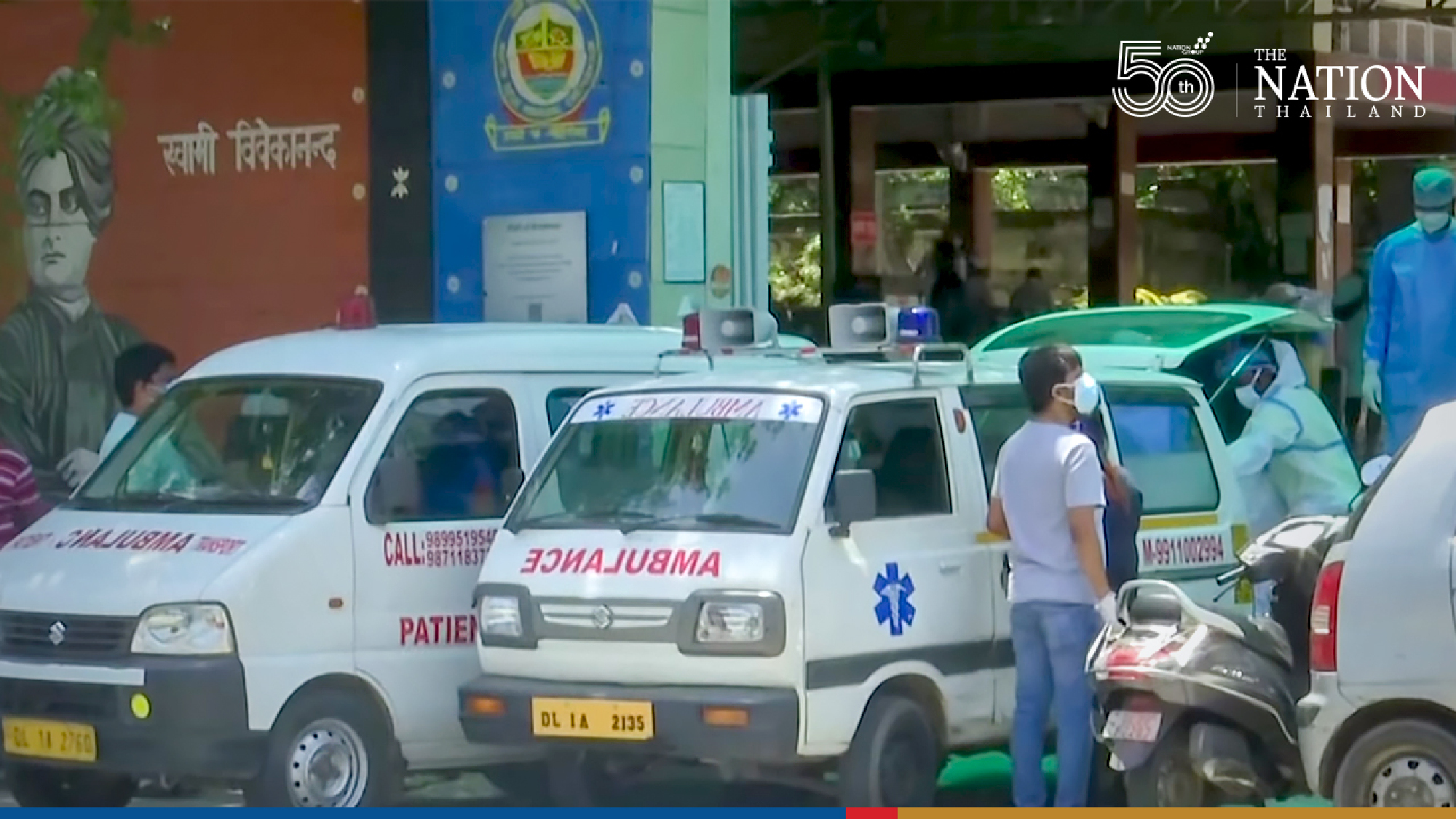
Doctors on 48-hour shifts as Indias hospitals pushed to brink
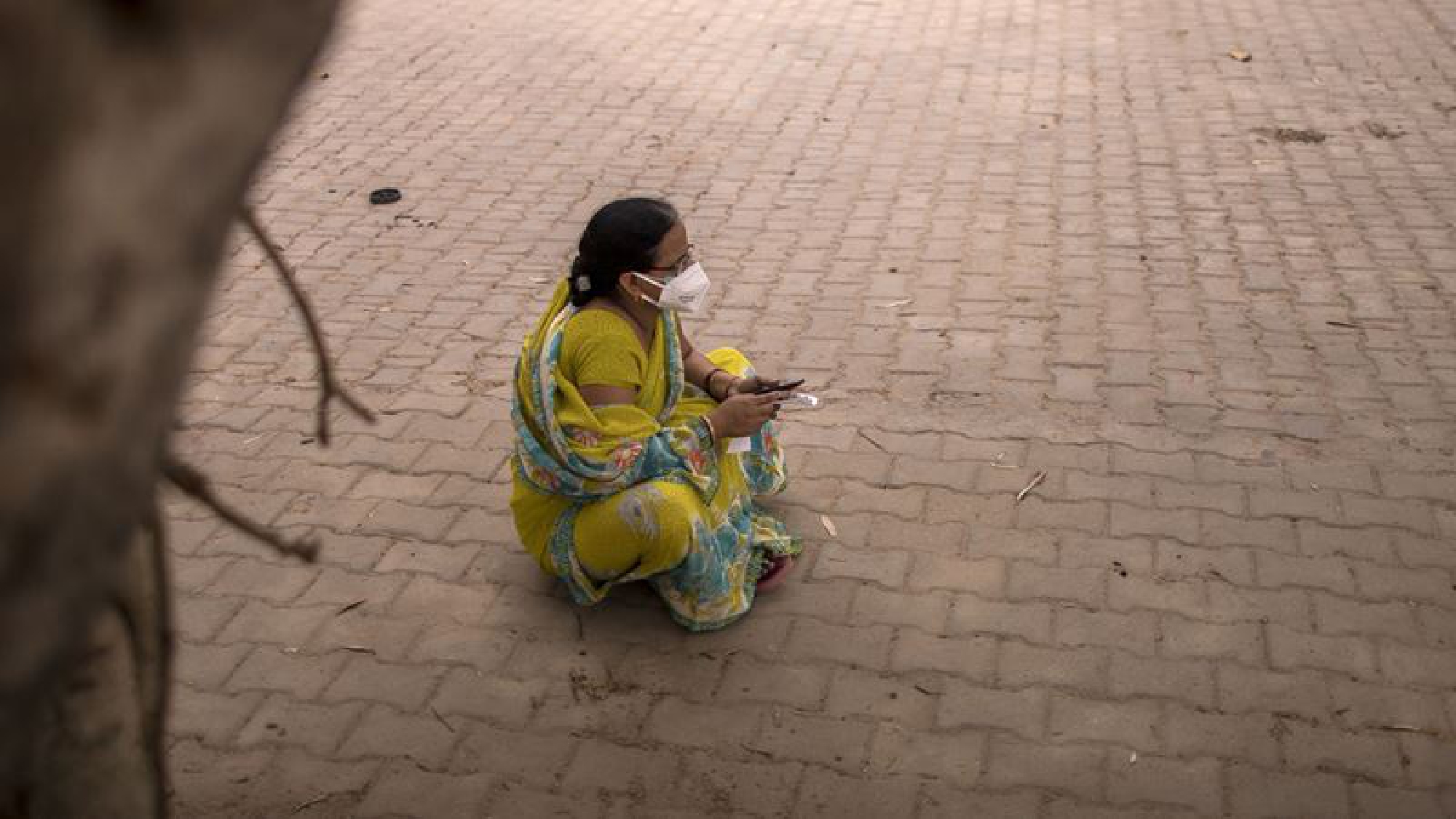
It is the silent toll of Indias deadly second wave. After a terrifying month that saw Covid-19 overwhelm the countrys run down health system, doctors and nurses on the pandemic frontlines say they were pushed into physical and mental exhaustion as they fought to keep their patients alive.
Mousimi Das had to treat her own mother in her Kolkata hospital as countless patients including a colleague’s father died around her, working 48 hours in one stretch without a break. She has one message for the government of Prime Minister Narendra Modi.
“We are exhausted, frustrated, and depressed,” Das said over phone, her voice breaking with fatigue. “Please see us. Please hear us. If you don’t listen to doctors, nurses and staff working on the ground, you will never be able to improve the health infrastructure.”
Das is not alone. Bloomberg spoke to a dozen doctors who described a nightmare scenario: continued high-risk exposure to the virus, a never-ending flow of patients and deaths and long hours in sweat-drenched PPE kits that made even washroom breaks difficult. It’s leading to burnout, anxiety and insomnia among a large number of India’s 1.3 million doctors and complicates the fight to contain the world’s worst coronavirus outbreak.
More than 1,200 doctors have lost their lives so far in a country that’s reported nearly 27 million Covid-19 cases, according to a toll maintained by the Indian Medical Association.
Even before the pandemic hit India, its health sector was ranked 110 out of 141 countries, behind Bangladesh, Indonesia and Chile, the World Economic Forum’s Global Competitiveness Report 2019 found. The South Asian nation’s rural towns and villages, home to nearly 70% of India’s 1.4 billion population, have only a skeletal health infrastructure.
The number of doctors for every 10,000 people in India has fallen to around nine in 2019 from 12 in 1991, according to data on World Health Organization’s website, while the country’s health expenditure was just 3.54% of GDP, lower than countries including Iraq, Afghanistan, Egypt, China and Kenya.
India must now strengthen its health system by investing in hard infrastructure and human resources and making its data transparent, said Yamini Aiyar, the president of the New Delhi-based Centre for Policy Research. These advances are also vital for the country’s economic growth, Aiyar said. “You must have the world’s confidence that you as a country are able to provided the basics to all citizens so that the world will then want to invest in India.”
Instead, state and federal governments had missed the opportunity to improve health care and governance during the lull between the pandemic’s first and second wave. “We are fighting pandemic on the back of an extremely creaky and broken system,” Aiyar said. “That is one of the crucial reasons why health workers are under deep strain.”
For doctors like Anita Gadgil, the head of surgery at a hospital in Mumbai, it is the sheer volume of death that is hard to bear. “Personal losses combined with the uncertain and distant seeming end of this pandemic is leading to helplessness and frustration among the doctors,” she said. “We are just living day-to-day and duty-by-duty.”
There is little support for those suffering burnout. Several doctors Bloomberg spoke to said they and their colleagues had increasingly turned to smoking and alcohol to numb their minds after long work shifts.
Bureaucratic red tape only adds to their difficulties.
Nurses in New Delhi went on strike in December to force the government-run All India Institute of Medical Sciences to pay three months worth of salaries they were owed. The industrial action only ended after a high court intervention forced the federal government to guarantee their wages would be paid.
In India’s most populous state of Uttar Pradesh, 16 doctors resigned en-masse last month from their roles in government health facilities after they were blamed by officials for the worsening virus situation, while resident doctors at four government hospitals in Mumbai threatened a hunger strike because they hadn’t received a mandated increase in their Covid duty payment. That increase has since been cleared.
Citing surveys and expenditure trackers maintained by the Centre for Policy Research, Aiyar said “poor quality public finance management” meant it was common practice for salaries to be bundled into six-month payouts rather than regular monthly wages, adding to an already stressful situation.
A good health care plan, better salaries, decent quarantine facilities and safety equipment are essential to ensure medical staff are properly cared for, said Monali Mohan, a doctor who has worked with international non-government organizations on improving state-run health facilities.
“Delayed salaries or lack of monetary incentivization makes you think authorities don’t even think about the work they are doing,” Mohan said.
There are also safety concerns, with angry relatives often taking their frustration and grief out on health workers. Deaths due to shortages of medicines, oxygen, and hospital beds have made the situation worse.
In the last year, Das has faced death threats, rape threats, and has even had shoes thrown at her and her colleagues in the hospital. Talking of better insurance plans is far-fetched at this point, she said. “A little respect and staying safe would be enough.”
Published : May 27, 2021
By : Syndication Washington Post, Bloomberg · Upmanyu Trivedi
Hong Kong debates what to do with pile of unused covid shots
Hong Kong is studying options including donation for unused Covid-19 vaccine doses, some of which are set to expire as soon as August, amid struggles to boost a lackluster local inoculation rate despite high demand for shots around the world.
Authorities will estimate how many excess vaccines they have on hand and discuss how to handle its mRNA shots stockpile with drug manufacturers, including postponing or canceling the delivery of certain batches, the government said in a statement.
Officials are also considering giving doses away to places that are more in need via channels like the World Health Organization’s Covax as local demand for BioNTech’s shots has “become sluggish,” it said.
Some 840,000 doses of BioNTech’s vaccines now in storage will expire in mid-August, it said, and another 1.05 million from Chinese maker Sinovac Biotech Ltd. remain unused.
Only a quarter of the daily availability of BioNTech shots are currently being administered, with some 10,000 people making bookings at community centers on a daily average, the government said, compared with a capacity of more than 40,000 doses.
The stockpile is the latest challenge facing Hong Kong’s slower-than-expected vaccine rollout, which has been impeded by a lack of trust in the Beijing-backed government and concerns about rare side effects. The public’s widespread reluctance to get inoculated is making the city a global outlier in the race to achieve herd immunity and be able to fully reopen.
The government has been working to encourage residents to get their shots by providing incentives like reopening bars and shortening the quarantine period for vaccinated people.
Read more: Unused Shots Pile Up as Mistrust Mars Hong Kong Vaccinations
Despite being one of a few places in the world to make vaccines available to all adults, just 12.3% of its population of 7.5 million has been fully inoculated, according to Bloomberg’s Covid-19 Vaccine Tracker — far behind other finance centers including London, at 26.3%, and Singapore, at 25.3%.
The vaccine surplus could hurt Hong Kong’s chances at getting more shots going forward, Secretary for Food and Health Sophia Chan wrote in a response to a lawmaker on Wednesday.
“In the next round of procurement negotiations with the drug manufacturers, we may not be able to get an outcome as desirable as that in the present round,” Chan said. “We do not know if we will be able to procure vaccine doses sufficient for the entire Hong Kong population in the next round.”
Published : May 27, 2021
By : Syndication Washington Post, Bloomberg · Felix Tam
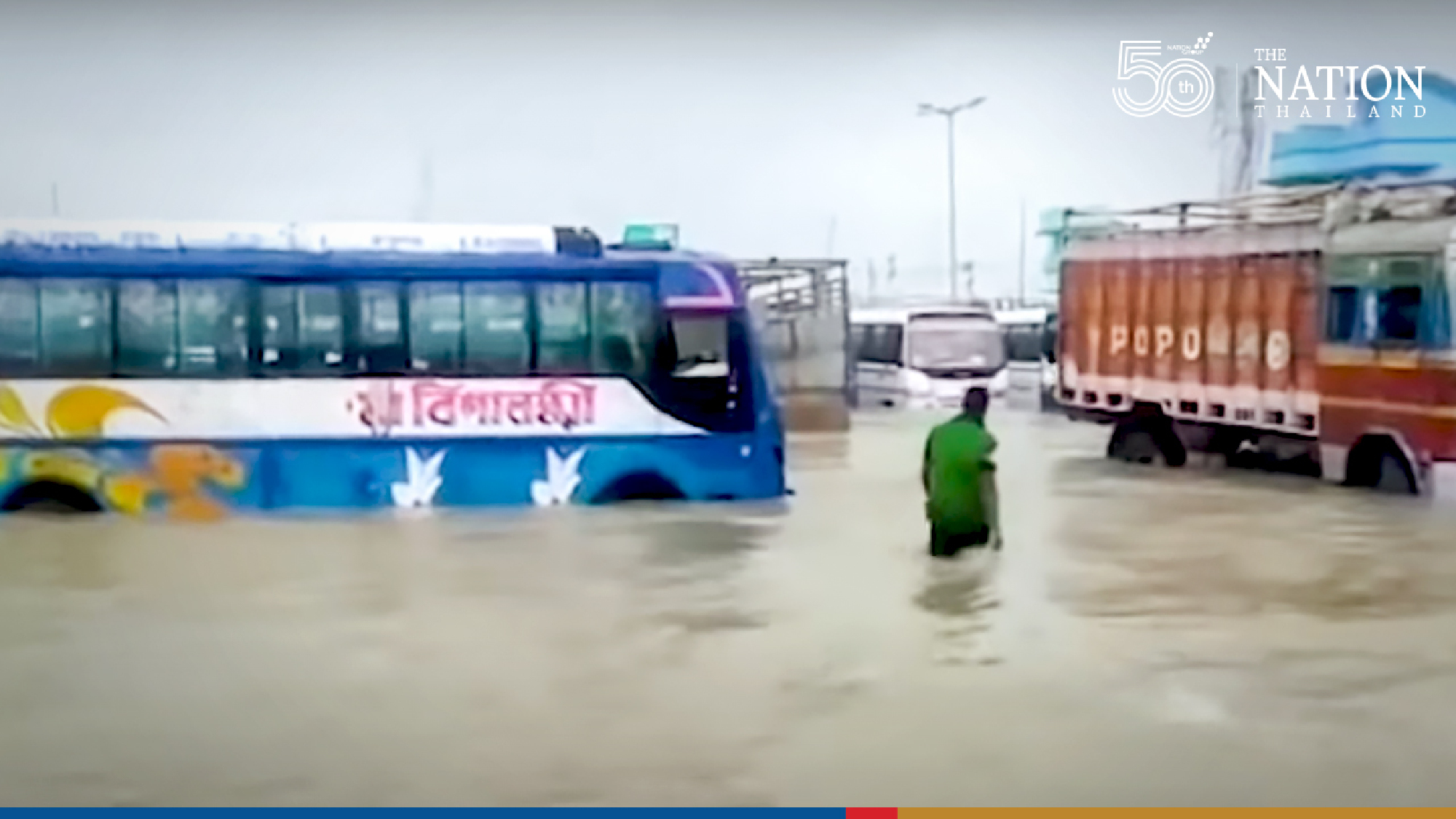
India evacuated more than 2 million people as a powerful storm hit the east coast on Wednesday, causing extensive damage at a time when the nation is battling the worlds worst outbreak of Covid-19.
Cyclone Yaas destroyed more than 300,000 houses in West Bengal and affected 10 million people, the state’s Chief Minister Mamata Banerjee told reporters. River embankments have been breached, damaging some crops and fisheries and livestock farms, she said. The state has evacuated about 1.5 million people to safer areas.
Neighboring Odisha has moved more than 500,000 people to relief centers where authorities have asked people to maintain social distancing to check the spread of the coronavirus. News agencies reported that several boats, shops and houses were damaged in the state and scores of trees were uprooted.
The second severe storm to batter India in 10 days is posing several challenges to already stressed authorities in the country, which is battling a second wave of the coronavirus pandemic. The infections have strained India’s health system and overwhelmed crematoriums and hospitals. They have also spread to rural areas, where about 70% of the nation’s 1.3 billion people live.
Federal Home Minister Amit Shah has asked the state governments to ensure adequate power backup for hospitals, laboratories, cold stores for vaccines and other medical facilities.
The India Meteorological Department said the cyclone, which made a landfall on Wednesday morning, has weakened. The wind speed surged as high as 155 kilometers (96 miles) in some areas, while sea levels of more than 2 meters above regular tides inundated low-lying areas, it said in a statement.
India regularly witnesses severe storms. A super cyclone in Odisha in 1999 killed about 10,000 people. Yaas follows a category 3 cyclone that reached the opposite coast last week — the worst in over two decades in the western state of Gujarat — killing dozens after a barge sank in the sea. The eastern region was also hit by a severe cyclone in May 2020, while another one in 2019 prompted authorities to evacuate millions of people.
In neighboring Bangladesh, river transport has been suspended. As a precautionary measure, the country has readied 15,000 storm shelters that could accommodate as many as 2.5 million people.
The storm has impacted several flights in the affected states as airports in Kolkata, Bhubaneswar, Rourkela and Durgapur will remain shut on Wednesday.
Ports, refineries and plants were on alert. Indian Oil Corp., the biggest refiner, has stopped unloading crude oil at Paradip in Odisha, according to a spokesman.
Ongoing construction activities by oil and gas companies in the region have been temporarily suspended, according to Indian Oil. All ships carrying crude oil and other related products have been asked to keep a safe distance from the cyclone’s path, it said in a statement, adding that efforts are underway to ensure smooth supply of liquid medical oxygen from the eastern parts to the rest of the country.
More than 20 relief columns of the Indian Army have been deployed and another nine are on standby. Heavy and medium transport aircraft of the Air Force have flown in over 200 personnel and equipment for the National Disaster Response Force.
Tata Power Co. has mobilized nearly 10,000 people, including engineers and contract workers, to take up restoration work in the affected region, said Praveer Sinha, chief executive officer of the company, which manages power distribution operations in Odisha.
Published : May 27, 2021
By : Syndication Washington Post, Bloomberg · Pradipta Mukherjee, Pratik Parija
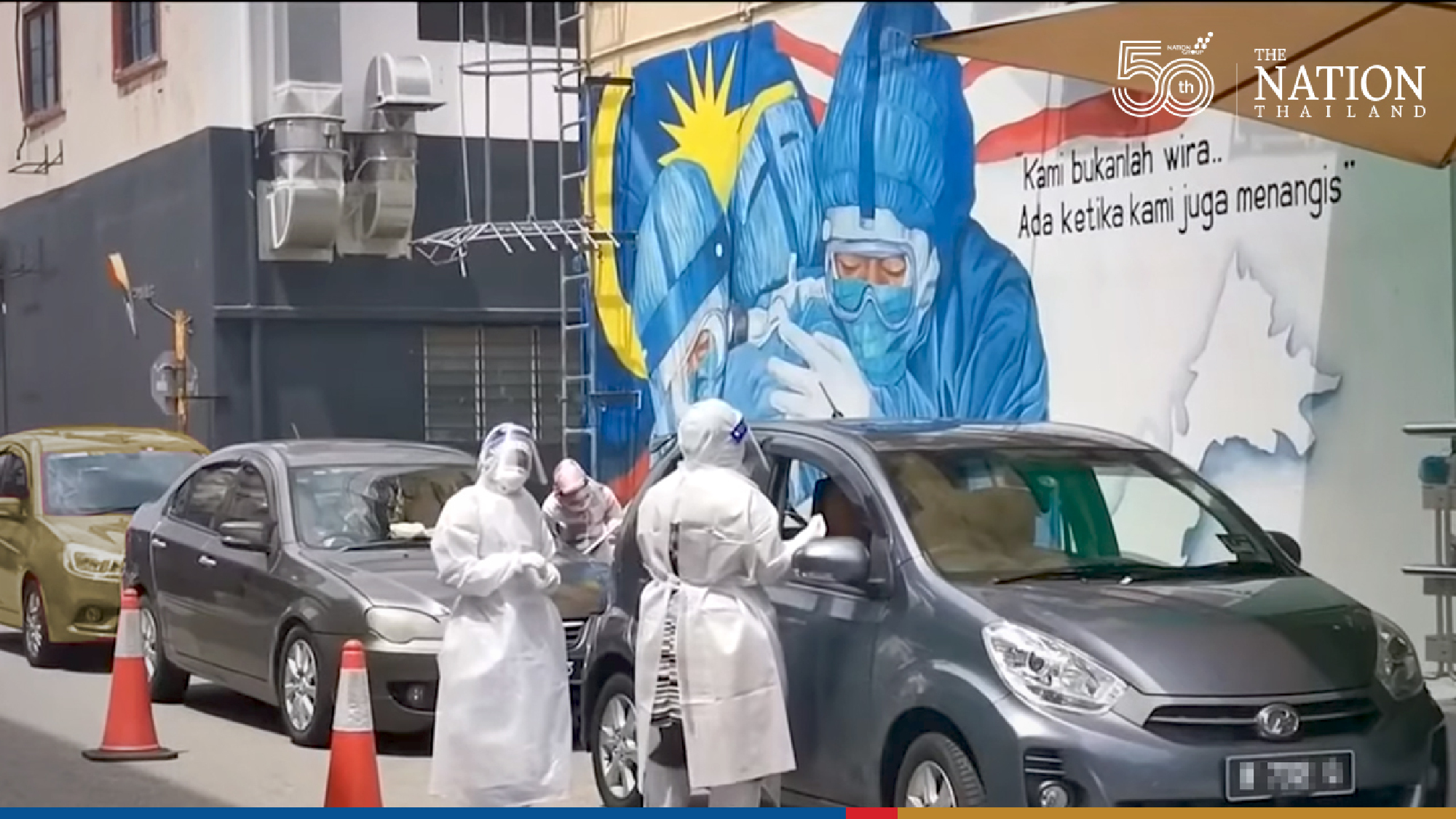
PUTRAJAYA: With Malaysia once again registering a new record for daily Covid-19 cases, the highest one so far, Tan Sri Dr Noor Hisham Abdullah warns that the next two weeks are critical as the worst may still come.
The Health director-general said the Malaysian public must prepare for the worst following a continuous surge in new cases.
“The rise in cases started on April 1 and could trigger a vertical surge. We need to prepare for the worst. Please help us by staying at home. Only together we can break the chain of infection,” he said in a Twitter post yesterday.
Dr Noor Hisham advised the public to stay at home and comply strictly with the standard operating procedure in case of an emergency or attendance at work.
Malaysia recorded 7,289 new Covid-19 cases yesterday.
In Dr Noor Hisham’s daily Covid-19 update, he also announced 60 more coronavirus deaths in the country.
Active cases have risen to 63,458 while the number of patients in intensive care has gone up to an all-time high of 726. From this, 373 patients require ventilator support.
The Health Ministry has discovered 12 new cases of the South African B.1351 variant in Kedah, Perlis, Selangor and Johor.
It has also detected a new case involving the Indian B.1.6.17 variant in Labuan.
“The third movement control order has been implemented taking into consideration the global pandemic situation and the emergence of variants of concern in the community.
“As we know, these variants have higher infectivity and have caused more deaths.
“Therefore, people are advised to practise ‘self-lockdown’ and stay at home for the next two weeks as much as possible.
“We need to do this to break the chain of Covid-19 infections in Malaysia,” said Dr Noor Hisham.
As numbers pile up with no signs of slowing down, experts say the nationwide vaccination drive must be accelerated immediately.
Malaysian Medical Association president Datuk Dr M. Subramaniam said private healthcare facilities must be roped in to speed things up by allowing them to procure vaccines.
“The government must allow the private sector to buy vaccines like what Selangor is doing, whereby bosses can buy vaccines for their staff. This is a very good initiative.
“The private sector must be allowed to do more. Otherwise, at the rate that we are going, we will never reach the target of vaccinating at least 80% of the population,” he said.
Malaysian Association of Public Health Physicians president Datuk Dr Zainal Ariffin Omar said the 7,289 new cases reported yesterday did not reflect the true number of infections in the community, which in reality could be much more.
“This is because people who are asymptomatic don’t usually go for testing.
“The best thing for the rakyat to do now is to forget about everything and just do a self-lockdown,” he said.
Dr Zainal added that the strategy to delay the second dose of Covid-19 vaccines, like in the United Kingdom and Singapore, had managed to bring down the number of new cases.
Meanwhile, when contacted, Health Minister Datuk Seri Dr Adham Baba said: “The government is serious about ramping up its vaccination drive to fight Covid-19.”
This includes taking efforts such as enlisting 12 private hospitals as Covid-19 vaccine dispensing centres (PPVs) starting yesterday, as well as using the opt-in only AstraZeneca programme to inoculate more people.
On Monday, Dr Adham said Malaysia had inoculated 95,009 people, the highest number so far, which brought the total number of doses dispensed to 2,483,496.
To further accelerate the rate of vaccination for Malaysians in high-risk areas, the Covid-19 Immunisation Task Force has also started negotiations to use Kuala Lumpur City Hall vehicles as mobile PPVs.
India reports 1.96L Covid cases, lowest since April 14
India registered record deaths due to Covid on Wednesday with 4,529 deaths — the highest number of fatalities from Covid infection in any country since the coronavirus outbreak was reported in China’s Wuhan in December 2019.
India’s daily coronavirus cases fell below 2-lakh mark for the first time since April 14. The country reported 1,96,427 fresh Covid cases on Tuesday and 3,511 fatalities, Union Health and Family Welfare Ministry said.
On April 14, India had recorded 2,00,739 cases. This is for the first time after April 14 that the cases have gone below two-lakh mark.
On Monday, India crossed three-lakh mark of fatalities due to the coronavirus infections, thus becoming world’s third country after the US and Brazil to cross three-lakh deaths.
India’s overall tally of Covid-19 cases now stands at 2,69,48,874 with 25,86,782 active cases and 3,07,231 deaths so far.
In the last 13 days India has recorded over 50,000 deaths.
According to the Health Ministry, a total of 3,26,850 people have been discharged in the last 24 hours, with 2,40,54,861 being cured from Covid till date.
The Health Ministry said that a total of 19,85,38,999 people have been vaccinated so far in the country, including 24,40,236 who were administered vaccines in the last 24 hours.
According to the Indian Council of Medical Research (ICMR), 33,25,94,176 samples have been tested up to May 24 for Covid-19. Of these 20,58,112 samples were tested on Monday.
India registered record deaths due to Covid on Wednesday with 4,529 deaths — the highest number of fatalities from Covid infection in any country since the coronavirus outbreak was reported in China’s Wuhan in December 2019.
It surpassed 4,468 deaths in the US on January 12, and earlier 4,211 in Brazil on April 6. These three are the worst-hit by the pandemic. Now, India is behind US and Brazil with highest deaths due to Covid-19.
After battling a brutal second wave for weeks, fresh Covid cases came down below the three lakh-mark for the first time on May 17 after touching record high of 4,14,188 on May 7.
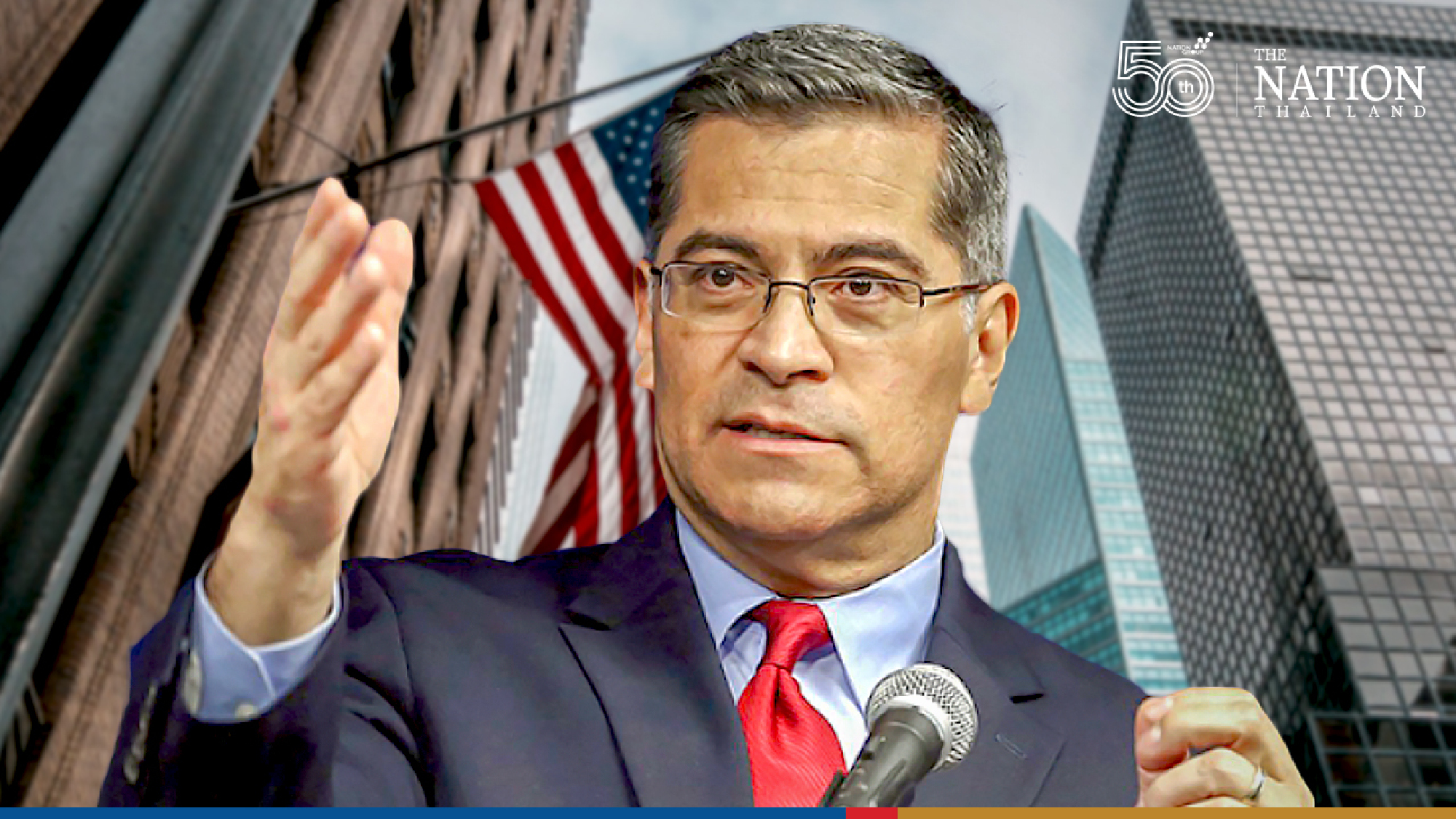
Top U.S. health official calls for follow-up investigation into pandemics origins
WASHINGTON – The United States top health official called Tuesday for a swift follow-up investigation into the coronaviruss origins amid renewed questions about whether the virus jumped from an animal host into humans in a naturally occurring event or escaped from a lab in Wuhan, China.
Health and Human Services Secretary Xavier Becerra told an annual ministerial meeting of the World Health Organization that international experts should be given “the independence to fully assess the source of the virus and the early days of the outbreak.”
Becerra’s remarks, which were prerecorded, signaled that the Biden administration would continue to press the WHO to expand its investigation to determine the virus’s origins.
As the coronavirus ravaged the United States and much of the world last year, an early theory was that it emerged from a market in Wuhan that sold meat from wild animals raised in captivity and then swiftly spread across the globe. Experts in viral genome evolution determined that it almost certainly was not engineered as a bioweapon because it has several naturally occurring features and is closely related to a 2014 coronavirus that came from a bat in a cave in China. But they also said they could not rule out that the virus may have escaped from the Wuhan Institute of Virology, a research lab that studies coronaviruses.
While the lab leak theory was initially dismissed as unlikely, recent reports about the hospitalization of Wuhan lab researchers in November 2019 – weeks before the virus was identified in that city – have given it new traction. A WHO-led team concluded in February that a lab leak was extremely unlikely after visiting the Wuhan facility, but some international scientists and researchers said the findings were tainted by politics and called for further investigation.
Hundreds of zoonotic viruses jump from animals to humans and cause all manner of diseases, which is why scientists’ default assumption was that the pandemic was a naturally occurring event. Many scientists who study zoonotic diseases say it’s still the more likely scenario. But in part because scientists have not yet identified the animal that may have spread the virus to humans, the Wuhan lab theory has gained more credibility.
At a White House briefing Tuesday, Anthony Fauci, the government’s leading infectious-disease expert, said he believes it’s most likely the virus originated from a “natural occurrence.” But he said a deeper probe is warranted.
“Because we don’t know 100 percent what the origin is, it’s imperative that we look and we do an investigation,” Fauci said.
At that same briefing, Andy Slavitt, the White House senior adviser on the coronavirus response, expressed frustration at barriers imposed on international scientists by the Chinese government.
“It is our position that we need to get to the bottom of this, and we need a completely transparent process from China. We need the WHO to assist in that matter. We don’t feel like we have that now,” Slavitt said. “That’s a critical priority for us.”
The United Nations agency had released a joint report with Chinese scientists in March after a WHO-led mission spent four weeks in Wuhan earlier this year. But the United States and other nations raised concerns about the limits placed on that mission and called on China to be more transparent. The United States and other nations voiced concern that “the international expert study on the source of the SARS-CoV-2 virus was significantly delayed and lacked access to complete, original data and samples.”
The comments from Biden officials on Tuesday reiterate the administration’s stance, but it remains unclear whether or how they might exert pressure on China to be more transparent.
The Biden administration has not retracted a statement by the Office of the Director of National Intelligence, released during the Trump administration, that said the intelligence community “concurs with the wide scientific consensus that the covid-19 virus was not man-made or genetically modified.” The statement said that intelligence agencies would continue to examine information “to determine whether the outbreak began through contact with infected animals, or if it was the result of an accident at a laboratory in Wuhan.”
Although the Trump administration also sought answers on the virus’s origins, some officials went further, suggesting China intentionally released or engineered the virus. Trump’s former trade adviser, Peter Navarro, was one of the biggest proponents of that theory and accused China of engineering the virus as a bioweapon.
The Wall Street Journal reported earlier this week that three researchers from the Wuhan Institute of Virology lab became sick enough in November 2019 that they sought hospital care, renewing interest in the lab origin theory. The newspaper cited a U.S. intelligence report as the source and noted that one person said the information came from an “international partner,” who described it as potentially significant but needing further corroboration.
That echoed an earlier report from the State Department, which in the final days of the Trump administration, said “the U.S. government has reason to believe that several researchers inside the [Wuhan Institute of Virology] became sick in autumn 2019.” The statement did not say precisely when the workers allegedly fell ill, or how many became sick, but noted that their symptoms emerged “before the first identified case of the outbreak” and were “consistent with both covid-19 and common seasonal illnesses.”
A former U.S. official familiar with the intelligence, who spoke on the condition of anonymity because he wasn’t authorized to disclose the information, said the U.S. government was confident the workers became sick but couldn’t say they suffered from covid-19.
The debate over whether the virus originated in a lab accident has been muddied by conspiracy theories that have sought to draw a link between Fauci, the National Institutes of Health and the Wuhan Institute of Virology – an issue that came up Tuesday at an NIH appropriations hearing on Capitol Hill.
That theory focuses on a $3.7 million NIH grant to a New York-based research nonprofit called EcoHealth Alliance. The Wuhan Institute of Virology was awarded a subgrant under that contract, prompting conspiracy theorists to allege that Fauci, an NIH official, was somehow tied to the emergence of the coronavirus.
Rep. Andy Harris, R-Md., held up a copy of the Wall Street Journal during the hearing, referring to its recent story about the Wuhan lab workers who became sick. Harris asked NIH Director Francis Collins whether it was correct that $600,000 of the $3.7 million given to EcoHealth Alliance was directed to the Wuhan facility. Collins said that was accurate.
Harris also asked whether the agency knew if research that artificially enhances a pathogen’s contagiousness, known as “gain of function,” had been conducted there. “They were not approved by NIH to do gain-of-function research,” Collins said.
Fauci described the NIH-funded research as a “modest collaboration with very respectable Chinese scientists” following the SARS scare of 2002 and 2003. That virus “unquestionably” went from a bat to an intermediate host and started an epidemic among humans, he said at the hearing.
“You’ve got to go where the action is” to study viruses like these, Fauci said. “You don’t want to study bats in Fairfax County, Va., to find out what the animal-human interface is that might lead to a jumping of species.” The $600,000 was used to fund surveillance for coronaviruses in bats, Fauci said.
Published : May 26, 2021
By : The Washington Post · Yasmeen Abutaleb, Shane Harris, Ben Guarino
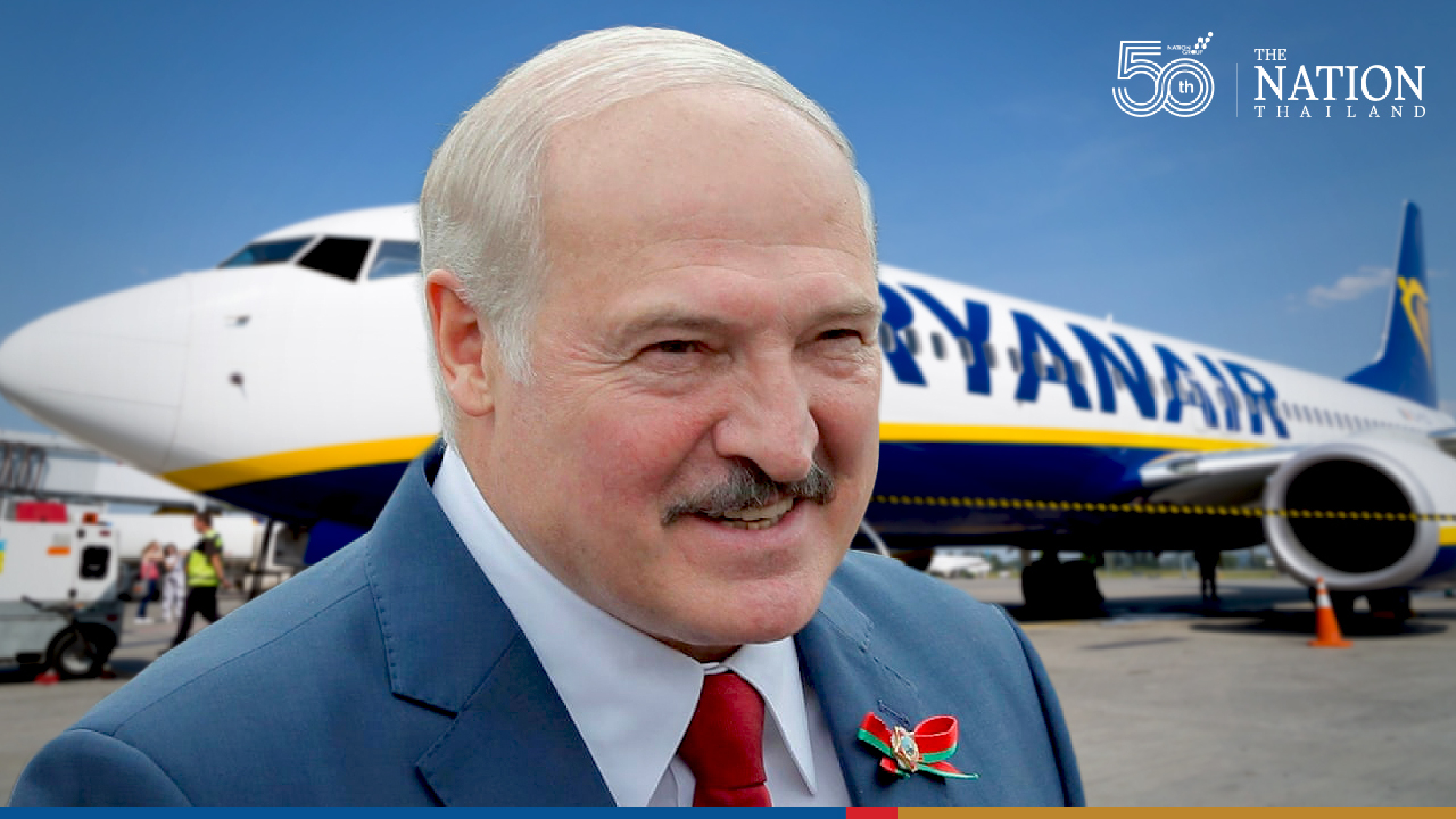
Airlines shun Belarus airspace, deepening Lukashenko isolation over bomb hoax to arrest critic
Belarus on Tuesday confronted a return to international pariah status. Its skies were cleared of nearly all air traffic, its businesses braced for European Union sanctions, and pro- and anti-government residents readied to be more cut off from the West after their leaders forced an airliner to land to arrest an opposition journalist.
President Alexander Lukashenko, facing a furious wave of retaliation from the European Union, appeared defiant Tuesday, arresting more journalists and signaling he had no plans to be cowed by the measures adopted by EU leaders a day earlier.
Inside Belarus, Lukashenko’s actions also sent a harsh message: Less than a year after mass protests to contest the strongman’s rule, it is now harder than ever to escape his crackdowns or leave the country.
The events marked a new chapter for Belarus, as fresh details emerged over how a Ryanair plane filled with Lithuanian tourists returning from vacation in Greece was forced down over Belarusian territory on Sunday.
“The control tower in Minsk told the pilot that if he intends to land in Vilnius, the explosive might detonate. So that might have been one of the reasons why he made up his mind to turn around and go to Minsk,” Lithuanian Foreign Minister Gabrielius Landsbergis said in an interview.
Landsbergis said investigators were still unpacking the sequence of events that led to the sharp midair turnaround and subsequent arrests. But he said indications increasingly suggested that it was an operation directed exclusively out of Minsk, not one whose responsibility was shared with the Kremlin, Lukashenko’s main backer.
“From a technical point of view, I think it was a Belarusian operation,” Landsbergis said.
The details about the threat to the plane that were passed along – or invented – by Belarusian air traffic controllers echoed a purported transcript released by the Belarusian Transport Ministry on Tuesday, but the account was impossible to confirm.
The conversation’s release signaled an attempt by Minsk to promote its version of events in the face of international condemnation. Ryanair and Lithuanian investigators declined to comment, citing the ongoing inquiry.
Once the plane was on the ground in Belarus, security officials made the passengers disembark, then arrested journalist Roman Protasevich and his traveling companion, Sofia Sapega, a Russian citizen.
EU leaders on Monday also barred the country’s national airline, Belavia, from flying over or landing in EU territory – a blow to the Belarusian economy but also to Belarusians who hope to escape Lukashenko’s rule. Many land border crossings are closed because of coronavirus restrictions, further limiting movement.
Alina, a Belarusian who declined to give her surname for fear of retribution from authorities, was scheduled to fly to Poland with her husband on Wednesday after months of planning and saving to emigrate. But her Belavia flight could now be canceled depending on when the European Union’s ban comes into force.
“Normal Belarusians are like hostages now,” she said in a phone interview Tuesday. “I can certainly understand why flights crossing Belarus are banned, but banning Belarusian planes from going to the EU will just limit people’s opportunity to leave here.”
Landsbergis, the Lithuanian foreign minister, noted it will still be possible for Belarusians to drive to the border and claim asylum.
But he also said that hurting the government is the point of the measures.
“Obviously we would like to hurt the regime. We would like to hurt the companies that actually benefit the regime, that allow them to take the decisions that they are taking, that allow them to hurt the people,” he said. “The potential for imposing sanctions that would hurt the regime still hasn’t been totally used up.”
Flight radar showed planes taking circuitous routes Tuesday to avoid flying over the country. Austrian Airlines, Singapore Airlines, Air France and Finnair all announced within two hours of one another Tuesday morning that they would avoid Belarusian airspace. Ukraine said it would suspend air traffic with Belarus starting midnight Wednesday.
The Belarusian Transport Ministry’s aviation department said Tuesday it has invited representatives of several aviation agencies, including the International Civil Aviation Organization, and authorities in the European Union and the United States to investigate the Ryanair incident.
Belarusian officials on Monday said the bomb threat had come from Hamas, the Palestinian organization, which it denied.
Like other prominent activists, opposition journalist Protasevich had been living in exile in Lithuania, considered a haven from Lukashenko. Sunday’s seizure of Ryanair Flight 4978, which European leaders compared to a hijacking, and Protasevich’s subsequent arrest proved that merely flying over Belarus is now dangerous for Lukashenko’s enemies.
Sapega, Protasevich’s traveling companion, was “charged with a criminal offense” and ordered detained for at least two months at a facility run by Belarus’s KGB state intelligence agency, her lawyer, Alexander Filanovich, told Russian media. No other details were given. “The lawyers have signed nondisclosure agreements,” he said.
A Belarusian Telegram channel released a brief video of Sapega, seemingly in detention, in which she appeared to have been coerced into confessing that she edits a Telegram channel that publishes personal information about law enforcement officers. In the video, she rolls her eyes and appears to make clear she has been forced to deliver a rehearsed statement. Unlike Protasevich, in a video released by the same outlet a day earlier, she had no visible bruises.
Russia’s Foreign Ministry said Sapega may be linked to “crimes” in Belarus in August and September. That was the height of the anti-government protests in Belarus following an election won by Lukashenko – who has been in power 27 years – but denounced as rigged by opposition groups and others.
European policymakers who presided over previous periods of detente with Belarus expressed sadness that ordinary Belarusians would be hurt by the retaliatory measures. But they said that was acceptable collateral damage in a situation in which they see few other routes to sway decision-making in Minsk.
Latvian Foreign Minister Edgars Rinkevics once helped lead a European re-engagement with Belarus in an effort to draw Lukashenko away from Russian President Vladimir Putin and open Europe up to ordinary Belarusians – culminating in the dropping of most EU sanctions against Belarus in 2016.
“We saw that things improved,” he said.
He credits Europe’s opening up to travel for helping to inspire a new generation of young, democracy-minded Belarusians who wanted to help their nation grow into one more like the EU neighbors on its borders.
“There is not any attempt at calming this spiral of repression. It’s getting worse by the day,” said Rinkevics, who this week pushed for harsh measures against Belarus, including the ban on flights and sanctions against the big companies that undergird the country’s economy.
Belarus’s heavy-handed ruler since 1994, Lukashenko has waged a campaign of violence and repression against his opponents for nearly a year. In August elections, he arrested most of his foes and then, according to Western observers, falsified results to produce a crushing victory against the lone remaining candidate, Svetlana Tikhanovskaya.
Mass demonstrations calling for his ouster followed. When Belarusian authorities blocked Internet and cellphone service, Telegram, a popular social media and messaging app, continued to work. That made Protasevich’s Nexta and Nexta Live channels on Telegram, which accumulated nearly 2 million subscribers, a main source for where, when and how to protest.
In November, Belarus placed Protasevich and Nexta’s founder, Stepan Putilo, on a terrorist watch list with charges that could bring more than 12 years in prison. Protasevich and Putilo were the only Belarusian citizens on the list at the time.
Tikhanovskaya told reporters Tuesday that she had no doubt Protasevich was being tortured, and she called for tougher sanctions against Belarus.
Russia is Belarus’s most important backer, and Moscow is likely to use Minsk’s increased isolation from the West to pursue closer integration between the countries. Putin spokesman Dmitry Peskov described the EU decision to ban flights over Belarusian airspace as regrettable and costly.
“They preferred rushing into a decision at yesterday’s summit, perhaps, without holding an inquiry, and released insistent recommendations for their airlines,” Peskov said.
German Chancellor Angela Merkel, speaking to reporters in Brussels on Tuesday, had a sharper view.
“This literally is an unprecedented act. It is absolutely unacceptable what the authorities of Belarus did there,” she told reporters. “This forced landing put passengers in danger.”
Published : May 26, 2021
By : The Washington Post · Isabelle Khurshudyan, Michael Birnbaum, Mary Ilyushina
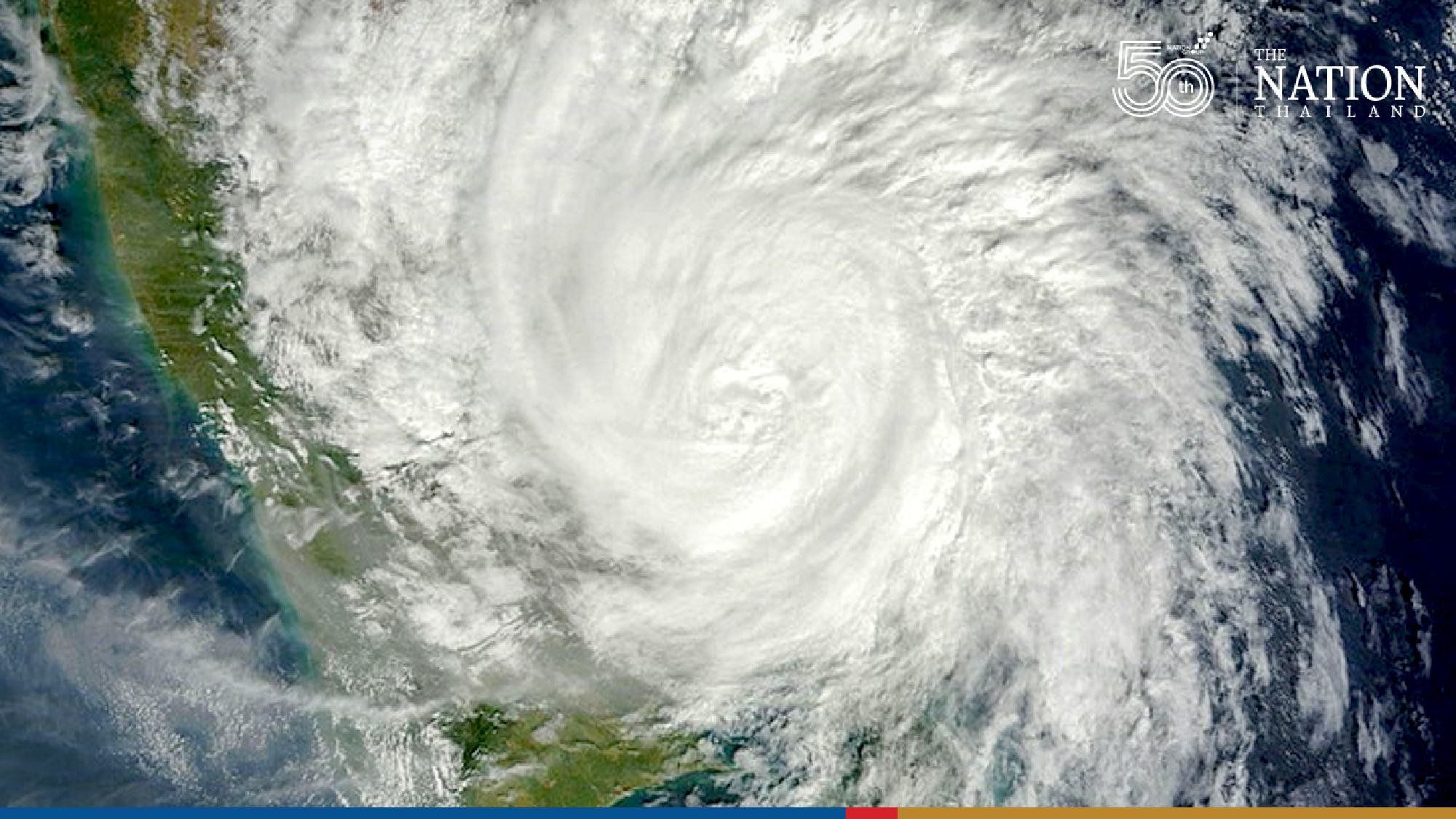
Cyclone Yaas churning toward India at hurricane strength, landfall predicted Wednesday
Cyclone Yaas hit hurricane strength in the Bay of Bengal on Tuesday, gaining force as it churns toward India and prepares to make landfall Wednesday morning local time. Strong winds, flooding rains and a coastal storm surge, or risen in ocean water above normally dry land, are possible as Yaas becomes Indias second landfalling tropical cyclone in a week and a half.
Just last Monday, “extremely severe cyclonic storm” Tauktae raked Gujarat, north of the Arabian Sea on India’s west coast, with Category 3 gusts well over 100 mph. Nearly 100 were killed by the storm, which caused more than $2.1 billion in damage.
The back-to-back storms come as India’s covid-19 death rate continues to sit at more than 4,000 a day, with the nation of more than 1.3 billion people now a global epicenter of the unrelenting pandemic.
As of Tuesday evening local time, Yaas had winds of 75 mph, crossing the threshold of a low-end Category 1 hurricane equivalent. It was about 150 miles south of Kolkata in West Bengal, along India’s northeast coast, or roughly south of the India-Bangladesh border. The storm was moving slightly west of due north at 10 mph.
On satellite imagery, a region of strong thunderstorms can be seen making up the “central dense overcast,” or core, of the storm, within which strong winds and heavy rainfall are ongoing. Along the periphery of the storm, healthy outflow, or exhaust, can be seen evacuating air at high altitudes to allow the storm to intensify.
Tens of thousands have been evacuated inland. India has stepped up its advanced preparation procedures considerably in the past two decades after roughly 10,000 people perished in the 1999 Odisha Cyclone.
Maximum wave heights offshore could exceed 60 feet; that prompted the India Meteorological Department to issue a warning for mariners “not to venture into central Bay of Bengal during 24th-25th May.”
The agency also issued wind and storm surge warnings, noting the potential for serious damage to vulnerable infrastructure in Odisha and West Bengal.
“Total destruction of thatched houses [and] extensive damage to kutcha houses” is possible, wrote the India Meteorological Department, along with a “potential threat from flying objects.”
They also noted the risk of damage to communication lines, disruption of rail travel and transportation systems and the destruction of crops, such as coconuts, palms and mango.
Yaas is expected to make landfall Wednesday morning as a high-end Category 1 or a Category 2 storm, maintaining current strength or increasingly in intensity slightly. That means winds along the immediate shoreline could gust upward of 90 mph. The India Meteorological Department is calling for “extremely heavy rainfall” with up to 8 inches in spots.
Some cities near or just west of Yaas’s center could pick up as much as a foot, especially places west of Kolkata, like Bhubaneswar and Cuttack. While the region is accustomed to hefty monsoonal rainfall with average totals of 100 inches or more, the rapidity with which rain may fall early Wednesday could bring instances of urban flooding.
Potentially more concerning is the propensity for coastal inundation associated with Yaas’s storm surge. While the storm isn’t overly powerful in comparison to other cyclones India has dealt with, the slope of the sea floor, known as bathymetry, will enhance the threat of dangerous storm surge flooding. The Bay of Bengal has an extensive continental shelf, meaning the sea floor is relatively shallow, making it easier to displace larger amounts of water inland.
“Tidal waves of height 2 to 4 meters above astronomical tide are likely to inundate low-lying areas of Balasore [and] Bhadrak,” stated the India Meteorological Department.
Any surge will make it more challenging for rainfall to drain out of rivers like the Hooghly, exacerbating flood concerns even more.
Rahul Ghandi, a member of the Indian Parliament, took to Twitter to plead with fellow politicians to allocate funds and resources to aid in preparation and evacuation efforts.
“I appeal to Congress workers to provide all assistance ensuring safety of those affected,” he wrote.
Yaas will weaken as it moves inland, largely dissipating from a wind perspective by Thursday. Heavy rainfall will continue inland and affect much of the high terrain approaching the Himalayas.
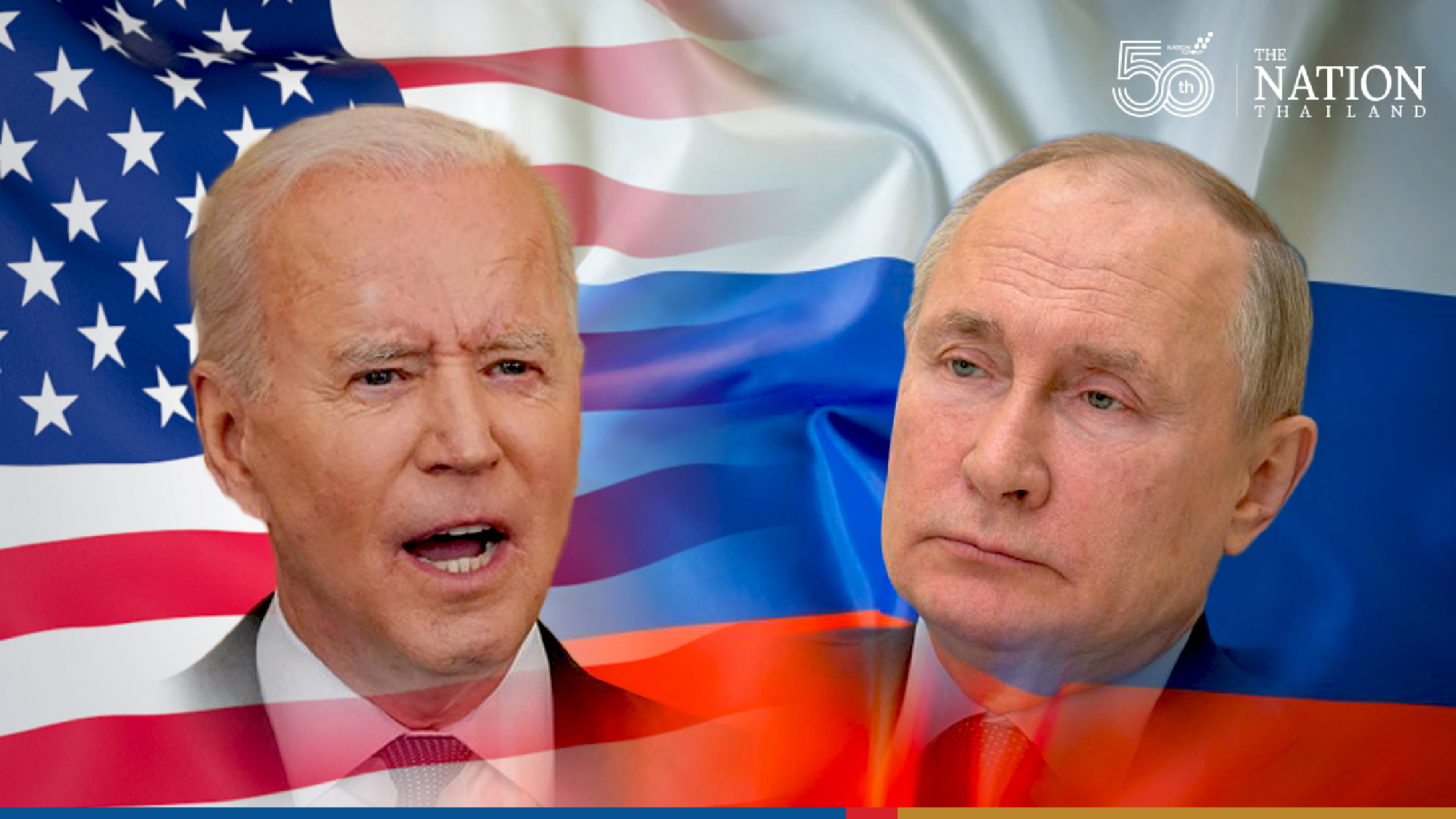
WASHINGTON – President Joe Biden and Russian President Vladimir Putin plan to meet next month in Geneva, the first face-to-face discussion between the two adversaries and one that comes at a time of deteriorating relations between their nations.
The day-long summit is scheduled for June 16, according to an official familiar with the meeting, and will cover a wide range of topics, including nuclear proliferation, Russian interference in U.S. elections, climate change and the coronavirus pandemic.
Biden is expected to raise concerns about Russian troops massing at the Ukrainian border, as well as Belarus, a Russian ally, recently forcing a civilian jetliner to land so it could arrest Roman Protasevich, an opposition journalist on board.
U.S. officials are not expecting the meeting to produce major breakthroughs, nor do they consider it a reset in relations between the two countries in the same way that President Barack Obama had hoped early in his administration to usher in a new era of cooperation between the longtime adversaries.
Instead, it is viewed as an occasion for Biden and Putin to improve their relationship and gain a better understanding of each other’s interests and concerns. U.S. officials think the relationship with Putin will be complex and difficult, but they also view Putin as a highly personalized decision-maker and one whom Biden needs to cultivate.
Former President Donald Trump’s relationship with Putin was fraught in its own way. Democrats and others sharply questioned Trump’s relatively friendly relations with the Russian president, especially given evidence that Putin intervened in the 2016 presidential campaign in hopes of boosting Trump’s chances.
Biden took office making it clear that he intended to take a stronger line against Russia. That notion was tested quickly as Russia imprisoned opposition leader Alexei Navalny in early February, prompting demonstrations throughout the country amid indications that Navalny’s health was failing.
In April, Biden sanctioned Russia for its cyberespionage activities and its interference in U.S. electoral politics.
The upshot has been a testy standoff of sorts between the two countries, as Biden seeks a balance between punishing Russia for its misdeeds and leaving the door open to cooperation in areas where the countries’ interests align.
On Tuesday, some Republican critics said a summit is a bad idea, citing Putin’s human rights record in particular.
“We’re rewarding Putin with a summit?” Sen. Ben Sasse, R-Neb., said in a statement. “Putin imprisoned Alexei Navalny and his puppet [Belarusian President Alexander] Lukashenko hijacked a plane to get Roman Protasevich. Instead of treating Putin like a gangster who fears his own people, we’re giving him his treasured Nord Stream 2 pipeline and legitimizing his actions with a summit. This is weak.”
The Nord Stream 2 is a gas pipeline from Russia to Germany, and the Biden administration decided last week not to sanction the company in charge of it. Critics say the pipeline will increase U.S. allies’ dependence on Russia.
Biden officials say they share those concerns. But the administration is also trying to rebuild relations with Germany, which wants the pipeline, and whose ties to the United States frayed under Trump.
It will be perhaps the most important meeting of Biden’s early presidency. He built much of his Senate career on foreign policy expertise and has long prized his personal connections with foreign leaders. During the Obama administration, he was often dispatched to deepen relationships with high-level officials in Afghanistan and China.
Obama is not the first president to try to reset relations with Putin. President George W. Bush, after an early meeting with the Russian leader, told reporters, “I looked the man in the eye. I found him to be very straightforward and trustworthy. We had a very good dialogue. I was able to get a sense of his soul.”
Biden sought to create a contrast with that sentiment when he met with Putin in 2011, saying he looked into the Russian leader’s eyes and told him, “I don’t think you have a soul.”
Putin, in Biden’s account, looked back at him, smiled and said, “We understand one another.”
Since taking office, Biden has held two phone calls with Putin, and he proposed the summit during a call in April.
Among the chief topics is likely to be a long-lasting agreement controlling each country’s nuclear arsenal. Biden and Putin have agreed to extend the New START Treaty for five years, but they are also looking for a longer-term agreement to prevent an arms race.
The meeting in Geneva will come at the end of Biden’s first international trip as president. He is first scheduled to meet with leaders of the Group of Seven at a summit in England, and then attend meetings in Brussels with representatives of NATO and the European Union.