Africas vaccinations hampered by conspiracy theories, suspicion of China, fears of foreign plots #SootinClaimon.Com

#SootinClaimon.Com : ขอบคุณแหล่งข้อมูล : หนังสือพิมพ์ The Nation.

https://www.nationthailand.com/international/40000034

Africas vaccinations hampered by conspiracy theories, suspicion of China, fears of foreign plots


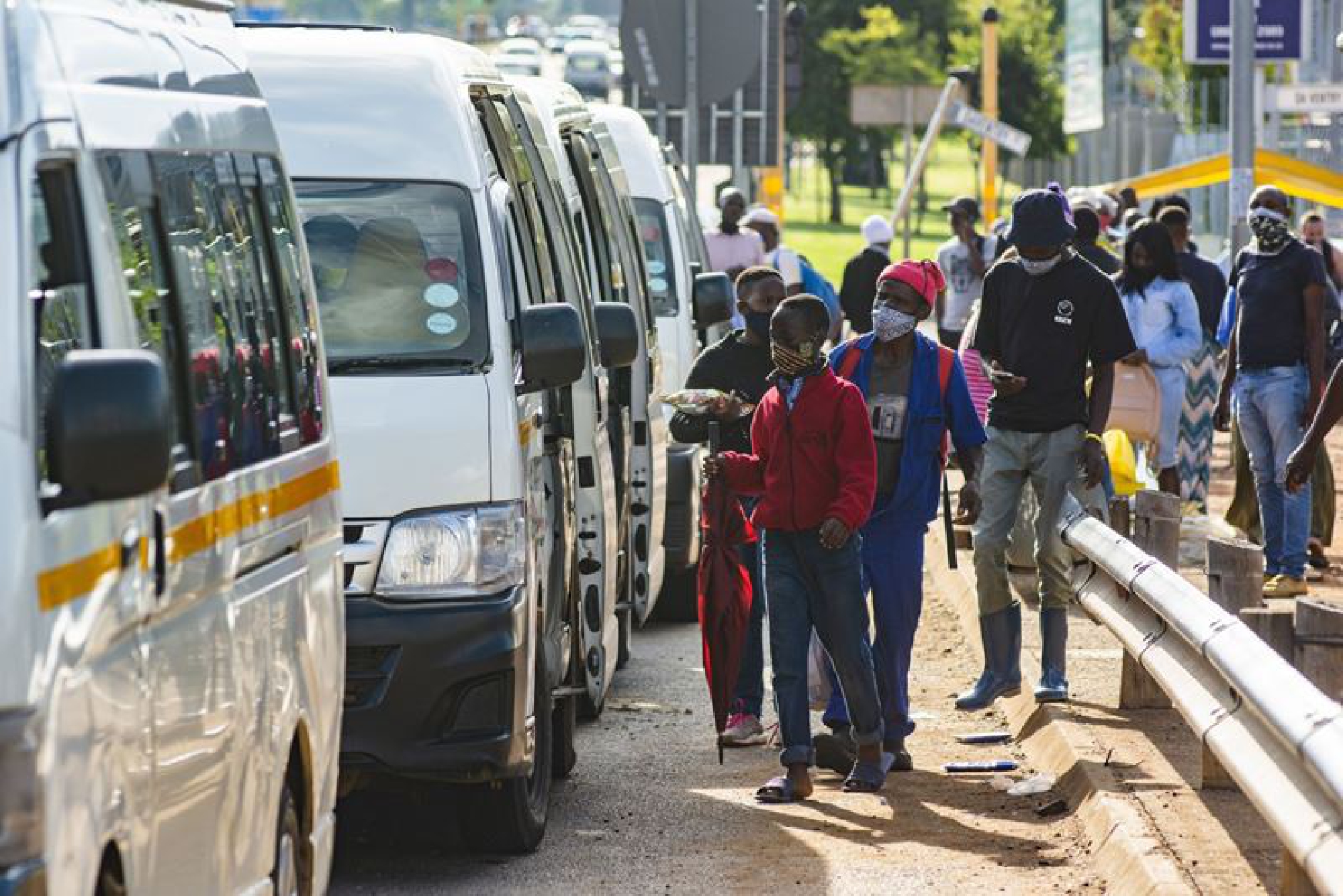
As if the struggle to secure its meager supplies of coronavirus vaccines wasnt bad enough, Africa is now having a hard time getting people to take them. Only 5.22 million people in sub-Saharan Africa have been vaccinated, a region with a population of about a billion.
Africas vaccinations hampered by conspiracy theories, suspicion of China, fears of foreign plots

From suspicions about Chinese-made vaccines in Zimbabwe and conspiracy theories in Ivory Coast about covid-19 being “a planned event by foreign actors” to Somalia, where the Islamist militant al-Shabaab group is warning people they’re “guinea pigs” for AstraZeneca, large sections of Africans are steering clear of vaccines. Only about 17.5% of the doses available in Ivory Coast and 19% in Zimbabwe have found their way into arms. Already lagging behind the rest of the world in its inoculations, the wave of vaccine skepticism — made worse by a lack of trust in local governments and misinformation on social media — threatens to put the continent even further behind.

“There’s a lot of fear and suspicion surrounding the vaccines,” said Salomon Sadia Koui, a 32-year-old nurse who waited for people to turn up at a white vaccination tent at the Parc des Sports de Treichville in Abidjan, Ivory Coast. “Women ask if the shot will make them sterile. They believe it’s a way to control the population because Africans have too many children.”

Vaccine hesitancy is standing in the way of efforts by African governments to head off successive waves of the virus. A prolonged pandemic will delay the continent’s recovery, already forecast by the International Monetary Fund to be the slowest region to revive. It will also provide a fertile breeding ground for virus variants that are reducing the efficacy of some of the vaccines used across the rest of the world.

The reluctance to get inoculated comes as the relentless pace of deaths from the pandemic continues unabated. Having claimed more than 3 million lives across the globe since it emerged in 2019, the virus’s burden is increasingly being borne by some of the poorest places on the planet.

Africa is relying primarily on the AstraZeneca shots supplied by Covax — the initiative backed by the WHO, the vaccine alliance Gavi and the Coalition for Epidemic Preparedness Innovations to offer doses cheaply to developing countries. The program has delivered about 11.5 million doses to sub-Saharan Africa. In addition, Zimbabwe, Cameroon, Senegal and other countries have received doses donated by China, Russia and India.Even as vaccines start to trickle in, a deep distrust of government is becoming one of the biggest obstacles medical authorities face.

“A majority of Nigerians do not believe the disease is as serious as the federal government is trying to portray,” said Ifeoluwa Asekun-Olarinmoye, a public health lecturer and epidemiologist at Babcock University in Nigeria.

In Ivory Coast, a survey by the Africa Centers for Disease Control and Prevention showed that two out of three Ivorians feel the threat from covid-19 is exaggerated. More than two fifths believe the disease was planned by “foreign actors,” Africa CDC said in February. One of the world’s first countries to receive shots from the Covax initiative, Ivory Coast is barely using the doses, having inoculated only about 94,800 people, or 0.4% of its population.

Elsewhere, the disease is seen as a scheme by the elites to profit.

“When international organizations and donor countries started announcing their intention to pump in financial assistance, Cameroon announced its first case,” said Fidelis Mbawah, a post graduate student in Yaounde, the country’s capital. “This is a ploy to make money.”

It doesn’t help that the official numbers for Africa are relatively small, registering just 4.43 million cases and 117,890 deaths, a fifth of the number of people who have died in the U.S. alone.

Anecdotally, however, poorly-equipped hospitals across the continent have groaned under the strain of people infected with covid-19. Testing is sparse and accurate record keeping is rare. In South Africa, the continent’s most developed nation, the number of excess deaths is triple the official tally of almost 54,000, and scientists say they’re almost all due to covid-19.

That hasn’t helped the case for vaccination. In Zimbabwe, a country plagued by poor governance and economic collapse for two decades, the barrier that hesitancy presents is particularly stark. A March survey by the Zimbabwe Christian Alliance of 561 people showed 75% unwilling to be vaccinated.

The source of its supplies, China, inhibits many from taking the shots. The ruling party, in power for all 41 years since independence, has had a close relationship with Beijing since a liberation war in the 1970s. Anti-China sentiment has risen in tandem with antipathy toward the government.

Teachers are “concerned and suspicious, more so since the vaccine came from China,” said Takavafira Zhou, president of the 200,000-strong Progressive Teachers Union of Zimbabwe, whose members are eligible for the shots in the first inoculation phase. “Very few are willing to be vaccinated.”

Of the 1.635 million doses that have arrived in the country just over 311,900 have been administered, with the daily number inoculated falling to as low as 140 on March 10.

The low numbers are despite government efforts across Africa to encourage citizens to get vaccinated. Politicians in South Africa, Zimbabwe and Nigeria have been among the first to receive shots and both Christian and Muslim leaders in Nigeria, Africa’s most populous country, have publicly taken vaccines. In Ivory Coast, the government mounted social media campaigns including Facebook Live events and in Zimbabwe the health ministry has used animated videos on Twitter to urge citizens to visit inoculation sites.

The continent’s health leaders say they are confident the rollout will eventually succeed.

“There’s an element of fear, which leads to misinformation and can make the population reluctant to accept a vaccine,” John Nkengasong, director of the Africa CDC, said at a March Briefing. “As people receive their vaccines this will shift. When they see people they know receive the vaccines this will hopefully lead to an increase of people who are willing to get vaccinated.”

Many front-line health workers are less sanguine.

“We fear that people won’t accept the vaccine when it arrives here,” said Jean-Marie Kongoue, a nurse in the northern Ivory Coast town of Odienne. “Some people can’t read and don’t follow the news. They listen more to friends and family who tell them not to get the vaccine. Others don’t believe the virus exists.”

Published : April 21, 2021

By : Syndication Washington Post, Bloomberg · Antony Sguazzin, Katarina Hoije
New virus wave sparks fresh worker exodus from Indias cities #SootinClaimon.Com

#SootinClaimon.Com : ขอบคุณแหล่งข้อมูล : หนังสือพิมพ์ The Nation.

https://www.nationthailand.com/international/40000032

New virus wave sparks fresh worker exodus from Indias cities


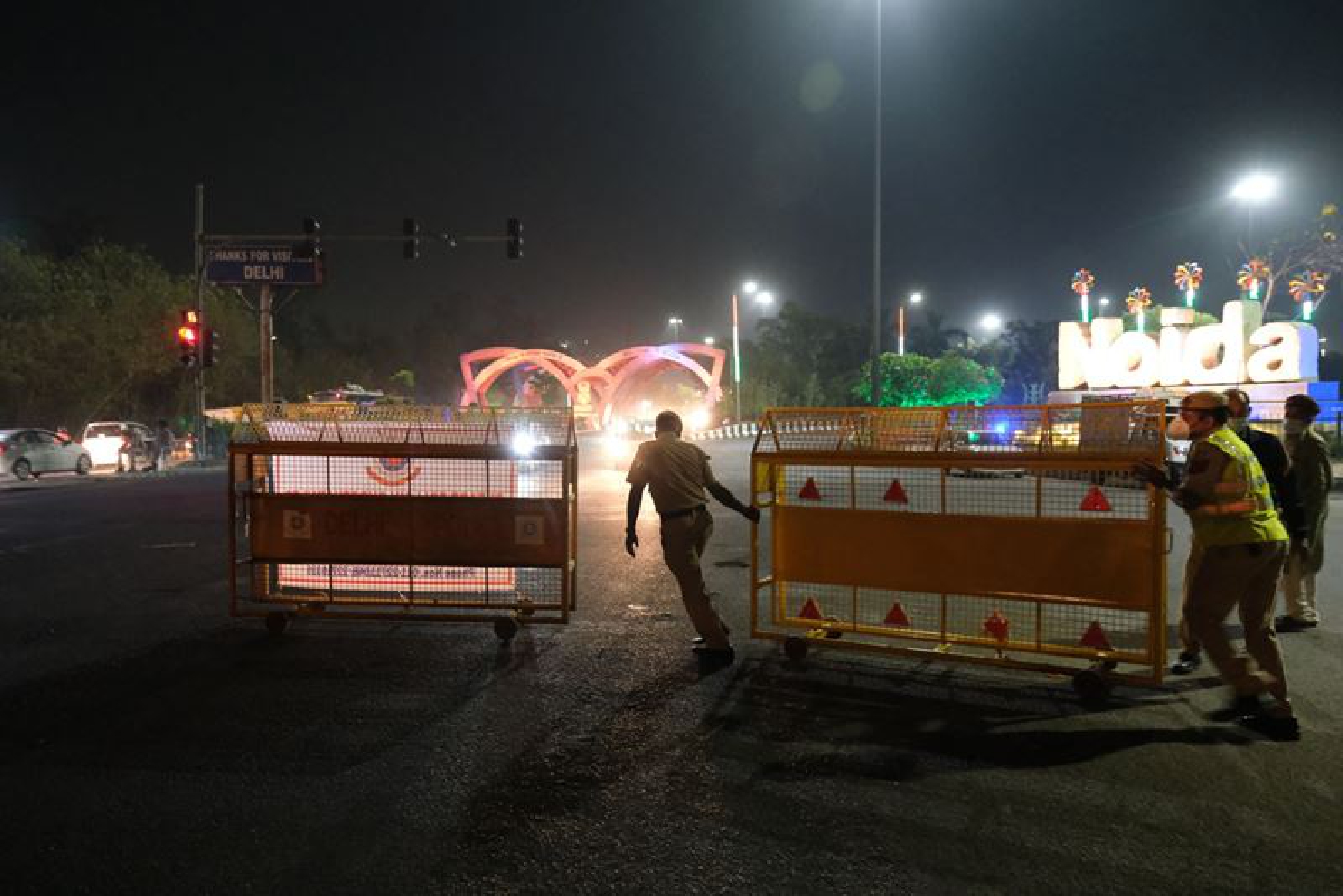
Indias surging epidemic has forced both its financial and political capitals into lockdown, spurring a fresh exodus of migrant laborers fleeing the cities fearing vanishing jobs as panic rises over the ferocity of the countrys second covid-19 wave.

New virus wave sparks fresh worker exodus from Indias cities

The nation now has the world’s fastest-growing covid-19 caseload, adding 259,170 new infections and 1,761 deaths on Tuesday, leaving it behind only the U.S. in terms of total numbers. As virus numbers have soared more state governments have announced localized shutdowns to try to tamp down on the surge.

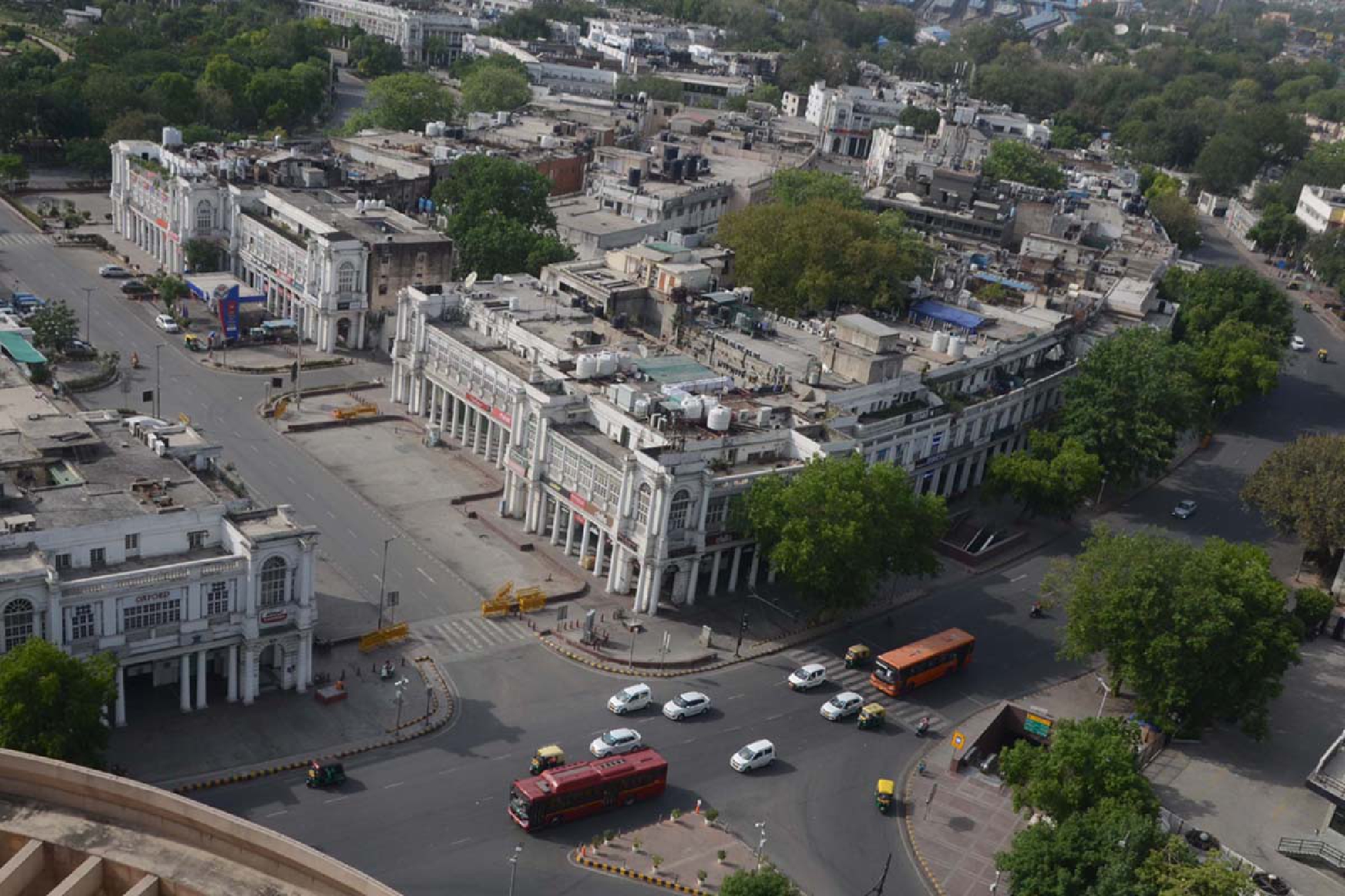
On Monday national capital New Delhi announced a six-day curfew after it reported more than 24,000 daily infections. The city is out of hospital beds, medical oxygen and drugs being used to treat the most critically ill patients. Hours after the announcement, reports began emerging of thousands of the city’s poorest workers converging at the main interstate bus terminals.

At Anand Vihar bus terminal in New Delhi, Sandeep Rai, a 30-year-old driver, was one of the thousands trying to leave the city on Tuesday. He was trying to make his way home to his village in the neighboring state of Uttar Pradesh. “I have just 100 rupees [$1.34] left with me, and I don’t know how long this lockdown is going to last,” Rai said. “The landlord wants rent, there are power bills to be paid, where is the money? It is true the government did ask us stay back, but can you trust the government? I can’t.”

The images were reminiscent of India’s first strict lockdown in late March last year where hundreds of thousands of workers fled cities as their daily wages dried up with just a few hours of notice. Many of these people have only just returned to the cities as the economy slowly began to pick up, only to be crushed again by this second wave.

The exodus from the cities comprises migrants from villages and small towns who keep urban India moving while making less than $2 a day — construction workers, handymen, food sellers, truck drivers and household help.

“Last year when there was a lockdown we saw migrant labor leaving the city,” Delhi’s Chief Minister Arvind Kejriwal. “I want to especially appeal to them with folded hands — this is a small lockdown. Only six days. Don’t leave Delhi. I want to reassure you the government will take care of you.”

Maharashtra, India’s wealthiest and most industrialized state, has seen migrant laborers leave the city since authorities issued work-from-home orders early this month. This despite the government saying it will spend 54 billion rupees ($716 million) to support its vulnerable citizens.

Mumbai alone has more than 8 million migrants from other areas of the country, according to the 2011 census, most of whom work in the informal sector as rickshaw drivers or food-cart vendors and an enforced lockdown risks robbing them of weeks of pay.

“I can’t protect your livelihoods right now but I will ensure you won’t be hungry,” Chief Minister Uddhav Thackeray said in a televised address. “We are focused on saving lives. That’s my most important goal.”

While the labor migration this time around may not be as bad as last year, when the entire country was under strict lockdown “the vulnerability in labor market still persists,” said N.R. Bhanumurthy, vice chancellor of Bangalore Dr. B.R. Ambedkar School of Economics University. “Because of lack of robust recovery from last year’s slowdown, ultimate effect is felt on labor market. Public policy needs to refocus on that.”

As more cities and states have issued stay-at-home order or other movement restrictions job losses in India have begun to tick up. Urban unemployment jumped to 10.72% for the week ending April 18 from 7.21% two weeks ago, according to data from the Centre for Monitoring Indian Economy Pvt. Ltd.

Prime Minister Narendra Modi, under fire for continuing to hold mass election rallies while the country’s hospitals were sounding the alarm over severe shortages of beds and oxygen, met with government officials Monday to discuss the growing health crisis. His administration later announced it would expand its vaccination campaign to all citizens above 18 years, and relax the rules for the procurement of inoculations.

“The government has been working hard from over a year to ensure that maximum numbers of Indians are able to get the vaccine in the shortest possible of time,” Modi said late Monday, noting manufacturers had been provided with incentives to further scale up production.

Meanwhile, at least six of India’s 30 chief ministers, two federal ministers and opposition leader Rahul Gandhi, have all tested positive for the virus in recent days.

Published : April 21, 2021

By : Syndication Washington Post, Bloomberg · Sudhi Ranjan Sen, Dhwani Pandya

[Bangladesh] Lockdown extends as deaths climb #SootinClaimon.Com

#SootinClaimon.Com : ขอบคุณแหล่งข้อมูล : หนังสือพิมพ์ The Nation.

https://www.nationthailand.com/international/40000012

[Bangladesh] Lockdown extends as deaths climb


The current travel and other restrictions will be extended for a week from April 22 as hospitals continue to struggle to cope with the number of Covid-19 patients.

[Bangladesh] Lockdown extends as deaths climb

The number of deaths reported in a day was the highest in the country yesterday while the major health facilities have recently been operating at capacity.

The cabinet division yesterday sent a proposal to extend the restrictions to the Prime Minister’s Office for approval following a meeting held virtually between secretaries of different ministries and business association leaders.

A gazette notification might be issued by today, said Surath Kumar Sarker, principal information officer at the Press Information Department.

“The lockdown will remain in force from April 22 to 28 with the same restrictions imposed the week before. It’ll be a stricter one,” State Minister for Public Administration Farhad Hossian said after the cabinet division meeting chaired by Cabinet Secretary Khandker Anwarul Islam, reports UNB.

Sources present in the meeting said the initial decision was to extend the restrictions until April 29, but the businessmen convinced others to limit the restrictions to an additional seven days.

The proposal sent to the PMO sought a ban on public transport on roads, waterways, railways, and air. There will be no restrictions on freight, emergency, and other services linked to production units.

Health officials yesterday reported 112 deaths from Covid-19, the highest in a day in Bangladesh.

The number of deaths has been over 100 for three days in a row.

Yesterday’s proposal for extending the restrictions followed the recommendations made by the National Technical Advisory Committee (NTAC) on Covid-19.

In its 31st meeting held virtually on Sunday night, the committee members suggested another week-long strict lockdown to contain the rapid spread of coronavirus, according to a press release from the committee.

An outcome cannot be expected in less than two weeks of lockdown, the committee said, adding, “Considering the infection rate, further decisions can be made.”

The press release said the experts expressed satisfaction over the current lockdown and recommended formulation of a plan to lift the restrictions in phases.

The NTAC earlier recommended what it said would be a “full-fledged lockdown”.

The Cabinet Division on April 4 issued an 11-point directive with a set of restrictions effective from 6:00am on April 5 to 12:00am on April 11. The directive allowed offices, mills and factories to operate.

The government later allowed resumption of bus services in the cities and lifted restrictions on shops and malls.

As experts doubted whether the “half-hearted restrictions” would be effective at all, the cabinet division on April 12 issued a circular regarding a “strict lockdown” from 6:00am on April 14 to April 21 midnight.

Yesterday was the sixth day of the current restrictions.

Although all public and private offices remained shuttered and public transport suspended, there were many rickshaws, auto-rickshaws and private vehicles on the  thoroughfares.

Emergency services, garments and other factories, and a few branches of banks continued their operations.

While shopping malls and larger stores in the capital remain closed, many shops that are not selling groceries and drugs have been open with half-closed shutters.

Meanwhile, Road Transport and Bridges Minister Obaidul Quader at a press conference yesterday said, “The government is planning to ease the lockdown so that people can live their lives, go shopping before Eid, and visit the hometowns. I’m requesting everyone to make mental preparations and be patient.”

NEW RECORD EVERYDAY

The deaths reported yesterday took the toll to 10,497, according to a handout from the Directorate General of Health Services.

The death rate now stands at 1.45 percent.

Among those reported dead yesterday, 75 were men and 37 women. Ten were aged between 31 and 40 years, 12 between 41 and 50, 26 between 51 and 60, and 64 above 60, said the release.

At least 4,271 new infections were recorded, taking the total number of people infected to 7,23,221.

The current positivity rate is 17.68 percent while the overall positivity rate is 13.92 percent.

The new cases were detected through testing 24,152 samples across the country in the 24 hours preceding 8:00am yesterday.

At least 6,364 patients recovered during the period taking the total number of recoveries to 6,21,300. The recovery rate was 85.91 percent as of yesterday.

Published : April 20, 2021

By : The Daily Star

Delhi government announces lockdown, exempts essential services #SootinClaimon.Com

#SootinClaimon.Com : ขอบคุณแหล่งข้อมูล : หนังสือพิมพ์ The Nation.

https://www.nationthailand.com/international/40000009

Delhi government announces lockdown, exempts essential services


In an attempt to curb the spread of Covid in the national capital, the Delhi Government has announced a weeklong lockdown starting from 10 pm on Monday night to 5 am next Monday.

Delhi government announces lockdown, exempts essential services

Chief Minister Arvind Kejriwal said that in the duration of lockdown all essential services with regard to food, medicine, etc would continue.

As per the Delhi Disaster Management Authority (DDMA) notice, employees working in essential service departments of the Delhi government like medical establishments, Police, Prisons, Home Guards, Civil Defence, Fire and emergency Services are exempt from the lockdown.

Officers of Union Government, its autonomous, subordinate offices and PSUs are also exempt after showing their official identity card.

Private health professionals comprising doctors, nurses, paramedics, medical equipment suppliers, paramedics, Pharma lab employees and and other hospital services are also exempted by the DDMA during the lockdown.

“All the Judicial officers and staff members in all Delhi courts, individual going for Covid test or or vaccination, pregnant women and patients going to avail medical services along with an attendant with a valid ID card as well as doctor’s prescription are also exempted,” the DDMA notice said.

People with valid ticket travelling from or to railway stations, Inter State Bus Terminal (ISBT) and airports are also exempted.

The DDMA notice also exempt students going to appear in exams and staffs on exam duty

The movement of employees of commercial and private establishments providing essential services also exempted by the DDMA.

The DDMA banned all political, social, religious, and academic gatherings during the lockdown.

All shops, malls, weekly markets, gyms, salons, public parks, shops, restaurants/bars, sports complex, shopping centres, coaching and educational institutes, beauty parlours, private establishments, and water parks shall remain shut during the curfew in the national capital.

The DDMA allowed movement of public transport with restrictions. Buses and Delhi Metro will be allowed to run at 50 per cent of there capacity. Auto rickshaws and cabs are permitted to operate with maximum two passengers. RTVs allowed to operate with a maximum of 11 passengers at one time.

No visitors are allowed at religious places or places of worship.

For weddings, a maximum of 50 guests will be allowed. The guests, however, will have to show wedding cards to attend and the hosts will have to get separate passes.

“This is also the wedding season. It is with great difficulty that people find a good match and we do not want to hamper this. Hence, only a total of 50 people would be allowed to attend the wedding for which separate passes would be issued,” Kejriwal said.

National and international sporting events are allowed without an audience.

The DDMA said that except those exempted or allowed movements and activities, all other private offices, establishments, shops. shopping centres, malls. weekly markets, manufacturing units, educational institutes, cinema and theatres, restaurant, bars , auditoriums/ assembly halls. entertainment/ amusement / water parks. public parks & gardens, sports complexes, gyms, spas. barber shops. saloons, beauty parlours, swimming pools (except being used for training of sports persons for participation in national and international events), construction activities (except where labourer are residing on-site) will remain closed during the curfew.

“There has been large-scale work in the field of health in the last five years, but if strict measures are not taken now, our system can collapse,” Kejriwal said while announcing the lockdown.

Published : April 20, 2021

By : The Statesman/ANN

Historic oil glut amassed during the pandemic has almost gone #SootinClaimon.Com

#SootinClaimon.Com : ขอบคุณแหล่งข้อมูล : หนังสือพิมพ์ The Nation.

https://www.nationthailand.com/international/40000004

Historic oil glut amassed during the pandemic has almost gone


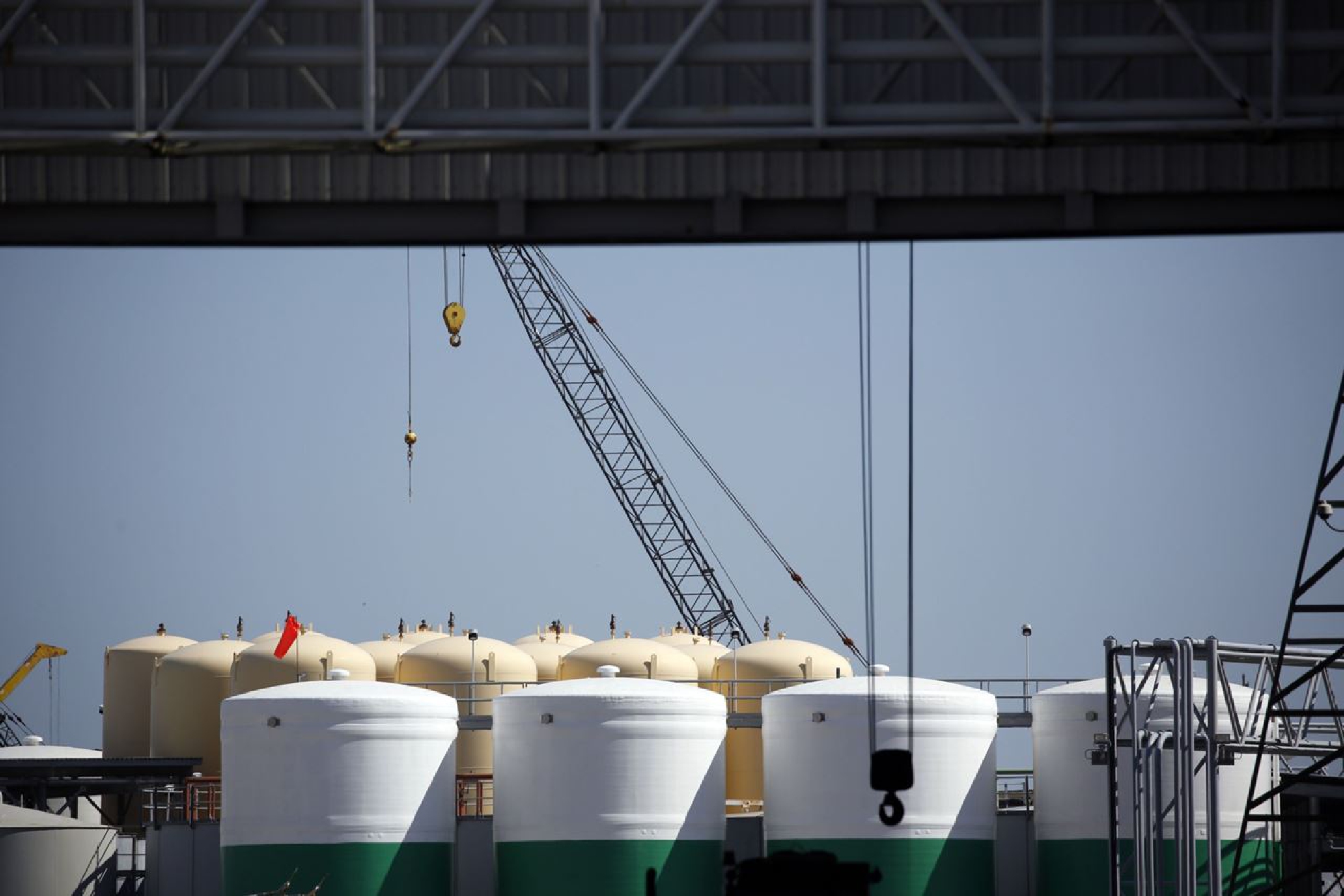
The unprecedented oil inventory glut that amassed during the coronavirus pandemic is almost gone, underpinning a price recovery thats rescuing producers but vexing consumers.

Historic oil glut amassed during the pandemic has almost gone

Barely a fifth of the surplus that flooded into the storage tanks of developed economies when oil demand crashed last year remained as of February, according to the International Energy Agency. Since then, the lingering remnants have been whittled away as supplies hoarded at sea plunge and a key depot in South Africa is depleted.

The re-balancing comes as OPEC and its allies keep vast swathes of production off-line and a tentative economic recovery rekindles global fuel demand. It’s propping international crude prices near $67 a barrel, a boon for producers yet an increasing concern for motorists and governments wary of inflation.

“Commercial oil inventories across the OECD are already back down to their five-year average,” said Ed Morse, head of commodities research at Citigroup. “What’s left of the surplus is almost entirely concentrated in China, which has been building a permanent petroleum reserve.”

The process isn’t quite complete. A considerable overhang appears to remain off the coast of China’s Shandong province, though this may have accumulated to feed new refineries, according to consultants IHS Markit Ltd.

Working off the remainder of the global excess may take some more time, as OPEC+ is reviving some halted supplies and new virus outbreaks in India and Brazil threaten demand.

Still, the end of the glut at least appears to be in sight.

Oil inventories in developed economies stood just 57 million barrels above their 2015-2019 average as of February, down from a peak of 249 million in July, the IEA estimates.

It’s a stark turnaround from a year ago, when lockdowns crushed world fuel demand by 20% and trading giant Gunvor Group Ltd. fretted that storage space for oil would soon run out.

In the U.S., the inventory pile-up has effectively cleared already.

Total stockpiles of crude and products subsided in late February to 1.28 billion barrels — a level seen before coronavirus erupted — and continue to hover there, according to the Energy Information Administration. Last week, stockpiles in the East Coast fell to their lowest in at least 30 years.”We’re starting to see refinery runs pick up in the U.S., which will be good for potential crude stock draws,” said Mercedes McKay, a senior analyst at consultants FGE.

There have also been declines inside the nation’s Strategic Petroleum Reserve, the warren of salt caverns used to store oil for emergency use. Traders and oil companies were allowed to temporarily park oversupply there by former President Trump, and in recent months have quietly removed about 21 million barrels from the location, according to people familiar with the matter.

The oil surplus that gathered on the world’s seas is also diminishing. Ships were turned into makeshift floating depots when onshore facilities grew scarce last year, but the volumes have plunged, according to IHS. They’ve tumbled about by 27% in the past two weeks to 50.7 million barrels, the lowest in a year, IHS analysts Yen Ling Song and Fotios Katsoulas estimate.

A particularly vivid symbol is the draining of crude storage tanks at the logistically critical Saldanha Bay hub on the west coast of South Africa. It’s a popular location for traders, allowing them the flexibility to quickly send cargoes to different geographical markets.

Inventories at the terminal are set to fall to 24.5 million barrels, the lowest in a year, according to ship tracking data monitored by Bloomberg.

For the 23-nation OPEC+ coalition led by Saudi Arabia and Russia, the decline is a vindication of the bold strategy they adopted a year ago. The alliance slashed output by 10 million barrels a day last April — roughly 10% of global supplies — and is now in the process of carefully restoring some of the halted barrels.

The Organization of Petroleum Exporting Countries has consistently said its key objective is to normalize swollen inventories, though it’s unclear whether the cartel will open the taps once that’s achieved. In the past, the lure of high prices has prompted the group to keep production tight even after reaching its stockpile target.

To consuming nations the great de-stocking is less of a blessing. Drivers in California are already reckoning with paying almost $4 for a gallon of gasoline, data from the AAA auto club shows. India, a major importer, has complained about the financial pain of resurgent prices.

For better or worse, the re-balancing should continue. As demand picks up further, global inventories will decline at a rate of 2.2 million barrels a day in the second half, propelling Brent crude to $74 a barrel or even higher, Citigroup predicts.

“Gasoline sales are ripping in the U.S.,” said Morse. “Demand across all products will hit record levels in the third quarter, pushed up by demand for transport fuels and petrochemical feed-stocks.”

Published : April 20, 2021

By : Syndication Washington Post, Bloomberg · Grant Smith, Julian Lee

Toyota unveils new EV, joins Volkswagens bet on electric future #SootinClaimon.Com

#SootinClaimon.Com : ขอบคุณแหล่งข้อมูล : หนังสือพิมพ์ The Nation.

https://www.nationthailand.com/international/40000003

Toyota unveils new EV, joins Volkswagens bet on electric future


Toyota is accelerating up its push into electric vehicles with the release of its first SUV built on a new EV platform, joining Volkswagens splashy bet on the future of electric cars.

Toyota unveils new EV, joins Volkswagens bet on electric future

The world’s largest carmaker previewed its “bZ4X,” an electric SUV sitting on its new “e-TNGA” platform at the 2021 Shanghai Auto Show on Monday. The vehicle is a compact SUV that resembles Toyota’s popular Rav-4, but is built on a entirely new platform and features a distinctive yoke instead of a traditional steering wheel, as well as a system that can recharge the car’s battery using solar power.

By 2025 Toyota plans to introduce 15 EVs, including seven “bZ” series models globally, said Toyota Chief Technology Officer Masahiko Maeda, speaking at a briefing Monday. The bZ4X is the first of the “bZ” series, which stands for “beyond zero,” or cars that exceed being “just zero-emission,” according to Toyota.

Toyota plans to produce the bZ4X in Japan and China and sell it worldwide by mid-2022.

The move from Toyota comes as major automakers pivot toward electrification, with countries from Japan to the U.K. pledging to phase out gasoline-only vehicles over the coming decades. Until now, hybrid heavyweight Toyota had taken a more cautious approach to EVs, but that’s starting to change with the latest debut. By comparison, Volkswagen, Toyota’s main global rival, announced last month a $29 billion bet on new battery technology to accelerate its shift to EVs.

“Toyota isn’t behind Volkswagen and others when it comes to EV development, it just hasn’t been as vocal as others,” said Bloomberg Intelligence analyst Tatsuo Yoshida. “The ambitious announcement for new models was a surprise, but it was just Toyota finally revealing what it’s been working on for some time.”

The Japanese automaker says the e-TNGA platform will speed up deployment of new EVs, reducing development time and allowing different models to be designed in parallel. The platform can be fitted to a broad range of vehicle sizes, and while certain key elements remain fixed, the battery and electric motor – the most expensive parts of an EV – can be adjusted based on the model.

The ability to produce cars of different prices and sizes based on its modular platform will give Toyota the ability to reach a wider swathe of consumers – younger consumers in China demanding smaller and cheaper models such as the $4,230 SAIC Motor Corp.-General Motors Hongguang Mini EV. The e-TNGA platform is a similar approach to that Volkswagen is taking with the MEB car platform, used by the German automaker and its subsidiaries for electric car development.

“In the years since we first introduced the Prius, we’ve not pushed forward with any single technology, instead preparing numerous options including fuel cell, hybrid, plug-in hybrid and electric vehicles,” Toyota’s Maeda said. The company will expand its number of electrified models, which includes hybrids, to around 70 by 2025.

Published : April 20, 2021

By : Syndication Washington Post, Bloomberg · Emma O’Brien, River Davis

Rift between GOP, corporate America creates opening for Bidens tax plan #SootinClaimon.Com

#SootinClaimon.Com : ขอบคุณแหล่งข้อมูล : หนังสือพิมพ์ The Nation.

https://www.nationthailand.com/international/40000002

Rift between GOP, corporate America creates opening for Bidens tax plan


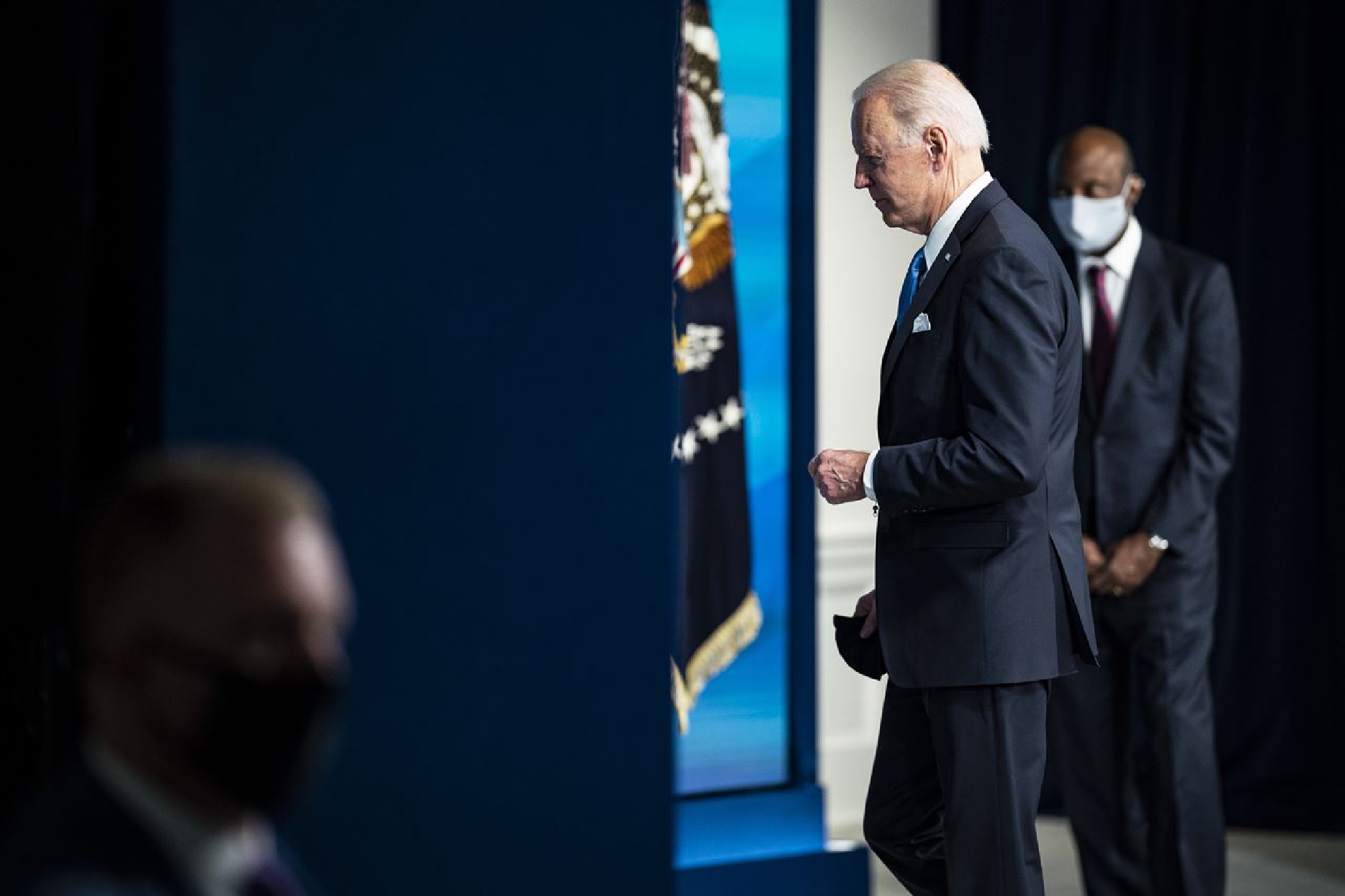
WASHINGTON – The morning that President Joe Biden introduced his jobs and infrastructure plan, senior White House officials briefed Goldman Sachs CEO David Solomon, Bank of America CEO Brian Moynihan, and four other chief executives of the countrys biggest banks about the measure.

Rift between GOP, corporate America creates opening for Bidens tax plan

WASHINGTON – The morning that President Joe Biden introduced his jobs and infrastructure plan, senior White House officials briefed Goldman Sachs CEO David Solomon, Bank of America CEO Brian Moynihan, and four other chief executives of the country’s biggest banks about the measure.

White House officials in a 24-hour period also briefed powerful business groups such as the National Association of Manufacturers, the Chamber of Commerce, and Business Roundtable about the proposal, while also planning outreach to thousands of small businesses. White House senior adviser Cedric Richmond and White House National Economic Council Director Brian Deese were among the administration’s emissaries for the legislation.

The meetings were in part the result of an effort from the Biden administration to take advantage of the growing rift between corporate America and the Republican Party as they seek to sell the nation on more than $2 trillion in tax hikes.

“We have prioritized business outreach; we think they have an important role to play and that their voice is important,” said Zach Butterworth, the White House’s director of private sector engagement. “They know we’re operating in good faith and that we’re proposing policies that are good for workers and good for business.”

The strategy is aimed at blunting the ferocity of business opposition to the tax hikes, likely the most controversial part of Biden’s jobs and infrastructure package. White House officials have argued to corporate executives that the tax hikes are necessary to fund large investments in public infrastructure that the business sector has long sought. But Democratic officials also recognize that their efforts risk bringing about a quick reconciliation between the GOP and business community, driving them together in opposition against a common foe.

Commerce Secretary Gina Raimondo has spoken to more than 50 leading executives in recent days about the plan, according to her spokeswoman.

“Some [executives] have said they’re fine with the tax increases as proposed; others have said they’re expecting a corporate tax increase” and were relieved Biden is not pushing for it to be increased to 35 percent, Raimondo said in an interview. The corporate tax rate was at 35 percent before Trump’s 2017 tax law. “Others have said maybe there’s some room for compromise on the rate or that the base doesn’t have to be broadened as much. To which I say: ‘The president has been very clear; there is room for compromise.”

Corporate America’s relatively muted reaction thus far to significant tax hikes was until recently unthinkable and reflects major changes in U.S. politics – the most important of which may be the recent falling out between the GOP and business elites.

When congressional Republicans worked to approve a $2 trillion tax cut in 2017, the GOP and corporate America worked together seamlessly to build support for the measure and push it into law.

Now, that relationship is under unprecedented strain. Congressional Republicans are incensed by corporate criticisms over GOP-backed voting restrictions and stances on culture war issues. Business groups, meanwhile, have increasingly eyed the GOP as a dangerous partner, toxic to their brand and harmful to their ability to recruit young worker talent.

“Capitol Hill Republicans and big business groups like the Chamber [of Commerce] are not as close as they once were. And that weakens their ability to affect the tax bill; it just does,” said Matt Mackowiak, who runs Potomac Strategy Group, a Republican political and corporate consulting firm.

The rift began under former President Donald Trump but was dramatically accelerated after the Jan. 6 Capitol riot and disagreements over a new Georgia voting rights law. Those disputes come on top of months of fights over other issues, such as climate change and transgender rights, in which parts of corporate America has tried to find separation from the conservative base. GOP lawmakers such as Sen. Ted Cruz, R-Texas, have pushed for revoking antitrust immunity for Major League Baseball – which moved the All-Star Game out of Georgia due to the voting law – and said “cancel culture” has infected elite business circles.

“It’s a thankless job defending corporate America, and it’s even more thankless when corporate America is simultaneously poking you in the eye,” said Brian Riedl, a former aide to Sen. Rob Portman, R-Ohio, now at the Manhattan Institute think tank. “When I talk to Republicans, they are really, really frustrated about this. They are exhausted from defending the 2017 tax cuts from attacks that it was too tilted to the rich and don’t see political upside in defending low taxes for corporations.”

An increasing number of Republicans are taking a more aggressive stance against big businesses. Andrew Surabian, a Republican strategist, said: “If these corporations want to act like mini-governments and they’re going to throw in with the other side nonstop, we should stop pretending they’re our allies. If they’re not our allies, why would we ever waste any political capital on them for some of the very unpopular things they want to get done in government?”

To be sure, both business groups and Republican lawmakers have criticized the Biden tax plan as likely to hurt American workers and U.S. competitiveness internationally.

Senate Majority Leader Mitch McConnell, R-Ky., has joined other GOP leaders in repeatedly slamming the “massive tax increases on all the productive parts of our economy.” Republicans have ruled out supporting an infrastructure package that includes corporate tax hikes, pushing instead for the funding to be raised from user fees.

A senior Senate Republican aide, who spoke on the condition of anonymity to describe internal thinking, said: “Regardless of what the business community does, Republicans will never not be energized to run against Democrats who raise your taxes.”

And many people in both the GOP and business community believe the rift will mend as the corporate tax hikes become closer to a reality. Congressional Republicans stewed last fall when the Chamber of Commerce, a traditionally safely GOP ally, endorsed an unprecedented 23 House Democratic lawmakers in the 2020 elections. But last week, the Chamber came out with a blistering attack on Democrats’ voting rights bill, in a potential sign of reconciliation. The National Association of Manufacturers has warned Biden’s tax hikes would “cost a million jobs,” while the influential Business Roundtable has launched an advertising campaign opposing the measure.

Still, the White House’s tax plans have divided the business world in ways few predicted. Many small businesses, for instance, are largely spared from Biden’s proposed tax hikes and their advocates have been relatively quiet in opposing the measure. Other business groups stand to benefit substantially from other parts of the bill, such as its research and development funding and infrastructure investments.

Amazon, for instance, baffled some GOP lawmakers by saying it supported an increase in the corporate tax rate and cited the need to improve U.S. infrastructure. (Amazon chief executive Jeff Bezos owns The Washington Post.) Executives at Intel, Lyft, Ford, Toyota, and other leading firms have expressed positive sentiments about Biden’s push. Hospital and other health industry groups have backed the plan’s $400 billion investment in home care.

And further diminishing the extent of business opposition is that Biden’s tax hikes could be substantially weakened before final legislation is passed into law. Sen. Joe Manchin (D-W.Va.), whose vote Democrats need to pass the measure without Republican support, has been adamant that the corporate tax rate only be raised from 21 percent to 25 percent, rather than the 28 percent proposed by the White House. Corporate America would oppose such a measure but likely “could live with it,” as one lobbyist put it.

“A raise from 21 to 25 — which is where Manchin has put the marker at — is not going to create mass hysteria, particularly when many corporations had an economic boom during the pandemic,” said Jefrey Pollock, founding partner and president of Global Strategy Group, a public relations and polling firm.

Republicans are hopeful the tax hikes will remind business groups that Republicans are their natural allies. Lisa Spies, a GOP fundraiser, said that she is advising companies to not make knee-jerk decisions because they might come to regret it. Spies said they needed to remember that Republicans would likely support more of the policies that help their bottom line — and they would need them to defend their favored business stances.

“After the riots on January 6, I told people, why don’t you wait and see what the new president’s policies are and that should direct your giving?,” she said. “You should just focus on the policies.”

For now, though, business groups are keeping their distance from Republicans even as leading politicians like Florida Gov. Ron DeSantis hammer their priorities. Former Rep. Barney Frank, D-Mass., who faced intense industry opposition for banking reform proposals he advanced under President Barack Obama, said corporate America increasingly fears the impact of a populist right more than they do of the center-left Democratic establishment.

“The business community, responsible elements of the business community, have figured out it’s in their interest to help defuse angry populism,” Frank said. “They’re not afraid of Joe Biden. Biden does not say they’re bad people, and that’s a large part of it. But they’re also not as afraid as what Democrats will do. They’re much more afraid of the Republicans.”

Published : April 20, 2021

By : The Washington Post · Jeff Stein, Josh Dawsey

NASA flies helicopter on Mars, the first time aircraft has flown on another planet #SootinClaimon.Com

#SootinClaimon.Com : ขอบคุณแหล่งข้อมูล : หนังสือพิมพ์ The Nation.

https://www.nationthailand.com/international/40000001

NASA flies helicopter on Mars, the first time aircraft has flown on another planet


NASA successfully flew its four-pound helicopter from the surface of Mars early Monday in the first powered flight of an aircraft on another planet, a feat that NASA officials compared to the Wright brothers first flight in 1903.

NASA flies helicopter on Mars, the first time aircraft has flown on another planet

At about 3:30 a.m. Eastern time, the twin, carbon-fiber rotor blades began spinning furiously, and the chopper, called Ingenuity, lifted off the surface of the Red Planet. It reached an altitude of about 10 feet, where it hovered, buffeted ever so slightly by the wind, turned 96 degrees and then came softly back to the Martian surface in an autonomous flight that lasted just about 30 seconds, the space agency said.

Inside the flight operations center at NASA’s Jet Propulsion Laboratory in California, engineers broke into applause when confirmation of the flight arrived, more than three hours after the flight, in a data burst that traveled 178 million miles to Earth through a complex communications network – from the helicopter, to the rover, to a spacecraft in orbit around Mars, to NASA’s massive international Deep Space Network of antennae and, finally, to JPL.

The atmosphere in the room turned almost giddy when a still photo shot from the helicopter captured its shadow on the ground, followed by video of the aircraft’s flight, taken from the nearby Mars rover Perseverance.

“We can now say we’ve flown a rotorcraft on another planet,” MiMi Aung, NASA’s Ingenuity program manager, told the occupants of the flight control room, all masked to protect against the coronavirus. “We together flew on Mars. We together have our Wright brothers moment.”

She added: “We don’t know from history what Orville and Wilbur [Wright] did after their first successful flight. But I imagine the two brothers hugged each other. Well, you know, I’m hugging you virtually.”

Scientists say the successful test, which they called “a flawless flight,”could eventually help the space agency more quickly roam across Mars as it looks for signs of ancient life. Engineers are already thinking about future aircraft, as heavy as 50 pounds or more, that could carry science experiments years in the future, NASA officials said.

“It opens up new doors,” said Thomas Zurbuchen, NASA’s associate administrator for the science mission directorate. A helicopter can fly over craters and other areas not accessible by rovers, he said. And being able to “scout ahead is just absolutely critical.”

Michael Watkins, the director of NASA’s JPL, said that having eyes in the sky gives “us the third dimension. It freed us from the surface now forever in planetary exploration.”

NASA flies helicopter on Mars, the first time aircraft has flown on another planet

https://www.washingtonpost.com/video/c/embed/db76bbc5-f4f8-45a5-8a41-2d1ba82d7e44?ptvads=block&playthrough=false

To make the brief flight, Ingenuity’s technology had to overcome Mars’s super-thin atmosphere – just 1 percent the density of Earth’s – which makes it more difficult for the helicopters’ blades, spinning at about 2,500 revolutions per minute, to generate lift.

It was a triumphant add-on to the main part of NASA’s latest Mars mission – the Perseverance rover, a car-sized vehicle that is set to explore a crater that once held water and could yield clues to the history of the planet and whether life ever existed there. Deciding to build a helicopter that could fly on Mars was a project years in the making and one that was the result of “finding that right line between crazy and innovative,” Zurbuchen said.

Ingenuity, with four spindly legs and a solar panel and costing about $80 million, made the long journey to Mars tucked in the rover’s undercarriage.

As a tribute to the Wright brothers, Ingenuity has a postage-sized bit of fabric from the brothers’ aircraft, known as the Flyer, attached to a cable under the solar panel.

If all goes according to plan, the helicopter could make as many as four more flights in coming weeks, each one more ambitious than the last. The second, for example, would fly slightly higher, to 16 feet, and then horizontally for a little bit before coming back to the landing site. “We want to push it to the limit,” Aung said.

Aung told her team to celebrate, to enjoy the moment, but added: “This is just a first flight. Let’s get back to work and have more flights.” The next flight, she said later, would come “in the next few days.”

The flight was originally scheduled to occur last week. But a problem halted a test of the helicopter’s rotors, and the flight was delayed as engineers diagnosed and then fixed the issue. While expressing confidence, engineers acknowledged before the flight that anything so difficult and audacious could easily run into problems.

“We’re doing everything we can to make it a success, but we also know that we may have to scrub and try again,” Aung wrote in a blog on NASA’s website before the flight. “In engineering, there is always uncertainty, but this is what makes working on advanced technology so exciting and rewarding.”

Published : April 20, 2021

By : The Washington Post · Christian Davenport

‘Godzilla vs. Kong’ extends Warner Bros. reign at box office #SootinClaimon.Com

#SootinClaimon.Com : ขอบคุณแหล่งข้อมูล : หนังสือพิมพ์ The Nation.

https://www.nationthailand.com/news/30405035

‘Godzilla vs. Kong’ extends Warner Bros. reign at box office

InternationalApr 19. 2021

By Syndication Washington Post, Bloomberg · Kelly Gilblom

“Godzilla vs. Kong,” the monster epic from Warner Bros. and Legendary, dominated the box office for a third straight week, showing that a new movie available for streaming at home can also draw fans to theaters.

The film took in $7.7 million in weekend sales in North American theaters, according to researcher Comscore Inc., further cementing its spot as the biggest movie release of the pandemic with cumulative sales now of $80.5 million. So far, “Godzilla vs. Kong” has exceeded analysts’ expectations, suggesting people are becoming comfortable with attending theaters more than a year into a global pandemic.

The performance is a major win for AT&T Inc.’s WarnerMedia division, which opted to release all of its 2021 movies on both HBO Max and in theaters. When the studio announced the move last year, filmmakers warned it would hurt cinema owners that were already struggling to survive the covid-19 virus and competition from streaming services.

“Warner has played an integral role in the early transition phase as we now cautiously approach the next stages of global box office recovery,” said Shawn Robbins, chief analyst for Boxoffice Pro. “The key now is to look forward.”

Most other studios have been wary about putting out big releases during the pandemic. The next big-budget movie due out will be another Warner Bros. feature, “Mortal Kombat,” on April 23. After that, audiences will have to wait until May 28 to see “A Quiet Place Part II” from Paramount Pictures and until summer for other highly anticipated films like Universal Pictures’ “F9,” part of the “Fast and Furious” series, and Walt Disney Co.’s “Black Widow.”

The decision to stream new movies the same day they come out on the big screen has posed some challenges for theaters. It’s not clear how many people are opting to watch movies at home instead of venturing out. Additionally, studio and theater executives have acknowledged that consumers no longer want to wait up to 90 days for movies to leave multiplexes and be available for home viewing.

But the combination of closings and the lack of new movies to show has worn down some of the theater owners who have resisted change. AMC Entertainment Holdings Inc. Chief Executive Officer Adam Aron said in an interview this week that attendance “quintupled” with the March 31 release of “Godzilla vs. Kong.” New films are a key part of recovery for cinemas, some of which have gone out of business because of the virus.

Other, returning pictures rounded out the other top spots at the box office this weekend. Universal’s “Nobody,” a thriller starring Bob Odenkirk that came out March, took in $2.5 million in sales. “The Unholy” made about $2.1 million and Disney’s “Raya and the Last Dragon,” an animated film about a warrior girl, made $1.9 million.

Egypt passenger train crash kills at least 11 people, injures scores #SootinClaimon.Com

#SootinClaimon.Com : ขอบคุณแหล่งข้อมูล : หนังสือพิมพ์ The Nation.

https://www.nationthailand.com/news/30405034

Egypt passenger train crash kills at least 11 people, injures scores

InternationalApr 19. 2021

By Syndication Washington Post, Bloomberg · Ahmed Khalil El-Sayed

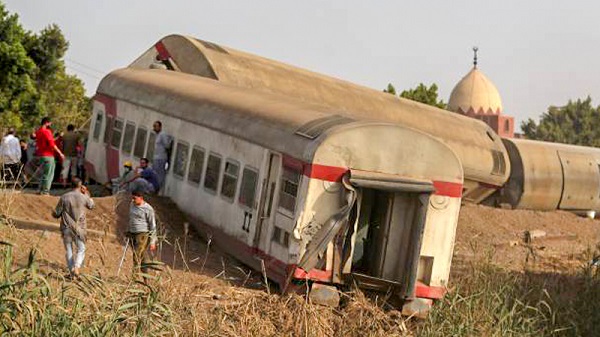
A passenger train derailed Sunday north of Cairo, leaving at least 11 people dead and about 1oo others injured, a Health Ministry official said, the latest in a string of rail accidents.

The derailment occurred when at least four of the train’s carriages went off the tracks shortly after its departure from a station in Qalyubia governorate en route to Mansoura, state media reported. Almost 60 ambulances rushed to the scene to transport the injured to local hospitals.

The crash was the third railway incident in Egypt in a month. In March, a crash in southern Egypt left 19 dead and sparked fresh calls for revamping the country’s aging railway infrastructure and a revision of safety protocols.