Toyota Leasing (Thailand), the auto leasing arm of Toyota Motor Thailand, has announced its July issuance of Bt2.1 billion in medium-term debentures.
The debentures have a coupon rate of 1.93 per cent per annum for a three-year tenor and are being offered under the company’s Bt130-billion Medium Term Note Programme.
The debentures are guaranteed by Toyota Motor Finance (Netherlands), a company rated A+/A1 with negative outlook by S&P and Moody’s, respectively.
This latest issuance is the company’s 53rd debenture offering with the debentures assigned AAA rating by TRIS Rating, a local credit rating agency. Bangkok Bank and Bank of Ayudhya were joint lead arrangers for the issuance, which is the first transaction to conduct its book-building process through the Thai Bond Market Association’s Electronic Book Building platform.
Farmers disgusted with agriculture minister’s performance, demand replacement
NationalJul 23. 2020File Photo: Chalermchai Sreeon, left, and Mananya Thaiset, right
By The Nation
Some 30 farmers showed up at Government House on Thursday (July 23) to demand that Prime Minister Prayut Chan-o-cha replace Agriculture and Cooperatives Minister Chalermchai Sreeon and Deputy Minister Mananya Thaiset because they failed in their job.
Sukan Sangkawanna, secretary-general of the Federation for Farmers’ Safety, said Thai farmers have been banned from using agro-chemical paraquat since June 1. Yet Thailand continues to import soybean, wheat, flour, grapes, apple, coffee etc from countries like Japan, Australia and New Zealand, where the use of paraquat is still allowed.
Mananya had said that imports from these countries will be gradually phased out from June 1, 2021, while the Public Health Ministry had said it would study chemical residues on fruit and vegetables.
The Department of Agriculture has told farmers to use glyphosate and glufosinate as pesticides for rubber and fruit trees and for cassava, yet the two substances leave residue on the crops, while glufosinate falls under the same category of hazardous substances as paraquat, Sukan said.
He also pointed out that the department has yet to find a substitute that matches paraquat in terms of effectiveness and price, and has only offered alternatives like glufosinate, which benefit certain businesses.
He said farmers want the premier to replace these two ministers as they have not done what they promised and have shown no sincerity in solving problems, adding that in actual fact, some of their actions have had serious consequences for farmers.
The group also marched to the Foundation for Consumers, which had launched the campaign against the use of hazardous materials in farming, and then to Bhumjaithai Party headquarters for failing to delivery what it promised when campaigning for votes.
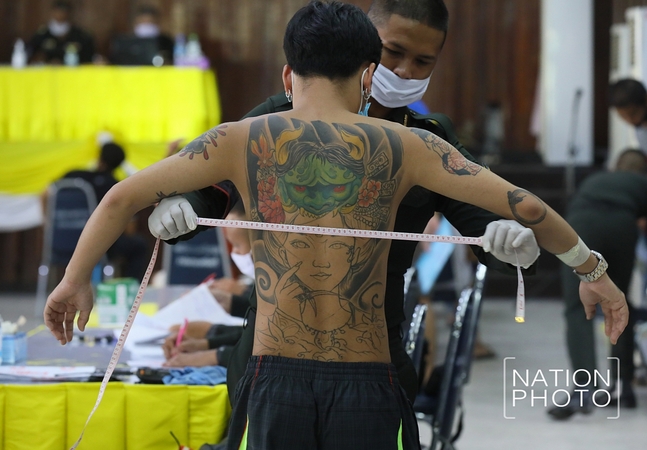
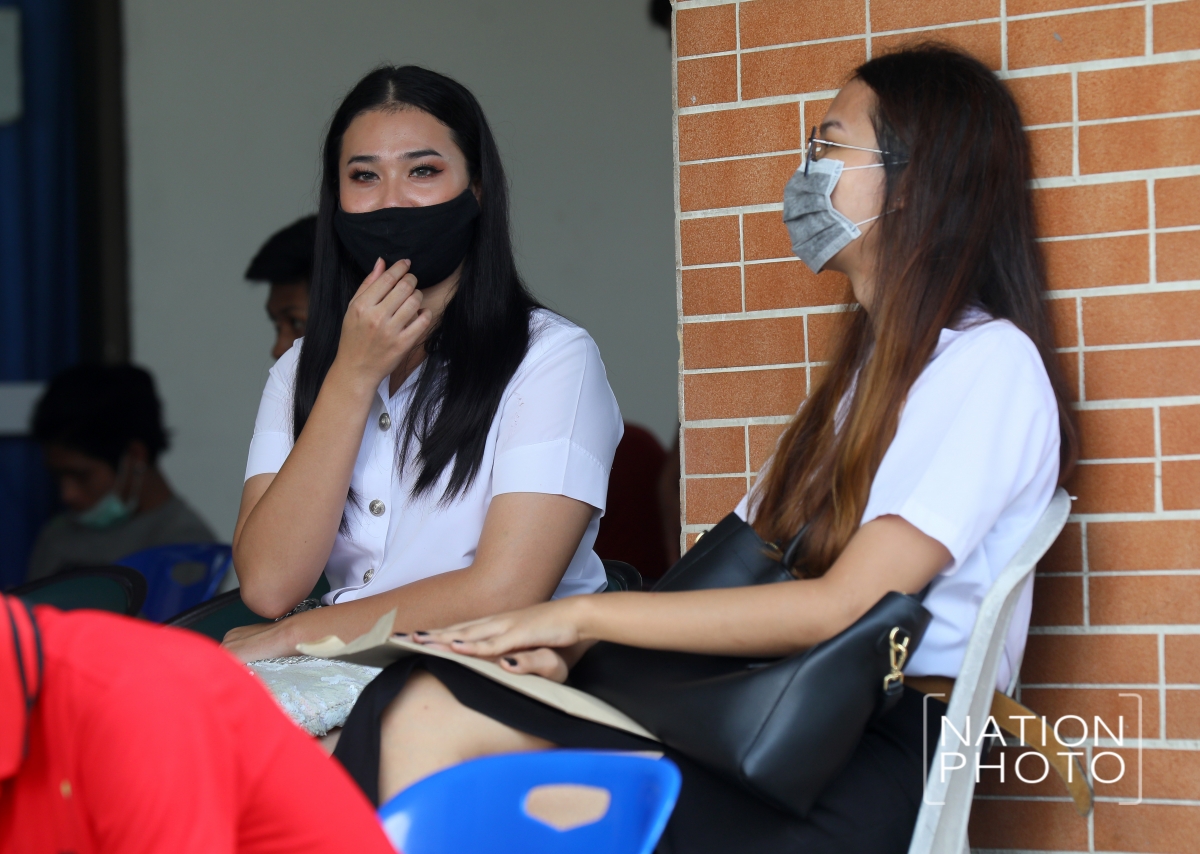
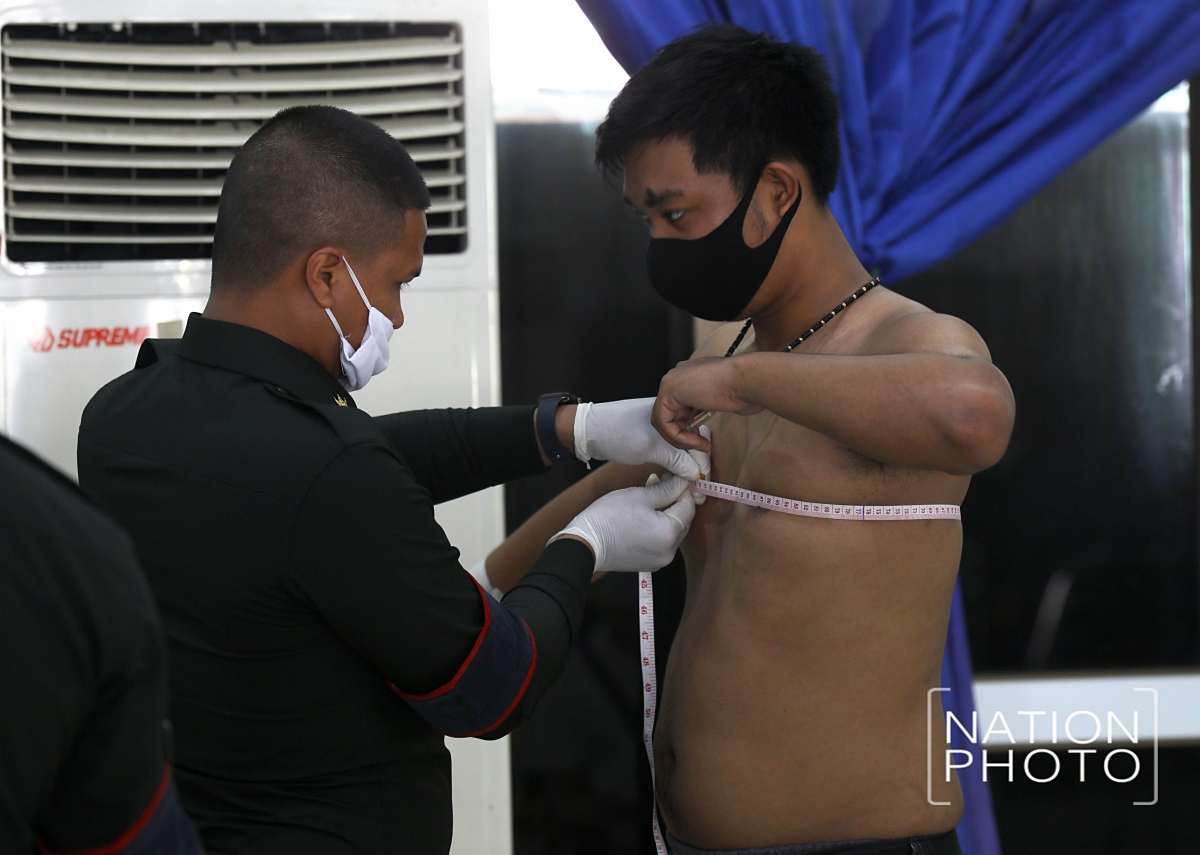
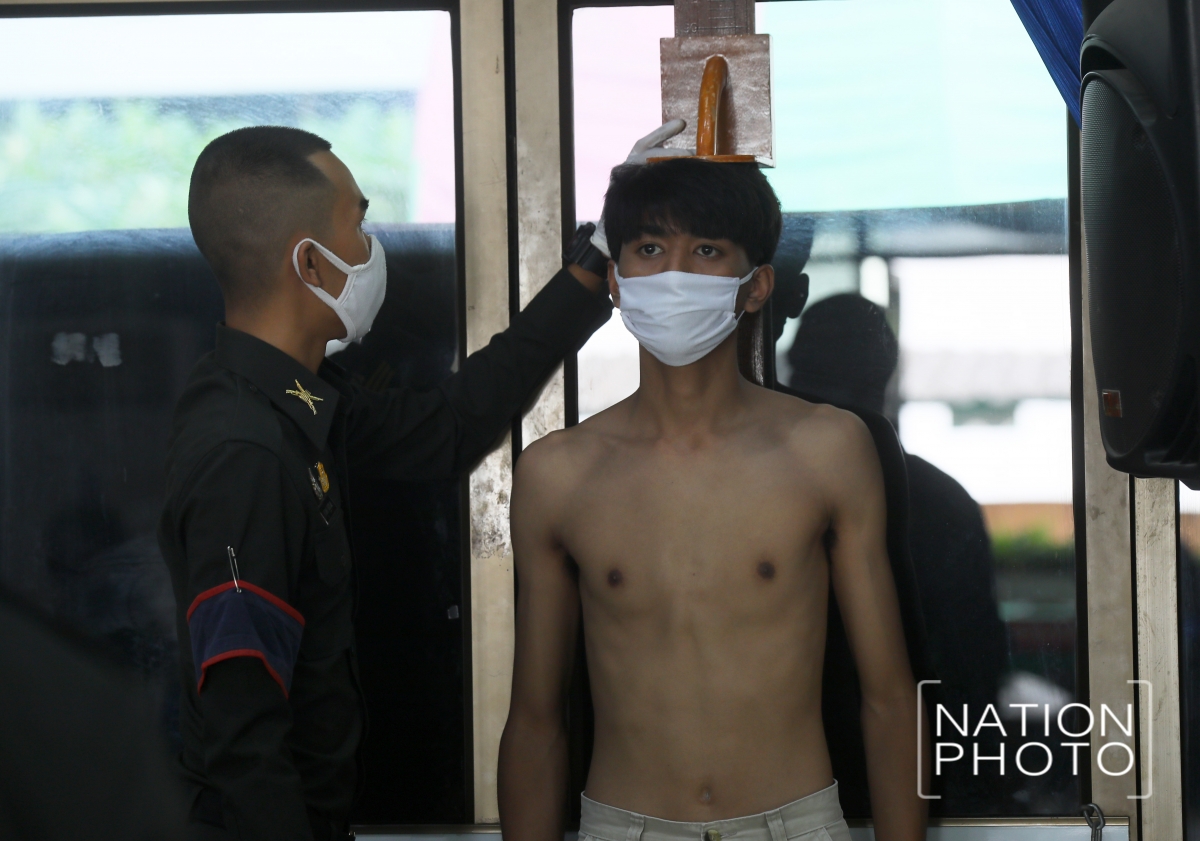
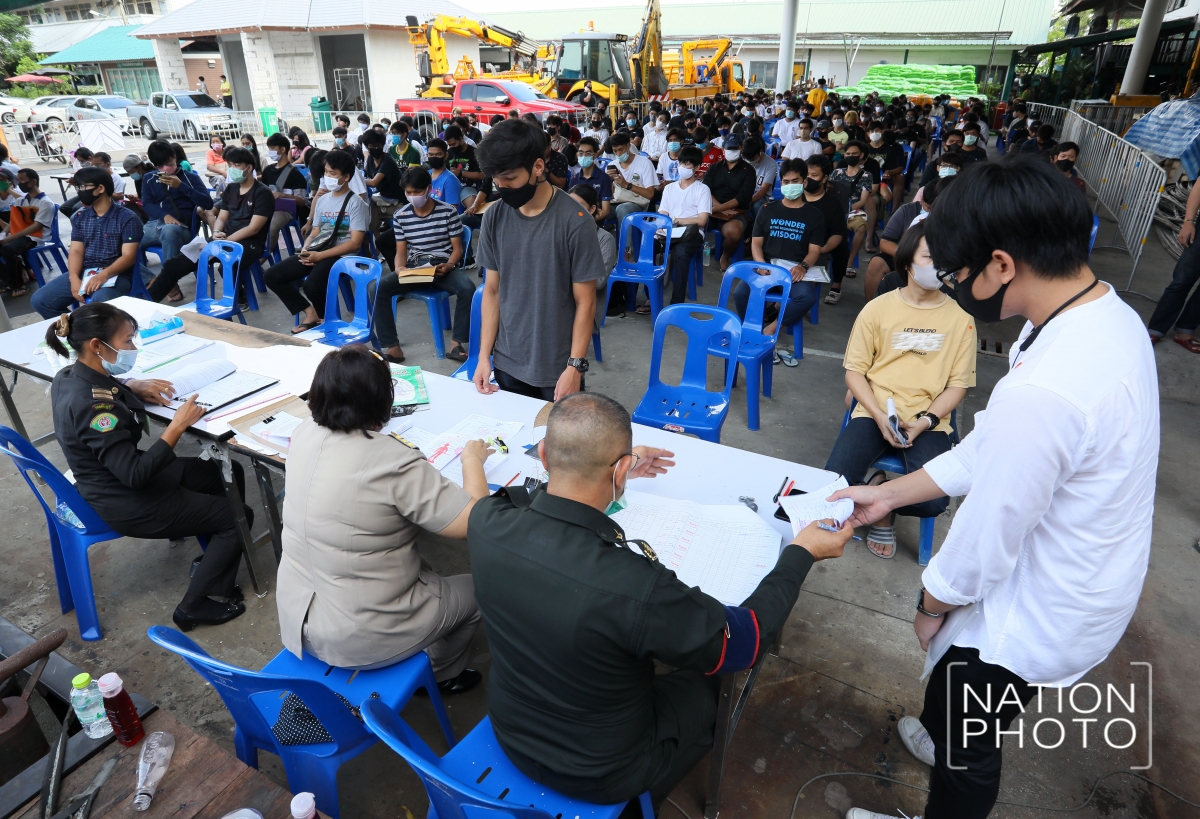
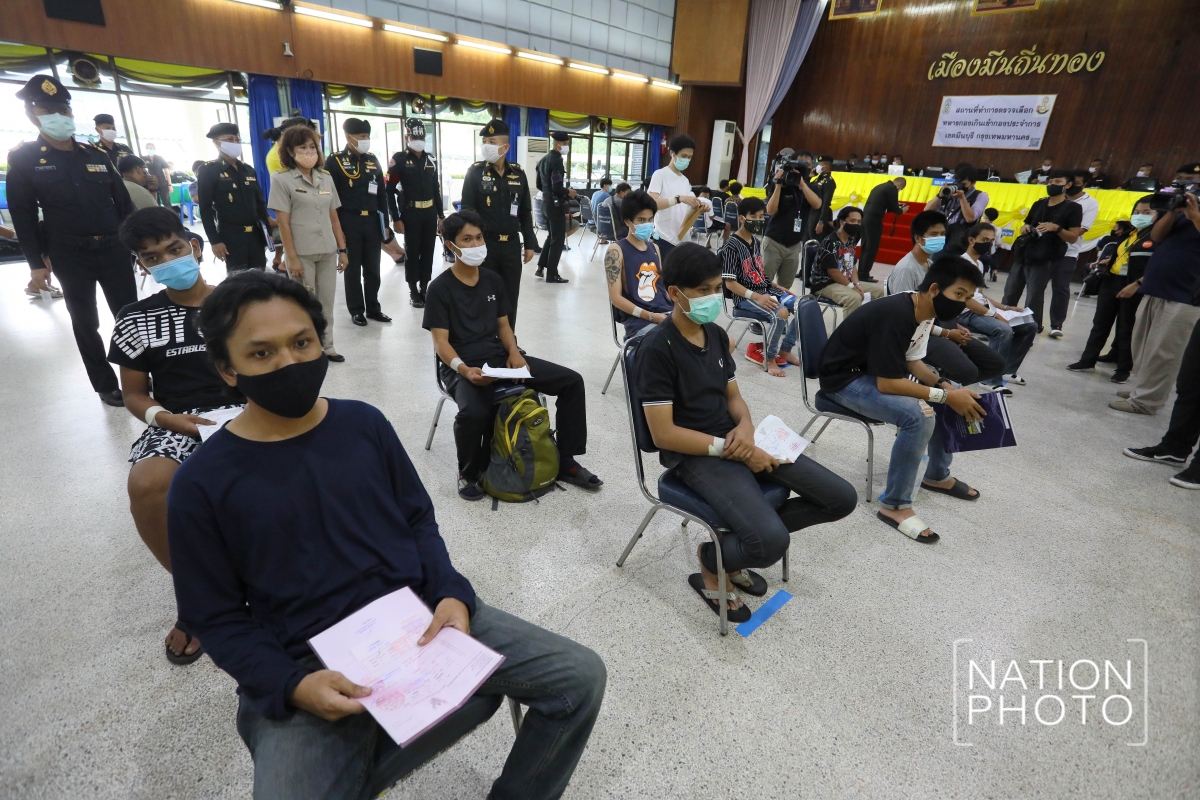
The Royal Thai Army launched its annual drafting campaign on Thursday (July 23) under the “new normal”, with measures in place to protect officials and draftees.
The operation will run until August 9.
This year, eligible candidates are not allowed to bring along their family and friends to hear their names being announced because there is not enough space to ensure social distancing and keep crowds sparse.
Chiang Rai province has scrapped the quarantine requirement for travellers from Rayong after tests in the eastern province revealed no locals had been infected by the Egyptian soldier who tested positive for Covid-19 there.
Chiang Rai Governor Prajon Pratsakul signed the announcement to scrap the requirement on Wednesday (July 22), after tests on more than 6,000 Rayong locals came back negative.
However, Chiang Rai officials have urged people travelling from Rayong to report themselves to authorities if they develop virus symptoms.
A bid to prevent the latest anti-government protest failed yesterday after Mahasarakham University students defied their dean.
University campuses are exempt from the emergency decree’s ban on gatherings, but the dean had warned that the rally risked spreading Covid-19 and asked the students to cancel the protest.
However, the protest leaders confirmed that they would continue, and joked that the theme of the rally had been changed to “anti-dean and anti-government”.
Political protests have broken out around the country following the rally on July 18 at Bangkok’s Democracy Monument by a group called Free Youth. The group wants Parliament to be dissolved, the Constitution to be made more democratic, and the government to lift its threats against the people.
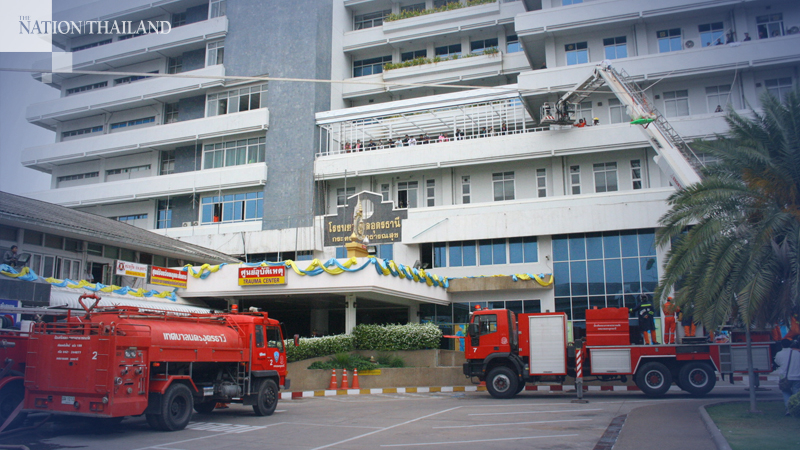
Udon Thani Hospital on Wednesday (July 22) has set up a new security system to prevent damages from brawls between gangs.
Hospital director Dr Narong Tadadach said tight security was necessary, citing the most recent case of four patients being brought in with severe injuries sustained during a gang fight.
Though friends and families are allowed to visit patients, Narong said many times members of rival gangs show up pretending to be kin and further attack the patients and damage medical equipment.
This time, however, security officials stationed at the doors of the four patients’ rooms did not let in any “friends” and had the family wait.
The director said that apart from stationing security officials at doors and informing local police, the hospital has also set up a system in which loud alarms will be sounded if anyone tries to break down doors, giving staff enough time to put away expensive equipment. The hospital has also created safe areas for officials to hide in the case of severe clashes.
Narong said the hospital called on the Public Health Ministry to find a solution after it suffered six gang fights on the premises over two months and the ministry responded by setting up this security system.
The Ministry of Labour has been given the nod to allow migrant labour into the country and it has clarified on the guidelines. Department of Employment director-general Suchat Pornchaiwiseskul said that the Centre for Covid-19 Situation Administration (CCSA) on Wednesday had approved bringing foreign labourers from Cambodia, Laos, Myanmar and Vietnam to work as per the Department’s proposal.
▪︎ 69,235 foreign workers who have work permits and work visas who have requested a re-entry visa to return to the country and have not returned;
▪︎ 42,168 foreign workers who do not have a work permit and visa but whose employers have submitted a demand letter to the country of origin.
Both groups of foreign workers must obtain a certificate that facilitates entry into the Kingdom and a medical certificate (Fit to Travel).
In the case of a foreign worker with a re-entry visa and a work permit, after Immigration provides them an entry permit and visa, the foreign workers must undergo Covid-19 examination at the Disease Control checkpoint immediately and must be quarantined for 14 days at Alternate Local Quarantine (ALQ).
In the case of foreign workers who do not yet have a work permit submitted by the employer for re-entry, once the immigration checkpoint has checked the immigration permit, the workers must be tested for Covid-19 and undergo six health check-ups, buy a two-year health insurance (in case they do not have social security) or three months of health insurance (in case they have social security) and spend 14 days in ALQ. During quarantine period, there will be training to give knowledge about regulations and living in Thailand to foreigners before starting work. Upon the expiration of 14 days in quarantine, the visa will be granted by the Immigration officer.
When both groups of migrant workers have been quarantined as required and no infection is found, employers can accept foreign workers to work including reporting to the provincial employment office in the area.
Cambodian workers are allowed to travel via Sa Kaeo province, Lao nationals via Nong Khai and Mukdahan provinces, Myanmar via Tak and Ranong provinces while Vietnamese workers must come by air and arrive at Suvarnabhumi Airport. Employers and entrepreneurs are responsible for the cost of Covid-19 testing and the 14-day quarantine, approximately Bt13,200 to Bt19,300 per foreign worker, said Suchat.
The government’s third and fourth phases of lockdown easing drove up the Industry Sentiment Index for two consecutive months, said the Federation of Thai Industries (FTI).
Supant Mongkolsuthree, FTI chairman, said the Industry Sentiment Index in June rose to 80 from May’s 78.4.
“The index gained positive sentiment from the government’s move to ease lockdown measures and lift the curfew, enabling businesses to resume activities, including exporting goods via border checkpoints,” he said. “Also, business confidence was boosted after the number of new Covid-19 cases in June remained low.”
However, he said the index was still lower than 100 because the private sector, especially small businesses, was worried about liquidity, loan inaccessibility, baht strengthening, and increases in operating costs for fuels, materials and logistics.
He also revealed the findings of an FTI survey in June of 1,205 businesses covering 45 industries.
“Asked about factors causing uncertainty, 50 per cent of respondents blamed the political situation in the country, 46.7 per cent blamed the baht-dollar exchange rate, 36.1 per cent identified the price of fuel, and 20.5 per cent identified the loan interest rates,” he said.
“Asked about factors that would relieve uncertainty, 70.1 per cent of respondents pinpointed the global economy.”
Supant predicted the Industry Sentiment Index would rise to around 90.1 over the next three months, from 91.5 in April, as businesses were concerned about consumers’ purchasing power amid the second wave of Covid-19.
“Government stimulus measures post-Covid-19 are important for the growth of the Thai economy because economic activity is slower during the rainy season,” he said.
He urged the government to issue economic stimulus measures, such as procuring products made in Thailand, instructing the Thai Credit Guarantee Corporation to offer guarantees for small and medium enterprises to encourage banks to grant more loans, and issuing additional measures to lure foreign investment, especially in the Eastern Economic Corridor.
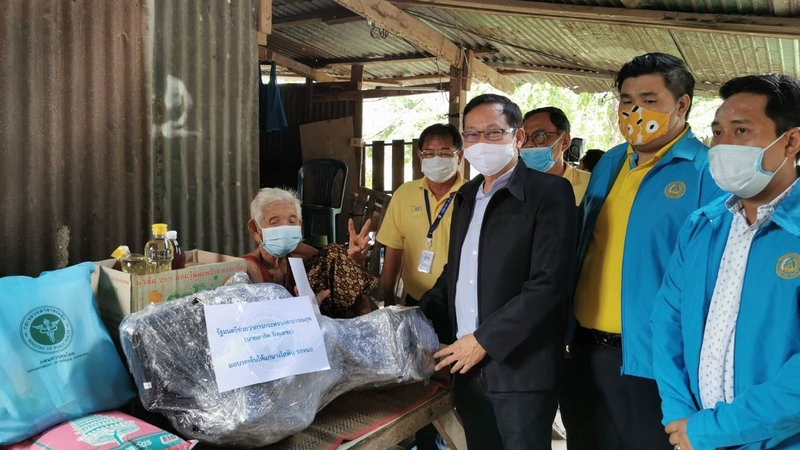
Many people, including government officials, showed up at the home of 100-year-old Sopin Rothom on Wednesday (July 22) in Chonburi’s Bang Lamung district to offer her words of encouragement as well as some basic necessities.
Sopin’s story caught public attention when the press reported that she was surviving on the Bt1,000 she got every month from the government as an allowance for the elderly. Her utility bills cost Bt200, leaving her with just Bt800 to get by on. The report also said that Sopin lives alone in a small wood and galvanised-steel house that was made for her 10 years ago.
“After hearing about her case, Deputy Health Minister Satit Pitutecha sent officials to hand out essential goods such as food, a wheelchair and cash,” an official was quoted as saying.
“Medical personnel from Bang Lamung Hospital also came to examine her, while officials from Nongpalai Municipality helped improve the facilities in her house.”
Sopin’s neighbours have reportedly said that the centenarian was delighted that people showed up to take care of her.
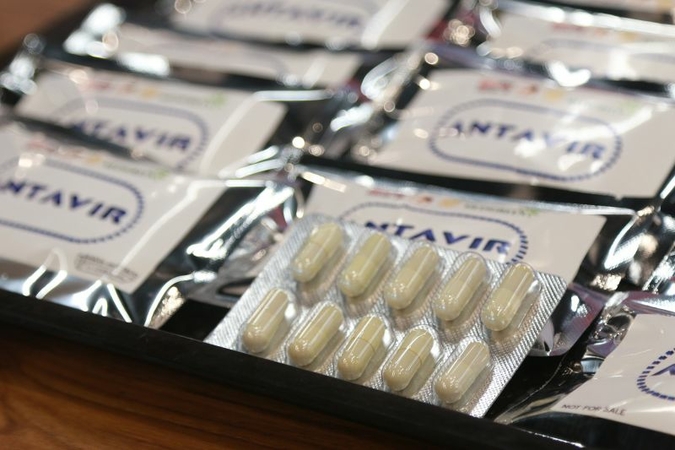
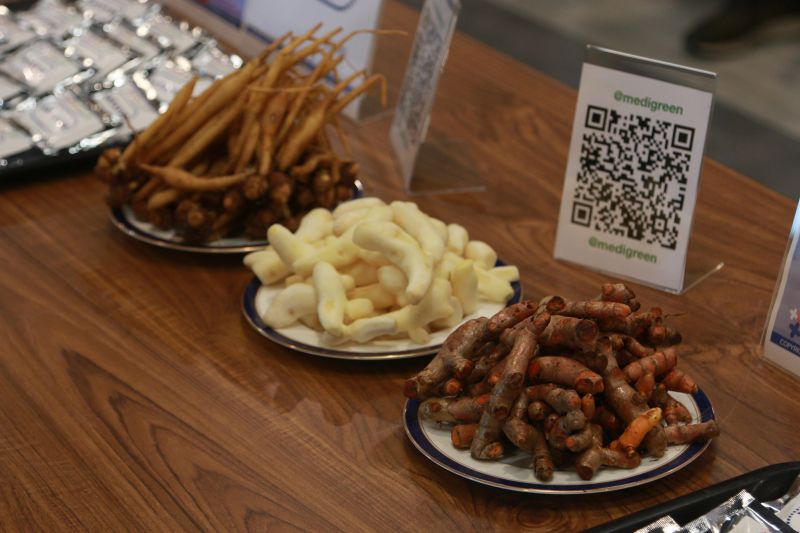
The Faculty of Medicine at King Mongkut’s Institute of Technology Ladkrabang (KMITL), along with Medicare Co Ltd, has launched “Antavir”, a herbal composition that is believed to help boost the body’s ability to fight infections like Covid-19.
The herbal medication is believed to help improve immunity and is also said to be anti-inflammatory, an inhibitor of cytokine storm and is said to reduce growth of different viruses, which may prove to be helpful as Covid-19 continues spreading.
Dr Anawat Sermswan, a cardiac specialist and dean for research, said KMITL had joined hands with the private sector to conduct research on herbs and the resulting Antavir has been granted a patent for three years.
The project is backed by the National Research Council of Thailand, and KMITL had signed a memorandum of cooperation with the council in 2018.
Dr Anawat Sermswan
Antavir has been developed in the form of soft gel capsules to boost the absorption of active ingredients as well as increase the stability of key substances. The medication has been developed using modern extraction methods and substance wrapping technology.
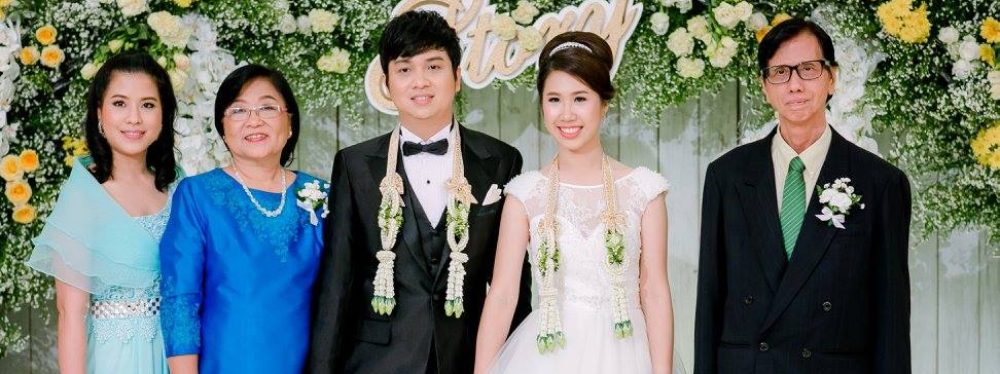

 File Photo: Chalermchai Sreeon, left, and Mananya Thaiset, right
 Prajon Pratsakul
 File Photo
 Supant Mongkolsuthree, FTI chairman
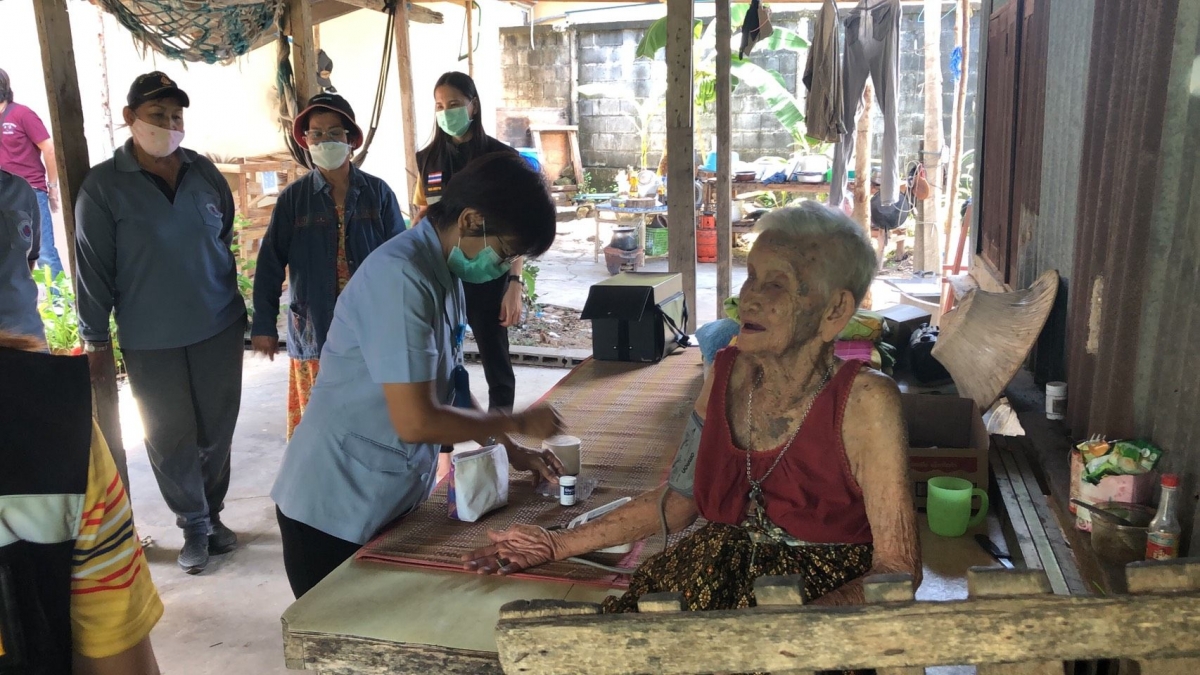 Sopin’s story caught public attention when the press reported that she was surviving on the Bt1,000 she got every month from the government as an allowance for the elderly. Her utility bills cost Bt200, leaving her with just Bt800 to get by on. The report also said that Sopin lives alone in a small wood and galvanised-steel house that was made for her 10 years ago.
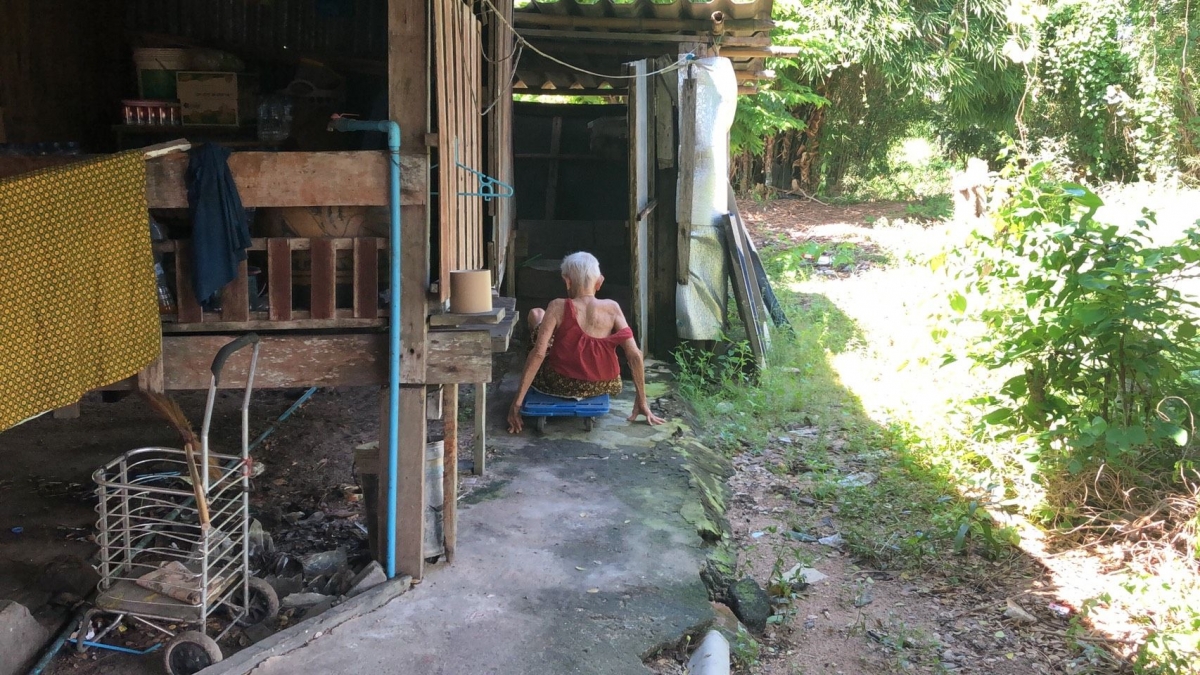 “After hearing about her case, Deputy Health Minister Satit Pitutecha sent officials to hand out essential goods such as food, a wheelchair and cash,” an official was quoted as saying.