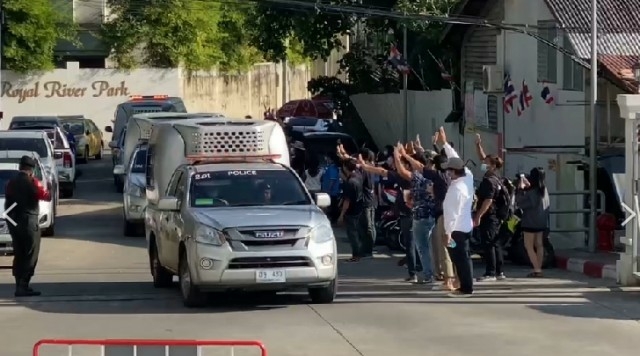
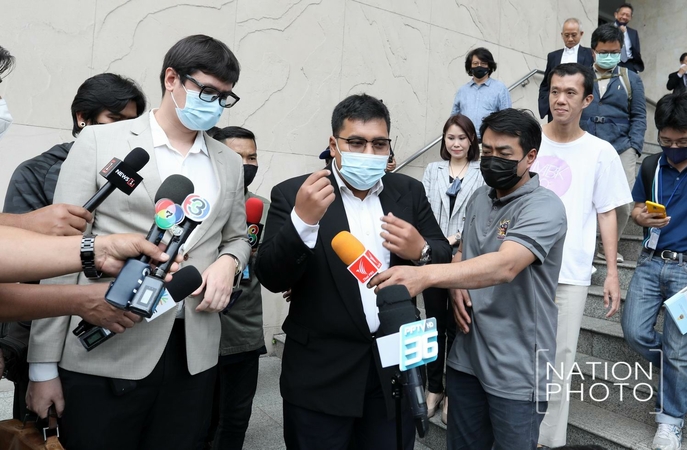
Police on Saturday brought the arrested We Volunteer (Wevo) members from the Border Patrol Police Region 1 headquarters in Pathum Thani province to Dusit Kwaeng Court in Bangkok.
On Thursday the pro-democracy group, Wevo, had collaborated with prawn traders to sell their products amid the new Covid-19 outbreak in Thailand, which started from a seafood market in Samut Sakhon province.
According to witnesses, police confronted the Wevo members and said they were violating the ban on unauthorised public gatherings at Sanam Luang, where selling of products is also prohibited.
Wevo leader Piyarat Chongthep and other members were arrested by police for alleged violation of laws. They were taken to Pathum Thani province for questioning.
The activists were charged with violating the emergency decree, the Communicable Disease Act, and the Controlling Public Advertisement by Sound Amplifier Act.
Pro-democracy protesters who call themselves “Ratsadon” on Thursday evening slammed the arrest of members of We Volunteer (Wevo) network on Thursday.
Twelve Wevo members were reportedly arrested at Sanam Luang, including Wevo founder Piyarat “Toto” Chongthep, after the group tried to sell over five tonnes of fresh prawn there in a bid to help seafood farmers who have been affected by the recent Covid-19 outbreak in Samut Sakhon province. Four other members of Wevo were reportedly arrested at the October 14 Memorial, not far from Sanam Luang.
The arrested people were reportedly taken to Border Patrol Police Region 1 Headquarters in Pathum Thani province for questioning.
In a statement issued via the Facebook page of United Front of Thammasat and Demonstration, Ratsadon said:
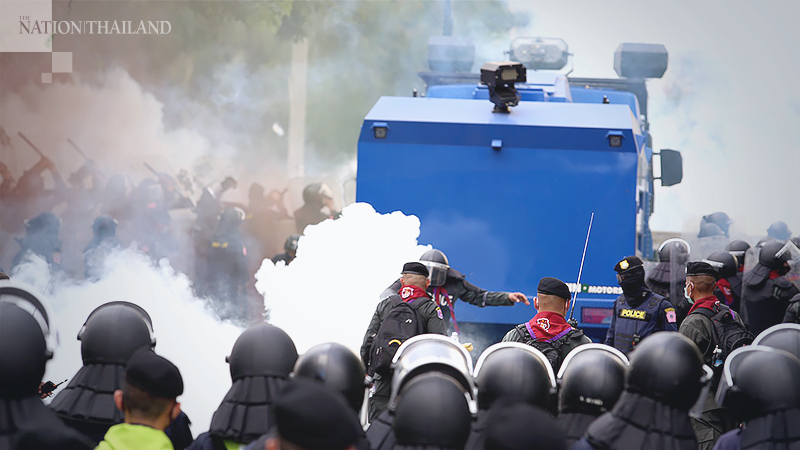
“Police officers used excessive force during the arrest of Wevo members, which also included some adolescents, such as dragging and carrying them, as well as deploying tear gas.
“The authorities completely ignored the fact that the activity at Sanam Luang was in no way against the law.
“We condemn the actions of police officers and the dictatorial-feudal government which is behind the arrests. And we demand immediate release of the arrested members.
“Furthermore, we urge the government to do their job by rolling out measures to help seafood farmers and merchants who have been affected by the outbreak,” added the group.
PoliticsDec 31. 2020Panusaya “Rung” Sithijirawattanakul attempts to lead protesters camped at Sanam Luang to the Palace Office nearby, to petition for monarchy reform, on the morning of September 20.
By The Nation
Thailand witnessed its first youth-led uprising against establishment elites for more than a generation in 2020.
Police fire water cannon laced with tear gas solution at protesters gathered at Siam Square in Bangkok’s downtown business district on October 16.
It began when the Constitutional Court handed down a controversial ruling to disband the Future Forward Party in February.
The political situation had been relatively calm since the military coup in 2014. But early this year, the tide turned against the military-backed government and key institutions that were deemed to be siding with dictatorship.
Pro-democracy demonstrators throng Kasetsart Intersection in Bangkok on October 19.
Future Forward had commanded 81 seats in Parliament after monopolising the youth vote to come third in last year’s election.
When it was banned, flash mobs sprang up in universities and schools as the younger generation rebelled against those in power.
The pro-democracy protesters took a break during the Covid-19 lockdown, before returning to the streets in July. The protests snowballed, gathering support from wider society as more and more Thais vented frustration at what they perceived as extended junta rule.
The turning point was a rally at Democracy Monument in early August, when human rights lawyer Anon Nampa, 36, called for reform of the monarchy. His action shattered a long-held taboo against public debate of the royal institution, which is guarded by a lese majeste law that carries a penalty of up to 15 years in jail.
Later the same month, Thammasat University student Panusaya “Rung” Sithijirawattanakul, 22, stepped onto a protest stage and issued a 10-point manifesto for monarchy reform aimed at making the institution more transparent and accountable to the people.
The pro-democracy protesters took the name Khana Ratsadon, (People’s Movement) and made three demands: PM Prayut Chan-o-cha must step down, the junta-drafted Constitution must be rewritten, and the monarchy must be reformed.
Protesters clash with police who used water cannon and tear gas to disperse them during a rally for charter change outside Parliament on November 17.
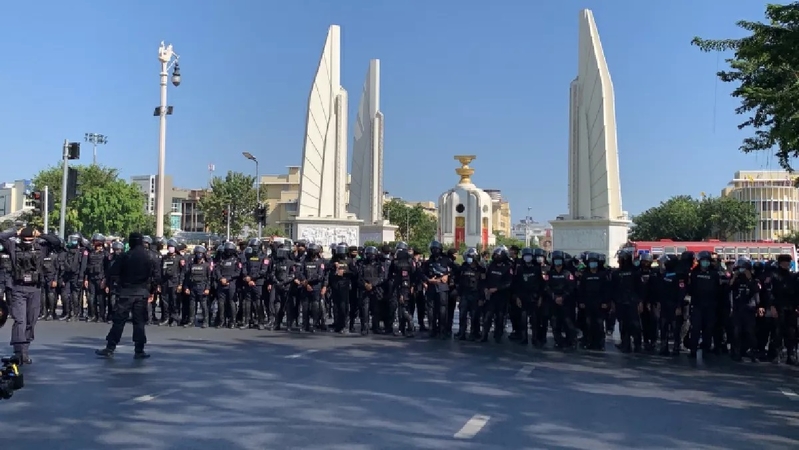
The government responded with water cannon, teargas and serious legal charges against demonstrators. On October 14, protesters marched to Government House and camped there overnight to mark the anniversary of the 1973 uprising that ousted a military dictatorship. Early the following morning, the government imposed a severe state of emergency in Bangkok and arrested protest leaders.
On October 26, Khana Ratsadon took their protest to the international stage, marching to the German Embassy in Bangkok to ask its government to investigate whether His Majesty the King was ruling Thailand from German soil. (The German foreign ministry said later that no evidence was found to support the allegation.)
In November, with no sign of an end to pre-democracy protests, PM Prayut announced that “all laws” would be deployed against protesters. Police promptly resumed enforcing the lese majeste law (Section 112) against protesters after a two-year hiatus. Some 37 protesters, including a 16-year-old, have now been summoned to hear lese majeste charges, according to Thai Lawyers for Human Rights. The move drew condemnation from the United Nations High Commission for Human Rights, which called for all charges to be dropped against the peaceful protesters and urged the Thai government to amend Section 112. Protesters took a break from street rallies, but their push to abolish Section 112 saw campaign posters mushroom across Bangkok. They also reminded people of suspected enforced disappearances of Thai political activists since the 2014 coup, by hanging mock corpses at public venues.
Protest leaders vowed to keep up the pressure on the government and elites next year, announcing they would intensify their political activities in 2021.
Two months after severe emergency restrictions on peaceful protest were lifted, Amnesty International said it remains deeply concerned that Thai authorities are continuing to intensify their crackdown on peaceful protesters and those expressing support for them across the country.
Following Prime Minister Prayut Chan-O-Cha’s vow in late November to “enforce all laws” against protesters, officials have initiated numerous new cases against protest leaders, musicians, and activists in relation to the peaceful protests, said the rights group.
An estimated 220 individuals, including children, are facing criminal proceedings stemming from the protests. At least 149 of them are being charged for alleged violations of the restrictions on public assembly under the Emergency Decree, while 53 are facing charges of sedition, said Amnesty. It adds 37 individuals are now facing charges of lèse majesté under Article 112 of the Penal Code which carries up to 15 years of imprisonment, in “an alarming renewal of [the] use of the law”.
Amnesty said it is concerned that authorities are responding to ongoing protests in a way that has led not only to arbitrary detention and jail sentences but also to lengthy time- and resource-consuming criminal proceedings for anyone targeted.
“These have not only a punitive impact on individuals affected, but also a corrosive and chilling effect on the enjoyment of rights for society as a whole,” it said.
The rights group renewed its calls for the government to uphold Thailand’s international human rights obligations with respect to the rights to freedom of peaceful assembly and freedom of expression.
“No one should be harassed or face reprisals because of his or her presence or affiliation with a peaceful assembly,” said Amnesty.
It urged authorities to drop all charges against all peaceful protesters and those expressing support for them.
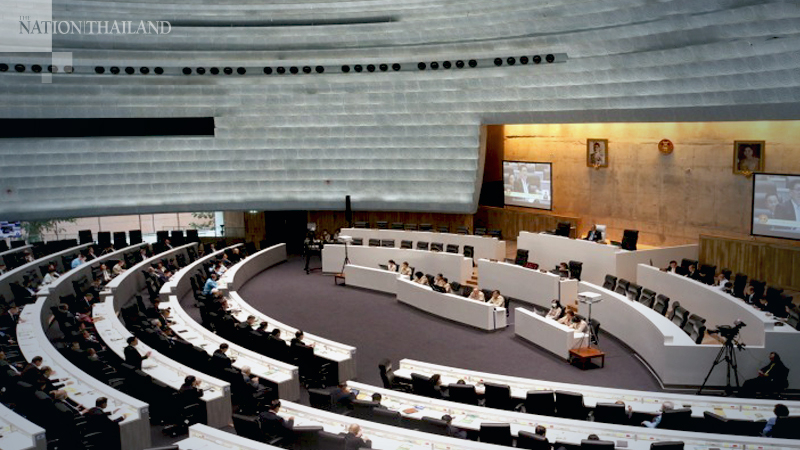
A group of reporters who cover parliamentary news dubbed the Senate, which has 250 senators appointed by the junta, as “parasite” in their year-end ritual of mocking politicians.
“Parasite” senators suck the country’s resources and make no contribution to the country, they said.
The reporters blamed the Senate for using delaying tactics to stall the much-needed amendment of the Constitution, despite being pushed hard by pro-democracy protesters and MPs of opposition parties.
The House of Representatives was dubbed “termites trapped in the mud”, meaning that each termite operated for his or her own benefits and survival, without caring for the people’s interest. Members of Parliament were blamed for not giving priority to House meetings and this undermined democracy, according to the reporters.
House Speaker Chuan Leekpai was mocked as a “principal with a broken cane”, alluding to his inability to make Parliament meetings effective, comparing him with a school principal who fails to bring order to the classroom.
But not everyone was mocked. The reporters picked chief of opposition whip and Pheu Thai Party MP Suthin Khlangsaeng as “star of Parliament”. Suthin’s performance outshone that of opposition leader Sompong Amornwiwat, leader of Pheu Thai Party, they said.
The reporters chose the proposed Constitution amendment as the “event of the year”, as it was the first time a draft of the constitution amendment proposed by the people had landed in Parliament, though it was eventually voted down in November. Pro-democracy protesters also demonstrated outside Parliament in November, leading to violent clashes as police used water canon and tear gas against the youth-led protesters. The government also mobilised ultra-royalists to counter the youth-led protesters, leading to a violent clash between the two groups. The clashes left many people injured.
The reporters picked “it was flour”, as the quote of the year. They were referring to the infamous use of the word “flour” by Deputy Minister of Agriculture and Cooperatives Captain Thamanat Prompow, who had been jailed for smuggling heroin into Australia. Defending himself during a no-confidence debate in February, Thamanat had claimed that it was not heroin but flour.
The Criminal Court on Friday dismissed the charges filed against 39 anti-coup protesters who had held a rally at Pathumwan Skywalk in front of MBK Center in Bangkok’s Pathumwan district in January 2018, urging the then junta-backed government to hold general election.
The group later became known as “MBK39”, comprising key activists, such as Veera Somkwamkid, Rangsiman Rome, Sirawit Serithiwat, Nuttaa “Bow” Mahattana, Arnon Nampha, Ekachai Hongkangwan, Sukrit Piansuwan, Netiwit Chotiphatphaisal and Sombat Boongamanong.
They had been charged with sedition under Section 116 of the Criminal Code.
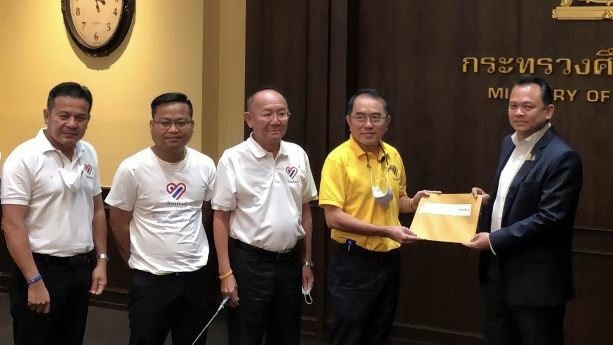
The ultraroyalist Thai Pakdee group submitted a letter to Education Minister Nataphol Teepsuwan on Wednesday, asking him to launch five measures to promote protection of national institutions.
The group’s leader, Warong Dechgitvigrom, said the move aimed to prevent politicians and activist networks from using teachers and students as tools to encroach on the “three pillars” of nation, religion and the monarchy.
The proposals follow months of anti-establishment protests by school and university students, who are calling for the removal of PM Prayut Chan-o-cha, a democratic Constitution and reform of the monarchy. Critics allege the student protests are being funded by politicians, but there is no credible evidence for this.
Thai Pakdee proposed the following five measures:
▪︎ Educational executives should protect their places of learning and should not allow politicians or activist networks to use them to encroach on the institutions.
▪︎ Teachers and related staff should protect the institutions and not support those who seek to undermine them.
▪︎ The Education Ministry should improve the curriculum to promote pride in being Thai.
▪︎ The ministry should organise activities to create awareness of the importance of national institutions among teachers, students and related staff in places of learning.
▪︎ Educational institute executives must take responsibility for any activities held under their jurisdiction that encroach on national institutions.
Nataphol said the ministry would consider Thai Pakdee’s proposals, and confirmed he planned to improve learning programmes to raise awareness of pride in being Thai.
“As long as I am education minister, the identity of Thailand will not disappear,” he said.
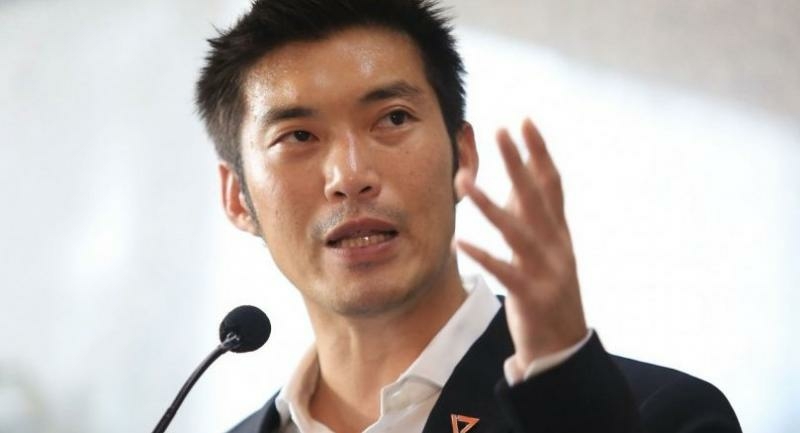
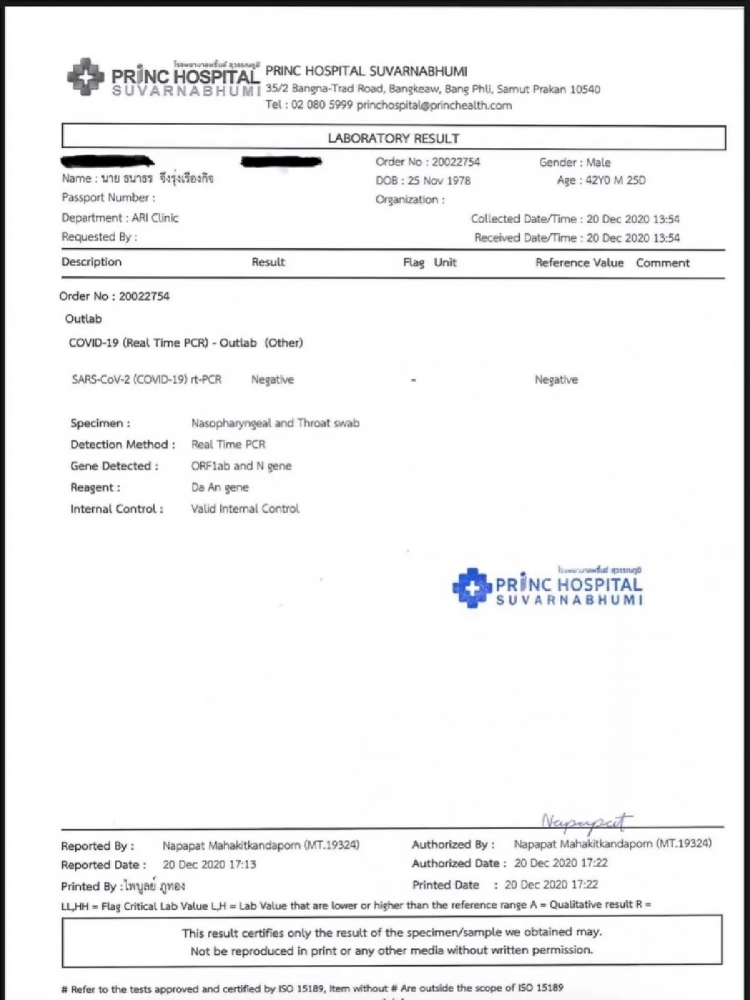
Progressive Movement co-founder Thanathorn Juangroongruangkit posted on his Facebook page on Monday that he and members of his campaign team who had visited Samut Sakhon province during the week before election on Sunday had been tested for Covid-19 immediately after news of mass infection was found in the province.
On Sunday, local elections were held for provincial administration organisation (PAO) chiefs and provincial council members.
“I have tested negative for Covid-19 as per the test result that I have attached,” he said. “However, my team and I who visited Samut Sakhon will remain in self-quarantine for 14 days, starting from today, to make sure that we do not contract the virus.
“I decided to inform the public for everyone’s peace of mind, and wish that we will all pass this new wave of outbreak together,” he added.
Fifty-five Progressive Movement members won seats to provincial councils in 18 provinces in Sunday’s election, but failed to claim a single seat for PAO chief.
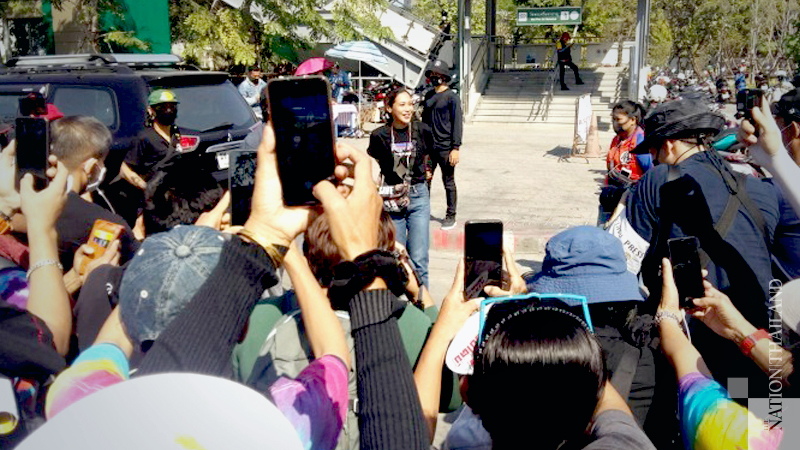
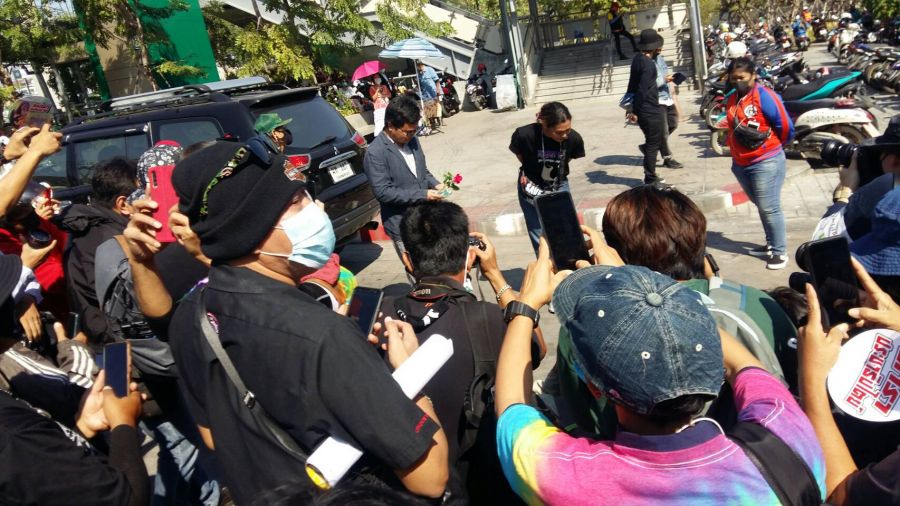
A crowd of about 300 pro-democracy demonstrators gathered outside Bangkok’s Bang Khen Police Station on Monday to support actress Intira “Sai” Charoenpura, Arnon Nampa, Parit “Penguin” Chiwarak and others as they turned up to hear lese-majeste charges.
The demonstrators gathered in response to a United Front of Thammasat and Demonstration Facebook post on Sunday calling for a protest at the police station.
Intira was charged along with seven protesters, including Arnon and Parit – all for their roles in the demonstration outside Bangkok’s 11th Infantry Regiment base on November 29.
Parit stepped onto a makeshift stage outside the police station to give a speech in protest against the government and military.
Performers from the B-floor Theatre group and Khon Kaen University’s students on Friday showcased a performance art with a political message, highlighting the controversial issue of forced disappearances.
The performance was staged at Dao Din House in Khon Kaen province, as part of the art festival “Khon Kaen Manifesto”, organised by the artist Thanom Chapakdee.
According to Thanom’s post on Facebook on Saturday, the performance took around one hour, from 7pm to 8pm.
Regarding the issue of “forced disappearances”, observers said that at least nine Thai political dissidents had disappeared since the coup in 2014.


 Panusaya “Rung” Sithijirawattanakul attempts to lead protesters camped at Sanam Luang to the Palace Office nearby, to petition for monarchy reform, on the morning of September 20.



 Parit stepped onto a makeshift stage outside the police station to give a speech in protest against the government and military.
 Photo credit: Thanom Chapakdee’s Facebook
  SootinClaimon.Com