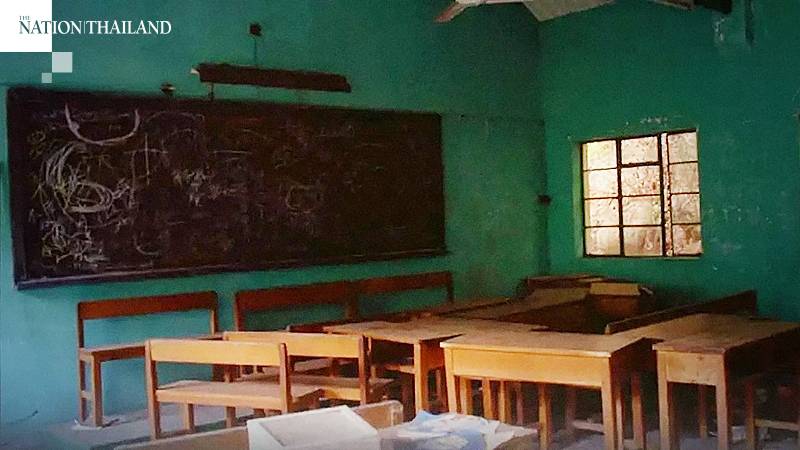
As many as 274 schools in Rayong have had to close because their teachers visited venues where they may have been at risk of contracting Covid-19, while the Education Ministry said it will restart online classes.
The 274 institutions that are having to close include 11 vocational colleges, 223 public schools, 32 private schools and eight informal educational institutes.
Meanwhile, Bangkok’s Samsenwittayalai School will close on Wednesday because one of its students had visited the hotel in Rayong where the Egyptian soldier who tested positive for Covid-19 had been staying. The student, meanwhile, is required to go into self-quarantine for 14 days.
The Sainampeung School in Bangkok’s Khlong Toei district will also be closed from July 15 to 17 because the director is worried about a second wave of infections caused by an “emergency situation” announced by the Education Ministry. It is believed he may be referring to the case of a nine-year-old Sudanese girl who tested positive for Covid-19 and stayed in a condominium near the school.
Education Minister Nataphol Teepsuwan said that nearly every school in Rayong has been closed, though preparations have been made for online classes in case there is a second-wave of Covid-19 infections.
He said classrooms may be entirely done away with if there’s a second-wave of infections as the ministry is prepared to conduct online lessons so students are able to complete their semester.
Prime Minister Prayut Chan-o-cha today came out to apologise over the case of a visiting Egyptian soldier who was allowed to roam Rayong city before being found to be infected with Covid-19 virus.
He added that as the head of the Centre for Covid-19 Situation Administration, he regretted the incident and took full responsibility.
The 43-year-old Egyptian soldierlanded at Rayong’s U-Tapao Airport last Wednesday along with a delegation of 30 who were on their way to China on unexplained military business. They were not confined to their Rayong hotel and visited a shopping mall. On Sunday, the soldier’s Covid-19 test came back positive.
Prayuth admitted the case should never have happened, and said he had instructed the CCSA toreviewall relaxed measures, and ensure tight rules apply for all incoming and departing flights.
Prayut also asked Thais to remain confident in the country’s public health system.
He added that the incident will not lead to a return of Thailand’s full lockdown but would boost efforts to plug loopholes in disease control.
By The Washington Post · Ellen Nakashima, William Booth
Britain will bar new deployments of Huawei equipment in its fledgling high-speed 5G network, the government said on Tuesday, in what is a major blow to the Chinese technology giant and a significant win for the Trump administration, which has been pressing allies to shun the firm.
The British decision to unplug from Huawei, announced in the House of Commons by the government’s digital and media minister Oliver Dowden, will take full effect in January – and it will delay Britain’s rollout of 5G service by two to three years and cost billions of dollars.
The British announcement is a major moment in the movement away from China in the global 5G competition, especially among advanced democracies increasingly concerned that the company’s ties to the Communist government create an unacceptable security risks.
In addition to intense pressure from Washington, the Chinese crackdown in Hong Kong and Beijing’s lack of transparency on the origins of the coronavirus have added to concerns in Western capitals about using Chinese technology, officials and analysts said.
Britain said it will phase out over the next seven years the small amount of Huawei 5G equipment installed in recent months. For slower 3G and 4G mobile phone systems, the British government said providers should remove and replace most of the older Huawei gear over the next few years.
The United States has effectively banned Huawei and other Chinese companies from its nascent 5G platforms – wireless telecommunications networks seen as the key to revolutionary advances in the way we live, work and play. For much of the past two years, the Trump administration has sought, often seemingly in vain, to persuade allies to follow suit. In May, the Trump administration imposed an export control that cut Huawei off from a key source of semiconductors made with U.S. technology, leading British officials to doubt they could count on the security of Huawei’s equipment.
Now, with Britain joining the anti-Huawei fold, all “Five Eye” members of the world’s most powerful intelligence-sharing alliance – Britain, the United States, Canada, Australia and New Zealand – or wireless carriers in their countries, have effectively excluded or are moving to exclude Chinese firms from their 5G networks.
Huawei’s reversal of fortune in Britain will have major implications for other countries that have not made final decisions on their 5G approach, especially Germany, Europe’s largest telecom market.
In March, the Danish telecom TDC snubbed Huawei in awarding its 5G contract to European vendors. In June, the four largest telecom providers in Canada and Singapore did the same. And last week,Reuters reportedthat TIM, one of the largest wireless companies in Italy, has excluded Huawei from bidding on its 5G core networks.
Over the past year, five European countries, including Poland, Estonia and the Czech Republic, have signed agreements with the United States ensuring that 5G suppliers would not be subject to control by a foreign government without independent judicial review – a standard that effectively excludes Chinese firms.
“The writing’s on the wall in Europe,” said Paul Triolo, who heads the Eurasia Group’s global technology policy practice. “There’s no way that Huawei will remain a big supplier there.”
Huawei’s global vice president, Victor Zhang, last week warned that abandoning Huawei would hurt British Prime Minister Boris Johnson’s promise to “level up” the whole of Britain by providing faster Internet and WiFi across the whole country. “This is a once-in-a-lifetime opportunity for the U.K. to be a leader in 5G,” Zhang said.
Though 27 European governments have agreed to a common approach to mitigate 5G security risks, each state may implement it in its own way. Some, like Italy, France, and the Netherlands, have passed laws that enable the government to veto a carrier’s choice of a 5G provider. Others, like Belgium, ban “high risk” vendors such Huawei and ZTE, another Chinese firm, in the core network, and cap their presence at 35% in the periphery. Still others, such as Spain and Portugal, have yet to decide.
“The direction of travel in the biggest countries is toward a substantial reduction in Huawei’s market share, and a gradual phasing out of the company over time,” said Noah Barkin, an expert on Europe-China relations at Rhodium Group, a New York-based independent research organization.
Other major economies have taken steps over the past year to fence off their 5G systems from Chinese firms. In Japan and South Korea, government rules effectively exclude them. In Israel, Chinese companies have been absent from 3G and 4G platforms and will be kept out of 5G as well.
In India, which has not yet built its 5G system, the government last month barred two state-run firms from using Chinese gear. The order came in the wake of security clashes on India’s disputed border with China in which 20 Indian soldiers were killed.
Huawei and ZTE are far from vanquished. Two of Europe’s largest carriers, Deutsche Telekom and Vodafone, make extensive use of Huawei equipment and are resistant to switching suppliers. Huawei and ZTE comprise 85 to 90% of the 5G market in China, which accounts for about half the global market. And they are making a concerted push to win business in Latin America and Africa.
The Chinese ambassador to Britain, Liu Xiaoming, last week warned London that excluding Huawei from 5G will “send out the very wrong message.” He stressed the growth in Chinese investment in the U.K. “If you want to make China a hostile country,” he said, “you have to bear the consequences.”
Some of China’s recent actions have soured European countries on Huawei.
“The coronavirus crisis and China’s very aggressive approach to shaping the narrative and capitalizing on global distraction have added to the concerns about China in Europe,” said Janka Oertel, Berlin-based director of the Asia Program at the European Council on Foreign Relations.
The European Union, she noted, recently accused China of a concerted effort to spread disinformation about the coronavirus pandemic. In Europe “the Chinese could have scored a big win,” Oertel said. “But their actions backfired.”
The U.S. pressure campaign, which began in 2018, initially was not very effective in Western Europe. Officials perceived it as part of the U.S. trade dispute with China and bristled at what they saw as heavy-handed tactics, including threats to curb intelligence-sharing if allies did not bar Huawei.
“The Trump administration polluted the debate in Europe,” Barkin said. “Instead of a question of, ‘Is it in our national interests to exclude Huawei?’ it became, ‘Are we going to follow the orders of the Trump administration?’ And a lot of people didn’t want to do that.”
For a long time, European officials wanted a “smoking gun” proving Huawei was a security threat, and intelligence shared by the United States was not convincing, European officials said.
Over time, Trump administration officials moderated their rhetoric, underscoring not only the risks of surveillance but also the threat of network disruption. Officials began to refer to the Chinese Communist Party, not just the Chinese government, as a malign actor that through a new national intelligence law could compel any Chinese firm to conduct surveillance on its behalf. And they stressed their arguments had nothing to do with trade.
“We really pivoted that discussion over time,” said Robert Strayer, deputy assistant secretary of state for cyber policy. “If you fully understand the Chinese Communist Party’s intent in the way the system works in China, there’s not autonomy for those companies. You just need to understand the characteristics of modern technology, updated instantaneously with a software patch that has the vulnerability or the disruption coded into it – and you can’t inspect your way out of the problem.”
Last year, the Trump administration placed Huawei on a blacklist that banned the export of U.S. technology to Huawei without Commerce Department permission. But significantly, Huawei still was able to purchase a vast quantity of semiconductors made outside the United States with U.S. software and equipment.
So in May, Commerce tightened the export ban, blocking overseas shipments to Huawei of foreign-made semiconductors made with U.S. technology. The extension of the ban to Huawei-designed chips was key. It meant that Huawei’s main semiconductor factory, Taiwan-based TSMC, could no longer produce semiconductors for the firm.
This measure was “deliberately more targeted at Huawei’s future ability to source hardware, particularly chips and things that would more affect 5G,” said Ciaran Martin, who heads the National Cyber Security Center, an arm of the GCHQ spy agency. As a result, the NCSC revised its earlier assessment that the security threat by Huawei could be mitigated. That paved the way for Tuesday’s expected decision by the Johnson government.
The decision also was influenced by mounting pressure from lawmakers in Johnson’s own party, who threatened to deny him the votes to pass a bill allowing even a limited Huawei presence in the networks.
The 5G debate in Europe reflects a changed geopolitical reality, said Bob Seely, a conservative member of Parliament.
“The relationship between the U.K. and China, and the world and China, and the United States and China, is fundamentally changing,” he said. ‘The government is now realizing that the China they want is not the China they’re getting. “
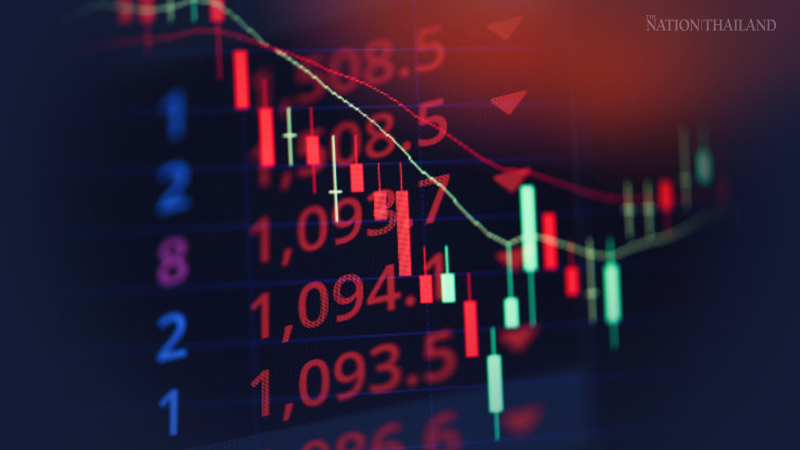
The Stock Exchange of Thailand (SET) Index fell 1.30 points or 0.1 per cent to close at 1,341.07 points today (July 14), with total transactions of Bt63.991 billion and an index high of 1,342.30 and a low of 1,326.65.
In the morning session, a stock analyst at Krungsri Securities said the index on Tuesday would continue to move in negative territory – between 1,330 and 1,335 points – as investors worried over a further round of possible lockdowns in the United States as well as a new wave of Covid-19 in Thailand.
In California, some venues have been ordered to close again after a surge in infections. Meanwhile, two cases of foreigners bringing the virus into Thailand in the past few days have sparked concern among investors of a possible second wave of infections in the next two or three weeks, the analyst said.
In addition, the analyst noted the crude oil price had fallen amid a rumour that the Opec+ grouping is considering increasing production tomorrow (July 15).
The 10 stocks with the highest trade value today were STGT, STA, CPF, EA, PTL, AOT, PTT, KBANK, CPALL, and BBL.
As of 5pm, the price of crude oil had dropped by US$0.27 or 0.67 per cent to $39.83per barrel, while gold fell by $15 or 0.83 per cent, to $1,799.10per ounce.
Asian indices all fell today:
Japan’s Nikkei Index closed at 22,587.01 points, down 97.73 points or 0.87 per cent.
China’s Shanghai SE Composite Index closed at 3,414.62 points, down 28.67 points or 0.83 per cent, while the Shenzhen SE Component Index closed at 13,996.46 points, down 152.68 points or 1.08 per cent.
Hong Kong’s Hang Seng Index closed at 25,477.89, down 294.23 points, or 1.14 per cent.
South Korea’s KOSPI Index closed at 2,183.61, down 2.45 points or 0.11 per cent.
Taiwan’s TAIEX Index closed at 12,209.01, down 2.55 points or 0.021 per cent.
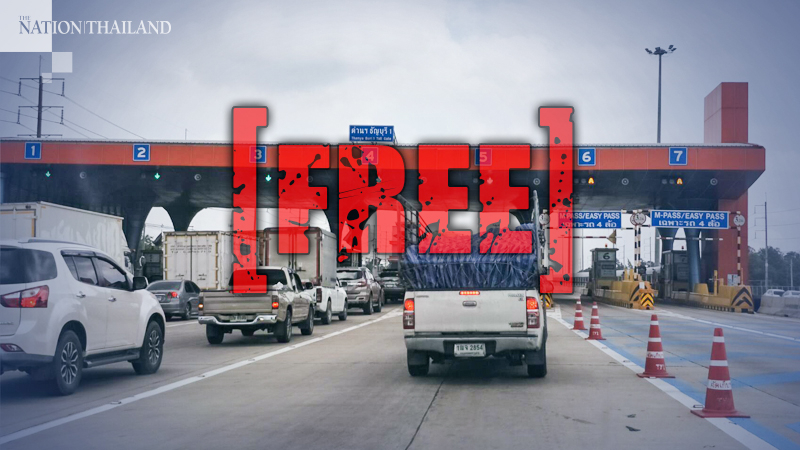
The Cabinet has decided to waive toll fees at two expressways from just after midnight on July 24 to 11.59pm on July 29, government spokesperson Narumon Pinyosinwat said on Tuesday (July 14).
Toll fees will not be collected on Motorway No 7 that runs from Bangkok to Chonburi and Highway No 9 that runs from Bang Pa-in to Bang Phli and from Phra Pradaeng.
The Cabinet decided that July 27 will be made a public holiday as substitution for Songkran, which added to His Majesty’s birthday on July 28 allows for a four-day-long weekend.
Jul 14. 2020Pirkka Tapiola, EU ambassador to Thailand
By The Nation
The European Union today launched two projects under the Bt90-million “EU Covid-19 Response and Recovery in Thailand” programme.
The two-year programme aims to boost the capacity and participation of Thai civil society organisations (CSOs) in mitigating the health, social and economic impact of the pandemic on the most vulnerable Thais.
The programme has three key components: immediate relief for households impacted by the outbreak; sustainable social and economic recovery by boosting livelihoods of affected communities; and building communities’ resilience to withstand future challenges.
“The Covid-19 pandemic will have profound consequences in the short, medium and long terms. These range from immediate health and humanitarian challenges to more profound structural socio-economic change, which cannot yet even be fully understood”, said Pirkka Tapiola, EU ambassador to Thailand. “It is clear that concerted efforts to deal with the fallout of the pandemic will be needed by all actors. As a long-standing development partner of the Kingdom of Thailand, the European Union is committed to supporting our CSO partners in their efforts to mitigate the consequences of the Covid-19 crisis, to ensure that no one is left behind.”
The programme’s nationwide project will be led by ActionAid Thailand in collaboration with the Chumchon Thai Foundation, the Foundation for Labour and Employment Promotion (HOMENET) and the BioThai Foundation. The intervention will cover almost 40 provinces and work with affected sectors including migrant and informal workers, marginalised populations and children.
Save the Children has joined with the Prince of Songkla University and alumni volunteers to spearhead the programme in the three southern border provinces, plus four districts in Songkhla. The project will work with most vulnerable households, youth groups and migrant returnees, with a focus on women.
“A lot of the poorest and most vulnerable families in Thailand are at risk and still struggling to get back on their feet,” added Prasert Tepanart, Save the Children’s National Director in Thailand. “We must ensure that these communities become resilient and that individuals are prepared and self-sufficient to withstand, mitigate and prevent the impact of future health, economic and social crises.”
Thai social media on Tuesday (July 14) was filled with messages slamming the Centre for Covid-19 Situation Administration (CCSA), the Army and the government for allowing Covid-19 patients to enter the country just because they are privileged.
More than 30 Egyptian Air Force members were allowed to enter Thailand on July 8 for three nights, and one of them tested positive on Monday.
The incident sparked anger as the infected man was allowed to leave his hotel and visit public venues in Rayong province.
The Royal Thai Air Force reportedly allowed the Egyptian Air Force personnel to enter Thailand due to military ties between the two countries.
Netizens also slammed the authorities for allowing diplomats’ families to self-isolate at embassies or in their residences instead of insisting they be quarantined in state-run facilities.
Several people also attacked the authorities for being careless and prioritising the convenience of privileged people ahead of the safety of Thai citizens.
Meanwhile, Phumtham Wechayachai, adviser to the opposition leader, said the government should not punish the country’s people with its inefficiency, adding that the confusing statements from state organisations over the last few days only proves how unprofessional they are.
He also said that the government should not use this incident to generate fear and extend the state of emergency.
Separately, Palang Pracharath Party MP Sira Jenjaka said the efforts of public health officials and the people should not be wasted.
“If the government measures are not effective enough and they put foreigners before Thais, then we will have to start working on resolving Covid-19 issues all over again,” he said.
The 9-year-old daughter of the Sudanese ambassador who tested positive for Covid-19 after arriving in Thailand on Thursday (July 10) was not taken shopping in Bangkok on the same day, as rumoured.
Taweesin Visanuyothin, spokesman of the government’s Centre for Covid-19 Situation Administration (CCSA), dismissed the rumour while announcing the full timeline of the girl, who was among 12 new cases reported on Saturday (July 11).
She and other family members travelled from Omdurman province in Sudan, where she lived in a house with her grandfather, grandmother, parents and three sisters. The girl and other family members had not left the house since March 12, with only her mother running errands. Nobody in the house had shown any symptoms during the period of self-isolation.
Sudan is currently suffering a serious outbreak of Covid-19, with more than 10,000 confirmed cases and 657 deaths as of yesterday.
On July 7, the mother and her four daughters visited a hospital for Covid-19 swab tests in preparation for their journey to Thailand.
On July 9, the family travelled to Khartoum Airport in a personal car driven by the grandfather. They boarded EgyptAir flight MS3277 along with 245 Thai citizens. The plane refuelled at Cairo Airport where no passengers disembarked.
The flight arrived in Bangkok at 5.40am the next day (July 10). The family received Covid-19 swab tests at Suvarnabhumi Airport then transferred to ONE X condominium in downtown Bangkok. At 9.25am, the daughter (wearing a mask), her younger sisters and mother (not wearing masks) use number 3 elevator to reach their apartment on the 19th floor. Soon after Suvarnabhumi medics informed the family that the 9-year-old daughter had tested positive for the virus. She was then taken to Phayathai Nawamin hospital by the embassy bus at 11.38am, accompanied by her father, the ambassador. She was found to be suffering from Covid-19-related pneumonia and transferred to Queen Sirikit National Institute of Child Health.
On July 10-11, the remaining family members self-isolated in their apartment and did not use any of the condo’s facilities. They transferred to the Sudan embassy’s guesthouse on July 12 at 4am.
ONE X condominium has a history of two other cases of Covid-19, confirmed back in March.
The CCSA said seven people were at high risk of infection after coming into close contact with the ambassador’s daughter. These are her three family members, a driver, an embassy official, and two airport bus drivers. Meanwhile 15 residents of the condominium who used the same elevator on the same day as the infected girl are also being monitored for infection.
The CCSA also debunked a rumour that the daughter had been taken shopping by Skytrain to Terminal 21 mall and other places in Bangkok. She had in fact gone straight to hospital, said Taweesin.
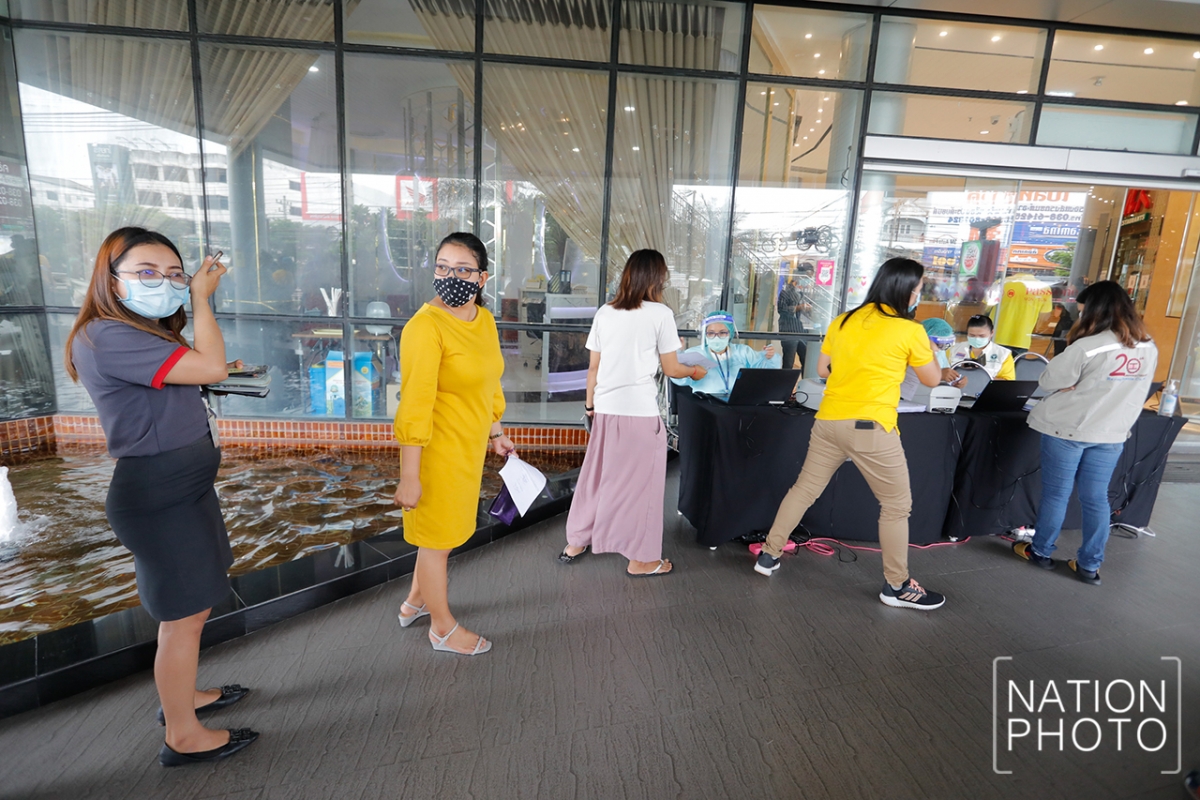
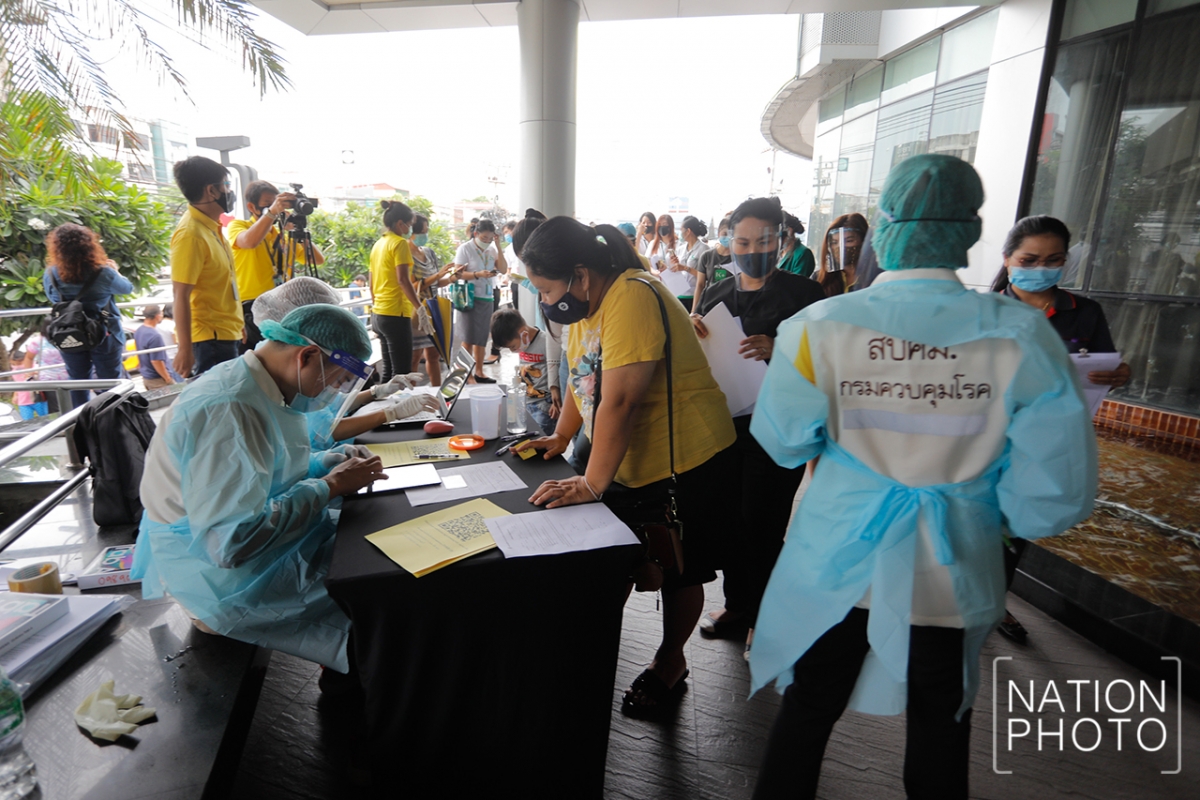
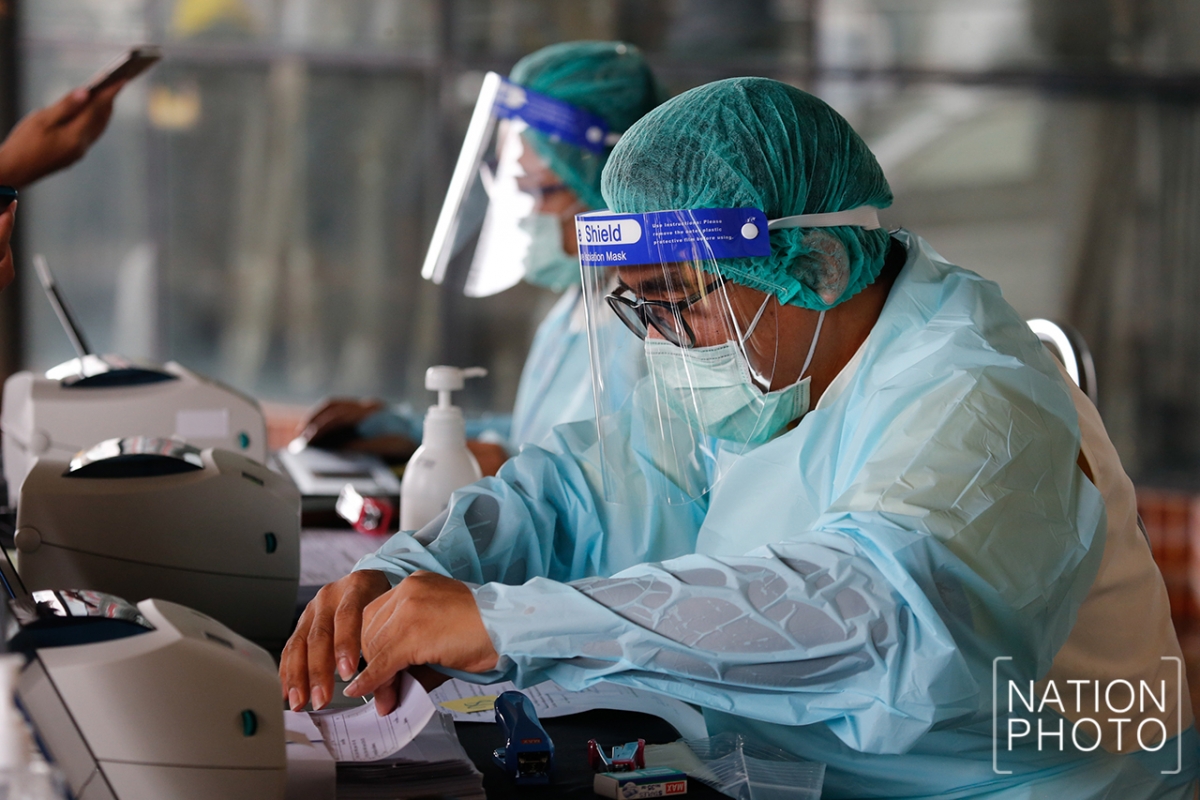
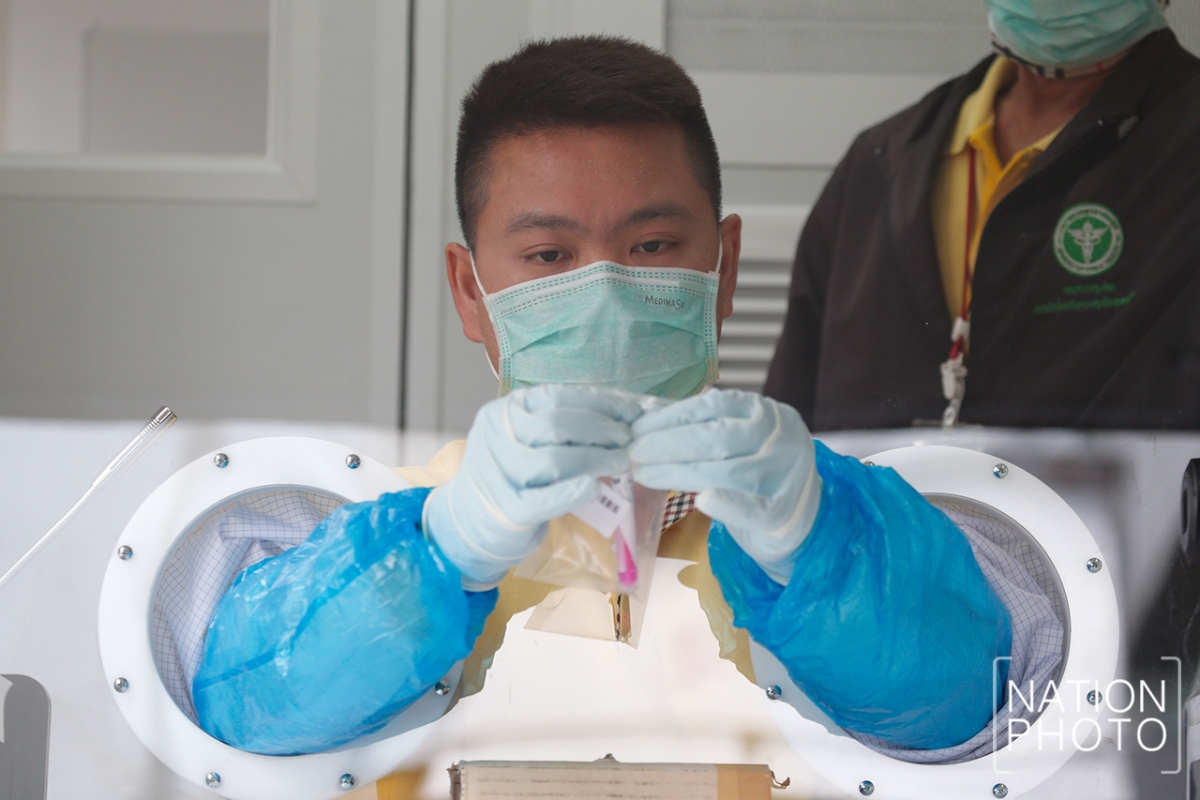
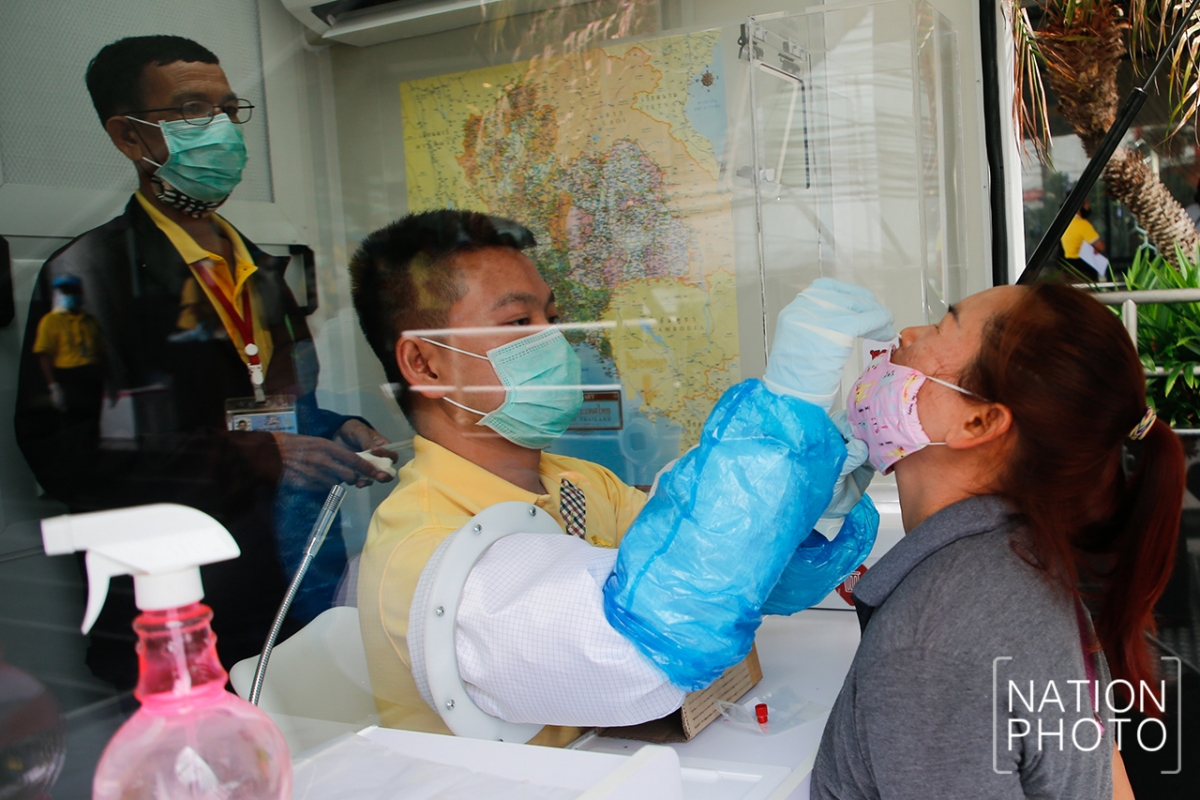
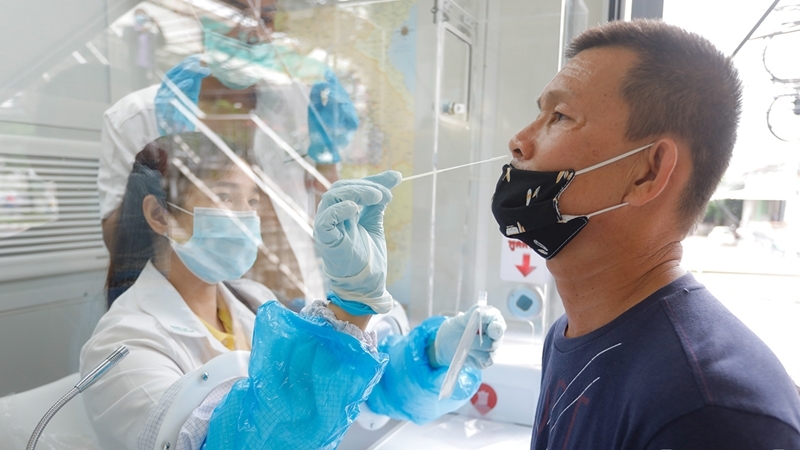
People who are at risk of contracting Covid-19 because they visited Rayong’s Passione shopping mall on July 10 undergo tests on Tuesday (July 14).
An officer of the Egyptian Air Force, who tested positive, arrived on July 8 and stayed for three nights in the province. He was reportedly allowed to leave the hotel and freely visit public venues.
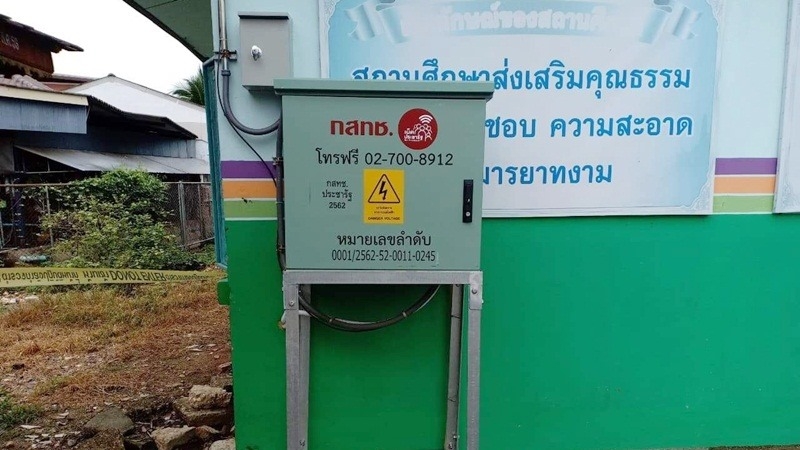
A young student at Lampang’s Chumchonbanmai School succumbed to injuries on Monday (July 13) after being electrocuted by a high-voltage Internet connection box that had been installed in the campus by government authorities.
Though police arrived as soon as they were notified of the accident, they were unable to save the eight-year-old boy.
His body was sent to Lampang Hospital for autopsy and doctors confirmed he had died from electrocution.
The boy’s parents are demanding that the school take responsibility for the incident and investigate the real reason behind their son’s death.

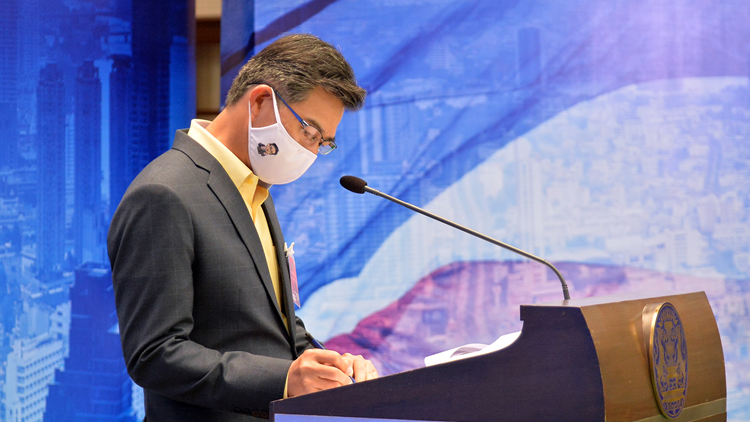
 Prime Minister Prayut Chan-o-cha

 Pirkka Tapiola, EU ambassador to Thailand
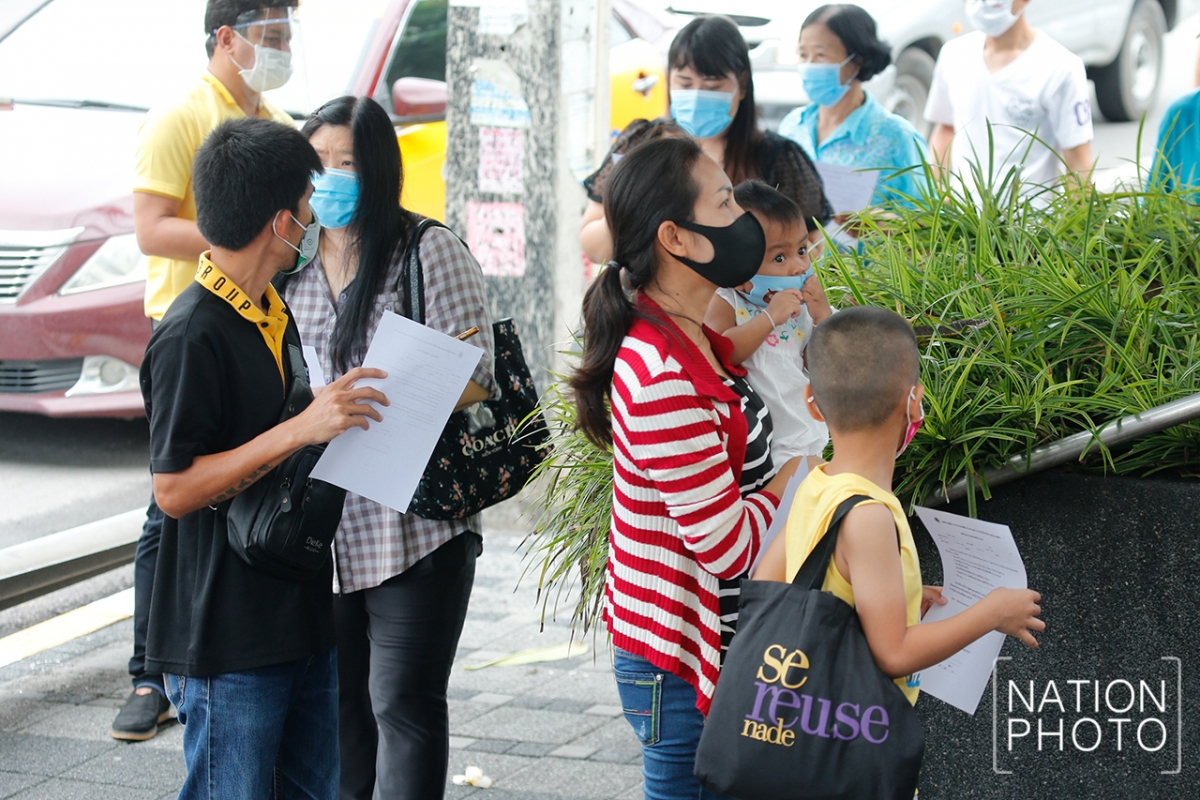 An officer of the Egyptian Air Force, who tested positive, arrived on July 8 and stayed for three nights in the province. He was reportedly allowed to leave the hotel and freely visit public venues.