Chulalongkorn University invents device to detect Covid-19 from sweat
A researcher at Chulalongkorn University is working on a portable sweat test for Covid detection.
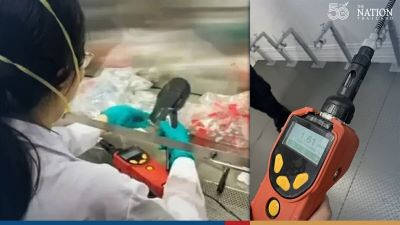
After the success of “Covid-19 sniffing dogs”, that uses dogs to sniff and screen for asymptomatic people infected with Covid-19, Assistant Professor Dr Chadin Kulsing from the Department of Chemistry, at the university’s Faculty of Science, revealed that he is working on the latest innovation.
A study of the sample found that people infected with Covid-19 had some chemicals that were very distinct and different from the others. He has developed a prototype tool for detecting odours that are likely to come from aromatic substances produced by certain bacteria in the sweat of the coronavirus patients. This is the first time that Covid-19 has been tested for these chemicals.
The examination uses a cotton swab, held in the patient’s armpit for about 15 minutes. The sweat-absorbent cotton swab is then placed in a glass. The glass vials are UV sterilised before they are measured by the instrument. At this stage, the operator takes the appropriate amount of the sample tube and pressurises it into the probe to verify the results.
Tests on 2,000 people found 95 per cent sensitivity and 98 per cent specificity. However, he suggested that If the odour detector shows positive, the examinee should go for an RT-PCR test to confirm the exact result.
Currently, the portable Covid sweat odour tester is still in research and development, but it has been tested. Chulalongkorn University is cooperating with the Department of Disease Control and government agencies to screen for infected people in various communities.
With the especially contagious delta variant threatening efforts to end the pandemic, a growing number of wealthy countries are planning or considering administering booster shots of Covid-19 vaccines, at least to particularly vulnerable groups.
Officials at the World Health Organization have characterized this course of action as unethical as long as poorer countries still lack supplies to cover significant portions of their populations with initial doses. They argue that the strategy could wind up prolonging the pandemic, as well.
1. What’s a booster shot?
The term traditionally has referred to an additional dose of a vaccine given some time after the initial course of inoculation to bolster protection that may have started to wane. While many vaccines produce long-lasting immunity, the U.S. Centers for Disease Control and Prevention recommends that adults receive boosters of the tetanus vaccine every decade, for example. For Covid-19, a new disease, researchers are working out the optimal schedule and dosage for a wide variety of vaccines on the fly in the midst of an ongoing pandemic. The term booster is being used loosely to refer to additional shots given for a variety of reasons to people who have already received the prescribed course of a Covid vaccine, meaning one dose of Johnson & Johnson’s formulation or two doses of any of the others.
2. What are the reasons?
There’s a small group of people with weakened immune systems, such as transplant recipients, who are likely to need an additional shot sooner rather than later. The extra shot isn’t a traditional booster, as these people likely never get an adequate response to an initial course of Covid vaccine. For the rest of the population, an additional shot (or shots) may prove to be helpful if immunity wanes over time, or alternatively, if new coronavirus variants emerge that evade vaccine protection. In the first scenario, giving another dose of the original vaccine may be sufficient. That’s mostly what is being considered for the immediate future. In the second scenario, shots customized against new variants may be needed.
3. What countries have signed on to extra Covid shots?
Countries that have started or have decided to offer them to especially vulnerable groups, such as the elderly or those who are immunocompromised, include Israel, Germany and France. Offering them more broadly to people months after their last dose are Russia, Hungary and the United Arab Emirates. Some countries plan to give extra shots using a vaccine type that’s different from the one people got initially. For example, Chile announced plans to offer booster shots from AstraZeneca to people 55 and older who earlier received the vaccine from Sinovac Biotech Ltd. This mix-and-match strategy is called a heterologous boost, and there’s some evidence it can provide an advantage over an additional dose of the same formulation.
4. What’s motivated the move to boosters?
The rise of the delta strain combined with some preliminary data suggesting that Covid vaccine effectiveness may decline relatively quickly has intensified the focus on booster shots. In Mesa County, Colorado, where delta took off earlier than in other parts of the state, a study by state health officials found that vaccines were 78% effective in a two-week period ending June 5, versus 89% in other counties. And an observational study from Israel, one of the first countries to vaccinate most of its population, suggested that the efficacy of the Pfizer Inc.-BioNTech shot may fade after about five months; in people over 60, coronavirus infections among the vaccinated were three times more common in those who received shots early on compared with those who got the vaccine more recently, researchers found. A separate analysis of data from the final-stage trial of the Pfizer-BioNTech vaccine showed that efficacy eased to about 84% at the end of a six-month period compared with 96% early on.
ADVERTISEMENTx
5. Is the news all bad?
No. Moderna Inc. said Aug. 5 that data from its final-stage trial showed its vaccine remained 93% effective through six months, just one percentage point less than the initial shorter term results. And a U.K. study published in the New England Journal of Medicine in July found that the Pfizer-BioNTech vaccine was 88% protective against symptomatic cases of the delta variant, while AstraZeneca’s vaccine was 67% effective.
6. How are decisions about boosters made?
Since there is no scientific consensus for when booster shots become necessary, deciding when to employ another dose is a judgment call by public health officials. Accordingly, countries may make different decisions. In the U.S., the Food and Drug Administration official in charge of vaccine regulation, Peter Marks, has said that the U.S. doesn’t have a “predetermined minimum” for how much efficacy must fade before it authorizes booster shots, and will look at the totality of the evidence before making decisions.
7. What are the objections?
For the most part, Covid vaccines seem to be holding up well in achieving their key goals — preventing severe disease, hospitalization and death — even if they aren’t quite as effective at blocking milder cases of symptomatic infection with delta. In the U.S., for example, as of Aug. 2, only about 7,500 patients with Covid vaccine breakthrough infections had been hospitalized or died, a tiny fraction of the total hospitalizations and deaths, according to the CDC. There’s no scientific consensus that additional shots are currently needed for most people.
Drug companies with a financial interest in selling more doses have been some of the loudest voices talking up the need for boosters. Until there is better data, critics of the rush to employ boosters say that existing doses would be better used for people in poorer countries with limited access to vaccines. “It would be unconscionable to offer people already fully vaccinated another dose before protecting people who haven’t been vaccinated at all,” the global nonprofit Doctors Without Borders said in a July 22 statement. Epidemiologists warn that allowing the coronavirus to continue to run rampant in some parts of the world increases the odds that more dangerous variants will arise. Those new variants may make their way across the globe and prolong the pandemic.
8. Is it possible to expand the vaccine supply?
White House spokeswoman Jennifer Psaki has called the WHO’s position that rich countries should put boosters on hold until poor countries vaccinate more of their population a “false choice.” The U.S. can both donate vaccines abroad and provide boosters domestically if regulators recommend them, she said Aug. 4. But in reality, the Covid vaccine supply is limited, and wealthier countries have bought up a hugely disproportionate share of the available shots. The approximately 4.5 billion doses given as of Aug. 10 is only enough to fully vaccinate 29% of the world population, according to the Bloomberg Vaccine Tracker. The least wealthy places account for just 2.5% of these vaccinations. At the current rate of giving shots, it will take six months to cover 75% of the world population, according to the tracker.
Published : August 12, 2021
By : Syndication Washington Post, Bloomberg · Robert Langreth
WHO director predicts 100 million additional coronavirus cases worldwide
World Health Organization Director General Tedros Adhanom Ghebreyesus suggested Wednesday that unless things change, the world could see 100 million more cases of covid-19 by the early months of next year.
“At the current trajectory, we could pass 300 million cases early next year,” he said during a media briefing. “But we can change that. We are all in this together, but the world is not acting like it.”
The number of recorded covid-19 cases had reached 200 million last week, just six months after the world passed 100 million cases, Tedros noted, “and we know that the real number of cases is much higher.”
At the briefing, WHO officials emphasized that more research was being done on treatment for covid-19 in an unprecedented multicountry trial called Solidarity Plus, which will look at the effectiveness of three new drugs in 52 countries.
Officials also said the spread of virulent variants such as delta would change assumptions about herd immunity and vaccination targets.
“There’s no specific number or magic number that needs to be achieved. Its really related to how transmissible the virus is,” said Katherine O’Brien, director of the WHO’s immunization department.
“What’s been happening with coronavirus . . . is that as variants are emerging and are more transmissible, it does mean that a higher fraction of people need to be vaccinated to likely achieve some level of herd immunity,” O’Brien said.
With the delta variant continuing to drive up cases in the United States, some state and local officials weighed mask mandates as President Joe Biden met at the White House Wednesday with business leaders who have actively encouraged vaccinations among their workers.
Oregon Gov. Kate Brown, D, is expected Wednesday to put in place a statewide indoor mask mandate and to require vaccines for state employees, citing concerns over growing coronavirus cases due to the more transmissible delta variant.
The indoor mask mandate will make Oregon the third state – following Louisiana and Hawaii – to apply the measures to both vaccinated and unvaccinated people, as bans on mask and vaccine mandates play out in a number of Republican-run states such as Texas and Florida. Washington, D.C., also requires people to wear masks inside public places, regardless of vaccination status. Nevada Gov. Steve Sisolak, D, last month mandated that face coverings be worn indoors in public settings in counties with “substantial or high transmission.”
“There are two keys to saving lives,” Brown said in a statement. “Vaccination is the best way to protect yourself and your family against severe illness, hospitalization, and death. And, by wearing masks, all of us – vaccinated and unvaccinated – can help ensure that a hospital bed staffed by health professionals is available for our loved ones in their time of need.”
Brown also said stricter measures would ensure the return of children to classrooms with “minimal disruptions in a few weeks” and avoid a repeat of the “darkest days of our winter surge.”
Her decision comes as schools and political leaders battle over masks elsewhere. Florida’s second-largest school system is now threatening legal action to challenge the ban on mask mandates by Gov. Ron DeSantis, R, and voted Tuesday to keep its own requirements in place for students and staff.
ADVERTISEMENTx
The Broward County School Board – which voted 8 to 1 on Tuesday to uphold its mask mandate despite DeSantis’s move to curb such restrictions and subsequent threat to stop paying superintendents and school board members who defy his orders – said in an evening news conference that it told its legal counsel to prepare a challenge.
“We feel that we took an oath to protect and serve the people of Broward County,” said Rosalind Osgood, chair of the school board. “Our decision today to make masks mandatory is our way of doing that.”
Political tensions with the federal government are heating up, too: The Biden administration is looking into whether it can direct unused stimulus funds to support educators in Florida who may defy the governor’s order against mask mandates in schools.
DeSantis recently threatened “financial consequences” for district-level officials who implement mask mandates despite his order banning them. Florida has become a national hot spot for coronavirus cases. The federal government has sent hundreds of ventilators to help Florida respond to the crisis, NBC News reported, citing officials at the Department of Health and Human Services.
White House press secretary Jen Psaki described Biden’s meeting as a “way of lifting up private-sector companies who are taking steps – through carrots and sticks, through incentives, and through mandates in some cases.”
ADVERTISEMENT
The session included leaders of United Airlines, Kaiser Permanente, Howard University and DESA Inc., a professional services firm based in Columbia, S.C. Administration officials said they hoped to spur other companies to follow their lead in prodding employees to get vaccinated.
“I wouldn’t say it was meant to be a decision meeting, as much as a discussion about best practices,” Psaki said. “And hopefully they can be a model for others.”
Asked if Biden believes all companies should impose vaccine mandates on their workers, Psaki demurred.
“The president’s position is that every company should take a look at how to protect their workforces, and there are going to be different carrots and sticks that can be used by different private sector entities,” she said.
Also in D.C., Mayor Muriel Bowser, D, announced Tuesday that all city employees and contractors will be required to be vaccinated or undergo weekly testing for the coronavirus, with vaccination required for new employees.
ADVERTISEMENT
And the nation’s top infectious-disease expert, Anthony Fauci, threw his weight behind vaccine mandates for teachers.
“We are in a critical situation now,” Fauci said on MSNBC’s “Morning Joe” on Tuesday when asked if teachers should be required to get vaccinated against the coronavirus. Acknowledging the polarization, Fauci replied, “I’m going to upset some people on this, but I think we should.”
Some schools are already following his advice. The San Francisco Unified School District announced Tuesday it would require vaccinations for all its approximately 10,000 staff, starting Sept. 7. Employees who are unvaccinated will be required to get tested weekly for the virus.
“Given that we are in the midst of rising cases and new variants in our community, a vaccine requirement is a necessary step to keeping our students, staff and families safe,” Superintendent Vincent Matthews said in a statement.
But about half of parents nationally are holding off on coronavirus vaccinations for their children, taking a wait-and-see attitude or, for many, opposing the shots outright, according to a Kaiser Family Foundation poll released Wednesday.
There was also significant opposition to schools mandating the vaccines for children ages 12 to 17 – a group now eligible for the shots under emergency Food and Drug Administration authorization. Nearly 6 in 10 parents oppose a vaccine mandate to attend in-person classes, the poll found.
Published : August 12, 2021
By : The Washington Post · Brittany Shammas, Adam Taylor, Adela Suliman, Bryan Pietsch
Drinking green tea may help prevent Alzheimers disease: study
Chinese scientists have found that drinking green tea may help prevent Alzheimers disease, Science and Technology Daily reported Monday.
With population aging deepening, neurodegenerative diseases, including Alzheimer’s disease, are showing rapid high incidence rates.
ADVERTISEMENTx
Scientists from Anhui Agricultural University and the University of Science and Technology of China have revealed that green tea could help reduce synaptic damage and improve learning and memory.
The study provides a theoretical basis for revealing the mechanism of preventing Alzheimer’s disease by drinking tea and its further application.
The study was recently published in the journal Molecular Nutrition and Food Research.
Thai nasal-spray Covid vaccines set for tests on humans
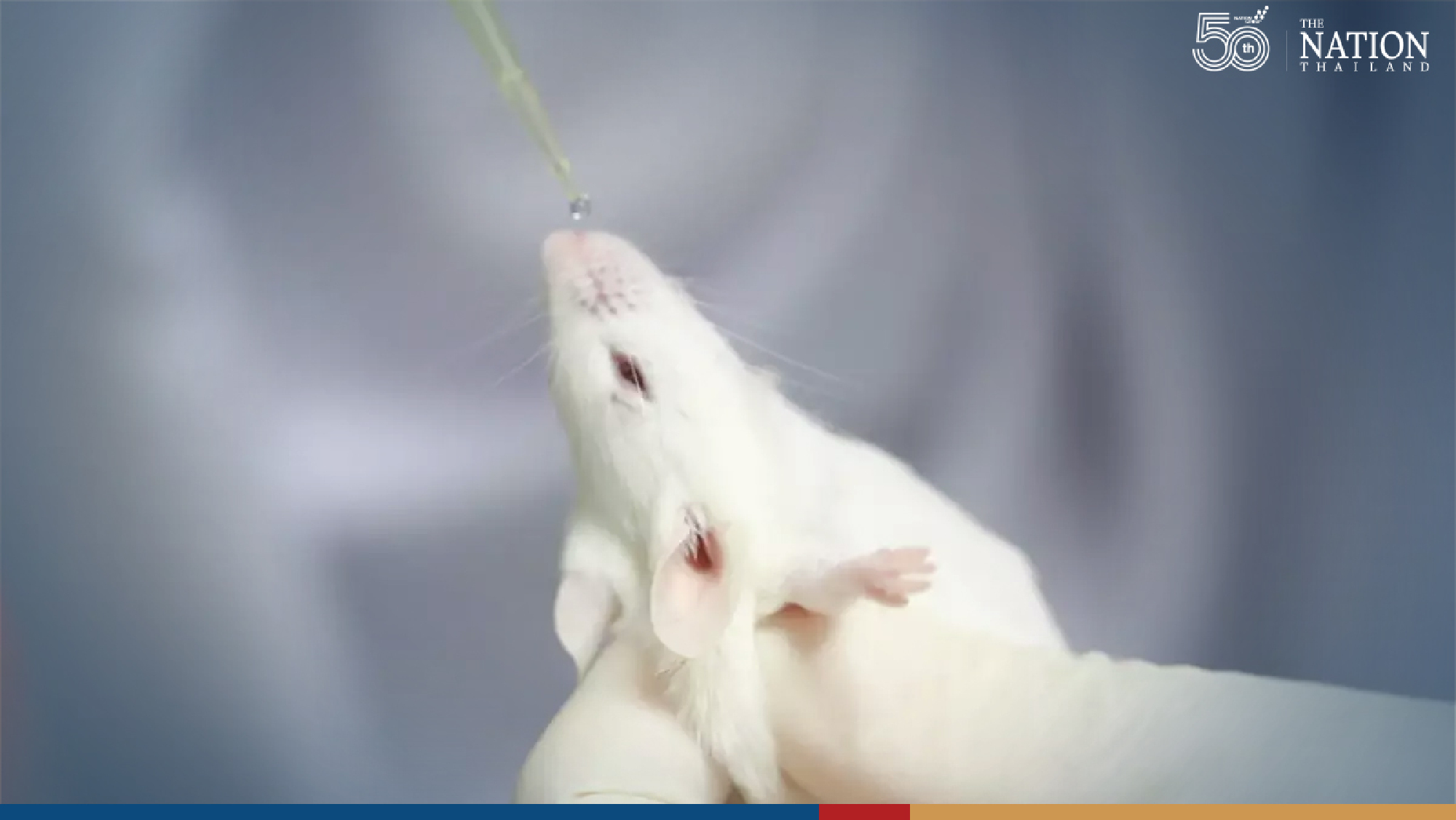
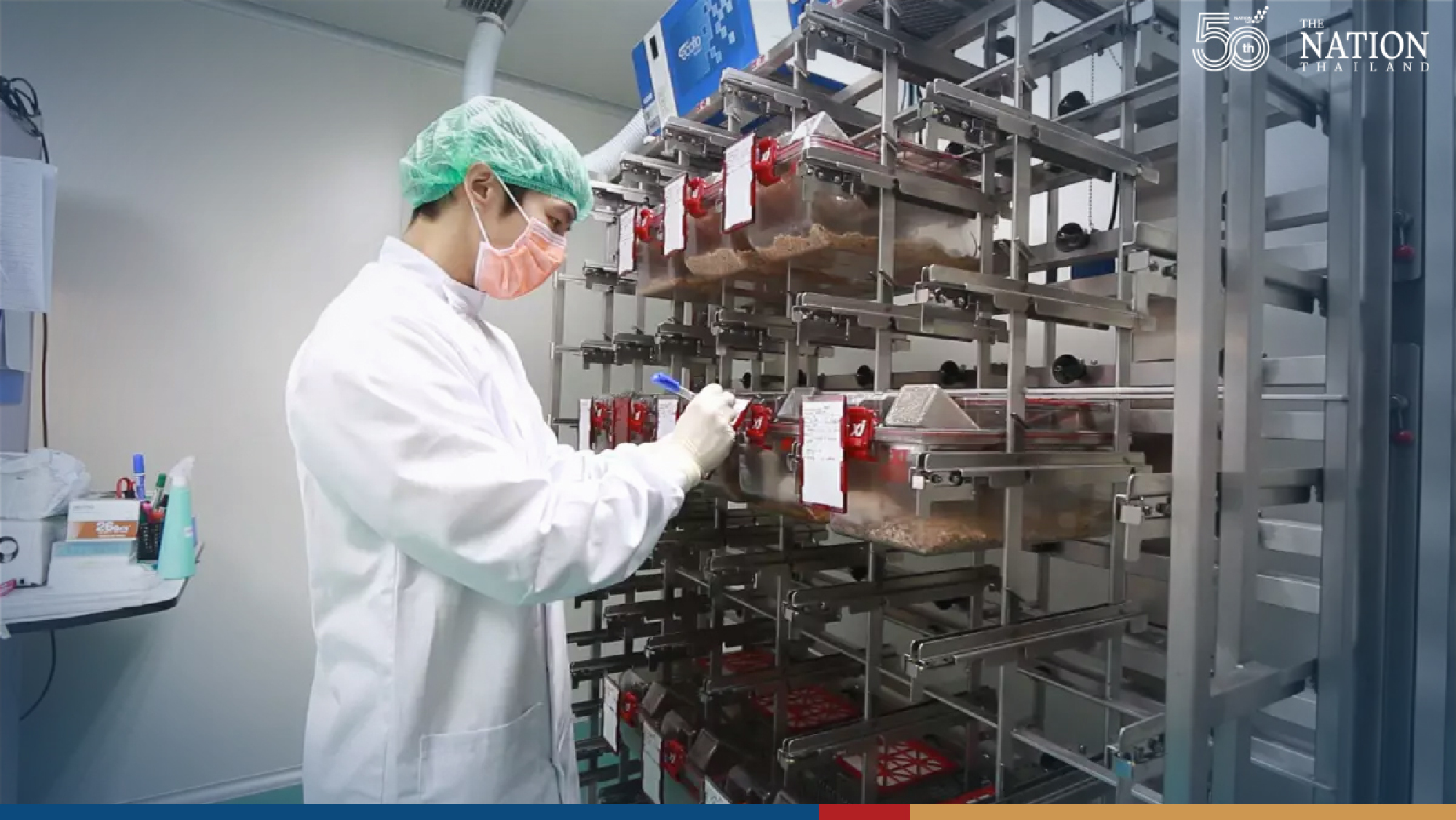
The National Science and Technology Development Agency (NSTDA) A Covid-19 nasal spray vaccine developed by the National Centre for Genetic Engineering and Biotechnology (Biotech) has been found to be effective in preventing the disease in mice.
Laboratory mice treated with the adenovirus spray vaccine showed a strong immune response against Covid-19, said Biotech.
Data obtained from the trial will now be used to develop a prototype Covid-19 vaccine to use in a trial on human volunteers.
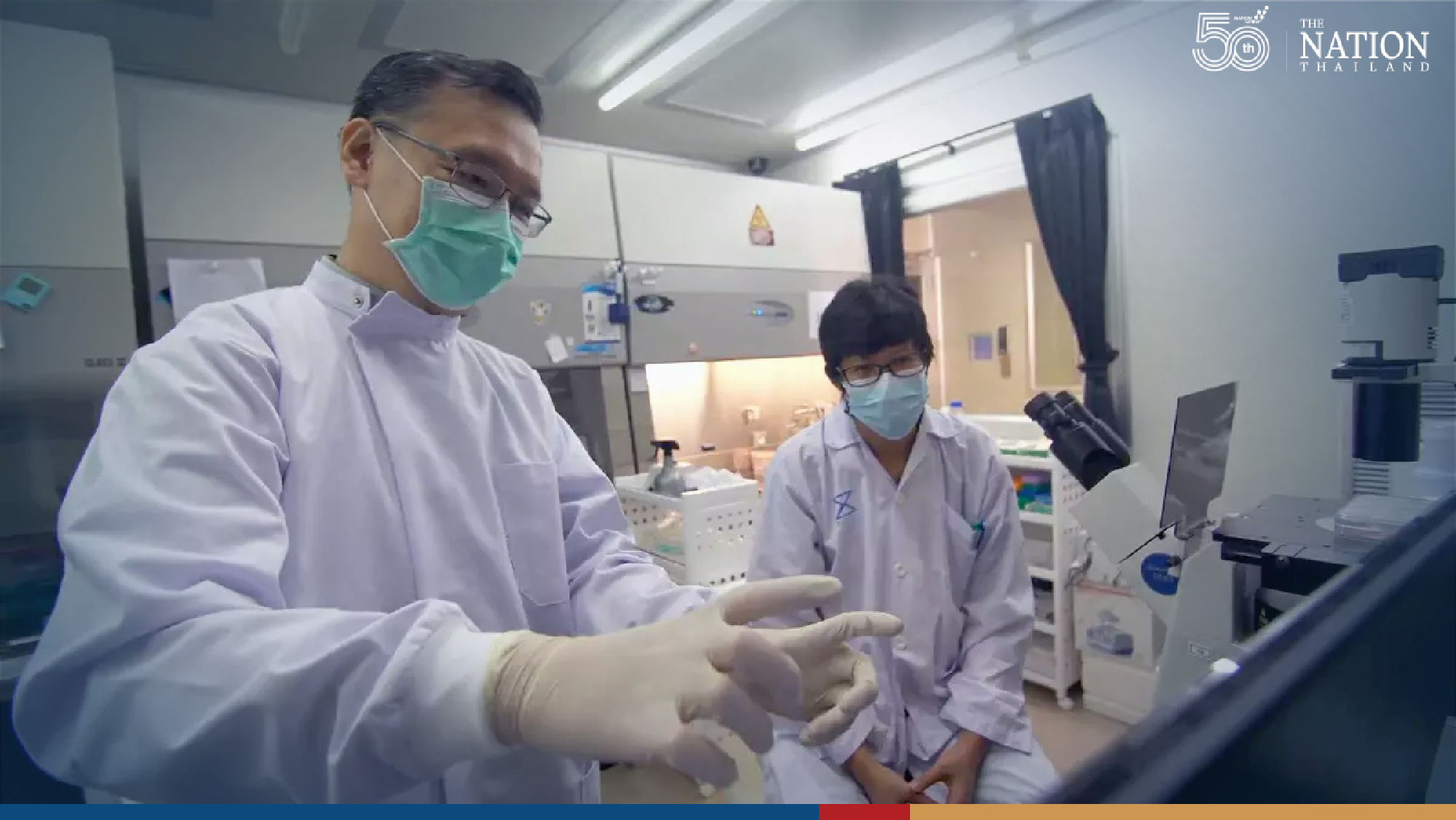
Dr Anan Jongkaewwattana, director of the agency’s Veterinary Health Innovation and Management Research Group Unit, said the NSTDA research team has made good progress in developing a vaccine prototype.
The team has produced two Covid-19 vaccine prototypes delivered by nasal spray – the adenovirus vaccine and a modified influenza vaccine.
Covid-infected mice given the adenovirus vaccine via nasal spray maintained their weight and did not get sick. A control group given the same vaccine via intramuscular injection also stayed healthy but lost weight.
Thai nasal-spray Covid vaccines set for tests on humans
ADVERTISEMENTx
Meanwhile, the modified influenza vaccine generated high levels of both antibodies and T cell immunity in mice.
Once the animal trials are completed, the team will seek approval from the Food and Drug Administration (FDA) to begin human trials in collaboration with Chulabhorn Royal Academy to test the efficacy of the vaccines against the Delta strain. Phase 1 human trials are scheduled to begin at the end of 2021 and Phase 2 in March 2022. If they are successful, the vaccines should go into production around the middle of 2022.
Dr Anan said the nasal spray is administered via a special syringe directly to the immune system in the mucous membranes of the upper respiratory tract, where most of the viral load is located. Tests have shown that antibodies in the upper respiratory mucosa produce immunity faster and better than intramuscular vaccines.
Thai nasal-spray Covid vaccines set for tests on humans
Thai nasal-spray Covid vaccines set for tests on humans
Favipiravir recommended on immediate basis for all Covid patients
Patients with coronavirus awaiting treatment should receive standardised favipiravir medication immediately, the Department of Medicine has said.
nits guidelines for the care of people infected with Covid-19 who are waiting to be admitted to a hospital, Dr Somsak Ankasil, director-general of the Department of Medical Services, informed all medical units said patients should be given favipiravir tablets on an immediate basis, including for home isolation, community isolation, field hospitals, special wards (hospitel) and healthcare facilities.
Patients with mild Covid-19 symptoms or asymptomatic should also be given favipiravir as soon as possible.
He also recommended favipiravir for probable cases and confirmed cases according to the guidelines to maximise the benefits of treatment for those infected with Covid-19, and added that the patient’s waiting status should not impede access to favipiravir.
Study shows vaccine cocktail ‘just as effective’ as 2 AstraZeneca jabs
People’s two main concerns about Thailand’s mix-and-match vaccination policy are safety and efficacy, said Department of Disease Control (DDC) chief Opas Karnkawinpong on Wednesday.
So far, nearly 100,000 people had been inoculated with a first dose of Sinovac and a second dose of AstraZeneca vaccine, Opas said.
The vaccine cocktail has caused no deaths directly and is therefore safe, he added.
Laboratory data released soon would prove that the switch to mixed Sinovac-AstraZeneca vaccination is just as effective at boosting immunity as two doses of AstraZeneca injected 12 weeks apart, he said.
Theoretically, different vaccination platforms should stimulate the immune system at different levels, said Opas. Sinovac vaccine stimulates humoral immunity, whereas AstraZeneca boosts cellular immunity, which has different advantages. So these two should complement each other, he said, adding that further research was needed to confirm this theory.
Meanwhile, health officials will check immunity levels 3-6 months after vaccination before deciding whether to roll out booster shots.
Factors that contribute to false rapid test results
The Thai government agreed to allow the use of rapid antigen test kits for Covid-19 because the rate of false positives is low at just 3 per cent. However, these false positives can be caused by many factors.
In a Facebook post on July 28, Thiravat Hemachudha, chief of Chulalongkorn University’s Centre for Emerging Disease Health Sciences, said a negative result from an antigen test for an asymptomatic person does not mean they are completely free of the virus. Similarly, a positive result for an asymptomatic person does not mean they have the virus, but it is necessary for them to undergo a proper RT-PCR test.
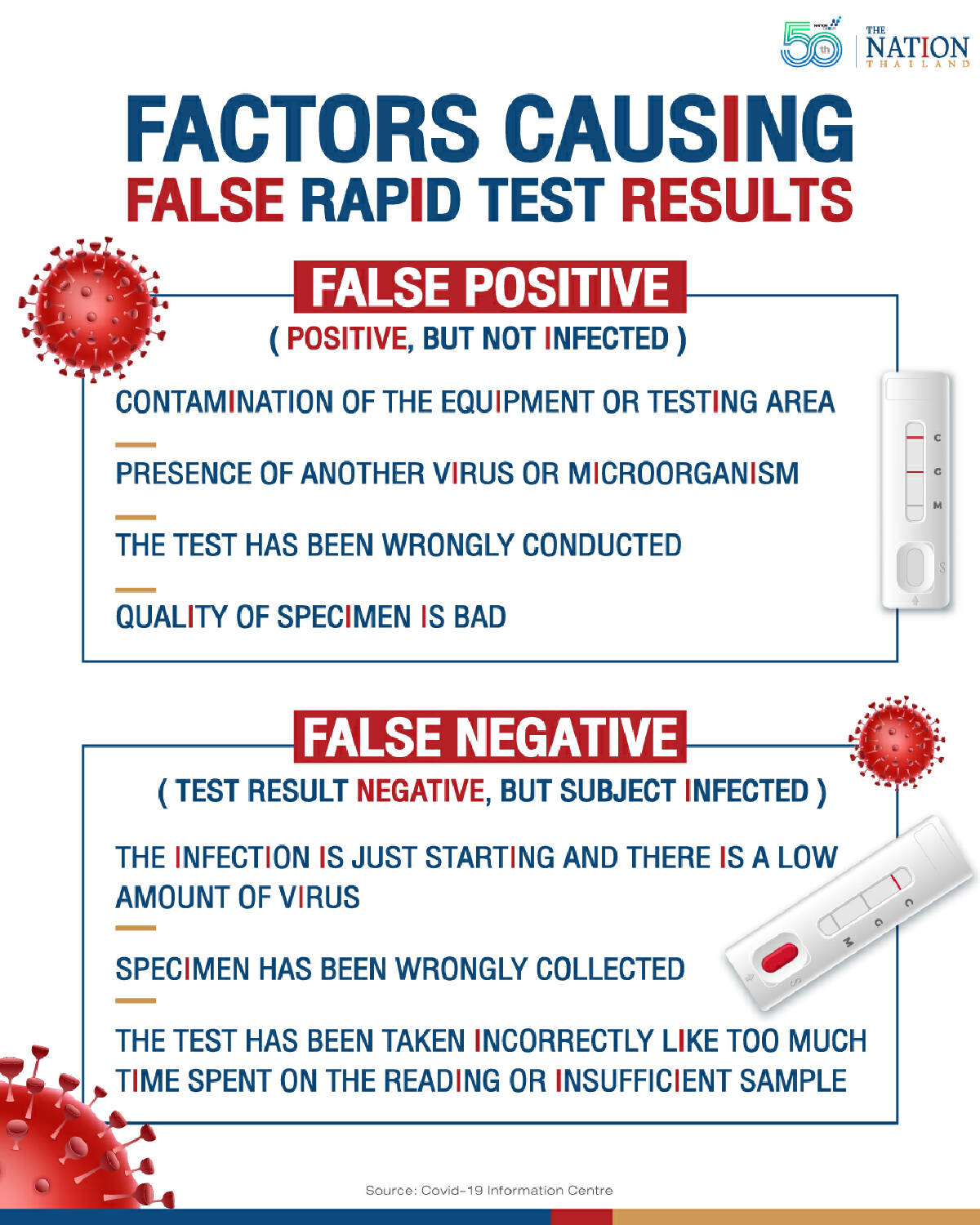
Factors that contribute to false rapid test results The Covid-19 Information Centre, meanwhile, has issued a list of factors that may result in false test results:
A false positive can be caused by four factors: • Contamination of the equipment or testing area • Presence of another virus or microorganism • The test has been wrongly conducted • Quality of specimen is bad
A false negative can be caused by three factors: • The infection is just starting and there is a low amount of virus • Specimen has been wrongly collected • The test has been taken incorrectly like too much time spent on the reading or insufficient sample
MedPark Hospital offers night vaccination service to foreigners
A healthcare facility in Bangkok, MedPark Hospital, is offering night-time Covid-19 vaccinations to foreign residents in Thailand to avoid any effects on daily vaccination services as well as on weekends.
The night-time service, named “Going the Extra Mile, Extra Hours”, is available from August 2-9, from 6pm to 10pm.
Dr Pongpat Patanavanich, managing director of MedPark Hospital, said that due to the rapid spread of Covid-19 and the surge in new cases over the past few months in Thailand, especially in Bangkok, MedPark is speeding up vaccine administration for people’s safety.
“It is essential to generate an immune response among people including the hundreds of thousands of expats who live and work with Thais,” Pongpat said.
MedPark is one of three designated hospitals providing pre-registration for foreigners via the Thailandintervac campaign, which is a collaboration between the Ministry of Foreign Affairs and the Department of Disease Control, Ministry of Public Health.
Initially, the vaccination service is only available to foreigners who booked in advance or pre-registered for vaccines.
Pongpat explained that the hospital is providing the vaccination service for expats to support the government’s vaccine allocation plan. In the urgent phase, the Department of Disease Control has prioritised vaccinations for healthcare professionals and frontline workers as their third booster dose.
The other target groups for vaccinations are Thais and foreigners aged 60 and above, people living with seven chronic diseases (interventional pulmonology, coronary artery disease, chronic kidney disease, stroke, cancer, diabetes, and obesity with weight more than 100kg) and foreign women pregnant for 12 weeks or longer.
ADVERTISEMENTx
Earlier, MedPark partnered with the Ministry of Public Health and Bangkok Metropolitan Administration to organise “Save Doctors, Save People, Save Thailand” to accelerate vaccinations for members of the Thai Clinic Association and general public.
MedPark said it has given more than 80,000 doses of coronavirus vaccines so far as of the end of July and expects to deliver more than 100,000 doses to Thais and foreigners by the end of September.
“In the current crisis caused by the rapid spread of coronavirus, particularly the Delta variant, MedPark is dedicated to vaccinate as many people as possible as fast as possible. It is our crucial measure to support the government’s goal of vaccinating 70 per cent of the adult population in Bangkok and neighbouring provinces, including over 300,000 foreign residents in Bangkok. This will create herd immunity and help reduce the drastic impact on the public healthcare system,” Pongpat said.
Wear 2 masks for protection against Delta, says health official
The Department of Disease Control (DDC) has asked people to wear face masks both at home and in public while also urging them to use two masks in crowded areas to combat the highly contagious Delta variant of Covid-19.
Dr Sophon Iamsirithavorn, DDC deputy director-general, said on Monday that Delta now accounts for 69.1 per cent of new cases in Thailand while the Alpha variant is responsible for 28.2 per cent.
He added that wearing a mask 100 per cent of the time can be very effective both in reducing transmission from infected people and protecting uninfected people.
For the best results, people should follow three principles when using face masks: the right time, the right way, and the right kind.
Sophon explained that the disease is now spreading among family members, so people should be extra careful and wear masks at all times – both inside and outside the home.
He advised people who had to go to crowded areas such as markets or supermarkets to wear two layers to cover their mouth and nose – a medical mask inside and a cloth mask outside.





 Thai nasal-spray Covid vaccines set for tests on humans
 Thai nasal-spray Covid vaccines set for tests on humans
 Thai nasal-spray Covid vaccines set for tests on humans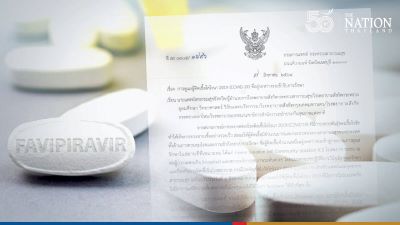
 Factors that contribute to false rapid test results

 SootinClaimon.Com