Thailand’s caseload will only drop ‘if more people stay indoors’
The daily surge in infections and deaths despite a lockdown proves that the restrictions are only 20 per cent efficient, the Public Health Ministry’s permanent secretary Kiattiphum Wongrajit said on Monday.
He explained that if the lockdown restrictions are upped by even 5 per cent and if everybody at risk, including the elderly, is vaccinated, then the daily caseload and deaths will drop considerably.
However, Kiattiphum said, this can only be achieved if all sectors cooperate to make the lockdown more efficient, such as cutting down on travel and meetings and taking better care of oneself.
Also, he said, about 80 per cent of the country’s 185,417 hospital beds nationwide are occupied by Covid-19 patients in the provinces. In Bangkok, 90 per cent of available hospital beds, or 41,659, are occupied. Hence, he said, people must isolate themselves at home or in community quarantine facilities.
The Department of Disease Control, meanwhile, said that though fewer people are venturing out, the number of pedestrians and vehicles is not as low as last year.
During Thailand’s first lockdown, both pedestrian and vehicle traffic had dropped by 80 per cent in Bangkok and Chonburi, compared to just 60 to 70 per cent this year. The department said if people stop venturing outside their homes, the risk of transmission will drop significantly.
Breastmilk the best protection for babies against infections during Covid-19: Unicef
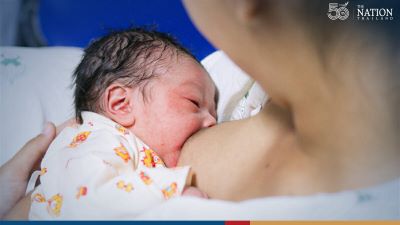
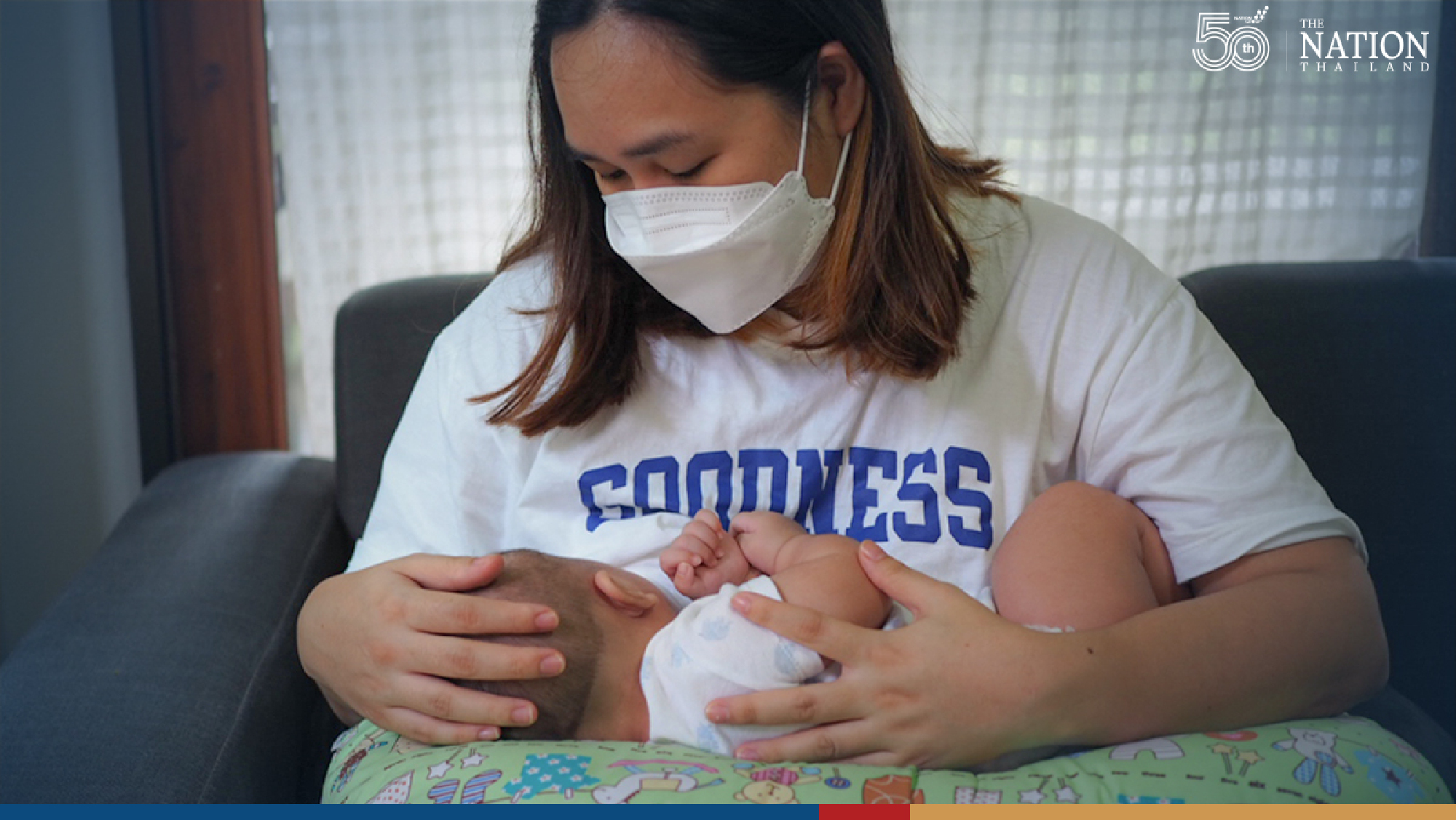
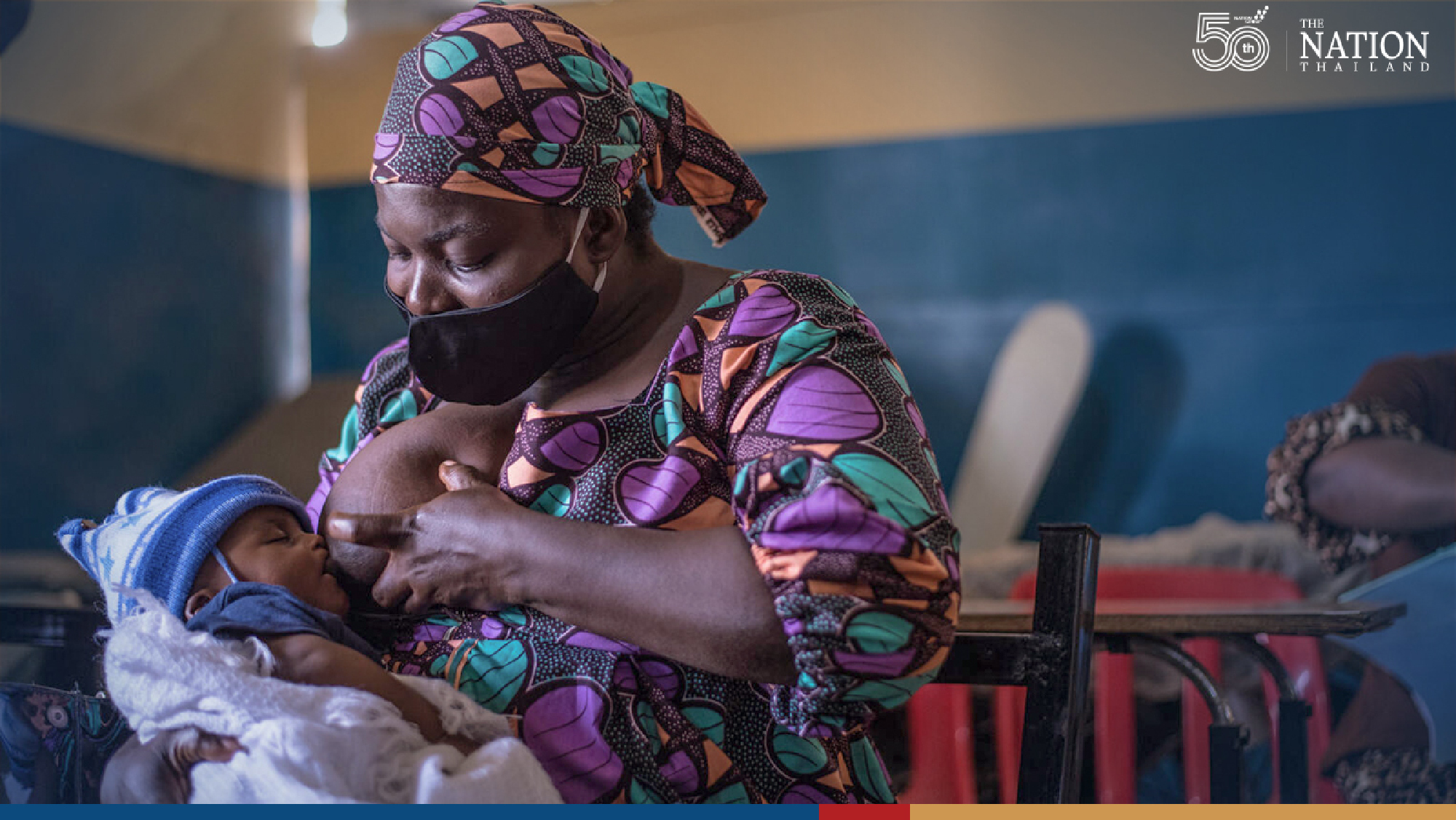
Mothers are advised to initiate or continue breastfeeding while practising good hygiene to help protect their newborns from infections and illness during the Covid-19 pandemic, Unicef said, as the world marks World Breastfeeding Week from August 1-7.
To date, transmission of Covid-19 through breastmilk and breastfeeding has not been detected.
The World Health Organization (WHO) and Unicef recommend breastfeeding and applying skin-to-skin contact during feeding even if the mother is suspected or infected with Covid-19.
Mothers are also advised to wear a mask, wash their hands and disinfect surfaces regularly during breastfeeding to reduce the risk of transmission.
Evidence suggests that the benefits of breastmilk substantially outweigh the potential risks of transmission and that the antibodies found in breastmilk may help may fight against Covid-19 infection, if a baby is exposed, Unicef said.
“Breastfeeding is one of the best ways to ensure child health and survival, especially during the Covid-19 pandemic,” said Kyungsun Kim, Unicef Representative for Thailand.
“Breastmilk is a baby’s first vaccine with all the essential nutrients, antibodies, hormones and antioxidants that help boost their immune system and provide protection against many infections.”
ADVERTISEMENTx
Breastmilk the best protection for babies against infections during Covid-19: Unicef
Breastfeeding is vital to a child’s health and development in infancy and later in life. Studies show that breastfed infants have a lower risk of non-communicable diseases as adults and are more likely to have a higher IQ, spend more time in school and have a higher-paying job, Unicef said.
Breastfeeding also enhances mother-infant bonding and reduces the mother’s risk of obesity, type 2 diabetes, cardiovascular diseases and breast and ovarian cancers.
However, too few children in Thailand are exclusively breastfed within the first six months of life, which is critical for optimal health and development according to the WHO and Unicef.
The 2019 Multiple Indicator Cluster Survey by the National Statistical Office and Unicef found that only 14 per cent of children were exclusively breastfed during the first six months, a significant drop from 23 per cent in 2016.
With the exclusive breastfeeding rate in Thailand remaining one of the lowest in the region, Unicef called for the government and businesses to increase investment in promoting and protecting breastfeeding.
Breastmilk the best protection for babies against infections during Covid-19: Unicef
Health workers have a critical role in educating and counselling new mothers in breastfeeding as well as ensuring that babies are breastfed within the first hour of life. Health authorities should also strictly enforce the Control of Marketing Promotion of Infant and Young Child Food Act which bans marketing breastmilk substitutes, including the distribution of product samples at hospitals and online marketing of infant formula that reaches mothers directly, Unicef said.
In addition, family-friendly policies by government and businesses, including affordable childcare, time and a hygienic space for breastfeeding at work and at least 18 weeks of paid maternity as well as paternity leave, should be adopted to support nursing mothers upon their return to work.
“The low breastfeeding rate in Thailand tells us that too many children here are missing the opportunity to have the healthiest start in life, which is why Unicef will continue to advocate for baby-friendly policies and support mothers to exclusively breastfeed,” Kim added. “This is a wake-up call that mothers need support more than ever before, especially when many services have been disrupted due to the pandemic. To make breastfeeding and its benefits a reality for every mother and child, it will take a firm commitment and effort from her family, employers, healthcare system and the government.”
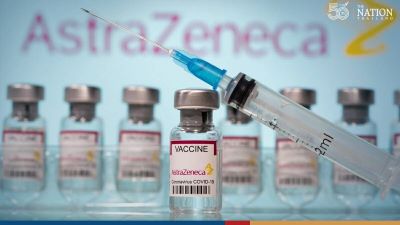
Vaxzevria showed no increased incidence of thrombosis with thrombocytopenia after second dose
Rates of the very rare clotting disorder, thrombosis with thrombocytopenia syndrome (TTS), following a second dose of Vaxzevria are comparable to the background rate in an unvaccinated population.
The data, published in The Lancet today, demonstrated the estimated rate of TTS following a second dose of Vaxzevria was 2.3 per million vaccinees, comparable to the background rate observed in an unvaccinated population. It was 8.1 per million vaccinees after the first dose. The rate after the second dose is comparable to background rates observed in unvaccinated populations.
Sir Mene Pangalos, Executive Vice President, BioPharmaceuticals R&D, said: “Vaxzevria is effective against all severities of COVID-19 and it plays a critical role in combatting the pandemic. Unless TTS was identified after the first dose, these results support the administration of the two-dose schedule of Vaxzevria, as indicated, to help provide protection against COVID-19 including against rising variants of concern.”
ADVERTISEMENTx
The analysis was conducted using AstraZeneca’s global safety database, which captures all spontaneously reported adverse events from real-world use of its medicines and vaccines worldwide. Reported cases of TTS globally were included up to the cut-off date of April 30 occurring within 14 days of administration of the first or second dose of Vaxzevria.
The results are in line with recent reports in the Medicines and Healthcare products Regulatory Agency (MHRA) Yellow Card Report, the UK system for collecting and monitoring information on safety concerns, which also show low rates of TTS after a second dose.
No specific risk factors or definitive cause for TTS following COVID-19 vaccination have been identified and AstraZeneca continues to perform and support ongoing investigations of potential mechanisms. Furthermore, these very rare events can be avoided when symptoms are identified and treated appropriately.
Vaxzevria and mRNA COVID-19 vaccines showed similar and favourable safety profiles in a population-based cohort study of over a million people
In a large real-world study, data published as a pre-print on The Lancet server from over one million individuals assessed the incidence rates of blood clotting disorders of thromboembolism and thrombocytopenia, including the very rare thrombosis with thrombocytopenia (TTS) following vaccination with an mRNA vaccine or Vaxzevria, and compared them with expected rates in a general population and in people with COVID-19.
Safety profiles of Vaxzevria, and the mRNA-based vaccine were similar and overall favourable. Very rare clotting disorders (TTS) were observed with both vaccines but these were in line with what would be expected in the general population and lower than in those diagnosed with COVID-19. Follow-up time was not sufficient to report rates after two doses of Vaxzevria, though other studies have shown rates of rare blood clotting events to be lower after a second dose.
Regardless of the vaccine used, the increase in rates of thrombosis among persons infected with COVID-19 was far higher than among those vaccinated. Rates of venous thromboembolism were eight times higher after a diagnosis of COVID-19 infection compared with the expected rate.
Sir Mene Pangalos, Executive Vice President, BioPharmaceuticals R&D, said: “This real-world study offers further evidence of the favourable benefit:risk profile of Vaxzeria and demonstrates the critical role all COVID-19 vaccines are playing in combatting the pandemic.”
The analysis included 945,941 mRNA participants (778,534 with two doses), 426,272 Vaxzevria participants, conducted between 27 December 2020 and 19 May 2021. It also included 222,710 COVID-19 participants identified between 1 September 2020 and 1 March 2021, and 4,570,149 background participants as of 1 January 2017 from a public health database held in Catalonia, Spain.
The results are in line with recent reports in the Medicines and Healthcare products Regulatory Agency (MHRA) Yellow Card Report, the UK system for collecting and monitoring information on safety concerns, which also show low rates of TTS after a second dose.
ADVERTISEMENT
No specific risk factors or definitive cause for TTS following COVID-19 vaccination have been identified and AstraZeneca continues to perform and support ongoing investigations of potential mechanisms. Furthermore, these very rare events can be managed when symptoms are identified and treated appropriately.
Pfizer data shows vaccine protection remains robust six months after vaccination even as the company argues that boosters will be needed
WASHINGTON – Executives of the pharmaceutical giant Pfizer predicted Wednesday that vaccine boosters would soon be needed, a declaration that came on the same day the company published data showing that its coronavirus shots remained robustly protective six months after vaccination, providing nearly complete protection against severe disease. Hours later, Israeli health officials moved toward making boosters available for older residents.
Pfizer’s paper, which has not yet undergone peer review, showed a slight drop in efficacy against any symptomatic cases of covid-19, the illness caused by the novel coronavirus, from 96% protection in the first two months after vaccination to 84% after four months.
Company officials also presented data showing that a third shot could boost disease-fighting antibodies many times higher than the level achieved by the standard two-dose regimen. They said on a quarterly earnings call that they planned to seek authorization for a booster by mid-August, reiterating the company’s belief that a third dose would be needed to enhance immunity within a year of vaccination.
“There is very good protection in the beginning, and then there’s waning. And when you come closer to six months, [waning] which is even more profound with delta [variant],” Pfizer chief executive Albert Bourla said. “The waning is . . . more profound for mild cases, but there is a clear waning also for hospitalizations and severe disease.”
In Israel, Health Ministry officials late Wednesday recommended administering booster shots to older adults. The director general of the Health Ministry is expected to accept that recommendation in coming days and will decide whether the target group will include people older than 65 or older than 75.
Despite a lack of regulatory approval for boosters in the United States or Europe and the absence of definitive data, the Israeli experts concluded that the peril posed by the apparent waning of vaccine efficacy over time, alongside a spike in infections, outweighs the risk of pursuing a booster shot policy for the elderly.
The Israeli officials said protection against serious illness for those older than 60 who were vaccinated in January dropped from 97% to about 81%. For those older than 60 vaccinated in March, it fell to about 84%. They said efficacy remained at 93% for people ages 40 to 59 years.
The data released Wednesday by Pfizer, when viewed across the entirety of the six-month period covered in the paper, showed the vaccine was 91% protective overall. The findings come from the continuation of a large clinical trial that began last summer, so they do not include the period when the delta variant had emerged and become dominant.
Mikael Dolsten, Pfizer’s chief scientific officer, said the vaccines’ protection against severe disease remains “pretty high, but we do see some lowering, particularly in real-world evidence studies from Israel. We see some lowering in that protection in risk groups such as older adults, immunocompromised.”
But outside vaccine experts described the data as encouraging, even if they believe boosters will be necessary at some point for the general population and probably sooner for some groups, such as people with compromised immunity. Pfizer’s analysis showed the vaccine was 97% effective against severe disease. The protection in South Africa, where a particularly worrisome variant capable of dodging immunity exists, was 100%.
“This Pfizer study, I view it as incredibly good news,” said Larry Corey, a virologist at the Fred Hutchinson Cancer Research Center in Seattle. “We have to take some basic stock here about what’s our primary goal of vaccination. If we do have a virus able to break through and give you a cold, but the vaccine is keeping you from severe disease, keeping you out of the hospital … where should our emphasis and resources be?”
ADVERTISEMENTx
Kathleen Neuzil, director of the Center for Vaccine Development and Global Health at the University of Maryland School of Medicine, said it was important to monitor how the vaccine’s performance changes over time but noted that its protection against severe disease remains “extremely high.”
“Our main concern in the U.S. and in the world right now are the large numbers of unvaccinated people, and getting them vaccinated should be the emphasis,” Neuzil said.
Natalie Dean, a biostatistics expert at Emory University’s Rollins School of Public Health, said the vaccines dawned with such a high level of efficacy that a comparatively slight erosion of effectiveness should not be regarded with alarm.
“You have to sort of take the numbers as they are, which is still just a high number,” Dean said. “The fact that it started from an even higher place is what affects how people interpret the results. . . . It is possible that there’s some waning of that first line of defense, that’s going to be the best at preventing just infection or mild disease. But … it’s still holding up well.”
Pfizer presented data on a third dose at least six months after full vaccination, showing that it caused antibody numbers to soar, including disease fighters capable of neutralizing the delta variant. Pfizer’s leaders have repeatedly predicted that a third shot will be needed within a year of vaccination, but federal officials made the rare move this month to issue a statement that the decision would be made by public health officials on the basis of a totality of data only partly informed by data from pharmaceutical companies.
ADVERTISEMENT
“We continue to believe it is likely that a third-dose booster may be needed within six to 12 months after full vaccination to maintain the highest level of protection,” Dolsten said.
On its earnings call, Pfizer updated its financial predictions to say the company expected $33.5 billion of revenue from its coronavirus vaccines this year. The company plans to make 3 billion doses in 2021 and 4 billion in 2022.
“There are a fair number of infectious-disease doctors and public health persons who are disappointed and actually a bit grumpy about Pfizer. Pfizer is out there trying to make recommendations of national policy via press release,” said William Schaffner, a professor of health policy and medicine at Vanderbilt University School of Medicine. “Many of us think that’s flagrantly inappropriate.”
Instead, Schaffner said, the company should be having discussions with the Food and Drug Administration and the Centers for Disease Control and Prevention, “not out there to the general public.”
Bourla said on the call that regulators would make the decision in each country, including the United States.
ADVERTISEMENT
“I don’t think that there is different interpretation of data between us and regulatory authorities around the world. Actually, there is extremely good collaboration and the same interpretation,” Bourla said. “The FDA needs to review [the data] and then provide, or not, their approval. And then once it is approved, the third-dose booster, then the CDC needs to understand the situation in the country. And then, after a period of time, they will help to make a recommendation about the booster.”
Published : July 29, 2021
By : The Washington Post · Carolyn Y. Johnson, Shira Rubin
Positive antigen test ‘not enough’ to gain admission to hospital, Community Isolation
The Department of Medical Services reiterated on Tuesday that people who test positive for Covid-19 via rapid antigen test kits will receive medical kits and treatment in Home Isolation.
Patients with a positive antigen test result who need Community Isolation or hospital treatment will be retested with the RT-CPR method and isolated from other patients while waiting for their result.
“Patients who test positive after using antigen test kits are categorised as ‘probable cases’ as 3-5 per cent of antigen test results are false positives,” said Somsak Akksilp, the department’s director-general.
“The subcommittee for medical treatment and rehabilitation resolved on July 23 that patients with a positive antigen test result will immediately receive medicines and Home Isolation treatment. If Community Isolation, hospital treatment, or any type of Covid-19 treatment accommodation is required, patients will need to be tested again via the RT-PCR method for a more accurate result and will be separated from other Covid-19 patients,” he said.
The new procedures are aimed at speeding up treatment in a bid to curb the spread of the virus, he added.
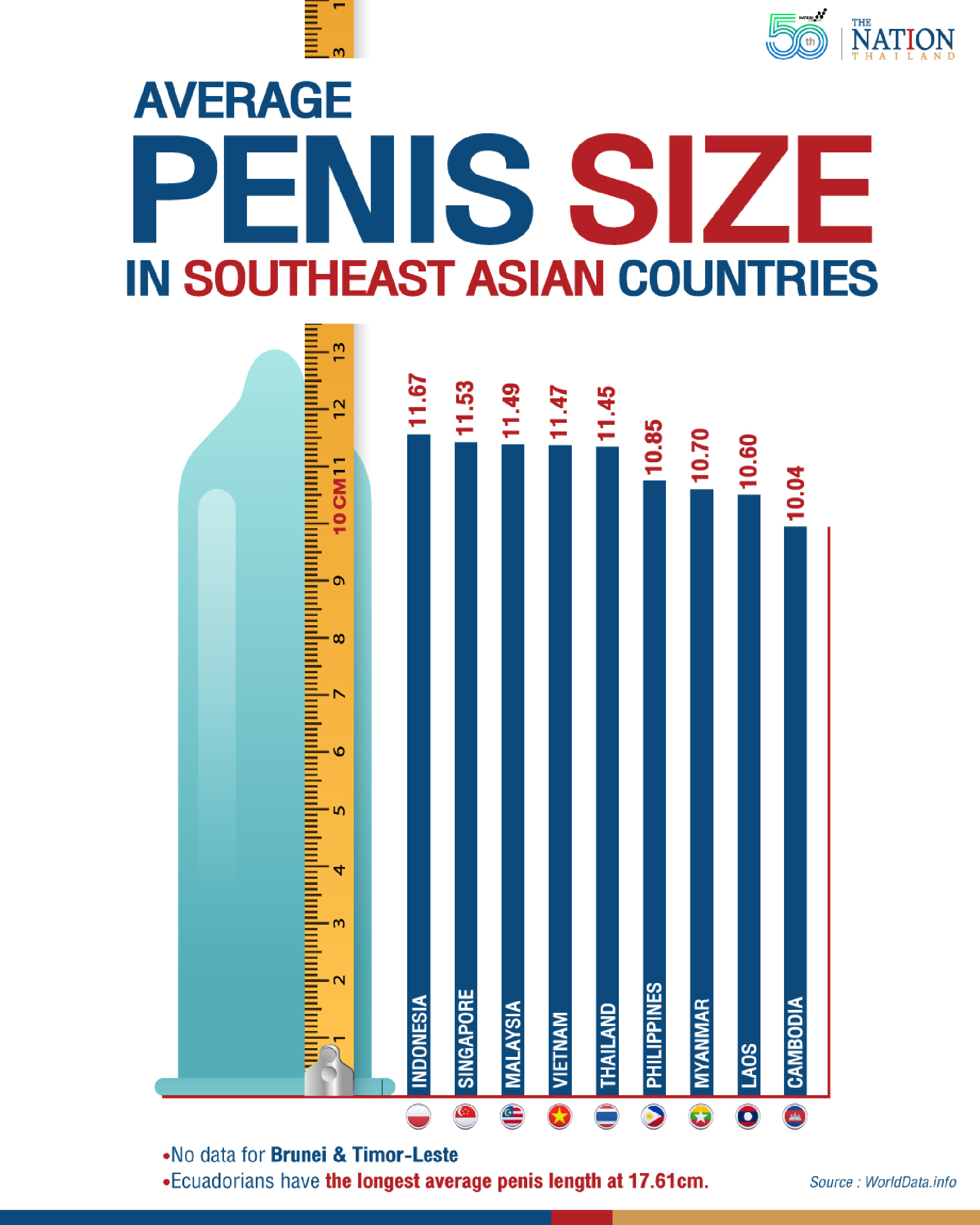
Thai men have the fifth-longest penises among Southeast Asians, according to the WorldData.info survey. The average length of a Thai male’s erect penis is 11.45 centimetres, the survey reports.
Among Southeast Asians, Indonesians have the longest penises at 11.67cm, while Cambodian men have the shortest at 10.04 centimetres. Cambodian men also have the shortest average penis length among men worldwide.
The longest penises in the world?
That distinction goes to men for Ecuador, who measure an average 17.61cm. Following close behind is Cameroon (16.67cm) and Bolivia (16.51cm).
The data for the survey skips self-reported measurements, which are notoriously inaccurate, and instead uses information from scientific studies of penis length across the world.
Health agencies push vaccination for pregnant women after 16 die from Covid
The Department of Health is pushing for pregnant women to get vaccinated following the deaths of at least 16 mothers-to-be from Covid-19 in the past eight months.
The fatalities were among 898 pregnant women infected with coronavirus between December 1, 2020 and July 20 this year, department chief Dr Suwanchai Wattana Yingcharoenchai revealed on Thursday.
He said pregnant women should be added to the list of at-risk groups that currently features senior citizens and people with any of seven chronic conditions.
His department has joined hands with the Royal College of Obstetricians and Gynaecologists, Royal College of Paediatricians, Royal College of Physicians, and the Breastfeeding Centre of Thailand in pushing for a policy for pregnant women to get vaccinated.
Experts say pregnant women should also protect themselves against Covid infection by not sharing personal items with people in the home, washing hands regularly, keeping distance, and not leaving the house or travelling unless absolutely necessary.
Director-General of the Department of Health, reveals on Thursday during the online seminar on the topic “Pushing for vaccination against Covid-19 in pregnant and lactating women.” that there were 898 pregnant
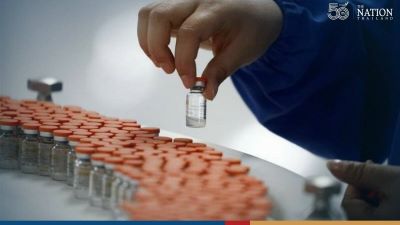
Public Health Ministry declares Sinovac as effective as AstraZeneca
After conducting a study on recipients of Sinovac jabs in four areas, the Public Health Ministry declared that the vaccine was more than 90 per cent effective in preventing infections and severe symptoms.
The study was conducted in Phuket, Samut Sakhon, Chiang Rai and among Department of Disease Control personnel nationwide. The ministry also said that two jabs of Sinovac can provide 88.8 per cent protection against infection and was 84.9 per cent effective against severe lung infection. In comparison, one dose of AstraZeneca provides 83.4 per cent protection after the first dose.
In May, when the Alpha variant was spreading, two jabs of Sinovac proved to be 71 per cent effective, the ministry said. In June, when 20 to 40 per cent of Covid-19 cases were caused by the Delta variant, two Sinovac jabs indicted 75 per cent effectiveness.
“Therefore, two doses of Sinovac can provide 90 per cent protection against the Alpha variant and 85 per cent against lung infection. Its efficacy against Delta variant is also stable,” the ministry said. The ministry also said that laboratory tests prove that a booster dose and mixed doses can boost immunity at a faster and higher rate.
Health agency launches ‘Vaccine Jai’ to take people’s mind off death
Thai Health Promotion Foundation launched the “Vaccine Jai” campaign on Tuesday in a bid to cut down on Covid-19 related suicides.
The campaign was launched at a virtual seminar between Srinakharinwirot University and the Department of Mental Health to help tourism personnel maintain mental stability.
Vaccine Jai is a mental health assessment tool that aims to evaluate risks and provide guidelines for pandemic-related mental health issues.
Chatwut Wangwon, a director at the foundation, said more than 4 million people in the tourism industry who have lost their jobs are at the risk of killing themselves as they cannot generate income. He was citing the Office of SMEs Promotion’s data collected last year.
“This fact is in line with the Department of Mental Health’s data, indicating that depression over an economy going downhill is one of three factors triggering people to commit suicide,” Chaiwat said, adding that this problem must be solved urgently.
ADVERTISEMENTx
He added that Vaccine Jai will be accessible at all times and will have a set of 20 questions changed monthly to constantly rejuvenate the mental health of people, especially those in the tourism sector.


 Breastmilk the best protection for babies against infections during Covid-19: Unicef
 Breastmilk the best protection for babies against infections during Covid-19: Unicef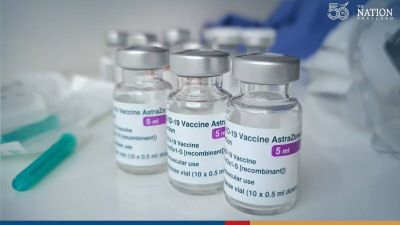


 Penis size: How do Southeast Asians measure up?

 SootinClaimon.Com