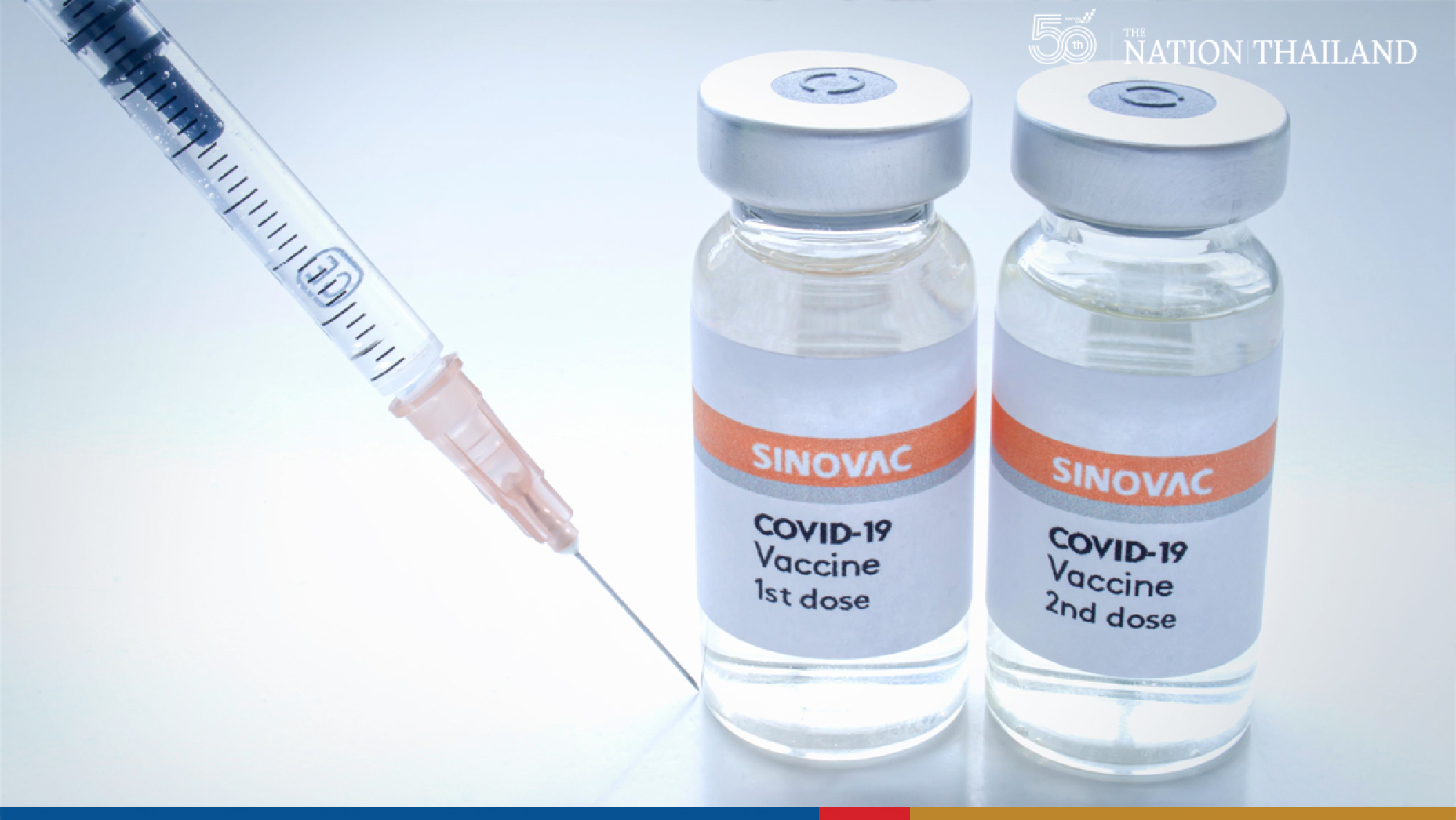
Sinovac up to 91% effective against Alpha variant: Public Health Ministry
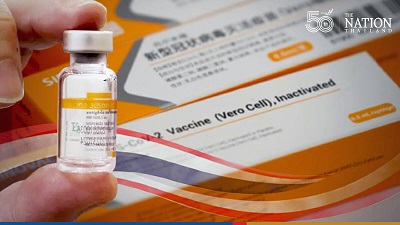
Tests on people 14 days after they took their second jab of Sinovac vaccine show that they are 71 to 91 per cent protected against the Alpha variant, the Public Health Ministry announced on Monday.
Dr Kiattiphum Wongrachit, the ministry’s permanent secretary, said the study was conducted between April and June on people in different provinces.
The study showed that Sinovac provided 90.7 per cent protection for jab recipients in Phuket, 90.5 per cent in Samut Sakhon, 82.8 per cent for medical personnel in Chiang Rai and 70.9 per cent for medics at the Department of Disease Control.
“Nobody who has taken the Sinovac jab has died from Covid-19 so far,” he added.
Kiattiphum went on to say that the vaccine has been proven to provide 94 per cent protection against symptomatic illness for people in Indonesia, 89 per cent in Chile and 80 per cent in Brazil. The vaccine was also found to provide 98 per cent protection from death for Covid-19 patients in Indonesia and 95 per cent in Brazil.
“These studies prove the vaccine’s efficacy in protecting people from getting infected or dying due to Covid-19,” he said.
Dr Suppakit Sirilak, director-general of the Department of Medical Sciences, said the ministry will launch a new study in July to check out both AstraZeneca and Sinovac vaccines’ efficacy against the Delta variant.
AstraZeneca vaccine response higher with longer gap, third dose
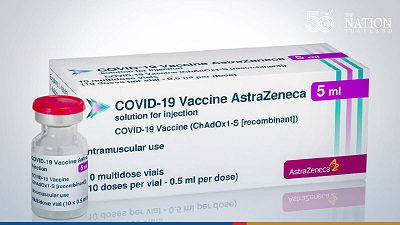
Immune responses to the AstraZeneca Plc coronavirus vaccine improve with a longer gap of about 10 months between doses, and a third shot can boost antibody levels even further, according to a study.
Extending the gap between the first and second doses increased the level of protective antibodies, according to research from the University of Oxford published Monday. The researchers were also able to show for the first time that a booster given more than six months after the second dose induced a strong response and increased activity against variants.
Many governments are grappling with vaccine shortages and questions such as whether to give booster shots to ensure hospitals aren’t overwhelmed this winter. The results may help countries determine whether to stretch their supplies by waiting to give second doses, while showing the way to improve protection — without completely redesigning vaccines — using a third dose. Most nations have recommended a gap of four to 12 weeks between Astra vaccines.
“This is about preparedness,” Andrew Pollard, lead investigator on the Oxford vaccine trials, said at a press briefing Monday. This data show “we can boost responses giving another dose of the AstraZeneca-Oxford vaccine and that’s really important.”
More research on the duration of immunity from two doses and protection against variants would help determine whether booster doses are really needed, Pollard said.
The study found that antibodies induced after a single dose survived to some extent after one year. Still, after 180 days the levels were half those seen at the 28-day peak. A second dose increased antibody levels between four- and 18-fold by one month after the shot, however.
Volunteers in the latest study were drawn from Oxford’s original early and late-stage trials for the vaccine last year. Thirty participants who only received a single dose in the trial were given a second one about 10 months after the first. An additional 90 participants from those studies received a third dose in March this year. All volunteers were between the ages of 18 and 55, reflecting the recruitment age at that stage of the trials last year.
Higher levels of neutralizing antibodies against the alpha, beta and delta variants of SARS-CoV-2 were also shown after a third dose than after the second one. The results support the idea that viral-vector vaccines can be used as boosters, which some scientists had been skeptical about because humans can build up an immunity to the vector — in this case a chimpanzee adenovirus.
Oxford and Astra have also started another trial to test a variant vaccine that has been adapted to try to better protect against the beta variant originally found in the U.K. The late-stage trial is expected to recruit about 2,250 participants across the U.K., Brazil, South Africa and Poland. The first participant was dosed June 27.
ADVERTISEMENT
The shot will be given to people who have been fully vaccinated with two doses of the Astra vaccine or a messenger RNA shot, such as the ones from Pfizer Inc. and Moderna Inc., at least three months after their second dose. Non-vaccinated individuals will also be eligible to receive the variant vaccine — AZD2816 — with different intervals and combinations of the new and original shots being tested.
More than half a billion doses of the Astra-Oxford vaccine have already been sent to 168 countries, according to the researchers.
Published : June 29, 2021
By : Syndication Washington Post, Bloomberg · Suzi Ring
More people depressed, planning suicide due to stress from Covid crisis: study
A recent study conducted by the Department of Mental Health shows that up to seven out of every 100,000 people in Thailand are suffering from stress related to the Covid-19 crisis.
Dr Wimonrat Wanpen, director of Mental Health Centre 13, said on Monday that the number has risen from the previous average of six out of every 100,000 after the third wave of infections emerged.
She said the study learned that some people are so stressed that they are either clinically depressed or considering suicide.
“If the government does not launch measures to ease people’s worries, up to eight out of every 100,000 people in Thailand will be at risk of suicide,” she said.
The department has set up the website to help people evaluate their stress level, she said, adding that all the information will remain confidential.
Thailand’s economy has been hit hard by the Covid-19 pandemic, with thousands losing their source of income and many small businesses closing.
Chula Opens Gender Health Clinic to Serve the Transgender Community
The King Chulalongkorn Memorial Hospital of the Thai Red Cross Society, together with the Faculty of Medicine, Chulalongkorn University now features a Gender Health Clinic, a safe space for transgender people to get advice about their health problems while cautioning that abuse of hormone therapy can be life-threatening.
The modern world is increasingly liberalized and favoring greater rights for transgender people, but the crux of their health, both physical and mental, is only discussed in a limited circle, if at all. The feeling of being “someone else” in one’s own body is a subject only for certain groups of interest. Several topics such as innate gender identity that is inconsistent with current gender, a woman in a man’s body, or vice versa, are all brushed off as personal identity issues, and not in the public’s interest. A dedicated health clinic for transgender people is therefore crucial in today’s society.
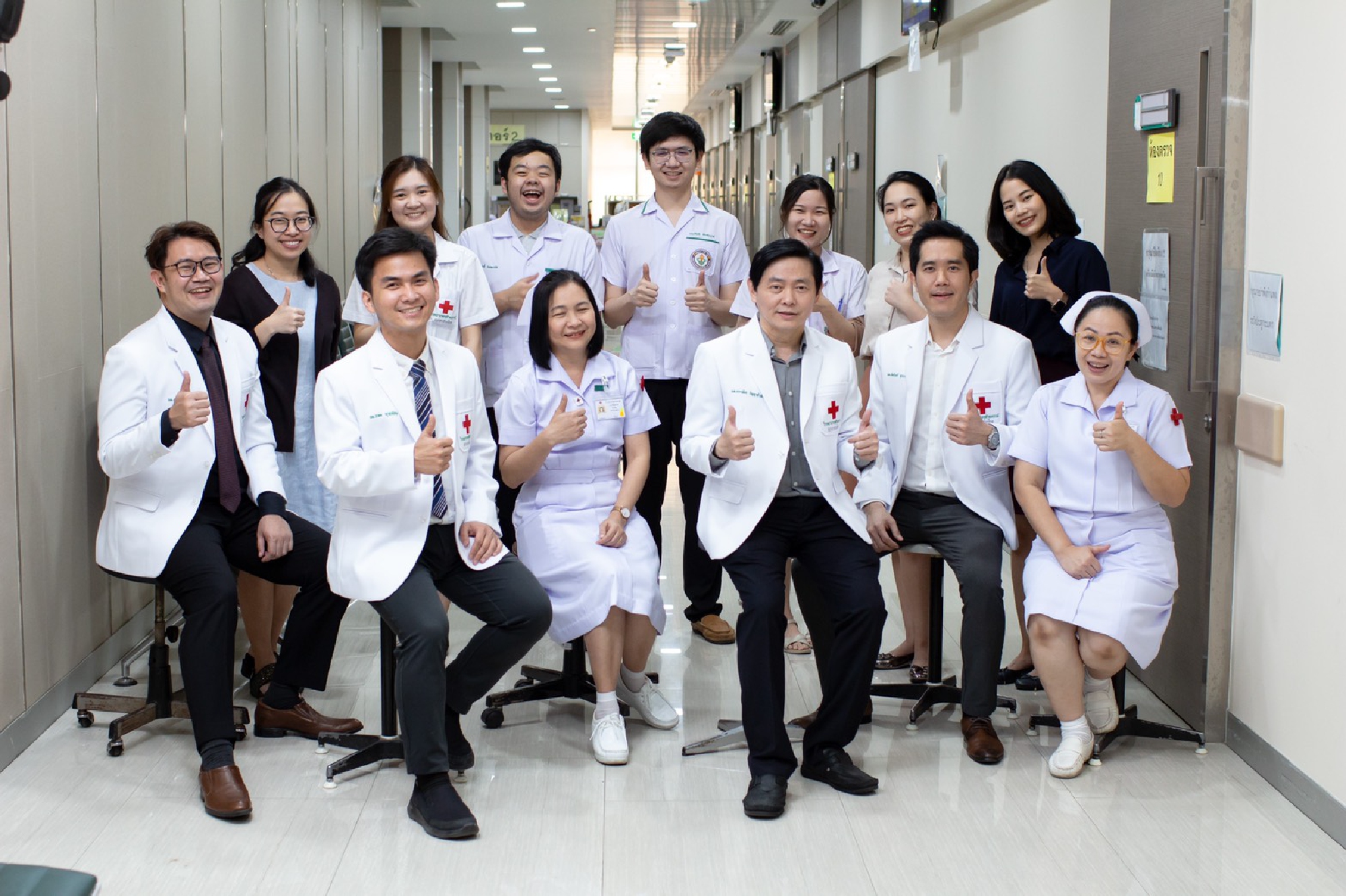
From the above problem, King Chulalongkorn Memorial Hospital has founded a “Gender Health Clinic” in collaboration with faculty members from the Gender Medicine and Menopause, Department of Obstetrics and Gynecology, Faculty of Medicine, Chulalongkorn University to provide a comprehensive health clinic to underline the importance of transgender people in Thai society today. In addition, this Gender Health Clinic is also a specialized learning center for doctors, medical students, and interested medical personnel. It is also an international research center on transgender health in conjunction with the Center of Excellence in Transgender Health (CETH).
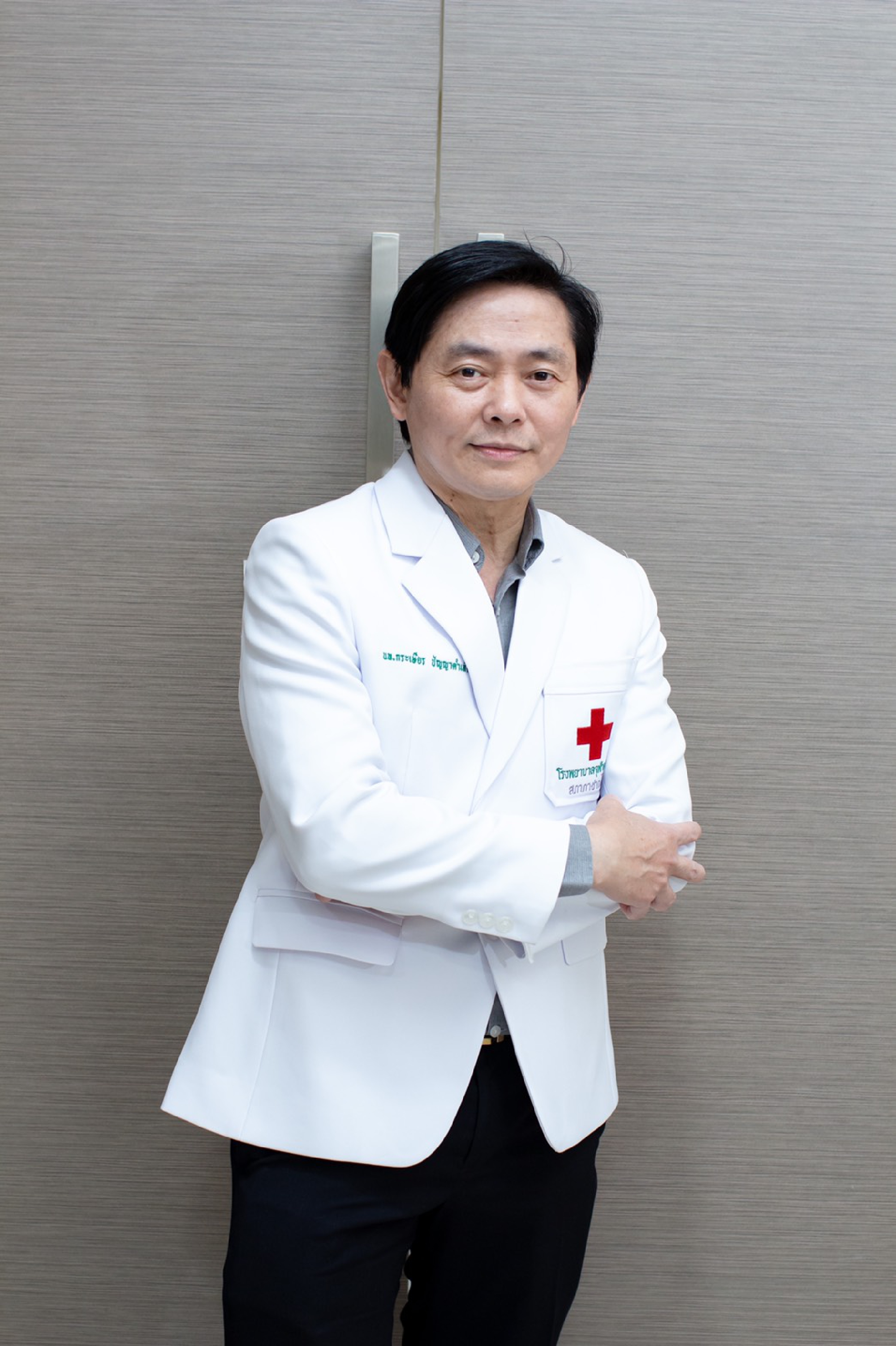
Associate Professor Krasian Panyakhamlert, M.D., Head of Gender Medicine and Menopause
“The establishment of a Gender Health Clinic is meant to provide medical services specifically for transgender patients who previously could find no specialized clinics in this field. Patients use hormones, self-inject hormones, or take birth control pills haphazardly or wrongly do what their friends do. Some people go to underground clinics and are not treated by specialists which is even more dangerous,” Associate Professor Krasian Panyakhamlert, M.D., Head of Gender Medicine and Menopause, Department of Obstetrics and Gynecology, Faculty of Medicine, Chulalongkorn University and founder of Gender Health Clinic elaborated about the rationale behind the Clinic which provides safe and standardized healthcare under the supervision of the Faculty of Medicine’s professors who are experienced and specialized in various fields, e.g. gender reassignment surgery, Integrative Adolescent Health Clinic.
Personalized service for various needs
Transgender people have different and diverse needs. Consulting physicians must therefore focus on giving personalized services.
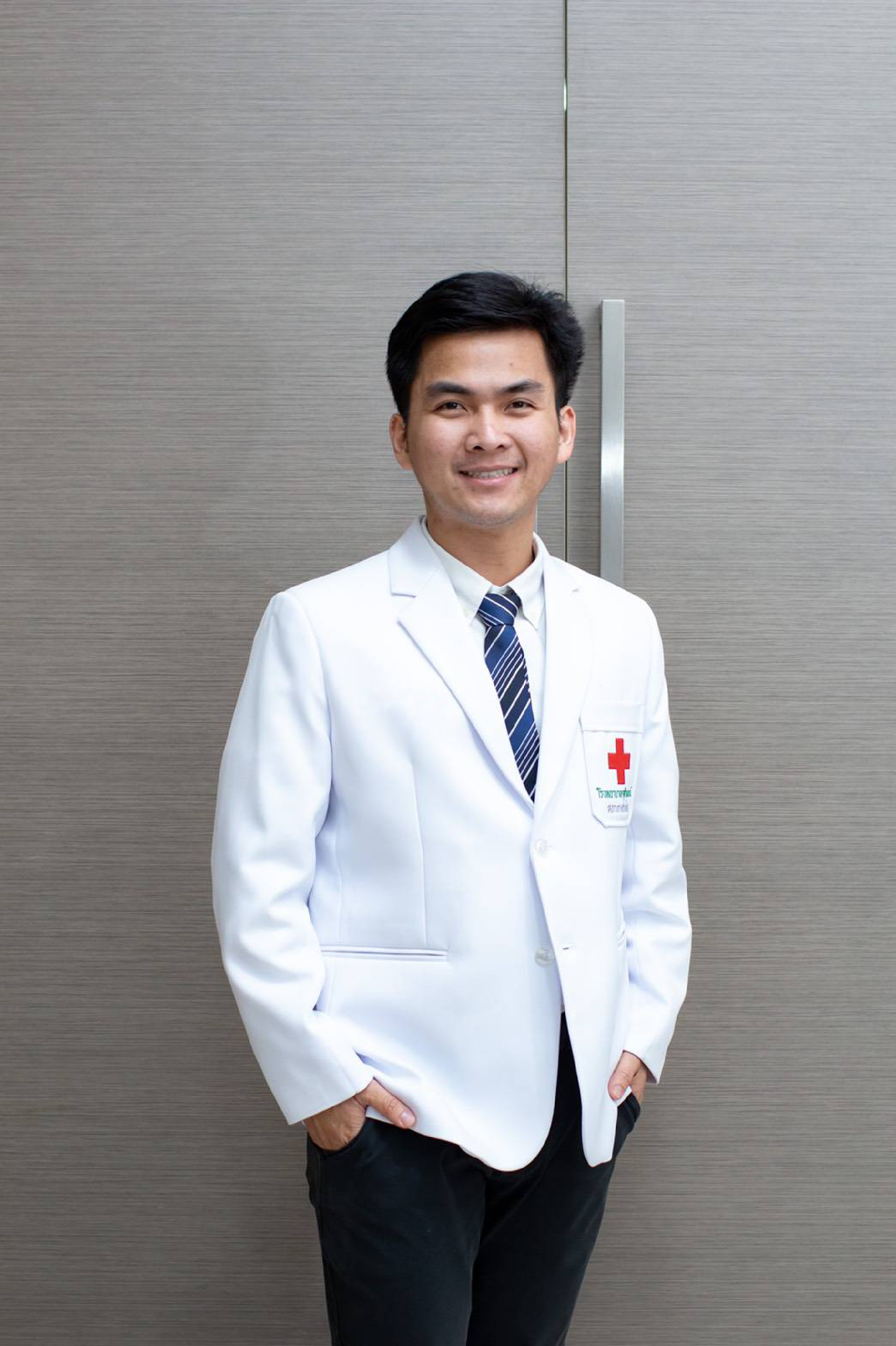
Dr. Thanapob Bampenkiatkul, MD. Special Lecturer in Gender Medicine and Menopause
Dr. Thanapob Bampenkiatkul, MD. Special Lecturer in Gender Medicine and Menopause, Department of Obstetrics and Gynecology, Faculty of Medicine, and a specialist at the Gender Health Clinic explained that “consultation depends on the way an individual patient wants to change his/her body to feel good. We provide information on the safest and most appropriate ways to become the person he/she wants to be.
For some, just to behave in the manner of their desired gender, such as cross-dressing, using pronouns, breast compression, or augmentation, can make them satisfied and happy without having to undergo hormone replacement therapy or sex reassignment surgery. Some may be content with just getting hormone pills without sex reassignment surgery. Even among patients who undergo sex reassignment surgery, they are satisfied with different things too.
The danger of hormone replacement
Hormone replacement therapy for a sex change is a popular method used by transgender people to transform their physique into their desired gender. Many people use it without consulting a doctor because they are unaware of the danger, especially from birth control pills. Using the wrong types and/or doses can adversely affect the cardiovascular system, one of the most common causes of death among transgenders.
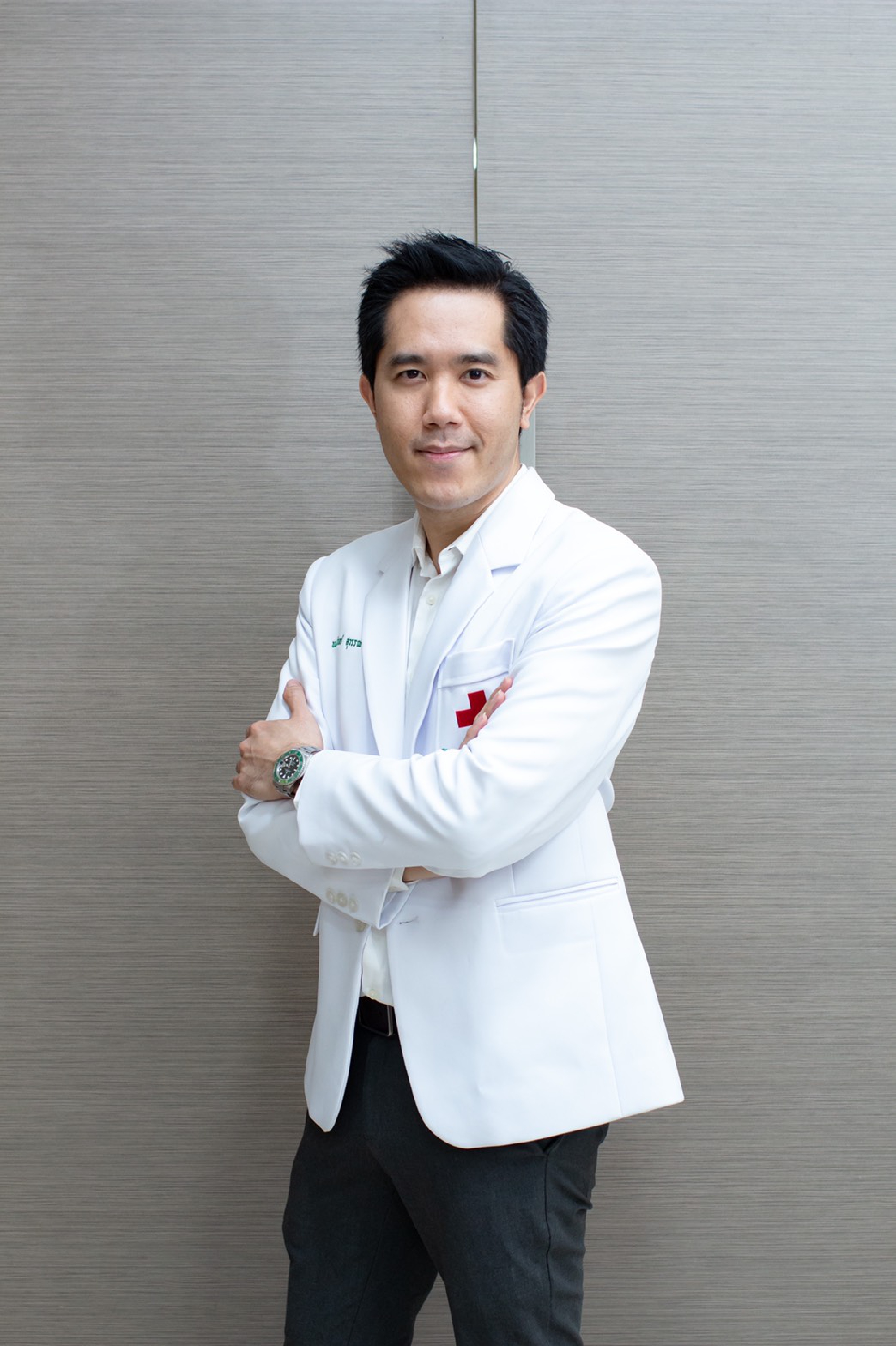
Amarin Suwan, M.D., a lecturer of Gender Medicine and Menopause
Amarin Suwan, M.D., a lecturer of Gender Medicine and Menopause, Department of Obstetrics and Gynecology, Faculty of Medicine, and a specialist at the Gender Health Clinic, opined that “every person’s body is different and requires different drugs/doses to suit the body. Some people are better suited for pills taken orally, while others are better with topical drugs, or they may get the same drug but at different dosages, which the doctor will recommend the best.”
Most importantly, hormone replacement therapy is not for everyone. People with breast cancer, myocardial infarction, coronary artery disease (CAD), coagulopathy, polycythemia vera, or patients with abnormal liver or lipid profiles, etc. are barred from hormone therapy.
Chula Gender Health Clinic Team
ADVERTISEMENT
Gender Reassignment Surgery
Dr. Thanapob said, “transgenders have diverse needs. For instance, most trans men want their ovaries and uterus gone because they don’t belong to their body, while some people don’t mind them as much. Some may want to get pregnant or have vaginal sex, so they don’t have a hysterectomy, while only 3-4 percent of all trans men worldwide undergo penile reconstruction surgery. So, to each his own.”
The Gender Health Clinic offers gender reassignment surgery services for both transgender men and women, by working with a transgender surgery clinic. There are three types of surgical procedures:
1. Top Surgery consisting of breast reduction and breast enlargement.
2. Bottom Surgery consisting of hysterectomy, removal of ovaries, and fallopian tubes , penile and vaginal reconstruction, as well as castration.
3. Other surgeries including hips augmentation, Adam’s apple sharpening, jaw sharpening, face shape change.
Patients are carefully considered in detail in accordance with Thailand’s standards before they undergo each type of surgery. Initially, they must undergo psychiatric evaluation and be cleared by a psychiatrist that they really wish to undergo the operation and it’s not just a passing whim, because the surgery can only be done once and is irreversible. Without endorsement from a psychiatrist, surgery cannot be performed. This is forbidden at the Clinic. In addition, they may need to have been living a transgender lifestyle for at least one year. People who are allergic to anesthetics or unable to undergo surgery will not receive the service either.
The importance of psychiatric evaluation before sex reassignment surgery
To receive sex reassignment services, everyone must always receive a psychiatric evaluation. Many people mistakenly believe that seeing a psychiatrist implies a mental disorder. This is far from the truth. The psychiatrist is there to determine that the client is true to his/her will and will not regret it later, or the will is not caused by the confusion that might occur with schizophrenia patients who are delusional about their desire to be transgender, have personality problems or are sexually happy from cross-dressing only.
“There is nothing wrong with people who want to love and spend their lives with a same-sex partner, and current medical textbooks are going write transgenders off of Mental Health problems list, and classify them under the Sexual Health category, because wanting to live as another gender is not being mentally dysfunctional,” Assoc. Prof. Doctor Krasian said.
At what age can I undergo a sex-change operation?
There is no clearly specified age that is appropriate for sex reassignment surgery. It depends mainly on the needs of the service recipients because some people want to be transgender in their teens, others may come out in their 40s. Only those who are 18-20 years of age must always have the consent of their parents or legal guardians. Based on the Medical Council of Thailand’s Regulations on the Ethics of Medical Professionals Regarding the Criteria for Gender Reassignment treatment, B.E. 2552 (2009), the Gender Health Clinic will primarily care for adult patients.
Adolescents under 18 years of age are treated on a case-by-case basis. The clinic has specialized endocrinologists and child and adolescent psychiatrists from the Integrative Adolescent Health Clinic. All of this is for service recipients to have a better quality of life and mental health.
Among other services, the Gender Health Clinic also offers counseling services for gender-related health problems, such as menopause, vaginal dryness, endocrinological disorders related to sex hormones, and the consequential unsatisfying sex, such as lack of sex drive, pain from sexual intercourse, etc.
Gender Health Clinic opens for service every Monday from 13.00-15.30 hrs. To make an appointment for a consultation with specialists, call Tel 0-2256-5286 and 0-2256-5298, or follow the Facebook page: “Gender Health Clinic Chulalongkorn Hospital” – https://www.facebook.com/KCMHCMG/.
AstraZeneca jabs can protect you from Indian variants, study shows
A recent study from Oxford University shows that the vaccines currently available, including AstraZeneca, will provide protection against the Delta (B.1.617.2) and Kappa (B1.617.1) variants, formerly known as the “Indian” variants.
The study investigated the ability of monoclonal antibodies in sera from recovered people and from vaccinated people to neutralize the two variants.
Neutralisation against the Delta and Kappa variants was comparable with that seen against the Alpha (B.1.1.7; formerly Kent) and Gamma (P.1; formerly Brazilian) variants, with no evidence of widespread antibody escape as seen with the Beta (B.1.351; formerly South Africa) variant.
This may provide an initial indication that similar levels of protection could be achieved in a real-world setting. Sub-analysis of the Phase III trial in the UK demonstrated vaccine efficacy of 70.4 per cent at preventing symptomatic Covid-19 against the Alpha variant when measured more than 14 days after a second dose.
These results build on the recent analysis by Public Health England showing early evidence of real-world data that two doses of AstraZeneca’s Covid-19 vaccine are effective against the Delta variant, with similar levels of protection as those seen against the Alpha variant.
Mene Pangalos, executive vice president of BioPharmaceuticals R&D, said: “We are encouraged to see the non-clinical results published from Oxford and these data, alongside the recent early real-world analysis from Public Health England, provide us with a positive indication that our vaccine can have a significant impact against the Delta variant. This gives us great hope that even as these new variants continue to spread, our vaccine would continue to provide protection for people across the world and help turn the tide for the people of India.”
While data is still building, early studies have now demonstrated the vaccine’s ability to have a positive impact against all the key global variants of concern and support the World Health Organisation’s (WHO) Strategic Advisory Group of Experts on Immunisation recommendation on the use of AstraZeneca vaccine in countries where new variants are prevalent.
The Indian variant is a key contributor to the current wave of infection ravaging the Indian subcontinent, and it has recently been classified as a variant of concern by the WHO. These data are very encouraging and demonstrate that AstraZeneca’s vaccine, which currently comprises over 90 per cent of all doses being supplied in India, and as of June represents over 90 per cent of all doses supplied through COVAX globally, will have a significant impact as cases of these two new variants increase.
Virologist predicts spread of Delta, urges better, faster vaccine rollout
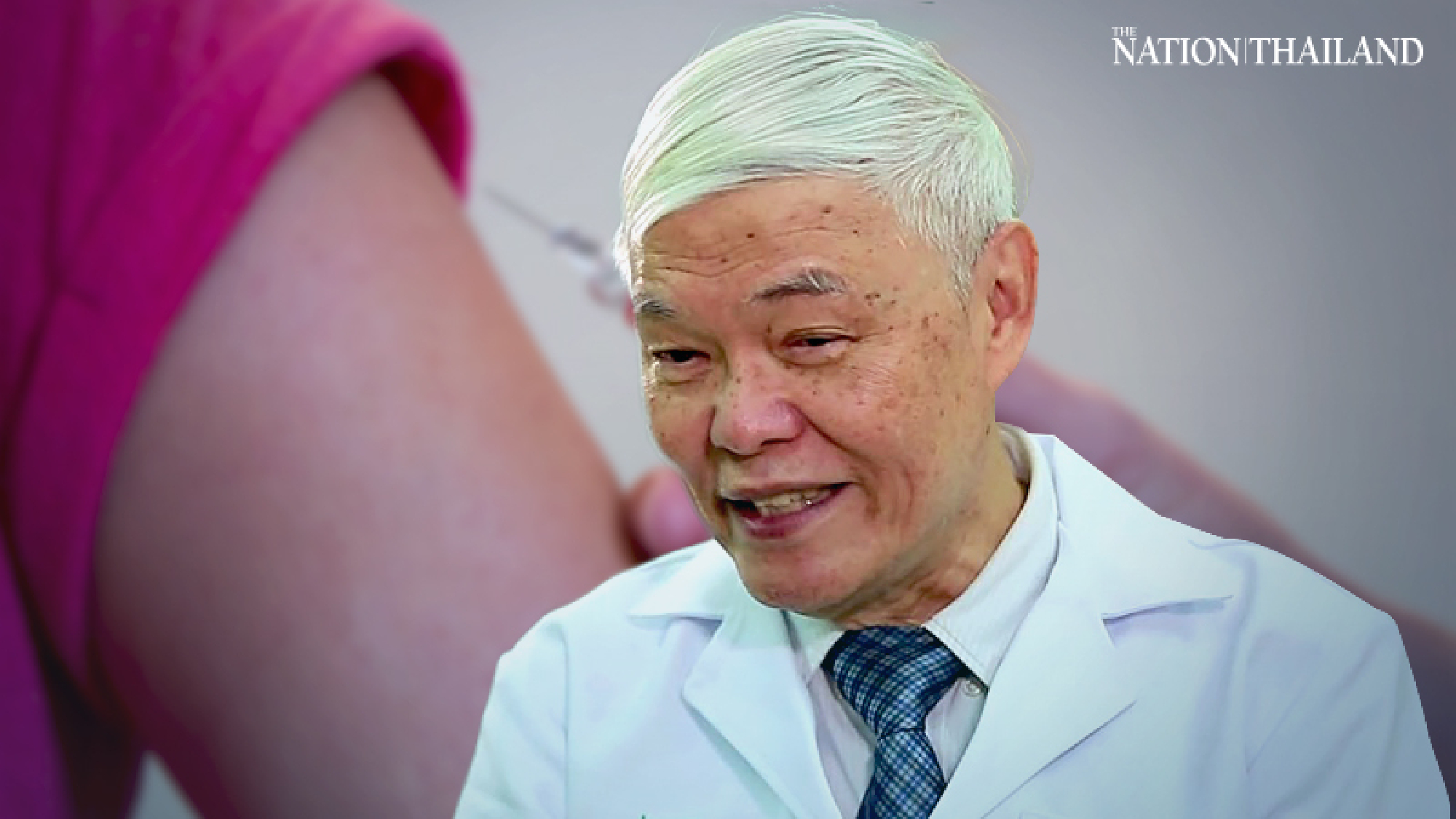
Thailand’s well-known virologist Dr Yong Poovorawan on Wednesday urged the government to inoculate as many people as possible to prevent an outbreak of the Covid-19 Delta strain.
Citing a study by the Department of Medical Sciences, his Facebook post said 90 per cent of Covid-19 infections in Thailand were from the Alpha strain, followed by Delta strain (9 per cent) and Beta strain (1 per cent).
However, he predicted that the number of Delta-strain infections, found mostly among young workers, would gradually rise in the next three to four months.
He also pointed out that the vaccines currently administered in Thailand only offer protection against the Alpha strain.
“It will soon become necessary to monitor the spread of each strain to improve disease control,” he said, adding that more variants of the virus could emerge in the future.
“We believe new Covid-19 vaccines will be produced next year to deal with the different strains,” he said.
More than 85 per cent of Thai people are on high guard against Covid-19, according to the Public Health Ministry survey from May 16 to 31.
The director-general of the Department of Health Service Support, Dr Tares Krassanairawiwong, said on Saturday that the survey was conducted on 25,265 samples nationwide.
The survey showed 94.8 per cent of respondents were paying attention to wearing face mask, followed by washing hands with soap or alcohol gel (88.8 per cent), eating (87.9 per cent) and keeping social distance (83 per cent).
“The respondents also avoid gatherings and travelling across provinces,” he said.
Meanwhile Dr Kiattiphum Wongrachit, Public Health Ministry permanent secretary, said the total number of Covid-19 vaccine doses administered in Thailand as of June 18 was 7,483,083, of which 5,434,119 people were given their first shot and 2,048,964 people were given their second shot.
He added that 65 to 75 per cent of people want to receive their Covid-19 jab, citing the survey from May 16 to 31.
“Therefore, we would like to invite people to receive their Covid-19 jab in order to create herd immunity,” he said.
He advised vaccinated people to undergo measures to contain the spread of Covid-19 because they still have a chance to be infected with the virus.
The government undertook mass vaccination as a national agenda in a bid to reduce the number of Covid-19 patients and deaths, create herd immunity, revive the economy and stimulate tourism.
ADVERTISEMENT
The government aims to procure over 100 million Covid-19 vaccines to vaccinate the majority of citizens within this year.
Sinovac develops over 50 per cent immunity in Thais in 2 weeks: study
Two Sinovac vaccine jabs help stimulate Thais immunity against Covid-19 by over 50 per cent, Chulalongkorn Universitys Faculty of Medicine said on Saturday.
The university said it had conducted tests on people who had already received two Sinovac Covid-19 vaccine jabs with the Armed Forces Research Institute of Medical Sciences.
“The enzyme-linked immunosorbent assay showed that 95 per cent of 186 people who had received two Sinovac Covid-19 vaccine jabs had already developed immunity against Covid-19,” the university said.
“Meanwhile, blood tests also showed that 70 per cent of 171 people who had received two Sinovac Covid-19 vaccine jabs for two weeks had over 50 per cent immunity against the virus.”
Over 700 people volunteer for vaccine cocktail study, but only 90 to be chosen
More than 700 volunteers responded within six hours to participate in a Chulalongkorn University research project for vaccination against Covid-19 by switching between doses of Sinovac and AstraZeneca vaccines
The volunteers were responding to an appeal from Dr Yong Poovorawan, head of the university’s Center of Excellence in Clinical Virology at the Faculty of Medicine.
The safety research project will study immunogenicity and alternating effects of the inactivated vaccine (Sinovac) and carrier virus (AstraZeneca).
Dr Yong said he would ask the ethics commission to do a study of only 90 people to get detailed results, which would later be used in practice, he said, and thanked all applicants.
Current wisdom advocates the use of the same Covid-19 vaccine for the first and second doses. But in some cases, where the first dose is not very effective, a different second dose is required, such as Sinovac and AstraZeneca, he said.
Two doses of different vaccines are useful in cases where vaccines are scarce, he added. When the second dose is available, different types of vaccines may be used, hence the effects of vaccine switch must be studied thoroughly before it can be used in practice, he said.
After being reviewed by the Ethics Committee, the project invited volunteers to receive the first and second doses of different vaccines.
The vaccine side-effects would be recorded and immunity would be monitored periodically to obtain academic information before being put into practice, Yong said.
Around 15 years ago, I was troubled by a nagging lower back ache. It was not serious enough
for me to consult a doctor, as, in general, I am a believer in the body’s ability to heal itself, but it did rob me of a good night’s sleep. At that time, I turned to yoga. The yoga teacher taught me a few simple asanas (or postures); the lower back pain diminished gradually and, over time, disappeared completely.
My interest in yoga was rejuvenated seven years ago. Since last year, when the Covid 19 pandemic crisis began, the whole world has been on a quest for better health. In urban settings, there is a growing recognition of the need to maintain physical and mental health in the confines of one’s tiny home, often in isolation.
At such a moment, the 7th International Day of Yoga, to be celebrated on 21 June, 2021 is a timely reminder that this ancient tradition from India, perfected by yogis or sages several thousand years ago, has much to offer.
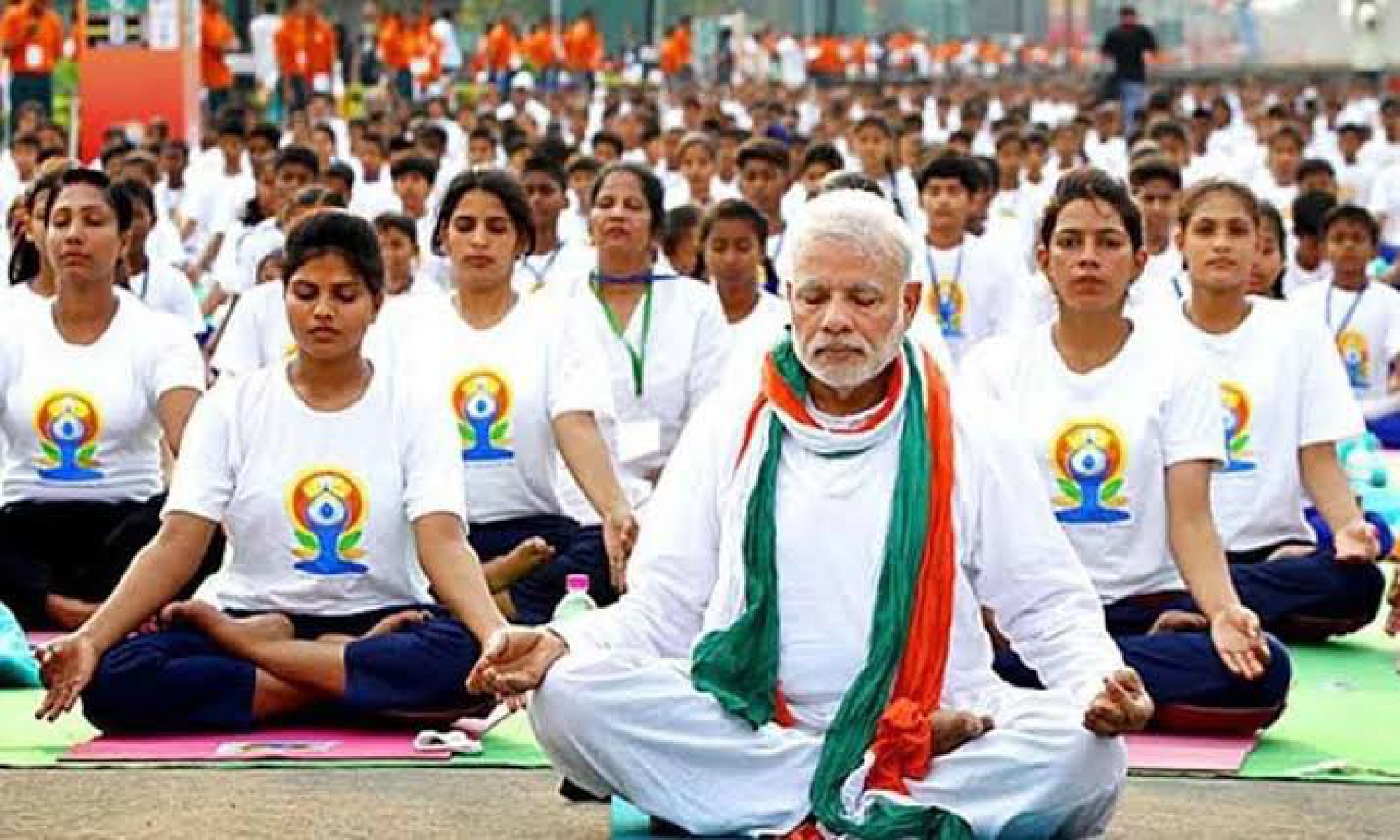
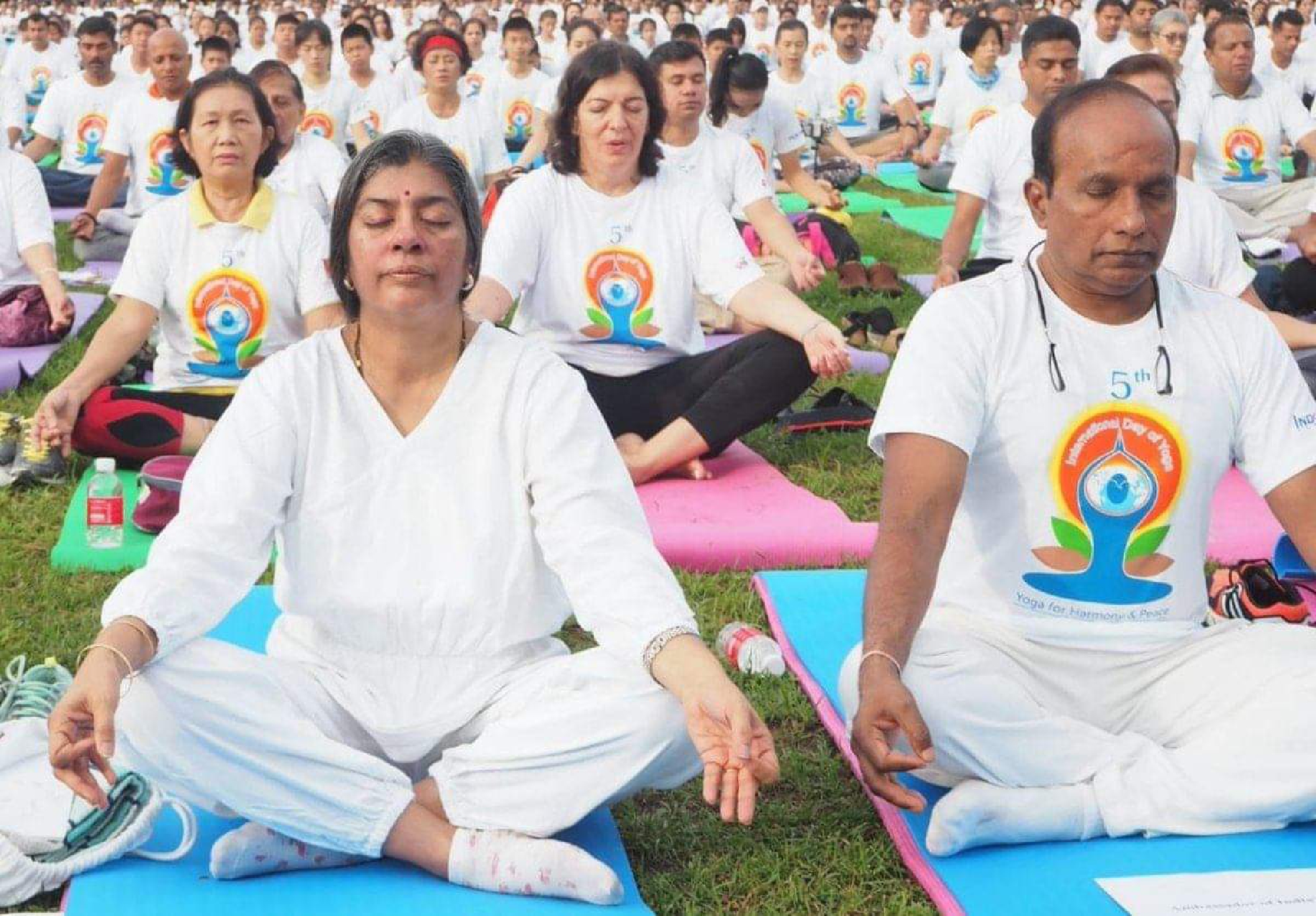
What is Yoga ? In Sanskrit, the word means “union”. Union of the mind and the body, thought and action, achievemen and self-control. In 2014, during his address to the UN General Assembly, India’s Prime Minister Narendra Modi pointed out that yoga signifies harmony between humanity and nature and is a holistic approach to health and well-being. Yoga, he said, is not just about physical exercise but to discover the sense of oneness with yourself, the world and nature. The practice of yoga can lead to a transformative lifestyle which in turn can contribute towards a better environment. Based on the Indian initiative, the United Nations adopted a consensus resolution declaring 21 June as the International Day of Yoga. Since 2015, the International Day of Yoga has been observed every year with enthusiasm all over the world including in Thailand.
Yoga – for harmony and healing
Over the years, yoga has acquired a universal appeal. Thailand has plenty of yoga centres. While it is difficult to state with certainty as to when the tradition of yoga began, the first codified text on yoga, the Yoga Sutra (Sutras are aphorisms) by the great Indian sage Patanjali is said to have been composed around 2500 years ago. Buddhist texts have frequently referred to yoga.
The Yoga Sutra define the eight stages of yoga or Ashtanga Yoga (the Eight Limbs or Stages of Yoga). These are Yama – moral guidelines; Niyama – inner laws that govern the body and the mind; Asana – physical movements or postures; Pranayama – regulation of subtle energy through breath-control; Pratyahara – withdrawal of the senses from the outer world; Dharana – focussing or the fixing of the mind on a single thought or object; Dhyana – meditation and Samadhi – state of profound absorption or union with the higher self. Beyond samadhi, a yogi experiences total freedom, or ananda (bliss).
Of these, the most well known are the asanas or the postures, pranayama and dhyana. The benefits of practising yoga are multiple – yoga has been clinically proven to reduce anxiety and stress; it helps in pain mitigation; in de-addiction; and in management of chronic non-communicative diseases such as diabetes, hypertension and cholesterol. The role of dhyana or meditation in bringing about mental and spiritual calm is well recognised. The best part about yoga is that it does not require much space or fancy equipment: all you need is a simple mat, comfortable clothes and some peace and quiet.
Combined with Ayurveda the ancient system of Indian medicine, yoga can greatly help in boosting immunity. Like India’s Ayurveda (literally, the science of life), Thai traditional medicine has been found to be useful in treating many ailments. The healing power of herbs and spices including neem, ginger, turmeric, pepper, honey as well as ghee (or clarified butter) shows that simple and effective cures can be found in our kitchens or in our gardens.
This year, the theme of the International Day of Yoga is “Yoga at Home and Yoga with Family”. In keeping with Covid 19 pandemic related restrictions, the Indian embassy at Bangkok is celebrating the day on Sunday, 20 June in a virtual manner. In the run-up, online classes have been organised by the Swami Vivekanda Cultural Centre. Do participate.
As the ancient Sanskrit sloka which is often invoked at the end of a yoga session goes: Lokah Samastah Sukhino bhavantu – may the entire world be healthy and happy.
ADVERTISEMENT
Published : June 19, 2021
By : Suchitra Durai India’s Ambassador to Thailand


 Associate Professor Krasian Panyakhamlert, M.D., Head of Gender Medicine and Menopause
 Dr. Thanapob Bampenkiatkul, MD. Special Lecturer in Gender Medicine and Menopause
 Amarin Suwan, M.D., a lecturer of Gender Medicine and Menopause
 Chula Gender Health Clinic Team

 Yoga – for harmony and healing
 SootinClaimon.Com