Thailand’s Covid quarantine policy should keep families together, says Unicef
The United Nations Children’s Fund (Unicef) is advising Thai authorities on how to prevent unnecessary separation of families under third-wave quarantine and isolation measures.
“Separation of child and parent or primary caregiver when either one has tested positive for Covid-19 may worsen the psychological toll on children as well as expose them to greater risks of neglect or violence,” said Kyungsun Kim, Unicef representative for Thailand.
“No child should be left on their own and families must remain together wherever possible.”
If a child must be quarantined, isolated or treated at a hospital or hospitel, a parent or caregiver must be allowed to accompany them, the Unicef guideline advises. If not possible, the child must be placed in a facility close to their family and allowing for regular communication. The child and family’s contact details and information must be recorded before any separation takes place.
ADVERTISEMENT
“Children’s overall physical and mental wellbeing, in addition to protection, must be a primary consideration in all policies and decisions on Covid-19 measures for health and safety,” Kim said.
Unicef also advises that if a parent or caregiver must be quarantined, isolated or treated at a hospital or hospitel, children should stay with a relative or responsible guardian in agreement with the parent or caregiver. If a child has been left on their own, neighbours or witnesses must immediately contact the government hotline 1300 to help ensure the child’s safety and the provision of appropriate services and living arrangements.
FDA approves first drug to slow decline of Alzheimers disease
WASHINGTON – The Food and Drug Administration on Monday approved the first Alzheimers treatment intended to slow cognitive decline, a move hailed by patients and advocates but sharply criticized by others who argued there was not sufficient evidence the drug works.
The medication, called aducanumab, is the first drug cleared for Alzheimer’s that is designed to alter the course of the disease by slowing the deterioration of brain function – not just to ease symptoms. No Alzheimer’s treatment has been approved since 2003, reflecting the extraordinarily high failure rate of drugs developed for the illness.
But, in an explicit acknowledgment of the uncertainties about the effectiveness of the drug, the FDA did not grant the medication full approval. Instead, the agency cleared the drug – its brand name will be Aduhelm – based on its ability to reduce clumps of amyloid beta in the brain, a hallmark of the disease. It ordered the drug’s maker, the biotech giant Biogen, to conduct a post-approval study confirming that the medicine actually slows cognitive deterioration. If the medication does not provide such a clinical benefit, the FDA’s approval could be withdrawn.
Patrizia Cavazzoni, director of the FDA’s Center for Drug Evaluation and Research, said officials believe it is “reasonably likely” that the reduction in amyloid clumps will confer “important benefits to patients.”
Monday’s FDA decision was the most contentious in years, and followed prolonged debate among researchers, doctors, patients and advocates about whether the medication works – a consequence of the drug’s complicated history. One of the biggest points of disagreement is whether a reduction in amyloid beta, a sticky compound that many scientists believe damages communication between brain cells and eventually kills them, results in a slowdown in cognitive decline.
Advocacy groups and patients praised the FDA decision, citing the paucity of drugs to help patients and saying the approval would stimulate newfound interest and investment in researching therapies for the progressive, terminal illness and give patients valuable time to be with their families and to perform everyday tasks.
The decision “is a victory for people living with Alzheimer’s and their families,” said Harry Johns, president and chief executive of the Alzheimer’s Association.
Jeff Borghoff, 57, who was diagnosed with early-stage Alzheimer’s five years ago and has received aducanumab in clinical trials, expressed elation about the FDA decision.
“This is epic news,” said Borghoff, a resident of Forked River, N.J., who credits the drug with keeping his condition stable. “Now, I may have time to watch my kids get married. My wife said, ‘I have more time with you now.'”
But critics assailed the decision, arguing that data on the drug’s effectiveness is weak and that the FDA approval represents a dangerous lowering of standards in response to pressure from patients and advocacy groups.
“I’m surprised and disappointed,” said Caleb Alexander, an internist and epidemiologist at the Johns Hopkins Bloomberg School of Public Health and a member of the FDA advisory committee that last fall resoundingly rejected the drug.
“I think this product was driven across the line by the magnitude of unmet need, which is enormous,” he said. “But unmet needs can’t trump regulatory standards, and my concern is that in this instance they may have.”
Alexander also noted that other amyloid-reducing drugs have not been shown to improve cognition – a point disputed by FDA officials, who said an internal agency study indicated that eliminating amyloid clumps could be helpful to patients.
Public Citizen, a watchdog group and frequent critic of the FDA, said in a statement Monday that the agency’s close collaboration with Biogen before and after the company’s application seeking approval “dangerously compromised the integrity of the agency’s review.”
The FDA’s Cavazzoni said she was satisfied the interaction between the staff and the company “was appropriate and necessary” given the FDA’s questions and the complexity of Biogen’s application.
The intravenous treatment does not cure Alzheimer’s disease or reverse it. On Monday, Biogen said it would charge $56,000 a year per patient, making it a blockbuster product for the company and adding billions of dollars to the nation’s health tab. Its stock rose 38 percent.
A Boston group that assesses the value of treatments – the Institute for Clinical and Economic Review – said earlier this year that aducanumab, to be cost effective, should be priced at $2,500 to $8,000 a year per patient.
Medicare is likely to shoulder much of the cost of the drug, given the age of people with Alzheimer’s, but it has not indicated its plans for coverage. Private payers will be under intense pressure to pay for the treatment but may push back on the price. It’s not clear yet how much patients on government or private insurance will have to pay in cost-sharing.
The medication is a monoclonal antibody, a protein made in the laboratory that can bind to substances – in this case, clumps of amyloid beta. It is designed to trigger an immune response that reduces the plaques.
About 6.2 million Americans have Alzheimer’s, a number projected to more than double by 2050, barring breakthroughs in treatment, according to the Alzheimer’s Association.
The drug was tested in people with the earliest stages of disease – those with mild cognitive impairment or early-stage dementia who had undergone testing to confirm the presence of amyloid clumps in their brains. Several doctors said Monday they were preparing to offer the drug to their patients and would focus on that population in using the drug. Biogen said Monday up to 2 million people in the United States might be eligible for the treatment.
The FDA did not restrict which patient groups could get the drug. Peter Stein, director of the Office of New Drugs in the drug center, said in an interview that there was “no particular reason” why the reduction of amyloid clumps would benefit patients at one stage of the disease and not others, and said physicians should discuss the medication with their patients and decide on the best course.
Ronald Petersen, director of the Mayo Clinic’s Alzheimer’s Disease Research Center, called the FDA’s conditional approval “a good outcome to a complicated situation.” He said the decision means patients will be able to receive the treatment outside of clinical trials, but that because of the “equivocal nature” of the efficacy data, the company will have to conduct another trial proving the therapy works.
If the FDA had required such a trial before granting approval, he said, the drug would not have been available to patients outside of studies for another three to five years, an outcome he viewed as undesirable. He also predicted Aduhelm will be just one element in an anti-Alzheimer’s arsenal in coming years as researchers develop combinations that are more effective than single medications.
Jason Karlawish, a neurologist at the University of Pennsylvania’s Perelman School of Medicine, had a starkly different view. He wrote in a May 30 column for Stat News, a news site that covers medicine and health, that he would not prescribe aducanumab if approved, because the data were incomplete and the therapy had not been properly studied.
On Monday, after the FDA announcement, he expressed continued reservations about the drug but said he would discuss it with his patients and respect their choices. But he said some patients and colleagues had expressed discomfort about the FDA’s decision, saying evidence that lowering amyloid and improving cognition was thin. And he said he was concerned it would be difficult to conduct the follow-up study on the drug once it is widely available outside of clinical trials.
The FDA has used its accelerated approval program many times for cancer drugs, clearing therapies, for example, that shrink tumors and then requiring a follow-up study showing whether the drug improves survival. But getting pharmaceutical companies to comply with mandates to conduct the post-approval studies has at times been difficult, and the agency has sometimes been slow to yank approved drugs from the market, even when the follow-up studies fail or aren’t completed.
The drug has followed a rocky road. In 2019, Biogen halted two late-stage trials halfway through after an assessment concluded the studies would not reach their goals of slowing cognitive and functional impairment in Alzheimer’s patients. But, in a sharp reversal, a company analysis with additional data released several months later came to a different conclusion.
In one of the clinical trials, that analysis found, people given the drug declined 22 percent more slowly than those who received a placebo. The other trial failed to reach its goal, though the company was encouraged by data from a subset of study participants who got more of the drug. Biogen concluded a key to effectiveness was giving patients a high enough dose for a long enough time.
Critics, however, said the data had been selected to make the drug look better than it was. In an acrimonious meeting last fall, an FDA advisory committee recommended against the drug’s approval, and harshly rebuked the agency’s review staff for supporting the medication so strongly and working closely with the company.
But supporters of the drug Monday were ecstatic about what they called a watershed moment following years of crushing disappointments in trying to find a way to treat the devastating disease.
Michel Vounatsos, chief executive at Biogen, called the decision a “historic moment” that would “transform the treatment of people living with Alzheimer’s disease and spark continuous innovation in the years to come.”
The approval bolsters the long-debated theory proposed in the early 1990s that targeting amyloid plaques can be an effective way to treat Alzheimer’s. Detractors have complained that the focus on amyloid has squeezed out work on other important approaches such as targeting a protein called tau or examining the role of inflammation.
Supporters counter that while multiple approaches should be pursued, the aducanumab approval shows that anti-amyloid treatments can be beneficial.
Aduhelm can sometimes cause side effects, the FDA said, including temporary swelling of the brain that usually does not cause symptoms, though some people may have headache, confusion and dizziness. Other potential complications are tiny bleeds in the brain and disorientation.
What we know about the highly infectious coronavirus delta variant
The coronavirus variant labeled “delta” was first recorded in India, where a slow vaccination drive and complacency about pandemic rules helped spark a record-breaking covid-19 surge this spring.
Since then the variant has spread, and as new cases rise in Britain, it has become dominant, despite one of the most successful vaccination programs anywhere. Its newfound prevalence could upend plans for a return to normalcy.
On Monday, British Health Secretary Matt Hancock said the country was still evaluating the data to see whether it can reopen fully by June 21 as planned, with a deadline to decide by next Monday.
“I know that these restrictions have not been easy, and with our vaccination program moving at such pace, I am confident that one day soon freedom will return,” he told Parliament.
Britain has fully vaccinated more than 41 percent of its population, while more than 60 percent have received at least one shot. But over recent weeks, the number of new cases recorded daily has ticked slowly but surely up, while health authorities confirmed last week the delta variant had come to dominate new infections.
The situation could have significant impact for vaccination and reopening plans around the world – including in the United States, where rates of vaccination have slowed despite the Biden administration’s target of having 70 percent of the country vaccinated by July 4.
Q: What is the delta variant?
A: Also known by the scientific name B. 1.617, the variant was first identified in Maharashtra, India, in October 2020. It became the delta variant after the World Health Organization implemented a new naming system based on Greek letters earlier this month.
Though it is just one of many variants to have arisen during the pandemic, it is considered one of the most alarming. The World Health Organization has labeled it a “variant of concern.”
It has splintered into several sub-variants – including one, known as B. 1.617.2, that is widespread in Britain.
While scientists are still studying the variant to better understand it, its impact can be seen in India, where it contributed to a surge in cases in recent months that led to daily death tolls topping a record 4,500.
On Monday, Hancock said before Parliament that the British government believed that the delta variant was 40 percent more transmissible than the alpha variant, also known as B.1.1.7, which was first detected in Britain. Scientists are still studying the matter.
A model released by a team of researchers at the University of Warwick last month warned that if the delta variant were 50 percent more transmissible than the alpha variant, it could lead to Britain’s biggest wave of hospitalizations yet: around 10,000 a day.
Q: What about vaccinations?
A: British data shows that the majority of new cases in the country are among those not yet vaccinated. Nearly all serious cases were recorded among the unvaccinated or partially vaccinated.
As of June 3, according to data Hancock cited, only three fully vaccinated people infected with the new variant had been hospitalized.
“The jabs are working,” Hancock said. “We have to keep coming forward to get them and that includes vitally that second jab which we know gives better protection against the Delta variant.”
A preprint publication by Public Health England put released last month found that one dose of a Pfizer or AstraZeneca vaccine was only 33 percent effective against the delta variant, compared to 50 percent for the alpha variant. That gap closed with a second dose.
In Britain, where two-dose vaccines produced by Pfizer, Moderna and AstraZeneca are commonly used, the government has focused on getting first shots out to a wide number of people, with second doses sometimes becoming available months after the first.
The concern is bigger, however, in countries vaccinating less swiftly than Britain is, or using vaccines with lower rates of efficacy, such as the Chinese-produced Sinopharm vaccine.
Q: Where has the delta variant been found?
A: Britain is among the world leaders in sequencing viruses, which is one reason it is so focused on variants. Other nations, including the United States and India, have lagged behind in this aspect of virus-tracking.
As of last month, according to the WHO, cases of the Delta variant had been confirmed in 62 countries. That includes the United States, where it made up 3 percent of covid-19 cases as of May 8, according to the Centers for Disease Control and Prevention.
WHO officials have warned that variants, combined with reopening plans, could lead to outbreaks.
“Relaxation of public health and social measures, increased social mobility, virus variants and inequitable vaccination are a very dangerous combination,” Maria Van Kerkhove, the WHO’s covid-19 technical lead, said at a briefing last week.
Getting a jab each of AstraZeneca and Sinovac offers greater immunity
People who received doses of both the Sinovac and AstraZeneca vaccines have better immunity against Covid-19 than those who received both shots of the same brand, according to the Centre of Excellence in Clinical Virology research.
Chulalongkorn University virology specialist and chief of the Centre of Excellence in Clinical Virology, Dr Yong Poovorawan, said in a Facebook post on Sunday that research had been done on five samples.
“However, in practice, receiving different brands of Covid-19 vaccine is not recommended because it is a new vaccine,” he said.
According to the research, four samples who received first the Sinovac vaccine and the second dose of AstraZeneca had higher immunity than people who received both shots of Sinovac.
Meanwhile, one sample who received AstraZeneca first and then Sinovac also had higher immunity than the average.
Dr Yong added that the centre would continue its research based on safety, as it would be another way to use Covid-19 vaccines amid the vaccine shortage, or stimulate immunity after receiving the second shot.
Fear of Covid infection has reduced alcohol consumption in Thailand, study shows
Thais have generally cut down their consumption of alcohol in a bid to protect themselves from Covid-19, a recent survey conducted by the Centre of Alcohol Studies shows.
The centre’s director Prof Dr Sawitri Assanangkornchai said a telephone survey was conducted on 1,555 samples aged 18 and above in 15 provinces from April 24 to 28.
In the survey, 41.9 per cent said they had consumed alcohol regularly for a year before the survey, 32.4 per cent said they drink at least once a week, while 21.3 per cent said they drink large amounts.
However, 28.4 per cent said they had stopped drinking a month before the survey, 41.9 per cent had cut down their drinking, 28.1 per cent were drinking as usual and 1.6 per cent had started drinking more.
“Those who have stopped or reduced their drinking say they are afraid of contracting Covid-19 and want to save money. Those who are drinking as usual or have increased their consumption say they can either not give up drinking or are being pushed to drink by their peers,” the professor explained.
She added that 59 per cent of the respondents said they suffered financial difficulties due to the economic fallout of Covid-19, 6 per cent said they were worried and 8 per cent said they were depressed.
“This survey also showed that measures to control drinking, such as the temporary closure of entertainment venues and banning alcohol at restaurants have affected people’s drinking behavior,” Sawitri said.
Meanwhile, Dr Khamnuan Ungchoosak, an adviser with the Department of Disease Control, added that cutting down on the consumption of alcohol can cut down the risk of Covid-19 infection, violence and unnecessary expenses.
Run, Recover, Rejuvenate: New Global Study From Westin Hotels & Resorts
New Global Study From Westin Hotels & Resorts Reveals Heightened Interest in Fitness Recovery for the Body, Mind & Soul, as Post-Pandemic Self-Care Reigns Supreme To Coincide with Global Running Day on June 2, Westin to Unveil Partnership with Run Recovery Technology Leader Hyperice
Westin Hotels & Resorts, part of Marriott Bonvoy’s 30 extraordinary brands and the global hospitality leader in wellness for more than a decade, unveils a new global study that shows the impact of running and recovery during the pandemic as a means for self-care, just in time for Global Running Day. With 45% of respondents saying that focusing on their well-being has given them a new lease on life, Westin is evolving its industry-leading well-being program to bring world-class recovery solutions to travelers’ fingertips as travel starts to resume.
Run, Recover, Rejuvenate: New Global Study From Westin Hotels & Resorts
Westin has joined forces with Hyperice, the expert in recovery technology that strives to provide the innovation to help people move better and feel their best, to debut bespoke Hypervolt recovery stations in the 24-hour WestinWORKOUT® fitness studios at select Westin hotels across the U.S. beginning July 1 . This first-ever exclusive hotel offering features a complimentary, state-of-the-art recovery system using Hypervolt percussion devices to help guests warm up or recover after a workout, long flight or meeting, and to massage away stress and tension. The Hypervolt is a handheld percussion massage device that delivers targeted pulses of pressure to care for muscles, accelerate warmup and recovery, and help maintain flexibility and range of motion. Westin guests can also download the Hyperice App to tap into guided warm up, recovery and body maintenance routines, and follow along with sessions led by top athletes, trainers and wellness professionals.
“The pandemic was a wake-up call around the importance of taking care of the mind, body and soul. In fact, more than half of people we surveyed (52%) said they are putting more emphasis on self-care now compared to before the pandemic, and more than a third (39%) believe run recovery is as important for mental health as it is for physical health,” said Jennie Toh, Vice President, Brand Marketing and Brand Management, Asia Pacific. “When it comes to feeling your best, we know that the way you move is just as important as the way you recover. With this in mind, we partnered with Hyperice to help travelers accelerate their recovery and optimize their well-being in a holistic way.”
Good for Your Muscles, Great for Your Mind: New Global Study Finds that Run Recovery & Self-Care Are the New Non-Negotiables for a Healthy Wellness Routine
In the past year, there has been a resurgence of interest in running. Since the onset of the pandemic, 47% of global respondents said they went running or jogging more than they did previously, and more than half of respondents (50.9%) said that running or jogging helped with their mental well-being during the pandemic.
What has also emerged from the pandemic is new interest in recovery and self-care. Increasingly, people are discovering and prioritizing recovery and self-care – from stretching, meditating, eating healthy and sleep – as an essential step in their integrative wellness regimen. The study found that:
● More than a third (36%) of respondents said that the pandemic has made them realize the importance of mental health and well-being
● Nearly two-thirds of respondents (65%) plan to continue to focus on self-care post-pandemic
● More than 22% of respondents have seen a positive impact on their running capability since incorporating recovery into their routine, and nearly one fourth of respondents (23.9%) said they want to continue to focus on rest and recovery after exercising once the pandemic has passed
● Nearly one fifth of respondents (18%) said they would make more time for recovery after running if they had the right tools
● More than two-thirds (71.6%) of respondents believe a good night’s sleep is important for physical and mental well-being
Furthermore, as life and travel resume, more than 15% of respondents are planning to maintain their pandemic fitness/wellness regimen when on the road again.
“The Hypervolt is engineered to the standards of the world’s best athletes, found in the training centers and sidelines of major professional sports leagues and relied on by elite trainers around the globe,” said Jim Huether, CEO, Hyperice. “We’re excited to now bring this premium wellness experience to Westin hotels through a new one-of-a-kind partnership, designed to help guests feel their best, recover and travel well.”
Westin Let’s Rise Campaign in Asia-Pacific
In APAC, Westin Hotels & Resorts recently unveiled a wellness focused campaign “Let’s Rise” to motivate locals and travelers alike to regain control and enhance their wellbeing. 59 Westin hotels in Asia-Pacific are taking the initiative in addressing the increasing importance of true mind and body wellness through its signature brand experiences, especially after the challenges and demands of the past year. Through the campaign, Westin hopes to motivate everyone, no matter where they may be, to rise up, Move by staying active with WestinWORKOUT® and the brand’s signature RunWestin programs and Be Moved by the Westin’s Sleep Well and Heavenly Spa experiences.
Westin created an inspiration campaign video that embrace the brand’s foundational well-being pillars Move Well and Sleep Well. In celebration of Global Running Day and deliver a wellness experience with focus on the Move Well pillar, a special video was created featuring a Riser stretching her body, lifting her spirit by staying active while exploring the surroundings.
This Global Running Day, Westin is Calling on Runners Around the World to Go the Extra Mile for a Chance to Win a Westin Run Recovery Kit Featuring a Hypervolt
This Global Running Day, Westin wants to hear what motivates runners of all levels to rise and move well each day – from getting to explore a new destination on-foot, connecting with others on a group run or the sense of achievement that comes from going that extra mile. On June 2, Westin is encouraging people to nominate a person who motivates them to move well on the brand’s global Instagram and Facebook channels for a chance to win a Westin Run Recovery Kit featuring a Hyperice Hypervolt (valued at US$349) and items from the Westin Store to help support healthy recovery after a workout, including their signature Westin Lavender Balm, a Westin-branded water bottle, and more. For sweepstakes details, please visit: http://westinglobalrunningday.dja.com/
Westin’s Run Concierges will Pump Up Your Pace, While RunWESTIN Maps will Help You Run Like a Local
As hospitality’s leader in wellness, Westin empowers guests to maintain their wellness routines on the road. Westin boasts more than 225 Run Concierges globally who provide travelers of all running levels with the opportunity to have a running partner for individual runs and also host group runs. Since running in a new city can be difficult, RunWESTIN™ Maps were created to help travelers run like a local, with curated scenic routes based on preferred distance. On Global Running Day this year, Westin Hotels around the world will be hosting socially distanced runs, complemented by on-property activations that speak to the brand’s three key pillars to Move Well, Sleep Well and Eat Well, promoting a 360-degree approach to well-being.
To learn more about wellness at Westin, please visit https://westin.marriott.com/ Join the conversation @westin and #runwestin.
Siam Bioscience will deliver 1.8 million doses of the AstraZeneca Covid-19 vaccine in line with the government’s plan to launch mass inoculation rollout from June 7.
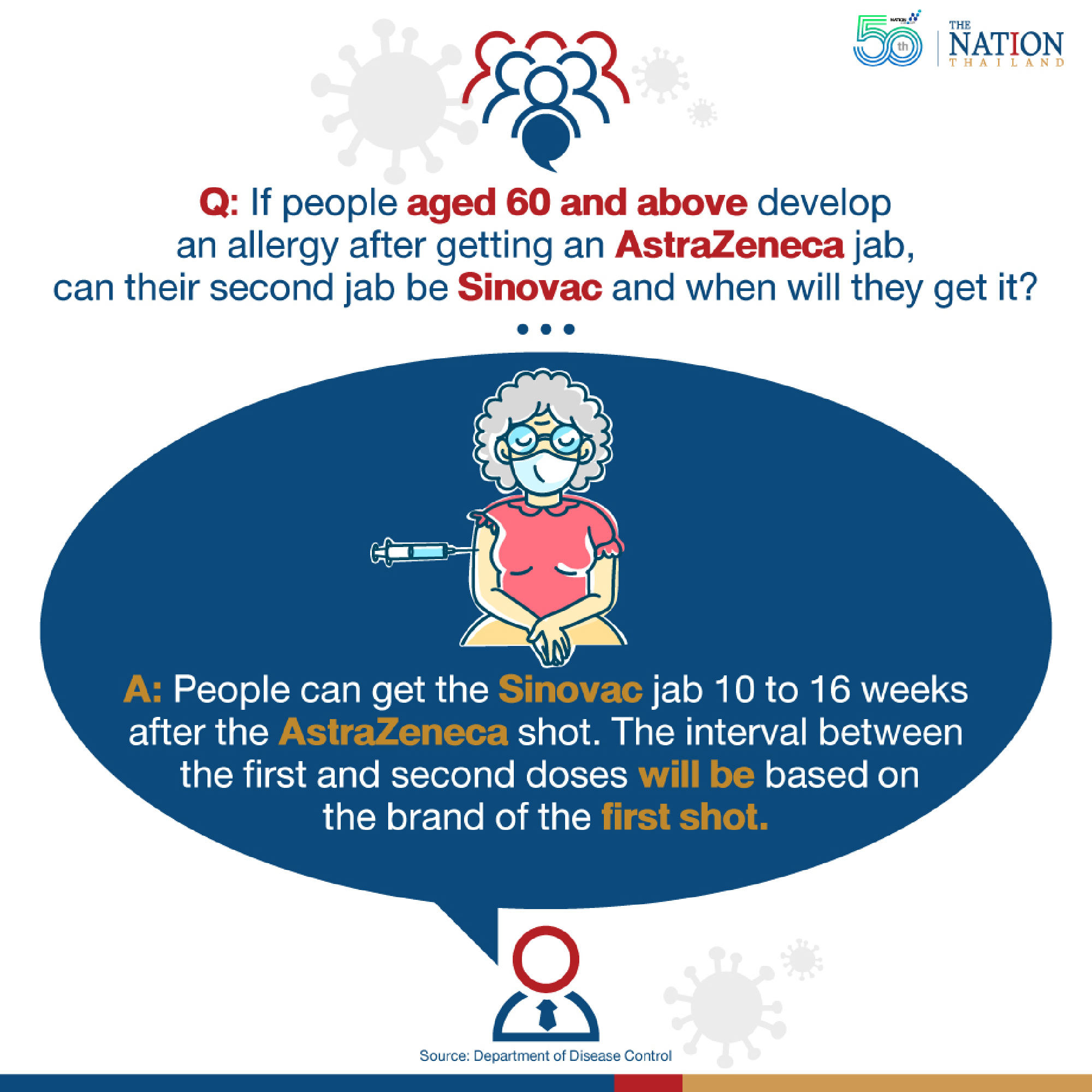
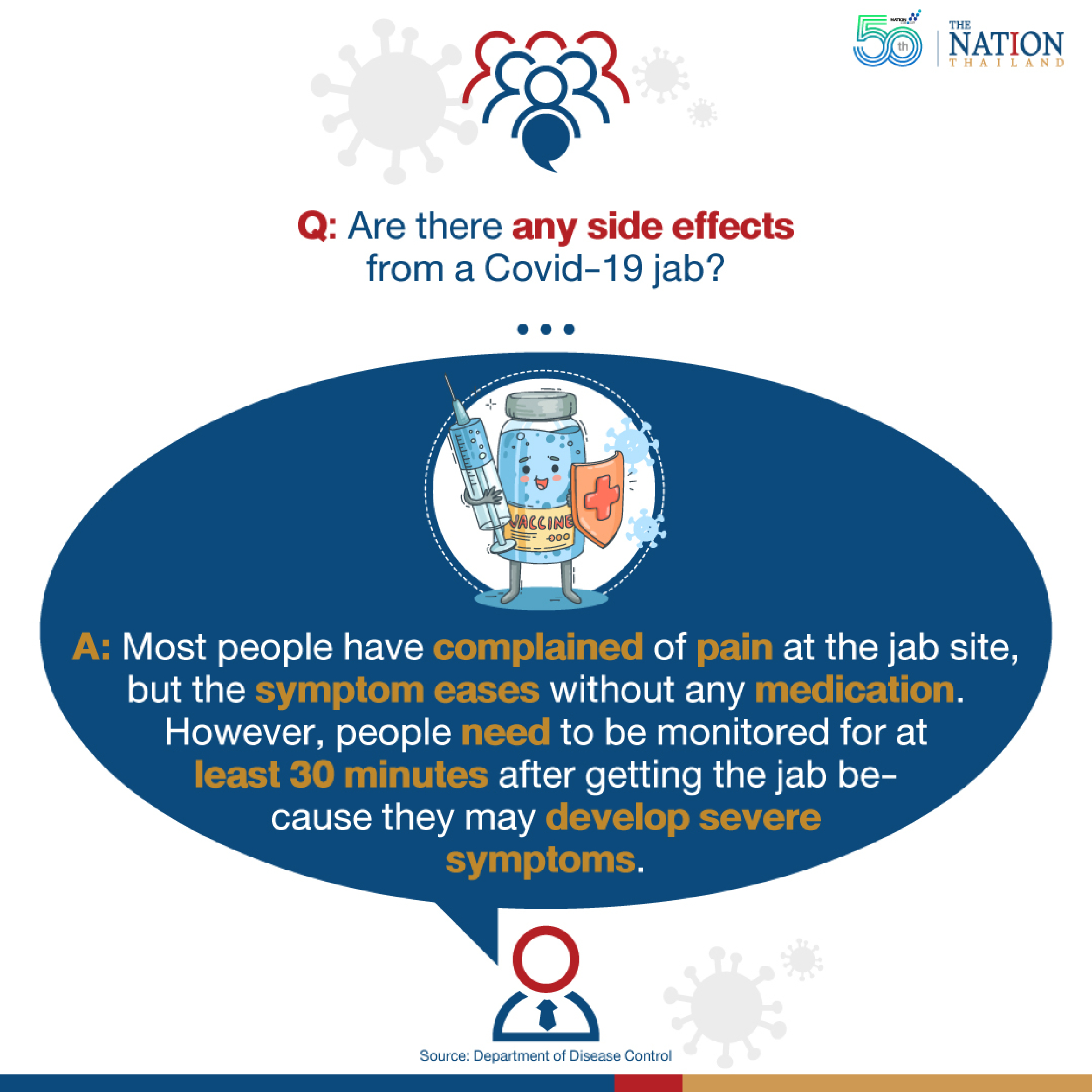
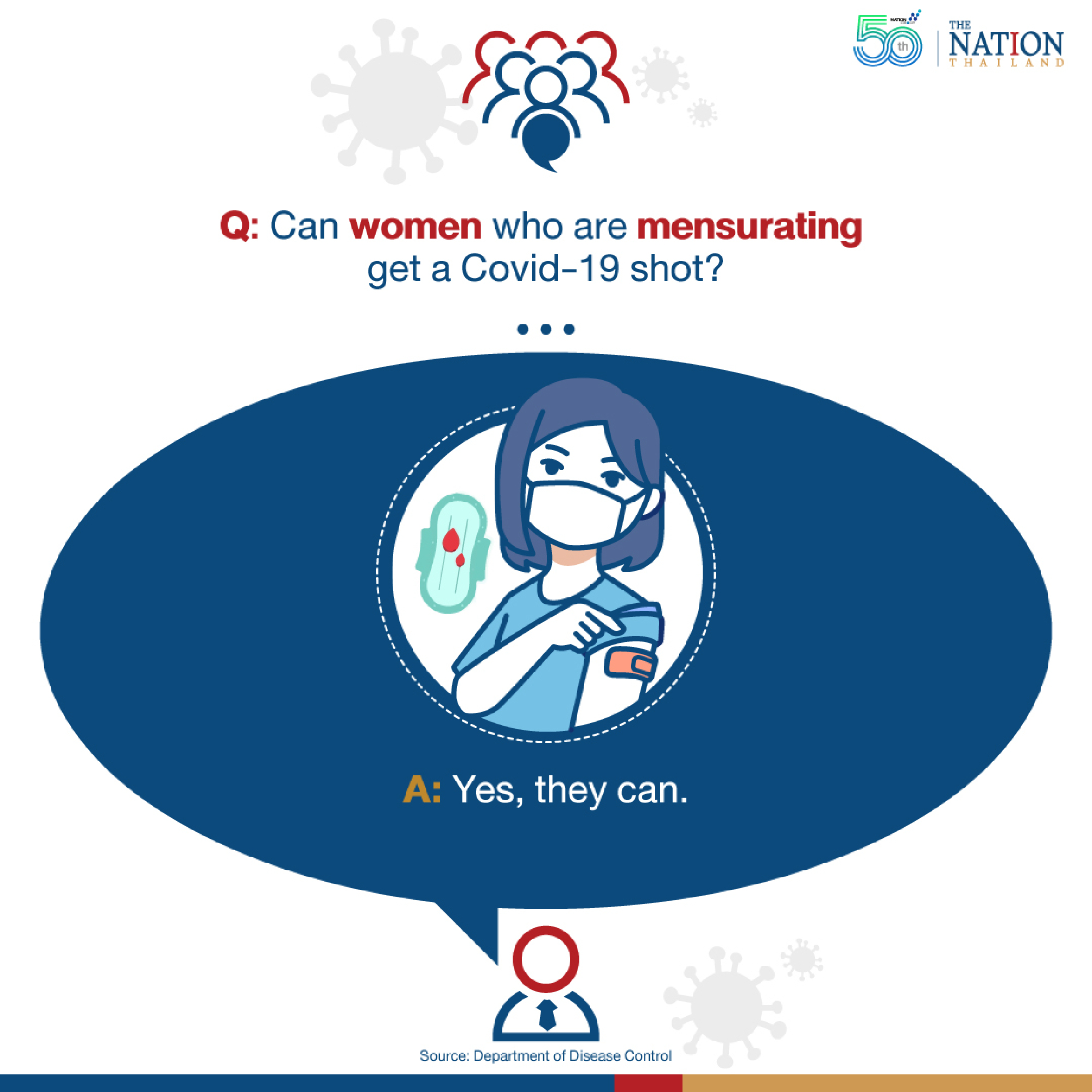
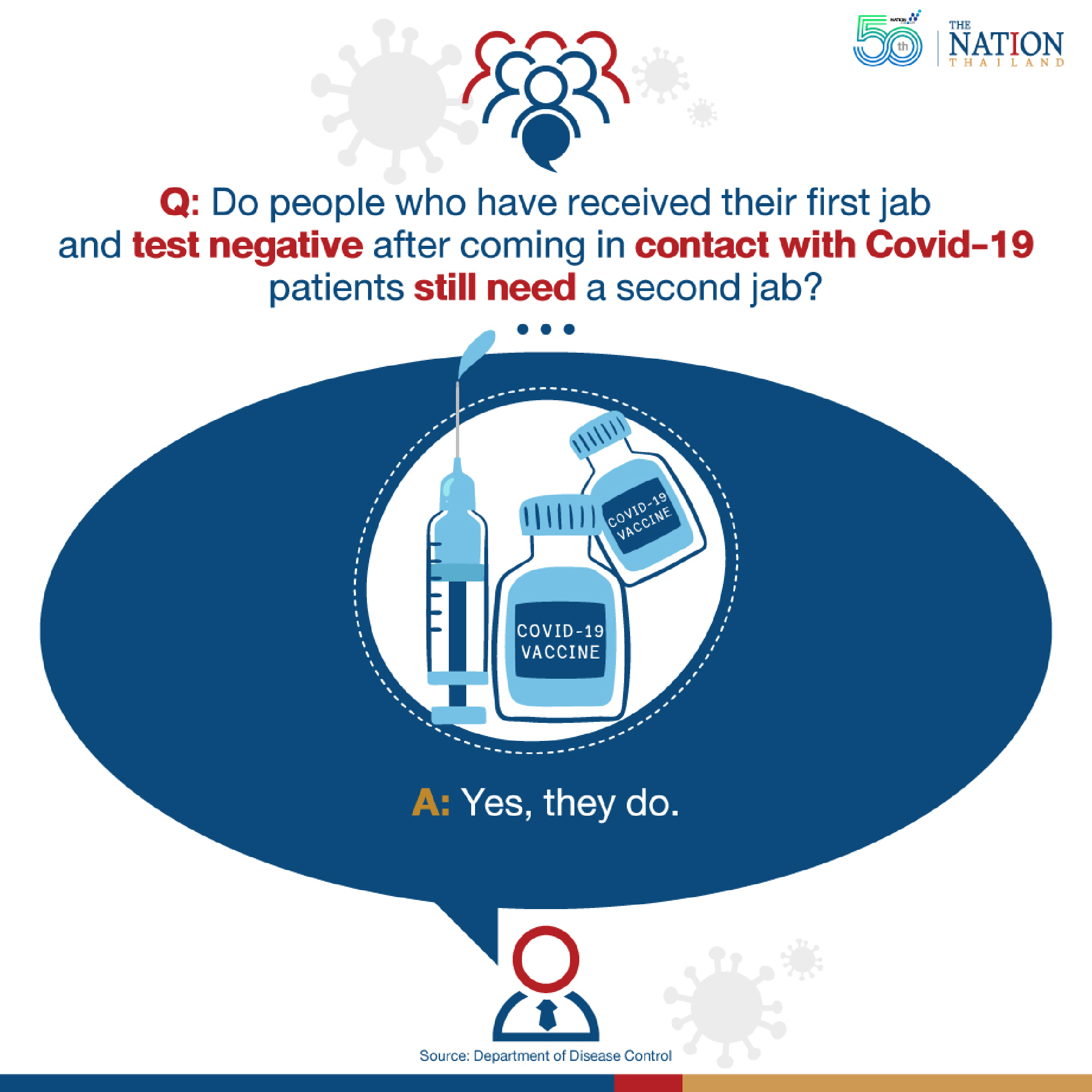
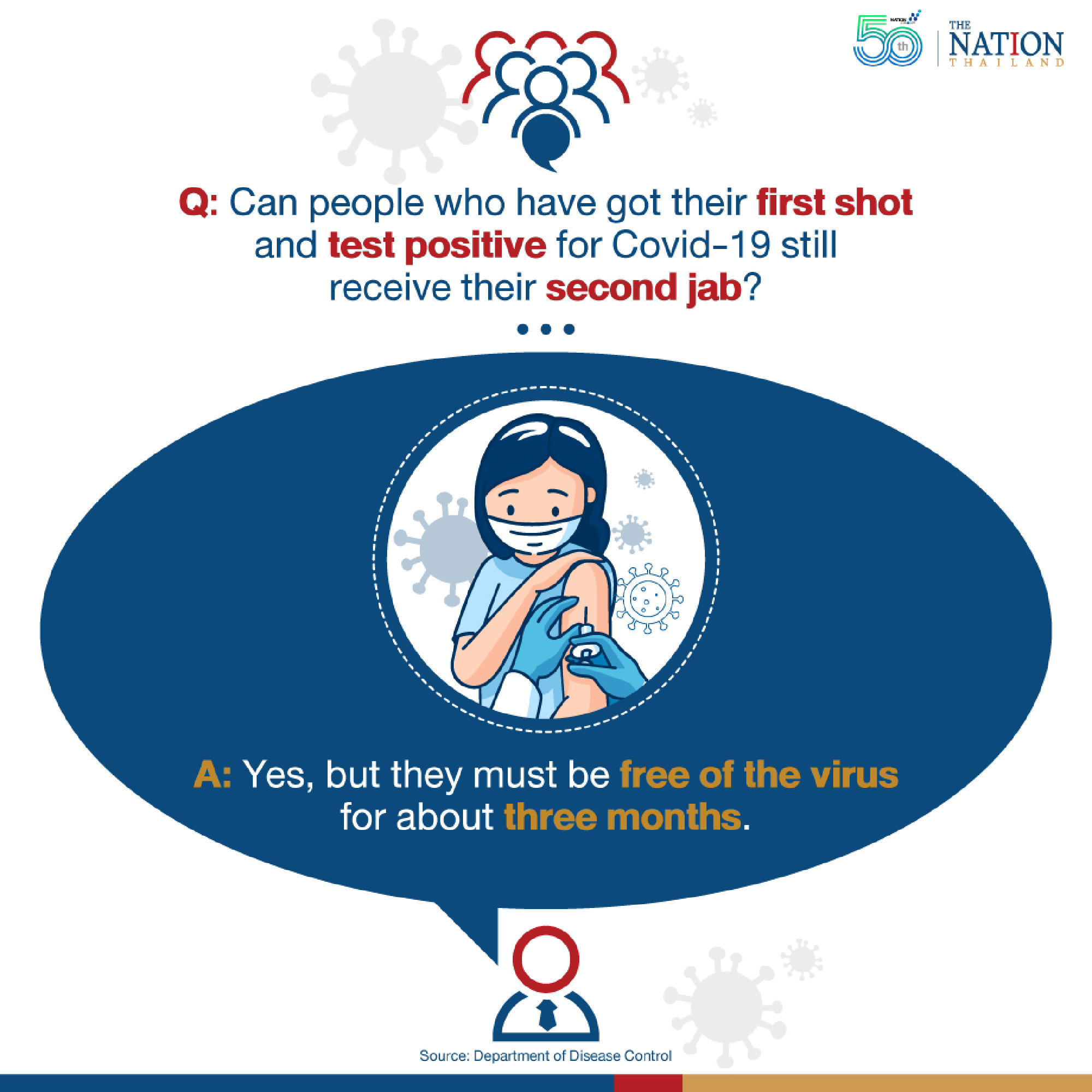
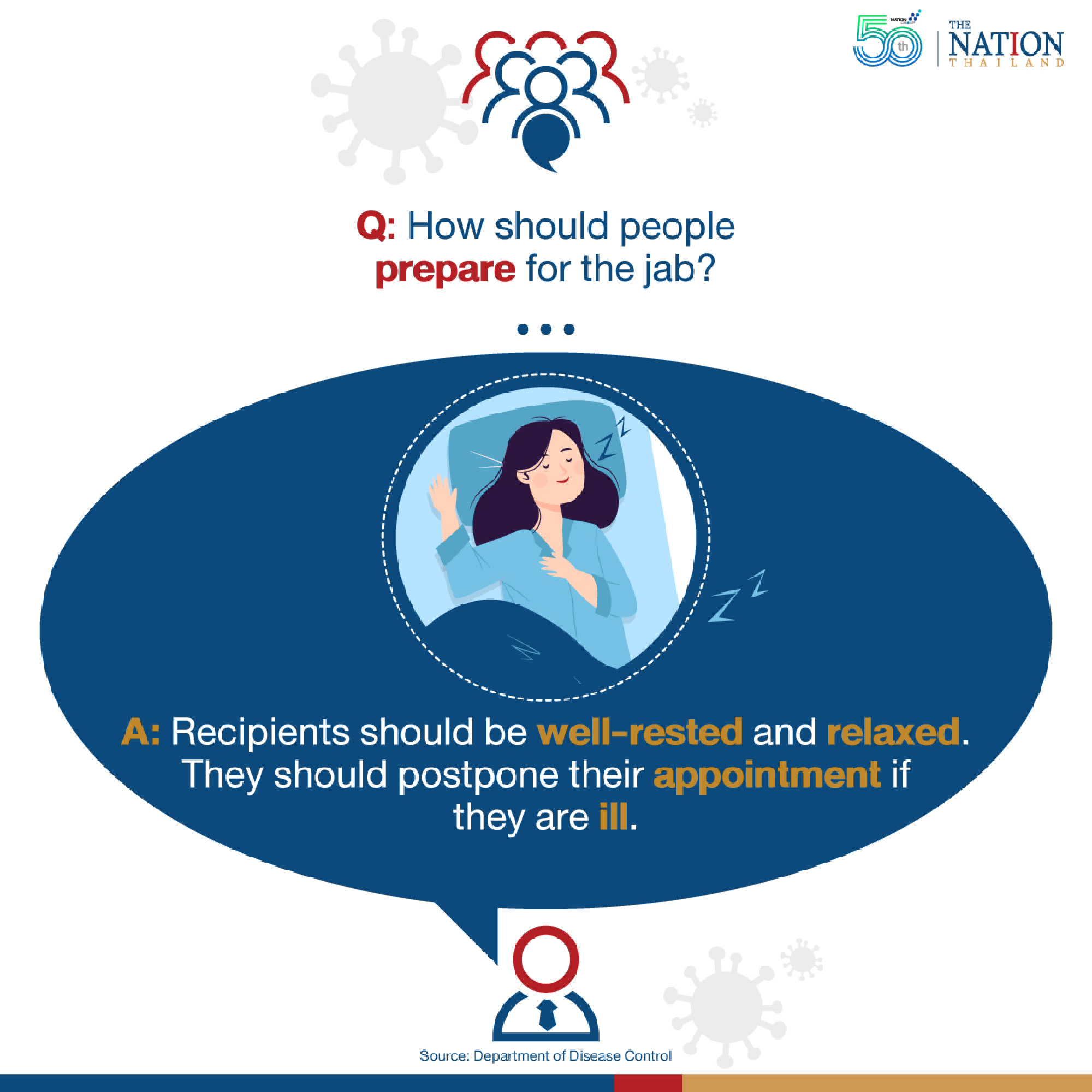
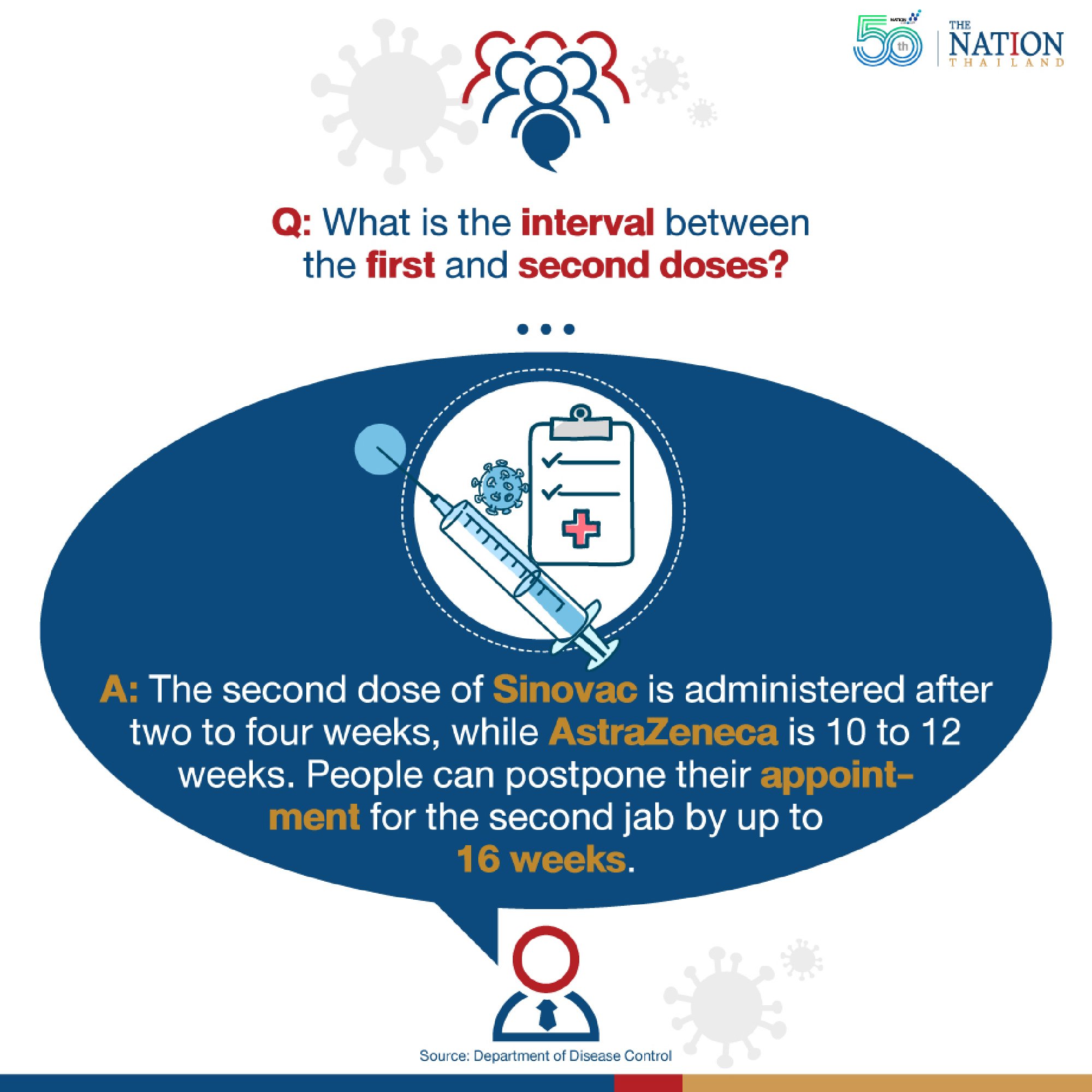
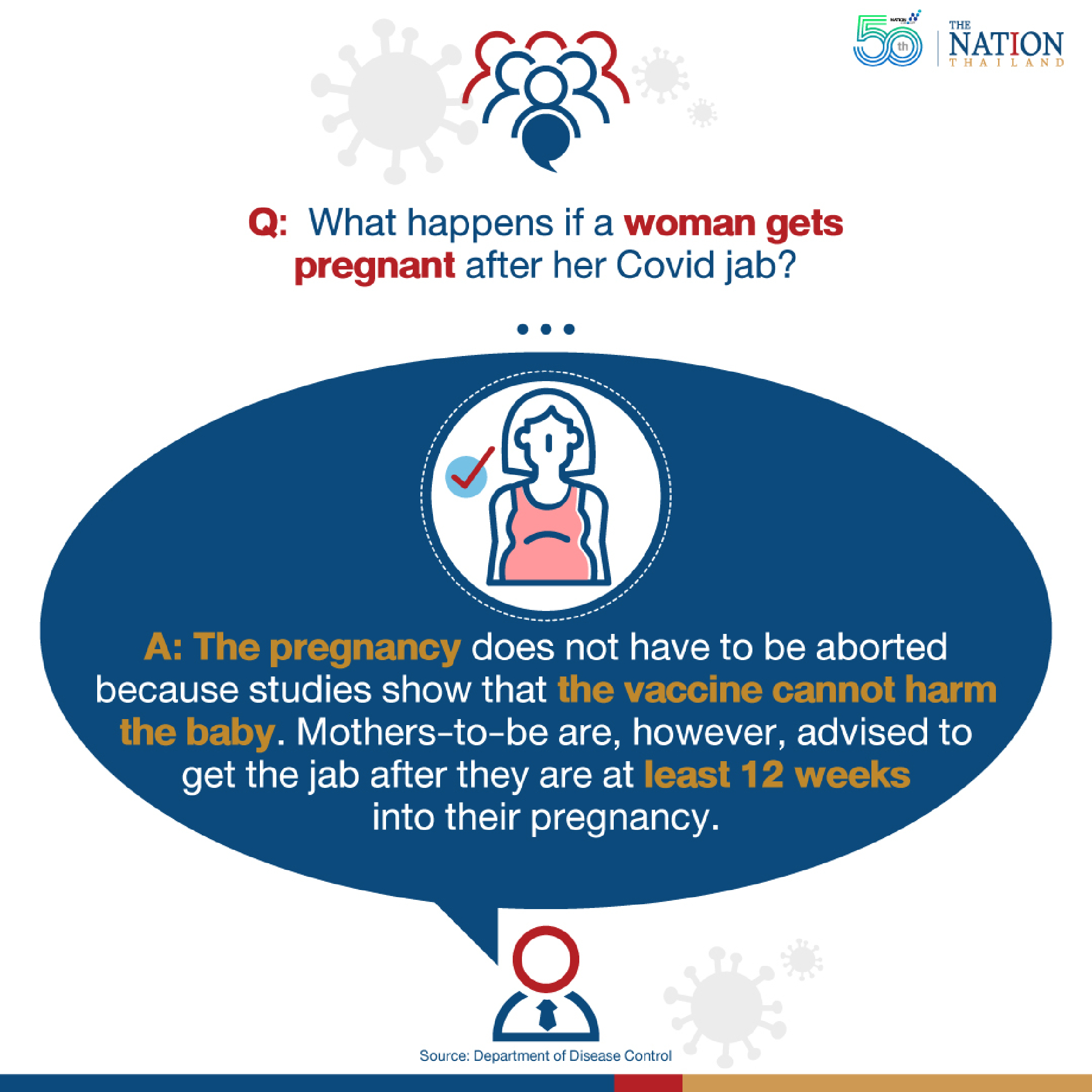
The Department of Disease Control answers some questions here to ease concerns:
Some questions about Covid-19 jab answeredSome questions about Covid-19 jab answeredSome questions about Covid-19 jab answeredSome questions about Covid-19 jab answered
Some questions about Covid-19 jab answeredSome questions about Covid-19 jab answeredSome questions about Covid-19 jab answeredSome questions about Covid-19 jab answered
Barbershop offers coronavirus shots, in addition to cuts and shaves. Some see it as a national model.
Reginald Alston never expected to get a coronavirus vaccine and never expected anyone would change his mind about it.
But his best friend, a hair salon owner, kept telling him he was being shortsighted and maybe even a little bit selfish. What about his niece and her newborn who live with him? How would he feel if they became sick? Also, his job as a contractor and painter meant he was often going into other people’s homes. Didn’t he want to be protected?
By the time that friend, Katrina Randolph, told him about the nearby barbershop hosting a vaccination clinic, and offered to drive him there, Alston, 57, was far along on the journey to changing his mind.
“She really influenced me to get it,” he acknowledged, standing on the sidewalk outside the Hyattsville, Md., barbershop earlier this month after getting immunized. “I listen to Katrina. I know she wants me to be around.”
Alston got his jab of the one-dose Johnson & Johnson vaccine, along with a free fried fish sandwich and a $30 coupon toward a haircut and a shave, at The Shop Spa, a barbershop that serves a predominantly Black and Latino clientele. It’s the first coronavirus vaccine clinic in a barbershop in Maryland and organizers hope it will become a national model. A newly formed partnership that includes Black community and business leaders, the University of Maryland and the White House covid-19 response team is working to make that happen by reaching out to barbers and stylists across the country, starting with a June 2 Zoom town hall.
“Why not go where people already have trust – the barbershop and the salon?” said Stephen Thomas, a health policy professor at the University of Maryland School of Public Health in College Park, who founded the barbershop initiative known as HAIR (Health Advocates In-Reach and Research) more than a decade ago. “These are the people who have street credibility and can educate folks enough so that they want the vaccine.”
As the United States enters what is likely to be the toughest stretch of its ambitious immunization effort, health officials are moving away from mass vaccination sites and focusing instead on small clinics like The Shop Spa that rely on word-of-mouth and use trusted, often nontraditional messengers. With a month left to achieve President Joe Biden’s goal of 70% of adults getting at least one coronavirus vaccine dose by July 4, experts say this critical next leg will depend increasingly on targeting those in the “movable middle,” who might still be persuaded on vaccination.
Alston’s friend, Randolph, 52, who sports an edgy, honey-blonde pixie cut, is part of the cadre of barbers and stylists trained as health educators through the University of Maryland program. The initial focus was colon cancer, diabetes and other diseases that disproportionately affect Blacks. But with vaccination levels lagging in Black and Brown communities, the program seemed a natural to persuade those who have been hardest hit by the pandemic but are often reluctant to get shots.
White House officials praise the initiative as an innovative way to reach underserved people, especially in the Black community, given barbershops’ history as a trusted messenger dating to pre-Civil War times, when they doubled as sites on the Underground Railroad.
“It’s important at this critical juncture to make sure we are using a full-court press to get good information to every community,” said Cameron Webb, a senior health equity adviser on the administration’s covid-19 response team, who is also an internist at the University of Virginia’s School of Medicine.
Mike Brown, 49, The Shop Spa’s lead barber, sees sharing such information as one more way to connect with regulars. “These are people we genuinely care about, and have become part of their family,” he said. “Sometimes we’re like marriage counselors, sometimes fashion consultants, sometimes drinking buddies. We’re respected in the information that we give.”
– – –
For Thomas, director of the Center for Health Equity at the University of Maryland, Prince George’s County was a perfect target for his barbershop initiative. That was true before covid-19 and it is even more so now.
The community has the state’s highest number of covid-19 cases. And while more than half of all U.S. adults have been fully vaccinated, Prince George’s lags behind with a rate of only 39%. The rate is even lower In Hyattsville, where only about a quarter of the community is fully vaccinated, according to state data.
To get the word out about the barbershop clinic, Thomas and his team canvassed churches, local businesses and homeless communities and came up with about 100 people who hadn’t been immunized yet.
Getting them to come to the clinic was another matter. During preregistration calls, Thomas said, some people hung up when they learned the vaccine being offered was from Johnson & Johnson. Others declined even after face-to-face conversations with the team administering the jabs.
“J&J is radioactive in the Black community because of the baby powder issue,” he said, referring to the product the company stopped selling last year after it was ordered to pay billions of dollars related to claims the product causes cancer. The company has denied the allegations.
“They think, if you can’t trust them on baby powder, how can we trust them on other things?” Thomas said.
Other people opted out of the clinic over worries about the rare but severe type of blood clot that has been linked to the vaccine, even though federal health officials have said the vaccines’ benefits far outweigh those risks.
Still others expressed a distrust of the health care system that Thomas says can be overcome only by expanding these health care outreach efforts beyond coronavirus vaccinations. That distrust is evident in the large share of Black and Latino adults (22% and 15%, respectively) who want to “wait and see” how the vaccine is working for others before getting vaccinated themselves, compared with 10% for White adults, according to a Kaiser Family Foundation survey released Friday.
All in all, 35 people received the shots during that first clinic, Thomas said.
“These are not people who are getting vaccinated and then driving to Starbucks on the way to work,” he said. “They came to the barber shop to find out what was going on. And in that moment, they found a trusting place and people who treated them with dignity and respect.”
Despite the initial small turnout, the barbershop clinic is starting to generate buzz.
People are calling the organizers to ask when there will be more clinics to get shots for themselves or family members. As of Thursday, organizers had a list of about 15 people, five short of the threshold needed for Luminis Health, the hospital system that partnered with the shop to schedule another one – this time with the two-shot Pfizer-BioNTech vaccine. Other health systems have also reached out to offer help.
“Now we have demand,” Thomas said. “People are bringing people.”
Randolph figures she has changed the minds of at least 75 people. That includes Alston, her 63-year-old aunt who has such limited access to health care that she has no front teeth, and Jamar Gibbons, 36, a postal worker – all of whom showed up for a shot and a free fish sandwich.
Luz Castillo, 20, who works at the restaurant next door came to the clinic because she was worried about exposure to unvaccinated customers. She, too, was concerned about blood clot risks linked to the vaccine. But she said she was reassured after a Spanish-speaking health worker answered her questions and pointed to the millions of vaccinated people who have had no problems.
– – –
Elizabeth Estrada, 20, a day care worker, had already been searching for a place to get the shots when she heard about the clinic from her mother’s friend who works in the laundromat a few doors away. She had not wanted the Johnson & Johnson vaccine either. But it was the one available and “the fact that it was here was, literally like, perfect.”
Estrada admitted she was “very iffy” about the vaccine earlier in the pandemic. “I, myself, luckily didn’t catch the virus,” she said. “But it’s just always that fear. . . . You never know, you’d rather be safe than sorry.”
Her mother, who was still wavering, demanded answers about blood clot risks from Alexandra Moran, a community health provider with Luminis Health. Explaining in Spanish, Moran told her the risk was extremely low, noting the woman’s risk of experiencing a clotting problem was higher from birth control.
“Tienes más probabilidad de un accidente de tránsito,” Moran said, explaining the far greater probability of having a traffic accident.
Thomas believes barbershops and salons are the kinds of places where conversations like this can comfortably take place. “It is where people hang out,” he said. Before the pandemic, customers might have spent hours there, listening to music, talking sports, sharing stories about their lives. The man selling tube socks might stop by, followed by church ladies selling cut fruit.
Randolph, who keeps neatly stacked pamphlets about oral health and tobacco on a table near the door of her Capitol Heights studio, The Shadez, said she talks regularly about health issues with clients.
“You talk to your doctor, what, once a year?” she said. “You see your stylist more than that. You get to have personal conversations.”
Some of those clients share hearsay about the coronavirus or the shots, which she tells them is false. Others say they have no interest in the shots without offering a reason. She snips away at their mistrust, as at their hair, by talking about how a rampaging virus took nearly 600,000 lives in this country and how it could surge again. “Why not protect yourself?” she asks matter-of-factly.
And then there are the clients who see doctors rarely, if at all. Brown, The Shop Spa barber, said his customers run the gamut from “judges to trash men to common thieves to street guys to blue collars. Every walk of life, you name it, we cut it.”
He figures he is able to change minds 60% of the time. “I’m reiterating the facts over and over and over,” he said. For many customers, when he asks whether they’ll take the shot, “the answer right now is not just ‘Hell no,’ but ‘Hell no,’ written in bold print,” he said. His wife and children are among those he has been unable to persuade, including his son, 30, who has told him that a diet of seeds and nuts are the best protection.
But when he is able to persuade someone because they trust him, “it’s an awesome thing.”
The reverse is also true. During the recent clinic at the barbershop, Brown received a text from his wife telling him his brother-in-law had been rushed to the hospital with covid-19.
“He couldn’t breathe,” Brown recalled later. “He said it was like someone was standing on his chest.” Every member of the family got sick, too, but the brother-in-law was the only one hospitalized.
Brown said he will wait for him to recover before talking about vaccination. “I’m going to be in his ear,” he said.
– – –
To expand the reach of the barbershop clinic initiative beyond any one shop, Thomas and his team are also working to publish and distribute a graphic novel that will feature barbers and stylists and their shops to combat misinformation about the pandemic.
The idea is to depict the pandemic’s effect through characters drawn from real life who are immediately recognizable in the Black community. Telling stories through pictures also reaches those who have trouble reading, stylist Randolph said.
“What better place to try to educate and encourage people to do something about” their health, said Joe Wade, 69, the artist behind the black-and-white charcoal drawings. “You got a lot of covid fears going on.”
Wade, who has a college degree in commercial and fine arts, retired as a corrections officer and started sketching when the pandemic began. He drew first responders he saw on television who were overworked and overstressed. The pandemic changed so many lives, he said. “It’s made victims of some and heroes of others, and I wanted to depict that.”
Sometimes he can “whip out one in an hour or two.” Other drawings may take a few weeks. He has made about 15 sketches, which he emails to Thomas. Thomas, meanwhile, is raising money to compile them in a passport-size book that can be in every barbershop and salon in the country. He needs $50,000 to $75,000 and has raised $5,000 so far.
Several drawings were on display along the walls outside the Hyattsville barbershop where people sat for their 15-minute post vaccination observation period. One features a barber who closely resembles Brown, giving a man a haircut. Both are masked.
Thomas wants to incorporate people’s reactions into the images. If people see their own reality reflected in the book, they’re more likely to share them with friends and families.
“What do you think they’re thinking,” he asks Clarence Cromer, 72, of Hyattsville, who was first in line to get the shot.
“They’re hoping everybody’s got their shot and they’ll be good,” Cromer replied.
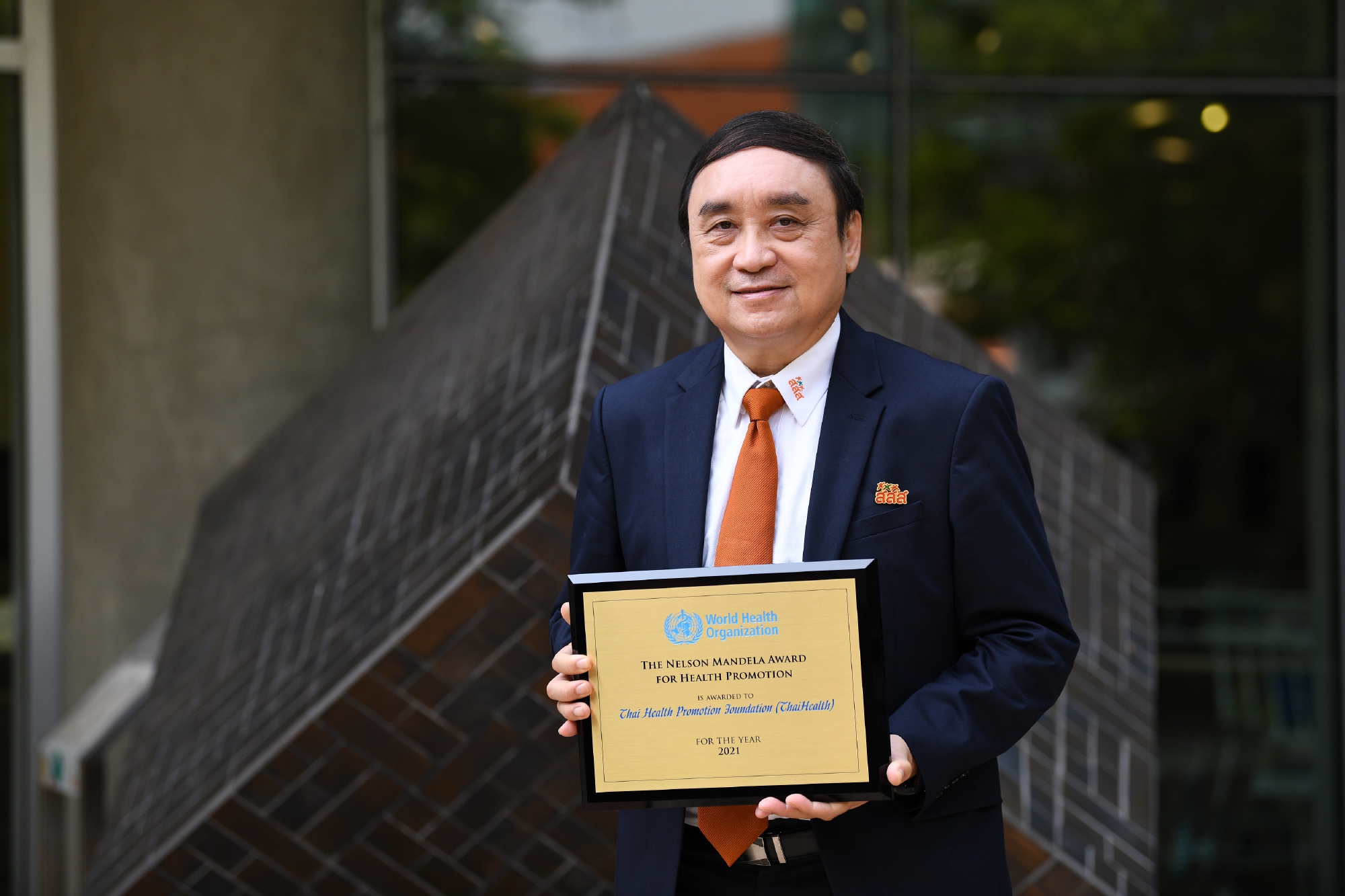
WHO awarded Thailand’s the Nelson Mandela Award for Health Promotion
The Nelson Mandel Award most fits for Thai Health Promotion Foundation to receive this recognition. Our revered Madiba once said quoted “Health cannot be a question of income. It is a fundamental human right.
World Health Organization announced the Thai Health Promotion Foundation the 2021 Nelson Mandela Award laureate.
In recognition to the globally-renown human right icon born in South Africa, the award is given to a person, institution, governmental or nongovernmental organization who or which has/have made a significant contribution to health promotion.
Announced during the 74th World Health Assembly, the Thai Health Promotion Foundation has been instrumental in advancing health promotion in Thailand and globally over the past 20 years. Pursuant to the Thai Health Promotion Foundation Act (2001), the objectives of the Foundation include: to promote health among Thai people of all ages in accordance with national health policy; to reduce the consumption of alcoholic beverages and tobacco; to develop community capacity in health promotion; and to carry out studies and research and develop knowledge on health promotion.
WHO awarded Thailand’s the Nelson Mandela Award for Health Promotion
Speaking during the live telecast of the World Health Assembly, South Africa’s Minister of Health Zwelini Mkhize praised Thai Health for making a significant contribution to health promotion by staying true to its core mission of being agents of equality in access to health so that all people living in Thailand would have capacity and live in society and environment conducive to good health.
“The Nelson Mandel Award most fits for Thai Health Promotion Foundation to receive this recognition. Our revered Madiba once said quoted “Health cannot be a question of income. It is a fundamental human right.”
“This organisation implements its important work through health promotion in communities and occupational setting. By supporting initiatives, targeted vulnerable population, and through strategic multisectoral collaboration. Their initiatives have touched millions of lives in Thailand and around the world for over two decades. The principles adopted by ThaiHealth resonate profoundly with the ideas of universal health coverage and advance the sustainable development goals at target. We together as a global community build resilient health care system,” he said.
ThaiHealth manager Dr Supreeda Adulyanon addressed to the assembly, “This award is a tribute to our health promotion efforts, taking place around the world every single day. It is also a testament of the health promotion movement in Thailand.”
WHO awarded Thailand’s the Nelson Mandela Award for Health Promotion
For two decades, ThaiHealth has served as a key innovative enabler of sustainable health and well being. Utilising the surcharge alcohol and tobacco excise tax, ThaiHealth currently support up to 4,000 projects each year. In collaboration with partners across all sectors of the society, the movement has contributed to the changes including the introduction of hundreds of pro-health policies and laws, a shift of social norm towards more healthy and inclusive society the propogation of effective model for innovative health financing and multisectoral platform for health promotion and the ability to react quickly to emerging needs including COVID-19 responses.
ThaiHealth uses its innovative and sustainable funds to strategically support over 2000 health promotion programmes and projects per year across 15 “plans” or strategic priority areas. These include issue-related initiatives, such as tobacco and alcohol control, road safety and disaster management, healthy diet and the promotion of physical activity.
The foundation supports WHO’s healthy settings approach, such as health promotion in communities, workplaces, schools and families. It also supports initiatives targeted at vulnerable populations, and collaboration between the health sector and other sectors that have a huge impact on health. The achievements of these initiatives are wide ranging, including: the introduction of many pro-health initiatives and laws, including the Thailand Alcohol Control Act (2008) and the establishment of a ThaiHealth happy workplace model, which has now been adopted in over 2000 public and private organizations; shifting social norms towards more inclusive principles in which their initiatives helped over 5000 people with disabilities secure employment in 2017–2020; and leading in promoting an effective model for innovative health financing, which has seen over 20, 000 multisectoral partners joining the Foundation in strategic action for health promotion.
“Going forward, Thai Health will still motivated and community to strengthen our contribution to effectively enable sustainable health and wellbeing for all,” Dr Supreeda said.
Fortify your physical and mental defences with vitamin D from the Sun
It is the mostly easily available vitamin, yet the role of vitamin D in our physical and mental well being has not got the attention it deserves.
Vitamin D, also known as “sunshine vitamin”, is usually produced by the human body from exposure to sunlight. The skin cells synthesise vitamin D from cholesterol by using the ultraviolet-B rays in sunlight as a stimulant. Research has shown that Vitamin D plays an important role in strengthening the body’s immune system, helping it to function efficiently and defend against virus and other infectious diseases.
Vitamin D is crucial for both innate immunity and adaptive immunity, which naturally occur to fight against pathogens or foreign agents that enter the body.
A number of studies have shown that people with low levels of vitamin D in the blood were more likely to develop upper respiratory tract infections, ie, nose, nasal cavity, throat and tonsils, compared to those with adequate vitamin D levels.
Fortify your physical and mental defences with vitamin D from the Sun
The studies also indicated a link between lower vitamin D levels and higher rate of infections, like colds and flu. According to a study, Japanese children taking vitamin D supplements daily for 15 to 17 weeks during the winter significantly reduced influenza infection and the frequency of upper respiratory tract infections.
Most Thai people have a dark skin colour. The pigment in the skin reduces the absorption of UV rays that induce vitamin D synthesis. Exercising outdoors is one way to increase vitamin D levels. The working-age population is vulnerable to health problems from low vitamin D in the blood, as they spend most of the day time in office. The modern lifestyle that makes people spend the entire day in an office environment, limiting exposure to sunlight, reduces the production of vitamin D, compromising the body’s immunity. The fear of damaging the skin through exposure to sunlight, or getting skin cancer, makes many people avoid exercising outdoors.
A vitamin D blood test can tell us whether our body has the required level. Generally, the recommended vitamin D level is higher than 30 nanograms/millilitre. A level below 20ng/ml is considered vitamin D deficiency.
More than 50 per cent of office workers were found to have low levels of vitamin D in their blood. In comparison, outdoor workers or people who exercise outdoors regularly have high vitamin D levels.
Fortify your physical and mental defences with vitamin D from the Sun
The most commonly known benefit of vitamin D is that it helps strengthen bones by boosting calcium absorption, making the bones stronger and preventing osteoporosis. However, what is less well known is that vitamin D is linked to depression. Studies have shown that there is a relationship between depression symptoms and low vitamin D levels in the blood.
Studies have shown that people with low vitamin D levels are at greater risk of depression, when compared with a group of people with normal blood levels of vitamin D.
The vitamin also reduces the risk of developing high blood pressure, cardiovascular disease, diabetes and some cancers. It stimulates the immune system and repairs worn cells, thus helping your skin look good while improving the strength of different muscles.
Getting adequate vitamin D can be as simple as exposing your body to sunlight. A good time is before 9am when the morning sunlight is gentle and not too hot and in the evening after 4pm when the Sun is about to set. Apart from outdoor activities, consumption of high vitamin D foods, such as salmon, tuna, sardines, oysters, egg yolks, cod liver oil, mushrooms, orange juice, oatmeal and cereal foods, can boost your immune system. Milk added with vitamin D or supplements containing vitamin D are beneficial too.
Just getting enough exposure to the Sun and consuming foods high in vitamin D will go a long way in strengthening your immune system.
(Assoc Prof Dr Jiraporn Ungwitayatorn works at the Department of Pharmaceutical Chemistry, Faculty of Pharmacy, Mahidol University)
Published : May 29, 2021
By : Jiraporn Ungwitayatorn/Special to NationThailand





 Run, Recover, Rejuvenate: New Global Study From Westin Hotels & Resorts
 Some questions about Covid-19 jab answered
 Some questions about Covid-19 jab answered
 Some questions about Covid-19 jab answered
 Some questions about Covid-19 jab answered
 Some questions about Covid-19 jab answered
 Some questions about Covid-19 jab answered
 Some questions about Covid-19 jab answered
 Some questions about Covid-19 jab answered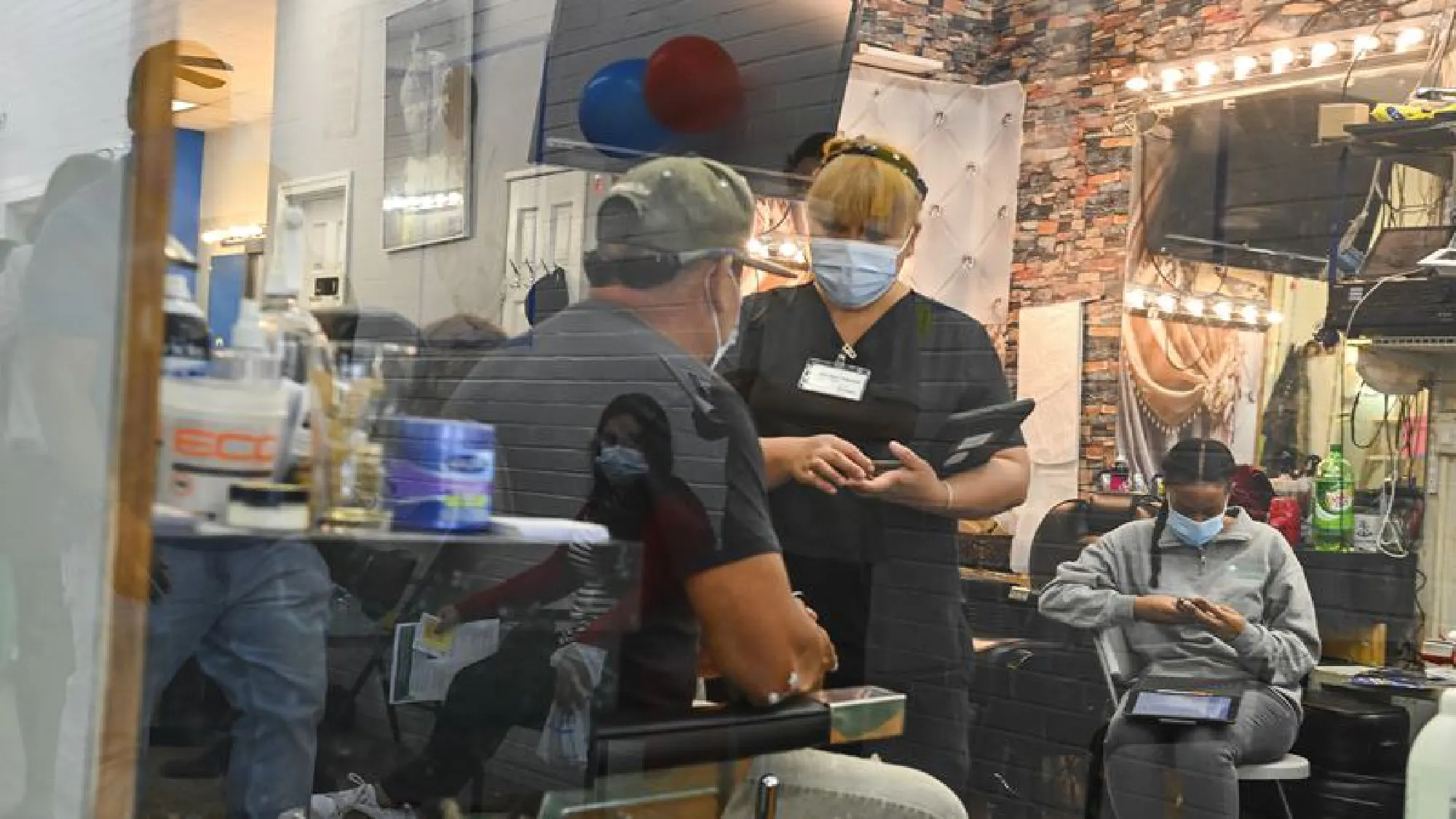

 WHO awarded Thailand’s the Nelson Mandela Award for Health Promotion
 WHO awarded Thailand’s the Nelson Mandela Award for Health Promotion
 Fortify your physical and mental defences with vitamin D from the Sun
 Fortify your physical and mental defences with vitamin D from the Sun
 SootinClaimon.Com