Fauci says U.S. covid vaccine pace rising after slow start
Health & BeautyJan 04. 2021Residents receive the Moderna covid-19 vaccine at the King’s Point retirement home in Delray Beach, Fla., on Dec. 30. MUST CREDIT: Bloomberg photo by Saul Martinez
By Syndication Washington Post, Bloomberg · Todd Shields, Yueqi Yang, Ana Monteiro
The U.S. government’s top infectious-disease doctor said the rollout of covid-19 vaccines is picking up speed and could be fully on track within a week or so.
“It’s just trying to get a massive vaccine program started and getting off on the right foot. The important thing is to see what’s happening in the next week, to week and a half,” Anthony Fauci said on ABC’s “This Week.”
On CNN’s “State of the Union,” Surgeon General Jerome Adams said the initial vaccination program had been superimposed upon a surge of coronavirus cases, which has stressed health-care resources in many areas, and on the holiday season.
Fauci, director of the National Institute of Allergy and Infectious Diseases, said that in the past 72 hours, about 1.5 million vaccine doses have been administered, or about 500,000 per day, a substantial pickup in pace.
“We are not where we want to be, no doubt about that, but I think we can get there if we really accelerate,” he said on ABC.
Operation Warp Speed, the federal effort to develop and distribute a vaccine against the coronavirus, has so far failed to meet projections for how quickly people will be inoculated. Two vaccines have been approved for use in the U.S.
Officials have blamed the inoculation delays on a delicate vaccine with complex storage requirements, uncertainty over the supply of doses and strain on local health agencies already facing historic challenges.
Moncef Slaoui, the chief scientific adviser on Operation Warp Speed, said the effort has been successful in transporting vaccines to locations, but states need to make “a specific ask” if they need help in getting the inoculation into people’s arms.
“We stand by to help with any specific request,” he said on CBS. “We have an agreement with CVS and Walgreens, and we are starting to ship vaccines to those locations as allocated by the states – that is really the key point.”
Asked when there will be data on whether the virus is transmittable even after a person has received the first vaccine dose, Slaoui said the studies will be based on observation data, which won’t be available before late in the spring.
On NBC, Fauci noted the “multiple stages” involved, from allocation to staging and distribution, and finally getting shots into arms.
While the goal to have 20 million people vaccinated by the end of 2020 wasn’t achieved, that many doses should at least be shipped by the end of the first week in January, Fauci said.
About 4.28 million doses had been administrated by Jan. 2, according to the Bloomberg News vaccine tracker.
The number of U.S. cases has exceeded 20 million, with more than 1 million in New York state alone. U.S. deaths attributed to the coronavirus passed 350,000 on Saturday.
President Donald Trump on Sunday called cases and deaths in the U.S. “far exaggerated” in a tweet criticizing the U.S. Centers for Disease Control and Prevention.
“The numbers are real,” Fauci said. “Those are real numbers, real people, and real deaths.” On CNN, Adams said he had “no reason to doubt those numbers.”
New York state on Saturday passed 1 million covid-19 cases, after a somber year in which more than 30,000 of its residents died from the virus.
More than one-third of the state’s total cases were reported in December as cold weather nudged people indoors, holidays increased social gatherings and residents tired of restrictions.
“We need to double down on the things we talk about all the time,” notably wearing masks, social distancing and avoiding “congregate” settings, especially indoors, Fauci said on NBC.
The current jump in cases “was predictable” given travel and socializing over the holidays, he said.
Asked about the newer, more infectious covid-19 strain that’s reached the U.S. and elsewhere in the world from the U.K., Fauci repeated his advice from the start of the pandemic: “The best way to counter this is to do the public health measures that prevent spread.”
1 in 2 youngsters feel depression due to coronavirus: survey
Health & BeautyJan 03. 2021Children run around with masks on. (Yonhap)
By Ock Hyun-ju Korea Herald
Half of students in grades 4 to 12 in South Korea felt that the financial situation for their family has worsened due to the coronavirus outbreak and felt depressed, a survey showed.
According to a survey by ChildFund Korea conducted with 500 upper-grade elementary, middle and high school students, 50.8 percent said their financial situation got worse as parents could not get them what they wanted (27.2 percent), sales at their parents’ shops and restaurants dropped (10.2 percent) and their parents took out loans (6.2 percent).
Amid the prolonged pandemic, nearly 50 percent of students said they had felt depressed because they could not relieve their stress outside (33.1 percent), they could not hang out with friends (29 percent) and they gained weight and lost confidence in their appearance (10.1 percent).
As students spent most of their time attending classes online from home this year, the majority of the pupils, or 65.8 percent, said they had difficulties studying at home alone. For reasons they found it challenging to take classes online, 40.4 percent said they could not stay focused and could not comprehend what they learned, while 24 percent said the classes were boring.
Some 56.2 percent of the pupils said their stress and anxiety levels about learning went up because they could not focus on studying, according to the survey.
Their biggest personal wish for 2021 was taking off masks at 25.4 percent, followed by spending time with friends at 24.4 percent, showing good academic performance at 16.4 percent, going on a trip at 14.8 percent and losing weight and working out at 11.6 percent.
As for their wishes for the country, 43.2 percent of the students hoped that Korea would be able to root out the coronavirus and develop COVID-19 vaccines, and 38.6 percent hoped the country could return to normalcy.
Health & BeautyDec 27. 2020CDC Director Robert Redfield speaks during a briefing by President Trump’s coronavirus task force on Jan. 31 at the White House. MUST CREDIT: Washington Post photo by Jabin Botsford.
By The Washington Post · David Willman
A new virus was exploding in Wuhan, a Chinese city with 11 million people connected by its airport to destinations around the world. In the United States, doctors and hospitals were waiting for the federal Centers for Disease Control and Prevention to develop a test to detect the threat.
On Jan. 13, the World Health Organization had made public a recipe for how to configure such a test, and several countries wasted no time getting started: Within hours, scientists in Thailand used the instructions to deploy a new test.
The CDC would not roll out one that worked for 46 more days.
Inside the 15-acre campus of the CDC in northeast Atlanta, the senior scientists developing the coronavirus test were fighting and losing the battle against time.
The agency squandered weeks as it pursued a test design far more complicated than the WHO version and as its scientists wrestled with failures that regulators would later trace to a contaminated lab.
The Washington Post reviewed internal documents and interviewed more than 30 government scientists and others with knowledge of the events to understand more fully the missteps in those early weeks as the coronavirus began to spread unchecked across the nation. Most spoke anonymously because they were not authorized to do so publicly.
This account reveals new details about how an overly ambitious test design and laboratory contamination caused the CDC’s delay, and describes previously unreported challenges that confronted the agency scientists assigned to carry out the work.
CDC leaders underestimated the threat posed by the new virus – and overestimated the agency’s ability to design and rapidly manufacture a test. Quality-control measures failed to prevent the shipping of compromised kits to dozens of state and local public health labs.
The CDC’s response to what became the nation’s deadliest pandemic in a century marked a low point in its 74-year history. More than 329,000 Americans have died of the virus. In an agency long known for its competence, hubris became the nemesis that could not be overcome.
The CDC has quietly removed or shifted to other duties several scientists who were involved in developing the coronavirus test, according to those familiar with the matter. Those displaced included a longtime division director, a supervising branch chief and a respiratory virus specialist who led the design of the test.
The problems with the CDC’s test kits are the subject of ongoing inquiries by the Department of Health and Human Services’ inspector general and the U.S. Government Accountability Office.
“We missed the game,” a senior CDC disease-transmission specialist said in an interview. “Many people here wish we had done things differently.”
Nearly all of those in charge at the highest levels of the CDC lacked hands-on lab expertise and for weeks deferred to subordinates – scientists who were logging grueling, high-pressure hours on the highly technical work.
Stephen A. Morse, a retired agency microbiologist who had helped establish a formal affiliation with the public health labs to ensure rapid responses to outbreaks caused by nature or biological terrorism, said the CDC’s approach was simply too narrow.
It would have been prudent, he said, “to use the WHO test that was already available. At the same time, get a better understanding of the performance of that test – see if you could improve on it with a second-generation test, as opposed to trying to develop your own test, independent of what’s out there.”
Without tests to identify the early cases, health authorities nationwide were unable to isolate the infected and trace the rapid spread among their close contacts. Those who were asymptomatic, yet contagious, went undetected.
CDC Director Robert Redfield, an appointee of President Donald Trump, took a hands-off approach while the in-house manufacturing efforts foundered and agency scientists clashed over whether to alter the design of the problem-plagued test, according to CDC and other federal officials.
James Le Duc, who as the director of the Galveston National Laboratory in Texas oversees development of diagnostics for rare pathogens, said he is perplexed by the CDC’s decision-making.
“The test that the WHO used early on was quite successful,” said Le Duc, a former senior CDC official who still serves as an adviser to the agency. “I frankly don’t know why CDC didn’t accept it.”
Redfield and other CDC leaders declined to be interviewed or to respond to written questions about the agency’s handling of the test.
“Appreciate the opportunity, but we are going to pass,” said CDC spokesman Benjamin N. Haynes.
The struggles with the test kits had far-reaching consequences.
“If we would have put [tests] out there quicker, could we have saved lives? Well sure,” said Peter C. Iwen, director of the Nebraska Public Health Laboratory in Omaha. “If we would have diagnosed quicker, we would have saved people.”
– – –
Since its founding in 1946, the CDC has grown from a regional bulwark against malaria in the southern United States to a world leader in fighting diseases of all kinds.
Nowhere has the CDC’s presence abroad been larger than in Thailand, where the agency maintains offices and a staff of about 170 epidemiologists, laboratory specialists and others. In 1980, the CDC established its first overseas epidemiology program in a suburb of Bangkok, training a new cadre of disease detectives.
In early January, Thai doctors in Bangkok were worried by the outbreak in Wuhan, less than seven hours away by airliner. They strategized at length about the threat with their local CDC counterparts. They also learned from scientists enough about the genetic makeup of the new coronavirus to begin developing a molecular test for in-hospital use.
That initial test would use real-time polymerase chain reaction, or RT-PCR, to examine sputum samples in search of unique genetic material from the virus.
On Jan. 12, using their new test, the Thais became the first country to confirm a coronavirus case outside China, a sickened traveler from Wuhan.
The same day, the Chinese posted on the Internet what public health authorities worldwide had been waiting for: the complete genetic sequence of this previously unseen strain of the coronavirus, the cause of the disease soon to be named covid-19.
Another breakthrough came the next day, Jan. 13, when the WHO publicly shared a protocol, essentially a recipe, specifying the materials needed to build a molecular test.
The Thais used that protocol to make a second test to detect the virus. This redundancy would eventually become the model for developing a vaccine against the virus.
“Multiple shots on goal,” as Anthony Fauci, the U.S. infectious-disease expert, often said of the approach. That way, said Fauci, if one attempt stalled or failed, another might score.
The approach paid off immediately for the Thais.
“We have not relied only on one testing technique from one laboratory,” Krit Pongpirul, a researcher and clinical epidemiologist at Bangkok’s Bumrungrad International Hospital, said in an email exchange with The Post.
Using their version of the WHO test, Thai health officials within days found other cases, including a taxi driver. He had not been to Wuhan, but Pongpirul and a colleague suspected he had become infected by Chinese travelers. Thai officials traced and tested close contacts of the cabbie and others who were found to be infected. The contacts were persuaded to isolate themselves to prevent the virus from spreading.
One of the infected, the Thais found, was asymptomatic – an early warning that the coronavirus was being spread by those not overtly sick.
“Patient 4 had detectable [virus] for 4 consecutive days, but we were only able to follow her for 7 days before she returned to China,” the Thai doctors and others wrote in a subsequent scientific journal article. “Her case is an example of a person without reported symptoms but with radiologic evidence of disease and detectable virus over several days.”
By the end of January, the Thais had diagnosed 11 patients with covid-19, according to Pongpirul, who described the details in the email correspondence and in the journal Emerging Infectious Diseases, published by the CDC.
Four of Pongpirul’s 11 co-authors were CDC specialists – three of them based in Bangkok and the other in Atlanta.
“The early availability of the RT-PCR testing definitely helped to reduce transmission and save lives,” Pongpirul told The Post by email.
The Thai scientists shared their success and insights in a Jan. 13 conference call that included CDC personnel in Bangkok and at headquarters in Atlanta.
“This was the first indication of international spread,” said an Atlanta-based official who described the call as riveting. ” ‘Why Thailand?’ We found out there was a direct flight from Wuhan.”
John R. MacArthur, a physician who had led the CDC’s Thailand operations since 2013, said that when PCR testing confirmed the first case there, “I immediately contacted CDC leadership in Atlanta to let them know what was happening.”
“Seeing the first case outside of China, I thought, was a big moment,” MacArthur said in a phone interview.
MacArthur, one of the co-authors of the journal article, said the CDC’s lab training in Thailand gave officials there “the tools that they needed to respond very quickly and effectively.”
At CDC headquarters, officials did not adopt the strategy that proved successful in Thailand.
Instead, the agency planned to design and manufacture its own test in-house and ship 300 of those kits to 120 public health labs throughout the United States.
At the time, CDC officials in Atlanta expected that the strain emanating from Wuhan, while worrisome, would be no worse than two earlier coronaviruses that spurred dread before fizzling out, those familiar with the matter said.
One of those viruses, severe acute respiratory syndrome, or SARS, originated in China in late 2002 and killed 774 people worldwide, but none in the United States. Middle East respiratory syndrome, or MERS, emerged in 2012 and over the next seven years killed 866 people, but resulted in only two U.S. infections and no deaths.
Neither SARS nor MERS was known to be widely spread by people who had no symptoms.
“It was being treated as a MERS situation or a SARS situation,” said a CDC scientist who had helped confront the new threat in January and who declined to speak on the record because he was not authorized to do so. “At that point we thought it was going to be a limited activity.”
– – –
In the first week of January, Nancy Messonnier, a physician and director of the CDC’s National Center for Immunization and Respiratory Diseases at the Atlanta campus, spoke to Stephen Lindstrom, an accomplished respiratory virus specialist. She wanted to know if, and how soon, he could get a coronavirus test up and running.
“Can you make this happen?” she asked, according to a person familiar with the exchange.
Lindstrom, co-inventor of seven earlier CDC tests for strains of the flu, had transitioned in 2018 to lead a respiratory virus lab that focused on diseases other than influenza.
Before saying yes to Messonnier, Lindstrom had an ask that she would promptly grant: He needed to pull in at least 20 people to supplement his staff of eight lab specialists.
On Jan. 9, Lindstrom outlined his plans to Messonnier, as well as the director of the viral diseases division, Mark A. Pallansch, and the respiratory viruses branch chief, Susan Gerber, among others. In a conference room near Messonnier’s eighth-floor office, Lindstrom narrated a slide show that spelled out how the test manufacturing and other tasks would be divided up.
That same week, Lindstrom recruited Julie M. Villanueva, who was also a PhD scientist and with whom he had collaborated on anti-flu efforts over the previous decade. In 2016, she had led the CDC’s Emergency Operations Center during an outbreak of the Zika virus.
Over the next few days, Lindstrom, who had not previously designed a coronavirus test, set about researching what materials were necessary as well as a recipe for combining them to detect the virus with PCR.
All of the CDC scientists and officials involved with the test’s development and named in this report – including Messonnier, Lindstrom, Pallansch, Gerber and Villanueva – declined to comment or referred questions to the agency’s public affairs office.
Invented in 1983, PCR is a multi-step test to detect infectious agents, including viruses in humans, using a sample of sputum or other genetic material. A machine extracts nucleic acids from the sample, placing them into a small tube with various chemical reagents, including an enzyme that converts viral RNA, which is present in coronaviruses, into DNA.
Some of the solution is then transferred to tiny plastic wells containing additional reagents to help detect whether the virus is present. The wells are placed into a PCR machine, resembling a midsize office photocopier.
The process seeks to copy and amplify targeted regions of the coronavirus genome. If the virus is present in the original sample, a detectable, fluorescent dye is released.
Two components that Lindstrom designed for the CDC’s test, called N1 and N2, focused on separate regions of the virus’s genome, a conventional approach.
But Lindstrom, aided by a lab colleague with coronavirus experience, Xiaoyan Lu, chose to add a third component that distinguished the CDC’s test design from others: This component would identify a wider family of coronaviruses, including SARS and bat-carried strains not known to have infected humans. They called it N3, and Lindstrom told colleagues it would help detect the novel coronavirus if it began to mutate, according to interviews with those familiar with the matter.
Villanueva’s chief role was to ensure that each step of development and production was properly documented and communicated to the public health labs and to regulators at the Food and Drug Administration. CDC officials expected the FDA to expedite emergency authorization of the test, and scientists said Lindstrom and Villanueva worked so seamlessly that colleagues took to calling them what sounded like one name, “Steve-and-Julie.”
On Jan. 17, just days after the Chinese made public the virus’s genetic sequence, Messonnier announced at a news briefing that health authorities in Thailand and Japan had already used molecular testing to detect coronavirus cases. Testing was beginning as well in South Korea and Taiwan.
“We at the CDC also have the ability to do that today, but we are working on a more specific diagnostic,” Messonnier said, indicating that the agency was seeking a more sophisticated test.
To provide reliable detection, a PCR test must be sensitive enough to identify microscopic levels of a pathogen – and able to distinguish them from genetic neighbors.
During the same briefing, Messonnier gave a low-key forecast of what to expect from the new coronavirus.
“It’s highly plausible that there will be at least a case in the United States,” she said.
Nationwide, the stakes were magnified because the 120 public health labs were without a government-approved test of their own and, with few exceptions, depended wholly on getting the CDC’s kits. Based on Messonnier’s forecast, companies had no incentive to navigate regulatory hurdles and mass-produce kits.
Representatives from the public health labs listened to Messonnier’s remarks on Jan. 17 and heard no grounds for concern.
Scott J. Becker, chief executive of the Association of Public Health Laboratories, recalled thinking: “We’ll get 100 labs up and running really quickly. We’ll be on top of this.”
Confidence remained high over the next few days. Messonnier said in another briefing that, as of Jan. 19, the CDC had “finalized development” of its test. The CDC used it in Atlanta, she said, to quickly confirm the first known U.S. coronavirus case, a man in Washington state who had just returned from Wuhan.
“Right now, testing for this virus must take place at CDC, but in coming weeks, we anticipate sharing these tests with domestic and international partners,” Messonnier said, adding, “We continue to believe the risk of this novel coronavirus to the American public at large remains low.”
On Jan. 30, the New England Journal of Medicine published an account from German doctors describing a worrisome twist with the virus.
They documented the case of a 33-year-old “otherwise healthy” businessman who took ill on Jan. 24 with a sore throat, chills and body aches from what turned out to be covid-19. Three days before, he had met extensively in Munich with a Chinese counterpart. At the time they interacted, she had shown no signs of sickness. But the woman became ill on her return flight to China, where she tested positive for the virus on Jan. 26.
It was “notable,” the doctors wrote, that the woman’s “infection appears to have been transmitted during the incubation period,” before she showed symptoms.
– – –
Lindstrom had seen no significant trouble with his nascent test when he confirmed the diagnosis of the first U.S. patient on Jan. 19, those involved said. As February approached, he was collaborating with Villanueva and their team to work through the remaining technical details.
They had to ensure proper manufacturing of the test so it could be distributed to the labs nationwide, and also secure the FDA’s swift authorization.
Lindstrom, who grew up in the Canadian prairie province of Saskatchewan, was known to colleagues as diligent, accessible and, at times, bluntly spoken. A self-described lab geek, he had worked at the CDC since July 2000.
Now he was conducting a burgeoning scientific orchestra.
Lindstrom turned to the Biotechnology Core Facility Branch on the CDC’s Atlanta campus to make detection-enabling “probes” and “primers.” These were synthetic nucleic acids to be added to the mixture of other reagents. As the core lab commenced production on Building 23’s top floor, it sent Lindstrom a portion of each batch for quality-control vetting.
He still saw nothing of undue concern, according to those involved. With help from a third lab, the Reagent and Diagnostic Services branch, also in Building 23, the materials were poured into vials and readied for shipment to the states. On Feb. 4, the FDA granted the emergency authorization.
The state labs started vetting the kits, using samples that contained no virus. Then calls and emails began coming in to Atlanta describing a consistent problem: false-positive results – confined to Lindstrom’s signature N3 component.
Lindstrom tried to grasp the underlying cause. Were the labs doing something wrong? Could his design or protocol for conducting the tests be revised to eliminate the false positives and ensure reliable detection? Did something go wrong with the CDC’s manufacturing?
The troubleshooting dragged on for weeks, but the false positives persisted. The CDC halted further shipment of the kits.
Soon the state labs and the Association of Public Health Laboratories were pressing the CDC: What about streamlining the test to get it up and working? Lindstrom and Villanueva opposed doing so.
“We had a conversation with Steve and Julie and asked, specifically: ‘Lots of members are asking if we can drop N3 and just keep N1 and N2,’ ” recalled Kelly Wroblewski, director of infectious diseases for the professional association, based in Silver Spring, Md.
“And their response at that point was: ‘FDA isn’t going to go for that.’ Both of them were like, it’s a non-starter.”
Government officials later told The Post that the FDA would have considered proposals to remove N3.
Some CDC scientists also were questioning among themselves the need for N3.
“Why are we trying so hard? . . . We know there’s a problem with it,” one of them recalled asking.
Instead of dropping N3, the CDC set about trying to manufacture a new batch of reagents in hopes of eradicating possible contamination that had caused the false positives. On Feb. 11, Villanueva informed directors of the state and local labs about the development.
“Thank you for your patience as CDC investigates reported sporadic aberrant reactivity in the N3 assay,” Villanueva wrote in an email. “After consultation and agreement with FDA, CDC is currently manufacturing and quality control testing a new N3 primer/probe set. . . . We hope to provide this replacement component as soon as possible.”
Lindstrom contacted industry sources, seeking private vendors that could promptly make more reagents, officials said. Scientists said he complained to colleagues about what he saw as a lack of urgency within the CDC to expedite the paperwork necessary for the contracts.
The public health labs remained in limbo as the virus continued to spread.
On Feb. 15, the labs’ newly formed task force on coronavirus testing circulated a bulletin, noting that “an overwhelming number of labs” had reported problems with the N3 component, adding in boldface, “The Task Force does not recommend that any PHL proceed with testing until CDC issues the new primer/probe set for the N3.”
The same bulletin advised that several of the labs had also reported “similar, although less frequent issues” with the N1 component.
A Feb. 17 email from a CDC supervisor, Darin Carroll, to six agency scientists, including Lindstrom, described concern about lab-induced contamination.
Referring to Jan Pohl, the core lab’s director, the email said, “Jan’s thoughts are that if the production facility is found to be free from contamination today it may be possible to have a small production run ready for drying/assembly by late this week.”
That same week, officials from a unit of the CDC responsible for monitoring lab safety and quality, led by associate agency director Stephan Monroe, traveled to the FDA’s offices in Silver Spring to confer about the false positives. Lindstrom also spoke with Monroe’s staff and opened his team’s lab records for review.
Meanwhile, the CDC tasked Lindstrom’s team with overseeing prompt PCR analyses of a growing number of samples arriving from the state labs, which remained unable to conduct tests themselves because the kits were unreliable.
Travelers returning from virus-besieged cruise ships were escalating demands for rapid test results in Atlanta. Lindstrom and Villanueva were also ordered by agency administrators to document their work in a separate information-management system, a time-consuming chore.
In mid-February, Lindstrom sought to clarify priorities at a meeting he attended that was led by the CDC’s coronavirus incident manager, influenza specialist Daniel B. Jernigan, and others in charge. “Tell me what the f— you want me to do,” Lindstrom said, a person who heard the remark recalled.
Though pressure mounted from the public health labs and from within the CDC, Lindstrom and Villanueva defended the test’s design.
Lindstrom warned superiors that dropping N3 might lead to missed cases of infection, false negatives. Villanueva told colleagues that the design was of “Nobel quality,” according to those familiar with the matter.
Lindstrom also conferred with Pohl, the chief of the core lab. A chemist, Pohl initiated rigorous measures to eliminate any contamination that might be causing the false positives, which were not confined to N3, records show.
Nine public health labs, including facilities serving the city and state of New York, the District of Columbia and Minnesota, reported difficulty with N1, lab officials said. The FDA would later conclude that N1 was probably contaminated during work in Lindstrom’s lab in Building 18, a view shared by CDC leaders.
In an email on Feb. 19, a scientist at the core lab, Nicky Sulaiman, told Lindstrom that Pohl had agreed to also decontaminate “all . . . areas and instruments” to be used in further manufacturing of the reagents.
On Feb. 23, a diagnostic-test expert from the FDA, Timothy Stenzel, entered the CDC to examine how the test kits were developed. He concluded that lab conditions for making the kits were substandard and that contamination was the most likely cause of the many N3 false positives, federal officials told The Post. It was likely, Stenzel later told HHS lawyers, that the contamination occurred during quality-control checks made in Lindstrom’s lab.
Stenzel saw nothing wrong with Lindstrom’s design, including N3 – but he flatly advised the CDC to shift any additional manufacturing of the kits to outside contractors.
Lindstrom believed that the contamination with both N1 and N3 stemmed from the core lab, those familiar with the matter said. He continued to say that the kits should include N3.
Meanwhile, the delays had become a national crisis.
By the third week of February, Fauci, the director of the National Institute of Allergy and Infectious Diseases, who was leading the government’s quest for a coronavirus vaccine, ducked into the office of Brian Harrison, chief of staff to HHS Secretary Alex Azar, about the stalemate with testing.
“Brian – you’ve got to do something,” Fauci said. According to officials familiar with the conversation, Harrison replied, “I share your concern.”
Azar urged Redfield and FDA Commissioner Stephen Hahn to intervene and take steps to end the impasse, a department official said. On Feb. 26, the FDA told the CDC by email that public health labs could use the test, without N3.
Two days later – 46 days after the World Health Organization publicly shared its protocol for coronavirus testing – Messonnier announced that the labs “can start testing.”
– – –
Throughout the CDC’s struggle to deliver a reliable test, Director Redfield repeatedly assured officials that a solution was close at hand, according to interviews with those involved.
When members of the White House coronavirus task force pressed him, Redfield, a physician and longtime HIV researcher, signaled complete faith in the CDC’s scientists. One task force member recalled that Redfield “kept on saying, ‘We got this covered, don’t worry.’ He made it seem that the fix was quick, a minor thing.”
Another official, who was privy to Azar’s regular phone calls with Redfield, said the low-key CDC director consistently defended the agency’s approach with the test kits.
“This was kind of the theme for about a month,” said the official, who spoke anonymously because he was not authorized to comment.
Messonnier has told colleagues that, not being a virologist or laboratory specialist, she relied on subordinates with greater subject-matter expertise.
Starting in spring and over the next few months, CDC leaders removed or shifted several of the people who worked on or supervised the original test, officials said.
Lindstrom was shifted to an advisory role and no longer leads the respiratory virus lab.
Gerber, Lindstrom’s boss and an epidemiologist experienced with coronaviruses, was excluded from supervisory decisions and accepted a scientific position elsewhere in the agency.
Pallansch, who oversaw Gerber and Lindstrom, was removed by Messonnier from his job as director of the viral diseases division and now holds a title of special adviser, officials said.
A polio virus expert and 36-year CDC employee, Pallansch told colleagues that if he had known about the N3 component when the test was designed, he would have challenged its inclusion as unnecessary. A person familiar with Pallansch’s thinking also said he regretted not having initially sought out the information.
In a June 19 report on the testing problems, the HHS lawyers said that “time pressure to ship test kits out quickly” may have caused the CDC to shortchange proper quality control and to miss “anomalies in data” and “likely” contamination before the kits were released.
What happened at the CDC remains under scrutiny by the HHS inspector general and by the GAO, according to their representatives. The department lawyers also have recently questioned Messonnier and staffers involved with making the kits, officials said.
Global mortality from the disease has varied dramatically: Thailand, South Korea, Japan and Taiwan, all of which jump-started coronavirus testing in January, have experienced death rates of less than 2 per 100,000 people. In the United States, the rate is 91 deaths per 100,000 people, according to lab-confirmed cases archived by Johns Hopkins University. Experts hesitate to quantify how many lives were saved by the early testing in Asia.
But Michael V. Callahan, a Massachusetts General Hospital infectious-disease physician who was detailed in February by HHS to help repatriate Americans from cruise ships hit by the coronavirus, said the CDC and the White House should have seen the gravity of the threat.
“We had a fast-moving outbreak with a solution at hand,” said Callahan, referring to the tests used immediately in Thailand and elsewhere. “Yes, CDC should make its own super-special test. But until then, they should make the test that will help us curb the problem.”
In recent weeks, senior CDC officials, including Jernigan and Monroe, have been drafting a review of the testing struggles that attributes the test failures with N3 to Lindstrom’s design, and with N1, to contamination in his lab. Officials said the summary is envisioned for public release, possibly in a scientific journal.
The GAO’s chief scientist, Timothy M. Persons, said that lessons to be learned from the CDC’s mishandling of coronavirus testing should shape policy for future outbreaks.
“The whole thing is a race,” Persons said. “You have to get the testing right as soon as possible, because if you don’t, you don’t know the size of the problem.”
The highly transmissible variant of the coronavirus first detected in England had by Saturday been documented in several European countries, as well as Canada, Japan, Australia and Lebanon, despite efforts to curb its spread through massive global disruptions in travel and movement.
Fears over the fast-spreading form of the virus that causes covid-19 come in sharp contrast to a wave of hope sweeping some countries and communities as vaccination programs begin to be rolled out. Scientists do not think the British variant is more deadly or resistant to the current coronavirus vaccines.
The variant has also been detected in France, Denmark, Spain, Sweden, the Netherlands, Germany and Italy.
In Canada, Ontario’s Chief Medical Officer announced Saturday that they had confirmed two cases, the first detection of the variant in North America. The patient, a couple, had no known travel history, meaning it was likely a case of community spread.
While the United States has not yet reported a case, experts say it is probably due to the nation’s very low rate of genetic sequencing of the virus to check for such changes, despite Americans leading the world in coronavirus infections and deaths.
Beginning Monday, the U.S. government will require all travelers flying in from Britain to show proof of a negative coronavirus test taken within 72 hours of the plane’s departure. Early in the pandemic, the United States banned travelers from China and the European Union, among others, though by that point the novel coronavirus had already been widely spreading undetected due to limited U.S. testing.
Japan on Saturday temporarily banned all foreign nationals except those with residency from entering the country starting Dec. 28 through the end of January. Japan reported its first case of the British variant on Friday amid a new surge of coronavirus cases in the capital, Tokyo. Japan said five patients detected with the variant had all traveled from the United Kingdom, from which Japan had curbed travel last week.
Countries across Europe and other continents began to block or restrict travelers from the U.K. last week in reaction to the variant’s outbreak. Some, like France, have since walked back near total border closures amid widespread disruptions in trade and travel.
France initially closed its border to all travelers from the United Kingdom on Sunday, but on Wednesday began allowing E.U. citizens to pass through. The border closure, however, led to a massive backlog in freight trucks, leading thousands of drivers stuck Christmas Day near the border waiting for coronavirus test results to be able to cross the English Channel back to France.
Elsewhere, hopes are tentatively rising. Hungary on Saturday became the first European Union member to begin vaccinations, a day ahead of France, Germany and Spain, among others, who will kick off vaccinating high-risk populations on Sunday.
Scientists, however, are additionally closely following news of another variant of the novel coronavirus first detected in South Africa that experts say also appears to be highly transmissible. British health officials have already documented cases of the South African variant in the United Kingdom.
Merry ‘Covid Christmas’? Families struggle to celebrate amid the year’s losses and as coronavirus cases surge.
Health & BeautyDec 25. 2020Amy Solo of Greensboro, N.C., with the family presents she was set to deliver to Virginia on Wednesday. MUST CREDIT: Photo for The Washington Post by Eamon Queeney
By The Washington Post · Annie Gowen, Scott Wilson, Abigail Hauslohner
Amy Solo and her husband, Brian, skipped the traditional Thanksgiving dinner with their 20-something kids this year out of pandemic-related safety concerns.
It was okay at the time, Solo said, because “we were all going to be together at Christmas.”
Christmas is always the “big show” in the Solo household, starting with a festive Christmas Eve of hors d’oeuvres and matching holiday pajamas, and then a boozy Christmas morning brunch and present opening, with a traditional dinner in the evening.
At some point the group poses for an annual family photo, which this year was supposed to be post-apocalyptic and Kardashian-themed, in tuxedos and black dresses, a “2020 kicked our butts, but we’re leaving it in style” kind of thing, she said.
But in recent days, Solo, who has asthma, grew increasingly worried about the health and safety issues of the coronavirus, as small groups continue to drive the virus’s spread.
Her 1847 home in Greensboro, N.C., left little room for social distancing, and her children all work in jobs where they come in contact with the public.
The 56-year-old homemaker started making the calls to inform her family of the cancellation on Dec. 18. She began with her daughter Marjorie Solo, 25, a server in Greensboro, and son Burke, a 27-year-old music teacher in Henrico County, Va.
But the hardest call was to the young woman she considers her third child, Alysse Messick, 25, a Washington D.C. hairdresser who has been an adopted member of the family since she lost her parents in high school.
“She’s the one with the tenderest heart,” Solo said, “so the decision not to be together for the holidays was the hardest on her.”
“I was telling myself this story: ‘Seven people, that’s not that many.’ But even in masks it would be so different than what we usually have here – hugs and laying on each other like puppies,” she said.
Much of the country, like Solo’s family, is spending this holiday in a suspension – of fixed plans and quirky traditions, of shared meals and extended gatherings marked by family photos each year like milestones, of long catch-up conversations and first meetings of just-born family members.
Many are making the best of it, arranging just a handful of place settings rather than dusting off the card table from the garage, bumping it up against the dining room table to accommodate the siblings, cousins, aunts and uncles, and others welcomed in years past.
Too many others are mourning, such as Karen Kirby, who in a town west of Atlanta is seeking some Christmas solace after losing her mother, father and grandmother to covid-19, the disease caused by the virus. The holiday this year is being marked after more than 325,000 Americans have died of the virus.
In this uneasy isolation, Zoom may be the greatest gift of all, with present-opening sessions scheduled to be shared from the Los Angeles living room of Jonathan Contreras’s mother, who will watch her 14-month-old granddaughter Cataleya open “lots of Disney,” to the Germantown, Md., home of Mary Pedder, who has a time locked in on Christmas Day to join her daughter and grandchildren online in Belgium.
A few days before Christmas, Solo was putting up decorations and “faking it, hanging candy canes from light fixtures and pretending everything’s all right.”
“That’s what you do when the world burns, right?” she said.
White lights twinkled hopefully on the Christmas tree.
A “sad tin of gingersnaps” sat on the piano, never to be eaten. A red wooden tchotchke on the mantel said it all: “This is as Merry as We Get.”
In ordinary times, the family would gather on Christmas Eve, five dogs underfoot, munching on Marjorie’s famous crab dip. A new – well, newish – poker table was set to debut for holiday card games this year.
Then on Christmas morning, everybody does a tequila shot before a plenty-of-bacon brunch and opening presents.
The kids always put a lot of thought into their gifts, Solo said, trying to one-up each other to “win” Christmas. Some of the great gifts of years past are now part of family lore, like the time someone got a “Chambong” – a bong-like device for the rapid consumption of Champagne.
Later it would be the family photograph and the typical big meal of hot sausage dressing, Cajun-spiced turkey, two kinds of potatoes (mashed and marshmallow-studded yams), Champagne gravy and pumpkin pie.
They had also planned a Boxing Day dinner with neighbors on Saturday, inspired by the TV show “It’s Always Sunny in Philadelphia,” complete with Rum Ham, which figures in one of the show’s more popular episodes.
“It breaks my heart,” Solo said. “But in the grand scheme of things, so many people will have an empty seat at the table this year. All of my seats are empty now, and that’s for the best.”
– – –
– Goleta, Calif.
“We’ll be going to Colorado soon,” Levi Perrin, 5, told his dad gleefully after school let out for the holidays last week.
Jared Perrin paused.
The trip to Carbondale, Colo., for Christmas was the family’s annual end-of-year celebration and a key provision of the compact between Perrin and his wife, Meredith, that allowed the couple to live happily here along the California coast.
When Christmas came, the family would visit Meredith’s parents in the Rockies. That was the deal, and the fact that it included a few days skiing in Aspen, well, all the better.
Levi, the eldest of the couple’s three children, counted on seeing his grandparents. The countdown-to-Colorado chatter always began around Thanksgiving, as it did this year, but Jared and Meredith, both physicians, were quieter than usual about the holidays, uncertain what the virus would do over the next few weeks.
As it turned out, as the nation’s coronavirus deaths topped 325,000, it produced only more fear and, eventually, a fateful call to Tina Linnehan, Meredith’s mother. The family would not be coming. Meredith’s brother in Minnesota, a father of two, also canceled.
“She cried when we told her,” Perrin said. “She was understanding, but it’s very hard, particularly for my wife being so far from her family. This is when it is most pronounced, being away from family. Especially after nine months.”
Perrin and his family are among the 34 million Americans who AAA estimates will not travel this end-of-year holiday season after doing so last year, a nearly 30 percent decrease.
A doctor at the Santa Barbara County public health department who treats covid-19 patients, Perrin said he knows the decision to stay put is the right one, even though it has been a challenge to explain it to Levi.
“We have tried to explain to him all year what we just refer to as ‘the virus,’ ” Perrin, 34, said. “We just had to tell him that like the masks we wear, not being able to travel is a part of what this virus has brought.”
– – –
– Douglasville, Ga.
If this year were like most years, Karen Bowen Kirby, 44, would be in the kitchen on Christmas Eve with her dad and granny, making country ham and biscuits.
At night, Kirby, along with her parents and granny, her husband and their sons would unload their Christmas stockings, goodies placed inside them by Kirby’s mom. And then they would sit around, checking the lottery scratch tickets that her dad had put in there, too – a long-running family joke.
None of that will happen this year.
There will be no lottery tickets. No ham and biscuits. No stockings stuffed by grandparents.
Wilma Gail Bowen, 70; Willard Daniel Bowen, 73; and Geraldine Lewallen Williams, 91, are all buried, side by side, in the family plot in Paulding County, Ga. All of them, her parents and grandmother, are victims of the coronavirus.
They died weeks apart. And Kirby, an only child, is contending with how suddenly and radically her life changed.
“Some days I know exactly what I’m doing,” she said, “and some days I feel like I’m walking through a fog.”
Kirby’s grandmother, Geraldine, died Nov. 7. A few weeks later, Kirby’s parents died together in the same hospital room, just hours apart, on Thanksgiving. Her father was holding her mother’s hand when he died.
The couple had celebrated their 50th wedding anniversary in September.
They had so many plans.
Before they fell ill, her mother was still working as a nurse at a local school. Her father was collecting and selling antiques, which he loved to do.
They were planning this summer to take a cruise all together – a belated celebration of her parents’ 50th anniversary – once they figured the pandemic would be over. And Kirby had just purchased a house for her parents, five minutes down the road from her own, so they could be closer, and her father could drive her youngest son to school.
Even when her parents became ill, Kirby and her husband initially thought that they would be able to bring them home from the hospital in time for Christmas.
“We planned on things being as normal as we could get,” she said.
There will be no normal this year.
Kirby’s friends – whom she refers to affectionately as her “village”-“swooped in” after the funerals.
They put up a Christmas tree in Kirby’s house, and decorated it. They left presents underneath. Her in-laws will host them for dinner on Christmas Eve. Even her boys, also wrestling with the loss of their grandparents, have tried to make things easier on her, telling her not to worry about presents.
“Everyone is reaching out and trying to help, but it’s just that void. It’s something you can never get back,” she said. “We’ve always loved Christmas, but I’m not looking forward to that emptiness.”
– – –
– Philadelphia
Hana Choy, an emergency medicine physician in Philadelphia, had already postponed traveling to Columbus, Ohio, to visit her parents and brother over Thanksgiving because of the surging virus case count.
Instead, she had planned to start the seven-hour drive after her last shift this week. She and her husband would make it to Christmas Eve Mass with her parents, then a holiday week spent with them eating, talking and watching Korean dramas.
The holiday visit had held special significance for her because she had not seen her parents, both 76 and in decent health, for a year.
“It made me really sad not to have seen them for so long,” said Choy, 39, who also is an assistant professor of clinical emergency medicine at Penn Medicine. “That was pulling at me, this sense of, ‘I don’t have much time left with them.’ “
But the covid-19 case numbers worsened in December. Choy surveyed her friends and fellow physicians, asking them about their Christmas plans. Most said they would use Zoom to do Christmas. Her parents and brother also advised her to stay home.
So on Dec. 17, on the same day she received the first dose of the coronavirus vaccine, Choy scrapped her plans.
“You would think that because [doctors] see it so much, and we see people so sick from covid, that it would make it easier for us to make these decisions,” she said. “But I think we struggle with it, just like everyone else does, because we have loved ones we’d meant to see and friends we want to hang out with.”
Choy and her husband, Chris Vacca, a 39-year-old business owner, will stay in their Philadelphia home and cook a Christmas meal of ham, Brussels sprouts, butternut squash and twice-baked potatoes.
She has already secured days off in May, around Mother’s Day, and in June, around Father’s Day. She will have received the second dose of vaccine and expects it to be at full strength, so she’ll head to Columbus then.
“It’s worth it: Sacrifice, for now, in order to protect the ones you love and simply protect your fellow human beings,” she said. “It sucks for everybody, but ultimately, the spirit of Christmas, the spirit of these holidays, is to be unselfish.”
– – –
– Milwaukee
When she visited her father last week, Karen Berenson cut the 74-year-old’s hair.
She did things he struggles to do since his Stage 4 lung cancer spread to his brain and decreased his mobility: She cleaned his ears and washed his feet. Once the personal hygiene was done, he told her he’d bought a new sweater and declared himself “all ready for Christmas!”
Covid-19 had other plans.
Berenson’s 78-year-old mother, Jayne, tested positive on Wednesday, two days before they were to gather, after learning she’d been exposed to the virus by her boss at an insurance agency the previous week. She quickly alerted the family: There will be no gathering this year, and she will be in quarantine until New Year’s Day.
“The only phrase that sums this up is ‘2020,’ ” Berenson said.
Berenson’s sister, Nancy Iverson, had already planned to celebrate alone at home with her two dogs. Her husband died of melanoma seven years ago. She’s at high risk of contracting the coronavirus because of the immunosuppressants she uses since receiving a kidney donated by Berenson in 2019.
Before the positive test, other family members were still deciding, left in the limbo between risking their health and missing what could be a last Christmas for some.
“We know how special our days together are,” Berenson said.
Her father was taken to the hospital last week. He came out okay, but it served as a reminder of his precarious health. Two daughters-in-law are undergoing treatment for breast cancer.
Christmas always has included the six adult children, four spouses, nine grandchildren and six great-grandchildren. Dean and Jayne Luke buy a gift for everyone.
After each gift opening, the family chants, “Throw the bow!” The recipient tosses the bow at the Christmas tree. If it sticks, family members applaud. If it’s a miss, they jeer: “Air bow!” And playing on repeat in the living room is “A Christmas Story.”
Now, Christmas is on hold till next year. This is the first year the family has missed.
“My dad was really looking forward to seeing everyone,” Berenson said. “He wasn’t built to be isolated.”
– – –
– Germantown, Md.
For every one of her 60 years, Mary Pedder and her family have gathered on Christmas Day to exchange gifts and drink eggnog and eat cookies, and generally have an uproariously good time.
By now, with her kids and her siblings’ seven kids grown up, some of them with their own kids, the gatherings have become massive – often 70 people crammed into her sister’s house on Christmas afternoon for a smorgasbord of ham and turkey and prime rib, among other goodies.
Pedder’s daughter usually flies home from Belgium, where she lives, and her other two children and their spouses drive over. Her nephew is always the first to reach for the tin of her homemade frosted Christmas cookies and gobble a few down. And everybody exchanges gifts through a Secret Santa-type arrangement.
This Christmas, they will meet via Zoom at 2 p.m.
“This is the first year that we all won’t be together,” said Pedder, a retired paraeducator in Germantown, who on Wednesday was driving to her siblings’ houses to drop off batches of her cookies for everyone to enjoy separately.
Her sister who makes the eggnog was doing the same.
Instead of a giant gift exchange, the family opted this year to do a charitable giving exchange instead. Each person will choose a charity to which their Secret Santa will donate.
Pedder will spend the day at her beach house in Delaware, where she will be joined by two of her children and their spouses and dogs. The daughter in Belgium won’t come – “obviously,” Pedder said.
“It’s the first time we’ve done it this way, so I’m sure the day of it is going to be very strange for us,” Pedder said.
But the family never saw much choice in the matter.
Mike Wasserman, past president of the California Association of Long Term Care Medicine, says the coronavirus vaccination process for such facilities is “a mess.” MUST CREDIT: Photo for The Washington Post by Allison Zaucha
By The Washington Post · Fenit Nirappil, Yasmeen Abutaleb · NATIONAL, HEALTH, HEALTH-NEWS
More than 3 million elderly and infirm residents of nursing homes and other long-term-care facilities may face delays in getting coronavirus vaccines as the facilities confront the difficult task of obtaining consent, which consumer advocates, operators and some health officials say should have been simplified and started earlier by the federal government.
Obtaining consent presents one of the toughest hurdles as officials mobilize to inoculate residents of these facilities, many of whom have dementia or Alzheimer’s disease.
Facilities must track down relatives or attorneys in those cases, which could take days or weeks. In some instances, they may need to resolve disputes when family members disagree on whether their loved ones should receive a vaccine.
Even residents of sound mind may be anxious about a new vaccine and need time to weigh risks and benefits and consult with relatives.
Federal health officials gave top priority for vaccines to long-term-care residents and staff after outbreaks ravaged facilities, killing more than 113,000 residents and staff and accounting for more than a third of all U.S. covid-19 deaths. Health and Human Services Secretary Alex Azar recently said the government has the capacity to inoculate all long-term-care residents by Christmas. But the retail pharmacies administering the vaccines have indicated the process will likely take several months as a result of logistical and consent challenges that will require multiple visits to facilities. That process will be occurring over what is projected to be the deadliest period of the pandemic.
“It’s a mess,” said Mike Wasserman, medical director of a California facility and past president of the California Association of Long Term Care Medicine who has talked to other nursing homes about the rollout. “The federal government just hasn’t provided good direction, and the direction keeps changing every day. And you get different stories from different people at different levels.”
Operators of nursing homes and other long-term-care facilities have been scrambling to resolve the conflicting directions.
The government’s partnership with Walgreens and CVS to distribute vaccines gave the companies discretion to secure permission however they wanted. The Centers for Disease Control and Prevention, which oversees that partnership, advised that verbal consent is enough.
But the pharmacies wanted more, imposing onerous consent rules far stricter than what nursing homes have used for seasonal flu shots, operators said. The pharmacies eased up after complaints.
Advocates say the Trump administration could have prevented this confusion had they instructed pharmacies at the outset that verbal permission was sufficient.
“We knew months ago, before any vaccine was approved, that these complex logistical issues were going to have to be dealt with once a vaccine was rolled out,” said Mike Dark, a staff attorney with California Advocates for Nursing Home Reform. “If people who need the vaccine don’t get it, we are going to see more deaths and more transmission.”
Dark said the federal government could have taken steps to reach out to facilities ahead of the vaccinations with a coordinated education campaign and by encouraging safe family visits so residents could discuss the decisions in person.
CVS originally said it would require three hard-copy written consent forms from each resident or their proxy. They planned to mail the forms to the facilities, which some nursing home operators fretted hadn’t arrived a week before the shots were to be administered. Homes and advocates complained that those requirements were burdensome, particularly when they would need to track down family members for signatures.
CVS now allows residents capable of decision-making to give verbal consent and will accept emailed consents from medical decision-makers for those who are not capable of giving permission, a spokesman said.
A Walgreens spokeswoman said forms are distributed to facilities several days ahead of vaccination clinics and can be marked to note verbal consent. Walgreens executive Ed Kaleta said last week that the pharmacy has become more flexible about what it will accept to indicate consent.
“A number of long-term facilities have said the consent form can be done orally or electronically, so for those facilities that are allowing that to occur, we’re obviously complying with that because it is making it easier,” he said during a webinar hosted by the Alliance for Health Policy.
Peter Van Runkle, executive director of the Ohio Health Care Association, a long-term-care trade group, said facilities that need ample time for consent were left confused by the changing directions.
“A couple of days before the clinic works fine if you are talking about people who are there in person and capable,” Van Runkle said. “When you have to go outside to find someone and get their consent, a couple of days doesn’t work. It would have been helpful to have more time to get consent.”
HHS and Operation Warp Speed officials, who are overseeing the distribution of vaccines, did not answer questions about whether the federal government should have streamlined consent rules at the outset.
Several HHS officials said they had warned it would take time to obtain consent in long-term-care facilities, especially because they were hearing that some residents and employees were hesitant to get the vaccine, according to two senior administration officials who spoke on the condition of anonymity because they were not authorized to discuss the issue. They said they raised those concerns with Warp Speed officials and said there could have been high-level coordination ahead of the Food and Drug Administration’s authorization of the Pfizer-BioNTech vaccine that would have enabled nursing homes to begin the process earlier.
Scott Gottlieb, a former FDA commissioner under President Donald Trump, also said HHS could have been more proactive in confronting potential delays.
“They could have started to get those consents in place sooner, but they would have needed to clear a fact sheet on the vaccine through FDA, to properly disclose the anticipated risks and benefits to the patients’ families,” he said.
But some officials cautioned that such a fact sheet would not have helped the process if the FDA’s review of Pfizer’s vaccine produced additional data and risks that were not yet known.
“FDA’s staff were reviewing the terms of the authorization and Pfizer-BioNTech’s fact sheets – which contain many important details that providers need, including risks providers must know prior to administering the vaccine to a patient – up until the time of authorization,” said Stephanie Caccomo, an FDA spokeswoman. “This information absolutely must be accurate and complete – incomplete or outdated information would be detrimental to the delivery of vaccines to recipients.”
Warp Speed officials declined to address the issue on the record. A senior Trump administration official said the rollout could have been even more chaotic had staff given out such fact sheets and then been forced to go back to relatives and residents after the FDA evaluation to describe new side effects.
“It was not a slam-dunk plan that I think some Monday morning quarterbackers are suggesting,” said the official, who spoke on the condition of anonymity to talk candidly.
Vaccinations began at a handful of nursing homes last week, including in Florida and Ohio.
Gen. Gustave F. Perna, who oversees logistics for the federal vaccine distribution effort under Operation Warp Speed, said Wednesday that 1,100 of 70,000 facilities would receive vaccines by Monday before expanding to “thousands” a day. West Virginia, Florida, Ohio and Connecticut are the first states, he said.
Suzanne Messenger, West Virginia’s long-term-care ombudsman, said some nursing home networks had to draw up their own consent forms – which are no longer necessary – while they were waiting for clearer guidance.
“It seems like folks had ample opportunity to have something, a skeleton consent form, so our facilities are able to roll out vaccines as soon as possible,” Messenger said.
Some nursing home operators said they have found other ways to get things moving. Sunrise Senior Living, which operates 275 U.S. facilities, sent a survey to residents and family members to gauge interest in vaccines, finding that 92 percent wanted them when available.
David Grabowski, a Harvard Medical School professor who has been monitoring nursing homes during the pandemic, said early conversations about consent are important for vaccine rollouts.
Lines of communication between facilities and families have been disrupted with restricted visitations, which put greater demands on nursing home staff. Some patients able to make their own decisions may resist the vaccine if they feel they are being rushed into it.
“We shouldn’t be figuring out how to fly the plane while we’re in the air,” he said. “We should have been doing it before takeoff.”
Health & BeautyDec 20. 2020Dr. Val Briones-Pryor, an internal medicine specialist, is pictured outside of the University of Louisville hospital in Louisville, Ky., on Dec. 17, 2020. MUST CREDIT: Photo by Luke Sharrett for The Washington Post
By The Washington Post · As told to Eli Saslow · NATIONAL, HEALTH, SCIENCE-ENVIRONMENT, HEALTH-FEATURES
I was one of the first people to get vaccinated in Kentucky. The whole thing was surreal. It happened in a small auditorium, and the governor gave a speech. I walked onstage and pulled up my sleeve with the cameras rolling. A few people clapped when the needle went in. Some of us were crying. It felt like this amazing victory celebration, and then I went back to check on my patients.
One coded on me that morning. Oxygen deprivation. He was my 27th covid death. Then I had another guy who’s been with me 14 days, and I thought he was finally getting better, but covid schools me all the time. Suddenly, he couldn’t breathe while he was doing physical therapy, and we had to rush him onto 100 percent oxygen to get him stabilized. Then I checked on a patient who can’t keep anything down. She’s young, and her breathing is fine, and she should have gone home by now, but that’s not how this virus works. Lately, it feels like my batting average isn’t very good. I sent one patient home, but I had four more going in the other direction and getting worse, so I transferred them to the ICU.
So, yeah. That’s how it’s gone lately. I guess the best part of my day was a little arm soreness.
I’m desperate for this to be over. That’s why I’m so thankful for this vaccine. It’s safe. It’s effective. It’s incredible. I wish I could sit here and say: “OK! That’s it! We’re done!” But even with the vaccine, the reality in our hospital hasn’t changed, and we’ve got months more to go. I’ve been in charge of our covid unit since we opened March 17th. It’s wave after wave. Treat covid. Study covid. Worry about covid. That’s all I do. I shower at work, change clothes, and wrap my son in a blanket before I give him a hug so I don’t bring covid home.
We started our covid unit with 15 beds, and that was enough for a while. Then we moved to another unit that had 22 beds, and now we need both. I usually get patients in that eight-to-14-day window after they’ve contracted the virus, when they could go either way. They come through the emergency room and get admitted to me. Most of them are here for a while – could be a week or 10 days. We use steroids and sometimes an anti-viral, but a lot of hospital medicine comes down to observation. You’re examining a patient and looking for clues. What are their breathing patterns? How do they look when they’re eating? Has their color started to change? Our nurses are so dedicated, and they monitor these patients 24 hours a day. They’re not allowed to have any visitors, so I try to sit in their rooms when I can. I get to know them. I do a lot of watchful waiting.
I started thinking back over some of my patients while I was getting the vaccine – my list of 27. In a normal year, I might lose a total of four or five. It’s been a lot to handle. A few weeks ago, I had nine deaths in nine days. It’s been a lot of older people, and some had made the decision that they didn’t want to be on a ventilator. We had an older Hispanic gentleman, and he didn’t speak English, so I had to communicate to him using an iPad as our interpreter. He got so scared at the end that he couldn’t be alone. He didn’t want the nurses to leave his room. I had a 33-year-old who kept getting worse for a while, and then I had to tell him he was going to the ICU. He tried to negotiate with me. He was wearing this high-flow oxygen mask, and he was crying all over it. He said: “Please, give me one more day. I know I can get better.”
One of my first deaths was a Catholic priest. He’d come from a nursing home that had an outbreak, and four of those patients died. It was my mission to make sure he got anointed before he passed. I called up my supervisor and said, “I know we’re not allowing visitors, but I really need this favor.” Luckily, we were able to get a priest who volunteered to come, and we got him all dressed up in PPE, and he gave last rites. It was beautiful. I’m Catholic, and after everybody left, I sat there and held his hand. I’m a cantor at my church. I sang to him and told him it was okay to go.
I try my best to be connected. It’s an honor to be with someone in those last moments, but it should be a loved one. It shouldn’t be me.
This pandemic has taken me through the stages of grief. There was that initial denial, and some people got stuck there. Then it was anger, and I definitely had that. I was mad at my neighbors because they were having people over. Then I was bargaining – maybe if we lock down or do this or that, it won’t be so bad. Then depression. Then acceptance.
But the problem with acceptance when you’re in the middle of a pandemic is you start to get numb. I’ve gotten numb to where I almost couldn’t feel anything. For a while, I could just come in to work and do my job and put that smile on my face and deal with it, but eventually it gets to you. I worked 21 days in a row at one point. You get beaten down. It’s never-ending. You discharge four people and then five more cases come in. At some point, you almost have to depersonalize it, and that doesn’t feel right, either. You start thinking: “I’m done. I’m on empty. I don’t know how much longer I can do this.”
A few weeks ago, I started having heart palpitations. It’s something I see in my patients, because covid can impact your heart, so the first thing I thought was: “Oh no. What if I finally got it?” My son overheard me talking to my husband, and he started to cry. He said, “I don’t want you to die.” He’s 7, but he’s smart, and he pays attention to everything. He sees how we’ve changed everything to avoid this virus, so now he thinks that way.
I got tested and it was negative. I went to see my cardiologist. My blood pressure was up. My doctor said it was probably stress built up over all these months. We were up to having, like, 35 covid patients between the two units at that point. My husband was getting worried about me. One of my partners said: “You can’t keep going like this. It’s too much.” We decided I’d hand over the second covid unit, so now I’m just in charge of one, and that’s enough. I’m exhausted.
I needed something good to happen – something to pull me out. As soon as I heard we were getting a shipment of the vaccine, I put my whole heart into that. I’ve been waiting for this a long time. I mean – I’m tearing up now just thinking about it. It’s great to know I’ll have protection against this virus, but it’s more than that. It’s a profound relief. I can finally see a way out of this, even if we aren’t there yet. It’s a reason to hope.
By The Washington Post · William Booth · WORLD, HEALTH, EUROPE
LONDON – Faced with a newly emerging coronavirus mutation with “significantly faster” transmission rates, Britain on Saturday announced tightened pandemic restrictions that returned London and parts of the country to virtual lockdown and reversed earlier promises for relaxed rules over the holidays.
The new mutation, or variant, was first detected in southeast England in September and is quickly becoming the dominant strain in London and other regions in Britain. Experts said it does not appear more deadly or resistant to vaccines.
At a news conference from 10 Downing Street, British Prime Minister Boris Johnson said the new variant “may be up to 70 percent more transmissible” than previous versions of the virus here.
“This is spreading very fast,” he said, announcing local and international travel bans and other extreme measures for about 18 million people in England beginning Sunday. Wales and Scotland followed with their own tightened restrictions, including banning all but essential movement around the isle.
Many countries have reimposed tough social distancing measures as coronavirus cases roared back in second and third waves. Britain, however, appears to be the first to point to a specific coronavirus variant for a surge in infections and the need to bring back the toughest measures.
“We have alerted the World Health Organization and are continuing to analyze the available data,” said England’s chief medical adviser, Chris Whitty. It was not immediately clear if the new variant had moved beyond Britain.
Britain’s chief science adviser, Patrick Vallance, said the “virus has taken off” after being observed for months.
“And it’s moving fast and has led to a sharp increase in hospitalizations,” he said, calling the need for new restrictions a “horrible moment.”
He went on, however, to say that the outbreak of the new strain “is controllable and there is light at the end of the tunnel with the vaccinations having started.” Britain was the first to approve the new Pfizer-BioNTech vaccine and the first to begin a mass immunization program earlier this month.
The researchers stressed that this kind of mutation is not surprising. Sharon Peacock, director of the Covid-19 Genomics UK Consortium and a professor of microbiology at the University of Cambridge, stressed that thousands of mutations in the coronavirus have been identified since it emerged.
“The vast number have no impact,” she said. “Mutations are a part of natural life.”
Many viruses mutate and evolve, becoming more transmissible but less deadly. But to date, the decline in mortality among infected people during the pandemic has been attributed to improvements in treatments.
Johnson and his government have been fighting to “save Christmas.” They put Britain in countrywide lockdown in November, hoping that would slow transmission and allow for a greater relaxation of restrictions for a five-day period during the holidays, to allow families and friends to gather.
Now London and the southeast and east of England will enter the highest level of “Tier 4” restrictions.
That means all nonessential shops will be closed, as will gyms, hair salons, pubs, restaurants and theaters. Travel to and out of the Tier 4 areas will not be allowed. People should leave their homes only to shop for food and medicines, attend medical appointments, take outdoor exercise and travel to and from work, if they cannot work from home. Gatherings are banned, though there are exceptions for religious services. People will be able to meet only one other person from another household in an outdoor space only.
Christmas gatherings of more than one family will be banned in the Tier 4 zone – but permitted for one day in other areas.
“We, of course, bitterly regret the changes,” Johnson said.
“When the virus changes its method of attack, we as a country have to change our method of defense,” he said.
British scientists have been following the spread of the new variant for nearly three months, eventually seeing it in samples taken from more than 1,100 people, most of whom lived in the southeast of England.
John Edmunds, an infectious diseases expert at the London School of Hygiene & Tropical Medicine, told reporters that scientists need to answer three questions: Is the variant more deadly, can it bypass previous infection antibodies or vaccination, and is it transmissible?
“At present we have no information on the first two questions, but over the last few days we have begun to get an answer for the third, and the answer is very bad news,” he said. “It looks like this virus is significantly more infectious than the previous strains.”
On Saturday, the chief science adviser said there were 23 different mutations in this new variant. Most were in a segment of the virus’s genome that encodes for the spike protein, the protruding structure essential to the pathogen’s ability to bind with the receptor cells in a person who gets exposed and then infected.
The virus trackers briefed reporters from various media, including The Washington Post, in recent days. What surprised them was the sudden prevalence of the variant.
“This lineage came up quite rapidly,” said Nick Loman, a professor of microbial genomics at the University of Birmingham.
Peter Openshaw, professor of experimental medicine at Imperial College London, called the British government’s data on the new variant “of great concern,” noting that the “variant does seem about 40 to 70 percent more transmissible.”
He said the number of cases could double in “just six or seven days” at the current rate.
“So it is really vital that we get this under control,” he told science reporters on Saturday.
By The Washington Post · Carolyn Y. Johnson, Laurie McGinley
WASHINGTON – A second coronavirus vaccine received emergency authorization Friday, an unprecedented scientific feat that gives the United States two powerful tools to fight a pandemic that emerged almost exactly a year ago, sparked by a few cases of mysterious pneumonia that exploded into the biggest global public health crisis in a century.
The Food and Drug Administration’s decision to clear the vaccine, developed by Massachusetts biotechnology company Moderna in partnership with the National Institute of Allergy and Infectious Diseases, arrives at the end of a historic week in medicine – as health-care workers began receiving inoculations of the first coronavirus vaccine, developed by Pfizer and BioNTech, which was cleared by the agency Dec. 12.
The first shots in a national mass vaccination campaign this week delivered great hope but also exposed the distribution and supply challenges that will now move to the forefront, as companies, the federal government and states attempt to work in concert to maintain ambitious timelines. Two health-care workers in the United Kingdom had treatable allergic reactions after being vaccinated with the Pfizer-BioNTech shot a little over a week ago. In the United States, the FDA said Friday night, the agency is investigating “about five” reports of allergic reactions. The cases highlight the challenges that could lie ahead as public health experts work to build trust in the vaccines.
“To get another very important vaccine into play is just, yet again, another step toward what the ultimate goal is: to get enough people vaccinated so you could essentially end the epidemic as we know it in this country,” Anthony Fauci, director of the National Institute of Allergy and Infectious Diseases, said. “I believe that’s possible.”
The authorization of a second vaccine – which came as the death toll from the virus in the United States surpassed 312,000 – will have an immediate practical impact that may begin to ease some of the logistical challenges, doubling to roughly 20 million the number of people government officials say they can vaccinate with a first shot before the end of the year. It will free the country from the precarious position of being reliant on a single manufacturer as production ramps up of a type of vaccine that has never been made on a massive scale. And it adds a vaccine that can be stored in a regular freezer, making it easier to distribute to large swaths of the country, in contrast to the specialized ultracold freezers and dry ice coolers needed for the Pfizer-BioNTech vaccine.
The successes also represent a decisive moment in scientific history. Scientists took a novel technology and leveled it against a new virus, developing and deploying in under a year two vaccines that are 94% to 95% effective in clinical trials, rivaling some of the most effective vaccines in the world’s medicine cabinet.
“It’s astonishing. Not in our wildest dreams would we imagine the results that we received,” said Lisa Jackson, a senior investigator at Kaiser Permanente Washington Health Research Institute who has worked on more than 60 vaccine trials. In mid-March, she launched what could be the most consequential one – a small safety test of the Moderna vaccine in 45 healthy, young volunteers. “To have two such vaccines – it’s just amazing.”
In a media call Friday night, FDA officials called the authorization of a second vaccine a milestone and said they are looking into reports of allergic reactions related to the Pfizer-BioNTech vaccine. Peter Marks, director of the FDA’s Center for Biologics Evaluation and Research, which regulates vaccines, said the FDA and the Centers for Disease Control and Prevention have met daily to evaluate the reports, including a case in Alaska in which a woman was hospitalized.
He said scientists don’t know what might be causing the reactions but speculated a possible “culprit” could be polyethylene glycol, a component in both the Pfizer-BioNTech and Moderna vaccines. The substance is commonly used in pharmaceutical preparations, and scientists are wondering if more people react to it than was thought.
The FDA, in its patient information sheets, says individuals who know they are allergic to any components in the authorized vaccines should not receive the shots. The government requires that medical supplies to treat severe allergic reactions be available wherever vaccines are being administered.
The development of the vaccines is a testament to a single-minded focus by private industry and the government, which built on decades of basic research to accomplish an urgent goal. Tens of thousands of volunteers agreed to roll up their sleeves in hopes they could play a small part in bringing the world back to normal. One of those volunteers was Jennifer Haller, 44, of Seattle, who was the first person to receive the Moderna vaccine March 16 – at a time when it remained unclear what trajectory the pandemic would take.
“This was a way that I could contribute,” Haller said. “I have a lot of stability in my life – I have a full-time job, friends and family nearby. I wanted to take a risk like this when so many others can’t. They have so many more pressing, immediate needs that they need to take care of.”
The first doses of the Moderna vaccine, which is authorized for people 18 and older, will probably ship this weekend, with nearly 6 million expected to be distributed during the first week to health-care workers and nursing home residents. An additional 2 million doses of the Pfizer-BioNTech vaccine are expected to be shipped. The clearance of both vaccines marks a transition from an uncertain scientific quest to a massive logistics enterprise – one that already experienced missteps this week as several trays of the Pfizer-BioNTech vaccine shipped to Alabama and California got too cold, and had to be returned, and states questioned why their shipments for next week had been slashed.
In that way, the Moderna vaccine offers a clear advantage. While the Pfizer-BioNTech vaccine must be kept at ultracold temperatures in specialized freezers or carefully maintained dry ice containers, the Moderna vaccine can be stored at regular freezer temperatures long-term and at refrigerator temperatures for up to a month. That will expand the settings where it can be used to rural areas, pharmacies or medical offices that lack specialized equipment.
“Moderna is much easier in terms of transportation; it has a more forgiving cold chain. It doesn’t have to be kept as cold,” Amesh Adalja, senior scholar at the Johns Hopkins Center for Health Security, said.
At an FDA advisory committee meeting Thursday on the Moderna vaccine, Gwen Schell, a nurse from Panhandle Health District’s home health care in Idaho, said the shots are desperately needed in rural areas. “We have very limited nursing staff in this part of the United States,” Schell said. “We have seen an uptick in people being sent home from the hospital who are not meant to be home.”
Having a second supplier, particularly at a time when there are not enough doses, could ease the delays and hiccups that many vaccine experts think are likely to occur over the next months. Bloomberg News reported Thursday that 400,000 doses of a recent manufacturing batch from Moderna had to be tossed after a filtration problem.
Bruce Lee, a professor of health policy and management at City University of New York Graduate School of Public Health and Health Policy, said that during the 2009 H1N1 pandemic, he was part of a team trying to project where limited vaccine doses could have the greatest impact. A recurring theme was vaccine companies missing their targets, requiring last-minute recalculations.
“On a weekly basis, we would get updated vaccine production numbers – and it was consistently, week after week, delayed,” Lee said. “We would basically run scenarios to show folks at [the Department of Health and Human Services], ‘This is what it means, given the fact you have limited vaccines, about who should get the vaccines first: In these neighborhoods, it would have a greater impact on the pandemic.'”
Kendall Hoyt, a vaccine and biosecurity expert at Dartmouth College, said the addition of vaccine manufacturers such as Moderna to Pfizer-BioNTech’s pioneering effort is badly needed because there is no way to know how vaccine makers will be affected by what she predicted could be severe supply shortages.
“There is going to be a global crush of demand for all the ingredients – the vials, the syringes, the raw materials,” she said. “We have never tried to make as much vaccine at once.”
One of the challenges of scaling up vaccine production is that the technology in the Pfizer-BioNTech and Moderna vaccines has never been used in approved medical products or produced in such large amounts at pharmaceutical quality standards.
Since 1961, scientists have known about messenger RNA, genetic material that makes life possible, taking instructions inscribed in DNA and delivering them to the protein-making parts of the cell. Both the Moderna and Pfizer-BioNTech vaccines harness this natural process in a vaccine, delivering to the body’s cells synthetic RNA that carries the blueprint to build the spiky proteins on the coronavirus surface. The cells follow the instructions to make the spike proteins, and the immune system learns from those spikes to recognize the real thing.
There isn’t yet a long safety track record for the technology, but the platform has been in human tests for years, including in tens of thousands of people in the coronavirus vaccine trials in recent months. While most infectious-disease experts are focused on finding ways to deploy the technology as quickly as possible so that vaccines can begin to blunt the crisis this winter, many are also thinking of the inevitability of the next pandemic – and the proof-of-concept that these two successes represent.
“This is all we’ve been doing for nine months: It’s eat, sleep, vaccinate, and that’s been an exhilarating but exhausting time for all of us,” said Buddy Creech, director of the Vanderbilt Vaccine Research Program. “When we got word that the vaccines were over 90% effective, I think there was a collective sigh across all of vaccinology that recognized both the impact for this pandemic but also how we can respond very quickly to future pandemics.”
Krutika Kuppalli, an infectious-disease specialist at the Medical University of South Carolina, said there is intense interest among health workers to be vaccinated quickly. She said 600 to 700 health-care workers were vaccinated with the Pfizer-BioNTech shots Tuesday, the first day of inoculation. Slots for coming days are filling rapidly, she said.
With demand for coronavirus vaccines sure to outstrip demand for many months and beyond, Kuppalli welcomed the authorization of the Moderna product. “We are going to need multiple vaccines” to inoculate the nearly 8 billion people on Earth, she said.
The FDA authorization capped months of frenzied activity at the agency, whose vaccine experts have been working intensely with manufacturers to bring coronavirus vaccines to market.
Pfizer-BioNTech applied to the agency for emergency authorization Nov. 20, and Moderna filed its request just 10 days later. Federal officials have said two more manufacturers – Johnson & Johnson and AstraZeneca – could seek FDA clearance early next year. Novavax is expected to start its large trial in coming weeks, but a sixth vaccine backed by the U.S. government from Sanofi and GlaxoSmithKline has been delayed after its shot failed to trigger a strong enough response in older adults.
Operation Warp Speed, the Trump administration’s initiative to accelerate the availability of vaccines, has invested almost $4.1 billion in Moderna’s vaccine development, clinical trials and manufacturing. The government has bought 200 million doses of the vaccine and retains options for hundreds of millions more. In a break from traditional practice, manufacturing began while the vaccine still was being tested in a clinical trial – to speed distribution once cleared by the FDA.
Covid-19 is devastating communities of color. Can vaccines counter racial inequity?
Health & BeautyDec 19. 2020In Haywood County, Tenn., which includes downtown Brownsville, the covid-19 fatality rate is 50 percent higher than the state average. MUST CREDIT: Photo by William DeShazer for The Washington Post.
By The Washington Post · Isaac Stanley-Becker, Lena H. Sun
Haywood County, a majority-Black community not far from Memphis, has one health department, one nursing home and no hospitals. The fatality rate from covid-19, the disease caused by the coronavirus, is 50 percent higher than the state average.
But a supply of vaccines based strictly on its population would leave the county in the Tennessee Delta, site of the first known slaying of an NAACP member for civil rights activities, woefully short. There would be too few doses to make a dent in the disease’s burden on residents of color, who have been “devastated, both young and old,” said Gloria Jean Sweet-Love, who lives in Brownsville, the county seat, and serves as president of the NAACP’s state conference.
“Can you believe it?” she asked. “In the richest country in the world.”
To account for the disparity, state officials are doing something unusual. They are taking a portion of their share of shots off the top and rushing it to places beset by poverty, poor housing and other factors most linked to the pandemic’s disproportionate toll on people of color. Explaining the move recently, Michelle Fiscus, who leads Tennessee’s immunization program, said, “Covid-19 has revealed that great disparity in outcomes for Black Americans.”
The approach illustrates the urgent effort by public health agencies to make sure inoculation against a virus that has ravaged communities of color – killing 1 in 1,000 Black Americans by the fall – saves the lives of the most at-risk people. The task is made more difficult by the need to reverse the inequities endangering people of color without enshrining an explicit system of racial preferences in the distribution of shots, which could prompt political blowback and legal challenges. It is harder still because of the limited initial supply of the vaccine, which is pitting essential workers, who are disproportionately people of color, against older Americans.
A Centers for Disease Control and Prevention advisory group has signaled it will recommend prioritization of certain essential workers, in part to address racial disparities exposed by the pandemic. People of color are overrepresented in industries such as food processing and transit, in jobs impossible to do from home. Some of these workers could gain access to the shots early in the new year, after health-care workers and residents and staffers at long-term care facilities.
The Advisory Committee on Immunization Practices is scheduled to vote Sunday on recommendations for the next priority groups, heightening the pressure on state officials to refine their plans. The focus on essential workers as a way to advance equity has gained support from all 14 members of the independent panel of experts. Beth Bell, a clinical professor of global health at the University of Washington who chairs the panel’s vaccine working group, bluntly expressed the calculus: “If we’re serious about valuing equity, we need to have that baked in early in the vaccination process.”
Or, as Sweet-Love put it, “These are the folks at the bottom of the totem pole.”
The limited supply of shots, as most Americans head into winter unprotected from the deadly virus, has turned allocation decisions into ethical quandaries. The pandemic, by highlighting how racial fault lines warp the body politic, “also offers a moment to address and dismantle those inequalities so that everyone has a fair and just opportunity for health,” said J. Nadine Gracia, deputy assistant secretary for minority health under President Barack Obama.
Accounting for these inequities in state vaccination plans, Gracia said, is a “moral and economic imperative.”
The Haywood Park Community Hospital in Brownsville, Tenn., has been closed for more than six years, forcing Haywood County residents to seek covid-19 treatment in Jackson, Tenn., or in Memphis. There are plans to reopen the hospital. MUST CREDIT: Photo by William DeShazer for The Washington Post.
All the places where the pandemic has disproportionately harmed people of color – not just Tennessee – are confronting dilemmas about how explicitly immunization should be aimed at rectifying racial inequality.
In California, experts are devising ways to ensure communities of color “disproportionately are benefited” from vaccine distribution, Gov. Gavin Newsom (D) vowed, “because of the impact they have felt disproportionately” during the pandemic. New York Gov. Andrew Cuomo (D) went as far as to threaten to sue the Trump administration over its national distribution plan, which he said failed “Black and Brown communities that were first on the list of who died.”
But it was in Tennessee, far from the made-for-TV promises of blue-state governors, that health officials put a number on their ambitions. They committed to setting aside 5 percent of their vaccine supply for areas with high scores on a CDC social vulnerability index – areas such as Haywood County, where the primary crop is still cotton and the closest emergency room is a half-hour away by car.
The index, originally developed to identify communities most in need of assistance after natural disasters, was recommended by the National Academies of Sciences, Engineering and Medicine for use in vaccine allocation because it incorporates factors “most linked to the disproportionate impact of covid-19 on people of color.” Those include minority status, crowded housing and lack of access to a vehicle – all factors that burden Haywood County, best known as the childhood home of singer Tina Turner.
The county, whose lone hospital closed in 2014, is already at a disadvantage because it cannot handle the two-dose vaccine regimen from Pfizer-BioNTech, which comes in 975-dose batches and must be stored at Antarctic temperatures. Distributing shots made by Moderna – the biotechnology company with a vaccine poised for federal authorization – based just on population would bring enough initial shots to Haywood County for not quite half of the county’s health-care workers, Fiscus said. That outcome would not be “as equitable as possible,” she said during a panel discussion this month on vaccine allocation and social justice.
The revised approach setting aside a portion of the state’s allocation to supplement the neediest areas was widely embraced in the deep-red state.
State Rep. Cameron Sexton (R), speaker of the Tennessee House, said he favored use of a clear index over “government picking winners and losers based on arbitrary facts.” Focusing on vulnerable populations, he said, “doesn’t make distribution a race issue. There’s no putting one over another. It’s based on health conditions.”
Others, meanwhile, said they were drawn to the approach precisely because it made race central to the allocation of the vaccine.
“Covid is not race-blind, and we need to act accordingly,” said Michael Caldwell, Nashville’s public health director. In meetings, he said, state health leaders have made it “crystal clear” that using social vulnerability as a guide to vaccine allocation is designed to focus attention on “inequities and disparities.”
The clashing views capture the way a National Academies committee wrestled with the issue. A race-based system of priorities would have prompted a backlash and created the appearance that “populations that already have mistrust of our health system were being told to go to the front of the line,” said Helene Gayle, president and chief executive of the Chicago Community Trust and a committee co-chair.
The approach is politically savvy, said Harald Schmidt, a bioethics expert at the University of Pennsylvania. By “baking metrics that grapple with race into the hardware of vaccine distribution decisions,” states can avoid the perception that they are favoring one group over another, Schmidt said.
Tennessee was the first state to commit in writing to using the CDC index to rush a set-aside share of the state’s supply to the most vulnerable areas, according to an analysis of state plans by specialists in medicine, bioethics and statistics. In draft plans, other states discuss the national index or metrics similar to it, said Schmidt, the paper’s lead author.
California intends to use its own equity metric. Georgia’s draft includes an equity statement that suggests there will be geographical prioritization based, in part, on “race and ethnicity,” but it offers no details, and the state health department did not respond to a question about how the equity aspiration would be realized.
Federal blueprints offer only vague language. The CDC playbook sent to states listed “critical populations” at increased risk from the coronavirus, including “racial and ethnic minority groups.” Just four states – Delaware, Missouri, Montana and Nebraska – retained this language in their plans, according to Ariadne Labs, a Boston center for health system innovation run jointly by Brigham and Women’s Hospital and the Harvard T.H. Chan School of Public Health.
“It could be somewhat random, but looking at those particular states, it could also reflect attention paid to tribal populations,” said Kate Miller, a senior scientist at Ariadne Labs.
Ariadne Labs found that plans in 19 states referred to a disadvantage index, whether to identify priority populations or monitor uptake of the vaccine in underserved areas. Tennessee makes explicit how the index determines the most basic question of all – the allocation of doses.
ill Rawls, mayor of Brownsville, Tenn., said he remains hopeful people reluctant to take a coronavirus vaccine will change their minds. MUST CREDIT: Photo by William DeShazer for The Washington Post.
When Sandra Lindsay, a Black critical-care nurse in New York, became the face of the first coronavirus vaccinations this week in the United States, she took note of the dual nature of her role. She wanted to inspire other nurses, she said in an interview, and to send a message to “minorities, people that look like me,” who may be “hesitant to take vaccines” because of mistreatment by the medical establishment.
Her words illuminated the lessons embedded in allocation plans that, on their face, say little about race. Across the country, some said justice was being done by sticking to deliberate phases putting workers, and especially health-care workers, first.
Stephen Williams, Houston’s health director, smiled recently as he drove past the light-rail station within the Texas Medical Center and saw that many of the waiting passengers were people of color, like him. Soon, he knew, many of the people on the platform would be vaccinated against covid-19 – not because of their skin color but because they are health-care workers.
“Look at how hospitals are staffed,” said Williams, who sits on the state panel making recommendations about vaccine allocation. “The people in their uniforms, getting on the train or bus after their shift – there are a lot of people of color in that group.”
Whether the people operating the buses go next is a more difficult question – and one even more freighted with issues of race and equity.
“The deeper you get, the more complexity there is,” said Nancy J. Cox, a virologist and former CDC official. “A lot of essential workers don’t have the same voice, they don’t have the same political pull, and those kinds of things may be coming into play here.”
Transportation is among the front-line occupations in which workers of color are most overrepresented, accounting for 56.7 percent of bus drivers and other transit workers, according to the Center for Economic and Policy Research, a District of Columbia think tank. More broadly, about 4 in 10 front-line workers are Black, Hispanic, Asian American or Pacific Islander, the group estimated.
Many, like Bruce Caines, also have underlying health conditions. The 61-year-old, who has diabetes, works at a Trader Joe’s on Manhattan’s Upper West Side. During his shift, from 3 to 11 p.m., he unloads deliveries, stocks shelves, rings up customers. The elderly are not the only ones at risk, said Caines, who suffered a mild case of covid-19 in February and does not want to get sick again. “In my store, we already lost one crew member, a young guy in his early 20s,” he said.
Targeting front-line workers such as Caines, who is Black, “will be taking an equity approach,” said Richard Besser, who is chief executive of the Robert Wood Johnson Foundation, the nation’s largest philanthropy focused exclusively on health, and a former top CDC official. “It would be a tragedy if communities of color that have been disproportionately affected by the pandemic are not viewed as a priority for receiving the vaccine.”
The CDC advisory group estimates there are about 87 million essential workers, and states may choose to prioritize some over others. Many states, meanwhile, are building more-granular priorities into each phase, seeking to dodge the choice between front-line workers and elderly people.
Tennessee’s draft plan makes adults with chronic conditions a priority before “critical infrastructure workers” and gives preference to people 65 and older within each phase. California’s draft puts essential workers and people 65 and over in the same phase, betting on expanded supply early in the new year, though Newsom has recently spoken about the need to give particular consideration to teachers, farmworkers and grocery workers.
Gov. Ron DeSantis (R) of Florida, and close ally of President Donald Trump, said at a recent White House summit he would like to see the vaccine reach the “broader senior population” by the end of December, an ambitious target that would probably involve passing over many front-line workers. Participating in a panel with three other Southern governors, he was the only one not to outline how vaccine allocation would address the needs of underserved communities when that question was posed by Health and Human Services Secretary Alex Azar. Instead, he decried “shutdowns that are totally unscientific.”
“I could see how this could become a political hot potato,” said Jennifer Kates, a senior vice president at the Kaiser Family Foundation, a nonprofit health policy organization.
The pressure is heightened by constraints on the vaccine supply, driven by international demand. Some of the thorniest political differences, however, are local.
David Smith, who runs the ambulance authority in Haywood County, said nine of the unit’s workers have fallen ill with covid-19, among a staff of about 27. Still, only three of the workers who respond to calls for emergency medical service intend to be vaccinated, he said. He is not among them, he added, citing concerns about how quickly the vaccines are being developed.
Brownsville’s mayor, Bill Rawls, said he hopes many will change their minds by the time the shots arrive in the county, which could be around Christmastime. So far, only the regional hospital, a half-hour away, has received doses of the Pfizer-BioNTech vaccine.

 Residents receive the Moderna covid-19 vaccine at the King’s Point retirement home in Delray Beach, Fla., on Dec. 30. MUST CREDIT: Bloomberg photo by Saul Martinez
 Children run around with masks on. (Yonhap)
 CDC Director Robert Redfield speaks during a briefing by President Trump’s coronavirus task force on Jan. 31 at the White House. MUST CREDIT: Washington Post photo by Jabin Botsford.
 Amy Solo of Greensboro, N.C., with the family presents she was set to deliver to Virginia on Wednesday. MUST CREDIT: Photo for The Washington Post by Eamon Queeney
 Dr. Val Briones-Pryor, an internal medicine specialist, is pictured outside of the University of Louisville hospital in Louisville, Ky., on Dec. 17, 2020. MUST CREDIT: Photo by Luke Sharrett for The Washington Post
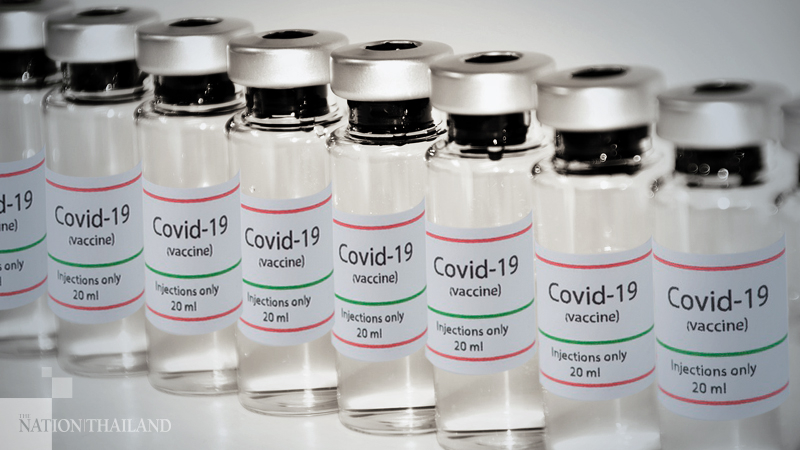
 In Haywood County, Tenn., which includes downtown Brownsville, the covid-19 fatality rate is 50 percent higher than the state average. MUST CREDIT: Photo by William DeShazer for The Washington Post.

 SootinClaimon.Com