Pence vaccinated on live TV as FDA prepares to authorize Moderna shots #SootinClaimon.Com

#SootinClaimon.Com : ขอบคุณแหล่งข้อมูล : หนังสือพิมพ์ The Nation.

Pence vaccinated on live TV as FDA prepares to authorize Moderna shots (nationthailand.com)

Pence vaccinated on live TV as FDA prepares to authorize Moderna shots

Health & BeautyDec 19. 2020

By The Washington Post · Katie Shepherd, John Wagner

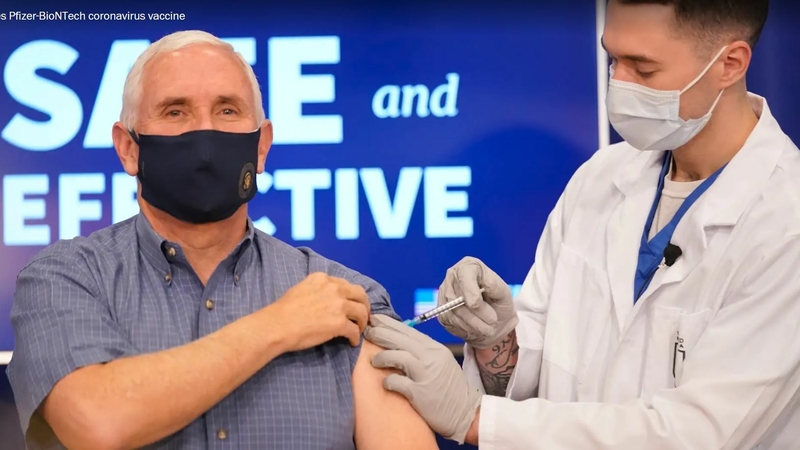
WASHINGTON – Vice President Mike Pence and second lady Karen Pence got the Pfizer-BioNTech vaccine at the White House on Friday, on live TV in an effort to vouch for the vaccine’s safety and efficacy.

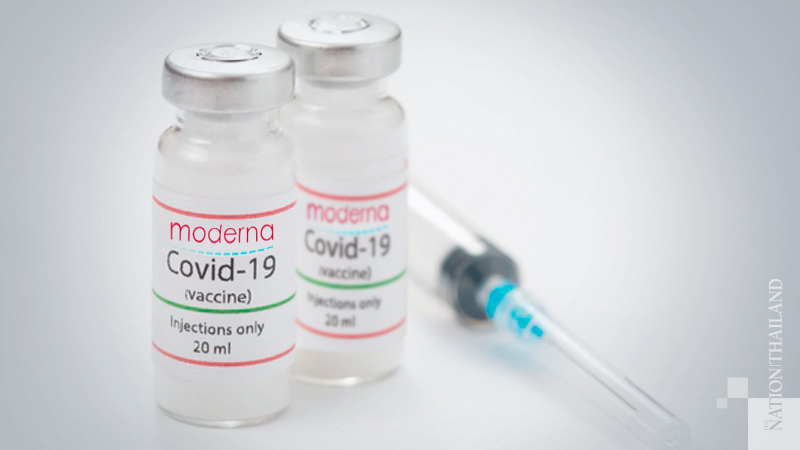
It comes as the Food and Drug Administration prepares to authorize a second coronavirus vaccine, developed by Moderna. An FDA panel deemed that vaccine to be highly effective in clinical trials, clearing the path to approval.

As reporters looked on, the Pences and Surgeon General Jerome Adams received shots of the vaccine in their arms, administered by Walter Reed National Military Medical Center staff, in a room in the White House complex.

“Great job,” a masked Pence said after a small bandage was placed on his arm following the shot.

In remarks afterward, Pence said, “I didn’t feel a thing. Well done.”

“Karen and I were more than happy to step forward,” he said, adding that he wanted to build “confidence in the vaccine.”

Pence touted the Trump administration’s efforts to speed production of coronavirus vaccines, which he touted as a “medical miracle.”

Distribution of vaccines, he said, is “the beginning of the end of the coronavirus pandemic.”

Others on hand for the event included Anthony Fauci, the nation’s top infectious-disease official, and Robert Redfield, director of the Centers for Disease Control and Prevention.

Several screens were set up in the room where the vaccinations took place. They showed messages including: “SAFE and EFFECTIVE” and “PROMISES MADE – OPERATION WARP SPEED – PROMISES KEPT.”

FDA vows to move ‘rapidly’ to authorize second coronavirus vaccine #SootinClaimon.Com

#SootinClaimon.Com : ขอบคุณแหล่งข้อมูล : หนังสือพิมพ์ The Nation.

FDA vows to move ‘rapidly’ to authorize second coronavirus vaccine (nationthailand.com)

FDA vows to move ‘rapidly’ to authorize second coronavirus vaccine

Health & BeautyDec 18. 2020

By The Washington Post · Laurie McGinley, Carolyn Y. Johnson

WASHINGTON – The Food and Drug Administration said Thursday night that it will “rapidly work toward” emergency authorization of Moderna’s coronavirus vaccine, just hours after agency advisers endorsed the shot. The announcement appeared to pave the way for another weapon against a pandemic that has killed about 310,000 people in the United States.

The FDA statement came after the agency’s vaccine advisory panel voted almost unanimously – 20 in favor, with one abstention – that the benefits of the highly effective vaccine outweighed its risks for people 18 years of age and older. The FDA intends to authorize the vaccine Friday, according to knowledgeable individuals who spoke on the condition of anonymity because they were not authorized to speak publicly about the schedule.

“I just want to make the point of what a remarkable scientific achievement this is, and pay thanks to all the scientists, present and past, who contributed to this,” James E.K. Hildreth, president of Meharry Medical College and a member of the advisory panel, said at the close of the committee meeting on Thursday. “To go from having a [genetic] sequence of a virus in January, to having two vaccines available in December, is a remarkable achievement.”

Anticipating the authorization decision, Gen. Gustave Perna, who is overseeing the federal effort to distribute vaccines, said Monday that the government was preparing to ship almost 6 million doses of the Moderna vaccine to 3,285 locations in the first week after approval.

“It will be a very similar cadence that was executed this week with Pfizer, where we’re hitting initial sites on Monday, [followed] on Tuesday and Wednesday,” Perna said.

The advisory committee met on the same day the nation set three grim single-day records, for cases (more than 250,000), hospitalized covid-19 patients (more than 114,000) and deaths (more than 3,400). California in the past 48 hours posted more than 100,000 new infections, and the governor has readied a mass fatality plan.

At the same time, questions flared about the availability of the first coronavirus vaccine to receive federal authorization, with officials in multiple states saying they had been told their second shipments of Pfizer-BioNTech’s inoculation had been slashed for next week.

That development sowed confusion, led to dueling statements from Pfizer and federal officials about who was to blame, and raised questions about whether a promise to deliver shots to 20 million people by the end of the year would be kept.

Looming supply issues made clear that even with unprecedented scientific success, the limited availability of vaccines would not prevent a dark winter.

The FDA authorized the Pfizer-BioNTech vaccine last Friday, hours after White House Chief of Staff Mark Meadows warned FDA Commissioner Stephen Hahn he would be asked to submit his resignation if the agency didn’t authorize the shot by the end of that day. The agency had intended to authorize the vaccine on Saturday. The first doses were administered Monday to health-care workers. Questions about the supply have persisted, as Pfizer and the U.S. government have been in negotiations about securing more doses after the first 100 million already purchased for nearly $2 billion.

Moderna developed its vaccine in partnership with the National Institute of Allergy and Infectious Diseases, with the government underwriting the research and development of the vaccine and the advanced purchase of 200 million doses, bringing the government investment to $4.1 billion.

Early in Thursday’s meeting of the advisory committee, the FDA addressed an issue that did not directly involve the Moderna vaccine: reports of allergic reactions to the Pfizer-BioNTech vaccine, including in two health-care workers in Alaska, one of whom was hospitalized. Both are recovering.

“While the totality of data at this time continue to support vaccinations under the Pfizer [emergency use authorization] without new restrictions, these cases underscore the need to remain vigilant during the early phase of the vaccination campaign,” FDA vaccine expert Doran Fink said.

The agency is working with the companies to revise fact sheets provided to patients and health-care professionals, Fink said, and he underscored an existing requirement that facilities administering the vaccine ensure that treatment for a severe allergic reaction is immediately available.

The heightened concern about possible rare allergic reactions will also pertain to the Moderna vaccine, because it uses the same genetic technology as Pfizer-BioNTech. An expert panel convened by the National Institutes of Health on Wednesday tried to discern which of the components of the vaccines might trigger an allergic reaction, Moderna chief medical officer Tal Zaks said, but he added that differences between the two vaccines make it uncertain whether they both could trigger the rare reactions.

During the meeting, he and other Moderna executives explained that they saw no cases of anaphylaxis in their 30,000-person coronavirus vaccine trials. In eight previous trials of a vaccine that uses the same technology against different diseases, there had been a single report of anaphylaxis among a total of about 1,700 participants. That case occurred more than two months after the shot – suggesting there was no link.

The FDA will also closely monitor for cases of Bell’s palsy, a temporary facial paralysis, as the vaccine is rolled out to more people. There were four cases of Bell’s palsy among people that received the Pfizer-BioNTech vaccine in its trial and three in the group that received the Moderna vaccine in its trial. The FDA said there wasn’t a clear causal link but acknowledged that the combined data from the two trials raised questions.

“It’s something we are looking into and thinking much about,” said Rachel Zhang, FDA medical officer.

The Pfizer-BioNTech and Moderna vaccines both use a new genetic vaccine technology, and in addition to the impact the vaccines could have on the pandemic, there is hope the new technology could be used to rapidly create vaccines for other diseases. But the novelty of the technology, which has been tested for years in people but never deployed in an approved medical product, has been used to foster doubt about the vaccines in some social media posts. Moderna executives used Thursday’s advisory committee hearing to address those questions head on.

Melissa Moore, Moderna’s chief scientific officer, explained that a snippet of genetic material, called messenger RNA, is encapsulated in a tiny fat bubble and delivered to the body’s lymph node cells. There, cells’ protein-making machinery follow the genetic instructions to build the coronavirus spike protein. Immune cells interact with the spike to muster a protective response.

Some social media posts have stoked fear that messenger RNA will change people’s DNA. Moore explained that the messenger RNA cannot be integrated into the genome.

Questions have also circulated about the vaccine’s ingredients, especially following the reports of rare allergic reactions. Moore explained that the vaccine contains the synthetic messenger RNA and a fat bubble. It does not contain many ingredients commonly found in other vaccines, such as preservatives or adjuvants, which are used to make vaccines work better – and is not manufactured in human or animal cells.

Moderna’s vaccine was shown to be 94% effective in its large clinical trial; Pfizer-BioNTech’s vaccine was 95% effective. The efficacy was similar across age, gender and racial groups.

Paul Offit, director of the Vaccine Education Center at the Children’s Hospital of Philadelphia and a member of the FDA advisory committee, said Wednesday on CNN that the two vaccines are similar in safety and efficacy. Asked whether people will have a choice of which to get, he replied, “There is not a lot of vaccine out there, so you are going to be asked to get the vaccine that the area has.”

In Moderna’s trial, 30,000 people were randomly assigned to receive either two shots of a vaccine given four weeks apart, or two saline shots. Neither the participants nor the people running the trial knew who was in which group.

Investigators then waited as people were exposed to coronavirus in their daily lives, to see if there were more cases of covid-19 in the group that did not receive the real vaccine. They counted cases starting two weeks after the second dose, to measure how well the vaccine protected participants after the immune system had mustered a full response.

The numbers were decisive: There were 196 cases in the trial, all but 11 of them were in the group that received the placebo shots. There were 30 cases of severe covid-19 and one death from covid-19 in the trial, all in the group that received the placebo.

There was a suggestion that a first dose of vaccine afforded some protection from the virus, but some key information is lacking.

One of the main questions debated by the panel was what to do about the trial once a vaccine is authorized.

Moderna is proposing notifying everyone in the placebo group immediately after the vaccine is cleared and allowing them access to the vaccine, using leftover supply from the clinical trial that will expire soon and can’t be given to people as part of the emergency authorization. That’s different from the Pfizer-BioNTech plan, which will allow individual participants who become eligible for a shot under health agency guidelines to request access to the vaccine. At that point, those participants could opt to find out if they were in the placebo group – and if they were, request the vaccine.

Steven Goodman, professor of medicine at Stanford University, argued that the Moderna plan could erode the ability of the trial to answer key questions about the duration of immunity – and might endanger future trials.

“We have a very strong interest in developing good information for the other vaccines,” Goodman said. “There will be a precedent, as soon as something has been shown to be effective and available, that it’s unethical to ask people to wait any more time to be immunized in any way – and this is a precedent you may not want to set.”

Moderna argued against a plan that was more logistically difficult to implement or that would defer offering the vaccine, in part because of the ethics and because so many trial participants are in high-risk groups who will begin to be offered the vaccine soon and might drop out of the trial otherwise.

Lindsey Baden, the co-principal investigator of the trial at Brigham and Women’s Hospital, said there were two to three severe cases of disease among placebo recipients in the trial each week.

“It’s important we carefully consider the volunteer viewpoint as we navigate fairness, equity, trust, transparency as well as a larger societal interest,” Baden said. “Without them, clinical research cannot function and we have unique obligations to handle the study properly.”

FDA investigating allergic reactions to Pfizer vaccine, rollout will continue #SootinClaimon.Com

#SootinClaimon.Com : ขอบคุณแหล่งข้อมูล : หนังสือพิมพ์ The Nation.

FDA investigating allergic reactions to Pfizer vaccine, rollout will continue (nationthailand.com)

FDA investigating allergic reactions to Pfizer vaccine, rollout will continue

Health & BeautyDec 18. 2020

By The Washington Post · Carolyn Y. Johnson, Joel Achenbach

WASHINGTON – The Food and Drug Administration reiterated Thursday that the newly authorized Pfizer-BioNTech coronavirus vaccine should continue to be used with no new restrictions despite several reports of health-care workers who had a severe allergic reaction after receiving the injection.

Two of those incidents happened in the United Kingdom last week, and a third in Alaska on Tuesday. Another Alaska hospital employee had a brief but much less serious reaction on Wednesday.

The FDA said it is closely monitoring these situations and is teaming with the Centers for Disease Control and Prevention to investigate what incited these responses. While that is being investigated, the FDA is working with Pfizer to update fact sheets and prescribing information to reflect the evolving information. The FDA said that would underscore an existing requirement – that facilities administering the vaccine must be capable of immediately treating any severe allergic reaction.

The vaccine developed by the pharmaceutical giant Pfizer and the German company BioNTech passed strict safety reviews during months-long randomized clinical trials involving tens of thousands of people. But three incidents of anaphylaxis – a sudden allergic response that can be reversed quickly with medication – are a complication for officials hoping to gain public acceptance of the vaccine.

They’re also a biochemical mystery. No one knows what component of the vaccine incited the anaphylactic reactions.

“While the totality of data at this time continue to support vaccinations under the Pfizer [emergency use authorization] without new restrictions, these cases underscore the need to remain vigilant during the early phase of the vaccination campaign,” FDA vaccine expert Doran Fink said at the start of an all-day meeting of the FDA advisory committee examining a similar vaccine developed by Moderna, which is poised for emergency authorization in the coming days.

“We learned of these cases through established safety surveillance systems that worked exactly as designed, and FDA is coordinating with the CDC to further investigate the cases in the U.S., and to communicate our findings in a timely manner,” Fink said.

Fink said the totality of data does not suggest new restrictions on use of the Pfizer-BioNTech vaccine are required. Unlike traditional vaccines, these do not include preservatives and do not include ingredients grown in chicken eggs.

Two cases of anaphylaxis occurred last week in the United Kingdom, involving health care workers with a history of severe allergic reactions. They fully recovered after treatment.

A third incident happened Tuesday at Bartlett Regional Hospital in Juneau, Alaska. A health-care worker with no prior history of severe allergic reactions suffered shortness of breath, rapid heartbeat and flushed skin. The first symptoms began 10 minutes after receiving the vaccine injection.

The worker was treated overnight. By the next morning she was stable and not on medication. She then stayed a second night in the hospital “under observation,” according to a hospital statement. “She is still encouraging her colleagues to get the vaccine,” the statement added.

That was the first and, as of Thursday afternoon, only reported case of anaphylaxis since the vaccines began to be administered Monday nationwide.

Another employee at Bartlett Regional Hospital who received the vaccine Wednesday “experienced eye puffiness, lightheadedness, and scratchy throat ten minutes after being injected with the vaccine,” according to a statement from the city of Juneau. He was given a standard treatment of epinephrine, Pepcid and Benadryl and “felt completely back to normal within an hour and was released,” the statement said.

The hospital said that case was not considered anaphylaxis.

Vaccine expert and pediatrician Paul Offit of the Children’s Hospital of Philadelphia said Wednesday that, among all vaccines, about one in a million vaccinations triggers a severe allergic reaction. The guidance for this new vaccine requires people to be monitored for 15 minutes after the injection to see if they have a reaction, or 30 minutes if they have a history of severe allergic responses.

Milder side effects, such as fever, headache, fatigue and pain at the injection site, have also been reported by volunteers in randomized trials, particularly, after the second dose and among younger people who tend to have more robust and reactive immune systems. Those side effects go away in a day or two and are not considered a cause for concern.

Tal Zaks, chief medical officer of Moderna, said at Thursday’s hearing that there are three components of the vaccine that theoretically could cause rare reactions. He said that the National Institutes of Health convened an expert panel Wednesday to discuss the possibilities.

He pointed out that several components of the Moderna vaccine – which has not been linked to any anaphylactic reactions in the randomized trials – are proprietary, and differ from components in the Pfizer-BioNTech vaccine.

“While we all say there’s a [lipid nanoparticle] here delivering mRNA therefore they must be the same . . . I actually think as far as the component that is likely to be the culprit here, I would not necessarily assume that,” Zaks said. “We will be looking very carefully as has been noted, and continue to collaborate with colleagues to understand the mechanism here.”

Moderna executive Jacqueline Miller said Thursday that, after scouring a database from previous use of the same vaccine technology in trials for eight other vaccines with 1,700 people, there was a single case of an anaphylactic event reported, and it was more than two months after the shot was given. The lengthy time delay makes it unlikely that it was directly linked to the shot.

The randomized trials of both the Pfizer-BioNTech and Moderna coronavirus vaccines have not produced cases of anaphylaxis, but those trials did not permit participation by anyone with a known allergy to any component of the vaccine.

States and jurisdictions are continuing to receive deliveries of the first week’s 2.9 million Pfizer dose allocation and provide vaccinations every day. States routinely provide data to the CDC on vaccine coverage, and the CDC is awaiting the first data reports from states about vaccine administration that began Monday.

More than 1.5 million doses had been distributed, but not necessarily administered, by Thursday morning, according to the Department of Health and Human Services.

DDC recommends six ways to reduce PM2.5 #SootinClaimon.Com

#SootinClaimon.Com : ขอบคุณแหล่งข้อมูล : หนังสือพิมพ์ The Nation.

DDC recommends six ways to reduce PM2.5 (nationthailand.com)

DDC recommends six ways to reduce PM2.5

Health & BeautyDec 17. 2020

By The Nation

The dire PM2.5 dust situation is expected to affect the health of people in some Bangkok areas up to December 24 before getting better, Department of Disease Control (DDC) director-general Dr Suwanchai Wattanayingcharoenchai said on Thursday.

Despite the lower dust mass during Christmas, he said people should continue to take care of themselves.

He had six tips to reduce the source of dust:

1) Regularly clean your house, sweeping away dust and any spiderwebs. Clean the floor and nooks to keep dust from gathering. Also use a damp cloth to clean furniture, washing machines, fans, air conditioners, filters and screens. The bedroom, where dust mites are likely to hide, need to also be cleaned, including bedsheets, pillowcases, mosquito nets, blankets and doormats at least once a week. Wear gloves while cleaning and cover your nose and mouth so you don’t inhale dust.

2) Use your vehicle less often, opt for public transportation instead.

3) Regularly check the condition of your vehicle and turn off the engine whenever you park.

4) Do not burn leaf waste.

5) Stop burning incense, switch to using short incense sticks or electric incense.

6) Plant a tree with rough/hairy leaves since this type of leaf is highly effective in trapping dust. Jamaican cherry, Afgekia Mahidoliae Burtt et Chermsir, Rangoon Creeper and Shower Orchid are all effective anti-dust plants.

Dr Suwanchai also suggested that before leaving home, you need to continue wearing a protective mask and monitor air quality by viewing the Air Quality Index on the DDC website.

“If you experience unusual symptoms such as frequent coughing, dyspnea, shortness of breath, chest tightness, palpitations, nausea, unusual fatigue or dizziness, seek immediate medical attention,” he warned.

Howard hospital hopes to ease Black people’s fears as it distributes first coronavirus vaccines #SootinClaimon.Com

#SootinClaimon.Com : ขอบคุณแหล่งข้อมูล : หนังสือพิมพ์ The Nation.

Howard hospital hopes to ease Black people’s fears as it distributes first coronavirus vaccines (nationthailand.com)

Howard hospital hopes to ease Black people’s fears as it distributes first coronavirus vaccines

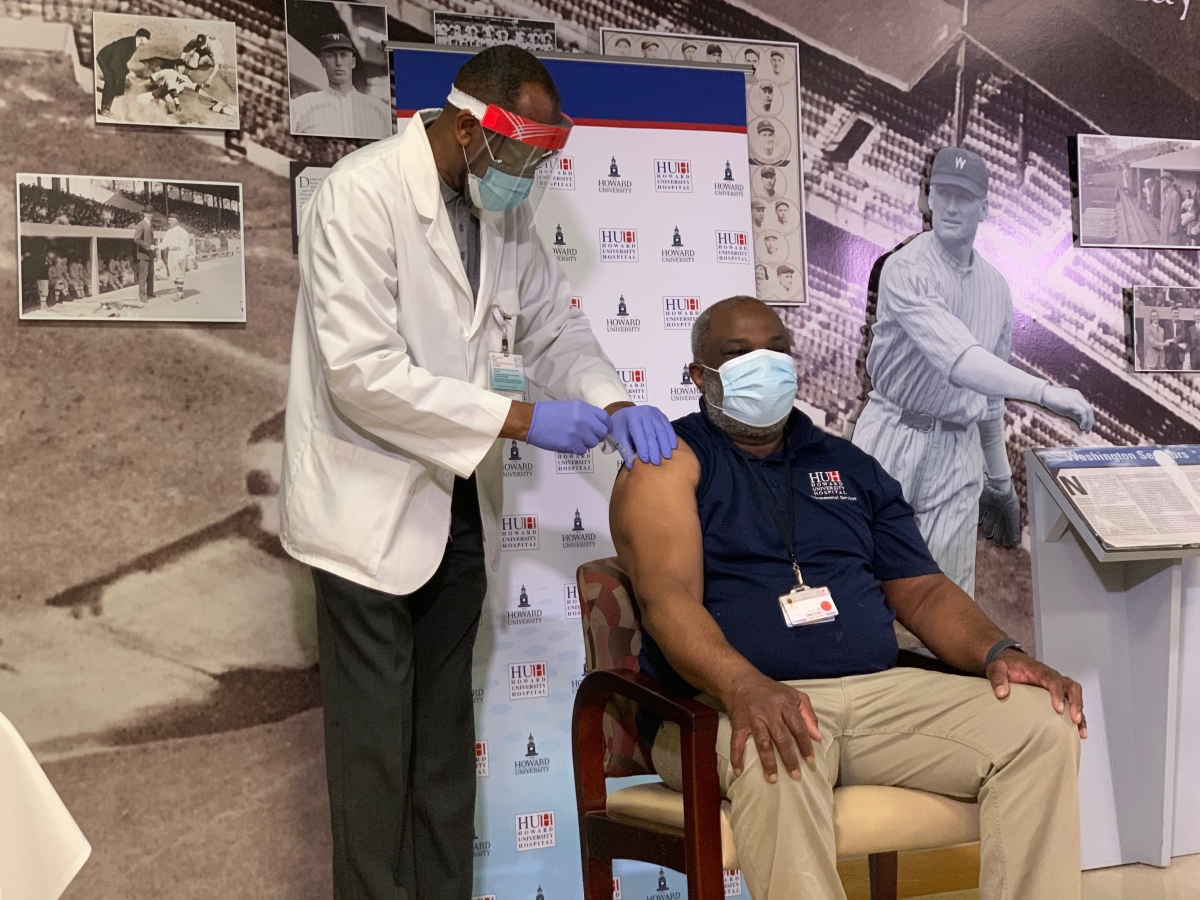
Health & BeautyDec 16. 2020Roy Dunlap receives the coronavirus vaccine at Howard University Hospital in Washington on Tuesday, Dec. 15, 2020. MUST CREDIT: Washington Post photo by Michael Robinson ChavezRoy Dunlap receives the coronavirus vaccine at Howard University Hospital in Washington on Tuesday, Dec. 15, 2020. MUST CREDIT: Washington Post photo by Michael Robinson Chavez 

By The Washington Post · Lola Fadulu

WASHINGTON – Roy Dunlap told his family his plans as they sat down to a dinner of salmon, greens and white rice.

“I’m going to take the vaccine tomorrow,” the director of environmental services at Howard University Hospital said.

His 17-year-old son’s eyes bulged, and he raised his eyebrows to the heavens, as he typically does when his father says something out of the ordinary. Then the teenager looked at his mother.

“What do you mean?” Dunlap remembers his wife saying. “Your family needs you. Let somebody else take it.”

Roy Dunlap receives the coronavirus vaccine at Howard University Hospital in Washington on Tuesday, Dec. 15, 2020. MUST CREDIT: Washington Post photo by Lola Fadulu

Roy Dunlap receives the coronavirus vaccine at Howard University Hospital in Washington on Tuesday, Dec. 15, 2020. MUST CREDIT: Washington Post photo by Lola Fadulu

But Dunlap had already made up his mind to get the coronavirus vaccine. He thought about the number of people who have died of covid-19, the illness the novel coronavirus can cause, including one of the cleaning workers he supervised at the hospital.

He recognized the importance of getting vaccinated, and he wanted to be a leader for not only his staff of 70 people – who clean and disinfect every part of the hospital, including the covid-19 rooms – and his community.

Persuading Black Americans scarred by generations of health-care discrimination to trust the vaccine is a crucial part of ending the pandemic, which has disproportionately affected Black Americans, Latinos and front-line workers.

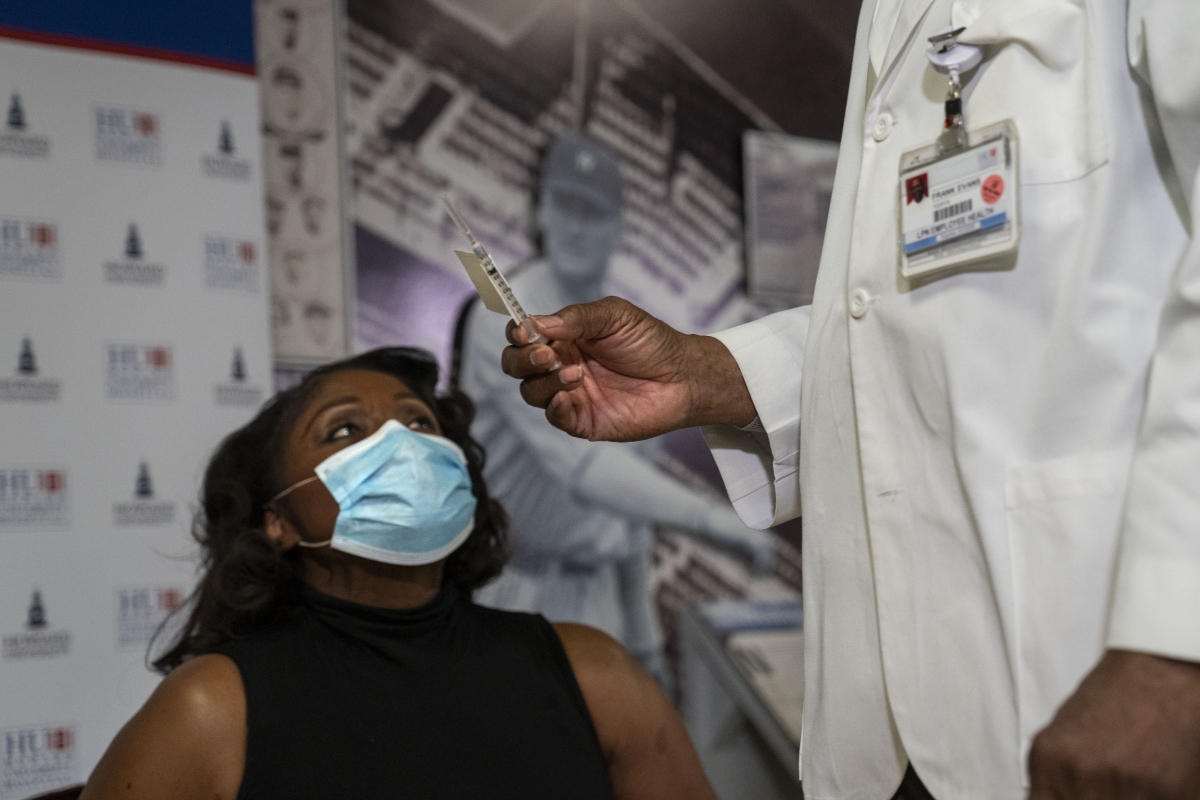
And so on Tuesday, despite his family’s worries, Dunlap became one of the first seven employees at the Howard hospital to get the Pfizer-BioNTech vaccine, sitting straight up in his chair as white-coated, masked and face-shielded Frank Evans, a licensed nurse at the hospital, inserted the needle into his right arm.

Howard is one of six sites that received part of the District of Columbia’s initial shipment of 6,825 doses of the vaccine. They arrived Monday morning as the total number of coronavirus cases reported in the greater Washington region climbed above 540,000, and the death toll in D.C., Maryland and Virginia exceeded 10,500.

Officials at the historically Black institution hope that publicizing the vaccination process will encourage other people to get vaccinated, especially Black Americans, who are nearly three times as likely to die of covid-19 because of health-care disparities and increased exposure at jobs deemed essential.

Many have told researchers and community leaders that they do not plan to take the vaccine because of a history of medical mistreatment and because of the politicization of the vaccine development process.

“We will take the vaccine not to jump in line, but to show people and to help people understand this is a safe weapon against the scourge of covid that has just been taking lives, day after day,” Anita Jenkins, the chief executive officer of the hospital, said before getting her shot.

Howard University’s medical school, founded three years after the end of the Civil War to train doctors to care for newly freed Black people in the nation’s capital, is working alongside the nation’s three other historically Black medical colleges to build community confidence in the vaccine.

Anita Jenkins, CEO of Howard University Hospital, prepares to receive the coronavirus vaccine on Tuesday, Dec. 15, 2020. MUST CREDIT: Washington Post photo by Michael Robinson Chavez

Anita Jenkins, CEO of Howard University Hospital, prepares to receive the coronavirus vaccine on Tuesday, Dec. 15, 2020. MUST CREDIT: Washington Post photo by Michael Robinson Chavez

Howard University set up coronavirus testing sites early on in the pandemic in areas that have the city’s largest populations of Black residents. Howard’s medical school and hospital are running the clinical trial of a vaccine that has yet to reach the market, spokeswoman Alonda Thomas said.

“We have a legacy of leadership in science and developing insights into new science approaches to treating health, and in applying science to the benefit of people of color,” said Reed Tuckson, a doctor and Howard University trustee who is the founder of the Black Coalition Against Covid-19.

Tuesday’s vaccinations, he added, were “a further example of this history.”

Shelly McDonald-Pinkett, the hospital’s chief medical officer, who got vaccinated just before Dunlap, said: “We’ve all heard the statistics about what happens in the African American community and communities of color. And so it’s important for those who are in leadership roles to demonstrate our willingness to take the vaccine.”

Dunlap was eager to do so. He said he decided to get the vaccine weeks ago, after Jenkins announced she was going to be vaccinated.

“The early stage [of the pandemic] was really rough for me, so that’s why I felt that I had to be at the forefront to lead,” Dunlap said.

The housekeeper who died of covid-19 did not contract the virus at the hospital, Dunlap said. In all, 10 of his staff members have tested positive, Dunlap said. Some workers quit, some refused to clean rooms inhabited by virus patients. His shifts, and those of his remaining staff, grew longer.

The virus disrupted his personal life as well; he was unable to travel to Florida for the funeral of a pastor who was one of his childhood mentors and died of cancer.

“I feel this day is historic because this is the beginning stages of making covid-19 decline,” Dunlap said after being vaccinated. “And somebody has to be the guinea pig. Somebody has to be on the front line to volunteer and everything to see if the vaccine works.”

His wife was not easily persuaded. On Tuesday morning, before Dunlap headed to work, she stopped him and asked whether they could pray.

“And so she prayed with me. That kind of gave me more ease, that God got it,” Dunlap said.

After the shots were given, and the crowd cleared out of the hospital’s Freedmen’s Hall, Dunlap began preparing the area for his staff to come in and do the essential work it has been doing every day during this pandemic: thoroughly disinfecting the area to curb the spread of the deadly disease.

Moderna vaccine found safe, effective ahead of key FDA review #SootinClaimon.Com

#SootinClaimon.Com : ขอบคุณแหล่งข้อมูล : หนังสือพิมพ์ The Nation.

Moderna vaccine found safe, effective ahead of key FDA review (nationthailand.com)

Moderna vaccine found safe, effective ahead of key FDA review

Health & BeautyDec 15. 2020

By Syndication Washington Post, Bloomberg · Anna Edney

Moderna Inc.’s vaccine is safe and effective for preventing covid-19, U.S. regulators said, clearing the way for a second shot to quickly gain emergency authorization and add to the country’s sprawling immunization effort.

FDA staff said Tuesday in a report that the experimental vaccine is 94.1% effective at preventing symptomatic covid-19, confirming earlier results released by the company.

The report was posted online ahead of a Thursday meeting of agency advisers who will vote whether to recommend authorization before a final FDA decision. The agency doesn’t have to follow the advice of the independent vaccine experts, though it often agrees with its advisory panels. Last week, the FDA authorized a similar vaccine from Pfizer Inc. and BioNTech SE after an advisory panel voted 17-4, with one abstention, to support its authorization.

The FDA got a much deeper look at Moderna’s clinical-trial data than the numbers previously released to the public by the company. Notably, the agency was able to review the shot’s effectiveness across a broad range of racial, ethnic and age groups, and look at evidence of how well the shot worked for people with preexisting medical conditions that make them more vulnerable to severe covid-19.

The agency found the shot was similarly effective across racial and ethnic groups and those with underlying medical conditions. It was 86.4% effective in people age 65 and over, according to the report, and 95.6% effective in those 18 to 65.

Both the Moderna vaccine and the Pfizer vaccine are based on messenger RNA technology that hasn’t been previously used in inoculations. Additionally, both are two-dose vaccines, meaning once people receive an initial shot they will need to return to their care providers weeks later for an additional injection.

Between Pfizer and Moderna, Operation Warp Speed officials have said 20 million people in the U.S. are expected to get their first shots by year-end.

Covid-19 cases and hospitalizations are rising across the country, increasing pressure to get the pathogen under control. While health officials are hopeful that the immunization push will begin to slow a pandemic that has killed more than 300,000 Americans, it’s not yet known what effect the vaccines have on transmission of the disease.

Pfizer and BioNTech’s vaccine was cleared first in the U.K. where there were a few reports of serious reactions that led regulators there to advise against anyone with a history of significant allergies getting the shot. The Food and Drug Administration did not take such a step, but told facilities where the vaccine would be administered to have medication on hand to treat possible allergic reactions, including a severe form called anaphylaxis.

Moderna’s vaccine isn’t yet approved in any other countries and hasn’t yet been used on anyone outside of a clinical trial.

Once the U.S. grants authorization, advisers to the Centers for Disease Control and Prevention must meet, as they did last week on Pfizer’s vaccine, to give Moderna’s shot the green light and provide offer specific recommendations for use and monitoring. Moderna’s vaccine will be distributed to sites around the country where health-care workers and residents of long-term care facilities, such as nursing homes, are expected to get the earliest doses.

Pfizer and BioNTech’s first vaccines were sent to more than 600 sites around the country. The shot must be kept extremely cold and requires special freezers to transport, while Moderna’s can be kept in more traditional cold storage.

2021 countdowns can be held under Covid-prevention guidelines: Anutin #SootinClaimon.Com

#SootinClaimon.Com : ขอบคุณแหล่งข้อมูล : หนังสือพิมพ์ The Nation.

2021 countdowns can be held under Covid-prevention guidelines: Anutin (nationthailand.com)

2021 countdowns can be held under Covid-prevention guidelines: Anutin

Health & BeautyDec 14. 2020Anutin CharnvirakulAnutin Charnvirakul 

By The Nation

In this era of Covid-19, New Year countdowns can only be held under the government’s laws and regulations, Public Health Minister Anutin Charnvirakul said on Monday.

As for the Big Mountain Music Festival in Nakhon Ratchasima province, which was cancelled for not following Covid-19 control measures, he said the provincial governor has to decide on whether the organisers should be sued.

Governor Wichian Chantaranothai had instructed Pak Chong police officers to take legal action against the organisers for violating orders to keep the Ocean Khao Yai resort closed. The organisers may face up to a year in prison and/or Bt100,000 in fines.

“In order to curb the spread of Covid-19, people must proceed under government laws and recommendations, while those who violate the law create problems for others,” Anutin said, adding that people can organise events, including countdowns, provided they follow the regulations.

As for those who attended the Big Mountain Music Festival, the minister said they should isolate themselves for 14 days and see the doctor immediately if they have respiratory symptoms.

“Life will return to normal when the vaccine arrives,” Anutin said, adding that these measures have nothing to do with politics.

“Covid-19 is more worrisome than the state of politics, so we have to strictly enforce laws to protect people from infection,” he said.

First coronavirus vaccines roll out as officials share months-long timeline for immunization effort #SootinClaimon.Com

#SootinClaimon.Com : ขอบคุณแหล่งข้อมูล : หนังสือพิมพ์ The Nation.

First coronavirus vaccines roll out as officials share months-long timeline for immunization effort (nationthailand.com)

First coronavirus vaccines roll out as officials share months-long timeline for immunization effort

Health & BeautyDec 14. 2020

By The Washington Post · Paulina Firozi, Meryl Kornfield, Josh Dawsey

WASHINGTON – The first vials of the coronavirus vaccine were shipped Sunday, paving the way for inoculations to begin across the country this week.

Nearly 3 million doses of the Pfizer-BioNTech vaccine are expected to arrive at 145 facilities Monday, marking the beginning of a massive logistical effort to stop the rampant spread of the disease covid-19, which has so far killed more than 298,000 Americans. The vaccine against the virus it causes will arrive at nearly 500 additional sites Tuesday and Wednesday.

But even as state officials scrambled to distribute the first doses, they criticized the federal government for a lack of transparency and limited financial help, warning that both could hamper efforts to quickly vaccinate the most vulnerable populations, including health-care workers and the elderly.

As the vaccine doses made their way to hospitals Sunday, Centers for Disease Control and Prevention Director Robert Redfield gave the final nod, approving the decision to recommend Pfizer’s vaccine for people 16 and older.

Additionally, the governors of California, Washington, Oregon and Nevada announced Sunday that an independent review of the Pfizer vaccine found it safe for public use. They said the vaccine was on the way but did not give a specific estimate for when the first shots would be given.

As the vaccine arrived at a Louisville, Ky., hub for distribution across the East Coast on Sunday, Democratic Gov. Andy Beshear moved up his timeline, announcing that immunizations could begin as early as Monday. New Jersey Gov. Phil Murphy, a Democrat, said Sunday that the first vaccines are expected to be administered Tuesday at University Hospital in Newark.

Amid questions about when people can get their shots, a Sunday report said people in President Donald Trump’s White House circle were told to expect to be vaccinated shortly.

“Senior officials across all three branches of government will receive vaccinations pursuant to continuity of government protocols established in executive policy,” National Security Council spokesman John Ullyot said in a statement. The administration has not mentioned when Trump will get a dose. Since contracting the virus, Trump has repeated false claims that he is “immune,” though experts are not yet certain about how long immunity lasts.

Despite the rapid rollout of the Pfizer vaccine, it will be months before immunizations have any effect on the pandemic in the United States, where case numbers are surging. As of Saturday, more than 16 million people in the United States have tested positive, and an average of 2,415 people died of the virus every day for the past week, a pandemic record.

Officials stressed that a large proportion of the nation’s population – about 70% to 80% – will need to get the vaccine before herd immunity is achieved.

Moncef Slaoui, chief science adviser to the White House’s effort to develop a vaccine, said officials hope to “reach that point between the month of May and the month of June.”

“All in all, we hope to have immunized 100 million people, which would be the long-term-care-facility people, the elderly people with co-morbidities, the first-line workers, the health-care workers,” he said in an interview on “Fox News Sunday. “It’s about 120 million people – we would have immunized 100 million people by the first quarter of 2021 with two doses of vaccines.”

Health and Human Services Secretary Alex Azar detailed what could come in the weeks and months following the initial vaccine shipments. He said the plan is to have 20 million people vaccinated by the end of December, up to 50 million by the end of January and 100 million by the end of February. That includes plans for a second vaccine, developed by Moderna, which is expected to gain emergency authorization from the Food and Drug Administration soon.

The FDA gave emergency use authorization for Pfizer and BioNTech’s vaccine on Friday for people 16 and older, and Moderna’s vaccine is expected to be authorized following a review scheduled for this Thursday by the agency’s independent advisers.

“We’ll be getting more and more Pfizer product, and we’ve got 12 1/2 million Moderna product, assuming that we get approval at the end of this week on Moderna, that we’ll ship out very soon thereafter,” Azar said during an interview with CBS News’s “Face the Nation.”

He also was asked by host Margaret Brennan whether he believes President-elect Joe Biden’s team will be able to meet the goals, and Azar appeared to acknowledge that the incoming Biden administration will take over the process.

“If they carry forward with the plans that we’ve put in place, 100 million shots in arms by the end of February is very much in scope,” Azar said.

Officials hoping to bolster confidence in the vaccine worry that such a large immunization effort could be hindered by skepticism.Francis Collins, director of the National Institutes of Health, said the level of potential vaccine hesitancy in the nation is of “great concern for all of us.”

During an interview on NBC News’s “Meet the Press,” he urged viewers to “hit the reset button on whatever they think they knew about this vaccine that might cause them to be so skeptical.”

“The data is out there now. It’s been discussed in a public meeting, all the details of the safety and the efficacy for anybody who wants to look,” he said, adding: “I think all reasonable people, if they had the chance to sort of put the noise aside and disregard all those terrible conspiracy theories, would look at this and say, ‘I want this for my family. I want it for myself.’ People are dying right now. How could you possibly say? ‘Let’s wait and see’ if that might mean some terrible tragedy is going to befall?”

There’s also particular concern about addressing any vaccine hesitancy in communities of color, especially because they have been disproportionately affected by the pandemic.

NBC’s Chuck Todd asked Collins to respond to concerns from a health-care worker who said she hopes people who look like her and other Black doctors in the community also will help generate trust in the vaccines.

“She’s absolutely right. For somebody like me to say, ‘You should be signing up for this vaccine,’ OK, a White guy who works for the government. Sure, that isn’t necessarily going to be the voice that people need to hear if they’re skeptical,” Collins said. “We are working closely with health-care providers, especially those in communities of color, and trying to make sure that all of those messages are ready to go.”

CDC advisory group recommends Pfizer vaccine for use #SootinClaimon.Com

#SootinClaimon.Com : ขอบคุณแหล่งข้อมูล : หนังสือพิมพ์ The Nation.

CDC advisory group recommends Pfizer vaccine for use (nationthailand.com)

CDC advisory group recommends Pfizer vaccine for use

Health & BeautyDec 13. 2020

By The Washington Post · Lena H. Sun, Isaac Stanley-Becker · NATIONAL, WORLD, HEALTH, SCIENCE-ENVIRONMENT, HEALTH-NEWS 

WASHINGTON – A federal advisory panel voted overwhelmingly Saturday to recommend the nation’s first coronavirus vaccine for people 16 and older, paving the way for inoculations to begin as shipments of vaccine arrive at hospitals and state health departments Monday.

The advisory panel to the Centers for Disease Control and Prevention found the benefits of the vaccine from Pfizer and BioNTech, which has been shown to be 95% effective at preventing illness after two shots, far outweighed side effects, including sore arms, fatigue, headaches, muscle pain and chills that resolved within a few days. The action follows the Food and Drug Administration’s action late Friday authorizing the vaccine for emergency use for people 16 and older.

The vote was 11 in favor, with three members not voting because of conflicts of interest.

“I know we’re going to have very tough and sad times ahead because of the surge and a limited vaccine supply, but I am really hopeful that this is the beginning of the end of the coronavirus pandemic,” said Peter Szilagyi, a professor of pediatrics at the University of California at Los Angeles.

The panel’s recommendation is “a hugely important step,” said Nancy Messonnier, director of the CDC’s National Center for Immunization and Respiratory Diseases.

Beth Bell, a global health expert at the University of Washington who chairs the panel’s coronavirus vaccine work group, referred to public concerns about the new vaccine and said she would get a shot when it is her turn and would recommend it for her family. Several members said they would do the same.

While Bell applauded the huge scientific achievement of developing a vaccine, she and others noted the stark imbalance between the $10 billion of taxpayer money used to fund vaccine development and the lack of funding – only “hundreds of millions” – for the enormously complicated and challenging distribution and vaccination effort rolling out across the country during the next year.

“The imbalance between that kind of money and funding provided for the vaccination program is really shocking and needs to be corrected,” Bell said. “We are not going to be able to protect Americans if we don’t have a way to deliver the vaccine to them.”

Jeffrey Duchin, a top health official for Seattle and King County, Wash., noted that the funding necessary for state and local health departments “has been put in the deep freeze with the vaccine,” referring to the vaccine’s ultracold storage and handling requirements.

Because the vaccine initially will be in extremely limited supply, the CDC recommended last week that about 21 million health-care workers and about 3 million residents of long-term care facilities be first to get the vaccine.

Health-care personnel are a priority because of their potential exposure to the virus and their critical role keeping the nation’s hospitals and clinics functioning. Residents and employees of long-term care facilities were prioritized because they account for nearly 40% of deaths from covid-19, the disease caused by the coronavirus.

The recommendations from the Advisory Committee on Immunization Practices were sent to CDC Director Robert Redfield, who is expected to approve them imminently. Once approved, they become the official CDC recommendation on immunization in the United States. Authorization from the FDA means the Pfizer vaccine is permitted to be administered, but an endorsement by the CDC immunization panel signals that the vaccine should be administered to the populations included in its guidance.

Recommendations from the group, an independent body of experts, have been the gold standard for evidence-based guidance on vaccine use in the United States for decades. Health-care providers rely on the group’s recommendations because of the committee’s reputation for rigor and attention to detail, said Jason L. Schwartz, a professor of health policy at the Yale School of Public Health. The committee has been planning for its recommendations for coronavirus vaccines since the spring.

The committee’s review of safety and efficacy data Friday and Saturday reached the same conclusions as the FDA and its advisory committee, including appropriateness of use in 16- and 17-year-olds. One member noted that teenagers can actively spread the virus to family members.

Committee members said pregnant women who are part of a group recommended to receive the shot may talk with their medical providers and choose to get vaccinated, even in the absence of data on the safety of coronavirus vaccines in pregnant women.

Many health-care personnel are women, and a significant percent are likely to become pregnant or to have recently had babies, noted physician Sandra Fryhofer, a liaison representative speaking on behalf of the American Medical Association.

Pregnant women have been excluded from coronavirus vaccine trials. A Pfizer official said Saturday the company plans to report to the FDA this month on a developmental and reproductive toxicity study in animals that could help elucidate any risks.

On Sunday, the CDC is expected to provide briefings for clinicians and provide additional detailed clinical considerations for health-care providers and patients on its website, including guidance on possible severe allergic reactions. Peter Marks, director of the FDA’s division that regulates vaccines, said Saturday that officials had looked carefully at such side effects and concluded that people should receive the vaccine unless they “have had a severe reaction to the vaccine or one of its components.”

Two health-care workers in Britain had severe anaphylactic reactions after getting the vaccine this week, according to authorities. Both had a history of serious allergic reactions and carry epinephrine auto-injectors, known as EpiPens, for such emergencies. A third health-care worker, with no history of allergies, developed a rapid heartbeat and skin reddening. The CDC is following up with British health officials on the cases and has convened experts in vaccine safety, immunology and allergy to investigate possible causes, officials said.

The weekend meeting was not devoted to deciding on allocation of finite vaccine supplies but whether to recommend its use.

But there was a preview of the jockeying certain to take place over who will gain preference following health-care workers and long-term care facility residents and staff, who constitute the first phase, known as phase 1a. Members of the advisory group heard from industry representatives and other advocates about why workers in certain sectors or particularly vulnerable people should have priority access.

John Allan III, vice president of regulatory affairs and international standards for the International Dairy Foods Association, warned that if food workers did not get immunized soon, “Our supply chains could eventually fall apart, creating widespread disruptions to our economy.”

Julie Russell, a representative of a school district in San Diego County, said teachers and other front-line education staff required attention because of “how many young lives each of them touch.”

And Charles Lee, president-elect of the American College of Correctional Physicians, said incarcerated people are of paramount concern because of the outbreaks that have torn through prisons.

There were also concerns about access in the first phase. A rural health advocate in Wisconsin said ultracold storage requirements and the batch size of the Pfizer vaccine, which is shipped in 975-dose allocations, threatens access beyond densely populated metropolitan areas.

Several members of the public warned about the pernicious effects of misinformation, asking the committee to develop a plan to combat false narratives about vaccination, particularly those targeting communities of color.

First coronavirus vaccine shipments set to arrive in states Monday #SootinClaimon.Com

#SootinClaimon.Com : ขอบคุณแหล่งข้อมูล : หนังสือพิมพ์ The Nation.

First coronavirus vaccine shipments set to arrive in states Monday (nationthailand.com)

First coronavirus vaccine shipments set to arrive in states Monday

Health & BeautyDec 13. 2020Pharmacy Director Ahmed El Kority opens a new ultra freezer that will be used to store COVID-19 vaccines at the Riverside Shore Memorial Hospital in Onancock, Va. MUST CREDIT: photo for The Washington Post by Parker Michels-Boyce.Pharmacy Director Ahmed El Kority opens a new ultra freezer that will be used to store COVID-19 vaccines at the Riverside Shore Memorial Hospital in Onancock, Va. MUST CREDIT: photo for The Washington Post by Parker Michels-Boyce. 

By  The Washington Post · Frances Stead Sellers, Ariana Eunjung Cha, , Lena H. Sun, Isaac Stanley-Becker · NATIONAL, HEALTH, HEALTH-NEWS 

WASHINGTON – Hospitals that have spent months seeking a silver bullet against a virus that has killed more than 295,000 people in the United States will begin receiving shipments of the first coronavirus vaccine on Monday, U.S. officials said, comparing the start of distribution this weekend to the Allied invasion of Normandy in June 1944.

Saturday, said the four-star Army general overseeing vaccine rollout, was “D-Day,” following the Food and Drug Administration’s Friday-night clearance for emergency use of the two-dose regimen developed by Pfizer and the German company BioNTech.

“D-Day was a pivotal turning point in World War II; it was the beginning of the end,” said the general, Gustave Perna, who is chief operating officer of Operation Warp Speed, the public-private partnership speeding the development of vaccines and therapeutics. “D-Day was the beginning of the end, and that’s where we are today.”

The initial distribution of 2.9 million doses, a sliver of what was initially anticipated and intended only for health care workers and residents and staff of long-term care facilities, will arrive at hospitals battling climbing case counts and mounting deaths. Immunization in its early phases will not curtail intensifying outbreaks, experts cautioned, underscoring the need for continued public-health precautions.

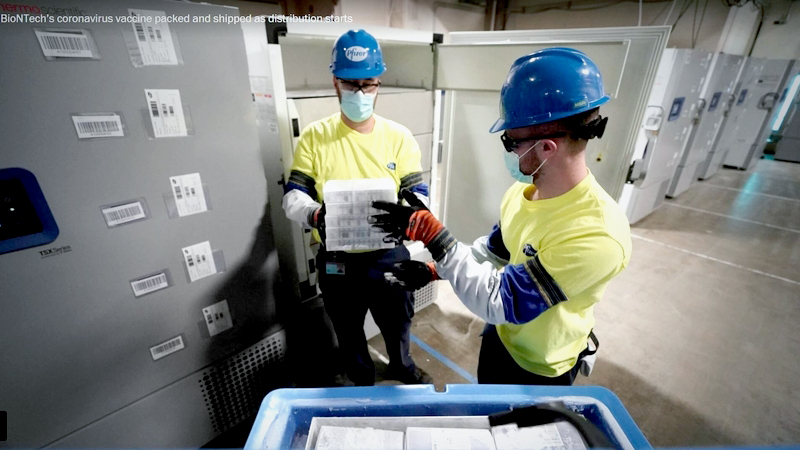
But the vaccine’s clearance on Friday night from the FDA, followed by backing on Saturday from a Centers for Disease Control and Prevention advisory group, set into motion one of one of the most complicated logistical missions in U.S. history, marking a new phase of the pandemic. The vaccine, which must be stored at ultracold temperatures, is being sent nationwide by plane and guarded truck.

“It’s a hugely important step,” Nancy Messonnier, director of the CDC’s National Center for Immunization and Respiratory Diseases, said Saturday as the CDC’s Advisory Committee on Immunization Practices recommended the nation’s first coronavirus vaccine for people 16 and older. 

Members of the committee stressed that the vaccine, while developed in record time, had moved transparently through all required regulatory channels. They also expressed alarm about the lack of resources available to state and local authorities to carry out vaccination, in contrast to the billions in taxpayer dollars devoted to quickening the vaccine’s rollout.

As experts gave final sign-off, boxes were being packed and loaded with the vaccine, Perna said. The cargo would begin moving Sunday morning from Pfizer’s manufacturing facility in Kalamazoo, Mich., to FedEx and UPS hubs nationwide, he said.

Vaccine, he predicted, would arrive at 145 sites, mostly large hospital systems, on Monday, with another 425 sites receiving supply on Tuesday. The final 66 of the 636 locations poised to receive doses in the first round of Pfizer shipments would receive their supply on Wednesday, Perna said.

The general made clear that earlier-than-anticipated clearance from federal regulators, which took place late Friday instead of Saturday after pressure from the White House, did not alter the timetable for the distribution or actual administration of the shots. Delivery, he said, must occur when “professionals are available to receive it, and then eventually administer it,” making Monday the anticipated target.

Top FDA officials took steps on Saturday to assure the public that the vaccine was safe, that its clearance was not driven by politics and that health care sites would be equipped in the event of a rare allergic reaction observed among two British health care workers with a history of severe reactions. 

Stephen Hahn, the FDA commissioner, told reporters he would get the vaccine as soon as he was eligible for it, denying, as he did on Friday, that his job had been threatened over the timing of the vaccine’s approval. Asked about the possibility of allergic reactions, Peter Marks, director of the agency’s division that regulates vaccines, said officials had examined possible side effects and concluded that people should be vaccinated unless they have had a severe reaction to one of the vaccine’s components.

The initial shipments include only the first shot in a two-dose regimen for some of the nation’s most at-risk people, with another 2.9 million doses set for distribution 21 days later. According to CDC recommendations, the nation’s 21 million health care workers and three million residents of long-term care facilities should receive the vaccine first. With a second vaccine from Moderna expected to gain approval from the FDA soon, as many as 40 million doses could be delivered by the end of the year – enough to vaccinate the CDC’s first priority group. Additional vaccines are in late-stage trials.

Health care workers, who have been prioritized because of their exposure to the virus and critical role in sustaining the nation’s strained health care system, will begin receiving the shots within days. Each hospital system is moving on a slightly different timetable, depending on resources and staffing needs, with many saying vaccination would not begin until Wednesday. Some medical centers were independently reviewing the vaccine data to double-check the FDA’s decision.

Inoculation at long-term care facilities could begin by the end of the week, Perna said. Separate kits with needles and alcohol wipes are being shipped so as to sync up with vaccine batches at each site, underscoring the complex choreography of the operation.

Perna tempered his confidence with an acknowledgment of the challenges involved in a mass vaccination campaign against a rampaging virus, with limited supplies initially available for a country of 330 million people eager to return to normal. 

“We know that the road ahead of us will be tough,” Perna said.

The vaccines will arrive at hospitals overwhelmed with covid patients. As of Saturday, more than 108,000 were hospitalized nationwide, according to Washington Post data.

These facilities have spent months grappling with the ethical and logistical challenges of distributing the vaccine. At some institutions, intensive care unit staff members will receive priority; others are including those who work in housekeeping or with cancer patients or newborns. Hospitals wrestled with whether to include those working with covid-19 patients in full protective gear ahead of masked staff members interacting with people who may be asymptomatic carriers.

At many health care institutions, surveys are quietly being sent out, lotteries launched and invitations issued to one of the most highly anticipated events of 2020: the opportunity to get in line for a shot. At the same time, institutions are seeking to address unease about a brand-new vaccine.

On Thursday, Temple Health in Philadelphia emailed 3,000 invitations to employees deemed at “high risk” of infection. Within minutes, janitorial staff and anesthesiologists began signing up. And within 24 hours, each of the 252 slots at the main campus’s vaccination site was taken.

High demand assuaged Chief Medical Officer Tony S. Reed’s fears that vaccine hesitancy would keep people away, wasting precious vaccine. Among the first takers, who will likely start receiving shots Wednesday, will be people working on covid-19 floors and in the emergency room. The goal is simple, Reed said: “To do the most good for the most people.”

In Philadelphia, all of the city’s hospitals will be receiving vaccine, either directly from the federal distributor or from the city health department’s ultracold storage, said James Garrow, a spokesman for the health department.

On Thursday, a package needed to administer the Pfizer vaccine suddenly showed up at the University of Pittsburgh Medical Center’s Presbyterian hospital, including vaccination record cards, masks, visors, information sheets, syringes and the diluent that needs to be mixed with every dose before it is injected.

The multi-facility Cleveland Clinic has set up a “refrigeration farm” with rows of gleaming white freezers capable of keeping the vaccine at Antarctic temperatures. The atrium at the UF Health Jacksonville hospital in Florida is being turned into a vaccination site. And other hospitals are preparing to receive the ancillary supplies needed for the finicky Pfizer vaccine.

But much depends on the supply of vaccine.

Dora Anne Mills, who is overseeing the vaccine rollout for MaineHealth, which operates 10 hospitals, said the entire system may get around 970 doses in this first round – covering a fraction of the 17,000 patient-facing employees the system aims to vaccinate as soon as possible.

“We are all facing the same dilemma: How do we stabilize the hospital systems at a time when we have so many doctors and nurses out because of covid exposure?” she said. The hospital has been holding Zoom sessions to explain the vaccine to staff and convince them of its safety.

At Salt Lake City-based Intermountain Healthcare, a 23-hospital system that serves Utah, Idaho and Nevada, officials have asked staff to sign up around their shifts in case they have mild to moderate side effects in the days after they get the vaccine.

In Minnesota, which has reported one of the nation’s highest per capita rates of infection, state health officials have meticulously planned for months the rollout of the vaccine. The Minnesota Department of Health designated 25 main distribution hubs around the state that will deliver the vaccine to 118 smaller facilities, including in rural areas.

Still, Gov. Tim Walz acknowledged lingering concerns, including access to dry ice, which the Democratic governor said could pit the state and health-care industry against Upper Midwest cheese and dairy producers that use dry ice to ship cheese curds.

In Florida, Gov. Ron DeSantis (R) said this week he expects the state to receive 180,000 doses of the vaccine in its first release. Of those, 100,000 doses will go to five hospitals that can store the shots, DeSantis said. The rest of the doses, he said, will go to nursing homes and long-term care facilities.

John Couris, president and chief executive of Tampa General Hospital, acknowledged challenges in convincing staff to be immunized. He noted, “If we say you must take the vaccine, if you don’t, what are we going to do? Terminate them?”

At the UF Health Jacksonville hospital, the atrium offers space to spend 15 minutes monitoring those who are vaccinated. The space is large enough to accommodate 500 to 1,000 people a day, said Leon Haley Jr., chief executive of UF Health Jacksonville and Dean of the University of Florida’s College of Medicine. Haley said he will be videotaped getting one of the first doses to boost confidence for others.

Riverside Health System, based in Newport News, Va., will receive 2,925 doses for five hospitals. It expects to start vaccinating personnel at the highest risk for covid-19 exposure Wednesday, including doctors, nurses and housekeeping staff, said Cindy Williams, Riverside’s chief pharmacy officer.

“There are so many moving pieces,” Williams said. The system is used to administering flu shots, but must change its clinic layout for the coronavirus vaccine to allow for social distancing and recipients to be monitored for 30 minutes post-jab.

Riverside Health System, based in Newport News, Va., will recpehilaive 2,925 doses for five hospitals. It expects to start vaccinating personnel at the highest risk for covid-19 exposure Wednesday, including doctors, nurses and housekeeping staff, said Cindy Williams, Riverside’s chief pharmacy officer.storage to an ultracold freezer or three minutes for transfer between low temperatures and thawing. The vaccine must remain in frozen storage for at least two hours if it is put back in an ultracold freezer after room temperature exposure.

The health system had previously surveyed employees before news about the efficacy of the Pfizer-BioNTech and Moderna vaccines. It found about a third of respondents were willing to get a shot. A more recent survey this week found that about 60% were interested in getting the vaccine, Williams said.

Lauren Sauer, director of operations at the Johns Hopkins Office of Critical Event Preparedness and Response, which has hospitals in the District of Columbia, Florida and Maryland, said she is concerned about the emotional burdens being placed on already exhausted health-care workers as they are turned into role models.

“We are asking them to take a brand-new vaccine and then in addition to be advocates for patients, friends, family members,” Sauer said.

“That is a lot to ask during a pandemic.”