FDA authorizes the first coronavirus vaccine, a rare moment of hope in the deadly pandemic #SootinClaimon.Com

#SootinClaimon.Com : ขอบคุณแหล่งข้อมูล : หนังสือพิมพ์ The Nation.

FDA authorizes the first coronavirus vaccine, a rare moment of hope in the deadly pandemic (nationthailand.com)

FDA authorizes the first coronavirus vaccine, a rare moment of hope in the deadly pandemic

Health & BeautyDec 12. 2020
By The Washington Post · Laurie McGinley, Carolyn Y. Johnson

WASHINGTON – The Food and Drug Administration on Friday gave emergency use authorization to the nation’s first coronavirus vaccine, launching what scientists hope will be a critical counteroffensive against a pathogen that has killed more than 290,000 Americans, shredded the nation’s social and political fabric and devastated the economy.

The historic authorization of the vaccine from Pfizer and BioNTech, just 336 days after the genetic blueprint of a novel coronavirus was shared online by Chinese scientists, sets in motion a highly choreographed and complex distribution process aimed at speeding vaccines throughout the United States to curb the pandemic.

The FDA action came after White House Chief of Staff Mark Meadows on Friday told FDA commissioner Stephen Hahn to be prepared to submit his resignation if the agency did not clear the vaccine by day’s end, according to people familiar with the situation who spoke on the condition of anonymity because they were not authorized to discuss what happened.

Meadows’s threat followed months of efforts by FDA scientists to try to ward off President Donald Trump’s importuning on the vaccine and keep the review process apolitical and transparent in hopes of boosting public confidence in the shots. The FDA already had planned to clear the vaccine Saturday morning, and accelerating the authorization to Friday night was not expected to change the delivery timeline of the first shots.

The nation set a record for covid-19 deaths Thursday for the second day in a row, surpassing 3,300. The death tally for Friday was 2,950, only slightly lower, bringing the U.S. death toll to nearly 295,000.

Federal officials have said distribution of the first 2.9 million doses of the highly effective vaccine would begin within 24 hours of an authorization. Meanwhile, an advisory committee for the Centers for Disease Control and Prevention, which has recommended that health-care workers and nursing home residents be the first recipients, was expected to bless the vaccine on Saturday, paving the way for inoculations to begin early next week.

The vaccine achievement creates a paradigm for vaccine development, proving that fast and flexible technologies paired with a single-minded focus by pharmaceutical companies and government can accomplish in 11 months what typically takes years. And it marks a rare triumph for the Trump administration, which in many other areas – such as ensuring adequate testing supplies and providing consistent guidance on whether to wear masks – has failed to produce a coherent and sustained response to the crisis.

“It’s an all-capital-letters, followed by several exclamation points,” accomplishment, said Howard Markel, a medical historian at the University of Michigan who predicted that the scientists who were responsible will be lionized for ending the pandemic.

Daniel Carpenter, a political scientist at Harvard University, said it was unprecedented to go from the discovery of a disease to the development of a vaccine in 11 months. The shortest timeline previously was for the mumps vaccine, which took four years. Most vaccines are produced for ailments that have been around for a long time, after years of research often marked by failures and disappointments. In the case of AIDS, there still is no vaccine, nearly four decades after HIV was identified.

Pfizer and its Germany-based partner, BioNTech, harnessed a fast, flexible genetic technology that had been in development for decades but never deployed in an approved medical product. It was used to build a vaccine that surpassed all expectations by being 95 percent effective at preventing disease in a clinical trial with tens of thousands of participants. The vaccine has already been approved in Britain, Canada, Saudia Arabia and Bahrain.

Meanwhile, the FDA, working closely with the companies, conducted an accelerated review that compressed into three weeks the typical months-long scrutiny of safety, effectiveness and data on manufacturing quality.

Operation Warp Speed, the administration’s effort to accelerate the development and distribution of coronavirus vaccines and treatments, has spent billions of dollars on a portfolio of vaccines, with Pfizer-BioNTech’s being the first to cross the finish line. Unlike the other companies, Pfizer and BioNTech did not take government money for research and development, but they did receive a $1.95 billion contract for 100 million doses, about 25 million of which will be delivered this year.

“To get there has required a host of innovations. . . . Any one of those would have been cause for considerable amazement,” said Francis Collins, director of the National Institutes of Health. “But when you put them together, it’s a path so revolutionary it would be hard to imagine somebody contemplating it five years ago.”

But while the vaccine enterprise has been impressive, its credibility has been repeatedly threatened by Trump, who for months pressured the FDA to authorize a vaccine before Election Day and, when that did not happen, bitterly accused the agency and Pfizer of deliberately orchestrating delays to harm his reelection prospects. On Friday, he continued his criticism on Twitter, calling the agency “a big, old, slow turtle,” adding, “Get the dam vaccines out NOW.”

The White House maneuvers seemed designed to ensure Trump gets credit just as the vaccine crosses the finish line. But experts said his behavior risked undermining public confidence – not because it would force a vaccine through prematurely but because it could create the appearance that politics, not science, drove the decision.

“There was no plausible way the FDA would not authorize this vaccine . . . but this makes it appear [their decision] is politically motivated,” said Dorit Reiss, a professor of law who writes about vaccine policy at the University of California Hastings College of the Law. “Making it appear there was political pressure will undermine trust.”

Hahn, in a statement Friday, dismissed reports that his job was threatened. “This is an untrue representation of the phone call with the Chief of Staff,” he said. “The FDA was encouraged to continue working expeditiously on Pfizer-BioNTech’s EUA request. FDA is committed to issuing this authorization quickly, as we noted in our statement this morning.”

The White House said in an email that “we don’t comment on private conversations, but the Chief regularly requests updates on progress toward a vaccine.”

The political machinations are in sharp contrast to the impressive scientific achievement of producing a vaccine in record time. The Pfizer-BioNTech product, and the one right on its heels, from biotechnology company Moderna, use a snippet of genetic material encapsulated in a fat bubble to instruct cells to build the spiky proteins that dot the coronavirus. These shots will be the first time the genetic technology has been used in people outside clinical trials.

The government’s big bet on the promising method, which allowed for much faster vaccine development, was controversial but is paying off: Moderna’s shot is expected to be authorized shortly after a review by the FDA’s outside advisers scheduled for Thursday. The biotech companies behind the vaccines, Moderna and BioNTech, have never made a commercial product but ballooned into pharmaceutical heavyweights, with Moderna valued at $60 billion and BioNTech at $30 billion.

“I feel focused, and I feel also that this is a huge task,” said Ugur Sahin, chief executive of BioNTech.

While a potential lifesaver for those who receive it, the new coronavirus vaccine is not likely to have a dramatic impact on the immediate course of the pandemic. The supply of vaccines will initially fall far short of the 300 million doses some officials had hoped for last spring, when Operation Warp Speed was created.

In addition, formidable challenges lay ahead involving the massive scale-up of manufacturing and a complicated distribution plan overseen by cash-strapped states. On scientific questions, experts still do not know how long the vaccine’s protection lasts.

While the CDC’s Advisory Committee on Immunization Practices has recommended that health-care workers and nursing home residents be first in line for the vaccine, states ultimately will have the final say on which groups get priority. Much of the general population – including younger people who do not have underlying health conditions or jobs that put them at risk – are unlikely to be offered the vaccine before late spring or early summer. And if a significant proportion of Americans spurn the shot, efforts to banish the coronavirus or turn it into a low-level threat could be made much more difficult.

Still, the unquestionably good news on the Pfizer shot arrives as other vaccines also have moved forward: AstraZeneca and the University of Oxford published results in a peer-reviewed journal, China’s Sinopharm announced positive results, and Russia has reported promising data on a vaccine. But even multiple successful vaccines may not prove enough to reach all the world’s people.

“The entire world is seeing the light at the end of the tunnel, but for most of the world, they are still in a very, very long tunnel, and that’s the problem,” said Richard Hatchett, chief executive of the Coalition for Epidemic Preparedness Innovations, a nonprofit group that funds vaccine development. “The reason we’ve developed the vaccine is to end the pandemic, and you don’t end the pandemic until you . . . protect the most vulnerable people, who are globally distributed.”

The FDA’s action came the day after an agency advisory committee found that the benefits of the Pfizer vaccine exceeded the known risks and recommended that an emergency use authorization be granted for people 16 and older. The agency directed Pfizer to keep a close eye on possible allergic reactions after British health authorities reported two recipients had severe allergic responses after being vaccinated Tuesday.

FDA emergency authorizations are temporary approvals used to accelerate the availability of medical products during a public health emergency. They require less data than regular approvals and can be issued based on a lower standard. In the case of a vaccine, however, the FDA has said it would use rigorous criteria because millions of healthy people are expected to receive it.

The first 2.9 million shots are expected to be shipped to more than 600 sites – mostly large health-care systems – from Pfizer’s freezer farm in Kalamazoo, Mich., in special coolers packed with 50 pounds of dry ice. The vaccines must be kept at sub-Antarctic temperatures, by refreshing the coolers or by storing doses in an ultra-low-temperature freezer.

The government is holding back another 2.9 million doses for the second shot, to be administered 21 days later, and reserving 500,000 doses in case some are lost or spoiled. Officials say it will take time for nursing homes to coordinate with the pharmacy chains responsible for administering shots at those sites. CVS Health plans to administer the first shots of the Pfizer-BioNTech vaccine in nursing homes Dec. 21, according to spokesman T.J. Crawford.

Government officials project that Moderna and Pfizer will be able to deliver 40 million doses of vaccine this year, enough for 20 million people to receive the full regimen. The pace of vaccination is projected to increase in the first months of next year as manufacturing capacity increases and as other vaccines potentially come online. Data on the effectiveness of a one-shot vaccine from Johnson & Johnson is expected in early January.

But long-term questions about the supply remain. The United States has secured only 300 million shots – enough for 150 million people – from Pfizer-BioNTech and Moderna and needs hundreds of millions of additional doses to cover the populace. The country has secured additional doses from other vaccine makers, but it is still uncertain whether those vaccines will be successful.

FDA scientists, in their review of the Pfizer data, confirmed the vaccine was safe and highly effective at preventing illness after two shots spaced three weeks apart. They identified a promising signal that the vaccine appeared to provide a level of protection even after a single shot, meaning that vaccinations could begin to have an impact sooner than many had expected.

In its effort to clear the first coronavirus vaccine, the FDA has faced daunting technical and political challenges.

For months, the agency has tried to balance pressures to expedite the vaccine with the need to keep standards high, to reassure the public that a vaccine produced in record time would be safe and effective.

Adding to the sensitivity was the agency’s effort to bolster its own credibility. Its image was tarnished when earlier in the year it authorized hydroxychloroquine, a malaria medicine that Trump repeatedly touted as a covid-19 treatment, then revoked that authorization when subsequent data showed it could be harmful.

In August, Hahn overstated the benefits of another treatment, convalescent plasma, during a briefing with Trump. Stung by criticism from the scientific community, Hahn apologized and began speaking out about the importance of agency career scientists’ making independent decisions.

Peter Marks, director of the agency’s Center for Biologics Evaluation and Research, which oversees vaccines, said during a recent American Medical Association webinar that the FDA helped expedite the clinical trial process by eliminating “dead spaces” that typically occur between phases of investigation by vaccine makers.

To ensure that companies understood the FDA’s expectations, the agency took the unusual step of issuing guidelines in June that specified any vaccine should be at least 50 percent effective compared with a placebo, or saltwater shot. A few months later, after it became clear the agency would employ an emergency use authorization to clear the vaccine, the FDA spelled out detailed standards and called for the manufacturers to produce two months of safety data on half of the trial participants.

That safety requirement meant any vaccine would be delayed until after Election Day, infuriating Trump, who tweeted angrily about the FDA and Pfizer. White House ire intensified when Britain authorized the vaccine first, on Dec. 2.

On the AMA webinar, Marks acknowledged that the agency had paid a price for its careful scrutiny. “Unfortunately, there is a cost to being this careful. Another regulatory agency made the vaccine available before we did,” he said. “That’s because we are really taking care to make sure when people get this vaccine, we will have really vetted it for safety.”

Harvard’s Carpenter said being careful will pay off in the long run with greater acceptance of the vaccine, boosting public health. “You need to think about the confidence effects,” he said.
FDA poised to authorize first coronavirus vaccine in the U.S., a rare moment of hope #SootinClaimon.Com

#SootinClaimon.Com : ขอบคุณแหล่งข้อมูล : หนังสือพิมพ์ The Nation.

FDA poised to authorize first coronavirus vaccine in the U.S., a rare moment of hope (nationthailand.com)

FDA poised to authorize first coronavirus vaccine in the U.S., a rare moment of hope

Health & BeautyDec 12. 2020

By The Washington Post · Laurie McGinley, Carolyn Y. Johnson, William Wan

WASHINGTON – The Food and Drug Administration was poised Friday evening to authorize the nation’s first coronavirus vaccine, launching what scientists hope will be a critical counteroffensive against a pathogen that has killed more than 290,000 Americans, shredded the nation’s social and political fabric and devastated the economy.

The vaccine’s clearance was moved up by about 12 hours after the White House pressured the agency Friday to complete its work by day’s end. White House Chief of Staff Mark Meadows on Friday told FDA Commissioner Stephen Hahn to be prepared to submit his resignation if the agency did not authorize the vaccine by the end of the day, according to people familiar with the situation who spoke on the condition of anonymity because they were not authorized to discuss what happened.

Meadows’s threat followed months of efforts by FDA scientists to keep the review process apolitical and transparent in hopes of boosting public confidence in the shots. The FDA already had planned to clear the vaccine Saturday morning, and accelerating the authorization to Friday night was not expected to change the timeline for the first shots.

The last-minute injection of chaos and pressure into the approval process comes at a crucial inflection point, with record-setting daily death tolls projected to worsen this winter, even as federal, state and local officials prepare an unprecedented mass vaccination effort.

The nation set a record for covid-19 deaths on Thursday, the second day in a row with more than 3,300 reported. The death tally for Friday was 2,950, only slightly lower, while more than 237,000 new infections were reported.

While a potential lifesaver for those who receive it, the vaccine is not likely to have a dramatic impact on the immediate course of the pandemic. The initial supply of vaccines will fall far short of the 300 million doses some officials had hoped for last spring, when Operation Warp Speed was created. On Friday, federal officials announced they would purchase an additional 100 million doses of Moderna’s soon-to-be approved vaccine, bringing the expected supply of the two leading vaccines to 300 million, probably by midyear.

Still, many saw the imminent arrival of even a limited supply as a source of hopeamid forecasts of a deadly winter.The two-shot vaccine, which has been shown to be 95 percent effective in randomized trials involving tens of thousands of people, has already been cleared by Britain, Canada, Bahrain and Saudi Arabia.

The vaccine from Pfizer and German firm BioNTech was expeceted to be authorized just 336 days after the genetic blueprint of a novel coronavirus was shared online by Chinese scientists. Its clearance would set in motion a highly choreographed and complex distribution process aimed at speeding vaccines throughout the United States.

Federal officials have said distribution of the first 2.9 million doses would begin within 24 hours of the agency’s announcement. An advisory panel for the Centers for Disease Control and Prevention has recommended that health-care workers and nursing home residents be the first recipients, and is expected to give its final blessing to the vaccine this weekend, paving the way for inoculations to begin early next week.

The record-breaking time frame of the vaccine’s development creates a new paradigm, proving that fast and flexible technologies paired with a single-minded focus by pharmaceutical companies and government can accomplish in 11 months what typically takes years. It also marks a rare triumph for the Trump administration, which in many other areas – such as ensuring adequate testing supplies and providing consistent guidance on masks – has failed to produce a coherent and sustained response to the crisis.

“It’s an all-capital-letters, followed by several exclamation points” accomplishment, said Howard Markel, a medical historian at the University of Michigan who predicted that the scientists who were responsible will be lionized for ending the pandemic.

Pfizer and its Germany-based partner, BioNTech, harnessed a fast, flexible genetic technology that had been in development for decades but never deployed in an approved medical product. It was used to build a vaccine that surpassed all expectations by being 95 percent effective at preventing disease in a large clinical trial.

Harvard political scientist Daniel Carpenter said it was unprecedented to go from the discovery of a disease to the development of a vaccine in 11 months. The shortest timeline previously was for the mumps vaccine, which took four years. Most vaccines are produced for ailments that have been around for a long time, after years of research often marked by failures and disappointments. In the case of AIDS, there still is no vaccine, nearly four decades after HIV was identified.

Meanwhile, the FDA, working closely with the companies, conducted an accelerated review that compressed into three weeks the typical months-long scrutiny of safety, effectiveness and data on manufacturing quality.

Operation Warp Speed, the administration’s effort to accelerate the development and distribution of coronavirus vaccines and treatments, has spent billions of dollars on a portfolio of vaccines, with Pfizer-BioNTech’s being the first to cross the finish line. Unlike the other companies, Pfizer and BioNTech did not take government money for research and development, but they did receive a $1.95 billion contract for 100 million doses, about 25 million of which will be delivered this year.

“To get there has required a host of innovations. . . . Any one of those would have been cause for considerable amazement,” said Francis S. Collins, director of the National Institutes of Health. “But when you put them together, it’s a path so revolutionary it would be hard to imagine somebody contemplating it five years ago.”

But while the vaccine enterprise has been impressive, its credibility has been repeatedly threatened by the president, who for months pressured the FDA to authorize a vaccine before Election Day and, when that did not happen, bitterly accused the agency and Pfizer of orchestrating delays to harm his reelection prospects. On Friday, he continued his criticism on Twitter, calling the agency “a big, old, slow turtle,” adding, “Get the dam vaccines out NOW.”

Experts said the president’s behavior risks undermining public confidence – not because it would force a vaccine through prematurely, but because it creates the appearance that politics, not science, drove the decisions.

“There was no plausible way the FDA would not authorize this vaccine . . . but this makes it appear [their decision] is politically motivated,” said Dorit Reiss, a professor of law at the University of California Hastings College of the Law who writes about vaccine policy. “Making it appear there was political pressure will undermine trust.”

The FDA has repeatedly said its scientists would review the vaccine and come to their own independent judgments, and on Friday, Hahn denied the White House brought pressure to speed the authorization.

“This is an untrue representation of the phone call with the Chief of Staff,” Hahn said in a statement. “The FDA was encouraged to continue working expeditiously on Pfizer-BioNTech’s EUA request. FDA is committed to issuing this authorization quickly, as we noted in our statement this morning.”

A White House official declined to comment on the latest pressure, saying, “We don’t comment on private conversations, but the Chief regularly requests updates on progress toward a vaccine.”

The political machinations are in sharp contrast to the scientific achievement in producing a vaccine in record time. Pfizer-BioNTech’s product, and another vaccine right on its heels from biotechnology company Moderna, both use a snippet of genetic material encapsulated in a fat bubble to instruct cells to build the spiky proteins that dot the coronavirus. These shots will be the first time the genetic technology has been used in people outside clinical trials.

The government’s big bet on the promising method, which allowed for much faster vaccine development, was controversial but is paying off: Moderna’s shot is expected to be authorized shortly after a review by the FDA’s outside advisers scheduled for Thursday.

Formidable challenges lay ahead involving the massive scale-up of manufacturing and a complicated distribution plan headed by cash-strapped states. On scientific questions, experts still do not know how long the vaccine’s protection lasts.

While the CDC has recommended who should get the shots first, starting with health-care workers and nursing home residents, states ultimately will have the final say on which groups get priority.

Much of the general population – including younger people who do not have underlying health conditions or jobs that put them at risk – is unlikely to be offered the vaccine before late spring or early summer. And if a significant proportion of Americans spurn the shot, efforts to banish the coronavirus or turn it into a low-level threat could be made much more difficult.

Pfizer vaccine allergic reactions probed by FDA before clearance #SootinClaimon.Com

#SootinClaimon.Com : ขอบคุณแหล่งข้อมูล : หนังสือพิมพ์ The Nation.

Pfizer vaccine allergic reactions probed by FDA before clearance (nationthailand.com)

Pfizer vaccine allergic reactions probed by FDA before clearance

Health & BeautyDec 12. 2020Alex Azar, secretary of Health and Human Services, during a news conference at the White House in Washington on Aug. 23, 2020. MUST CREDIT: Bloomberg photo by Stefani Reynolds.Alex Azar, secretary of Health and Human Services, during a news conference at the White House in Washington on Aug. 23, 2020. MUST CREDIT: Bloomberg photo by Stefani Reynolds. 
By Syndication Washington Post, Bloomberg · Anna Edney

The Food and Drug Administration is scrutinizing recent reports of allergic reactions to Pfizer Inc.’s covid-19 vaccine as it readies an emergency-use authorization — a step that could come as soon as this weekend, according to top U.S. health officials.

One of the last things the FDA does before clearing a product for public use is make sure the instructions for doctors and patients on the label include up-to-date information about who should use it and how.

In the past several days, there have been reports of serious allergic reactions to the vaccine in the U.K. After starting immunizations Tuesday, the U.K.’s National Health Service said people with a significant history of allergies shouldn’t receive the shot.

The FDA is seeking more information on the reactions from the U.K. drug regulator, Marion Gruber, director of the Office of Vaccines Research and Review, told a committee of agency advisers Thursday. The panel voted 17-4, with one abstention, that the benefits of Pfizer’s vaccine for people over the age of 16 outweighed any risks.

“That’s something we’re working with Pfizer right now on is the appropriate language for the doctors, is if you have a pre-existing serious allergic reaction to anything in these vaccines or medical allergies, you should exercise caution in getting these vaccines initially,” Health and Human Services Secretary Alex Azar said Friday in an interview with Fox Business News.

Still, any final hurdles are expected to be cleared in relatively short order. The FDA is working toward a rapid authorization of the shot, and has “notified the U.S. Centers for Disease Control and Prevention and Operation Warp Speed, so they can execute their plans for timely vaccine distribution,” the agency said in a statement Friday.

A formal go-ahead from the FDA would set in motion a nationwide distribution effort, starting with 2.9 million doses being made available to states. Azar told ABC that Americans may start getting shots as soon as Monday. He tweeted that Pfizer has already been advised that the authorization was coming.

President Donald Trump and his administration have placed tremendous political pressure on the FDA to clear the vaccine, which Canada has also approved. As of Friday, the pandemic had killed more than 292,000 Americans, and confirmed cases topped 15.6 million. A new surge of cases in the aftermath of the Thanksgiving holiday has strained hospital capacity nationwide.

Trump in a Friday tweet called the FDA “a big, old, slow turtle,” and demanded Stephen Hahn, the agency’s commissioner, “get the dam vaccines out NOW.”

Pfizer declined to comment. The shares fell as much as 2.5% as of 11:06 a.m. in New York. American depositary receipts of BioNTech, Pfizer’s partner in developing the shot, lost as much as 3.4%.

Thursday’s FDA advisory panel discussion touched on incidents of Bell’s palsy, a temporary facial paralysis that was experienced by four people who received Pfizer’s vaccine in clinical trials. No one in the placebo group reported the condition.

FDA staff said the number of Bell’s palsy cases was consistent with the rate of the condition in the general population, and there was no reason to believe it was related to the vaccine, but some advisers were skeptical.

The FDA has asked Pfizer to conduct surveillance for Bell’s palsy cases in vaccine users in the general public. The agency may want to flag the issue on the vaccine’s label, in light of the advisory panel’s discussion.

“At this point it’s really a matter of working out some of the final details — dotting the i’s, crossing the t’s, getting the fact sheet for the doctors,” Azar told Fox.

The panel also considered whether there was enough data to support the vaccine’s use in 16 and 17 year olds, leaving some members uncomfortable with voting in its favor. However, others said data from older trial participants could be extrapolated to younger people.

Clinical-trial data has shown that Pfizer’s vaccine is 95% effective in preventing symptomatic Covid-19. It isn’t yet known whether the vaccine can prevent transmission of the disease. Pfizer has said it plans to file with the FDA for a full approval for the shot in April.

Military-grade camera shows risks of airborne coronavirus spread #SootinClaimon.Com

#SootinClaimon.Com : ขอบคุณแหล่งข้อมูล : หนังสือพิมพ์ The Nation.

Military-grade camera shows risks of airborne coronavirus spread (nationthailand.com)

Military-grade camera shows risks of airborne coronavirus spread

Health & BeautyDec 12. 2020

By The Washington Post · Dalton Bennett, Sarah Cahlan

As winter approaches, the United States is grappling with a jaw-dropping surge in the number of novel coronavirus infections. More than 288,000 Americans have been killed by a virus that public health officials now say can be spread through airborne transmission.

The virus spreads most commonly through close contact, scientists say. But under certain conditions, people farther than six feet apart can become infected by exposure to tiny droplets and particles exhaled by an infected person, the Centers for Disease Control and Prevention said in October. Those droplets and particles can linger in the air for minutes to hours.

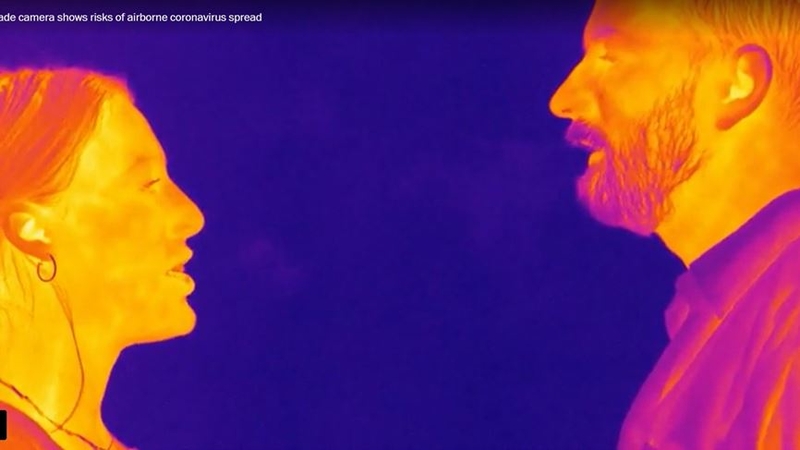
To visually illustrate the risk of airborne transmission in real time, The Washington Post used a military-grade infrared camera capable of detecting exhaled breath. Numerous experts – epidemiologists, virologists and engineers – supported the notion of using exhalation as a conservative proxy to show potential transmission risk in various settings.

“The images are very, very telling,” said Rajat Mittal, a professor of mechanical engineering in Johns Hopkins University’s medical and engineering schools and an expert on virus transmission. “Getting two people and actually visualizing what’s happening between them, that’s very invaluable.”

The highly sensitive camera system detects variations in infrared radiation that are not visible to the naked eye. The technology is more typically used in military and industrial settings, such as detecting methane gas leaks in pipelines. In 2013, it was deployed by law enforcement during the 20-hour manhunt for the Boston Marathon bombers.

But fitted with a filter that specifically targets the infrared signature of carbon dioxide, the camera can be used to map in real time the partial path of the nearly invisible particles we exhale.

According to experts, the footage underrepresents the potential risk of exposure from airborne particles. Those particles may spread farther or linger longer than the visible exhalation plume, which dissipates quickly to a level of concentration the camera can no longer detect.

Environmental factors such as airflow in a space, wind and sunlight can reduce the chances of spread, as can such behavioral factors as mask-wearing and social distancing. The risk of exposure increases when people are not wearing masks and are close together in an enclosed space or in an area with poor ventilation.

Many of those circumstances will become more common as Americans increasingly spend time indoors in the coming months.

Pollution in Bangkok hits harmful levels on Friday #SootinClaimon.Com

#SootinClaimon.Com : ขอบคุณแหล่งข้อมูล : หนังสือพิมพ์ The Nation.

Pollution in Bangkok hits harmful levels on Friday (nationthailand.com)

Pollution in Bangkok hits harmful levels on Friday

Health & BeautyDec 11. 2020

By The Nation

Air pollution in Bangkok hit dangerous levels on Friday morning with PM2.5 readings coming in at 30 to 70 micrograms per cubic metre (μg/m3), the Pollution Control Department’s Air Quality and Noise Management Bureau reported.

Thailand’s standard for safe levels of PM2.5 (particles less than 2.5 micrometres in diameter) is 50 μg/m3, though the World Health Organisation sets it at 25 μg/m3.

People in areas where PM2.5 pollution is bad have been advised to stay indoors and monitor their health.

The PM2.5 situation can be followed via the Air4Thai.com website or smartphone app, or via bangkokairquality.com, the bureau said.

As of 10am, PM2.5 was at dangerous levels in Din Daeng, Prakhanong, Dusit, Pom Prab (Sattru Phai), Samphanthawong, Pathum Wan, Bang Rak, Sathorn, Yannawa, Bang Na, Don Muang, Sai Mai, Bang Kapi, Prawet, Khlong San, Bangkok Yai, Bangkok Noi, Taling Chan, Thawee Watthana, Phasi Charoen, Nong Khaem, Bang Bon, Thung Khru, Phra Nakhon, Bang Sue, Laksi, Bang Khen, Chom Thong, Bang Khae, Bang Khunthien, Bueng Kum and Thung Khru.

Meanwhile, PM2.5 levels in other regions of Thailand were as follows:

North: 14 to 49 μg/m3.

Northeast: 17 to 86 μg/m3, with pollution in Nong Khai’s Muang district highest.

Central and West: 15 to 55 μg/m3, with pollution in Suphan Buri’s Muang district highest.

East: 21 to 44 μg/m3.

South: 6 to 35 μg/m3.

FDA advisers recommend Pfizer-BioNTech coronavirus vaccine; agency action expected soon #SootinClaimon.Com

#SootinClaimon.Com : ขอบคุณแหล่งข้อมูล : หนังสือพิมพ์ The Nation.

FDA advisers recommend Pfizer-BioNTech coronavirus vaccine; agency action expected soon (nationthailand.com)

FDA advisers recommend Pfizer-BioNTech coronavirus vaccine; agency action expected soon

Health & BeautyDec 11. 2020

By The Washington Post · Laurie McGinley, Carolyn Y. Johnson

WASHINGTON – Federal advisers endorsed the Pfizer-BioNTech coronavirus vaccine on Thursday, making it all but certain the Food and Drug Administration will authorize the vaccine on an emergency basis within hours or days, kicking off an unprecedented effort to inoculate enough Americans to stop a rampaging pandemic.

https://www.washingtonpost.com/video/c/embed/d90c4512-d84e-4179-94ce-16b97b1dbf1d?ptvads=block&playthrough=false

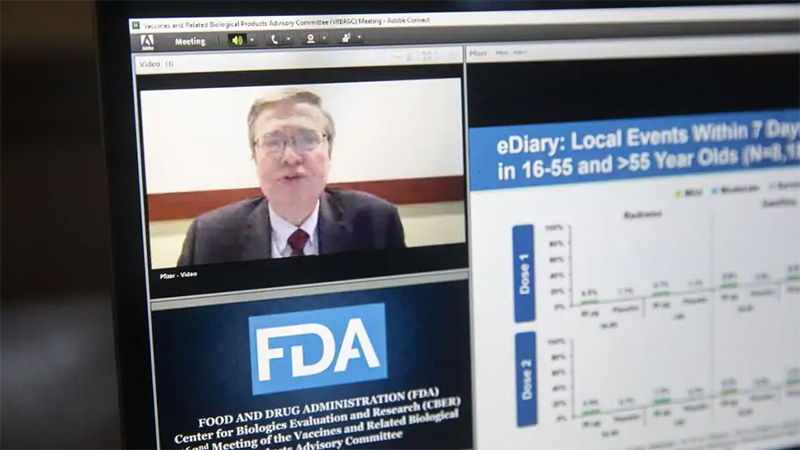
The thumbs’ up from the FDA’s vaccine advisory committee was the culmination of an all-day meeting during which the panel heard presentations on the safety and effectiveness of the vaccine, including plans to monitor its longer-term safety.

The key moment came at the end of the meeting, just after 5:30 p.m. Eastern, when the agency asked its independent advisers: “Based on the totality of scientific evidence available, do the benefits of the Pfizer-BioNTech COVID-19 Vaccine outweigh its risks for use in individuals 16 years of age and older?”

The committee voted yes, 17 in favor, four against and one abstained. Panel members did not have an opportunity to explain their votes, but at least two dissenters objected to inclusion of 16- and 17-year-olds, given the low risk of severe disease in that age group and how few had participated.

“My ‘no’ vote was because of the inclusion of 16- 17-year-olds,” said David Kim, director of the division of Vaccines in the Office of Infectious Disease and HIV/AIDS Policy. “I would have voted ‘yes’ most enthusiastically had the language been ‘. . . 18 years of age and older.’ “

Panel member Paul Offit, a pediatrician and vaccine expert at the Children’s Hospital of Philadelphia, vehemently that argument.

“Kids in our hospital have had cardiac anomalies,” he said. “We have clear evidence of benefit, and all we have on the other side is theoretical risk.”

If as expected, the FDA follows quickly with an emergency authorization, the shots will start being moved to the states within 24 hours, according to officials at Operation Warp Speed, the Trump administration’s effort to accelerate the development and delivery of vaccines. Inoculations could begin early next week.

After the FDA authorization, an advisory committee to the Centers for Disease Control and Prevention will vote on whether to recommend the vaccine and for which groups. First in line to be inoculated are health care personnel and residents and staff of long-term care facilities, according to previous recommendations from the CDC panel. But states will have the final say on who gets the first shots and where they are administered. Those considerations are complicated by extreme logistics challenges, including the sub-Antarctic storage temperatures the vaccine requires.

Kathrin Jansen, Pfizer’s head of vaccine research and development, told the panel that “with the high efficacy and good safety profile shown for our vaccine, and the pandemic essentially out of control, vaccine introduction is an urgent need,”

During the meeting, committee members pressed the FDA on the safety of the vaccine, including raising questions about the allergic reactions that a new issue that cropped up on Wednesday when British regulators ordered hospitals to avoid giving the shots to people who have a history of “significant” allergic reactions. That directive came after two health care workers had adverse reactions after receiving the first dose of the vaccine, which British regulators authorized last week. British authorities said both workers have a history of serious allergies.

Susan Wollersheim, a medical officer in the FDA’s Office of Vaccines Research and Review, said the FDA has asked Pfizer to monitor vaccine recipients for “anaphylactic reactions” as a potential risk following the British reports.

Much remains unknown about the cases in the United Kingdom, and experts said more data was urgently needed. A specific study could be done to see if the vaccine carried risk to people with severe allergies.

“There are tens of millions of people in this country that carry EpiPens because they have peanut allergies and egg allergies. They are going to believe that they can’t get this vaccine. That is a lot of people,” Offit said.

In its review, the FDA found a slightly higher number of adverse events – “potentially representing allergic reactions” – in the group that received the vaccine, compared with those who got the placebo. There were 137 “hypersensitivity-related” reactions to the vaccine, compared with 111 such events in the placebo group. But there were no cases of anaphylactic reactions in the trial.

Pregnant women have been excluded from coronavirus vaccine trials, but FDA’s limited data doesn’t suggest a specific risk to pregnant women or a fetus. Doran Fink, deputy director of the FDA’s Division of Vaccines and Related Products Applications, said the agency is expecting later this month a developmental and reproductive toxicity study in animals that could help elucidate any risks, but will likely allow pregnant women and their doctors to decide whether or not to take the vaccine.

An authorization for Pfizer-BioNTech is the first of what health experts hope will be several vaccines to cross the finish line. Next to be considered is Moderna’s vaccine. The FDA will release its assessment of that vaccine on Tuesday. If it gets favorable evaluations are favorable, as expected, the FDA is likely to authorize that vaccine within days. Between the two vaccines, government officials project having 40 million doses by the end of the year – enough to fully vaccinate 20 million people with the two-shot regimen.

Canada’s health regulator on Wednesday approved Pfizer’s coronavirus vaccine, days ahead of possible approval in the United States. Canadian officials expect to administer them within days. Britain began vaccinations on Tuesday, after authorizing the shots last week. While some have wondered whether the FDA could have acted more quickly, Fink said the agency has been working nonstop to review the companies’ data.

“The American public demands and deserves a rigorous, comprehensive and independent review of the data,” Fink said. “That is what FDA physicians and scientists, all of us career public health servants, have been doing over days, nights, weekends and, yes, over the Thanksgiving holiday. This is in addition to months of review work already completed.”

Besides Canada and Britain, Saudi Arabia and Bahrain also have cleared the vaccine.

There was extensive debate over how to handle the difficult issue of when to give participants who received a placebo access to the vaccine. Some participants have called for it, but the FDA has expressed concerns that “unblinding” could hurt efforts to collect longer-term safety data.

Pfizer officials on Thursday proposed to FDA that participants in the placebo group be eligible to receive the vaccine when they become eligible due to age or other risk factors if they were not in the trial. Eligibility would be determined by local and national guidelines.

In preparation for the meeting, the FDA on Tuesday published a 53-page evaluation saying the vaccine appears to meet the standards it laid out in recent months for emergency authorization. The agency has said a vaccine must be at least 50% effective; its own scientists confirmed Pfizer’s assessment that the vaccine regimen was 95% effective at preventing covid-19 in a large clinical trial.

On safety, the FDA found that the vaccine has “a favorable safety profile, with no specific safety concerns identified that would preclude issuance of an [emergency authorization].” The vaccine caused several side effects, including sore arms, fatigue, headaches, muscle pain and chills, but they typically disappeared after a day or two. Pfizer provided the agency with a median of two months of follow-up on 38,000 participants in the trial.

The one surprise in the Tuesday report was that the first shot in the two-dose regimen was 52% protective against covid-19 in the three weeks between the two shots. But the FDA noted that there wasn’t enough data to draw firm conclusions about the efficacy of a single shot. Government officials have said they plan to hold back supplies for the second shots, which must be given three weeks later, to ensure sufficient supply of the shot that provides people get complete protection. But the signal of early protection from a single dose has led some to suggest that may not be the best way to use limited doses in the midst of amid surging cases.

University of Michigan epidemiologist Arnold Monto is temporary chairman of the 24-person panel, whose official name is the Vaccines and Related Biological Products Advisory Committee, which also includes a consumer representative and a nonvoting member who represents the pharmaceutical industry.

The independent panel of almost 24 members, includes experts on immunology, virology and infectious diseases. They Other Members include HIV researcher James Hildreth, dean of Nashville’s Meharry Medical College, one of the nation’s few historically black medical schools, and Paul Offit, director of the Vaccine Education Center at the Children’s Hospital of Philadelphia and co-developer of a rotavirus vaccine. The panel, whose official name is the Vaccines and Related Biological Products Advisory Committee, also includes a consumer representative and a nonvoting member who represents the pharmaceutical industry.

During the portion of the FDA’s advisory committee meeting for the general public, some people expressed concerns about the authorization of a vaccine that was so rapidly developed and reviewed. But Evan Fein told the panel he was a clinical trial participant at New York University and strongly urged quick action.

He said he is certain he got the vaccine last summer – not a placebo – because he had fatigue, fever and muscle aches after the second shot. But he said there were no longer-term side effects.

He said it would be “immoral and unethical” to not authorize the vaccine.

Relief, reluctance and reality checks with vaccine in sight #SootinClaimon.Com

#SootinClaimon.Com : ขอบคุณแหล่งข้อมูล : หนังสือพิมพ์ The Nation.

Relief, reluctance and reality checks with vaccine in sight (nationthailand.com)

Relief, reluctance and reality checks with vaccine in sight

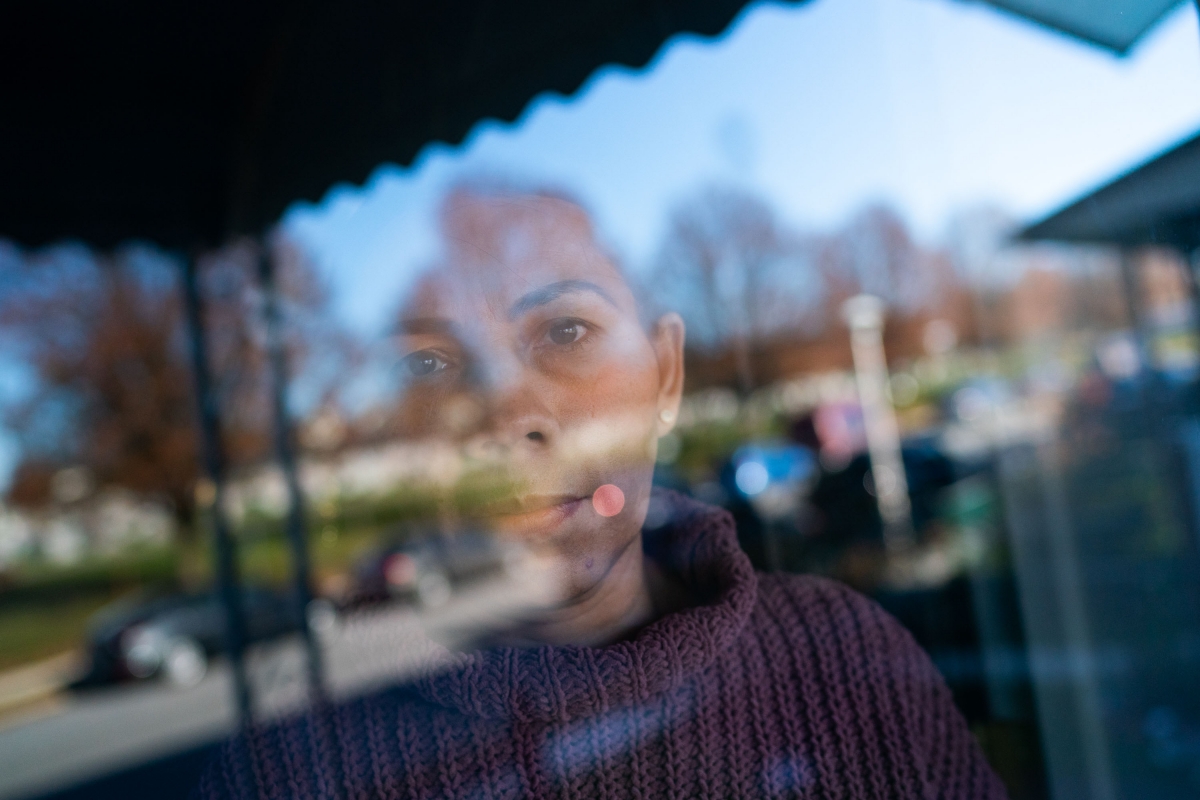
Health & BeautyDec 11. 2020Maribel Martinez, 43, outside her home this week in Baltimore. MUST CREDIT: Washington Post photo by Sarah L. Voisin.Maribel Martinez, 43, outside her home this week in Baltimore. MUST CREDIT: Washington Post photo by Sarah L. Voisin. 
By The Washington Post · Ian Duncan

Maribel Martinez has no qualms about getting the coronavirus vaccine. She watched as covid-19 attacked and weakened her husband for days during the summer before he relented and went to the hospital.

He survived, but the experience so shook Martinez that she is determined to get the vaccine as soon as it is available. She said that puts her out of step with most of her friends and neighbors in a predominantly Latino neighborhood in Baltimore where many are resistant to the idea of inoculation.

“We have a big problem,” said Martinez, 43. “The majority of the people around me are relying on what they hear from others, see on social media or their religious beliefs without knowing what it is to have the virus.”

Since the first indications that vaccine trials were successful, hope has grown that 2021 will bring an easing of the pandemic that has raged through 2020.

The three leading vaccines, developed using cutting-edge technology and being fast-tracked through the approval process, hold the promise of keeping the virus at bay in ways that counting on personal adherence to mask-wearing and social distancing have not. For many, making plans for family get-togethers and overseas travel no longer seems futile or outright dangerous.

But vaccines will not mean the immediate end of the pandemic. Emergency approval of the first vaccine, expected this week by officials at the Food and Drug Administration and the Centers for Disease Control and Prevention, will be only the first step in a rollout that presents staggering logistical challenges. Masks and social distancing will continue to be necessary. Because vaccine supplies will be limited at the outset, priority will be given to those most at risk of infection. That means it will probably be months before the average American is eligible for a shot.

And for all the enthusiasm about the vaccine – and a determination Tuesday by the FDA that it is safe and effective – there are swaths of people who, like Martinez’s neighbors, are apprehensive. For many, the speed with which the vaccines have been developed and evaluated by the Trump administration is reason to be cautious.

– – –

Iowa truck driver Candace Marley frets about bringing the coronavirus home from the road. Her boyfriend’s sister has an immune system compromised by cancer. Nevertheless, Marley is in no hurry to be vaccinated.

“They really rushed,” said Marley, 52. “Even if they make us a priority, I’ll probably wait a couple months after they start to see how everyone else is handling it.”

The resistance to vaccination is expected to be deepest in Black and Latino communities – groups that have been disproportionately affected by the virus but also subjected to racist and unethical medical practices and experiments in the past. A recent survey found that fewer than half of Black Americans and only 66% of Latinos would definitely or probably get vaccinated.

The study also found that only 14% of Black people think a vaccine will be safe and 18 percent think it will effective. The numbers for Latinos were 34% and 40%.

Liz Martin, 53, has endured a grueling nine months, moving from Georgia to South Florida for a teaching job that never materialized. She has cut herself off from almost everyone to limit her potential exposure to the virus.

Yet despite the toll the pandemic has taken on her, misinformation from the federal government about the virus has also affected her confidence in the vaccine.

“I don’t want to be anyone’s guinea pig,” said Martin, a single mother who has two children at home with her. “I have a lot to lose.”

Martin, who is Black, said she is aware of the troubled historical legacy of medical research and African Americans. But she also mentioned concern about recent reports of immigrant women in detention camps being subjected to unwanted and unnecessary medical procedures, including hysterectomies. Female detainees at a rural Georgia immigration facility have alleged “overly aggressive” gynecological procedures at a local physician’s office.

“Maybe by summer I’ll feel comfortable because I’ll see people around me who have had success with the vaccine,” she said.

The Trump administration initially pledged that its Operation Warp Speed would deliver about 300 million doses of vaccine by year’s end. The reality has fallen far short – to about 10% of that amount.

The CDC expects 35 million to 40 million doses to be available by the end of the year, enough to reach some 18 million people, because both the vaccines require two doses spread several weeks apart. Based on recommendations from a CDC advisory panel, 21 million health-care workers and 3 million nursing-home residents will be first in line. States will make the final determination on how to allocate the supply of vaccine they receive.

Maribel Martinez, 43, said many of her neighbors are wary of getting a coronavirus vaccine. MUST CREDIT: Washington Post photo by Sarah L. Voisin.
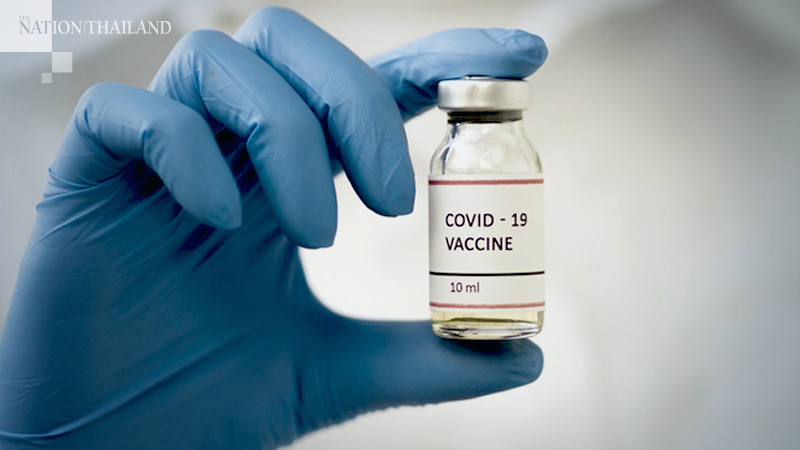
Maribel Martinez, 43, said many of her neighbors are wary of getting a coronavirus vaccine. MUST CREDIT: Washington Post photo by Sarah L. Voisin.

Residents at the Ohio Eastern Star Home in Mount Vernon, about 40 miles northeast of Columbus, have largely been spared by the coronavirus, chief executive Michele Engelbach said, knocking on wood. But she said she has watched lives fade amid the loneliness of the lockdown designed to keep the virus away.

“It’s not like they can say, ‘Well, next Christmas we can get together,’ because who knows?” Engelbach said, describing a “no win” choice between protecting residents from the virus and watching them waste away amid the feelings of isolation.

The 200 staffers and some of the 120 residents at the Eastern Star Home should be among the first people in the country to get the vaccine, solving her dilemma.

“I sure as hell hope so,” she said.

Engelbach said that some of her staffers have expressed concerns about the vaccine and that she will not mandate everyone get it, hoping instead that they can be persuaded. Residents will not be forced to get vaccinated, either, but Engelbach said they have not expressed any hesitancy.

“At that point in my mind, all the residents will be vaccinated, the majority of the staff will be vaccinated, so the only people who will be at risk are the people who choose not to get vaccinated,” she said.

Yet even as the vaccine approval nears, Engelbach said practical things, such as how it will get from the manufacturer to her facility and how it is to be administered, remain unclear, as do the implications for reopening the home to visitors.

“I know [the vaccine is] out there,” she said. “I know it’s coming. That’s about it.”

Significant questions also remain about how the vaccines will preform in the real world. The CDC says it is not clear yet how long the immunity conferred by the vaccines will last or when precautions such as mask-wearing and social distancing can safely be abandoned. There is also a chance that people who are vaccinated could still spread the virus if they subsequently become infected.

Data from the trials shows the vaccines to be generally safe, but federal officials said there will be what are known as “adverse events” as the vaccines are rolled out, and they are planning to monitor their safety.

While others ponder the risks, Bill Moore, an emergency department nurse in Boone, N.C., said he is ready to take the vaccine today, figuring it could safe his life. Though Moore, 65, should be close to the head of the line, he said he has heard nothing about when he might actually receive his first dose.

“If I knew that the vaccine was going to be here next week, I’d feel a lot better about it,” he said. “I’m working this coming weekend, and I dread it, to tell the truth.”

In the new year, the number of doses being manufactured is expected to grow, allowing additional groups of people to be vaccinated.

Whom those groups might include has not been determined, but they are likely to include older people who do not live in nursing homes and people in essential professions such as teaching and food production. Industries and unions have begun campaigning to get their workers good spots on the list.

Major fire service organizations are pushing states to prioritize firefighters, paramedics and emergency medical technicians, because many of these first responders treat coronavirus patients before they are transported to the hospital. Still, some rank-and-file firefighters are reluctant to be first in line. In a union survey of New York firefighters, more than half said they would refuse the vaccine.

Covid-19, the disease caused by the coronavirus, is the leading cause of death this year for law enforcement and corrections officers in the United States. Houston police officer Doug Griffith volunteered for one of the early vaccine trials. Hundreds of the department’s officers have tested positive for the virus. Officer Ernest Leal died of covid-19 late last month.

Griffith said he does not know whether he received the vaccine or a placebo, but he viewed participating in the trial as a way to keep his family safe.

“I’m healthy, and I think its incumbent to help out in any way I can,” said Griffith, 51. “I interact with the public every day and live close to my family. The last thing I want to do is get someone sick.”

Griffith said it makes sense for health-care workers and nursing home residents to be among the first to get the vaccine, but he would like first responders to be a close second or third.

He regularly fields questions from fellow officers about the vaccine: “Why would you do that to yourself? Did you ever feel funny? Are you afraid of it?” Griffith said he’s not trying to persuade anyone to get the vaccine, saying it’s a personal choice – but he is happy to be a “guinea pig” to help ease any doubts or concerns his colleagues might have.

– – –

Federal officials say they recognize that the hesitancy among many Americans is an important obstacle to overcome and are developing strategies to work with community organizations to build confidence in the vaccine.

Baltimore pediatrician Sarah Polk said she was stunned by the depth of the concern and mistrust in the vaccine in the largely Latino community she serves. At a meeting of a community advisory board, Polk, who is White, saw how deeply damaged the medical establishment’s reputation is among immigrants.

One of Polk’s patients works in a job that will probably require her to get vaccinated, but the girl said she would rather lose the job than get the vaccine.

Polk has no concerns about the vaccine and intends to get it – and for her family to get it when it becomes available. She intends to be open with her patients about her plans but said the message might not mean much coming from someone who looks like her.

“You need many different messengers,” she said.

Dallas construction worker Oscar Torres has taken on the job of messenger. He’s heard all the baseless conspiracy theories and falsehoods: The virus is a government-engineered plot for population control. Only old people die of it. If President Trump survived, how bad could it be?

Torres was not sure what to think until he caught the virus. He and his brother were violently ill for 10 days in early May.

“I thought it was an invention to scare people,” he said. “But in reality, when I got it, it was terrible.”

Texas construction workers, a large number of whom are estimated to be undocumented or foreign born, are five times as likely to be hospitalized with covid-19 as other workers, according to a recent study by the University of Texas at Austin.

Torres wants his colleagues to be vaccinated to lower his chances of getting covid-19 a second time. But like Polk, he said the government needs different messaging to ensure everyone realizes the importance of being vaccinated. Officials should be transparent without being alarmist, he said.

“I get it. A vaccine is the most important thing we can do to fight this pandemic,” Torres said. “But . . . there is a lot of mistrust.”

And then there are those like Julie Turner, who at 82 is tired of being stuck at home alone and ready to get back to living. She needs no convincing.

Turner said she has been extremely careful since the pandemic began. When her daughter came to visit in August, she realized she had not touched another person in months.

She splits her time between Waretown, N.J., and a home on the state’s Long Beach Island. She said her health is good, but when it comes to her age, “82 is 82.”

During the summer, going to the grocery store was a high point, but as news about the vaccine became increasingly encouraging, bigger plans took shape for 2021. She has lined up trips to Nepal, Oman and the Caucasus region and plans to be snorkeling in Indonesia’s Raja Ampat region come next December.

Spending Christmas alone is going to tough, Turner said, along with the rest of the winter. But, she said, at least there is now a light at the end of the tunnel.

“I think a lot of people just need to think that there is one,” she said.

As U.S. endures record day, Britain warns against Pfizer vaccine for people with history of ‘significant’ allergic reactions #SootinClaimon.Com

#SootinClaimon.Com : ขอบคุณแหล่งข้อมูล : หนังสือพิมพ์ The Nation.

As U.S. endures record day, Britain warns against Pfizer vaccine for people with history of ‘significant’ allergic reactions (nationthailand.com)

As U.S. endures record day, Britain warns against Pfizer vaccine for people with history of ‘significant’ allergic reactions

Health & BeautyDec 10. 2020

By The Washington Post · Anne Gearan, William Booth, Erin Cunningham

The United States set a single day record on Wednesday of more than 3,000 deaths linked to the virus, according to a Washington Post analysis. Texas, Colorado, Illinois and Pennsylvania led the way, with each state reporting more than 200 dead.

The grim milestone came as British regulators on Wednesday directed hospitals not to administer the new coronavirus vaccine to people with a history of “significant” allergic reactions after two people who got the shot had problems.

The Food and Drug Administration is moving ahead with its process to determine whether to approve the same vaccine rolled out in Britain, which is made by the pharmaceutical giant Pfizer and its German partner BioNTech, after a review confirmed that it meets the standard for emergency use.

The federal government has ordered 100 million doses of the two-dose vaccine, delivery of which can start as soon as regulators give the go-ahead.

The pandemic continues to rage, with more than 213,000 new cases reported in the United States on Wednesday. Pennsylvania Gov. Tom Wolf, a Democrat, was the latest notable figure to announce he had tested positive for the virus and was isolating at home. Two days earlier, Wolf had said the virus was out of control in his state and warned of a “dangerous, disturbing scenario” if its spread remained unchecked.

Health and Human Services Secretary Alex Azar said he would gladly take the first dose in the United States to demonstrate its safety. Frontline health workers and residents of nursing homes are expected to be first in line for doses expected to be administered this month.

In an interview on CNN, Azar also said he has met with representatives of the incoming Biden administration, which will be responsible for the rollout of vaccines to most Americans next year.

In a briefing with reporters Wednesday, Moncef Slaoui, science adviser for the White House’s Operation Warp Speed vaccine task force, said he assumes the FDA will consider possible allergic side effects in its review of the Pfizer vaccine.

“Subjects with known severe allergic reactions should not take the vaccine until we understand exactly what happened here,” Slaoui said, referring to the adverse reactions in two British health-care workers who were among the first to get the vaccine.

Meanwhile, Canada granted interim authorization to the Pfizer vaccine and planned to begin inoculations as soon as next week and Israeli Prime Minister Benjamin Netanyahu said Wednesday that he would be the first in Israel to be inoculated against the coronavirus.

Speaking from the tarmac of Ben Gurion Airport, where several thousand doses of the vaccine arrived in the first shipment to reach Israel, Netanyahu He pledged to get the shot as soon as the Pfizer vaccine receives final approval by U.S. and Israeli regulators.

Netanyahu could be the first leader of a country to get a jab against the coronavirus, and his inoculation would come at a time when officials around the world are looking to boost public confidence in several such vaccines, developed on a crash basis.

Although some allergic reactions were anticipated, the temporary guidance issued in Britain came just a day after that nation launched the first mass coronavirus immunization campaign in the West.

Two staffers with Britain’s National Health Service manifested symptoms of “anaphylactoid reaction” after receiving the vaccinations at a hospital Tuesday.

NHS officials said both workers have a history of serious allergies and carry epinephrine injectors – often called EpiPens – for the emergency treatment of acute reactions, which can include rashes, low blood pressure, constricted airways and dizziness.

“Both are recovering well,” said NHS Medical Director Stephen Powis.

Health officials in Britain quickly sought to calm nerves by noting that the nurses and pharmacists who give vaccines are prepared to deal with allergic reactions and that such reactions are rare.

Typically, even for flu shots, people with a history of allergic reactions are urged to consult with their doctors before getting any vaccine.

In remarks to journalists distributed through Britain’s Science Media Center, Stephen Evans, a professor of pharmacoepidemiology at the London School of Hygiene & Tropical Medicine, said “Allergic reaction occurs with quite a number of vaccines, and perhaps even more frequently with drugs. So it is not unexpected.”

The Pfizer data showed that about 0.6% of people had some form of allergic reaction to the vaccine in the clinical trials (although 0.5% also had a reaction to the placebo), Evans said.

The FDA found slightly more adverse events “potentially representing allergic reactions” in its review of the Pfizer data. There were 137 “hypersensitivity-related” reactions to the vaccine, compared with 111 such events in the placebo group.

A spokeswoman for Pfizer said the pharmaceutical giant were advised by British regulators of two “yellow card reports” associated with allergic reactions to the vaccine. Yellow cards are issued in Britain when drugs or vaccines cause side effects, which must be reported.

“In the pivotal Phase 3 clinical trial, this vaccine was generally well tolerated with no serious safety concerns reported by the independent Data Monitoring Committee,” the company said. “The trial has enrolled over 44,000 participants to date, over 42,000 of whom have received a second vaccination.”

Still, there were concerns that the “vaccine hesitant” and those opposed to vaccines in general could focus on the negative news, undermining efforts to combat the pandemic.

Robert Wood Johnson Foundation president and CEO Richard Besser, interviewed by Washington Post Live on Wednesday, called the British development surprising.

“I would expect that the FDA committee tomorrow is going to want to explore that more,” Besser said, adding that the FDA will have questions about what kind of allergies might be implicated.

“People are going to want to know, what does this mean for them?” Besser said.

An FDA advisory committee on vaccines meets Thursday ahead of the agency’s decision on approval of the Pfizer-BioNTech vaccine. Approval is widely expected within days, and the first U.S. vaccinations could take place within the week.

The all-day advisory meeting includes independent experts and an opportunity for the general public to speak, which the agency regards as crucial to its effort to be transparent and convince people to take the vaccine.

Canada’s action Wednesday paves the way for the vast country to embark on what promises to be a logistically challenging vaccination campaign.

Prime Minister Justin Trudeau said this week that Canada could receive up to 249,000 doses of the Pfizer-BioNTech vaccine before the end of the year and is preparing to administer the shots at 14 sites in major cities starting as early as next week.

Canada’s deal with Pfizer includes a minimum of 20 million doses through 2021, with an option to purchase more. The first batch of vaccines could be shipped from Belgium as soon as Friday.

Trudeau has said he hopes most Canadians are vaccinated by September.

A group of advocacy organizations is pointing to Canada, however, as one of the wealthy nations that may be buying up vaccines, leaving little for poor countries. The People’s Vaccine Alliance warned Wednesday that as few as 1 in 10 people in about 70 poor countries are on track to be vaccinated next year.

They cautioned that some wealthier countries, including Canada, have already purchased enough vaccines to inoculate their populations several times over.

On the first day of the rollout in Britain, “several thousand” people received injections at 50 hospitals in England, with shots offered in Wales, Scotland and Northern Ireland, as well. Britain hopes to inoculate as many as 2 million people by the end of the year.

The NHS is prioritizing those age 80 and older, alongside workers in nursing homes, for the first shots. If doses are left over at the end of the day, front-line medical workers at hospitals are being invited to receive a dose, too.

Meanwhile, nearly 700 Delta Air Lines passengers have been barred from flying with the carrier for refusing to wear a mask, the company said Wednesday in a memo to employees.

Chief executive Ed Bastian said the airline has placed hundreds of people on the no-fly list for not complying with the mandatory mask policy, which he described as “one of our most important safety tools” to contain the spread of the virus.

The latest figures from Delta show a sharp increase from just a couple of months ago, when the company said in October that it had banned 460 people from the airline for refusing to wear face coverings. Other airlines have had to enforce public health guidelines by placing customers on a no-fly list, in one example of how corporate America and specifically retail and service workers have been burdened with upholding safety measures in the absence of a coherent federal mandate.

With freezers in tow, U.S. employers rush to fill vaccine void #SootinClaimon.Com

#SootinClaimon.Com : ขอบคุณแหล่งข้อมูล : หนังสือพิมพ์ The Nation.

With freezers in tow, U.S. employers rush to fill vaccine void (nationthailand.com)

With freezers in tow, U.S. employers rush to fill vaccine void

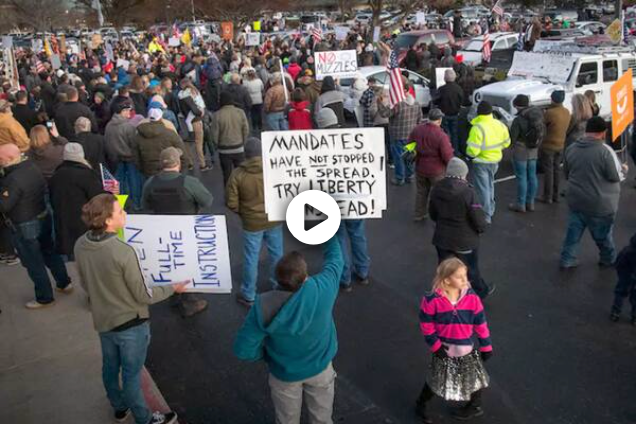
Health & BeautyDec 09. 2020A Thermo Fisher Scientific Inc. -80C Benchtop Freezer displayed at the White House during an Operation Warp Speed vaccine summit on Dec. 8. MUST CREDIT: Bloomberg photo by Al Drago.A Thermo Fisher Scientific Inc. -80C Benchtop Freezer displayed at the White House during an Operation Warp Speed vaccine summit on Dec. 8. MUST CREDIT: Bloomberg photo by Al Drago. 
By Bloomberg · Ryan Beene, Michael Hirtzer · NATIONAL, HEALTH 

As U.S. health authorities near emergency approvals for the first covid-19 vaccines, companies are taking some of the first concrete steps to prepare for the unprecedented and complex task of distributing hundreds of millions of doses to the American workforce.

Ford has procured deep-freezers to store vaccines at some of its factories. Sanderson Farms, a top poultry producer, will administer vaccines to employees at health clinics erected at its facilities, and the CEO pledges to get inoculated on video to encourage workers to do the same. Activision Blizzard plans to cover vaccination costs for employees and their immediate families. Several industries are lobbying to get their workers near the front of the line after the first doses go to health-care workers and nursing home residents.

More actions will come once federal and state officials set guidelines to steer how and when everyone from teachers to truckers will eventually gain access to the shots in coming months.

“That’s really when the question is: How do employers play this?” said Bunny Ellerin, director of the Healthcare and Pharmaceutical Management Program at Columbia Business School. “They absolutely are going to have to deal with this if they want to have healthy employees” and one day return to a more normal work life.

The answers — whether they come from companies or government — are all part of the effort to save lives and get people back to work. Since the pandemic struck, there are 9.8 million fewer jobs and the U.S. economy has shrunk by 3.5% from its prior peak.

And once the logistics are figured out, another touchy subject awaits: how to get workers to actually take the shot.

The food industry is among the most eager to get priority for their workers, after thousands caught the virus earlier this year at meat and food plants. Such crews should receive vaccinations following health-care employees and those in long-term care, the lobbying group North American Meat Institute said.

The United Food and Commercial Workers International Union has likewise urged federal health officials to grant early vaccine access for essential workers at grocery stores, meatpacking and food-processing facilities. Conagra Brands said it is working through a trade association to get priority for its essential facility workers.

Delta Air Lines hasn’t decided whether to require vaccinations before employees or passengers can fly, though it will strongly encourage its workers to get shots, Chief Executive Officer Ed Bastian said on NBC’s “Today” show last week.

“Airline employees are front-line workers and will be given priority as front-line workers to access to the vaccine,” Bastian said. “Myself, I can’t wait to get vaccinated.”

Other companies with primarily office-based personnel are taking a more passive approach.

“Our plan will be to get the access to the vaccine as fast as possible for our employees, but consistent with what society has in terms of priorities,” Bank of America Corp. Chief Executive Officer Brian Moynihan said in November. “It’s incumbent on us and all private industry to make sure that we let society work through what it needs on this thing, get it in high-risk people, get it in the first responders.”

Banks, which critics have long targeted for big bonuses paid out to executives and traders, were wary of crafting plans to vaccinate white-collar workers early. Adding to their hesitation: They’ve spent months publicly touting how well their employees are performing in the remote environment. Internally, there’s also a desire to show support for front-line branch workers, many of whom have still had to appear in-person.

Several companies said they needed clearer direction from state and federal authorities before deciding how they’ll make a vaccine available to their workers.

The Centers for Disease Control and Prevention’s advisory committee has recommended that states first vaccinate health-care workers and long-term-care residents. The advisory group will finalize recommendations for using specific vaccines only after the Food and Drug Administration authorizes their use. Moreover, those guidelines are non-binding, meaning states can ultimately decide how to use the doses they receive.

Essential workers are likely to be vaccinated soon after health-care workers and long-term care residents. Data show these workers are at an increased risk for catching the virus and vaccinating them is important to protect the people and the work they provide, according to the CDC committee.

Some employers are coordinating directly with pharmacy benefit managers and vendors about vaccine distribution, said Elizabeth Mitchell, CEO of the Pacific Business Group on Health, whose members include large companies and public employers. Most employers say they’ll strongly encourage the shots but not require them, Mitchell said. “The companies have aligned incentives here: They want their workforce to be healthy,” she said.

Hospitals similarly plan to offer covid-19 vaccines to their employees but will not mandate them. Doing so may only deepen mistrust among an already skeptical public, executives say. Instead, they will rely on leaders within the hospital to get vaccinated to set an example for the rest of their ranks.

“The way I portray this to people is the following: This is your ticket out of the pandemic. This is how we end it, we end it with a vaccine,” said Robert Citronberg, executive medical director of infectious disease and prevention at Advocate Aurora Health Inc., a health system with 26 hospitals across Illinois and Wisconsin.

Smithfield Foods, the biggest global pork producer, said it would devote space in its ultra-low-temperature freezers to store vaccines. Sanderson Farms, the No. 3 American chicken producer, has established health clinics at all of its locations where the company intends to administer vaccines when they become available while CEO Joe Sanderson will take the vaccine on video.

Ford has purchased a dozen ultra-cold freezers to store vaccines and offer them to its employees globally once they become available. The company is still studying how to best offer a voluntary vaccination program, which will look different depending on what’s needed at its facilities globally, said Kelli Felker, a company spokeswoman.

“Our initial emphasis is on essential workers at our manufacturing plants, warehouses, workplace-dependent employees and employees who are required to travel,” she said.

Orders for specialty deep-freezers needed to store Covid-19 vaccines at arctic-like temperatures have been pouring in at So-Low Environmental Equipment Co. The closely held company in Cincinnati recently booked nearly 10% of its annual sales in a single day, said Dan Hensler, vice president of sales and marketing.

The company has been working overtime every weekday and all day on Saturdays to fulfill skyrocketing demand from hospitals, county health departments and pharmacies, and even small, independent drugstores — many of which never needed a deep-freezer until now. In some ways, the experience has revealed how communication from authorities about vaccine distribution has been lacking, Hensler said.

“These people were calling up and ordering things and they didn’t really know what they were ordering. They’ve seen the guidelines about how their vaccines needed to be stored, but there was never good direction from above, even to us,” he said. “We took chances and built up inventory over the summer. We could’ve done double if someone had told us what to expect.”

Video game publisher Activision Blizzard may seek government approvals to participate in vaccine distribution as part of a plan to help its employees have access to a vaccine, Milt Ezzard, vice president of global benefits, said in a statement.

“As we’ve done with Covid testing and treatment, we will ensure that costs are covered for employees and their household family members, regardless of enrollment status in our health plans,” Ezzard said.

One area where lack of information has confounded companies that are willing and able to help involves the transportation of the vaccines being produced by Pfizer and Moderna — concoctions that require ultra-cold temperatures.

Mike Kucharski said his JKC Trucking near Chicago hasn’t yet been contacted about any refrigerated vaccine cargo even though it’s been helping FEMA and other agencies distribute medical supplies, protective gear, blood and human plasma for the pandemic response since March. The company, owned with his father, John, has about 250 trucks.

“It’s going to be a new commodity that wasn’t in the market before,” he said. “There’s going to be an instant lack of equipment” capable of maintaining super-low temperatures.

And over at Prime Inc., a Springfield, Missouri-based freight and logistics company with some 6,500 owned or contracted trucks, big clients worry about capacity. “We have had several of our big customers reach out and say ‘Is this going to be a problem for us?'” said Jim Guthrie, director of operations. But that will depend ultimately on how many trucks are needed, he said, and “I just don’t know the answer to that.”

Logistics executives working with the federal government to distribute the earliest vaccines downplay the potential for strain.

The vaccines are being transported in special shipping boxes designed to maintain cold temperatures for 10 days, Wes Wheeler, chief executive officer of Healthcare Logistics at United Parcel Service Inc., said at a White House event Tuesday. And Richard Smith, president of the Americas for FedEx Corp.’s Express unit, said his company and its competitors have plenty of capacity to deliver vaccines via air freight.

“That is a huge myth that’s out there,” Smith said at the event.

For small businesses, planning for distributing the vaccines is hard not only because of the unknowns in guidelines but also because they are already strained during the pandemic. That could potentially put them behind big organizations in accessing the vaccines.

“They obviously don’t have a lot of cash to go out and buy freezers,” said David Chase, vice president of national outreach at Small Business Majority. The trade group represents over 80,000 employers nationwide, many of whom have fewer than 10 employees. “We want to make sure that the distribution is equitable and big businesses aren’t favored over small businesses.”

Eric Cup, owner and founder of art construction company Bridgewater Studio Inc. in Chicago, said he’s been talking to his Covid-19 testing contractor about the possibility of providing vaccines on-site to his staff. He would “strongly encourage” his 48 employees to get the shots. If on-site vaccination is not available, he may consider giving them time off to receive both rounds of vaccines.

While it’s still early days, it’s already clear that companies will face resistance to a vaccine from some members of the workforce. A push by Fiat Chrysler Automobiles NV and other carmakers to reopen factories earlier during the pandemic made some employees question the company on health issues, friction that could spill over to a vaccine, said Mervin White, a quality auditor at Fiat Chrysler’s Ram truck plant in Sterling Heights, Michigan.

“People in the plant already feel like we were drug back like lab rats,” White said. “Is it really about safety, or is it about making bank, or making money?”

Fiat Chrysler said a team that includes medical professionals is studying the most effective approach for distributing vaccines to employees when they become available.

Toyota Motor Corp. is considering how to handle employees who may refuse to take a coronavirus vaccine. The company does suspect that’ll be the case for some and plans to respond flexibly, spokesman Scott Vazin said.

“We aren’t investing in refrigeration because we don’t want to take that away from front-line workers and those truly in need,” Vazin said. With wide availability of a vaccine not expected until spring, “we’re still focused on prevention.”

Idaho official leaves meeting in tears as anti-maskers swarmed her home #SootinClaimon.Com

#SootinClaimon.Com : ขอบคุณแหล่งข้อมูล : หนังสือพิมพ์ The Nation.

Idaho official leaves meeting in tears as anti-maskers swarmed her home (nationthailand.com)

Idaho official leaves meeting in tears as anti-maskers swarmed her home

Health & BeautyDec 09. 2020

By The Washington Post · Katie Shepherd · NATIONAL, HEALTH, POLITICS, SCIENCE-ENVIRONMENT, HEALTH-NEWS 

Minutes into a public health district’s virtual meeting to vote on a local mask mandate in Idaho on Tuesday evening, Ada County Commissioner Diana Lachiondo tearfully excused herself after getting a phone call that anti-mask protesters had surrounded her home.

“My 12-year-old son is home by himself right now and there are protesters banging outside the door,” she told the Central District Health’s Board of Health, which serves four counties in the state’s most populous region. “I’m going to go home and make sure he’s okay.”

A visibly upset Lachiondo then disconnected from the video call, leaving her colleagues at the meeting stunned. They soon learned that protesters had gathered outside the Central District Health office and one other board member’s residence as well, targeting the public officials who were meeting virtually from their homes and private offices as a precaution amid the worsening pandemic.

“I’m a father and that’s just unbelievable,” David Peterman, a doctor who had been giving an update on the status of the coronavirus pandemic, said after Lachiondo left the meeting.

Hundreds of anti-mask demonstrators poured out to protest a public health order that would have limited gathering to fewer than 10 people and required face masks be worn in public and private around non-household members when social distancing is not possible, among other restrictions. More than 3,000 public comments had been submitted on the order between Friday and Monday, the health district said in a statement. The health district board was set to vote on the order Tuesday evening.

The Idaho Statesman first reported the abruptly terminated public meeting a short time after it ended on Tuesday.

Police formed a barrier between Tuesday’s protesters and the Central District Health building as a precaution following a tense meeting last week. On Friday, when the health board met but decided to delay a vote on the public health order, anti-mask demonstrators tried to force their way into the building. No one was arrested.

The protests on Friday and Tuesday were organized by a multistate network of right-wing activists called People’s Rights. The group was founded by Ammon Bundy, a vocal anti-masker and anti-government activist who gained national attention as part of the 2016 standoff between Patriot movement activists and federal police at the Malheur National Wildlife Refuge in Oregon. Bundy was arrested in August at the Idaho Capitol after tying himself to a chair and refusing to leave amid an anti-mask protest.

The group urged its followers to send emails to the Central District Health’s Board of Health members and to show up to protest “BIGGER, STRONGER, and LOUDER” on Tuesday night.

A smaller group of counterprotesters also showed up Tuesday at the Central District Health to support the covid-19 restrictions, displaying signs that detailed how many Idahoans have fallen ill and died in the pandemic already.

Fewer than 15 minutes after Tuesday’s meeting began, Boise police and Mayor Lauren McLean, D, requested that the board cancel it, citing safety concerns for police, staff and board members who were dealing with protesters on their doorsteps. McLean condemned the demonstrators, who she said did not come from the local counties that the health board represents.

“Our officers were asked to respond to people from outside our community whose purpose here was to disrupt local government in action, to intimidate their families,” McLean said in a statement Tuesday night. “This is notOK. Let me be clear: We will hold offenders accountable.”

A Central District Health employee placed one protester under citizen’s arrest for trespassing, and Boise police took custody of the individual a short time later, police said in a statement. That person, who was not named by officials, was booked at the Ada County Jail, police added.

In addition to swarming Lachiondo’s home, protesters also showed up at board member Ted Epperly’s house. Epperly, a physician in Ada County, said about 15 people were still outside his home as other members moved to adjourn the meeting early. He told the Statesman the small crowd banged garbage cans, flashed strobe lights through his windows and knocked on his door as the virtual meeting unfolded.

“Sadly,” he told his fellow board members during the last minutes of the video call, “It is not under control at my house and it’s not under control at Diana’s house.”

Just before 7 p.m. Tuesday, Lachiondo tweeted that she and her son were safe.

“Update: We are fine,” she said. “Thanks all for your concern and especially @BoisePD for your help.”

Idaho has reported more than 111,800 coronavirus cases and at least 1,055 deaths since late February, but those numbers have been rising more rapidly in recent weeks than in earlier phases of the pandemic. The state broke the record for its seven-day rolling average of new daily coronavirus cases on Tuesday. The counties around the state’s capital have been hammered by the pandemic in recent weeks and Boise-area hospitals may be forced to ration care by New Year’s Day if cases continue to rise, the Statesman reported.

“Our community is being severely impacted by this virus and our team members and board are working tirelessly to protect our community’s health,” Russ Duke, district director for Central District Health, said in a statement Tuesday night. “We simply ask that those who may disagree with these difficult discussion points and decisions do so in a way that is respectful and does not endanger our staff, board of health members, and our law enforcement, all who are critical in this response.”

Coronavirus restrictions have been a lightning rod for controversy in Idaho, where elected officials have publicly warred over pandemic rules.

Even as local officials and the governor have tried to implement public health restrictions, Lt. Gov. Janice McGeachin, R, opposed those limits in an October video where she praised “defending life and liberty” with a gun and Bible in hand. Some coronavirus skeptics in the state have gone so far as to falsely claim the pandemic “may or may not be occurring.”

The Central District Health’s vote on a new public health order aimed at beating back coronavirus infections was delayed on Tuesday to an unspecified date. Meanwhile, Boise’s mayor said the demonstrators crossed a line by showing up at board members’ homes and intimidating their families.

“No child should be frightened by a mob of protesters,” McLean said, “No local official should fear violence for their public service.”