“เอ็มจี”เสริมแกร่งด้านขาย-บริการตั้งเป้าเปิดโชว์รูปทั่วปีนี้ #ศาสตร์เกษตรดินปุ๋ย

#ศาสตร์เกษตรดินปุ๋ย : ขอบคุณแหล่งข้อมูล : หนังสือพิมพ์คมชัดลึก

https://www.komchadluek.net/news/lifestyle/420923?utm_source=category&utm_medium=internal_referral&utm_campaign=lifestyle

“เอ็มจี”เสริมแกร่งด้านขาย-บริการตั้งเป้าเปิดโชว์รูปทั่วปีนี้

6 มีนาคม 2563 – 12:25 น.
รถยนต์,จีเอ็ม,ศูนย์บริการ,โชว์รูม
เปิดอ่าน 328 ครั้ง

“เอ็มจี” เตรียมขยายโชว์รูมและศูนย์บริการมาตรฐานเสริมความแข็งแกร่งด้านการขาย และบริการ ตั้งเป้ามีโชว์รูมครบ 150 แห่งครอบคลุมทั่วประเทศภายในปีนี้

บริษัท เอสเอไอซี มอเตอร์–ซีพี จำกัด และบริษัท เอ็มจี เซลส์ (ประเทศไทย) จำกัด ผู้ผลิตและผู้จำหน่ายรถยนต์เอ็มจีในประเทศไทย เตรียมเปิดโชว์รูมและศูนย์บริการมาตรฐานเพิ่มอีกกว่า 25 แห่งภายในปีนี้ เพื่อให้บรรลุเป้าหมายการมีโชว์รูม 150 แห่ง ที่จะครอบคลุมทั่วประเทศ รวมทั้งเตรียมขยาย ไปในระดับอำเภอที่มีศักยภาพ เพื่อรองรับการเติบโตของยอดขายและเพิ่มความสะดวกสบายให้แก่ลูกค้า


พงษ์ศักดิ์ เลิศฤดีวัฒนวงศ์

นายพงษ์ศักดิ์ เลิศฤดีวัฒนวงศ์ รองกรรมการผู้จัดการ บริษัท เอ็มจี เซลส์ (ประเทศไทย) จำกัด กล่าวว่า “ตลอดระยะเวลา 6 ปี ที่เอ็มจีเข้ามาทำการตลาดในประเทศไทย นอกจากการพัฒนารถยนต์ที่มีคุณภาพ รวมถึงการนำเทคโลยีและนวัตกรรมใหม่ๆ เข้ามาแนะนำในประเทศไทยอย่างต่อเนื่องแล้ว “การบริการ” ก็ถือเป็นอีกเรื่องสำคัญที่เรามุ่งเน้น โดยในปัจจุบันเอ็มจีมีโชว์รูมและศูนย์บริการมาตรฐานกระจายอยู่ทั่วประเทศกว่า 125 แห่ง ทั้งนี้จากการเติบโตของยอดขายรถยนต์เอ็มจี ทำให้ได้รับความเชื่อมั่นและความไว้วางใจจากนักลงทุนชาวไทย ที่พร้อมจะเข้ามาเป็นผู้จัดจำหน่ายรถยนต์เอ็มจีอย่างต่อเนื่อง ส่งผลให้ภายในปีนี้เอ็มจีจะสามารถเปิดโชว์รูม และศูนย์บริการเพิ่มได้อีกกว่า 25 แห่ง รวมแล้วกว่า 150 แห่ง ครอบคลุมทั่วประเทศไทย”

  เอ็มจีเติบโตก้าวกระโดด 125 โชว์รูมใน 6 ปี!!
เอ็มจีเริ่มดำเนินธุรกิจในประเทศไทยในปี 2557 โดยในปีแรกมีจำนวนโชว์รูม 19 แห่ง จากนั้นในปี 2560 ได้ขยายเป็น 80 แห่ง และล่าสุด ณ เดือนมกราคมที่ผ่านมา บริษัทมีผู้จำหน่ายที่เปิดให้บริการแล้ว 125 แห่ง ทั่วประเทศ สำหรับปี 2563 นี้ เอ็มจีได้ตั้งเป้าหมายในการขยายโชว์รูมให้ครบ 150 แห่ง ซึ่งจะครอบคลุม ทั่วประเทศไทย นอกจากนี้ยังมีแผนเปิดจุดให้บริการสู่ระดับอำเภอที่มีศักยภาพเพื่อการให้บริการที่จะสามารถเข้าถึงกลุ่มลูกค้าเอ็มจีตามพื้นที่ต่างๆ ได้อย่างทั่วถึงมากยิ่งขึ้น

ติดอาวุธ เสริมศักยภาพให้ดีลเลอร์ ด้วยการอบรมและประเมินผลอย่างต่อเนื่อง

นอกเหนือจากจำนวนโชว์รูมที่ครอบคลุมมากยิ่งขึ้นแล้ว เรายังให้ความสำคัญกับการพัฒนาศักยภาพของบุคลากร ด้วยการจัดอบรมเพิ่มการเรียนรู้และฝึกฝนในด้านต่างๆ ที่จะสอดคล้องกับหน้าที่และความรับผิดชอบของ แต่ละฝ่ายรวมทั้งมีการประเมินเพื่อวัดประสิทธิภาพและการดำเนินงานของผู้จำหน่ายทั้งในด้านการขาย และบริการหลังการขาย ทุกๆ 3-6 เดือน เพื่อให้การดำเนินงานเป็นไปตามมาตรฐานของบริษัท ช่วยสร้างความมั่นใจและความพึงพอใจสูงสุดให้ลูกค้าเอ็มจี

  MG Passion Service อีกขั้นของการบริการที่ลูกค้าเอ็มจี
เพื่อสร้างความพึงพอใจสูงสุดให้แก่ลูกค้าเอ็มจีได้มีการนำเสนอบริการ “เอ็มจี แพชชั่น เซอรวิส” แก่ผู้ใช้รถยนต์เอ็มจีทุกท่านโดยเน้นการให้บริการที่ครอบคลุมและตอบโจทย์ไลฟ์สไตล์ของลูกค้าทั้งที่สะดวกมารับบริการที่ศูนย์บริการ หรือสะดวกในการรับบริการนอกสถานที่ โดยประกอบด้วยการบริการใน 5 รูปแบบ ได้แก่ การรับประกันสูงสุด 4 ปี หรือ 120,000 กิโลเมตร บริการช่วยเหลือฉุกเฉิน ROADSIDE ASSISTANCE 24 ชั่วโมง และบริการให้คำปรึกษาผ่านคอลเซ็นเตอร์ ตลอด 24 ชั่วโมง ผ่านหมายเลข 1267 รวมไปถึง รถบริการตรวจเช็กเคลื่อนที่ เพื่อให้บริการดูแลรักษารถยนต์ตามระยะทางนอกสถานที่โดยไม่มีค่าใช้จ่ายเพิ่มเติม และ บริการรถสำรองใช้ระหว่างรอซ่อม
“เอ็มจียังคงเดินหน้าสร้างมาตรฐานด้านการบริการและเสริมศักยภาพทั้งในเรื่องของบุคลากรที่จะให้บริการลูกค้า รวมไปถึงพื้นที่ให้บริการที่จะครอบคลุมมากยิ่งขึ้น เพื่อตอบแทนลูกค้าที่เข้ามาเป็นส่วนหนึ่งของครอบครัวเอ็มจี และสร้างรากฐานเพื่อรองรับการเติบโตของแบรนด์รถยนต์เอ็มจีในอนาคต” นายพงษ์ศักดิ์ กล่าวสรุป
สำหรับผู้ที่สนใจรถยนต์เอ็มจีหรือต้องการสอบถามข้อมูลเพิ่มเติมสามารถติดต่อได้ที่ศูนย์ลูกค้าสัมพันธ์ เอ็มจี คอลเซ็นเตอร์ โทร.1267 หรือที่เว็บไซต์ http://www.mgcars.com

  เกี่ยวกับเอ็มจี ประเทศไทย
บริษัท เอ็มจี เซลส์ (ประเทศไทย) จำกัด ก่อตั้งขึ้นในปี ค.ศ. 2013 เพื่อกำกับดูแลงานด้านการขาย การตลาด และบริการหลังการขายของแบรนด์รถยนต์ เอ็มจี ในประเทศไทย และกำกับดูแลเครือข่ายผู้จัดจำหน่ายของเอ็มจี ทั้งที่เป็นบริษัทร่วมทุน และที่เป็นบริษัทในเครือเจริญโภคภัณฑ์ (ซีพี) และเอสเอไอซี ทั้งนี้ บริษัท เอสเอไอซี มอเตอร์ คอร์ปอเรชั่น จำกัด (เอสเอไอซี มอเตอร์) ซึ่งเป็นกลุ่มบริษัทรถยนต์ที่ใหญ่ที่สุดในประเทศจีน และเครือเจริญโภคภัณฑ์ (ซีพี) ได้ร่วมกันก่อตั้งบริษัท อสเอไอซี มอเตอร์-ซีพี จำกัด ขึ้นเพื่อผลิตรถยนต์เอ็มจี และจำหน่ายภายในประเทศไทย รวมทั้งการส่งออกไปจำหน่ายยังประเทศต่างๆ ในภูมิภาคอาเซียน โดยโรงงานผลิตรถยนต์ของบริษัท เอสเอไอซี มอเตอร์-ซีพี จำกัด ตั้งอยู่ที่นิคมอุตสาหกรรมเหมราช จ.ชลบุรี

ฮอนด้าผงาดแชมป์สนามแรก MXGP 2020 #ศาสตร์เกษตรดินปุ๋ย

#ศาสตร์เกษตรดินปุ๋ย : ขอบคุณแหล่งข้อมูล : หนังสือพิมพ์คมชัดลึก

https://www.komchadluek.net/news/lifestyle/420538?utm_source=category&utm_medium=internal_referral&utm_campaign=lifestyle

ฮอนด้าผงาดแชมป์สนามแรก MXGP 2020

4 มีนาคม 2563 – 11:35 น.
รถจักรยานยนต์,ฮอนด้า,ฮอนด้า CRF450RW
เปิดอ่าน 276 ครั้ง

ฮอนด้าฟอร์มแกร่งผงาดแชมป์สนามแรก MXGP 2020

ยอดนักบิดทางฝุ่นชาวสโลวีเนีย ทิม ไกจ์เซอร์ แชมป์เก่าศึกโมโตครอสชิงแชมป์โลก MXGP โชว์ฟอร์มแกร่งตั้งแต่สนามแรกของฤดูกาล 2020 หลังควบรถแข่งฮอนด้า CRF450RW เข้าเส้นชัยอันดับที่ 1 พาต้นสังกัดฮอนด้า HRC ผงาดแชมป์เรซสองที่ประเทศอังกฤษ เมื่อสุดสัปดาห์ที่ผ่านมา

การแข่งขันรถจักรยานยนต์ทางฝุ่นชิงแชมป์โลก รายการเอฟไอเอ็ม โมโตครอส เวิลด์ แชมเปี้ยนชิพ หรือ MXGP เปิดฉากสังเวียนแรกประจำปี 2020 อย่างเป็นทางการ ที่สนามแมตเทอร์รี บาซิน ประเทศอังกฤษ โดยการแข่งขันรอบชิงชนะเลิศเรซหนึ่งและสอง เรซละ 13 รอบ จัดขึ้นในวันอาทิตย์ที่ 1 มีนาคม ที่ผ่านมา

ผลการชิงชัยเรซแรก ปรากฏว่า ทิม ไกจ์เซอร์ ยอดนักบิดจากสโลวีเนีย แชมป์เก่าปีที่แล้ว สังกัดทีมแข่งฮอนด้า HRC หมายเลข 243 อุ่นเครื่องเรซแรกเข้าวินในอันดับที่ 8 ส่วนทีมเมทดาวรุ่งชาวออสซี่ มิตช์ อีแวนส์ หมายเลข 43 ระเบิดฟอร์มฮอตประเดิมพื้นที่บนโพเดี้ยมได้ในอันดับที่ 3

ขณะที่การแข่งขันเรซสองจัดต่อเนื่องในวันเดียวกัน ผลปรากฏว่า ไกจ์เซอร์ เจ้าของแชมป์ปีก่อนกลับมาทวงความยิ่งใหญ่ได้สำเร็จ ควบรถแข่งฮอนด้า CRF450RW ผ่านธงตาหมากรุกคันแรก ด้วยเวลารวม 35 นาที 44.501 วินาที พาต้นสังกัดผงาดแชมป์เรซนี้ไปครอง พร้อมโกยแต้มสะสมรั้งอันดับที่ 2 บนตารางคะแนนเวิลด์แชมเปี้ยนชิพ มี 38 แต้ม ด้าน อีแวนส์ ที่ตามเข้าเส้นชัยเรซนี้ในอันดับที่ 7 เกาะกลุ่มท็อปไฟว์หัวตาราง มี 34 แต้ม

ศึกชิงแชมป์ทางฝุ่น MXGP 2020 สังเวียนถัดไป เตรียมโยกไปจัดการแข่งขันที่สนามยูโร เซอร์กิต วัลเคนสวาสด์ ที่ประเทศเนเธอร์แลนด์ วันที่ 7-8 มีนาคมนี้

แฟนมอเตอร์สปอร์ตชาวไทย สามารถติดตามข่าวสารของทีมแข่งฮอนด้า HRC ในศึกเอฟไอเอ็ม โมโตครอส เวิลด์แชมเปี้ยนชิพ ปี 2020 ได้ที่เฟซบุ๊กแฟนเพจ เรซ ทู เดอะ ดรีม fb.com/aphondaracingth

ครั้งแรกกับการทดสอบสมรรถนะ Volvo Driving Experience #ศาสตร์เกษตรดินปุ๋ย

#ศาสตร์เกษตรดินปุ๋ย : ขอบคุณแหล่งข้อมูล : หนังสือพิมพ์คมชัดลึก

https://www.komchadluek.net/news/lifestyle/420116?utm_source=category&utm_medium=internal_referral&utm_campaign=lifestyle

ครั้งแรกกับการทดสอบสมรรถนะ Volvo Driving Experience

2 มีนาคม 2563 – 13:05 น.
วอลโว่,ทดสอบสมรรถนะ,Volvo Driving Experience
เปิดอ่าน 428 ครั้ง

Volvo Driving Experience การทดสอบสมรรถนะครั้งสำคัญ  ภายใต้คอนเซ็ปต์ “Protect What Matters, Drive Your Desire” คอลัมน์… ยานยนต์

  วอลโว่ จัดกิจกรรม “Volvo Driving Experience” ภายใต้คอนเซ็ปต์ “Protect What Matters, Drive Your Desire” ครั้งแรกกับการทดสอบสมรรถนะรถยนต์วอลโว่ โมเดลใหม่ทุกรุ่น ในสนามแข่งรถ ฉลองยอดขายรถยนต์รุ่นใหม่เติบโตสูงสุด 63% ในรอบ 22 ปีที่ผ่านมา

หลังจากการเปิดตัวยนตรกรรมสุดเอ็กซ์คลูซีฟ “The All-New Volvo S60” สุดยอดสปอร์ตซีดานระดับพรีเมียมจากประเทศสวีเดน ที่มาพร้อมคอนเซ็ปต์ Your Signature Drive ครั้งยิ่งใหญ่ที่ผ่านมา ทำให้วอลโว่สามารถนำเสนอกลุ่มผลิตภัณฑ์รถยนต์ทุกประเภทแก่ผู้บริโภคและตอบสนองทุกความต้องการของลูกค้าได้อย่างสมบูรณ์แบบ

วอลโว่เดินหน้าจัดกิจกรรมรอบพิเศษสำหรับลูกค้าและสื่อมวลชนเพื่อมอบประสบการณ์การขับขี่ครั้งสำคัญ กับรถยนต์วอลโว่ประเภทเอสยูวี และซีดานรุ่นใหม่ ด้วยดีไซน์สุดประณีตอันเป็นเอกลักษณ์ เรียบหรูสไตล์สแกนดิเนเวียน พร้อมประสิทธิภาพการขับขี่ขั้นสูงสุดในทุกสภาพถนน ผนวกด้วยเทคโนโลยีความปลอดภัยอันชาญฉลาด ตามมาตรฐานขั้นสูงของวอลโว่ที่ลูกค้าให้ความเชื่อมั่นมาโดยตลอด
มร.คริส เวลส์ กรรมการผู้จัดการ บริษัท วอลโว่ คาร์ (ประเทศไทย) กล่าวว่า วอลโว่ในฐานะผู้นำด้านนวัตกรรมความปลอดภัยในการขับขี่ เราจึงมุ่งมั่นนำเสนอผลิตภัณฑ์ชั้นเยี่ยมที่ตอบโจทย์ทุกความต้องการของผู้บริโภคที่มอบความปลอดภัยสูงสุดในรถยนต์คลาสเดียวกัน เพื่อสร้างความมั่นใจว่ารถยนต์วอลโว่จะช่วยปกป้องผู้คนทั้งภายในและภายนอกรถยนต์ได้อย่างเต็มประสิทธิภาพ ดังอุดมการณ์ของวอลโว่ “เมื่อรถยนต์ต้องขับเคลื่อนโดยมนุษย์ แนวทางการทำงานของวอลโว่จึงให้ความสำคัญกับความปลอดภัยของผู้คนเป็นอันดับแรก”

นับตั้งแต่ปี 2017 วอลโว่ได้ขยายกลุ่มผลิตภัณฑ์มาโดยตลอดเพื่อนำเสนอทางเลือกที่มากกว่าให้แก่ลูกค้าของเราซึ่งทำให้เรามีการเปิดตัวรถยนต์รุ่นใหม่ทุกปีและจะยังคงนำเสนอผลิตภัณฑ์ใหม่ต่อๆ ไป เพื่อสร้างความมั่นใจว่าเรามีผลิตภัณฑ์หลากหลายที่สามารถตอบสนองได้ทุกความต้องการ และรถยนต์ของเราทุกรุ่นยังมาพร้อมดีไซน์หรูสไตล์สแกนดิเนเวียนผนวกเทคโนโลยีเพื่อการขับขี่เต็มรูปแบบที่เหนือชั้น ซึ่งจะช่วยให้การใช้ชีวิตประจำวันของคุณง่ายดายยิ่งขึ้น โดยประสิทธิภาพการขับขี่ต้องไม่แลกมาด้วยการทำลายสิ่งแวดล้อม เพื่อสื่อถึงอิสรภาพในการขับขี่อย่างปลอดภัย เปี่ยมด้วยเอกลักษณ์อันโดดเด่นบนแนวทางแห่งความยั่งยืน

สำหรับกิจกรรมทดสอบสมรรถนะรถยนต์วอลโว่ จัดขึ้นเมื่อวันที่ 13–15 และ 22 กุมภาพันธ์  (รอบลูกค้า) และวันที่ 20-21 กุมภาพันธ์ (รอบสื่อมวลชน) ณ สนามปทุมธานี สปีดเวย์ บนพื้นที่กว่า 100 ไร่ในครั้งนี้ วอลโว่ขนทัพรถยนต์วอลโว่รุ่นใหม่เปี่ยมสมรรถนะมาให้ลูกค้าและสื่อมวลชนได้ทดลองขับจริงกันแบบเต็มอัตราถึง 6 รุ่น ในทุกเซ็กเมนต์ ทั้ง The All-New Volvo S60 –สุดยอดสปอร์ตซีดานระดับพรีเมียมจากสวีเดน ที่เพิ่งเปิดตัวไปอย่างยิ่งใหญ่ในเดือนมกราคมที่ผ่านมา, The All-New Volvo V60 -ยนตกรรมระดับอัลตราลักชัวรี่กับขุมพลัง Plug-in Hybrid Sporty Estate พร้อมนวัตกรรมและเทคโนโลยีความปลอดภัยที่ไร้คู่แข่ง, The Volvo S90 เจ้าของรางวัล “ซีดานขนาดกลางยอดเยี่ยม จากงาน 2019 Car of The Year Awards, The Volvo New XC40 -คอมแพ็กเอสยูวีที่อัดแน่นด้วยนวัตกรรมการขับขี่ขั้นสูง, The Volvo XC60 –เอสยูวีขนาดกลางระดับพรีเมียมที่มียอดจำหน่ายสูงถึง 1,000,000 คันทั่วโลก และ The Volvo XC90 ลักชัวรี่เอสยูวีเจ้าของรางวัลระดับโลกที่เพียบพร้อมด้วยเทคโนโลยีใหม่ล่าสุด พร้อมดีไซน์สไตล์สแกนดิเนเวียนที่มอบความหรูหราในทุกรายละเอียด พร้อมกิจกรรมเวิร์กช็อปเรียนรู้เทคนิคการขับขี่แบบเต็มสมรรถนะ และนวัตกรรมเทคโนโลยีความปลอดภัย ภายใต้การดูแลอย่างใกล้ชิดของทีมผู้ฝึกสอนมืออาชีพ

โดยไฮไลท์พิเศษที่สร้างความเซอร์ไพรส์ให้ทุกท่านภายในงาน คือการออกแบบสถานีทดสอบที่ทำให้ผู้ขับได้ร่วมทดสอบและรับรู้ถึงสมรรถนะที่ดีเยี่ยมของเครื่องยนต์และฟีเจอร์ของรถยนต์เพื่อทดสอบและรับประกันรวมถึงสะท้อนถึงเจตนารมณ์ของวอลโว่ที่ตั้งใจจะพัฒนารถยนต์ที่ดีมีคุณภาพและสร้างความมั่นใจให้กับลูกค้าด้วยการพิสูจน์สมรรถนะรถยนต์วอลโว่ ในสนามทดสอบระดับมาตรฐานสากล

โดยในแต่ละสถานีผู้ขับขี่จะได้สัมผัสประสบการณ์จริงของการขับขี่สุดท้าทาย พร้อมทดลองฟังค์ชั่นการใช้งาน เทคโนโลยี และนวัตกรรมความปลอดภัยอันชาญฉลาด อันเป็นหัวใจหลักของแนวคิดในการคิดค้นรถยนต์วอลโว่ทุกรุ่น ตามปรัชญาของบริษัท ‘Designed Around You’ ที่ยึดคนเป็นหัวใจหลักในการสร้างสรรค์นวัตกรรมที่ตอบโจทย์การใช้ชีวิตของคนได้อย่างสมบูรณ์แบบ ตอกย้ำเอกลักษณ์ของวอลโว่ในการเป็นรถยนต์สแกนดิเนเวียนที่เข้าใจกลุ่มลูกค้ามากที่สุด

ทางวอลโว่เล็งเห็นถึงความต้องการของลูกค้าเป็นสำคัญ จึงตอบสนองด้วยการจัดกิจกรรมการทดสอบรถยนต์วอลโว่ทุกรุ่นอย่างเต็มรูปแบบและครบวงจรในสนามแข่งรถ เพื่อให้ลูกค้าได้สัมผัสและรับรู้ถึงสมรรถนะและประสิทธิภาพ รวมถึงฟีเจอร์รถยนต์วอลโว่ที่ตอบโจทย์ของผู้ขับในยุคปัจจุบันอย่างแท้จริง

Carmakers from VW to PSA close factories on virus pandemic #ศาสตร์เกษตรดินปุ๋ย

#ศาสตร์เกษตรดินปุ๋ย : ขอบคุณแหล่งข้อมูล : หนังสือพิมพ์ The Nation

https://www.nationthailand.com/auto/30384207?utm_source=category&utm_medium=internal_referral

Carmakers from VW to PSA close factories on virus pandemic

Mar 17. 2020
Volkswagen headquarters in Wolfsburg, Germany, on March 12, 2020. MUST CREDIT: Bloomberg photo by Krisztian Bocsi.

Volkswagen headquarters in Wolfsburg, Germany, on March 12, 2020. MUST CREDIT: Bloomberg photo by Krisztian Bocsi.
By Syndication Washington Post, Bloomberg · Christoph Rauwald, Tara Patel, Joao Lima · BUSINESS, WORLD, US-GLOBAL-MARKETS, EUROPE

European carmakers from PSA Group to Volkswagen are shutting down production across the region as health concerns over the coronavirus pandemic and border restrictions snarling trade hurt their ability to run plants and get supplies.

Peugeot maker PSA said Monday it will gradually close all European production sites this week starting with Mulhouse in France, citing “serious” Covid-19 cases near some sites, supply disruptions and a sudden decline in auto markets.

At VW, a spokesman said by phone that restricted access to sites, particularly in hard-hit areas like Italy and Spain, have complicated the movement of parts and finished cars. Fiat Chrysler Automobiles is also winding down output at some of its factories.

VW, the world’s largest automaker, said impact from production stops, including in Spain and at its Lamborghini site in Italy, are starting to ripple out to plants including its U.S. factory in Chattanooga, Tennessee. Earlier Monday, Fiat Chrysler said its Italian unit and the Maserati brand would suspend production in Europe. Renault-Nissan has halted output at its Barcelona site in Spain as well.

The PSA factory halts will include plants in France, Spain, Germany, the U.K., Poland, Portugal and Slovakia, and will be carried out between March 16 and March 19, according to the statement. They coincide with a tightening of confinement measures by European governments including a shutdown of many stores, schools and restaurants in France.

European countries including Germany have tightened border controls to stop the spread of the coronavirus, though they’ve so far allowed goods to traverse freely. Governments across Europe have restricted internal movements, while many workers are staying home, slowing the pace of output.

VW’s plant in Portugal started measuring the temperature of truck drivers at factory gates.

After the Portuguese government’s decision to close schools VW’s factory moved to use “down days” flexibility tool to allow workers to assist their families without losing compensation. With absences expected from the night shift of March 16 the site suspended Monday’s production shifts, according to a statement.

VW, Europe’s largest industrial company, is set to provide an update on its business prospects at its annual earnings press conference on Tuesday. The manufacturer employs some 670,000 people at 122 factories across the globe.

Chief Executive Officer Herbert Diess told Bloomberg TV on Friday that the Chinese market has started to recover, but the situation in Europe remains difficult to predict and warned that closed borders could trigger factory shutdowns.

VW’s management board and top labor leaders have called on workers to prepare for more difficulties ahead, according to a letter to staff seen by Bloomberg. “The next weeks will be strenuous, maybe hard as well,” Diess, works council head Bernd Osterloh, his deputy Daniela Cavallo as well as VW personnel chief Gunnar Kilian, said in the letter. “But as Volkswagen team we can hold our ground together.”

Labor union IG Metall and employer organization Suedwestmetall on Monday postponed a meeting to discuss wage demands in upcoming collective bargaining talks for the metals and electronics industry in the German state of Baden-Wuerttemberg. The region is home to the headquarters of Daimler, Robert Bosch and Porsche.

It currently takes priority to find solutions for the many employees that are affected by shorter working hours, factory shutdowns and school closings, the union and Suedwestmetall said in a joint statement.

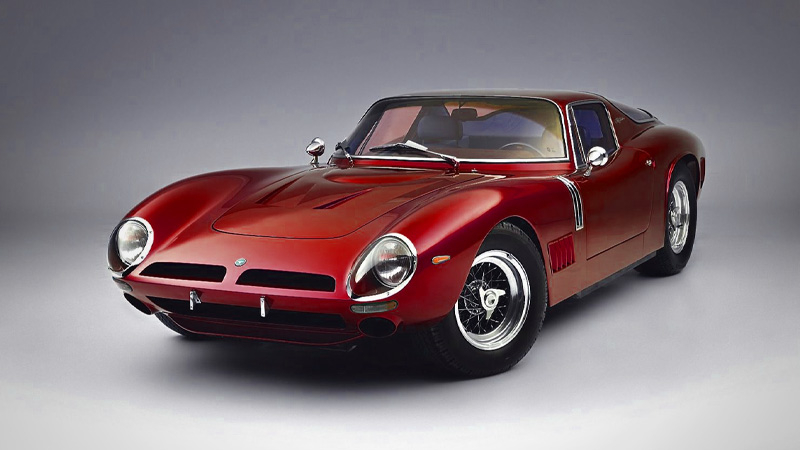
The ultimate vintage unicorn isn’t a Ferrari – it’s a Bizzarrini #ศาสตร์เกษตรดินปุ๋ย

#ศาสตร์เกษตรดินปุ๋ย : ขอบคุณแหล่งข้อมูล : หนังสือพิมพ์ The Nation

https://www.nationthailand.com/auto/30384142?utm_source=category&utm_medium=internal_referral

The ultimate vintage unicorn isn’t a Ferrari – it’s a Bizzarrini

Mar 15. 2020
By Syndication Washington Post, Bloomberg · Hannah Elliott · BUSINESS, TRANSPORTATION 
There’s a theory that all the best cars have names that are fun to say. FerrrRRRRari. (Use your hands.) MUS-tang. (Say it with a growl.) Cor-VETTE. (It forces your mouth into a smile even as you say it.)

The same applies to Bizzarrini, the obscure Italian marque that produced fewer than 200 cars for four years in the 1960s. Say it the way your Italian grandmother pronounces a favorite dish of pasta: BITZAaRRini!!

Conceived by the same man who engineered the now multimillion-dollar 1950s racing Ferraris that form the pinnacle of the blue-chip collectable car world, Giotto Bizzarrini’s eponymous brand stands among the greats. Experts call it the evolution of Ferrari – a unicorn obtained only by those who work for years to afford, locate and then charm one into their stable. The world’s wealthiest collectors hoard Bizzarrini cars the way Gollum guarded the Precious.

Bizzarrinis occupy a strange space in the collecting world. They are rare, of course, and often mistaken for Ferraris. Unless you’re deep into that world, you probably haven’t heard of them. They were beloved for their low, curvy bodies and sporty, loud, adrenaline-junkie performance, influencing the design of such other famous, late-1960s-era cars as the Pantera and Mangusta, both made by Alejandro de Tomaso. But they were also derided in their day for being anti-Ferrari because they were made by Giotto Bizzarrini, who had departed that company under sour terms. (Bizzarrini had led an infamous “palace coup” at Ferrari in 1960, when he and four other key Ferrari staff members staged a walkout to protest internal politics.)

These days, enthusiasts such as Chuck Wray, an accomplished mechanic who specializes in Italian race cars, call Bizzarrini “the thinking man’s Ferrari” because they share obvious design cues and styling elements but are even rarer and more difficult to authenticate.

“The Bizzarrini is an evolution to the Ferrari,” Wray told a group of collectors at a Road Scholars forum in January in Scottsdale, Arizona. “My father had been a mechanic, so I had grown up with Ferrari GTs and had fallen in love with Italian cars. And when I found out about Bizzarrini, it was just … Wow! That was the next level.”

It took no time after his walkout for Bizzarrini to find work. Almost immediately, he started consulting for other Italian car brands, including Lamborghini and Iso. At Iso, he styled a chassis for the made-in-America Chevrolet V8 engine that became famous for powering the Corvette. The Iso Grifo cars were legends, having raced through the 1964 season at the 12 Hours of Sebring and winning a First in Class at the 24 Hours of Le Mans. These days, they sell for $400,000 to $800,000 at auction. More importantly, given our purposes here, one of the aluminum-bodied Iso A3/C race cars became the blueprint for the first in Bizzarrini’s line of self-branded cars. He called it the Bizzarrini GT 5300 Strada.

The GT 5300 Strada was special: It had had the ultra-low, wide styling of the A3/C with a front-mid-mounted, 365-horsepower Corvette V8 engine and four-speed manual gearbox. Its front fenders swooped like bananas over the wheels; its side vents breathed like gills on an eel. The car is incredibly low, the interior incredibly small – you’ll be lucky to get in if you have back or knee issues or a gut. It possesses no such modern comforts as power steering or crisp, biting brakes. But on the racetrack, the Strada was known for blazing, deafening speed and sophisticated handling that could match all comers among its Italian compatriots.

Most were built with aluminum alloy body work; others at that time used fiberglass panels over a pressed steel platform chassis. The original GT 5300 that was sold in the U.S. cost $10,500, roughly $78,500 at today’s rates, according to Hemmings’ Mark McCourt. The 1900 GT Europa and P538S would follow before Bizzarrini was declared bankrupt in 1969. (At age 94, Bizzarrini currently lives in Italy, teaches, and continues to build cars as personal projects and commissions.)

Bizzarini is such a rare brand that classic car insurer Hagerty barely compiles its model history data. The most recent sale on record at Hagerty was in 2018; other notable sales took place in 2014, 2013 and 2009. (Additional sales may have happened more recently, though data on them isn’t clear.)

“Consignments at auction peaked in 2015 at five,” says John Wiley, Hagerty’s senior analyst. Only one was publicly consigned in 2018 and one in 2019, he noted. (The 2019 consignment it is a race car prototype that doesn’t fit within the Hagerty database architecture, Wiley said.)

Most career car guys have never seen one in the wild. The cars exist by hearsay and ghost stories, literally. One Bizzarrini Chassis 0254 was hidden in Pennsylvania for 30 years in a garage watched over by a benevolent spirit – at least according to its owner. That car is in line to be restored by Paul Russell and Co. in Essex, Massachusetts, and set to be sold for what will undoubtedly be a king’s ransom.

Meanwhile, half of the people who think they’ve seen a Bizzarrini saw a fake. In 2018, RM Sotheby’s pulled a white Bizzarrini 5300 Strada, chassis 0323, from its Paris auction after the guy who owned the real car – also chassis 0323 – showed up. A representative from RM Sotheby’s did not respond to a request for comment.

The discrepancy is rampant: At the 2018 RM Sotheby’s auction in Paris, the 1900 Europa on sale was cataloged as from 1968. But it is listed in Hagerty’s records as a 1967. “It is plausible that replicas were built,” says Wiley.

Indeed, RM Sotheby’s sold that car for €212,750 ($244,000) at the 2018 sale. But records of just how many were made, and when, are scarce. Hagerty’s historian, Glenn Arlt, uses a book published in 1970, “The Complete Encyclopedia of Automobiles: 1885 to the Present,” to corroborate his data. According to Arlt, Bizzarrini built 15 Europas during the 1960s. After the company went bust, automotive scavengers co-opted the handful of extraneous body shells and over the next 40 years built them out into complete cars – to varying degrees of fidelity, although none is legitimate. In one official register by Jack Koobs de Hartog, three Bizzarrini 1900 Europas share the same chassis number.

“It’s a minefield,” says Steve Serio, an automotive broker who has sold nine in his three-decade-long career. If a Bizzarrini’s ownership history gets murky for the years prior to the 1980s, you can be sure it’s fake, he says.

That does nothing to deter those who want them. If anything, it adds pleasure to the pain of discovery. After all, the Bizzarrini 1900 Europa, a swooping study in la dolce vita, is like a sip of frosty limoncello on a sunny afternoon. The moment of seeing one for the first time will seep onto your memory like a tattoo. Serio recently uncovered a selection of period Bizzarrini photos for sale at a swap meet in Los Angeles. The seller wanted more than $13,700 for them – just the photos.

There is an upside to all the trouble. Bizzarrinis are still much more affordable; for decades, the presence of that Corvette engine kept Bizzarrini values well below those of the equivalent Ferrari, Lamborghini or Maserati cars because purists and collectors considered it sacrilegious to have American parts in Italian cars. Although Bizzarrini values began to increase in the late 2000s, with the greatest jump happening from late 2006 through the market crash toward the end of 2008, it wasn’t until late 2013 that values began to rise in earnest, matching that of the rest of the exotic Italian collector-car market. They have risen steadily since.

The average value of a Bizzarrini 5300 GT Strada in perfect condition is $1.2 million, triple what it was in 2010, according to Jonathan Klinger, a spokesman for Hagerty. Today a Bizzarrini 5300 GT America in perfect condition has an average value of $850,000 – more than 2 1/2 times its value in 2010.

Values are difficult to forecast because so few real Bizzarrini cars come to the public market; most trade via a whisper network of high-rolling collectors. The fakes that waft through from time to time contaminate that already delicate market, so when bona fide, above-reproach, authenticated examples are found, their prices skyrocket. In 2015, the Keno Brothers Fine Automobile Auctioneers set a record with a 1968 Bizzarrini 5300 Strada sold for just over $1 million, including fees. Five years later, an authentic, good-condition GT 5300 Strada with an alloy body requires $1.2 million to $1.5 million to own, Serio says. And the asking price will be higher.

Despite the dearth of official sale results, the rise in popularity of vintage racing and driving events such as the Colorado Grand, Mille Miglia and California Mille – all requiring specific marques and early model cars for entry among their ultra-elite ranks – as fed the interest as well. In 2016, Pebble Beach Concours d’Elegance organizers featured them in a special class on the lawn of the 18th fairway at the exclusive golf course, spotlighting the owners and those who aspire to own such a rare car.

“At a small fraction of the value of a (Ferrari) GTO, there is plenty of room for further appreciation,” Klinger says. “The cars are likely to continue to gain fans.”

Even better, that once-lamented Corvette engine makes them easier and cheaper to repair than other rare exotics, both on vintage rally drives and at home. “It takes nothing to maintain them,” says Serio. Now, that’s something you definitely can’t say for a Ferrari of the same vintage.

Detroit carmakers send office workers home, keep plants running #ศาสตร์เกษตรดินปุ๋ย

#ศาสตร์เกษตรดินปุ๋ย : ขอบคุณแหล่งข้อมูล : หนังสือพิมพ์ The Nation

https://www.nationthailand.com/auto/30384052?utm_source=category&utm_medium=internal_referral

Detroit carmakers send office workers home, keep plants running

Mar 14. 2020
By Syndication Washington Post, Bloomberg · Gabrielle Coppola, Daniele Lepido · BUSINESS, US-GLOBAL-MARKETS

Detroit’s three automakers are asking office employees to work remotely while pushing production staff keep running many of their factories — including one where a worker tested positive for the coronavirus.

Fiat Chrysler Automobiles’s salaried personnel, including 14,000 at its U.S. headquarters north of Detroit, were told to work from home as of Thursday, a spokesman said. A transmission factory in Indiana is continuing to operate despite a worker there testing positive for Covid-19.

General Motors and Ford followed suit Friday, issuing directives for their office personnel to work remotely. The companies continue to build vehicles despite analysts warning the virus will significantly curtail demand around the globe. In China, where the illness originated, car sales plunged a record 79% in February.

“Clearly we are now moving beyond regional hot spots and into planning for how this will impact every area of our business across the world,” Fiat Chrysler Chief Executive Officer Mike Manley wrote in a letter to employees Friday. “We are now managing the company to ensure business continuity, in particular focusing on how we keep production lines running and vehicle programs on track.”

Fiat Chrysler temporarily shut plants in Italy for cleaning as it tries to help combat spread of the virus in the country, where more than 1,000 have died. In Canada, employees at the company’s minivan assembly plant in Windsor, Ontario, have refused to work since mid-afternoon Thursday.

In the U.S., its Indiana worker is receiving medical care, and those who worked nearby or may have come in contact with him have been put in home quarantine.

On Friday, Fiat Chrysler’s U.S. shares recouped some of their losses from the biggest drop since the 2014 merger that formed the company. The stock was up 4.7% as of 1:13 p.m. in New York. GM rose 2.4%, while Ford declined 0.8%.

Fiat Chrysler declined to provide the Indiana worker’s name, age or other personal information such as his recent travel history for privacy reasons. The carmaker has disinfected his work station and is sanitizing the entire plant in Kokomo, Indiana, which employs roughly 4,000. Output is running at a normal pace, but the company is adjusting break times to avoid crowding and deploying social spacing to increase distances between workers.

The United Auto Workers is working closely with Fiat Chrysler on measures to protect its members, Cindy Estrada, a vice president of the union, said in a statement. The UAW said it’s in talks with automakers and companies in other sectors regarding paid leave for workers who have not been tested but have to quarantine themselves to prevent the spread of the virus.

Just last week, Mark Stewart, Fiat Chrysler’s chief operations officer for North America, visited Kokomo to christen a new investment at a separate, idled transmission plant that will be re-purposed for engine production. He said the company’s crisis teams were monitoring supply risks and that travel had been curtailed due to the virus, but operations were “progressing OK.”

The company does not foresee any production shutdowns in the U.S., Simon Sproule, its chief communications officer, said Thursday. Ford also doesn’t expect to idle major facilities, according to Mark Truby, the company’s top spokesman.

A day after Michigan announced its first coronavirus cases, Fiat Chrysler said it would limit in-person meetings, rely on video conferencing and refuse visitors from countries with acute outbreaks.

The company said Wednesday it may have to close some parts factories in northern Italy to support a nationwide campaign to contain the virus. It’s slowing production at some plants there to enable greater spacing between workers.

Fiat Chrysler’s instructions for salaried employees to work from home will vary by department, and remain in effect until further notice, the company said.

Ford CEO Jim Hackett wrote to employees that they needed to prepare as they left the office for the day to be away by taking home laptops, mobile devices and personal items. And GM CEO Mary Barra addressed workers who won’t be able to do their job remotely in her memo to staff.

“Given the current drop in use of public transportation and extensive flight cancellations, our customers are looking to us more than ever to ensure they have the vehicles, parts and services they need,” she said.

Tesla on the hunt for cybertruck plant location in central U.S. #ศาสตร์เกษตรดินปุ๋ย

#ศาสตร์เกษตรดินปุ๋ย : ขอบคุณแหล่งข้อมูล : หนังสือพิมพ์ The Nation

https://www.nationthailand.com/auto/30383888?utm_source=category&utm_medium=internal_referral

Tesla on the hunt for cybertruck plant location in central U.S.

Mar 11. 2020
Elon Musk, chief executive officer of Space Exploration Technologies Corp. (SpaceX) and Tesla Inc., speaks at the SpaceX headquarters in Hawthorne, Calif., on Oct. 10, 2019. MUST CREDIT: Bloomberg photo by Patrick T. Fallon.

Elon Musk, chief executive officer of Space Exploration Technologies Corp. (SpaceX) and Tesla Inc., speaks at the SpaceX headquarters in Hawthorne, Calif., on Oct. 10, 2019. MUST CREDIT: Bloomberg photo by Patrick T. Fallon.
By Syndication Washington Post, Bloomberg · Dana Hull · BUSINESS, US-GLOBAL-MARKETS 

Elon Musk announced Tesla is scouting locations to build its in-development Cybertruck in the U.S., likely triggering a state-by-state competition similar to one he set off six years ago.

Tesla will add a factory to produce both the electric pickup and the Model Y crossover for customers on the East Coast, the chief executive officer tweeted Tuesday. He didn’t elaborate on which states Tesla is considering beyond saying it will be somewhere in the central U.S.

By publicizing Tesla’s plans to construct a factory for the truck, slated for production late next year, Musk, 48, is repeating a strategy used in 2014 to score a $1.3 billion incentive package from Nevada. The state lured the company’s massive battery factory there after Musk held a bake-off in which Arizona, California, New Mexico and Texas were the finalists that came up short.

Musk unveiled the Cybertruck in November and pitched it as a radically different option from the highly lucrative pickups produced by Ford General Motors and Fiat Chrysler Automobiles. A botched demo in which Tesla’s design chief cracked supposedly shatter-proof glass generated enormous buzz and prompted the company to sell T-shirts featuring the broken windows.

People take pictures of the newly unveiled all-electric battery-powered Tesla’s Cybertruck with shattered windows after a failed resistance test, at Tesla Design Center in Hawthorne, California on November 21, 2019.

States with right-to-work laws that prohibit unions from requiring prospective hires to join their membership are likely to be contenders for Tesla’s facility, said John Boyd, principal of a manufacturing site-selection firm based in Princeton, New Jersey.

Tesla took advantage of its soaring stock price by raising $2.31 billion last month. The company disclosed just before announcing its equity offering that its annual capital expenditures budget will be as much as $3.5 billion through 2022, more than double what it spent in 2019.

Tesla shares were little changed at $645.38 as of 9:35 a.m. Wednesday in New York. The stock is up 54% this year.

Government incentives will play a role in Tesla’s decision-making on a plant location, along with logistics costs, access to big, talented workforces, and quality of life, Musk told the Wall Street Journal in an email. TechCrunch reported the company is in talks with officials in Nashville, Tennessee, citing a source familiar with the discussions.

The battle between states will play out as U.S. President Donald Trump, who’s vowed to revive the American auto industry, looks likely to face off against Joe Biden, the vice president in the Obama administration, which backed General Motors and Chrysler through their 2009 bankruptcies.

Trump praised Musk in an interview with CNBC in January, calling the South Africa-born CEO “one of our great geniuses” and predicting he would build “a very big plant in the United States.”

Tesla recently completed construction of its newest plant in China and started delivering locally assembled Model 3 sedans to consumers in January. It’s also planning a factory near Berlin.

Last month, Musk hinted that Tesla could build a factory in Texas. The Texas Enterprise Fund, created by the state’s legislature under former governor Rick Perry, has become one of the largest payers of economic-development incentives in the nation.

Texas offered $2.3 million to entice SpaceX, the rocket company Musk founded and runs, to locate a launch facility in Brownsville, on the Gulf Coast near the Mexican border. Tesla’s chip team is based both in Palo Alto, California, where the carmaker is headquartered, and in Austin, Texas.

The company’s sole U.S. auto-assembly plant is in Fremont, California, which makes the Model S, X and 3 and has begun producing the Model Y crossover.

GM promises profitable electric cars with Tesla-beating range #ศาสตร์เกษตรดินปุ๋ย

#ศาสตร์เกษตรดินปุ๋ย : ขอบคุณแหล่งข้อมูล : หนังสือพิมพ์ The Nation

https://www.nationthailand.com/auto/30383399?utm_source=category&utm_medium=internal_referral

GM promises profitable electric cars with Tesla-beating range

Mar 05. 2020
By Syndication Washington Post,  Bloomberg · David Welch · BUSINESS, US-GLOBAL-MARKETS

General Motors unveiled plans to roll out an electric vehicle for every one of its brands starting this year, vowing they’ll make money and boast top-end range better than any Tesla Inc. model currently on the market.

The first of GM’s flotilla of new EVs will be the Cadillac Lyriq luxury SUV debuting in April and a redesigned Chevrolet Bolt small car launching late this year. A bigger utility-vehicle version of the Bolt will land in showrooms in summer 2021, followed by the electric GMC Hummer pickup that LeBron James teased in a Super Bowl ad.

The battery packs powering GM’s next-generation EVs will be branded Ultium and have pouch-style cells that can be stocked vertically or horizontally. Their design allows engineers to tailor batteries to different vehicle sizes and body styles, and the company estimates they’ll achieve as much as 400 miles of range, more than the 390 miles Tesla now advertises for its top-end Model S.

Chief Executive Officer Mary Barra has been on a mission to remake GM — once the largest automaker in the world — by pulling the company out of regions where it underperformed and shutting down parts of the business that aren’t making money. The savings wrought by those moves are freeing up resources to invest $20 billion into self-driving and electric vehicles by 2025.

“This is a historic moment for GM,” Barra said in an interview Wednesday at the automaker’s tech center north of Detroit. “We will offer EVs from every brand, in every segment and every price point. The path we’re on will get us to an all-electric future profitably.”

The new battery packs will be built using cells made jointly with South Korea’s LG Chem at a cost of less than $100 per kilowatt hour, the price at which GM has said EVs will rival those of gasoline-powered cars. They’ll use a proprietary low-cobalt chemistry, though the company also said it will license technology to other manufacturers.

During an investor and media event in Warren, Michigan, GM went into greater detail than it has before on how it will be able to bring EV costs down. One way will be less complexity: The company plans just 19 different battery and drive-unit configurations initially, compared with 550 combinations of internal-combustion powertrain combinations available now.

In a nod to legendary Chairman Alfred Sloan’s goal to sell “a car for every purse and purpose,” GM showed off nine different vehicles that will come to market by 2025. Buick has two different SUVs coming, and GMC will get a Hummer-badged large SUV in addition to the pickup. There’s also a Chevrolet plug-in truck that GM showed on a video screen.

In addition to the Lyriq, GM showed a full-size Cadillac SUV with three rows that looks much like a battery-powered Escalade.

GM President Mark Reuss also revealed a long, hand-built Cadillac flagship sedan called Celestiq that’s envisioned to be the brand’s answer to Bentley. The idea is to make a statement that the struggling luxury division can build ultra-premium vehicles with the latest technology, he said.

“Do you think the Cadillac brand is in good shape? No, it isn’t,” Reuss said after the reveal. “But it will be. We will have a whole portfolio of new Cadillacs, one of which will be this transformational brand statement.”

The keys to offering other models at more affordable prices will be battery chemistry and pack design. Cobalt is the most expensive commodity in a battery cell, and GM will reduce the use of it by 70%, said Andy Oury, lead engineer for GM’s new packs.

The company also is working on a chemistry that has no nickel or cobalt that would eliminate the two most expensive ingredients for EV chemistry.

GM beat Tesla to the punch bringing out an affordable EV with more than 200 miles of range in 2016, a year ahead of the Model 3. But the company was said to expect to lose as much as $9,000 on each Chevy Bolt sold, and volumes have trailed well behind Tesla’s cheapest sedan.

Tesla CEO Elon Musk’s next model, the Model Y crossover, is now slated to start deliveries this month, getting a jump start on GM’s new Cadillac.

For Barra’s strategy to work, she will need to overcome some big challenges in the market. Tesla’s brand is as synonymous with trendy electric vehicles as Apple’s is with swank smartphones. GM’s brands are known more for their large SUVs and pickups that run on gasoline and diesel.

GM has more customers in the U.S. than anyone and high loyalty rates, she said, but they don’t shop Chevy or Cadillac dealerships for EVs.

Barra said companies have failed to beat Tesla because Musk’s models have better range. If a car can’t go 300 miles on a charge sales will be limited. The current Bolt goes 259 miles on a charge and its sales have been modest.

GM’s next generation of EVs will be different, Barra said. The modular construction of its packs allow the company to build a big family of vehicles using essentially the same battery platform and three motors. That lowers costs for each model beyond what some competitors can do.

As GM works with partners to build out charging infrastructure with a focus on cities and suburbs, it will help convince existing customers to go electric and draw coastal city dwellers who don’t buy GM’s products, Barra said.

“We’re solving the issues by making sure we have beautiful vehicles, making sure we have better range and developing workplace charging stations and making sure that people can afford the cars,” she said. “We have assets that people aren’t looking at to understand how we can win.”

Smart vehicle strategy set to put China strides ahead #ศาสตร์เกษตรดินปุ๋ย

#ศาสตร์เกษตรดินปุ๋ย : ขอบคุณแหล่งข้อมูล : หนังสือพิมพ์ The Nation

https://www.nationthailand.com/auto/30383196?utm_source=category&utm_medium=internal_referral

Smart vehicle strategy set to put China strides ahead

Mar 02. 2020
Japanese auto supplier Denso showcases its autonomous driving technology at the Shanghai auto show in April 2019. [Photo by Li Fusheng/China Daily]

Japanese auto supplier Denso showcases its autonomous driving technology at the Shanghai auto show in April 2019. [Photo by Li Fusheng/China Daily]
By By Li Fusheng | China Daily |

Standards blueprint to generate investment opportunities China has unveiled an ambitious blueprint to develop its own standards for autonomous vehicles by 2025, which analysts say would generate vast investment opportunities and transform the country’s automotive industry.

A total of 11 ministerial-level authorities, including the National Development and Reform Commission and the Ministry of Industry and Information Technology, promulgated the document called the Strategy on Developing Smart Vehicles last week.

According to the blueprint, China will basically finish its set of standards for autonomous vehicles covering such aspects as technological innovation, infrastructure, legislation, supervision and network safety by 2025.

Specifically, the country sets a target to realize “scale production of vehicles capable of conditional autonomous driving and commercialization of highly autonomous vehicles in certain circumstances “by the year.

It also expects to achieve progress by that year in smart transport and smart city programs.

According to the blueprint, some regions in the country will have full access to the LTE-V2X wireless network for vehicles and the new-generation wireless network for vehicles, the 5G-V2X, will be gradually adopted in some cities and expressways by 2025.

Some Chinese and foreign companies including Audi, Changan, and GM have been testing V2X technologies in China over the past few years.

The blueprint said China is expected to build a complete and sound set of standards for autonomous vehicles between 2035 and 2050.

“China has strategic advantages to develop autonomous vehicles,” said the blueprint.

Among others, it said China-made vehicles have seen steady progress in quality, the country has some world-class telecom and internet giants, China is leading in terms of 5G communication and navigation systems, and it has been the world’s largest vehicle market for a decade.

Li Jun, a member of the Chinese Academy of Engineering, said in addition to the automotive sector, many industries will benefit from the new strategy, including artificial intelligence chips, sensors, data and smart transport.

Many companies in relevant sectors saw their stock prices soar following the release of the strategy last week.

Analysts at securities companies said it will bring about vast investment opportunities.

According to Beijing News, the autonomous driving market in China is worth 170 billion yuan ($24.31 billion) in 2020.

Last week, several startups announced their latest fundraising results. Uisee, a Chinese startup focused on algorithms and systems for high-level autonomous driving, finished its round B financing, with investors including German industrial giant Bosch.

Wu Gansha, founder of the startup established in 2016, told local media that 2020 will mark the start of commercializing autonomous driving, and the funds it has raised will accelerate the company’s pace.

Another startup Pony.ai announced last week that it has raised $462 million, which its CEO James Peng said would speed up commercialization of its autonomous driving technology.

The fundraising, of which $400 million was from Japanese carmaker Toyota Motor Corporation, has put the three-year old startup’s valuation at over $3 billion.

Toyota’s money also marks its biggest investment in an autonomous driving company with a Chinese background.

This is not the first time that Toyota has partnered with Pony.ai. The two companies initiated a self-driving vehicle pilot project in China last year.

Consulting firm Mckinsey said China has the potential to become the world’s largest market for autonomous vehicles.

“In China, we believe fully autonomous vehicles will see mass deployment in nine or 10 years,” said analysts at the company in a research note last year.

It expected such vehicles could account for as much as 66 percent of the passenger-kilometers traveled in 2040, generating market revenue of $1.1 trillion from mobility services and $0.9 trillion from sales of autonomous vehicles by that year.

In unit terms, that means autonomous vehicles will make up just over 40 percent of new vehicle sales in 2040, and 12 percent of the vehicle installed base, Mckinsey said.

Harley-Davidson seeks new boss after CEO’s surprise departure #ศาสตร์เกษตรดินปุ๋ย

#ศาสตร์เกษตรดินปุ๋ย : ขอบคุณแหล่งข้อมูล : หนังสือพิมพ์ The Nation

https://www.nationthailand.com/auto/30383186?utm_source=category&utm_medium=internal_referral

Harley-Davidson seeks new boss after CEO’s surprise departure

Mar 02. 2020
Harley-Davidson motorcycles stand in a showroom. MUST CREDIT: Bloomberg photo by David Paul Morris

Harley-Davidson motorcycles stand in a showroom. MUST CREDIT: Bloomberg photo by David Paul Morris
By Syndication Washington Post, Bloomberg · Gabrielle Coppola · BUSINESS

Harley-Davidson is starting the week in search of a new boss, seeking someone who can stem years of declining sales at the iconic American motorcycle maker just as it’s starting to roll out some new products.

Chief Executive Officer Matt Levatich unexpectedly stepped down Friday, parting ways with the board after a 26-year career at Harley-Davidson — including five years as CEO in which the company lost more than half its market value. Board member Jochen Zeitz will fill the job for now, the company said after the close of business Friday.

Harley shares rose as much as 5%, to $32.06, in after-hours trading after the news, suggesting investors were ready for a change at the Milwaukee-based manufacturer.

“An external hire that can look at the business with fresh and critical eyes is needed,” Joseph Spak, analyst at RBC Capital Markets, wrote in a note to investors. That said, “the stock could be in limbo until a new, permanent CEO is named.”

Levatich had been wrestling with several headwinds as CEO, including an aging customer base in the U.S., its biggest market, and heightened tariff costs from President Donald Trump’s trade wars. Harley’s first electric motorcycle, LiveWire, won positive reviews but has yet to kickstart sales or help it achieve greater market share abroad.

Harley was caught flat-footed by competition from more affordable, lightweight bikes as heavy motorcycles like the one Marlon Brando rode in the movie “The Wild One” went out of style, said David MacGregor, an analyst at Longbow Research in Independence, Ohio.

“They’re finally figuring it out, but they’re three years behind the curve,” he said by phone. “The board members and investors were just not willing to wait.”

The new CEO would come aboard as Harley is entering new segments with less expensive middleweight bikes, small displacement motorcycles for Asia, and a slew of electric bikes. It’s also been tweaking its iconic logo and acquiring a kids e-bike company to attract younger riders.

Even with the yearslong slump in sales, “we are surprised by the timing of the leadership change ahead of major new product launches scheduled over the next few years,” analysts Sharon Zackfia and Tania Anderson of William Blair & Co., wrote in a note.

– – –

Harley’s shares have plunged 18% this year, and its $4.6 billion market capitalization is down by more than half from when Levatich took over.

U.S. sales dropped for a fifth straight year in 2019. That period covers most of Levatich’s tenure as CEO, which began in May 2015. Retail sales in the U.S. have risen once in the past 21 quarters. That inability to spur growth presaged an earnings miss when Harley reported its latest quarterly profits in January.

As recently as last month, Levatich expressed confidence that the company was on the road to recovery. “Our return to growth is not in the distance — it’s right around the corner, and 2020 is our pivotal year,” the CEO told investors on a Jan. 28 earnings call.

Levatich’s departure comes after the company moved in January to grant long-term shareholders the power to directly nominate board members, a concession meant to boost investor influence.

– – –

Harley’s effort to investing in new products to appeal to a younger demographic has added pressure to margins. To help find younger buyers, Levatich hired the company’s first-ever brand president in April, only to dismiss him six months later, citing unspecified conduct that didn’t align with its corporate culture.

The stock staged a recovery in late 2016 when a new engine briefly boosted U.S. sales volumes and Levatich, 55, announced a restructuring plan designed to save the company millions. But the boom proved short-lived.

“They had it, they lost it, they got it back and lost it again,” said Ken Harris, co-founder of Cadent Consulting, a Chicago-based marketing and sales consulting firm. “When people aged out, they had no one to replace those buyers.”

“A millennial would rather have a powered scooter than a Harley Davidson,” Harris said. “I’m not surprised that they had to make a change.”

– – –

Levatich’s tenure came at a time when many manufacturers were tested by mounting tensions between the U.S. and its biggest trading partners. The Harley CEO went from being one of the first company leaders to be welcomed to the White House in early 2017 to contending with angry tweets about closing a U.S. factory and adding production overseas to avoid tariffs.

Those extra costs dented profits at the company, which had pinned its near-term turnaround hopes on growth in international markets. After Harley announced in June 2018 that it would shift some production out of the U.S. to sidestep tariffs imposed by the European Union in retaliation for U.S. levies on imported aluminum and steel, Trump attacked the company for months — even threatening to back a boycott of the company’s bikes.

Harley went ahead with plans to ship motorcycles to Europe and China from a new factory in Thailand, which allowed it to mitigate almost all of a $100 million cost burden from the tariffs on U.S.-made bikes. This was part of an effort to get half of its revenue from outside the U.S. by 2027, but that promised growth hasn’t come fast enough to offset the drag from the steady decline in sales in its home market.

– – –

Levatich’s acting replacement, Zeitz, who’s been on Harley’s board since 2007, was named chairman as part of the reshuffling announced Friday. The company said he will remain in that role “once a new CEO is appointed” as a permanent replacement.

Zeitz was the youngest executive to head a German public company when he became CEO of sporting-goods maker Puma in 1993. The 56-year-old led the company for nearly 18 years, increasing sales about 15 times over his tenure.

He also is a philanthropist who collects African art, which is in the eponymous Zeitz Museum of Contemporary Art Africa in Cape Town, South Africa.