BioNTech to boost vaccine capacity, sees shot beating new strain #SootinClaimon.Com

#SootinClaimon.Com : ขอบคุณแหล่งข้อมูล : หนังสือพิมพ์ The Nation.

BioNTech to boost vaccine capacity, sees shot beating new strain (nationthailand.com)

BioNTech to boost vaccine capacity, sees shot beating new strain

InternationalDec 23. 2020The Pfizer-BioNTech coronavirus vaccine. MUST CREDIT: Bloomberg photo by Kobi WolfThe Pfizer-BioNTech coronavirus vaccine. MUST CREDIT: Bloomberg photo by Kobi Wolf 

By Syndication Washington Post, Bloomberg · Naomi Kresge

Pfizer Inc. partner BioNTech SE is pursuing all its options to make more coronavirus vaccine doses than the 1.3 billion the companies have promised to produce next year, according to the German firm’s chief executive officer.

The companies will probably know by January or February whether and how many additional doses can be produced, Ugur Sahin said late Monday in an interview. “I am confident that we will be able to increase our network capacity, but we don’t have numbers yet.”

Sahin also said the vaccine will probably work against the new SARS-CoV-2 strain that has emerged in the U.K. Lab tests of the vaccine’s performance have already been done against 20 mutant versions; the same tests will now be run against the new U.K. version, and should take about two weeks, he said.

Efficacy results of more than 90% and approvals around the world have set off a race between countries for additional supplies of the precious shots, with the U.S. seeking to exercise an option for a hundred million. Most of the doses anticipated for next year — enough to immunize 650 million people — have already been spoken for.

More than 2 million people in six countries have already gotten their first shot of the standard two-dose regimen, according to data collected by Bloomberg.

BioNTech is seeking more of the raw materials it needs for its mRNA vaccine, more clean rooms and more cooperation partners, Sahin said. The company also needs additional space to formulate the shots, put them into containers and prepare them for shipping, he said. Pfizer is producing vaccine at three sites in the U.S. and one in Europe, while BioNTech has two manufacturing sites in Germany.

The vaccine’s EU approval and an inoculation campaign set to start there on Dec. 27 promise to further draw on stocks. By the end of 2020, BioNTech expects to ship 12.5 million doses to the EU and 20 million to the U.S., the company said in a news conference on Tuesday. The partners have already begun shipping shots to the U.K., where Health Secretary Matt Hancock on Monday tweeted that some 500,000 people had gotten their first dose.

If the vaccine turns out to be ineffective against the mutant strain circulating in the U.K., BioNTech could, in theory, produce a new coronavirus vaccine t.o fight the variant within six weeks, Sahin said at the Tuesday briefing. How fast the new inoculation could get to patients would depend on the speed of regulatory review.

But so far, Sahin sees no reason to doubt that the existing shot will be effective. Most vaccines target the spike protein, which allows the virus to enter cells.

“This virus has multiple mutations, but as far as we know, 99% of the spike protein is not mutated,” he said late Monday. “Let’s do the experiment and get the result. That’s always the best answer, but I would emphasize just to stay calm.”

U.S. economic rebound is patchwork of virus risk and rules #SootinClaimon.Com

#SootinClaimon.Com : ขอบคุณแหล่งข้อมูล : หนังสือพิมพ์ The Nation.

U.S. economic rebound is patchwork of virus risk and rules (nationthailand.com)

U.S. economic rebound is patchwork of virus risk and rules

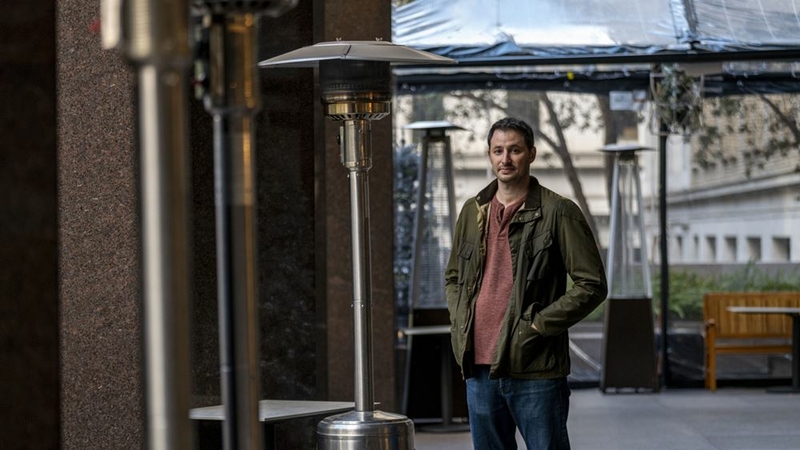
InternationalDec 23. 2020Ryan Cole spent thousands outfitting his San Francisco restaurant's patio with a roof and heaters, but outdoor dining was closed this month and he furloughed all 35 of his workers. Ryan Cole spent thousands outfitting his San Francisco restaurant’s patio with a roof and heaters, but outdoor dining was closed this month and he furloughed all 35 of his workers. “People are just exhausted by the back-and-forth change,” says Cole, photographed Dec. 17, 2020, at The Vault restaurant. MUST CREDIT: Bloomberg photo by David Paul Morris 

By Syndication Washington Post, Bloomberg · Reade Pickert, Olivia Rockeman, Alex Tanzi

The U.S. economy has splintered along state and city lines, with the speed of the rebound largely dependent on the magnitude of local business restrictions to combat an unending surge in covid-19 cases.

California and Illinois, where some of the strictest measures have been imposed, saw jumps in state unemployment filings this month that helped push the weekly U.S. total to a three-month high. Both states also had November unemployment rates above the national level of 6.7%.

In Florida, where many businesses are permitted to operate at full capacity, state jobless filings have hit the lowest since March and the November jobless rate was below the national average, even with tourism employment still depressed.

And even with a new $900 billion stimulus package approved by Congress late on Monday — extending and boosting relief for unemployed Americans — the road to recovery will continue to be uneven in different regions.

Recent data make clear there’s a trade-off between jobs and business restrictions. The economic reality for workers and firms in a place where business is generally open is vastly different from those living where things are mostly closed.

Yet higher mobility also comes with potentially devastating health consequences. Nationwide, more than 300,000 people have died of covid-19, and the recent acceleration in infections and deaths is showing little sign of abating.

A major problem is that lockdown measures are often reactive — implemented when the virus is already out of control — rather than proactive, said Joshua Barocas, an infectious-disease physician at Boston Medical Center. For workers who have managed to keep their jobs, many are faced with choosing their health or their paychecks, he said.

“Me beating the drum of ‘Stay home, stay home, stay home,’ does nothing,” Barocas said. “It is a combination of proactive restrictions, coupled with support — for both individuals and businesses — and creative solutions to sort of reduce the overall probability of transmission.”

The situation has been particularly frustrating to restaurant owners, at least those managing to stay in business after many closed permanently and laid off workers during the pandemic.

In San Francisco, Ryan Cole spent thousands of dollars outfitting his restaurant’s patio with a roof and heaters in the hopes that The Vault Garden could attract enough guests to cover the bills. Earlier this month, outdoor dining was shuttered and Cole furloughed all 35 of his workers.

“People are just exhausted by the back-and-forth change,” he said.

Across the country, in Jacksonville, Fla., Sam and Kiley Efron’s restaurant, Taverna, remains open in part because local authorities allow alfresco dining. They’ve spaced tables six feet apart and reduced indoor seating by half. Sales are down about 30%, but it’s enough to cover expenses, including paychecks for about 50 employees.

“I’ve talked to friends in other states. I am really grateful to be living in Florida right now,” Sam Efron said.

The tougher restrictions are frustrating restaurateurs like Cole, especially when data suggest other measures may be helpful. A study by researchers at the Federal Reserve Bank of Boston found mask mandates are effective in reducing at least half of the increase in covid-19 cases and deaths stemming from increased mobility.

In Duval County, where Jacksonville is located, businesses and schools are largely open, though there is a local mask order. Adjusted for population, Duval’s daily new cases surpassed San Francisco’s in the last few weeks.

Yet Los Angeles County, which had tougher business restrictions during that period, has had a worse surge in infections since mid-November.

New York has seen mixed messages. Statewide contact-tracing data in New York state showed nearly three-fourths of all cases emerged from household and social gatherings in recent months, while just 1.4% stemmed from restaurants and bars.

In New York City, though, Mayor Bill de Blasio has warned of a potential new shutdown of nonessential businesses after the holidays, amid a jump in cases.

Even after vaccines are widely available, regions where lockdown measures have generally been stricter — especially those that depend on hospitality and tourism — are likely to have a more difficult time recovering because many businesses have closed for good.

Los Angeles, New York City and Chicago, where shutdown measures have been strict, have the greatest number of permanent business closures among all U.S. metro areas, according to a September report from Yelp Inc.

In the year through October, the economies of states with more restrictive measures, like California and New York, have fared worse than those with looser rules, like Florida, Georgia and Texas. That’s according to a coincident index — or proxy measure of state economic growth — produced by the Federal Reserve Bank of Philadelphia.

State-by-state unemployment rates illustrate the economic divide, though the correlation with covid-19 caseloads is less clear.

The jobless rate is below the national average in Tennessee and Oklahoma, where business activity has resumed at least somewhat — but it’s been accompanied by some of the sharpest increases in new cases over the past two weeks, according to Johns Hopkins data. In Vermont and Nebraska, which have the lowest state jobless rates, cases have been on a downward path.

The concentration of industries also plays a role. The jobless rate remains above 10% in Hawaii and Nevada, both hospitality-dependent economies suffering from declines in tourism. Hawaii has imposed and enforced strict measures on travelers to the state and a new statewide “pause” in Nevada went into effect Nov. 24.

“The way that we do business has to change with covid, but where I think the frustration really kicks in is the unwillingness to build some flexibility in the rules,” said Mark Vitner, a senior economist at Wells Fargo & Co. “Really what we should be doing is trying to find ways that we can do as much business as we can possibly do safely.”

Jobless aid, checks, PPP: Adding up $900 billion in virus relief #SootinClaimon.Com

#SootinClaimon.Com : ขอบคุณแหล่งข้อมูล : หนังสือพิมพ์ The Nation.

Jobless aid, checks, PPP: Adding up $900 billion in virus relief (nationthailand.com)

Jobless aid, checks, PPP: Adding up $900 billion in virus relief

InternationalDec 23. 2020Capitol Police vehicles sit outside the U.S. Capitol Building in Washington, D.C., on Dec. 20, 2020. MUST CREDIT: Bloomberg photo by Ting ShenCapitol Police vehicles sit outside the U.S. Capitol Building in Washington, D.C., on Dec. 20, 2020. MUST CREDIT: Bloomberg photo by Ting Shen 

By Syndication Washington Post, Bloomberg · Laura Litvan, Erik Wasson, Laura Davison

The $900 billion in pandemic relief that passed the House and Senate late Monday is aimed squarely at shoring up the U.S. economic recovery into the early spring as battered industries and workers face months of continuing struggle.

The funds were combined with $1.4 trillion to fund regular government operations for the rest of the fiscal year, in massive legislation that runs 5,593 pages. It includes other tax, energy and national-security provisions that lawmakers agreed to pass before the end of the year.

The pandemic relief package includes help for small businesses and the jobless along with direct payments to most Americans. It also provides funding for vaccine distribution, food assistance, tax breaks and money for education and child care.

The provisions aimed at the fallout from the coronavirus represent the second-largest economic rescue package in American history, behind the $1.8 trillion virus relief package that was signed into law just nine months ago. It surpasses the $787 billion stimulus passed in response to the financial crisis in 2009.

Together with the omnibus spending bill, the total package is worth more than $2.3 trillion. The legislation also included a number of tax benefits, some unrelated to the covid-19 crisis.

Here are some highlights of specific provisions:

– Direct Payments

The bill provides $600 in one-time direct payments to individuals and $600 per child. The payments get phased out for individuals making more than $75,000 or couples making $150,000. Treasury Secretary Steven Mnuchin said the Internal Revenue Service would begin processing payments as soon as next week. The IRS already had set up a system to distribute $1,200 payments in the stimulus bill passed in March.

Several senators, including Josh Hawley, R-Mo., and Bernie Sanders, I-Vt., said they wanted larger stimulus payments, but they agreed not to object to a final deal with the smaller amount. Progressive Democrats in the House have started calling these “survival checks.”

– Jobless Benefits

Federal unemployment insurance benefits will be extended for 10 weeks through mid-March, with a $300 supplement payment each week, similar to the extra $600 supplement that expired at the end of July.

It includes people receiving state unemployment benefits as well as those receiving Pandemic Unemployment Assistance, a program that provided jobless benefits to those not traditionally eligible, like gig workers and the self-employed. Without congressional action, the program was on track to expire at year-end, which would have caused millions of Americans to lose their jobless benefits.

Pandemic Emergency Unemployment Compensation, which provided up to 13 additional weeks of jobless benefits to those who had exhausted their regular state benefits, was extended as well.

Unlike stimulus payments and forgiven PPP loans, which aren’t subject to federal taxes, unemployment insurance recipients must pay income taxes on their jobless benefits. Many states don’t automatically withhold taxes when they distribute those payments, so recipients will owe those taxes when they file their tax returns next spring.

– Companies, Airlines

The aid package includes $284 billion for the Paycheck Protection Program that was created in the Cares Act. That program’s loans to firms with fewer than 500 employees can be fully forgiven if companies keep people on their payroll.

The legislation clarifies that business owners can write off expenses paid for with forgiven PPP loans, giving small companies a tax break that could amount to more than $100 billion. The legislation would override an IRS decision that said business couldn’t claim deductions on costs, such as rent and wages, paid for with tax-free PPP money.

It also includes $15 billion to reinstate payroll reimbursements to airlines, which expired two months ago, as well as $1 billion for airline contractors.

– Tax Breaks

The legislation includes a priority for President Donald Trump: an expansion of the business-meals deduction. Economists have said the change would do little immediately to help struggling restaurants.

It also includes a renewal of the employee retention tax credit for businesses that keeps workers on their payrolls. The break gives companies an additional incentive to keep people employed as many firms still face revenue downturns but have run out of PPP money or never qualified for it.

The package makes changes to the earned income tax credit and the child tax credit to make it available to people who lost wages or jobs during the pandemic, as well as an expanded Low Income Housing Tax Credit to boost construction of housing for low-wage families.

The legislation would make permanent an excise tax break for beer brewers, wine makers and distillers. In addition, other expiring tax credits, including some for mortgage interest premiums and tax credits to help businesses in low-income communities.

– Housing, Education and More

The measure contains $25 billion for emergency rental assistance, and it extends the Cares Act’s eviction moratorium until Jan. 31.

It also calls for $7 billion in spending on broadband internet, including $3.2 billion to help poor households pay for the service and $1.9 billion to boost security by removing gear from equipment providers such as Huawei Technologies Co.

Other key funding provisions include funds for virus testing, tracing and vaccine development and distribution. It also has $82 billion for education funding, as well as $10 billion to support child-care providers, $15 billion for entertainment venues and $13 billion for nutrition assistance. The bill would convert a $10 billion loan for the U.S. Postal Service to a grant.

– Non-pandemic Measures

The legislation includes $1.4 trillion in regular appropriations to keep the government operating through the end of fiscal 2021 on Sept. 30. A last-minute deal kept $12.5 billion for Veterans Affairs health funding under the total spending budget cap.

Lawmakers settled on nearly $1.4 billion for border-wall construction and related spending, short of Trump’s request for nearly $2 billion. His $5 billion ask for fiscal 2019 led to the longest shutdown in the country’s history, but he hasn’t had a standoff with lawmakers over wall funding since he circumvented Congress by using military funds to build additional fencing.

The spending package also includes the long-standing Hyde amendment, which bars federal funds for most abortions, and the Helms amendment, which bars the use of foreign assistance funds for abortions. Congressional Democrats have said they want to remove the Hyde amendment from spending bills starting in fiscal 2022, when a Democrat will be in the White House. President-elect Joe Biden has said he also opposes the Hyde amendment.

There are a number of so-called “riders” that aren’t related to the pandemic or the 12 appropriations bills that make up the spending omnibus. These include everything from a bill creating Smithsonian museums dedicated to women’s history and the American Latino to technical corrections to the U.S.-Mexico-Canada trade agreement.

One of those riders is the long-discussed legislation to protect patients with health insurance from “surprise” medical bills in most emergency situations, including air ambulance rides. Patients also wouldn’t have to pay bills received more than 90 days after a visit, and health plans and providers would have to provide patients with more information on their networks and costs.

The final legislation also calls for the U.S. to join other nations in phasing out hydrofluorocarbons used in air conditioning and refrigeration systems. While hydrofluorocarbons aren’t nearly as bad for the ozone layer as chlorofluorocarbons, the chemical they were designed to replace, they still have hundreds to thousands of times the heat-trapping power of carbon dioxide.

The bill includes a reauthorization of the Water Resources Development Act that deals with water-related infrastructure. It also extends tax credits for renewable energy projects, including wind and solar production.

The bill reforms the way the Federal Aviation Administration certifies aircraft, a move prompted by the failures of the Boeing 737 Max plane.

The legislation would allow the secretaries of Homeland Security and Labor to increase the number of H-2B visas for workers in meatpacking, landscaping and construction.

The catchall bill alters pipeline safety regulations, reforms the federal student aid application, institutes regulations for horse racing and resolves terrorism claims against Sudan, among hundreds of smaller provisions tucked inside.

It would also give civilian federal workers a 1% raise, as well as a 3% raise for the military, but no pay increase for the lawmakers who will be voting on the final bill.

Tennessee Health Department warns that Christmas surge ‘will completely break our hospitals’ #SootinClaimon.Com

#SootinClaimon.Com : ขอบคุณแหล่งข้อมูล : หนังสือพิมพ์ The Nation.

Tennessee Health Department warns that Christmas surge ‘will completely break our hospitals’ (nationthailand.com)

Tennessee Health Department warns that Christmas surge ‘will completely break our hospitals’

InternationalDec 22. 2020

By The Washington Post · Jaclyn Peiser

As Tennessee leads the United States in coronavirus cases per capita following a post-Thanksgiving spike, the state’s health commissioner warned Sunday that the hospital system will crumble if residents don’t slow the spread of the virus by staying home, wearing masks and avoiding large gatherings.

“If we have another surge over Christmas, it will break our hospitals,” Tennessee Health Commissioner Lisa Piercey said at a news conference, according to the Tennessean.

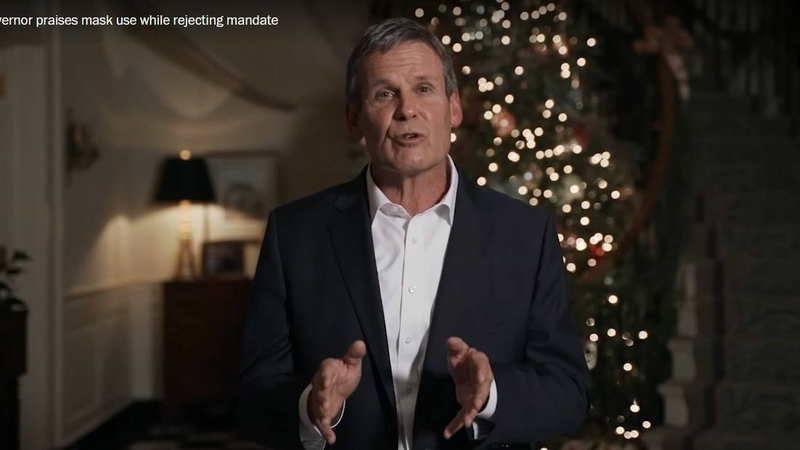
Despite Piercey’s warning, Tennessee Gov. Bill Lee, R, refused to order a statewide mask mandate in a video address hours later. Instead, he announced a new executive order to limit indoor gatherings to 10 people and implored people to keep holiday gatherings to just those in their household.

“I understand deeply how much Tennessee families need each other,” Lee said. “But we must do all that we can to blunt this surge and keep more Tennesseans from getting sick.”

The executive order comes one day after the governor’s office announced that Tennessee first lady Maria Lee tested positive for the coronavirus after exhibiting mild symptoms. In a statement, Lee said he tested negative and would quarantine as a precaution.

Tennessee is averaging almost 10,000 new coronavirus cases, and almost 100 deaths, per day, according to The Washington Post’s tracker. About 2,800 people in Tennessee are hospitalized for covid-19, the illness caused by the novel coronavirus, with about 760 in the intensive care unit, according to the Tennessee Health Department. On Saturday, Tennessee recorded a 30% positivity rate, a new high, according to the Tennessean.

In the weeks following Thanksgiving, daily reported cases in Tennessee doubled. A similar trajectory played out across the country, and health officials warn that Christmas gatherings could lead to an even larger surge.

Despite the rapidly increasing numbers pushing Tennessee hospitals to their limits, Lee maintained there would not be a mask mandate, while stressing the importance of wearing one.

“Many think a statewide mandate would improve mask-wearing, many think it would have the opposite effect,” Lee said Sunday. “This has been a heavily politicized issue. Please do not get caught up in that and don’t misunderstand my belief in local government on this issue. Masks work and I want every Tennessean to wear one.”

Lee added that 70% of Tennesseans are already under mask requirements from their local governments and 80% said they wear their masks always or most of the time.

“And I thank them for doing this,” Lee said.

But medical workers criticized the governor for not going far enough to help them during a time in which they are drowning under the increasing hospital rates. Following Lee’s address, the Tennessee Medical Association, a nonprofit advocacy group for state physicians, released a statement imploring the governor to change his mind.

“We believe all Tennessee counties should be under mask requirement orders at this time,” the group said in statement, WVLT reported. “We plead with all Tennesseans to stay safe, stay apart, wear masks, and stay home to protect their families and friends from this deadly virus.”

The pressure on Tennessee health-care workers has been so great that Lee said he had authorized National Guard medics to work in hospitals to “provide lifesaving care.”

During Piercey’s news conference Sunday, the health commissioner said five of the state’s largest health-care systems are allowing paramedics to practice inside the hospitals. She added that with the exception of hospitals, health-care workers who tested positive for the coronavirus could continue to work in long-term-care facilities if they felt well enough.

“I tell you this because we are looking under every rock. We are turning over every stone to help hospitals,” Piercey said. “We are running out of options.”

The survival of the state’s health-care system relies on Tennesseans staying home, wearing masks and avoiding gatherings, Piercey said. But she worries that people will fall back on false assumptions that having close friends or extended family at their homes is better than going to a bar.

“That’s a dangerous mentality,” Piercey said.

At the end of his address, Lee acknowledged the state is facing Its “darkest hour” but offered hope that if every Tennessean complies with the state’s health directives, they will get through the next few months.

“We are in a cold, cruel phase of this pandemic,” Lee said. “It will get worse before it gets better. I know you are tired. But we have got to double down.”

Biden to push for more coronavirus relief, setting up a clash with GOP #SootinClaimon.Com

#SootinClaimon.Com : ขอบคุณแหล่งข้อมูล : หนังสือพิมพ์ The Nation.

Biden to push for more coronavirus relief, setting up a clash with GOP (nationthailand.com)

Biden to push for more coronavirus relief, setting up a clash with GOP

InternationalDec 22. 2020Nurse practitioner Tabe Mase congratulates President-elect Joe Biden after administering his first dose of the coronavirus vaccine Monday in Delaware. MUST CREDIT: Washington Post photo by Jonathan Newton.Nurse practitioner Tabe Mase congratulates President-elect Joe Biden after administering his first dose of the coronavirus vaccine Monday in Delaware. MUST CREDIT: Washington Post photo by Jonathan Newton. 

By The Washington Post · Annie Linskey, Mike DeBonis

Republicans brimmed with pride over the $900 billion stimulus package taken up by Congress on Monday, with Senate Majority Leader Mitch McConnell calling it “a historic bipartisan rescue package” and Sen. Dan Sullivan of Alaska predicting it would be remembered when “the history of this challenging year is written.”

President-elect Joe Biden saw it differently, calling the deal merely a “down payment.”

Biden’s assessment, made repeatedly in recent weeks, echoes the view of many Democrats who see the bill as the beginning of a negotiation, not the end. The notion that more aid is necessary – Biden at times has said talks should start as early as January – sets up perhaps the first major legislative test for the new president and his self-proclaimed negotiating skills.

It’s a challenge made greater now that Congress has approved new spending in the areas where common ground was relatively easy to find. There is also an expectation that many Republicans will become more skeptical of big-ticket spending after President Donald Trump leaves the White House.

Biden has consistently said that bolstering the economy will be one of his four top priorities – along with ending the pandemic, addressing climate change and promoting racial justice – suggesting he will put a strong emphasis on new spending. He has been vague about what he would like in a new package, but it would probably include aid to cities and funds to prepare for opening public schools.

That push, however, will clash with an energized Republican Party eager to reestablish its fiscally conservative bona fides. McConnell, R-Ky., has signaled that he recognizes additional negotiations are likely but said it would be difficult to finalize another package.

Privately, many in Biden’s party agree it will be hard to persuade Republicans to reopen the debate after the protracted, often tortuous negotiation that led to this last-minute deal days before Christmas.

Biden declined to take detailed questions from reporters Monday after he received his coronavirus vaccination at Christiana Hospital in Newark, Del. But an official on Biden’s transition, who spoke on the condition of anonymity because the person was not authorized to speak publicly, said the president-elect wants additional money for “supporting the covid response effort, reopening schools and helping families, businesses, and state and local governments.”

Biden has been blunt in recent weeks that he considers Congress’s current package far from enough to tackle the widespread economic damage caused by the pandemic. “I’ve made it real clear,” Biden told reporters in Wilmington, Del., earlier this month. “This is not the end of the deal.”

Senior Republicans viewed Biden’s victory as key to unlocking the current deal, because it gave Democrats a credible justification for backing off their previous multitrillion-dollar demands that GOP lawmakers had no intention of meeting. Chief among them was their insistence that struggling state and local governments badly need a cash infusion to help provide vaccine distribution and other services.

But for many Republicans, the approximately $900 billion package that came together this week represents the outer limit of what they are willing to accept.

Furthermore, there is no obvious deadline to compel action, often a requirement on Capitol Hill. The bill was forced to the finish line by a looming government-shutdown deadline and a pair of Senate runoff elections in Georgia on Jan. 5, as Republican leaders were anxious that the lack of a relief package was hurting Sens. Kelly Loeffler, R-Ga., and David Perdue, R-Ga.

The clamor of rank-and-file lawmakers faced with returning home for Christmas without a deal in hand also created pressure.

Similar pressures are on the immediate horizon next year. Instead, the impetus for further relief, if any, is likely to be driven by the pace of the economic recovery and whether employment and growth rebound in the weeks after Biden takes office.

The president-elect has suggested the economy may not rebound immediately, saying that would drive Republicans to the negotiating table. “As things get worse, they’re going to find that there’s an overwhelming need,” Biden said recently.

One potential deadline comes in mid-March, when 11 weeks of additional jobless benefits provided in the current bill to the long-term unemployed are set to expire. But several Republican senators have signaled that even then, further action is doubtful.

“If we address the critical needs right now and things improve next year as the vaccine gets out there and the economy starts to pick up again, you know, then there’s maybe less of a need,” Sen. John Thune, R-S.D., said last week.

One demand, however, could bring Republicans back to the bargaining table: their desire for a sweeping “liability shield” barring coronavirus-related lawsuits against businesses. GOP leaders, in the most recent round of negotiations, sought to pair that with a top Democratic priority – tens of billions of dollars in direct aid to state and local governments. In the end, both issues were dropped from the talks.

Although some Republicans have broken with party leaders to call for additional state and local aid, Democrats remain dead set against immunizing businesses from lawsuits.

Months of talks on the subject sputtered, and it could be difficult for Biden to make headway on it. But the liability issue may be his only chance to force new action, even if Republicans are unlikely to trade it for anywhere near the trillion dollars of additional stimulus Democrats want.

“I think everybody understands that Vice President Biden is going to ask for another bill, so we will have another chance to revisit it probably pretty soon,” Sen. John Cornyn, R-Texas, a key proponent of the liability shield, said Monday.

Biden has largely avoided naming specific items or a spending target for the next package, saying that would be a bad negotiating strategy. “I’ve learned, after hanging around in this business for a while, the last thing you do before you begin a negotiation is lay out a drop-dead marker,” Biden said earlier this month.

Asked if he believes the right number for the next package is in the billions or trillions, Biden responded: “Hundreds of billions of dollars.”

Still, Biden has sketched out some of his priorities over the past few weeks, including additional funding for state and local governments. The current package includes none of this spending despite pleas from states such as New York and Illinois, whose governors have warned that they may need to raise taxes, lay off public-sector workers or cut spending on critical government programs to break even entering next year.

Biden has cast the state and local aid as critical for jobs, saying it is important that the federal government provide help to local governments to prevent layoffs of public employees including teachers, firefighters and other first responders.

Biden also said recently that “it would be better” if the deal included $1,200 checks for low-income people. The current bill includes $600 checks for people making less than $75,000 a year – which alone cost $164 billion or about as much as the new state and local aid Democrats have sought.

Democratic leaders agree. In a statement late Monday, House Speaker Nancy Pelosi, D-Calif., penned a letter to her colleagues about the legislation that laid a marker for the next round, noting that “state and local budgets are still overwhelmed by coronavirus expenses and revenue losses.”

Biden has also said Americans should not be evicted from their homes during the coronavirus crisis. The current compromise includes a measure that extends a moratorium on evictions through the end of January.

Biden has said extending unemployment insurance is necessary “so they can continue to feed their families.”

This week’s package allows for a $300-per-week additional unemployment benefit until at least mid-March, about half of the $600-per-week additional benefit that Congress enacted last spring.

The bill also extends a special program for gig workers.

Asked whether he would have any leverage to bring Republicans skeptical about the price tag back to the table, Biden said Americans will be desperate for more help.

“The country’s going to be in dire, dire, dire straits,” Biden said. “We’ll be in dire trouble if we don’t get cooperation, and I believe we will.”

Biden also offered a smidgen of bipartisan bonhomie on Monday, perhaps practicing his negotiating skills. As he received his vaccination, Biden praised the White House, saying, “I think the administration deserves some credit for getting this off the ground.”

นักการเมืองอเมริกันโวไม่เชื่อโควิด แต่แซงคิวฉีดวัคซีนก่อนประชาชน #SootinClaimon.Com

#SootinClaimon.Com : ขอบคุณแหล่งข้อมูล : หนังสือพิมพ์โพสต์ทูเดย์

นักการเมืองอเมริกันโวไม่เชื่อโควิด แต่แซงคิวฉีดวัคซีนก่อนประชาชน – โพสต์ทูเดย์ รอบโลก (posttoday.com)

วันที่ 22 ธ.ค. 2563 เวลา 16:11 น.นักการเมืองอเมริกันโวไม่เชื่อโควิด แต่แซงคิวฉีดวัคซีนก่อนประชาชนสมาชิกพรรครีพับลิกันจำนวนหนึ่งถูกวิพากษ์วิจารณ์อย่างหนักหลังเข้ารับการฉีดวัคซีนเป็นกลุ่มแรกๆ ทั้งที่ไม่ใช่กลุ่มเสี่ยง

สำนักข่าวต่างประเทศรายงาน สมาชิกพรรครีพับลิกันของสหรัฐจำนวนหนึ่งกำลังถูกวิพากษ์วิจารณ์อย่างหนักบนโลกออนไลน์เนื่องจากพวกเขาเป็นบุคคลกลุ่มแรกๆ ที่ได้รับวัคซีนต้านโควิด-19 ของไฟเซอร์ (Pfizer)

ทั้งนี้ สมาชิกบางคนอยู่นอกเหนือเกณฑ์ที่จะได้รับวัคซีนเป็นกลุ่มแรกๆ เนื่องจากยังมีกลุ่มเสี่ยงอีกเป็นจำนวนมากทั่วประเทศ แต่พวกเขาลัดคิวการฉีดวัคซีนโดยกล่าวว่าเพื่อสร้างความเชื่อมั่นให้แก่ประชาชนในการเข้ารับการฉีดวัคซีน

ทั้งที่ก่อนหน้านี้พวกเขามีท่าทีไม่หวาดกลัวต่อโรคโควิด-19 มาโดยตลอด และยังไม่เชื่อถือในมาตรการเว้นระยะห่างทางสังคมและการสวมหน้ากากอนามัยซึ่งสอดคล้องกับความคิดของโดนัลด์ ทรัมป์ หัวหน้าพรรค

มาร์โก รูบิโอ วุฒิสมาชิกจากฟลอริดา โพสต์ภาพฉีดวัคซีนบนทวิตเตอร์ โดยมีประชาชนเข้ามาแสดงความคิดเห็นอย่างล้นหลาม หลายคนชี้ให้เห็นว่าเขาเพิ่งเข้าร่วมการชุมนุมครั้งใหญ่ที่ผ่านมาร่วมกับทรัมป์โดยไม่สวมหน้ากากอนามัย

เช่นเดียวกับ ลินด์เซย์ เกรแฮม วุฒิสมาชิกจากเซาท์แคโรไลนาที่สนับสนุนความคิดของทรัมป์มาโดยตลอด ต้องเผชิญกับเสียงวิพากษ์วิจารณ์หลังจากที่โพสต์ภาพเข้ารับการฉีดวัคซีนเช่นกัน

รวมถึงรองประธานาธิบดีไมก์ เพนซ์ ก็ได้รับเสียงตอบรับใกล้เคียงกันหลังเข้ารับการฉีดวัคซีนในวอชิงตีน ดี.ซี. เมื่อวันศุกร์ที่ผ่านมา

I know I looked away from the needle And yes, I know I need a tanBut I am so confident that the #Covid19 vaccine is safe & effective that I decided to take it myself pic.twitter.com/TQbog6fu7i— Marco Rubio (@marcorubio) December 19, 2020

Thank God for nurses who help people in need and know how to use a needle. Thank God for those who produced these vaccines. If enough of us take it, we will get back to normal lives. Help is on the way. pic.twitter.com/XUWKm6H3QG— Lindsey Graham (@LindseyGrahamSC) December 19, 2020

จีนสร้างกำแพงกั้นพรมแดนเมียนมา #SootinClaimon.Com

#SootinClaimon.Com : ขอบคุณแหล่งข้อมูล : หนังสือพิมพ์โพสต์ทูเดย์

จีนสร้างกำแพงกั้นพรมแดนเมียนมา  – โพสต์ทูเดย์ รอบโลก (posttoday.com)

วันที่ 22 ธ.ค. 2563 เวลา 14:15 น.จีนสร้างกำแพงกั้นพรมแดนเมียนมา สำนักข่าวเรดิโอฟรีเอเชีย (RFA) รายงานว่า ทางการจีนกำลังก่อสร้างรั้วเหล็กโดยมีลวดหนามติดตั้งไว้ด้านบนความยาวราว 2,000 กิโลเมตรตามแนวชายแดนจีน-เมียนมา เพื่อป้องกันไม่ไห้มีการลักลอบข้ามชายแดน

ภาพจากโซเชียลมีเดียที่ RFA นำเสนอเผยให้เห็นรั้วเหล็กที่ติดตั้งลวดหนามไว้ด้านบนความสูงราว 1.8-2.7 เมตร ติดตั้งอยู่ในเมืองหวั่นติงและเมืองรุ่ยลี่ โดยทั้งสองเมืองนี้ตั้งอยู่ระหว่างพรมแดนมณฑลยูนนานของจีนและรัฐฉานของเมียนมา 

RFA ระบุว่ารั้วที่ถูกขนามนามว่า Southern Great Wall หรือกำแพงทางใต้ เริ่มก่อสร้างเมื่อต้นปีที่ผ่านมา คืบหน้าไปแล้ว 670 กิโลเมตร คาดว่าจะเสร็จสิ้นในเดือน ต.ค. 2022 โดยจะมีการปล่อยไฟฟ้าแรงสูง ติดตั้งกล้องวงจรปิดและเซ็นเซอร์อินฟราเรดในจุดหลักที่มักใช้เป็นเส้นทางข้ามพรมแดน   

สื่อในจีนรายงานว่ารั้วกั้นพรมแดนมีจุดประสงค์เพื่อป้องกันไม่ให้ชาวเมียนมาลักลอบข้ามพรมแดนเข้าจีนช่วง Covid-19 ระบาด แต่ผู้เชี่ยวชาญ 2 รายให้สัมภาษณ์กับ RFA ว่าทางการจีนมีจุดประสงค์อื่นด้วยนอกจากการสกัด Covid-19  

นักวิชาการด้านความสัมพันธ์จีน-เมียนมาเผยกับ RFA ว่า กำแพงอาจป้องกันไม่ให้พลเมืองจีนลักลอบข้ามไปยังเมียนมาหรือเวียดนามเพื่อทำธุรกิจ เนื่องจากบางคนข้ามไปแล้วไม่กลับจีนอีกเลย ซึ่งรัฐบาลจีนไม่ต้องการให้เป็นเช่นนั้น

ส่วนผู้เชี่ยวชาญอีกรายหนึ่งระบุว่า กำแพงจะช่วยป้องกันไม่ให้ชาวจีนหลบหนีไปยังประเทศอาเซียน  

เมื่อเดือนที่แล้ว เว็บไซต์ The Irrawaddy ของเมียนมารายงานว่า ทหารเมียนมาและเจ้าหน้าที่ในเมืองโกกั้งในรัฐฉานพยายามคัดค้านการก่อสร้างและระบุว่ากำแพงสร้างโดยไม่ได้แจ้งทางการเมียนมาก่อน 

นอกจากนี้ เมื่อเดือน ต.ค. RFA ภาคภาษาจีนยังรายงานว่า ทางการจีนก่อสร้างกำแพงตามแนวชายแดนติดกับเวียดนาม เพื่อป้องกันไม่ให้แรงงานชาวจีนอพยพข้ามชายแดนเพื่อหางานทำในช่วงที่ Covid-19 ระบาดหนัก

โลกผวา! แอฟริกาใต้พบไวรัสอีกสายพันธุ์ #SootinClaimon.Com

#SootinClaimon.Com : ขอบคุณแหล่งข้อมูล : หนังสือพิมพ์โพสต์ทูเดย์

โลกผวา! แอฟริกาใต้พบไวรัสอีกสายพันธุ์ – โพสต์ทูเดย์ รอบโลก (posttoday.com)

วันที่ 22 ธ.ค. 2563 เวลา 13:02 น.โลกผวา! แอฟริกาใต้พบไวรัสอีกสายพันธุ์แอฟริกาใต้ยืนยันพบไวรัสโคโรนากลายพันธุ์ ซึ่งเป็นคนละสายพันธุ์กับที่ระบาดในอังกฤษ

เมื่อวันที่ 22 ธ.ค. บลูมเบิร์กรายงาน ซเวลี ไมซ์ รัฐมนตรีกระทรวงสาธารณสุขของแอฟริกาใต้เผยว่านักวิทยาศาสตร์พบว่ามีการติดเชื้อไวรัสโคโรนาสายพันธุ์ใหม่ในแอฟริกาใต้

โดยทางการตั้งชื่อไวรัสสายพันธุ์นี้ว่า 501.V2 ซึ่งถูกตรวจพบในกลุ่มตัวอย่างมากขึ้นในช่วงสองเดือนที่ผ่านมา และมีแนวโน้มว่าสามารถแพร่ระบาดได้เร็วกว่าสายพันธุ์ก่อนหน้านี้ และยังพบผู้ป่วยโควิด-19 อายุน้อยในสัดส่วนที่มากขึ้น

อย่างไรก็ตามแม้ว่าจะแพร่ระบาดง่ายขึ้นแต่ยังไม่ชัดเจนว่าจะมีผลกระทบรุนแรงกว่าเดิมหรือไม่ รัฐบาลจึงย้ำเตือนประชาชนอย่าตื่นตระหนก และข้อมูลดังกล่าวได้ถูกส่งต่อไปยังองค์กรอนามัยโลกเป็นที่เรียบร้อยแล้ว

โดยนักวิจัยกำลังดำเนินการตรวจสอบว่าวัคซีนที่มีอยู่จะยังคงมีประสิทธิภาพหรือไม่ แต่ยืนยันว่าไวรัสกลายพันธุ์ดังกล่าวเป็นคนละสายพันธุ์กับที่ระบาดอยู่ในสหราชอาณาจักร

ทั้งนี้ รัฐบาลแอฟริกาประกาศว่ามีการระบาดระลอกที่ 2 เมื่อสัปดาห์ที่แล้ว เนื่องจากจำนวนผู้ป่วยรายวันเพิ่มขึ้น 2 เท่าในเดือนนี้ โดยข้อมูลของกระทรวงสาธารณสุขระบุว่ามีผู้ป่วยเกือบ 900,000 คน

Photo by LUCA SOLA / AFP

นักวิทย์ชี้เด็กมีสิทธิติดไวรัสกลายพันธุ์มากขึ้น #SootinClaimon.Com

#SootinClaimon.Com : ขอบคุณแหล่งข้อมูล : หนังสือพิมพ์โพสต์ทูเดย์

นักวิทย์ชี้เด็กมีสิทธิติดไวรัสกลายพันธุ์มากขึ้น – โพสต์ทูเดย์ รอบโลก (posttoday.com)

วันที่ 22 ธ.ค. 2563 เวลา 11:10 น.นักวิทย์ชี้เด็กมีสิทธิติดไวรัสกลายพันธุ์มากขึ้นนักวิทยาศาสตร์พบว่าการกลายพันธุ์ของไวรัสโคโรนาอาจระบาดในเด็กได้มากกว่าสายพันธุ์เดิม

รอยเตอร์สและบีบีซีรายงานว่า กลุ่มที่ปรึกษาด้านภัยคุกคามจากไวรัสระบบทางเดินหายใจที่อุบัติใหม่ (Nervtag) กำลังเร่งตรวจสอบไวรัสโคโรนาสายพันธุ์ใหม่ที่มีแนวโน้มว่าจะแพร่ระบาดในเด็กได้มากขึ้นกว่าสายพันธุ์เดิม

โดยศาสตราจารย์เวนดี บาร์เคลย์ ผู้เชี่ยวชาญด้านไวรัสวิทยาระบุว่าไวรัสโคโรนาสายพันธุ์เดิมพบว่าติดเชื้อในเด็กยากกว่าผู้ใหญ่ เนื่องจากเด็กมีตัวรับ ACE2 ซึ่งเป็นตัวรับที่เปิดทางให้ไวรัสเข้าสู่เซลล์ในร่างกายน้อยกว่าผู้ใหญ่ แต่การกลายพันธุ์ของไวรัสเป็นการเปลี่ยนแปลงวิธีการเข้าสู่เซลล์ของมนุษย์

ดังนั้น อาจหมายความว่าเด็กอาจอ่อนแอต่อไวรัสชนิดนี้เช่นเดียวกับผู้ใหญ่ ซึ่งแตกต่างจากสายพันธุ์ก่อนหน้า นักวิทยาศาสตร์จึงคาดว่าจะมีเด็กติดเชื้อมากขึ้นจากไวรัสโคโรนาสายพันธุ์ใหม่

เช่นเดียวกับศาสตราจารย์นีล เฟอร์กูสัน นักระบาดวิทยา กล่าวว่าจากข้อมูลที่ปรากฏอยู่ขณะนี้พบว่าไวรัสสายพันธุ์ใหม่มีแนวโน้มที่จะติดเชื้อในเด็กมากขึ้น แต่ยังไม่ทราบถึงสาเหตุและรายละเอียดใดๆ เพิ่มเติม โดยทีมจะต้องรวบรวมข้อมูลเพื่อศึกษาการทำงานของไวรัสต่อไป

ทั้งนี้ นักวิทยาศาสตร์พบว่าการกลายพันธุ์ของไวรัสในสหราชอาณาจักรทำให้เชื้อสามารถแพร่ระบาดได้มากขึ้นถึง 70%

Photo by Patrick T. Fallon / AFP

เกราะป้องกันบ้านของเรามีช่องโหว่หรือไม่? #SootinClaimon.Com

#SootinClaimon.Com : ขอบคุณแหล่งข้อมูล : หนังสือพิมพ์โพสต์ทูเดย์

เกราะป้องกันบ้านของเรามีช่องโหว่หรือไม่? – โพสต์ทูเดย์ รอบโลก (posttoday.com)

วันที่ 21 ธ.ค. 2563 เวลา 21:31 น.เกราะป้องกันบ้านของเรามีช่องโหว่หรือไม่?แต่กำแพงบ้านของเราแกร่งพอหรือไม่ และภายในมีคนในชักใบให้เรือเสียหรือไม่ด้วยการทำพาหะโรคเข้ามา จนทำให้ไทยพบการระบาดใหม่ ขณะที่ภายนอกไทยก็พบสายพันธุ์ใหม่ในเวลาเดียวกัน

แม้ว่าจะถึงช่วงกลางเดือนธันวาคมแล้วพร้อมๆ กับข่าวดีเรื่องวัคซีนสูตรแล้วสูตรเล่า แต่โควิด-19 ก็ไม่มีทีท่าจะซาลงแถมยังเกิดระลอกใหม่กับสายพันธุ์ใหม่ที่จ่อคอหอยยุโรป

เศรษฐกิจยุโรปต้องฝันค้าง จากที่รอความหวังวันคริสต์มาสที่มีการจับจ่ายอย่างคับคั่งและโอกาสที่ผู้คนจะมาร่วมเฉลิมกัน ตอนนี้แทบเป็นไปได้แล้ว เพราะโควิด-19 สายพันธุ์ใหม่จู่ๆ ก็เกิดขึ้นในสหราชอาณาจักร

สิ่งที่เกิดขึ้นทำให้ต้องหวังกับวัคซีนมากขึ้นไปอีก เพราะเห็นแล้วว่าไม่มีวัคซีน ก็ไม่มีชีวิตปกติ แต่ธุรกิจบางกลุ่มที่ได้รับผลกระทบหนักที่สุดอย่างการท่องเที่ยว มีผู้ออกมาบอกว่าจะให้นักท่องเที่ยวให้ฉีดวัคซีนทุกคนก่อนเดินทางนั้น ธุรกิจท่องเที่ยวพังแน่ๆ

น่าสงสัยว่าภาคธุรกิจมีข้อแม้เยอะเกินไปหรือไม่กับภาวะปกติใหม่ของชีวิตยุคหลังโควิด แต่ถ้ามองอย่างเอาใจเขามาใส่ใจเรา การให้นักท่องเที่ยวฉีดวัคซีนทำให้ธุรกิจมีต้นทุนมากขึ้นและบั่นทอนความอยากที่จะเดินทางของหลายๆ คน ฉีดหรือไม่ฉีดธุรกิจก็พังเอาง่ายๆ เหมือนกัน

มองมาที่สถานการณ์วิกฤตของไทยในช่วงกลางเดือนธันวาคม การติดเชื้อขนานใหญ่ที่มหาชัย ทำให้สังคมเกิดความหวาดระแวงขึ้นมาอีก หวาดระแวงทั้งแรงงานต่างด้าว หวาดระแวงอาหารทะเล หวาดระแวงว่ารัฐบาลอ่อนด้อยเกินไปไหม และหวาดระแวงว่ากองทัพพูดไม่จริงเรื่องชายแดนไม่มีปัญหา ฯลฯ

กรณีมหาชัยทำให้เราต้องต้องยอมรับความจริงกันอีกครั้งว่า ตราบใดที่ไม่มีวัคซีน ตราบนั้นเราจะต้องอยู่อย่างระแวงกันต่อไป ที่โฆษณากันเรื่อง “นิวนอร์มอล” หรือวิถีชีวิตปกติใหม่นั้นเป็นเพียงการปลอบใจให้เราอยู่แบบมีหวังกันไปเรื่อยๆ เท่านั้น

การอยู่อย่างหวาดระแวงไม่สามารถเรียกว่าป็นวิถีปกติ (ใหม่) ได้หรอก!

ดังนั้นสิ่งที่ทำได้ตอนนี้นอกจากป้องกันตัวเองอย่างเคร่งครัด คือการรอความหวังเรื่องวัคซีน และทำอย่างไรก็ไดไม่ให้โควิด-19 จากนอกประเทศทะลักเข้าประเทศไทย

ยิ่งตอนนี้พบการกลายพันธุ์ในยุโรป เราจะมัวมาใจที่ชายแดนอย่างเดียวไม่ได้ด้วย ไม่แน่ว่าการเดินทางด้วยเครื่องบินอาจจะต้องเข้มงวดกันอีกครั้ง

เบื้องต้นเรามาดูกันที่ชายแดนก่อนเพราะเป็นปัญหาเฉพาะหน้าและในระยะยาวก็เป็นปัญหาเช่นกัน

ประเทศไทยมีความยากลำบากอย่างหนึ่งก็คือ แวดล้อมไปด้วยประเทศที่มีการพัฒนาด้านสาธารณสุขต่ำ โชคยังดีที่เพื่อนบ้านฝั่งตะวันออกคือ ลาวและกัมพูชามีอัตราการติดเชื้อต่ำที่สุดแห่งหนึ่งในโลก เราจึงไม่ต้องกังวลจุดนี้มากนัก

คล้ายๆ กับการที่เวียดนามสามารถควบคุมโควิดได้ดีจนได้รับการยอมรับไปทั่วโลก ส่วนหนึ่งต้องพิจารณาด้วยว่าเพื่อนบ้านฝั่งตะวันตกของเวียดนามคือลาวและกัมพูชามีการติดเชื้อต่ำ ส่วนเพื่อนบ้านทางเหนือคือจีนก็ควบคุมพรมแดนเข้มงวด แถมในตอนนี้จีนยังมีสภาพเกือบจะปกติแล้ว (ไม่ใช่ปกติใหม่ แต่ปกติเหมือนเดิม)

เวียดนามจึงแทบไม่ต้องกังวลเชื้อโรคนำเข้าเลย!

ตรงกันข้ามกับไทยที่พรมแดนตะวันออกถึงจะปัญหาน้อยแต่ก็ต้องระวังอยู่ตลอดเหมือนกัน ชายแดนภาคใต้ก็ต้องระวังทั้งประเด็นเรื่องการเมืองและการลักลอบเข้าเมืองจากมาเลเซียที่การระบาดยังหนักอยู่ และชายแดนฝั่งตะวันตกที่ประชิดพม่าระยะทางยาวเหยียด นี่คือจุดเป็นจุดตายของไทยเลยทีเดียว

พรมแดนไทยเมียนมามีความยาว 2,401 กิโลเมตร ส่วนใหญ่ขวางกั้นด้วยภูเขาแต่มีช่องเขาที่เป็นจุดเข้าออกสำคัญหลายุด รวมถึงการเข้าออกทางทะเลทางจังหวัดระนอง

เสียงของประชาชนในโลกโซเชียลบอกว่า “มันจะต้องมีการลักพาแรงงานต่างด้าวเข้าประเทศแน่ๆ” ความเห็นเหล่านี้ไม่มีมูล ไม่มีหลักฐาน แต่มันสะท้อนถึงความไม่ไว้ในเนื้อเชื่อรัฐบาลและกองทัพ

กองทัพตอบสนองด้วยการยืนยันว่าไม่มีการลักลอบเข้าเมืองตามชายแดน อย่างน้อยก็ไม่มีการข้ามจากจังหวัดเกาะสองของเมียนมามายังจังหวัดระนอง แน่นอนว่าคนในโซเชียลฯ ก็ยังไม่เชื่ออยู่ดี

อะไรที่ทำให้ประชาชนไม่เชื่อ?

มันมีหลายเหตุการณ์ที่ชวนไม่ให้เชื่อว่าการักษาพรมแดนทำได้สำเร็จ ไม่ได้หมายความว่าไม่มีประสิทธิภาพ หรือเจ้าหน้าที่หย่อนยาน แต่มันมีเหตุให้ทำได้ไม่เต็มร้อย

มาดูกันที่สถิติกันก่อน เมื่อปี 2562 พล.ต.อ.อดุลย์ แสงสิงแก้ว รัฐมนตรีว่าการกระทรวงแรงงาน (ในขณะนั้น) กล่าวว่าปัจจุบันมีแรงงานต่างด้าวอยู่ในประเทศไทยประมาณ 3 ล้านคน โดยก่อนหน้านั้นคือปี 2560 มีการใช้นโยบายจัดระเบียบแรงงานต่างด้าว มาตรการนี้ทำให้ภาคธุรกิจโอดครวญเพราะแรงงงานหนีกลับประเทศมากมายมหาศาล

ครั้นแล้วไทยและทั่วโลกก็เผชิญกับการระบาดใหญ่ แรงงานต่างด้าวทั้งที่ถูกและผิดกฎหมายอพยพออกจากไทยกันอีกรอบ เพราะตกงานและอยากจะกลับไปตั้งหลักที่บ้านเกิดเมืองนอนของตนเองก็มี การอพยพครั้งนี้ดูเหมือนจะสอดคล้องกับภาวะการณ์ทางเศรษฐกิจ คือไม่มีงานเหลือให้ทำอีก

หลังจากนั้นทั่วโลกก็เข้าสู่โหมดล็อคดาวน์เต็มพิกัด

แต่เมื่อสถานการณ์เริ่มเปลี่ยนไปในช่วงกลางปีนี้ มีเสียงเรียกร้องจากภาคธุรกิจให้ประเทศไทยเปิดพรมแดนรับแรงงานต่างด้าวเข้ามาอีกครั้ง เพื่อกระตุ้นเศรษฐกิจและธุรกิจที่เริ่มจะยอบแยบแล้ว แม้แต่กระทรวงพาณิชย์เองก็รับลูกด้วยการเรียกร้องรัฐบาลกันเองด้วยให้เปิดพรมแดน

แต่ขณะเดียวกันสำนักงานตรวจคนเข้าเมือง ตำรวจและทหารก็กวดขันพรมแดนหนักขึ้น แต่ก็มีรายงานการลักลอบเข้าเมืองผิดกฎหมายอยู่เนืองๆ เพราะที่เมียนมาเองเมื่อกลับไปก็ไม่มีงานทำ และในไทยเองก็มีความต้องการแรงงานมากขึ้น

สถานการณ์มาเปลี่ยนอีกครั้งเมื่อเมียนมาเกิดการระบาดหนักในเดือนกันยายนจนถึงขณะนี้ คนเมียนมาไม่รู้เท่าไรที่ต้องการหนีกลับเข้าไทยเพื่อหางานทำหรืออย่างน้อยมาอยู่ในประเทศที่มีบริการสาธารณสุขดีกว่า เรื่องนี้มีผู้เตือนมาตั้งแต่เดือนกันยายนว่ากำลังเกิดระลอกคลื่นผู้อพยพไหลกลับ ซึ่งทางการไทยก็ทราบดีจึงกวดขันมากขึ้น

แต่อย่างที่บอกไว้งว่ากวดขันอย่างไรก็ทำได้ไม่เต็มร้อย จนกระทั่งมาเกิดเรื่องขึ้นที่มหาชัยอันเป็นชุมชนที่ใหญ่ที่สุดของชาวเมียนมาในประเทศไทย ทุกนิ้วก็ชี้ไปที่แรงงานต่างด้าวหรือจะให้เจาะจงลงไปอีกคือแรงงานต่าวด้าวผิดกฎหมายที่อาจกบดานทำงานอยู่ที่นั่นแล้วพาโรคมาระบาด

ในวันที่เขียนบทความนี้ (21 ธันวาคม) เรายังยืนยันไม่ได้ว่าเป็นต่าวด้าวหลบหนีเข้าเมืองผิดกฎหมายหรือว่าเป็นสาเหตุอื่นที่ทำให้มหาชัยถูกตีแตก

แต่มีข่าวหนึ่งที่กระตุกความสนใจคือสมาคมการประมงสมุทรสาครได้ประกาศมาตรการต่างๆ หลังมีรายงานการแพร่ระบาดที่สมุทรสาคร หนึ่งในมาตรการเหล่านั้นคือขอความร่วมมือเจ้าของเรือ-ผู้ควบคุมเรือ ดูแลคนงาน “ห้ามแรงงานประมงที่อยู่บนเรือขึ้นฝั่ง” ในช่วงสถานการณ์โควิด-19

มองในแง่หนึ่งอาจช่วยป้องกันไม่ให้ลูกเรือติดเชื้อเมื่อขึ้นฝั่งซึ่งถือเป็นมาตรการที่รัดกุมดี

แต่เรื่องชาวตังเกทำให้นึกถึงปมปัญหาเรื่องหนึ่งที่อุตสาหกรรมประมงมีอยู่และเป็นปัญหาระดับนานาชาติด้วยคือการค้ามนุษย์และการใช้แรงงานต่างด้าวผิดกฎหมาย

อุตสาหกรรมประมงของไทยเป็นแหล่งเงินแหล่งทองบ่อใหญ่ มีมูลค่าถึง 6,500 ล้านเหรียญสหรัฐในแต่ละปี แน่นอนว่าในเมื่อการประมงเป็นแหล่งเงินแหล่งทอง เมืองมหาชัยก็ย่อมเป็นบ่อเงินบ่อทองของวงการประมงเช่นกัน

แต่รู้กันไปทั่วโลกว่าอุตสาหกรรมประมงของไทยมีทั้งชื่อเสียงและชื่อเสีย ชื่อเสียนี้ถึงกับทำให้กระทรวงการต่างประเทศสหรัฐออกรายงานเรื่องค้ามนุษย์ทีไรก็รั้งให้ไทยอยู่ในประเทศที่ต้องจับตาเรื่องการค้ามนุษย์อยู่ร่ำไปและที่เลวร้ายก็คือเจ้าหน้าที่รัฐเข้าไปพัวพันด้วย

รายงานของกระทรวงการต่างประเทศสหรัฐว่าด้วยการค้ามนุษย์ในไทย (ปี 2562) บอกว่า “การทุจริตและการสมรู้ร่วมคิดของเจ้าหน้าที่รัฐทำให้การค้ามนุษย์สะดวกมากขึ้น และยังคงบ่อนทำลายความพยายามในการปราบปรามการค้ามนุษย์ องค์การนอกภาครัฐบางแห่งทราบถึงการทุจริตที่มีอยู่มากมาย จึงลังเลที่จะร่วมงานกับรัฐบาลหรือหน่วยงานบางหน่วยงานในบางคดี แม้ว่าเจ้าหน้าที่จะดำเนินคดีกับไต้ก๋งบางรายในปีก่อนๆ แต่ผู้สังเกตการณ์ยังคงรายงานว่าเจ้าหน้าที่บังคับใช้กฎหมายบางรายลังเลที่จะสอบสวนไต้ก๋งที่เข้าใจว่ามีความเกี่ยวข้องกับนักการเมือง”

“ไต้ก๋ง” ก็คือหัวหน้าบนเรือประมง เราจะเห็นว่าไต้ก๋งไม่ถูกดำเนินคดีเพราะสายสัมพันธ์กับนักการเมืองใหญ่ อย่างน้อยถ้าเราเชื่อตามรายงานของรัฐบาลสหรัฐ

การทารุณลุกเรือตังเกตามที่รายงานระบุคือ “นักค้ามนุษย์บังคับให้ชายและเด็กชายชาวไทย พม่า กัมพูชา และอินโดนีเซียใช้แรงงานบนเรือจับปลาที่มีคนไทยและต่างชาติเป็นเจ้าของ บางคนได้รับค่าจ้างเพียงเล็กน้อยหรือได้รับไม่สม่ำเสมอ เป็นหนี้นายหน้าและนายจ้าง ทำงานมากถึง 18-20 ชั่วโมงต่อวันตลอดทั้งสัปดาห์ และไม่มีอาหาร น้ำ หรือยาที่เพียงพอ ไต้ก๋งบางคนข่มขู่ เฆี่ยนตี และผสมยาในอาหารให้กับชาวประมงเพื่อให้ทำงานได้หลายชั่วโมงมากขึ้น”

ดังนั้น อุตสาหกรรมประมงมีชะนักติดหลังเรื่องการค้ามนุษย์และทารุณกรรมหลังซื้อตัวลูกเรือมาแล้ว ถามว่าเขาค้ากันอย่างไร? แหล่งใหญ่ๆ คือการพามาจากชายแดนแล้วส่งตัวขึ้นเรือโดยที่หลายคนสิ้นอิสระตรงนั้นเอง

ต้องย้ำว่าไม่ใช่เรือประมงทุกลำที่มีปัญหานี้และเราอยากจะเชื่อว่ามันมีเพียงส่วนน้อยเท่านั้น ซึ่งรัฐบาลและองค์กรธุรกิจที่เกี่ยวข้องคงจะพยายามอย่างถึงที่สุดที่จะแก้ปัญหาให้หมดสิ้นไป

แต่รัฐบาลสหรัฐไม่อยากจะเชื่อแบบนั้นจึงสรุปในตอนท้ายของรายงานว่า “เจ้าหน้าที่รัฐที่ฉ้อฉลบางรายปกป้องสถานค้าประเวณี สถานบริการทางเพศอื่นๆ และเจ้าของเรือประมงจากการบุกตรวจค้นและการตรวจสอบ อีกทั้งยังสมรู้ร่วมคิดกับนักค้ามนุษย์ เจ้าหน้าที่รัฐบางรายได้รับประโยชน์จากสินบนและจากการมีส่วนพัวพันโดยตรงในการแสวงประโยชน์จากผู้อพยพ”

ไม่เฉพาะแต่รายงานของกระทรวงการต่างประเทศสหรัฐ แต่ยังมีรายงานของ Greenpeace (เมื่อปี 2016) รายงานของ Human Rights Watch (ปี 2018) เป็นต้น ซึ่งรายงานเรื่องการค้ามนุษย์ในอุตสาหกรรมประมงของไทย ซึ่งหากจะให้ลงรายละเอียด ณ ตรงนี้ก็คงจะยาวเกินไป

แต่จุดสำคัญก็คือ การนำเข้าแรงงาน เขานำเข้าจากทางไหน? รายงานของ Human Rights Watch ทำการสัมภาษณ์แรงงานประมงหลายคน เช่น ชาวเมียนมาชื่อ Saw Win ซึ่งเข้าไทยผ่านนายหน้าที่เกาะสอง พอมาถึงไทยแล้วแทนจะได้งานดีๆ กลับถูกยัดในกระบะรถบรรทุกที่ยัดเยียดไปด้วยแรงงานผิดกฎหมายแล้วถูกส่งไปยังอำเภอกันตัง จังหวัดตรัง จากนั้น “ถูกขาย” ให้กับเรือประมงพร้อมกับแรงงงานคนอื่นๆ ต้องทำงานบนเรือโดยไม่ได้รับค่าจ้างถึง 3เดือน พอขึ้นฝั่งแทนที่จะเป็นอิสระ กลับถูกขังเอาไว้อีกแล้วขายเขาต่อไปที่สงขลา แล้วถูกขายไปเรื่อยๆ จนถึงจุดหนึ่งรวมแล้วเป็นเวลาถึง 2 ปีที่เขาอยู่งบนเรือตังเกไม่ได้เหยียบแผ่นดินเลย

นี่เป็นเพียงหนึ่งในตัวอย่างของการค้ามนุษย์ในอุตสาหกรรมประมงเท่านั้น

หลังจากที่รายงานเหล่านี้ออกมารัฐบาลไทย (โดยเฉพาะรัฐบาลปัจจุบัน) พยายามแก้ปัญหาอย่างจริงจัง อย่างน้อยก็ช่วยให้ไทยพ้นจากการถูก “ใบเหลือง” จากสหภาพยุโรปและทำให้ไทยขึ้นมาจากเทียร์ 3 (แย่ที่สุด) มาอยู่เทียร์ 2 (ต้องจับตา) ของรัฐบาลสหรัฐ

ไม่ใช่ว่าเรางัดเรื่องเก่าขึ้นมาโจมตี แต่เพื่อจะชี้ให้เห็นถึงปัญหา หากปัญหายังมีอยู่แล้วไม่ได้รับการแก้ไข มันจะไม่ใช่แค่ปัญหาสิทธิมุนษยชนอีกต่อไป มันอาจเป็นวิกฤตสาธารณสุขด้วยซ้ำไป

และที่เอ่ยถึงการค้ามนุษย์ในอุตสาหกรรมประมงมายืดยาวก็เพื่อที่จะชี้ให้เห็นว่า การปกป้องพรมแดนอย่างเดียวไม่เพียงพอ ยังต้องปกป้องน่านน้ำด้วย ดีไม่ดีอุตสาหกรรมประมงอาจเป็นจุดอ่อนด้วยซ้ำ

อย่างที่ประชาชนตั้งคำถามเรื่องการนำแรงงานต่างด้าวเข้ามาทางระนอง ซึ่งกองทัพเรือยืนยันว่าไม่มีการกระทำดังกล่าว และหากย้อนกลับไปตั้งแต่เดือนตุลาคมจะมีข่าวเป็นระยะว่ากองทัพเรือปฏิบัติหน้าที่ลาดตระเวนบริเวณนั้นอย่างเข้มข้น

กองทัพพยายามรักษาน่านน้ำและชายแดนอย่างเต็มที่ แต่มันยังไม่พอเมือเดือนตุลาคม พลโทเกรียงไกร ศรีรักษ์ แม่ทัพภาคที่ 4 กล่าวว่าต้องจับตาและไปทำความเข้าใจขบวนการบางกลุ่มบางคนด้วยว่าอย่าได้นำเข้าแรงงานต่างด้าวเข้ามาเพราะเสี่ยงที่จะพาประเทศไปสู่วิกฤตโควิด

ย้ำว่าคำกล่าวของแม่ทัพภาคที่ 4 ไม่ได้บอกว่ามีการนำเข้าแรงงานต่างด้าว

แต่มีข้อสังเกตว่า “ดูเหมือน” จะบ่งชี้ว่าในขณะนั้น “อาจจะ” ยังมีขบวนการลักลอบนำเข้าแรงงานแถบตะเข็บชายแดนเมียนมาที่ชุมพรกับระนอง เมื่อเกิดกรณีระบาดที่มหาชัยแล้วมีข่าวว่ามีการนำเข้าแรงงานผิดกฎหมายที่ระนอง ทางกองทัพบอกว่าเป็น “ข่าวปลอม”

อีกข้อสังเกตหนึ่งมาจากนายสุพันธุ์ มงคลสุธี ประธานสภาอุตสาหกรรมแห่งประเทศไทย (ส.อ.ท.) ที่กล่าวว่าปัญหาการลักลอบเข้าเมืองของแรงงานต่างด้าวในจังหวัดสมุทรสาครเกิดจากความหละหลวมของมาตรการรัฐบาล ซึ่งมองว่ามีเจ้าหน้าที่เกี่ยวข้องอย่างแน่นอน ทางรัฐบาลต้องหยุดขบวนการลักลอบนำแรงงานเข้าประเทศผิดกฎหมาย เพราะจะสร้างความเสียหาย

ประธาน ส.อ.ท. บอกมาแบบนี้คงจะมั่นใจว่ามันมีการลักลอบนำเข้าแรงงานผิดกฎหมาย แต่ประธาน ส.อ.ท. ยืนยันว่าโรงงานที่อยู่ที่จังหวัดสมุทรสาครกว่า 6,000 แห่ง ไม่มีการใช้แรงงานนอกระบบ

คำกล่าวนี้ชวนให้ขบคิดว่าในเมื่อโรงงานอุตสาหกรรมไม่มีแรงงานผิดกฎหมาย แล้วแรงงานผิดกฎหมายที่เข้ามาน่าจะไปทำงานที่ไหน?

นี่เป็นเพียงการตั้งข้อสังเกต ไม่ใช่การกล่าวหา และเป็นการเสนอเพื่อให้ตรวจสอบต้นตอของวิกฤตการณ์ หากอุตสาหกรรมประมงไม่ใช่ต้นตอของการระบาด อย่างน้อยก็ยังสามารถเป็นการตรวจสอบการค้ามนุษย์ได้ด้วยว่ายังมีอยู่มากน้อยแค่ไหน

ถ้าไม่ทำแบบนี้ ผลเสียก็จะอยู่ที่อุตสาหกรรมประมงเอง เพราะต้นตอของการระบาดอยู่ที่ตลาดอาหารทะเลและผู้ติดเชื้อนอกพื้นที่ส่วนใหญ่ในเวลาไล่เลี่ยกันเป็นคนที่มาที่ตลาดแห่งนั้น บางคนทำธุรกิจเกี่ยวกับอาหารทะเลด้วย สิ่งที่ตามมาคือความหวาดระแวงของผู้บริโภค

เรื่องนี้ยิ่งเป็นเรื่องเป็นเรื่องตายมากขึ้น เพราะขณะที่ในประเทศเราพบการระบาดครั้งใหม่ ภายนอกก็เกิดการระบาดของสายพันธุ์ใหม่จนหลายประเทศต้องปิดประเทศไม่ต้อนรับเที่ยวบินจากสหราชอาณาจักร ท่ามกลางความกังวลว่าวัคซีนจะใช้ได้กับสายพันธุ์ใหม่หรือไม่? และไทยควรจะปิดประเทศบางส่วนหรือไม่ตามรอยหลายๆ ประเทศในเวลานี้

ศึกในเราก็ต้องแก้ ศึกนอกก็ต้องเตรียมรับ กำแพงบ้านเราจะมีช่องโหว่ไม่ได้ และเกลือเป็นหนอนที่พาเชื้อเข้ามาก็ปล่อยไว้ไม่ได้เช่นกัน

Photo by Jack TAYLOR / AFP